2741 Korean & World Recipes

2741+ Korean recipes, clean and organized. Ingredients to instructions, all at a glance.

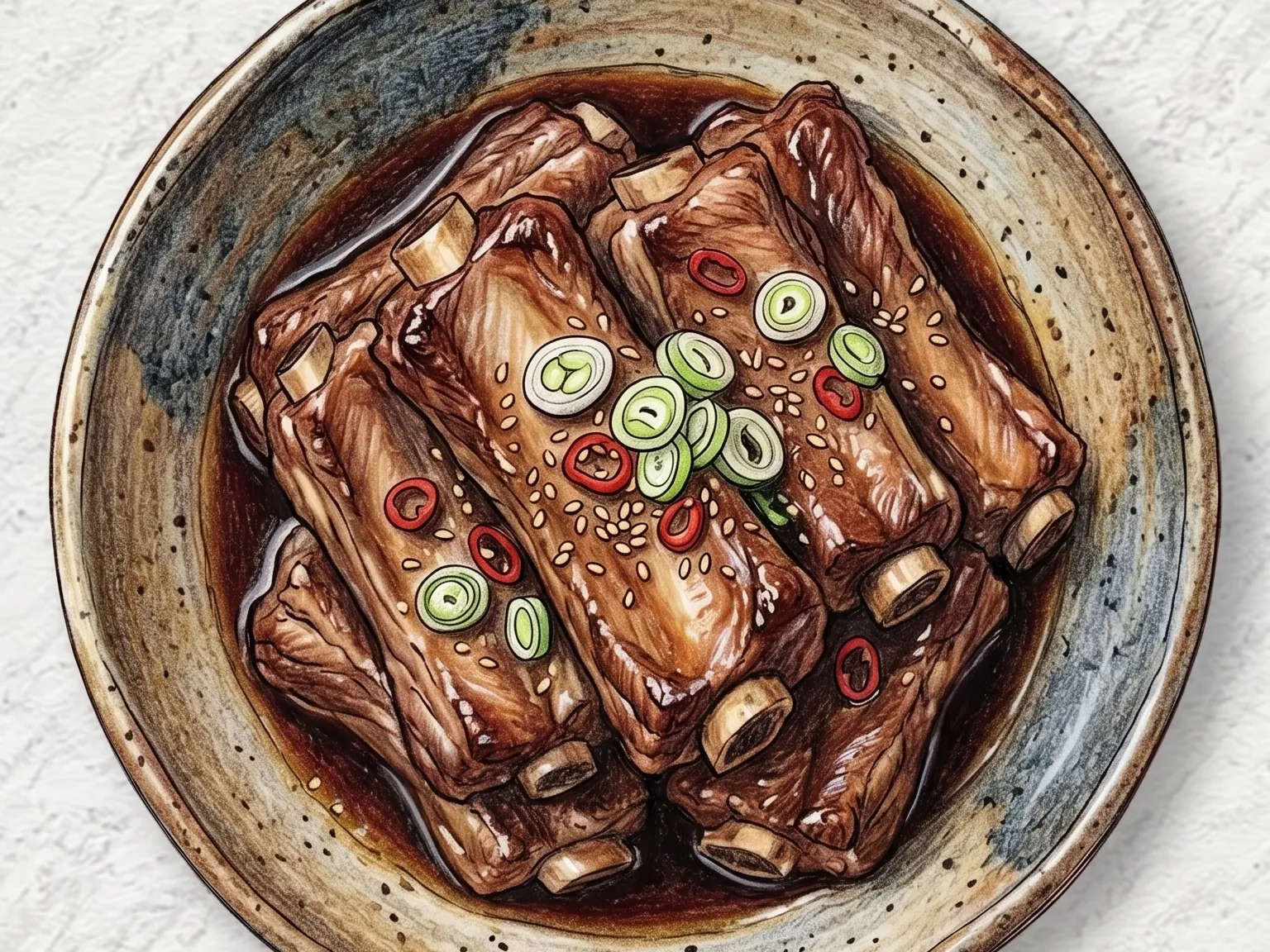
Soy Braised Pork Back Ribs
Steamed Medium

Soy Braised Pork Back Ribs

Tender pork back ribs deeply infused with a sweet and salty soy sauce, a family favorite.

  • Deunggalbi ganjang jorim performs a short parboil to ensure a clean soy glaze on pork back ribs.
  • 10-minute parboil strips blood and odor before the sauce can penetrate cleanly
Total time
80 min
Level
Medium
Servings
4 servings
Ingredients
10
Calories
550 kcal
Protein
42 g

Key ingredients

Pork Back RibsDark Soy SauceSugarPear JuiceMinced Garlic

Core cooking flow

  1. 1 Soak 800 g pork back ribs in cold water for 1 hour to draw out the blood, ch...
  2. 2 Parboil the ribs in boiling water for 10 minutes to remove impurities, then rinse under cold water.
  3. 3 Mix 6 tbsp dark soy sauce, 3 tbsp sugar, 100 ml pear juice, 2 tbsp garlic, 1...

Tender pork back ribs deeply infused with a sweet and salty soy sauce, a family favorite.

What Makes This Special

  • Deunggalbi ganjang jorim performs a short parboil to ensure a clean soy glaze on pork back ribs.
  • 10-minute parboil strips blood and odor before the sauce can penetrate cleanly
  • Pear juice breaks down proteins so ribs release from bone after 40-minute braise
  • Potato and carrot absorb braising liquid and condense its sweetness alongside meat
Prep 30min Cook 50min 4 servings
Recipes by ingredient → garlic potatoes carrot

Instructions

  1. 1

    Soak 800 g pork back ribs in cold water for 1 hour to draw out the blood, changing the water 1-2 times until it runs clear.

  2. 2

    Parboil the ribs in boiling water for 10 minutes to remove impurities, then rinse under cold water.

  3. 3

    Mix 6 tbsp dark soy sauce, 3 tbsp sugar, 100 ml pear juice, 2 tbsp garlic, 1/2 tsp ginger powder, and a pinch of pepper in a bowl.

  4. 4

    Add ribs, 500 ml water, and the sauce to a pot and bring to a boil over high heat. Skim any foam, then reduce to medium-low heat.

  5. 5

    Add 2 potatoes cut into large cubes and half a carrot sliced diagonally. Cover and braise for 40 minutes until the ribs are tender enough to pull away from the bone.

  6. 6

    When the sauce reduces and the ribs take on a glossy sheen, turn off the heat.

Tips

Adding soybean paste or whole black peppers during parboiling helps remove odors.
Using apple juice or cola instead of pear juice also tenderizes the meat.

Nutrition (per serving)

Calories
550
kcal
Protein
42
g
Carbs
25
g
Fat
32
g

Recipes to Cook Together

More Steamed →

Similar recipes

Korean Soy-Glazed Pork Back Ribs
Grilled Medium

Korean Soy-Glazed Pork Back Ribs

Dwaeji-deunggalbi ganjang-gui is a Korean soy-glazed pork back rib dish where thick cuts attached to the spine bone are coated in a glaze of dark soy sauce, honey, garlic, and ginger juice, then slow-roasted in an oven or grill. The thick meat requires at least two hours of refrigerated marination so the salt from the soy sauce and sweetness from the honey penetrate close to the bone, and during cooking the sugars in the glaze caramelize into a glossy, dark-brown crust. A two-stage cooking method defines the final texture: forty minutes covered at 180 degrees Celsius to cook the meat through completely, then ten minutes uncovered at higher heat to crisp the surface without drying out the interior. Ginger juice is not a replaceable ingredient here - it neutralizes the pork's gamey undertones, and leaving it out throws off the flavor balance noticeably. The ribs are eaten by pulling the meat from between the bones by hand, which makes them well suited as an anju - a drinking side dish - alongside beer or soju.

🍺 Bar Snacks
Prep 25min Cook 35min 4 servings
Korean Braised Pork Ribs
Steamed Medium

Korean Braised Pork Ribs

Dwaeji galbi-jjim is a Korean braised pork rib dish simmered in a soy sauce base with Korean radish, carrots, and onion. The ribs cook low and slow until the meat practically falls off the bone, absorbing the ginger- and garlic-infused braising liquid along the way. Soy sauce, sugar, and fermented depth from the ganjang build a savory-sweet profile without tipping into sweetness. The radish chunks turn translucent and soak up the seasoning, becoming as flavorful as the meat itself. Served with steamed rice, this is a hearty main course suited to cooler weather.

🏠 Everyday 🎉 Special Occasion
Prep 20min Cook 70min 4 servings
Korean Soy-Braised Black Beans
Steamed Medium

Korean Soy-Braised Black Beans

Kongjaban is a traditional Korean side dish of black soybeans slowly braised over low heat in a seasoning liquid of soy sauce, sugar, and corn syrup until the liquid reduces completely and the beans are glossy and lacquered. Starting with enough braising liquid is essential: the beans need time to absorb the seasoning gradually before the moisture evaporates, and rushing the heat causes scorching before the interiors have softened. As the liquid reduces, the sugars caramelize against the exterior of each bean, building the glossy dark coating that makes kongjaban recognizable on any Korean table. The soy sauce and sugar create a sweet-salty interplay that is quietly addictive, and sesame oil added at the very end contributes a nutty aroma that lingers. Soaking the dried beans overnight before boiling ensures a tender interior without losing the structural integrity that prevents them from turning to mush during the braise. Corn syrup keeps the exterior pliable and shiny even after the dish cools and is stored. Refrigerated in a clean container, kongjaban keeps for more than two weeks, which explains why it is one of the most consistently prepared staple side dishes in Korean households.

🏠 Everyday 🎉 Special Occasion
Prep 480min Cook 35min 4 servings
Korean Samgyeopsal Ganjang Jorim (Soy-Braised Pork Belly)
Steamed Medium

Korean Samgyeopsal Ganjang Jorim (Soy-Braised Pork Belly)

Samgyeopsal ganjang jorim is a Korean soy-braised pork belly dish where blanched pork belly is simmered with radish and onion in a soy sauce base for over forty-five minutes. Blanching first removes impurities and excess fat, leaving a clean-tasting braise. The long simmer allows soy sauce to penetrate the layered pork, building a deep flavor that is savory without being greasy. Radish chunks absorb the pork-enriched liquid and develop a richness of their own, while oligosaccharide syrup lends a natural sheen. Cooling and reheating concentrates the seasoning further, making this a strong choice for gatherings or holiday meals.

🏠 Everyday 🎉 Special Occasion
Prep 20min Cook 55min 4 servings
Korean Braised Pork with Garlic Chives
Steamed Easy

Korean Braised Pork with Garlic Chives

Pork shoulder is steamed with garlic chives in a seasoning of soy sauce, gochugaru, and cooking wine. The shoulder cut has fat distributed evenly through the muscle, so it stays moist during steaming and pulls apart naturally along the grain rather than turning dry or stringy. Garlic chives are piled generously over the pork before the lid goes on; as they steam they release moisture and a sweet, garlicky aroma that seeps down into the meat. Soy sauce penetrates deeply through the slow steam, and gochugaru gives the finished dish its red color and moderate heat. A finish of sesame oil and black pepper adds nuttiness and a sharp edge. The combination of savory depth and mild spice makes it a natural partner for plain steamed rice.

🏠 Everyday
Prep 20min Cook 35min 2 servings
Korean Soy Glazed Pork Neck Stir-fry
Stir-fry Medium

Korean Soy Glazed Pork Neck Stir-fry

Daepa moksal ganjang bokkeum is a quick stir-fry of thinly sliced pork neck with Korean large green onion, soy sauce, and oyster sauce. Pork neck has enough fat marbled through it to stay moist under high heat without drying out the way leaner cuts do, and the thin slicing ensures it cooks through in under two minutes. Soy sauce and oyster sauce hit the hot pan and caramelize quickly, forming a glossy coating on the meat's surface that is simultaneously salty, sweet, and slightly sticky. Onion releases its moisture as it cooks, naturally loosening the sauce and preventing it from thickening into a paste. The large green onion is cut on a diagonal into generous sections and added near the end - put in too early, it goes limp and loses its character, but added at the right moment, the edges char lightly while the inside turns translucent and releases a sweet, sharp fragrance that is distinct from the smaller variety. The combination of the caramelized meat and the barely-cooked green onion makes this an equally effective banchan over rice or an accompaniment to drinks.

🏠 Everyday 🍱 Lunchbox
Prep 15min Cook 14min 4 servings