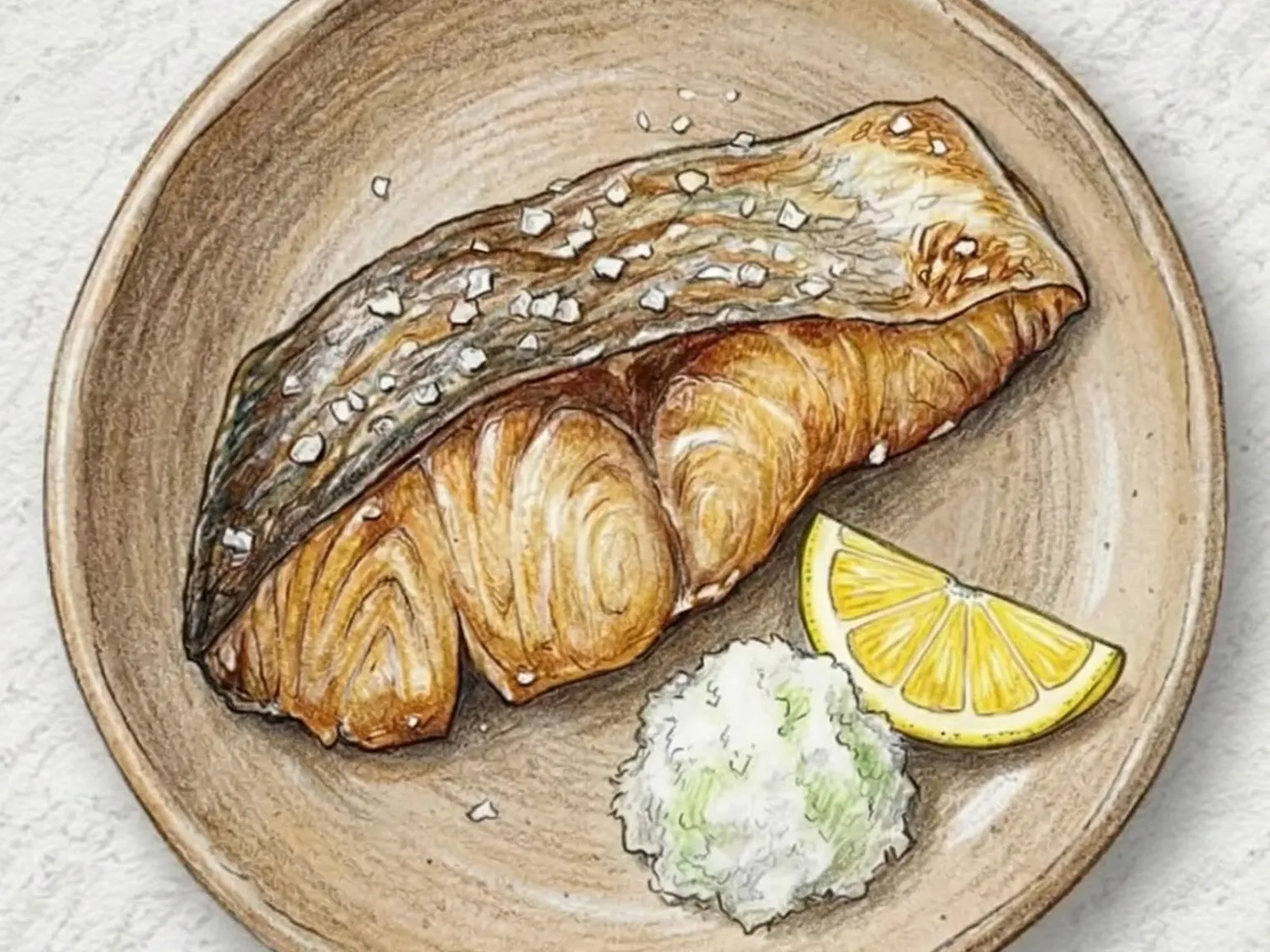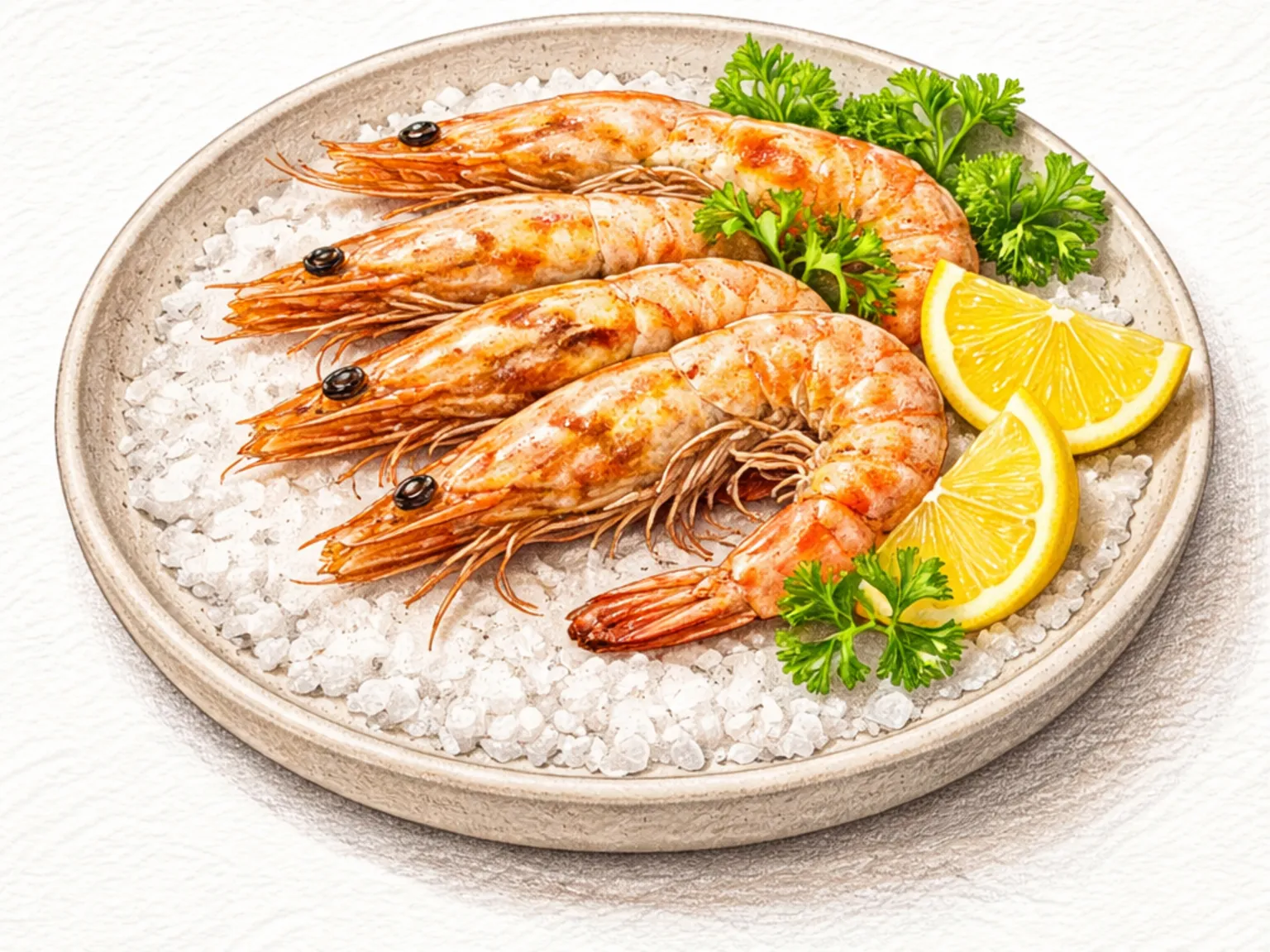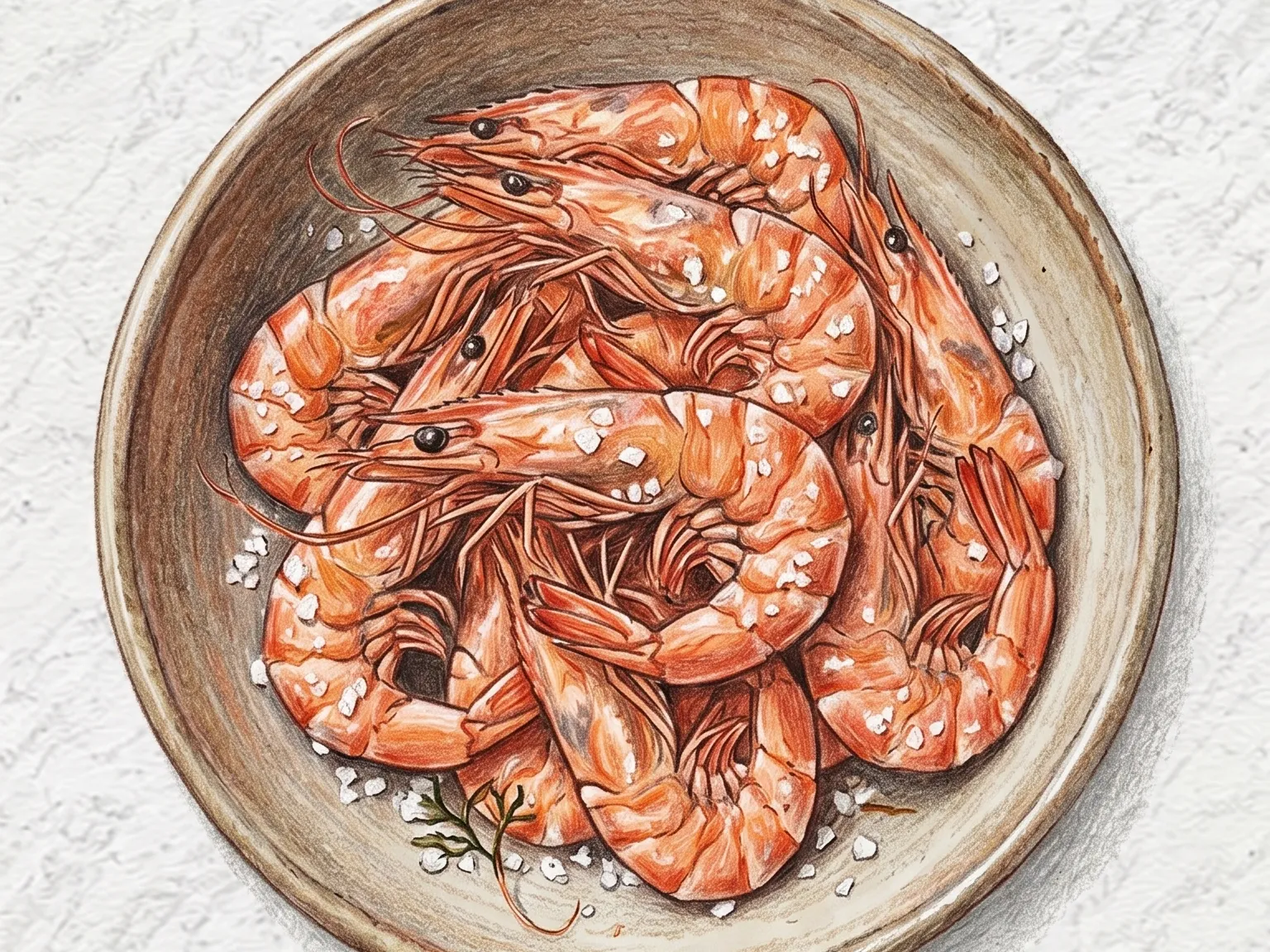
Salt-Grilled Dokdo Shrimp

Salt-Grilled Dokdo Shrimp

Quick answer

This dish features salt-grilled Dokdo shrimp, selecting flower or chicken shrimp caught near Dokdo island to highlight their natural flavor.

What makes this special

  • A bed of sea salt distributes heat evenly to preserve the sweet flavor of Salt-Grilled Dokdo Shrimp.
  • Salt bed distributes heat evenly and retains moisture as it steams
  • Only antennae trimmed; whole-body roast keeps liver umami intact
Total time
25 min
Level
Easy
Servings
2 servings
Ingredients
4
Calories
180 kcal
Protein
24 g

Key ingredients

Dokdo shrimpCoarse saltLemonCheongju (rice wine)

Core cooking flow

  1. 1 Rinse 10 Dokdo shrimp briefly under running water, then drain them in a colander.
  2. 2 Trim the long antennae with scissors, leaving about 5 cm so they do not burn in the pan.
  3. 3 Line a wide pan or pot with parchment paper and spread 1 cup coarse salt into an even 1 cm layer.

This dish features salt-grilled Dokdo shrimp, selecting flower or chicken shrimp caught near Dokdo island to highlight their natural flavor. The shrimp are rinsed, treated with rice wine to eliminate odor, and trimmed of long antennae while keeping the heads intact to preserve the rich umami flavor of the liver. A layer of coarse salt is spread over parchment paper in a pan and heated to distribute warmth evenly. The shrimp are arranged on the salt bed and cooked covered to trap moisture, preventing the flesh from drying. Once the shells turn bright red, they are turned and cooked briefly to ensure the meat remains tender instead of becoming tough. Squeezed lemon juice is applied before serving. The separated shrimp heads can be saved and stir-fried with butter to create an additional savory side dish.

Prep 15min Cook 10min 2 servings

Instructions

Read the steps as a cooking flow: prep, heat, seasoning, doneness control, and finish.

6 steps
  1. 1
    Control

    Rinse 10 Dokdo shrimp briefly under running water, then drain them in a colander.

    Sprinkle 1 tbsp cheongju evenly over the shrimp and let them stand for 5 minutes to reduce any fishy smell without soaking the shells.

  2. 2
    Prep

    Trim the long antennae with scissors, leaving about 5 cm so they do not burn in the pan.

    Make a shallow cut along the back, remove the vein carefully, and pat the shells very dry with paper towels.

  3. 3
    Control

    Line a wide pan or pot with parchment paper and spread 1 cup coarse salt into an even 1 cm layer.

    Preheat over medium heat for about 3 minutes, until the salt feels hot and dry underneath.

  4. 4
    Control

    When the salt is hot, arrange the shrimp on top without overlapping and cover with a lid.

    Cook over medium-high heat for 3 to 4 minutes, checking that the shells turn bright red and the shrimp steam inside.

  5. 5
    Control

    When most of the shells are a vivid red, turn the shrimp carefully with tongs.

    Cover again and cook only 2 minutes more, just until the color is even, so the meat does not shrink or turn tough.

  6. 6
    Finish

    Turn off the heat as soon as the shrimp are fully red and the flesh feels springy through the shell.

    Squeeze over the juice from half a lemon, serve hot, and reserve the heads separately if you want to cook them later.

After the steps

Pick a recipe that fits this dish.

Continue with shared ingredients, meal pairings, or a similar method.

Recipes That Go Well With This

More Grilled →

Based on shared ingredients and meal pairing

Korean Salt-Grilled Pork (Pork Belly and Neck BBQ)
Shared ingredient: coarse salt Grilled

Korean Salt-Grilled Pork (Pork Belly and Neck BBQ)

Doejigogi-gui is Korea's salt-grilled pork, made by seasoning thick-cut pork belly or pork neck with nothing but coarse salt and grilling over charcoal or on a cast iron pan. Because no marinade masks the flavor, the quality of the pork itself determines the outcome, and thick-cut belly requires patient cooking over medium heat so the fat layers render fully before the exterior chars -- rushing over high flame leaves the fat chewy and greasy rather than crisp. Blotting excess rendered fat from the pan with paper towels during cooking keeps the meat grilling rather than deep-frying and preserves the smoky char that defines the dish. Garlic slices cooked on the same pan alongside the pork add a mellow roasted note. The classic accompaniments -- sesame oil and salt for dipping, fresh lettuce or perilla leaves for wrapping, a dab of doenjang, and a sliver of cheongyang chili -- create the complete Korean barbecue experience, where a bite of rich pork, crunchy greens, and pungent condiments come together in one mouthful.

Korean Salt-Grilled Shrimp
Shared ingredient: coarse salt Drinks

Korean Salt-Grilled Shrimp

Saeu-sogeum-gui is a Korean salt-bed grilled shrimp prepared by spreading coarse salt in a heavy pan, laying whole shell-on shrimp over it, and covering with a lid to cook. The thick layer of heated salt acts as an indirect heat source that traps moisture inside the shells, so the shrimp flesh steams from within and retains its natural sweetness. After four minutes covered, the shrimp are flipped for three more minutes, then finished with a light coat of melted butter that adds richness on top of the salt's seasoning. Black pepper, chopped parsley, and a wedge of lemon complete the dish, proving that minimal ingredients and a simple technique can concentrate shrimp flavor more effectively than elaborate sauces.

Diet Konjac Fried Rice
Serve together Rice

Diet Konjac Fried Rice

Diet Konjac Fried Rice is a low-calorie alternative to traditional fried rice, featuring chicken breast, eggs, and vegetables. The key step involves rinsing the konjac rice and dry-frying it in a pan without oil. This technique evaporates excess moisture and transforms the wet grains into a firm, chewy texture. To overcome the bland flavor of konjac, the dish uses a small combination of soy sauce and oyster sauce seasoned along the edges of the pan. Chopped green onions and carrots are sautéed in oil before adding chicken breast. Pushing these ingredients to one side to scramble the eggs separately keeps the eggs tender instead of rubbery. Finishing with a pinch of black pepper completes the savory profile. For longer satiety, cooking the konjac grains mixed with regular rice in a one-to-one ratio is recommended.

Korean Grilled Gizzard Shad
Similar recipe Grilled

Korean Grilled Gizzard Shad

Jeoneo-gui is a grilled gizzard shad dish that captures the best of autumn, when this small fish is at peak fat content and flavor. The fish is scored on both sides with close, shallow cuts, rubbed with coarse salt, and left to rest for ten minutes before grilling. The resting time allows surface moisture to draw out, which reduces fishiness and creates the conditions for a properly crisp skin over a hot pan or grill. Gizzard shad has numerous fine, small bones that make the raw fish awkward to eat, but scoring densely and cooking over high heat softens the bones through heat, allowing the entire fish to be eaten without picking. A ginger soy dipping sauce - minced ginger, soy sauce, rice vinegar, and sliced cheongyang chili - accompanies the fish to cut through its notable oiliness, with the sharp ginger note neutralizing the fishy aroma. Autumn gizzard shad is so prized in Korea that the proverb says its grilling smell is enough to bring a daughter-in-law back home.

Serve with this

Refreshing Spicy Mulhoe Broth
Soups Easy

Refreshing Spicy Mulhoe Broth

Refreshing Spicy Mulhoe Broth is a Korean cold soup base for raw fish dishes. This recipe combines red pepper paste, red pepper powder, vinegar, sugar, plum syrup, and minced garlic. The mixture of six tablespoons of vinegar and two of plum syrup provides a double acidity that blocks fishy notes from seafood. Adding one hundred milliliters of lemon-lime soda introduces carbonation that lifts a bright, airy note in the broth. Alternatively, using pear juice instead of soda offers a sophisticated sweetness. To prepare, mix the paste first to remove dry pockets, stir in water, and add the soda last to preserve carbonation. Chill the broth for at least two hours or ferment it for a day to deepen the flavor. Serving it semi-frozen as a slushy lets the ice dilute the seasoning gradually as sashimi thaws.

🔥 Trending Now ⚡ Quick
Prep 15min Cook 5min 2 servings
Jayeom Seasoned Bean Sprouts
Side dishes Easy

Jayeom Seasoned Bean Sprouts

Jayeom seasoned bean sprouts is a simple Korean side dish that highlights the clean flavor of bean sprouts using traditional Jayeom salt. The cleaned bean sprouts are placed in a pot with a small amount of water and boiled under a closed lid for three to four minutes to keep them crisp. The sprouts are immediately rinsed in cold water to stop the cooking process and gently squeezed to remove excess water. The seasoning process begins by tossing the sprouts with Jayeom first, which is a mineral-rich traditional salt that provides a deep umami flavor with less saltiness than refined salt. Minced green onion, minced garlic, sesame oil, and ground sesame are then added and mixed gently with the fingertips to preserve the texture. This minimal seasoning allows the natural flavor of the sprouts to stand out.

🔥 Trending Now ⚡ Quick
Prep 5min Cook 5min 2 servings
Chicken Mu (Korean Fried Chicken Radish Pickle)
Kimchi Easy

Chicken Mu (Korean Fried Chicken Radish Pickle)

The crunchy, sweet-sour radish pickle served with every order of Korean fried chicken - now easy to make at home in under 15 minutes. Cubed radish is submerged in a cooled brine of vinegar, sugar, salt, and whole black peppercorns. Using fully cooled brine rather than hot is critical for maintaining the radish's firm, snapping crunch. Ready to eat after one day of refrigeration, its bright acidity cleanses the palate between bites of crispy chicken. Stored in a glass jar, this pickle keeps for over a week.

⚡ Quick 🏠 Everyday
Prep 10min Cook 5min 4 servings

Similar recipes

Korean Saeu Herb Sogeum Gui (Herb Salt Grilled Shrimp)
Grilled Easy

Korean Saeu Herb Sogeum Gui (Herb Salt Grilled Shrimp)

Saeu herb-sogeum-gui is Korean herb-salt grilled shrimp, where shell-on medium shrimp are deveined, tossed with olive oil, minced garlic, rosemary, thyme, and black pepper for ten minutes, then seared over high heat on a grill pan lined with a thin layer of coarse salt. Keeping the shells on prevents moisture loss during the intense heat, so the flesh stays moist while the shells themselves crisp into an edible, crunchy layer. Grilling on a salt bed distributes radiant heat evenly and draws surface moisture away from the shrimp, preventing the steaming effect that makes shellfish soggy. A finishing squeeze of lemon juice lifts the herb and garlic aromas while sharpening the shrimp's natural sweetness.

🍺 Bar Snacks 🥗 Light & Healthy
Prep 12min Cook 10min 2 servings
Korean Salt-Grilled King Prawns
Grilled Easy

Korean Salt-Grilled King Prawns

Daeha-sogeum-gui is a Korean salt-grilled king prawn preparation where whole shell-on prawns are placed directly on a bed of coarse sea salt and cooked over indirect heat. The salt draws out surface moisture while conducting steady, even heat beneath the shells, so the prawns essentially steam inside their own carapace and keep their flesh springy rather than contracted. Scoring the back with kitchen scissors and removing the intestinal tract before cooking eliminates any off-note from the gut, leaving only the clean, natural sweetness of the prawn. The precise moment to pull them from the heat is when the shells turn a solid bright orange, as any longer drives off the moisture that keeps the flesh tender. A squeeze of fresh lemon adds acidity that sharpens the natural umami without masking it, and the dish works well with no additional seasoning at all.

🍺 Bar Snacks 🎉 Special Occasion
Prep 15min Cook 12min 2 servings
Korean Shrimp Mandu (Chunky Shrimp and Pork Dumplings)
Street food Medium

Korean Shrimp Mandu (Chunky Shrimp and Pork Dumplings)

Saeu-mandu are Korean dumplings filled with coarsely chopped shrimp, ground pork, garlic chives, and onion. The shrimp is intentionally left in chunky pieces so each bite delivers a distinct pop of texture alongside the pork. The filling is seasoned with sesame oil and garlic, keeping the flavor clean with a gentle seafood sweetness underneath. Steaming turns the wrappers translucent and lets the pink shrimp show through, while pan-frying gives a golden, crisp bottom that contrasts with the soft upper shell.

🧒 Kid-Friendly 🏠 Everyday
Prep 25min Cook 12min 4 servings

Tips

Don't overcook or the meat will become tough; eat as soon as they turn red.
The heads are a delicacy when separated and stir-fried in butter.

Nutrition (per serving)

Calories
180
kcal
Protein
24
g
Carbs
1
g
Fat
2
g