Lobster Roll
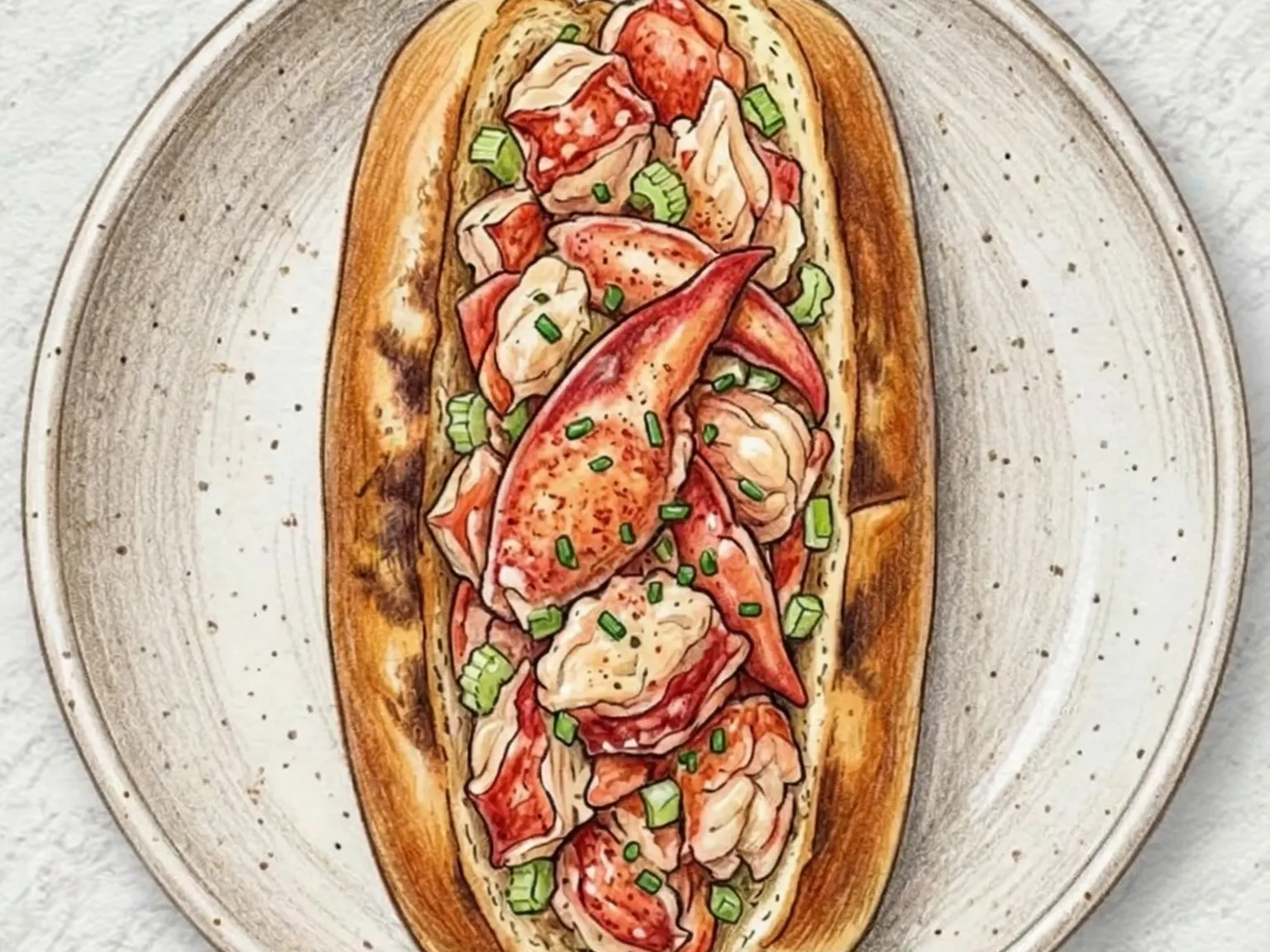
Lobster roll is a New England sandwich that fills a butter-toasted hot dog bun with chunks of cooked lobster meat tossed lightly in mayonnaise, lemon juice, and diced celery. Keeping the lobster pieces large enough to bite through is essential - overchopping turns the filling mushy and obscures the natural sweetness of the shellfish. Only a small amount of mayonnaise is used so it binds the meat without masking its flavor, while the lemon juice provides a sharp acidity that keeps the richness in check. Toasting the flat sides of the bun in butter creates a crisp, golden exterior that contrasts with the cool, tender filling inside. Served chilled in the classic cold style, the lobster roll is a simple but indulgent summer meal.
Adjust Servings
Instructions
- 1
Chop the lobster meat into rough chunks.
- 2
Mix mayonnaise, lemon juice, and celery; fold in the lobster.
- 3
Toast the bun on both flat sides in butter until golden.
- 4
Fill the toasted bun generously with the lobster mixture.
As an Amazon Associate, we may earn from qualifying purchases.
Tips
Nutrition (per serving)
More Recipes

Jambalaya
Jambalaya is a Louisiana Creole one-pot dish where chicken, andouille sausage, and shrimp cook together with rice in a spiced tomato broth. Browning the sausage and chicken first renders fat and develops deep flavor, then the Cajun holy trinity of onion, celery, and bell pepper is sauteed in the drippings until softened. Tomatoes, Cajun seasoning, rice, and chicken stock are added and brought to a boil, then covered and simmered on low heat so the rice absorbs the seasoned liquid as it cooks. The shrimp go in only during the final two to three minutes - adding them earlier causes them to toughen and lose their firm, bouncy texture. Each grain of rice carries the smoky, spicy character of the broth, making the dish a complete meal from a single pot.

Muffuletta Sandwich (New Orleans Italian Olive Salad Sandwich)
Muffuletta sandwich starts with a round Italian loaf split horizontally and hollowed slightly, then spread generously on both cut sides with olive salad - a mix of chopped green and black olives dressed in olive oil. Layers of salami, ham, mortadella, and provolone cheese are stacked inside, and the sandwich is wrapped tightly and pressed for at least 20 minutes so the olive oil soaks into the bread and melds the flavors together. The briny, tangy olive salad is what distinguishes the muffuletta from other deli sandwiches, cutting through the richness of the cured meats and aged cheese. Making it ahead and refrigerating allows the flavors to deepen further. No cooking is involved - just assembly and pressing - making it an ideal choice for picnics and gatherings.

Croque Monsieur (Béchamel Ham and Cheese Melt)
Croque monsieur is a Parisian café classic built on a smooth béchamel sauce made from a butter-flour roux whisked with warm milk. One slice of white bread is spread with Dijon mustard before being layered with sliced ham and grated Gruyère cheese. The second slice tops the sandwich, which then gets a generous coat of béchamel and more cheese on the upper surface. Baking at 200 degrees Celsius for ten minutes melts the interior filling, and a brief three-minute broil creates a golden, bubbling crust on top. The mustard's pungent sharpness balances the salty richness of ham and cheese, keeping the overall flavor clean.

Shrimp Po' Boy
Shrimp po' boy is a New Orleans sandwich built by breading shrimp in a sequence of flour, egg wash, and breadcrumbs, then frying at 170 degrees Celsius for two to three minutes until the coating turns deep golden and audibly crisp. Patting the shrimp completely dry before breading is essential - any residual moisture prevents the flour from adhering evenly and causes the crust to fall apart in the oil. A quick remoulade made from mayonnaise and chopped pickles provides a tangy, creamy contrast to the fried shrimp's richness. The baguette is split and warmed slightly so it stays sturdy enough to hold the filling without going soft. Layering shredded lettuce between the sauce and shrimp adds a cool, crisp texture that rounds out each bite.

California Roll
The California roll was created in the early 1970s, most likely by Japanese chefs working in Vancouver or Los Angeles who needed to make sushi appealing to North American diners unfamiliar with raw fish. The inside-out construction - rice on the outside, nori hidden within - was a deliberate inversion designed to disguise the dark seaweed that Western eaters initially found off-putting. Imitation crab (surimi), ripe avocado, and cucumber form the filling, providing a mild, creamy, and crunchy combination that requires no acquired taste. The rice is seasoned with vinegar, sugar, and salt, then rolled carefully so the grains hold together without being compacted. Tobiko or sesame seeds pressed into the outer rice layer add visual appeal and a subtle pop or nuttiness. Though dismissed by sushi purists, the California roll served as a gateway that introduced millions of Westerners to Japanese food and paved the way for the global sushi industry. It remains the single most ordered sushi roll in North America.

Korean Young Radish Kimchi
Young radish greens and their slender stems are salted briefly, dressed in a gochugaru-based paste, and fermented into a kimchi synonymous with Korean summer. The greens are more delicate than mature radish, absorbing the seasoning quickly while retaining a refreshing crunch that lasts well into fermentation. Gochugaru and anchovy fish sauce form the backbone of the paste, delivering heat and deep umami in equal measure, while garlic lends a pungent undercurrent that mellows as the fermentation progresses. Once dressed, the radish greens release their own moisture, creating a naturally occurring brine that becomes the hallmark of yeolmu kimchi: a tangy, chili-flecked liquid that can be spooned over cold noodles or rice. Even half a day at room temperature kicks off the fermentation, introducing a sharp, fizzy acidity that signals the kimchi is alive. Transferring it to the refrigerator slows the process and stabilizes the flavor at a bright, appetizing sourness. Draped over bibim-guksu or naengmyeon, it brings a cooling, spicy bite that defines the Korean summer table.