Omija Bead Ice Cream
Desserts Medium

Omija Bead Ice Cream

Quick answer

This dessert features omija syrup shaped into small frozen spheres using a molecular gastronomy technique.

What makes this special

  • Omija bead ice cream uses chilled oil drops to form frozen spheres of tart five-flavored berry juice.
  • Drops fall into chilled oil to form beads, a molecular technique
  • Omija's five-flavor profile concentrated into each tiny sphere
Total time
20 min
Level
Medium
Servings
2 servings
Ingredients
5
Calories
120 kcal
Protein
1 g

Key ingredients

Omija syrupWaterMilkYogurt powderCooking oil (chilled)

Core cooking flow

  1. 1 Combine 100ml omija syrup with 200ml water and stir well to make a deep pink...
  2. 2 Add 50ml milk and 1 tablespoon yogurt powder to the second bowl of omija jui...
  3. 3 Pour 500ml cooking oil into a deep cup and chill in the freezer for at least...

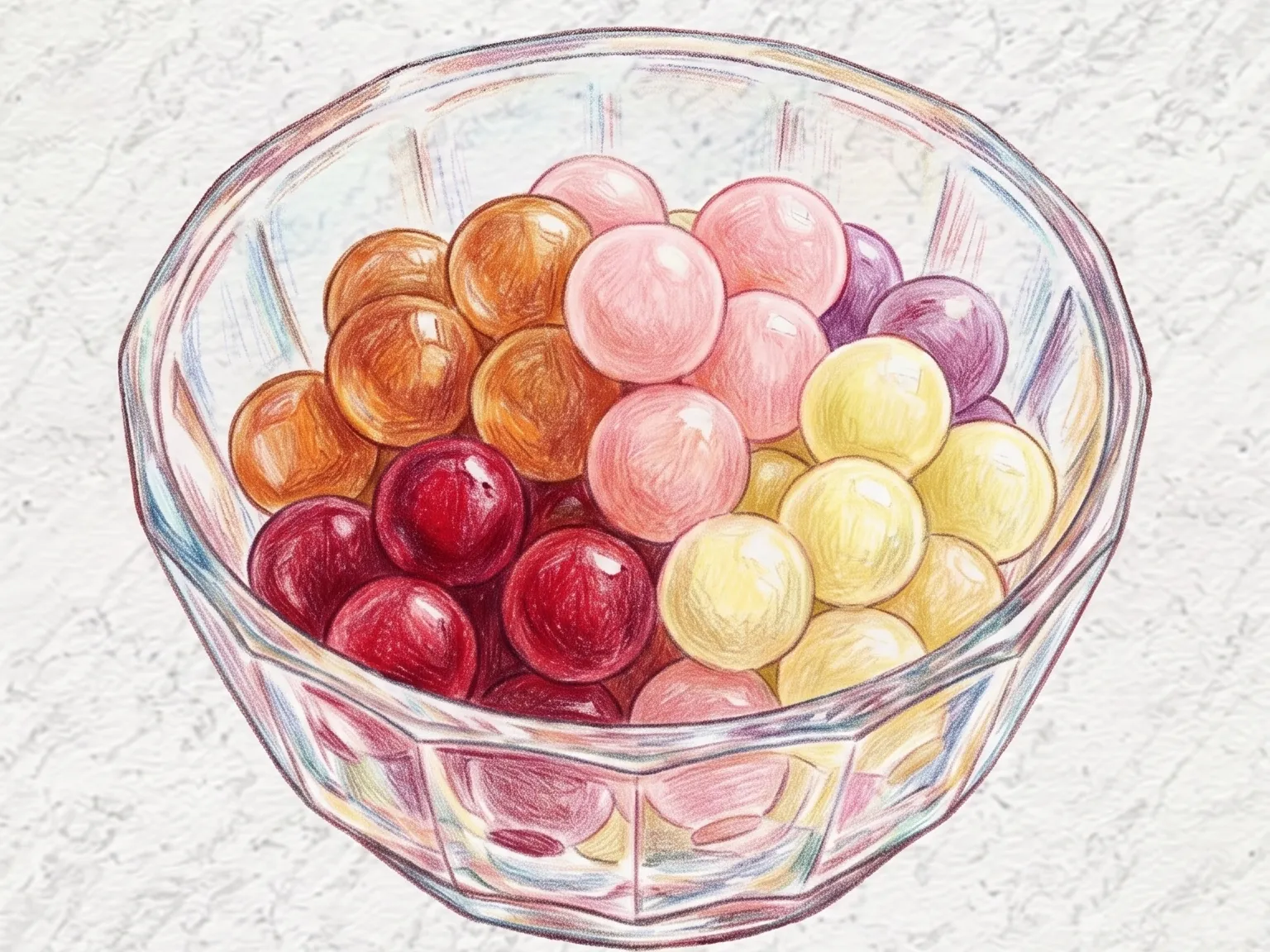
This dessert features omija syrup shaped into small frozen spheres using a molecular gastronomy technique. The natural five-flavored profile of omija berries is concentrated into each tiny bead. The recipe uses two types of base mixtures: a clear pink omija juice and an opaque pink liquid made by blending the juice with milk and yogurt powder. These liquids are dropped from a pipette into a cup of cooking oil that has been chilled in the freezer for at least one hour. Upon contact with the cold oil, the droplets solidify into round spheres. The frozen beads are scooped out with a strainer, rinsed in cold water to remove the oil coating, and stored in the freezer. The clear red and milky pink beads are served mixed together, and they can also be added to sparkling water to make a beverage.

Prep 20min 0 2 servings
Recipes by ingredient → milk

Instructions

Read the steps as a cooking flow: prep, heat, seasoning, doneness control, and finish.

6 steps
  1. 1
    Prep

    Combine 100ml omija syrup with 200ml water and stir well to make a deep pink omija juice, then divide into two bowls.

  2. 2
    Step

    Add 50ml milk and 1 tablespoon yogurt powder to the second bowl of omija juice and stir until the liquid is opaque pink.

  3. 3
    Heat

    Pour 500ml cooking oil into a deep cup and chill in the freezer for at least 1 hour until very cold so the omija drops solidify the moment they hit the oil.

  4. 4
    Step

    Using a dropper or small spoon, slowly drop the omija liquid into the cold oil one drop at a time, letting each drop solidify into a sphere before adding the next.

  5. 5
    Step

    Carefully scoop the solidified beads out of the oil with a fine strainer and rinse gently in cold water to remove the oil coating.

  6. 6
    Finish

    Pat dry, place in an airtight container, and freeze until serving; arrange a mix of the clear and opaque pink beads on a plate and serve cold.

After the steps

Pick a recipe that fits this dish.

Continue with shared ingredients, meal pairings, or a similar method.

Recipes That Go Well With This

More Desserts →

Based on shared ingredients and meal pairing

Misugaru Grain Ice Cream
Shared ingredient: milk Desserts

Misugaru Grain Ice Cream

Misugaru Grain Ice Cream is a frozen dessert made by blending roasted multi-grain powder with milk and heavy cream. The misugaru is whisked into milk to dissolve any lumps before honey, condensed milk, and a pinch of salt are added to establish a sweet, nutty base. Separately, heavy cream is whipped to soft peaks and gently folded into the mixture using J-shaped strokes to maintain aeration. The mixture is placed in a shallow container to freeze. To achieve a smooth texture, the surface is scraped with a fork every hour for three hours, breaking up ice crystals. Using black bean grain powder provides a richer taste, and topping the ice cream with chopped nuts adds a crunchy contrast to the creamy texture.

Watermelon Punch
Shared ingredient: milk Desserts

Watermelon Punch

Subak hwachae is a Korean summer punch that uses half its watermelon blended and strained into a smooth juice base, with the other half scooped into balls as garnish. Mixing the watermelon juice with milk creates a pink, creamy foundation, and lemon-lime soda is stirred in just before serving to preserve its fizz. Adding strawberries and blueberries introduces an acidic brightness and color contrast that watermelon alone lacks, and generous ice keeps the drink cold enough for the fruit aromas to stay sharp. Chilling the watermelon juice thoroughly before combining it with milk is essential to prevent the two liquids from separating. The layered colors of red watermelon, deep blueberries, and vivid strawberries in a single bowl make it as visually striking as it is refreshing, turning a straightforward summer drink into something worth presenting at the table.

Korean Ramen Tteokbokki (Spicy Rice Cake and Ramen Noodle Stir-Fry)
Serve together Street food

Korean Ramen Tteokbokki (Spicy Rice Cake and Ramen Noodle Stir-Fry)

Rabokki is a popular Korean street food that combines chewy rice cakes and ramen noodles in a sweet and spicy sauce. The base sauce is made by dissolving gochujang, gochugaru, soy sauce, and sugar in water, then bringing the mixture to a boil. Rice cakes are added first and cooked for five minutes to absorb the flavors, followed by fish cakes and the ramen noodle block, which simmer for another three minutes. This sequential cooking prevents the noodles from becoming mushy while allowing them to absorb the concentrated, starchy sauce. Adding half a packet of the ramen seasoning powder is an option to increase the umami flavor. Once the broth reduces to a thick glaze, the dish is finished with chopped green onions and boiled eggs, and served hot before the noodles lose their springy texture.

Schisandra Fruit Punch (Korean Cold-Brewed Berry Fruit Bowl)
Similar recipe Desserts

Schisandra Fruit Punch (Korean Cold-Brewed Berry Fruit Bowl)

Omija hwachae is a traditional Korean fruit punch made by cold-infusing dried schisandra berries in water for at least two hours to extract a vivid red liquid, then sweetening with honey. Cold extraction is not optional: hot water pulls excess astringency from the berries and makes the liquid harsh rather than bright. Only a small portion of the infusion is gently warmed to dissolve the honey before the two are combined. Scooped balls of Korean pear and watermelon sit submerged in the chilled omija broth, so each spoonful delivers a crisp, juice-filled bite against the tart-sweet liquid. Pine nuts floated on the surface add a mild fatty richness that tempers the sharpness of the schisandra acid, and serving the hwachae over generous ice keeps every component at its most vivid.

Serve with this

Korean Dalgona Coffee (Whipped Instant Coffee Foam Milk)
Drinks Easy

Korean Dalgona Coffee (Whipped Instant Coffee Foam Milk)

Dalgona coffee is made by whipping equal parts instant coffee, sugar, and hot water with a hand mixer for three to five minutes until stiff, caramel-colored peaks form, then spooning the foam over iced milk. The whipped layer carries a concentrated, bittersweet coffee flavor that gradually blends into the cold, neutral milk below as you stir. A light dusting of cocoa powder on top introduces a faint chocolate note, and increasing the sugar slightly helps the whipped cream hold its stiff structure longer.

🍺 Bar Snacks 🧒 Kid-Friendly
Prep 8min 2 servings
Dasik (Korean Honey-Pressed Roasted Grain Confection)
Baking Easy

Dasik (Korean Honey-Pressed Roasted Grain Confection)

Dasik is a traditional Korean pressed confection made by kneading roasted grain or nut powders with honey and pressing the mixture into carved wooden molds. Unlike baked goods, dasik holds its shape entirely through the binding power of honey, with no heat applied during preparation. This technique produces a texture that is slightly resistant at first contact, then dissolves gently at body temperature in a way that releases the full aroma of the main ingredient. Roasted soybean powder yields a nutty version, black sesame produces a deeply aromatic one, and additions of pine nut powder or cinnamon develop the flavor in different directions. The wooden molds carve decorative patterns into the surface of each piece, giving dasik a visual refinement that matches its restrained sweetness. For centuries, dasik has been a standard offering at Korean tea gatherings, and its subtle flavor remains a natural match for the gentle bitterness of green tea.

🧒 Kid-Friendly ⚡ Quick
Prep 20min 4 servings
Kasespatzle (German Alpine Cheese Dumpling Noodles)
Western Medium

Kasespatzle (German Alpine Cheese Dumpling Noodles)

Kasespatzle is an Alpine comfort dish from southern Germany and Austria, made by boiling a thick batter of flour, eggs, and milk into small dumplings, then tossing them with melted Emmental cheese and caramelized onions. The batter must maintain a thick consistency rather than being runny - this is what gives the spaetzle their characteristic chew when boiled and drained. Sliced onion is slowly cooked in butter over low heat until deeply browned, transforming the raw sharpness into a concentrated sweetness. The cooked spaetzle and grated cheese are combined in a hot pan so the cheese melts and coats every dumpling. Topped with the caramelized onions and black pepper, the dish is served immediately while the cheese is still molten and stretchy.

🎉 Special Occasion 🧒 Kid-Friendly
Prep 20min Cook 20min 2 servings

Similar recipes

Cinnamon Persimmon Ice (Korean Spiced Punch Scraped Ice Dessert)
Desserts Easy

Cinnamon Persimmon Ice (Korean Spiced Punch Scraped Ice Dessert)

Sujeonggwa granita converts the traditional Korean cinnamon-ginger punch into a flaky frozen dessert by sweetening the steeped liquid with dark brown sugar and then breaking it into coarse crystals through repeated scraping. Cinnamon sticks and fresh ginger are simmered in water for at least twenty minutes to draw out the full depth of both spices before being strained. The sweetened liquid is poured into a shallow metal tray, which chills more quickly and freezes more evenly than deep containers. Every hour for three to four rounds a fork is dragged through the solidifying surface, breaking up any sheets of ice and encouraging the formation of separate, granular crystals. Scraping more frequently and starting promptly after the first hour produces a finer, more uniform texture, while leaving it too long between sessions allows solid blocks to form that are harder to break up. The spice compounds concentrate into each ice shard as the water freezes around them, so the granita delivers a cold but intensely flavored mouthful at every bite. Thin strips of dried persimmon and pine nuts placed on top before serving add the same garnishes used in traditional sujeonggwa: the persimmon brings a sticky chewiness and concentrated sweetness, while the pine nuts contribute a mild, buttery richness that contrasts with the crunchy, crystalline ice beneath.

🧒 Kid-Friendly
Prep 15min Cook 25min 4 servings
Omija Cream Cheese Muffins (Korean Schisandra Muffins)
Baking Medium

Omija Cream Cheese Muffins (Korean Schisandra Muffins)

Soft muffin batter is dotted with cubes of cream cheese and swirled with omija syrup, then baked until the tops dome and crack. The cream cheese melts partially in the oven, creating dense, tangy pockets that contrast with the airy crumb around them. Omija - the Korean five-flavor berry - adds a layered tartness that goes beyond simple fruit sourness, carrying faint bitter, peppery, and salty undertones that make each bite more complex than a typical fruit muffin. The cream cheese smooths out the omija's sharper edges, acting as a rich buffer between the berry's intensity and the sweet batter. A final brush of omija syrup over the warm muffin tops deepens the pink color and reinforces the berry flavor on the crust, where it concentrates into a thin, tacky glaze.

🧒 Kid-Friendly
Prep 25min Cook 22min 4 servings
Korean Street Waffle (Crispy Folded Waffle with Jam and Cream)
Street food Easy

Korean Street Waffle (Crispy Folded Waffle with Jam and Cream)

Gilgeori waffle is a Korean street stall dessert made from a thin batter of cake flour, egg, milk, and melted butter, cooked in a waffle iron and folded around a filling of strawberry jam and whipped cream. Using cake flour and mixing the batter only until just combined keeps gluten development minimal, which is what produces the characteristic contrast between a crisply patterned exterior and a soft, airy interior. Overmixing develops gluten strands that result in a tough, chewy texture after baking. The waffle iron must be fully preheated before the batter is poured to ensure sharp grid definition and even browning, and a generous coating of oil or butter on the plates prevents sticking. Immediately after cooking, the waffle holds trapped steam inside its pockets, so a brief rest on a cooling rack is important -- skipping this step causes condensation to collect underneath, making the bottom layer soggy before the filling even goes in. Because the batter itself carries only a light butter fragrance rather than heavy richness, the gentle dairy sweetness of the cream and the tangy brightness of the strawberry jam come through with clarity. Folded in half and held in one hand, the waffle is designed for eating while walking -- a functional form that is central to its identity as street food.

🧒 Kid-Friendly ⚡ Quick
Prep 12min Cook 10min 2 servings

Tips

The oil must be cold enough for the drops to harden into spheres immediately.
Adding these to sparkling water creates a fun, popping bead ade.

Nutrition (per serving)

Calories
120
kcal
Protein
1
g
Carbs
28
g
Fat
0
g