Snow Crab Boiling Seafood
Quick answer
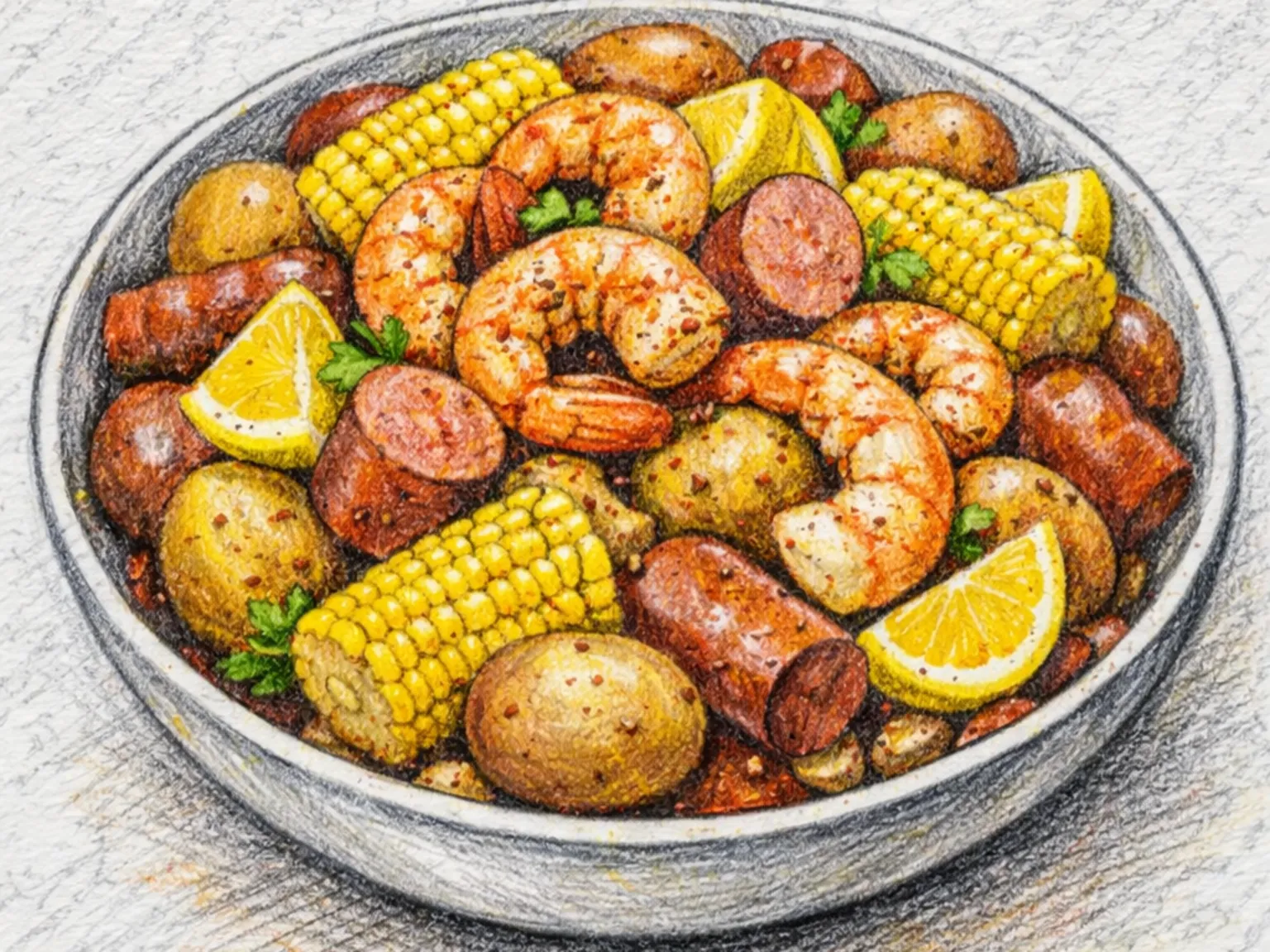
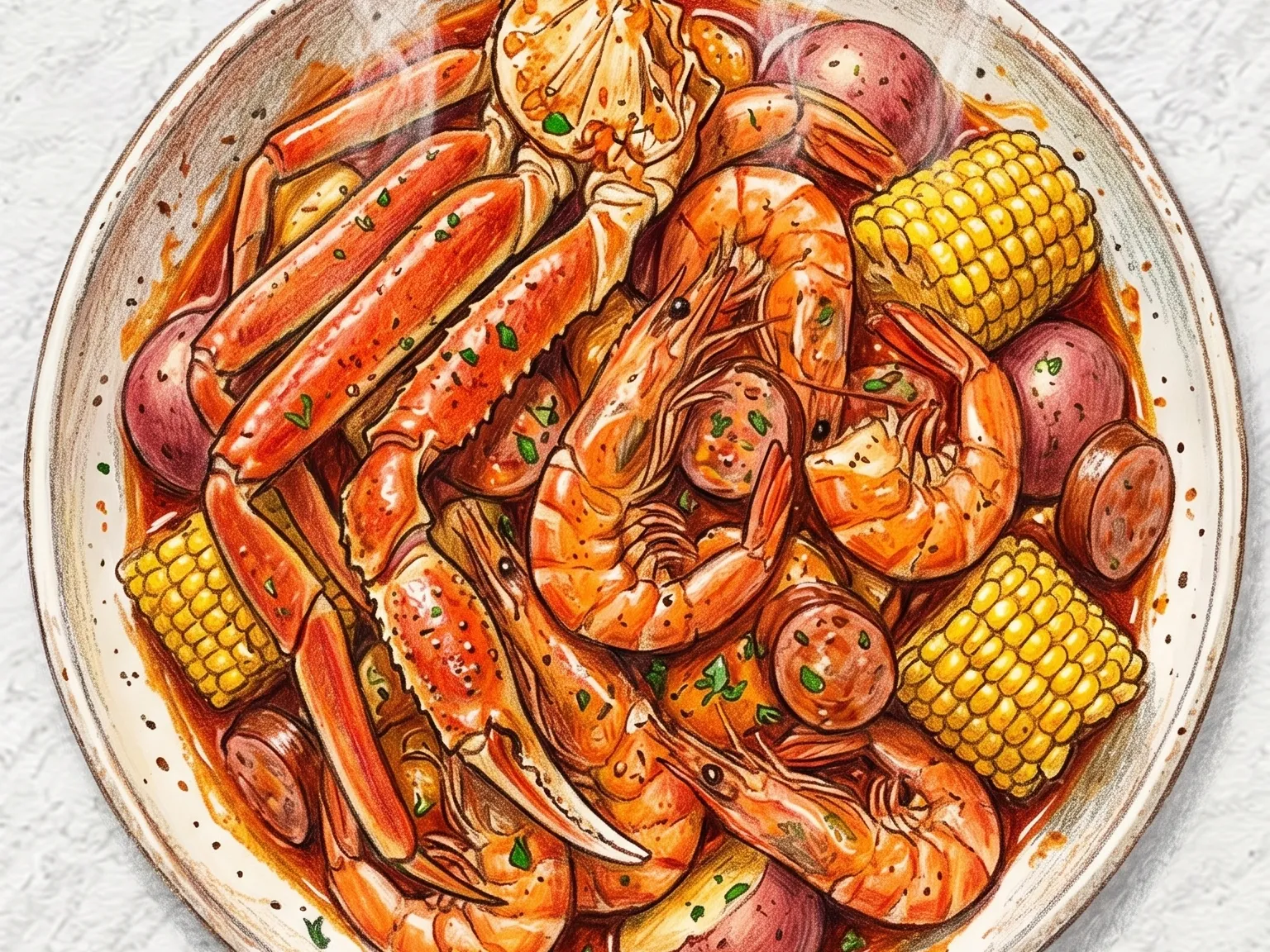
A Southern American-style seafood boil featuring snow crab and seafood in spicy Cajun sauce.
- Snow crab boiling seafood coats clusters and shellfish in a heavy garlic and Cajun spice butter.
- 100g butter bloomed with 3 tbsp garlic carries Cajun spice into every piece
Key ingredients
Core cooking flow
- 1 Cut potatoes and corn into pieces and boil them beforehand until tender.
- 2 Clean the snow crab and shrimp, then steam them for about 10 minutes.
- 3 Melt butter in a pan and sauté minced garlic until fragrant.
A Southern American-style seafood boil featuring snow crab and seafood in spicy Cajun sauce.
What Makes This Special
- Snow crab boiling seafood coats clusters and shellfish in a heavy garlic and Cajun spice butter.
- 100g butter bloomed with 3 tbsp garlic carries Cajun spice into every piece
- Shaking in a bag forces sauce into snow crab shell gaps evenly
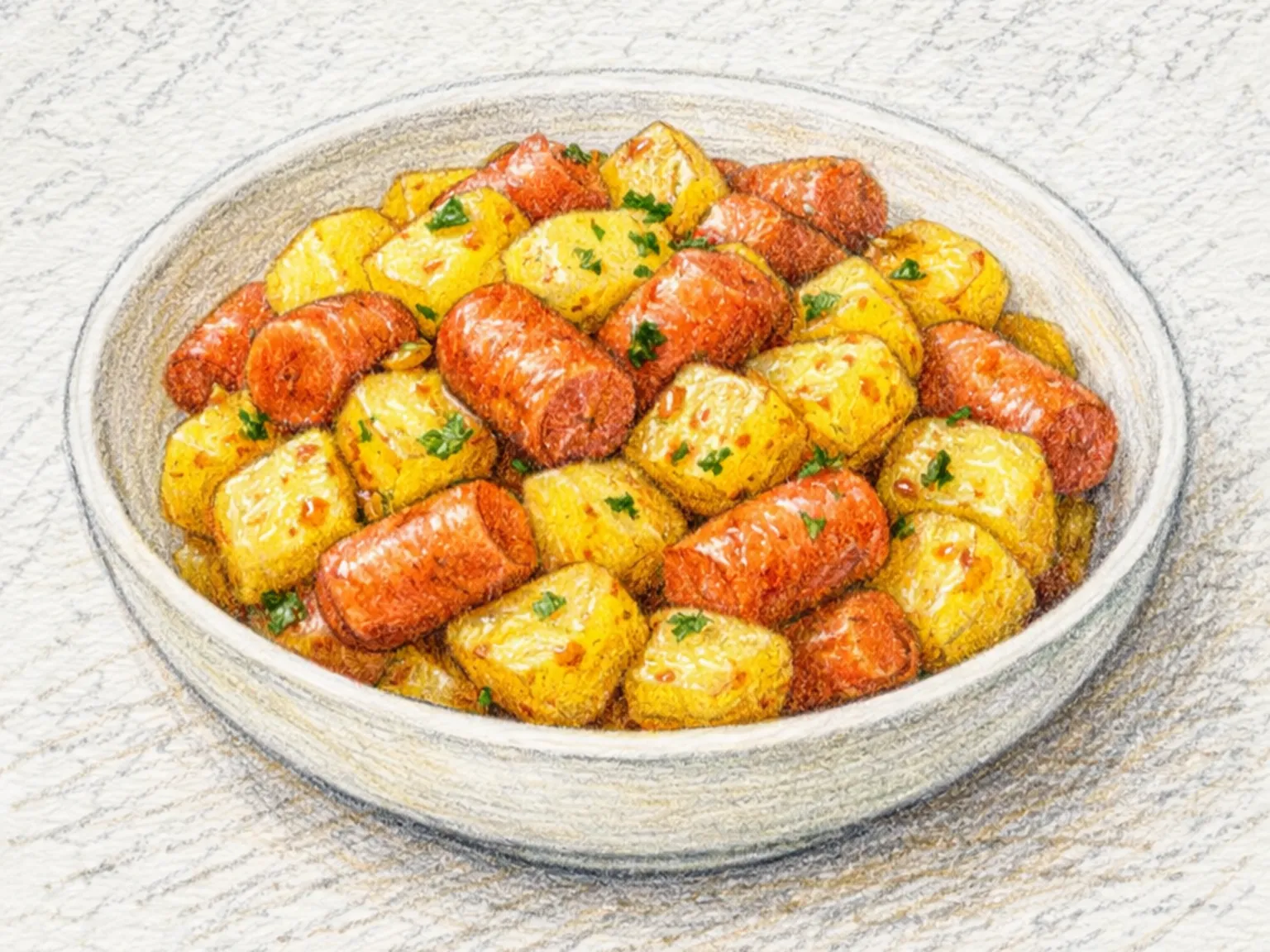
- Potatoes, corn, and sausage absorb Cajun butter at different rates
Instructions
- 1
Cut potatoes and corn into pieces and boil them beforehand until tender.
- 2
Clean the snow crab and shrimp, then steam them for about 10 minutes.
- 3
Melt butter in a pan and sauté minced garlic until fragrant.
- 4
Add Cajun seasoning and red chili powder to create the spicy sauce.
- 5
In a large bowl or plastic bag, combine all ingredients and sauce, then shake well.
- 6
Serve with lemon wedges spread out on the table to enjoy freely.
Tips
Nutrition (per serving)
Recipes to Cook Together
More Western →Serve with this
Real Pineapple Sherbet
A refreshing and cool fruit sherbet dessert made inside a hollowed-out pineapple.
Lentil Kale Salad
Lentil kale salad pairs the tender yet distinctly grainy bite of cooked green lentils with sturdy kale leaves, resulting in a bowl that satisfies like a full meal rather than a side salad. The vinaigrette of Dijon mustard, lemon juice, and olive oil does two things at once -- it brightens the kale's natural bitterness into something lively and it acts as the marinade that softens the leaves during the massage step. Massaging the kale by hand for about a minute before dressing it is the step that transforms the texture from tough and fibrous into something genuinely pleasant to chew, and it also opens up the leaf surface so the dressing clings rather than sliding off. Lentils benefit from careful timing: twenty to twenty-five minutes of simmering leaves them cooked through with a slight resistance at the center, and overcooking past that point turns them mushy and strips the salad of its textural contrast. Julienned carrot adds natural sweetness and a pop of color that keeps the bowl from looking uniformly green. Roughly chopped walnuts contribute a rich crunch and healthy fat that rounds out the nutritional profile. A shaving of Parmesan or a handful of roasted chickpeas makes a straightforward addition when more substance or complexity is wanted.
Citrus Espresso Tonic with Orange
Espresso tonic is a carbonated coffee drink built by slowly pouring espresso over chilled tonic water to form two distinct layers. The tonic must be thoroughly cold to maintain stable carbonation throughout; cooling the espresso for about thirty seconds before pouring it over a spoon produces a clean separation between the two liquids. The quinine bitterness in the tonic water meets the espresso's roast bitterness, creating a balanced interplay rather than one-note sharpness. Orange slices and lemon peel garnish the glass, releasing citrus oils that rise with the bubbles. Specialty espresso with pronounced fruit acidity works particularly well here, harmonizing with the tonic's effervescence and lending natural sweetness without added sugar. Pre-chilling the glass with ice before adding the tonic helps preserve carbonation. The drink gained popularity in Scandinavian coffee culture during the 2010s before spreading worldwide.
Kimchi Bacon Mac and Cheese
Kimchi bacon mac and cheese layers aged kimchi's lactic tang and smoky bacon into a classic American cheddar cheese sauce over elbow macaroni. A butter-flour roux forms the base, with milk whisked in to build a béchamel before cheddar is melted into a thick, clinging sauce. Crisp bacon pieces add salt and crunch throughout, while chopped ripe kimchi introduces fermented acidity that counteracts the richness of the cheese. A pinch of gochugaru runs underneath with mild, warming heat. The tubular macaroni shape traps sauce inside and out, ensuring each forkful carries the full spectrum of creamy, tangy, and smoky flavors.
Similar recipes
Shrimp Boil
Shrimp boil is a Southern American one-pot dish where ingredients are added to seasoned boiling water in stages according to their cooking time. Potatoes go in first and cook for about ten minutes, followed by corn on the cob and smoked sausage for another seven minutes, and shrimp last for just two to three minutes. This staggered approach ensures every component reaches the table properly cooked - potatoes tender, corn sweet and snappy, sausage heated through, and shrimp firm rather than rubbery. The drained pile is tossed with melted butter and fresh lemon juice, which adds richness and acidity on top of the paprika-seasoned broth. Traditionally served poured out onto newspaper for communal eating by hand.
Shrimp Cocktail
Shrimp cocktail is an American appetizer where large shrimp are poached briefly in water seasoned with lemon and salt, then shocked immediately in ice water to halt cooking and lock in a firm, snappy texture. The poaching time is critical - two to three minutes is enough for the shrimp to turn pink and curl slightly, and any longer makes them tough. The cocktail sauce combines ketchup's sweetness, prepared horseradish's sinus-clearing heat, and Worcestershire sauce's fermented depth into a dip that elevates the clean, mild flavor of chilled shrimp. Resting the finished sauce in the refrigerator for at least ten minutes allows the flavors to meld while sharpening the horseradish's bite.
Pulled Pork Sandwich
Pulled pork sandwich starts with pork shoulder rubbed in salt and paprika, then slow-cooked for two and a half to three hours with onion and garlic until the connective tissue converts to gelatin and the meat shreds effortlessly with two forks. The low-and-slow method delivers a tenderness that faster cooking cannot replicate. Tossing the shredded meat in barbecue sauce layers smoky sweetness and tang over the deep pork flavor, while lightly toasted buns provide a crisp contrast to the moist filling. Making the pork a day ahead and refrigerating it lets the sauce penetrate deeper into the fibers, intensifying the overall taste.
Shrimp Creole
Shrimp Creole builds its flavor base from the Cajun holy trinity - onion, celery, and bell pepper - sauteed in olive oil until softened and sweet. Garlic and paprika go in next for thirty seconds to bloom their aromas before canned tomatoes are added and simmered over medium heat for eight minutes, reducing the liquid into a thick, fragrant sauce. The shrimp are stirred in only at the end and cooked for three to four minutes until just pink, preserving their tender bite. The tomato's natural acidity balances the paprika's smokiness, and a dash of hot sauce pushes the dish toward its authentic Louisiana character. Served ladled generously over steamed white rice, the sauce soaks into the grains and carries every layer of flavor.
Grilled Tomahawk Steak
A juicy Tomahawk steak with an overwhelming visual, perfect for home parties.
Cheese Arepa (Venezuelan Griddled Cornmeal Cheese Pocket)
The arepa is the daily bread of Venezuela and Colombia, with origins reaching back to pre-Columbian indigenous peoples who ground maize on stone metates and cooked the patties over fire. The dough has no leavening, no fat, no yeast - only pre-cooked cornmeal (masarepa), water, and salt, worked by hand into thick discs and cooked on a budare, a flat cast-iron griddle, until a golden-brown crust forms on both sides. Inside, the arepa stays soft with a faintly undercooked texture that contrasts the crust. For cheese arepas, queso blanco or mozzarella is either folded into the dough before cooking, creating pockets of molten cheese throughout, or stuffed inside a freshly grilled arepa split open while hot. Either way, the warm corn shell traps stretchy, salty melted cheese in every bite. The corn flavor reads toasty and cleanly sweet, and the fat from the cheese provides the counterpoint. Street vendors across Caracas and Bogota sell them around the clock, filled with everything from black beans to slow-cooked shredded beef.