Aloo Gobi (Indian Cauliflower Potato Curry)
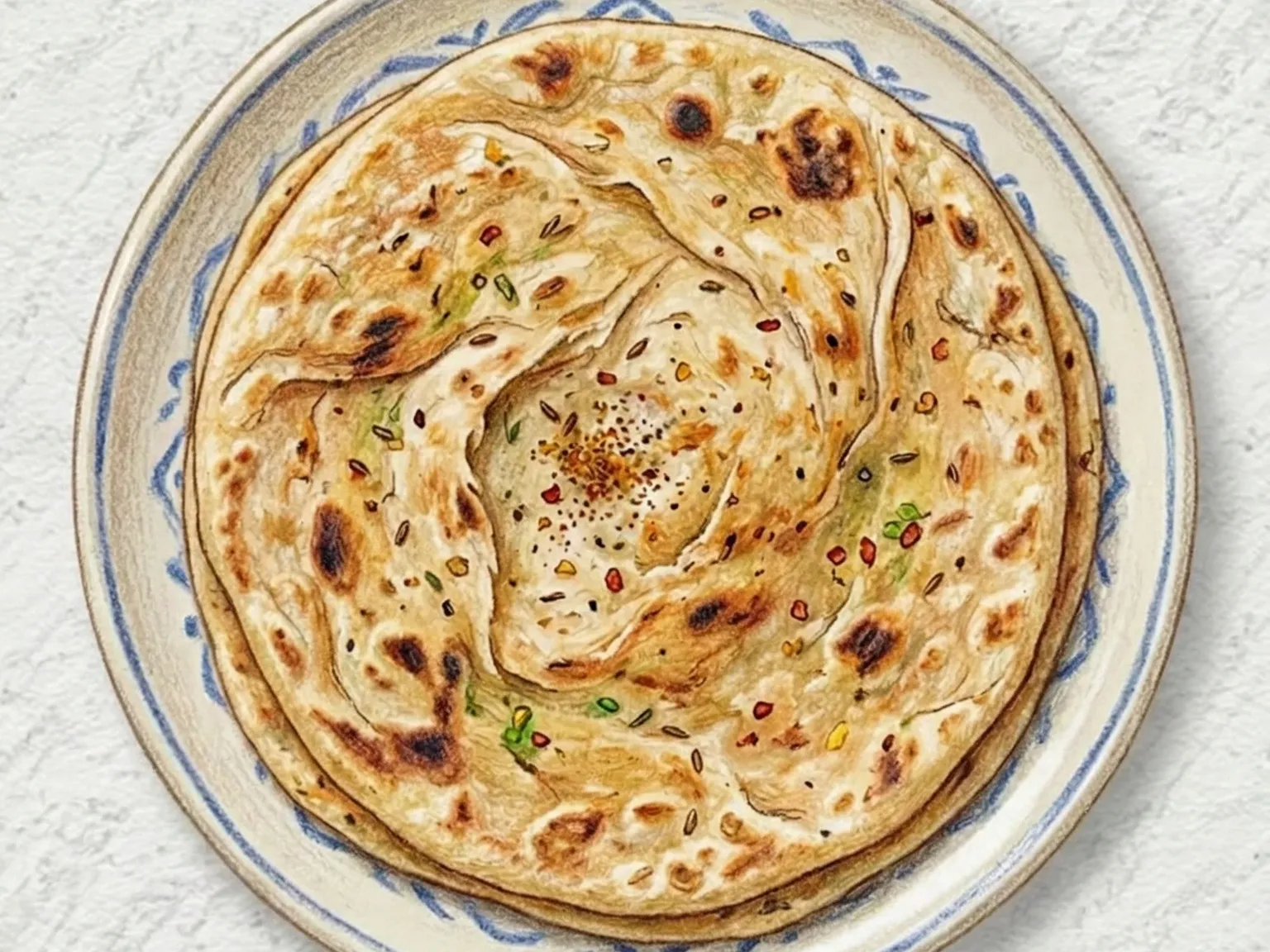
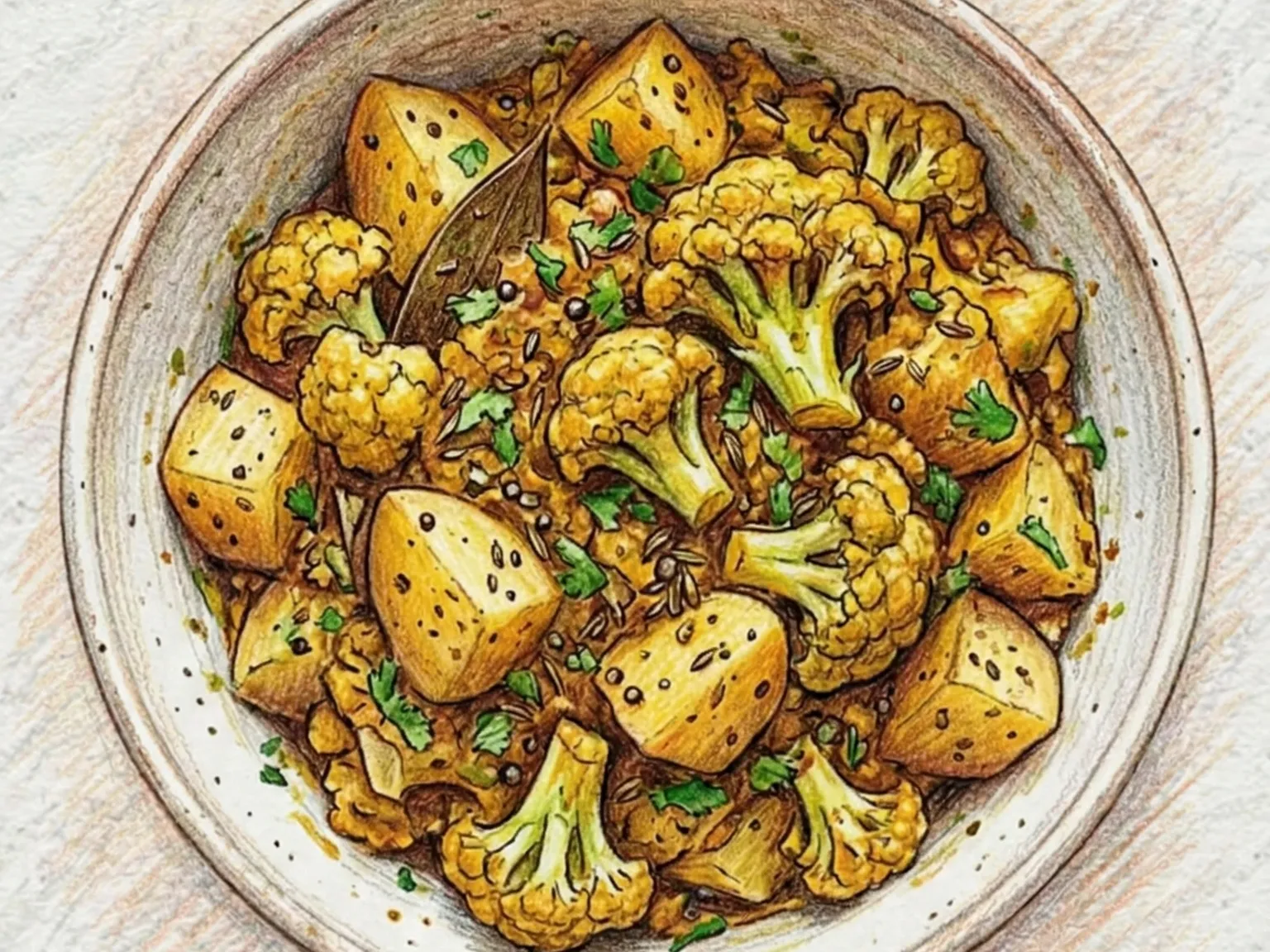
Aloo gobi is the kind of North Indian dish that appears in both roadside dhabas along Punjab highways and home kitchens across Uttar Pradesh, eaten by people with very different relationships to food. It is a dry preparation - no gravy, no broth - just potatoes and cauliflower coated in cumin, turmeric, and chili powder that forms a thin spice crust as the vegetables cook. Cumin seeds go into hot oil first, blooming their fragrance before the vegetables are added and turned to coat them evenly in the spiced fat. The lid goes on, trapping steam to cook the interiors while the base stays dry enough for browning to develop. Flipping once or twice is enough - too much movement breaks the crust and stews the vegetables instead of roasting them. The result: cauliflower edges that carry a faint char and a nutty depth, potato cubes that hold their structure with a floury, tender interior. Roti or plain steamed rice are the natural companions, and the spice notes actually sharpen as the dish cools, which makes it equally good packed for lunch the next day.
Korean Stir-fried Julienne Potatoes
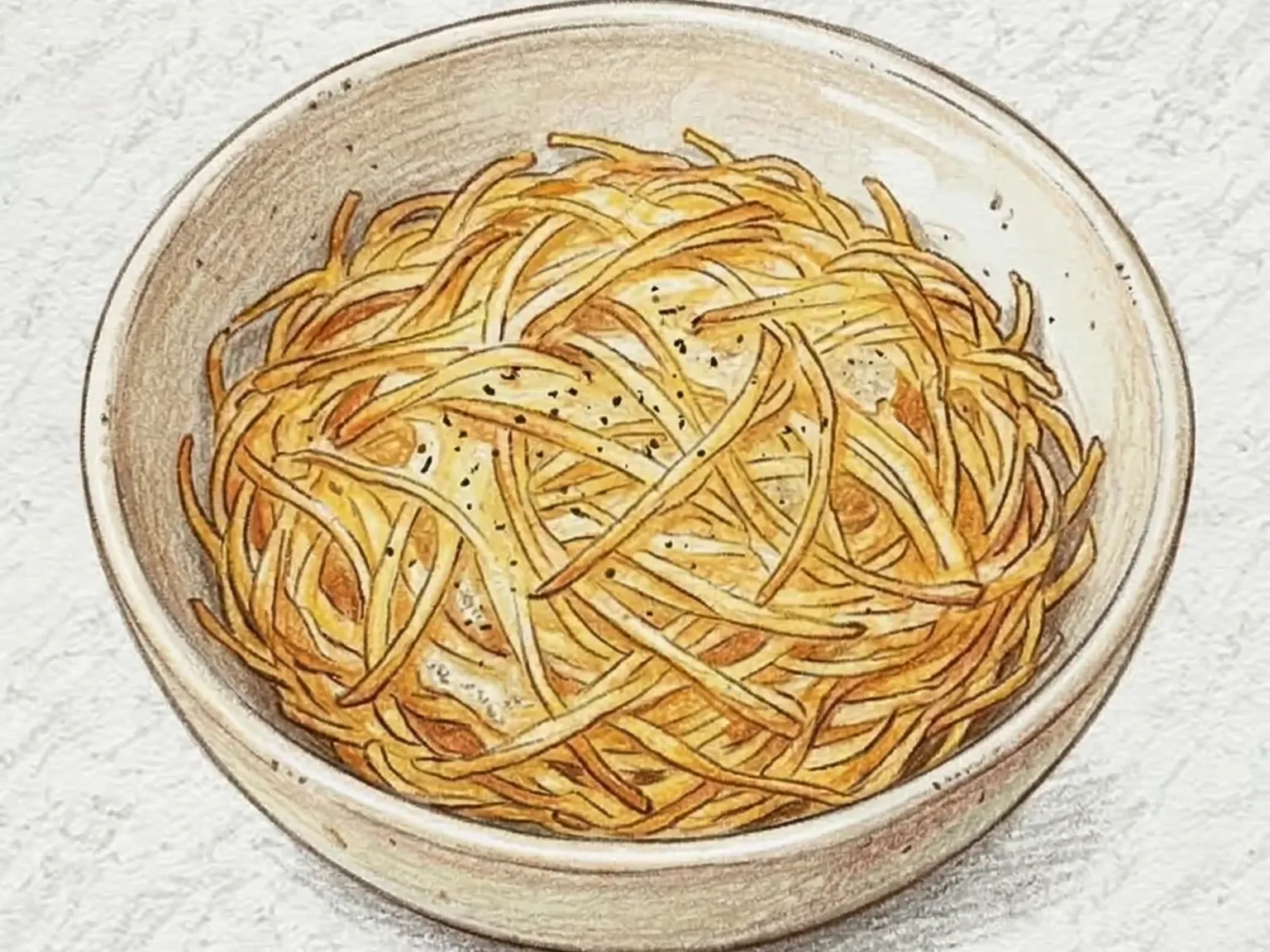
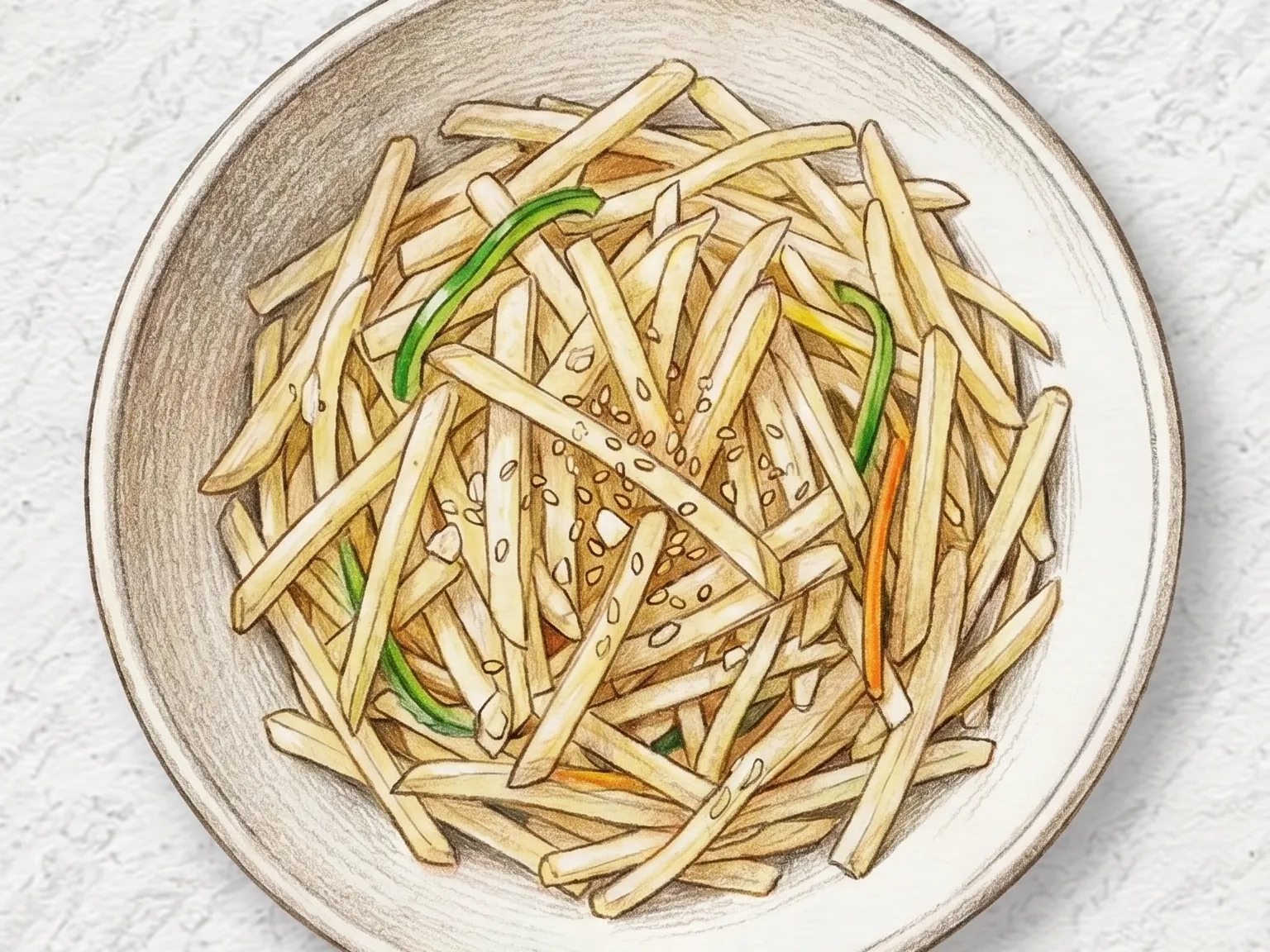
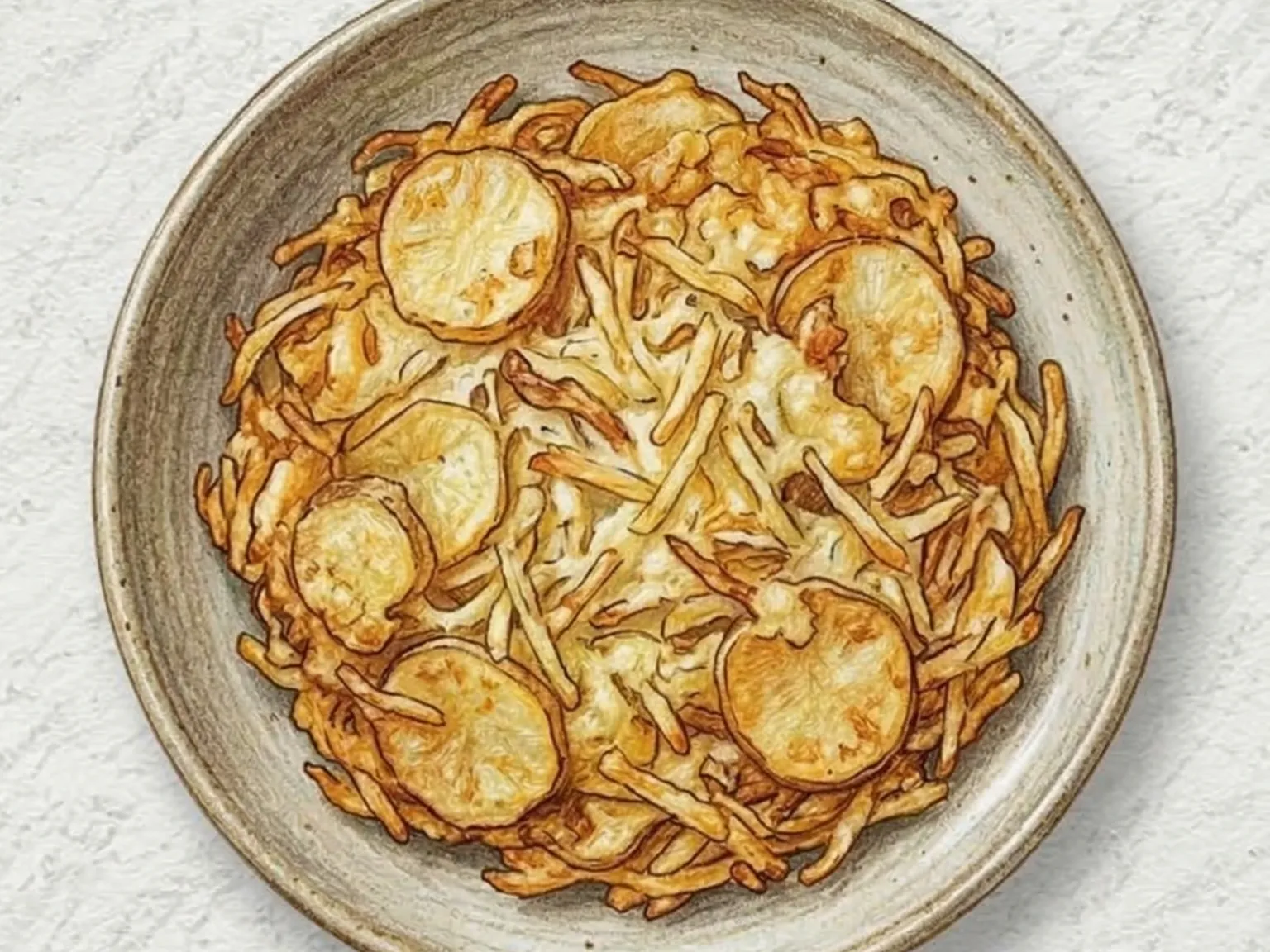
Gamja-chae-bokkeum is a stir-fried julienned potato banchan where the cutting technique determines the outcome more than any seasoning. Potatoes are julienned into matchstick-thin strips, then soaked in cold water for at least ten minutes to rinse away surface starch - a step that is not optional. Skipping it means the strips clump together in the pan, glueing themselves into a starchy mass that cannot be salvaged. After draining and drying thoroughly, the strips hit a hot, lightly oiled pan and cook for just three to four minutes, stirred and tossed frequently to prevent browning. The target is a strip that is fully cooked through but retains an audible crunch when bitten, a narrow window between underdone rawness and mushy softness that takes practice to hit consistently. The seasoning is deliberately minimal - salt and a small splash of vinegar, occasionally a little sesame oil - to let the potato's clean, starchy sweetness remain the central flavor. Sliced cheongyang chili stirred in at the end adds a sharp heat without muddying the clean taste profile. This banchan has been a fixture of Korean school lunches and company cafeterias for decades precisely because it is vegetarian, inexpensive, and universally acceptable to even the most selective eaters.
Chicken Curry Rice
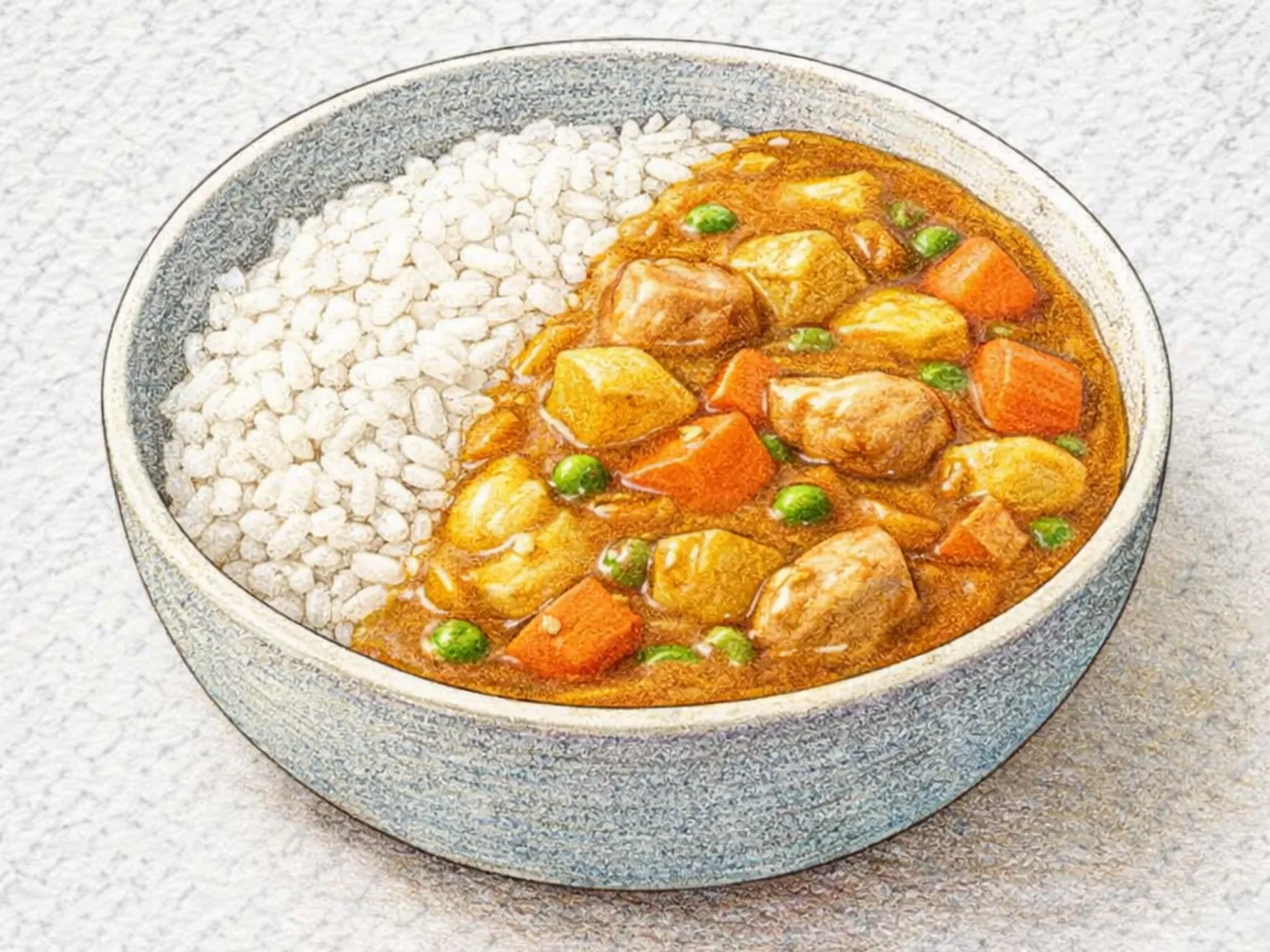
Chicken curry rice is a Japanese-style curry where bite-sized chicken thigh, potato, carrot, and onion simmer together until the curry roux melts into a thick, glossy sauce. The spice blend is gentle rather than fiery, with a mellow sweetness drawn from the slowly cooked vegetables. Chicken thigh meat stays moist and succulent even after prolonged simmering, absorbing the curry flavor throughout. The potato pieces break down slightly at the edges, thickening the sauce further and giving it a starchy body that clings to each spoonful of rice. A one-pot format makes it easy to scale -- prepare a large batch and the flavor deepens further overnight as everything continues to meld, making it well-suited for family dinners or weekly meal prep.
Korean Spicy Braised Chicken
Dak-bokkeum-tang starts with chicken pieces stir-fried in a gochujang and soy sauce mixture, then water is added and the whole pot simmers down until the liquid reduces to a thick, clinging sauce. Potato chunks absorb the braising liquid as it concentrates, becoming fully flavored throughout rather than just on the surface, while onion softens and dissolves over the long cooking time, lending the broth a natural sweetness. Gochujang supplies the heat backbone and soy sauce contributes the umami depth, producing a flavor profile that layers rather than reads as a single note. The longer the simmer, the deeper the seasoning drives into the meat and bones, and the sauce itself thickens to a glossy consistency. Spooning the reduced sauce over a bowl of rice turns the meal into a quick, satisfying seasoned rice dish.
Aloo Samosa (Indian Crispy Potato-Filled Fried Pastry)
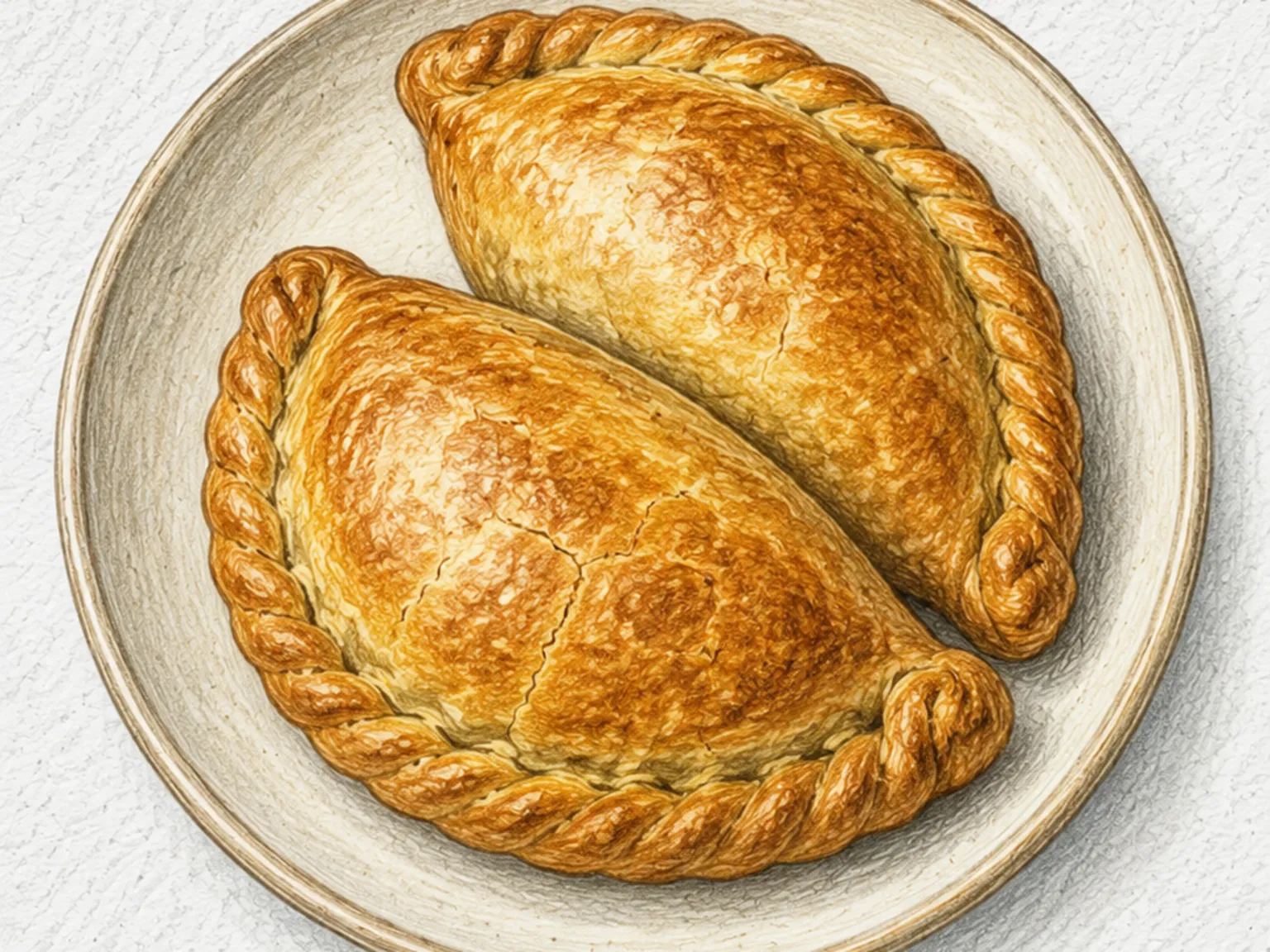
Samosa first appears in written form in a 10th-century Central Asian cookbook under the name sambosa, then follows trade routes westward into Persia and east into the Indian subcontinent, where it settled into street-food culture so thoroughly that chai stalls sell hundreds before noon each morning. The dough is stiff - flour, water, and oil kneaded until firm - and rolled thin. Too soft a dough absorbs oil during frying and turns greasy rather than crisp. The filling is boiled potato mixed with cumin, fresh green chili, and cilantro; the cumin's earthy fragrance permeates the potato during the mixing. The dough folds into a cone, filling goes in, air is pressed out carefully before sealing - trapped air expands in the hot oil and splits the crust. Fried at the correct temperature, the layered shell blisters outward, turns golden brown, and shatters audibly on first bite. Inside is a warm, lightly spiced potato that has absorbed all that cumin. Mint chutney and tamarind sauce are served alongside, their sourness and sweetness doing what the filling alone cannot.
Korean Crispy Potato Pancake
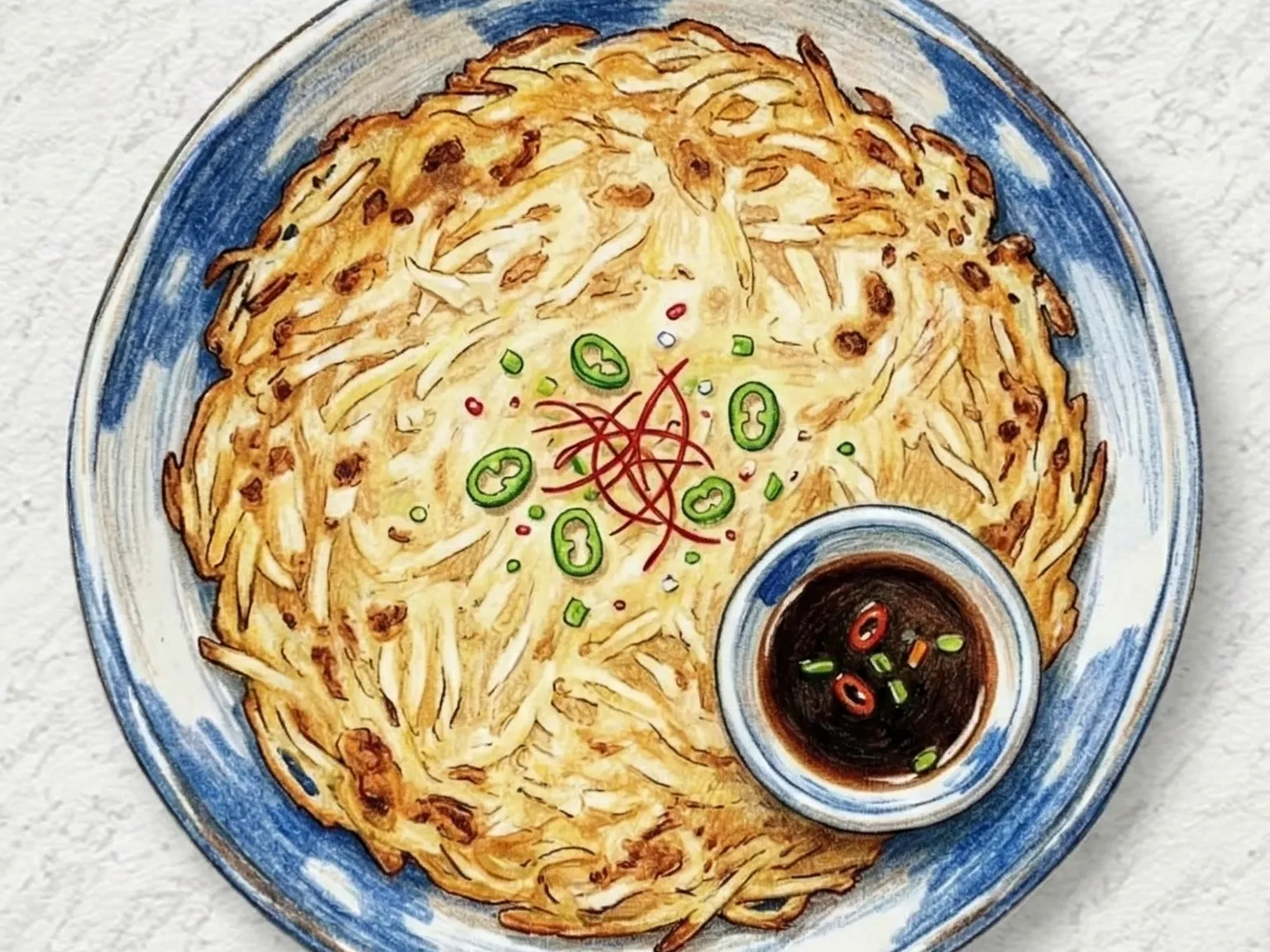
Gamja-jeon is a Korean potato pancake made by finely grating raw potatoes, letting the starch settle out of the liquid for at least ten minutes, discarding the water, and folding the settled starch back into the pulp to improve binding. Waiting long enough for full starch separation is what gives the batter enough cohesion to hold together when the pancake hits the hot pan. Spreading the batter as thinly as possible produces glass-crisp edges while the center retains a chewy, starchy bite characteristic of potato starch. The first side must cook all the way through and the underside must firm up completely before any attempt to flip, and using two spatulas simultaneously makes the turn fast enough to keep the pancake intact. Frying both sides over medium heat until evenly golden delivers a crust that is crisp on the outside while the center stays moist. A dipping sauce of soy sauce, vinegar, and minced cheongyang green chili cuts through the oily richness with sharpness and heat.
Korean Julienned Potato Pancake
Gamja-chae-jeon is a Korean julienned potato pancake where the potatoes are cut into thin matchsticks rather than grated, producing a texture fundamentally different from the mashed-style gamja-jeon. The intact strands create an open lattice that crisps at every exposed edge while maintaining a firm, slightly resistant bite in the center. Potato starch mixed dry into the julienned potatoes acts as a binder that holds the strands together during frying and flipping without adding moisture that would soften the crust. Adding a small amount of julienned onion contributes sweetness to the flavor, but the onion releases water as it cooks - water that will steam the pancake from underneath instead of letting it fry. Squeezing the onion dry in a kitchen towel before adding it solves this problem. The batter should be no wetter than what the potato's own natural moisture provides after the starch is mixed in, and adding no further liquid keeps the surface from turning soggy. Generous oil in the pan and constant pressing with a spatula over medium heat ensure that the entire underside maintains full contact with the cooking surface, frying the strands to an even, crackling golden crust that holds together cleanly when sliced.
Korean Wild Chive Soybean Paste Soup
Dallae doenjang-guk is a springtime Korean soybean paste soup that showcases wild chives, a seasonal ingredient valued for its sharp, garlicky bite and short availability window. The anchovy-kelp stock is first simmered with potato and onion to build body and sweetness, then doenjang is dissolved in and tofu added for a soft, tender contrast against the broth. Wild chives go in only during the final minute of cooking, because their pungent aroma dissipates rapidly under sustained heat; cooking them too long makes them indistinguishable from ordinary green onion in both flavor and appearance. The bulb end of each chive stalk carries a stronger bite than the leaves, so mincing the bulbs finely distributes their flavor more evenly through the broth. A half teaspoon of gochugaru tints the soup a faint red that visually matches the chive's natural heat. Because dallae is in season for only a brief window, setting a few raw stalks aside to place at the table as a garnish amplifies the fresh spring character of the dish.
Korean Brisket Soybean Paste Stew
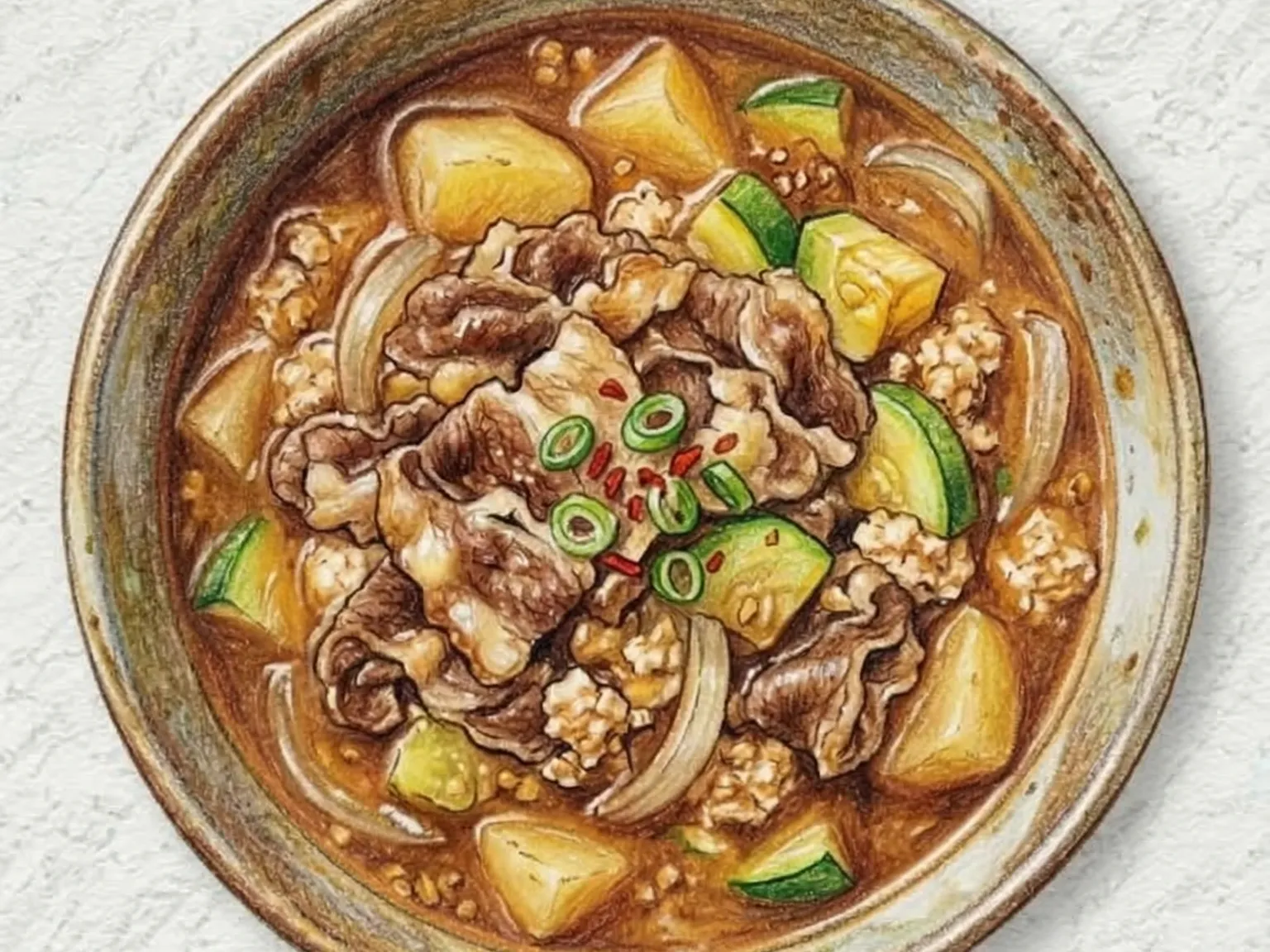
Thinly sliced brisket is added to the classic soybean paste stew base of rice-rinsing water and doenjang, cooked together with potato, zucchini, tofu, and cheongyang chili. The marbled fat in the brisket renders into the broth as it cooks, building a richer and more savory base than the standard vegetable-only version. The cheongyang chili delivers a sharp heat that makes this stew especially good with a bowl of rice. Adding the brisket slices after the vegetables have softened partially prevents the meat from overcooking and turning tough during the remaining simmer time.
Korean Andong Braised Chicken
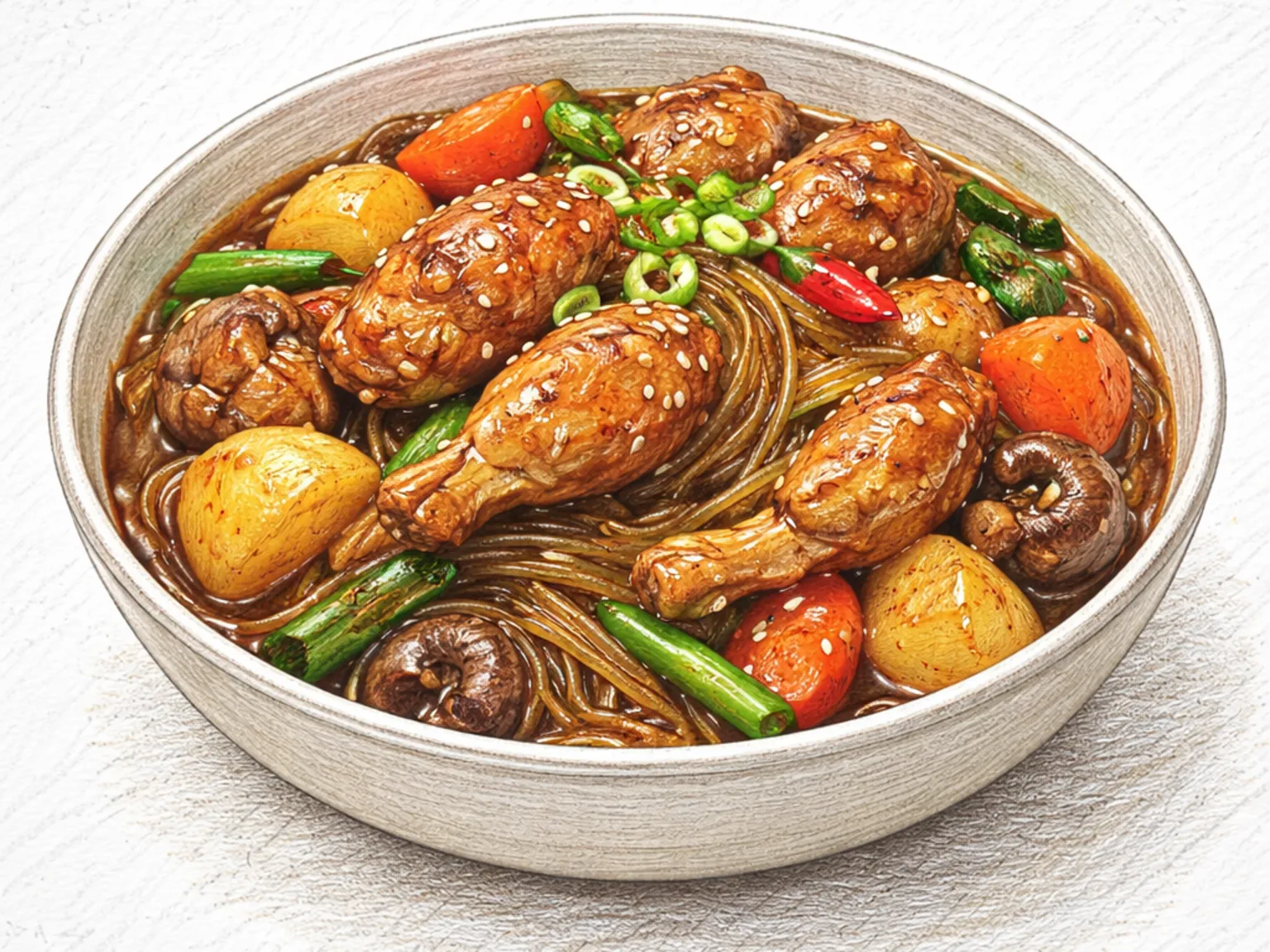
Andong jjimdak is said to have taken its modern form in Andong's old market during the 1980s, though soy-braised chicken has been a Gyeongsang Province tradition for far longer. Chicken pieces braise in a concentrated sauce of soy sauce, sugar, gochugaru, garlic, and ginger until the meat nearly separates from the bone. Glass noodles, dangmyeon, are added toward the end and absorb the braising liquid until they turn translucent and deeply stained with the sauce, becoming the most sought-after component. Potatoes and carrots provide bulk and sweetness, while dried red chilies and sliced cheongyang pepper build a layered heat that develops gradually. The finished dish arrives at the table in a wide, shallow pot, every component coated in the reduced soy glaze. It became a nationwide phenomenon in the early 2000s and remains one of Korea's most popular communal dishes, typically shared between two or three people over steamed rice.
Korean Perilla Seed Hand-torn Noodle Soup
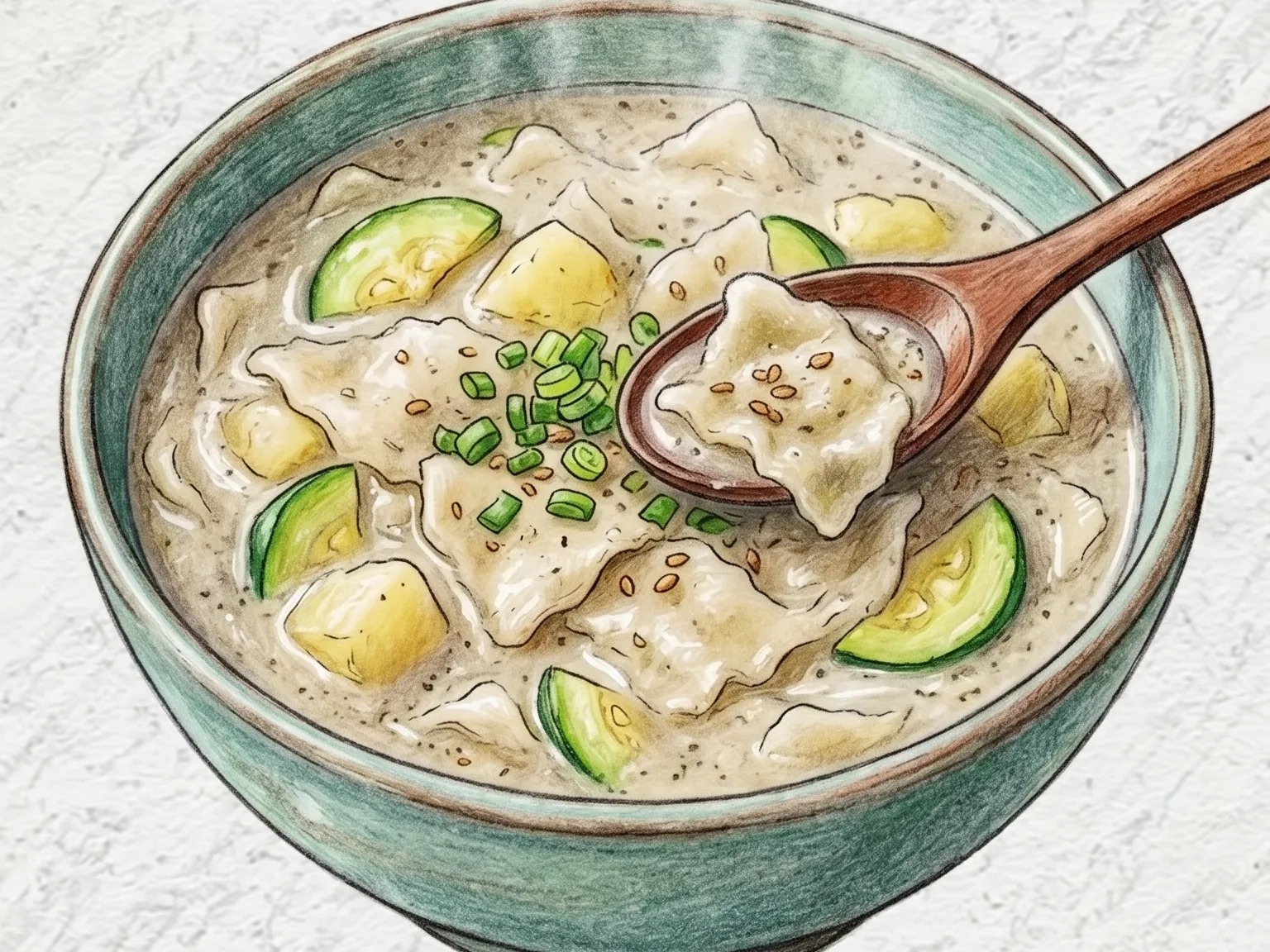
Deulkkae sujebi is a Korean hand-torn noodle soup made by pulling rested wheat dough into thin, rough-edged pieces and simmering them in an anchovy-kelp broth enriched with ground perilla seeds. Resting the dough for at least thirty minutes relaxes the gluten and is what allows it to be stretched thin by hand without snapping back; the thinner each piece, the more quickly it cooks through in the hot broth while still retaining a satisfying, elastic chew. Potato simmers alongside the dough and slowly breaks down, releasing starch that gives the broth a natural body without any thickener added. Zucchini contributes a mild sweetness and a soft texture that contrasts with the chewy dough pieces. When the ground perilla powder is stirred into the broth, it dissolves to form a milky, opaque liquid with a roasted, nutty depth that coats the tongue in every spoonful. The dish is a staple of Korean home cooking on rainy days and cold winter evenings, prized for the warmth it delivers and for the hands-on simplicity of tearing the dough directly into the pot.
Charred Daepa Gamja Doenjang Salad (Charred Leek Potato Salad)
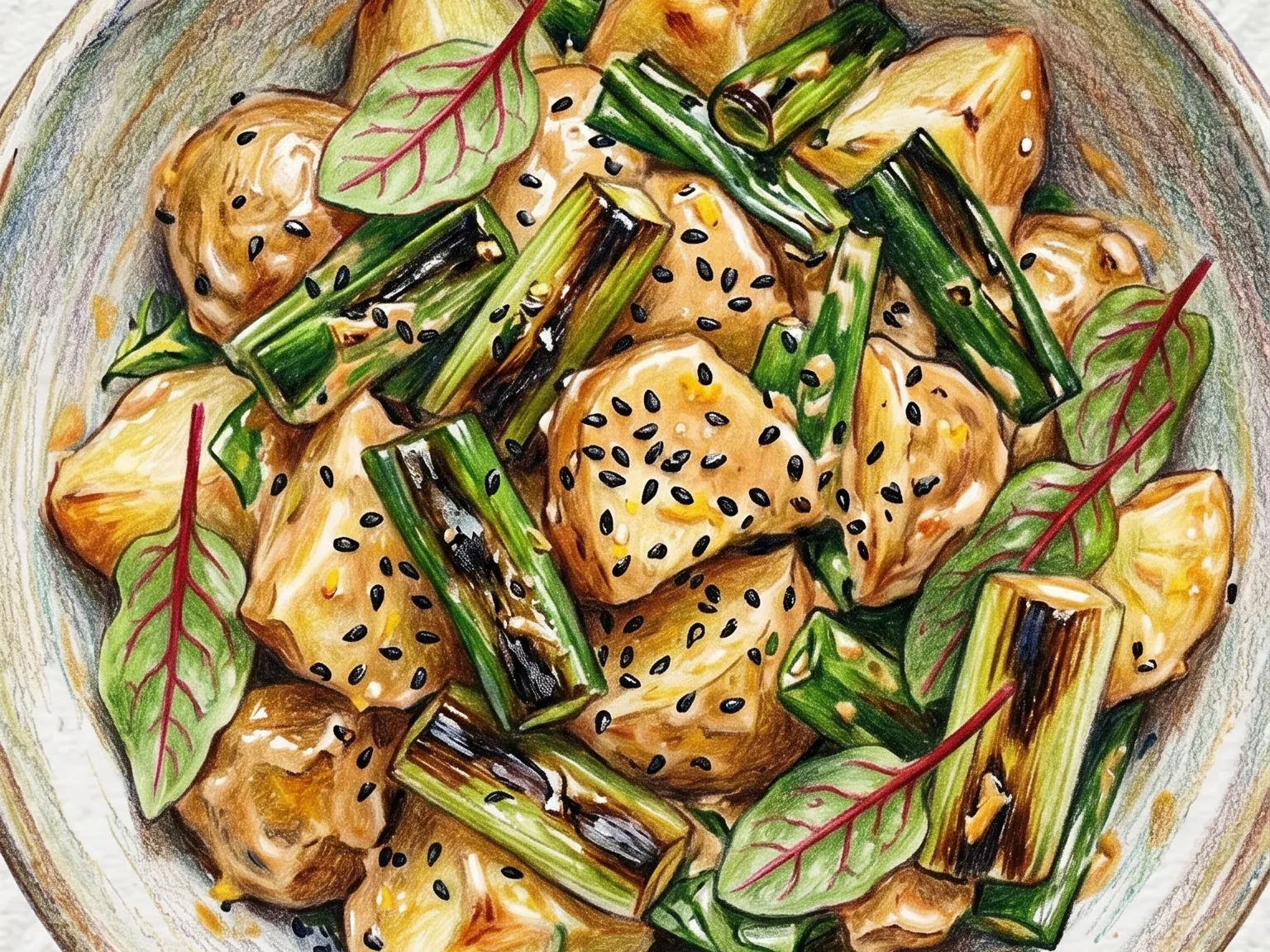
Charred daepa gamja doenjang salad combines boiled potatoes with large green onion segments that have been seared until deeply caramelized and smoky. The high heat strips away the raw onion bite and replaces it with a concentrated sweetness and char aroma. A dressing made from doenjang, lemon juice, honey, and olive oil layers fermented depth with bright acidity and a touch of sweetness, drawing out the mild flavor of the potato. Tossing the potatoes while still warm allows the dressing to absorb into the starchy flesh rather than sitting on the surface. Red chard adds color and a faint bitterness that gives the bowl a sense of direction, while black sesame seeds contribute a final nutty accent.
Bacalhau a Bras Recipe - Classic Portuguese Salt Cod with Eggs and Crispy Potatoes
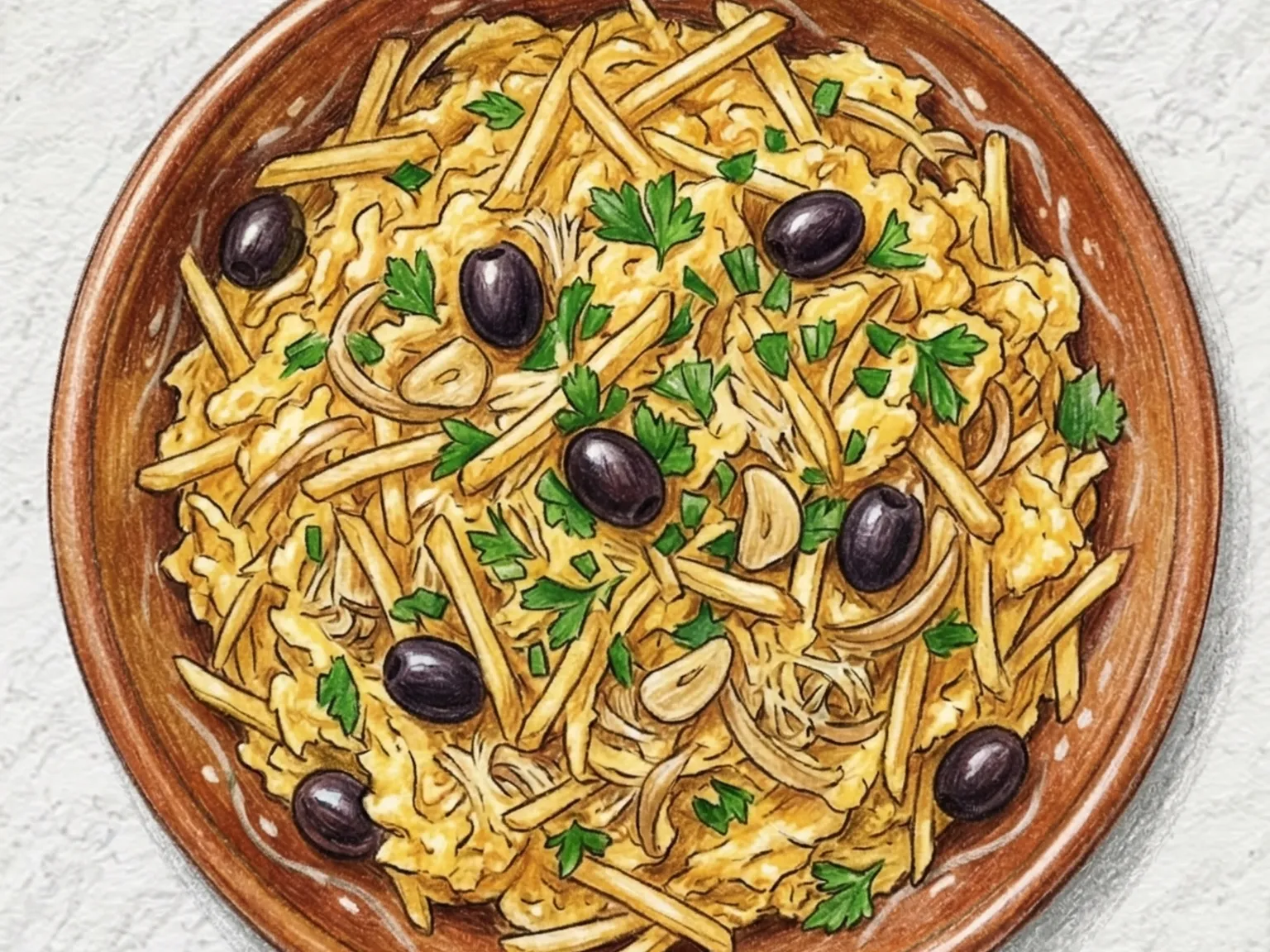
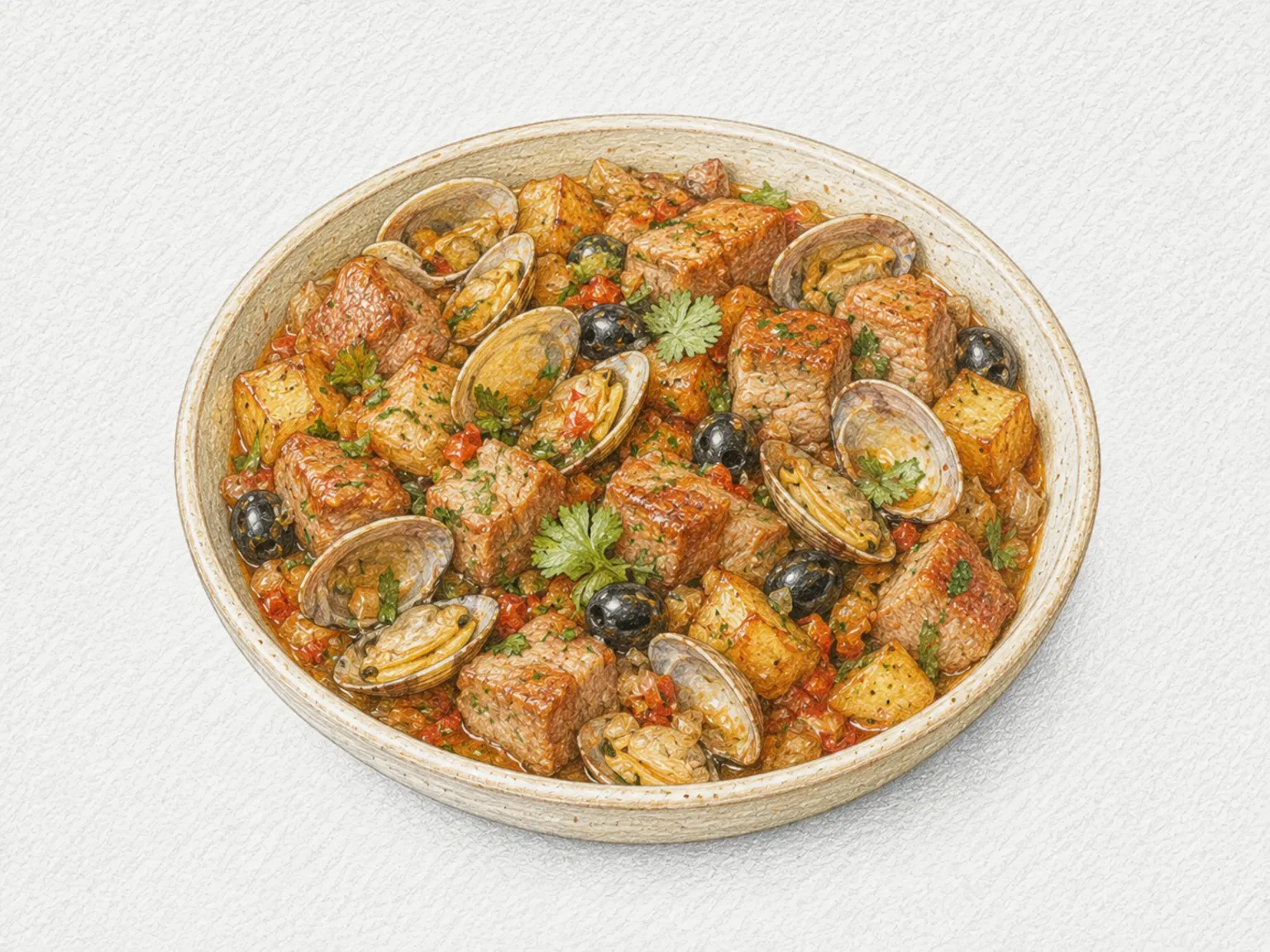
Bacalhau a bras is one of the most beloved preparations among the hundreds of ways Portugal cooks salt cod, born from the long history of Atlantic cod fishing. The salt cod is soaked for 24 to 48 hours with frequent water changes to draw out the salt, then shredded by hand into fine strands. Potatoes cut matchstick-thin are fried until crisp, and the shredded cod is sauteed in olive oil with onion until the onion turns translucent and the fish edges take on a little color. Beaten eggs are poured in and stirred gently off the heat so they form creamy curds that bind the potatoes and fish together without scrambling fully. The finished dish is a golden mound of inseparably tangled crisp potato, silky egg, and salty cod fiber. Black olives and parsley add a sharp salty accent and herbal note. Named after a 19th-century Lisbon tavern keeper, this is a fixture of Portuguese tascas and Sunday family lunches.
Aloo Methi (Indian Potato Fenugreek Dry Stir-Fry)
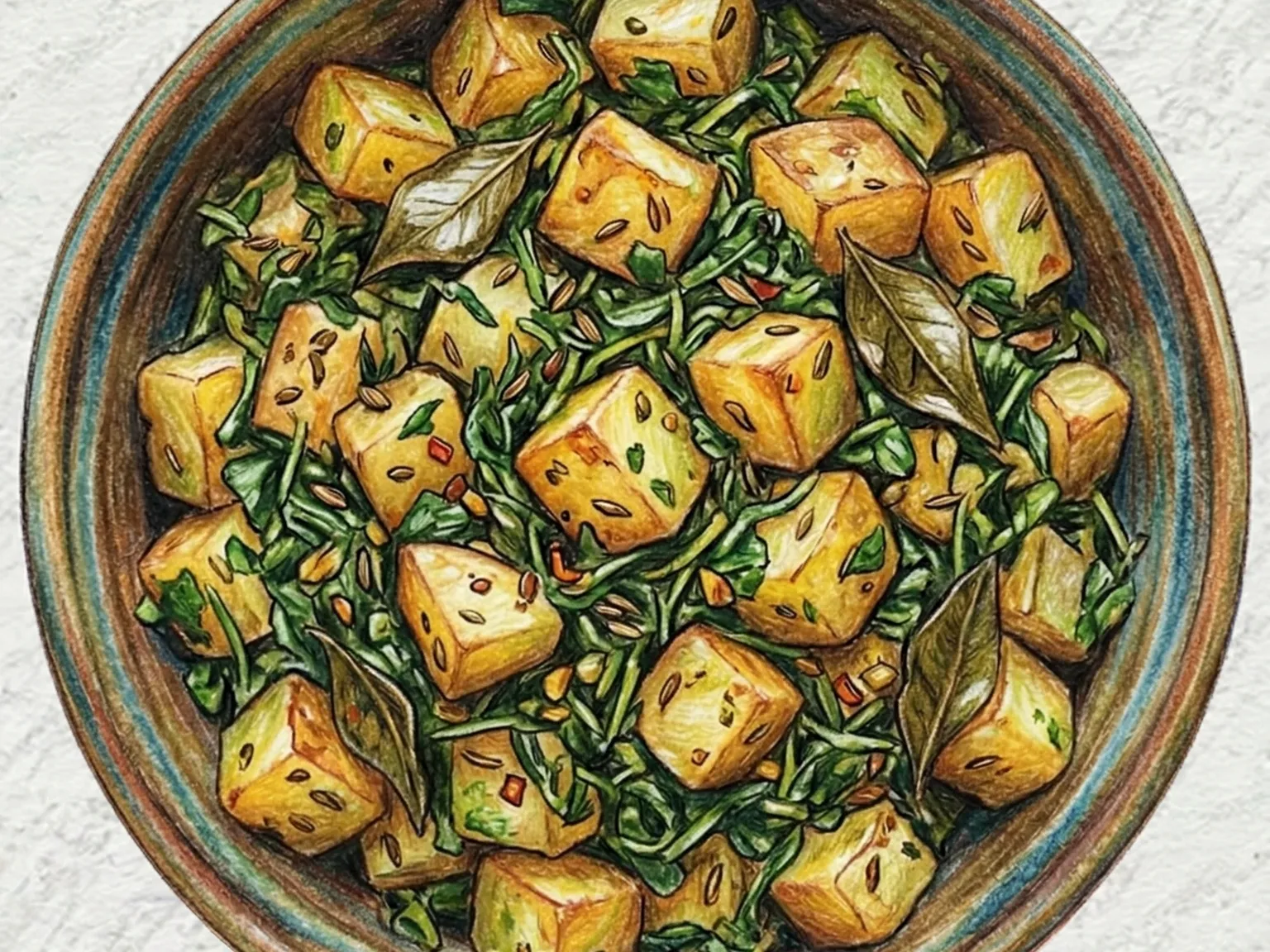
Aloo methi is a North Indian home-cooking classic built on the natural pairing of starchy potatoes and bitter fenugreek leaves - two ingredients whose flavors balance each other. Fresh methi leaves carry a pronounced earthy bitterness that softens and sweetens into a warm, maple-like aroma once they hit a hot pan. The potatoes are cut into small cubes and cooked covered with cumin, turmeric, and chili powder until fork-tender, absorbing the spices throughout as they steam. Methi leaves fold in at the end, and their residual moisture evaporates quickly on the hot pan, concentrating the herbaceous flavor into every bite. In Indian households this dish appears regularly alongside dal and rice as a weeknight staple that comes together in under thirty minutes. When fresh methi is unavailable, dried kasuri methi - rubbed between the palms to release its aroma before adding - produces a comparable result with a more concentrated flavor. Unlike many North Indian preparations built on layered masala chains, aloo methi has a short ingredient list and a straightforward method, which explains why it appears so consistently on everyday family tables.
Korean Braised Potatoes (Soy-Glazed Braised Potato Banchan)
Gamja-jorim - soy-braised potatoes - is among the top five most frequently made banchan in Korean households, alongside kimchi, kongnamul, and gyeran-mari. Small potatoes are parboiled whole until just fork-tender, then transferred to a mixture of soy sauce, sugar, rice syrup, garlic, and water. The braising happens over medium-low heat for fifteen minutes with the lid off, allowing the sauce to reduce gradually into a thick, syrupy glaze. Constant gentle stirring prevents the soft potatoes from sticking or breaking apart. As the liquid evaporates, each potato develops a dark amber, lacquered surface while the interior remains starchy and yielding. The taste is straightforwardly sweet-salty with a garlic undertone - comfort food in its most elemental form. Korean mothers often make a large batch on weekends, refrigerating it to serve cold throughout the week. The dish improves overnight as the glaze continues to penetrate the potato's interior.
Korean Potato Cheese Porridge
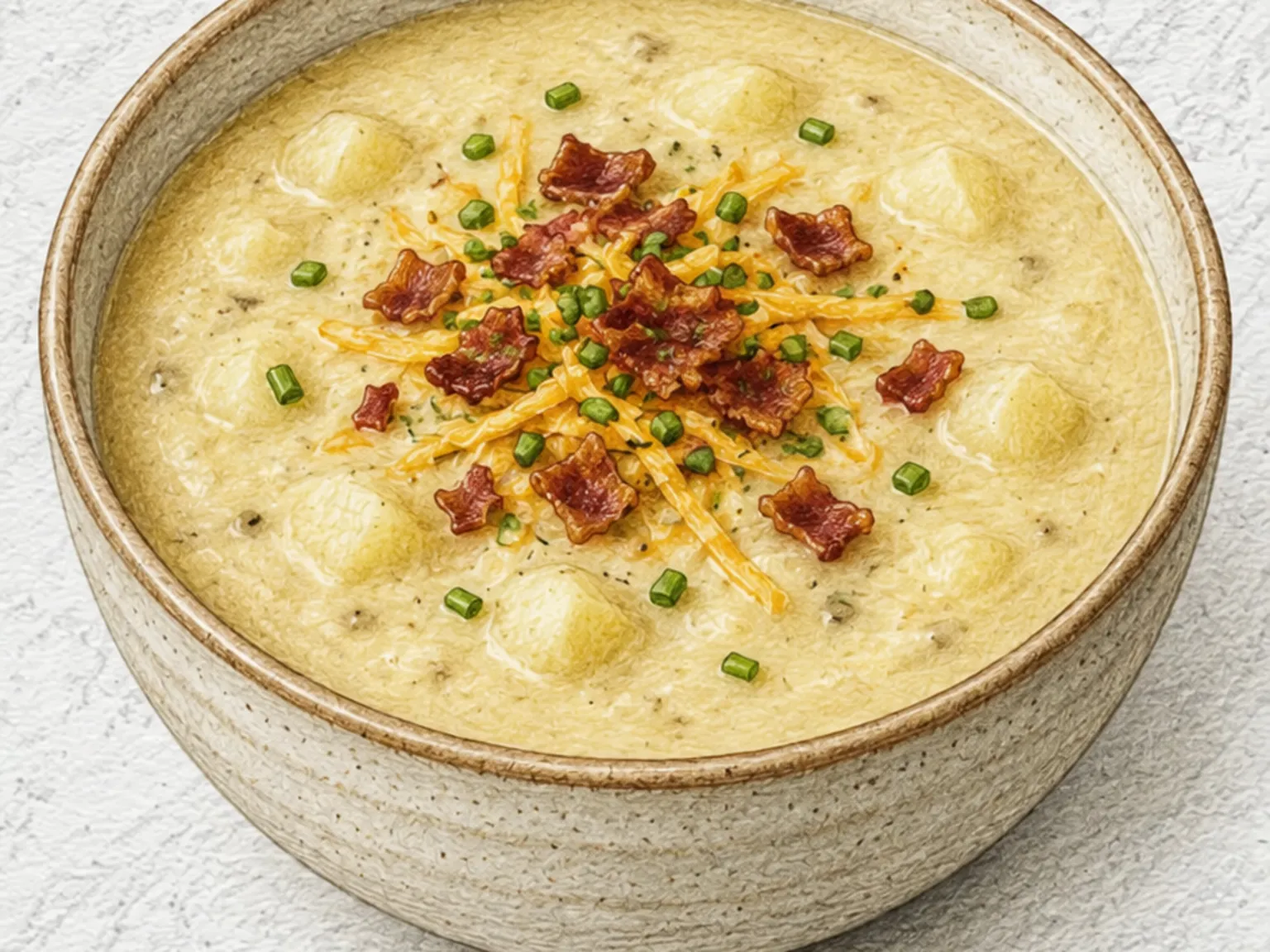
Gamja-cheese-juk is a creamy Korean rice porridge in which finely diced potato and onion are first sauteed in butter to draw out their natural sweetness before soaked rice and milk are added and the whole pot is brought to a slow simmer. As the potato cooks, its starch releases into the liquid and thickens the porridge from within, producing a smooth, dense base without the need for any thickening agent. Cheddar cheese is stirred in near the end of cooking, contributing salt and richness that eliminates the need for much additional seasoning -- the combination of buttery saute, starchy potato, and melted cheese produces a flavor deep enough to stand without extra condiments. Partially mashing the potato pieces against the side of the pot while the porridge cooks creates an even creamier consistency, and because different cheeses carry varying levels of salt, adding the final seasoning only after the cheese has fully melted prevents over-salting. The porridge is mild, warm, and velvety, suited to children and comforting as a light breakfast or recovery meal on a cold morning.
Korean Soy Braised Chicken Chunks
Dakganjang-jjim is a Korean soy-braised chicken dish where bone-in thigh pieces are combined with potatoes, carrots, and onion in a seasoned soy sauce base and simmered over low heat until the liquid reduces and the flavors concentrate. As the braising liquid cooks down, the salinity and umami of the soy sauce penetrate through the chicken skin and into the meat, seasoning it throughout rather than just coating the surface. The thigh cut is intentional - the fat and collagen in bone-in thighs keep the meat moist through the extended cooking time, preventing it from drying out the way leaner cuts would. The vegetables absorb the rendered chicken fat and soy-based cooking liquid as they soften, taking on a deep savory-sweet flavor that requires no additional seasoning. Because the dish contains no chili paste or gochugaru, it is mild in heat and broadly accessible, working equally well as a weeknight dinner main, a side dish over rice, or packed into a lunch box where the flavors continue to develop. The ratio of soy sauce to sugar in the braising liquid can be adjusted to suit individual taste - leaning toward saltier or sweeter without fundamentally changing the character of the dish.
Potato Mozzarella Korean Corn Dog
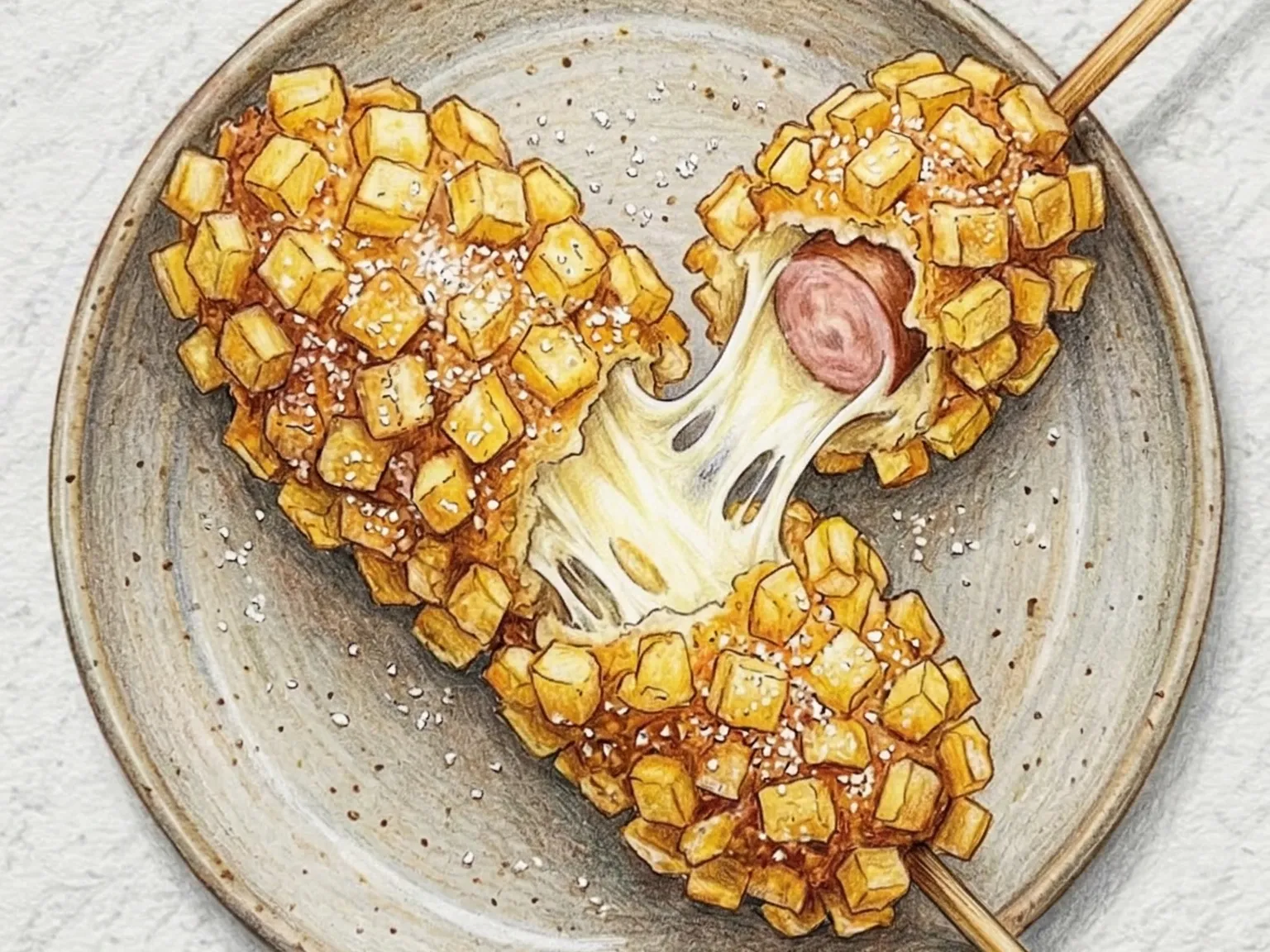
Gamja mozzarella hotdog is a Korean street food that skewers a sausage and a mozzarella cheese stick together, coats them in a batter of flour, milk, and baking powder, then presses half-centimeter potato cubes across the entire surface before deep-frying. The potato cubes cook into a bumpy, golden-brown shell on the outside while the mozzarella inside melts and stretches into long, elastic strands when pulled apart. Sugar in the batter gives the whole corn dog a faintly sweet undertone throughout, and sprinkling additional sugar on the finished hotdog before eating is a common practice at street stalls. Each bite stacks the sausage's saltiness, the mozzarella's creamy stretch, and the crisp snap of the potato crust into one compact, layered structure.
Korean Gangwon-style Potato Pancake
Gangwon-gamja-jeon is a traditional potato pancake from the mountainous Gangwon province, made by finely grating potatoes and incorporating the settled starch sediment back into the batter to achieve a uniquely chewy, mochi-like center with crisp edges. After grating, the potato liquid is left to sit until white starch settles at the bottom. The water on top is poured off and the dense starch is folded back in. Skipping this step produces a flat, crumbly pancake instead of the trademark sticky pull. Finely chopped Cheongyang chili peppers add a clean, sharp heat that cuts through the potato's natural sweetness, while minced onion reinforces that sweetness without adding excess moisture. The batter must be spread thin in a generously oiled pan and cooked patiently until the edges darken to deep golden brown. Rushing the process leaves the interior gummy and causes the pancake to fall apart when flipped. Even when the batter still looks soft and undercooked on top, waiting until the underside is fully set is what makes the flip clean. Makgeolli is the traditional pairing.
Korean Potato Perilla Seed Soup
Gamja-deulkkae-guk is a Korean home soup of potatoes and ground perilla seed simmered in anchovy stock. The potatoes go in first and cook until they begin to fall apart, releasing their starch into the liquid and giving the broth a natural, gentle thickness. Ground perilla seed is stirred in toward the end of cooking, turning the clear stock opaque and white and filling the pot with a toasty, earthy fragrance that is distinctive to perilla. The flavor sits in its own space: it has none of the fermented depth of doenjang soup and none of the oceanic quality of miyeok-guk, but the perilla leaves a long, nutty finish that builds with each spoonful rather than fading immediately. Soup soy sauce brings the seasoning together, and onion and green onion laid in at the start provide a background sweetness that keeps the broth from tasting flat. The texture is thick and warming without being heavy or greasy. This is a soup that rarely appears on restaurant menus but comes up frequently on home dinner tables during the cold months, the kind of everyday dish that fits naturally into a simple meal.
Korean Beef Brisket & Water Parsley Chili Stew
This spicy stew simmers marbled beef brisket and water parsley in a gochujang-based broth built from beef stock, chili paste, and gochugaru. The brisket's fat renders into the broth as it cooks, adding body and a rich savoriness that rounds out the chili heat. Water parsley loses its fragrance quickly over high heat, so it should be added in the final thirty seconds or placed directly in the bowl before serving to preserve its herbal brightness. Potato chunks and firm tofu soak up the red broth and make the stew substantial, while generous minced garlic gives the spicy finish a clean, defined edge.
Korean Dak Ganjang Jorim (Soy Braised Chicken)
Dak ganjang-jorim is chicken thigh braised with potato in a soy sauce glaze enriched with oligosaccharide syrup, garlic, and ginger juice. As the thighs simmer, the soy base works its way between the muscle fibers, leaving the meat deeply seasoned with a glossy brown finish. Potato chunks break down slightly at the edges and soak up the braising liquid, turning starchy and satisfying. A single cheongyang chili added to the pot gives a mild, lingering kick that keeps the sweet-salty profile from becoming one-note. Patting the chicken thighs thoroughly dry before searing them in the pan builds a Maillard-browned surface that adds another layer of savory depth, and removing the lid for the final five minutes lets the sauce reduce into a thick, clingy glaze.
Korean Doenjang Thin Noodle Soup
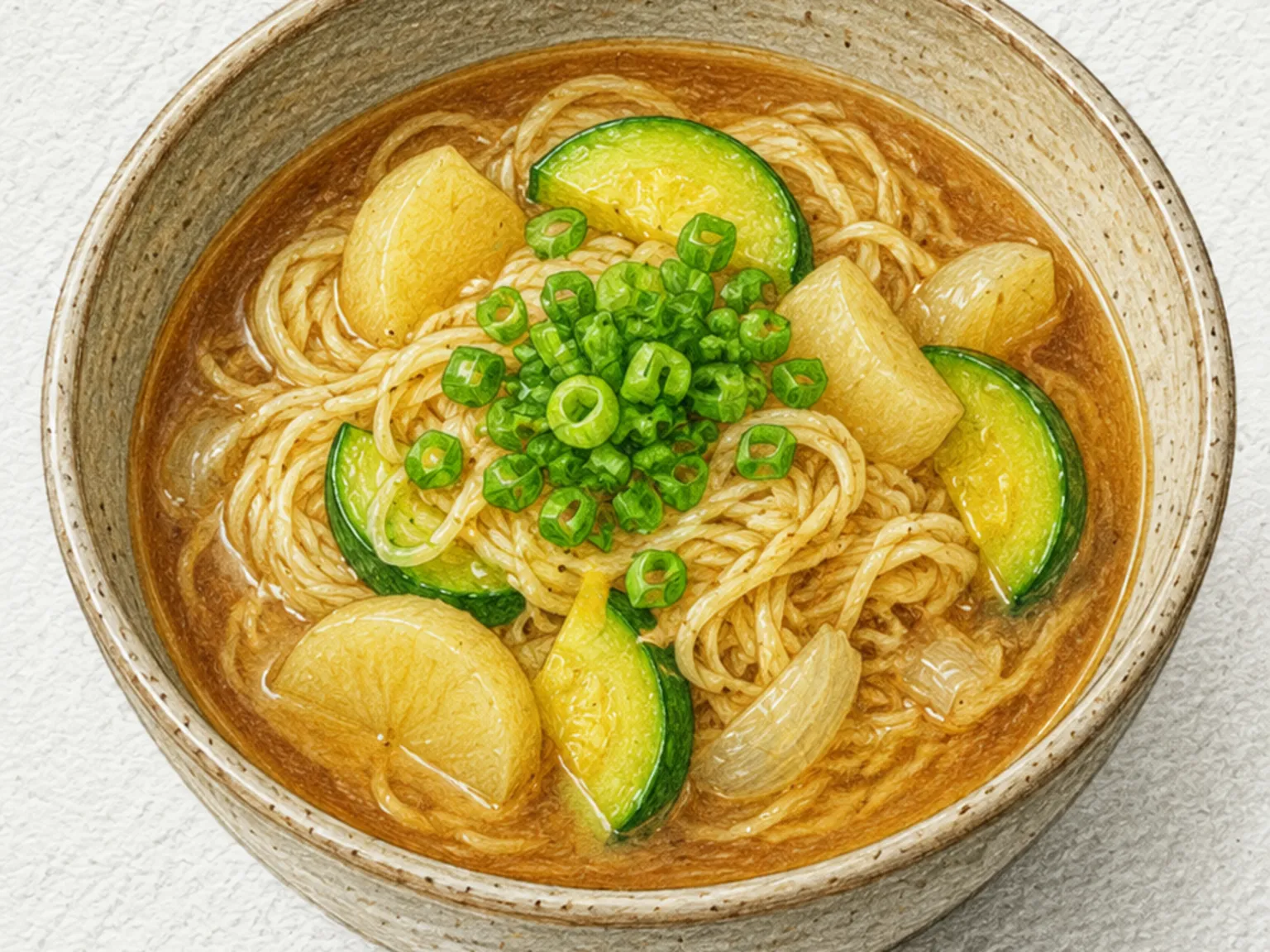
Doenjang somyeon is a Korean noodle soup of thin wheat noodles in a fermented soybean paste broth built on anchovy stock. Potato, zucchini, and onion - or whatever vegetables are available - go into the broth first, simmering until they release their moisture and natural sugars into the liquid, which rounds out the earthy doenjang base. The somyeon noodles take only three to four minutes to cook, so they go in last to stay firm. Sliced green onion scattered on top adds a clean, bright note against the fermented broth. The ingredient list is short and adaptable, but the doenjang delivers enough layered depth to make this a satisfying weeknight dinner without any complex technique.
Gado-Gado Salad (Indonesian Peanut Sauce Veggie Plate)
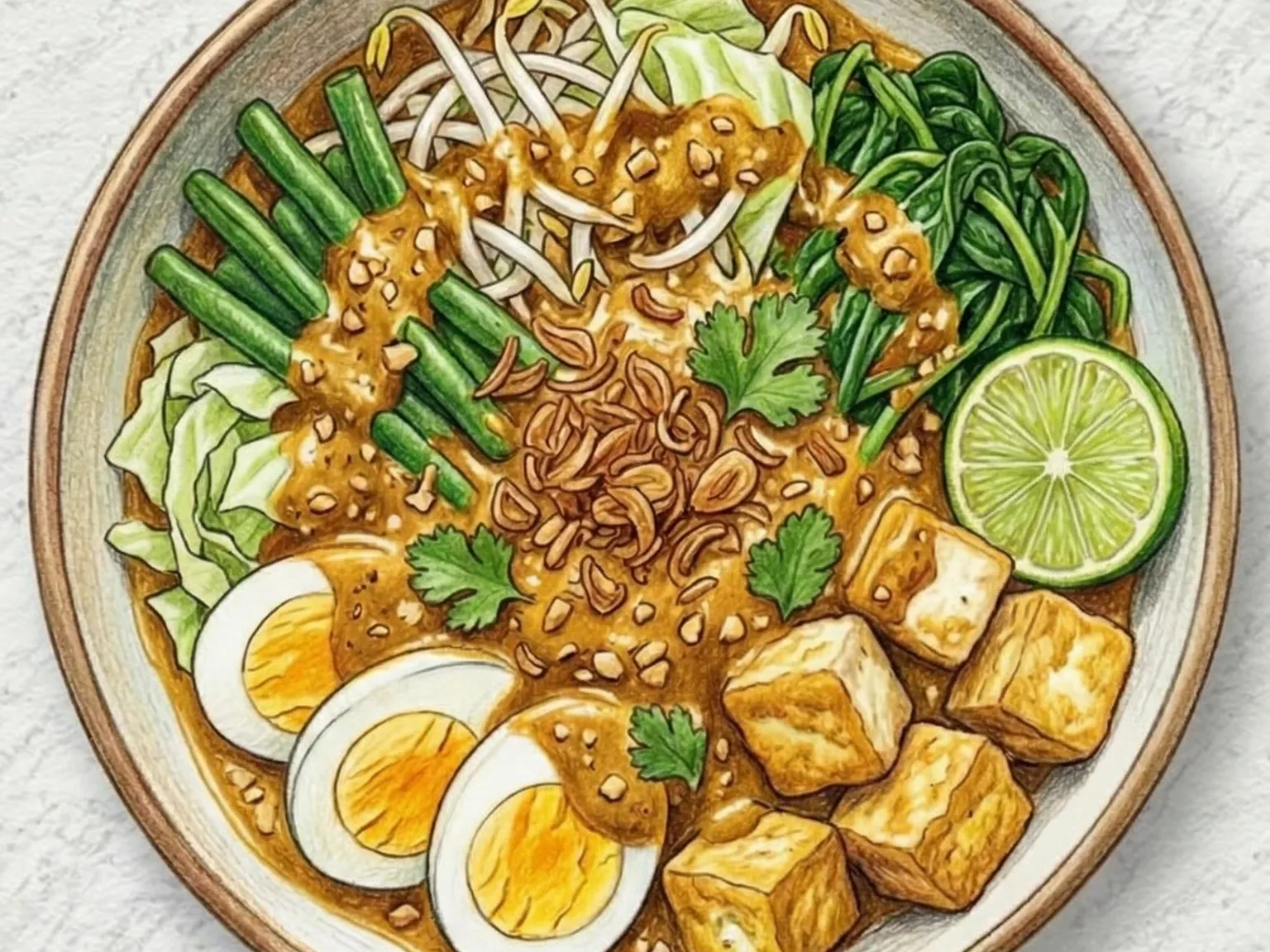
Gado-gado salad is an Indonesian composed dish that brings together blanched cabbage, bean sprouts, boiled potato wedges, pan-seared firm tofu, and halved soft-boiled eggs on a single plate, then finishes them with a thick, glossy peanut sauce. The sauce combines peanut butter, lime juice, and soy sauce into a base that layers nuttiness over a sharp, salty-sour foundation, lifting the mild flavors of every vegetable and the tofu in a single pour. Each vegetable is blanched separately and pulled from the water at a different moment: cabbage stays crisp, while bean sprouts are allowed to soften just slightly, so the finished plate holds distinct textures rather than a uniform mush. The tofu must be pressed or patted completely dry before it goes into the pan; residual moisture prevents proper browning and causes the cubes to crumble when tossed with the sauce. If the peanut sauce thickens as it sits, a tablespoon of warm water at a time is all it takes to bring it back to a pourable, coating consistency that drapes over the vegetables rather than clumping on top.