2741 Korean & World Recipes

2741+ Korean recipes, clean and organized. Ingredients to instructions, all at a glance.

Recipes with shrimp

86 recipes. Page 1 of 4

Buy shrimp
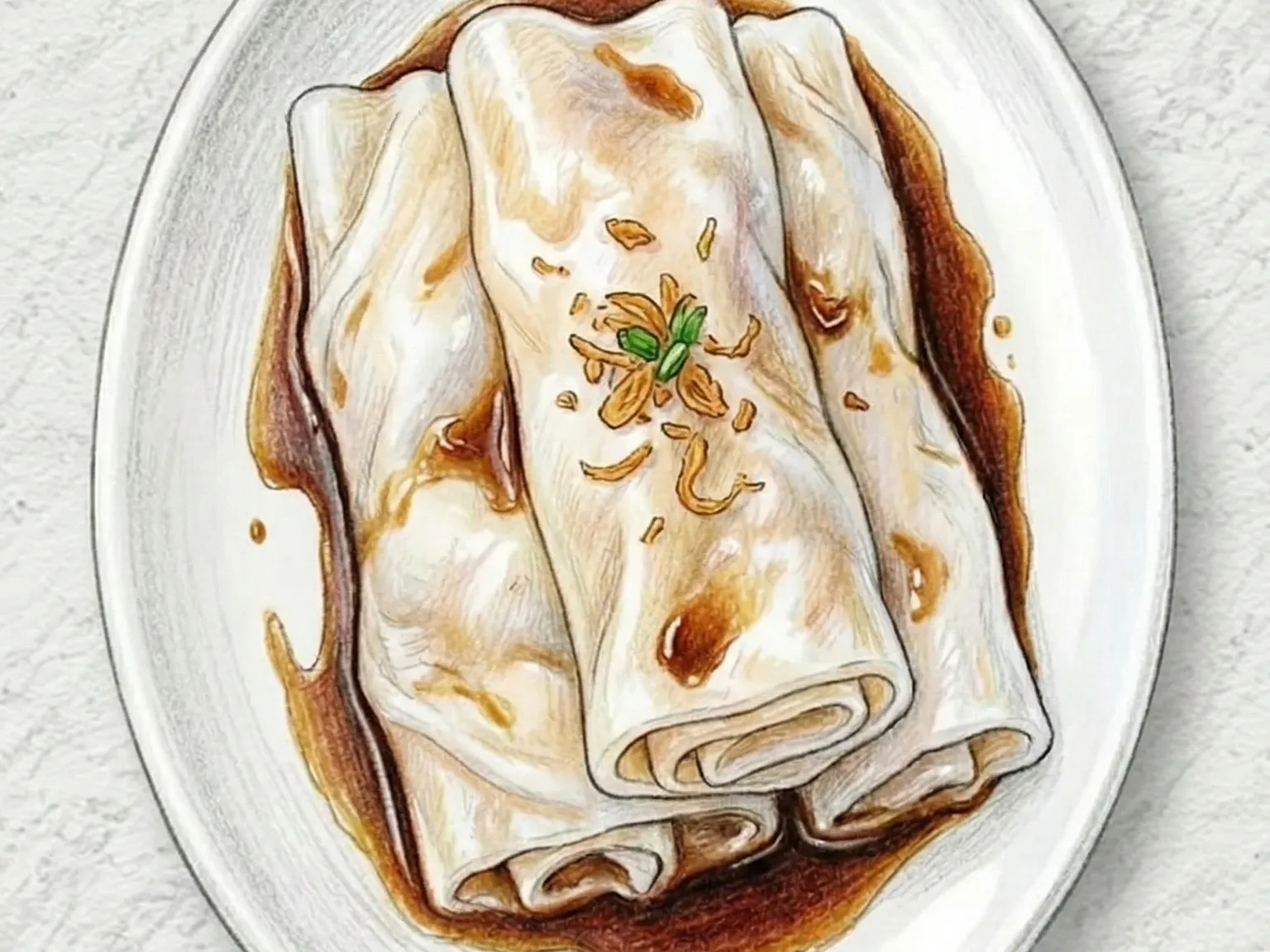
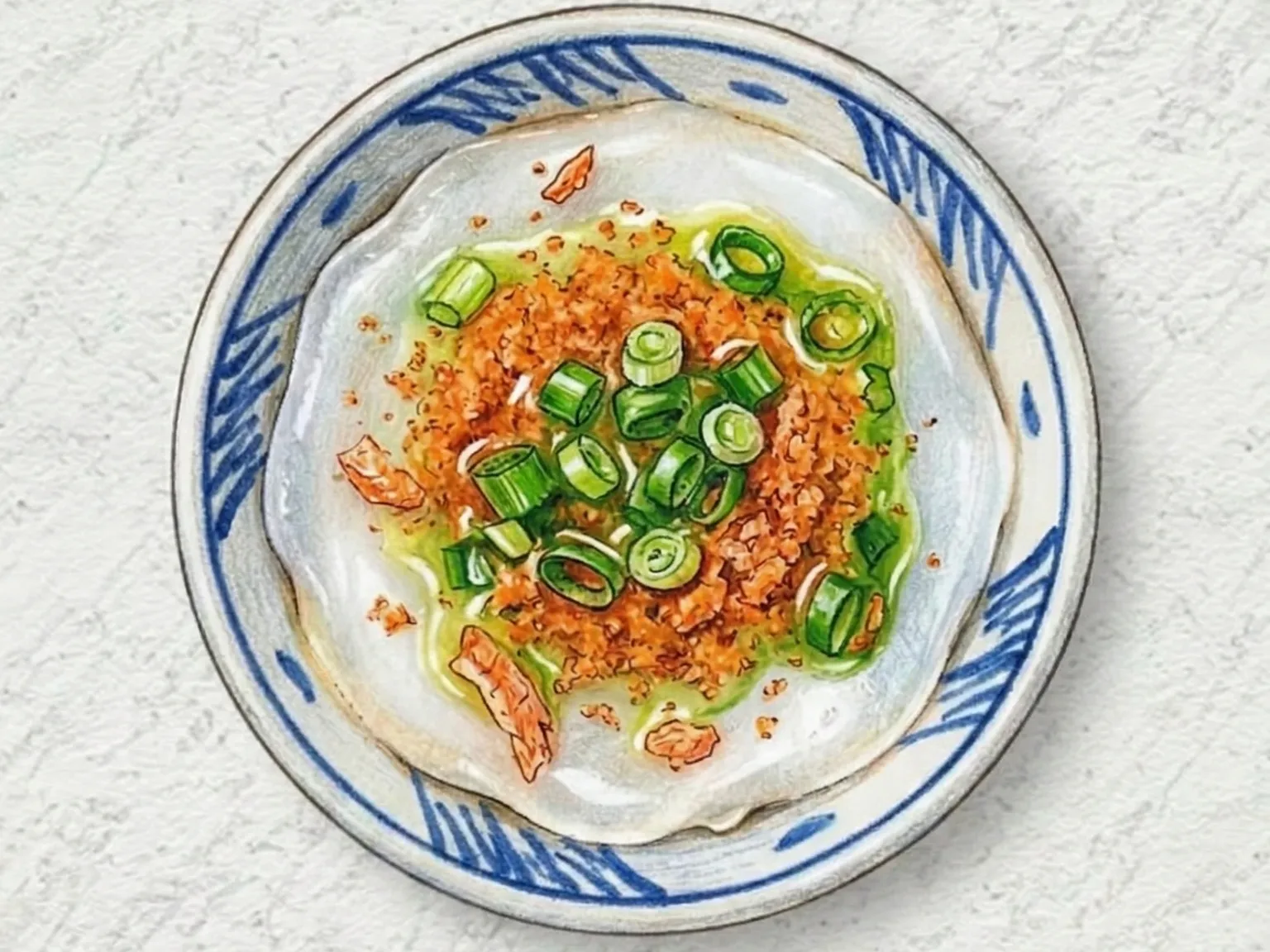
Banh Beo (Hue Steamed Rice Cakes with Shrimp and Scallion Oil)
Asian Medium

Banh Beo (Hue Steamed Rice Cakes with Shrimp and Scallion Oil)

Banh beo comes from Hue, the old imperial capital of central Vietnam, and it is served as a snack on tiny saucer-shaped plates, each holding a single steamed rice cake. A thin rice flour batter is poured into each dish and steamed until it sets into a soft, slightly sticky disc - translucent and thin at the edges, opaque and a little thicker at the center. The topping formula is minimal and exact: dried shrimp ground to a coarse, fragrant powder, crispy deep-fried shallots, and scallion oil drizzled into the concave surface of the rice cake so it pools rather than runs off. The dipping sauce is nuoc cham - fish sauce, lime, sugar, and chili balanced into a sweet-sour-salty liquid that pulls everything together. Eating banh beo requires scraping each small cake off its plate with a flat spoon, one at a time, in a slow and deliberate rhythm that has become part of the experience. The dish traces back to Hue's imperial court cuisine, and the restrained, precise presentation reflects that origin.

🎉 Special Occasion
Prep 25min Cook 20min 4 servings
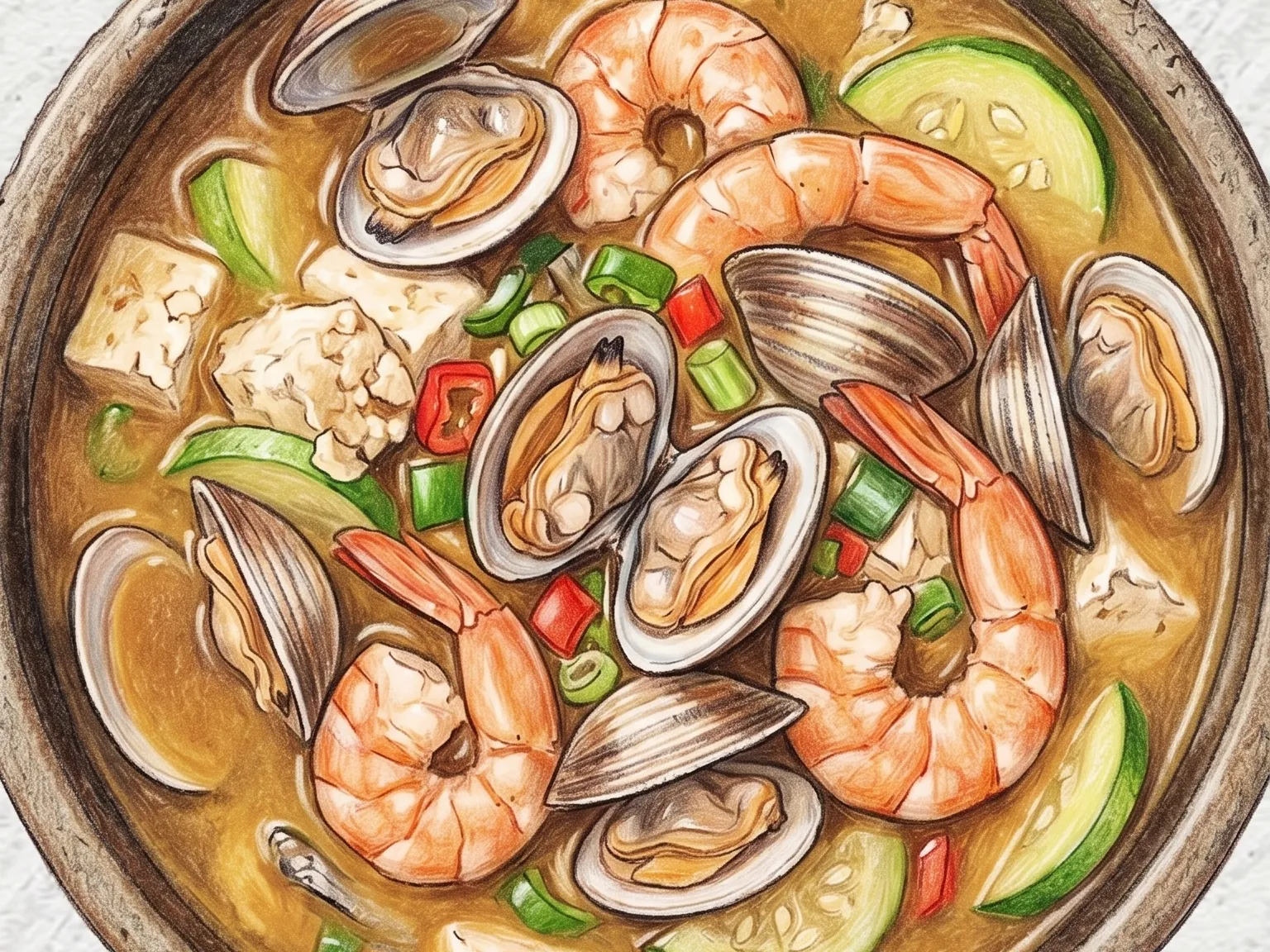
Korean Seafood Bibimbap (Mixed Rice with Shrimp and Squid)
Rice Medium

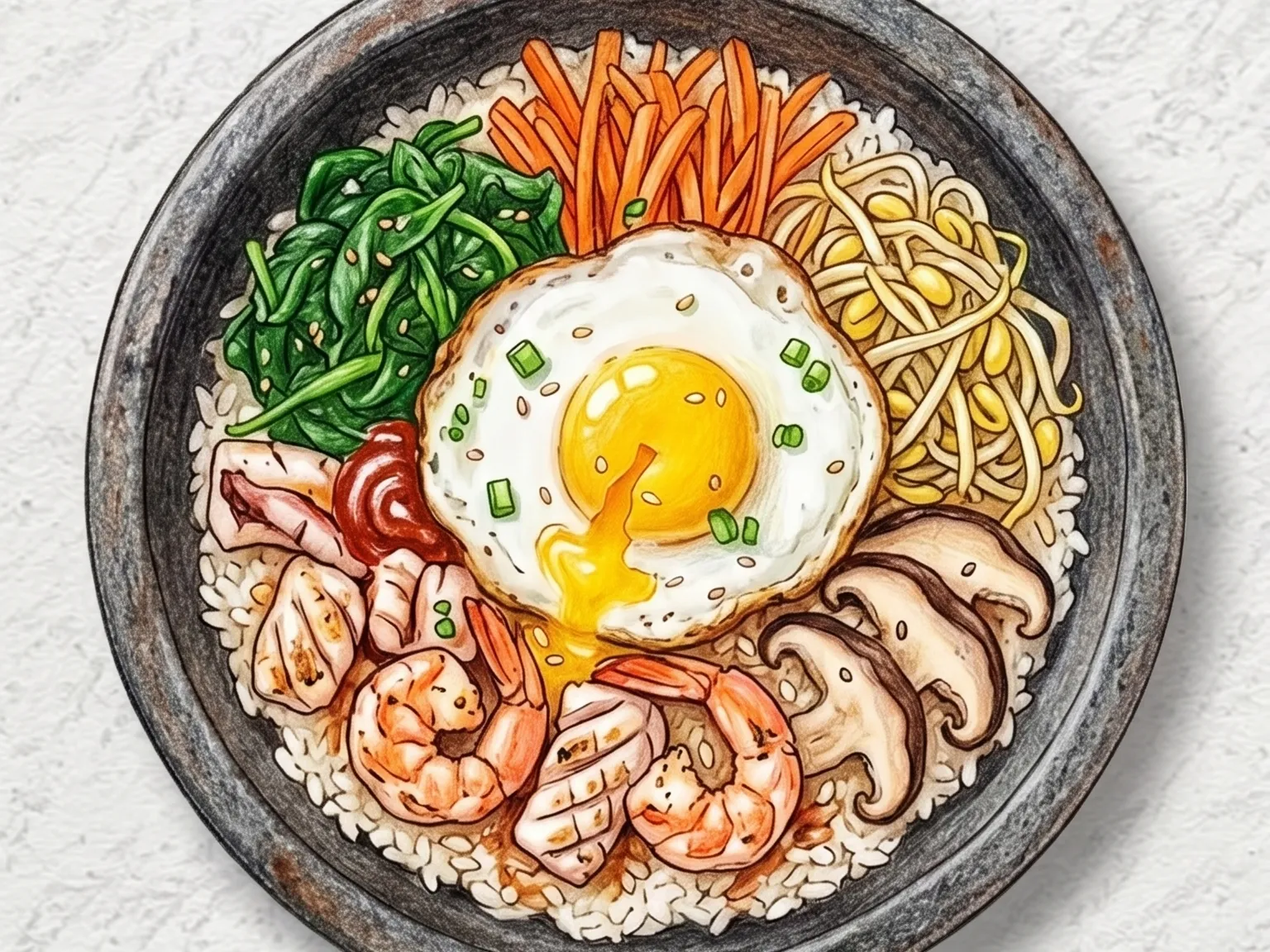
Korean Seafood Bibimbap (Mixed Rice with Shrimp and Squid)

Haemul bibimbap features shrimp and squid seared quickly on high heat to preserve their springy texture, arranged over a bowl of rice alongside seasoned spinach and other namul vegetables, then mixed together with gochujang at the table. The critical technique is brevity at high heat: seafood that cooks too long turns tough and rubbery, while a brief, fierce sear keeps each piece tender and allows the natural juices to release and seep into the rice below, enriching the base flavor of every bite. A fried egg is customary - breaking the yolk and mixing it through coats each grain in a rich, golden film that rounds out the sharpness of the chili paste and ties all the components together. Because shrimp and squid carry their own natural salinity, less gochujang is needed here than in a standard bibimbap, and the seasoning balance tips slightly toward the savory and briny rather than the fiery. The combination of contrasting textures - slippery seafood, tender greens, and yielding rice - makes each mixed spoonful different from the last.

🎉 Special Occasion 🍱 Lunchbox
Prep 20min Cook 15min 2 servings
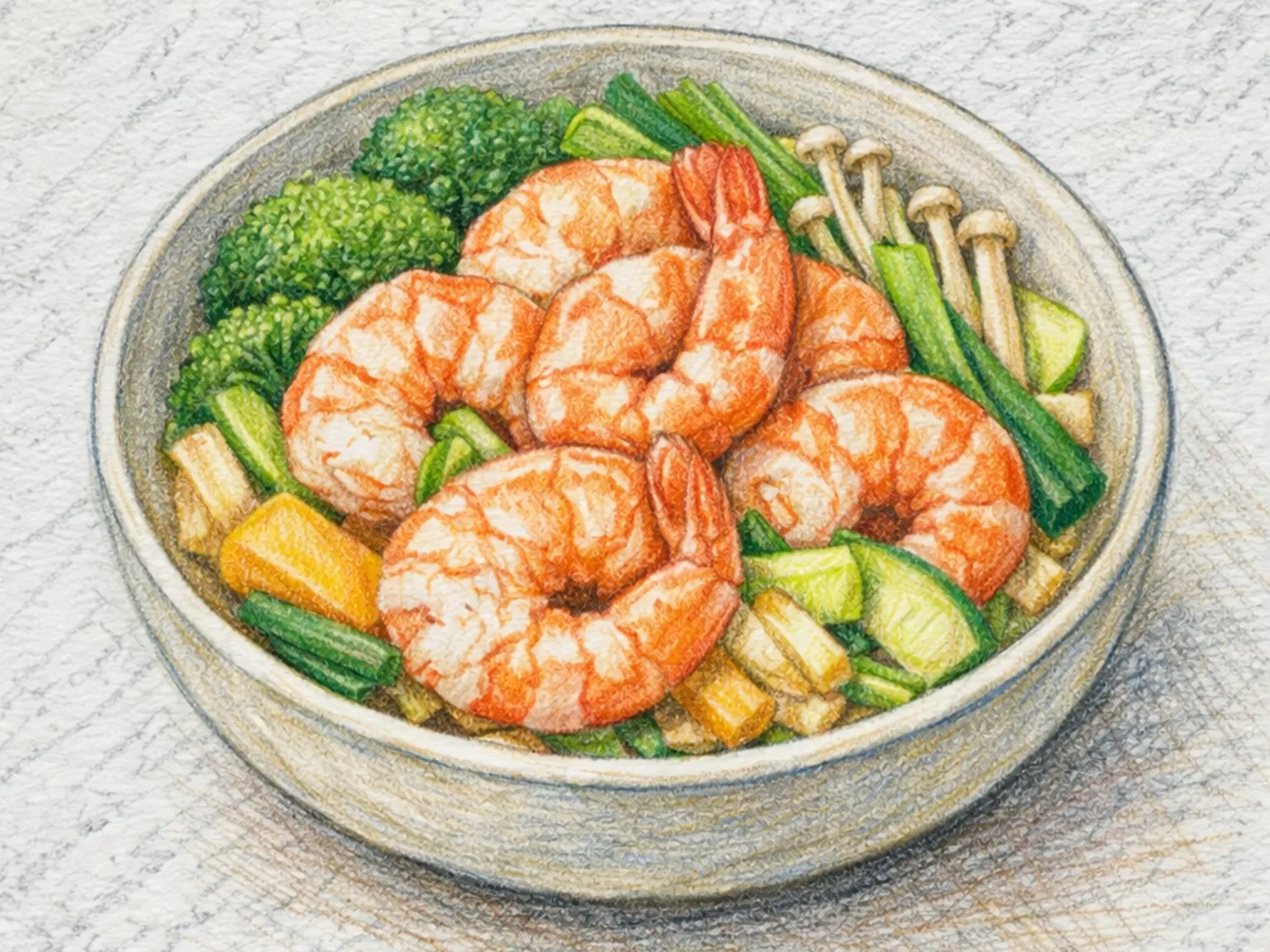
Korean Stir-fried Chives and Shrimp
Stir-fry Easy

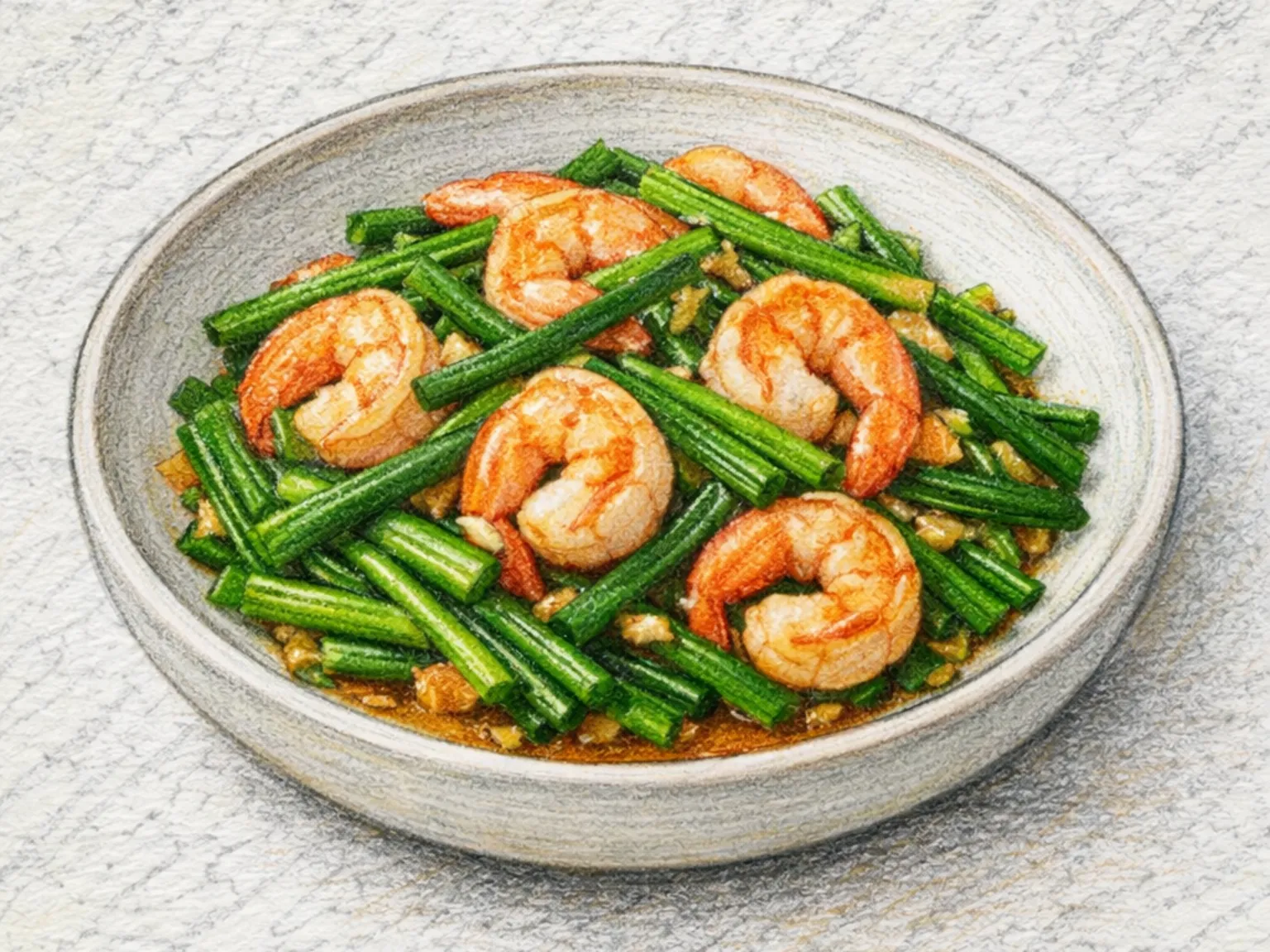
Korean Stir-fried Chives and Shrimp

Deveined shrimp are dried thoroughly and seared over high heat until their shells turn pink, then tossed briefly with garlic chives for a stir-fry that takes under ten minutes from cutting board to plate. Removing every trace of surface moisture before the shrimp hit the pan is the single most important step; residual water generates steam and turns the sear into a braise, leaving the shrimp pale and soft instead of lightly caramelized. Sliced garlic goes into the oil first to build an aromatic base that clings to every ingredient. One tablespoon of soy sauce paired with a teaspoon of oyster sauce amplifies the natural seafood umami without tipping the dish into excessive saltiness, and black pepper sharpens the finish. The chives must go in last and cook for no more than sixty seconds; any longer and they lose their vivid color and turn stringy. At 220 calories with 26 grams of protein per serving, this dish fills the role of a satisfying yet light side that pairs well with steamed rice or slides neatly into a packed lunch.

🏠 Everyday 🍱 Lunchbox
Prep 12min Cook 8min 2 servings
Korean Seafood Tempura (Korean Deep-Fried Seafood)
Street food Medium

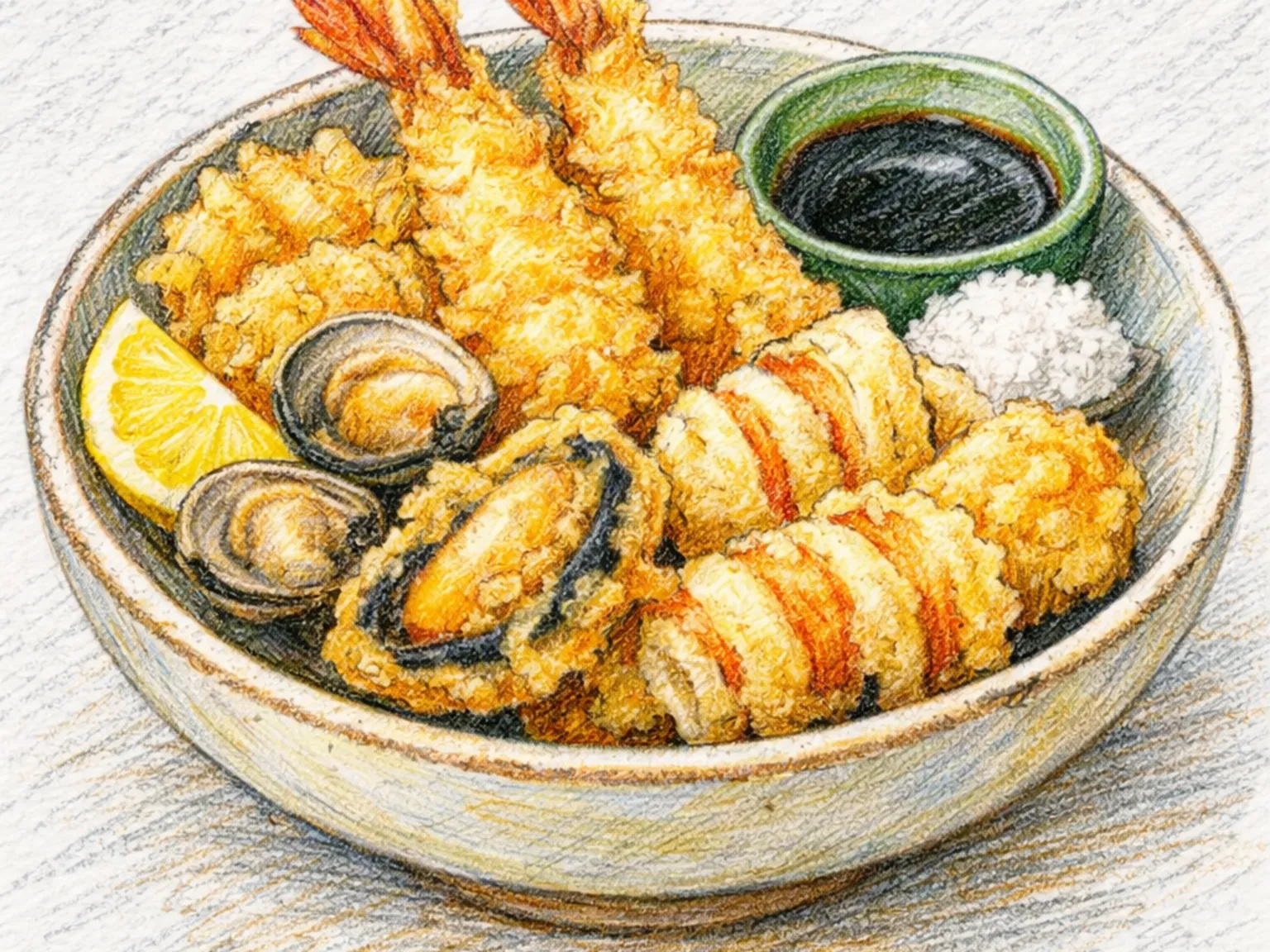
Korean Seafood Tempura (Korean Deep-Fried Seafood)

Haemul-twigim is a Korean assorted seafood platter of shrimp, squid, and clams coated in a light cold-water batter and deep-fried until crisp. Each type of seafood requires different prep: shrimp get their back tendons snipped to prevent curling, and squid are scored to stop them from shrinking in hot oil. The cold-water batter produces a thin, delicate coating that highlights the seafood's own flavors rather than burying them. Frying briefly at 170 degrees keeps the interiors from turning rubbery, and the platter is typically served with soy dipping sauce or salt alongside tteokbokki and fish cake soup as part of a bunsik spread. Substituting beer or sparkling water for plain cold water in the batter creates an even lighter, crispier coating, and draining the pieces thoroughly on a rack immediately after frying is what keeps them from going soggy before they reach the table.

🍺 Bar Snacks 🧒 Kid-Friendly
Prep 15min Cook 12min 4 servings
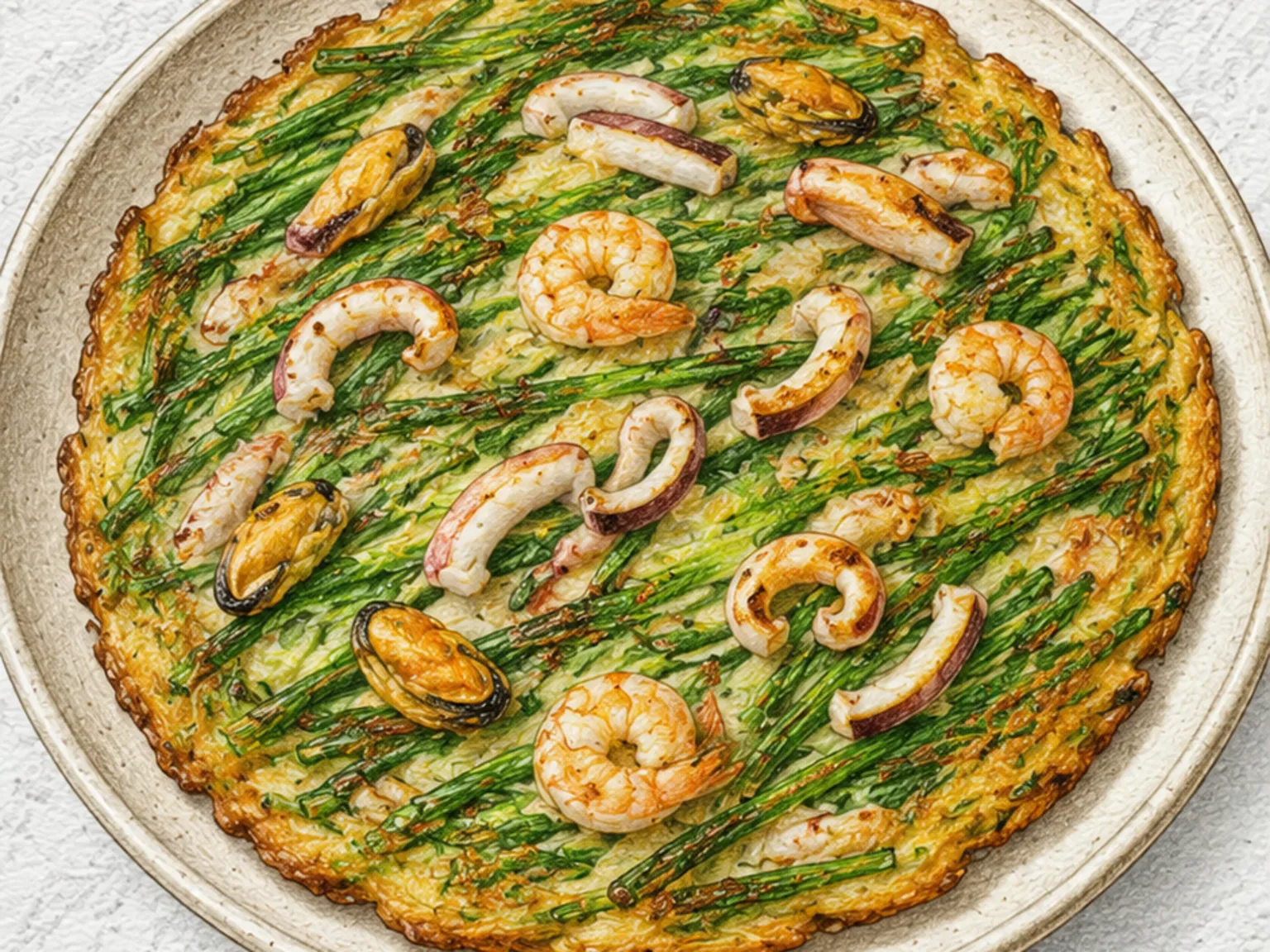
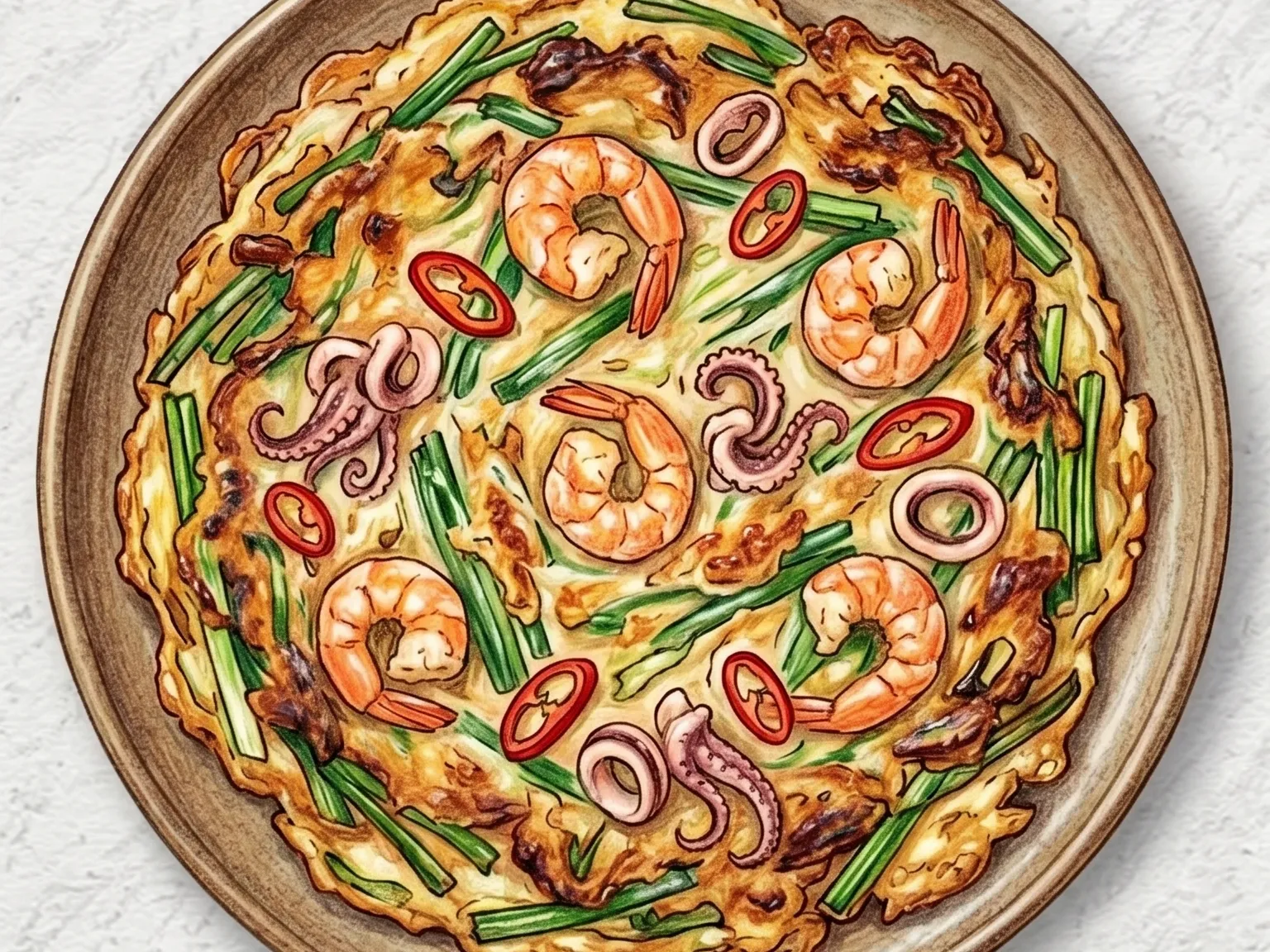
Korean Busan-style Seafood Green Onion Pancake
Grilled Medium

Korean Busan-style Seafood Green Onion Pancake

Busan-style haemul pajeon is a Korean seafood scallion pancake assembled by laying long green onions across the full width of the pan, topping them with squid, shrimp, and mussel meat, then binding everything together with a thin cold-water batter poured over the top. Mixing the batter with cold water is the defining technique -- lower temperatures inhibit gluten development, producing edges that shatter rather than bend when pressed, a noticeably crispier result than standard pajeon. As the scallions cook through, they release steam and develop a natural sweetness while absorbing the briny, savory liquid from the seafood above. Extra oil added around the perimeter during cooking fries the outer ring into a cracker-like crunch, contrasting with the dense, moist center packed with overlapping layers of shellfish and green onion. Dipping each slice into a sesame-soy sauce completes the contrast between the crisp exterior and the concentrated seafood filling.

🍺 Bar Snacks
Prep 20min Cook 15min 4 servings
Korean Seafood Scorched Rice Soup
Soups Medium

Korean Seafood Scorched Rice Soup

The structural transformation of scorched rice pieces within a hot seafood liquid defines the eating experience of this dish. Preparation starts with simmering shrimp, squid, and mussels to create a concentrated stock reflecting the natural saltiness of the sea. The central component involves nurungji, or the golden-brown sheets of rice toasted at the bottom of a pot until brittle. Adding these dried crusts to the boiling broth initiates a rapid absorption process. While the rice starts with a sharp crunch, it transitions into a chewy and slightly sticky consistency within minutes. Green bok choy provides a crisp visual and textural contrast to the softer seafood elements. A small addition of oyster sauce strengthens the savory profile of the liquid without overwhelming the other ingredients. The timing of consumption changes the texture significantly. Eating the rice immediately preserves the brittle state, while letting the dish sit for a few minutes creates a soft consistency similar to a thick porridge. The combination of toasted grain aromas and the savory seafood base provides a filling meal. Different seafood like abalone or scallops can elevate the ingredients, or tofu can be added for a lighter protein source. Storing pre-made dried rice crusts allows for easy preparation whenever a quick meal is needed.

🏠 Everyday
Prep 20min Cook 25min 2 servings
Korean Seafood Doenjang Stew
Stews Easy

Korean Seafood Doenjang Stew

Haemul doenjang jjigae is a Korean soybean paste stew enriched with clams and shrimp. The broth is built on a kelp and dried anchovy stock into which doenjang is dissolved, then clams are added and the pot is brought to a boil. As the clams open, they release their clear, briny liquor into the doenjang base, adding a layer of ocean flavor that plain vegetable stews cannot replicate. Shrimp go in next and contribute their own distinct seafood sweetness. Tofu and zucchini round out the stew with soft, yielding textures that absorb the enriched broth fully. Clams should be purged in salted water beforehand to eliminate any grit, and doenjang is best added conservatively at the start and adjusted gradually during cooking to avoid over-salting. The seafood transforms the already satisfying doenjang stew into something noticeably more layered and complex, making it equally at home as a rice accompaniment or as food alongside drinks.

🏠 Everyday
Prep 15min Cook 20min 2 servings
Japanese Savory Steamed Egg Custard
Steamed Medium

Japanese Savory Steamed Egg Custard

Eggs beaten with dashi stock, soy sauce, and mirin are steamed into a silky custard. A high dashi-to-egg ratio produces an exceptionally smooth texture that holds its shape yet barely resists the spoon. Shrimp, shiitake mushroom, and ginkgo nuts placed inside the cup before steaming offer distinct pockets of flavor and chew within each serving. Controlling the steam temperature is critical - too much heat causes bubbles that roughen the surface, so a cloth tucked under the lid and a low flame keep the environment gentle throughout. Found in both Japanese home kitchens and izakaya menus, chawanmushi is served warm in individual cups as a starter.

🎉 Special Occasion
Prep 15min Cook 18min 2 servings
Korean Chili Oil Seafood Soy Bibim Noodles
Noodles Medium

Korean Chili Oil Seafood Soy Bibim Noodles

Gochu gireum haemul ganjang bibim myeon is a Korean mixed noodle dish where boiled noodles are tossed with shrimp, squid, and a sauce of homemade chili oil, soy sauce, and oyster sauce. Making the chili oil from scratch by pouring hot oil over dried chilies draws out a fragrant, rounded heat with a freshness that store-bought oil lacks. The seafood must be stir-fried quickly over high heat to keep the shrimp bouncy and the squid tender rather than rubbery - any hesitation on the heat results in tough, overcooked shellfish. Oyster sauce bridges the marine flavor of the seafood with the soy base, pushing the dish toward umami depth rather than straight saltiness. Sesame seeds and scallions finish everything with a nutty aroma and a clean green note. The noodles, seafood, and sauce must all be tossed together in one confident motion so that the chili oil coats every ingredient evenly. Avoid overcooking the noodles; they should be slightly firm since they will soften further during tossing.

🍺 Bar Snacks 🌙 Late Night
Prep 15min Cook 12min 2 servings
Gochujang Shrimp Cream Pasta
Pasta Medium

Gochujang Shrimp Cream Pasta

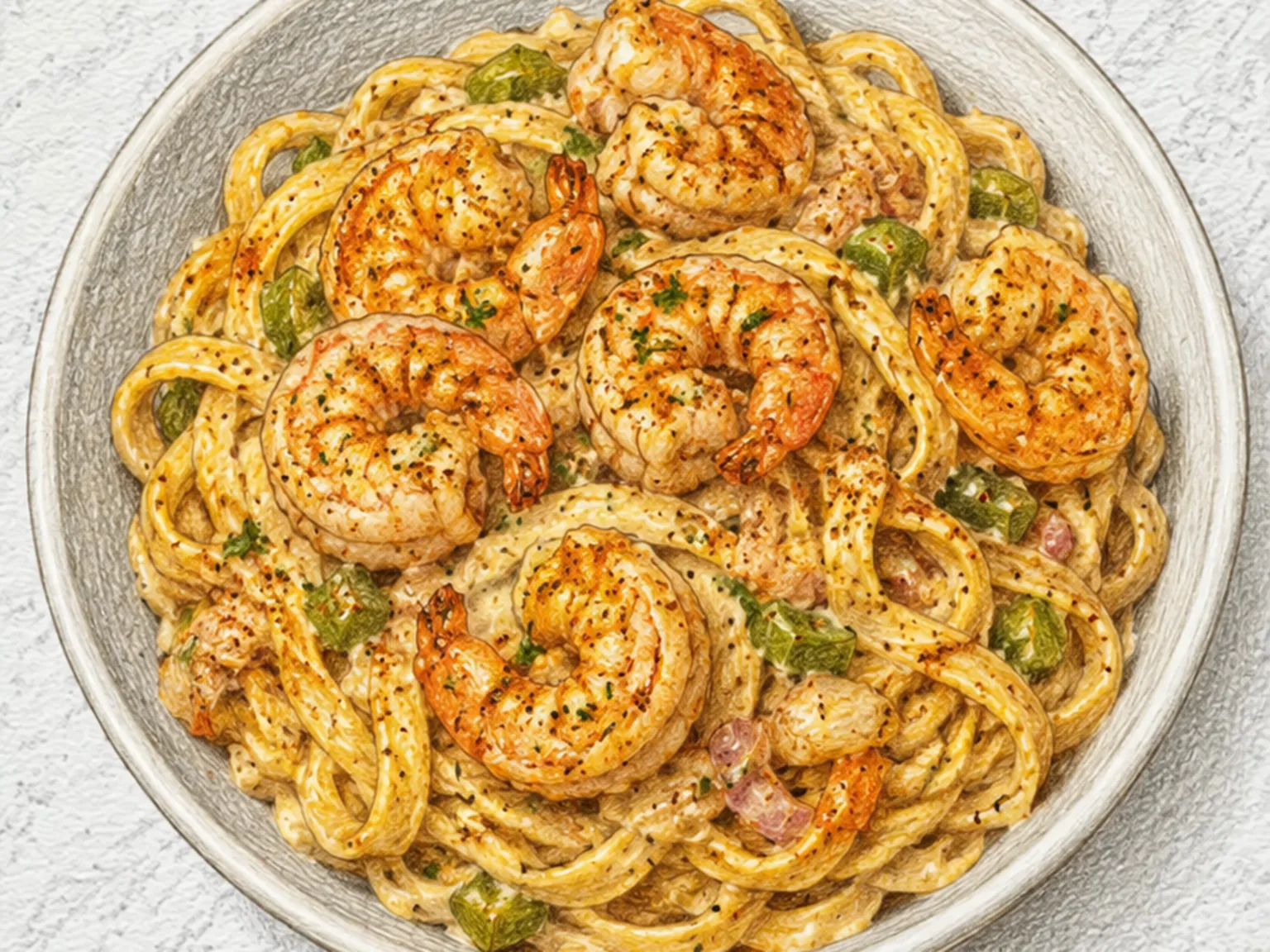
Gochujang shrimp cream pasta merges fermented Korean chili paste with heavy cream into a single cohesive sauce. Shrimp are seared at high heat first to develop a caramelized crust, then folded into the gochujang-cream mixture along with milk and garlic. The fermented depth of gochujang operates differently from straightforward chili heat: it carries malty sweetness and umami that reinforce the dairy richness rather than cutting against it, building a layered flavor the sauce would not achieve with fresh chili alone. Parmesan grated into the pan adds salt and nuttiness that round out the finish, while reserved pasta water lets the cook dial in the consistency. The result coats each strand of pasta in a glossy, spiced cream. The entire dish comes together in around 20 minutes, keeping the shrimp firm and the sauce smooth.

🎉 Special Occasion
Prep 15min Cook 20min 2 servings
Vietnamese Lotus Stem Shrimp Salad
Salads Medium

Vietnamese Lotus Stem Shrimp Salad

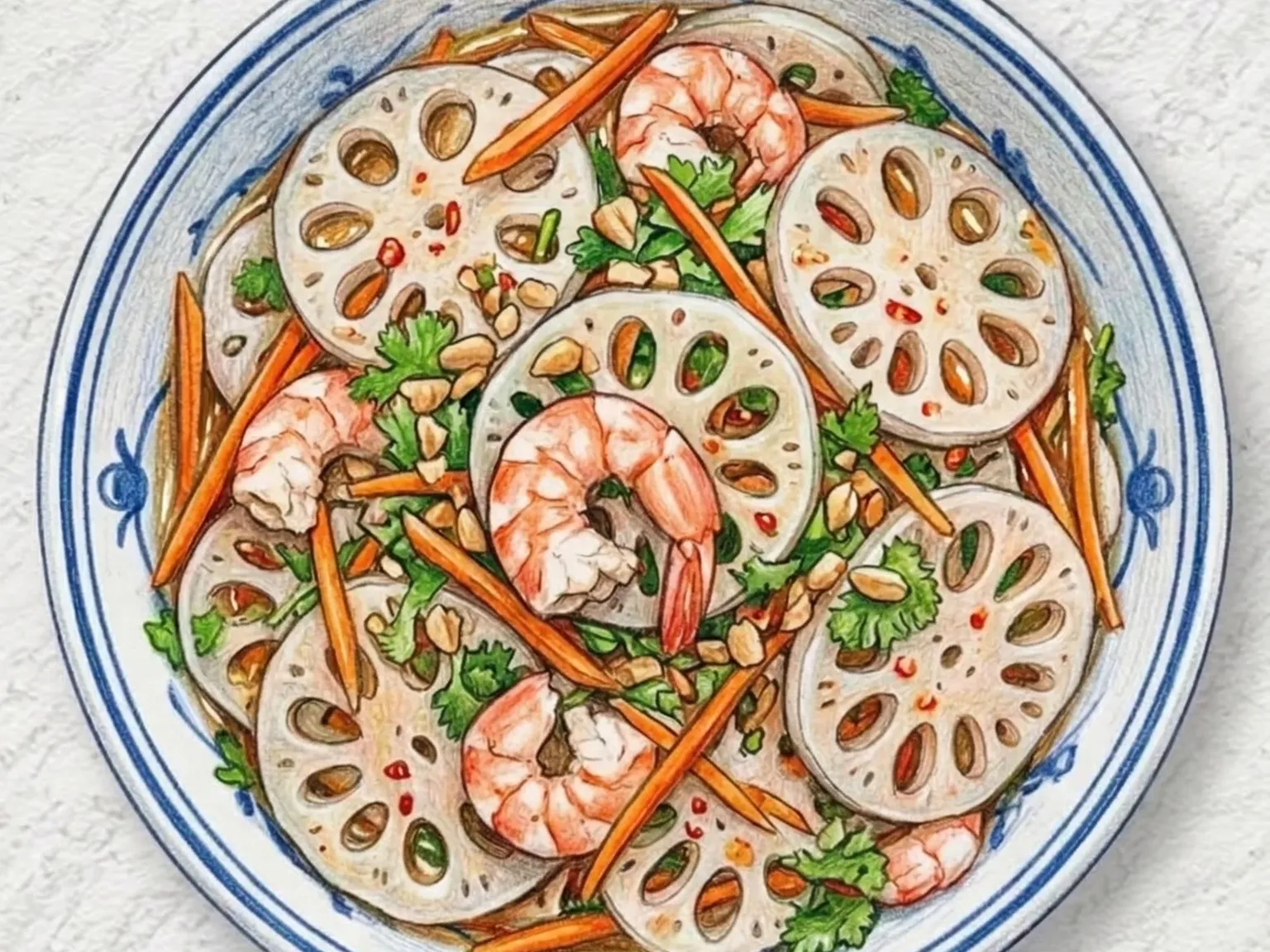
Goi ngo sen is a traditional Vietnamese salad of thinly sliced lotus stem, blanched shrimp halved lengthwise, julienned carrot, and cilantro dressed in a fish sauce and lime vinaigrette. Soaking the lotus stem in diluted vinegar water for ten minutes is not optional: it removes the astringent edge while keeping the crisp, snapping texture that defines the dish, and skipping this step leaves a rough, bitter aftertaste no amount of good dressing can fix. Blanching the shrimp for two to three minutes and splitting them open lengthwise exposes more cut surface for the dressing to penetrate. The dressing combines fish sauce, lime juice, and sugar in a ratio that hits salty, sour, and sweet simultaneously, making the natural umami of the seafood stand out rather than recede. Letting the salad rest for at least five minutes after tossing gives the dressing time to soak into each ingredient and allows the flavors to settle into one another.

🥗 Light & Healthy
Prep 20min Cook 5min 2 servings
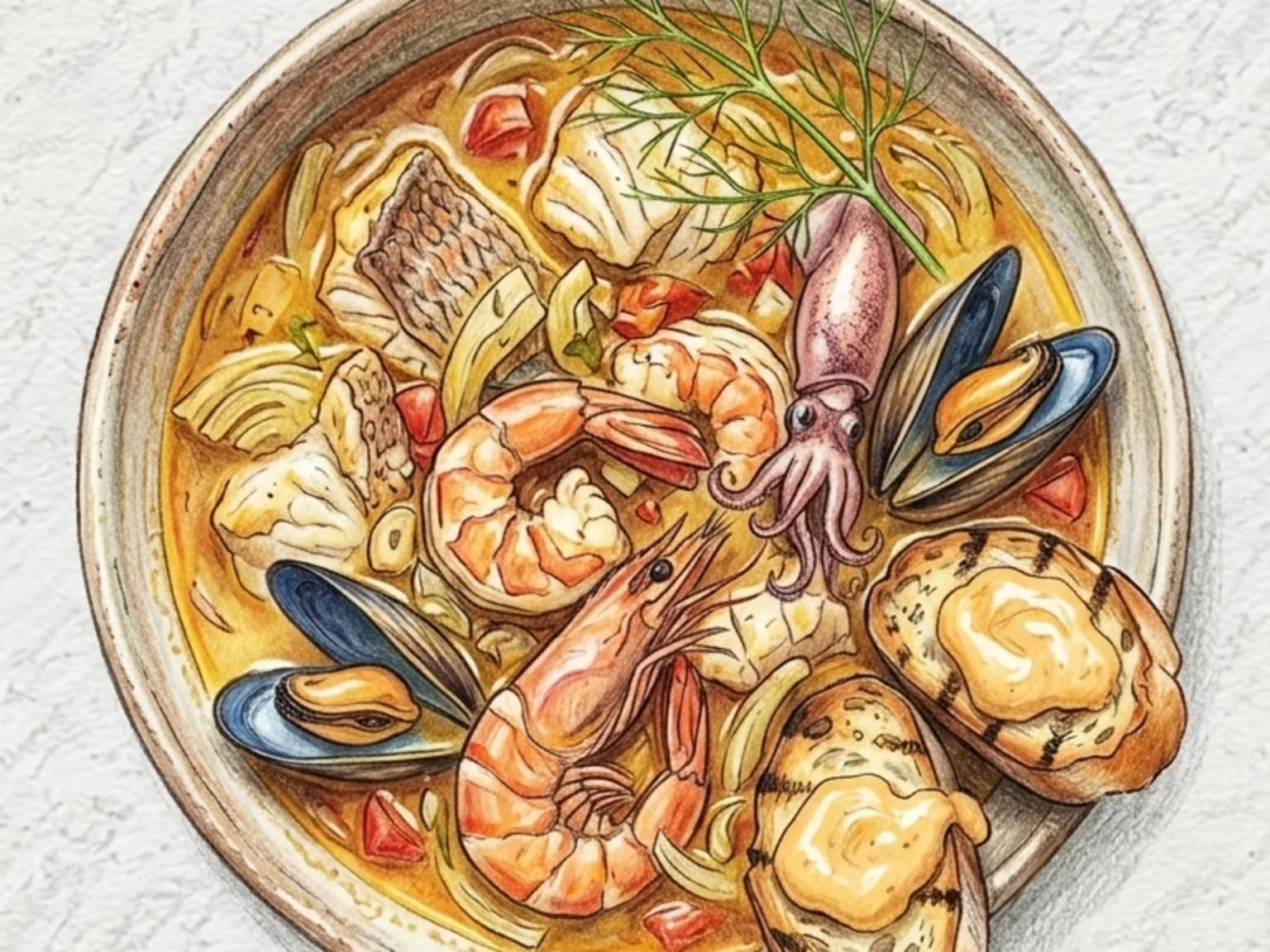
Bouillabaisse (Provencal Saffron Seafood Stew)
Western Hard

Bouillabaisse (Provencal Saffron Seafood Stew)

Bouillabaisse is a Provencal seafood stew that originated with Marseille fishermen cooking whatever catch remained unsold, distinguished above all by saffron's golden color and subtle floral aroma carried through the broth. Fennel and tomatoes are sauteed in olive oil first to build a fragrant base, then saffron-steeped fish stock is added and brought to a simmer. Firm-fleshed fish such as monkfish or sea bass go in first, with shrimp and mussels added last to protect their texture - overcooked shellfish turns rubbery and loses all elasticity. The broth builds complexity from the successive contributions of each seafood type, with every variety releasing its own distinct character of ocean flavor into the pot. Prolonged simmering concentrates the broth intensely, so once the fish is added, maintaining high heat and finishing quickly is the key to a broth that is rich but still clear and clean. Traditionally, grilled baguette spread with garlicky rouille is dipped into the broth alongside the seafood.

🎉 Special Occasion
Prep 30min Cook 40min 4 servings
Banh Khot Recipe  -  Crispy Vietnamese Mini Shrimp Pancakes
Asian Medium

Banh Khot Recipe - Crispy Vietnamese Mini Shrimp Pancakes

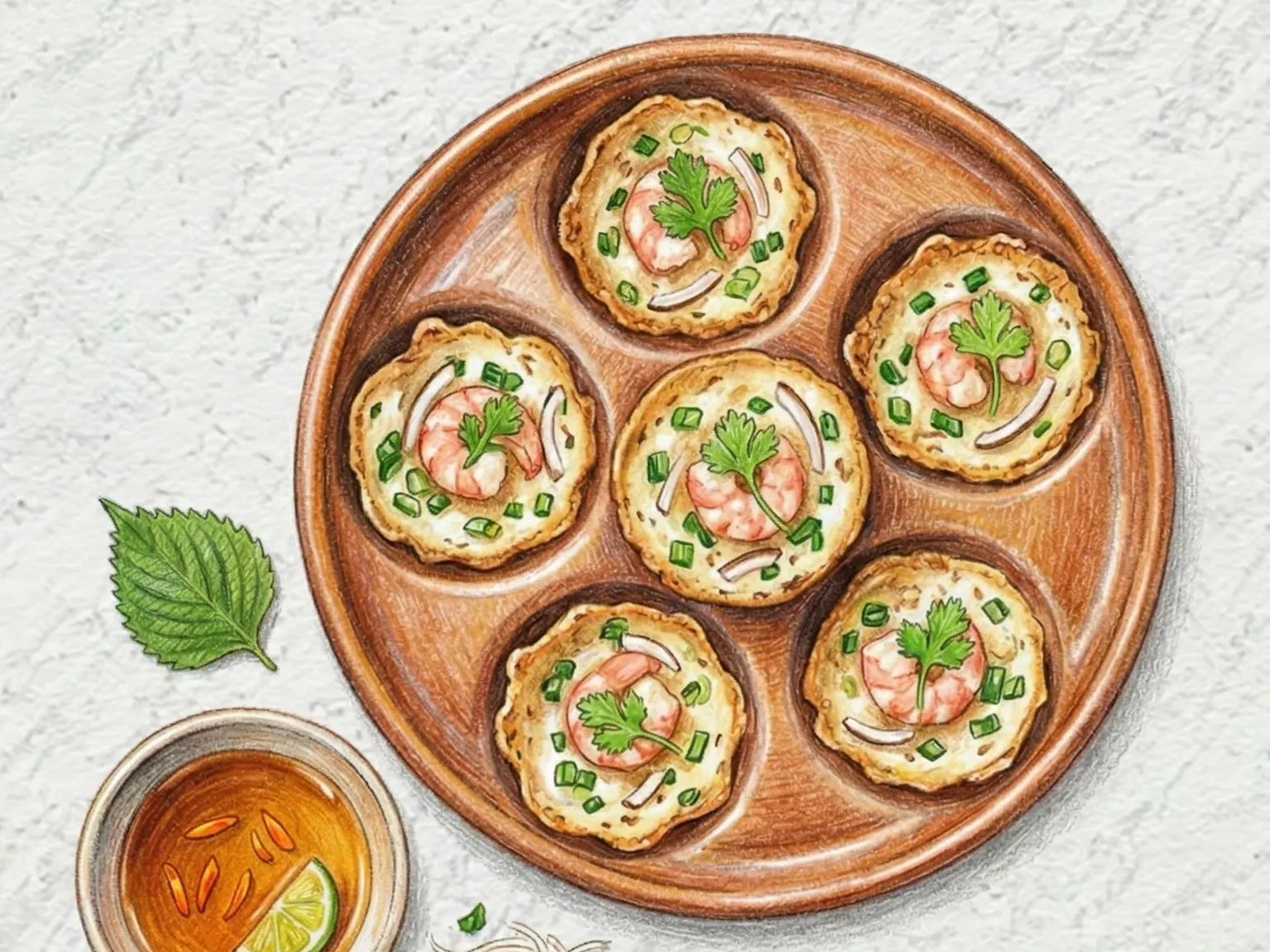
Banh khot is a Vietnamese miniature shrimp pancake that originated in the coastal city of Vung Tau in southern Vietnam. Rice flour and coconut milk are combined into a thin batter, which is poured into the circular hollows of a specialty cast-iron griddle and covered to steam-bake until the edges crisp up and the centers set into a soft, custardy texture. One whole shrimp is pressed into each pancake while the batter is still liquid so it cooks embedded in the top. Coconut milk gives the rice batter a gentle sweetness and richness that plain rice flour lacks, and the fat in the milk contributes to the characteristic crisp edges. The pancakes are served hot, wrapped in lettuce or perilla leaves with fresh mint and Thai basil, then dipped in nuoc cham. The contrast between the hot, crispy shell and the cool, fresh herbs is central to how the dish is eaten. At home, a small egg pan or takoyaki mold can substitute for the traditional griddle.

🎉 Special Occasion
Prep 25min Cook 20min 2 servings
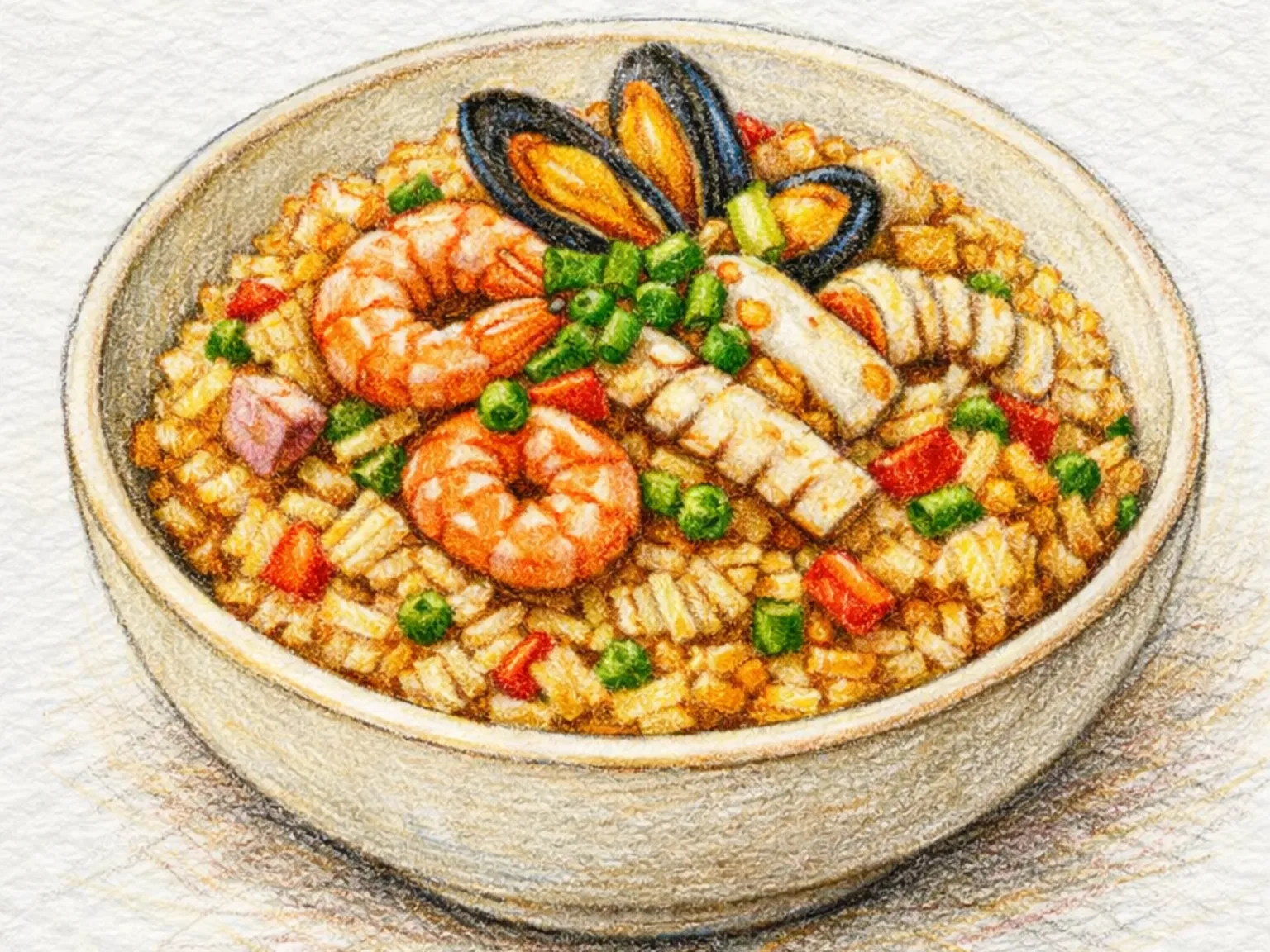
Korean Seafood Fried Rice
Rice Medium

Korean Seafood Fried Rice

Mixed seafood including shrimp, squid, and mussel meat is stir-fried together on high heat until a smoky wok char develops. Day-old cold rice works best because its lower moisture content lets the grains separate cleanly in the pan, and seasoning with soy sauce and oyster sauce layers additional depth on top of the seafood's own brininess. Cracking the eggs into the pan first and immediately tossing the rice on top coats each grain in a thin shell of egg, yielding a lightly crisp exterior. Sesame oil is drizzled only after the heat is off so its fragrance stays intact.

🏠 Everyday 🍱 Lunchbox
Prep 15min Cook 10min 2 servings
Korean Soy-Glazed Shrimp Stir-Fry
Stir-fry Easy

Korean Soy-Glazed Shrimp Stir-Fry

Ganjang saeu bokkeum coats plump shrimp in a sweet-savory soy glaze built on a base of melted butter and garlic. A single cheongyang chili adds a subtle kick that lifts the buttery richness without overpowering it. The key timing rule is to add the sauce the moment the shrimp turn pink: any longer and they become rubbery, but the glaze needs just enough heat to caramelize lightly and coat. Stir-frying the garlic in the butter before the shrimp go in lays a nutty base across the entire sauce. A final splash of soy sauce over high heat at the end creates the lacquered sheen that defines the finished dish. With only eight minutes of cooking time total, this works equally well as a quick banchan alongside rice or as an appetizer with drinks.

🏠 Everyday 🍱 Lunchbox
Prep 10min Cook 8min 2 servings
Korean Shrimp Mulmandu in Light Broth
Street food Easy

Korean Shrimp Mulmandu in Light Broth

Saeu-mulmandu-broth is a Korean dumpling soup where shrimp-filled mandu are simmered in a clear broth seasoned with soup soy sauce and garlic. The shrimp is added to the pot first and allowed to cook in the liquid before the dumplings go in, establishing a seafood base that the wrappers gradually absorb during cooking. As the dumplings simmer, their skins turn translucent and the filling becomes faintly visible through the surface. They are ready when they float to the top, at which point the wrappers are tender but still intact. Green onion is stirred in at the end for a fresh, mild sharpness, and the broth is adjusted with salt and white pepper. Despite its clear, light appearance, the soup carries real depth: the gentle sweetness drawn from the shrimp combines with the savory notes released from the filling inside each dumpling, building a broth that tastes more complex than its short ingredient list would suggest. A full bowl with several dumplings makes a complete light meal, and the soup is particularly comforting during cooler months. Frozen store-bought shrimp dumplings work well in this recipe, making it a practical option for quick weeknight cooking.

🧒 Kid-Friendly
Prep 15min Cook 10min 2 servings
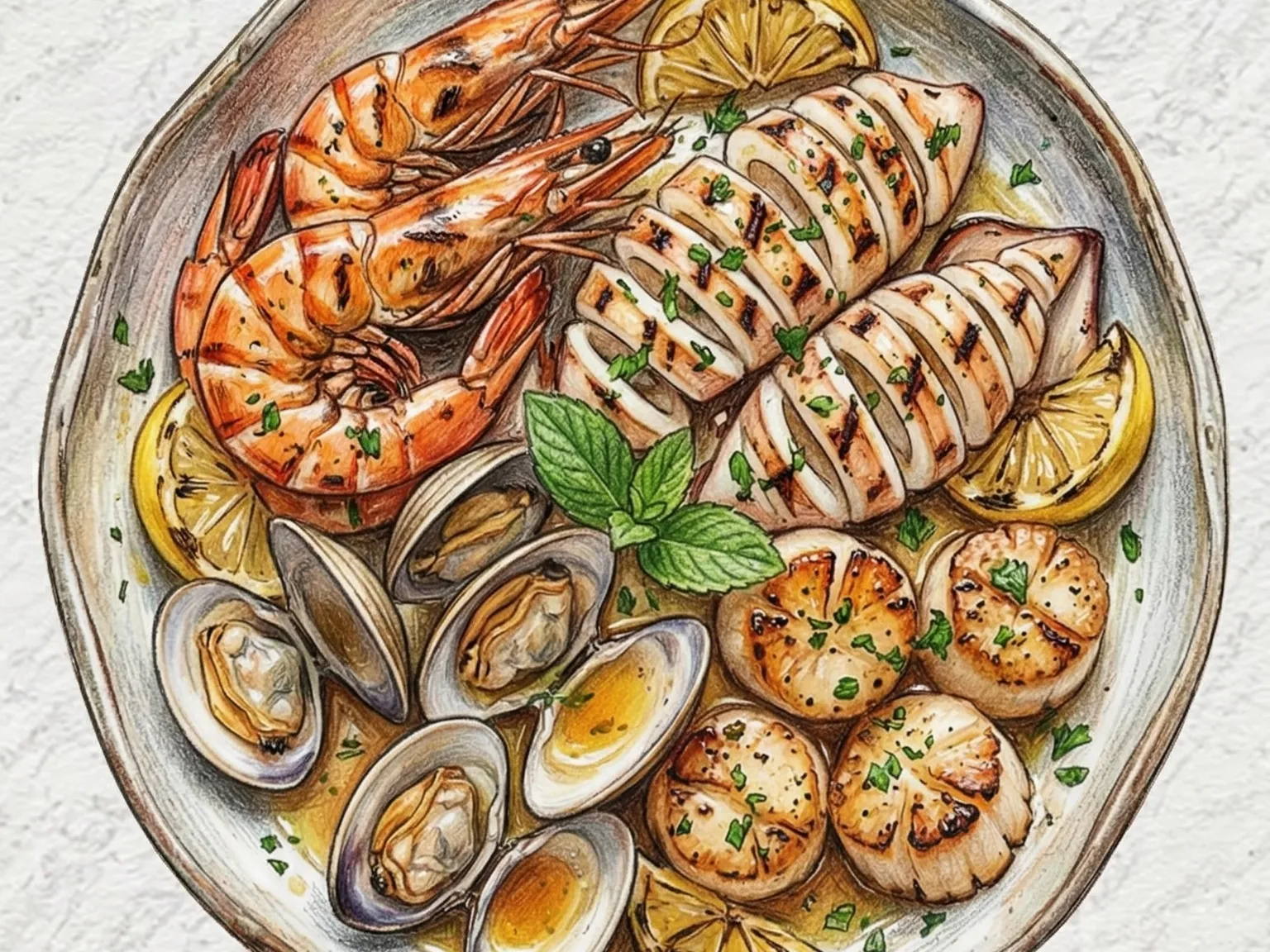
Korean Seafood with Doenjang Sauce Grill
Grilled Medium

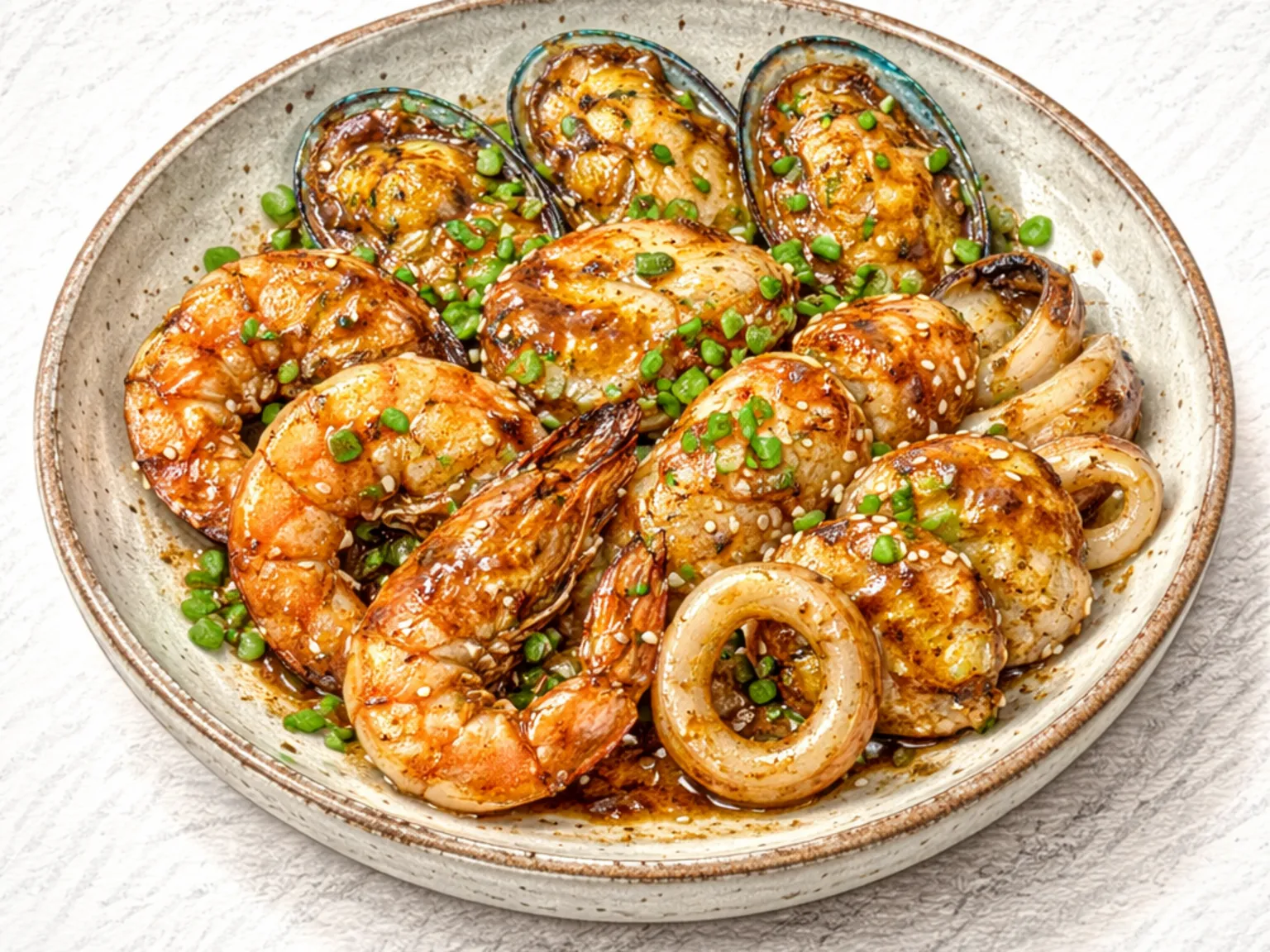
Korean Seafood with Doenjang Sauce Grill

Haemul doenjang-gui is a Korean grilled seafood dish in which shrimp and squid are brushed with a paste of doenjang, a measured amount of gochujang, minced garlic, sesame oil, and sugar before being grilled or pan-fried until the coating caramelizes. The fermented soybean paste contributes a deep, earthy umami that layers over the natural brine of the seafood, producing a complexity that neither ingredient could achieve alone. The gochujang serves as a supporting element rather than a dominant one, providing a quiet background heat that amplifies the doenjang without overpowering it. Sugar in the paste is non-negotiable: without it, the protein-dense doenjang scorches on the grill before caramelization can develop. The dish is finished when the sauce darkens to a mahogany brown and releases a nutty, fragrant aroma; hold the heat too long past that point and a bitter char begins to overtake the flavor. It functions well as a side dish with rice or as a grilled snack alongside drinks.

🍺 Bar Snacks
Prep 15min Cook 15min 2 servings
Korean Boiled Seafood Broth
Soups Easy

Korean Boiled Seafood Broth

Haemul suyuk-tang is a clear Korean seafood soup where clams, shrimp, and squid are simmered together in lightly seasoned water with garlic and green onion. The defining quality of this dish is its restraint: no gochujang, no doenjang, no complex spice paste, just salt and the natural briny liquor each ingredient contributes to the pot. The clams open first and release their saline juice into the water, establishing the initial salinity of the broth. As the shrimp cook they turn pink and contribute a sweet current beneath the salt. The squid firms and curls into rings, adding a chewy textural counterpoint to the soft clam meat and the tender shrimp. Each of these three seafoods produces a different form of marine umami, and together they layer into a broth that reads as remarkably full despite being completely transparent. There is no competition from fermented paste or chili, so the ocean flavor comes through cleanly and directly. The visual effect of the finished bowl is also appealing: open clam shells scattered through the pot, curved pink shrimp, and white squid rings give the bowl a sense of abundance without heaviness. The soup works well as a light meal alongside rice, and it is the dish to reach for when the goal is to taste the seafood itself without interference from heavier seasonings.

🏠 Everyday
Prep 15min Cook 25min 3 servings
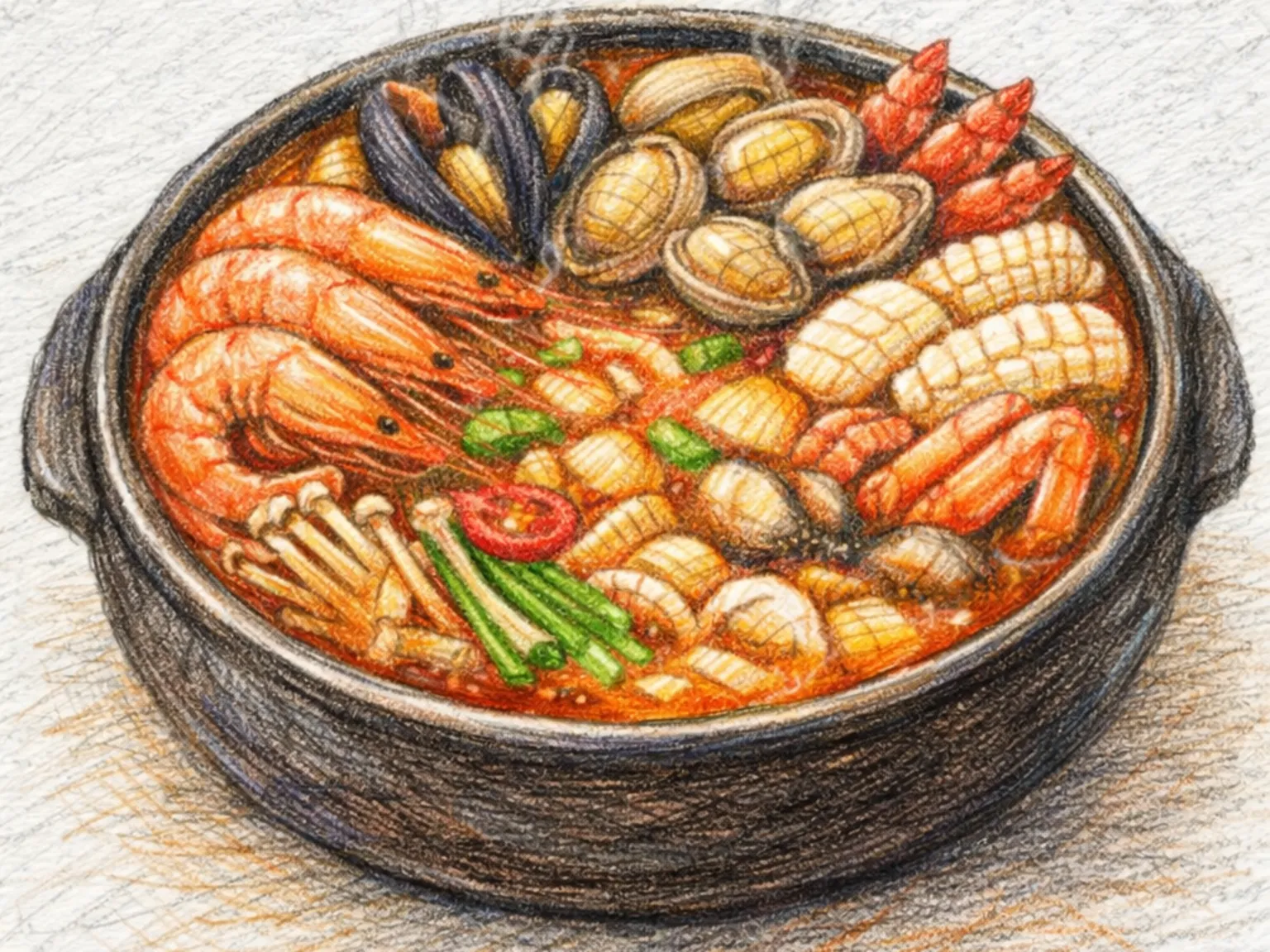
Korean Seafood Hot Pot (Shrimp, Squid & Crab Spicy Pot)
Stews Medium

Korean Seafood Hot Pot (Shrimp, Squid & Crab Spicy Pot)

Haemul jeongol is a Korean seafood hot pot that brings together shrimp, Manila clams, squid, and blue crab in a spicy kelp-based broth seasoned with gochujang and gochugaru. The two chili seasonings serve different purposes: gochujang contributes fermented umami depth and body to the broth, while gochugaru adds clean heat and the vivid red color that makes the dish visually striking. Each type of seafood contributes something distinct to the pot. The clams release their natural briny-sweet liquor as they open, forming the backbone of the broth's flavor. The blue crab sweetens the stock progressively as it simmers, adding a richness that builds over time. The squid provides a chewy textural counterpoint to the softer elements, and the shrimp contribute a clean, delicate sweetness. Tofu and zucchini round out the pot with soft contrast between the firm seafood, and soup soy sauce is used for final seasoning rather than regular soy sauce to avoid darkening the broth. Because jeongol is served bubbling at the table and eaten while still cooking, the seafood should not be fully cooked before serving - shrimp and squid in particular should be added just as the broth comes to a boil and cooked only briefly, since prolonged heat makes them rubbery and dry. The wide vessel and communal style of eating, with everyone reaching into the same pot, is central to what makes haemul jeongol a gathering dish rather than a solo meal.

🎉 Special Occasion
Prep 20min Cook 20min 4 servings
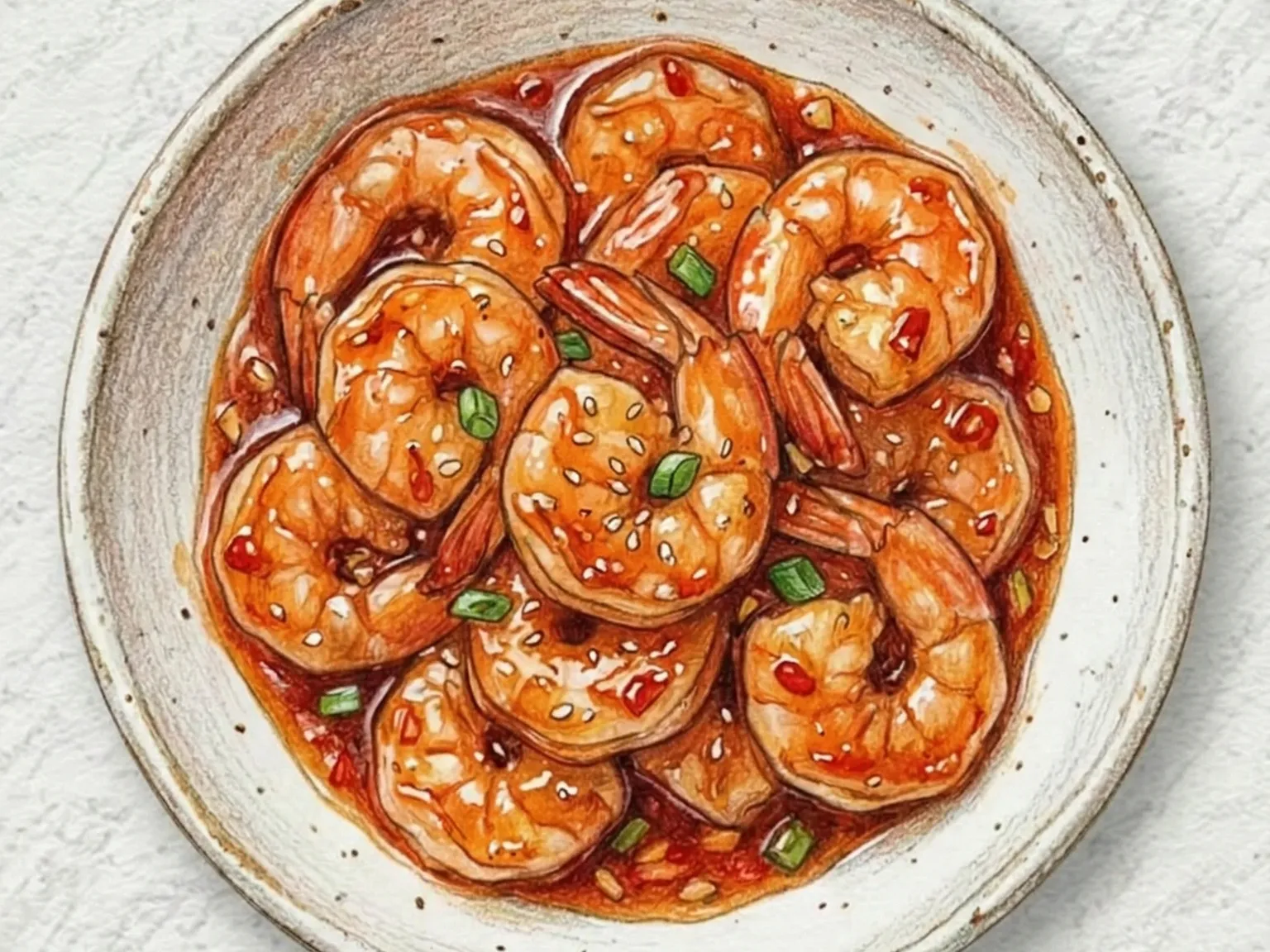
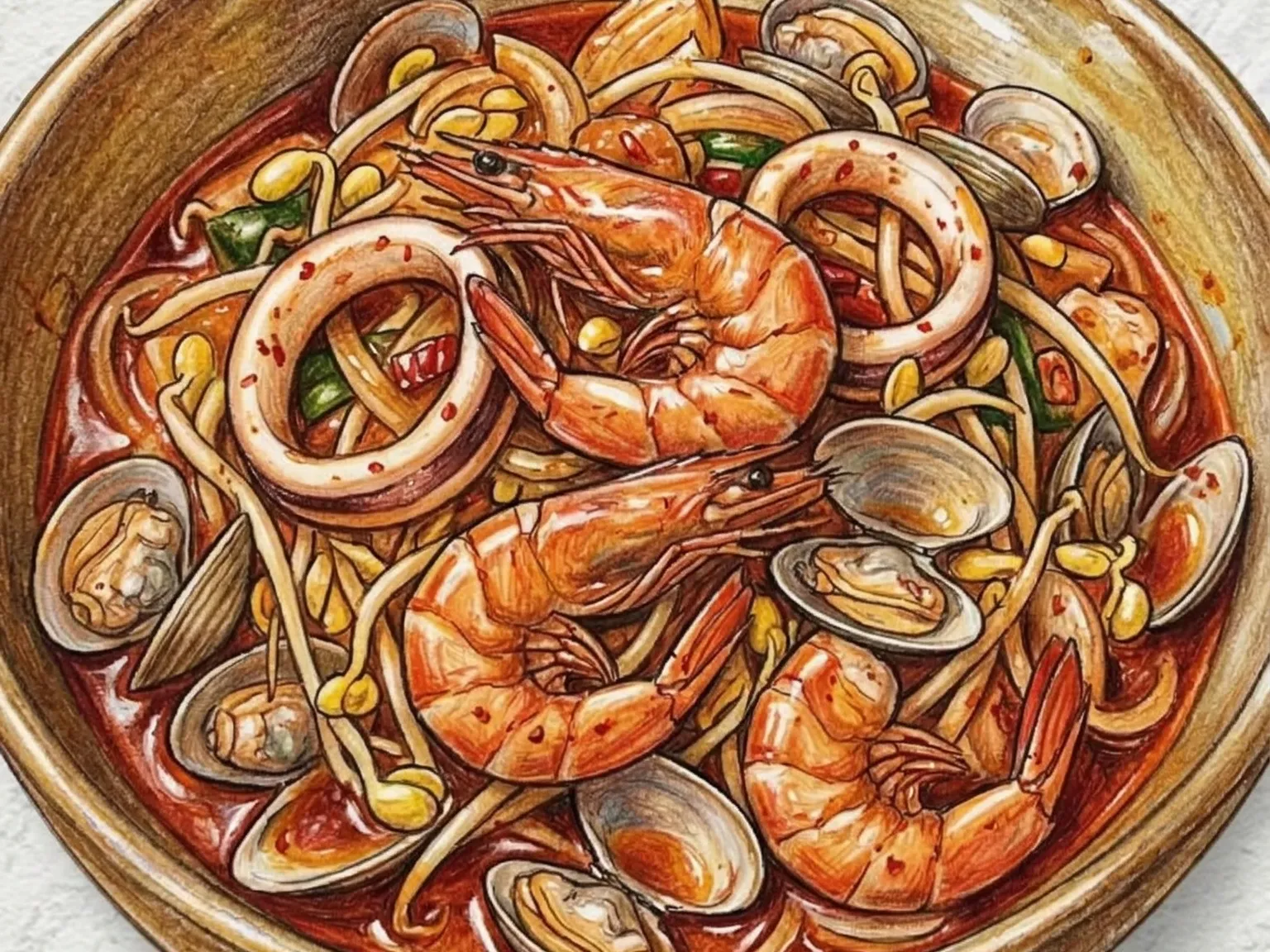
Korean Spicy Braised Mixed Seafood
Steamed Medium

Korean Spicy Braised Mixed Seafood

Haemul-jjim is a Korean mixed seafood braise that brings together squid, shrimp, and manila clams with bean sprouts and onion in a gochugaru and soy sauce seasoning. The vegetables are layered on the bottom of the pot to absorb heat first, with the seafood arranged on top and cooked quickly over high heat so the texture stays firm and springy. Each shellfish releases its natural brine into the broth as it opens, deepening the seasoning without any added stock. A starch slurry stirred in at the end creates a glossy coating that clings to every piece of seafood and vegetable. The dish comes together in under ten minutes of active cooking. Bean sprouts hold their crunch while the squid and shrimp stay tender, and the remaining sauce at the bottom of the pot makes it natural to spoon over rice. It is a standard centerpiece at Korean gatherings and a popular accompaniment to drinks.

🍺 Bar Snacks 🎉 Special Occasion
Prep 20min Cook 20min 4 servings
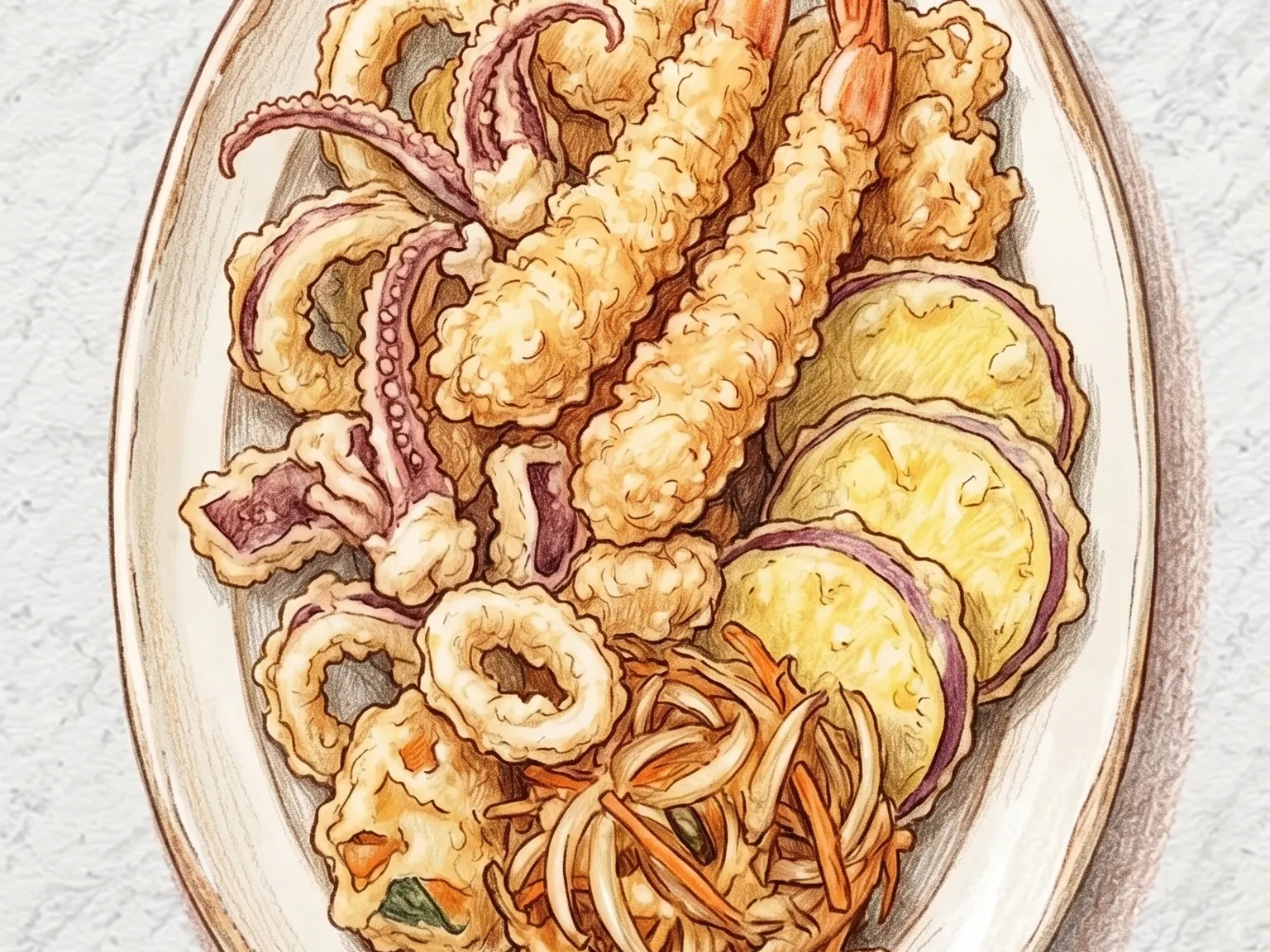
Seafood Jajangmyeon (Black Bean Noodles with Squid and Shrimp)
Noodles Medium

Seafood Jajangmyeon (Black Bean Noodles with Squid and Shrimp)

Haemul jajangmyeon replaces the usual pork with squid and shrimp, bringing a marine twist to the classic Korean black bean noodle dish. The chunjang paste is fried in oil until its raw bitterness fades and a caramel-like sweetness emerges, then the seafood releases its juices into the sauce, building a layered umami absent from the standard version. Diced onion, potato, and zucchini soften into the sauce, contributing natural sweetness and body, while a cornstarch slurry thickens everything to a glossy, clinging consistency. The timing of the seafood matters: adding squid and shrimp too early causes them to tighten and turn rubbery, so they should go in during the final minutes of cooking once the vegetables have softened, allowing just enough heat to cook them through while keeping them springy. The chunjang itself requires at least five minutes of frying over medium heat before any other ingredients join the pan; cutting this step short leaves a harsh, bitter note in the finished sauce that no amount of sugar can fully correct. Poured over springy fresh wheat noodles, the dark sauce delivers both the familiar roasted-bean depth and an unmistakable ocean undertone.

🏠 Everyday 🌙 Late Night
Prep 20min Cook 18min 2 servings
Squid Ink Seafood Linguine
Pasta Medium

Squid Ink Seafood Linguine

Squid ink seafood linguine dissolves squid ink in reserved pasta water before adding it to the pan, ensuring even distribution without clumping. Shrimp and squid rings are seared quickly over high heat to set their surfaces, then finished during the final emulsification step so they stay springy rather than rubbery. Sliced garlic infused slowly in olive oil forms the aromatic base, and white wine with halved cherry tomatoes introduces a gentle acidity once the alcohol cooks off. The ink coats linguine in a glossy black sauce that carries concentrated brininess, and chopped parsley scattered on top provides a fresh herbal contrast. A small squeeze of lemon juice added at the end brightens the deep, saline richness of the squid ink and makes the oceanic flavors more vivid with each bite.

🎉 Special Occasion
Prep 15min Cook 20min 2 servings
Shrimp Mango Lime Salad
Salads Easy

Shrimp Mango Lime Salad

Shrimp mango lime salad is a Thai-style dish that combines briefly poached shrimp with ripe mango, cucumber, red onion, and roughly chopped cilantro, dressed with lime juice, fish sauce, and olive oil. The shrimp go into boiling water for exactly two minutes, which is just long enough to cook them through while keeping their natural snap; any longer causes the proteins to contract and the texture turns from tender to rubbery. Fish sauce contributes a fermented, savory depth that amplifies the shrimp's briny character, while lime's sharp acidity slices through the mango's sweetness and brings the dressing into balance. Thinly sliced red onion adds a raw, peppery heat that creates tension between the sweet fruit and the savory seafood, and cilantro releases a distinctive herbal fragrance with each bite. Cucumber stirred into the mix lightens the overall texture and keeps the salad from feeling too dense. Served cold immediately after dressing, every element stays distinct and the contrast between the yielding fruit, the crisp vegetables, and the firm shrimp comes through clearly.

🥗 Light & Healthy ⚡ Quick
Prep 15min Cook 5min 2 servings
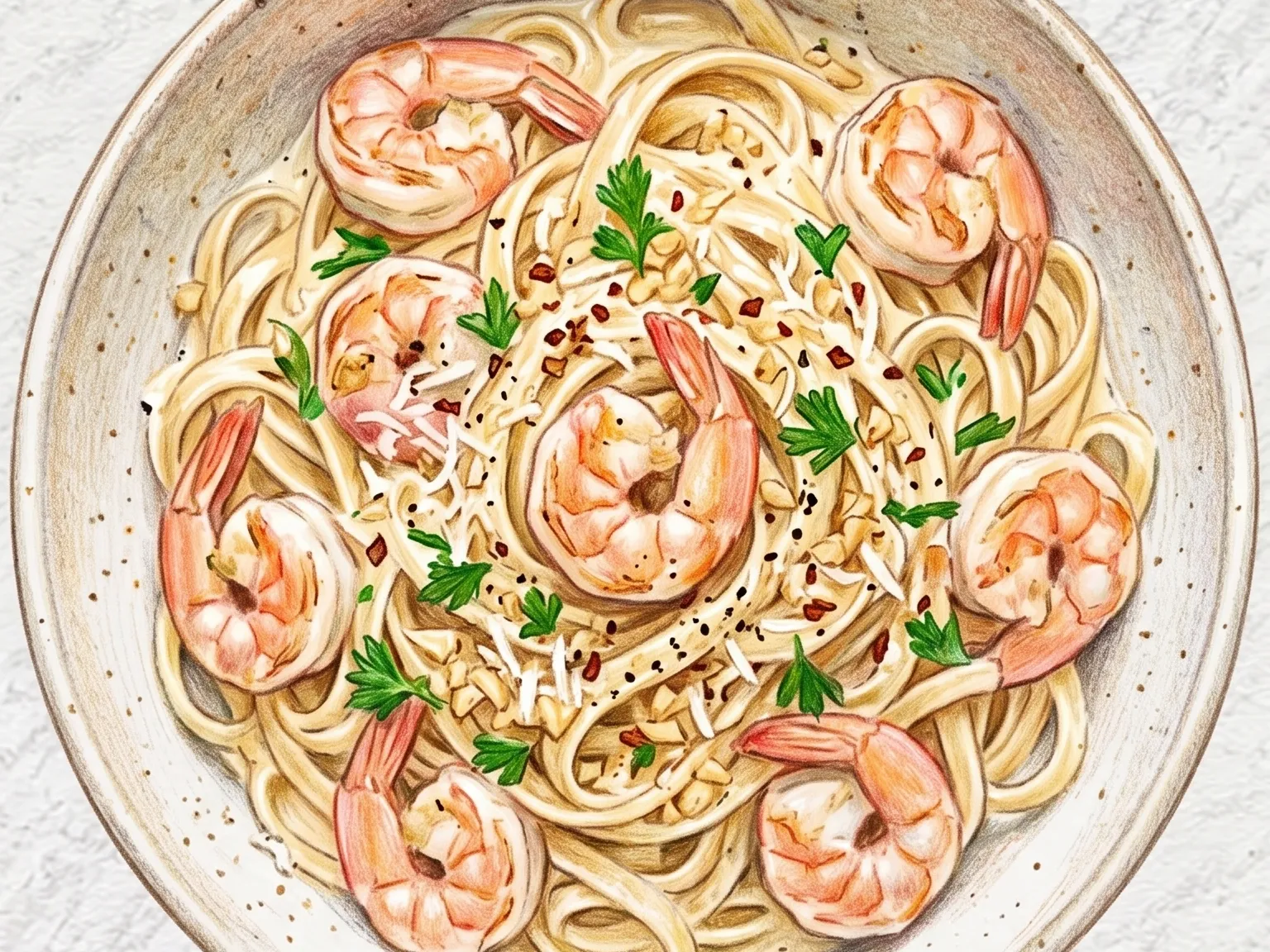
Creamy Garlic Shrimp Pasta
Western Easy

Creamy Garlic Shrimp Pasta

Creamy garlic shrimp pasta begins with a slow, low-heat saute of minced garlic in olive oil and butter. The garlic should be pulled when it turns pale gold rather than brown, which preserves its sweet, mellow depth without any bitterness. Shrimp go in next and cook for roughly two minutes in total, just long enough for both sides to turn pink. At that point the flesh is at its sweetest and the texture is still springy. The shrimp come out of the pan and rest while heavy cream goes in, simmering over medium-low heat for two to three minutes. During that simmer the garlic-infused fat and the shrimp juices left in the pan dissolve into the cream, building the sauce's depth without any additional flavoring. Spaghetti is boiled one minute short of the package time so it finishes cooking in the sauce rather than on its own. Grated Parmesan and a small ladle of pasta water go in together, and the mixture is tossed until the cheese melts into a smooth, silky coating that clings evenly to the noodles. The reserved shrimp return for a final thirty seconds of warming, just enough to heat through without firming up, so every bite carries both the tender sweetness of the seafood and the rich, savory garlic cream.

🎉 Special Occasion
Prep 15min Cook 20min 2 servings