Korean Spam Fried Rice (Crispy Spam Cubes with Egg and Rice)
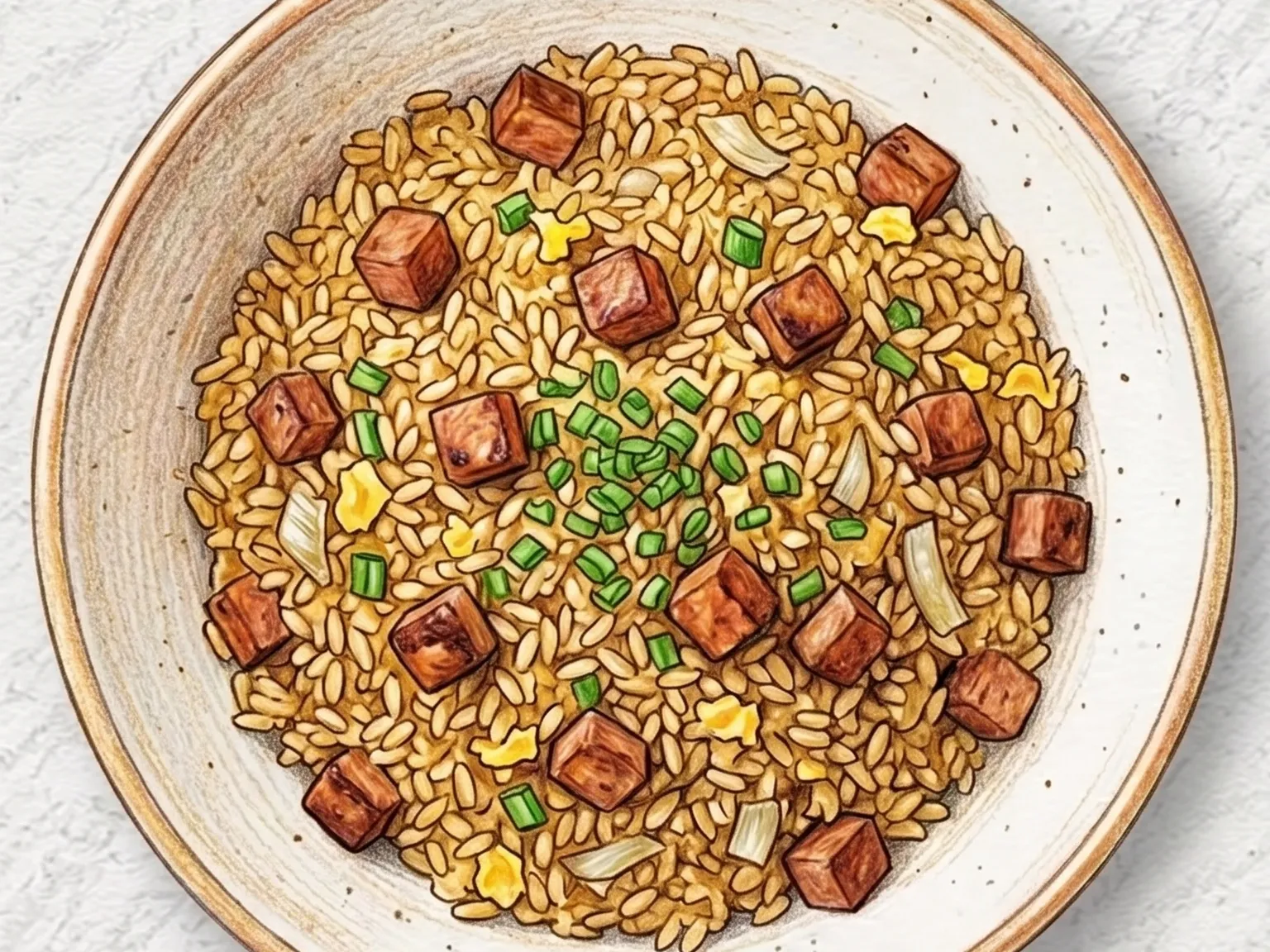
Spam bokkeumbap is a Korean fried rice built around crispy cubes of pan-seared Spam, whose salty, caramelized edges give the dish an addictive quality. The Spam is diced small and dry-fried without added oil - its own rendered fat crisps the outside while keeping the inside moist and savory. Onion and scallion go in next for aromatic depth, followed by cold leftover rice that is tossed over high heat until every grain picks up the salty pork flavor left in the pan. Beaten egg is scrambled into the rice, coating the grains in a thin, soft layer. A splash of soy sauce and a drizzle of sesame oil finish the dish with umami and nuttiness. The whole thing comes together in under ten minutes, making it one of the fastest comfort meals in the Korean home-cooking repertoire.
Adjust Servings
Instructions
- 1
Dice Spam into 1cm cubes and finely chop onion.
- 2
Pan-fry Spam cubes without oil over medium heat until golden.
- 3
Remove Spam, add oil to the same pan, and scramble the eggs.
- 4
Stir-fry onion for 1 minute, then add rice, Spam, and soy sauce for 3 minutes.
- 5
Finish with sesame oil and green onion.
As an Amazon Associate, we may earn from qualifying purchases.
Tips
Nutrition (per serving)
More Recipes

Korean Tuna Fried Rice (Quick Canned Tuna Stir-Fried Rice)
Chamchi bokkeumbap is a staple Korean home-style fried rice made by stir-frying canned tuna - oil and all - with diced onion, carrot, and green onion, then tossing in rice and seasoning with soy sauce and sesame oil. The tuna oil coats each grain, delivering a savory richness that needs little else to taste complete. It is the kind of dish that comes together from whatever is already in the pantry and fridge, requiring no special shopping trip. When you need a quick, filling meal with minimal effort, this is often the first recipe that comes to mind in Korean households.

Korean Curry Fried Rice (Golden Spiced Chicken Fried Rice)
Curry bokkeumbap is a Korean fried rice where curry powder infuses each grain with a warm, aromatic spice and a vivid golden hue. Chicken breast, onion, carrot, and bell pepper are stir-fried together before the rice goes in, ensuring a balanced mix of protein and vegetables in every serving. The curry fragrance unfolds gradually with each bite, less intense than a curry sauce but more present than plain fried rice, hitting a satisfying middle ground. The bell pepper adds a slight sweetness and a pop of color against the golden rice, while the chicken keeps each bite substantial. Topping it with a fried egg adds creaminess when the yolk breaks and mixes in, making an already complete dish even more indulgent.

Korean Pork Belly Kimchi Fried Rice
Pork belly is diced small and rendered in a hot pan until golden, producing enough fat to cook the entire dish without additional oil. Aged kimchi and onion go into that rendered fat, where the kimchi's sharp tang softens into the pork's richness. Gochujang and soy sauce season the rice as it joins the pan, and aggressive high-heat stir-frying keeps each grain distinct rather than clumpy. Day-old cold rice works best because its lower moisture content yields a drier, crispier result, and a fried egg on top provides a creamy counterpoint when the yolk breaks.

Korean Fried Rice (Simple Leftover Rice Stir-Fry)
Korean fried rice is the ultimate utility dish, designed to turn leftover rice and whatever vegetables remain in the refrigerator into a satisfying meal in under ten minutes. Green onion hits the hot oil first to create a fragrant scallion-infused base, followed by diced carrot and beaten egg that gets scrambled into rough curds. Cold rice - essential because its lower moisture content prevents clumping - goes in next and is tossed vigorously over high heat until every grain separates and picks up a thin coat of oil. Soy sauce poured along the rim of the pan sizzles on contact with the hot metal, developing a toasted aroma that distinguishes a well-made fried rice from a mediocre one. A crack of black pepper and a final swirl of sesame oil complete the seasoning. The recipe is intentionally open-ended: ham, kimchi, shrimp, or any leftover protein slots in without altering the basic technique, which is why this dish appears on Korean dinner tables more often than almost any other.

Korean Grilled Spanish Mackerel
Samchi-gui is Korean grilled Spanish mackerel, a common home-style fish side dish where thick mackerel steaks are salted and peppered for ten minutes, dusted lightly with flour, and pan-fried in oil over medium heat for four minutes per side. Spanish mackerel belongs to the same family as regular mackerel but has milder odor and softer flesh, making simple salt seasoning sufficient. The thin flour coating serves two purposes: it seals in moisture during cooking and creates a crisp, golden exterior. Applying too much flour causes the fish to absorb excess oil and turn greasy, so shaking off the surplus through a sieve is an important step. A squeeze of lemon juice at the end binds with the fish oils and adds acidity that neutralizes any lingering fishy aftertaste, keeping the flavor clean when eaten over rice.

Korean Tuna Stew
A quick weeknight stew built around a single can of tuna. The tuna's oil and flaked meat dissolve into the broth along with gochugaru and soup soy sauce, creating a brothy base that is both spicy and full of umami. Zucchini and onion contribute natural sweetness, tofu softens into the stock, and a cheongyang chili brings an extra kick of heat.