⚡ Quick Recipes
Ready in 20 minutes or less
804 recipes. Page 17 of 34
A busy schedule does not mean you have to settle for bland meals. Every recipe in this collection can be prepared and finished in 20 minutes or less - quick stir-fries, tossed noodles, microwave dishes, and more.
The secret is minimizing prep work and keeping the steps simple. Pre-cut ingredients or pantry staples speed things up even further. Turn to these recipes after work, during a short lunch break, or for a fast breakfast.
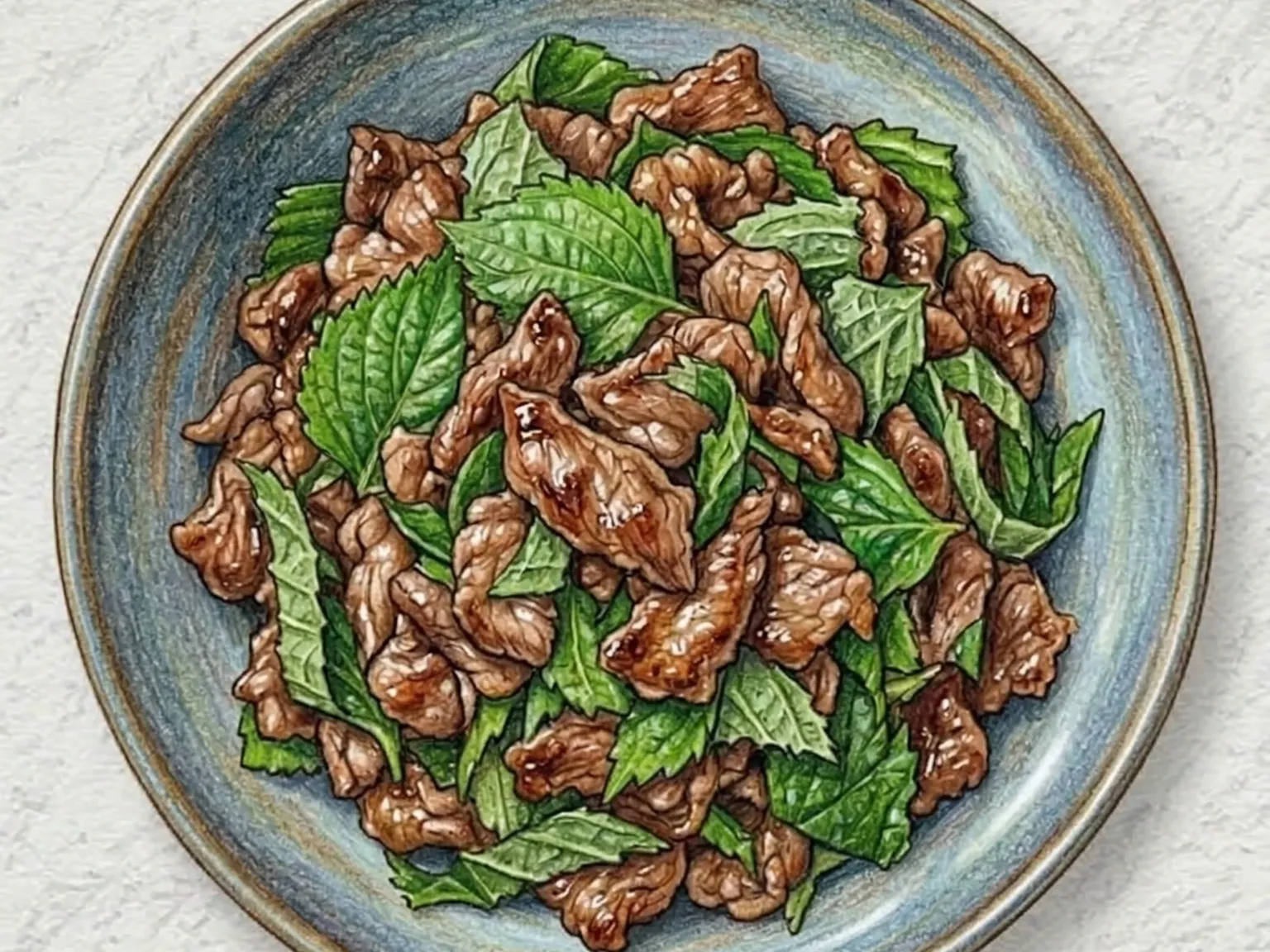
Korean Perilla Leaf Beef Stir-Fry
Kkaennip sogogi bokkeum is a stir-fry of thinly sliced beef marinated briefly in soy sauce, cooked with garlic over high heat, and finished with roughly chopped perilla leaves added at the last moment. The perilla's bold herbal aroma sits on top of the beef's umami, giving this dish a flavor profile distinctly different from other beef stir-fries. The leaves darken and lose fragrance if overcooked, so they are wilted only by residual heat. Sesame oil rounds out the dish, which comes together in under twenty minutes with minimal ingredients.
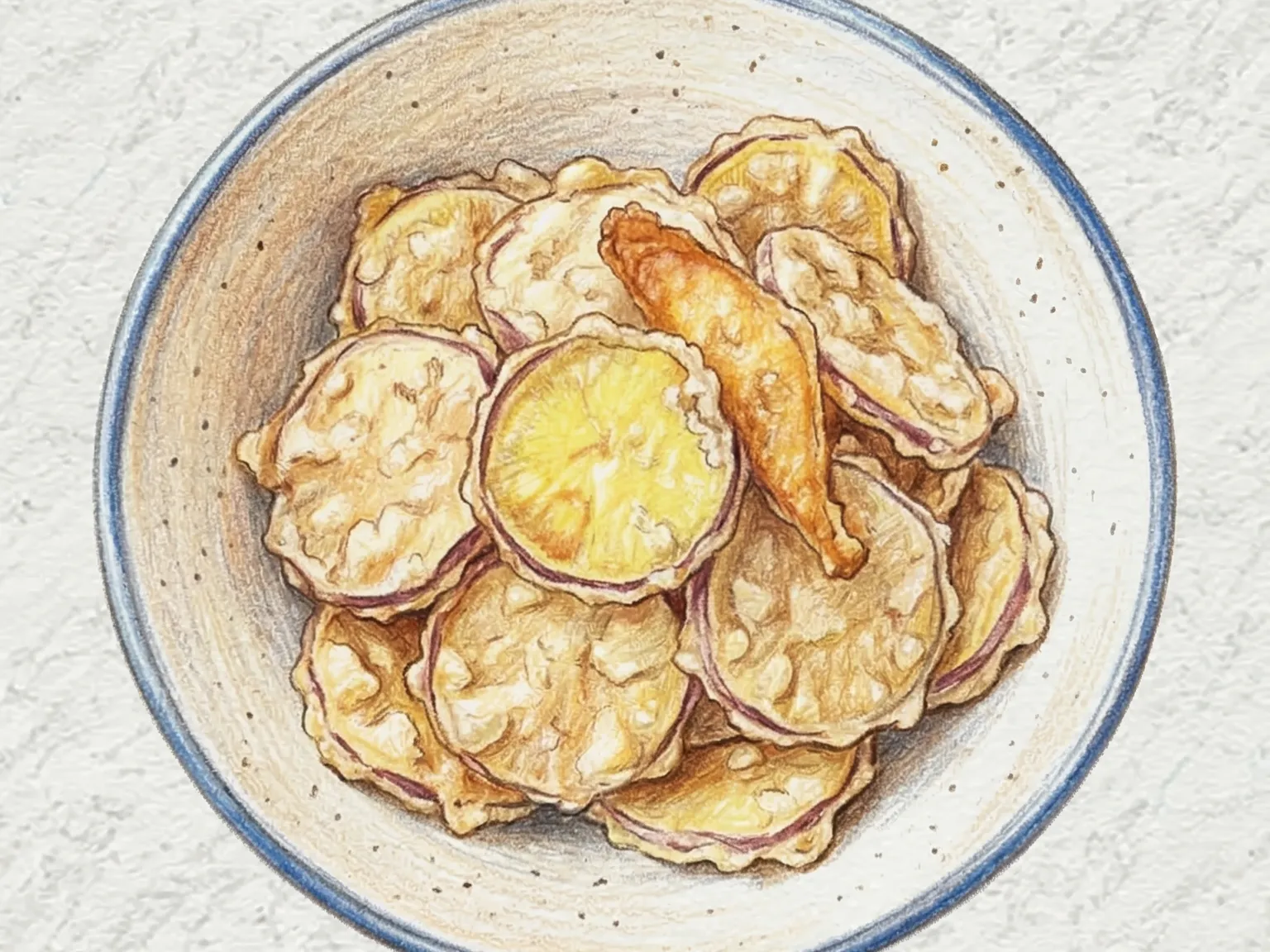
Korean Fried Sweet Potato
Goguma-twigim is a beloved Korean street snack found at tteokbokki stalls and bunsik shops across the country. Sweet potato rounds sliced to 0.5 cm are coated in a light batter and fried at 170 degrees Celsius until the crust turns crisp and golden. Ice-cold water mixed into the batter is the essential technique here: low temperature slows gluten development, keeping the coating thin and delicate so it does not overpower the natural flavor of the potato beneath. The moment the rounds come out of the oil, the heat has concentrated the sweet potato's inherent sugars just inside the shell, and a light sprinkle of salt at serving sharpens that sweetness into something more vivid. This humble snack has remained a fixture of Korean street food culture for generations, enjoyed equally by children and adults.

Korean Ginger Honey Latte
Ginger honey latte is a warm Korean latte built on a concentrated ginger infusion made by simmering thinly sliced fresh ginger in water over medium-low heat for ten minutes. Straining out the fibrous solids leaves a clean, sharp liquid that is returned to the pot with milk and heated until it just begins to steam, allowing the ginger's spicy heat to diffuse gradually through the dairy without becoming harsh. Adding honey only after the heat is turned off is important because prolonged exposure to heat causes its aromatic compounds to evaporate, leaving behind only sweetness without fragrance. A pinch of salt acts as a bridge between the sharp ginger and the floral sweetness of honey, drawing both flavors into sharper focus. A small dusting of cinnamon powder at the end adds a woody, resinous layer on top of the ginger that creates a warm-spice finish that lingers well after the last sip. The gingerols present in fresh ginger make this drink a common choice during seasonal transitions and on days when the body feels cold or run-down.
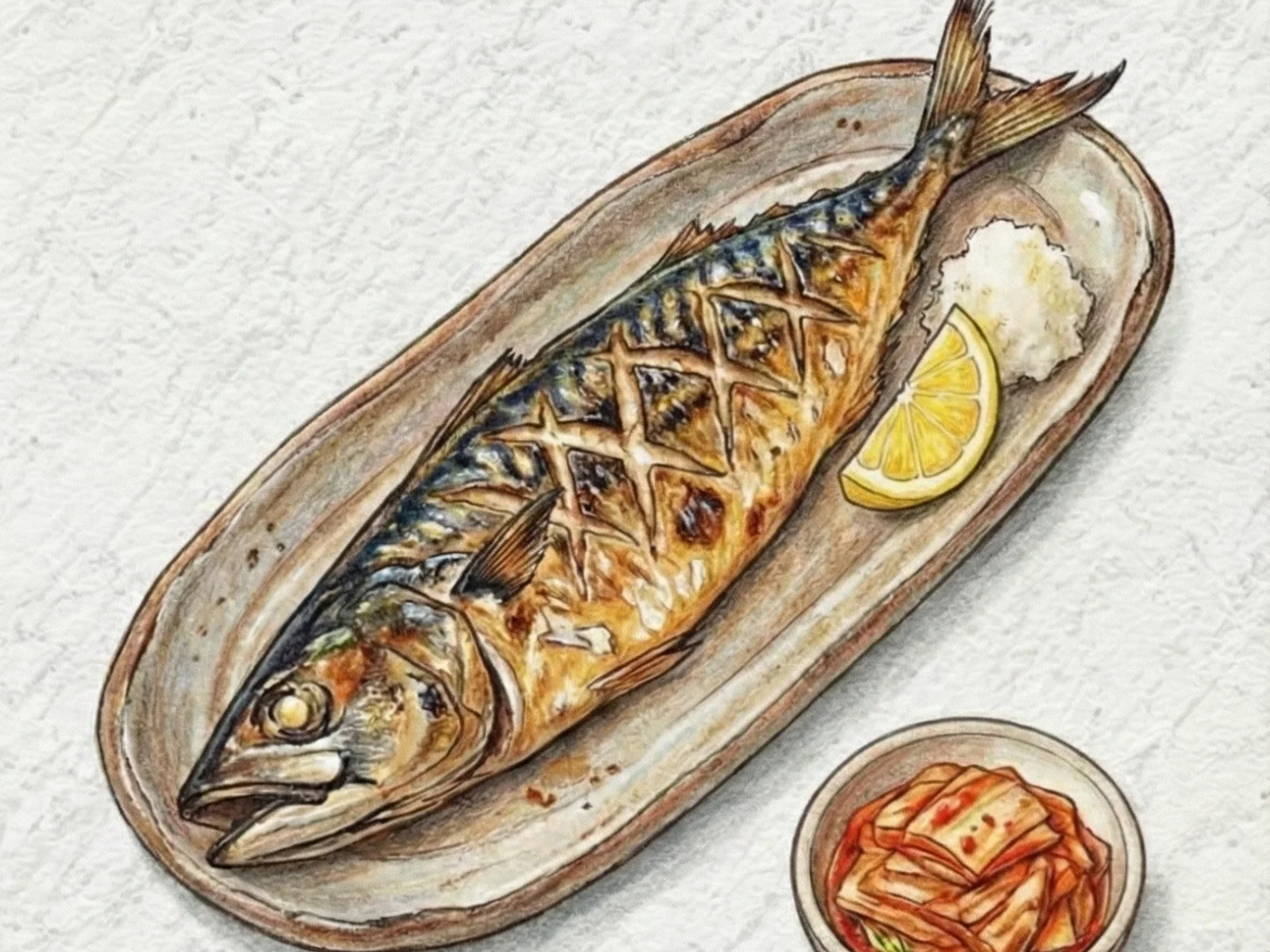
Korean Grilled Mackerel (Crispy Skin Salt-Grilled Blue Fish)
Godeungeo-gui is Korea's classic grilled mackerel, prepared by salting the fish for ten minutes to draw out moisture and reduce fishiness, patting the surface completely dry, then pan-frying or grilling over direct heat. Cooking skin-side down first for five to six minutes renders the abundant subcutaneous fat and crisps the skin, while flipping and cooking the flesh side for four to five more minutes keeps the interior moist and flaky. Mackerel's high omega-3 fat content transforms under heat into a deeply savory, naturally rich flavor that requires no marinade beyond salt. A side of freshly grated daikon mixed with soy sauce provides a sharp, peppery counterpoint that clears the palate between bites. Autumn mackerel is considered peak eating, when fat content reaches its highest, and grilled mackerel has long been a centerpiece banchan on everyday Korean tables.
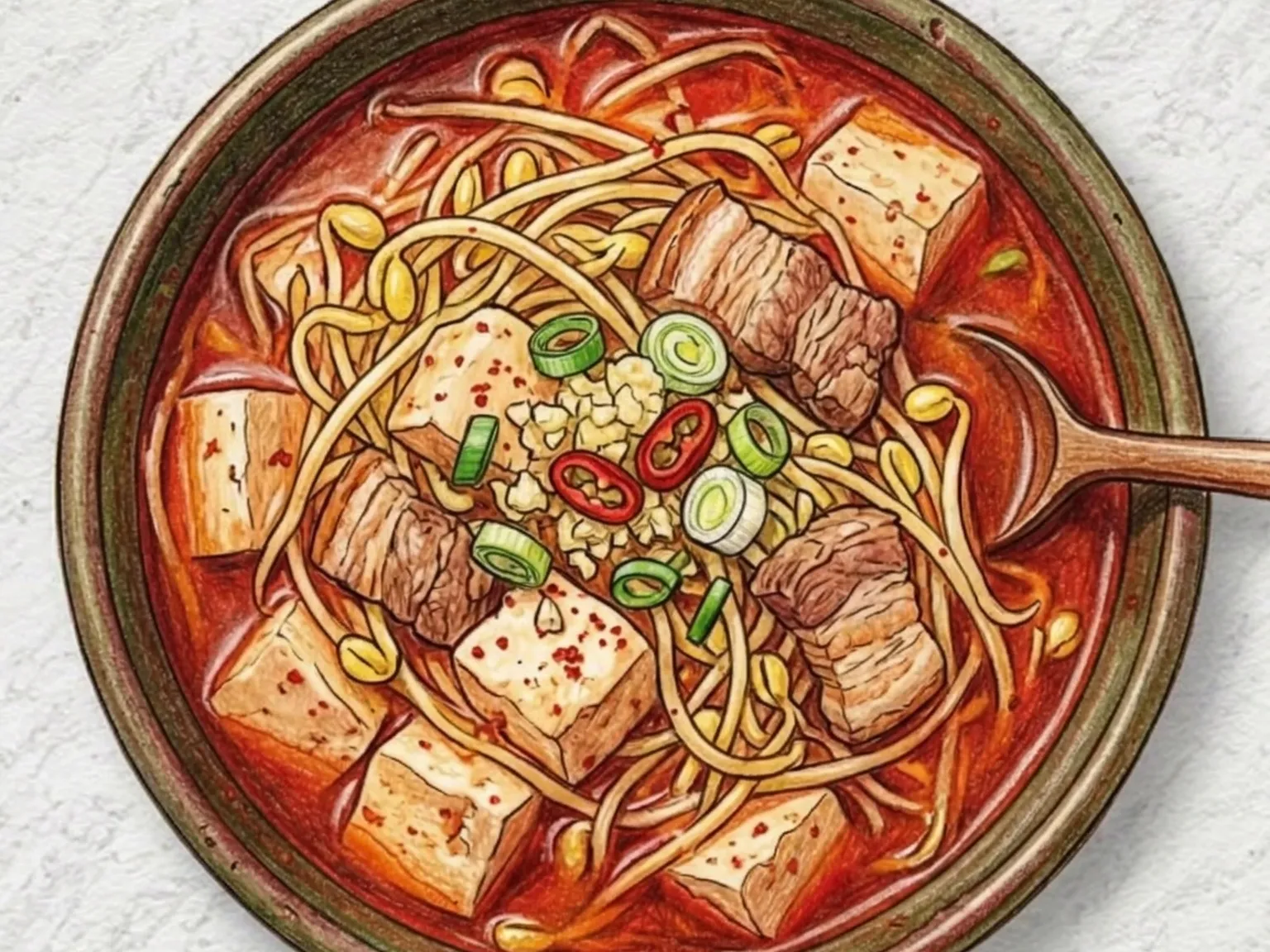
Korean Soybean Sprout Stew
Soybean sprout jjigae is a spicy home-style stew built around kongnamul, with tofu and pork adding substance to a broth seasoned with gochugaru and soup soy sauce. The sprouts release their own clean, slightly sweet liquid as they cook, and that natural base broth combines with the heat of the chili flakes to produce the sharp, refreshing character the dish is best known for. A critical technique rule applies to the sprouts: once the lid is placed, it should not be lifted during cooking. If the lid is removed and steam escapes, the sprouts develop an unpleasant grassy smell that cannot be reversed. If the lid is accidentally opened, the only correction is to leave it off and continue cooking without it until the end. Tofu absorbs the broth and provides a soft contrast to the crunchy sprouts, while the pork contributes fat and savory depth that enriches the broth. Green onion and minced garlic add aroma, and cracking a beaten egg into the pot as the broth comes to a full boil creates soft egg pieces throughout. The whole dish comes together in under twenty minutes from start to finish, making it a practical weeknight soup.
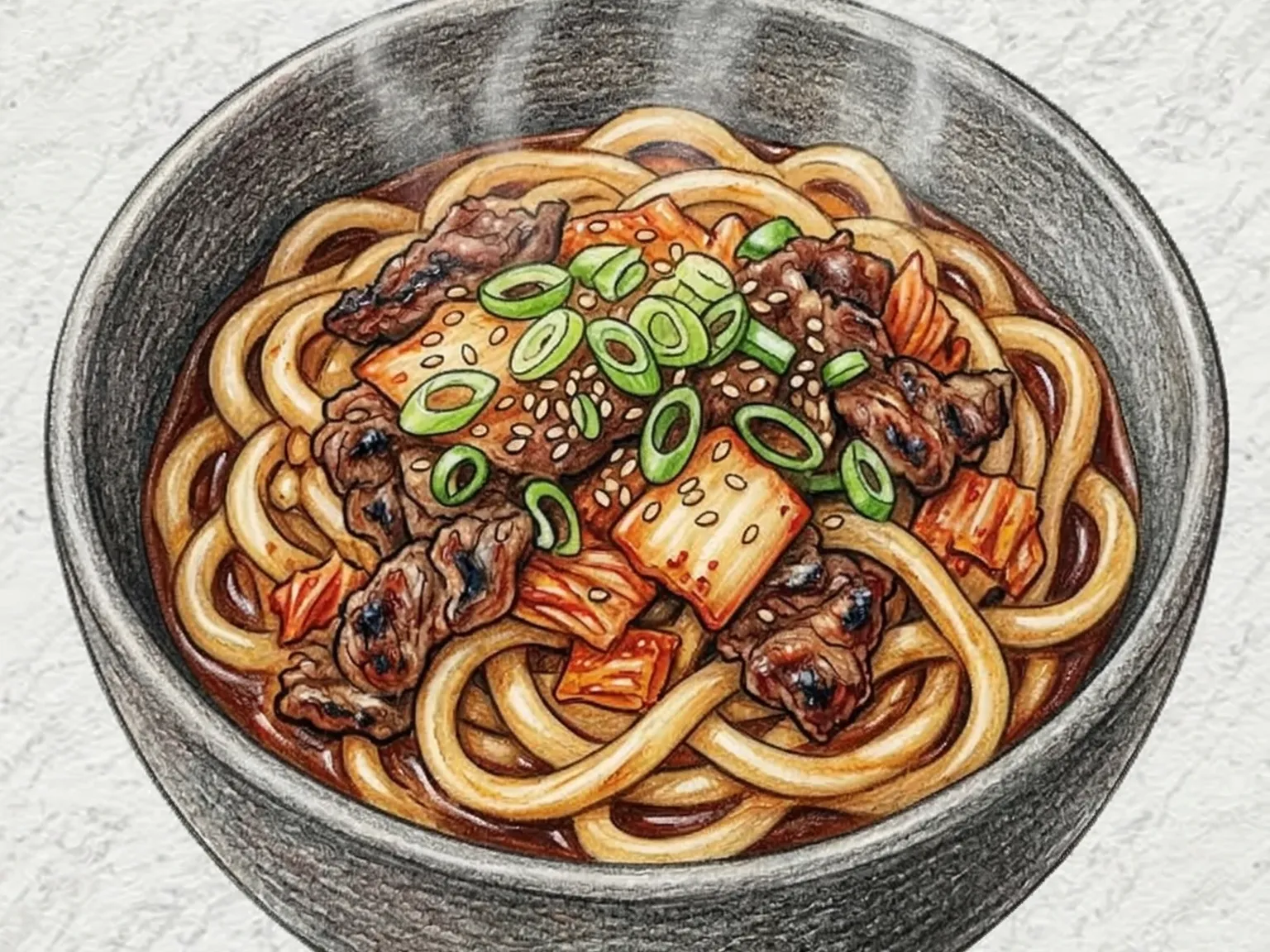
Korean Kimchi Bulgogi Udon
Kimchi bulgogi udon is a Korean stir-fried noodle dish that brings together the sharp acidity of well-fermented kimchi and the sweet, savory depth of thinly sliced bulgogi beef, all coating thick, round udon strands. The beef is seared quickly over high heat to develop browning on the surface before onion and kimchi join the pan and cook until nearly all their moisture evaporates, concentrating both flavor and color. A sauce of soy sauce, gochujang, and sugar goes in next, followed by briefly blanched udon noodles that get tossed on maximum heat for about one minute so every strand absorbs the sauce while retaining a firm bite. The thick cross-section of udon holds bold, clingy sauces better than thinner noodles and creates a satisfying, filling meal without any broth. When kimchi is especially sour, a small addition of sugar or a quick rinse of the kimchi before cooking brings the acidity back into proportion. Finishing with sliced scallion and toasted sesame seeds adds color and a nutty lift that completes the dish.
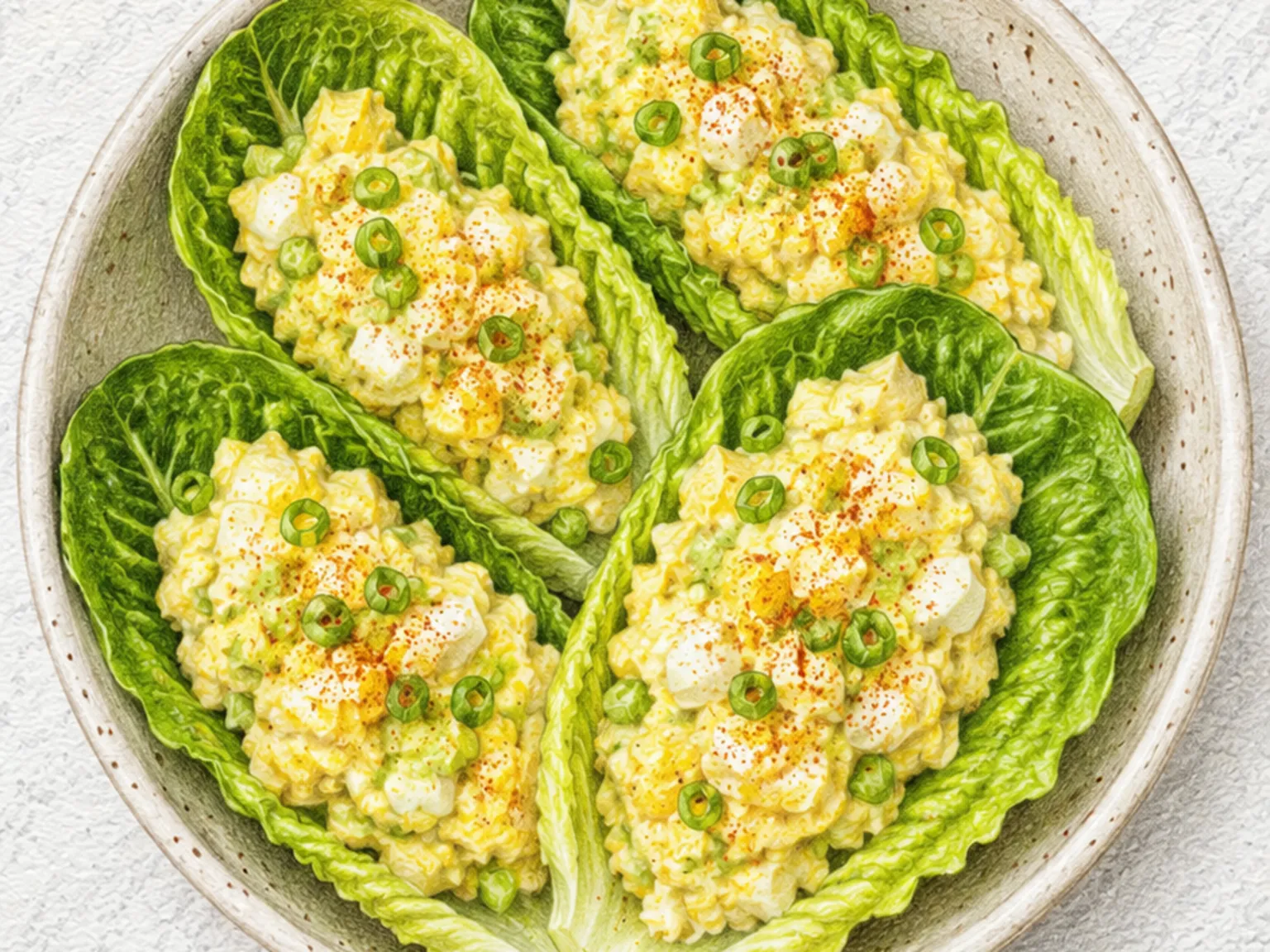
Egg Salad Lettuce Wrap
Hard-boiled eggs are roughly chopped and folded into Greek yogurt with a small amount of mayonnaise, producing a lighter take on classic egg salad. The yogurt stands in for most of the mayonnaise, cutting calories while adding a subtle tang that lifts the richness of the yolks. Crisp romaine leaves replace bread as the wrapper, reducing carbohydrates without sacrificing the satisfying structure of each bite. Diced celery provides textural contrast against the soft filling, and Dijon mustard introduces a mild sharpness that cuts through the egg's richness. A squeeze of lemon juice brightens the entire mixture and keeps the flavor from feeling heavy. Sliced green onion or a dusting of smoked paprika added at the end gives the filling a little color and rounds out the flavor. The dish comes together in under fifteen minutes and holds well in the refrigerator, making it a practical choice for meal prep or a light weekday lunch.

Monte Cristo Sandwich
A Monte Cristo sandwich consists of multiple layers of ham and Swiss cheese placed between slices of bread that have been spread with a layer of Dijon mustard. After the sandwich has been assembled, it is dipped for a short period of time into a batter made from a combination of beaten eggs and milk. The sandwich is then transferred to a pan and fried in butter until the exterior develops a golden color on both sides. This preparation method blends the traditional elements of French toast with those of a standard ham and cheese sandwich by surrounding savory interior fillings with a rich and egg based coating. It is necessary to keep the dipping stage brief because allowing the bread to soak for an extended duration will cause it to become overly saturated, which typically leads to the bread tearing when the sandwich is flipped. Cooking the sandwich over medium low heat ensures that the outside has sufficient time to reach a golden and crisp state while the cheese inside the layers melts in a consistent manner. Dividing the sandwich into two halves while it is still warm serves to display the stretchy consistency of the melted cheese and creates a visual presentation for the finished meal. The addition of mustard introduces a sharp taste that functions to balance the rich characteristics of the eggs and dairy ingredients.
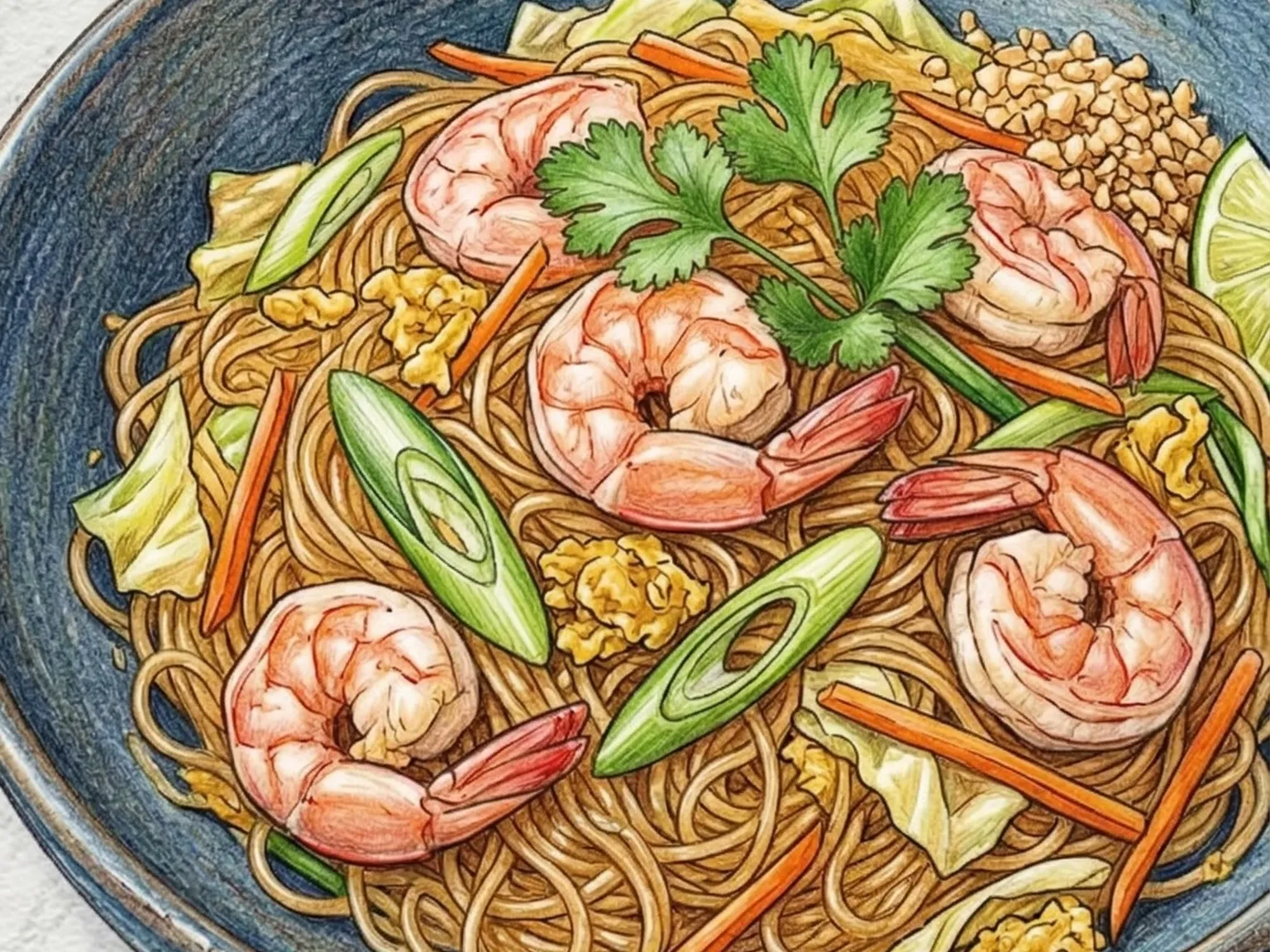
Pad Woon Sen (Thai Stir-Fried Glass Noodles with Shrimp and Egg)
Pad woon sen is a Thai stir-fried glass noodle dish that comes together in minutes. The noodles, made from mung bean starch, turn translucent when soaked and have a springy, slippery texture that absorbs sauce without becoming mushy. Shrimp is cooked first until just pink, then vegetables - typically cabbage and carrot - are tossed in over high heat to keep their crunch. Eggs are scrambled to one side of the wok and folded into the noodles along with soy sauce and oyster sauce. The seasoning is deliberately simple, allowing the natural sweetness of the shrimp and the clean bite of the vegetables to come through.
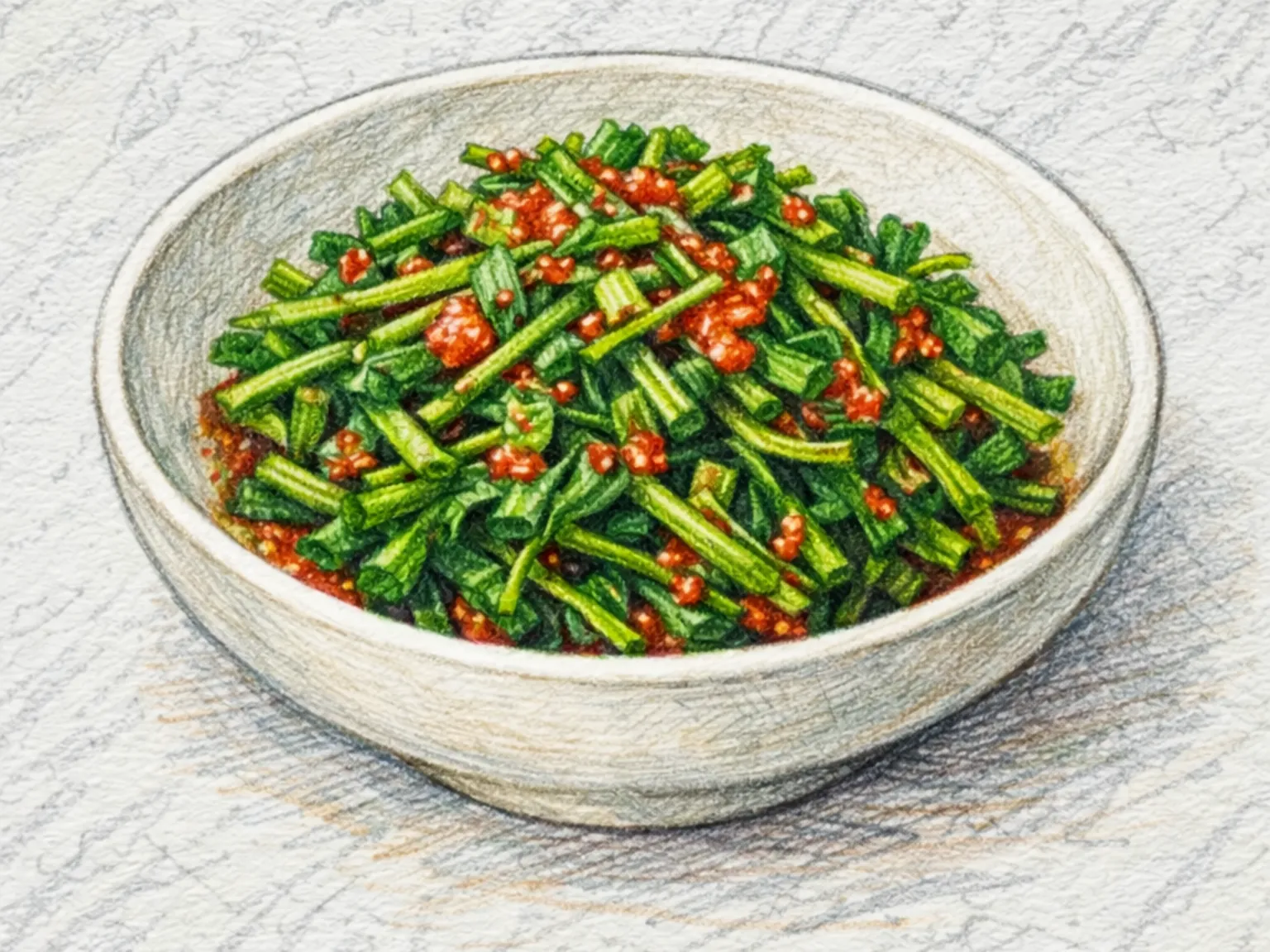
Dollnamul Muchim (Korean Seasoned Stonecrop Salad)
Dollnamul muchim is a spring banchan of raw stonecrop (Sedum sarmentosum) dressed in a seasoning mix of gochugaru, vinegar, fish sauce, garlic, and sugar. The plant grows on rocky stream banks and low walls across Korea; its plump, jade-green leaves carry a faintly sour, grassy juice that releases when bitten. Heat collapses the texture entirely - a few seconds of blanching is enough to destroy the crunch - so dollnamul is always dressed raw. The process is minimal: a quick rinse in cold water, a firm shake to remove excess moisture, and an immediate toss with the seasoning. The structural logic of the dressing has fish sauce providing fermented depth beneath the vinegar's sharp acidity; if either element dominates, the herb's clean, fresh aroma disappears. The dish must be eaten within minutes of dressing. Osmotic pressure begins pulling juice from the leaves almost immediately, and the texture softens to a limp mass within half an hour. Dollnamul muchim is a common addition to spring picnic lunches and is best served cold.
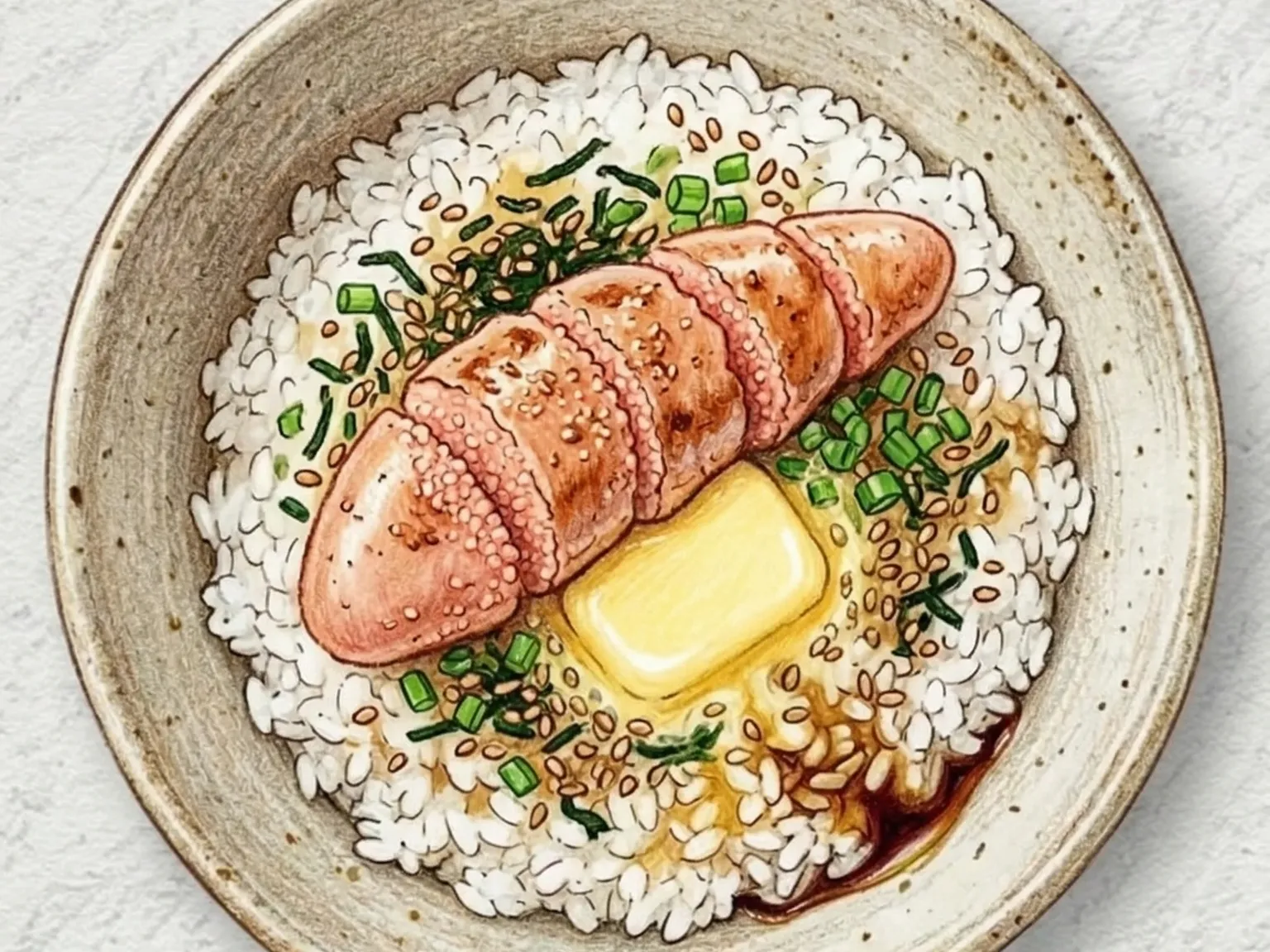
Korean Pollock Roe Butter Rice Bowl
Myeongran butter deopbap puts lightly seared pollock roe and a knob of butter on steaming white rice, then lets the diner mix everything together at the table. Each ingredient plays a clear role. The roe brings concentrated, briny umami. The butter melts into the hot rice and coats every grain with a rich, creamy backdrop. Soy sauce adds salty depth and deepens the color slightly. Cooking the roe in butter for only about a minute is critical: at that point the eggs still pop on the tongue as the roe breaks apart, but any longer and the texture turns dry and grainy. The moment the hot rice meets the butter and soy sauce and the whole thing is stirred together, the flavors merge into something more unified than the individual parts. Shredded dried seaweed, sliced chives, and sesame seeds scattered on top add fragrance, color, and a gentle crunch that keep the bowl from feeling too rich.
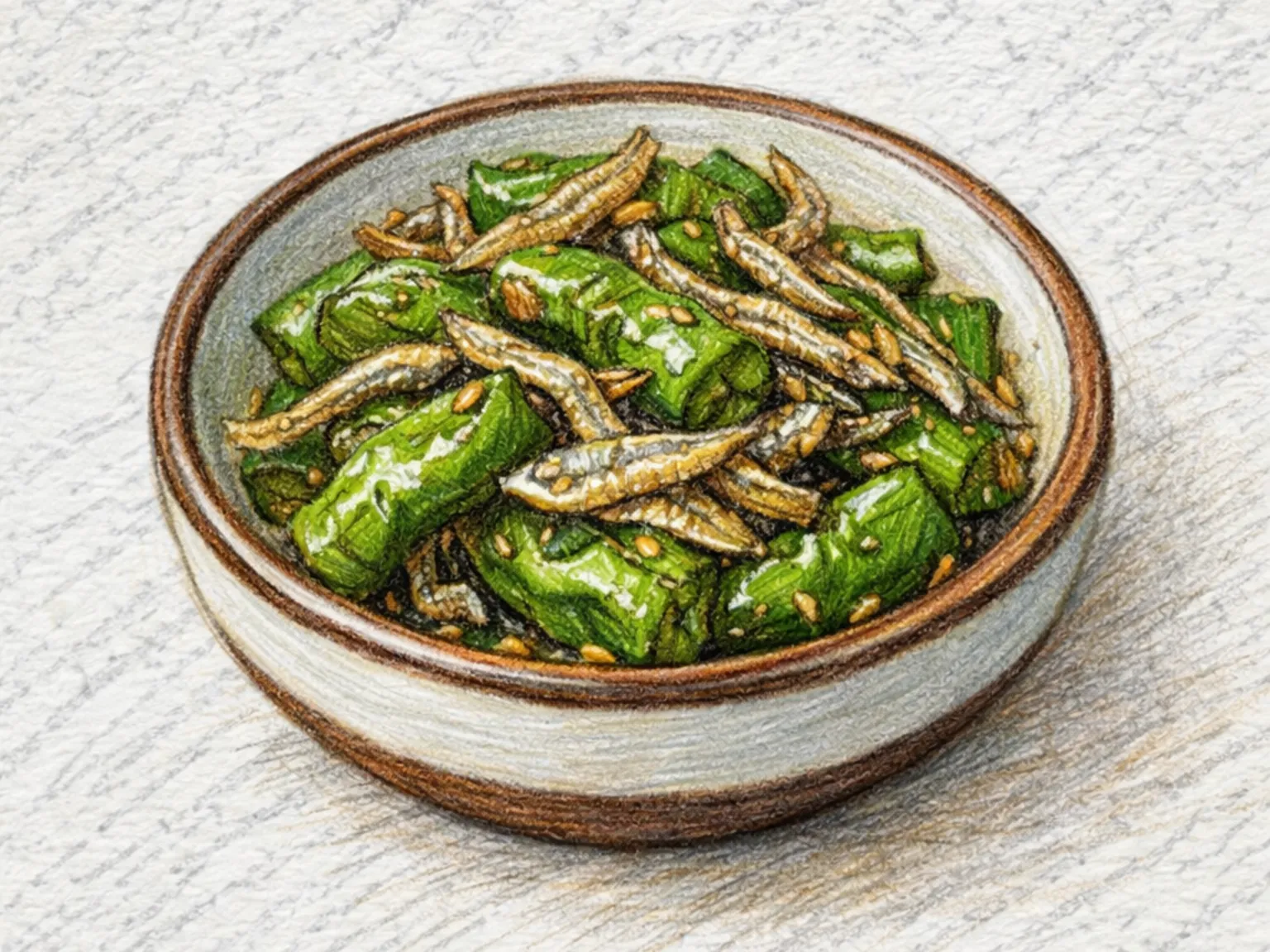
Korean Stir-fried Anchovies with Shishito Peppers
Kkwarigochu myeolchi bokkeum is a Korean banchan of dried anchovies and shishito-style peppers cooked together and glazed with soy sauce and oligosaccharide syrup. The anchovies are dry-toasted first in an unoiled pan over medium heat until their moisture evaporates and the fishiness reduces, then set aside. Oil goes into the pan next and the kkwarigochu peppers are fried over medium-high heat until blistered and darkened in spots, which develops a slightly bitter, charred edge that adds character to the finished dish. The anchovies return to the pan along with the peppers, soy sauce is added for the base seasoning, and then the heat is reduced before the oligosaccharide syrup goes in. Adding the syrup over reduced heat is the step that most often goes wrong: high heat scorches the syrup almost immediately, preventing the glaze from forming and leaving a bitter residue instead. Over low heat, the syrup coats the anchovies and peppers in a thin, shiny layer as it slowly reduces. Sesame oil and whole sesame seeds are stirred in at the end for fragrance and texture. The finished dish layers the crunchy, salty anchovies against the syrup's gentle sweetness, with the peppers providing mild heat that prevents the flavor from becoming cloying. Stored in a sealed container in the refrigerator, the banchan keeps well for several days.
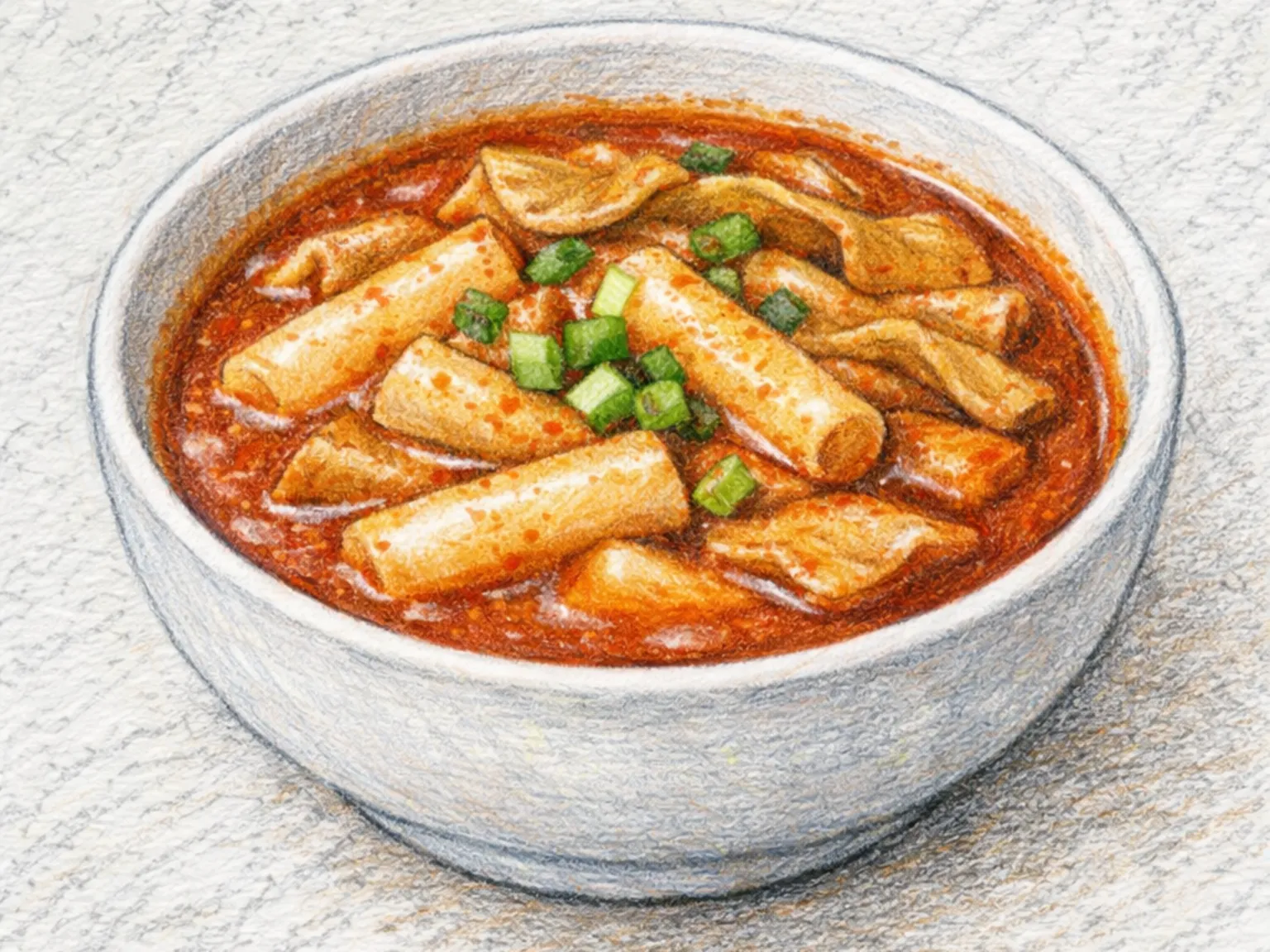
Korean Soupy Tteokbokki (Rice Cakes in Spicy Gochujang Broth)
Gukmul-tteokbokki is a soup-forward version of tteokbokki in which cylindrical rice cakes and fish cakes are simmered in a kelp-anchovy broth seasoned with gochujang, gochugaru, soy sauce, and sugar. Unlike dry or stir-fried versions, the generous broth saturates each rice cake from the outside in, while the fish cakes release their own savory juices into the liquid as they cook, building the stock to a richer baseline. Eight to ten minutes of medium-heat simmering leaves the exterior of each rice cake soft and yielding while the core stays chewy. Scallions go in at the end to cut through the heat with a bright, grassy note. The broth left over after the rice cakes and fish cakes are gone is widely regarded as the most prized part of the dish: regulars stir in a bowl of rice or drop in ramyeon noodles to make sure none of it goes to waste.

Korean Sweet Potato Latte
Goguma latte is a Korean sweet potato drink made by blending peeled roasted sweet potato with half the milk into a smooth puree, then combining it with the remaining milk in a pot and warming gently over medium-low heat. Using a fire-roasted or oven-baked sweet potato rather than a boiled one yields a significantly deeper sweetness from the caramelized sugars. Vanilla extract softens the starchy quality of the potato and makes the texture smoother, while a pinch of salt defines the edges of the sweetness. Cinnamon dusted on top blends with the earthy sweet potato aroma in each sip. The drink works equally well as a warm winter mug or over ice in summer, and the natural richness of the sweet potato makes it filling enough to serve as a light meal replacement without any added caffeine.
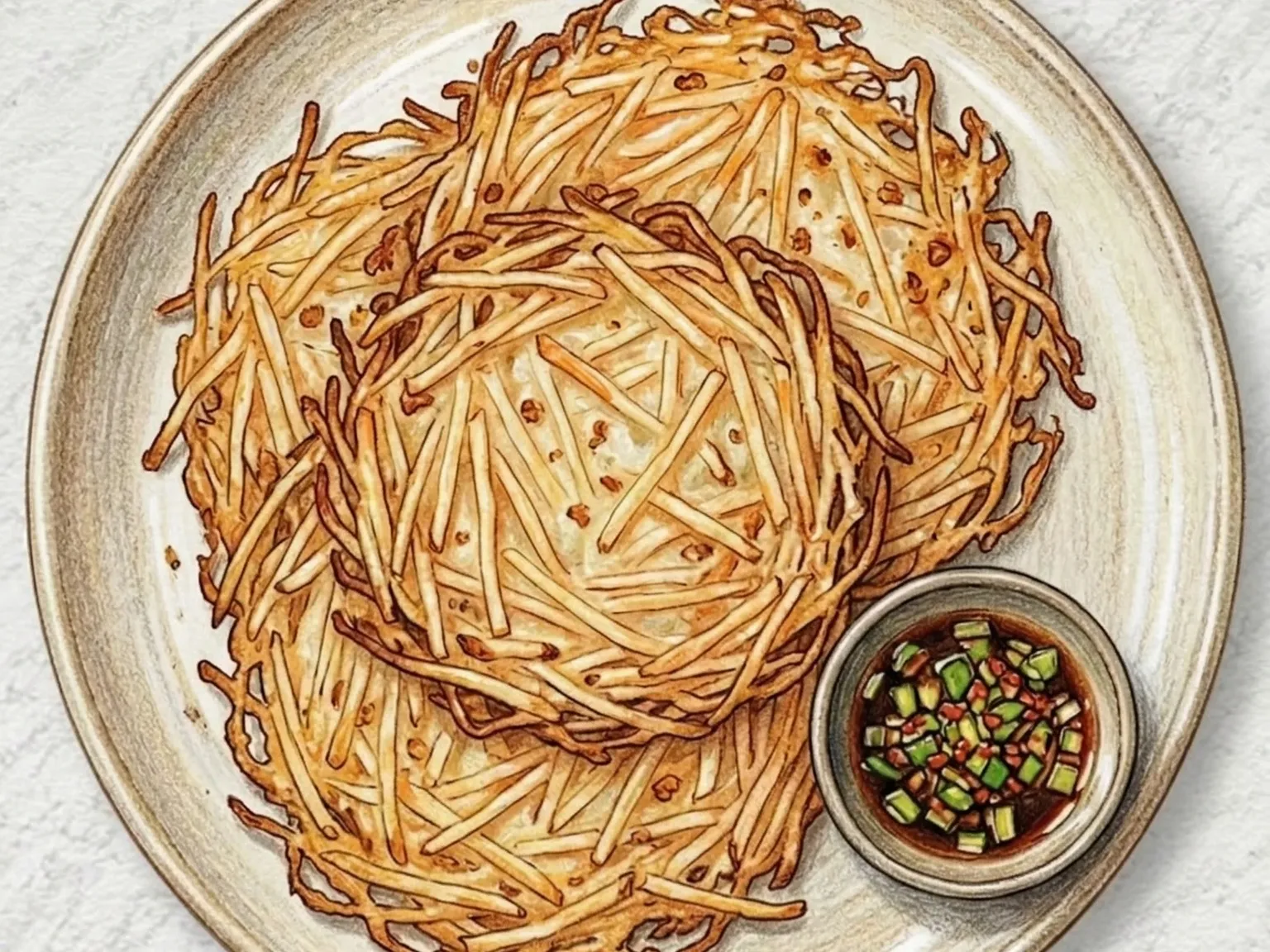
Korean Sweet Potato Pancakes
Goguma-jeon is a Korean sweet potato pancake made by julienning peeled sweet potatoes, folding them into a batter of pancake mix, water, salt, and a touch of sugar, then spreading the mixture thin in an oiled pan and frying both sides until golden. The sweet potato's starch gelatinizes in the heat and bonds with the batter to create lacy, crisp edges, while the center retains the tuber's natural moist sweetness. Keeping the pancake thin is non-negotiable-pressing the batter flat with the back of a spoon ensures even cooking and maximum crunch, because thick portions steam internally and turn soggy. Adding a teaspoon of sugar to the batter amplifies the sweet potato's subtle sweetness and encourages faster caramelization at the edges.
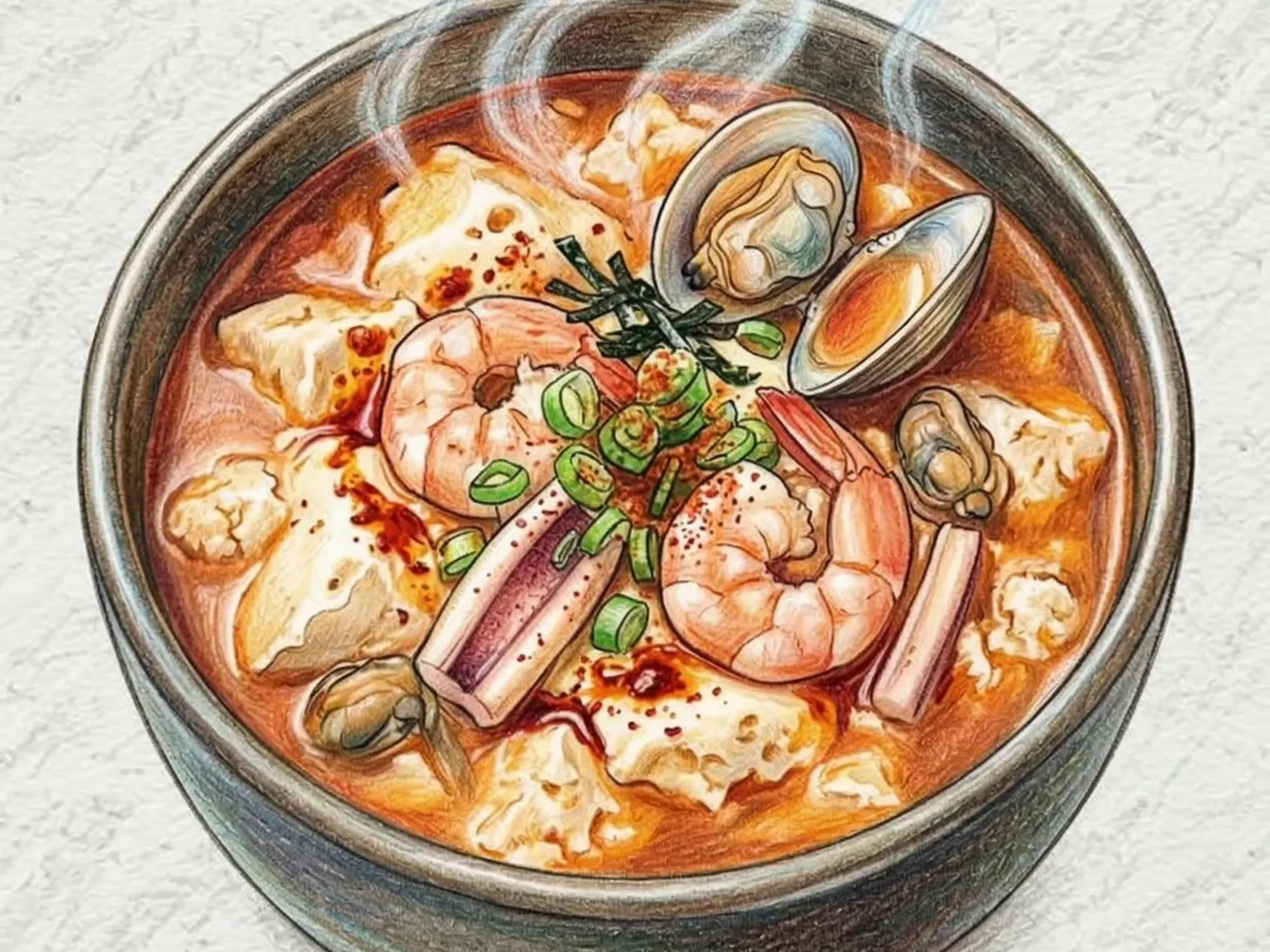
Korean Silken Tofu Seafood Stew
Sundubu haemul jjigae is a seafood soft tofu stew that combines silken tofu with shrimp and Manila clams in an anchovy stock seasoned with gochujang and Korean chili flakes. The aromatics are stir-fried in sesame oil first to build a deeper base before the stock is added. As the shrimp and clams cook through, they release their own briny juices into the spicy broth and push the umami noticeably higher. An egg cracked in at the end binds gently with the silken tofu, adding richness and a slight body to the broth. Deveining the shrimp and removing the back intestine keeps the flavor clean, and soaking the clams in lightly salted water beforehand purges any sand that would otherwise cloud the stock.
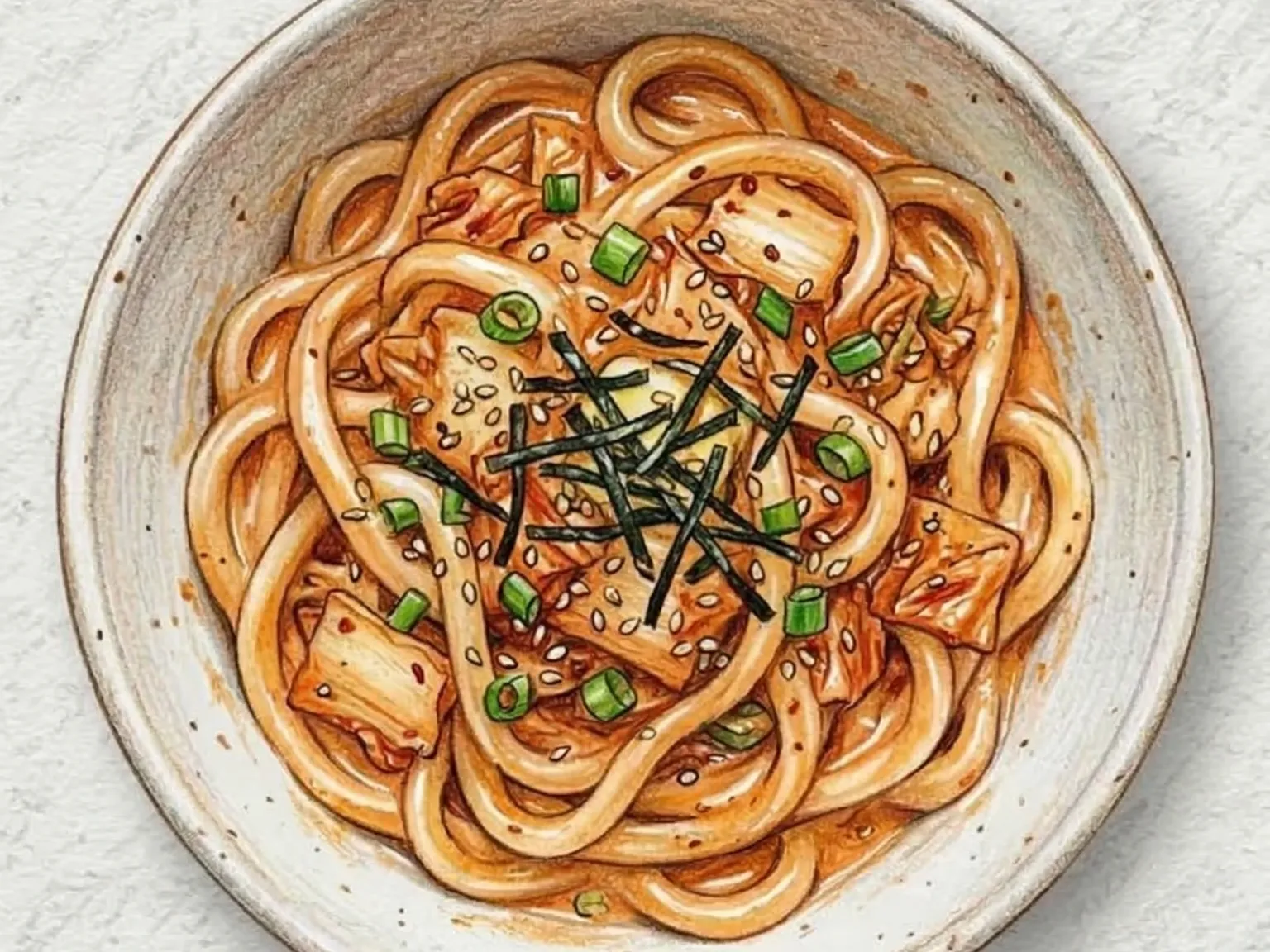
Kimchi Butter Udon (Tangy Kimchi Stir-Fried in Butter)
Kimchi butter udon is a fusion stir-fried noodle that pairs the tangy, spicy acidity of well-fermented kimchi with the deep richness of butter. The first half of the butter goes into the pan to saute onion and garlic until they release their sweetness, then chopped kimchi is added and stir-fried for two minutes to cook off the moisture, which concentrates the flavor and mellows the sharp sourness. Blanched udon noodles and soy sauce are tossed in over high heat so the seasoning coats every strand evenly, and the remaining butter is added off-heat immediately after, keeping its aroma intact while lending a glossy sheen and fuller depth to the noodles. A soft-cooked egg placed on top breaks into a creamy sauce when stirred in, while seaweed flakes and sliced scallion contribute crunch and a fresh herbal lift. If the kimchi leans salty, reducing the soy sauce to one tablespoon keeps the balance in check. The whole dish, including prep, comes together in about twelve minutes.
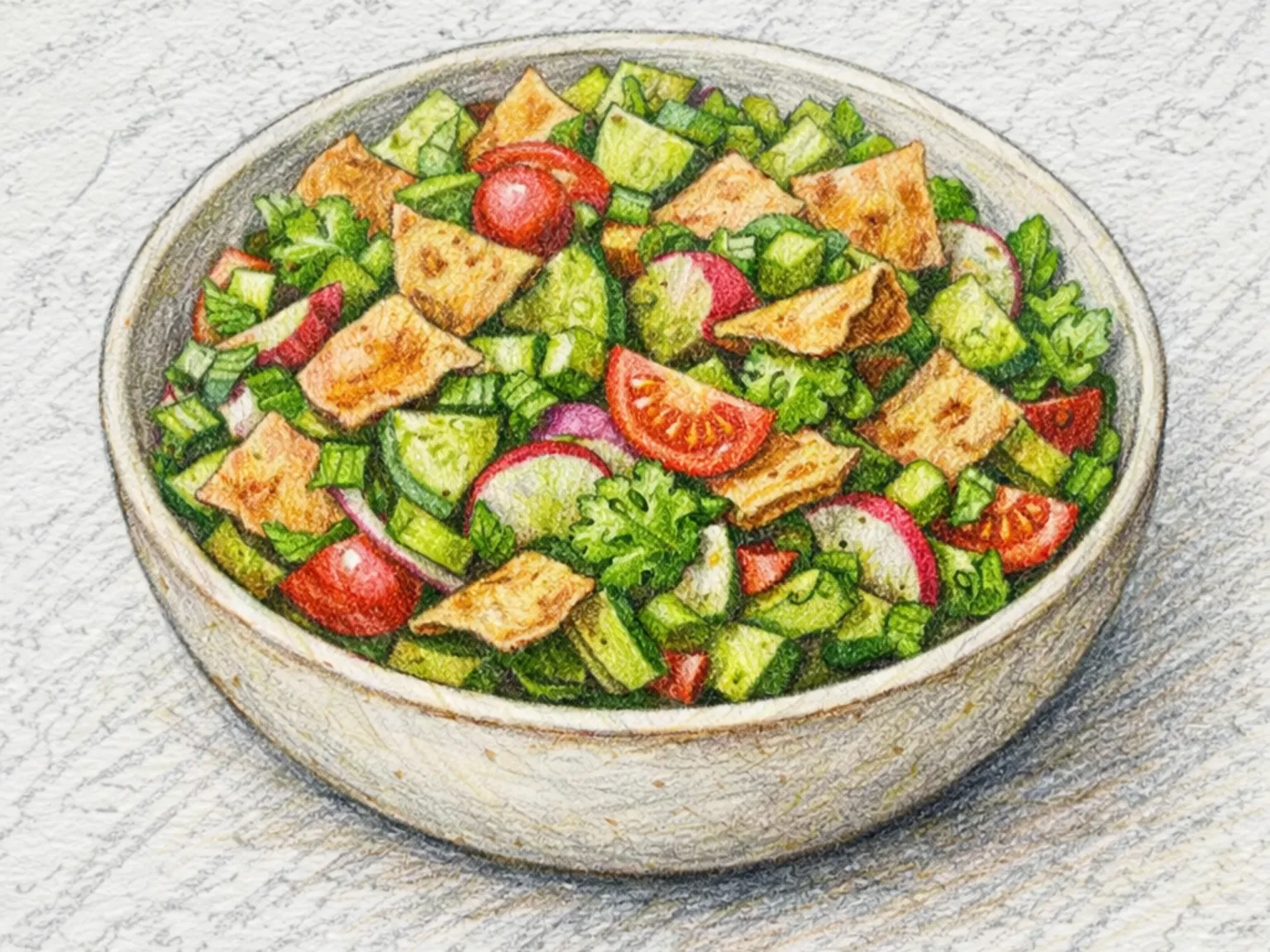
Fattoush Salad (Crispy Pita & Sumac Veggie Salad)
Fattoush is a Levantine bread salad in which crisped pita chips are as important as the vegetables surrounding them, providing a textural anchor that elevates the dish beyond a simple green salad. Tomatoes, cucumber, radishes, and romaine are cut into generous pieces and tossed with a dressing of lemon juice, olive oil, and ground sumac. Sumac brings a flavor that resists easy comparison - a tart, fruity sourness distinct from lemon and unrelated to vinegar - and its reddish hue stains the dressing a deep rose color that coats every surface. Added to lemon juice, sumac creates a layered acidity with more dimension than either ingredient alone. Pita chips must be added immediately before serving and eaten without delay, because the juicy vegetables and dressing begin softening them within minutes. The ideal bite captures both the residual crunch at the center of the chip and the moistened, flavor-soaked edge. Fresh mint and flat-leaf parsley contribute a clean herbal brightness that lifts the heavier elements of the dressing. Pomegranate seeds scattered over the top add bursts of sweet-tart juice and a jewel-like visual contrast that is characteristic of Levantine presentation.
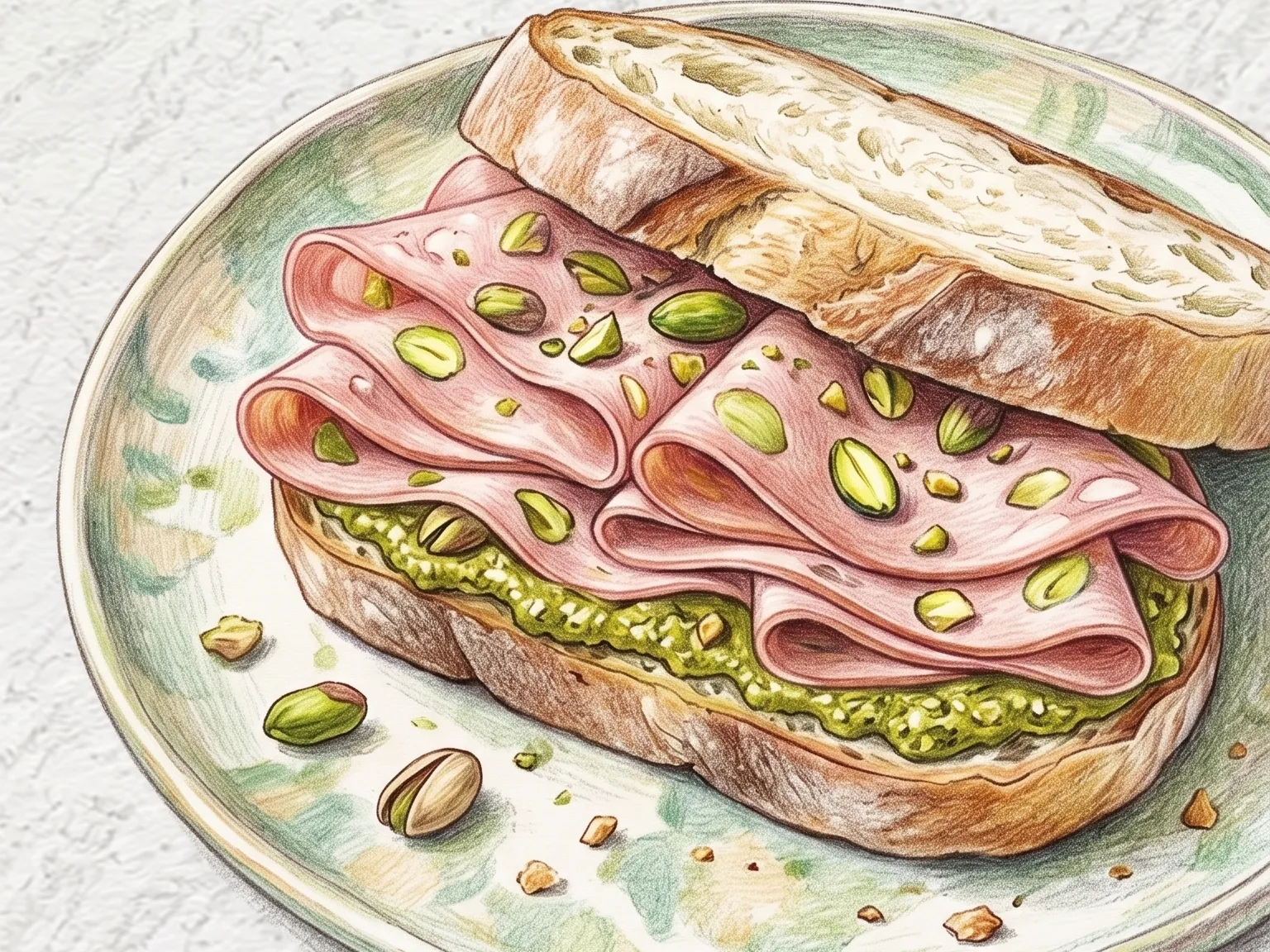
Mortadella Pistachio Sandwich
This Italian sandwich features mortadella ham, burrata cheese, and pistachio paste on toasted ciabatta. The ciabatta is split and toasted until the edges are crisp. While warm, the inside is spread with pistachio paste, which sinks into the bread pores to form a creamy base. It is layered with fresh arugula and folded slices of mortadella, keeping the layers loose to preserve volume. A halved burrata cheese is placed on top, adding a chewy shell and a creamy, flowing interior. The sandwich is finished with crushed pistachios, olive oil, and a drizzle of balsamic glaze, which highlights the sweet undertones of the mortadella fat. After covering with the top bread, it is pressed gently, halved, and served. Fresh mozzarella can replace the burrata if desired.
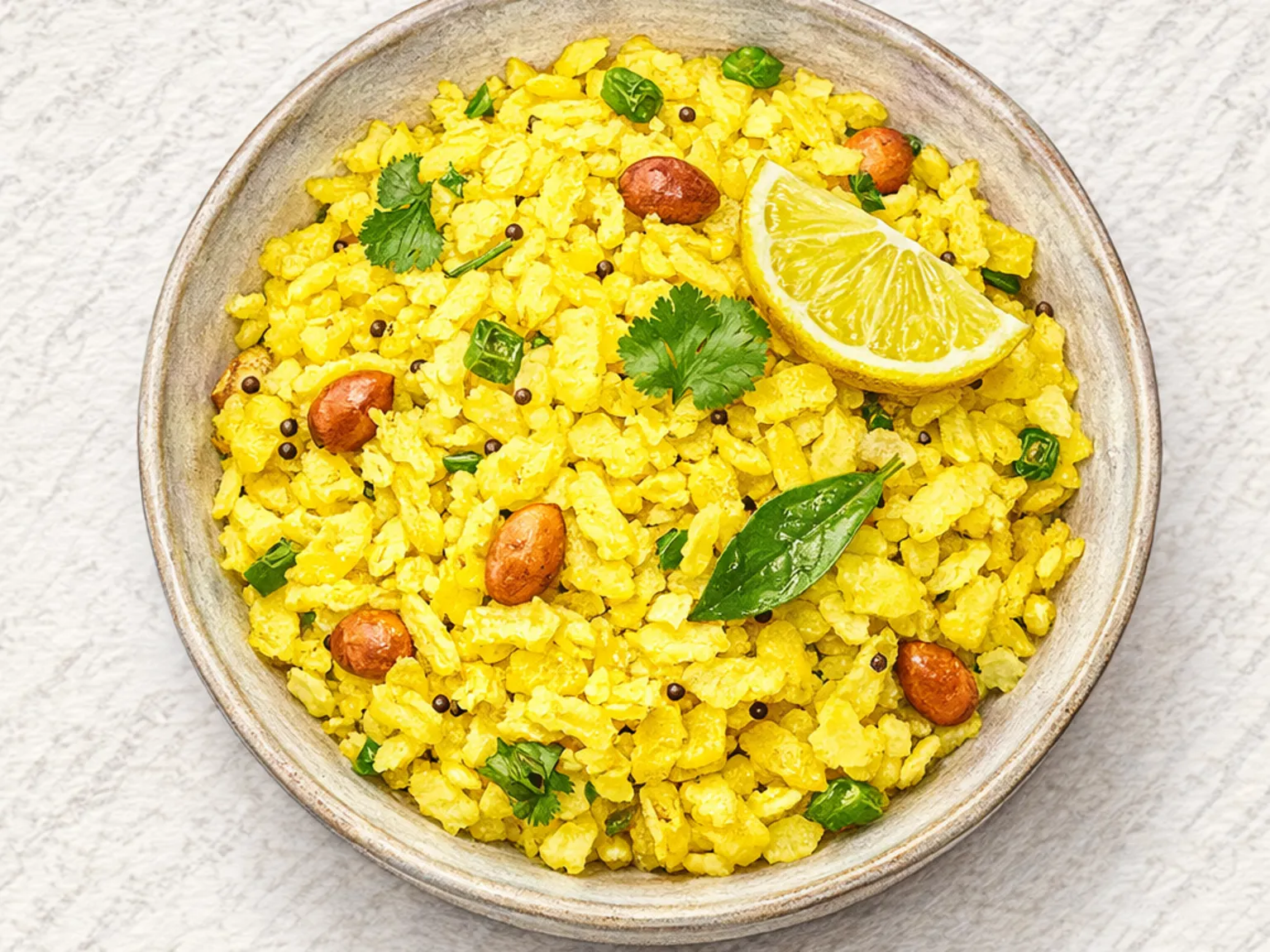
Poha (Indian Spiced Flattened Rice Breakfast with Peanuts)
Poha is a staple Indian breakfast built on flattened rice that has been briefly soaked in water until pliable. The cooking starts with a tempering of mustard seeds and curry leaves in oil, followed by sliced onion, green chili, and turmeric. The soaked flattened rice is folded in gently so the grains stay separate rather than clumping. Turmeric stains everything a warm yellow. Roasted peanuts tossed in at the end provide a crunchy counterpoint to the soft rice, and a generous squeeze of lemon brightens the entire dish. The city of Indore is famous for its poha, where vendors garnish each plate with freshly grated coconut and a handful of sev, a crispy chickpea-flour noodle snack. The dish comes together in under fifteen minutes and sits comfortably in the stomach all morning.
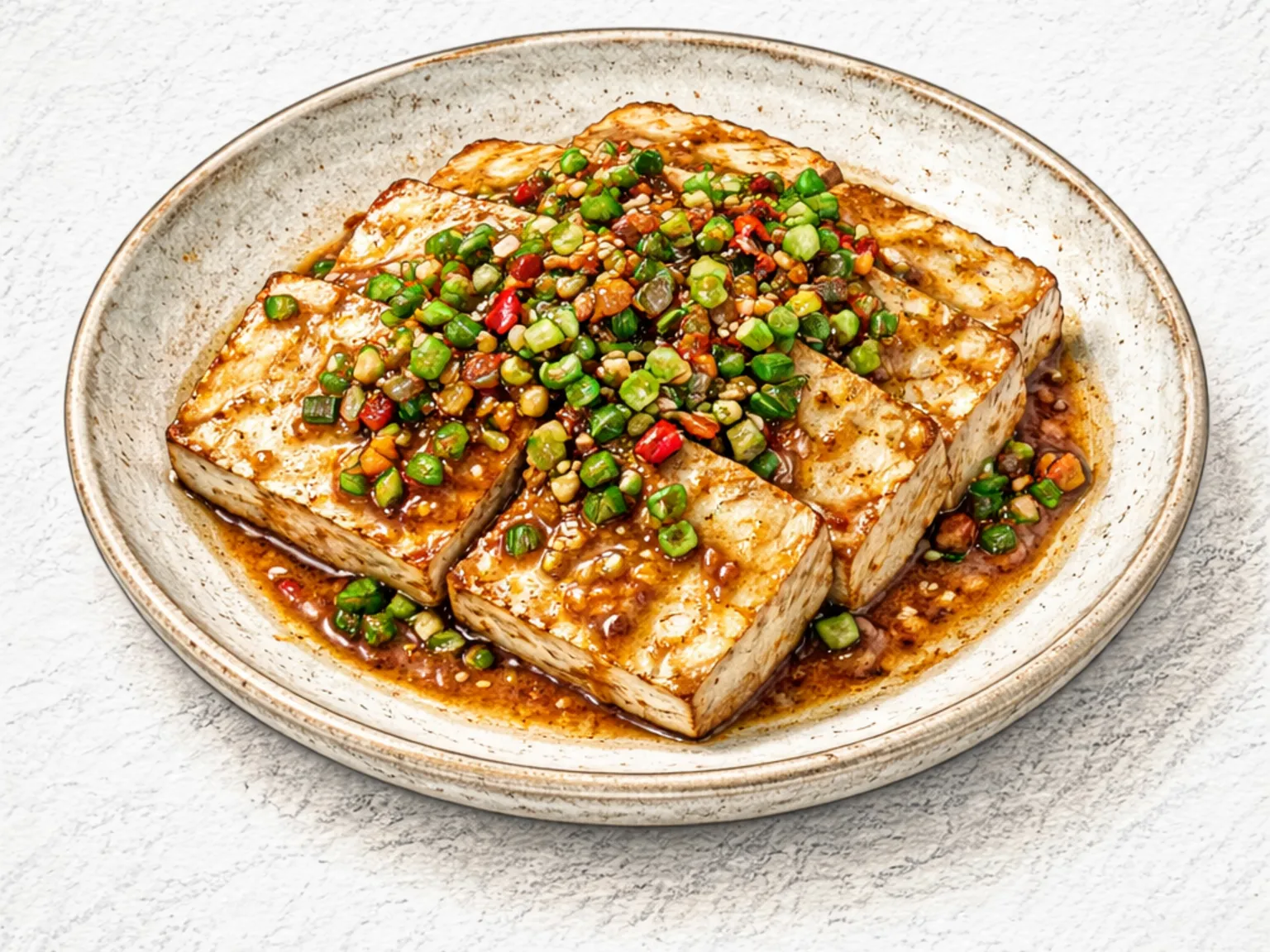
Korean Pan-Fried Tofu with Seasoned Soy Sauce
Dubu buchim yangnyeom is one of the most common Korean home banchan, a dish that appears on the table because the technique is straightforward and the ingredients are always in the kitchen. Firm tofu is cut into thick slices, salted lightly to pull moisture from the surface, then pan-fried in a minimal amount of oil until both faces develop a golden, crackling crust while the interior stays soft and warm. The yangnyeom jang, the seasoned sauce, is assembled directly at the stove: soy sauce, gochugaru, chopped scallion, garlic, and sesame oil stirred together, then spooned over the hot tofu the moment it comes out of the pan. The residual heat of the tofu gently wilts the raw scallion and opens the sesame oil, releasing its fragrance into the sauce without any additional cooking. The ratio of ingredients in the sauce varies from household to household, with some reducing the gochugaru and adding toasted sesame seeds, and others adding cheongyang chili for extra heat. In Korean temple cuisine, this preparation has served for centuries as the primary protein source in meat-free meals.

Korean Pollock Roe Egg Porridge
Rice is simmered in anchovy stock until the grains soften and the porridge thickens, then finished with pollock roe and beaten egg. The roe dissolves into the broth and spreads its briny, savory depth throughout the bowl, while the egg forms soft curds that add body to the texture. Because pollock roe already carries significant salt, soup soy sauce is added only in small amounts at the very end to fine-tune the seasoning rather than build the base flavor. Stirring the egg in gently over low heat produces delicate, smooth curds. Rushing the egg over high heat causes it to seize into rough clumps that interrupt the silky consistency of the porridge. A drizzle of sesame oil, a scattering of dried seaweed flakes, and sliced green onion finish the bowl with a nutty fragrance and a clean finish. This is a natural choice for days when appetite is low or the stomach feels unsettled, and the roe's depth of flavor means a small number of ingredients produces a genuinely satisfying result.
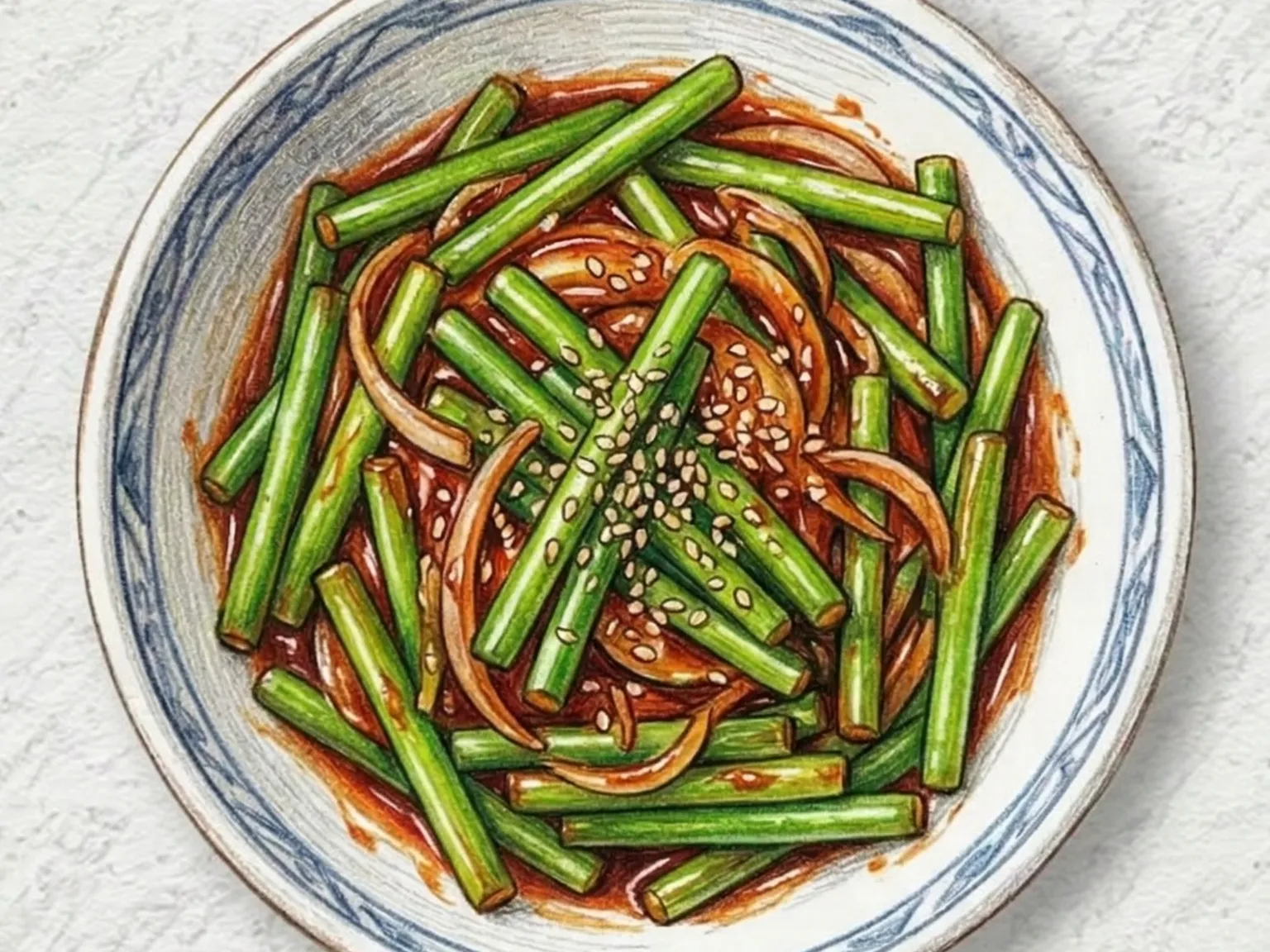
Korean Stir-fried Garlic Scapes
Maneul jong bokkeum is a Korean banchan of garlic scapes cut into 4 cm lengths and stir-fried with onion, then coated in a sauce of gochujang, soy sauce, and oligosaccharide syrup. The pungent, sharp character of garlic scapes meets gochujang's spicy heat and the syrup's glossy sweetness, producing a balanced three-way flavor of salty, sweet, and spicy that is immediately addictive. Timing is the most important variable in making this dish properly. Garlic scapes become tough and fibrous if overcooked, so pulling them from the heat while the color is still a vivid, saturated green is essential. When cooked to the right point, the exterior of each scape is lacquered with the glossy sauce while the interior stays crisp and slightly snappy. The onion caramelizes gently as it cooks, adding a background sweetness that rounds out the sauce without competing with the garlic. Sesame seeds scattered over the finished dish add a layer of toasted nuttiness. The banchan holds well in the refrigerator for three to four days, making it a practical dish to prepare ahead of time. It works equally well as a rice accompaniment or as a drinking snack.
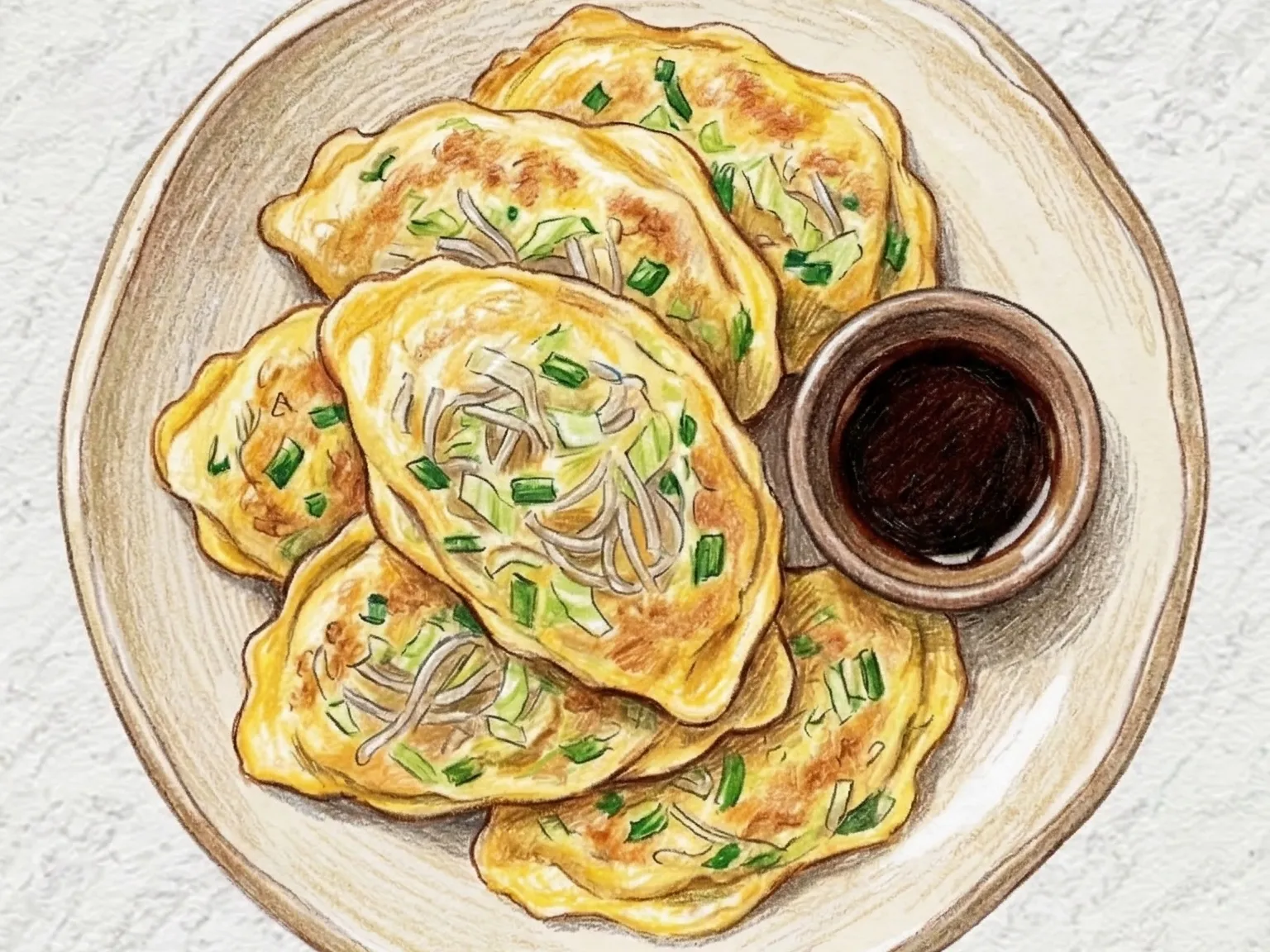
Korean Egg Dumpling Pancakes
Gyeran-mandu is a Korean market-style egg dumpling pancake made by mixing finely chopped cabbage, scallion, and soaked glass noodles into beaten egg, then pan-frying the mixture into flat, palm-sized rounds. Rather than using a traditional flour wrapper, the egg itself forms the outer shell that binds and seals the filling. The patties cook slowly over medium-low heat, giving the surface time to turn lightly golden while the interior stays moist and tender. Squeezing the excess moisture from the vegetables before mixing is the most critical step - too much water and the patties spread and lose their shape before the egg can set. Glass noodles must be cut into short lengths so the rounds hold together and flip without falling apart. A thin layer of oil in the pan and a lid placed on top help the egg cook evenly without burning. Dipping the finished patties into a sauce of soy sauce, vinegar, and a pinch of gochugaru brings a salty-tangy contrast that complements the mild richness of the egg.