🔥 Trending Now Recipes
Recipes trending on social media and search right now
70 recipes. Page 3 of 3
Recipes built around food keywords that are trending right now on social media and search engines. Think Dubai chocolate, rose tteokbokki, or malatang-hutulu: keywords whose demand spikes for a few weeks to a few months, spotted early and turned into pages before competitors catch up. Demand on these recipes fluctuates more than evergreen content and may be archived once the trend fades.
These pages capture traffic while the topic is hot. They also need periodic review. When the trend cools, the decision is whether to keep the page as a long-tail resource or retire it.
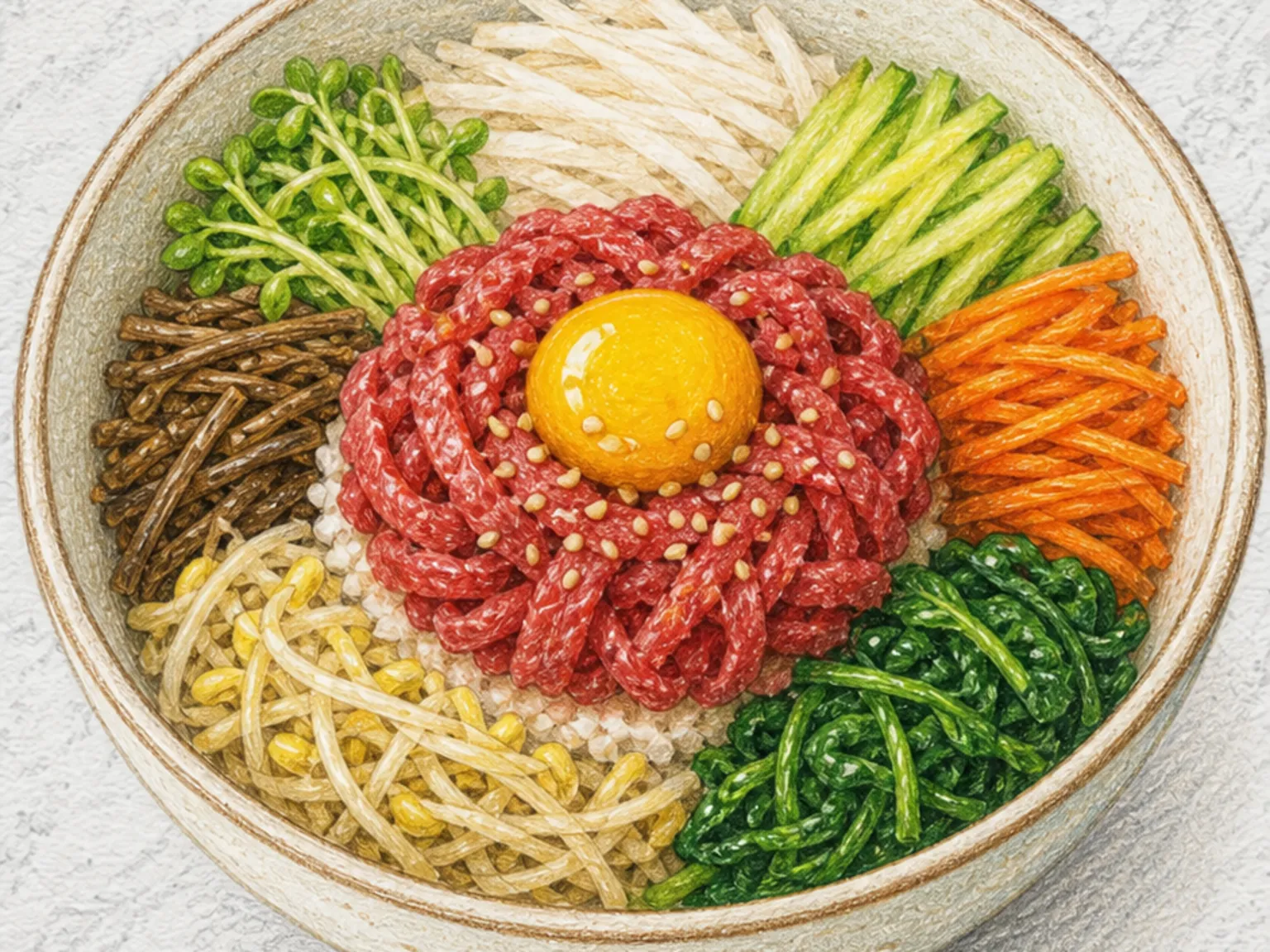
Korean Beef Tartare Bibimbap
Yukhoe bibimbap seasons beef sold for raw consumption with soup soy sauce, garlic, and sesame oil, then places it over cooled rice with lettuce, Korean pear, and pasteurized egg yolk. Keep 200 g beef at or below 4C throughout preparation. Use a cleaned and sanitized board and knife kept separate from the produce, and cut the beef into thin strips against the grain. Mix it gently with 1 tbsp soup soy sauce, 1 tbsp sesame oil, and 1 tbsp minced garlic. Peel and julienne 50 g Korean pear. Wash 30 g lettuce, drain it thoroughly, and slice it thinly using tools that have not contacted the raw beef. Cool 400 g rice promptly until it no longer gives off steam, divide it between two bowls, and arrange the lettuce and pear around the edges. Immediately before eating, place the seasoned beef in the center. Add the 2 pasteurized egg yolks, one to each bowl, and divide the remaining 1 tbsp sesame oil over them. Eat the dish immediately and do not store leftover yukhoe. A raw-use sales label and cold handling reduce some risks but do not make raw beef risk-free. Pregnant people, young children, older adults, and people with weakened immune systems should avoid foods containing raw meat and raw egg. Thoroughly cooking the beef is the safest option.
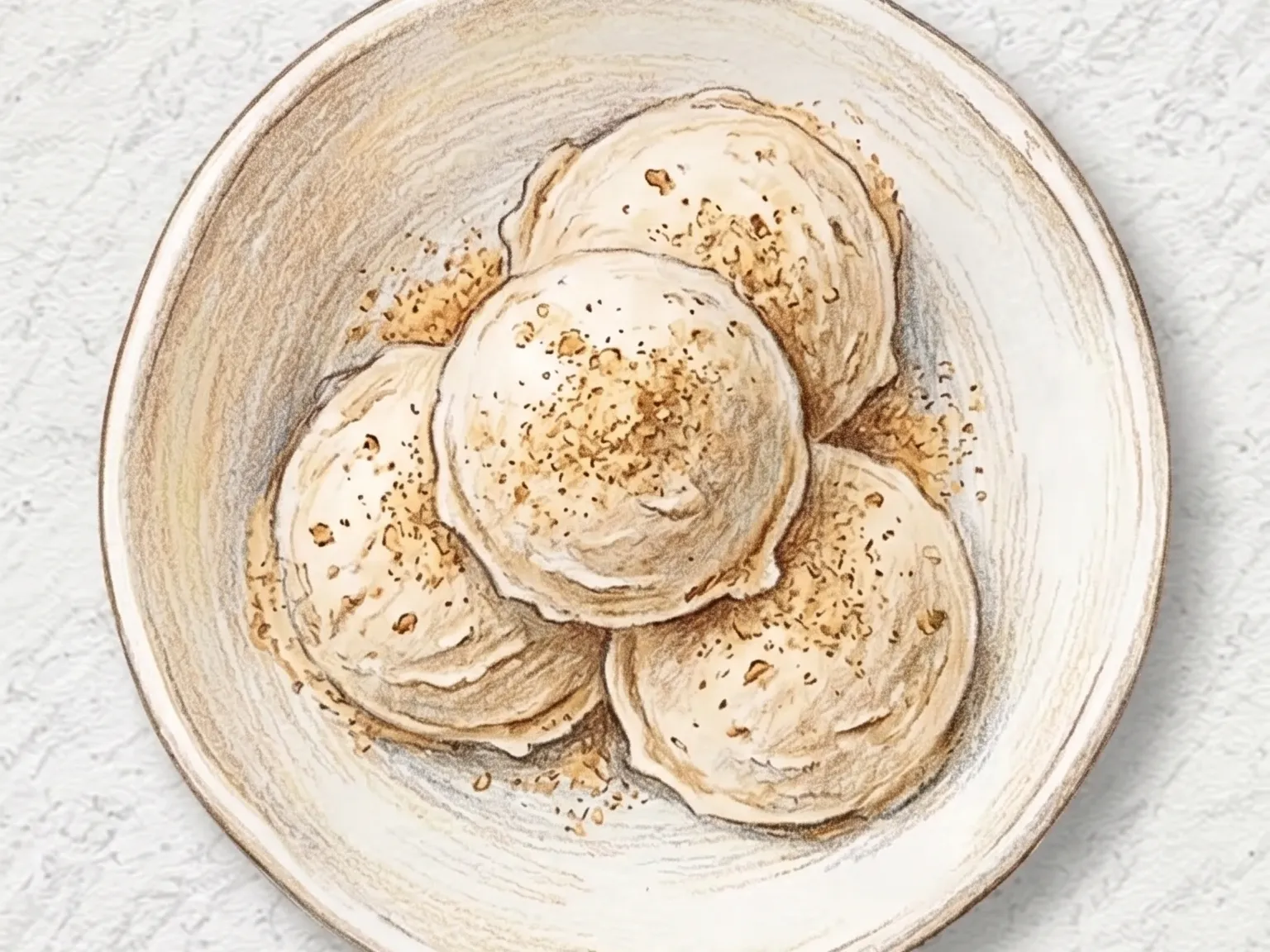
Misugaru Grain Ice Cream
Misugaru Grain Ice Cream is a frozen dessert made by blending roasted multi-grain powder with milk and heavy cream. The misugaru is whisked into milk to dissolve any lumps before honey, condensed milk, and a pinch of salt are added to establish a sweet, nutty base. Separately, heavy cream is whipped to soft peaks and gently folded into the mixture using J-shaped strokes to maintain aeration. The mixture is placed in a shallow container to freeze. To achieve a smooth texture, the surface is scraped with a fork every hour for three hours, breaking up ice crystals. Using black bean grain powder provides a richer taste, and topping the ice cream with chopped nuts adds a crunchy contrast to the creamy texture.

Black Sugar Tapioca Pearl Milk Tea
This beverage features chewy tapioca pearls and a dark black sugar syrup combined with milk and black tea. The tapioca pearls are boiled and then left to steam for five minutes, ensuring a consistent chewiness throughout each pearl. Rinsing the cooked pearls in cold water and draining them thoroughly helps maintain their firm texture. The syrup is made by simmering black sugar and water without stirring to prevent crystallization and concentrate the caramelized depth. Coating the inside of the glass with the syrup creates a dark pattern resembling tiger stripes when the cold milk and brewed black tea are poured in. A small amount of condensed milk is added to enrich the sweet taste. Care should be taken to stir the pearls during boiling and to monitor the syrup thickness so it blends smoothly.
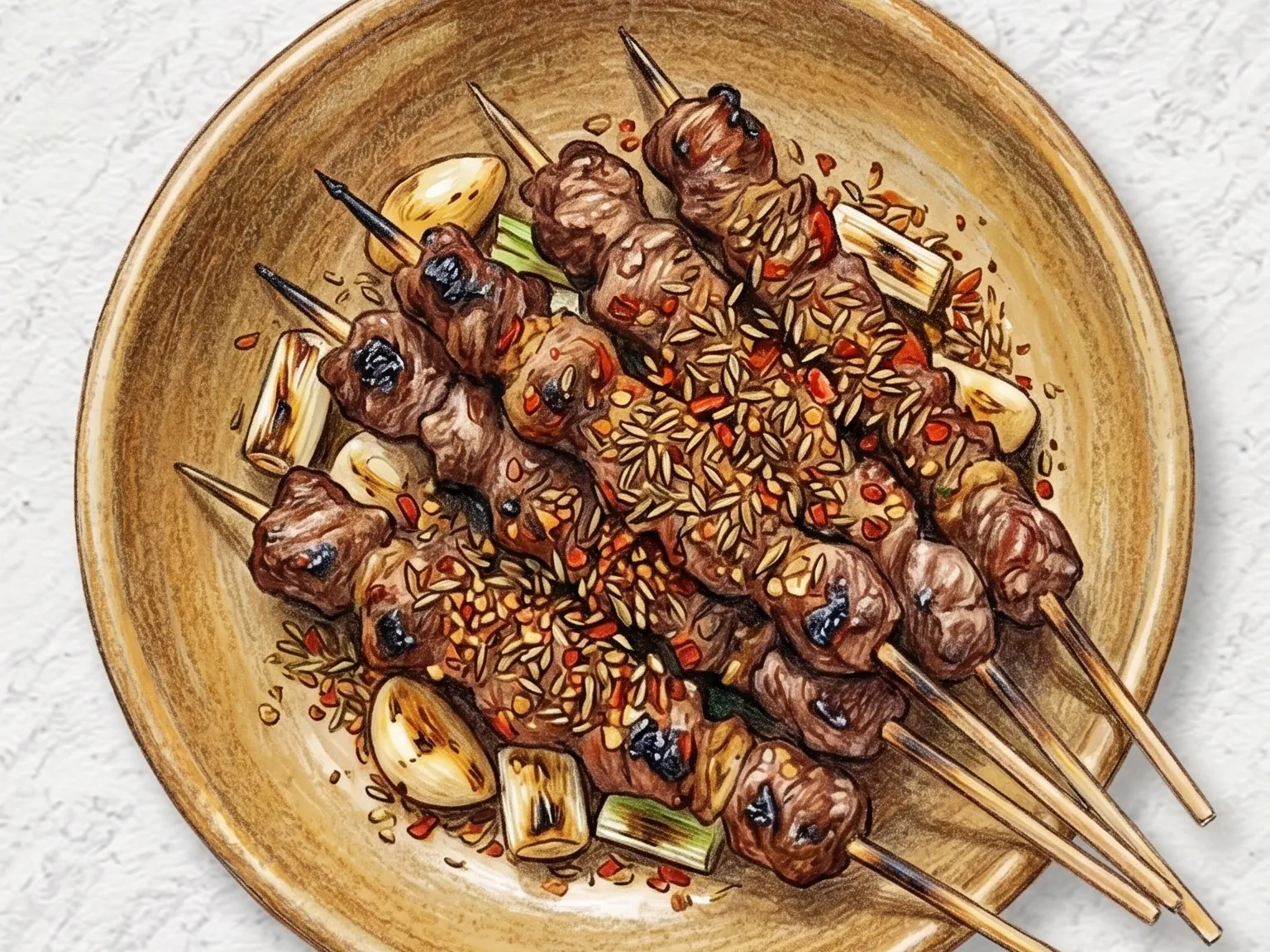
Lamb Skewers (Yangkkochi)
Lamb Skewers, or Yangkkochi, are grilled meat skewers featuring lamb shoulder coated in aromatic spices. The preparation involves cutting the lamb shoulder into two-centimeter cubes and marinating it with cooking wine, minced garlic, salt, and pepper for twenty minutes to tame any gamey smell. Threading the meat pieces onto skewers with small gaps ensures that the heat penetrates the center without burning the exterior. The skewers are grilled on a preheated pan or grill for six to eight minutes while turning them to brown each side. Cumin seeds and red pepper flakes are sprinkled over the meat during the final thirty seconds of grilling. This late addition activates the natural oils of the cumin without burning the spices, avoiding any bitter flavor. Wooden skewers should be soaked in water beforehand to prevent them from burning.
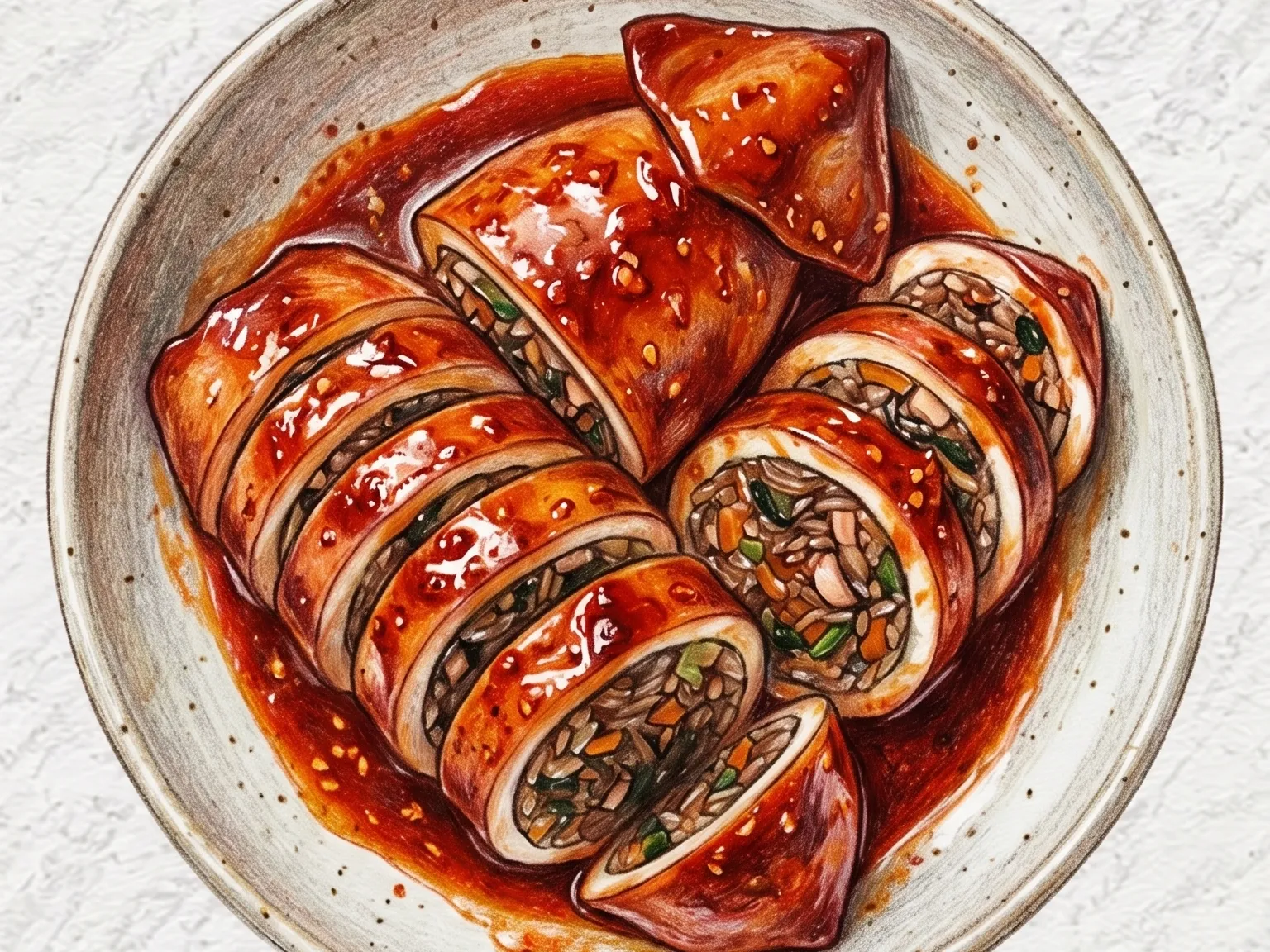
Braised Squid Sundae in Spicy Sauce
This dish features sliced squid sundae simmered in a sweet and spicy red chili paste sauce. The squid sundae is cut into thick 1.5 cm rounds before cooking, which helps prevent the seasoned stuffing from spilling out during the braising process. The sauce is prepared by mixing water, gochujang, red chili powder, soy sauce, minced garlic, and rice syrup in a wide pan. After boiling the sauce, the squid pieces are arranged in a single layer and simmered over low heat. Basting the slices with the sauce rather than flipping them frequently helps preserve their shape and keeps the cross-section intact. The rice syrup thickens the chili paste base into a glossy, sticky glaze that coats the squid. A drizzle of sesame oil at the end adds a savory finish.
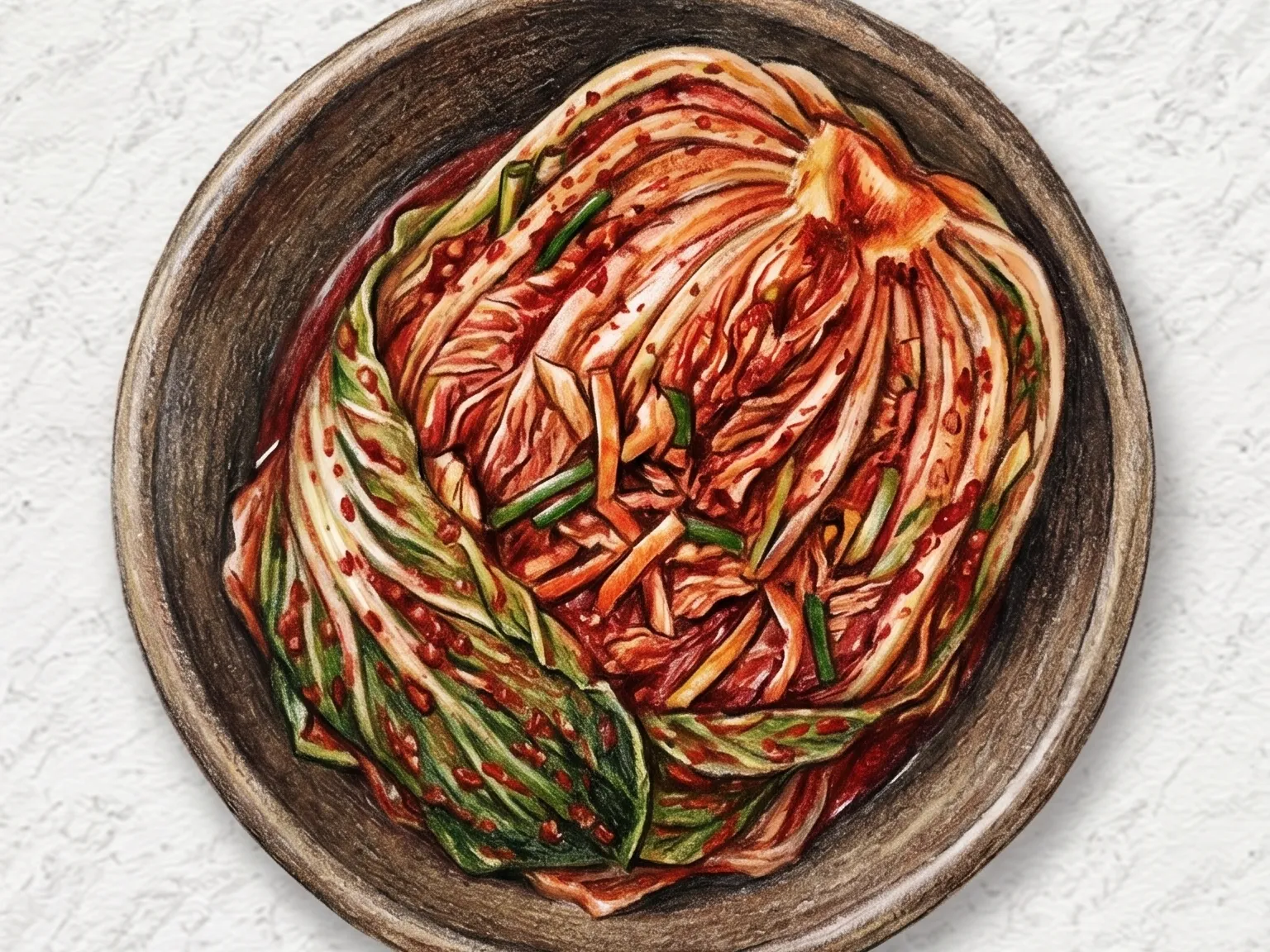
Traditional Kimjang Cabbage Kimchi
Traditional Kimjang Cabbage Kimchi is a staple winter preparation made by seasoning salted cabbage with various vegetables and spices. The recipe calls for coating julienned radish with chili flakes first to secure a deep red color before mixing in anchovy fish sauce, fermented shrimp, and minced garlic. Fresh mustard greens and water parsley are cut and folded in, adding crisp and slightly bitter herbal notes to the mixture. Rinsed fresh oysters can be optionally folded in at the end to add a refreshing oceanic flavor. Each cabbage leaf is packed with this seasoning mixture and wrapped securely with its outer leaves. The seasoned cabbage is pressed tightly into airtight containers to minimize air contact, fermented at room temperature for one to two days, and then stored in the refrigerator to develop its flavor.
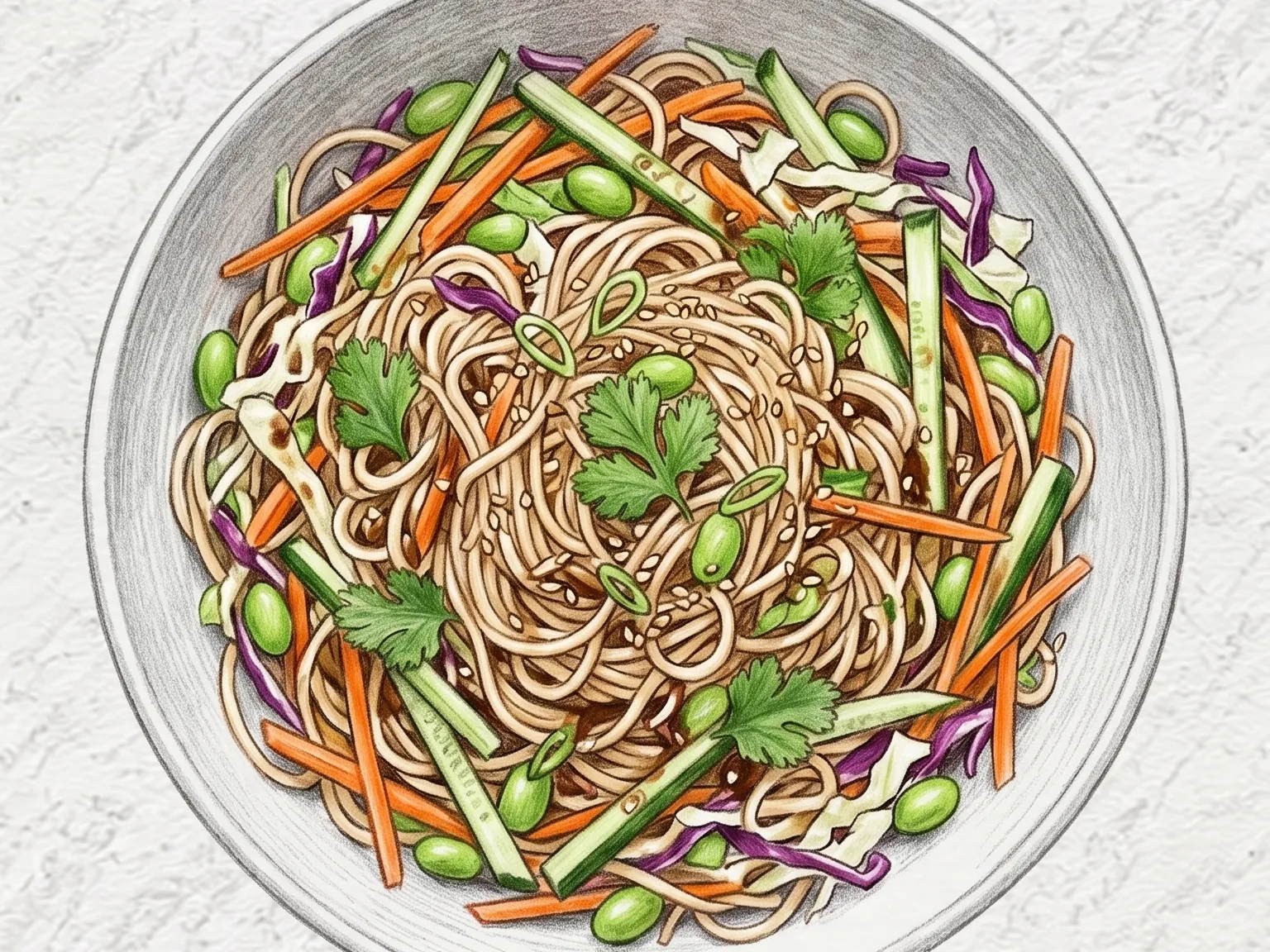
Oriental Soy Protein Noodle Salad
This noodle salad features soy protein noodles served with shredded chicken breast and fresh vegetables in a light soy-based dressing. The noodles require no boiling, only a quick rinse in cold water and thorough draining to preserve their springy texture. Chicken breast is boiled for eight minutes, cooled, and shredded along the grain to maximize dressing absorption. Thinly sliced cucumber, red bell pepper, and baby greens are arranged over the noodles. The dressing is prepared by mixing soy sauce, vinegar, olive oil, garlic, and allulose, which provides a clean sweetness without the weight of sugar. Drizzled right before eating and tossed lightly, this salad tastes best when chilled for ten minutes to enhance the firmness of the noodles.
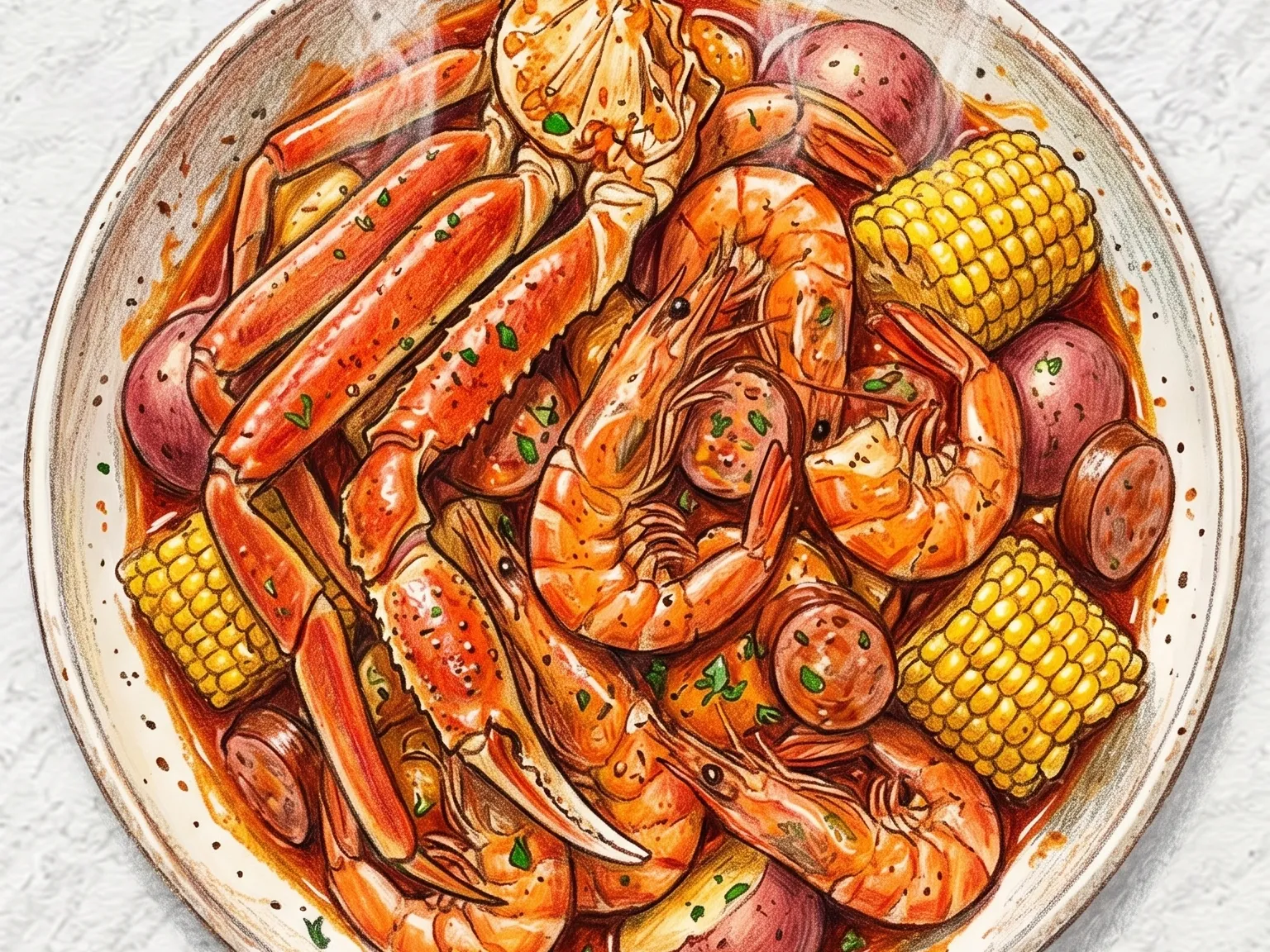
Snow Crab Boiling Seafood
This Southern American-style seafood boil combines steamed snow crab legs and shrimp with boiled potatoes, corn, and smoked sausage in a spicy Cajun butter sauce. The potatoes and corn are boiled until tender, while the crab legs and shrimp are steamed separately to preserve their texture. The sauce is made by melting unsalted butter, sautéing minced garlic to release its aroma, and blooming Cajun seasoning and red chili powder into a red emulsion. The warm seafood, vegetables, and sausages are combined in a large bowl or bag and tossed with the sauce, which ensures the seasoned butter coats the crab joints and shrimp shells evenly. The different ingredients absorb the Cajun butter at varying rates, providing diverse flavors in each bite. The mixture is spread onto a table or platter and served hot with fresh lemon wedges.
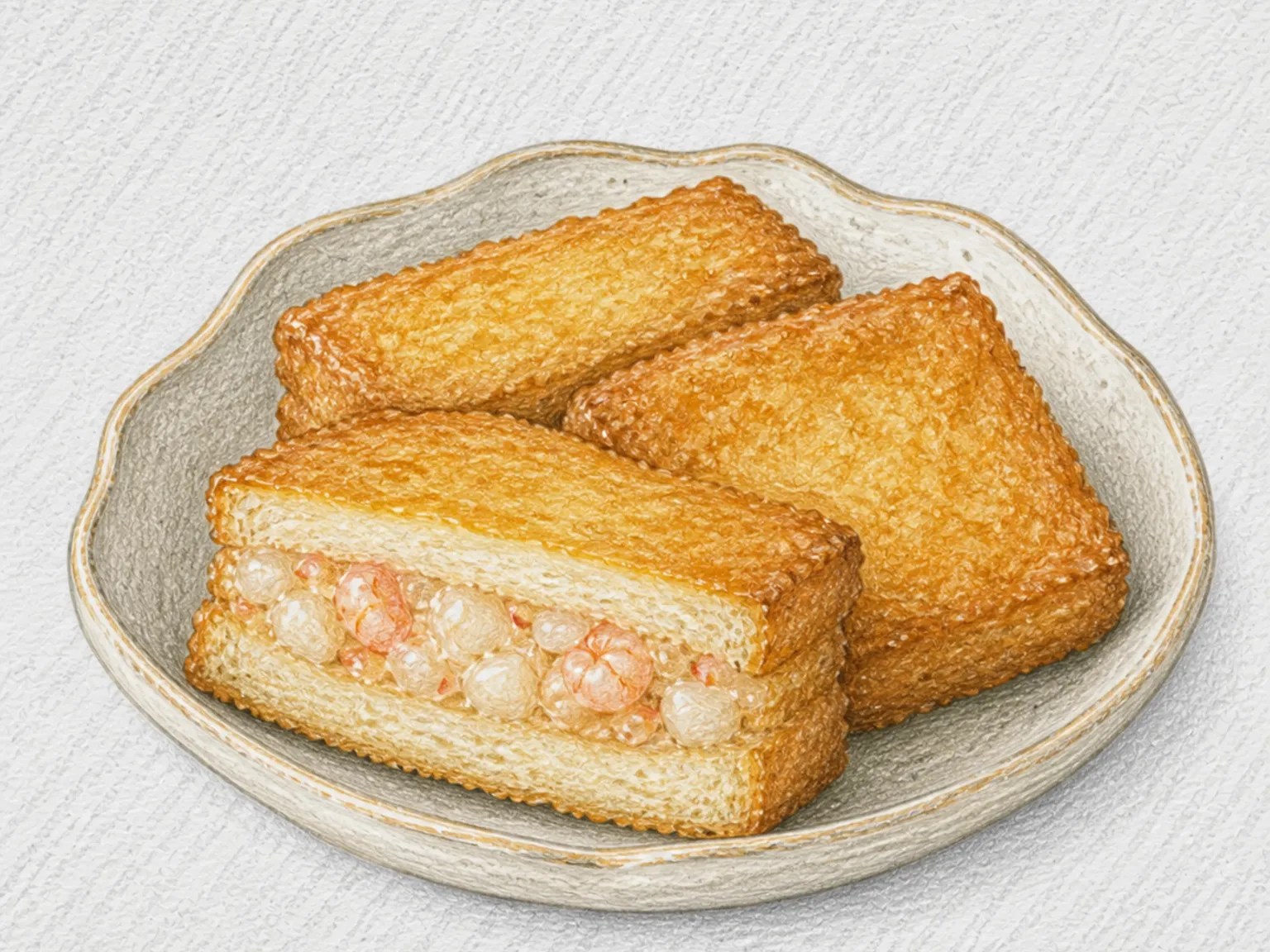
Hatoshi (Nagasaki Shrimp Toast)
Hatoshi is a Nagasaki shrimp toast made by sandwiching a thick mixture of minced shrimp, squid, and sautéed onion between bread, steaming it to set the seafood, and frying it until crisp and golden. The dish reached Nagasaki from Qing China during the Meiji era and first appeared among the shared plates of shippoku dining. It later became a familiar shop and street snack. Puréed seafood binds the filling while coarsely chopped pieces keep a springy bite, and the steamed center stays moist beneath the fried bread.
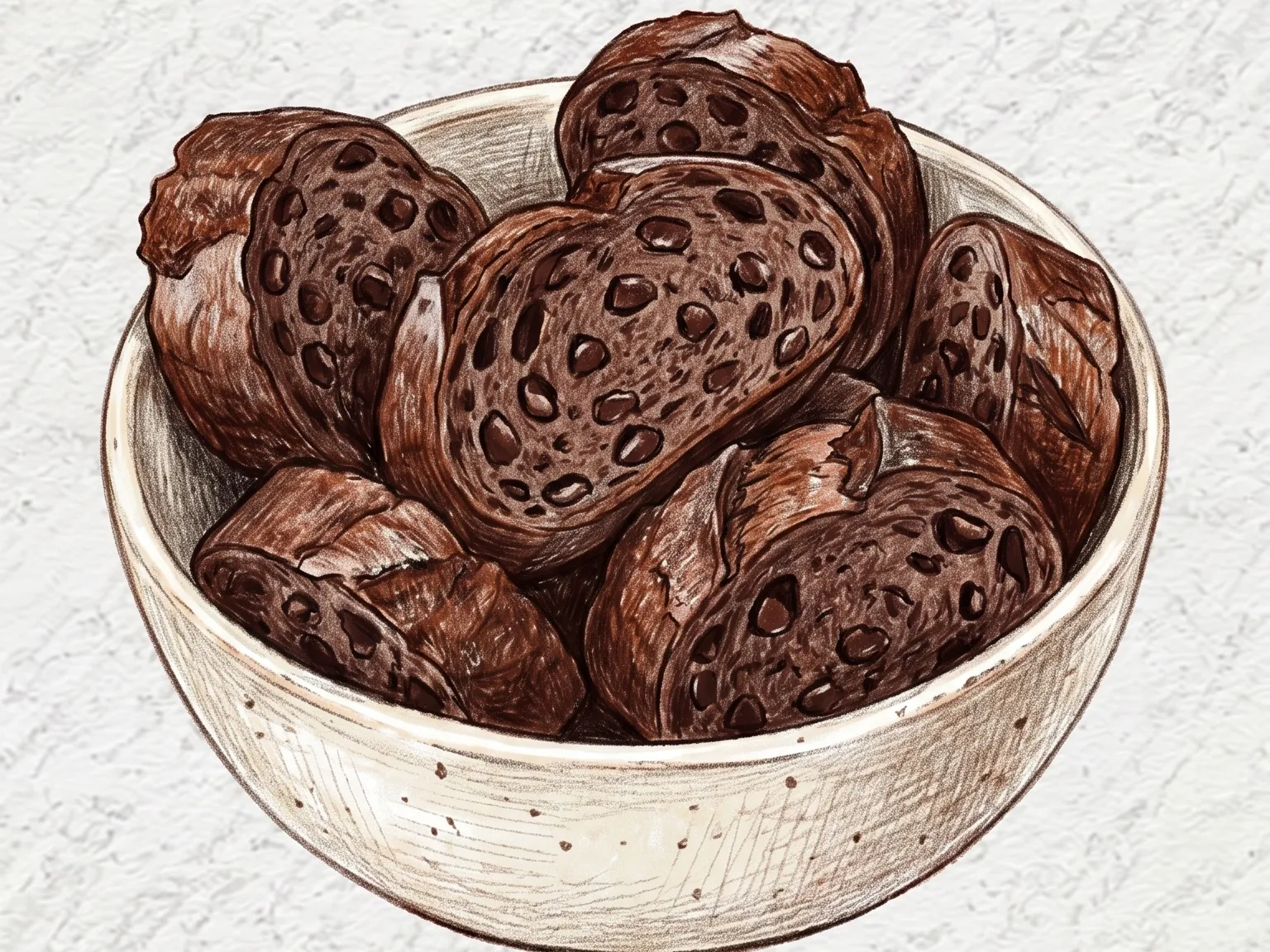
Dark Chocolate Baguette
This rustic chocolate baguette features a crisp crust filled with dark chocolate chips. The dough is prepared by combining bread flour, cocoa powder, dry yeast, salt, sugar, and lukewarm water. Once the dough becomes elastic after kneading, dark chocolate chips are folded in gently. After the first rise, the dough is divided and rested before being shaped into long, tapered ovals. This shaping helps retain moisture in the thicker crumb during baking. The loaves are proofed a second time, scored diagonally, and sprayed generously with water. Baking them at 220 degrees Celsius with oven steam creates a distinct double-layered crispy crust. High-quality cocoa powder and dark chocolate chips ensure a deep cacao flavor throughout the bread, offering a subtle sweetness inside a crusty exterior.

Omija Bead Ice Cream
This dessert features omija syrup shaped into small frozen spheres using a molecular gastronomy technique. The natural five-flavored profile of omija berries is concentrated into each tiny bead. The recipe uses two types of base mixtures: a clear pink omija juice and an opaque pink liquid made by blending the juice with milk and yogurt powder. These liquids are dropped from a pipette into a cup of cooking oil that has been chilled in the freezer for at least one hour. Upon contact with the cold oil, the droplets solidify into round spheres. The frozen beads are scooped out with a strainer, rinsed in cold water to remove the oil coating, and stored in the freezer. The clear red and milky pink beads are served mixed together, and they can also be added to sparkling water to make a beverage.
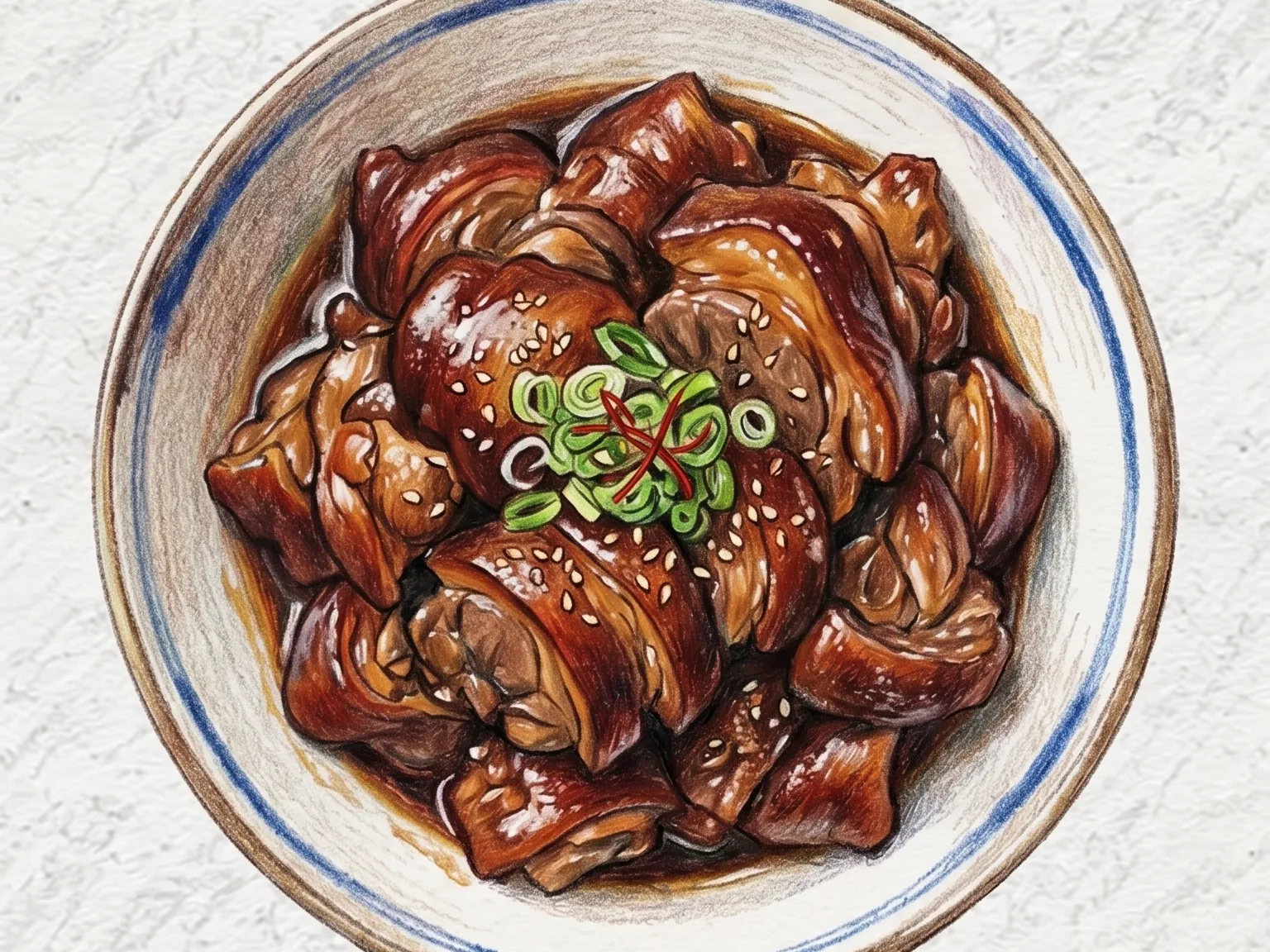
Braised Boneless Jokbal
Braised Boneless Jokbal is a dish made by simmering pre-cooked boneless pork trotter in a sweet and savory soy-based sauce. Since the pork trotter is already cooked, the entire process takes less than thirty minutes. The cut pieces of jokbal are simmered with green onions in a mixture of water, soy sauce, sugar, cooking wine, and ginger juice. Once the liquid reduces and coats the pork glaze-like, minced garlic is added during the final two minutes of cooking. Adding the garlic at the end preserves its fresh aroma without risk of burning or turning bitter. Over-braising should be avoided as the collagen can become tough. When served warm, the meat remains tender, while cooling the dish allows the collagen to bind with the sauce and set into a firm, chewy texture.
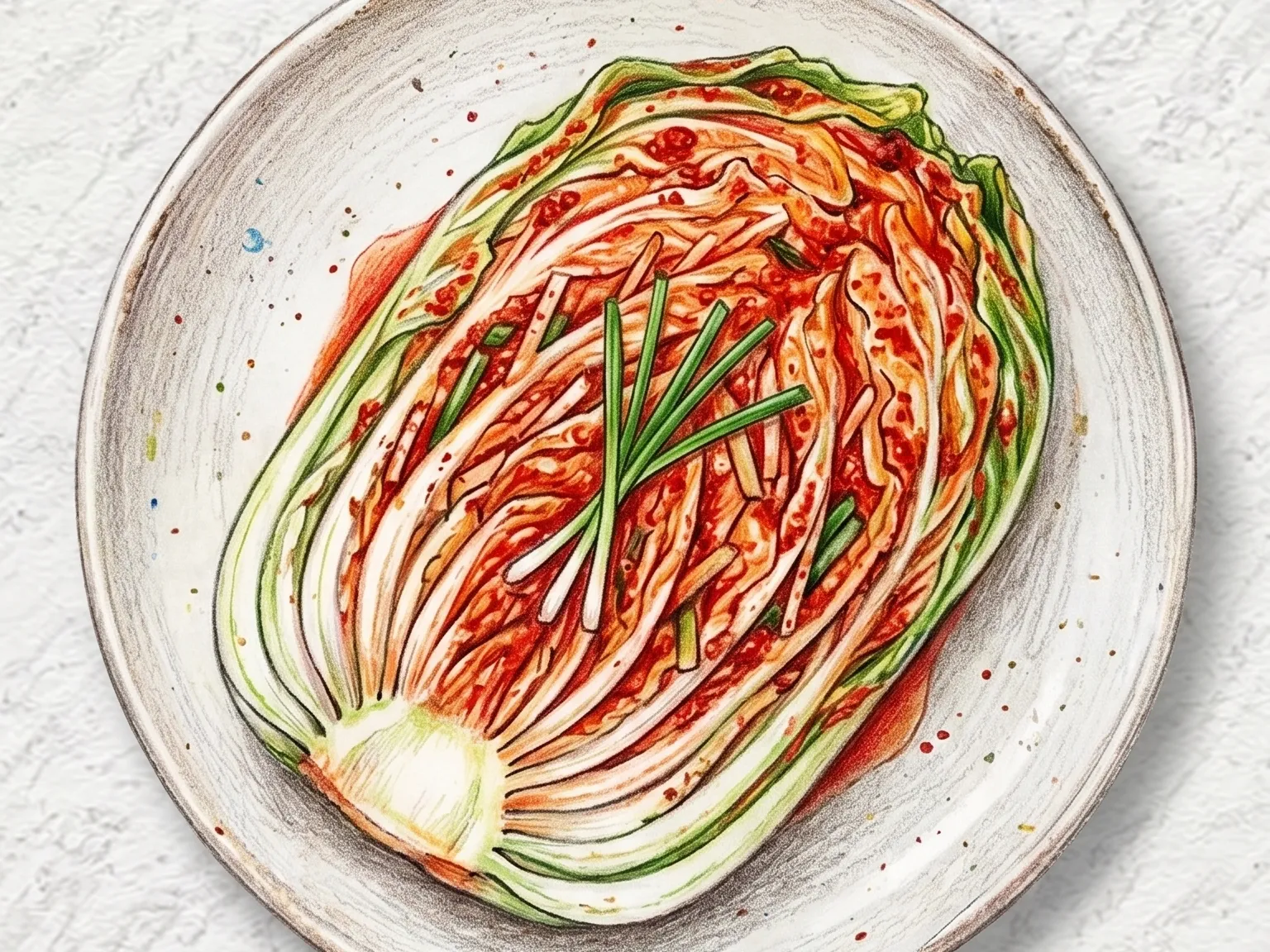
Fresh Whole Cabbage Kimchi
Fresh whole cabbage kimchi is a side dish prepared by mixing fresh, unsalted napa cabbage directly with spicy seasoning to deliver a sharper and crisper texture than fermented versions. Cleaned napa cabbage leaves are torn lengthwise and combined with a seasoning paste made of chili flakes, anchovy fish sauce, minced garlic, ginger, and plum extract. The addition of plum extract provides an enzymatic sweetness and deep flavor without requiring any fermentation time. Green onions cut into four to five centimeters and sesame seeds are folded in gently at the end. To enjoy the firm texture without the dish becoming watery, it should be consumed immediately after mixing when the cabbage cells are still intact. This salad-like kimchi offers a refreshing, spicy, and immediate taste.
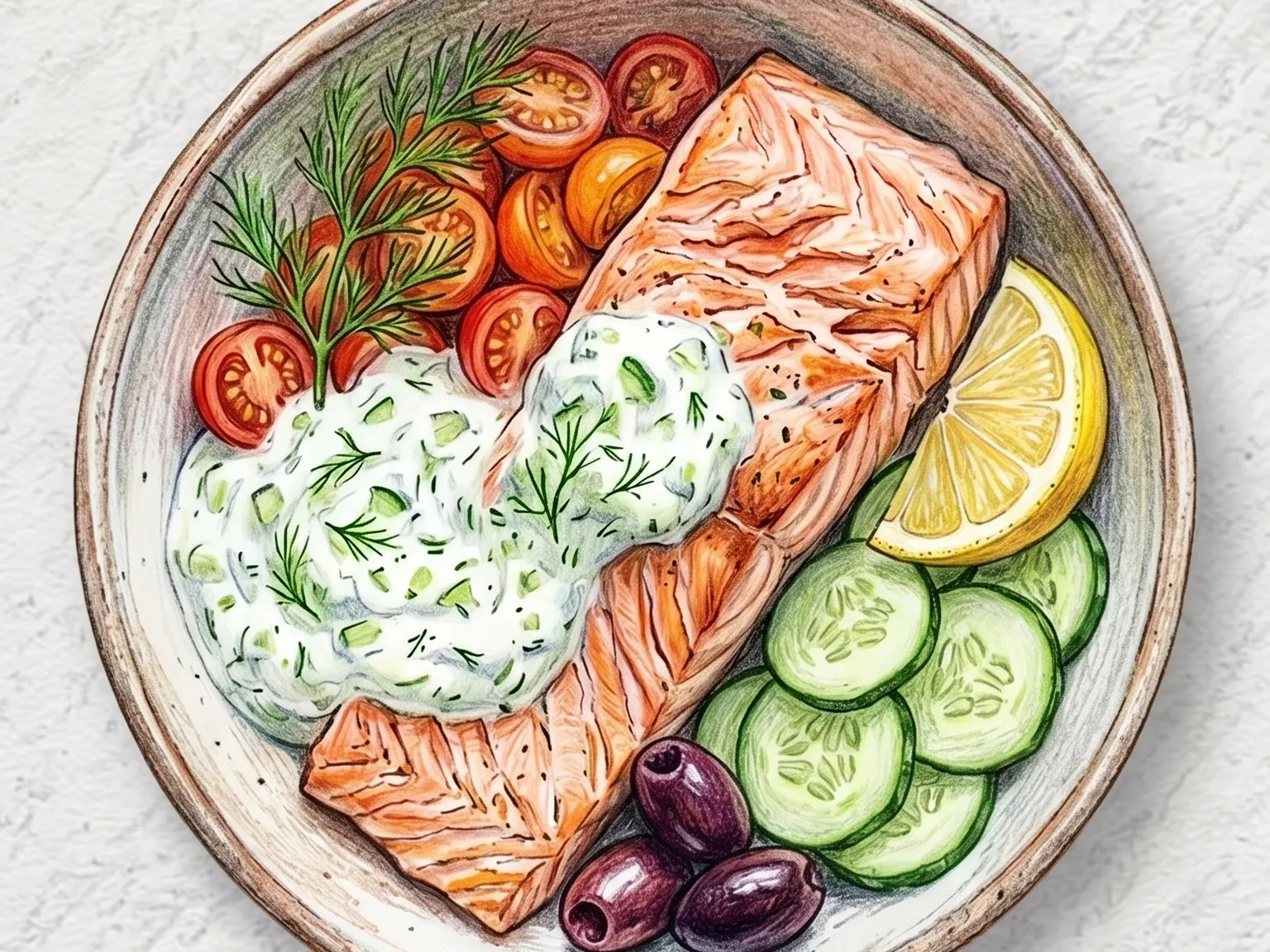
Tzatziki Salmon Bowl
This fresh grain bowl combines pan-seared salmon with a thick Greek tzatziki sauce. To prepare the dish, fresh cucumber is finely chopped, salted, and squeezed firmly to remove excess water, ensuring the yogurt sauce remains thick rather than watery. The strained cucumber is then mixed with Greek yogurt, minced garlic, chopped dill, and lemon juice. Fresh salmon is cut into bite-size pieces, seasoned, and seared in olive oil on medium heat until golden. The bowl is assembled with a warm base of either brown rice or quinoa, which allows control over carbohydrate density. It is topped with halved cherry tomatoes, the warm seared salmon, and a generous dollop of chilled tzatziki sauce. The herbal notes of dill help cut through the rich fat of the seared fish, providing a balanced flavor.
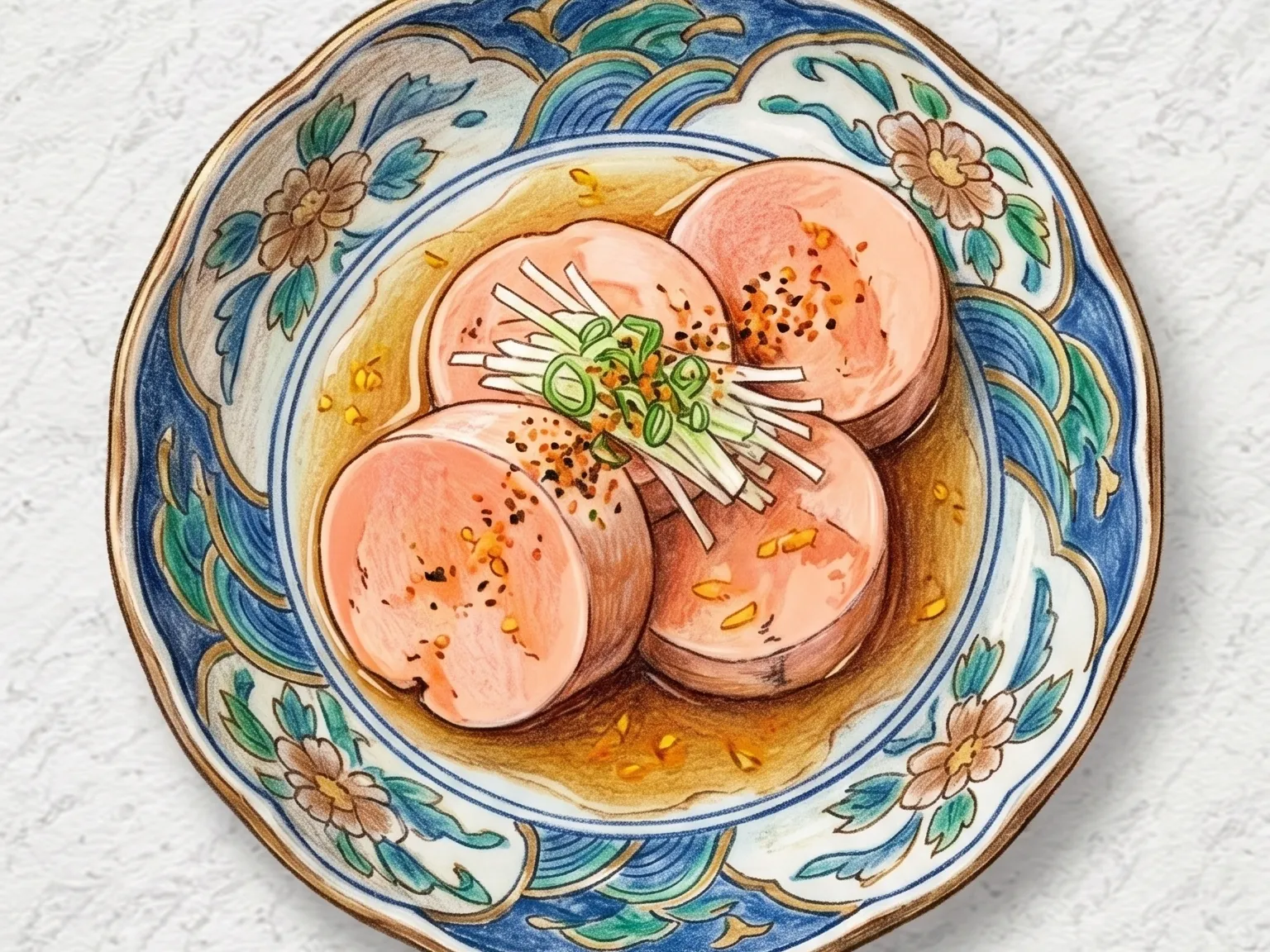
Steamed Monkfish Liver (Ankimo) with Ponzu
This recipe provides instructions for making steamed monkfish liver, also known as ankimo, at home. The preparation begins by meticulously cleaning the fresh liver, removing all visible veins and membranes to ensure a clean flavor. The liver is then soaked in a mixture of sake and salt for thirty minutes to eliminate its strong natural odor. After drying, it is rolled tightly in aluminum foil into a cylinder shape, twisting the ends firmly to create a dense texture. The wrapped liver is steamed over medium heat for twenty to thirty minutes. To prevent crumbling, the steamed roll is cooled in ice water and chilled in the refrigerator until firm. Sliced into rounds, it is served cold with ponzu sauce, grated daikon radish mixed with chili powder, chives, and lemon. The acidic components cut through the rich fat of the liver.

Handmade Piped Carnation Cookies
This baking recipe shows how to make handmade cookies shaped like carnations. The dough starts by creaming unsalted butter with powdered sugar and salt. Egg white is incorporated instead of egg yolk, which helps keep the red food coloring bright after baking. A sifted mixture of cake flour and almond flour is folded in, and the dough is divided into red and green portions in a four-to-one ratio. Using a piping bag fitted with a petal tip, the red dough is piped onto parchment paper in overlapping layers to form petals with defined edges. The green dough is piped around the base to form leaves. The cookies are baked at 160°C for fifteen minutes. They are rested on the baking sheet for five minutes to firm up before transfer, ensuring the delicate structures do not break.
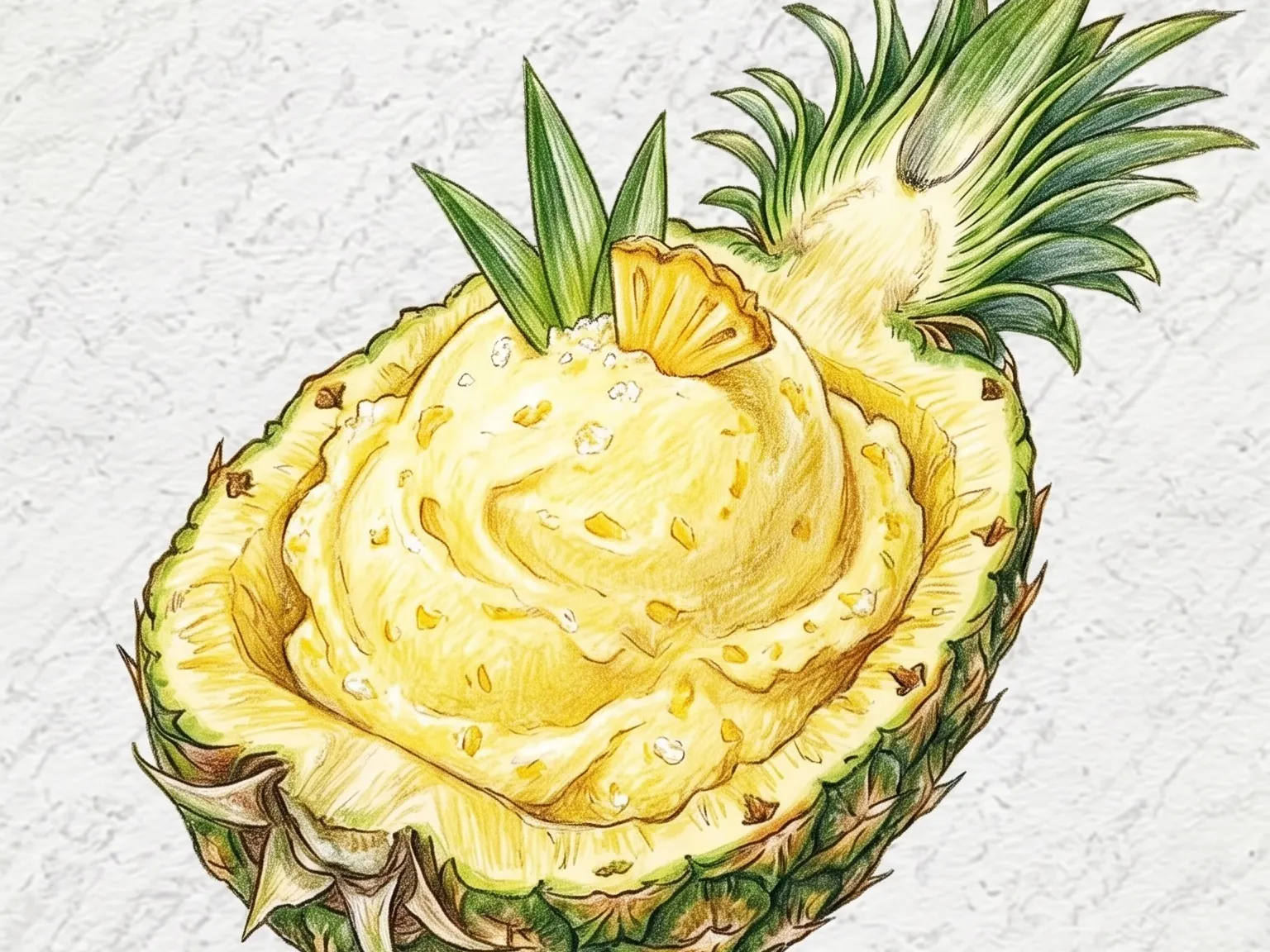
Real Pineapple Sherbet
This refreshing fruit dessert is prepared by scooping out the flesh of a mini pineapple and using its hollowed shell as a serving vessel. The fruit pulp is blended until smooth to prevent icy lumps, then mixed with sugar, lemon juice, and oligosaccharide syrup to achieve a sweet and tangy flavor. After pouring the mixture back into the shell and covering it with the top lid, it is frozen for at least four hours. Stirring the mixture occasionally during freezing breaks up ice crystals, resulting in a smoother texture. The active bromelain enzyme present in the fresh fruit provides a subtle tingly sensation on the tongue. Serving the sherbet directly inside the pineapple skin minimizes juice loss and keeps the dessert cold. Letting it stand for five minutes before scraping and topping with fresh apple mint leaves makes it ready to serve.
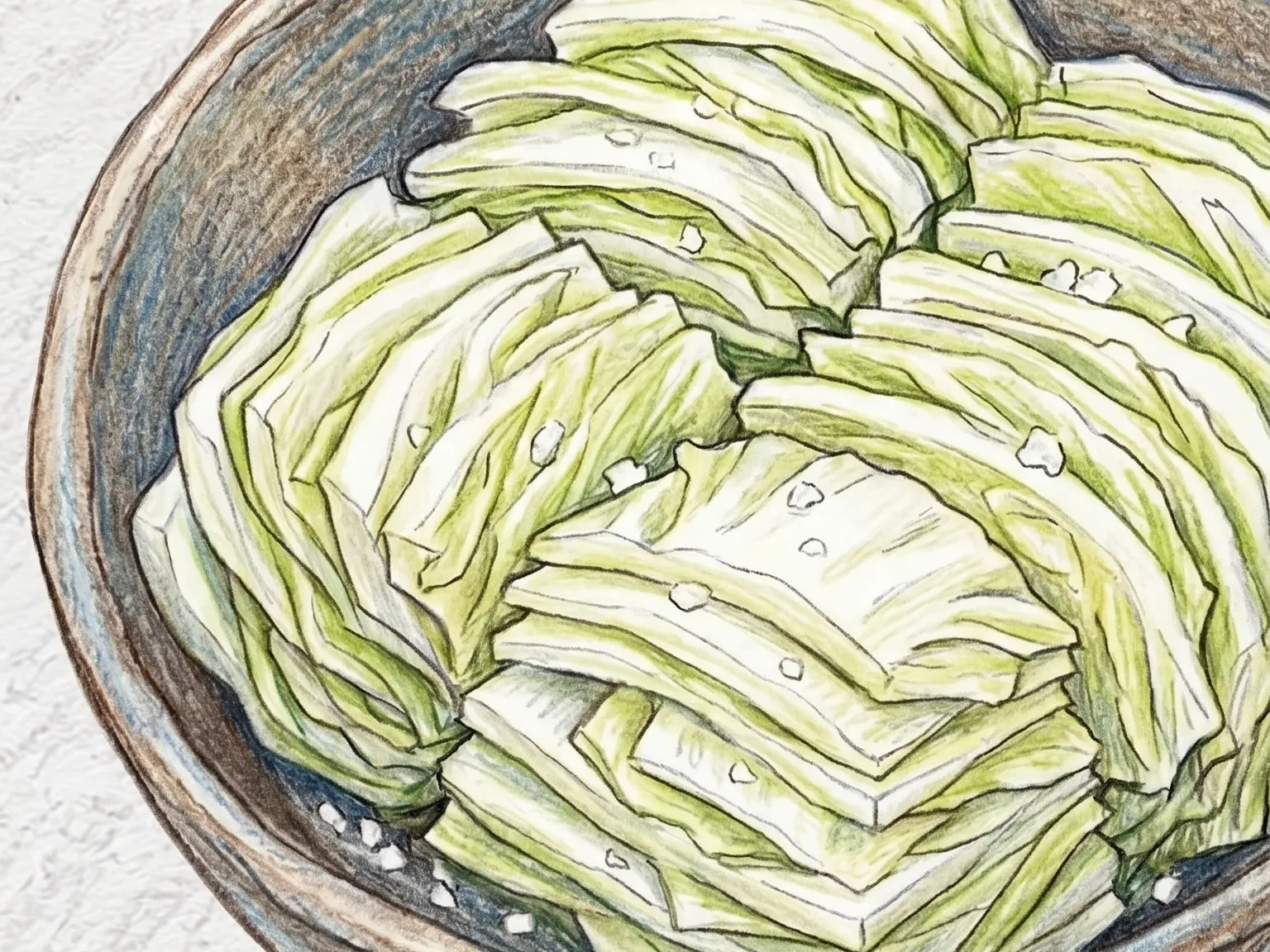
Perfectly Salted Cabbage
Perfectly Salted Cabbage is a foundational preparation step for making kimchi with a crisp texture. The process begins by boiling water with dried kelp and dried shiitake mushrooms to create an umami-rich broth, which is then cooled completely. Coarse sea salt is dissolved into the cooled broth to make the brining base, optionally sweetened with a small amount of sugar. Napa cabbage heads are split by hand, soaked in this brine, and then layered with additional coarse sea salt concentrated on the thick white stems. The cabbage is left to brine for six to eight hours, with the pieces flipped halfway through to ensure even salting. Finally, the cabbage is rinsed three times in running water and drained cut-side down for at least two hours to prevent the kimchi paste from washing away.

Taiwanese Ham and Cheese Sandwich
The Taiwanese Ham and Cheese Sandwich is a multi-layered sandwich that combines sweet and savory flavors. The filling consists of thin egg sheets, sandwich ham, and cheddar cheese slices placed between pieces of soft white bread. To achieve a smooth texture, the crusts of the bread are trimmed before assembly. The spread is made by mixing equal parts of condensed milk and mayonnaise, providing a creamy, sweet, and salty taste. The egg sheets are pan-fried in butter and must be cooled completely before assembly to prevent the bread from becoming soggy. After stacking the layers in a specific order of bread, egg sheet, bread, ham and cheese, bread, egg sheet, and bread, the sandwich is wrapped in plastic film for five minutes. This resting time stabilizes the layers, allowing for clean diagonal cuts and serving.
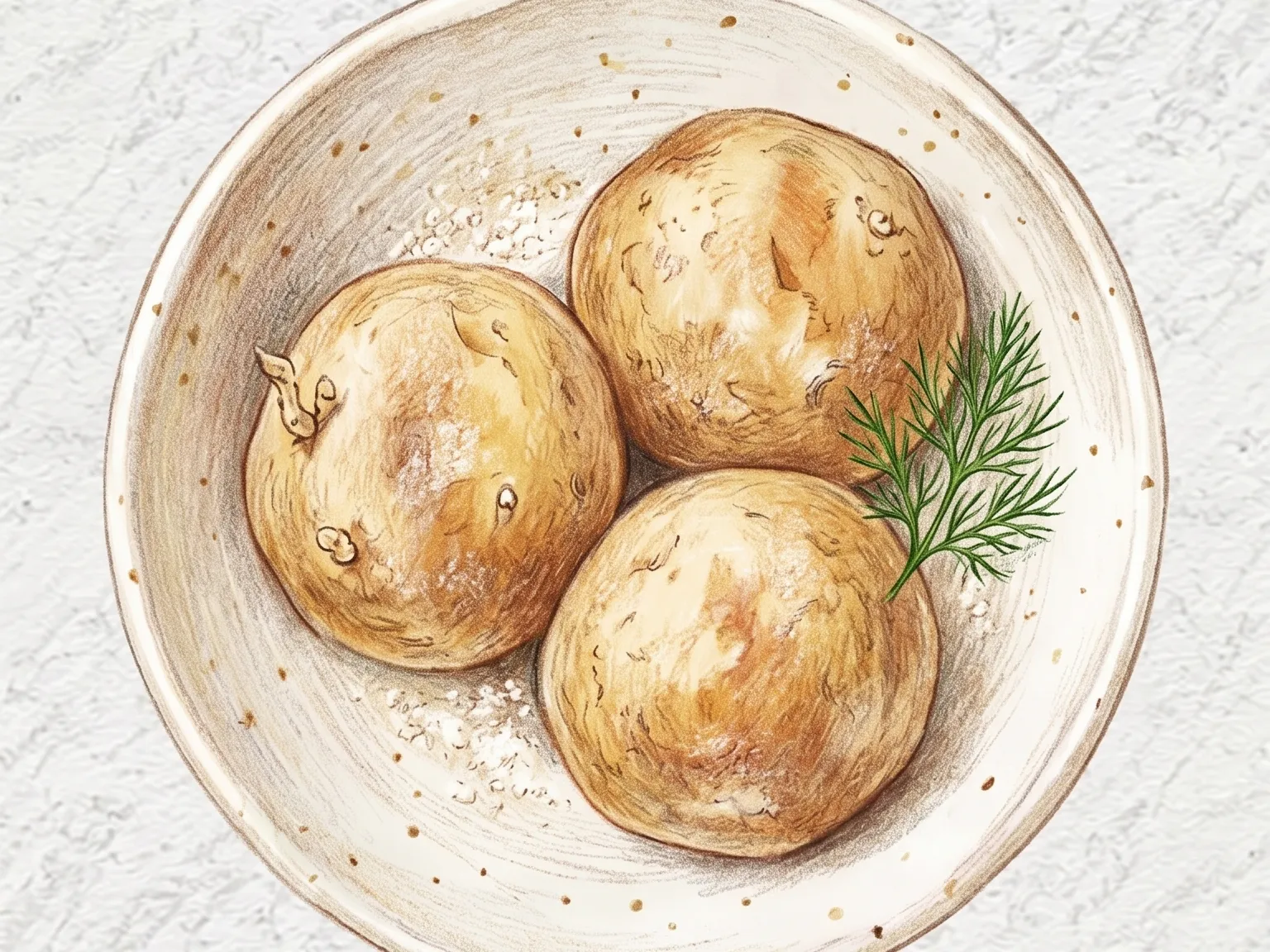
Korean Mashed Potato Bread
Korean Mashed Potato Bread is a snack featuring a potato filling wrapped in a chewy dough. The dough combines bread flour and tapioca starch, which prevents the crust from hardening after cooling, maintaining a soft, elastic texture. Boiled potatoes are mashed while hot with sugar and salt before being wrapped in the dough. Varying sugar levels in the filling and the dough create a layered sweetness. The outer surface is coated with roasted soybean powder and black sesame powder to replicate the earthy look of Gangwon potatoes. Small holes are poked on the surface with chopsticks for a realistic appearance. The bread is baked at 170 C for twenty to twenty-five minutes. Adding mayonnaise to the filling yields a creamier and richer taste.
Tokyo Sakura Mochi with Cherry Leaf
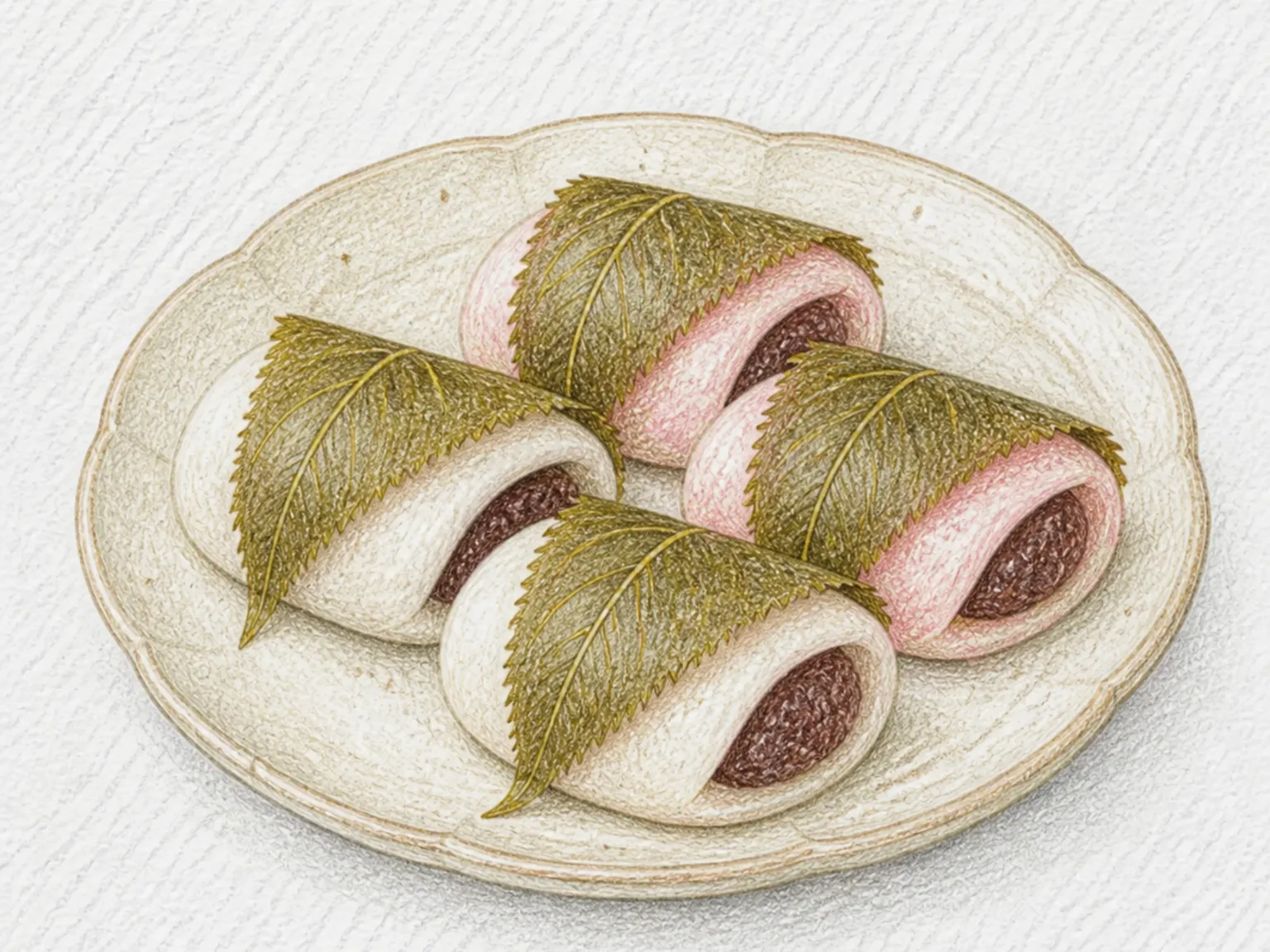
Tokyo-style sakura mochi is an Edo confection that cooks a thin oval pancake from wheat flour and shiratamako, wraps it around smooth red bean paste, and encloses it again in a salt-preserved Oshima cherry leaf. Tradition dates it to 1717, when Shinroku Yamamoto, working near Chomeiji by the Sumida riverbank, salted fallen cherry leaves gathered during cleanup and used them to wrap sweets for blossom viewers. Shiratamako is first smoothed with water before sifted flour and sugar form a flowing batter. Half stays white and half is tinted the palest pink, producing four pancakes of each color over low heat. They must wrap the bean paste while warm and flexible. Strongly salted food-grade leaves are soaked, passed briefly through hot water, and dried. Placing the veined underside outward lets their aroma perfume the delicate wrapper and bean filling.
Yaki Manju Grilled Miso Buns
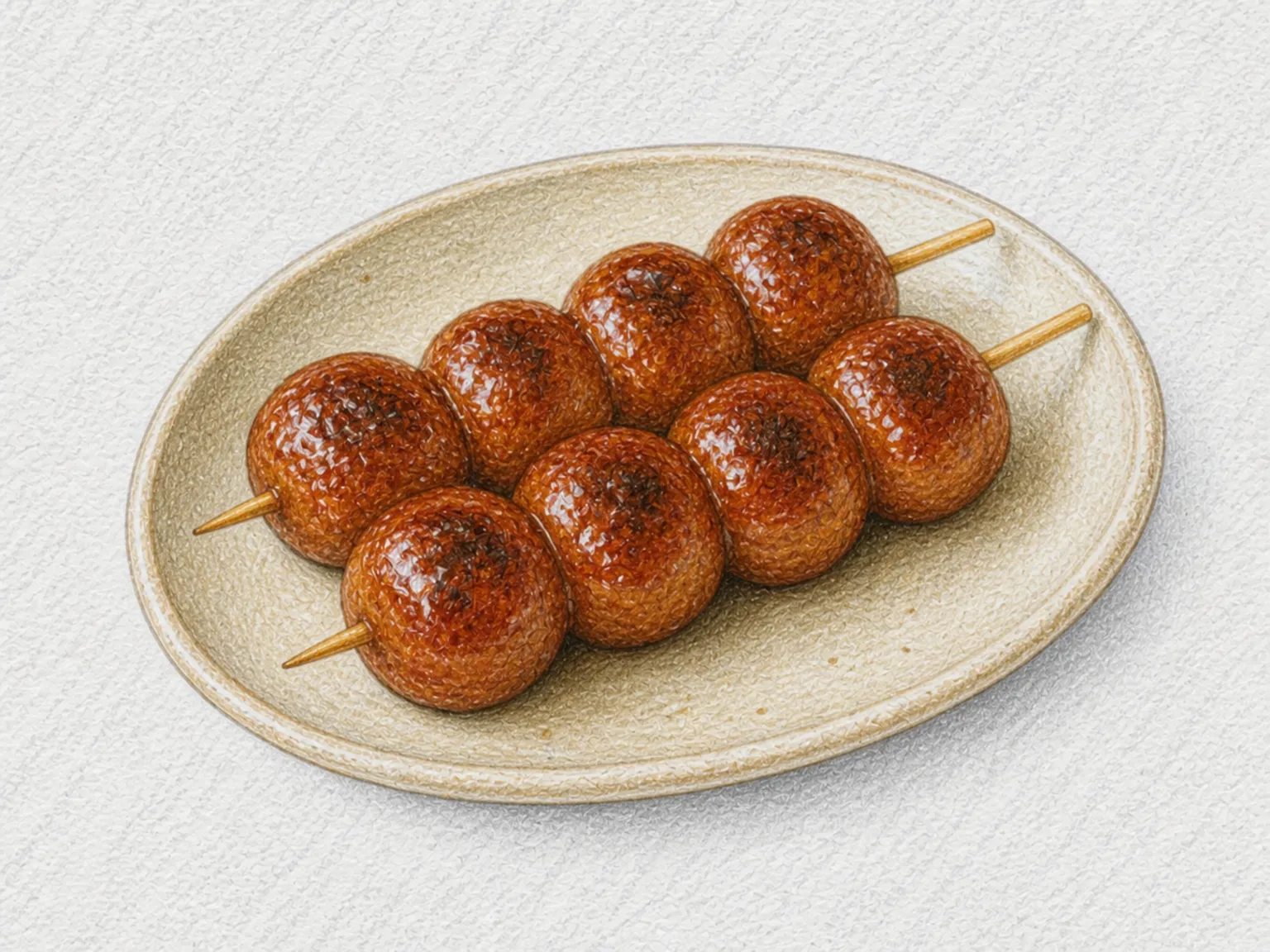
Yaki manju is a Gunma confection that first steams wheat buns fermented with rice koji, threads four at a time onto bamboo skewers, and grills them under repeated coats of strongly sweet red-miso glaze. In wheat-growing Gunma, it is traced to misozuke manju made by Ruizo Harashima in Maebashi near the end of the Edo period. The seasoning later moved toward its present sweetness after dark sugar syrup became available. Glutinous rice is cooked into porridge, cooled carefully, mixed with rice koji, and fermented for one to two days to create a starter. Wheat flour and water turn that starter into dough, which is divided into twenty-gram pieces, naturally proofed, and fully cooked by steam. The glaze dissolves coarse sugar and starch syrup with red miso, boils for thirty minutes, and rests after cooling. Brushing and grilling each side two or three times builds a dark sheen, lightly dry surface, and roasted miso aroma.