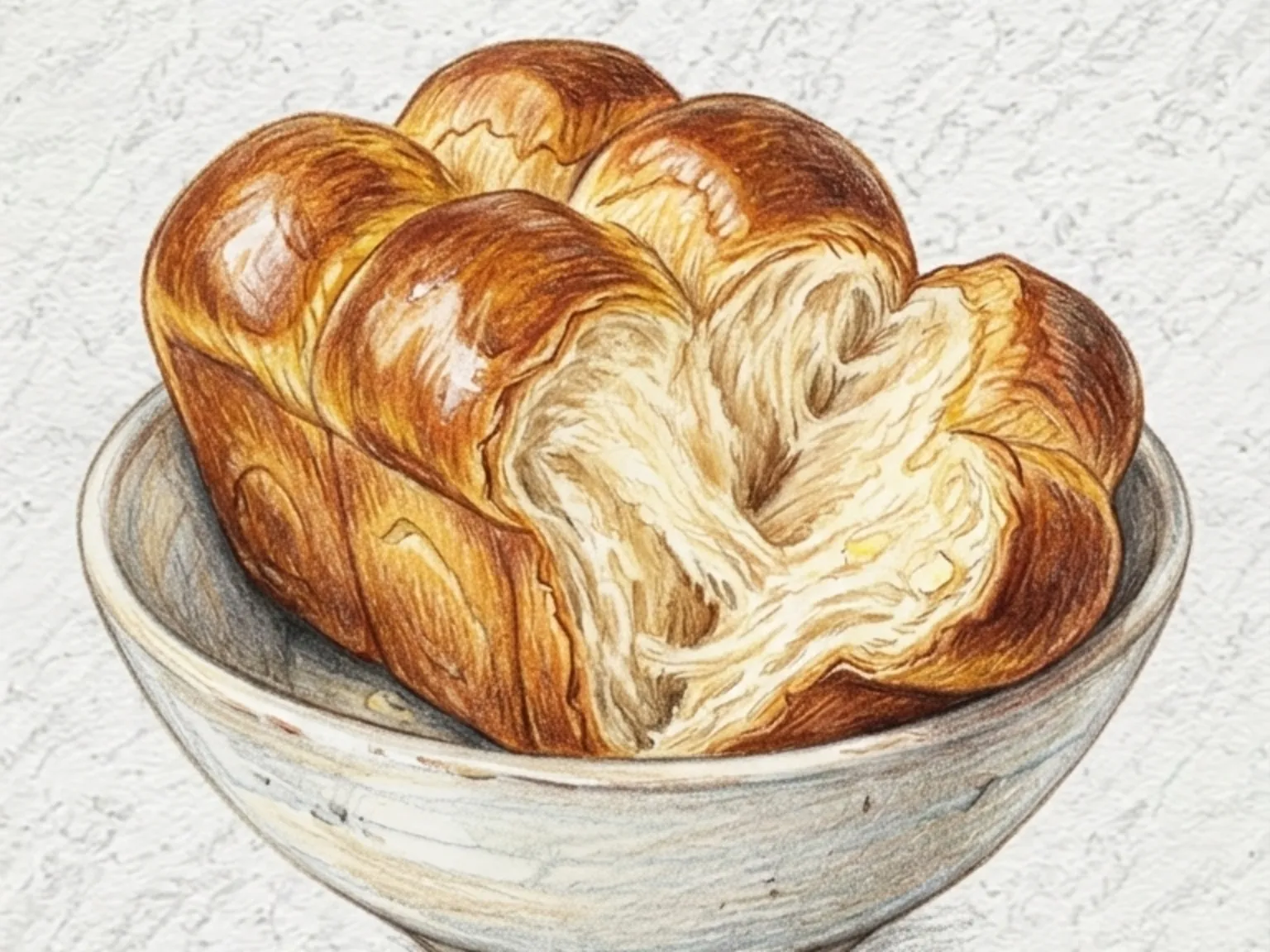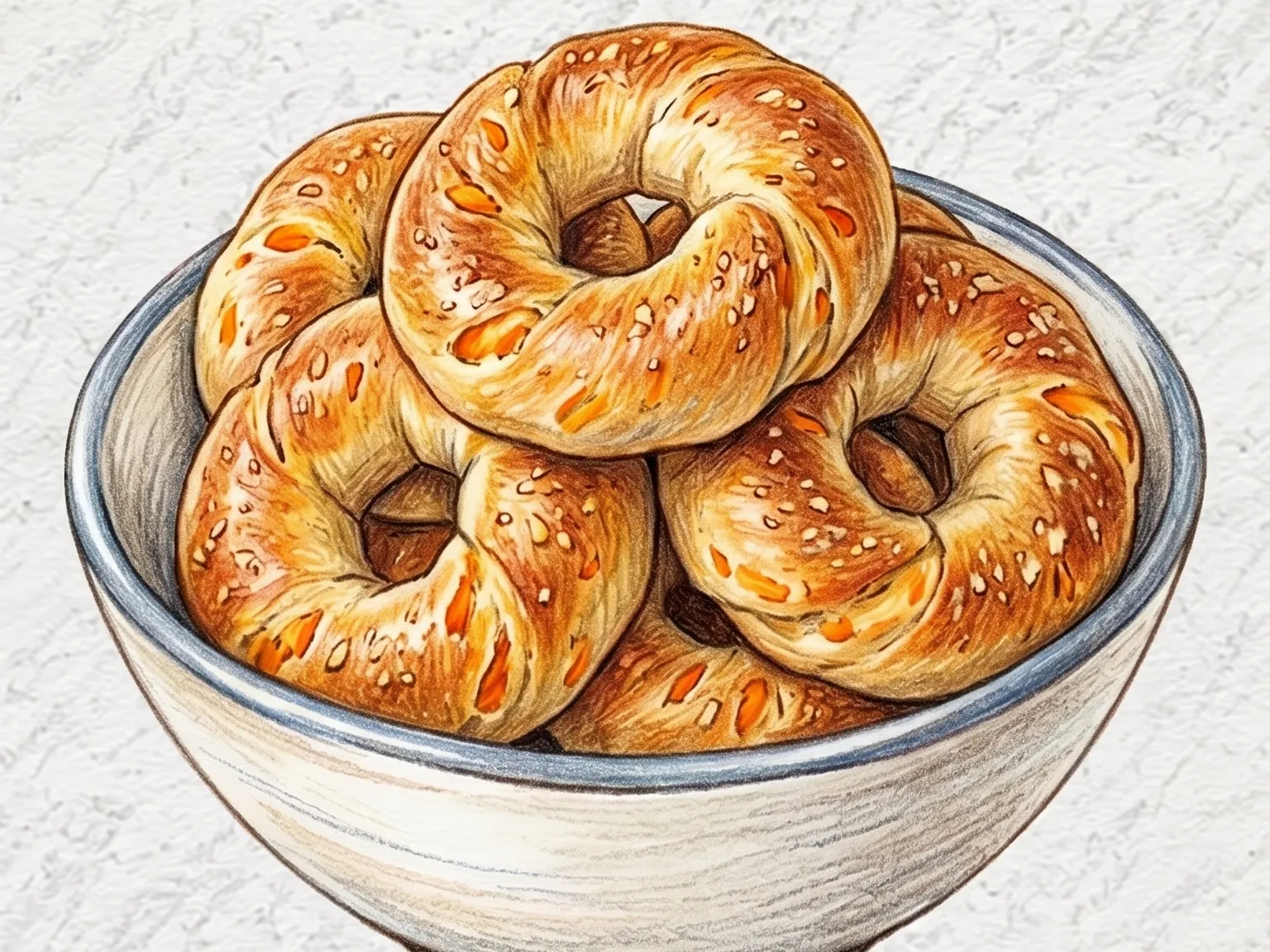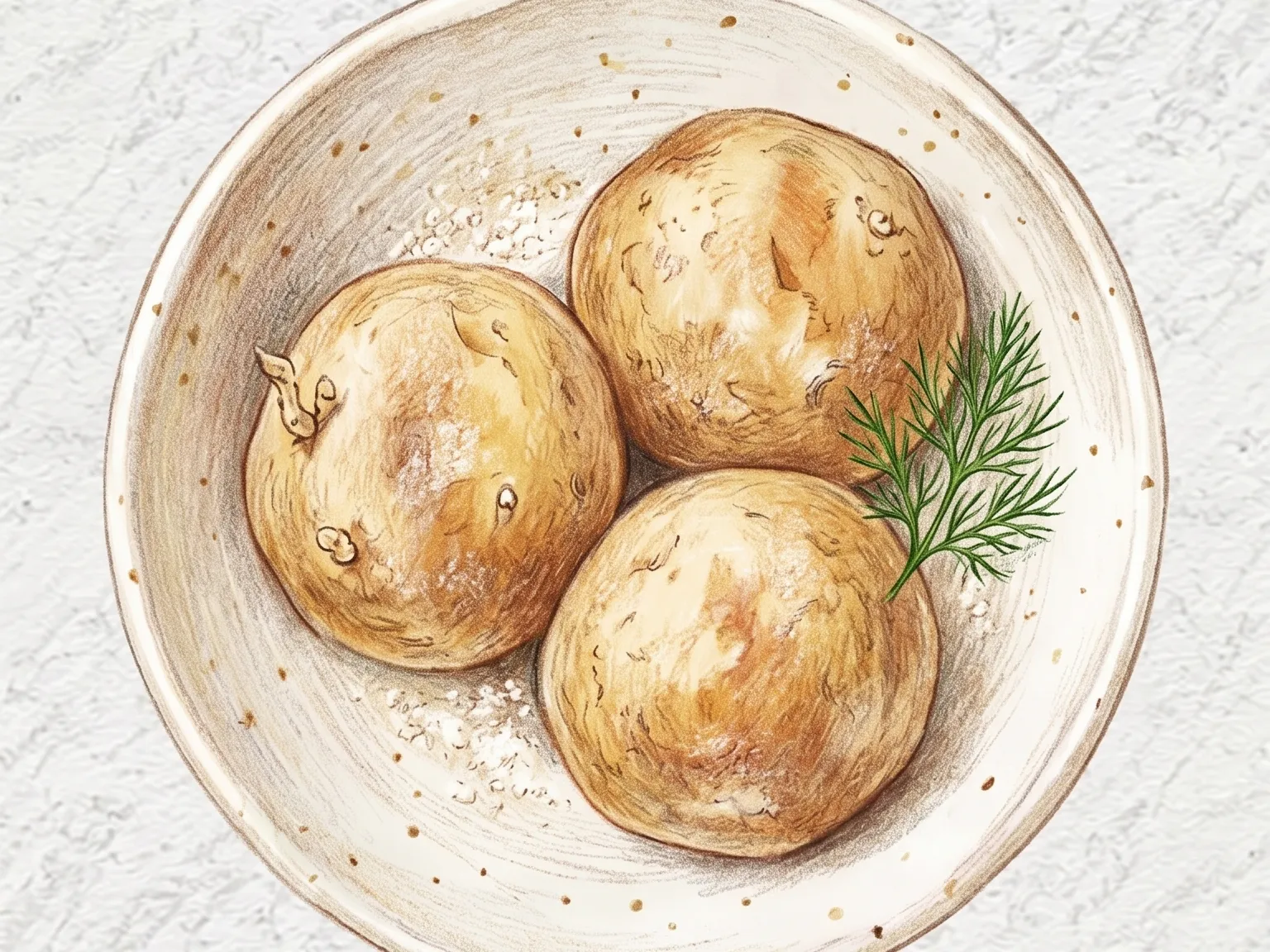
Korean Mashed Potato Bread
Quick answer
Popular Korean snack featuring savory mashed potatoes wrapped in chewy dough.
- Tapioca starch keeps Korean Mashed Potato Bread chewy when cold, soybean powder evoking Gangwon potato skin.
- Tapioca starch is what keeps the outer shell chewy rather than stiff when cold
Key ingredients
Core cooking flow
- 1 Mash boiled potatoes while hot and mix with 20g sugar and 1g salt for the filling.
- 2 Mix starches, flour, remaining sugar, and salt; add egg, butter, and milk to form a dough.
- 3 Divide dough into 50g pieces, flatten, fill with mashed potato filling, and seal tightly.
Popular Korean snack featuring savory mashed potatoes wrapped in chewy dough.
What Makes This Special
- Tapioca starch keeps Korean Mashed Potato Bread chewy when cold, soybean powder evoking Gangwon potato skin.
- Tapioca starch is what keeps the outer shell chewy rather than stiff when cold
- Black sesame and soybean powder blend recreates Gangwon potato skin texture
- Different sugar levels in filling versus dough creates layered sweetness
Instructions
- 1
Mash boiled potatoes while hot and mix with 20g sugar and 1g salt for the filling.
- 2
Mix starches, flour, remaining sugar, and salt; add egg, butter, and milk to form a dough.
- 3
Divide dough into 50g pieces, flatten, fill with mashed potato filling, and seal tightly.
- 4
Coat the surface with soybean and black sesame powder to create a realistic potato look.
- 5
Poke a few holes with a chopstick to mimic the texture of a real potato.
- 6
Bake in a preheated oven or air fryer at 170°C for 20-25 minutes until golden.
Tips
Nutrition (per serving)
Recipes to Cook Together
More Baking →Serve with this
Misugaru Grain Ice Cream
A healthy homemade ice cream combining nutty multi-grain powder and smooth milk.
Chia Seed Yuja Dressing Tofu Salad
A healthy salad with refreshing yuja dressing and crunchy chia seeds.
Korean Silkworm Pupae Broth
Beondegi-tang simmers canned silkworm pupae in a broth seasoned with soup soy sauce, gochugaru, and minced garlic, a staple street food soup served at Korean pojangmacha stalls. Sliced green onion and hot green chili cook alongside for eight minutes, letting the chili heat infuse the liquid while the pupae release a deep, earthy umami into every spoonful. Adding a splash of the canning liquid intensifies the savory depth, and the soup must be served piping hot to keep the aromatics lively. It is a classic pairing with soju or makgeolli, and while the chili level can be adjusted to taste, the soy sauce quantity should stay fixed to temper the pupae's distinctive aroma.
Snow Crab Boiling Seafood
A Southern American-style seafood boil featuring snow crab and seafood in spicy Cajun sauce.
Similar recipes
Chewy Potato Bread
Chewy dough filled with fluffy mashed potatoes, shaped to look like real potatoes.
Soboro Bread (Korean Sweet Streusel-Topped Bun)
Soboro bread is a Korean bakery staple that tops a soft, milk-enriched yeast bun with a layer of sweet cookie crumble. The bun interior is pillowy and slightly sweet, with a fine crumb that tears in gentle strands, while the streusel cap - mixed from butter, sugar, egg, and flour - bakes into a crunchy, golden shell that cracks into irregular pieces. The appeal lies in the contrast: each bite delivers both the airy softness of enriched bread and the sandy crunch of a cookie. Applying the crumble after the second proof, rather than before, prevents the rising dough from being weighed down and allows the surface to fracture naturally in the oven's heat. The crumble stays crisp even after the bread cools completely, which is why soboro bread remains satisfying the next day when many other bakery items have gone stale.
Injeolmi Mochi Brownies (Chewy Rice Flour Cocoa Bars)
Glutinous rice flour replaces wheat flour in these brownies, producing a chewy, mochi-like texture coated in roasted soybean powder for an injeolmi twist. The cocoa and brown sugar create a deep chocolate flavor while the rice flour gives the crumb an elastic, stretchy quality that regular brownies lack entirely. After baking, a generous coating of toasted soybean powder adds the signature nutty aroma of injeolmi rice cakes. The combination of chocolate and roasted soybean may sound unusual, but the flavors share a common toasty warmth that binds them together naturally. Eaten cold from the refrigerator, the chew becomes firmer and more pronounced. At room temperature, the brownie softens and stretches, offering a completely different mouthfeel from the same recipe.
Goguma Streusel Loaf Bread (Sweet Potato Streusel Loaf)
Sweet potato puree is whisked into a batter enriched with brown sugar, eggs, and neutral oil, then baked in a loaf pan with a generous layer of butter streusel on top. The puree keeps the crumb remarkably moist and dense, while the streusel bakes into crunchy, crumbly clusters that shatter against the soft interior. Cinnamon reinforces the sweet potato's warmth, and brown sugar deepens the flavor with a faint molasses note. The streusel must be prepared with cold butter rubbed by hand into flour and sugar - the coarse, irregular texture is what creates the satisfying crunch after baking. If the puree is particularly wet, reducing the milk by ten milliliters prevents a batter that is too loose. Should the top brown too quickly during the long bake, a loose tent of foil protects the streusel without trapping steam. The loaf slices most neatly after cooling completely on a rack.
Korean Potato Salad (Creamy Mashed Potato Ham Cucumber)
Korean potato salad arrived through Japan's yoshoku tradition but developed its own distinct identity in Korean home kitchens. Potatoes are boiled until tender and mashed while still hot, but not to a perfectly smooth consistency - leaving some lumps gives the salad a dual texture of creamy mashed potato and soft, intact chunks that hold together when eaten. Diced ham is pan-seared briefly to render out excess fat before being incorporated, preventing the finished salad from becoming greasy. Cucumber is salted and squeezed to remove water, which keeps the salad from turning watery as it sits. Boiled carrot is mixed in for color and a mild sweetness. The dressing is mayonnaise adjusted with sugar and salt, resulting in a distinctly sweet-creamy profile that is noticeably different from Western versions of the dish. Chilling the assembled salad for at least one hour before serving allows the seasoning to equalize throughout the mixture, improving the flavor considerably compared to eating it straight away. The salad is served as a banchan alongside rice, and it is also commonly spread inside sandwiches.
Korean Street Egg Bread (Sweet Batter Muffin with Whole Egg)
Winter streets in Seoul feature this warm handheld snack prepared by baking a whole egg atop a sweet batter. The base consists of cake flour, baking powder, milk, and melted butter poured into muffin molds. Adding a layer of finely diced ham beneath the egg creates a salty contrast against the sweetness of the dough. When baked at 180 degrees Celsius, sixteen minutes results in a soft and runny yolk, while eighteen minutes produces a firm center. Vanilla extract mixed into the batter helps neutralize the natural scent of the egg for a clean finish. A light dusting of dried parsley on the domed surface adds a subtle herbal scent as the bread turns golden in the oven. Small amounts of shredded cheese can be added to the batter to balance the sweetness. Serving the bread while it remains warm ensures the interior stays moist. This egg bread functions well as a quick breakfast option and can be made in paper muffin cups if metal molds are unavailable.