🔥 Trending Now Recipes
Recipes trending on social media and search right now
70 recipes. Page 2 of 3
Recipes built around food keywords that are trending right now on social media and search engines. Think Dubai chocolate, rose tteokbokki, or malatang-hutulu: keywords whose demand spikes for a few weeks to a few months, spotted early and turned into pages before competitors catch up. Demand on these recipes fluctuates more than evergreen content and may be archived once the trend fades.
These pages capture traffic while the topic is hot. They also need periodic review. When the trend cools, the decision is whether to keep the page as a long-tail resource or retire it.

ACV Lemon Sparkling Water
This sparkling beverage is designed to make apple cider vinegar easier to consume by blending it with lemon juice and carbonated water. The sharp acidity of the vinegar is softened by the bubbles in the sparkling water, while lemon juice adds a crisp flavor. To balance the tartness without impacting blood sugar, allulose or honey is incorporated as a sweetener. The preparation involves mixing the vinegar, lemon juice, and sweetener in a glass, adding ice to cool the mixture, and slowly pouring cold sparkling water along the wall of the glass to preserve carbonation. Lemon slices and mint leaves are placed on top to provide an aromatic finish. For individuals with sensitive stomachs, it is recommended to drink this beverage after a meal rather than on an empty stomach to avoid irritation.
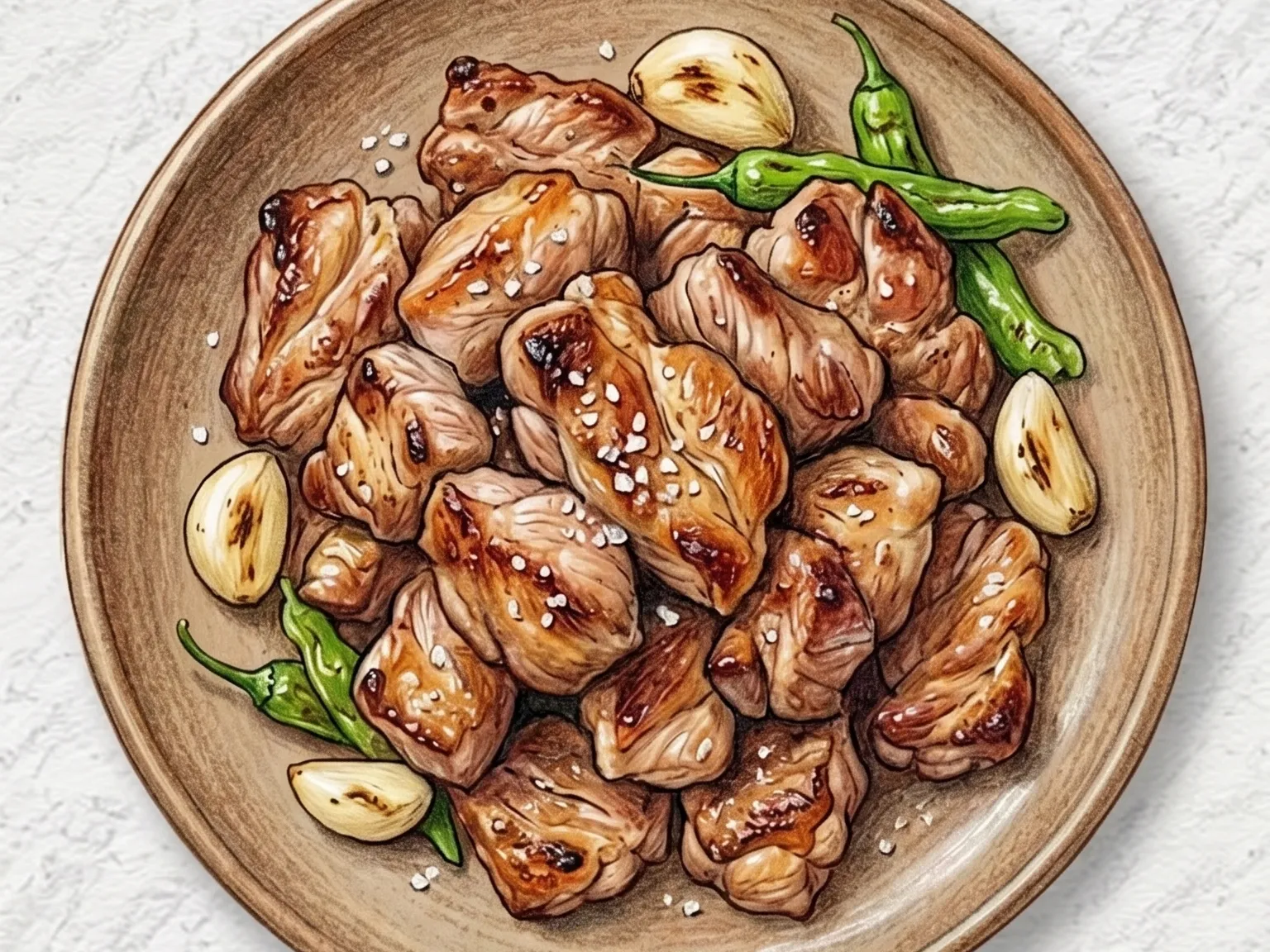
Salt-Grilled Pork Dwitgogi
This dish features pork dwitgogi, a selection of assorted pork cuts valued for a springy and chewy texture compared to standard pork belly. The meat is prepared by applying soju to eliminate gamey odors and patting it dry to ensure a clean sear. The cooking process starts by searing the pork in a preheated heavy pan on high heat to seal in the juices. Once the meat is partially cooked, sea salt and crushed black pepper are added to distribute the seasoning evenly. Garlic cloves and green onions are then cooked directly in the rendered pork fat, infusing the meat with their aromas. Grilling continues until the pork is golden brown and springy. The completed dish is traditionally served hot alongside boiled meljeot, a salted anchovy sauce that provides a deep, savory element to the roasted pork.
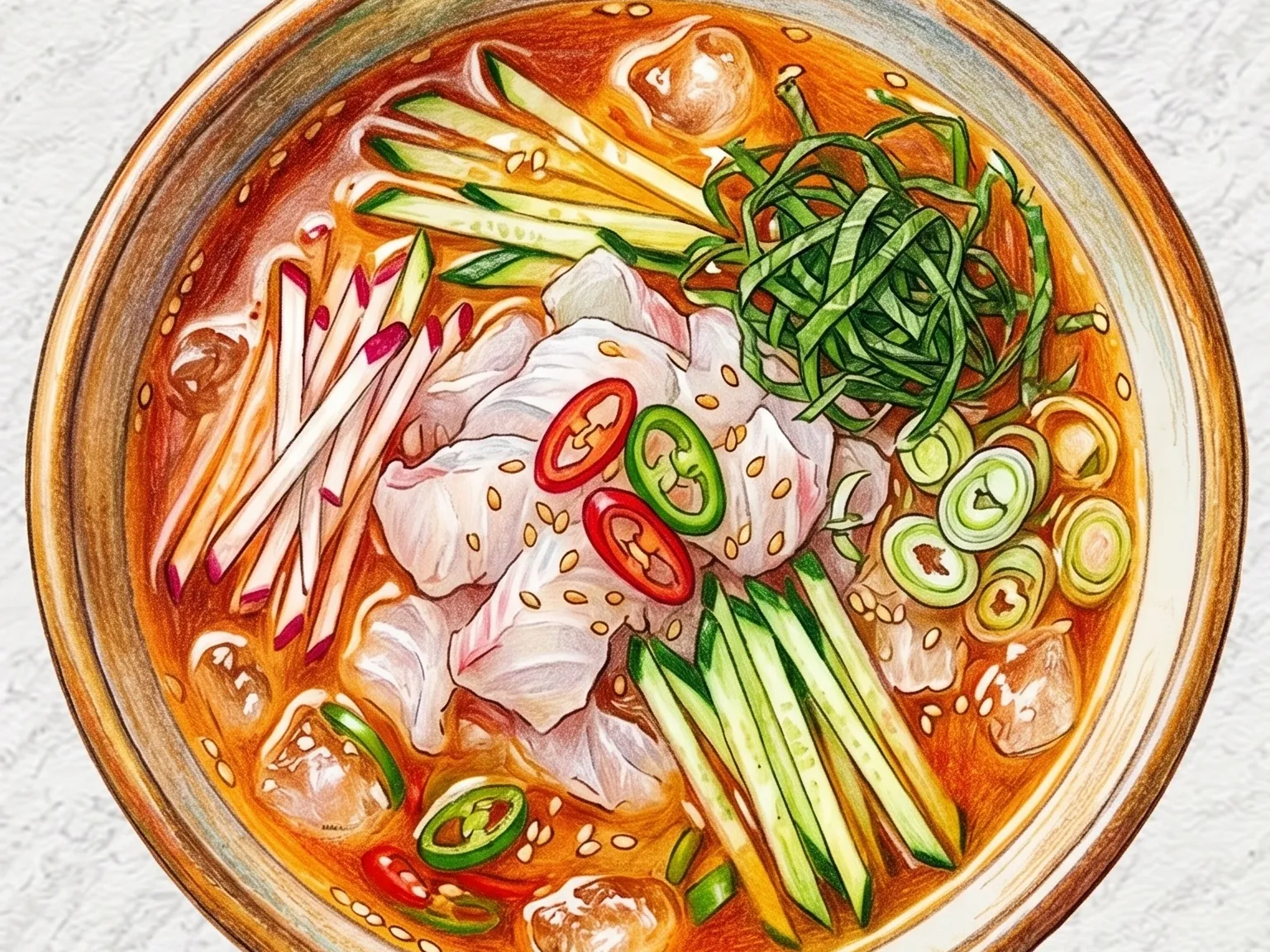
Refreshing Spicy Mulhoe Broth
Refreshing Spicy Mulhoe Broth is a Korean cold soup base for raw fish dishes. This recipe combines red pepper paste, red pepper powder, vinegar, sugar, plum syrup, and minced garlic. The mixture of six tablespoons of vinegar and two of plum syrup provides a double acidity that blocks fishy notes from seafood. Adding one hundred milliliters of lemon-lime soda introduces carbonation that lifts a bright, airy note in the broth. Alternatively, using pear juice instead of soda offers a sophisticated sweetness. To prepare, mix the paste first to remove dry pockets, stir in water, and add the soda last to preserve carbonation. Chill the broth for at least two hours or ferment it for a day to deepen the flavor. Serving it semi-frozen as a slushy lets the ice dilute the seasoning gradually as sashimi thaws.
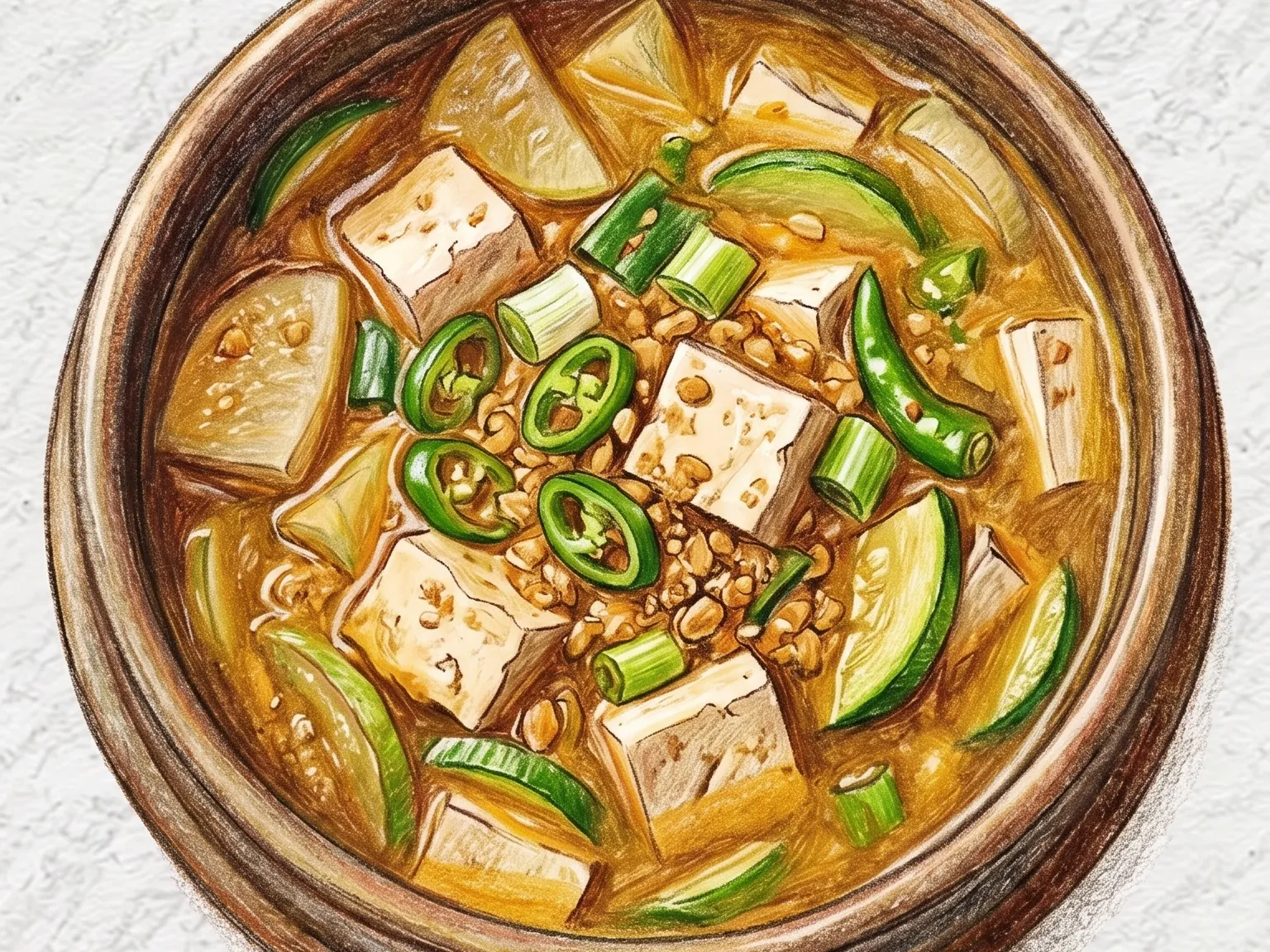
Country-style Soybean Paste Stew
This traditional Korean stew features the deep, earthy flavor of country-style fermented soybean paste. The base is prepared with a clean anchovy and kelp broth, simmered for ten minutes with de-gutted anchovies to avoid bitterness while balancing the heavy salinity of the paste. Adding the potato cubes and country-style doenjang to the broth from the start allows the paste to develop a deeper flavor as it simmers. Zucchini, onion, and minced garlic are cooked until the potatoes soften, followed by tofu pieces torn by hand to preserve their texture. The stew is finished with diagonally sliced green onions and spicy Cheongyang chili pepper, which cuts through the dense fermented profile with a sharp heat. Adjusting the paste amount based on its saltiness ensures a well-seasoned broth that pairs well with rice.
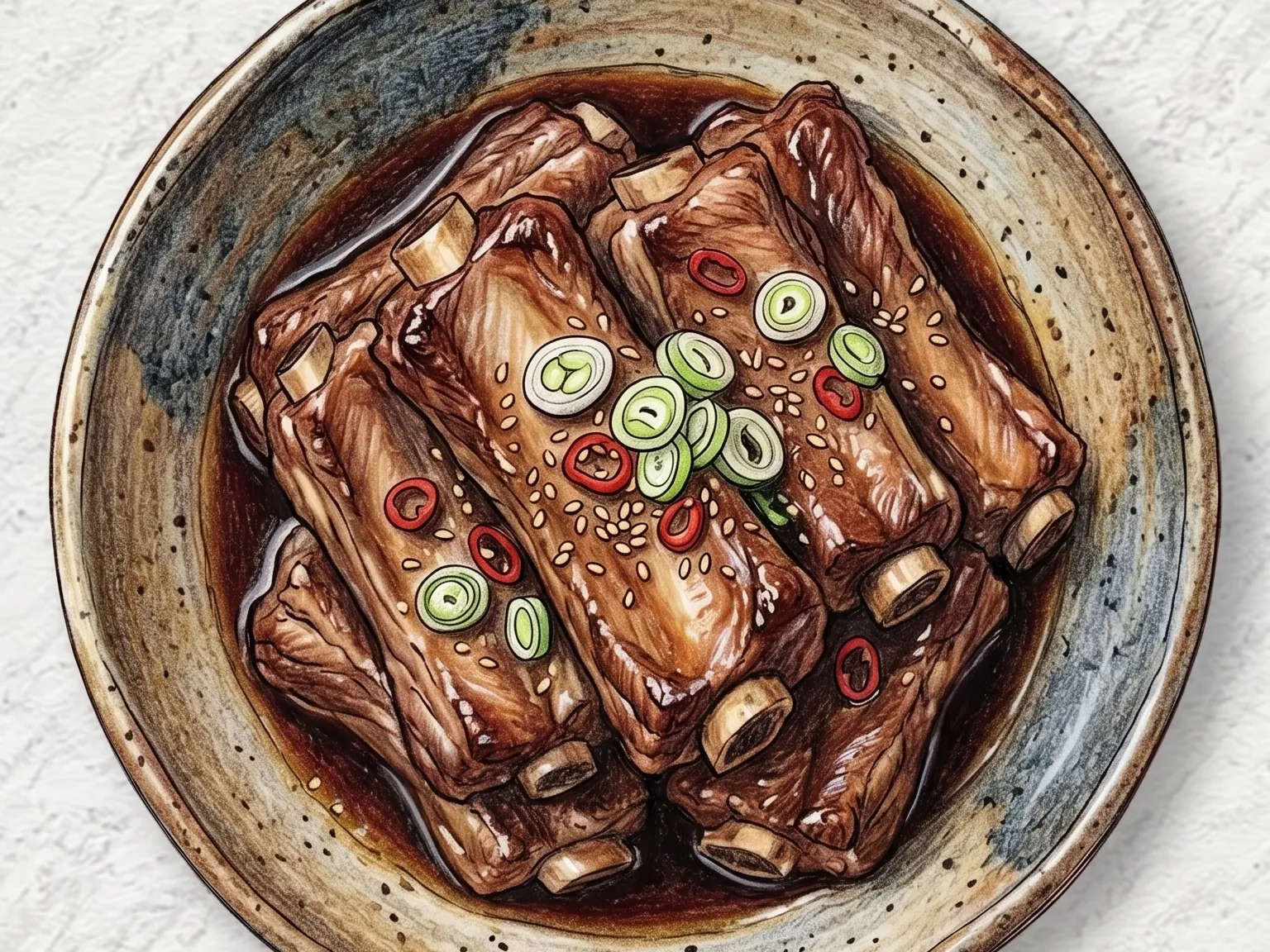
Soy Braised Pork Back Ribs
This dish features pork back ribs slow-braised with potatoes and carrots in a sweet and savory soy sauce glaze. Preparing the ribs involves soaking them in cold water for an hour and parboiling them for ten minutes. This initial cooking step removes blood, foam, and strong odors, creating a clean base that absorbs the seasonings effectively. The soy sauce marinade incorporates pear juice, which acts as a natural tenderizer to soften the meat fibers, allowing the pork to pull away from the bone easily after forty minutes of simmering. As the potatoes and carrots cook alongside the ribs, they absorb the rich braising liquid, concentrating their natural sweetness. The dish is finished by reduction until the glaze coats the ribs with a glossy sheen before turning off the heat.
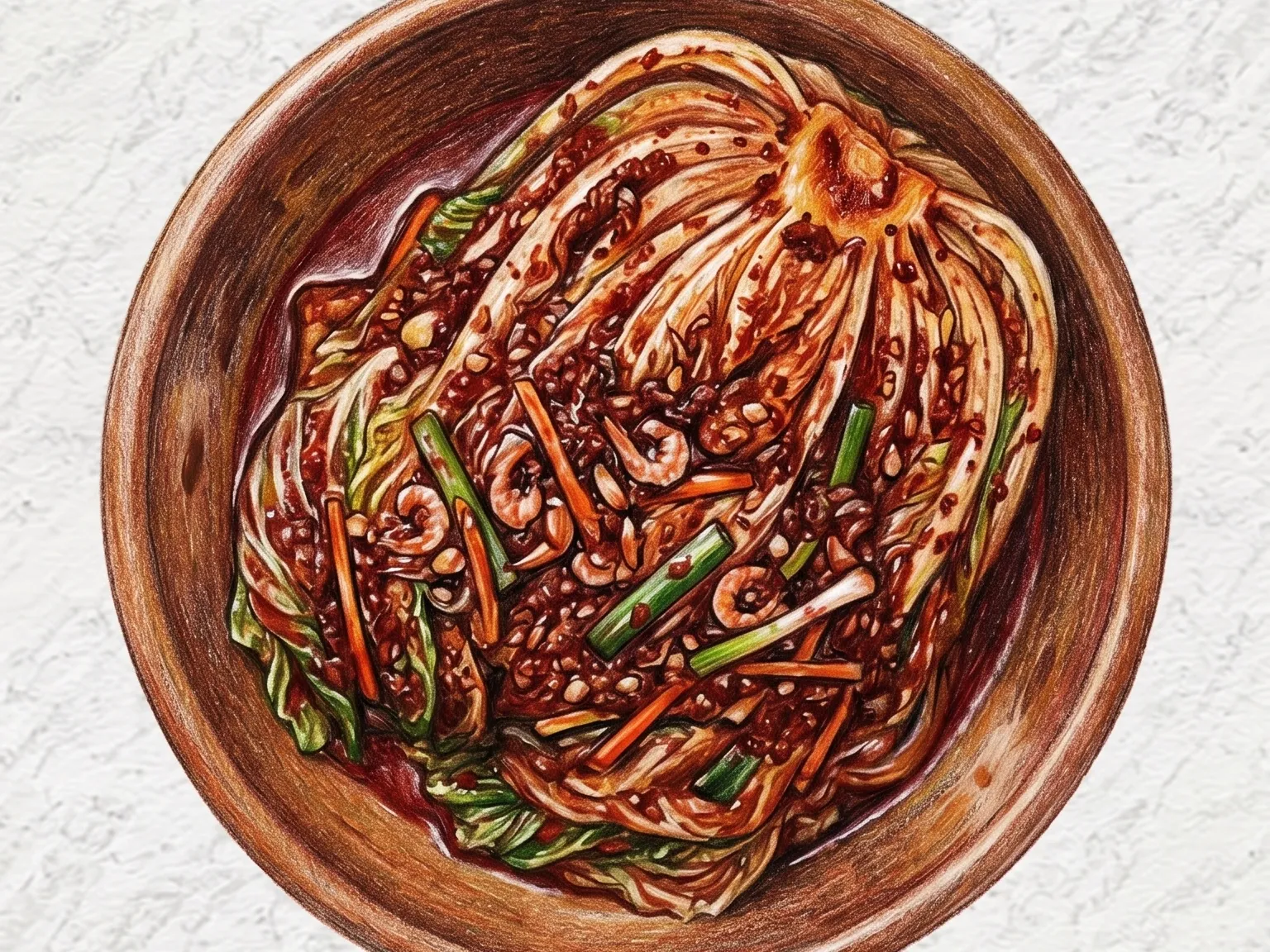
Authentic Jeolla-style Kimchi
Authentic Jeolla-style Kimchi is a traditional Southern-style cabbage kimchi featuring a rich, deep flavor profile. The sauce is built on a base of glutinous rice paste combined with chili flakes, minced garlic, and chopped sea staghorn, which adds a refreshing oceanic note as it ferments. A distinct savory depth is achieved by combining rich anchovy fish sauce with yellow croaker sauce. Shredded radish and green onions are tossed into this paste before stuffing it generously between each leaf of the salted cabbages. The cabbages are then wrapped with their outer leaves to lock in the seasonings. Packing the kimchi tightly into containers to minimize air exposure during fermentation prevents off-odors and ensures a clean, intense flavor profile typical of Southern Korean cuisine.
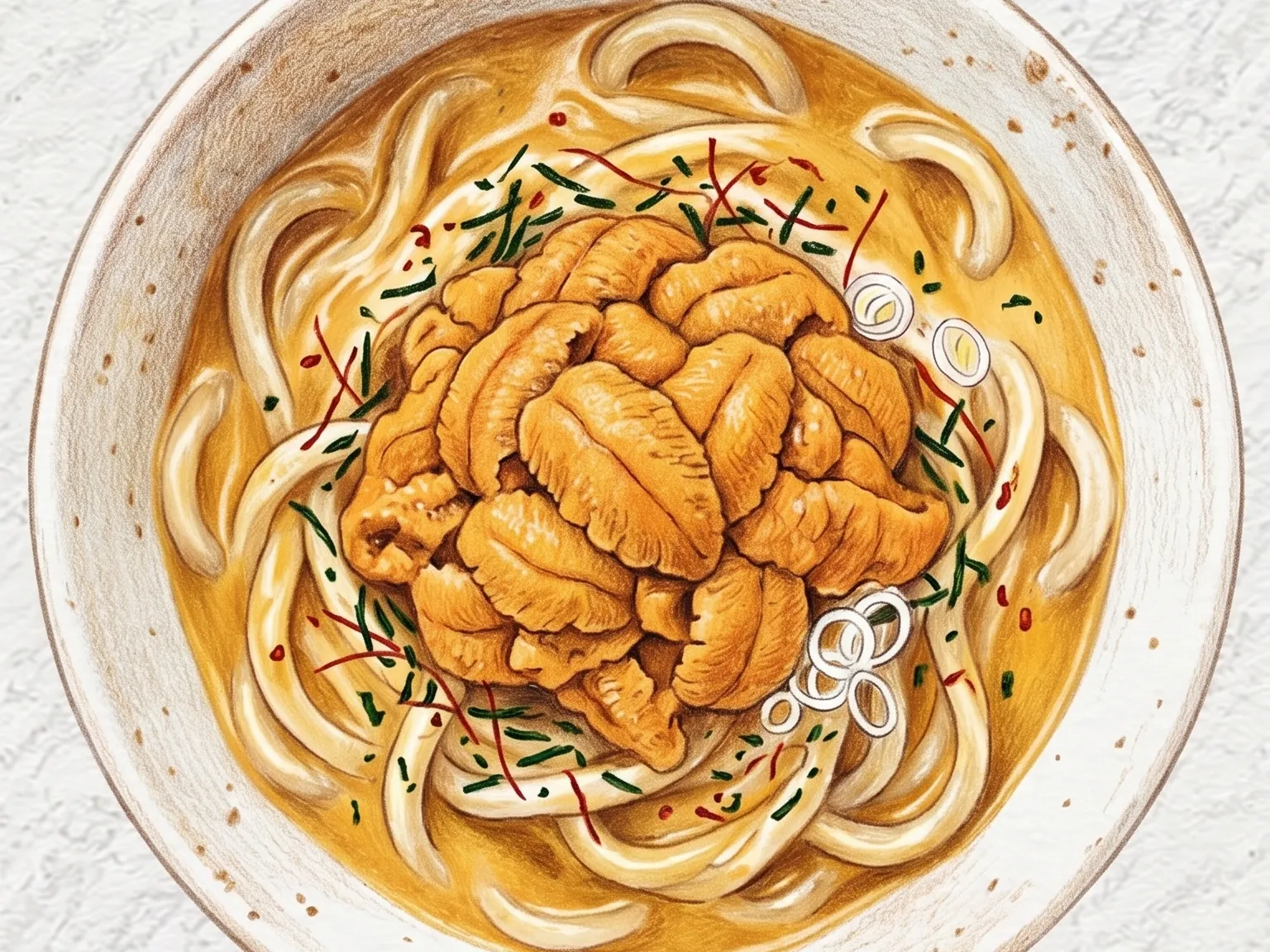
Rich Sea Urchin (Uni) Cream Udon
This noodle dish combines the rich flavor of fresh sea urchin with a smooth, savory cream sauce. Minced garlic and pollock roe are sautéed in oil, then heavy cream and tsuyu are added to create a savory base. Half of the sea urchin is dissolved directly into the warm cream to infuse it with a briny aroma, while the pollock roe replaces salt to provide depth and umami. Boiled udon noodles are tossed in the sauce over low heat, adding reserved noodle water if the mixture gets too thick. The dish is topped with the remaining raw sea urchin, chives, and seaweed strips. Because sea urchin is highly sensitive to heat, the garnish portion is kept raw and served immediately before the residual warmth of the noodles cooks it, preserving its delicate sweet flavor and soft texture.
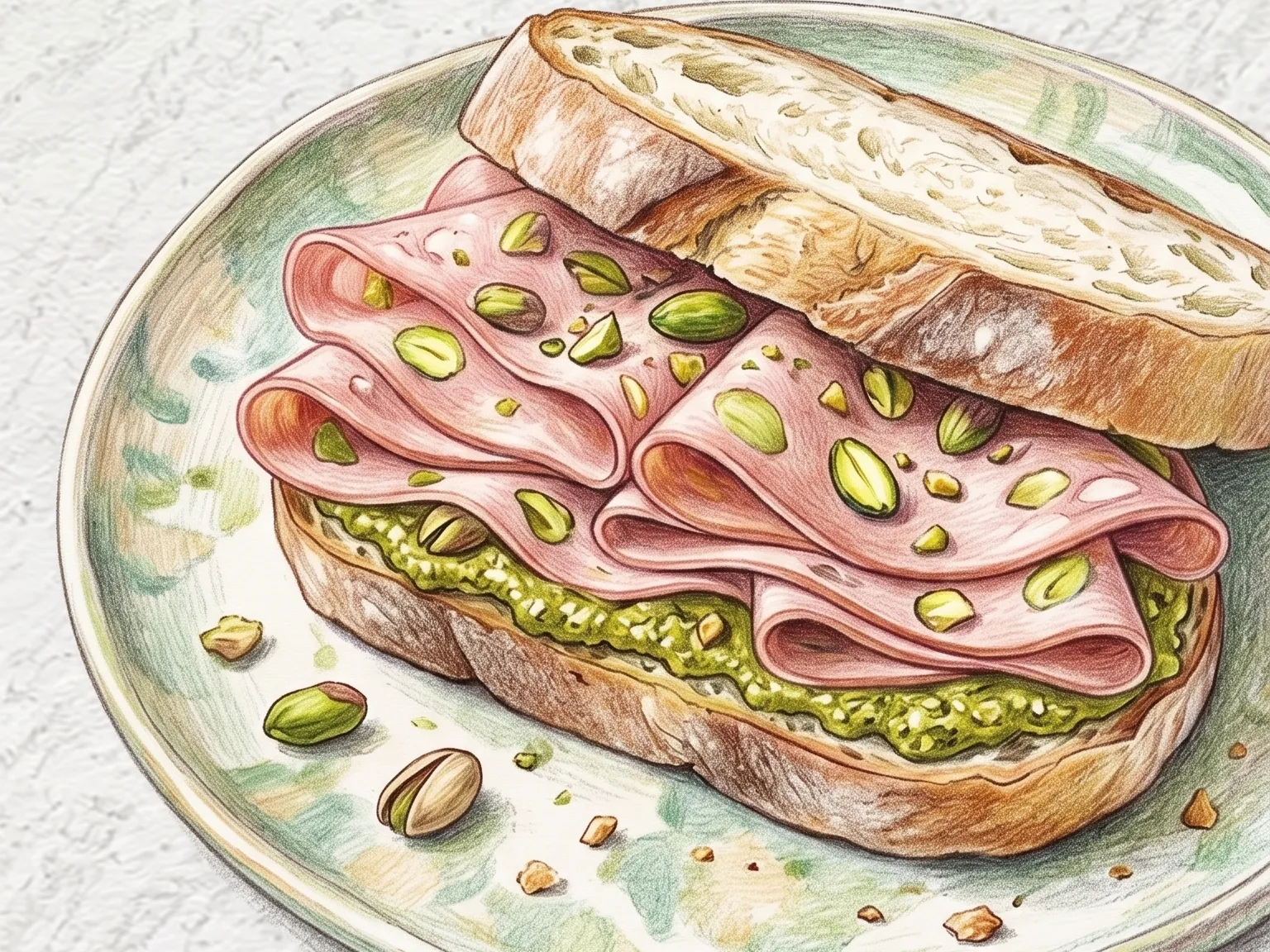
Mortadella Pistachio Sandwich
A mortadella pistachio sandwich is built for contrast: crisp cut surfaces on the ciabatta, a thin layer of pistachio paste, loosely folded mortadella, and soft burrata stacked without compression. For 2 servings, prepare 2 ciabatta rolls, 100 g mortadella, 1 burrata, 2 tablespoons pistachio paste, 30 g arugula, 1 tablespoon crushed pistachios, 1 teaspoon extra virgin olive oil, and 1 teaspoon balsamic glaze. Wash the arugula and dry it thoroughly. Split the burrata and drain excess moisture if needed so the bread does not soften too quickly. Cut the ciabatta horizontally and heat a dry pan over medium-low heat. Toast the cut sides for about 2 minutes, removing the bread when the edges are crisp but the rolls have not become hard. While the toasted surfaces are still warm, divide the pistachio paste between them and spread it thinly all the way to the edges. Place the arugula on the bottom halves. Fold the mortadella into loose layers instead of flattening the slices, preserving height and a tender bite. Add the burrata and scatter the crushed pistachios over it. Drizzle the olive oil and balsamic glaze in thin lines so the filling does not slide. Cover with the top halves and press with the palm for only about 3 seconds to secure the layers. Stop if the filling begins to move, then cut each sandwich in half and serve immediately.
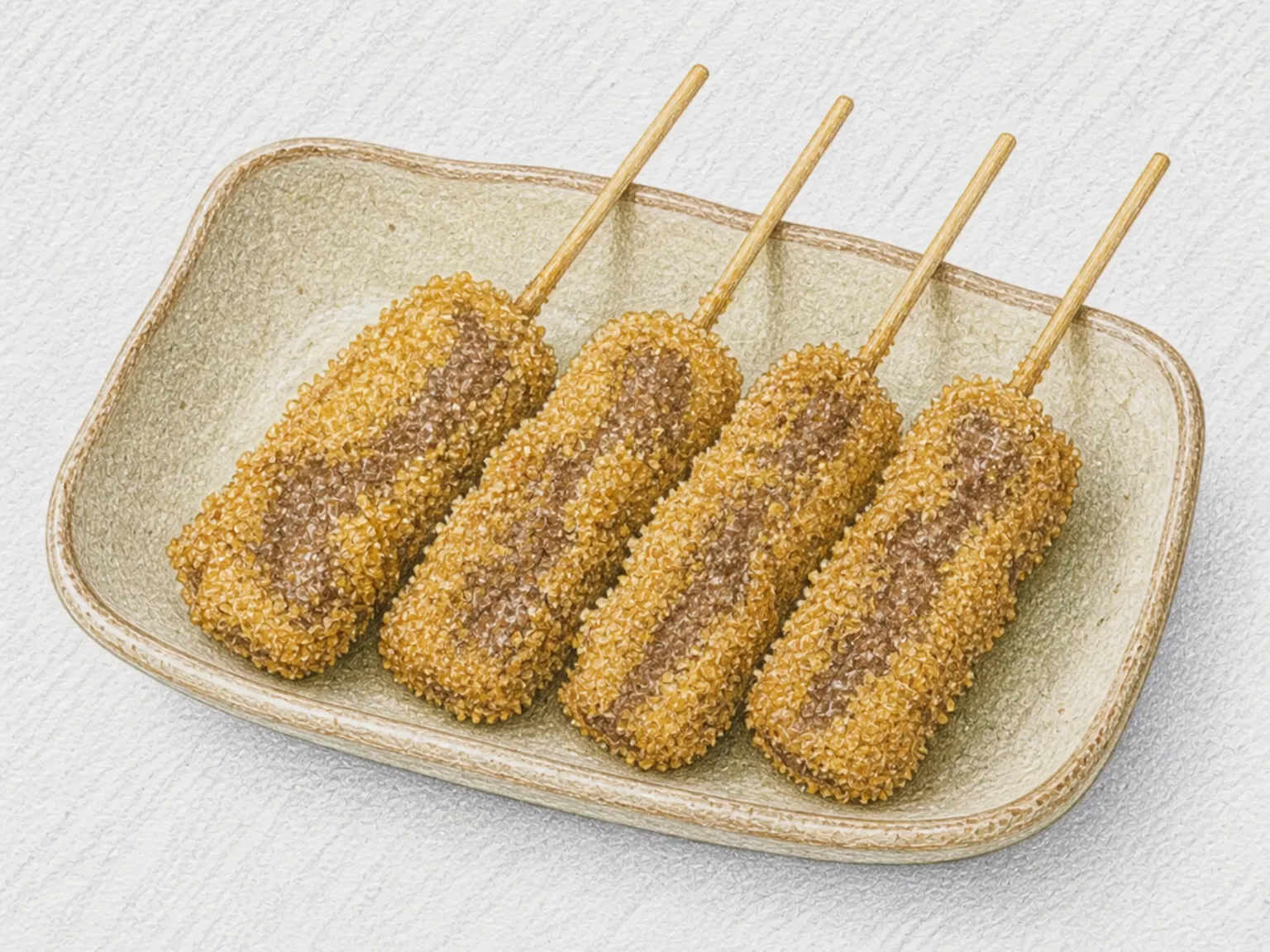
Kushikatsu (Osaka-Style Beef Skewers)
Kushikatsu is an Osaka street food of bite-size ingredients on bamboo skewers, coated in a thin flour batter and fine breadcrumbs, then fried quickly at 180°C. One origin account places it in Shinsekai from the late Taisho to early Showa years, when thin slices of inexpensive, firm beef received a substantial coating to feed nearby workers quickly. Restaurants later added vegetables, seafood, and quail eggs, but this reference recipe makes four beef skewers in the older style. Shops are also associated with the no-double-dipping rule for a shared sauce container. At home, thin equal beef pieces and controlled oil temperature give a cooked center and crisp coat.
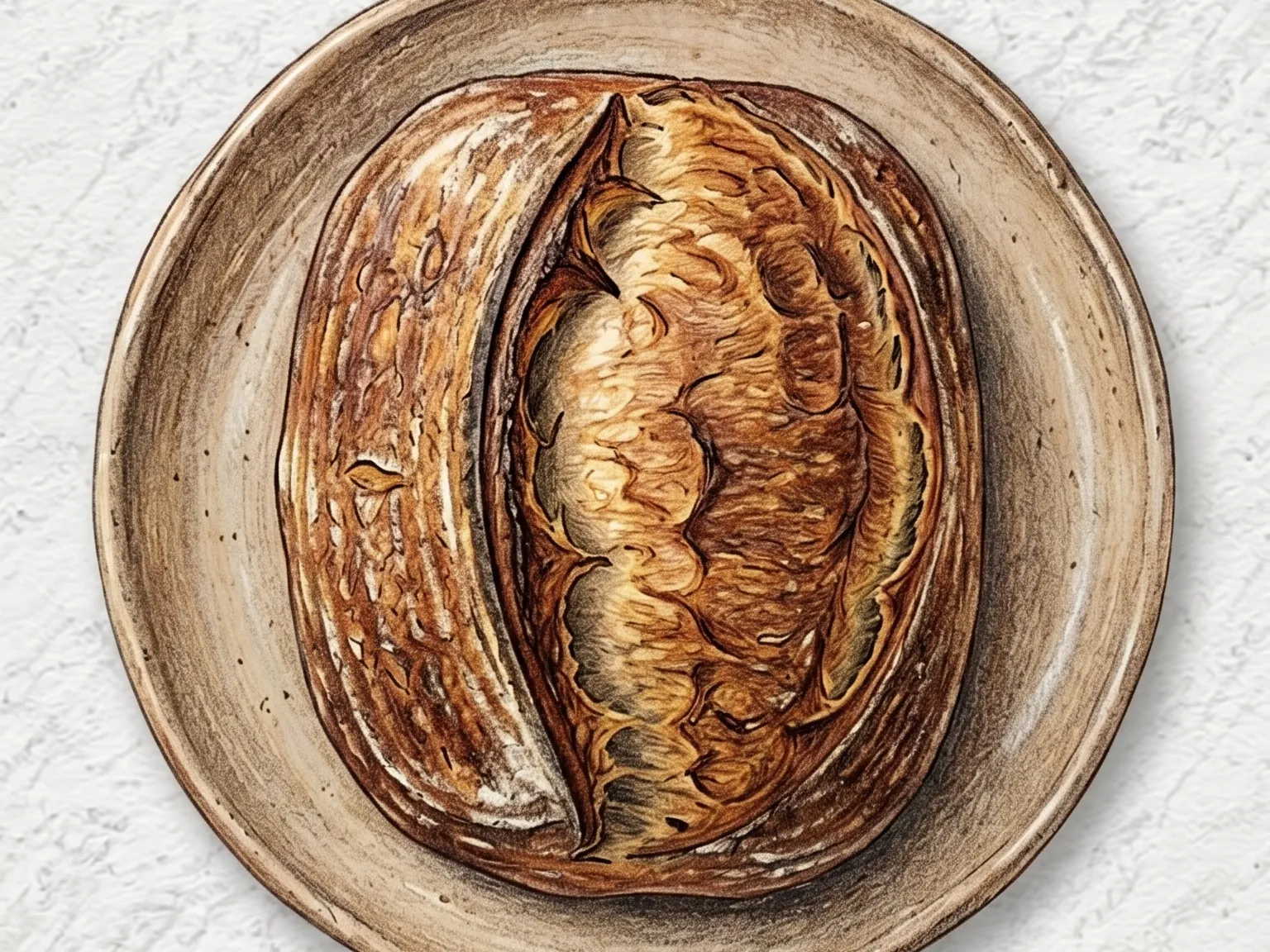
Classic Artisan White Sourdough
This artisan bread is prepared using a traditional fermentation process to develop a deep, tangy flavor. The recipe begins with a one-hour autolyse step, mixing bread flour, whole wheat flour, and water to hydrate the flour and build the dough structure. Active sourdough starter and salt are then incorporated. The gluten structure is developed through four rounds of stretching and folding at intervals of thirty to forty-five minutes. After a room-temperature bulk fermentation, the dough undergo a cold fermentation in the refrigerator for twelve to fifteen hours to build its complex acidity. Once shaped and proofed in a floured banneton basket, the loaf is baked in a preheated Dutch oven. Baking covered for twenty minutes traps the steam to yield a soft interior, while another twenty minutes uncovered creates a browned, crispy crust.
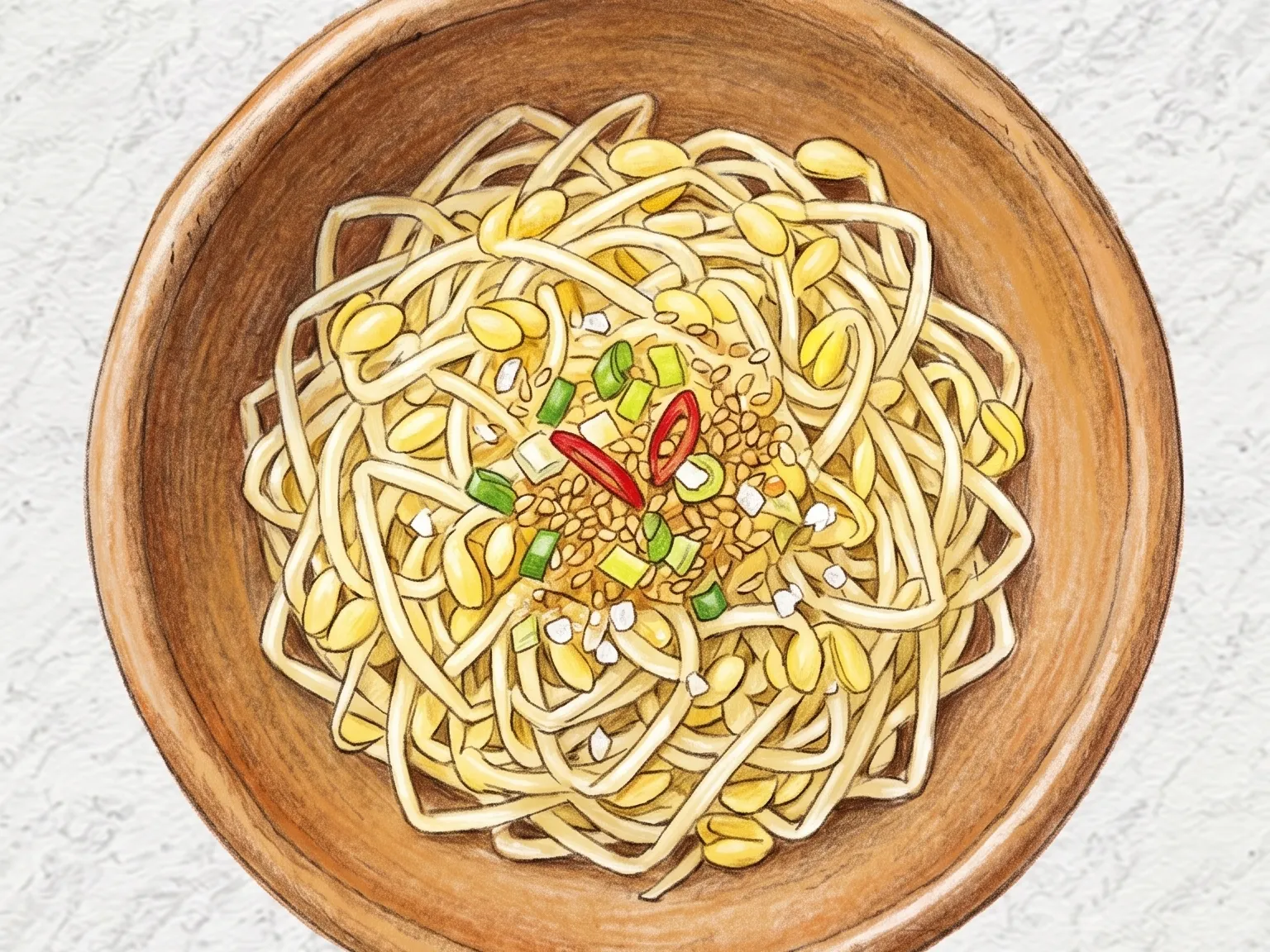
Jayeom Seasoned Bean Sprouts
Jayeom seasoned bean sprouts is a simple Korean side dish that highlights the clean flavor of bean sprouts using traditional Jayeom salt. The cleaned bean sprouts are placed in a pot with a small amount of water and boiled under a closed lid for three to four minutes to keep them crisp. The sprouts are immediately rinsed in cold water to stop the cooking process and gently squeezed to remove excess water. The seasoning process begins by tossing the sprouts with Jayeom first, which is a mineral-rich traditional salt that provides a deep umami flavor with less saltiness than refined salt. Minced green onion, minced garlic, sesame oil, and ground sesame are then added and mixed gently with the fingertips to preserve the texture. This minimal seasoning allows the natural flavor of the sprouts to stand out.
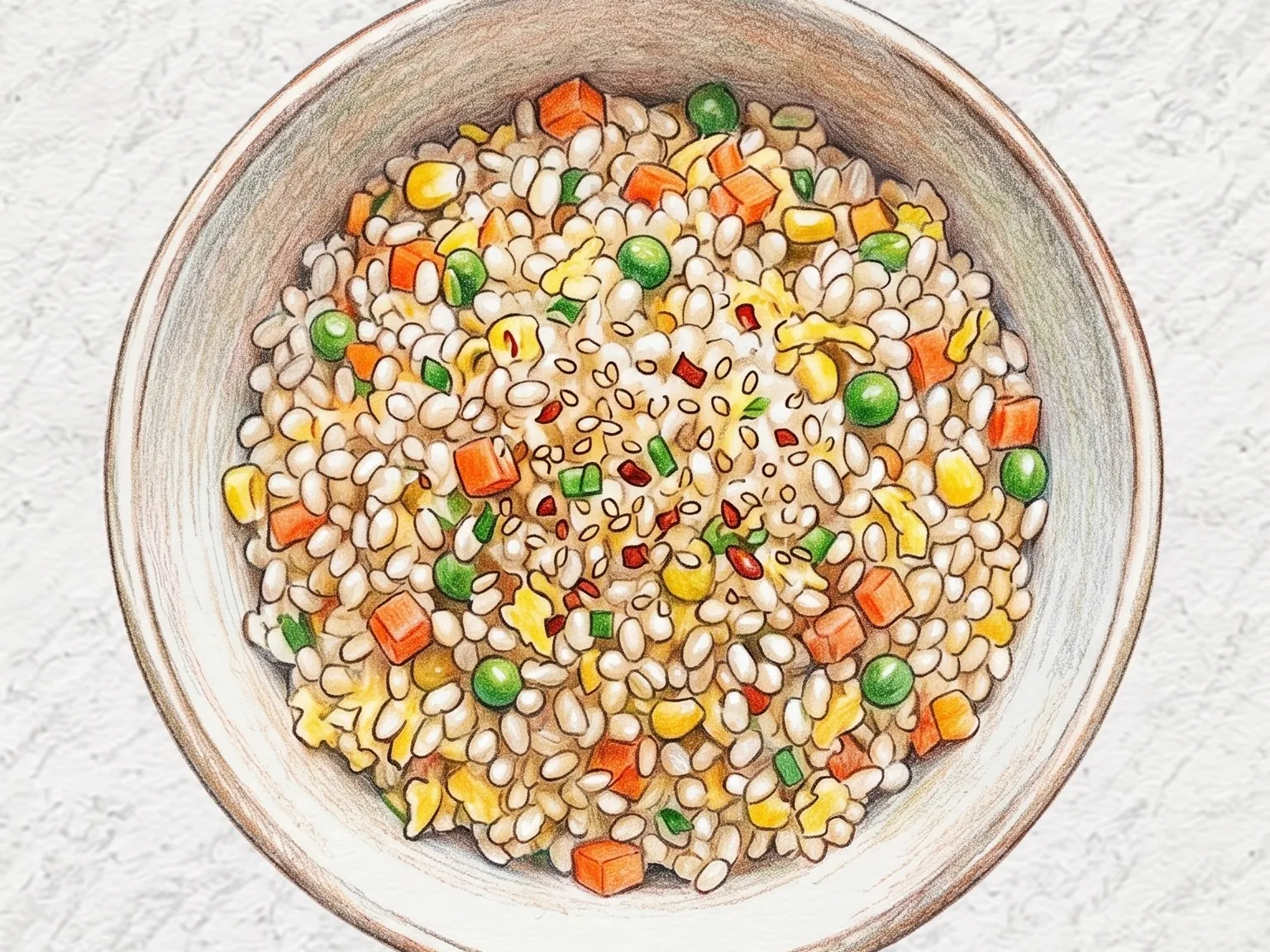
Diet Konjac Fried Rice
Diet Konjac Fried Rice is a low-calorie alternative to traditional fried rice, featuring chicken breast, eggs, and vegetables. The key step involves rinsing the konjac rice and dry-frying it in a pan without oil. This technique evaporates excess moisture and transforms the wet grains into a firm, chewy texture. To overcome the bland flavor of konjac, the dish uses a small combination of soy sauce and oyster sauce seasoned along the edges of the pan. Chopped green onions and carrots are sautéed in oil before adding chicken breast. Pushing these ingredients to one side to scramble the eggs separately keeps the eggs tender instead of rubbery. Finishing with a pinch of black pepper completes the savory profile. For longer satiety, cooking the konjac grains mixed with regular rice in a one-to-one ratio is recommended.
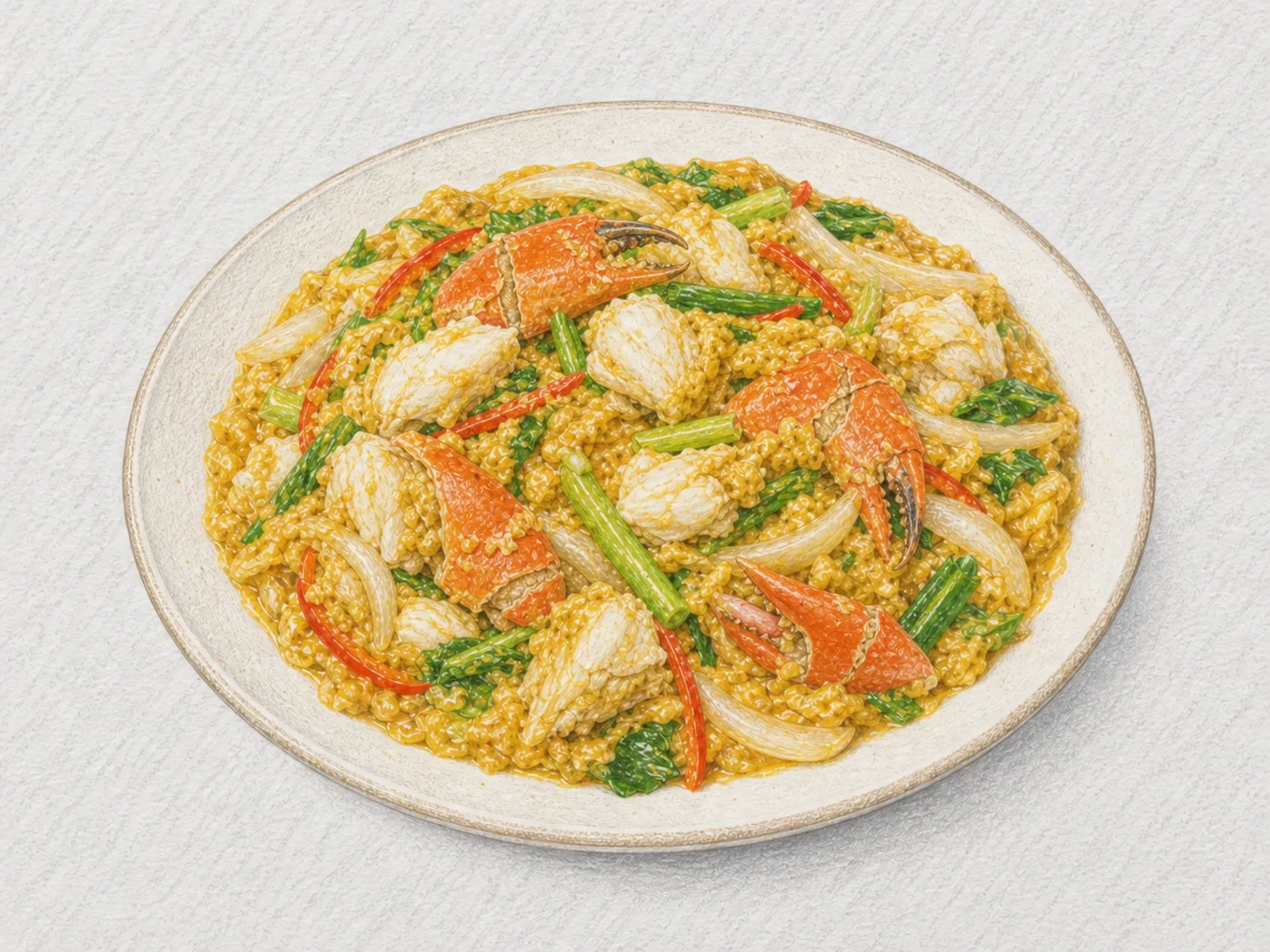
Pu Pad Pong Curry (Thai Crab Stir-Fry with Egg and Curry Powder)
Pu pad pong curry is a Sino-Thai stir-fry of crab with a sauce made from mild curry powder, eggs, and evaporated milk. Unlike a coconut-based Thai curry, it cooks quickly in a wok. Nam prik pao, oyster sauce, light soy sauce, and white pepper season the custard-like sauce without covering the sweetness of the crab. The egg mixture should remain soft and glossy, not dry like scrambled eggs. Chinese celery and scallions go in at the end so their aroma stays distinct. Measure the sauce before heating the wok, then cook the crab only long enough to warm it through.
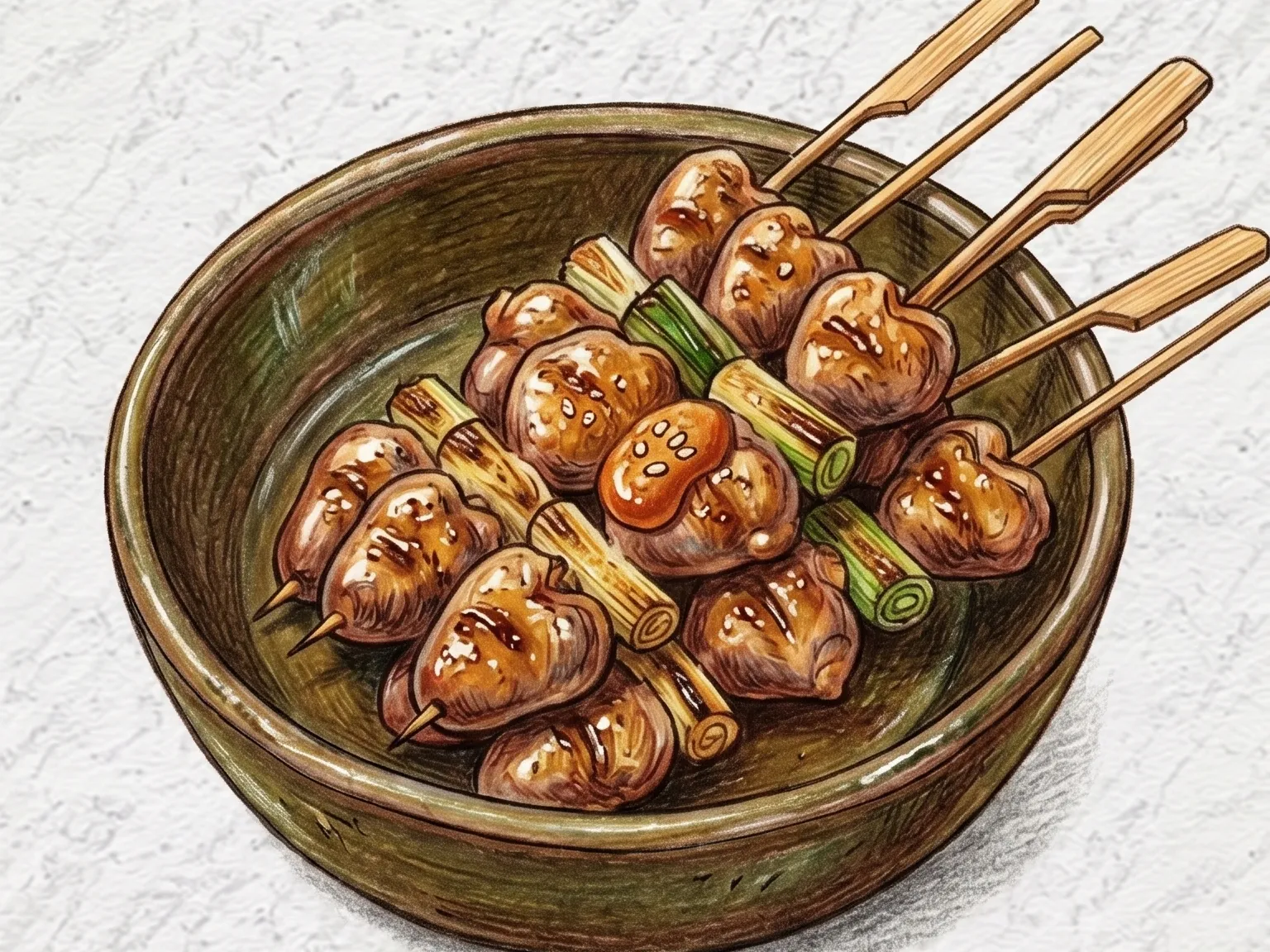
Grilled Chicken Heart Skewers
Grilled Chicken Heart Skewers are a popular street-style dish characterized by a chewy texture and a sweet, savory glaze. Preparing this dish requires splitting the chicken hearts in half to thoroughly remove any blood clots and membranes, which prevents gamey odors. For a cleaner flavor, the hearts can be soaked in milk for ten minutes before rinsing. The cleaned pieces are threaded onto skewers with small gaps in between to ensure heat distributes evenly. Grilling begins on a preheated pan without moving the skewers for the first two minutes. Once the underside turns golden, they are flipped and brushed repeatedly with a marinade made of soy sauce, oligosaccharide, minced garlic, and mirin. Finishing the skewers with sesame oil and black pepper highlights the natural richness of the meat.
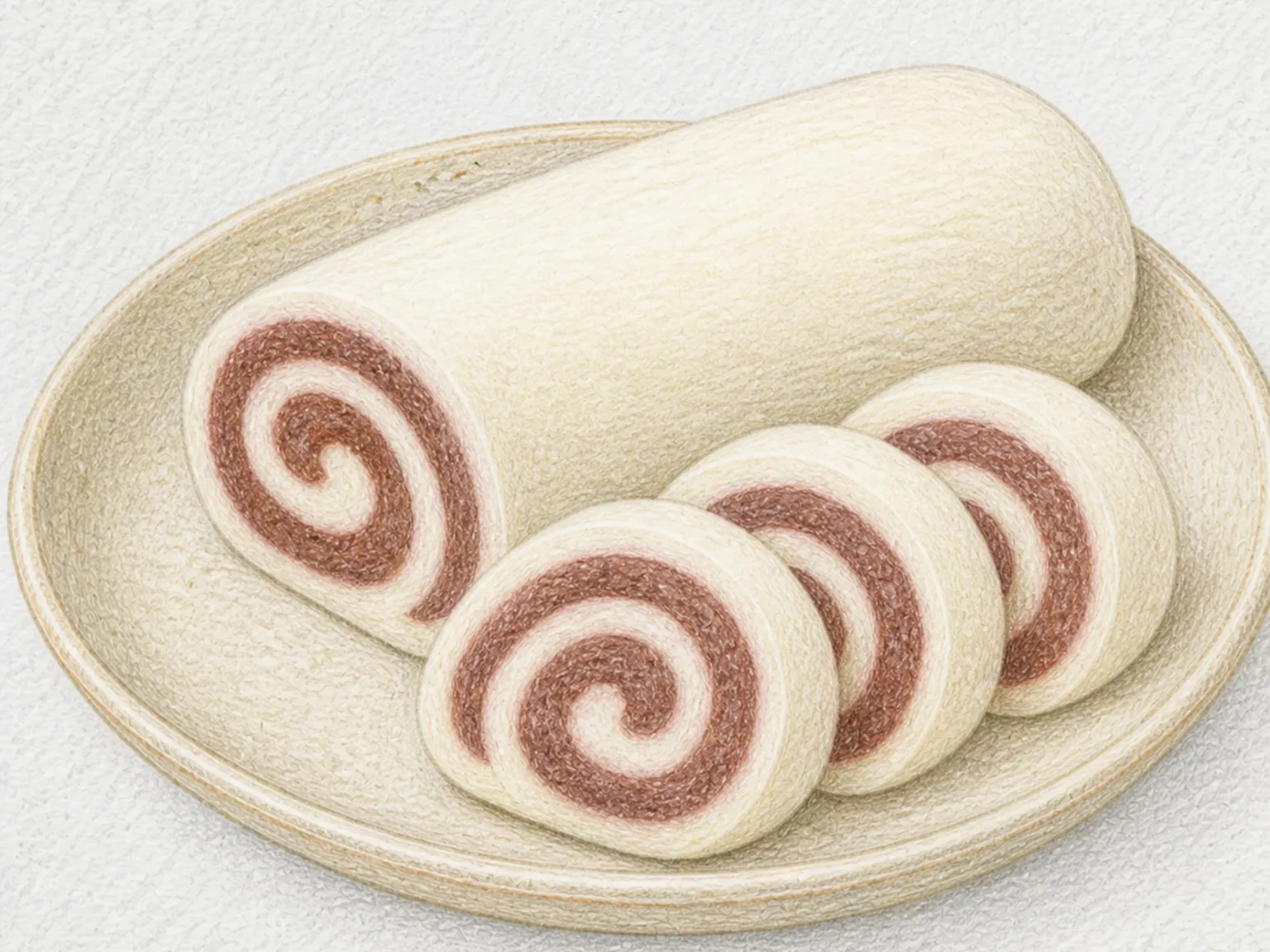
Akita Kamabuku
Kamabuku is an Akita ceremonial sweet made by layering a white potato-and-rice-flour dough with a red-bean potato dough, rolling them into a spiral, shaping the roll like kamaboko, and steaming it for about ninety minutes. It developed in inland mountain communities where fish was difficult to obtain, so familiar potatoes, sugar, and rice flour were transformed into a decorative kuchitori sweet that resembled fish cake. In Kamiiwakawa it is called kamabuku, a local rendering of kamaboko; in parts of Odate it is known as agemono because families made it during the quiet winter farming season and gave it to relatives. Thick slices reveal a festive white-and-red spiral served at New Year, ceremonies, festivals, and sports days.

Apple Cider Vinegar Cinnamon Drink
Apple Cider Vinegar Cinnamon Drink is a flavored beverage prepared by mixing unsweetened apple juice, water, apple cider vinegar, and maple syrup. The unsweetened apple juice shares the same acid profile as the apple cider vinegar, establishing a balanced flavor profile. Cinnamon powder is sprinkled across the surface and mixed using a shaker to prevent clumping. For an optional aromatic layer, two whole cloves can be steeped in the mixture for one to two minutes before being removed to avoid bitterness. This drink can be served cold over ice or heated gently on low heat without boiling until steaming. Serving the beverage warm releases a scent profile reminiscent of baked apple pie, making it a versatile option for different seasons.
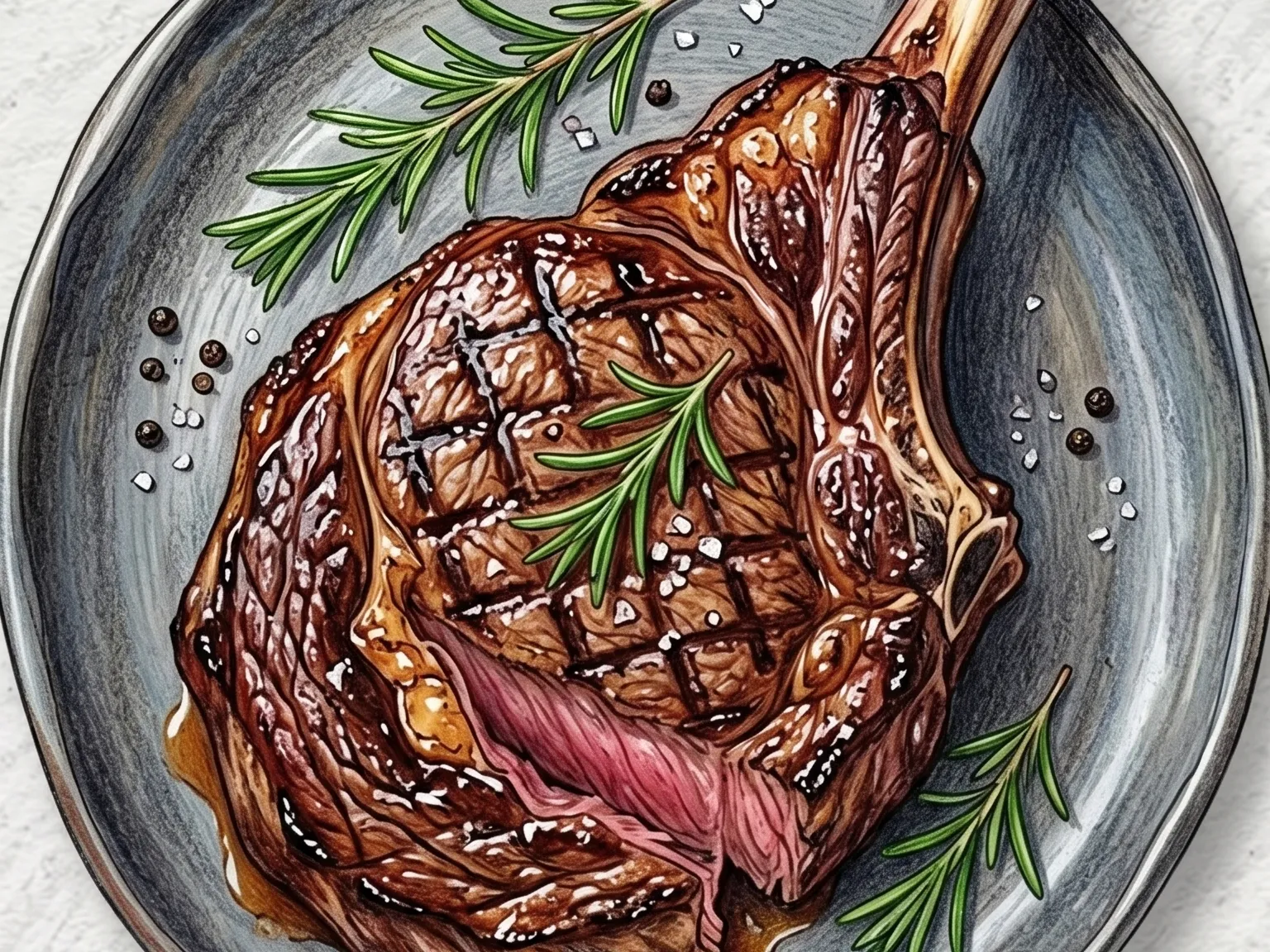
Grilled Tomahawk Steak
Grilled Tomahawk Steak is prepared by cooking a thick, bone-in ribeye cut to achieve a seared exterior and juicy interior. The steak must be taken out of refrigeration one hour before cooking to ensure the core reaches room temperature, which prevents uneven cooking. After patting the surface dry, the meat is seasoned with salt, black pepper, and olive oil. Searing the steak in a preheated hot pan creates a deep Maillard crust. The heat is then reduced to add butter, rosemary, and crushed garlic. Continuous spooning of the melted butter over the meat coats the surface with aromatics. Due to the thickness of the cut, the steak is finished in the oven and then rested for ten minutes to allow the juices to redistribute evenly before slicing.
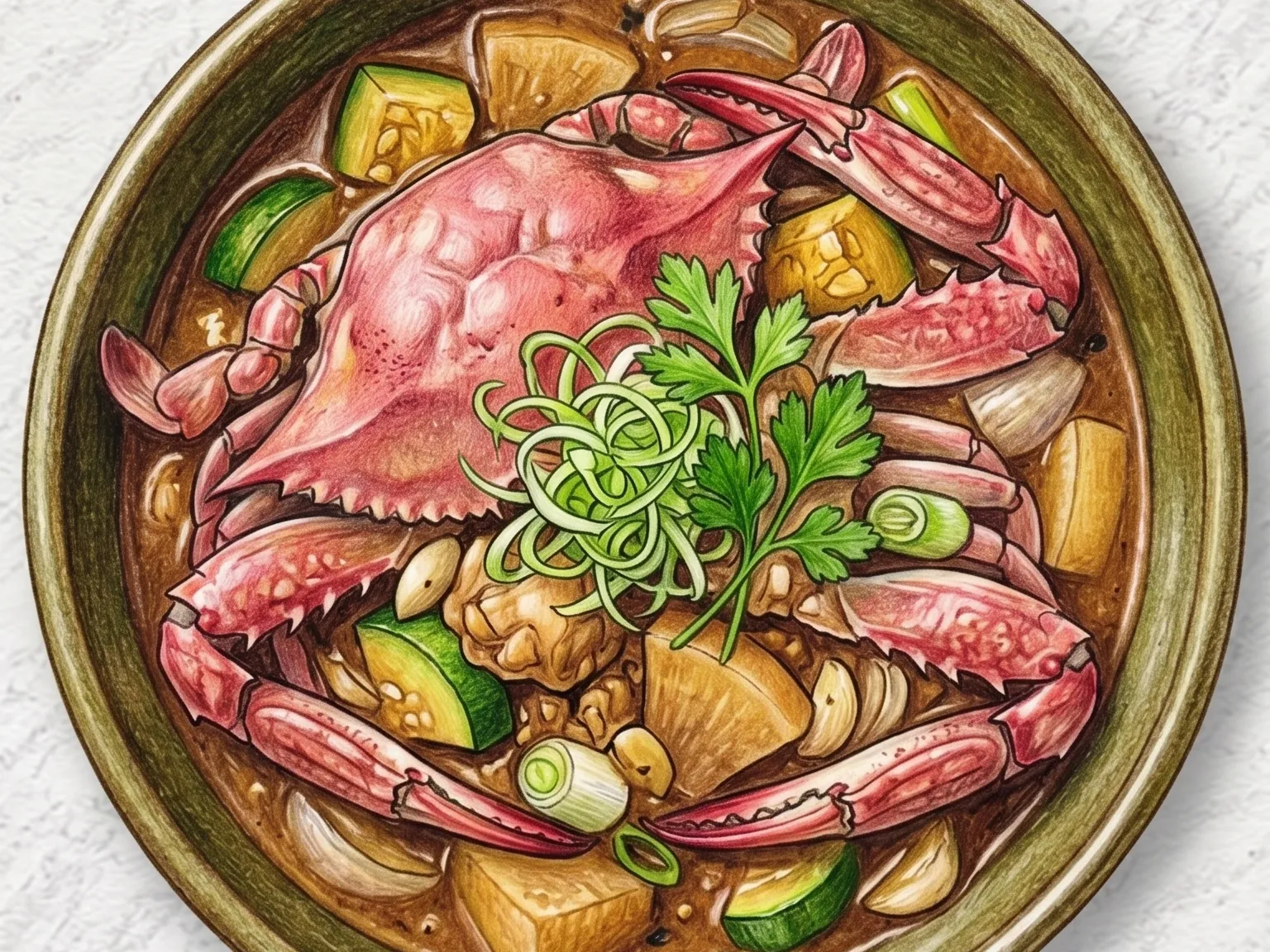
Braised Live Blue Crab in Soybean Paste
This dish features live blue crab braised in a savory broth seasoned with Korean soybean paste. Preparing the crab immediately before cooking preserves its natural sweetness and fresh qualities. Straining the soybean paste through a sieve allows it to dissolve evenly in the anchovy stock without leaving lumps. Slices of radish are placed at the bottom of the pot to simmer first, creating a sweet foundation for the sauce. The crab pieces are arranged over the radish and simmered with onions, allowing the flavors to penetrate the sweet crab meat. Cheongyang peppers add a sharp, spicy note, while fresh crown daisy is placed on top at the end to lift the rich aroma of the soybean paste with its light herbal fragrance. It is served warm with rice.
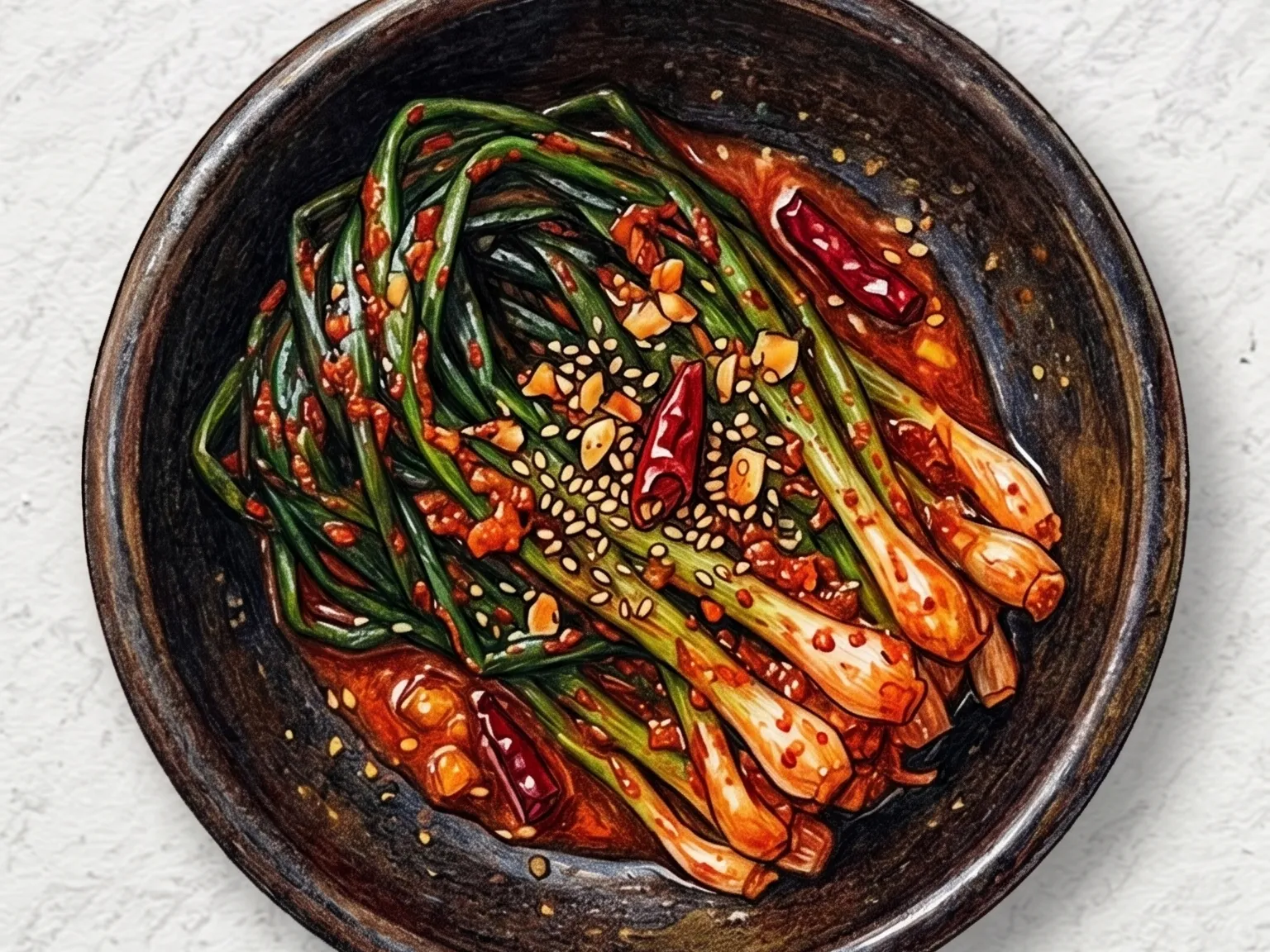
Jeolla-style Green Onion Kimchi
Jeolla-style Green Onion Kimchi is a traditional Korean side dish featuring intense umami and deep seasoning. This recipe combines scallions, chili flakes, fermented shrimp, and glutinous rice paste. Half a cup of strong fermented anchovy sauce pre-brines the white bases of the scallions for twenty minutes. This process seasons the white parts without crushing the plant cells. The seasoning paste is sweetened with pear juice instead of sugar, feeding lactic acid bacteria during fermentation. When applying the thick paste, start from the firm white bases and gently coat the green leaves to prevent a grassy taste. Tightly rolling the green onions into bundles reduces air exposure for even fermentation. After fermenting at room temperature for one day, refrigerate the kimchi and serve from the second day.
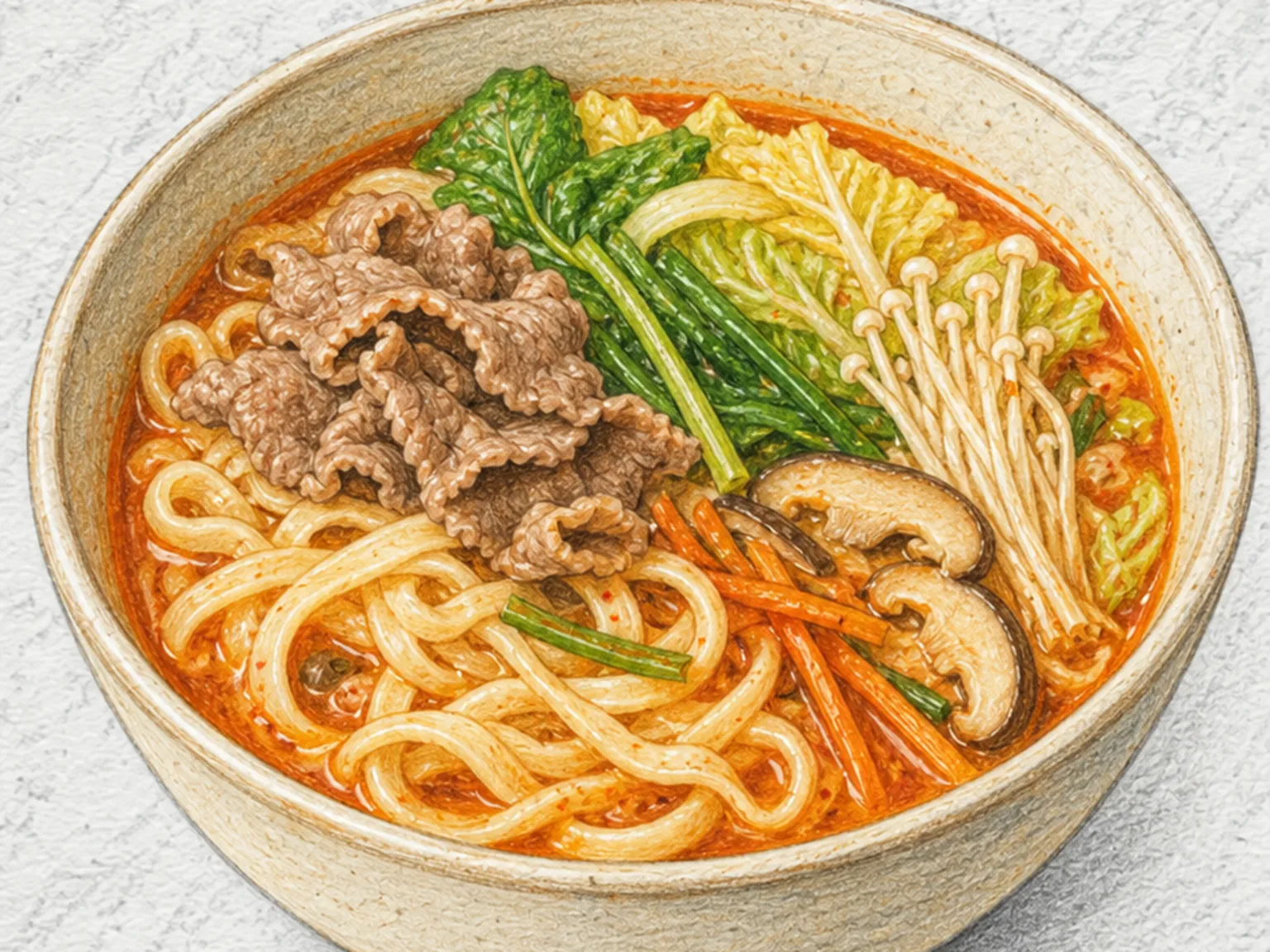
Shabu-shabu Kalguksu Hot Pot
Shabu-shabu kalguksu is a three-stage hot pot for two: thin beef and vegetables first, kalguksu noodles next, and rice cooked against the bottom of the same pot at the end. Cut 100 g water dropwort into 5 cm lengths and separate 100 g oyster mushrooms into strands. Bring 1 L anchovy broth to a boil after fully dissolving 2 tablespoons red chili paste, 1.5 tablespoons chili powder, 1 tablespoon minced garlic, and 1 tablespoon soup soy sauce in it. Add the water dropwort and mushrooms, cooking only until they soften. Slide 200 g thinly sliced beef into the bubbling broth one piece at a time so the slices do not form a clump. Once the broth returns to a boil and no raw red areas remain on the meat, remove it with the vegetables. Shake loose flour from 200 g kalguksu noodles just before they enter the pot, separate them immediately in the boiling liquid, and cook for 6 to 8 minutes according to the package timing. After the noodles are served, remove broth until about 100 ml remains. Add 200 g cooked rice, 5 g seaweed flakes, and 1 tablespoon sesame oil. Stir, spread the rice into a thin layer, and stop cooking when the bottom begins to develop a light crisp crust.

Double Smash Cheeseburger
This smash cheeseburger uses 320 g of 80/20 ground beef to make four thin patties, stacking two patties in each burger. Divide the cold beef into four loose 80 g balls without kneading it. Preheat a cast-iron skillet over high heat for 3 minutes. Meanwhile, melt 1 tablespoon butter in another pan and toast the cut sides of 2 brioche buns for 1 to 2 minutes. Place 2 beef balls well apart on the hot skillet, cover them with parchment, and press firmly for 10 seconds until each is about 12 cm wide. Season and leave the patties untouched for 90 seconds so their ragged edges become dark brown. Scrape underneath to preserve the crust, flip once, and place 1 slice of American cheese on each patty. Cook for another 45 to 60 seconds. Mix 2 tablespoons mayonnaise, 1 tablespoon ketchup, and 1 teaspoon yellow mustard. Spread the sauce on both bun halves, then stack 3 pickle slices and 2 cheese-covered patties. Pressing only at the beginning creates broad browned surfaces without squeezing moisture from the meat as it finishes cooking.
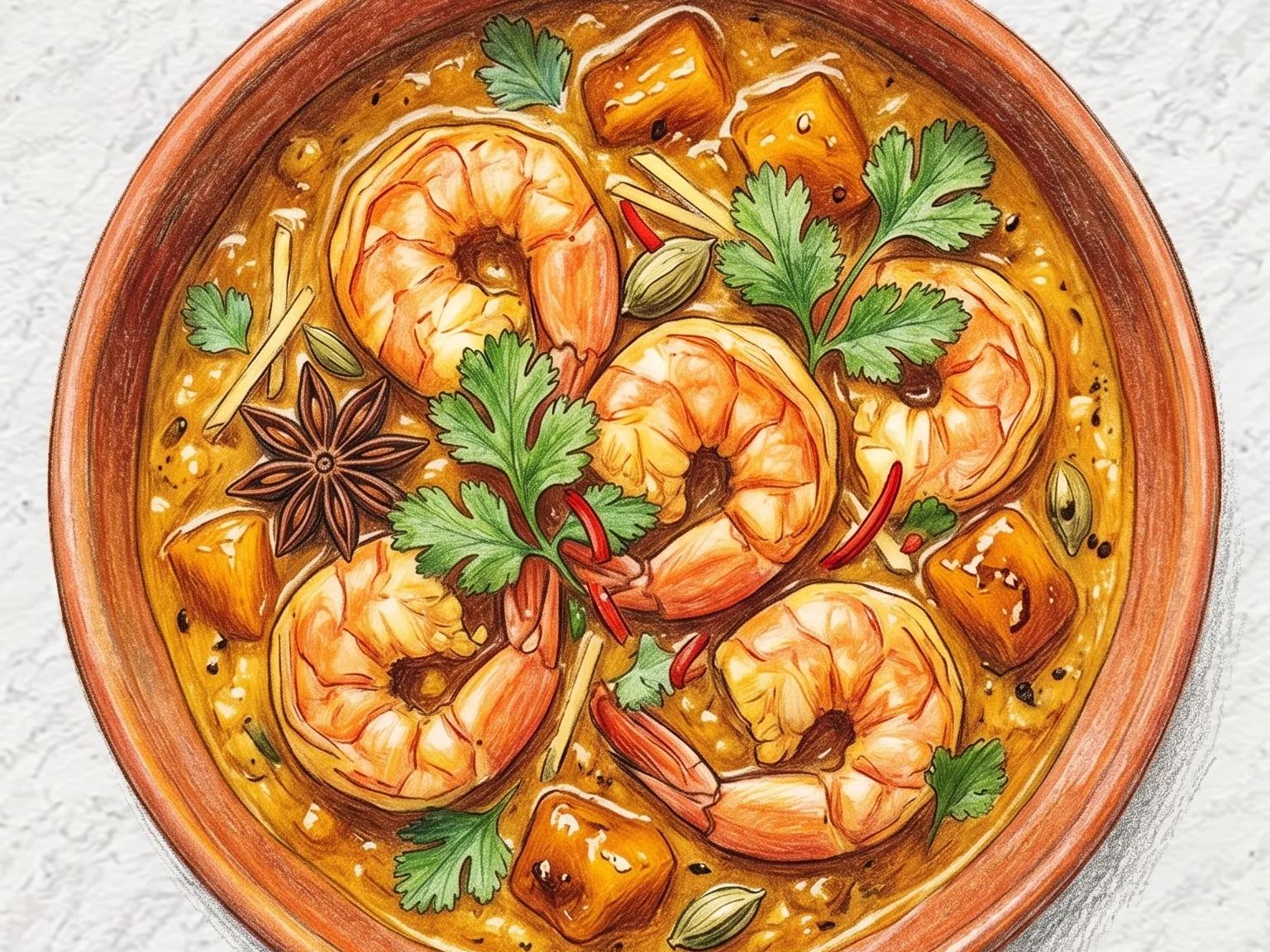
Sweet and Spicy Mango Chutney Shrimp Curry
Sweet and Spicy Mango Chutney Shrimp Curry is an Indian-style dish combining shrimp, mango chutney, and coconut milk. The process starts by sauteing onion and garlic, then blooming curry powder in oil to release its aroma. Shrimp are added and lightly cooked before pouring in coconut milk and mango chutney. Simmering for five to seven minutes ensures the shrimp remain tender and firm instead of becoming rubbery. The natural acidity of the mango chutney balances the creamy richness of the coconut milk. A touch of lime juice is added for acidity, and the dish is garnished with cilantro. It is served with rice or naan. Chopping large chunks of chutney results in a smoother sauce, and dried chili flakes can be added for extra heat.
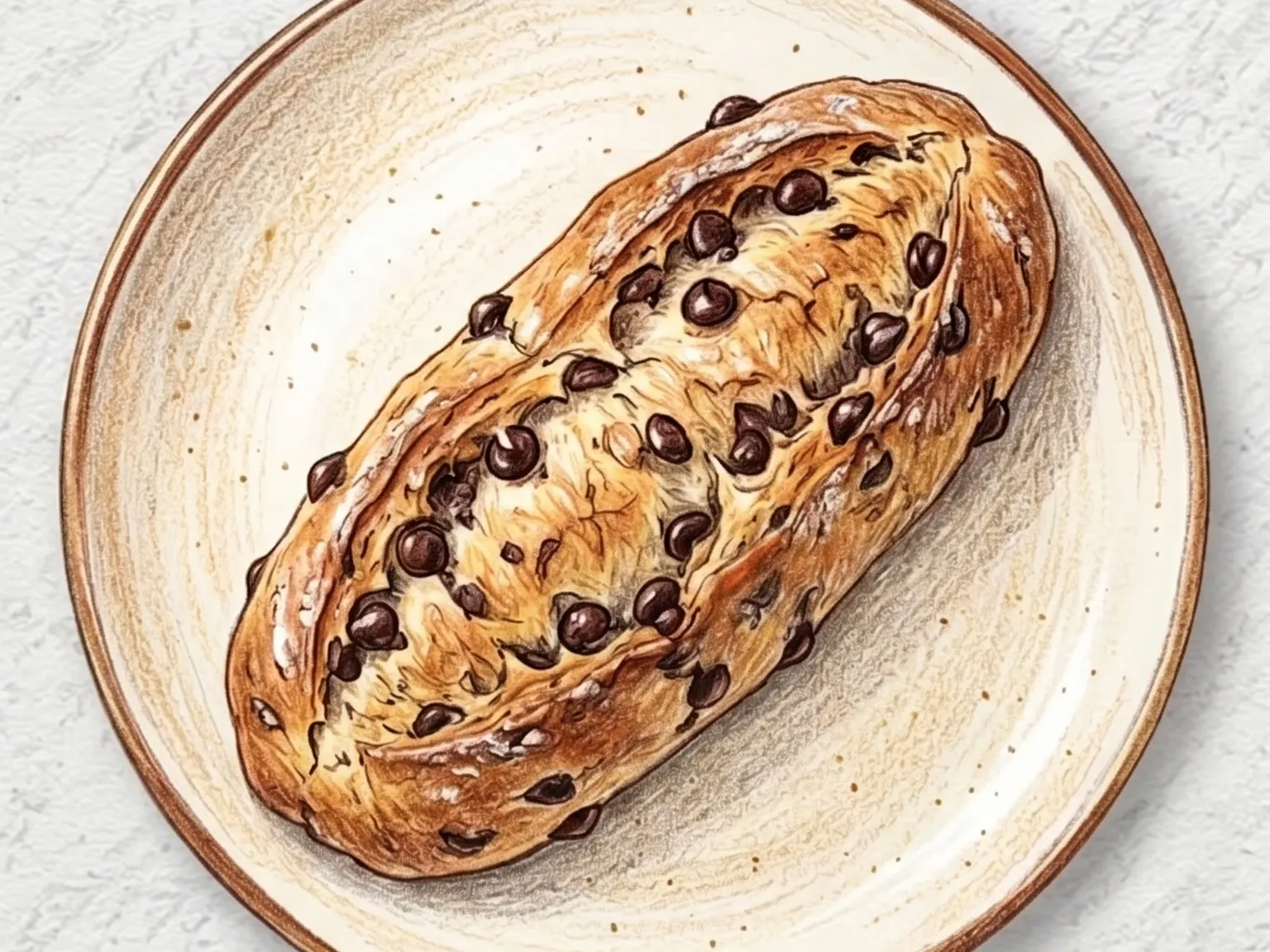
Crunchy Chocolate Chip Baguette
This baking recipe explains how to make a chocolate baguette featuring a crispy crust and a bittersweet crumb. The dough combines bread flour, cocoa powder, sugar, salt, and instant dry yeast, which is kneaded with lukewarm water until smooth and elastic. Chocolate chips are folded into the dough at the end of kneading to distribute them evenly without melting. After a one-hour first fermentation, the dough is divided and shaped into long ovals, then left to rise again for thirty minutes. Before baking, the loaves are scored to expose the chocolate chips during the oven spring and sprayed with water. Baking at 220°C with steam creates a firm, crispy crust while keeping the inside soft. The finished baguette offers a rich cocoa aroma and sweet pockets of melted chocolate chips in every bite.
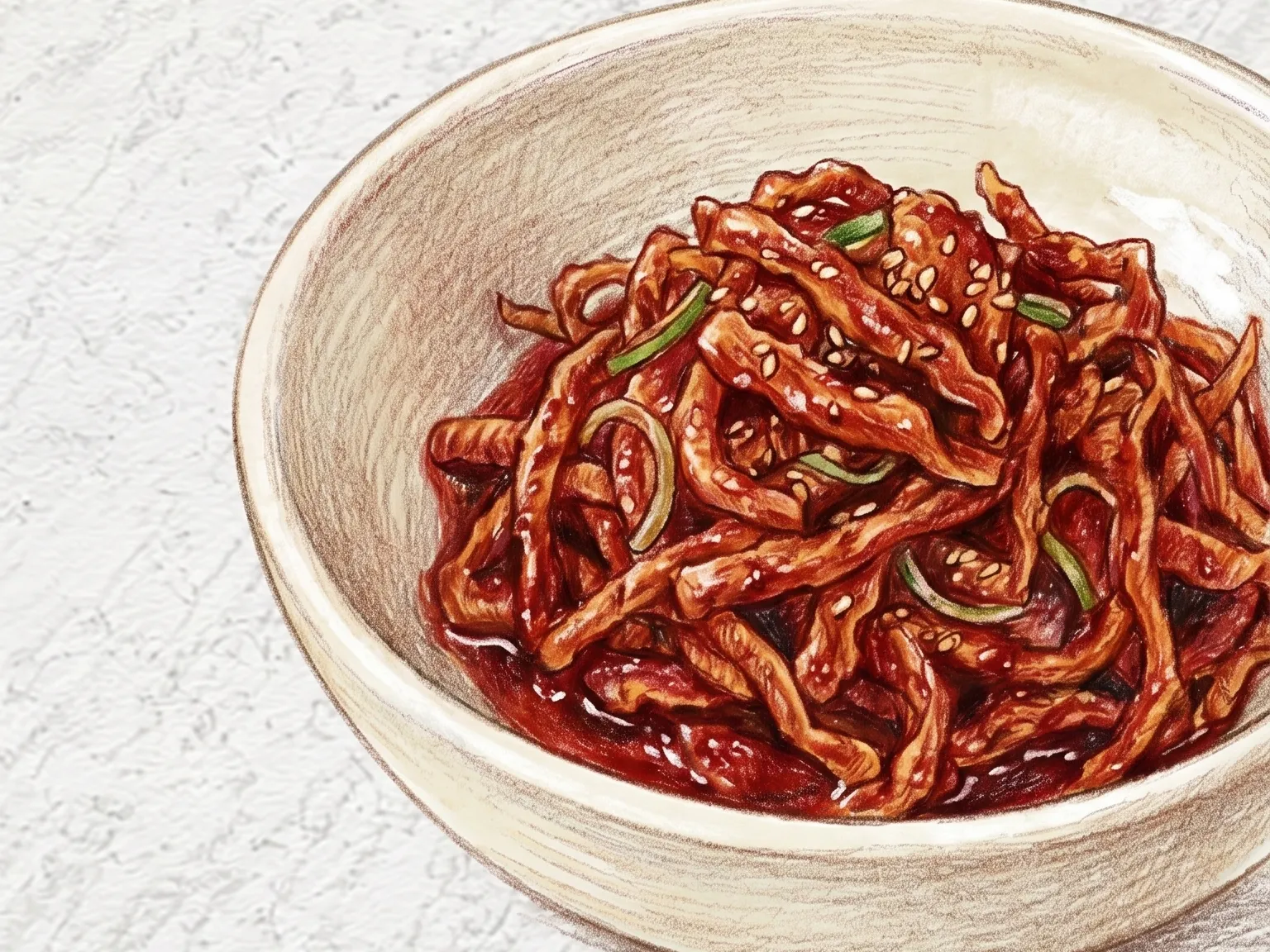
Ogeurakji (Dried Radish Strips)
In North Gyeongsang speech, ogeurakji means dried radish or a seasoned side dish. This recipe soaks dried radish strips in cold water for 20 minutes to keep them pleasantly chewy. After soaking, the strips are rinsed and squeezed firmly to remove excess moisture, preventing the seasoning from watering down. The dressing combines chili powder, anchovy fish sauce, soy sauce, and rice syrup. Using rice syrup instead of sugar gives the strips a heavy, glossy coating. The radish strips are massaged firmly by hand to help the spicy, salty, and sweet flavors penetrate. Minced garlic, chopped chives, and sesame seeds are folded in at the end. This side dish can be served immediately, but maturing it in the refrigerator for one day deepens the taste.