Asian Recipes
806 recipes. Page 10 of 34
The Asian category gathers popular dishes from Japan, China, Thailand, Vietnam, India, and beyond. Curry, stir-fried noodles, mapo tofu, pad Thai, and pho are among the Asian favorites commonly enjoyed in Korean households.
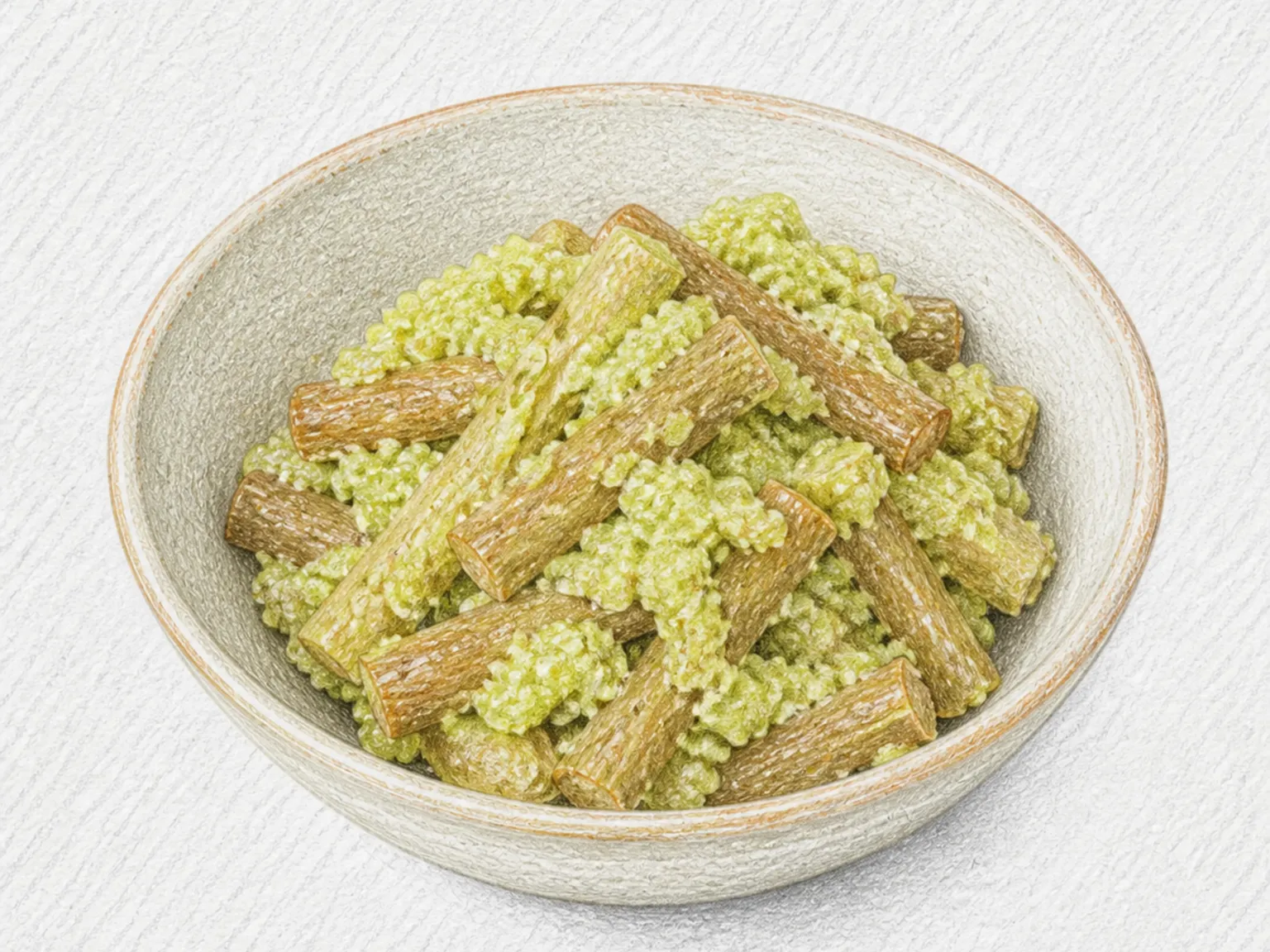
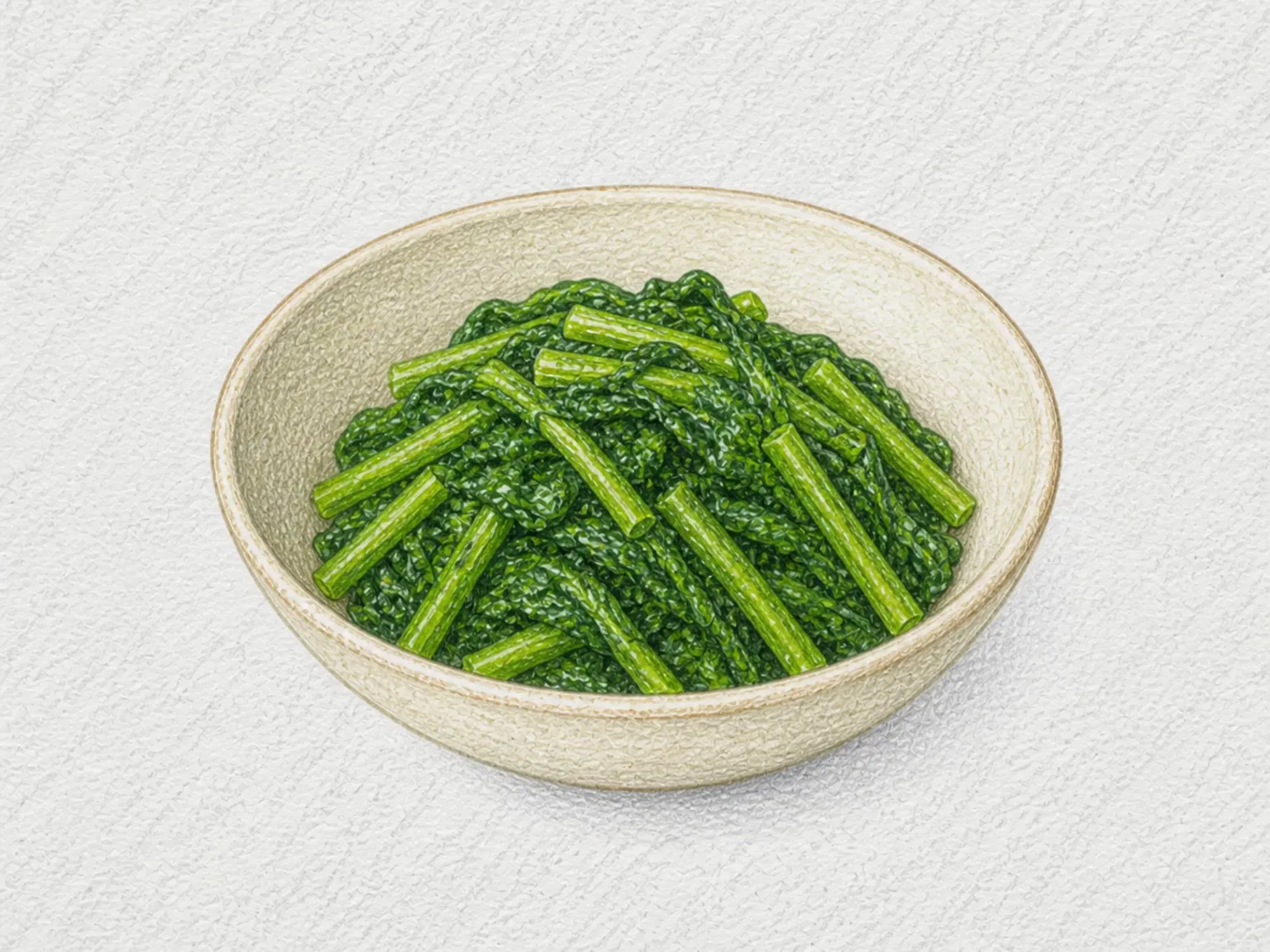
Kurumi Gobo with Edamame Paste
Kurumi gobo is a local dish from Shigaraki in Koka City, Shiga. Burdock is simmered in lightly salted water, while edamame is cooked until soft, peeled of its thin inner skins, and ground with sugar and salt into a thick paste. The 3cm burdock pieces are coated generously so the smooth bean paste meets the root's firm bite. The dish has long been offered and shared with saba sushi at the autumn festival of Sansho Shrine in Kamiasamiya, also called the Gombo or Burdock Festival. Families still prepare it when the festival returns each autumn, preserving its specific edamame dressing method.
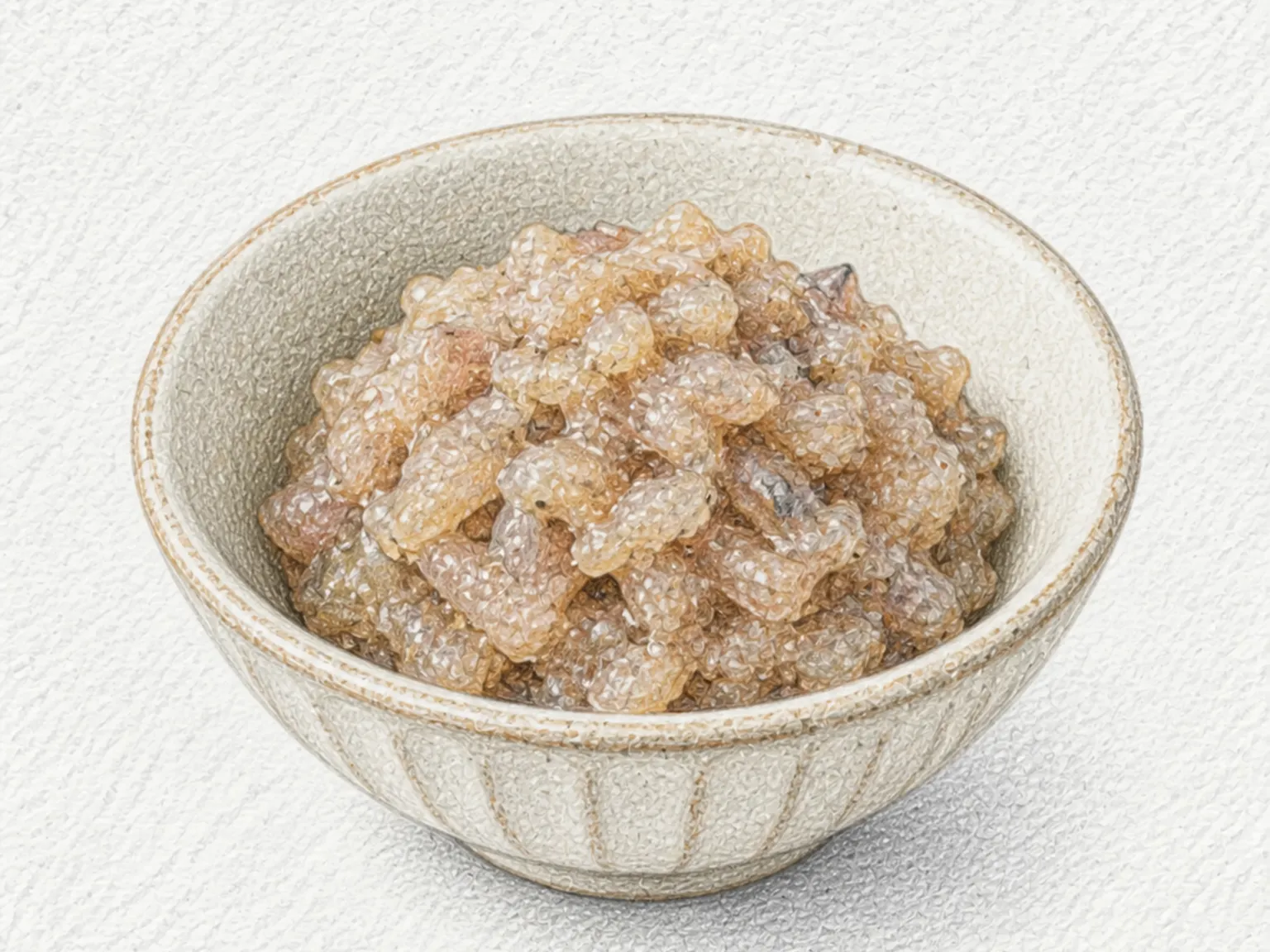
Ayu Uruka (Salt-Cured Sweetfish Paste)
Ayu uruka is an Oita river-region preserve made by mincing fresh sweetfish flesh or organs with salt and allowing the mixture to mature. Different parts produce mi-uruka from flesh, ko-uruka from roe or milt, and niga-uruka from viscera. This recipe follows the flesh version in the preparation method: the head and intestines are removed, the fish is cut through its small bones into 1cm pieces, and the pieces are ground with salt into a soft paste. Salt equal to 15 percent of the cleaned fish weight is distributed thoroughly, and the paste is packed without air pockets into a sanitized container for 7 days at 4°C or below. Because it is highly salted and uncooked, uruka is served only in small amounts with rice or drinks and requires strict cold storage and clean utensils.
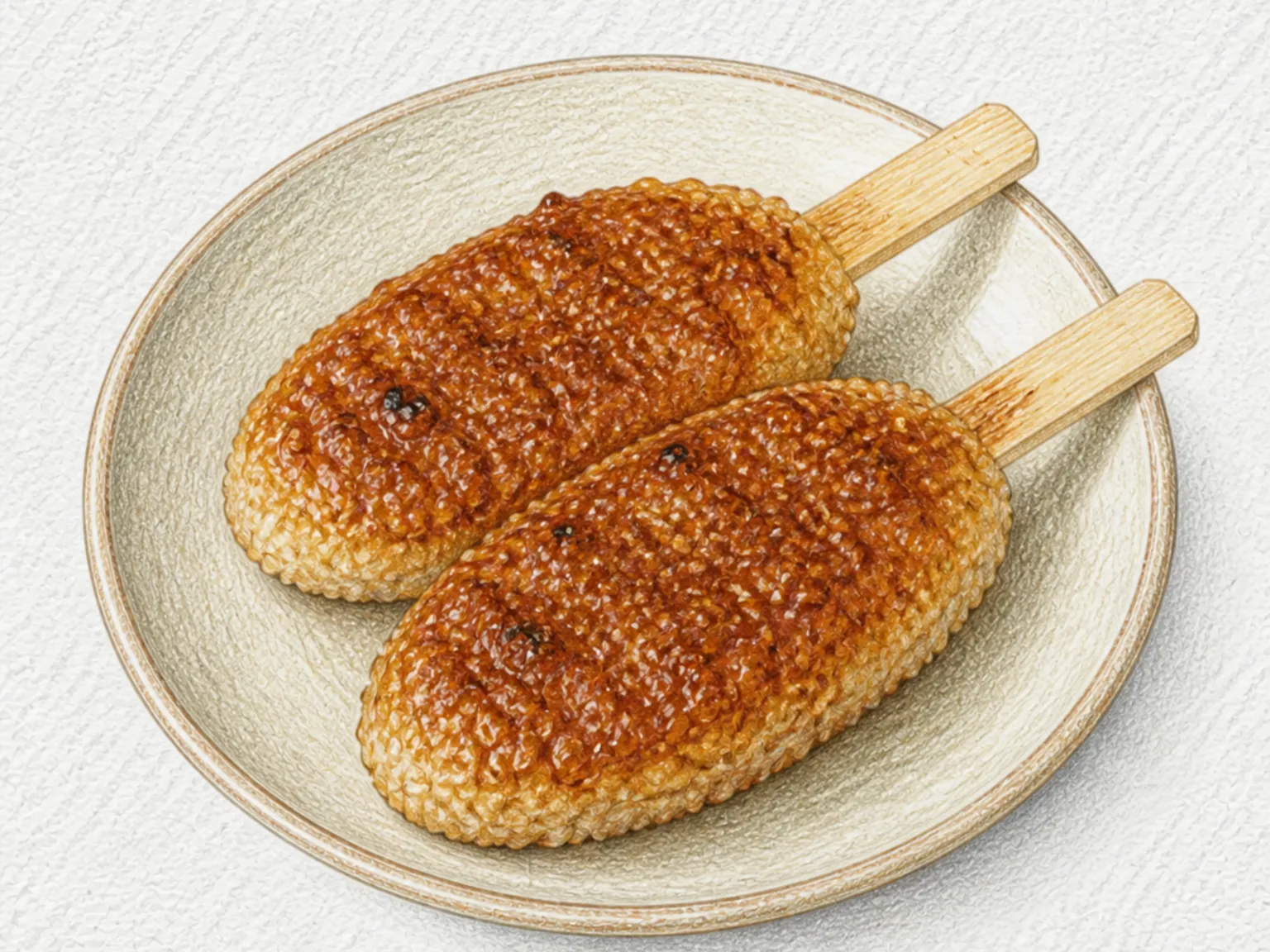
Gohei-Mochi (Grilled Rice Cake with Walnut Miso)
Gohei-mochi is an Aichi mountain-region rice cake made by mashing freshly cooked non-glutinous rice, molding it around a broad skewer, and grilling it with a red miso sauce ground with walnuts and sesame. The hot rice is crushed until sticky enough to hold together while some grain texture remains. Each portion is spread into a thin oval and given shallow surface ridges, then grilled without sauce first so the center heats through and the coating has places to cling. Red miso, sugar, sake, ginger, walnuts, and sesame are kneaded over low heat into a thick sauce, brushed on, and grilled again until fragrant and browned. The food is said to have been eaten in the Chubu mountains by the middle Edo period. Lumberjacks and hunters prepared it before Yama no Ko gatherings that prayed for safety in mountain work; today it is also a common travel snack.
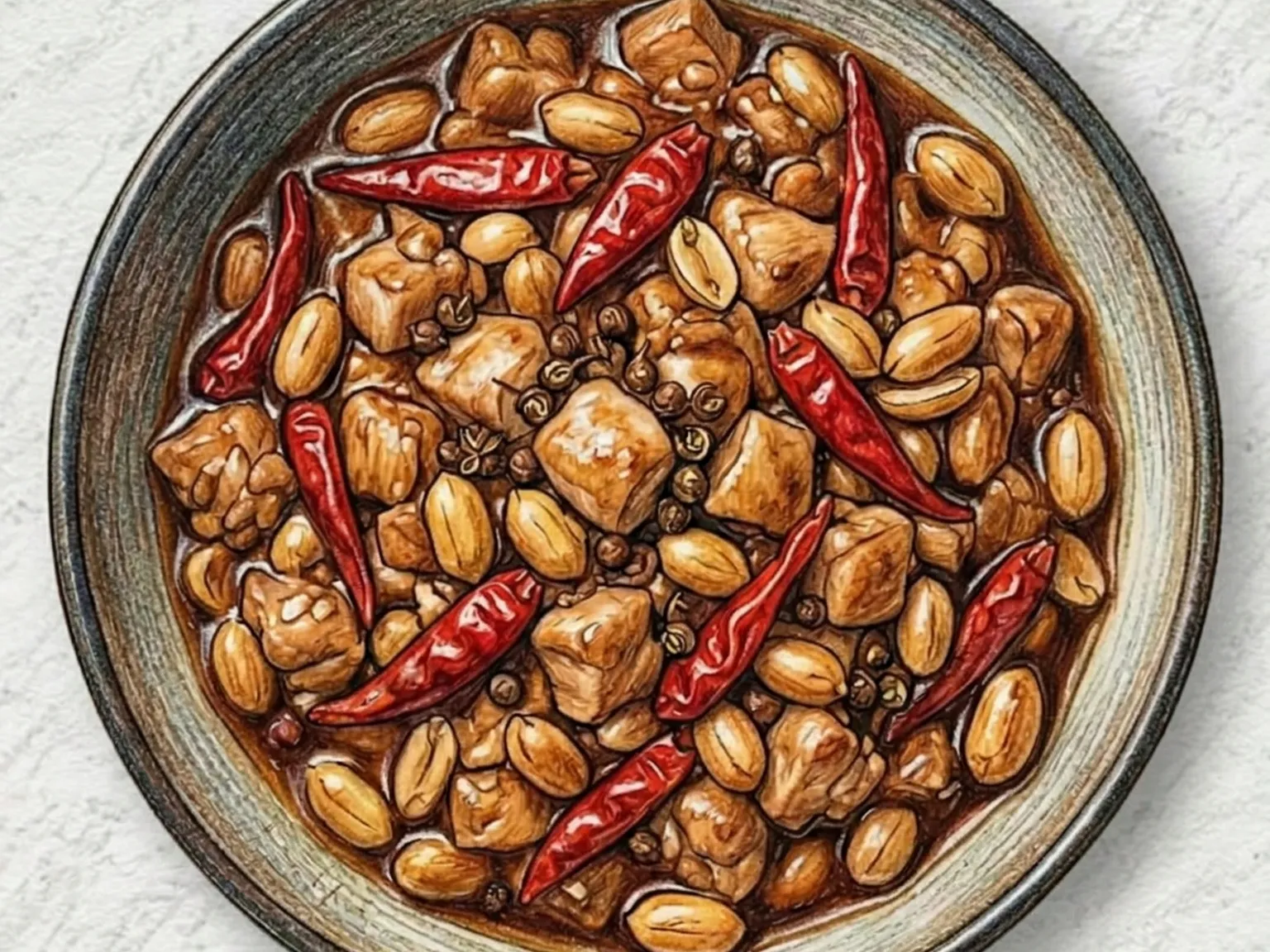
Kung Pao Chicken
Kung pao chicken is one of the defining dishes of Sichuan cuisine, built around diced chicken, roasted peanuts, and dried chilies in a sauce that hits spicy, sweet, sour, and numbing at the same time. The chicken is cut into small cubes and given a brief marinade of soy sauce and cornstarch, which seals moisture in and creates a light coating that takes on color quickly in a screaming-hot wok. Dried red chilies and Sichuan peppercorns are fried in oil as the very first step, pulling their heat and the distinctive mala tingling sensation into the fat before anything else goes in. This flavored oil becomes the foundation the entire dish is built on. Soy sauce, black vinegar, and sugar are added at the end and reduced into a glossy glaze that coats every surface. Roasted peanuts go in last so they stay crunchy, and chopped scallion brings a clean, fresh finish. The interplay of sharp chili heat, tongue-numbing peppercorn, tangy vinegar, and toasty peanut in a single bite is what carries this dish beyond Sichuan into kitchens worldwide.
Ishigaki Dango (Steamed Sweet Potato Dumplings)
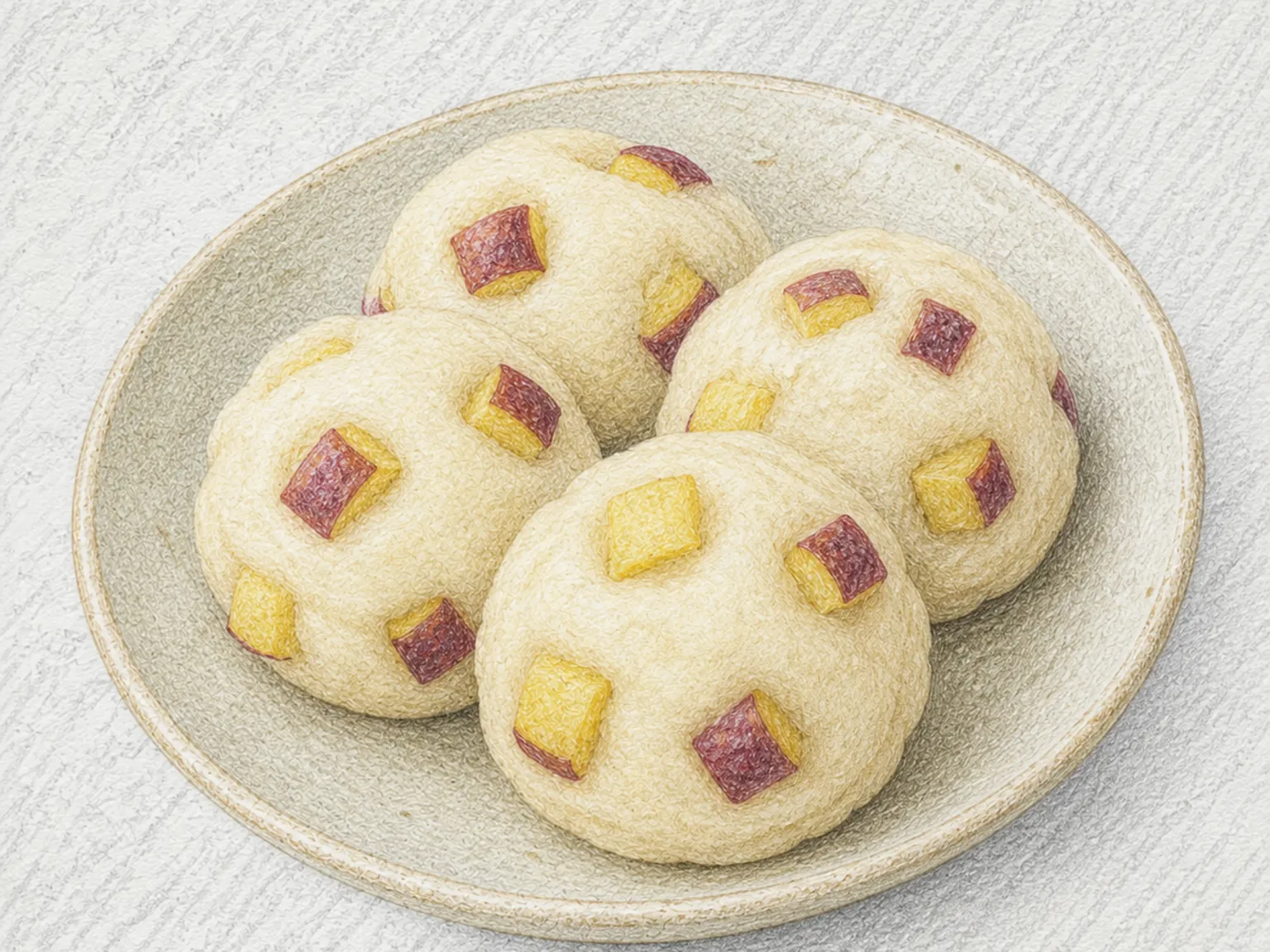
Ishigaki dango is a rustic snack from the Sagamihara area of Kanagawa. One-centimeter cubes of sweet potato are embedded in a lightly sweetened wheat dough, shaped into rounds, and steamed. Wheat and sweet potatoes grew well enough on the volcanic-ash-covered Sagamihara plateau to become familiar farm foods, and these dumplings were eaten as a small break during agricultural work. Their name means stone-wall dumpling because the square potato pieces showing through the dough resemble stones set into masonry. The flour, baking powder, sugar, and salt are sifted twice, then mixed briefly with 100ml water. Minimal kneading keeps the crumb tender, while a few reserved sweet potato cubes pressed onto each top make the stone pattern clear.
Nasu Dengaku (Miso-Glazed Eggplant)
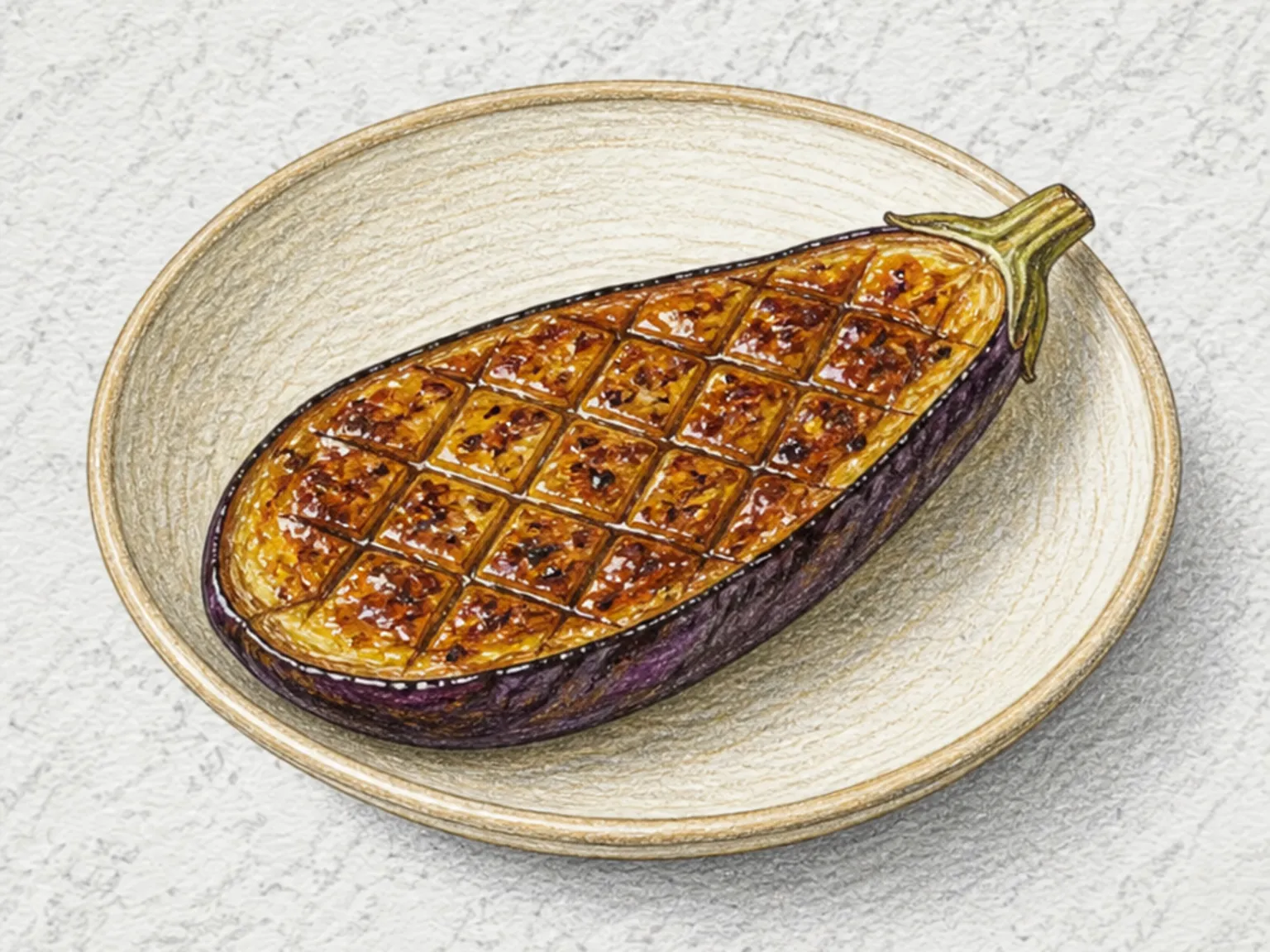
Nasu dengaku cooks halved eggplants until tender, coats the cut faces with a sweetened miso glaze, and broils only long enough to bubble and spot the surface. Wash 2 large eggplants and split them lengthwise. Score each cut face deeply in a crosshatch pattern without piercing through the skin. The cuts allow oil and glaze to reach the thick flesh rather than remaining only on top. In a small saucepan, combine 2 tablespoons miso, 1.5 tablespoons mirin, 1 tablespoon sake, and 1 tablespoon sugar. Stir over low heat until the sugar dissolves and the mixture becomes uniform, then remove it before the miso catches on the pan. Heat 3 tablespoons vegetable oil in a wide skillet and place the eggplants cut-side down. Cook over medium heat until the scored surface is golden and the flesh softens. Eggplant absorbs oil quickly, so tilt or rotate the pan to distribute the listed oil instead of leaving one section dry. Turn the halves and cook the skin side for 2 minutes, then transfer them to a baking tray with the cut faces up. Spread the miso glaze in a thin, even layer over every scored surface. Place the tray under an oven grill or in a toaster oven for about 2 minutes, watching continuously. The sugar in the glaze can move from browned to burnt quickly; remove the eggplant as soon as the sauce bubbles and develops small light-brown spots. Scatter 1 teaspoon toasted sesame seeds over the warm glaze. Serve while the flesh is hot and soft enough to lift easily from the skin, without leaving the glazed surface under residual grill heat.
Hija Jiru Okinawan Goat Soup
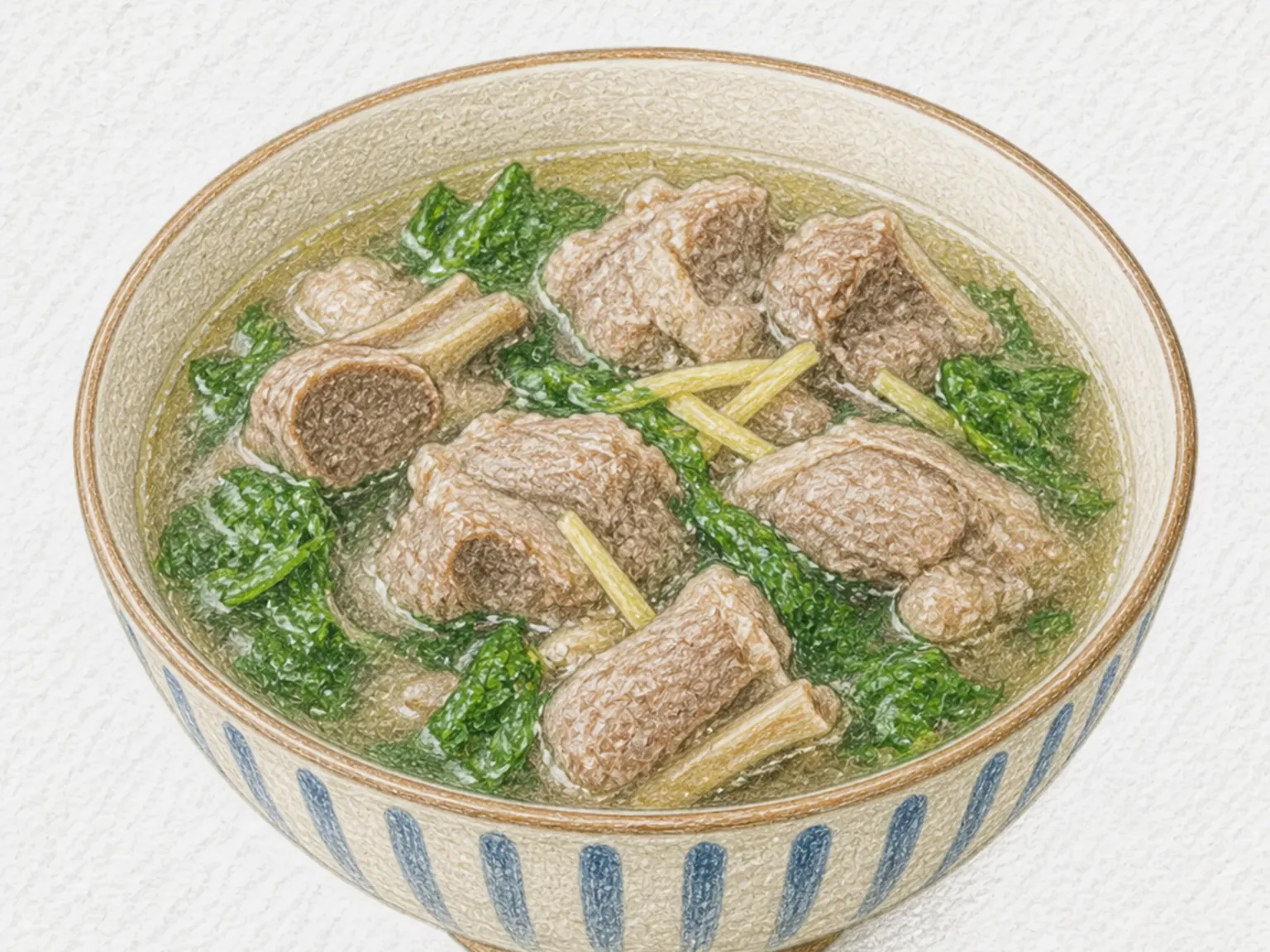
Hija jiru is a clear Okinawan soup that simmers goat meat, called hija locally, in water for about three hours and finishes it with fuchiba mugwort, grated ginger, and salt. When refrigeration was scarce, slaughtering a goat meant distributing the meat through the community and sharing a large pot, and the soup became associated with restoring strength and marking celebrations. A quick hot-water rinse removes loose blood and debris from the meat before it enters fresh water. Foam and excess fat are skimmed repeatedly during the long gentle simmer so the broth stays clean rather than greasy. The washed mugwort leaves are cooked only briefly once the meat is tender enough to pull easily from the bone. Instead of heavily seasoning the whole pot, each bowl receives ginger and salt on the side, allowing every diner to adjust the strong goat aroma and salinity.
Suguki-zuke Lactic-Fermented Turnip Pickles
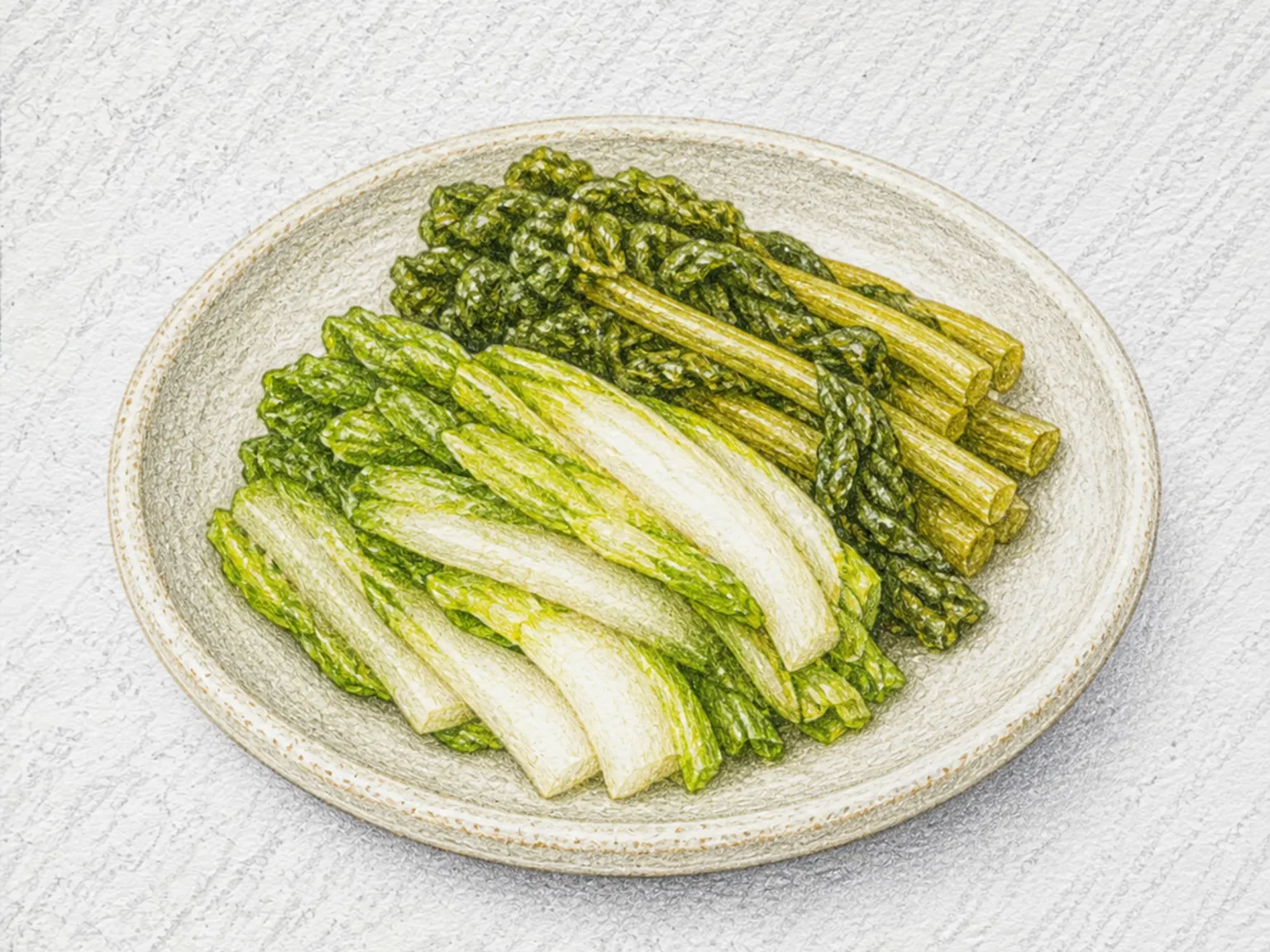
Suguki-zuke is a Kyoto City pickle made from whole suguki turnips, a traditional Kyoto vegetable. The roots and leaves are salted in preliminary and main pickling stages, held under a heavy stone, then moved into a dedicated warming chamber called a muro at about 40°C to promote lactic acid fermentation. Along with senmaizuke and shibazuke, it is counted among Kyoto's three prominent pickles. The salt-only method dates to the early Edo period around Kamigamo Shrine, and the modern warmed process develops its characteristic acidity in about two weeks. Suguki is harvested and pickled from mid-November to January, then the leaves and roots are cut separately for rice, ochazuke, or sake.
Cold Buckwheat Noodles
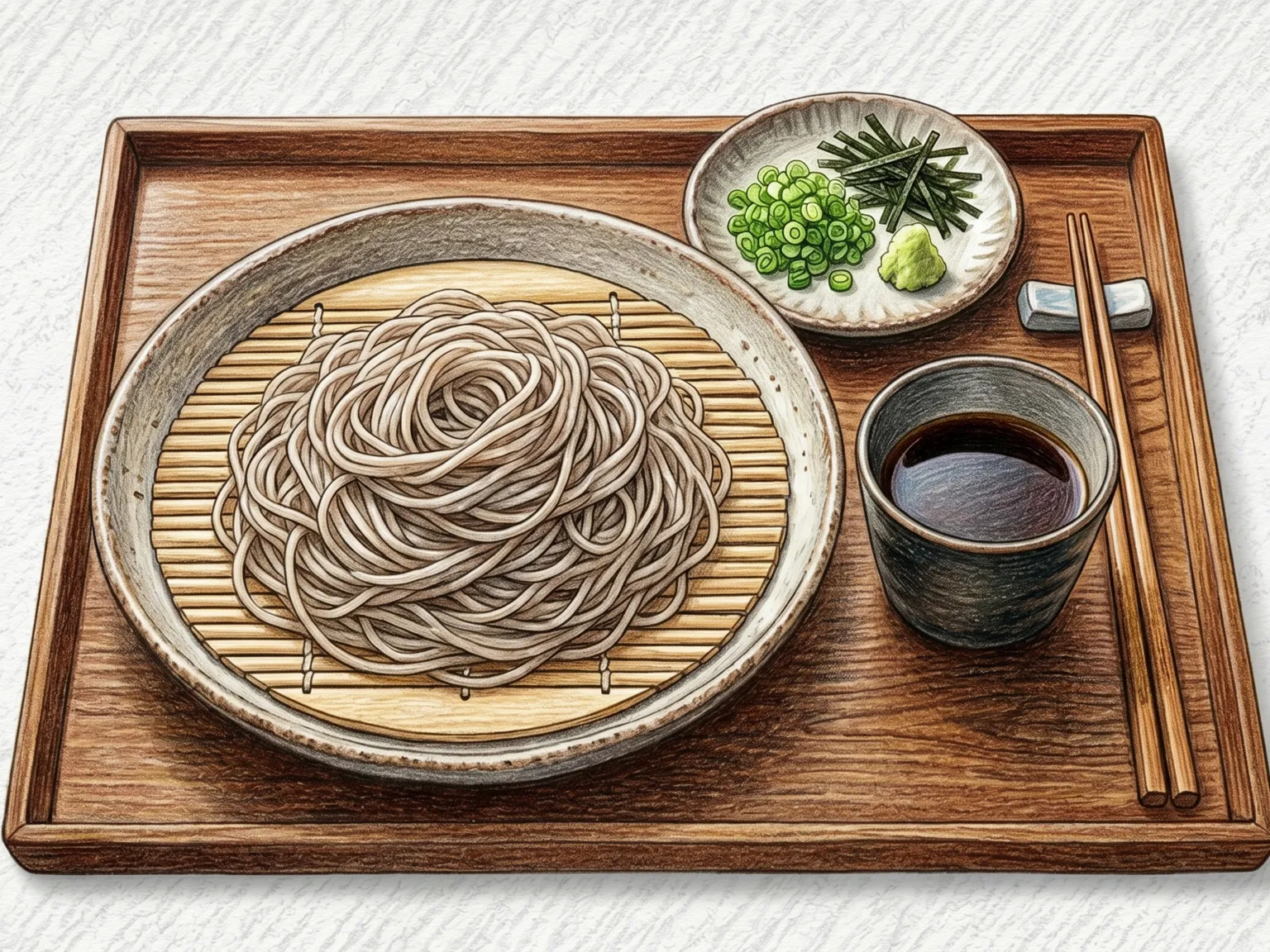
Mori soba is a Japanese cold noodle preparation where buckwheat noodles are boiled, rinsed under cold running water until firm, and served on a bamboo draining mat alongside a chilled tsuyu dipping broth. The nutty, slightly grainy character of buckwheat is the foundation of the dish, with each mouthful releasing an earthy, grain-forward fragrance. Tsuyu, concentrated from katsuobushi, kombu, soy sauce, and mirin and then chilled, is rich in umami and strong enough that a brief dip coats the noodles completely without drowning them. Wasabi and thin-sliced scallion stirred directly into the broth add sharp heat and a clean green note, while a pinch of shredded nori over the noodles introduces a subtle oceanic undertone. After boiling, the noodles must be cooled thoroughly in ice water to lock in their elasticity and prevent them from turning soft before serving.
Laphet Thoke (Burmese s signature salad)
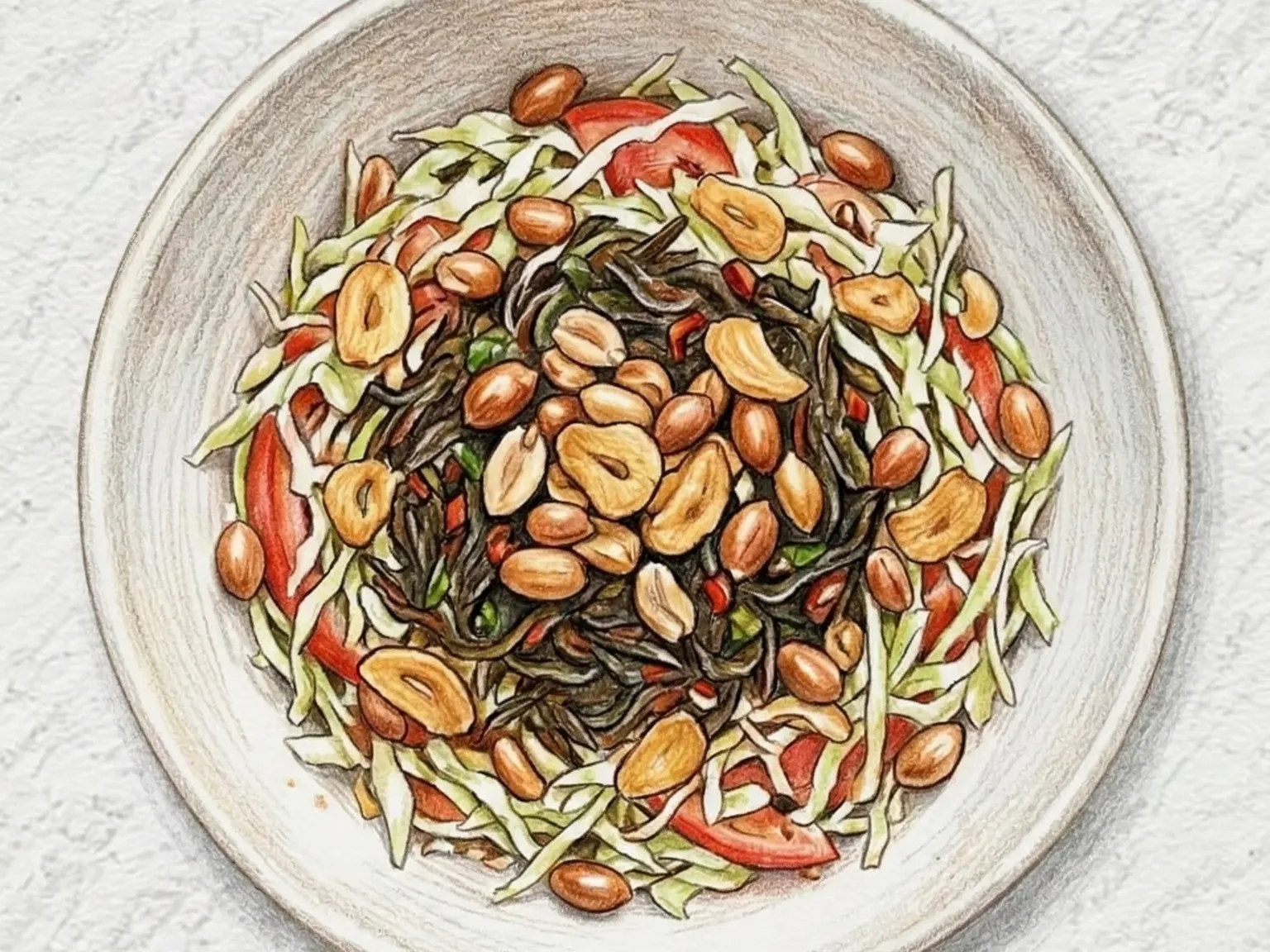
Laphet thoke is Myanmar's signature salad, built entirely around fermented tea leaves whose tannic bitterness and concentrated umami form the flavor foundation from which everything else is assembled. The leaves undergo a long fermentation that softens their rawness, coaxing out a layered sourness and complex savory depth that explains why laphet holds a ceremonial significance in Burmese food culture beyond its role as an everyday dish. Shredded cabbage provides a neutral, crunchy base, while chopped tomato adds juicy acidity that lightens the tea leaves' intensity and keeps the salad from feeling heavy. Roasted peanuts contribute a nutty richness, and fried garlic chips deliver a salty, crispy element that introduces textural contrast in every bite. The essential technique is dressing the tea leaves first with lime juice, sesame oil, and chili flakes, allowing the seasoning to soak fully into the leaves before the vegetables and nuts are folded in, so the bold flavors distribute evenly throughout the bowl rather than pooling at the bottom.
Azara (Fish and Aged Cabbage Sake-Lees Stew)
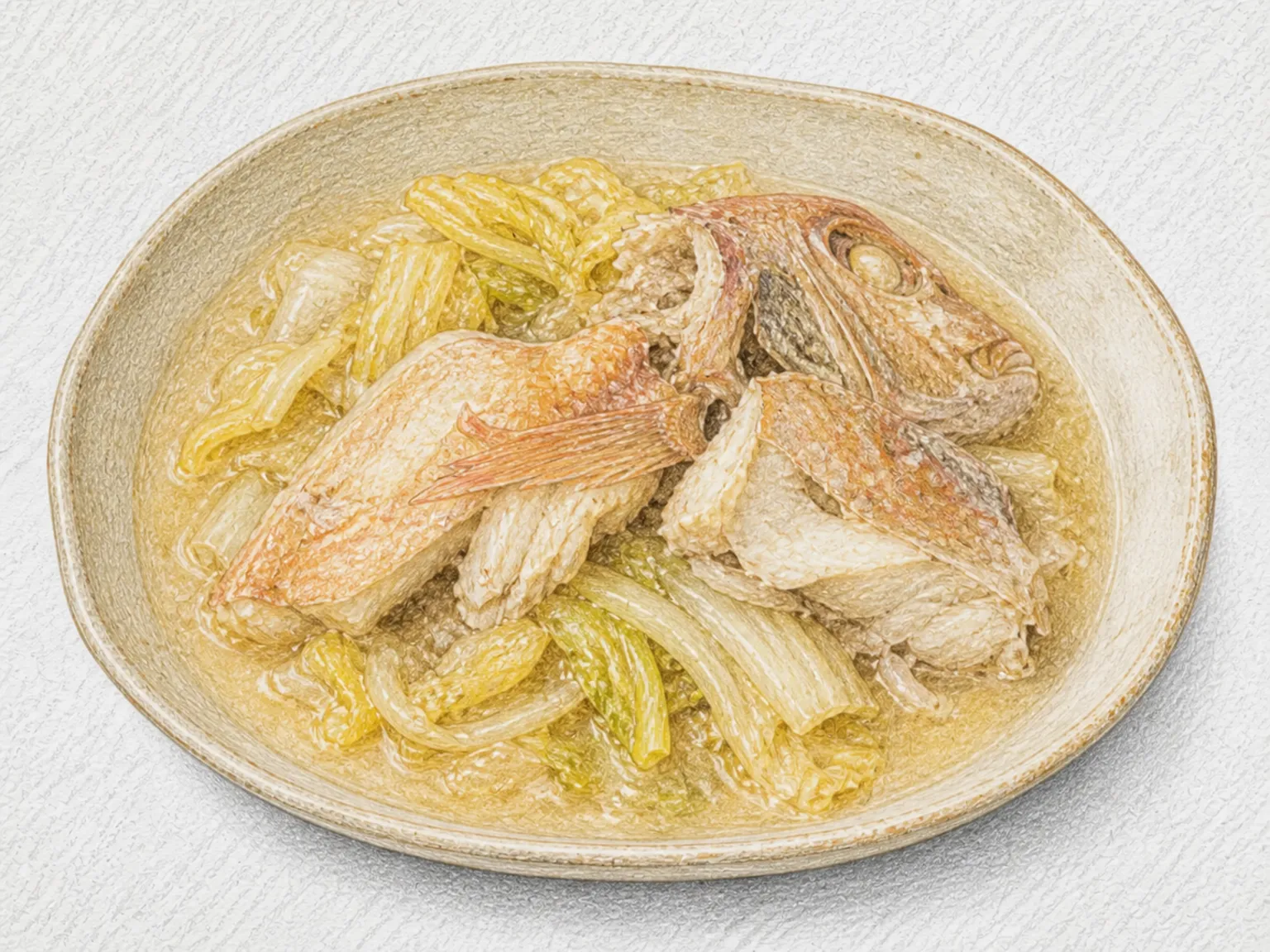
Azara is a fish stew from Kesennuma in Miyagi, commonly eaten in spring after Chinese cabbage has fermented through the winter into a distinctly sour aged pickle. Cut 400 g aged pickled cabbage into bite size pieces, parboil it briefly, and rinse it lightly without removing all of its saltiness. Put 450 g ocean perch flesh, head, bones, and other scraps in a pot with 5 cups water and bring the liquid to a full boil over medium heat. Add the cabbage, lower the heat, and cook gently until it begins to absorb the fish broth. Ladle out some warm liquid and use it to dissolve 150 g sake lees and 3.5 tablespoons miso until smooth. Return this mixture to the pot and continue over low heat, stirring occasionally so the thickening broth does not catch on the bottom. Stop when the cabbage is tender, the fish reaches at least 63C at the center, and the sake lees have thickened the liquid. Serve hot. If the stew will be cooled, refrigerate it within 2 hours and reheat it throughout to at least 74C before serving the next day.
Gonjuu (Pork Belly and Fried Tofu Rice Ball)
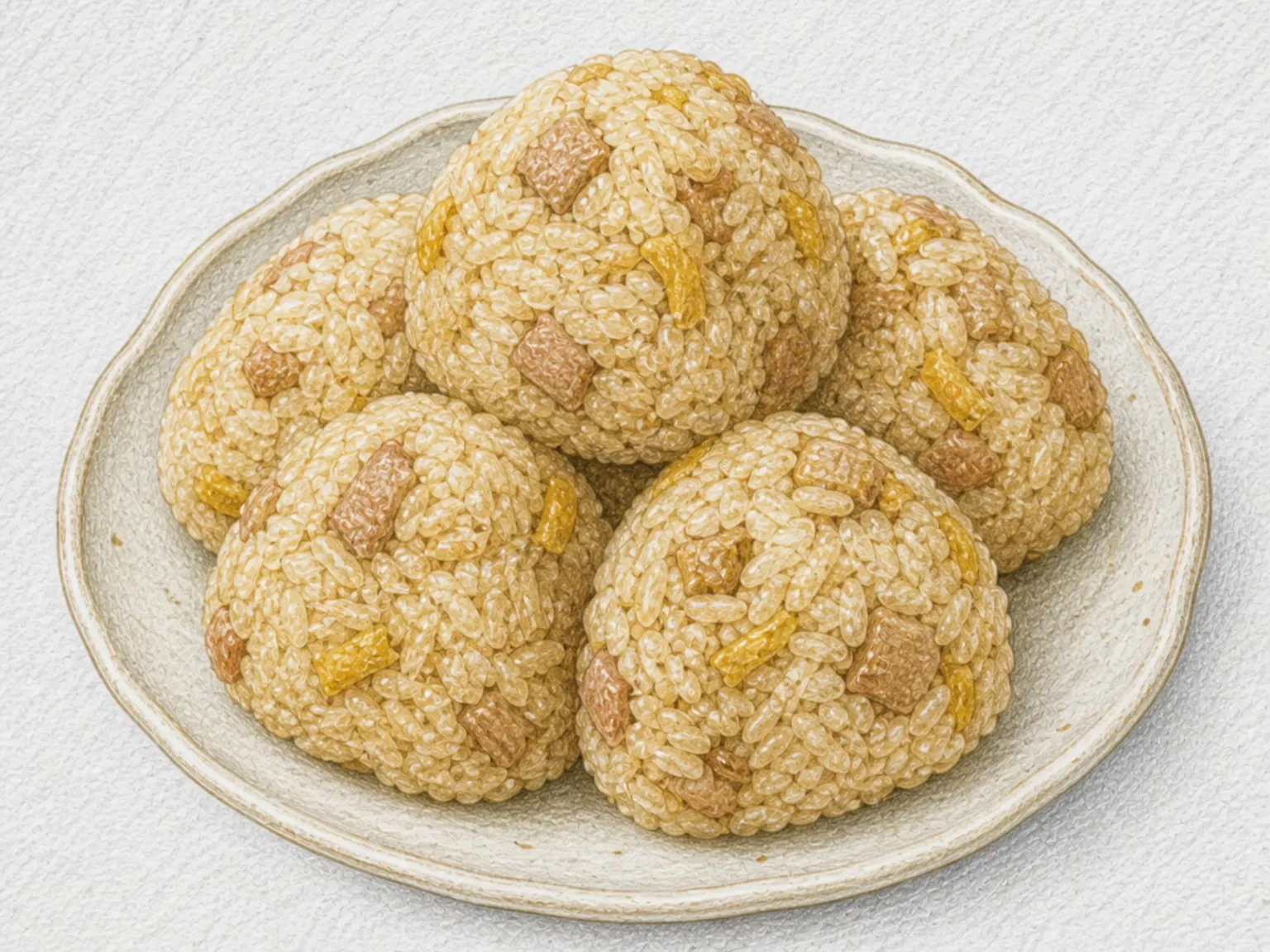
Gonjuu is a large rice ball long eaten in Tateyama City, Chiba Prefecture. Five cups of rice are cooked while pork belly is cut into 1 cm cubes and fried tofu is trimmed and chopped. Two-thirds of lightly toasted, crumbled bonito flakes are simmered with the pork, tofu, sugar, soy sauce, sake, and water. Mirin is added at the end, after the pork is fully cooked and the sweet savory liquid has soaked into the pieces. The hot rice is spread in a wide mixing tub and combined evenly with the cooked filling and its reduced liquid. The reserved bonito flakes are mixed through last, and the batch is shaped firmly into twenty generous rice balls. Their one-handed form reflects how gonjuu has been served to mikoshi carriers at Tateyama's autumn Yawatanmachi festival, though it is also eaten at home throughout the year.
Dry Mala Stir-fry (Sichuan Numbing Spice Dry Wok)
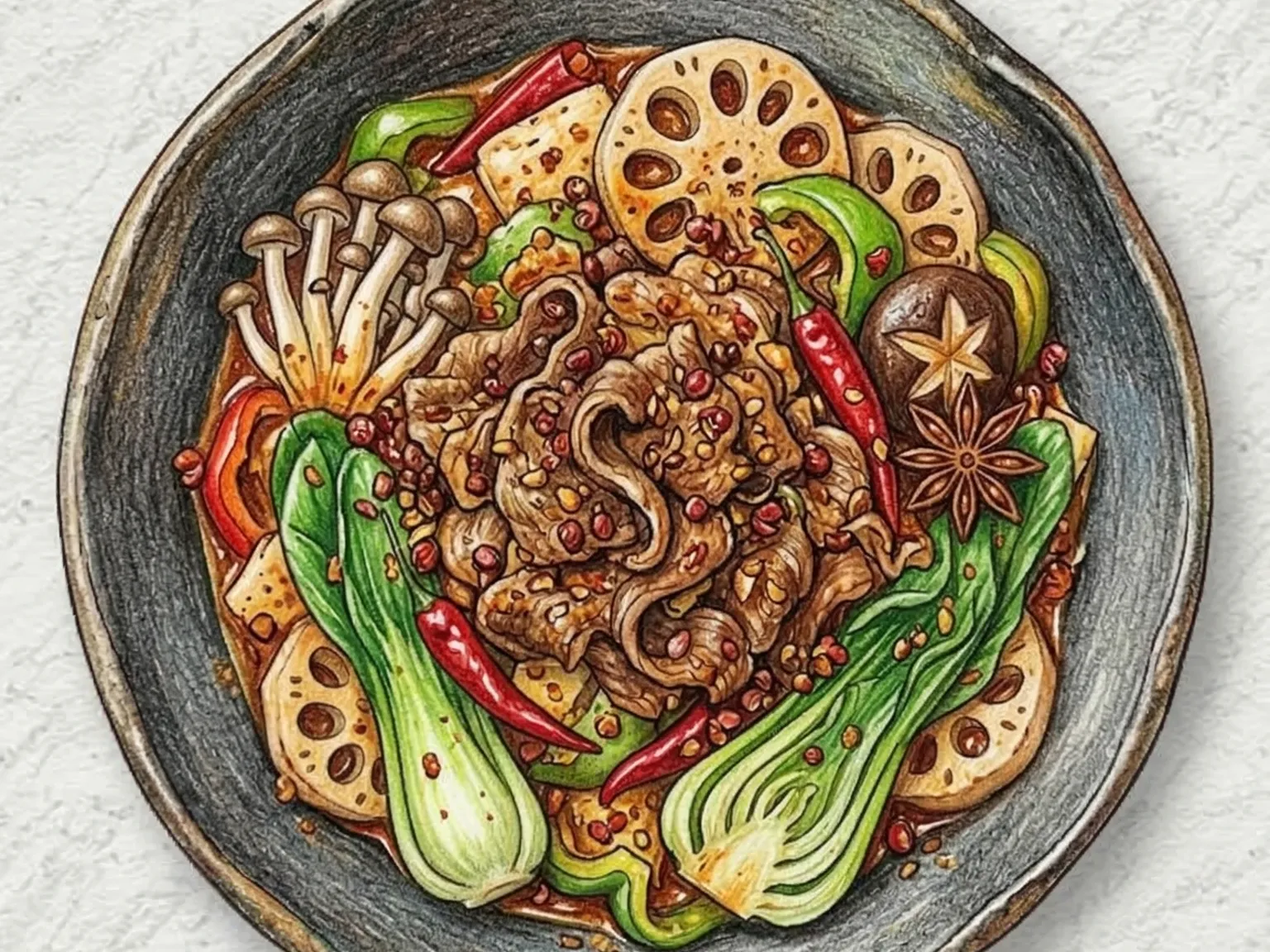
Mala xiangguo starts with dry beef and firm vegetables, separates the bok choy stems from the leaves, and adds the mala sauce in portions so it coats rather than pools. One hundred eighty grams beef is pressed dry with paper towels. One hundred twenty grams lotus root and 100 g shiitake are sliced thinly, while 120 g bok choy is divided into stems and leaves and shaken free of wash water. One and a half tablespoons cooking oil and 1 tablespoon minced garlic are warmed over medium in a wide pan. After about 30 seconds, when the garlic edges are lightly golden, the beef is spread without overlap and the heat is raised to high. It cooks for about 1 minute, only until the outside turns brown, and is then pushed to the side. The lotus root and shiitake are stir-fried for about 2 minutes while visible moisture evaporates. Bok choy stems enter first, followed by the leaves 30 seconds later. If the ingredients crowd the pan and trap steam, they are cooked in separate rounds. Two tablespoons mala sauce is added gradually rather than poured into one spot, with each addition tossed across the surfaces. The burner is switched off when the thickest beef piece is cooked through and almost no loose sauce remains on the bottom. One teaspoon sesame seeds finishes the pan. Drying the ingredients and ordering them by firmness keeps the stir-fry from collecting excess liquid.
Jiri-yaki (Brown Sugar Wheat Crepes)
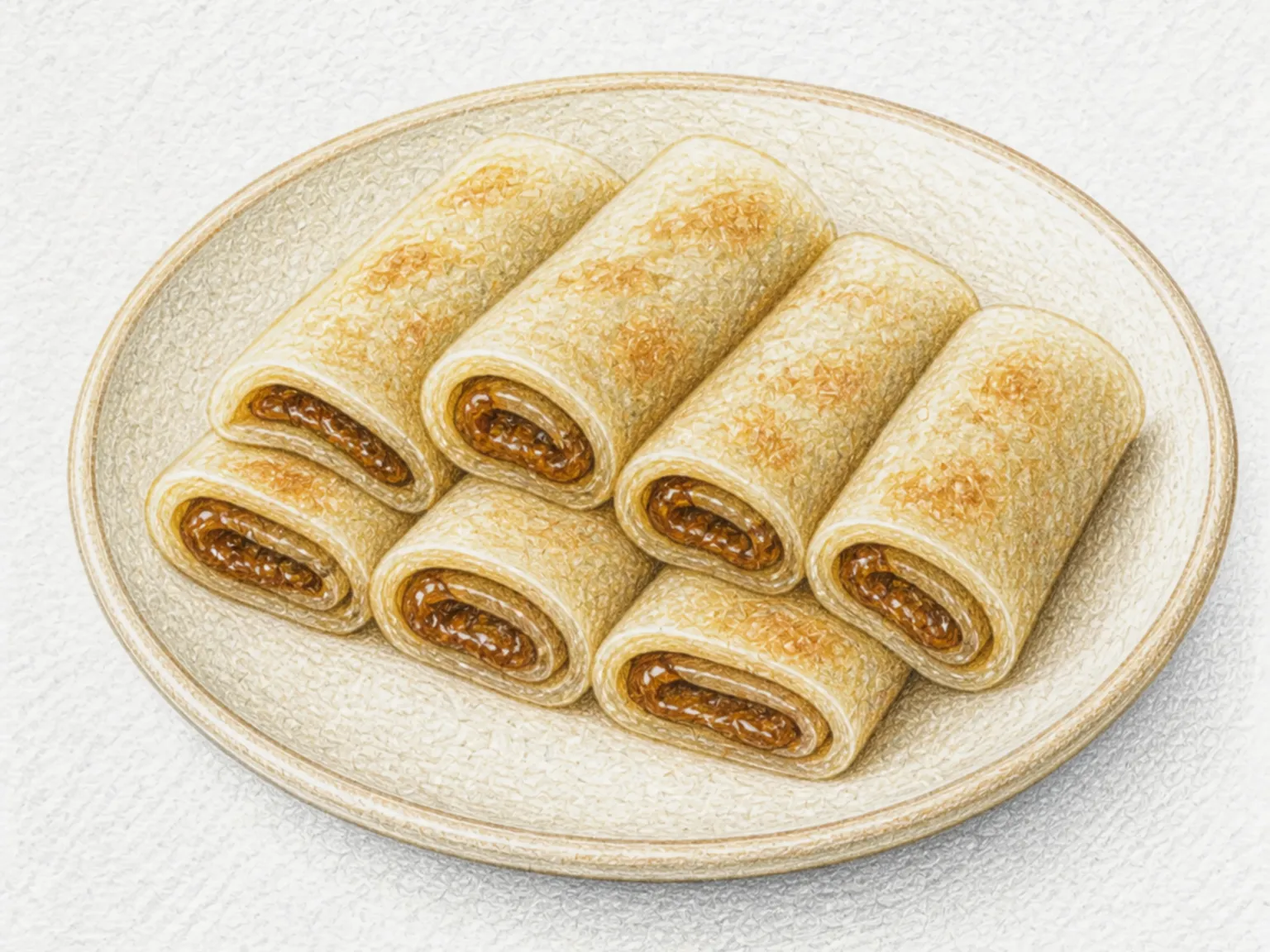
Jiri-yaki is an Oita wheat crepe made by loosening local flour with water and salt, spreading it thinly in a pan, scattering brown sugar over the dry surface, and rolling it while the sugar melts. It was a practical snack between periods of farm work, and its name is linked to the gentle sizzling sound of batter on the pan. The old-style version uses neither egg nor leavening, leaving a thin, pleasantly chewy sheet around a small layer of melted sugar syrup. Resting the very fluid batter hydrates the flour so it spreads evenly without lumps.
Otak-Otak (Southeast Asian Grilled Fish Paste in Banana Leaf)
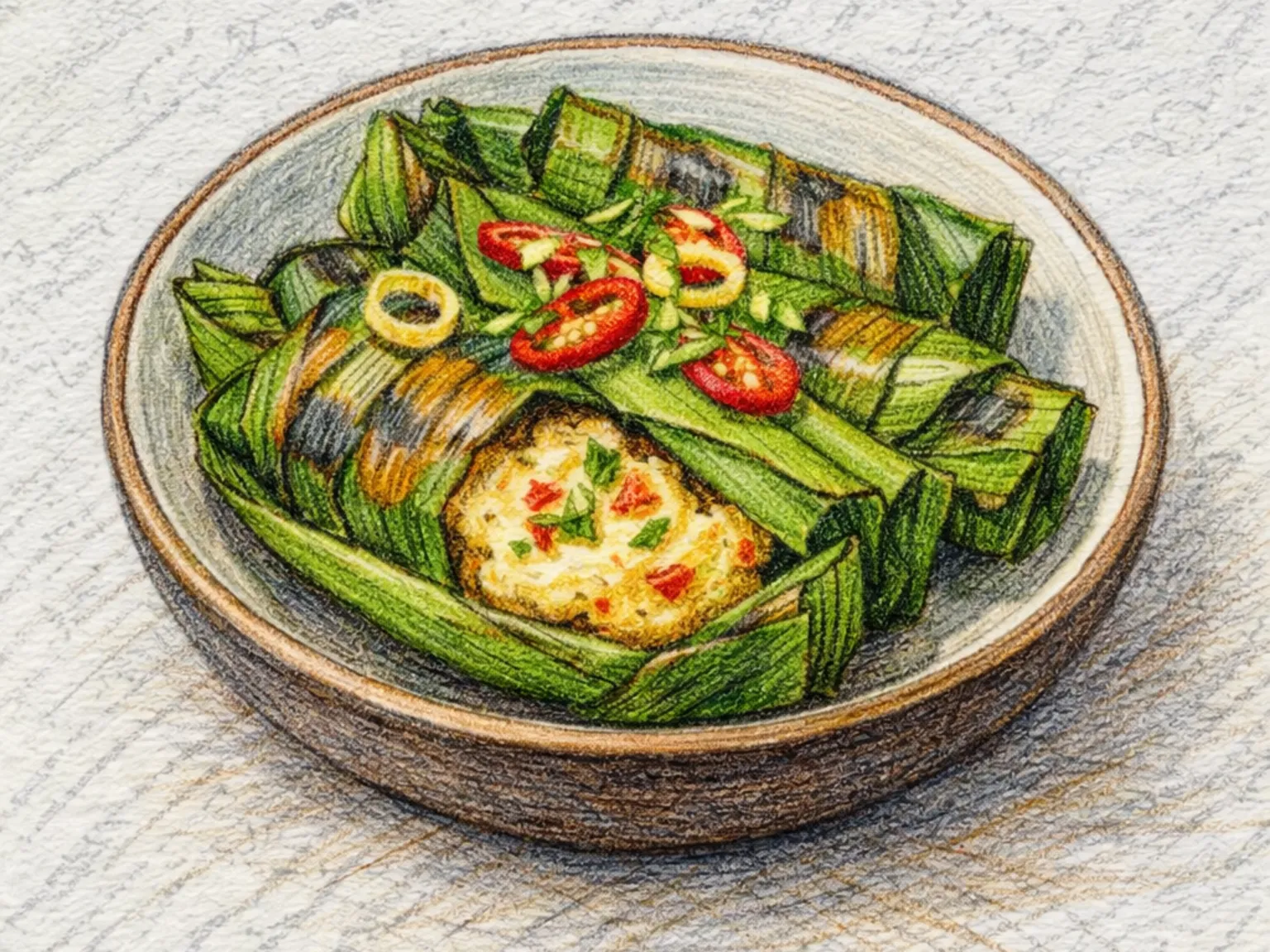
Otak-otak represents a traditional method of preparing grilled fish paste that is prevalent throughout various regions of Southeast Asia. It maintains particularly deep roots within the culinary heritage of Malaysia and Singapore. The process begins by taking fresh white fish and processing it into a very smooth consistency. This fish base is combined with coconut milk, egg whites, and red curry paste to create a uniform mixture. Once the paste is ready, it is spread out in thin layers onto prepared sections of banana leaves. These leaves are then folded to secure the contents before being placed over a charcoal fire for grilling. As the charcoal heat causes the edges of the banana leaves to char, a subtle smoky quality is transferred through the leaf directly into the soft fish mixture contained within. Finely sliced kaffir lime leaves are incorporated into the paste to provide a distinct citrus profile, which serves to balance the inherent fat content of the coconut milk. In terms of its final consistency, this preparation differs significantly from the dense structure typically associated with Western-style fish cakes. It possesses a texture that is more comparable to a firm custard, being notably smooth and moist while remaining soft when bitten into.
Hikado (Yellowtail and Chicken Soup Thickened with Sweet Potato)
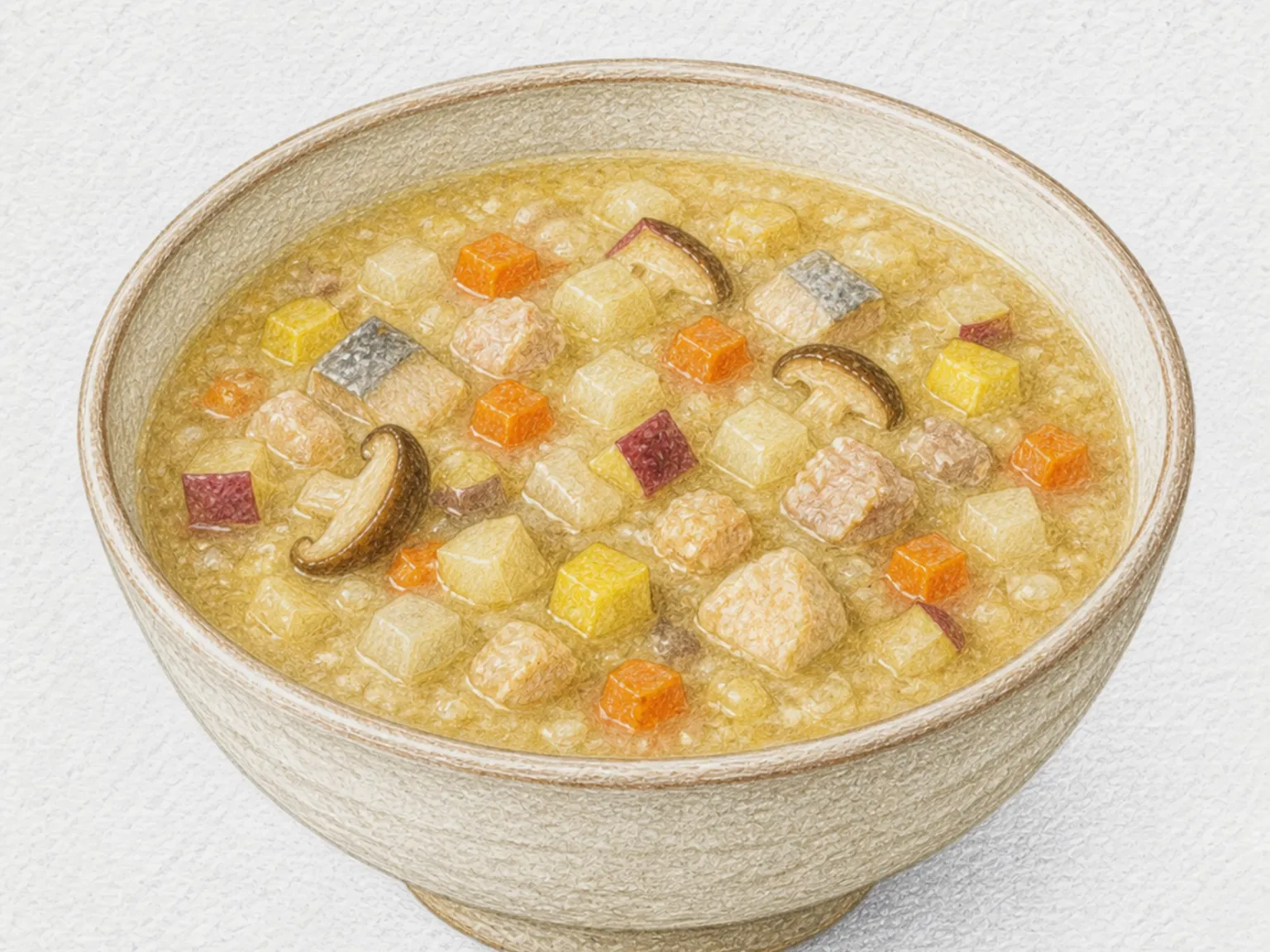
Hikado is a Nagasaki winter soup of yellowtail, chicken, daikon, carrot, dried shiitake, and skin-on sweet potato cut into small even dice and simmered in dashi. Raw peeled sweet potato is grated in at the end to thicken the broth naturally. Its name is linked to the Portuguese word picado, meaning finely chopped, and the dish is said to have developed from Western-style stews encountered through seventeenth-century exchange, adapted to local fish and vegetables. No flour slurry is used, so the sweet potato leaves mild sweetness and a slightly rustic body. Blanch the yellowtail first, then stir after adding the grated potato so it cooks without scorching.
Sunki-zuke (Salt-Free Fermented Turnip Greens)
Sunki-zuke is a Nagano pickle from Kiso made by lactic fermentation of red turnip greens and stems without salt. Since salt provides no preservation barrier, the process requires an active authentic sunki starter, sanitized food-safe equipment, a thermometer, and a way to verify acidity. Cut 3kg greens into 1 to 2cm pieces and warm them in batches in 60C water for 1 to 2 minutes. Reserve that liquid and cool it to 45C. While the greens are still warm, alternate them with 700g active starter in the fermentation vessel, using sanitized tongs instead of bare hands. Pour in enough cooled blanching liquid to cover the greens, hold everything below the surface with a sanitized weight or a sealed food-safe bag filled with water, remove trapped air, and close the vessel. Keep it insulated in a warm place for 24 hours. The next day, use clean utensils to check the aroma and taste, and verify that the liquid has reached pH 4.6 or below. If a clean sourness has not developed or the acidity is insufficient, do not eat the batch and discard it. Once fermentation is confirmed, refrigerate immediately at 4C or colder. For stronger acidity, mature it in the refrigerator for another 2 to 3 days. Do not taste a batch showing mold, a putrid odor, or abnormal ropy slime; discard all of it. Yogurt and ordinary kimchi brine cannot replace active sunki starter.
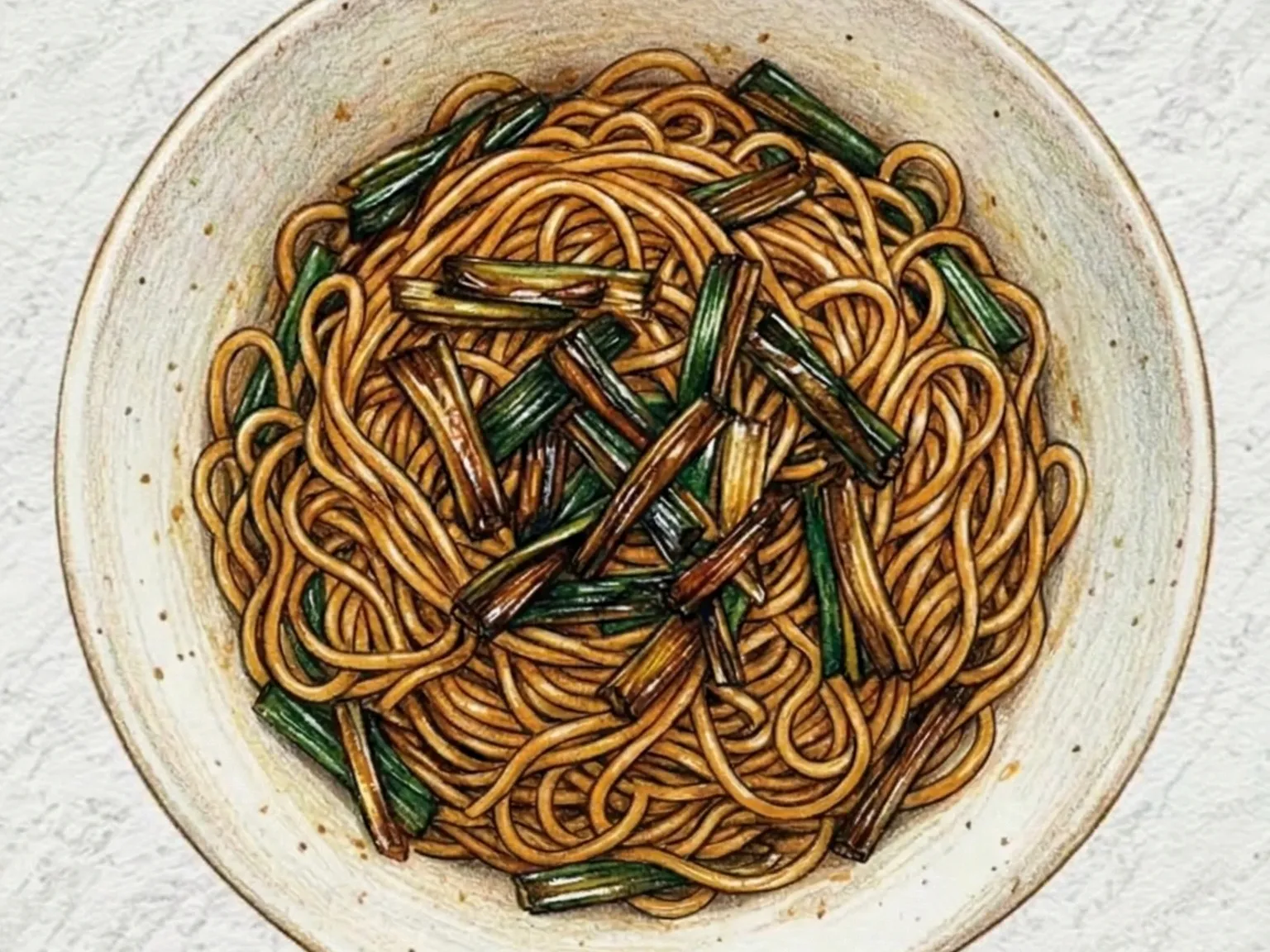
Cong You Ban Mian (Scallion Oil Noodles)
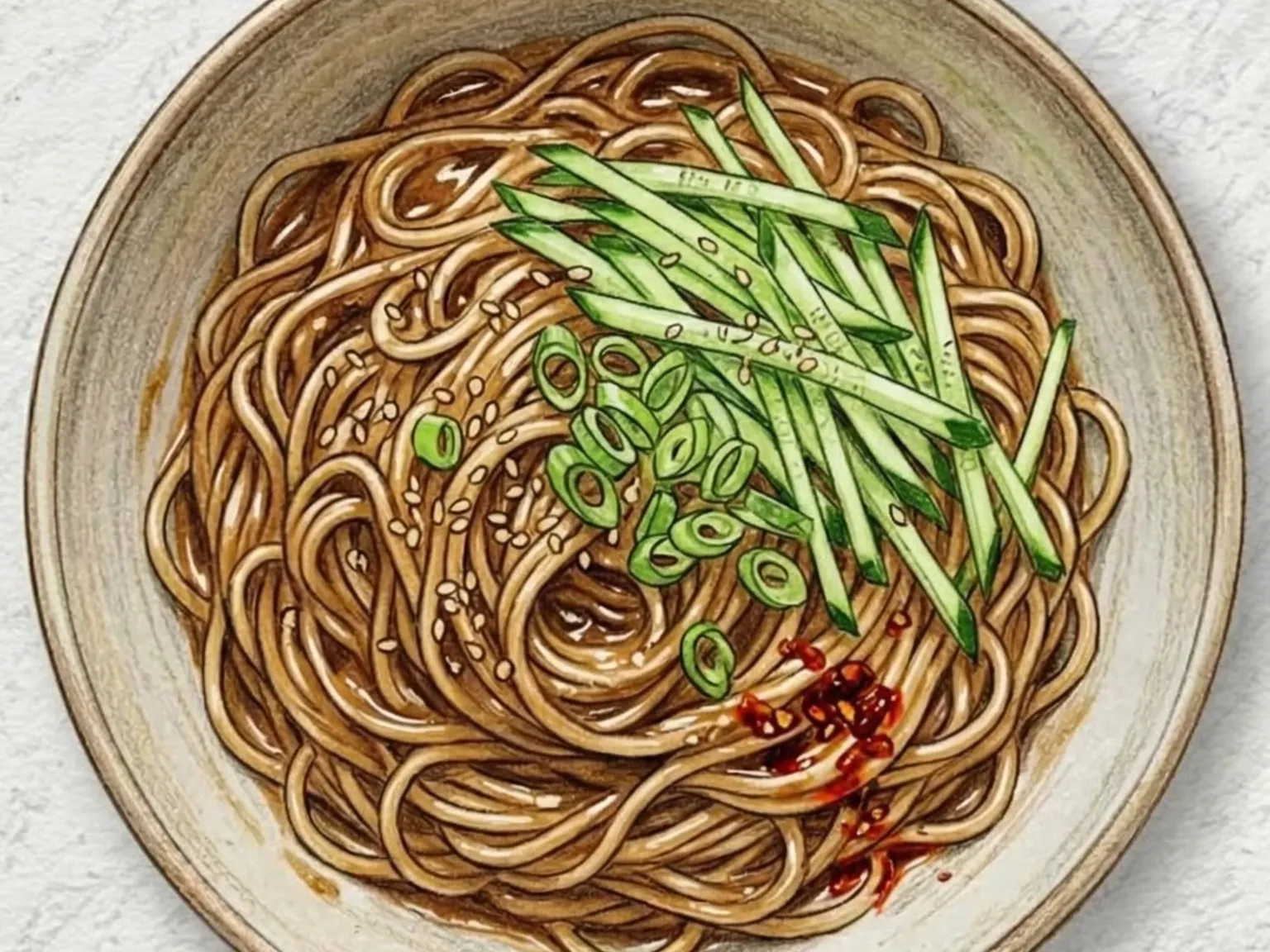
Cong you ban mian - Shanghai scallion oil noodles - is a dish that builds deep flavor from almost nothing: noodles, scallions, soy sauce, and oil. The entire outcome depends on the scallion oil itself. Scallions are fried in neutral oil over the lowest possible heat for nearly thirty minutes until every trace of moisture has evaporated and they darken to a deep, mottled brown, at which point the raw bite of the allium has transformed entirely into a sweet, caramelized fragrance. The margin for error is narrow: too much heat and the scallions scorch into bitterness; too little and the oil stays flat from start to finish, never developing the complexity the dish needs. Freshly boiled noodles are tossed with soy sauce and a generous ladle of the amber oil, then topped with the crisped, shriveled scallion pieces that provide crunch against the yielding noodles. In Shanghai lane-house noodle shops, a bowl costs three yuan and is eaten at the counter most often in the morning - a dish that makes the gap between simple ingredients and technical discipline as visible as possible.
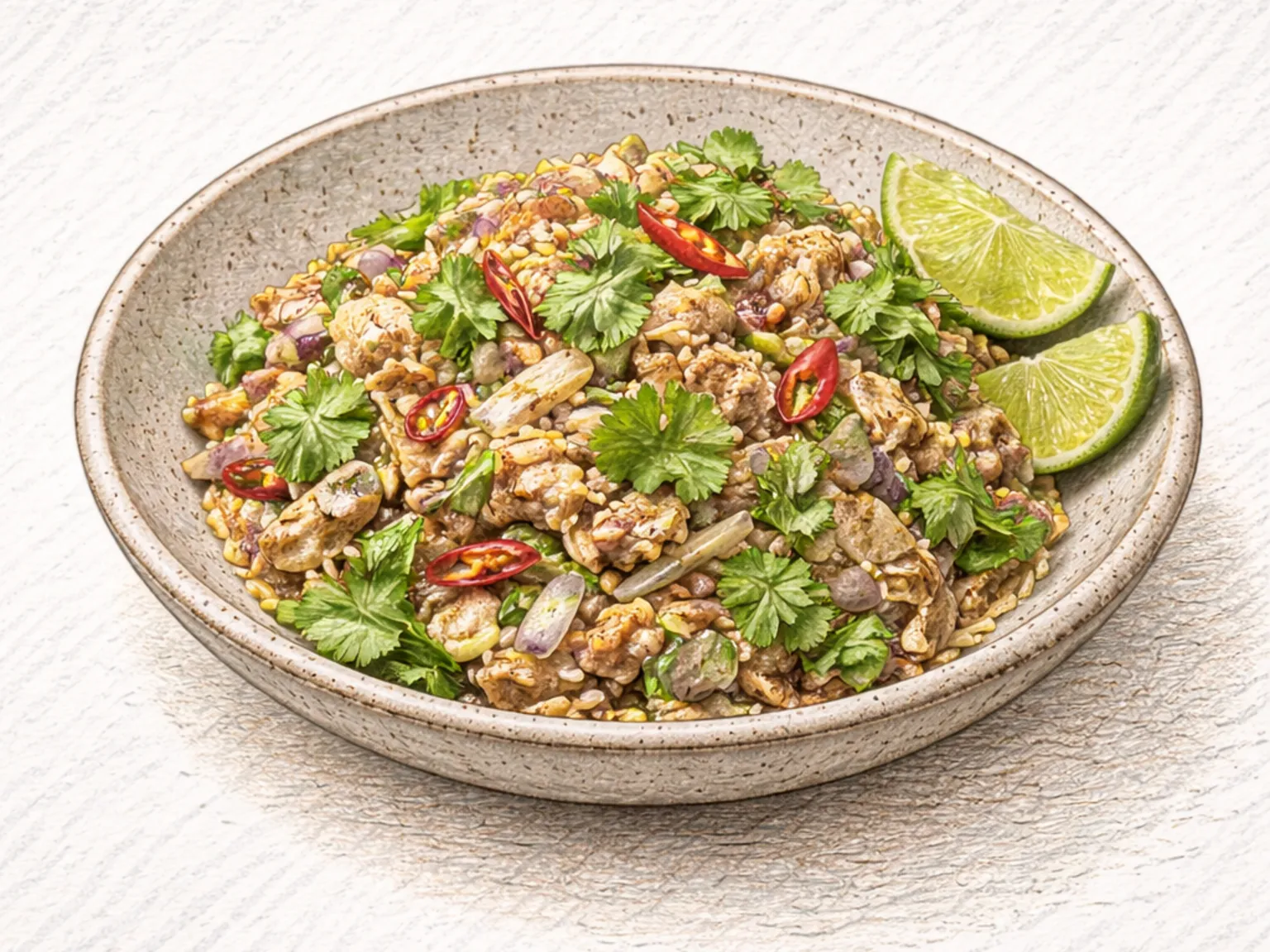
Larb Gai (Thai Isan Minced Chicken Herb Salad with Lime)
Larb Gai is a traditional herb salad from the Isan region of northeastern Thailand, featuring minced chicken as its base. The preparation starts by cooking ground chicken with a small amount of water until it is no longer pink, ensuring the meat remains tender and crumbly. Once removed from the heat, the warm chicken is seasoned with lime juice, fish sauce, sugar, and chili flakes. Adding the lime juice off the heat preserves its natural acidity and bright aroma. Thinly sliced shallots and toasted rice powder are then folded into the mixture. The toasted rice powder acts as a binding agent that absorbs the juices while providing a distinct nutty crunch. Fresh mint leaves are tossed in at the very end to prevent them from darkening. The salad is served alongside sticky rice, lettuce, or cabbage cups.
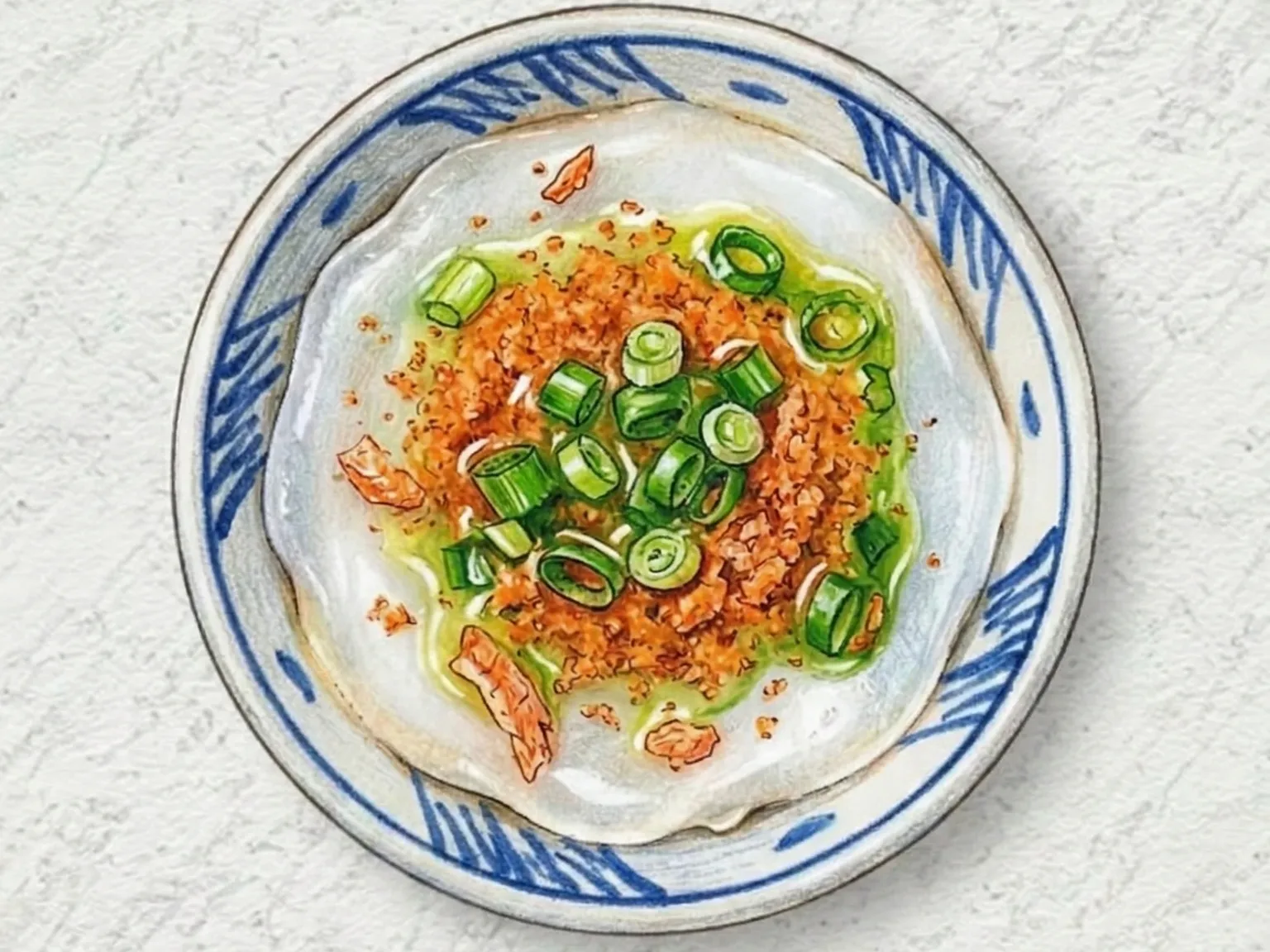
Banh Beo (Hue Steamed Rice Cakes with Shrimp and Scallion Oil)
Banh beo steams a rice flour and tapioca starch batter in small dishes, then tops each cake with shrimp and scallion oil. Whisk the batter until no lumps remain and stir it again just before pouring so the starch stays evenly suspended. Lightly oil the dishes, fill them about 80 percent, and steam over high heat for 7 to 8 minutes. The cakes are set when the edges turn translucent and the centers are opaque. Finely mince the boiled shrimp and toast it in a dry pan until no moisture remains, then warm the scallions gently in oil. Top the cakes with scallion oil and shrimp and serve with the measured fish sauce.
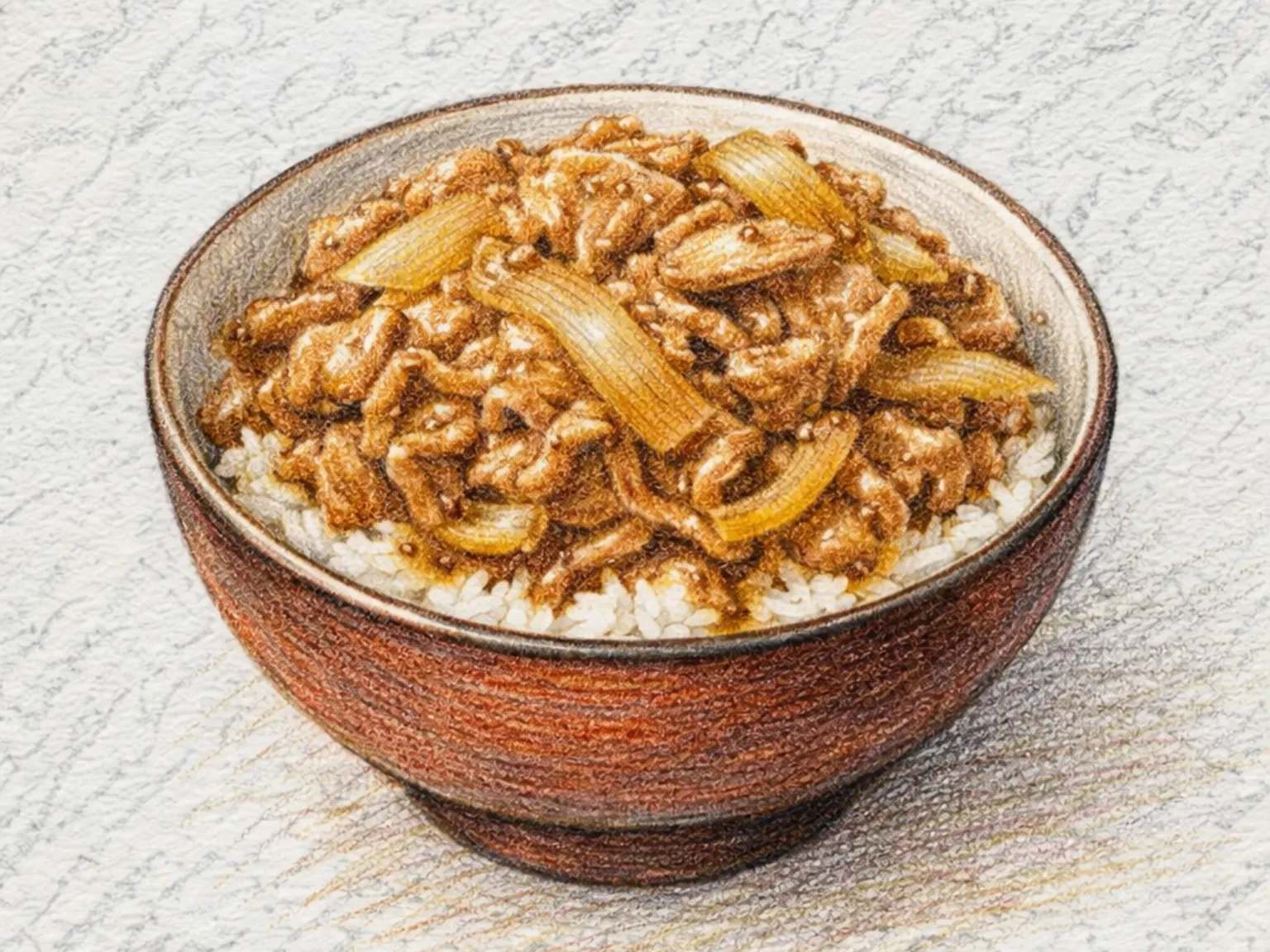
Japanese Beef Bowl (Gyudon)
Gyudon starts with paper-thin slices of beef and thinly cut onion simmered together in a broth of soy sauce, mirin, sugar, and grated ginger. The key is keeping the heat at medium rather than high, which prevents the beef from toughening and allows the onion to break down gently, releasing sweetness into the sauce. As the liquid reduces to a glossy, concentrated state, the flavors intensify into a layered combination of salty, sweet, and faintly sharp ginger notes. A one-minute rest off the heat lets the beef absorb more of the seasoned broth before it goes over the rice. The dish differs from stir-fried beef bowls in that the meat is never seared; instead it poaches in the simmering liquid, staying notably soft. A runny egg on top is traditional and adds richness when the yolk breaks into the sauce.
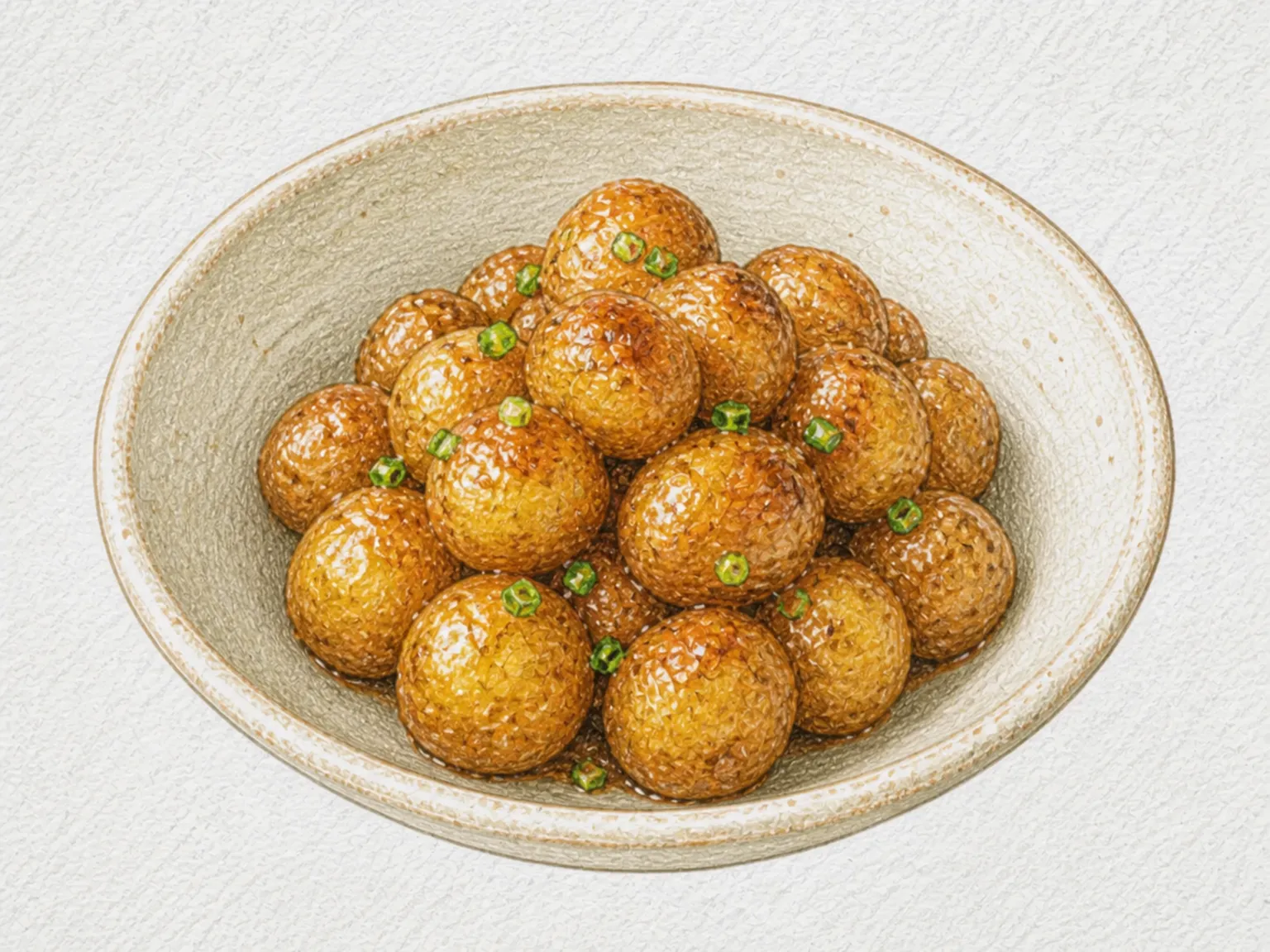
Miso Kanpura (Sweet Miso Baby Potatoes)
Miso kanpura cooks 12 similarly sized small potatoes whole, first rolling them in oil and then simmering them through before the miso coating is reduced. Leave the skins on and scrub away all soil. Set aside noticeably larger potatoes; mixed diameters can leave the large ones firm by the time the smallest begin to split. Warm 3 tablespoons cooking oil in a heavy pot over medium heat and roll the potatoes continuously for 5 minutes. Extend this stage by 1 minute only if the skins are not evenly coated and slightly wrinkled. Pour in 300 ml water, enough to barely cover them, and cover the pot. Simmer for 15 minutes over medium heat, rolling the potatoes once or twice, then test the centers with a skewer. If they remain firm, continue for no more than 5 minutes. Remove the lid once the skewer slides in easily, then reduce the liquid until only about 2 tablespoons remain. Add 2 tablespoons sugar and 2 tablespoons mirin and roll the potatoes again. Dissolve 3 tablespoons miso into the remaining liquid, lower the heat, and shake the pot for 2 minutes. Allow 1 additional minute only if thin liquid remains. Stop once a glossy coating adheres to every skin. Miso and sugar can scorch quickly, so shake the pot instead of stirring hard enough to break the softened potatoes.
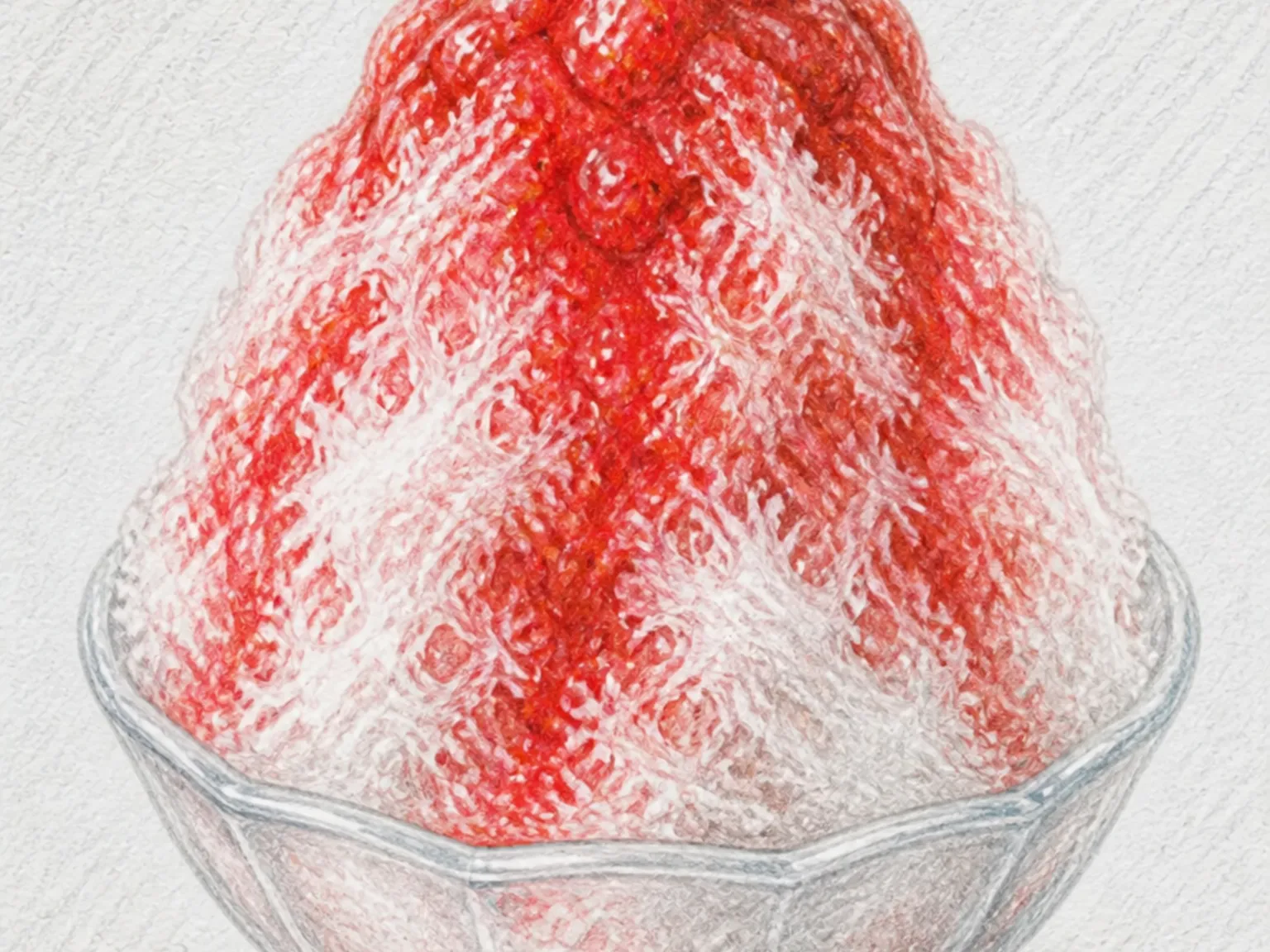
Kakigori (Nara Strawberry Shaved Ice)
Kakigori is Japanese shaved ice made by cutting a block of ice into fine, airy flakes and coating it with syrup. Nara has a particularly long association with ice: Himuro Shrine is said to have been established in 710, and a ceremony offering ice has continued there. The Heian-period essay The Pillow Book also mentions shaved ice served with amazura sweetener. Shops now sell kakigori throughout the year, though it remains most closely linked to hot summer weather. This version uses syrup made from Nara strawberries for a bright regional flavor. Building the ice lightly in chilled bowls and adding the syrup in several passes lets flavor reach the center without compressing the delicate flakes, producing a soft mound that should be eaten immediately.
Paneer Tikka (Indian Spiced Yogurt-Marinated Grilled Cheese Skewer)
Paneer tikka is an Indian grilled appetizer where cubes of paneer cheese and vegetables are marinated in spiced yogurt and cooked over high heat until charred at the edges. The marinade combines plain yogurt with chili powder, turmeric, garam masala, and lemon juice, creating a thick coating that clings to each cube. After marination, the spices penetrate the surface while the yogurt adds tang. Bell peppers and onion chunks are threaded between the paneer pieces, and their natural sugars caramelize during grilling. The goal is to cook quickly so the exterior gets smoky char marks while the inside stays soft. Mint chutney on the side completes the dish.
About Asian
Each country brings its own signature spices and sauces, so even the same ingredients can produce completely different flavors. With a few key pantry items - coconut milk, fish sauce, curry powder, doubanjiang - you can recreate the tastes of Asia at home.