Asian

Asian Recipes

806 recipes. Page 19 of 34

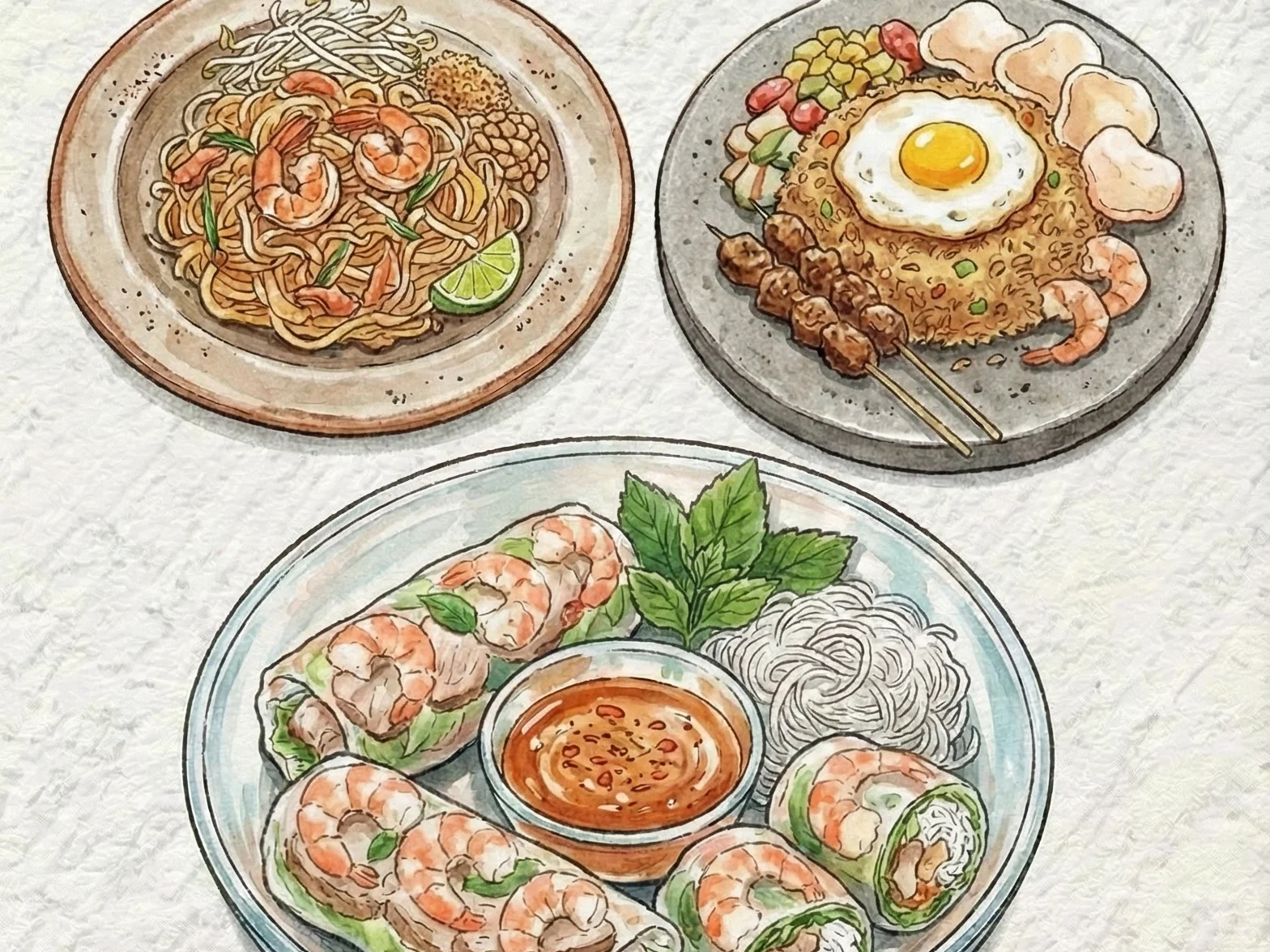
The Asian category gathers popular dishes from Japan, China, Thailand, Vietnam, India, and beyond. Curry, stir-fried noodles, mapo tofu, pad Thai, and pho are among the Asian favorites commonly enjoyed in Korean households.

Asian
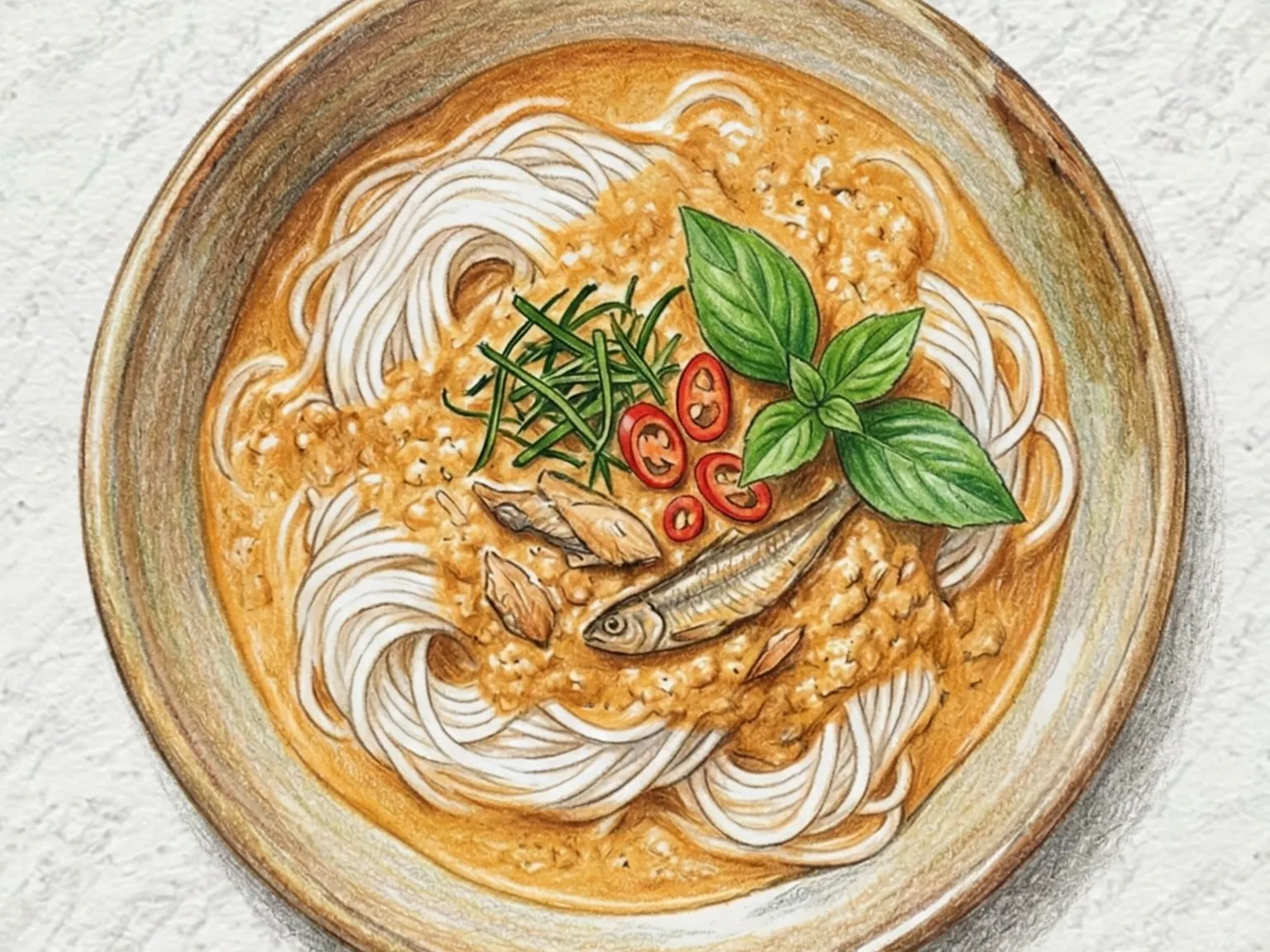
Khanom Jeen Nam Ya (Thai Fermented Rice Noodles in Fish Curry)
Noodles Hard

Khanom Jeen Nam Ya (Thai Fermented Rice Noodles in Fish Curry)

Khanom jeen nam ya is a traditional Thai dish of fermented rice noodles bathed in a thick, fragrant curry sauce built from fish and coconut milk. White fish fillets are poached with lemongrass and kaffir lime leaves, then flaked and folded into a simmering pot of red curry paste and coconut milk. The fish dissolves into the sauce, lending body and a subtle marine sweetness that balances the heat of the curry. Fish sauce sharpens the salt, and palm sugar rounds off the edges. The finished sauce is ladled generously over coiled bundles of the thin, slightly sour fermented noodles. A spread of raw garnishes - bean sprouts, morning glory, green beans, shredded cabbage, and fresh chili - accompanies each serving, letting diners customize texture and freshness with every bite. The dish traces its origins to royal Thai cuisine but is now a common sight at market stalls across the country.

🎉 Special Occasion 🌙 Late Night
Prep 25min Cook 30min 4 servings
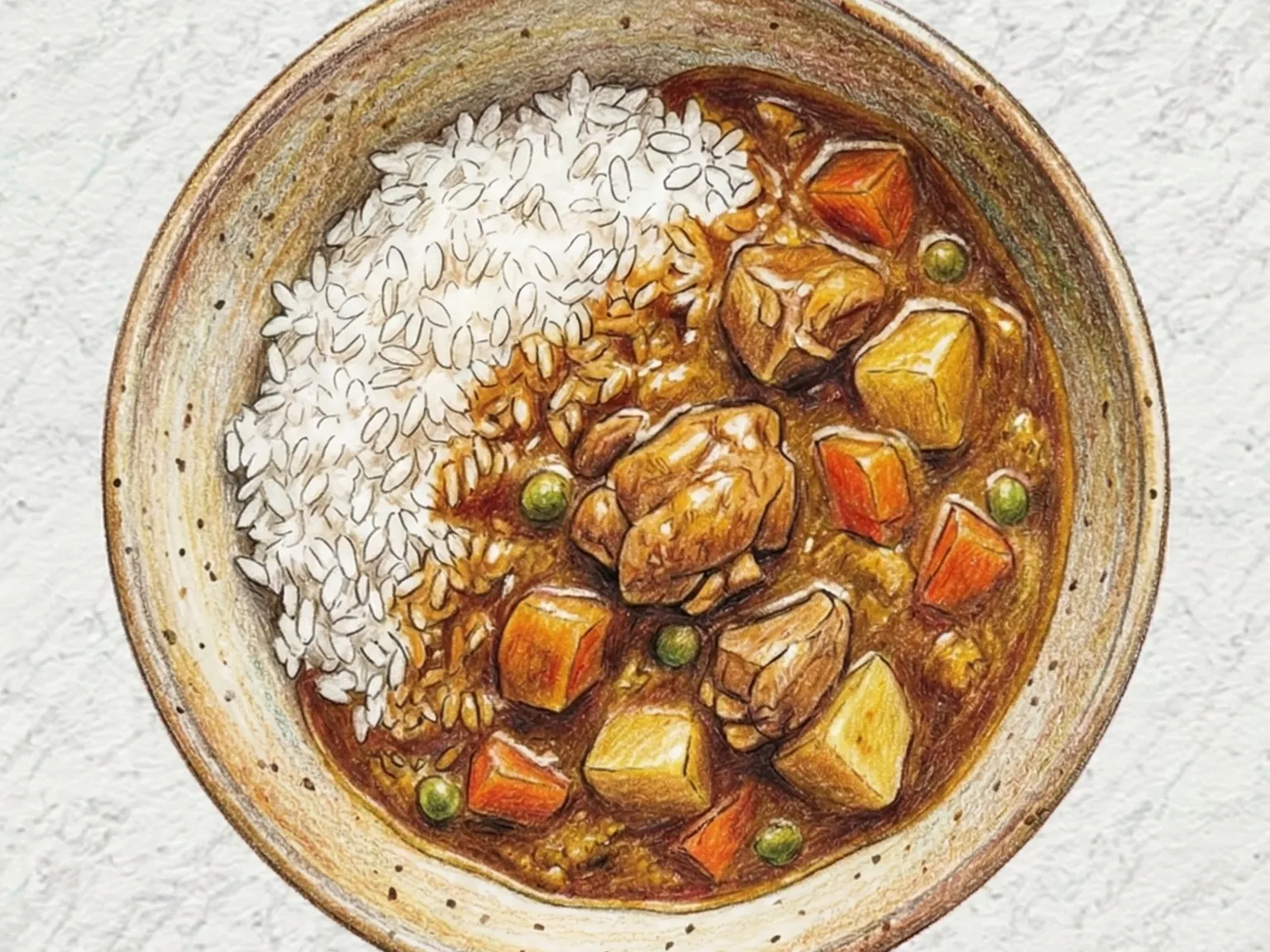
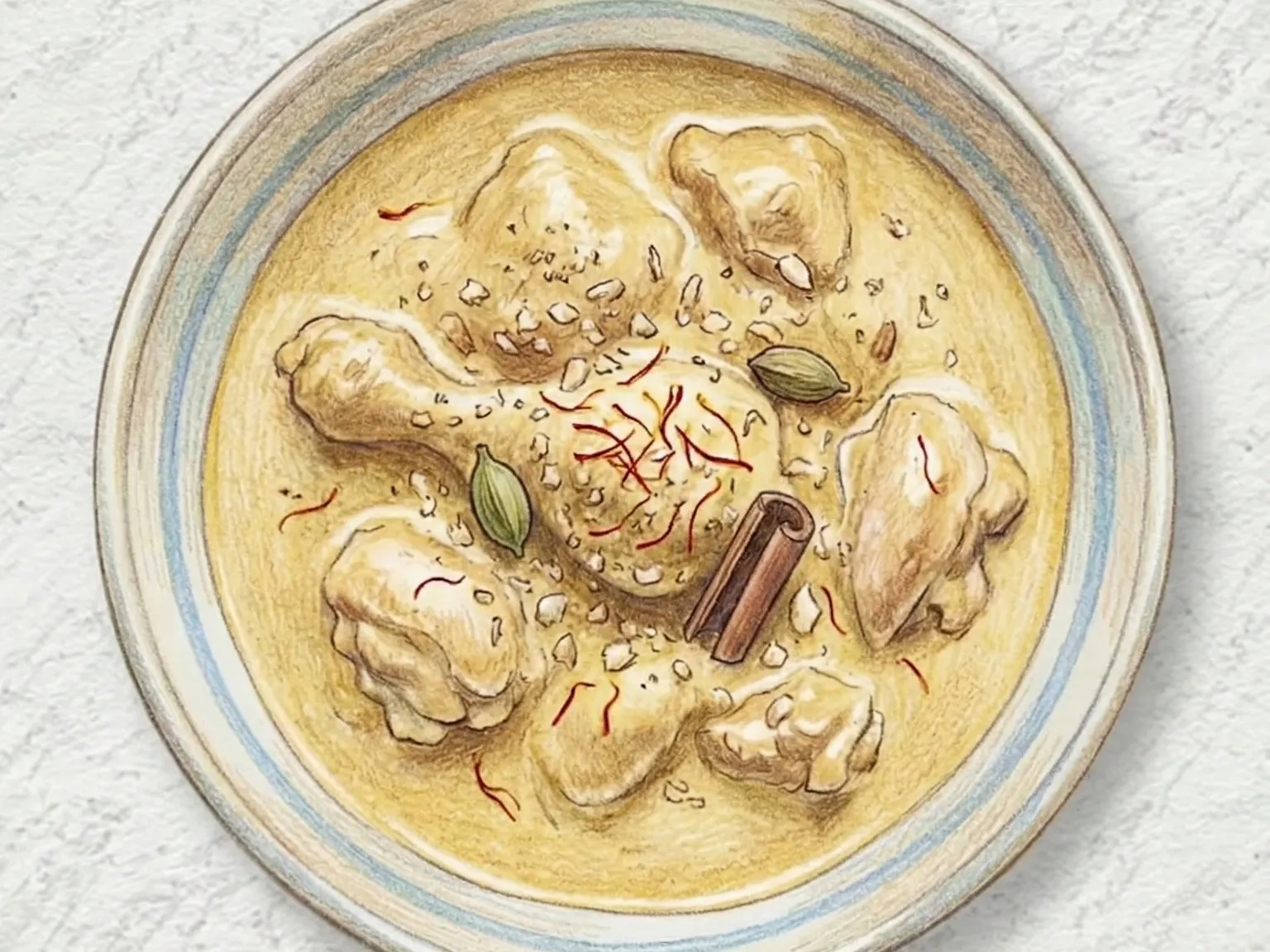
Chicken Korma (Creamy Cashew Curry)
Asian Medium

Chicken Korma (Creamy Cashew Curry)

Chicken korma developed in the kitchens of the Mughal courts, where cooks built dishes around layered subtlety rather than raw heat. The sauce begins with cashews or almonds soaked overnight and ground into a fine paste, which gives the gravy a velvety body and toasted-nut richness without any cream. Chicken is marinated in yogurt with whole spices - cardamom pods, cloves, cinnamon sticks, and mace blades - then brought to a low simmer where the warm aromatics slowly infuse the liquid and meet the tang of the yogurt, producing a flavor that is complex yet entirely without aggression. Saffron dissolved in warm milk and stirred in near the end stains the sauce a deep gold and adds a faint floral quality, two elements that mark a properly made korma. The dish is frequently recommended to diners encountering Indian food for the first time because of its mildness, but the dense nut-paste base, the careful balancing of a dozen aromatics, and the slow integration of yogurt make korma one of the most technically demanding preparations in the North Indian canon - far more than a simple mild curry.

🎉 Special Occasion 🍺 Bar Snacks
Prep 20min Cook 35min 4 servings
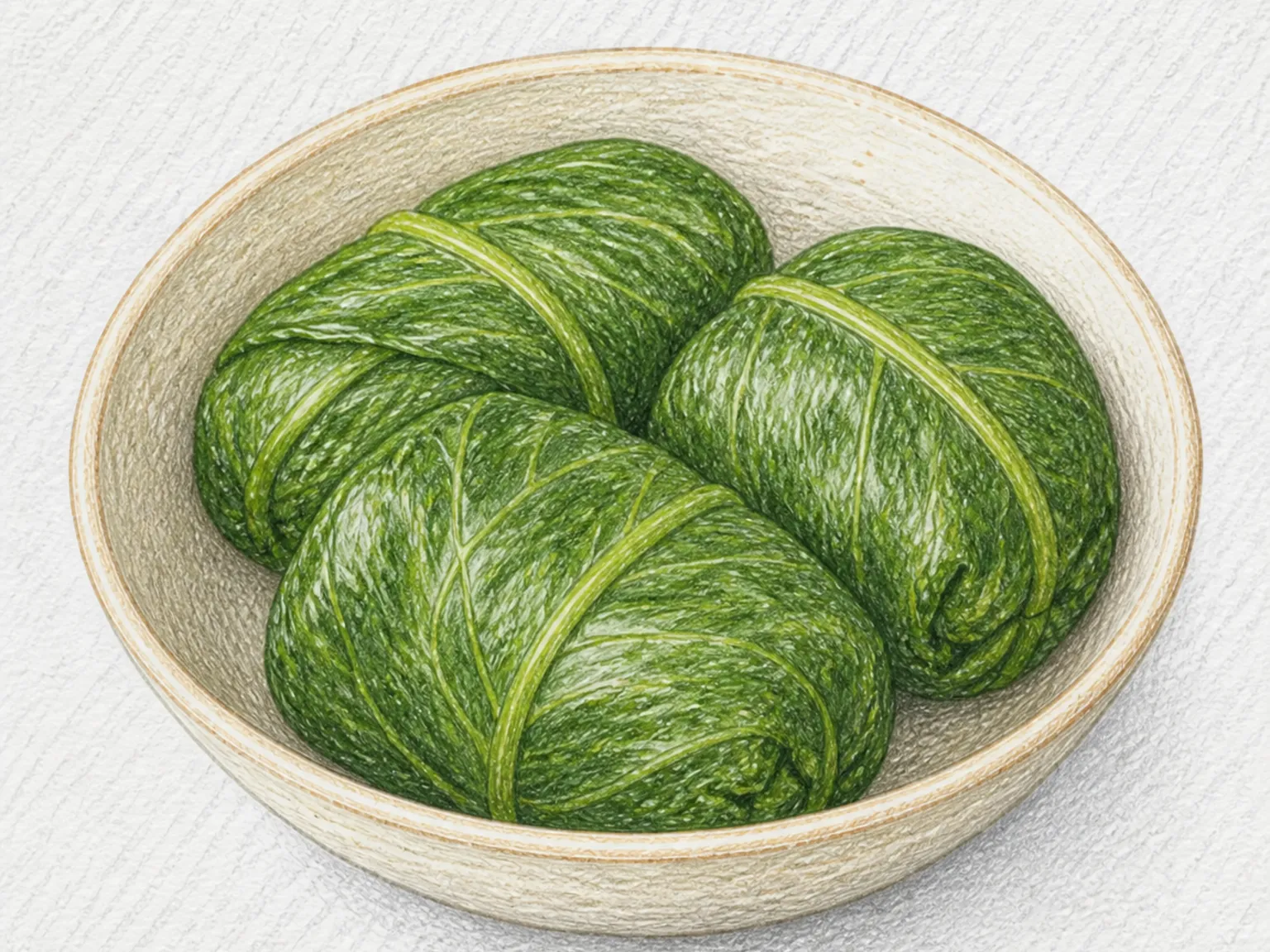
Mehari-zushi, Takana-Wrapped Rice Balls
Rice Easy

Mehari-zushi, Takana-Wrapped Rice Balls

Mehari-zushi is a southern Wakayama specialty in which large rice balls are completely enclosed in salt-pickled takana mustard leaves. It developed as a portable meal for forestry workers in the mountains and fishers at sea, since the leaf wrapper makes the rice easy to hold and eat. Several explanations survive for its name: the wide-open mouth needed for a large piece, eyes widening at the taste, or the rice being tightly sealed with no gap. In this version, the firm takana stems are chopped and mixed into soy-and-mirin-seasoned rice, while the leaves are moistened with a little vinegar seasoning before wrapping.

🍱 Lunchbox 🏠 Everyday
Prep 25min Cook 35min 3 servings
Shusse Imo Sweet Potato Wrapped in Red Bean Paste
Desserts Easy

Shusse Imo Sweet Potato Wrapped in Red Bean Paste

Shusse imo is a Tokushima confection that wraps a neatly shaped cylinder of steamed sweet potato in smooth red bean paste, chills the roll, and cuts it into rounds. Its playful name, meaning a potato that rose in status, is linked to a time when Tokushima sweet potatoes were shipped through Osaka under the name of a larger producing area. A slender potato gives an even core and makes the surrounding layer of bean paste easier to keep thin and regular. Steaming the potato in its skin, rather than boiling it in water, preserves its flavor while softening it throughout. The skin is removed while warm and only the thick areas are trimmed. Bean paste is spread into a rectangle on plastic wrap, rolled snugly around the potato, and rested in the refrigerator. Cutting through the wrap into pieces two to three centimeters thick keeps the round cross-section clean.

🧒 Kid-Friendly 🎉 Special Occasion
Prep 20min Cook 35min 4 servings
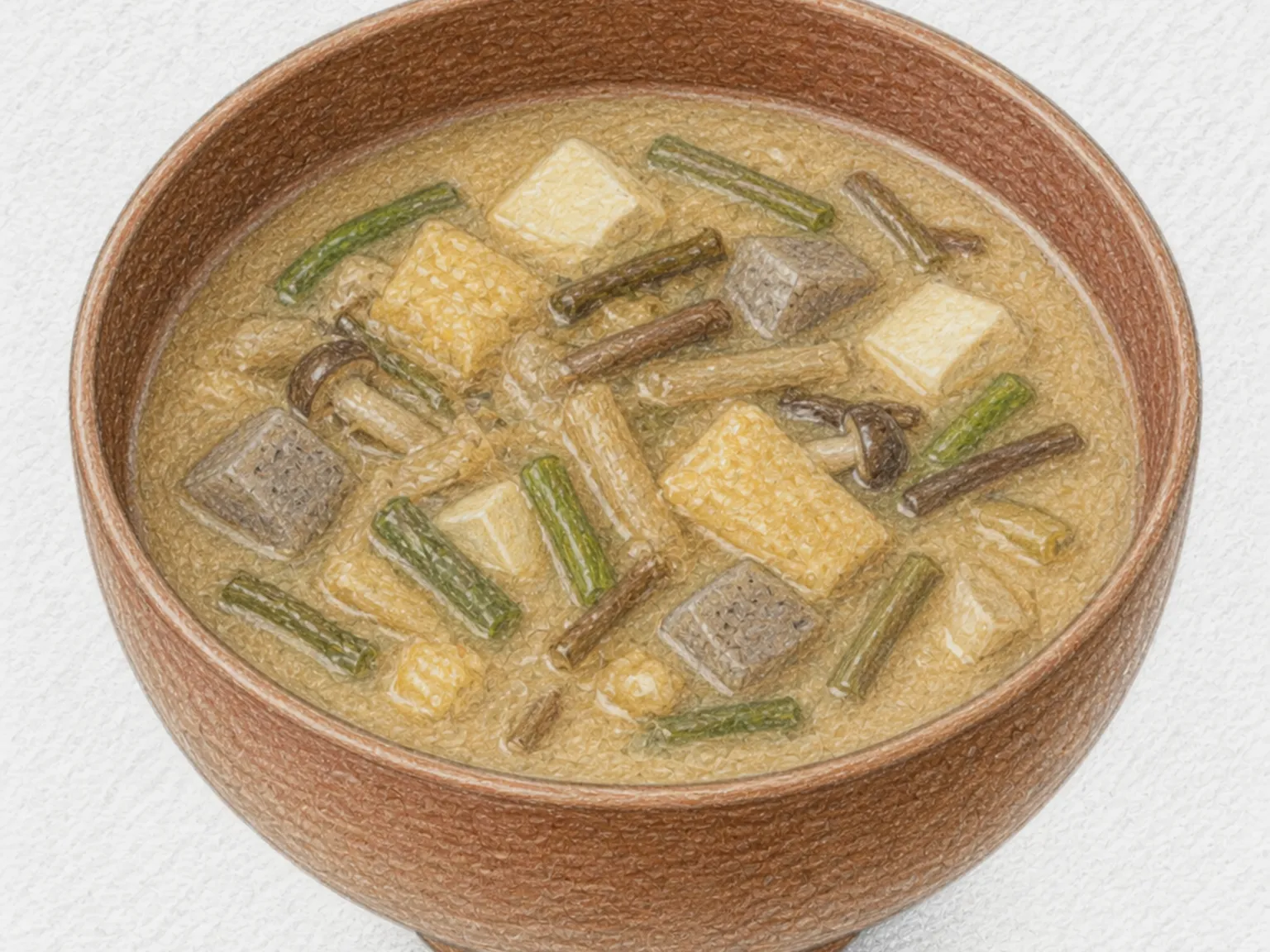
Natto Jiru Ground Natto Miso Soup
Soups Medium

Natto Jiru Ground Natto Miso Soup

Natto jiru is a Yamagata winter home soup that grinds natto until the beans nearly disappear, then dissolves it into miso broth filled with dried taro stems, tofu, fried tofu, konnyaku, mushrooms, and mountain vegetables. The dish drew on preserved foods such as homemade natto, dried imogara stems, and salted greens to endure winters with limited fresh ingredients. Depending on the area, it also appeared at New Year, Nanakusa, and Daikokusama observances. Natto is pressed bean by bean in a mortar rather than whipped into long strings, producing a smoother paste that disperses through the soup. Imogara is soaked in warm water and rinsed, while fried tofu and konnyaku are separately blanched before all the ingredients are cut to similar dice. Once the solids are tender, miso seasons the broth slightly strongly. Heat is turned off before the ground natto enters, and reheating stops just short of a boil to preserve fermented aroma and gentle viscosity.

🏠 Everyday
Prep 35min Cook 30min 5 servings
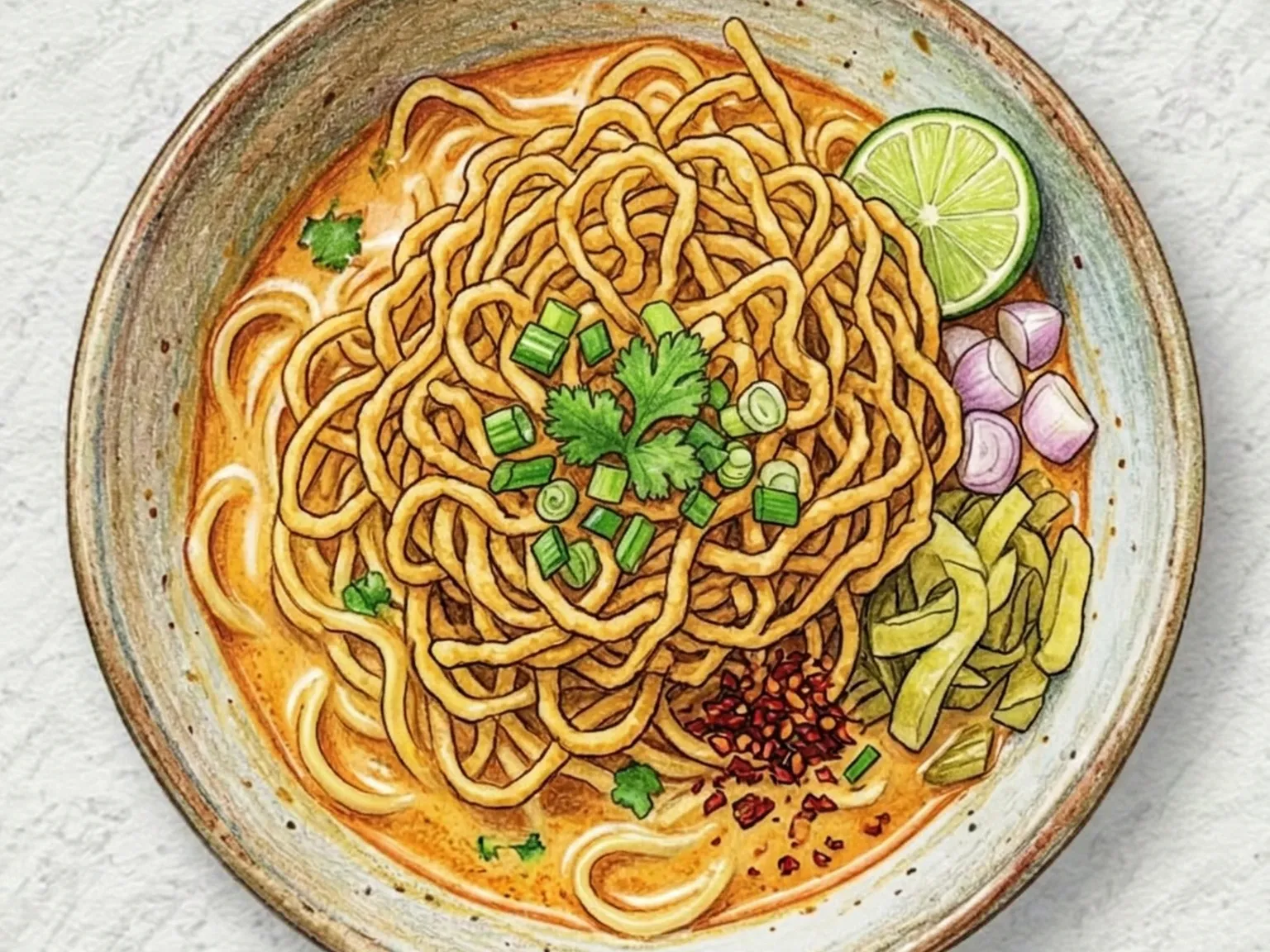
Northern Thai Coconut Curry Noodles
Noodles Medium

Northern Thai Coconut Curry Noodles

Khao soi is a coconut curry noodle soup from northern Thailand's Chiang Mai region. Red curry paste is fried in coconut cream until fragrant, then combined with more coconut milk and chicken stock to form a thick, spiced broth. Bone-in chicken thighs simmer in this liquid for about 20 minutes until the meat turns fork-tender. Egg noodles are boiled separately and placed in the bowl, but what sets the dish apart is a handful of the same noodles deep-fried until crisp and scattered on top - the crunch against the soft, soupy noodles below creates a sharp textural contrast. Shallots, cilantro, and a squeeze of lime cut through the richness, while fish sauce and a touch of sugar fine-tune the balance between salty, sweet, and sour.

🎉 Special Occasion 🌙 Late Night
Prep 20min Cook 30min 2 servings
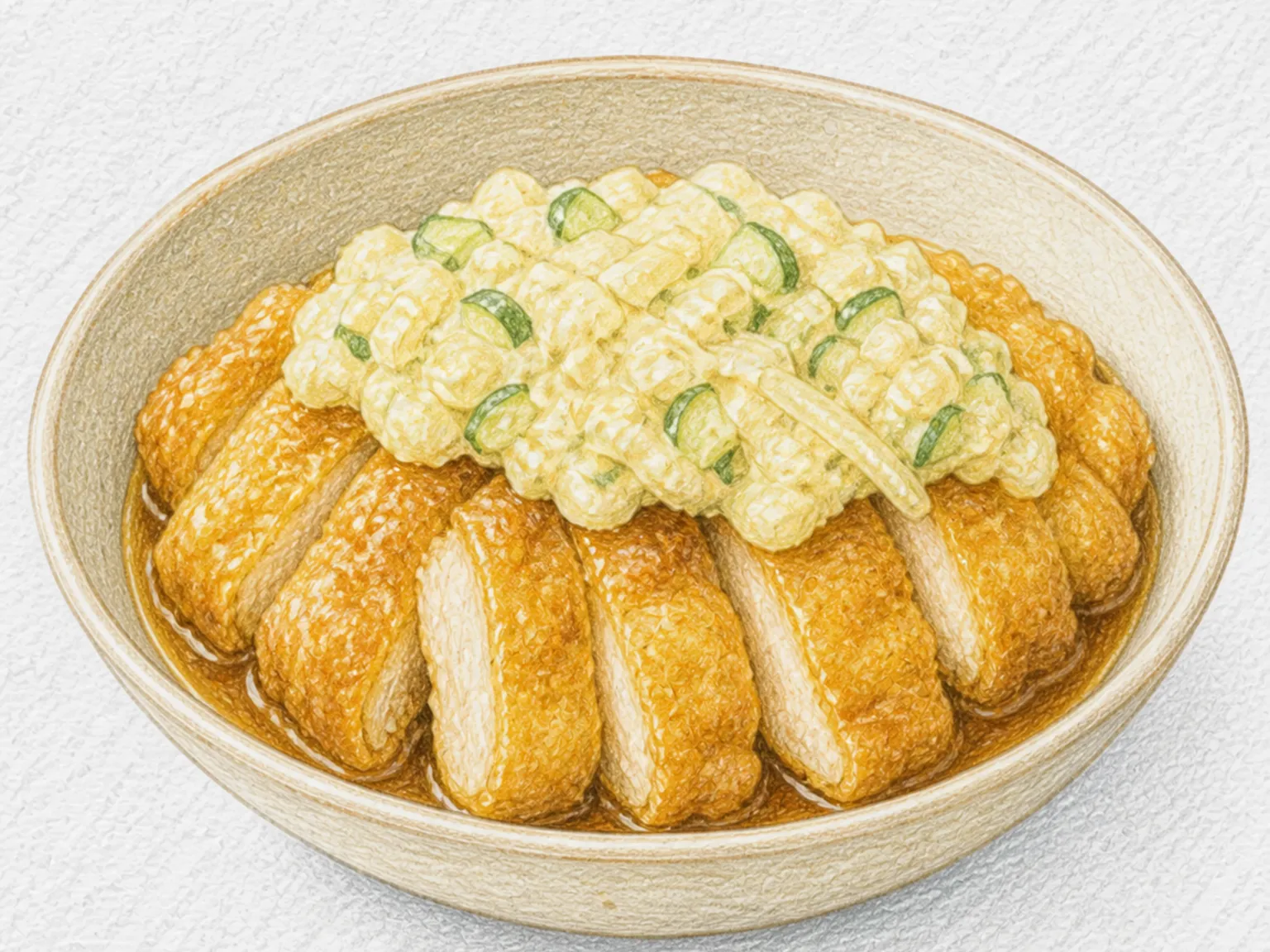
Chicken Nanban
Asian Medium

Chicken Nanban

Chicken nanban is a Miyazaki dish of fried chicken breast dipped in warm sweet vinegar and finished with chilled tartar sauce. For two servings, flatten 240 g chicken breast to an even thickness, season it with 0.4 g each salt and pepper, coat it lightly with 20 g cake flour, and then cover every side with 34 g beaten egg. Applying the egg after the flour gives the nanban vinegar a continuous coating to soak into. Make the dressing by bringing 18 g dark soy sauce, 18 g light soy sauce, 9 g mirin, 30 g rice vinegar, 30 g sugar, and a pinch of shichimi to one boil. Heat 500 ml frying oil to 170°C and cook the chicken until the coating is golden and the thickest part reaches 75°C at the center. Drain it only briefly, then turn it in the warm dressing while the crust is still hot. Remove it and rest for 2 minutes before slicing. The tartar sauce combines 36 g mayonnaise, 10 g chopped boiled egg, 20 g cucumber, 20 g onion, 2 g ketchup, and 3 g sugar. Keep this sauce cold until the sliced chicken is plated. The order matters: the chicken must be fully cooked before soaking, and it needs to enter the nanban vinegar while hot so the dressing reaches the egg coating evenly.

🏠 Everyday 🎉 Special Occasion
Prep 20min Cook 20min 2 servings
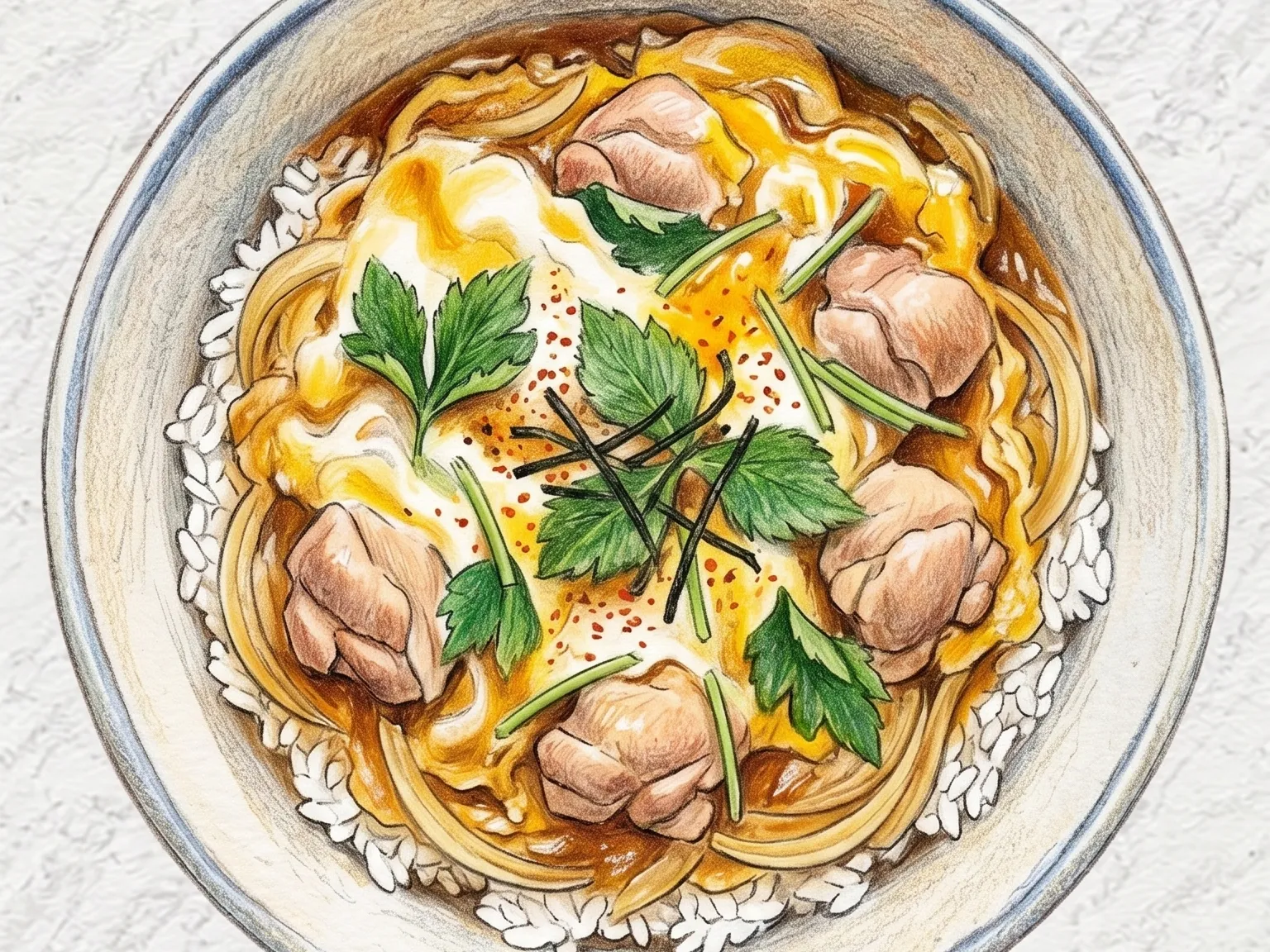
Mitsuba Oyakodon (Japanese Chicken Egg Rice Bowl with Mitsuba Herb)
Rice Easy

Mitsuba Oyakodon (Japanese Chicken Egg Rice Bowl with Mitsuba Herb)

This Japanese chicken and egg rice bowl features chicken thighs and sliced onions simmered in dashi stock, soy sauce, and mirin. The chicken is cut into bite-sized pieces and cooked in the broth until tender. Beaten eggs are added in two batches: the first half is allowed to set slightly before the remainder is poured, creating a mixture of firm and silky, runny textures. To keep the egg texture soft, it is important not to overbeat the eggs before cooking. Fresh mitsuba, a Japanese wild parsley, is cut into four-centimeter pieces and placed on top during the last twenty seconds of cooking with the lid closed. This brief steaming preserves its delicate celery-like fragrance and green color. Letting the dish rest off the heat for thirty seconds before serving over warm rice ensures a smooth custard-like texture that coats each grain.

🏠 Everyday ⚡ Quick
Prep 12min Cook 15min 2 servings
Mushi Decchi Yokan (Bamboo-Wrapped Steamed Red Bean Yokan)
Desserts Medium

Mushi Decchi Yokan (Bamboo-Wrapped Steamed Red Bean Yokan)

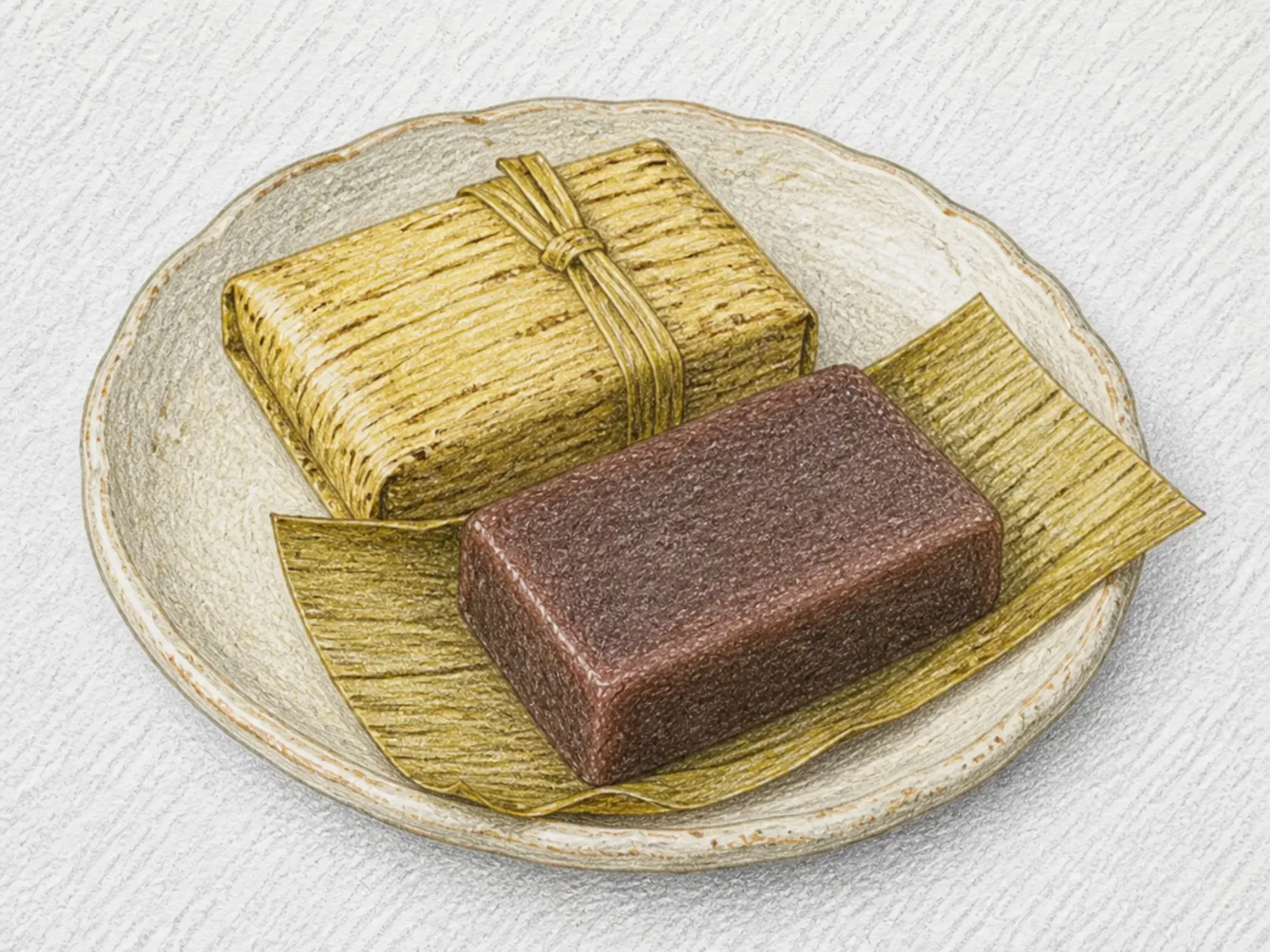
Mushi decchi yokan is a traditional sweet from the Omi area of Shiga. Smooth red bean paste is mixed with wheat flour, flattened inside bamboo sheaths, and steamed. Unlike firm yokan set with agar, this version uses 80g flour to bind 400g anko, creating a dense, gently chewy texture during 15 minutes of steaming. The bamboo wrapping protects the surface from drying and adds a faint aroma. Water is worked into the bean paste little by little before sifted flour is mixed in, preventing pale flour pockets. Each parcel is pressed with a light weight while hot so it cools into a thin, even slab. Once completely cool, the bamboo is unwrapped and only the yokan is sliced and served.

🎉 Special Occasion
Prep 30min Cook 15min 4 servings
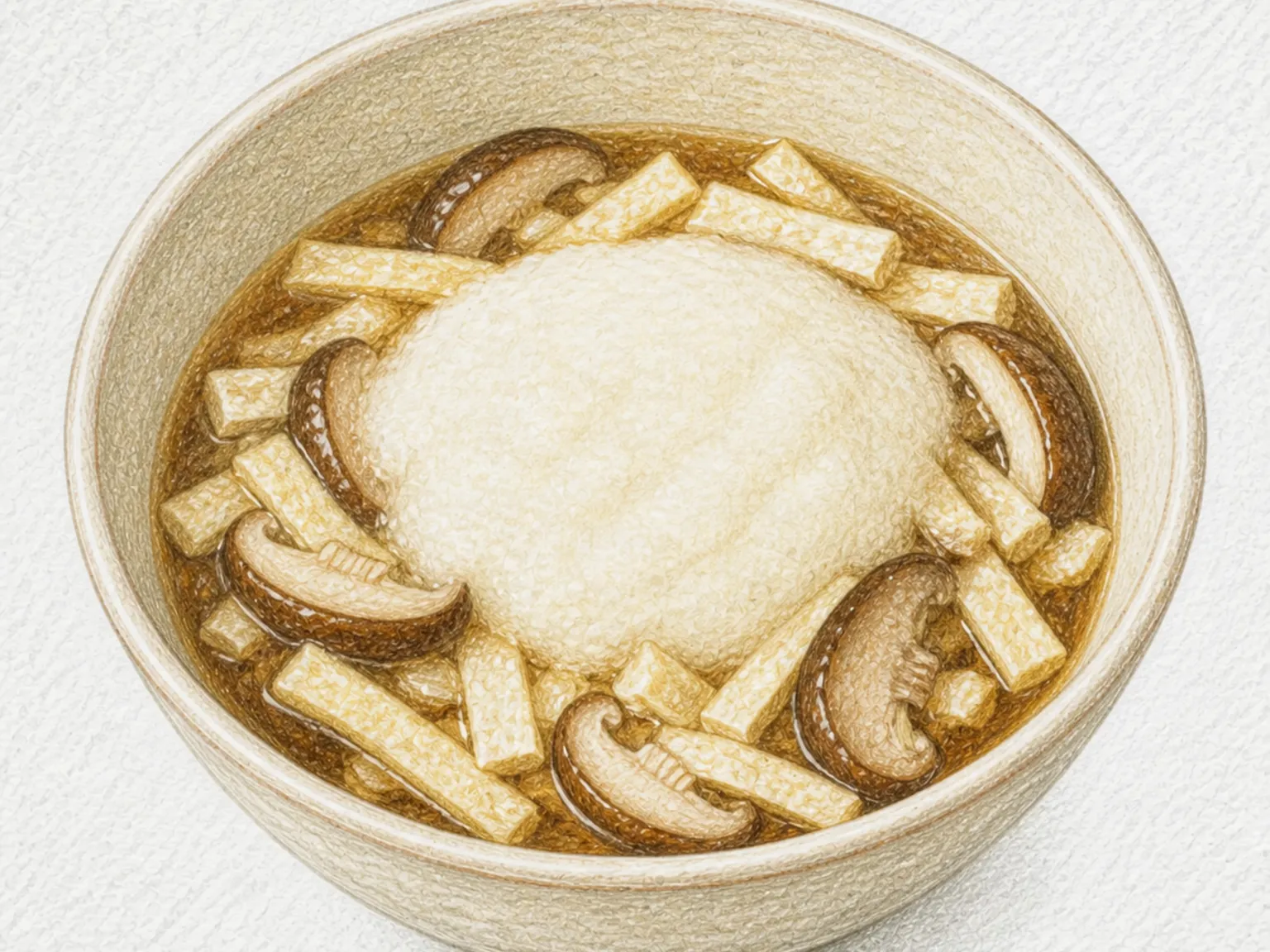
Nuppei-jiru or Hachihai-jiru (Tofu Soup with Grated Yam)
Soups Medium

Nuppei-jiru or Hachihai-jiru (Tofu Soup with Grated Yam)

Nuppei-jiru, also called hachihai-jiru, is an Iwate Buddhist-style soup. Matchstick-cut tofu simmers in soy-seasoned broth made from kombu and dried shiitake, then each bowl receives a ladle of raw grated nagaimo mixed with daikon juice. This formal version is the nuppei style in which yam spreads softly over the hot soup, rather than the hachihai variation that thickens the whole pot with potato starch. The name hachihai is linked either to making eight bowls from one tofu block or to wanting many refills. Nagaimo can irritate skin when grated, so wear gloves and serve it immediately under piping-hot broth.

🏠 Everyday 🥗 Light & Healthy
Prep 35min Cook 20min 4 servings
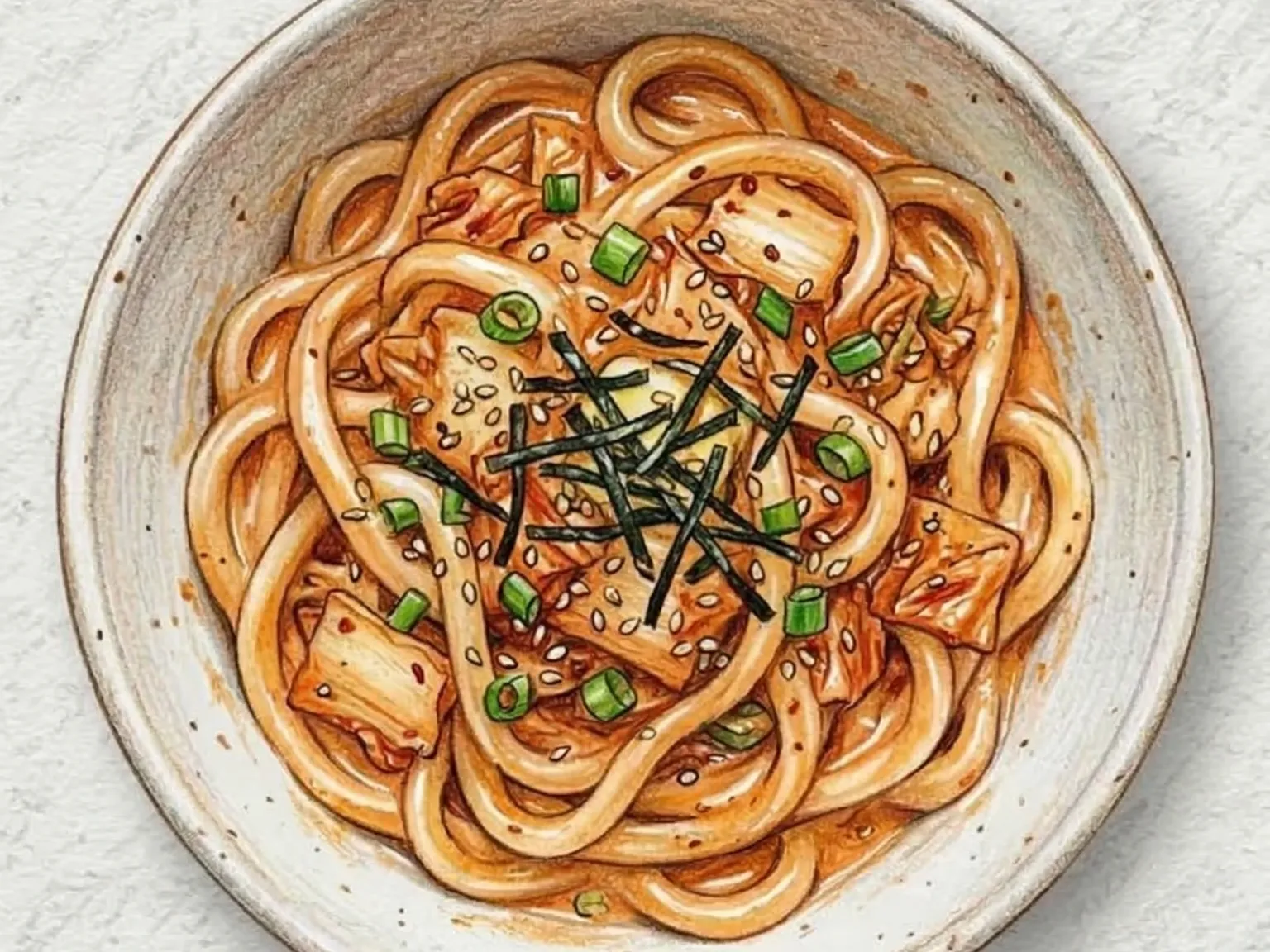
Kimchi Butter Udon (Tangy Kimchi Stir-Fried in Butter)
Noodles Easy

Kimchi Butter Udon (Tangy Kimchi Stir-Fried in Butter)

Kimchi butter udon is a fusion stir-fried noodle that pairs the tangy, spicy acidity of well-fermented kimchi with the deep richness of butter. The first half of the butter goes into the pan to saute onion and garlic until they release their sweetness, then chopped kimchi is added and stir-fried for two minutes to cook off the moisture, which concentrates the flavor and mellows the sharp sourness. Blanched udon noodles and soy sauce are tossed in over high heat so the seasoning coats every strand evenly, and the remaining butter is added off-heat immediately after, keeping its aroma intact while lending a glossy sheen and fuller depth to the noodles. A soft-cooked egg placed on top breaks into a creamy sauce when stirred in, while seaweed flakes and sliced scallion contribute crunch and a fresh herbal lift. If the kimchi leans salty, reducing the soy sauce to one tablespoon keeps the balance in check. The whole dish, including prep, comes together in about twelve minutes.

🏠 Everyday 🌙 Late Night
Prep 10min Cook 12min 2 servings
Chicken Tikka Masala
Asian Medium

Chicken Tikka Masala

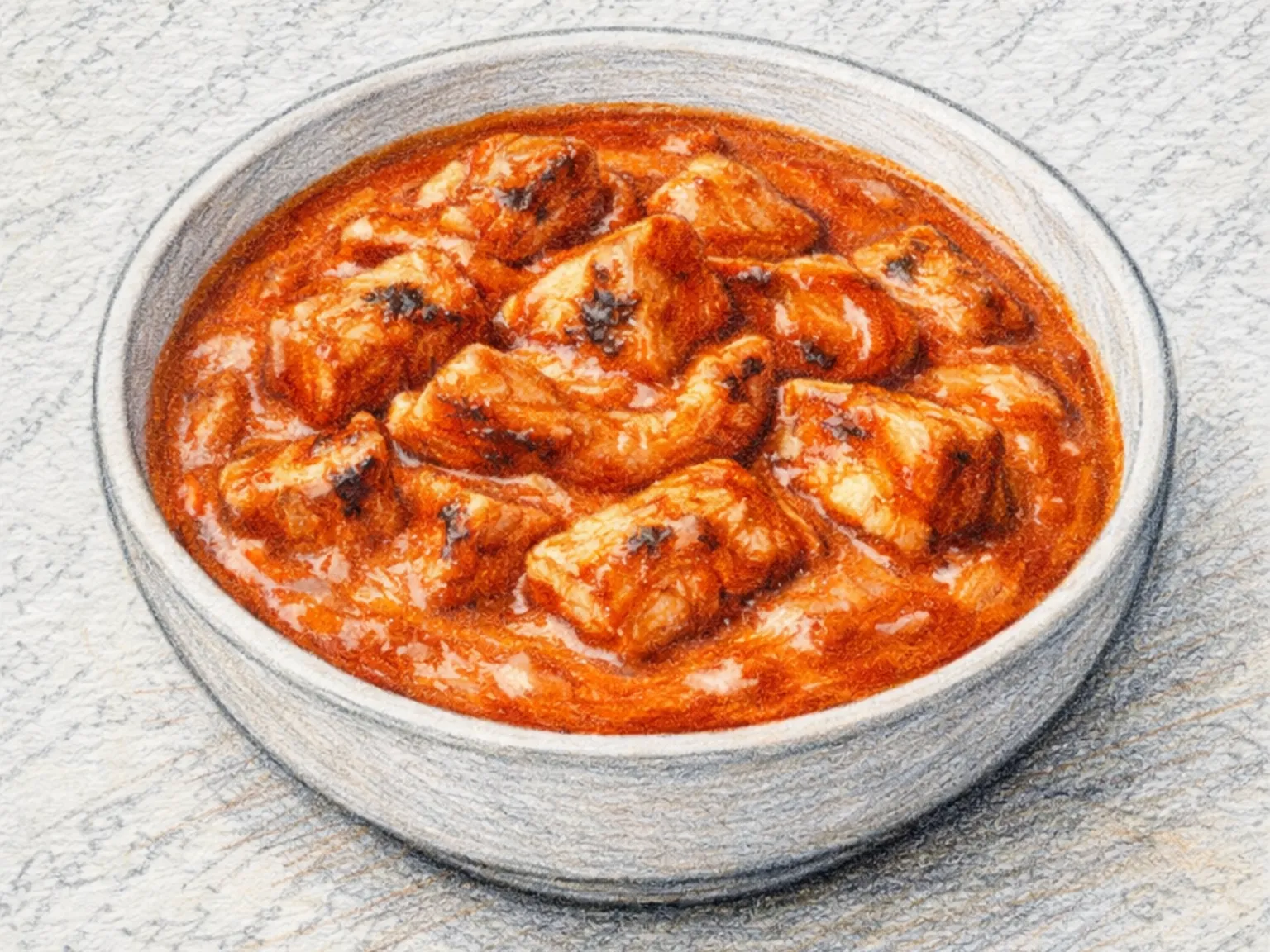
Chicken tikka masala marinates chicken overnight in yogurt, curry powder, garlic, and ginger, then grills or broils it at high heat to develop char on the surface before finishing in a sauce of tomato puree, garam masala, and heavy cream. The lactic acid in yogurt gently breaks down surface proteins while acting as a vehicle to drive the spices deeper into the meat. Browning diced onion in butter, then cooking tomato puree with garam masala for at least fifteen minutes allows the sharp, raw edges of the spices to mellow and integrate fully, building a sauce base with genuine depth. Heavy cream added just before serving wraps the tomato acidity and chili heat in a smooth, rich body that unifies the dish. Overnight marination makes a substantial difference compared to a short soak, as the spices have time to penetrate to the center of each piece. Basmati rice or naan bread served alongside is standard, and dragging the bread through the sauce captures the full range of flavor in a single bite.

🎉 Special Occasion 🍺 Bar Snacks
Prep 30min Cook 40min 4 servings
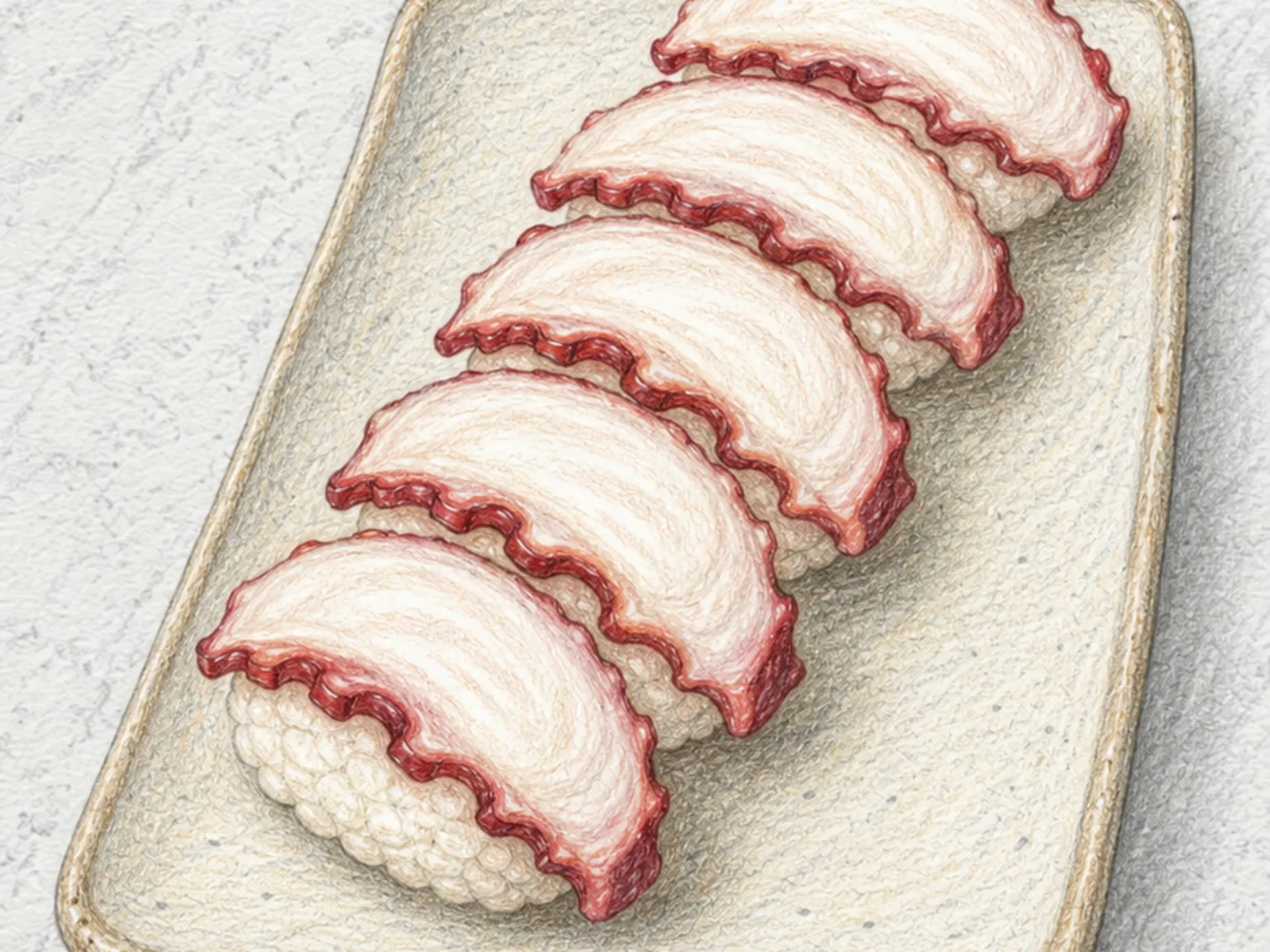
Octopus Nigiri Sushi
Rice Medium

Octopus Nigiri Sushi

Octopus nigiri places a broad, thin slice of cooked octopus over lightly shaped rice seasoned with sushi vinegar. Combine 2 tablespoons vinegar, 1 tablespoon sugar, and 1/2 teaspoon salt in a small saucepan. Warm over low heat only until the sugar and salt dissolve, then remove it from the burner rather than boiling away the sharp vinegar aroma. Pour the mixture over 300 g freshly cooked hot rice. Hold a rice paddle vertically and fold with cutting motions so the seasoning spreads without mashing the grains, then let the rice release enough steam to be handled comfortably. Slice 150 g cooked octopus leg with the knife held at a low angle, producing pieces that are thin but broad enough to cover each rice portion. If the outer surface is firm, make several very shallow scores across it. The small cuts help soy sauce cling and make the octopus easier to bite through without pulling it off the rice. Moisten your hands lightly with water or a little of the vinegar mixture. Portion about 15 g rice at a time and shape it into a small oval, using only enough pressure to hold the grains together. Spread a small amount of the 1 teaspoon wasabi on top, lay over one octopus slice, and press gently with your fingers to join the topping and rice. The octopus should curve naturally around the sides while the rice remains distinct rather than compressed into a dense block. Arrange the finished nigiri with space between the pieces. Serve 1 tablespoon soy sauce on the side so the octopus surface can be dipped lightly without soaking and breaking apart the seasoned rice.

🏠 Everyday 🍱 Lunchbox
Prep 25min Cook 10min 2 servings
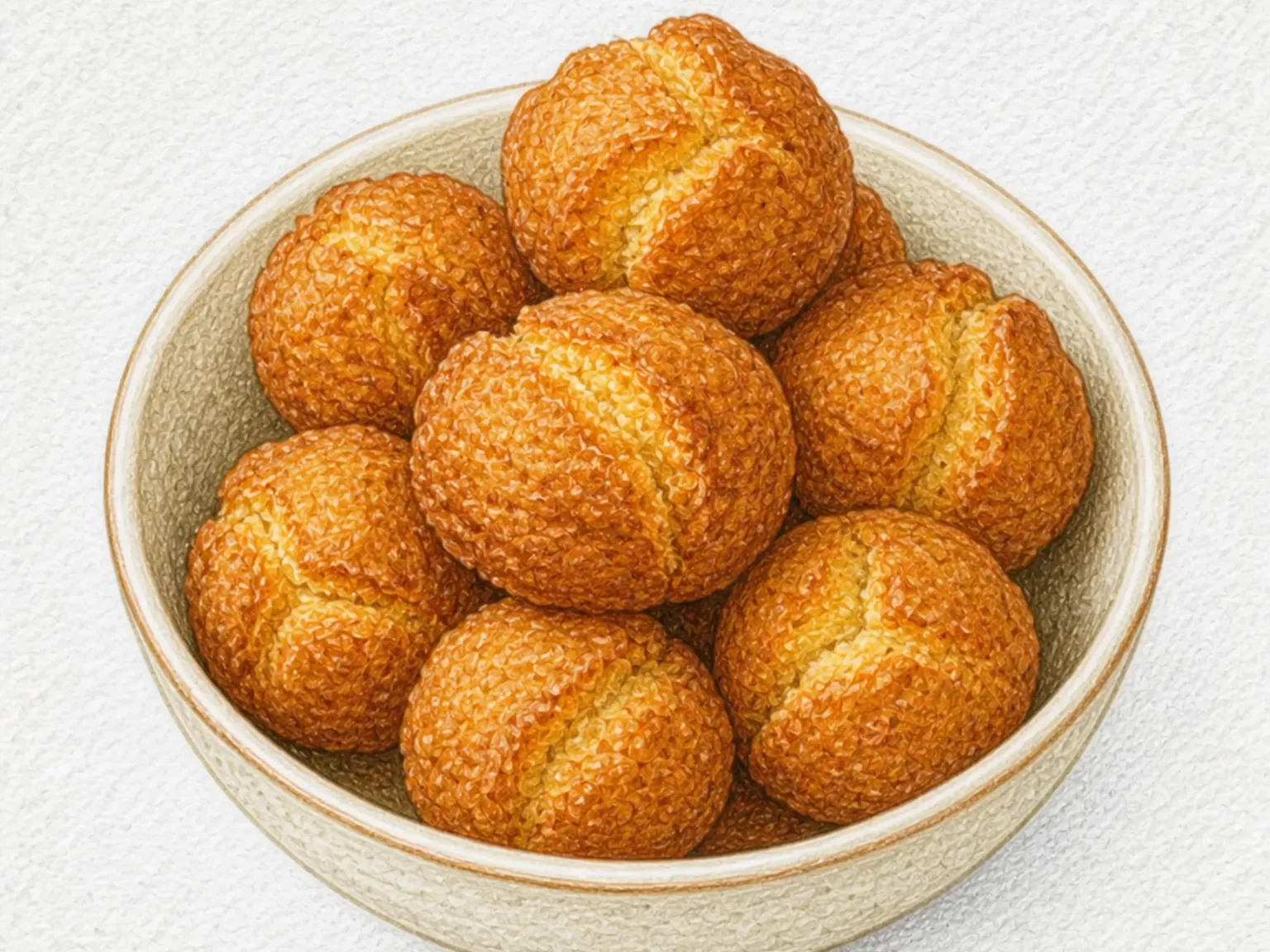
Komugi Manju (Steamed Wheat Buns with Red Bean Paste)
Desserts Medium

Komugi Manju (Steamed Wheat Buns with Red Bean Paste)

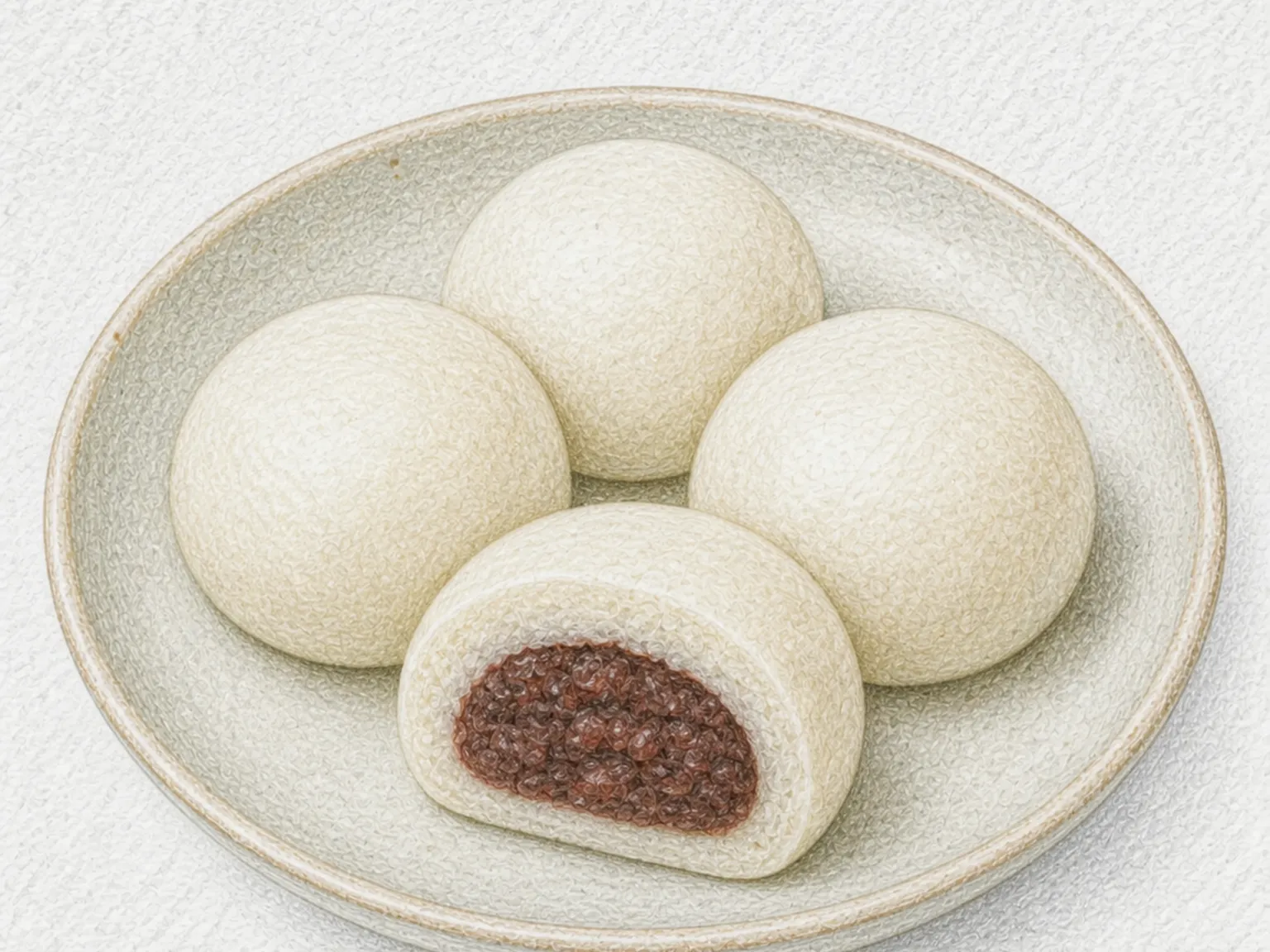
Komugi manju is a steamed bun from Utsunomiya in Tochigi. Cake flour and baking soda are sifted twice, mixed with sugar water into a dough slightly softer than an earlobe, wrapped around 30 g portions of red bean paste, and expanded over medium-high steam. Wheat thrived in the region's double-cropping system, so households made these buns for annual observances, weddings, funerals, and especially Obon when fresh flour became available. The baking soda also gives the name tansan manju. On the first day of the seventh lunar month, called Kamafuta Tsuitachi, families offered Kamafuta manju so ancestors beginning their journey home from the other world would not go hungry. Minimal kneading, a complete seal, and generous spacing in the steamer produce a soft, evenly risen white skin.

🎉 Special Occasion 🧒 Kid-Friendly
Prep 30min Cook 12min 10 servings
Gyujiru Okinawan Beef Soup
Soups Easy

Gyujiru Okinawan Beef Soup

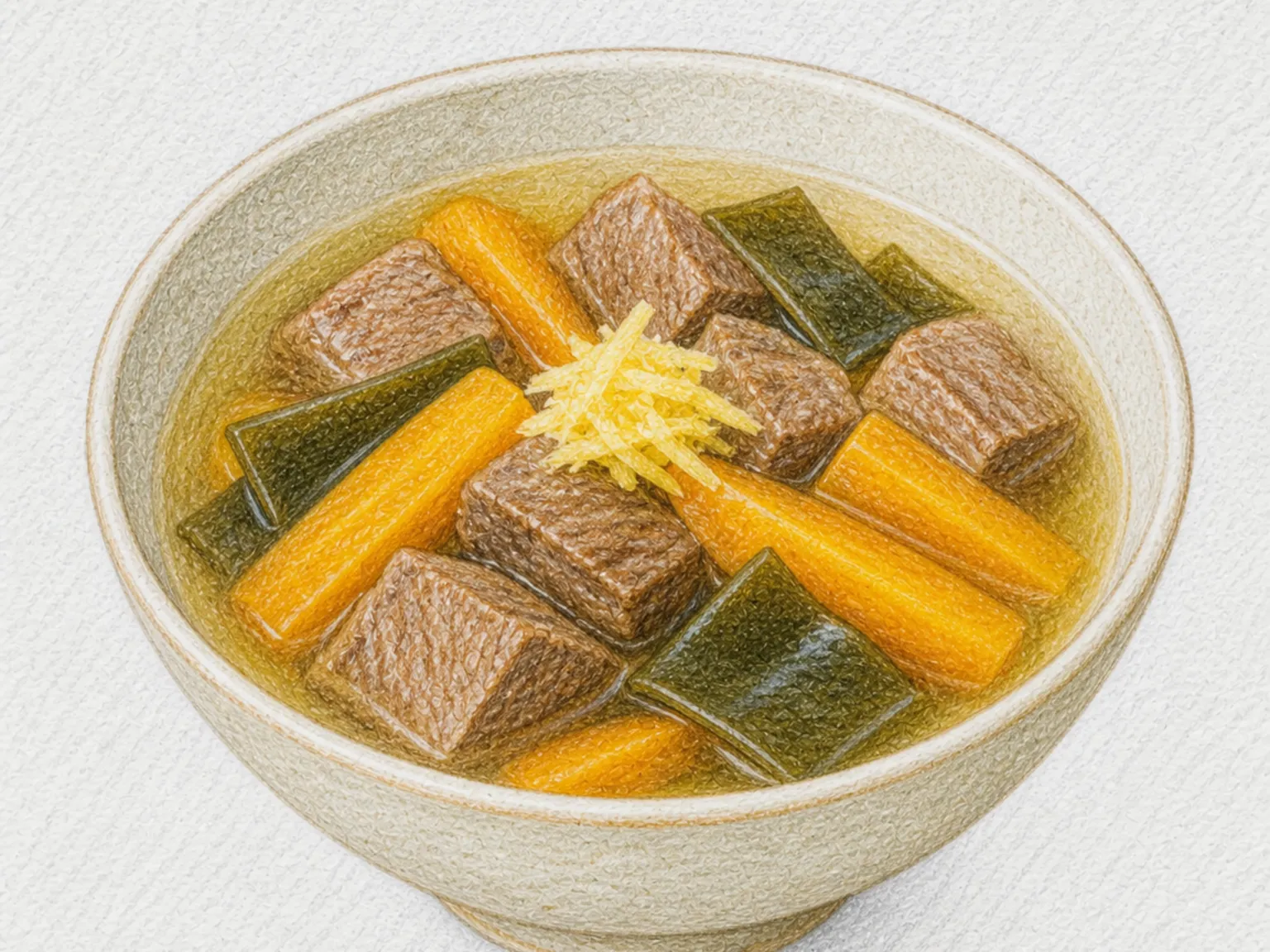
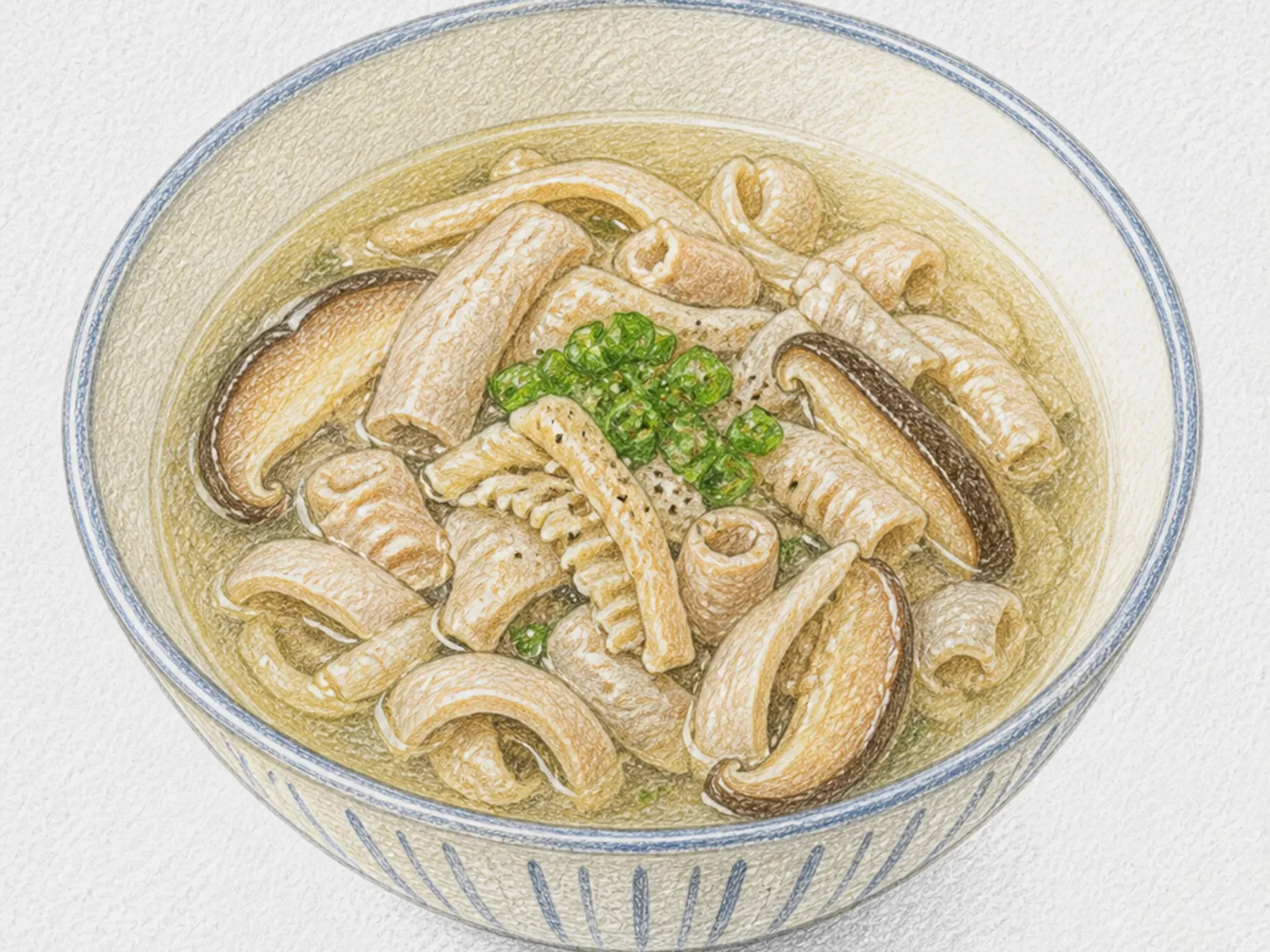
Gyujiru is a clear Okinawan soup that sautés generously cut beef and carrot in lard, then simmers them with kombu in bonito stock and finishes with grated ginger. In winter it traditionally used chidekuni, a long vivid-yellow island carrot, and the soup was valued as restorative food and served at regional observances. More substantial versions may include beef offal, but this household formula uses a block of lean beef round for straightforward handling. The beef is browned first in melted lard, followed by the carrot so its sweetness develops. Soaked kombu cut into three-centimeter squares and katsuo dashi then form the broth. Twenty minutes of low simmering tenderizes the components while careful skimming keeps the liquid clear. Salt and soy sauce are restrained to a light clear-soup seasoning, and ginger is stirred in only at the end so its fresh aroma remains distinct.

🏠 Everyday 🥗 Light & Healthy
Prep 20min Cook 30min 4 servings
Korean Kimchi Soy Milk Tantan Noodles
Noodles Medium

Korean Kimchi Soy Milk Tantan Noodles

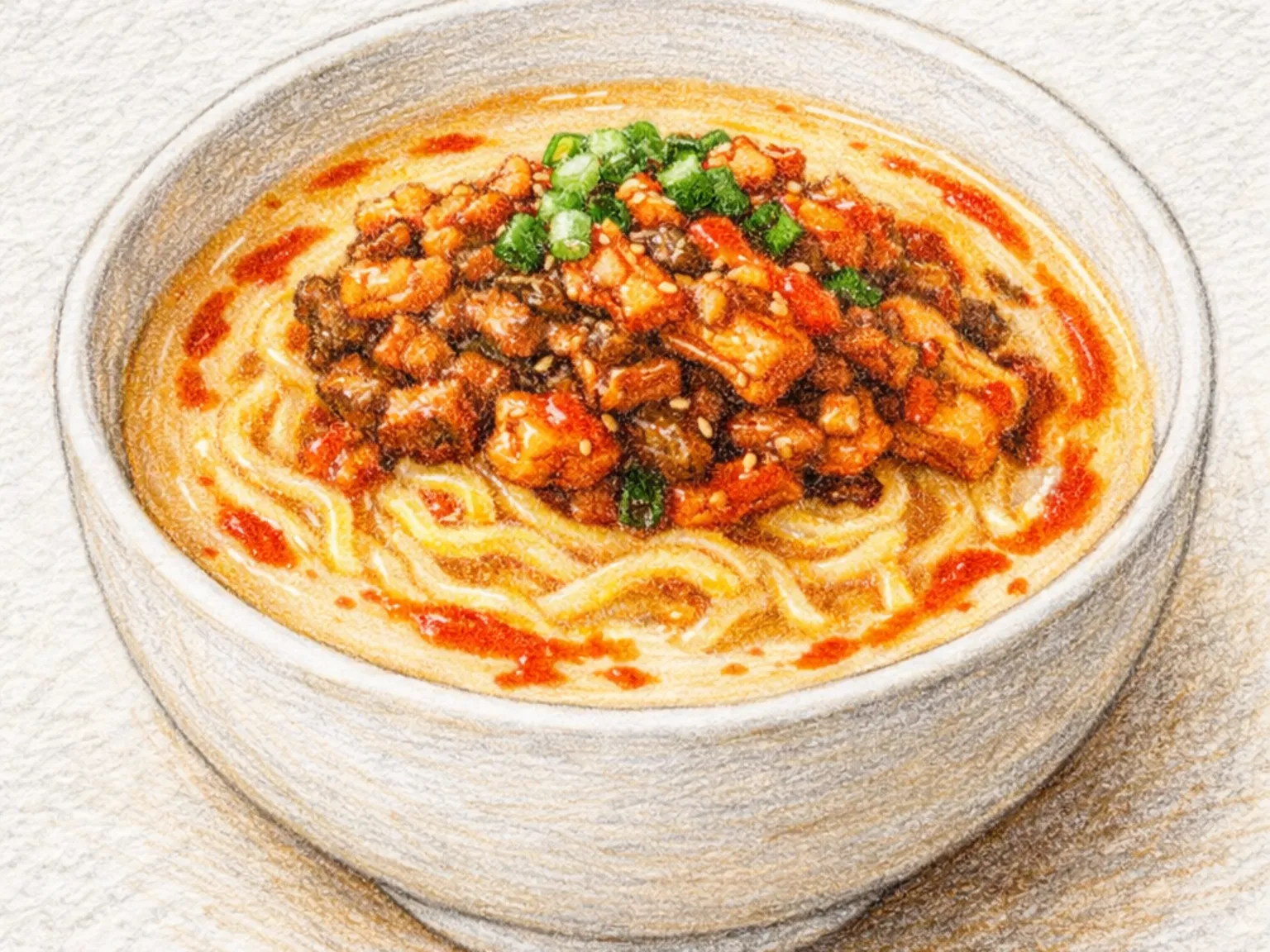
Kimchi duyu tantan myeon takes the structural logic of Chinese dandan noodles and rebuilds it around Korean pantry ingredients. Garlic and green onion are stir-fried in chili oil first to infuse the fat with fragrance, then ground pork goes in along with doenjang and soy sauce and stays on the heat until it browns and the fermented paste base deepens. Finely chopped kimchi is added and cooked for two more minutes, which softens the raw acidity of the kimchi and melds it into the meat mixture. Unsweetened soy milk is poured in at that point and heated gently, just below a boil, so it blends into a smooth, lightly creamy broth without breaking. The noodles are boiled separately and placed in the bowl before the broth is ladled over. Ground peanuts sprinkled on top at the end contribute a nutty finish, and the amount can be adjusted to thicken the broth to a preferred consistency.

🍺 Bar Snacks 🌙 Late Night
Prep 18min Cook 15min 2 servings
Chikko Dofu (Chiba Milk Tofu)
Asian Easy

Chikko Dofu (Chiba Milk Tofu)

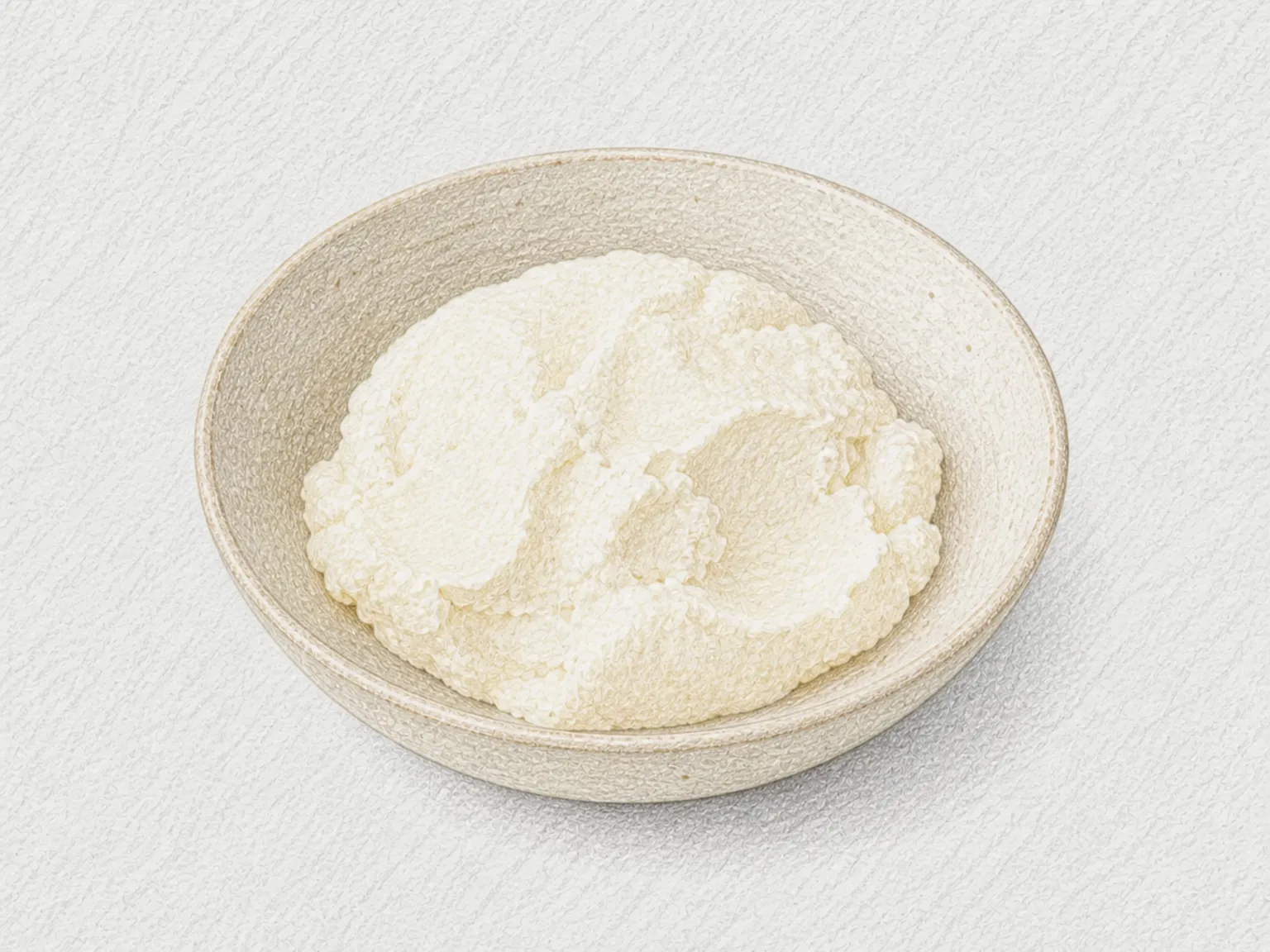
Chikko dofu is a dairy food from the Awa and Kamogawa areas of Chiba. Warm milk is curdled with grain vinegar, strained through a damp cloth, shaped, and cooled. Unlike tofu made from soy milk, this version needs only cow's milk and vinegar, and its white curds have a texture close to soft fresh cheese. The older farm tradition used colostrum collected soon after a cow gave birth, while this practical method uses regular pasteurized milk heated between 70°C and 80°C. Slow heating without boiling protects the milk solids, and very gentle stirring after the vinegar is added keeps the curds from breaking into tiny grains. Once drained and chilled, the result is mild, milky, and lightly tangy.

🏠 Everyday
Prep 10min Cook 20min 4 servings
Nara Chameshi (Hojicha Rice with Soybeans)
Rice Easy

Nara Chameshi (Hojicha Rice with Soybeans)

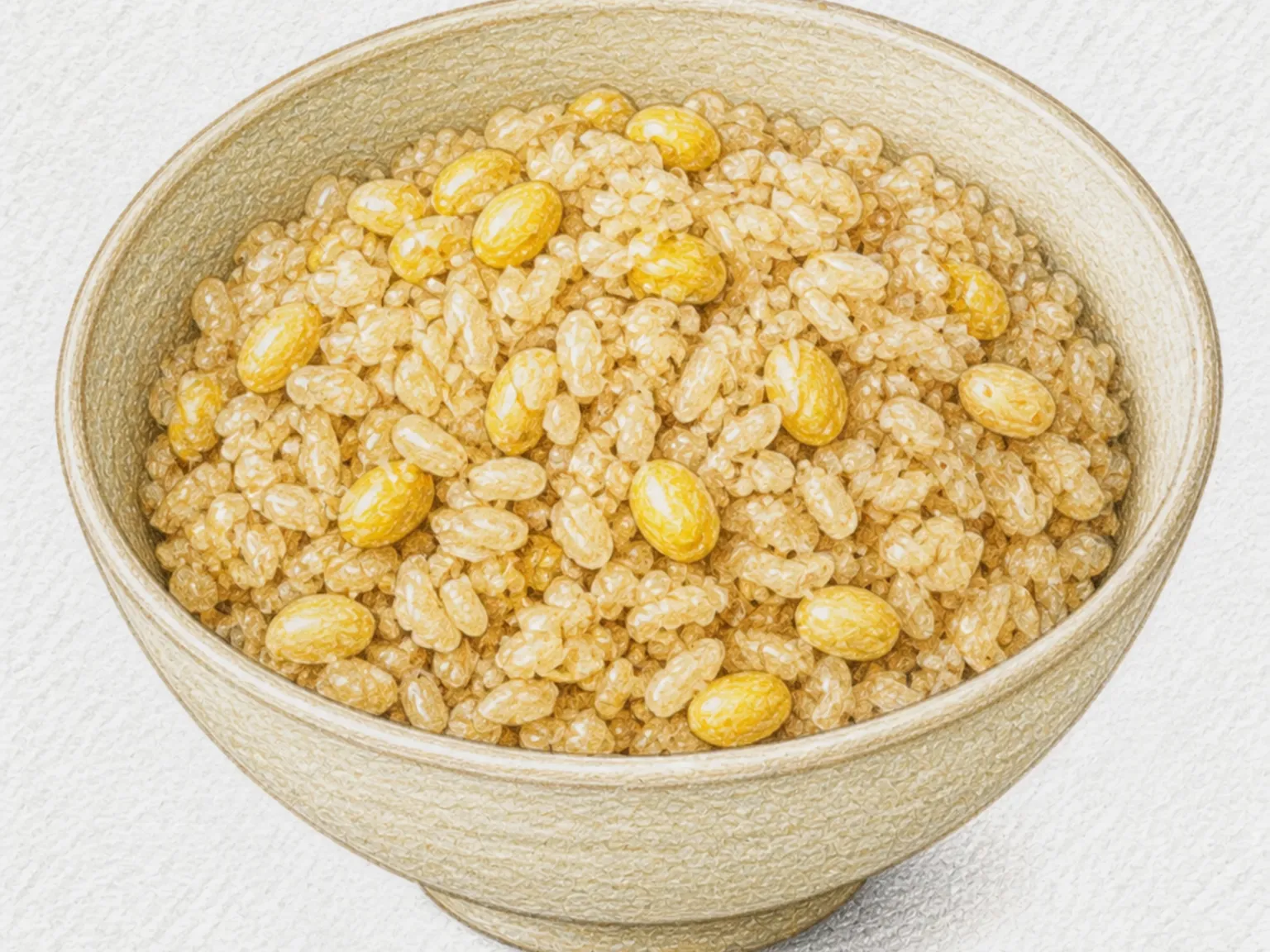
Nara chameshi is a regional rice dish from Nara, cooked with dry-roasted soybeans and cooled hojicha instead of plain water. An early form called gecha appears beside tea porridge in the meals of monks taking part in Todaiji Temple's Omizutori, a March observance with more than twelve centuries of history. Travelers later carried tea rice from Nara to Edo, where shops near Sensoji helped make it widely recognized. Gently roasting the soybeans until their skins crack, soaking and rubbing them clean, and resting washed rice in the tea for 30 minutes produces tender grains with a quiet roasted aroma and nutty beans.

🏠 Everyday 🥗 Light & Healthy
Prep 50min Cook 50min 4 servings
Karaimo Nettabo (Sweet Potato Pounded Mochi)
Desserts Medium

Karaimo Nettabo (Sweet Potato Pounded Mochi)

Sweet potato pounded mochi combines steamed sweet potato and softened mochi while both are hot, pounds them into one uniform dough, and coats eight portions with sweetened kinako. Peel 600g sweet potato and cut it into 3cm pieces. After a 5-minute soak in cold water, drain the pieces well. Spread them in a steamer without piling them up and cook over medium-high heat for 18 minutes. When a skewer can almost pass through the sweet potato, place 200g mochi pieces over the top without letting them touch one another. Steam for another 7 to 10 minutes. Move on when the skewer reaches the center of the potato freely and the mochi has softened enough to stretch. Transfer both ingredients to a pounding bowl before they cool. Wet the pestle and pound for 8 to 10 minutes, turning the mass as needed, until no white mochi pieces or separate yellow potato lumps remain. The dough should have one continuous color and texture, with no visible pockets of either ingredient. Mix 50g roasted soybean flour, 50g sugar, and 1g salt across a wide tray. Dampen your hands, divide the warm dough into eight portions, and roll every surface in the kinako mixture. Set the coated pieces apart so they do not stick together and cool them for 10 minutes. The coating should dry the tacky exterior while the center remains soft and stretchy. Mochi requires careful eating: cut each portion into small bites and chew slowly. Make still smaller pieces for children and older adults and supervise them while they eat.

🧒 Kid-Friendly
Prep 15min Cook 35min 8 servings
Sanpei Jiru (Hokkaido Salted Salmon Soup)
Soups Medium

Sanpei Jiru (Hokkaido Salted Salmon Soup)

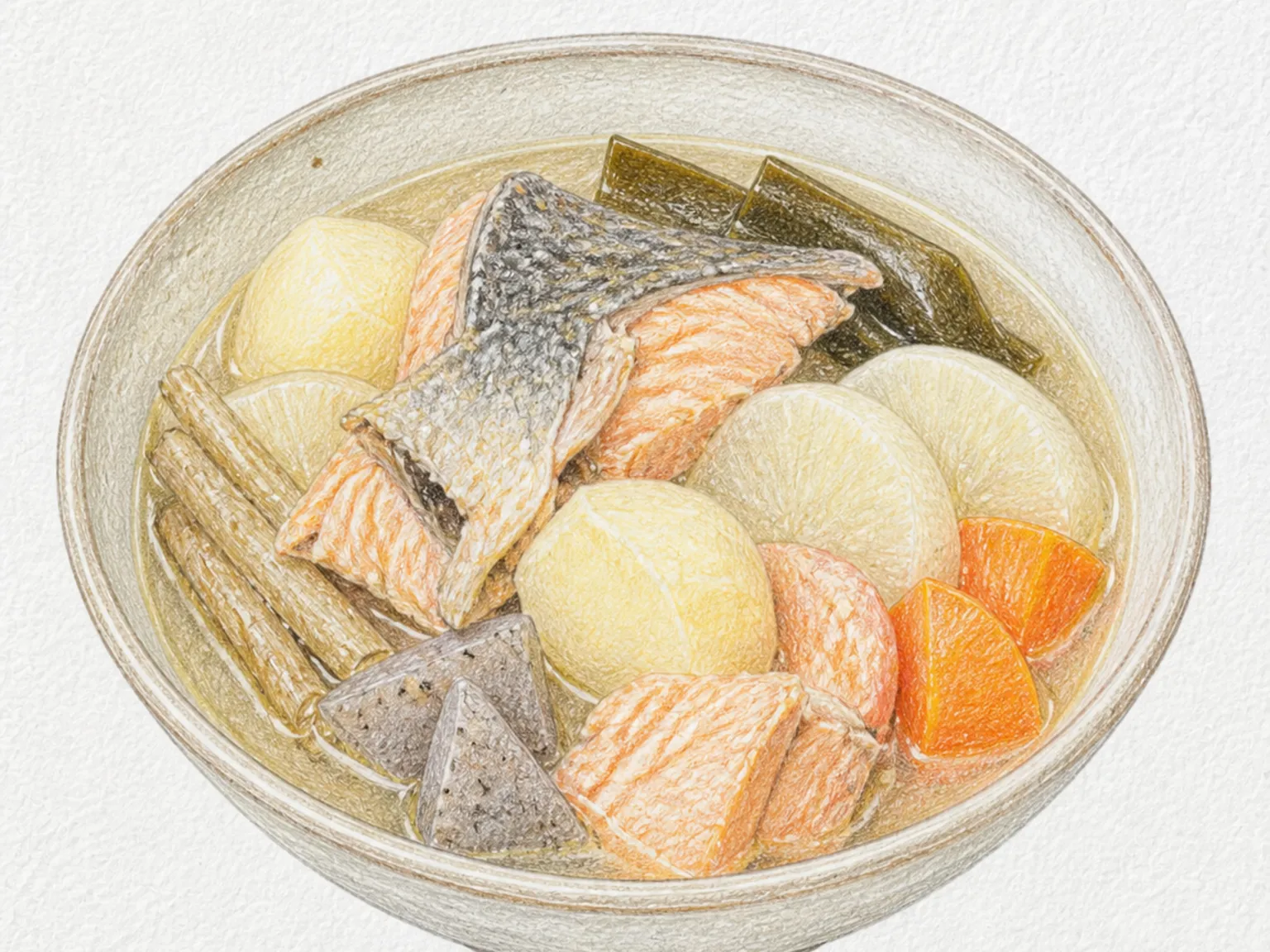
Sanpei jiru is a winter soup from Hokkaido that simmers salted fish with potatoes, daikon, carrots, and other vegetables in kombu stock. This version uses a salted salmon head and backbone with some flesh attached, allowing the bones and skin to enrich the broth. Unlike Ishikari nabe, which is commonly seasoned with miso and fresh salmon, the salt preserved in the fish provides the main seasoning here. Additional salt is added only after tasting the finished broth. Potatoes and daikon remain in generous pieces, while burdock and konnyaku receive separate preparation to keep the soup clean. Adding the salmon after the root vegetables have started softening prevents overcooked, dry flesh and excessive cloudiness.

🏠 Everyday
Prep 25min Cook 30min 4 servings
Kimchi Bean Sprout Miso Ramen
Noodles Easy

Kimchi Bean Sprout Miso Ramen

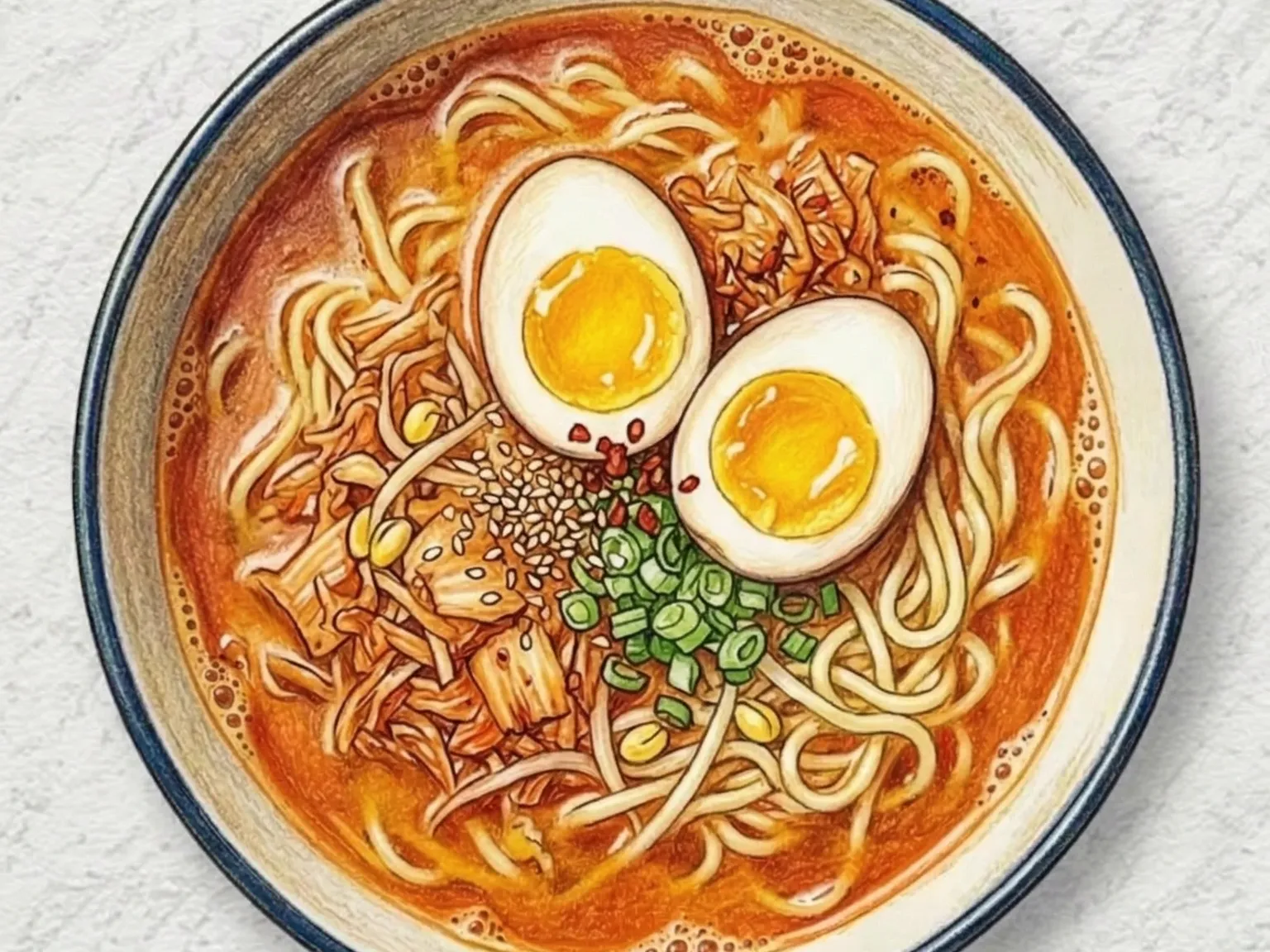
Kimchi kongnamul miso ramen layers three distinct flavors in one bowl: the deep tang of sauteed aged kimchi, the earthy umami of miso paste, and the clean crunch of bean sprouts. Garlic and kimchi are first stir-fried in sesame oil to mellow the kimchi's raw sourness, then chicken stock is added and brought to a boil. Bean sprouts go in and cook for just three minutes to keep their snap. Miso is dissolved separately and stirred in on low heat - boiling it aggressively would strip away its complex fermented aroma. Fresh ramen noodles are cooked in a separate pot, drained, and placed in the bowl before the broth is poured over. A halved soft-boiled egg on top rounds out the bowl with its creamy yolk.

🏠 Everyday 🌙 Late Night
Prep 10min Cook 18min 2 servings
Japanese Braised Chicken and Root Vegetables
Asian Medium

Japanese Braised Chicken and Root Vegetables

Chikuzenni is a Japanese-style braise of chicken thigh with lotus root, burdock, and carrot simmered in dashi seasoned with soy sauce and mirin. The thigh is seared first to render its fat, which coats each root vegetable piece as they braise together, building savory depth in the broth. Lotus root holds its firm bite through the cook, while burdock develops an earthy, nutty quality that intensifies with chewing. Mirin's restrained sweetness rounds out the soy, producing a side dish that stays satisfying across multiple meals of steamed rice.

🎉 Special Occasion 🍱 Lunchbox
Prep 25min Cook 35min 4 servings
Nezushi (Koji-Fermented Trout and Rice)
Rice Hard

Nezushi (Koji-Fermented Trout and Rice)

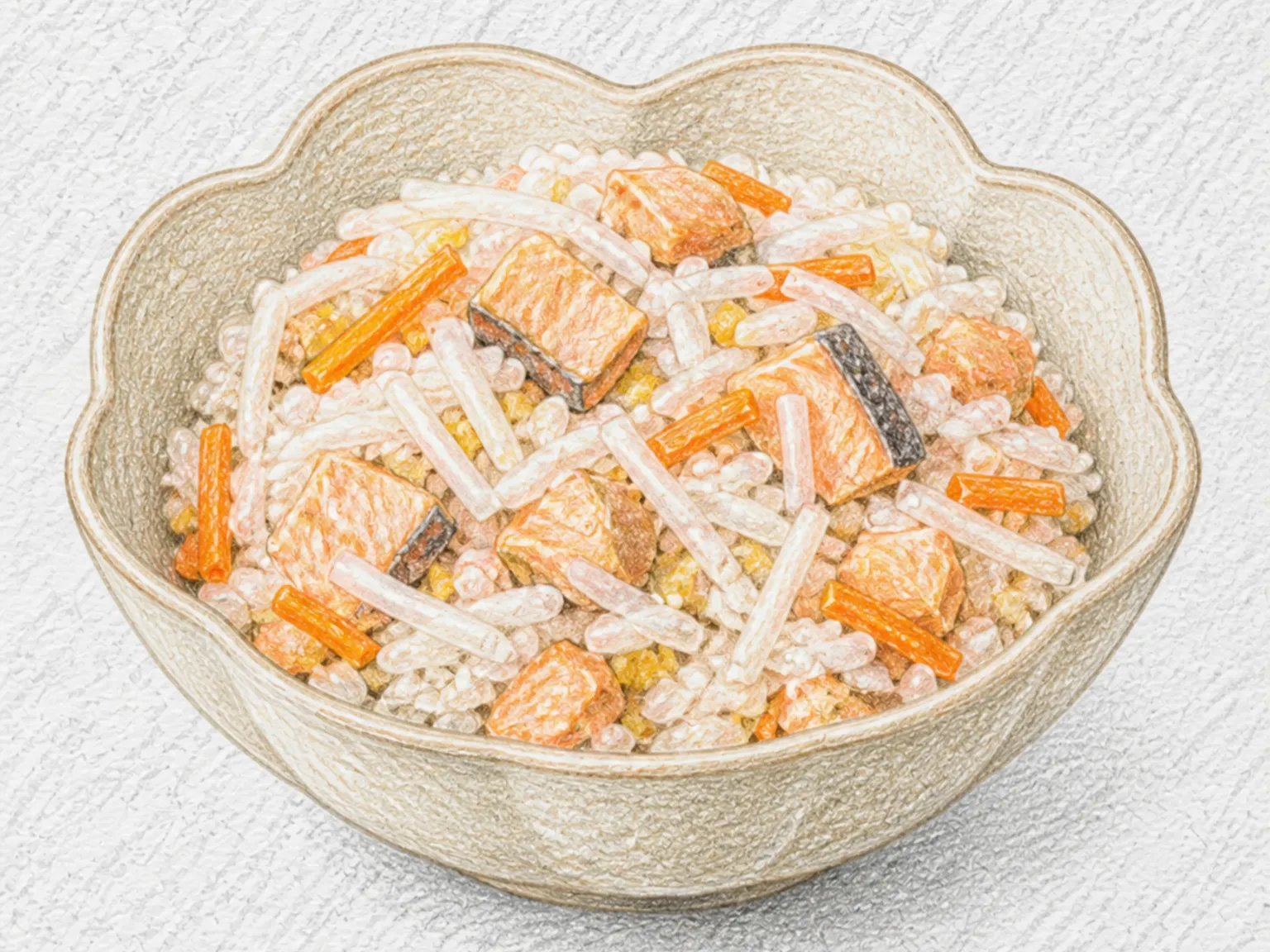
Nezushi is a type of fermented sushi prepared for New Year in the Hida and Chuno areas of Gifu, especially around Gero. Salted trout is deboned and cut into small pieces, while shredded daikon and carrot are rubbed with salt and squeezed. Freshly cooked rice is allowed to cool slightly before being mixed with rice koji, chopped ginger, fish, and vegetables. The mixture is packed closely into a container and left in the cold winter environment for about 14 to 20 days. During that rest, rice and koji develop a mild sweet-sour character that seasons the trout and vegetables, reflecting the preservation culture of Gifu's severe mountain winters.

🎉 Special Occasion
Prep 35min Cook 25min 4 servings
Tamago Kanten Sweet-Savory Egg Agar
Desserts Easy

Tamago Kanten Sweet-Savory Egg Agar

Tamago kanten is a Shonai celebration food from Yamagata that streams beaten egg into agar liquid seasoned sweet and salty with soy sauce and sugar, then chills it firm in a mold. Agar dishes were already rooted in local daily life when once-valuable eggs were added, turning this version into both a confection and side dish for New Year and festival tables. Stick agar needs at least thirty minutes of soaking, then is torn small and simmered in fresh water until no solid center remains. Seasonings enter the fully dissolved agar before the egg is poured quickly in a thin circle. This leaves fine yellow ribbons visible in every cut face. The hot mixture is transferred to a water-rinsed mold, cooled briefly, and refrigerated until cleanly sliceable. Its character comes from tender egg suspended in brittle agar with mild sweetness and soy savoriness.

🎉 Special Occasion 🧒 Kid-Friendly
Prep 40min Cook 10min 4 servings

About Asian

Each country brings its own signature spices and sauces, so even the same ingredients can produce completely different flavors. With a few key pantry items - coconut milk, fish sauce, curry powder, doubanjiang - you can recreate the tastes of Asia at home.