
Asian

Asian Recipes

806 recipes. Page 18 of 34

The Asian category gathers popular dishes from Japan, China, Thailand, Vietnam, India, and beyond. Curry, stir-fried noodles, mapo tofu, pad Thai, and pho are among the Asian favorites commonly enjoyed in Korean households.

Asian
Korean Poke Bowl Salad
Rice Medium

Korean Poke Bowl Salad

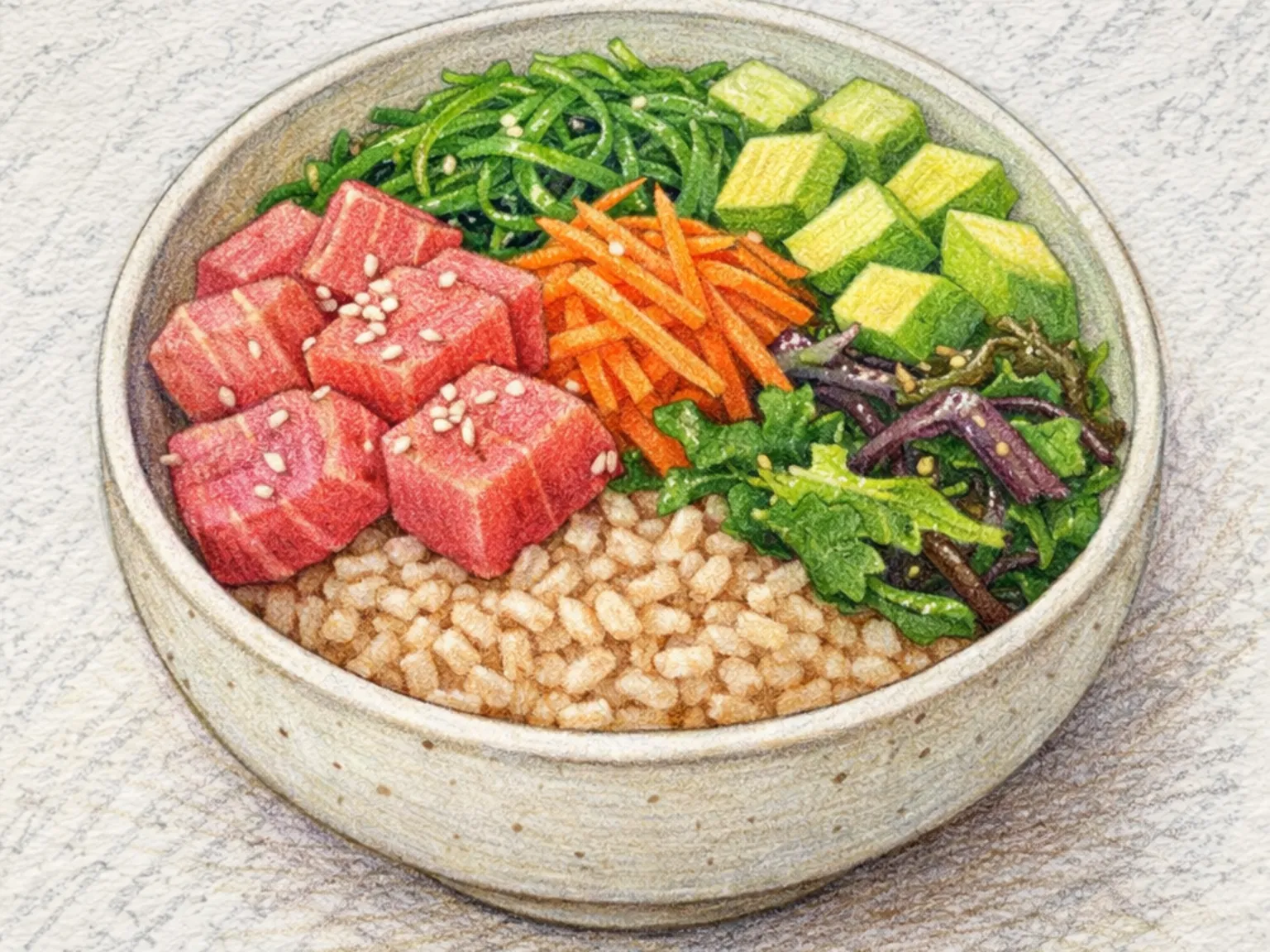
Sashimi-grade tuna is cut into 1.5-centimeter cubes and kept well chilled before being arranged over brown rice in a Korean-inflected poke bowl. A sauce of soy sauce, sesame oil, and gochujang coats the tuna's clean, fatty flesh with the spicy and nutty character that defines Korean seasoning. Avocado provides a creamy, lush texture that envelops the lean fish, while seaweed salad contributes a slippery, chewy marine layer with a pronounced oceanic aroma. Thinly sliced cucumber adds a cool, crisp contrast, creating textural variety across every spoonful. Brown rice serves as the dense, slightly nutty foundation that anchors the toppings and transforms the bowl into a complete meal containing protein, healthy fats, and complex carbohydrates in a single serving. Salmon or flounder can substitute for tuna without changing the method, and adjusting the amount of gochujang in the sauce lets you dial the heat to your preferred level.

🥗 Light & Healthy 🏠 Everyday
Prep 20min 2 servings
Tottori Oiri (Toasted Rice Clusters)
Desserts Hard

Tottori Oiri (Toasted Rice Clusters)

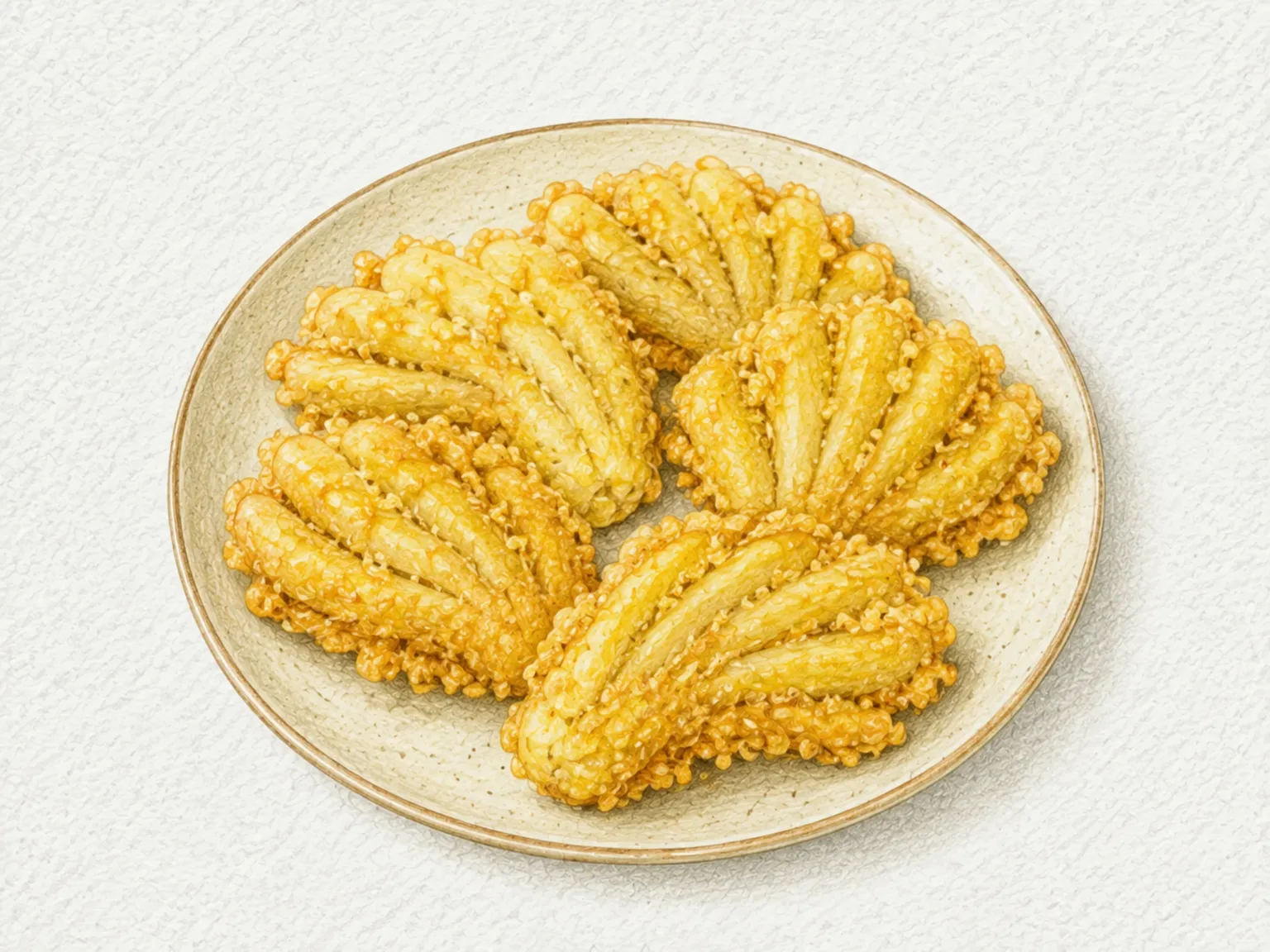
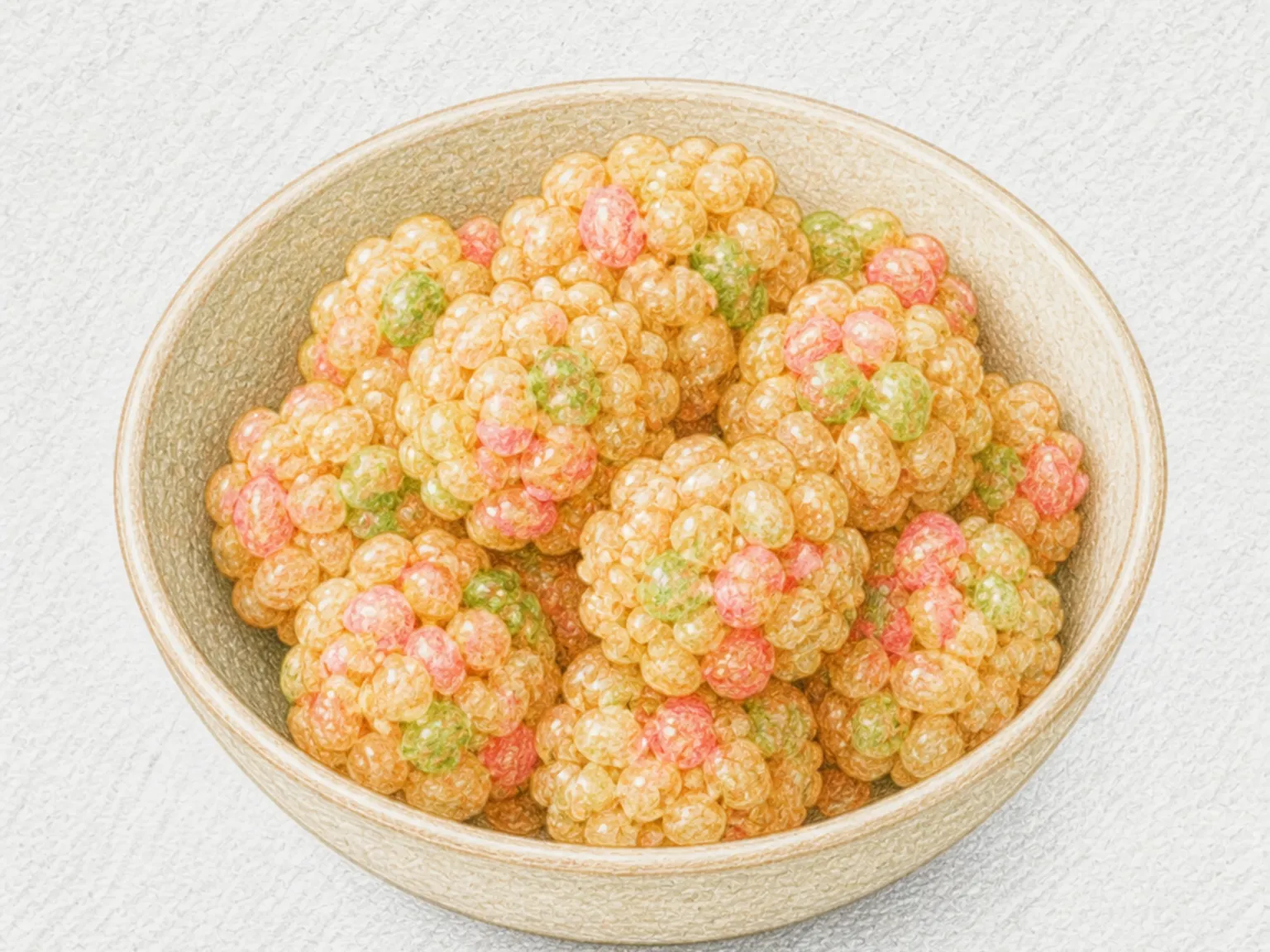
Oiri is a crisp rice candy made by drying cooked rice until brittle, toasting the grains until they puff and turn golden, and binding them in small molds with syrup cooked to 118C. Rinse 500g cooled cooked rice lightly to separate the grains, drain it well, and blot away surface water with paper towels. Spread the rice in one layer on a tray. Dry it for 3 to 4 hours in an oven set to 80C with the door held slightly open so moisture can escape, turning the grains every 30 minutes. Properly dried rice should snap instead of bending. Heat a dry, heavy pan over medium heat and toast the rice in small batches for 5 to 7 minutes. Move each batch to a wide bowl as soon as the grains have puffed, taken on a light golden color, and become crisp through the center. Toast 18g colored dried mochi pieces for about 1 minute and mix them with the rice. Arrange 50 small molds before starting the syrup. Combine 260g mizuame, 160g sugar, 3g salt, and 40ml water over medium heat. Once the mixture boils, stop stirring and cook until a thermometer reads 118C. Pour the syrup over the toasted rice and fold rapidly with two heat-resistant spatulas until every grain has a thin coating. Pack and compress the mixture in the prepared molds before the syrup sets, then leave the pieces undisturbed until completely cool before unmolding. Residual moisture in the rice prevents a dry crunch, while delayed shaping leaves a loose mass that will not hold together. The syrup can cause severe burns at this temperature, so keep bare hands away from the hot mixture throughout molding.

🧒 Kid-Friendly 🎉 Special Occasion
Prep 40min Cook 35min 50 servings
Mimi (Folded Wheat Dumplings in Miso Soup)
Soups Hard

Mimi (Folded Wheat Dumplings in Miso Soup)

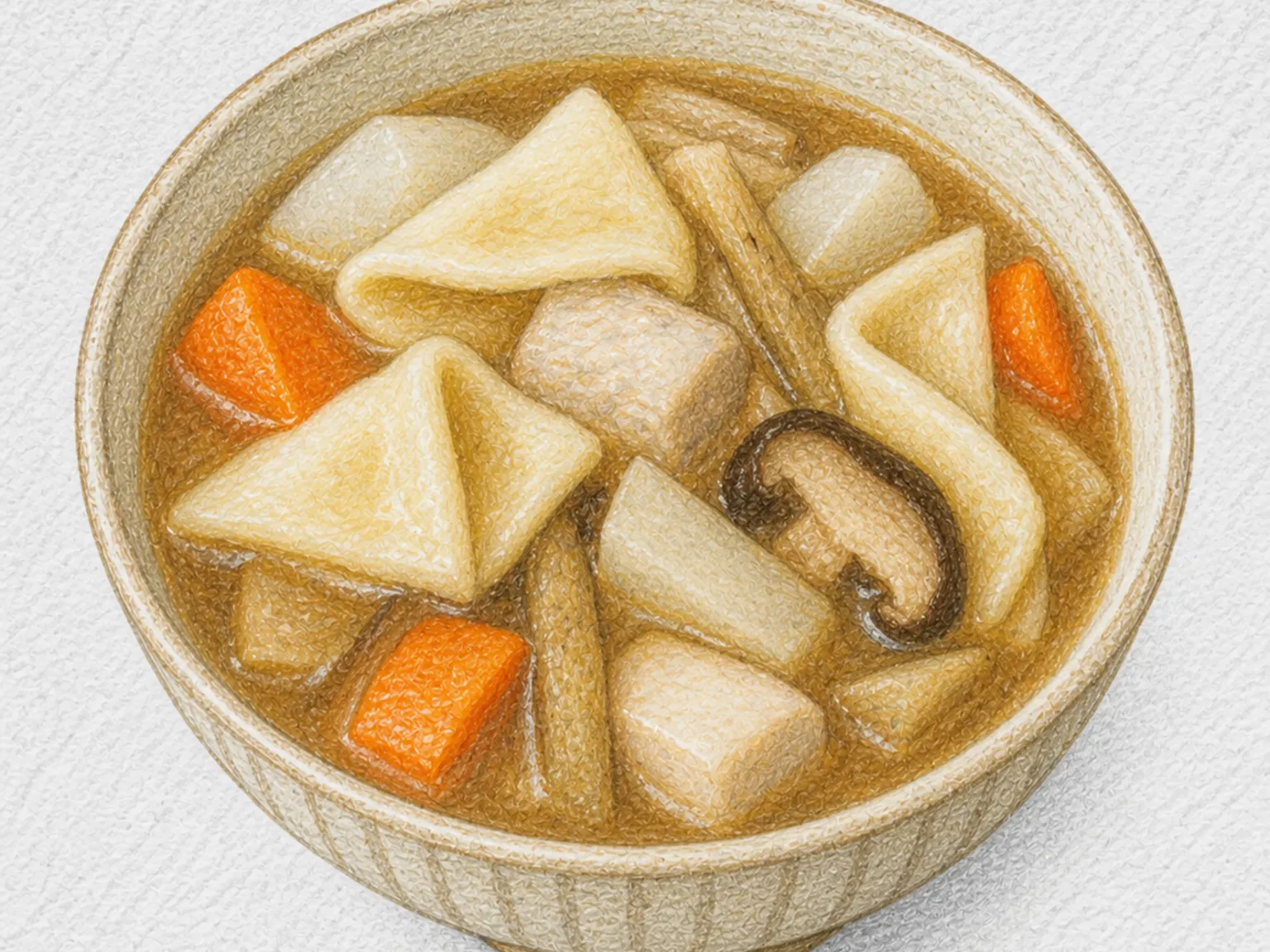
Mimi is a regional soup from Jikkoku in Fujikawa, Yamanashi. Wheat dough is rolled thin, cut into 5cm squares, and joined at two corners on one side to form small scoops before being cooked directly in miso broth with daikon, carrot, taro, burdock, and shiitake. The scoop is associated with gathering good fortune, so the dish is offered on New Year's morning and at celebrations. The pasta is not boiled separately; its flour lightly thickens the soup, and the folded seam must cook completely through.

🎉 Special Occasion
Prep 45min Cook 35min 5 servings
Korean Spicy Seafood Noodle Soup
Noodles Medium

Korean Spicy Seafood Noodle Soup

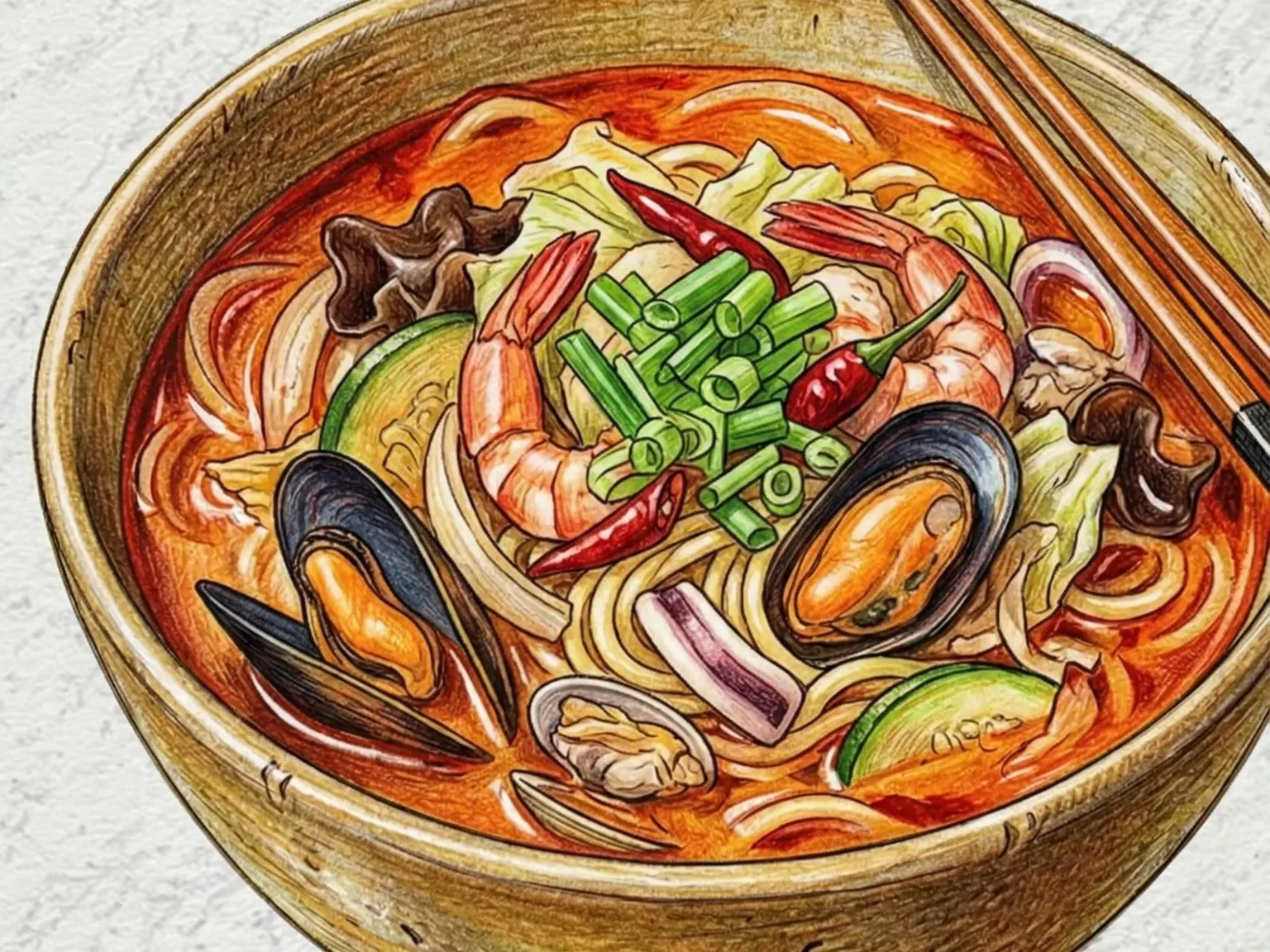
Jjamppong is a Korean-Chinese noodle soup where seafood and vegetables are stir-fried in chili oil at very high heat before broth is added, a sequence that fundamentally shapes the soup. Blooming gochugaru in hot oil instead of adding it directly to liquid extracts fat-soluble compounds that carry a smoky, toasted depth the raw powder cannot contribute. Squid, mussels, and shrimp release their own juices during the fry stage, and those juices dissolve into the chicken stock when the liquid hits the pan. Cabbage and onion caramelize in the residual oil and give off natural sugars that temper the chili heat. Soy sauce binds the seasoning and gives the broth its reddish-brown depth. Springy fresh wheat noodles absorb the concentrated broth, and by the time they reach the table the noodles are already carrying the full flavor of the soup in every strand.

🏠 Everyday 🌙 Late Night
Prep 20min Cook 20min 2 servings
Yu Sheng Prosperity Salad
Salads Hard

Yu Sheng Prosperity Salad

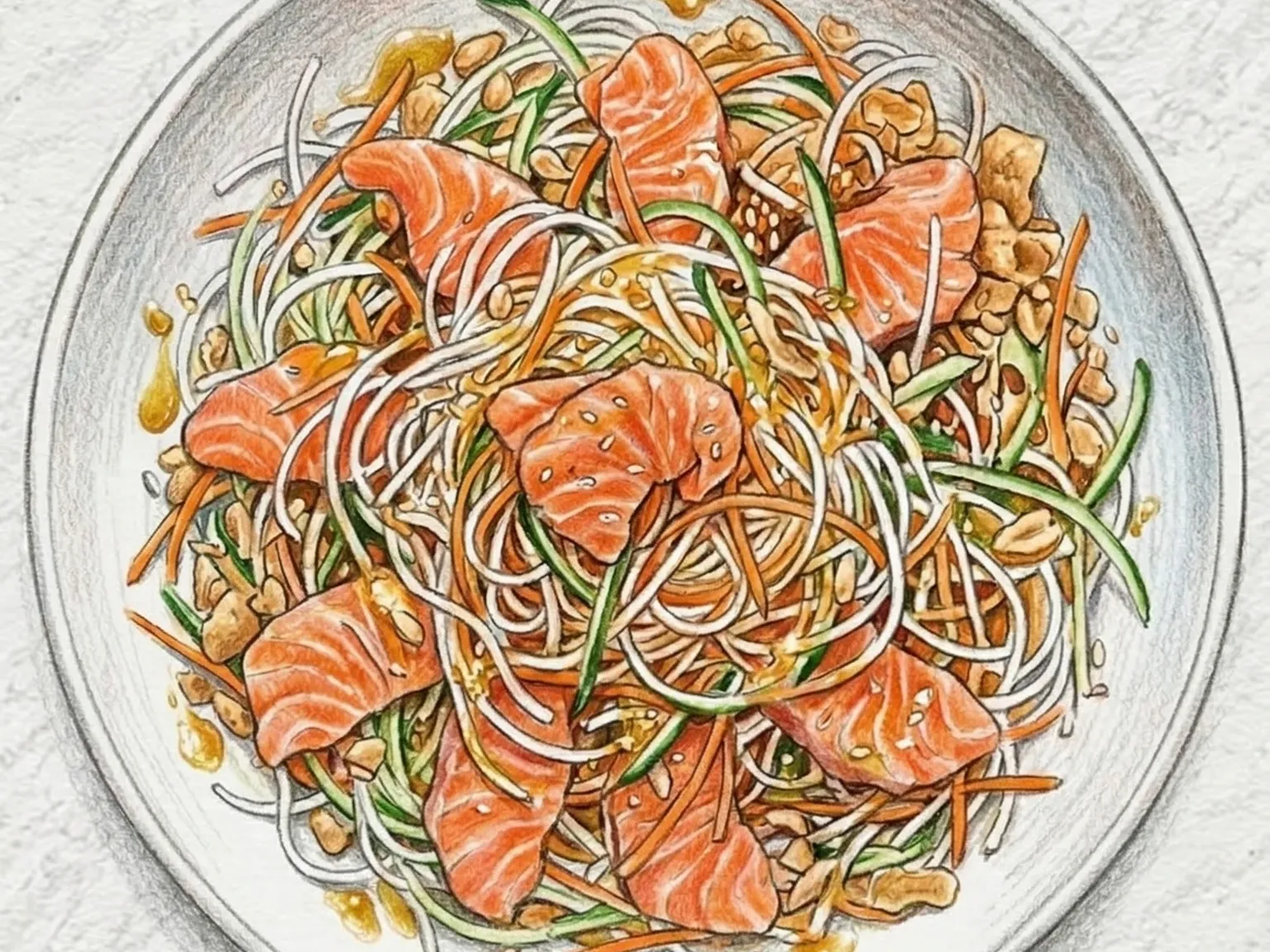
Yu sheng prosperity salad arranges raw salmon with finely julienned daikon, carrot, and cucumber on a large platter, then adds plum sauce dressing and sesame seeds immediately before the ingredients are tossed. Use 220 g salmon sold specifically for raw consumption by a supplier whose refrigeration and raw-use handling directions can be checked. Pat it dry by pressing with paper towels, slice it thinly along the grain, and keep it refrigerated until the platter is ready. Cut 120 g daikon, 80 g carrot, and 100 g cucumber into thin strips of similar thickness. Blot visible surface water from the vegetables and keep them chilled as well. Mix 3 tbsp plum sauce, 1 tbsp lemon juice, and 1 tsp sesame oil until the sauce pours evenly without adding extra liquid. Arrange the vegetables in a ring and place the salmon in the center only at serving time. Drizzle the dressing thinly over the platter, add 1 tbsp sesame seeds, and toss by lifting the ingredients with chopsticks. Eat immediately. A raw-use label or previous freezing does not guarantee that every harmful germ is absent; thoroughly cooked seafood is the safest choice. Pregnant people, young children, older adults, and people with weakened immune systems should avoid dishes containing raw fish. Keep the salmon refrigerated throughout preparation and use clean hands, utensils, and work surfaces.

🥗 Light & Healthy 🎉 Special Occasion
Prep 30min 4 servings
Chicken 65 (South Indian Deep-Fried Spiced Yogurt Chicken)
Asian Medium

Chicken 65 (South Indian Deep-Fried Spiced Yogurt Chicken)

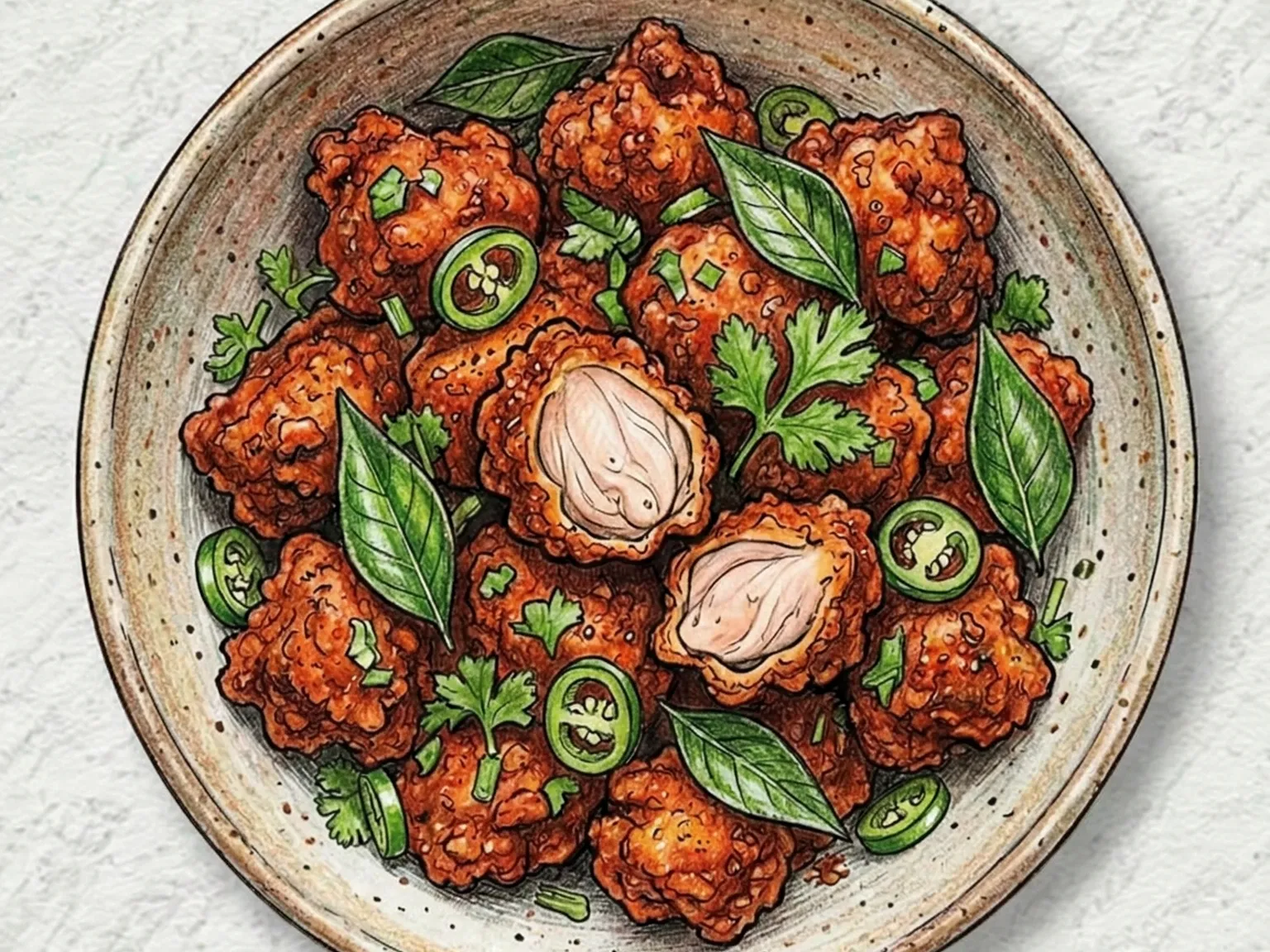
Chicken 65 is a South Indian deep-fried chicken dish that traces its origin to the Buhari Hotel in Chennai, where it first appeared on the menu in 1965. The name has generated a minor mythology: one theory says it was the 65th item on the original menu, another claims the recipe calls for exactly 65 ingredients, and a third insists the chicken required 65 days of marination - none of which has been conclusively verified. The marinade is built around whole-milk yogurt, red chili powder, turmeric, and a coarse ginger-garlic paste, which work together to tenderize the chicken while depositing both heat and tang deep into the fibers. After marinating for several hours, the pieces are dusted in cornstarch and fried until the exterior forms a thin, crackling shell while the interior stays moist from the dairy in the marinade. The dish is not finished after frying. The fried chicken goes back into a hot pan where it is tossed briskly with curry leaves, whole dried red chilies, and mustard seeds in a small amount of oil. When curry leaves hit hot fat, they release a distinctive aroma - something between roasted nuts and citrus peel - that clings to the surface of each piece and layers over the chili-yogurt flavors already present. This double-cooking method is what separates chicken 65 from generic fried chicken. Originally a bar snack in South India's pub culture, it spread across the subcontinent and now appears on menus everywhere from Bangalore to Delhi. The heat level varies significantly by restaurant, ranging from gently warming to genuinely tongue-numbing.

🎉 Special Occasion 🍺 Bar Snacks
Prep 25min Cook 20min 2 servings
Tochigi Yakimochi Leftover Rice Cakes
Rice Easy

Tochigi Yakimochi Leftover Rice Cakes

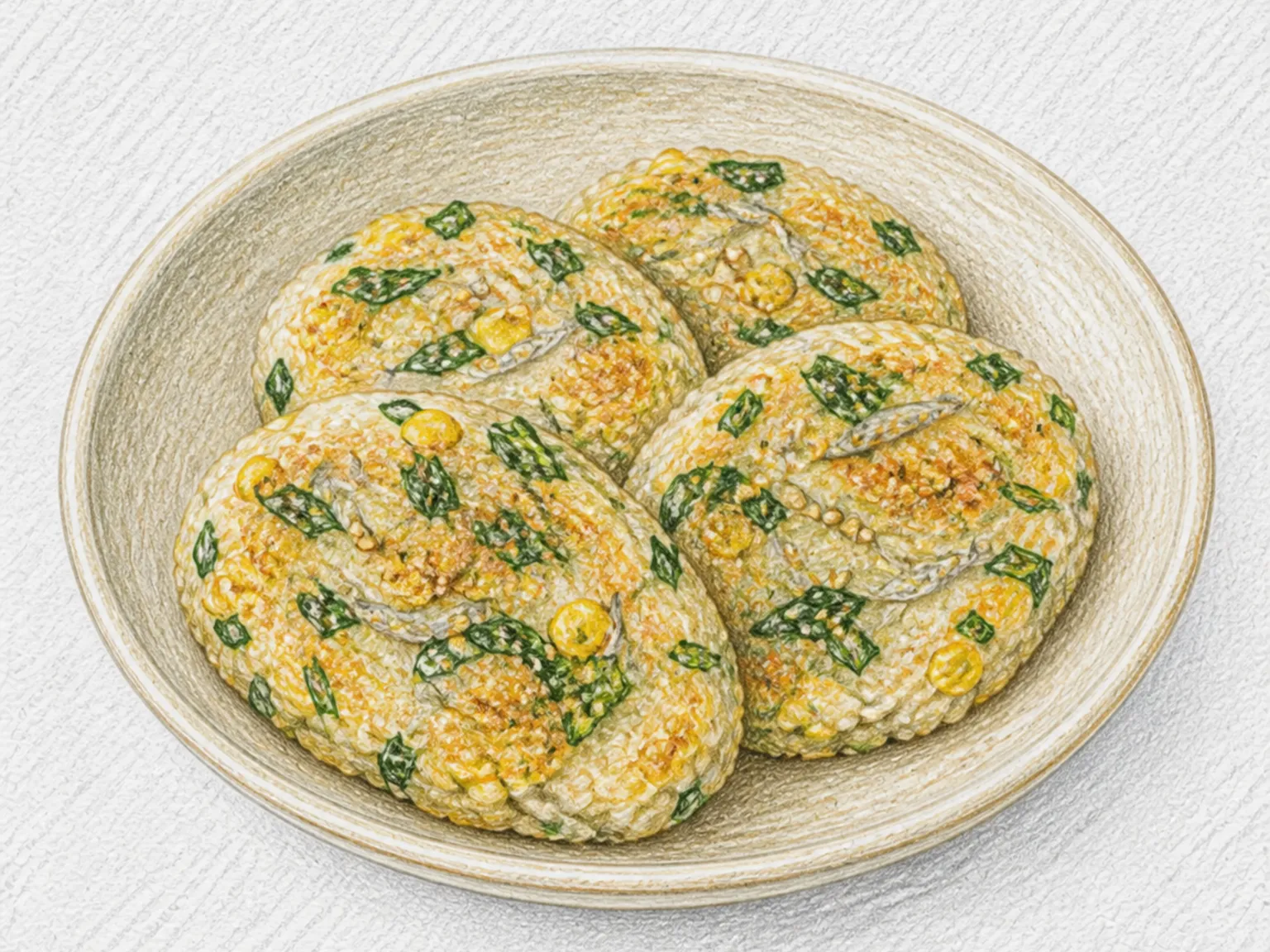
Tochigi yakimochi uses leftover cooked rice soaked briefly in water and kneaded again with wheat flour and miso. Boiled corn, blanched young sand lance, aonori, and toasted sesame are mixed into the dough, which is divided into eight oval cakes about 1.5cm thick and browned on both sides in a skillet over medium-low heat. The dish comes from a time when snacks and light meals were made at home, turning leftover rice into a fragrant miso cake. Grilling was also a practical way to extend the usefulness of rice during warm months when it spoiled quickly. It remains a simple household snack and tea accompaniment passed on to children.

🏠 Everyday 🧒 Kid-Friendly
Prep 25min Cook 15min 4 servings
Sake Manju (Koji-Fermented Steamed Buns)
Desserts Hard

Sake Manju (Koji-Fermented Steamed Buns)

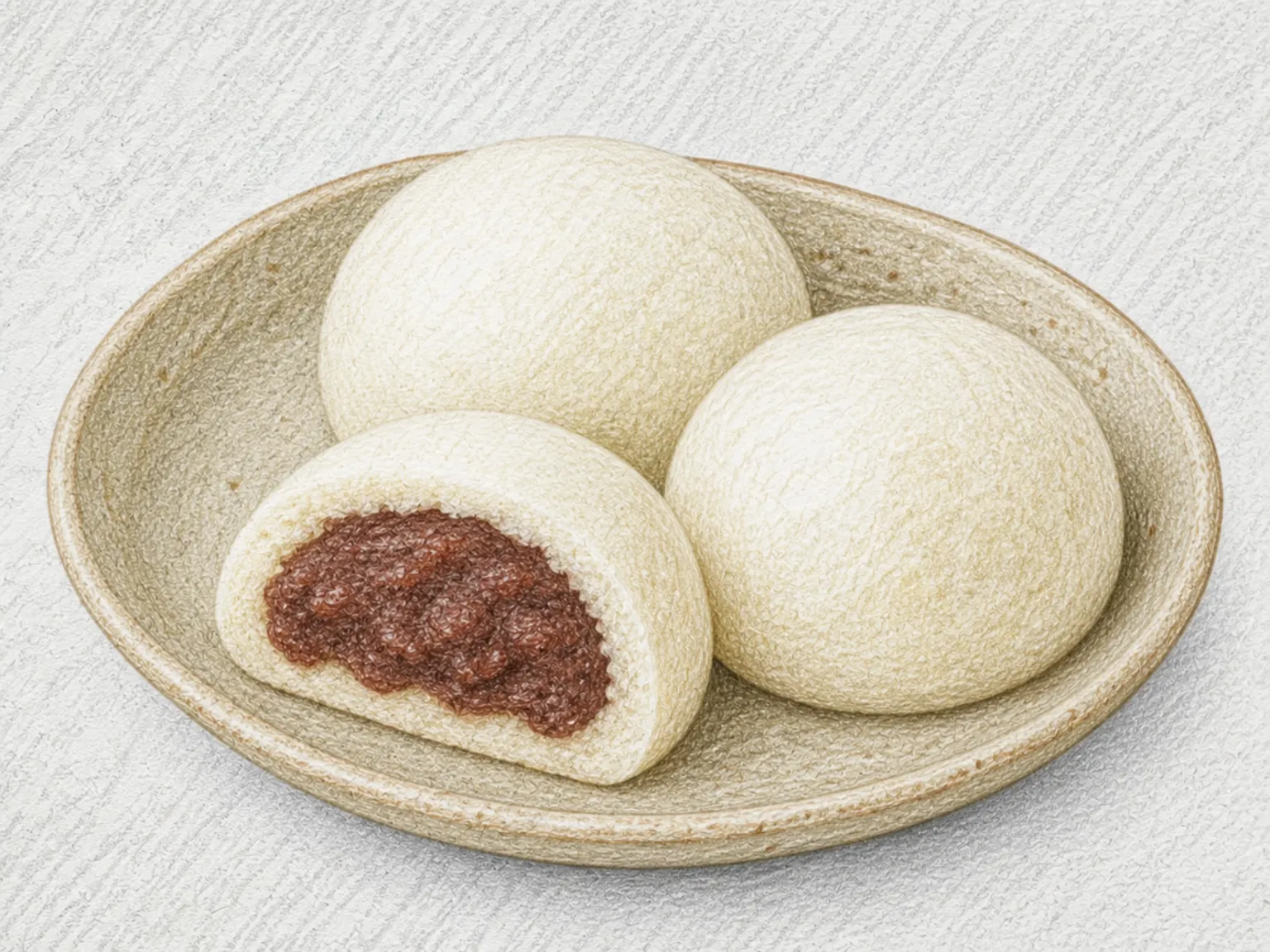
Sake manju is a regional sweet from Taketa and Bungo-ono in Oita. Soft-cooked glutinous rice and rice koji first become amazake, then ferment for several more days into a bubbling starter. That liquid leavens a wheat-flour dough without added baker's yeast; each portion wraps sweet red bean paste and is steamed until fluffy. The result has a gentle fermented aroma, mild sweetness, and a tender yet pleasantly chewy skin. These buns were eaten for Children's Day, Obon, local festivals, and breaks during farm work. Warm weather favors the fermentation, while freshly steamed buns were welcomed in winter. Careful temperature control, clean tools, and observation of the starter are essential.

🧒 Kid-Friendly 🎉 Special Occasion
Prep 180min Cook 30min 10 servings
Miso Soup
Soups Easy

Miso Soup

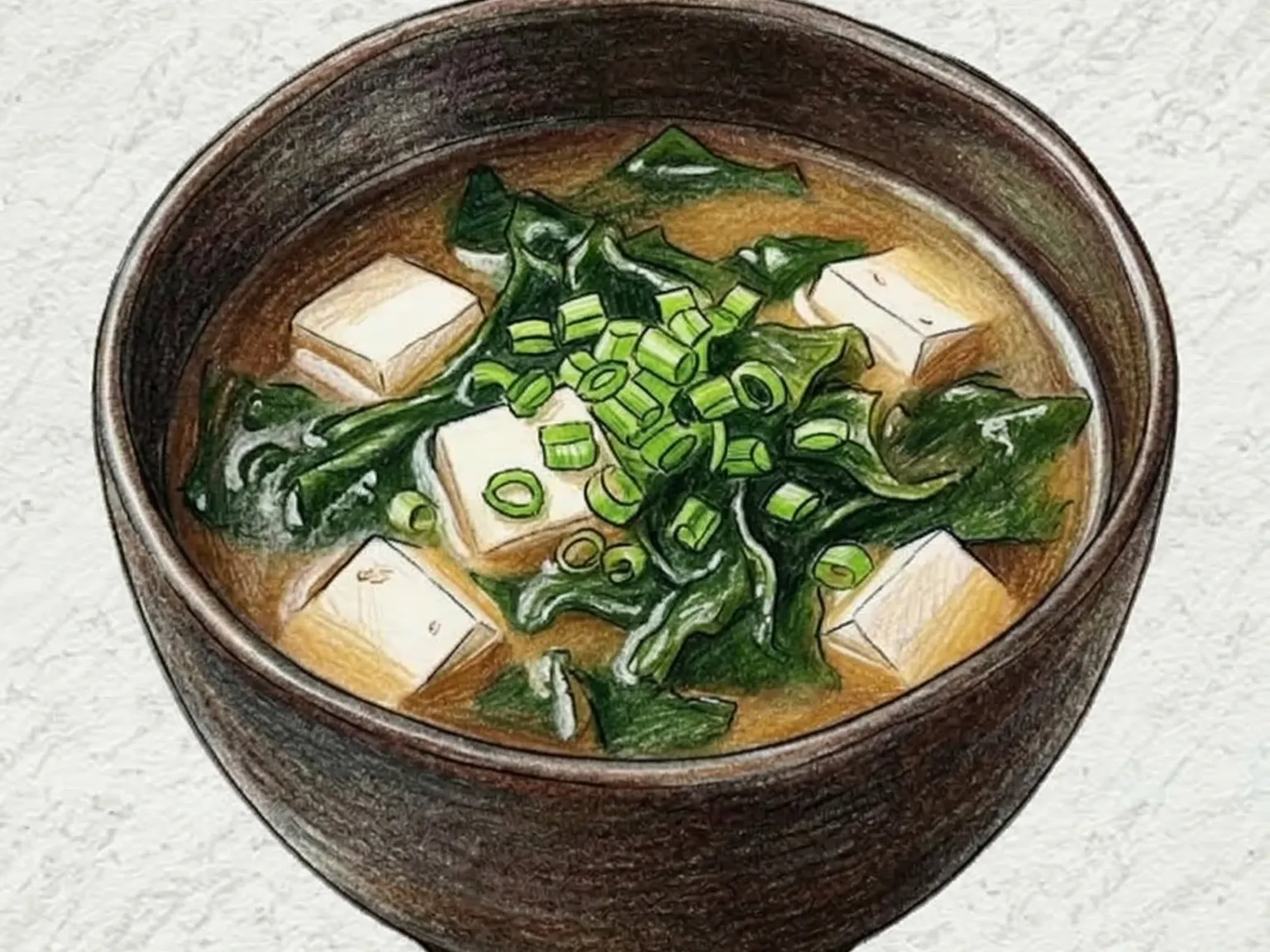
Miso soup, or miso shiru, is a staple of Japanese home cooking, traditionally served alongside daily meals. The soup features a base of dashi stock made from bonito flakes and kelp, which provides a savory umami foundation. Standard additions include cubed silken tofu and rehydrated wakame seaweed, finished with thinly sliced green onions. The preparation requires heating the dashi stock gently without letting it boil rapidly, then warming the tofu. To preserve the delicate aroma of the miso paste, it is dissolved in a ladle with a bit of hot broth before being stirred into the pot, and the heat is turned off immediately. Home cooks can choose between mild, slightly sweet white miso or a more savory, salty red miso to adjust the flavor. It is a light and comforting soup designed to complement other dishes.

⚡ Quick 🏠 Everyday
Prep 5min Cook 10min 2 servings
Kake Udon (Plain Udon in Clear Dashi Broth)
Noodles Easy

Kake Udon (Plain Udon in Clear Dashi Broth)

Kake udon is the most elemental form of Japanese udon: thick, springy wheat noodles served in a clear dashi broth seasoned with soy sauce, mirin, and a small amount of salt. With so few components, the quality of the dashi determines everything about the dish. The broth is built on katsuobushi and dried kelp, producing a flavor that is restrained but unmistakably savory. The noodles must be thick enough to hold their chew and smooth enough to carry broth with each lift of the chopsticks. Toppings are deliberately kept to a minimum, typically sliced kamaboko fish cake and chopped green onion, so the stock and noodle texture remain the focus rather than any single garnish. The noodles should go directly from the pot into hot broth, as they soften quickly and lose their characteristic bounce if left to sit. In the Kansai region, pale usukuchi soy sauce is used to keep the broth nearly transparent, making the visual clarity of the soup another deliberate element of the dish.

🏠 Everyday ⚡ Quick
Prep 10min Cook 12min 2 servings
Chicken Adobo (Filipino Vinegar Soy Braised Chicken)
Asian Easy

Chicken Adobo (Filipino Vinegar Soy Braised Chicken)

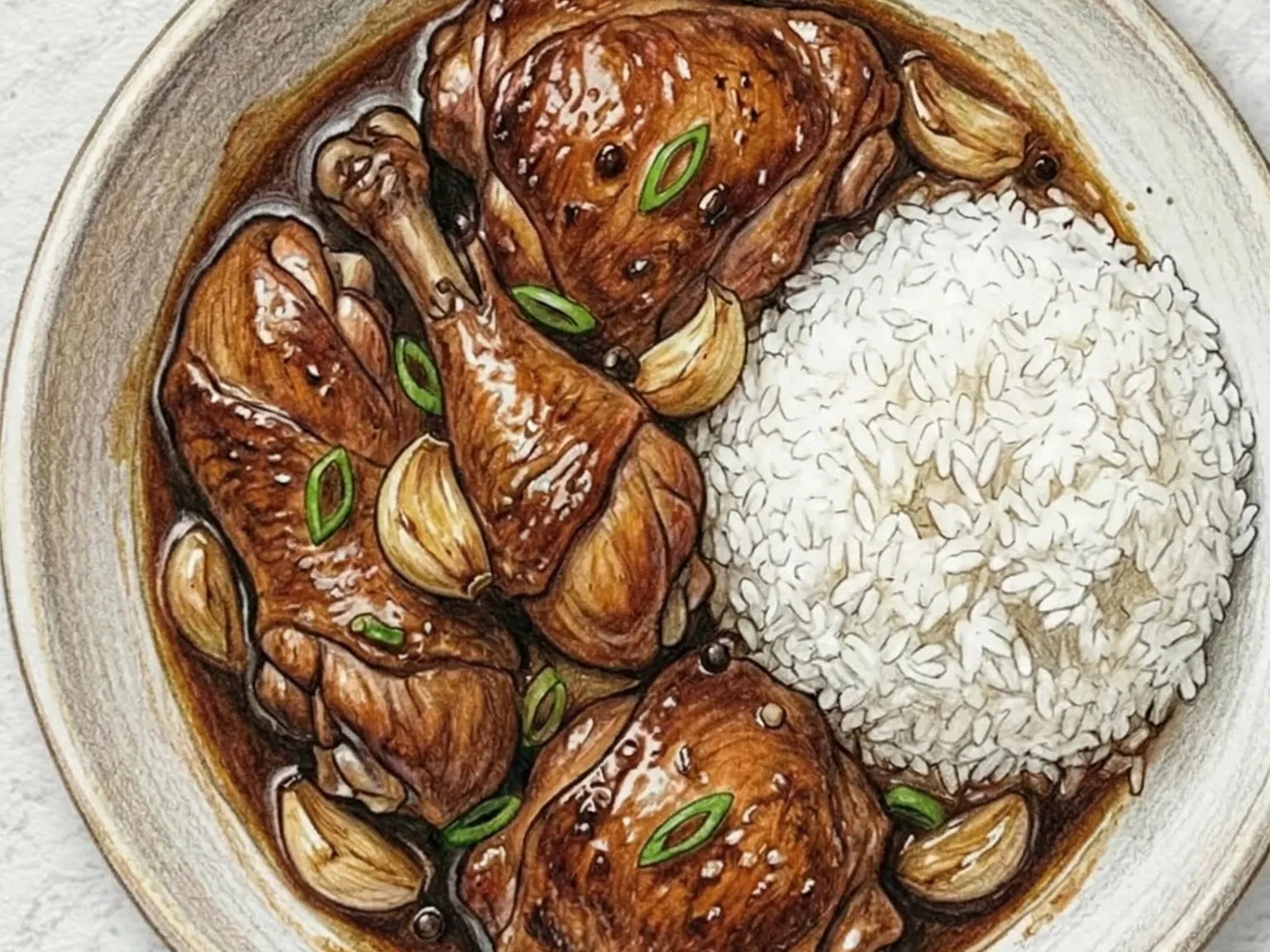
Chicken adobo is the unofficial national dish of the Philippines, rooted in a pre-colonial preservation technique of braising meat in vinegar to extend its shelf life in tropical heat long before refrigeration. Chicken simmers uncovered in soy sauce, cane vinegar, crushed whole garlic cloves, bay leaves, and whole black peppercorns until the sharp acidity of the vinegar mellows into a layered, salty-sour sauce with a caramelized depth that no amount of shortcutting can replicate. Once braised, the chicken pieces are removed from the sauce and pan-fried until the skin turns deep golden and audibly crisp, then returned to the reduced liquid for a final coat. The moment the crackling skin absorbs the thick, glossy sauce is the defining pleasure of a well-made adobo. Every Filipino household holds its own ratio of soy sauce to vinegar as a point of pride, and the unresolvable debate over whose mother makes the best version is practically a national institution. This tolerance for variation is part of why the dish has endured for centuries across a country of more than seven thousand islands. It is always served over steamed white rice with extra sauce ladled over generously, and adobo famously tastes better the next day, after the proteins have had time to reabsorb the deepened, overnight flavors from the refrigerator.

🍱 Lunchbox 🍺 Bar Snacks
Prep 15min Cook 35min 4 servings
Lo Mai Gai (Cantonese Lotus Leaf Glutinous Rice with Chicken)
Rice Hard

Lo Mai Gai (Cantonese Lotus Leaf Glutinous Rice with Chicken)

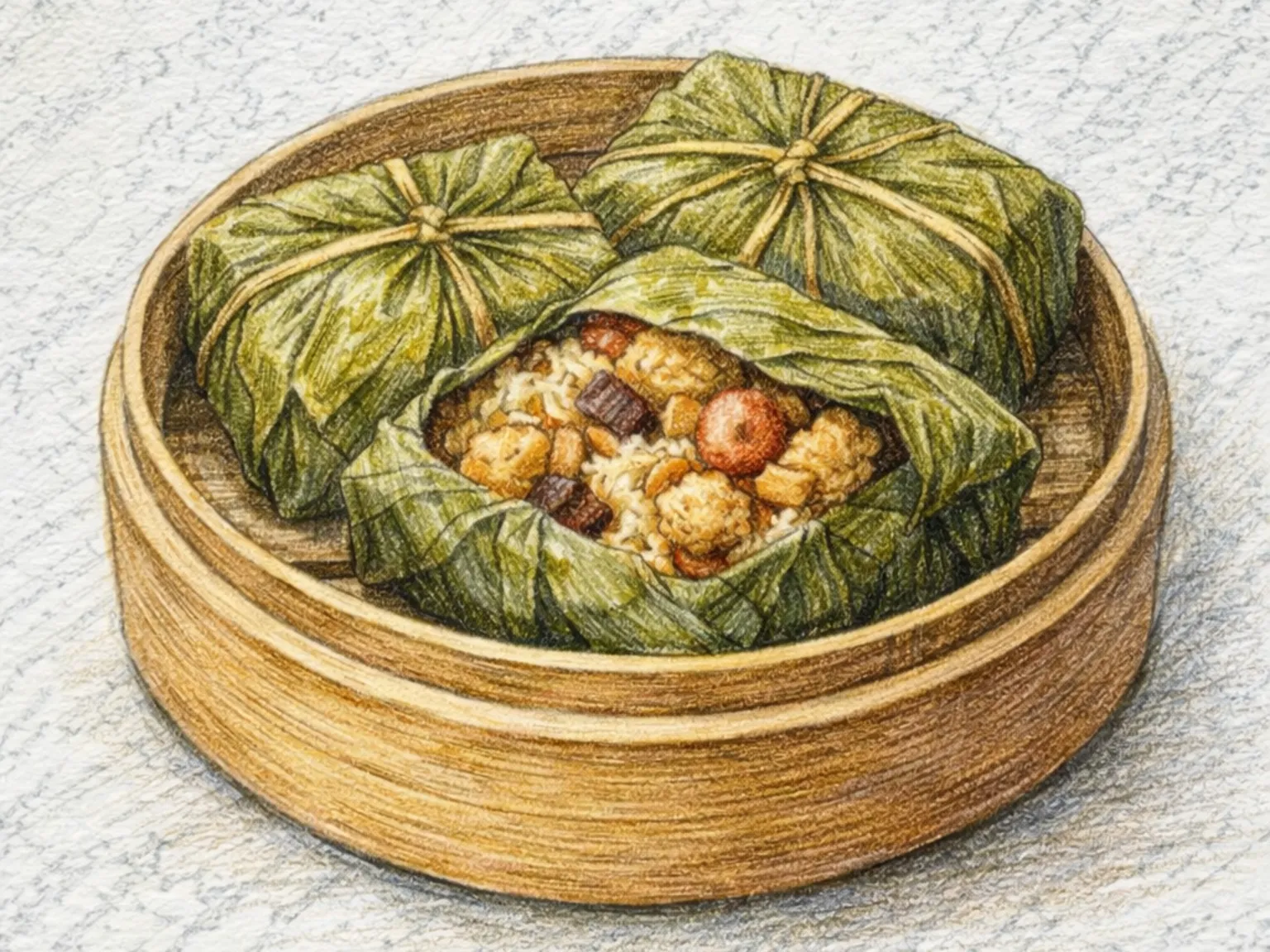
Lo mai gai is a Cantonese dim sum staple of glutinous rice packed with diced chicken, shiitake mushrooms, Chinese sausage, and dried shrimp, all seasoned with oyster sauce and soy sauce, then wrapped tightly in dried lotus leaves and steamed. The lotus leaf is not incidental to the dish. When the package is exposed to steam heat, the leaf releases a grassy, subtly earthy fragrance that penetrates the rice and cannot be recreated by substituting parchment or foil. The glutinous rice absorbs the seasoning from the filling as it cooks, drawing in the savory-sweet fat of the Chinese sausage, the concentrated marine umami of the dried shrimp, and the deep, woodsy aroma of shiitake mushrooms. These flavors fuse into the rice so that every spoonful carries all of them at once rather than tasting like individual components. The parcel arrives at the table in a bamboo steamer, and unfolding the leaf at the table releases a rush of steam carrying the unmistakable lotus fragrance. The traditional way to eat it is directly off the opened leaf.

🎉 Special Occasion
Prep 40min Cook 45min 4 servings
Tokyo Sakura Mochi with Cherry Leaf
Desserts Medium

Tokyo Sakura Mochi with Cherry Leaf

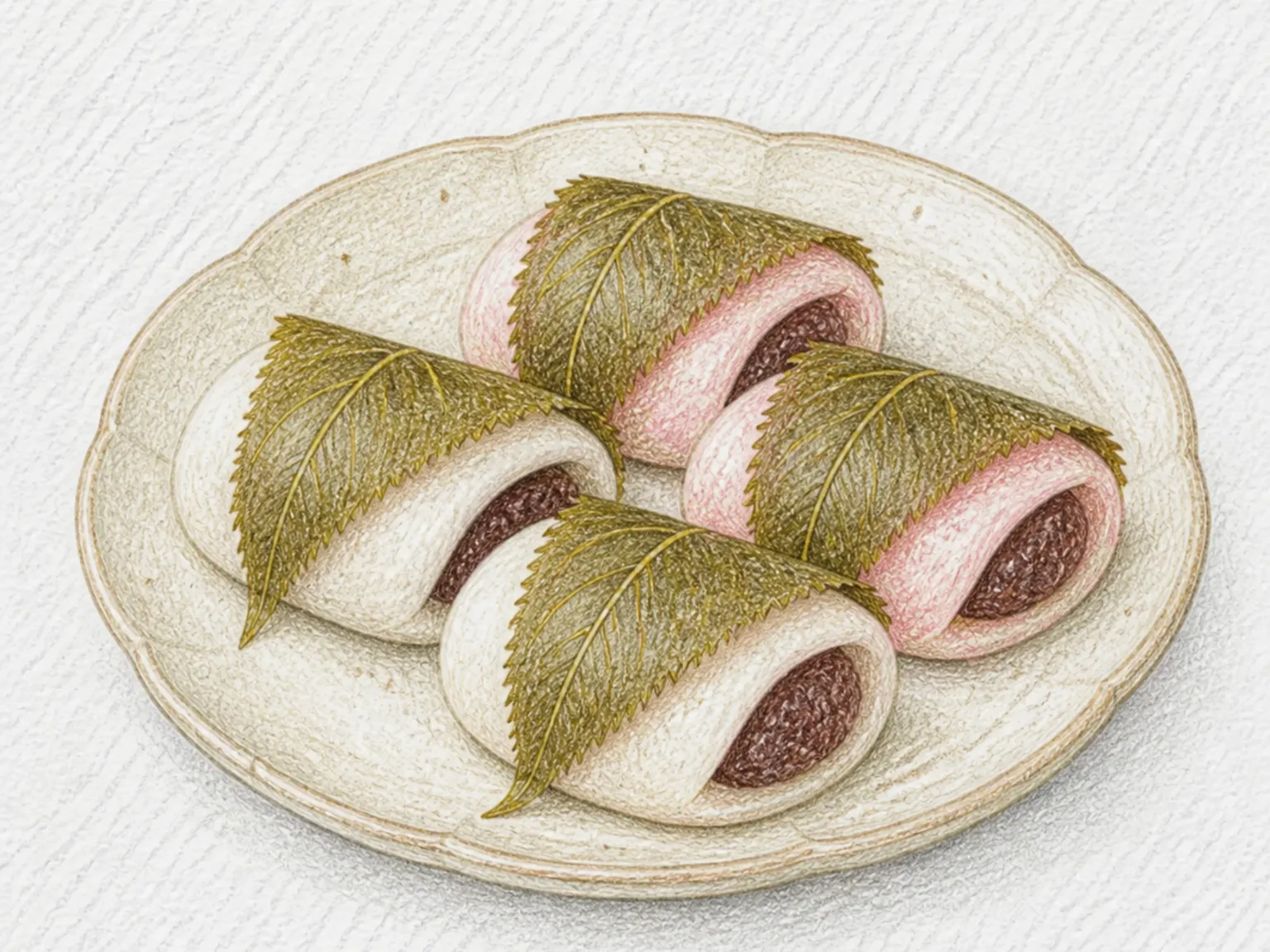
Tokyo-style sakura mochi is an Edo confection that cooks a thin oval pancake from wheat flour and shiratamako, wraps it around smooth red bean paste, and encloses it again in a salt-preserved Oshima cherry leaf. Tradition dates it to 1717, when Shinroku Yamamoto, working near Chomeiji by the Sumida riverbank, salted fallen cherry leaves gathered during cleanup and used them to wrap sweets for blossom viewers. Shiratamako is first smoothed with water before sifted flour and sugar form a flowing batter. Half stays white and half is tinted the palest pink, producing four pancakes of each color over low heat. They must wrap the bean paste while warm and flexible. Strongly salted food-grade leaves are soaked, passed briefly through hot water, and dried. Placing the veined underside outward lets their aroma perfume the delicate wrapper and bean filling.

🎉 Special Occasion 🔥 Trending Now
Prep 35min Cook 25min 8 servings
Tsugani-jiru Mitten Crab Soup
Soups Hard

Tsugani-jiru Mitten Crab Soup

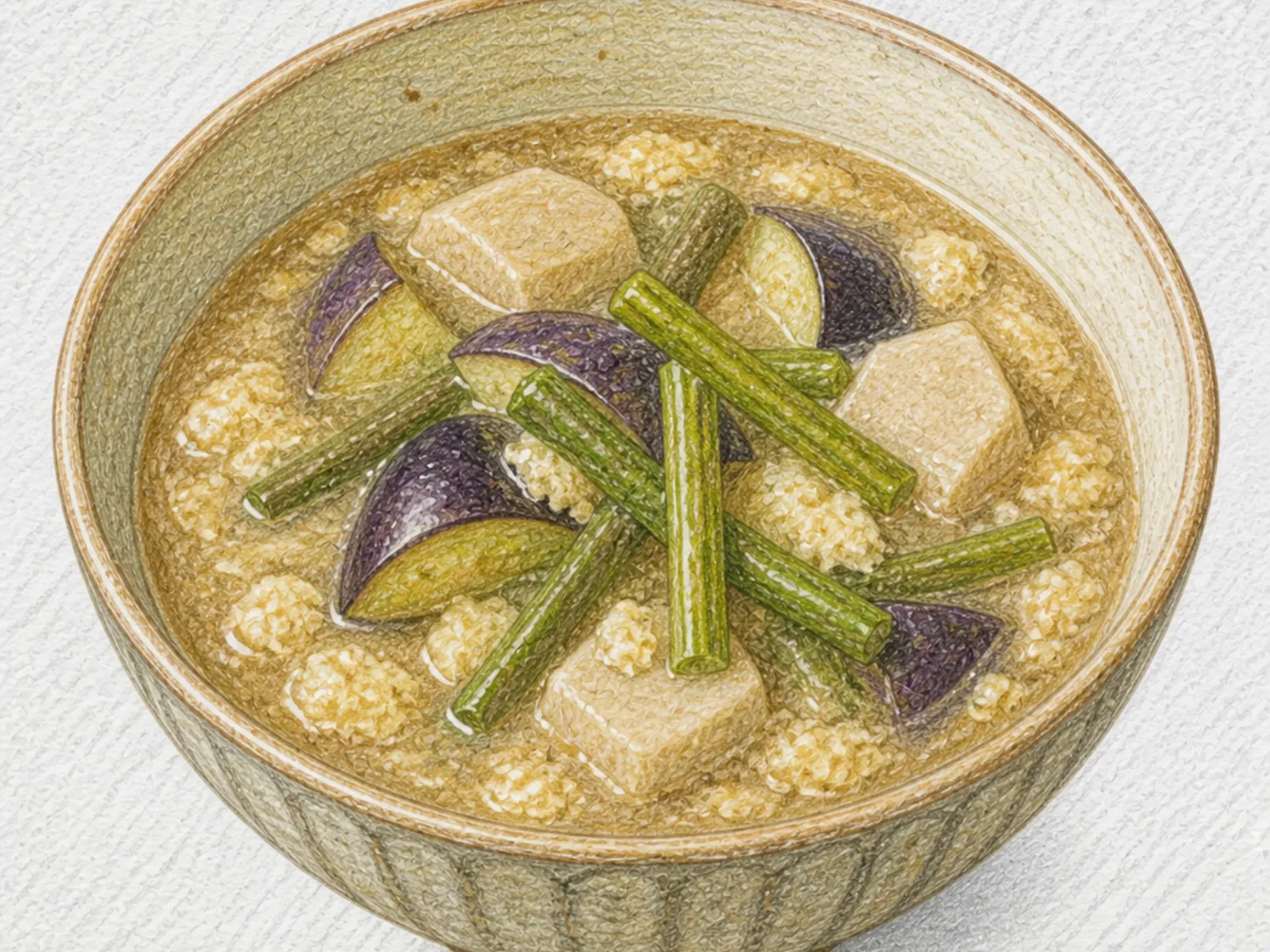
Tsugani-jiru is a river-basin soup from Kochi made by finely crushing Japanese mitten crab with its shell, diluting and straining it, then heating the liquid until crab proteins gather into soft curds. It was eaten in autumn when crabs moved downstream through the Shimanto, Niyodo, and Monobe rivers, with eggplant and the peeled stalk called ryukyu. Raw freshwater crab can carry parasites and environmental contaminants and can spread microbes through splashes. Use only fresh crab sold for cooking by a licensed food supplier, never self-caught crab. Keep a separate raw-crab work zone, strain without splashing, and immediately bring the liquid to a full boil for at least five minutes before finishing the vegetables.

🎉 Special Occasion 🏠 Everyday
Prep 45min Cook 30min 4 servings
Kakke Buckwheat Triangles
Noodles Medium

Kakke Buckwheat Triangles

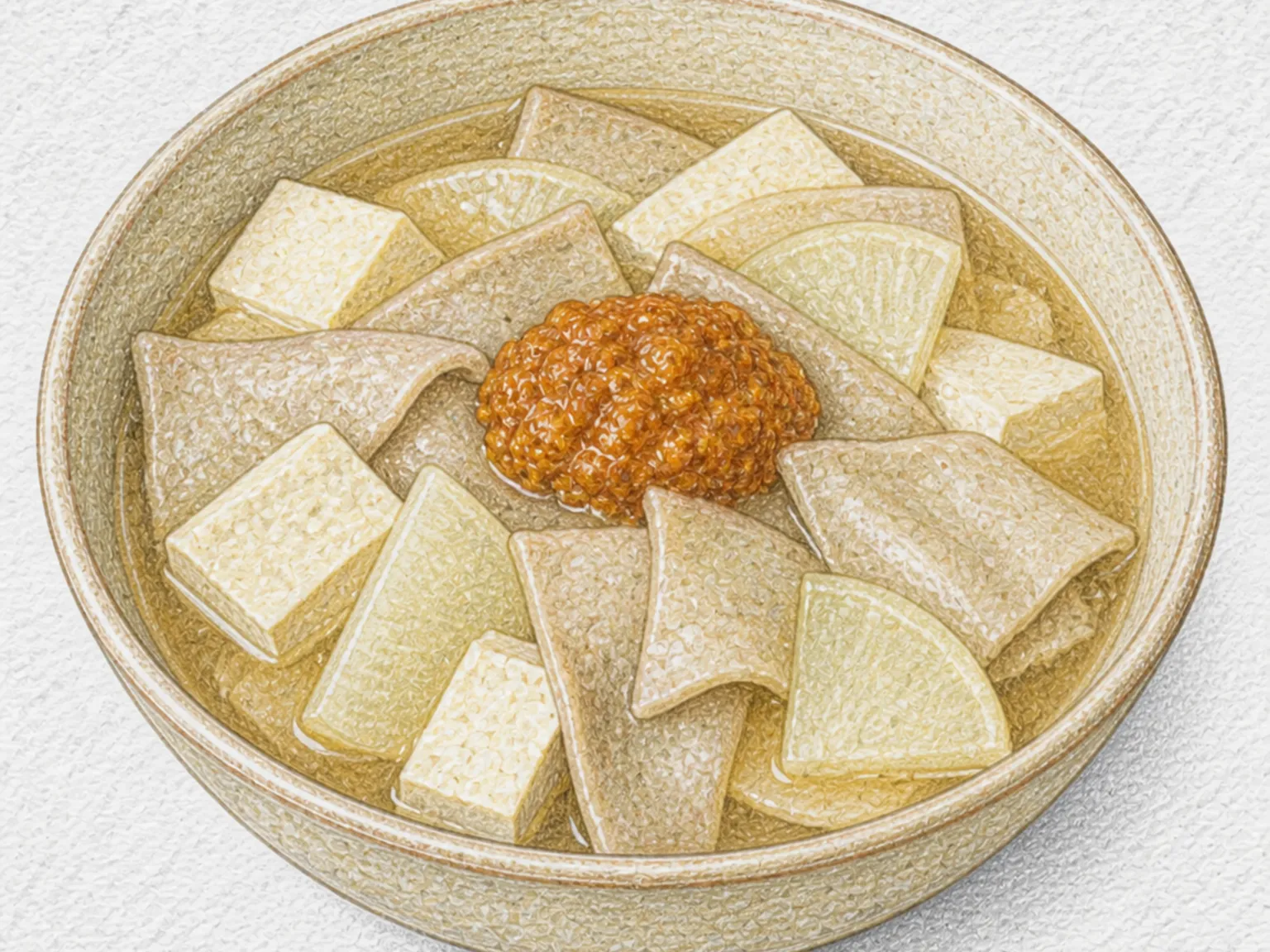
Kakke is a home dish from southern Aomori made by kneading buckwheat flour with salt and water, rolling it thin, and cutting it into triangles. The pieces cook in dashi with daikon and tofu, then are lifted from the pot and dipped in miso mixed with grated garlic. The local word kakke can mean a piece or edge, and one origin story connects the dish to scraps left from soba making. The tender buckwheat edges, hot vegetables and tofu, and pungent garlic miso are prepared around one simmering pot and eaten as an everyday meal in the Nanbu region.

🏠 Everyday
Prep 35min Cook 20min 5 servings
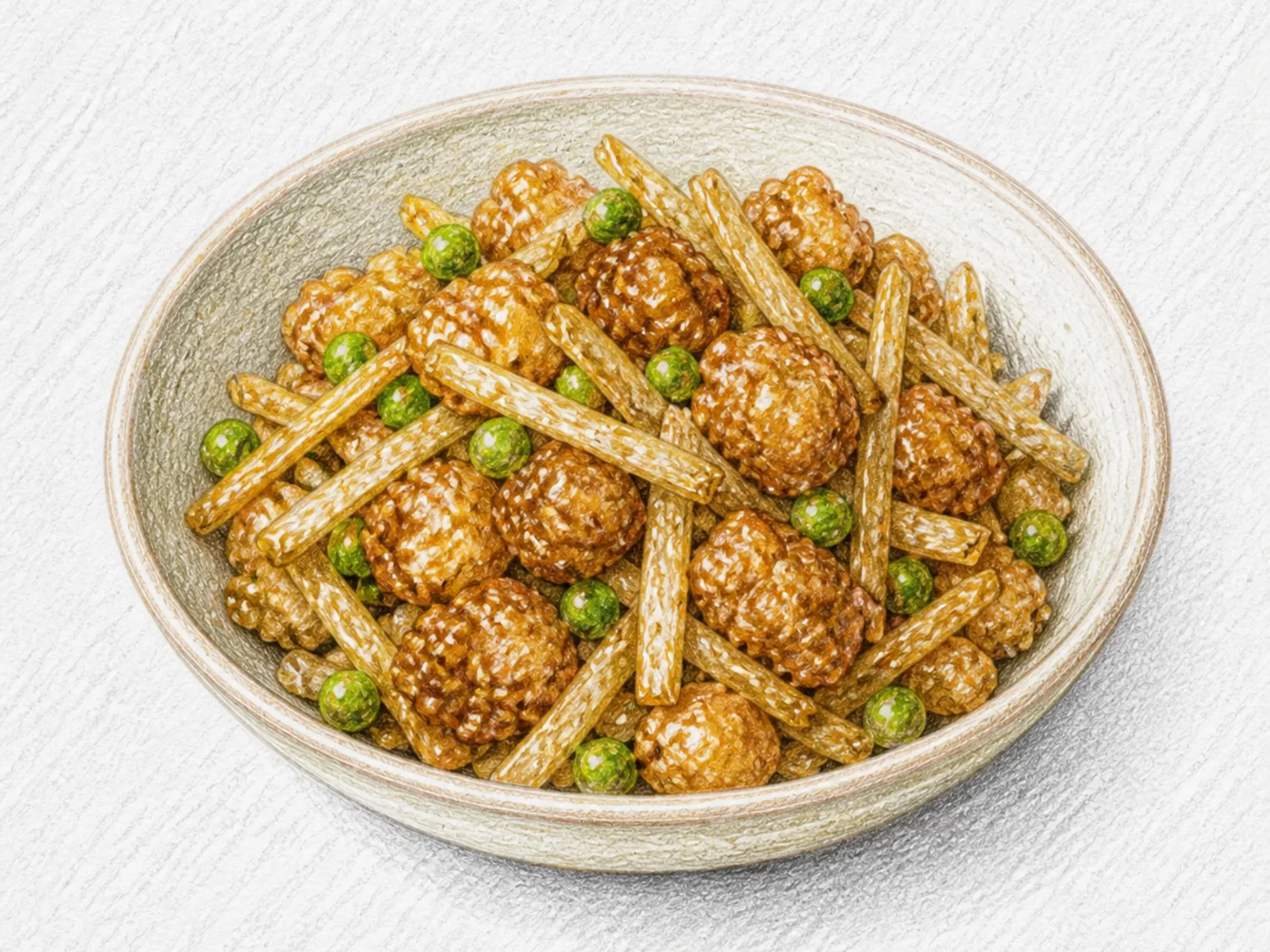
Chicken Chicken Gobo (Glazed Chicken and Burdock)
Asian Medium

Chicken Chicken Gobo (Glazed Chicken and Burdock)

Chicken chicken gobo is a Yamaguchi dish of bite-size chicken thigh and thin burdock slices coated with potato starch, fried separately, and briefly glazed in a sweet-savory soy sauce with edamame. It began after an elementary-school nutrition teacher invited families to submit dishes that could refresh the lunch menu. From school cafeterias it spread into homes, restaurants, and local events. Frying chicken and burdock in separate batches gives each ingredient the time it needs, while a short final toss coats the crisp surfaces without soaking them. The rhythmic name also makes its main ingredients immediately clear to children.

🏠 Everyday 🍱 Lunchbox
Prep 20min Cook 25min 4 servings
Lu Rou Fan (Taiwanese Braised Ground Pork Rice Bowl)
Rice Easy

Lu Rou Fan (Taiwanese Braised Ground Pork Rice Bowl)

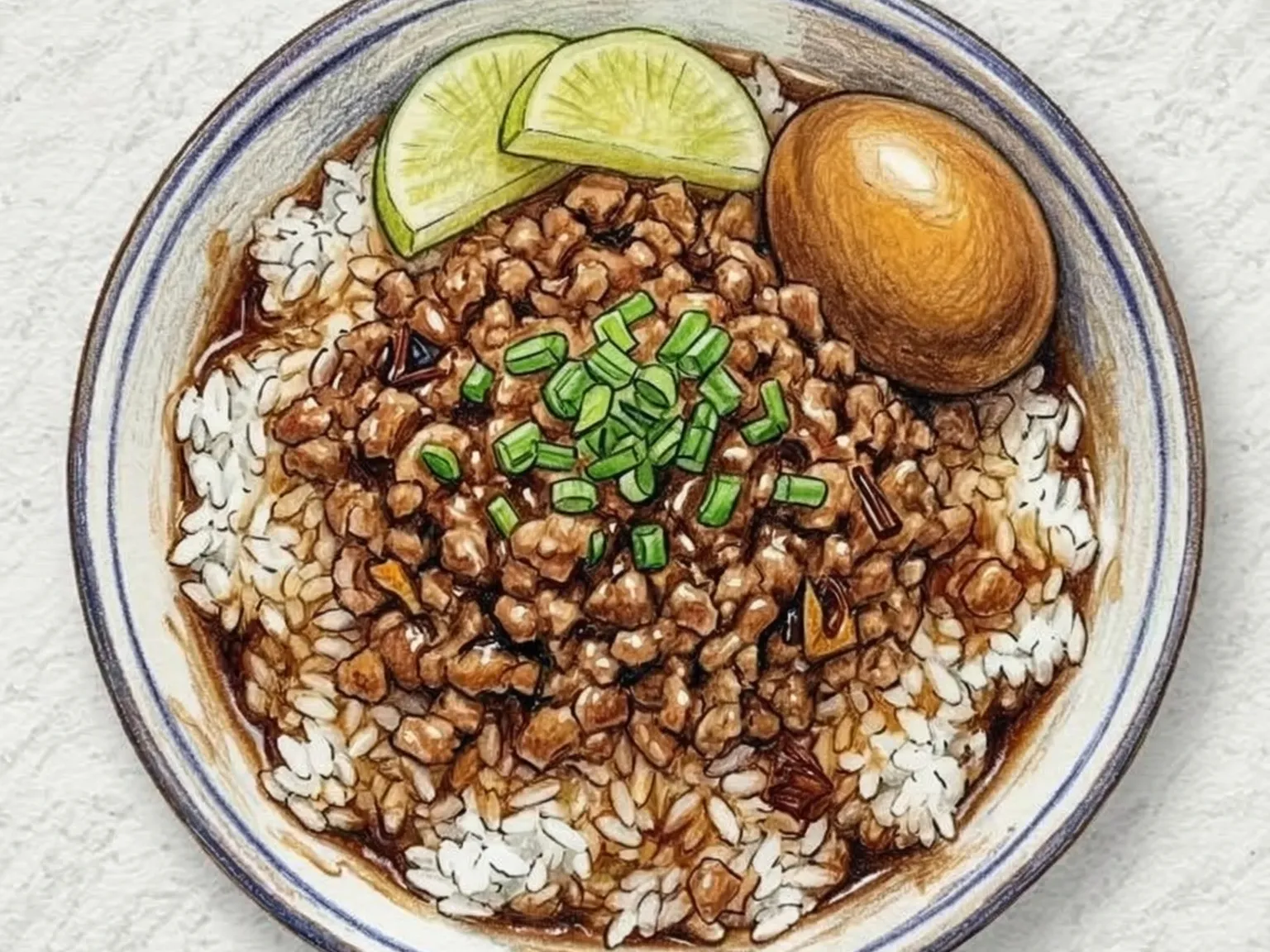
Lu rou fan is Taiwan's most deeply embedded comfort food, a bowl of steamed white rice topped with minced pork that has been braised low and slow in soy sauce, rice wine, and five-spice powder until the fat renders completely and the cooking liquid reduces into a thick, glossy sauce. Star anise and cinnamon permeate the meat during the long simmer, contributing a warm, aromatic layer that is present but never sharp enough to dominate. Sold from roadside stalls and neighborhood restaurants across Taiwan at all hours and at minimal cost, it is both an everyday staple and a dish people return to throughout their lives. Pickled daikon served alongside cuts through the richness of the braising sauce with its crunch and acidity, providing the contrast that makes the combination more satisfying than either element alone. A soy-braised egg with a jammy yolk adds another textured component, and a small bunch of blanched greens rounds out the bowl with something light and clean. The braising liquid deepens significantly with time, so simmering for at least thirty minutes over gentle heat is what separates a properly developed lu rou fan from a rushed version.

🏠 Everyday 🎉 Special Occasion
Prep 15min Cook 45min 4 servings
Sanbai Miso Steamed Red Bean Rice Cake
Desserts Hard

Sanbai Miso Steamed Red Bean Rice Cake

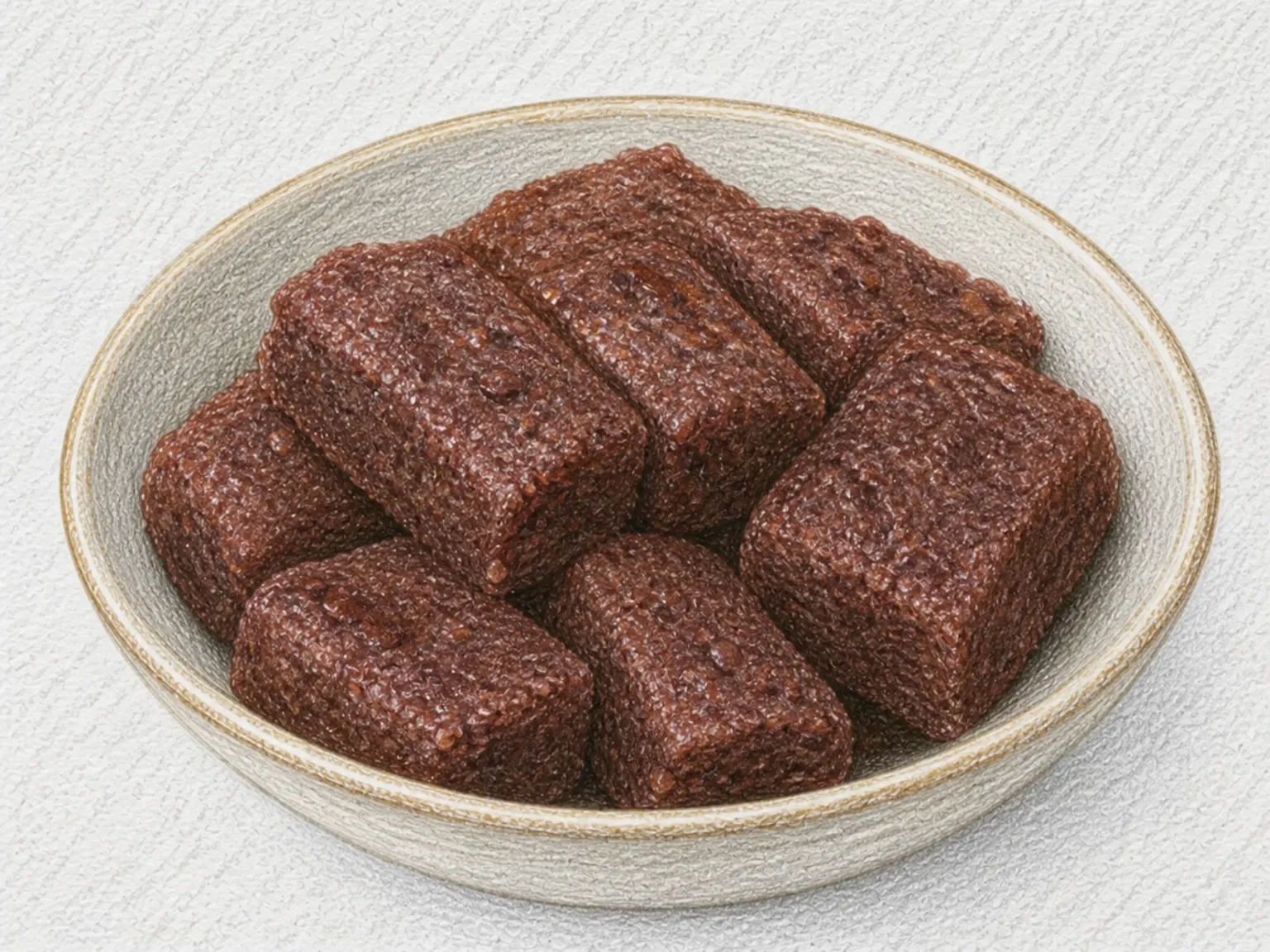
Sanbai miso is a dense steamed rice cake from southern Akita, made by working smooth azuki paste with sugar and coarse crystal sugar, then combining it with glutinous and non-glutinous rice flours. Despite miso in the name, the transmitted modern formula contains no soybean paste. One explanation links the name to measuring three principal ingredients by the bowl, while another points to the miso-like appearance of the mixed dough. The bean paste is stirred for about an hour so its moisture and sweetness become even, cooled completely, and only then kneaded with sifted flours. Thirty minutes in a fully steaming cooker sets the cake before it is shaped with a bamboo mat, cooled, and sliced. It was shared from stacked boxes at family gatherings and during breaks in busy farming seasons.

🎉 Special Occasion 🧒 Kid-Friendly
Prep 35min Cook 95min 24 servings
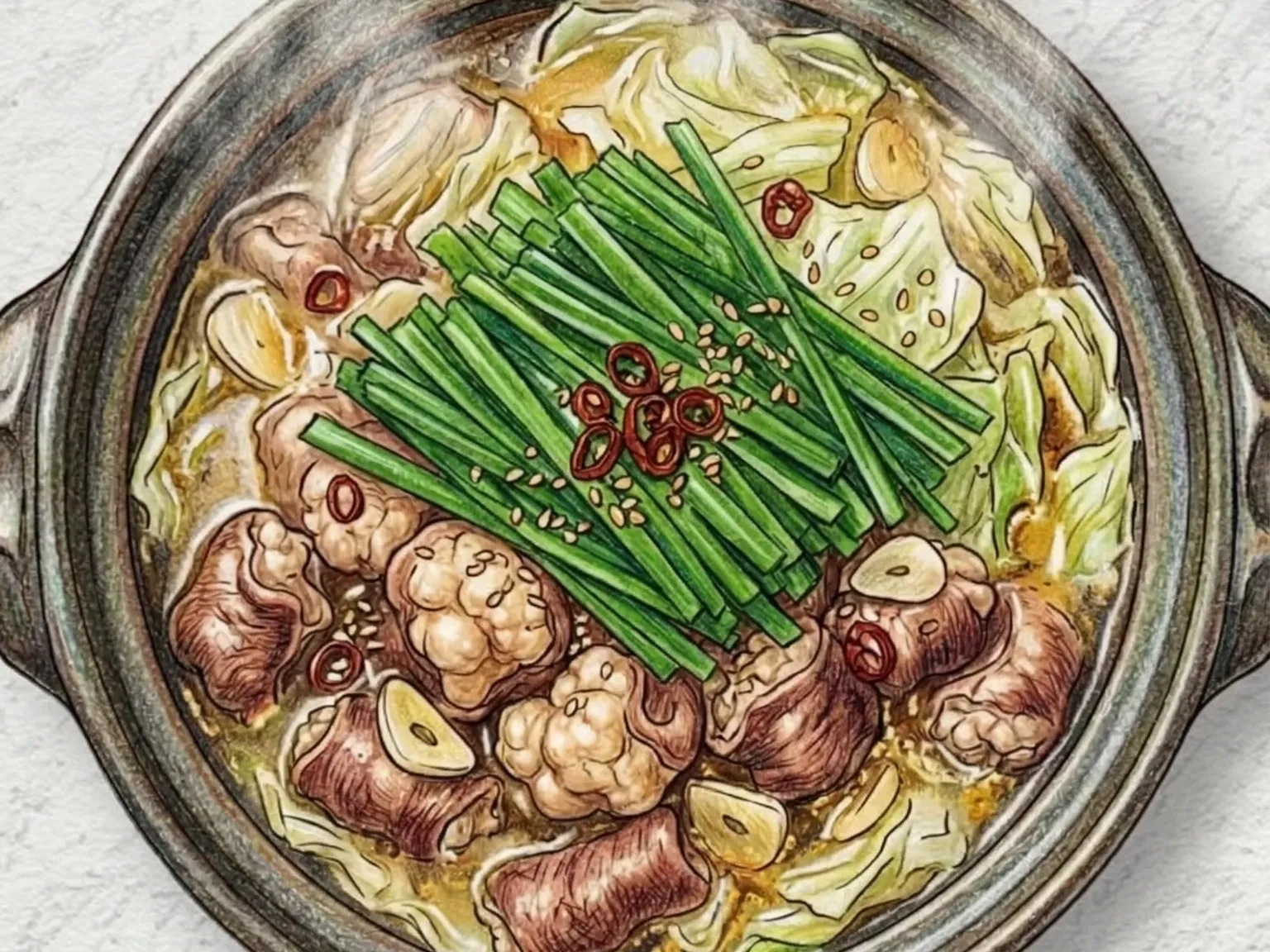
Hakata Motsu Nabe (Offal Hot Pot)
Soups Easy

Hakata Motsu Nabe (Offal Hot Pot)

Hakata motsu nabe is a traditional Japanese hot pot featuring pork small intestines simmered with cabbage, garlic chives, and tofu. The preparation begins by rinsing and blanching the offal to eliminate gamey odors before slicing it into small pieces. The base broth combines chicken stock, soy sauce, and mirin, brought to a boil before adding the blanched offal, hand-torn cabbage, and firm tofu. Simmering allows the fats from the intestines to melt into the soup, enriching its flavor, while the cabbage absorbs the seasoned liquid and softens. Sliced garlic and red chili are added to infuse the broth with a warm aroma, followed by garlic chives cooked briefly to preserve their green color. This dish is served hot at the table and traditionally finished by adding ramen noodles or rice to the remaining savory broth.

🍺 Bar Snacks 🎉 Special Occasion
Prep 15min Cook 20min 3 servings
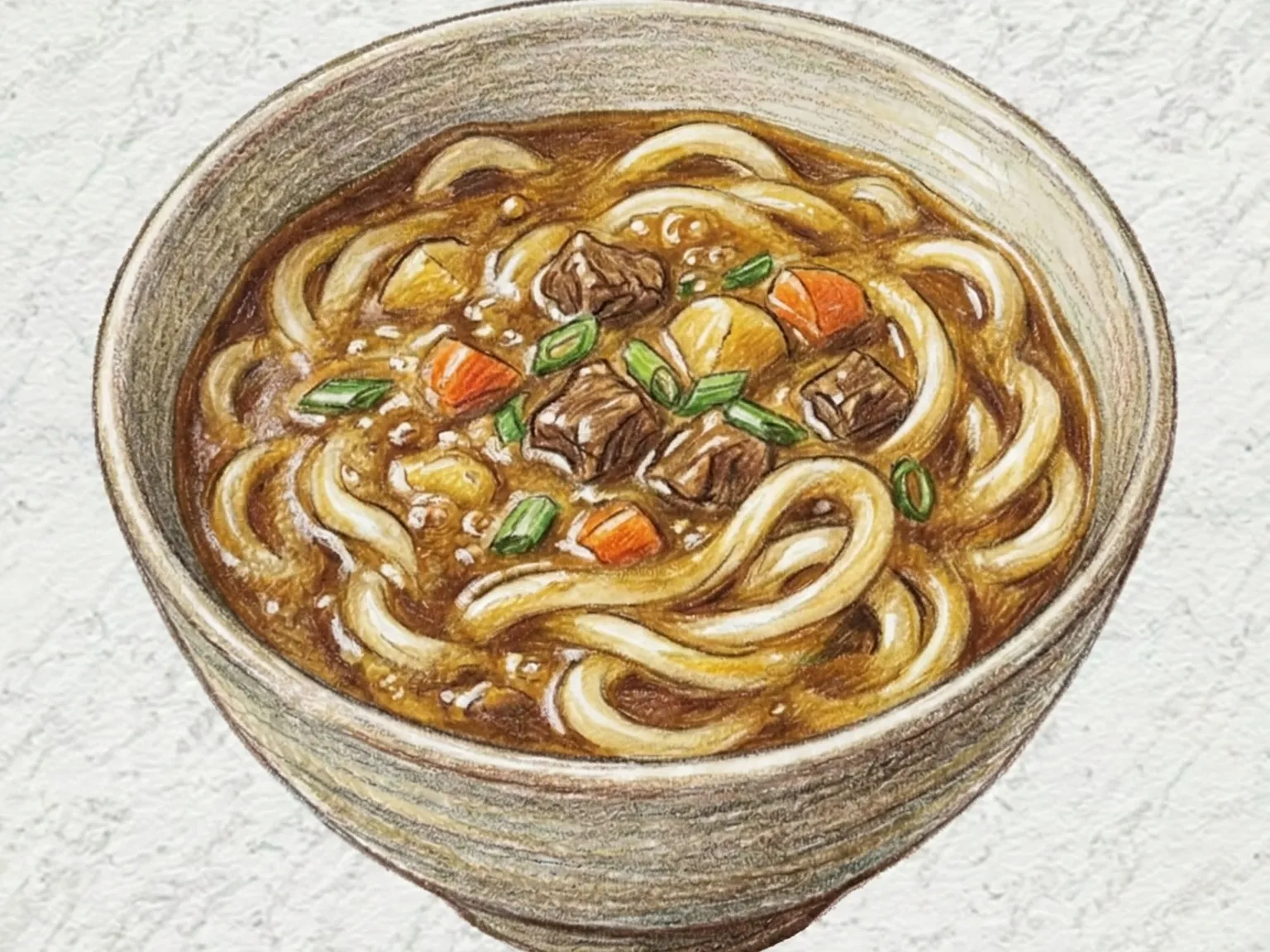
Curry Udon
Noodles Easy

Curry Udon

Kare udon is a Japanese curry noodle dish built on dashi stock, which separates it from curry rice despite sharing the same roux. Thinly sliced pork and onion are stir-fried in oil first, then dashi made from katsuobushi and kombu is added and brought to a boil. Curry roux blocks are stirred in next, transforming the stock into a thick, clinging sauce that coats the pot and every strand of noodle. The heat must drop to low the moment the roux goes in, with constant stirring to prevent the starchy sauce from scorching. Katsuobushi and kombu contribute an umami depth that the curry spices intensify rather than mask, producing a broth more layered than either element alone. The fat, chewy udon strands absorb the sauce and carry it from pot to mouth with each lift of the chopsticks. Finishing with sliced scallions or shichimi adds fragrance and a mild bite. Though the same roux block appears in kare raisu, the presence of dashi and noodles makes this a distinctly different dish in taste, texture, and character.

🏠 Everyday 🌙 Late Night
Prep 10min Cook 20min 2 servings
Chicken Curry
Asian Easy

Chicken Curry

Chicken curry is one of the world's most universal dishes, adapted as it traveled from the Indian subcontinent through Japan and into Korea, each culture reshaping it to local taste. The Japanese-style version uses a flour-and-butter roux for a thick, mild sauce, while Indian preparations build complexity by browning onions deeply and layering whole and ground spices with tomato. Chicken, potato, carrot, and onion simmer together until the vegetables release their starch and sweetness into the sauce, creating a velvety body. The essential pleasure is spooning the curry over steamed rice and watching it seep between the grains. Leftover curry reheated the next day tastes notably deeper - the Japanese call this nikkame no curry (second-day curry) and many prefer it to the fresh pot, as the spice compounds have had time to meld and the starches further thicken the sauce. Despite the simplicity of its core ingredients, the virtually limitless variation in spice blending is what makes this dish endlessly compelling across cultures.

🏠 Everyday 🍺 Bar Snacks
Prep 15min Cook 35min 4 servings
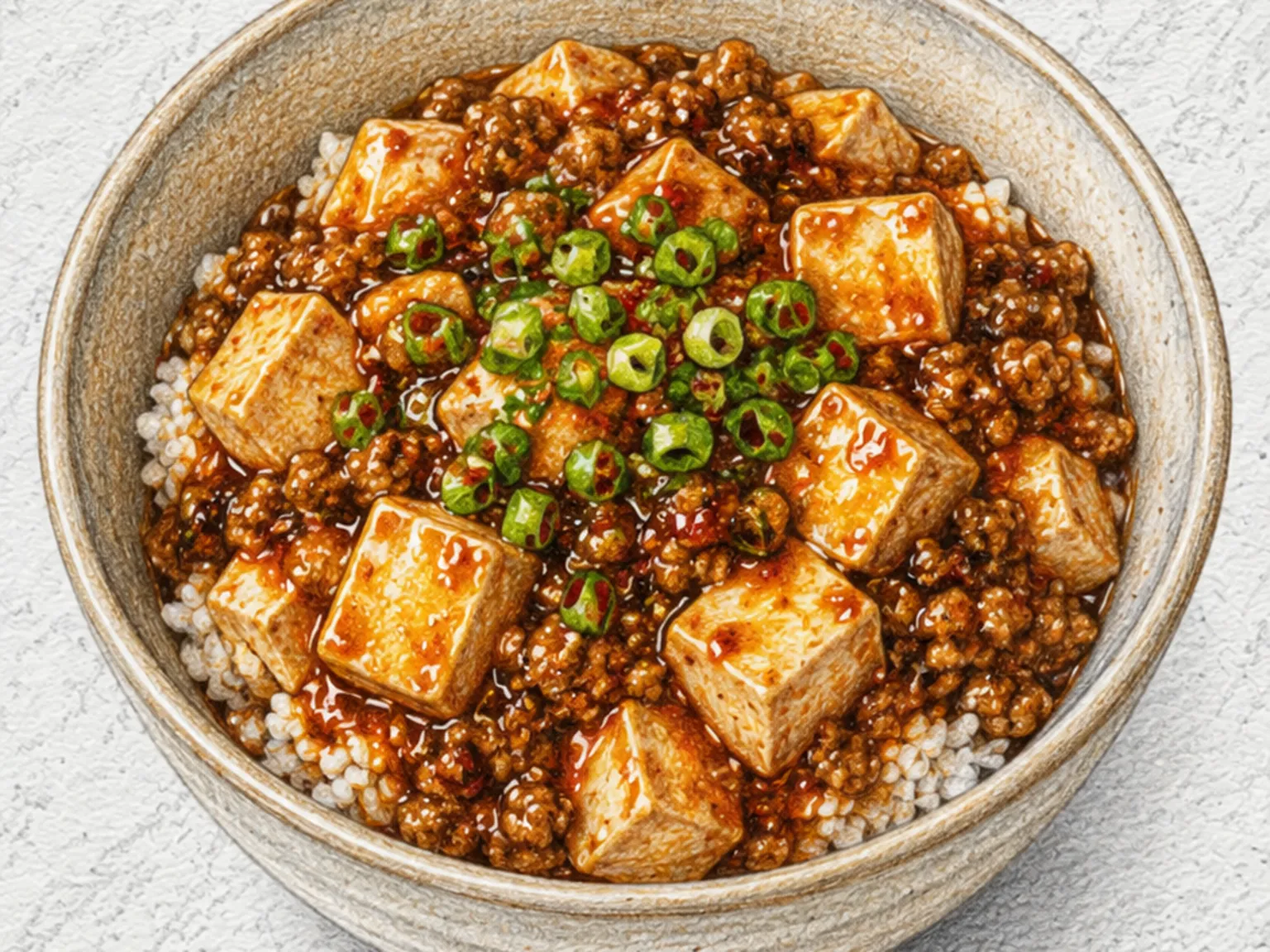
Korean Mapo Tofu Rice Bowl
Rice Medium

Korean Mapo Tofu Rice Bowl

This mapo tofu rice bowl cooks 300 g tofu and 120 g ground pork in a doubanjiang sauce, then serves the thickened mixture over 2 cups of rice. Cut the tofu into 2 cm cubes, blanch it in boiling salted water for 2 minutes, and drain it carefully. Blanching firms the surface so the corners are less likely to break while the sauce is applied. Heat 2 tbsp vegetable oil in a pan over medium heat and cook the pork for 3 minutes, breaking it apart until no pink remains. Add 1 tbsp minced garlic and 1.5 tbsp doubanjiang, lower the heat to medium-low, and stir for 1 minute until the oil turns red without letting the paste scorch. Pour in 1/2 cup water. Once it boils, add the tofu and cook gently for 3 minutes, shaking the pan instead of stirring hard. Season with 1 tbsp soy sauce, pour in 1 tbsp starch slurry, and simmer for 30 seconds. The sauce is ready when it looks glossy and stays around the tofu rather than running freely. Spoon it over the rice and finish both servings with 1 tsp sesame oil and 30 g sliced green onion.

🏠 Everyday 🥗 Light & Healthy
Prep 10min Cook 12min 2 servings
Sata Andagi Okinawan Doughnuts
Desserts Medium

Sata Andagi Okinawan Doughnuts

Sata andagi is an Okinawan doughnut made from a firm flour batter rich in egg and brown sugar, rolled into small balls and fried slowly at a relatively low 150 to 160°C. The dough first sinks, rises after twenty to thirty seconds, rotates on its own, and expands until one side opens like a tulip. It is thought to reflect Chinese sweets such as kaikouxiao and kaikouqiu, and became a durable fried confection suited to Okinawa's warm climate. It is both an everyday snack and a traditional offering at important Ryukyu events and ceremonies. The eggs and sugar are mixed without whipping, the stiff dough is worked until glossy, and equal small pieces are fried gently enough to cook their centers before the exterior becomes too dark.

🧒 Kid-Friendly 🎉 Special Occasion
Prep 25min Cook 25min 15 servings
Nakami Jiru (Okinawan Clear Pork Offal Soup)
Soups Hard

Nakami Jiru (Okinawan Clear Pork Offal Soup)

Nakami jiru is an Okinawan clear soup made with nakami, a mixture of pork stomach, large intestine, and small intestine cut into narrow strips. The cleaned offal simmers in a combined pork and bonito broth with dried shiitake mushrooms. Although the main ingredient is offal, the finished soup is light and clear. Achieving that result requires bringing the offal to a boil in fresh water and discarding the cloudy liquid 6 to 7 times, followed by about 2 hours of gentle cooking until tender. Salt and a small amount of soy sauce season the broth without darkening it, and Okinawan long pepper called hihatsu finishes each bowl. Once served for New Year, celebrations, and memorial gatherings, the soup is also eaten as an everyday meal.

🎉 Special Occasion
Prep 45min Cook 180min 4 servings

About Asian

Each country brings its own signature spices and sauces, so even the same ingredients can produce completely different flavors. With a few key pantry items - coconut milk, fish sauce, curry powder, doubanjiang - you can recreate the tastes of Asia at home.