Asian

Asian Recipes

806 recipes. Page 20 of 34

The Asian category gathers popular dishes from Japan, China, Thailand, Vietnam, India, and beyond. Curry, stir-fried noodles, mapo tofu, pad Thai, and pho are among the Asian favorites commonly enjoyed in Korean households.

Asian
Senba-jiru (Salted Mackerel and Daikon Clear Soup)
Soups Hard

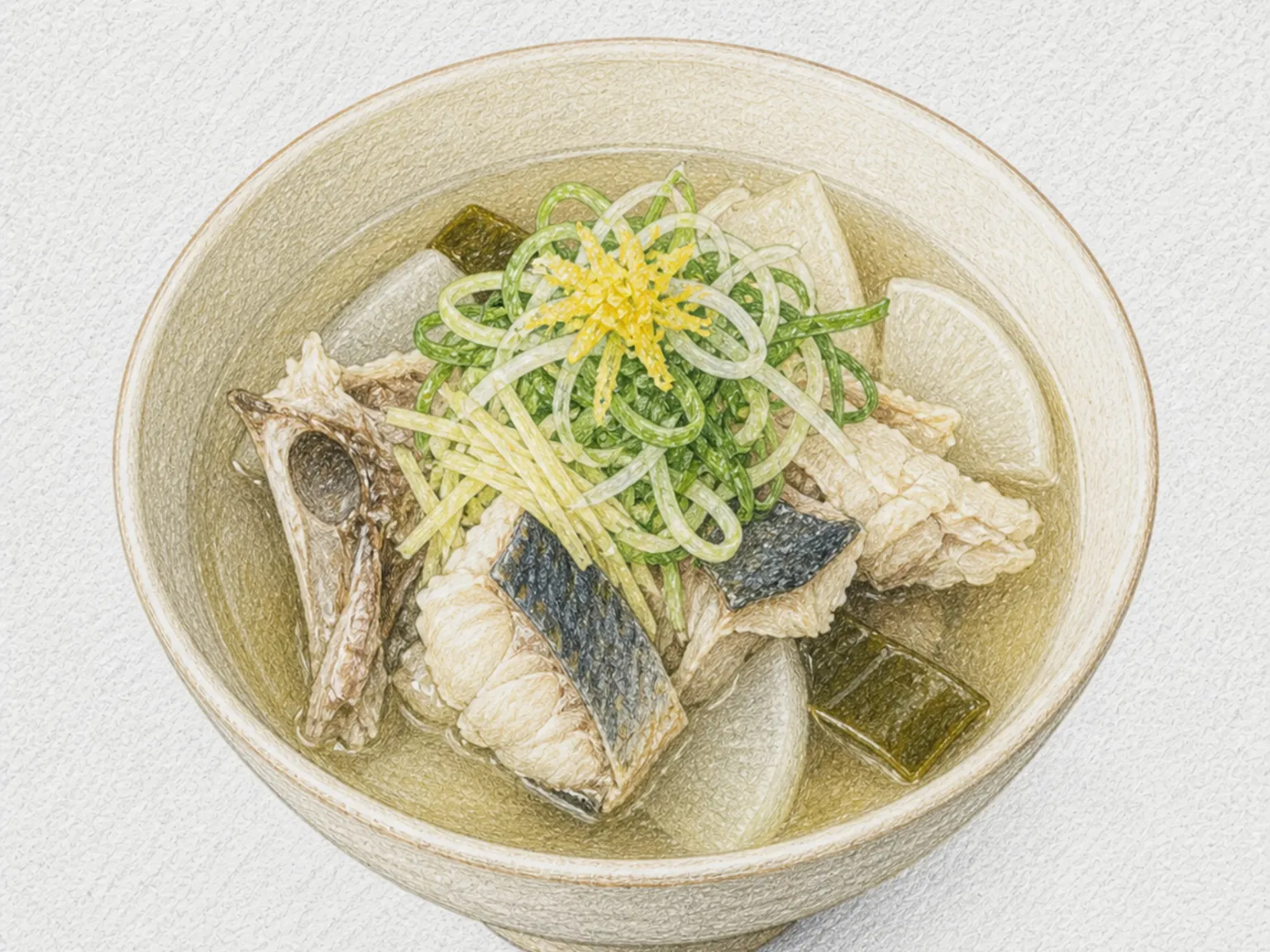
Senba-jiru (Salted Mackerel and Daikon Clear Soup)

Senba-jiru is an Osaka clear soup from the Senba merchant district. Mackerel flesh, head, and bones are salted for an hour, rinsed with boiling water to remove odor, then the scraps simmer with kombu to make broth for daikon and the fish. It reflects the frugal merchant-house practice of using even the head and skeleton after serving the flesh. Sake, light soy sauce, and salt season the soup, while drops of ginger juice, two kinds of shredded onion, and yuzu peel finish each bowl. Because salt from the mackerel moves into the broth, add the final salt only after tasting and cook the flesh to at least 63C at its center.

🏠 Everyday
Prep 80min Cook 30min 4 servings
Korean Kimchi Tofu Nabe Udon
Noodles Easy

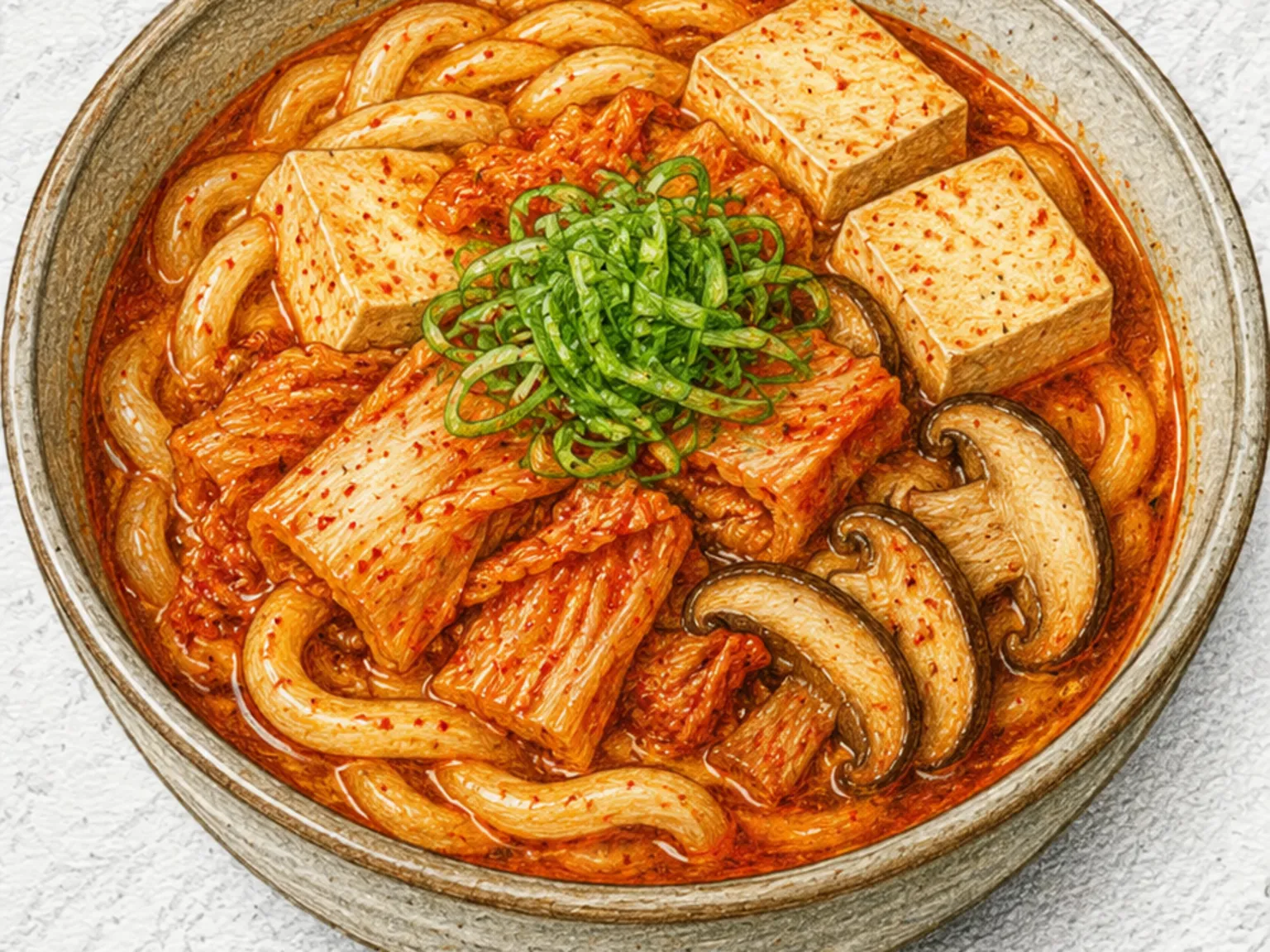
Korean Kimchi Tofu Nabe Udon

Kimchi tofu nabe udon is a Japanese-Korean hybrid hot pot noodle dish built on an anchovy-kelp stock base. Well-fermented kimchi is sauteed in sesame oil for at least two minutes to tame its sharp raw acidity, then the stock goes in along with Korean red chili flakes and soup soy sauce to form the broth. Thick slabs of firm tofu and sliced shiitake mushrooms simmer for four minutes, absorbing the spicy, savory liquid throughout, before thick udon noodles are added for a final two to three minutes. The udon's substantial mass soaks up the surrounding broth, so every bite carries the full flavor of the pot. Because kimchi saltiness varies by brand and age, soy sauce should be added in small amounts at the end rather than all at once. Pressing the tofu dry with a paper towel before it goes in keeps the broth from turning murky. Shredded green onion on top adds fragrance, and leftover broth with added rice makes a satisfying congee-style finish.

🏠 Everyday 🌙 Late Night
Prep 12min Cook 16min 2 servings
Chole Bhature (Chickpea Curry with Puffed Bread)
Asian Hard

Chole Bhature (Chickpea Curry with Puffed Bread)

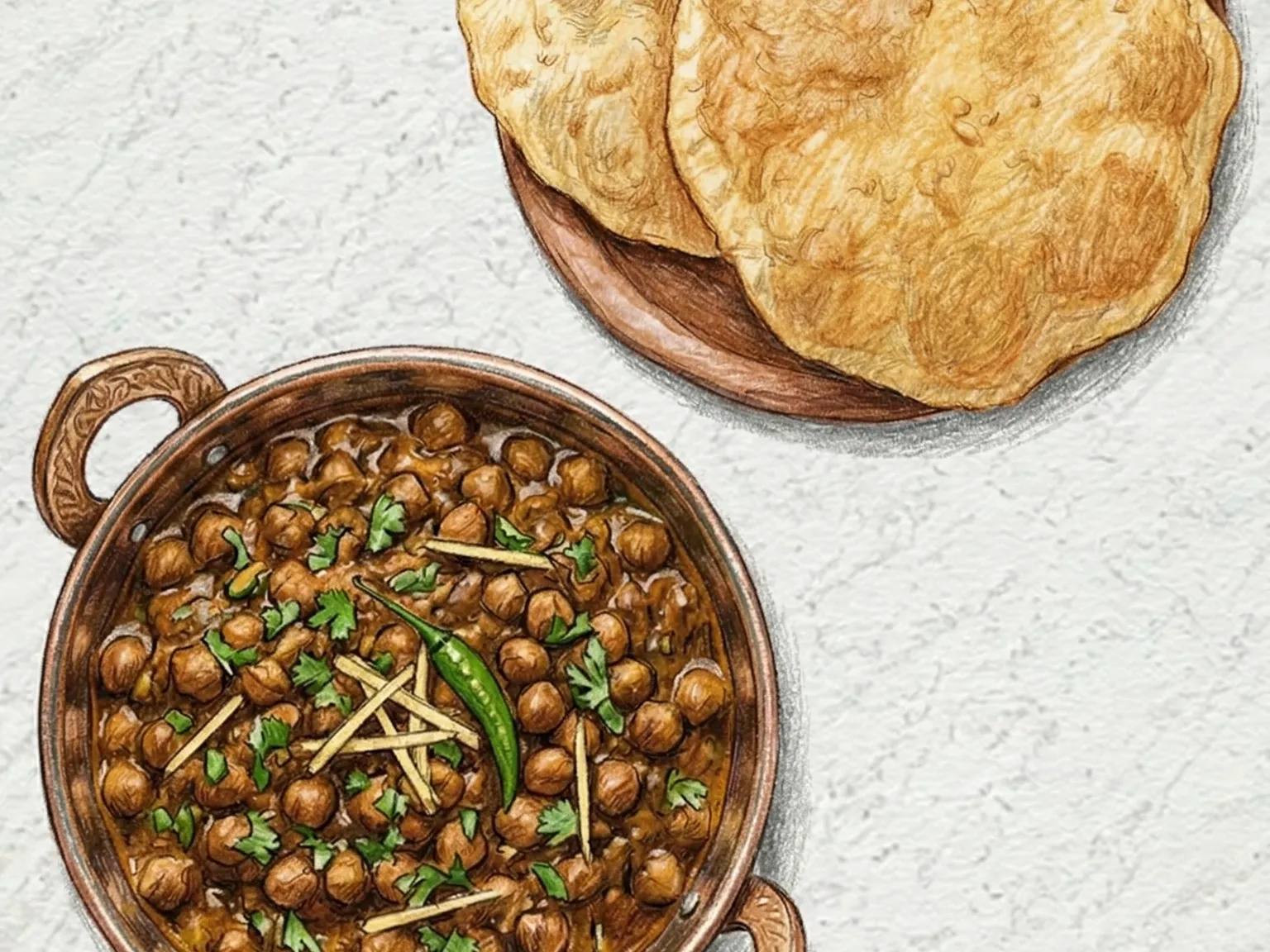
Chole bhature is the definitive breakfast combination of North India's Punjab and Delhi regions, bringing together a dark, intensely spiced chickpea curry and deep-fried puffed bread. The chole begins with dried chickpeas soaked overnight and pressure-cooked until tender, then folded into a base of slow-cooked onion and tomato seasoned with amchur, anardana, and garam masala, simmered until the gravy thickens to a deep, clinging brown. Whole spices - black cardamom, cinnamon, bay leaf - are often tied in muslin and simmered alongside the chickpeas, infusing the pot with fragrance without leaving stray solids in the finished dish. Bhature dough is made with refined flour enriched by yogurt and coarse semolina, rested at room temperature until slightly fermented, then rolled and lowered into hot oil where it balloons into a puffy, golden pillow within seconds. The ritual of tearing a piece of bhature and scooping up chole delivers salty, sour, and spiced-bread richness in a single motion. Raw onion rings and pickled green chilies cut through the heaviness with crunch and heat. In Old Delhi, the most storied shops have maintained their curry by never fully emptying the pot, topping it up over decades so the base carries years of accumulated flavor.

🎉 Special Occasion
Prep 30min Cook 35min 4 servings
Nasi Goreng (Indonesian Sweet Soy Sauce Shrimp Fried Rice)
Rice Easy

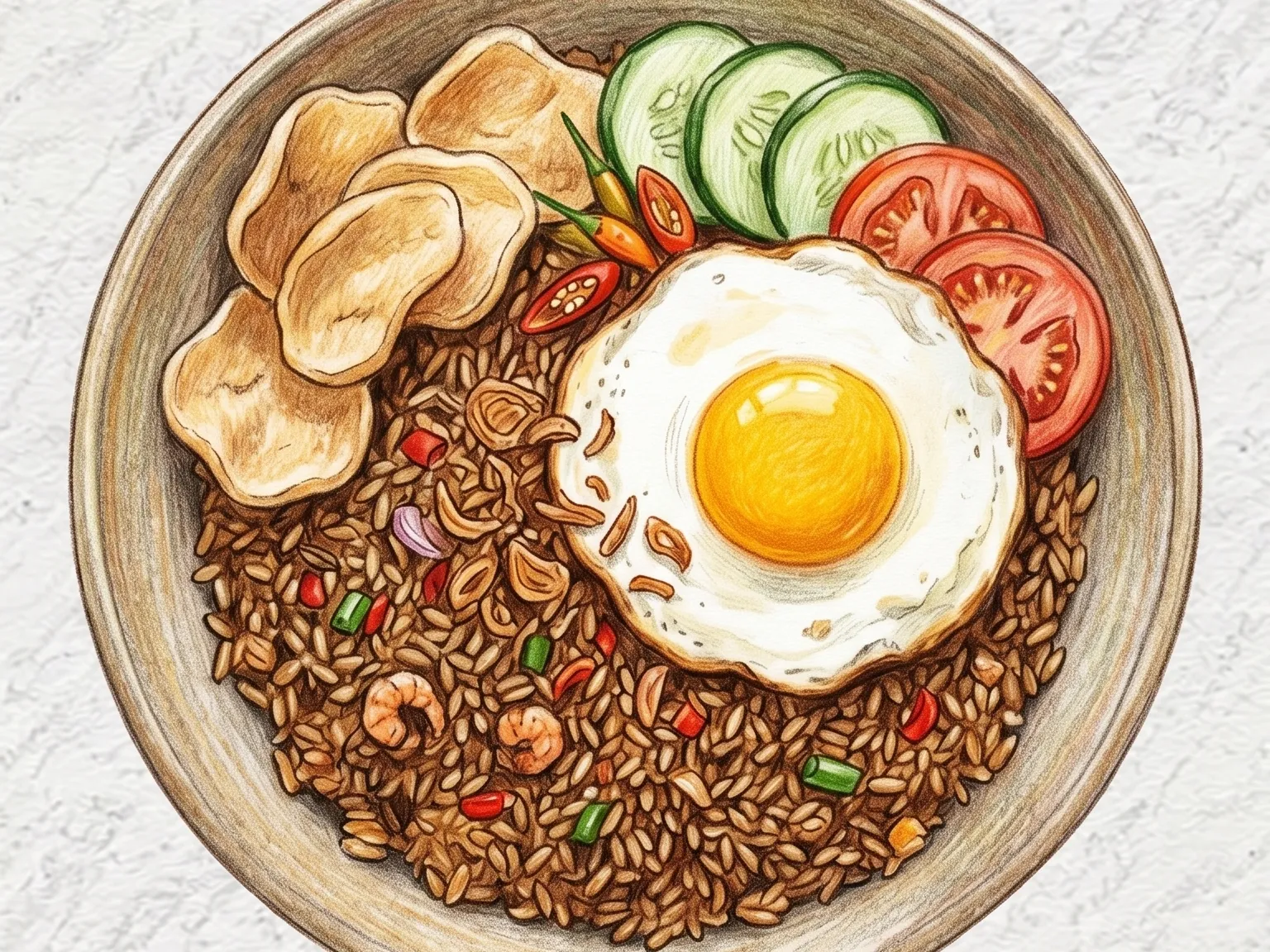
Nasi Goreng (Indonesian Sweet Soy Sauce Shrimp Fried Rice)

Nasi goreng turns cold cooked rice into a high-heat stir-fry seasoned with kecap manis, shrimp paste, and sambal, then finishes each serving with shrimp and a runny fried egg. Two bowls of cold rice are loosened completely by hand or with a spatula before the wok is heated, and 2 tablespoons kecap manis are measured so they can be added without pausing the cooking. Two tablespoons oil are heated over high heat, followed by three shallots and two garlic cloves for about 30 seconds. They should become aromatic without scorching. One teaspoon shrimp paste and 1 tablespoon sambal are then fried until the oil turns red and the raw marine aroma of the paste softens. One hundred grams of shrimp cooks for only about 1 minute, just until the outside turns pink; the rice goes in immediately so the seafood does not become tough. The loosened grains and kecap manis are tossed for about 2 minutes with a cutting motion that separates rather than mashes the rice. When every grain carries an even brown sheen, the seasoning is checked and only a small additional amount of kecap manis is used if needed. Two eggs are fried until their edges are crisp while the yolks remain soft, then placed over the rice. Breaking the yolk at the table spreads it through the sweet, savory, and spicy seasoning already coating the grains. If kecap manis is unavailable, the recipe's stated substitute is ordinary soy sauce mixed with sugar, while the short high-heat cooking sequence remains the same.

🏠 Everyday 🌙 Late Night
Prep 10min Cook 10min 2 servings
Tanghuru (Chinese-Style Candied Fruit Skewers)
Desserts Medium

Tanghuru (Chinese-Style Candied Fruit Skewers)

Tanghuru is a candied fruit dessert made by skewering fresh strawberries, grapes, or other fruits and dipping them into sugar syrup heated to 150 degrees Celsius, the hard-crack stage. At this precise temperature, the syrup sets into a thin, glass-like candy shell around each fruit; any lower and it remains sticky without hardening. Biting through the brittle sugar coating releases the fresh juice of the fruit inside, creating a sharp contrast between pure sugar sweetness and the fruit's natural tartness. The fruit must be thoroughly dried before dipping so the candy layer adheres in an even, transparent coat.

🧒 Kid-Friendly 🏠 Everyday
Prep 15min Cook 10min 2 servings
Senbei-jiru (Nanbu Cracker and Chicken Soup)
Soups Medium

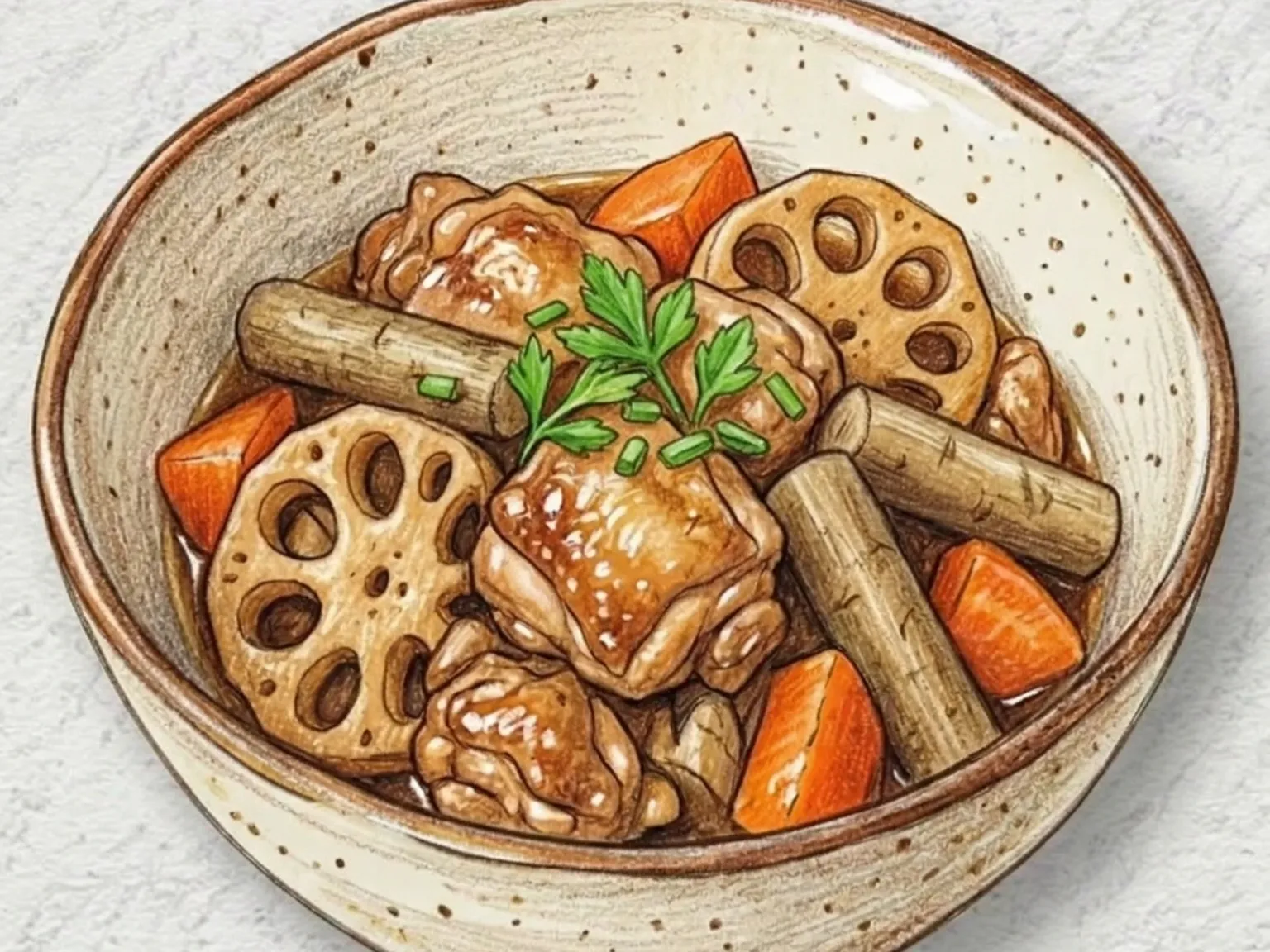
Senbei-jiru (Nanbu Cracker and Chicken Soup)

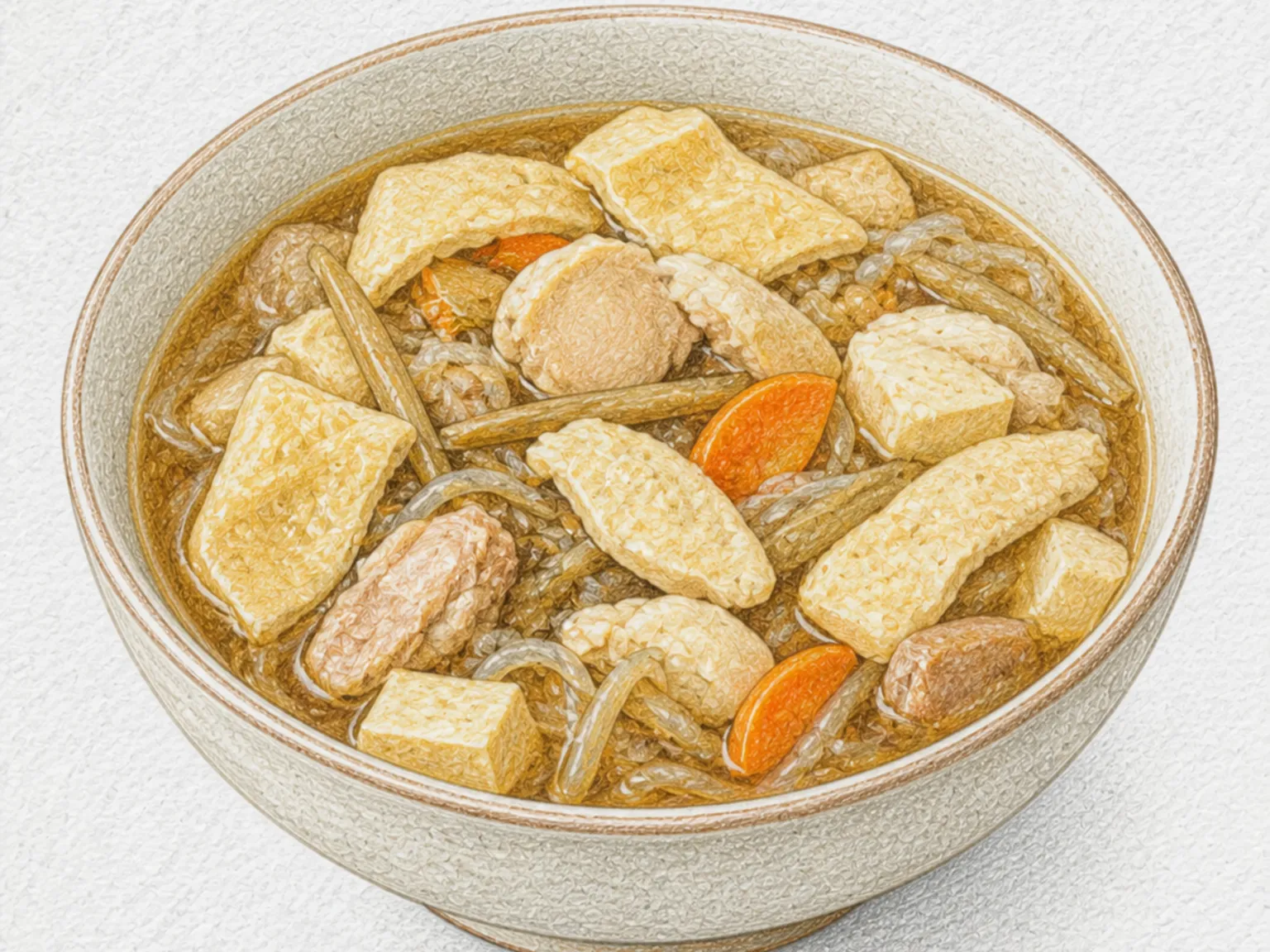
Senbei-jiru is a regional soup from Hachinohe in Aomori. Chicken breast and thigh simmer with burdock, carrot, thread konnyaku, freeze-dried tofu, and wheat gluten in a soy-seasoned broth, then soup-use Nanbu wheat crackers are broken in near the end. Nanbu senbei developed as a durable staple in the former Nanbu domain, where cold damage often made rice harvests unreliable. After the war, makers produced crackers that absorb broth yet keep a chewy center, making them especially useful in winter soups and hot pots. White miso rounds the chicken broth, while the crackers soften at the edges without dissolving.

🏠 Everyday
Prep 25min Cook 35min 4 servings
Kimchi Stir-Fried Udon (Pork Belly Kimchi Wok-Fried Noodles)
Noodles Easy

Kimchi Stir-Fried Udon (Pork Belly Kimchi Wok-Fried Noodles)

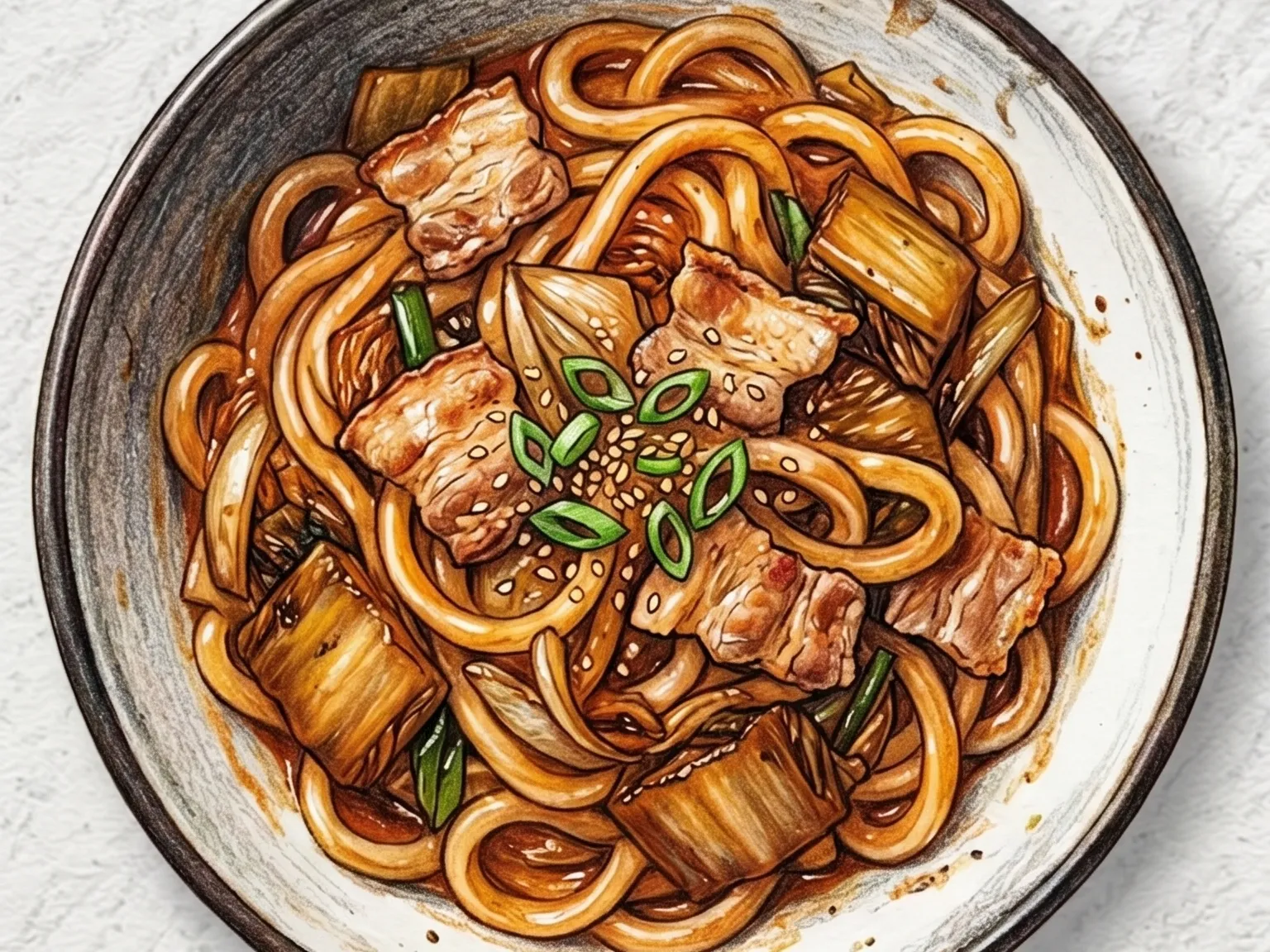
Kimchi udon stir-fry is a Korean-Japanese fusion noodle dish that brings together paper-thin pork belly, aged kimchi, and thick udon noodles over intense, unbroken high heat. The pork belly goes into the pan first, searing until the edges crisp and enough fat renders out to carry the aromatics that follow. Onion and green onion go in next to build fragrance, and kimchi is added last among the aromatics and stir-fried hard until every drop of its moisture has evaporated and the flavor has concentrated into the solids. A sauce of gochujang, soy sauce, and sugar is poured over, and blanched udon noodles are tossed in and moved constantly so the coating reaches every noodle strand. Dropping the heat at any point causes the udon to soften and lose its bounce, so full high heat from start to finish is essential. A spoonful of kimchi juice added mid-cook deepens the umami without making the sauce watery, and a small knob of butter stirred in just before plating rounds the sharp edges of the seasoning. The more fermented and sour the kimchi, the more complex the finished noodle becomes.

🏠 Everyday 🌙 Late Night
Prep 10min Cook 12min 2 servings
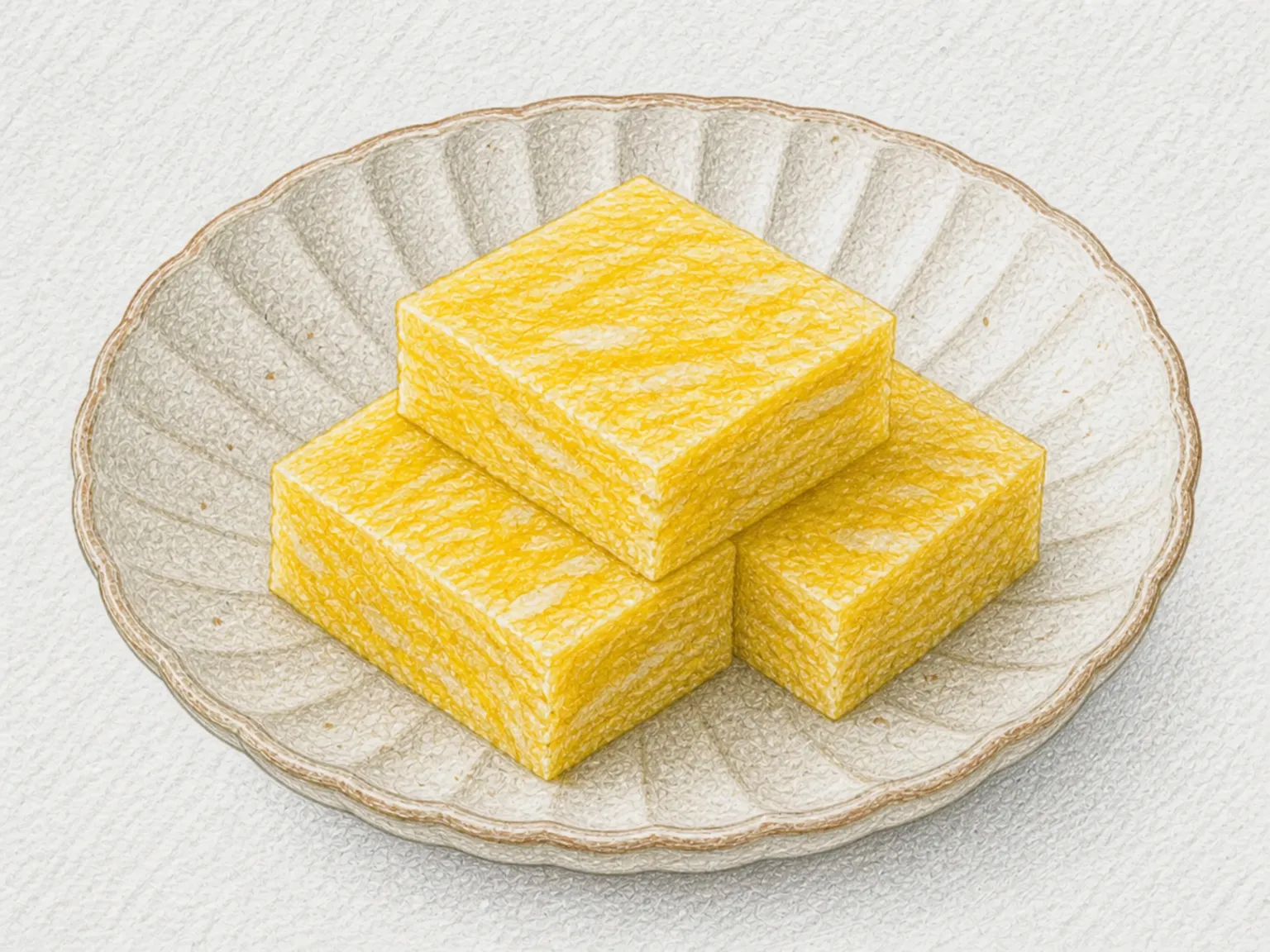
Chwee Kueh (Steamed Rice Cake with Chai Poh)
Asian Medium

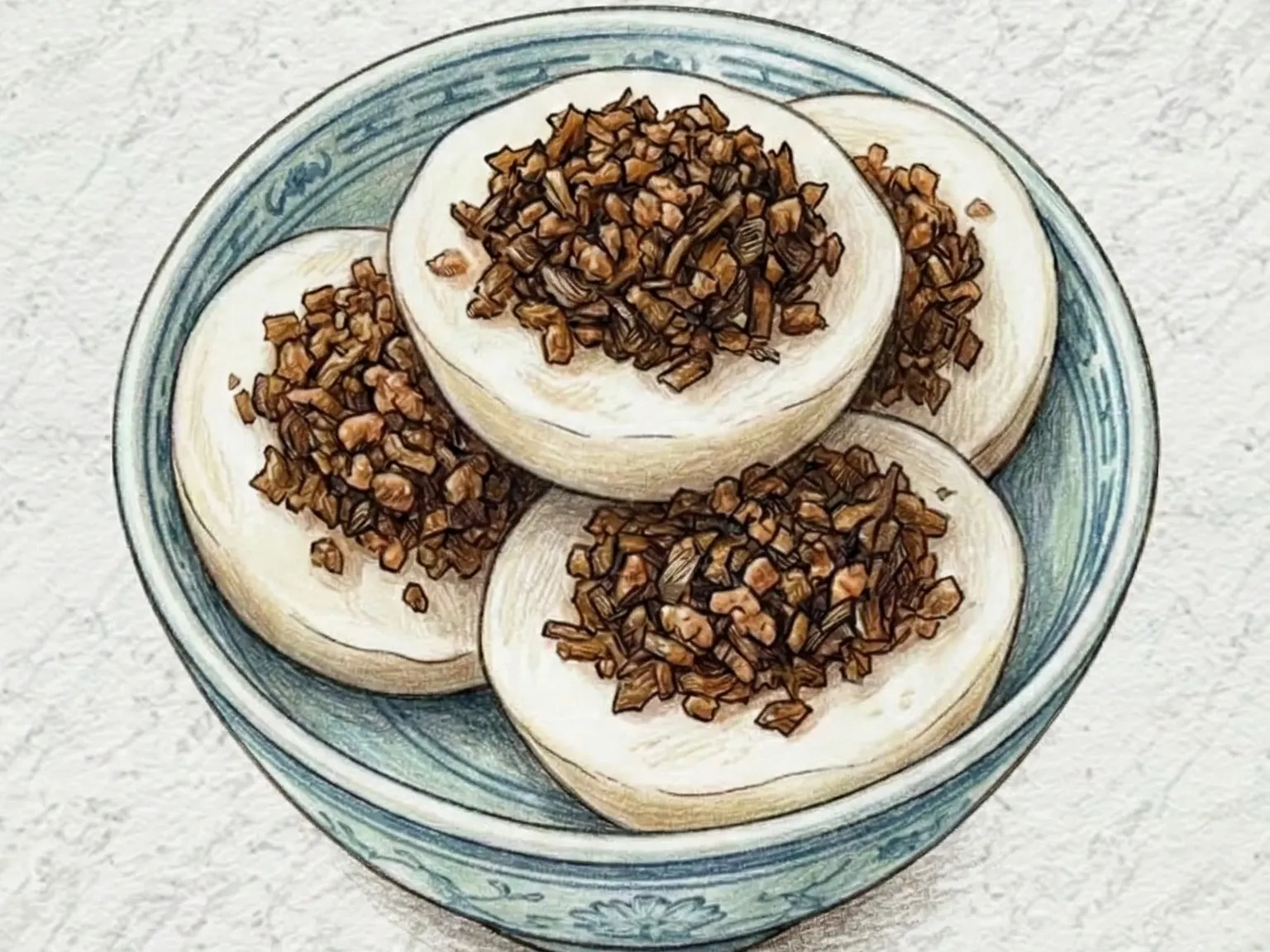
Chwee Kueh (Steamed Rice Cake with Chai Poh)

Chwee kueh is a traditional steamed rice cake that is commonly eaten during breakfast in Singapore and Malaysia. The dish originated within the Teochew Chinese community and has been passed down through multiple generations of hawker vendors. These snacks are typically available during the earliest hours of the morning at specialized stalls that often do not sell any other types of food. The preparation involves pouring a batter made of rice flour into small, round ceramic molds. These molds are placed into a steamer until the batter solidifies into a soft and slightly concave cake. The natural indentation found in the center of the rice cake is designed to accommodate a spoonful of chai poh, which is a topping made from preserved radish. The radish is finely chopped and stir-fried with soy sauce and a small amount of sugar. This process creates a mixture that balances savory and sweet flavors while allowing some of the radish pieces to develop caramelized edges. The rice cake base is intentionally kept plain and carries only a very faint sweetness from the rice itself. As a result, the overall flavor of the dish is determined by the seasoned radish and the sambal chili that is provided on the side. The addition of sambal introduces a significant amount of heat and a savory element that sharpens the flavor profile of the entire combination. A typical order of chwee kueh consists of five or six individual cakes served at a very modest price. This affordability and consistent quality have helped the dish become a prominent symbol of daily breakfast culture in Singapore. Some hawker stalls have continued to operate and serve chwee kueh from the exact same location for over fifty years. The longevity of these establishments reflects how deeply this particular rice cake dish is integrated into the regional food history and the everyday lives of the local population.

🎉 Special Occasion 🥗 Light & Healthy
Prep 25min Cook 20min 4 servings
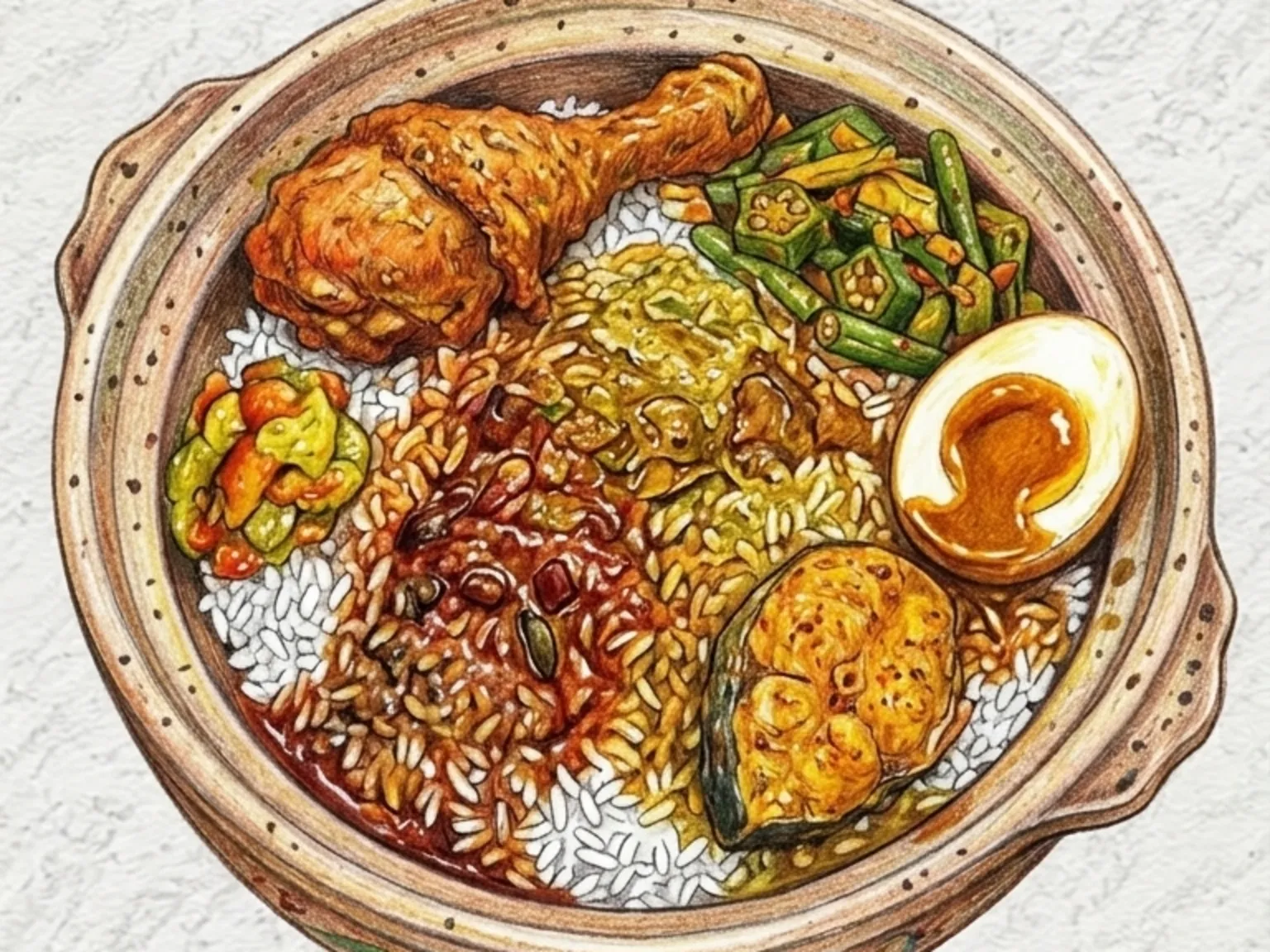
Nasi Kandar (Penang Indian-Muslim Rice with Mixed Curries)
Rice Medium

Nasi Kandar (Penang Indian-Muslim Rice with Mixed Curries)

Nasi kandar is a Penang rice dish associated with ladling curry gravy over firm steamed rice. The broader serving style is known for kuah campur, in which different gravies meet on one plate, while this recipe prepares one loose coconut chicken curry and boiled eggs to accompany the rice. A 1.5-cup measure of rice is rinsed, cooked slightly firmer than usual, rested for 10 minutes, and fluffed gently so the grains can absorb sauce without collapsing. Three hundred grams of chicken thigh is cut into bite-size pieces, and one onion and one tomato are sliced thinly. After 7 to 8 minutes over medium heat, the onion edges should be brown and the aroma sweet. The chicken is then seared over high heat for about 2 minutes, cooking only the outside before 1.5 tablespoons curry powder and 1 teaspoon chili powder are stirred in for 1 minute. The tomato follows for 2 minutes, releasing juice into the spices. One hundred fifty milliliters coconut milk, a small amount of water, and 1 tablespoon fish sauce form the gravy. Keeping the burner at medium-low, simmer the gravy for 12 to 15 minutes. At that point, the chicken should be opaque through the center with no pink remaining, while the sauce stays fluid enough to run between the rice grains. The curry is spooned generously over the rice and served with two boiled eggs cut in half. This balance of firm rice and loose gravy preserves the defining soak of the dish without turning the plate into a thick, dry curry.

🎉 Special Occasion
Prep 20min Cook 35min 2 servings
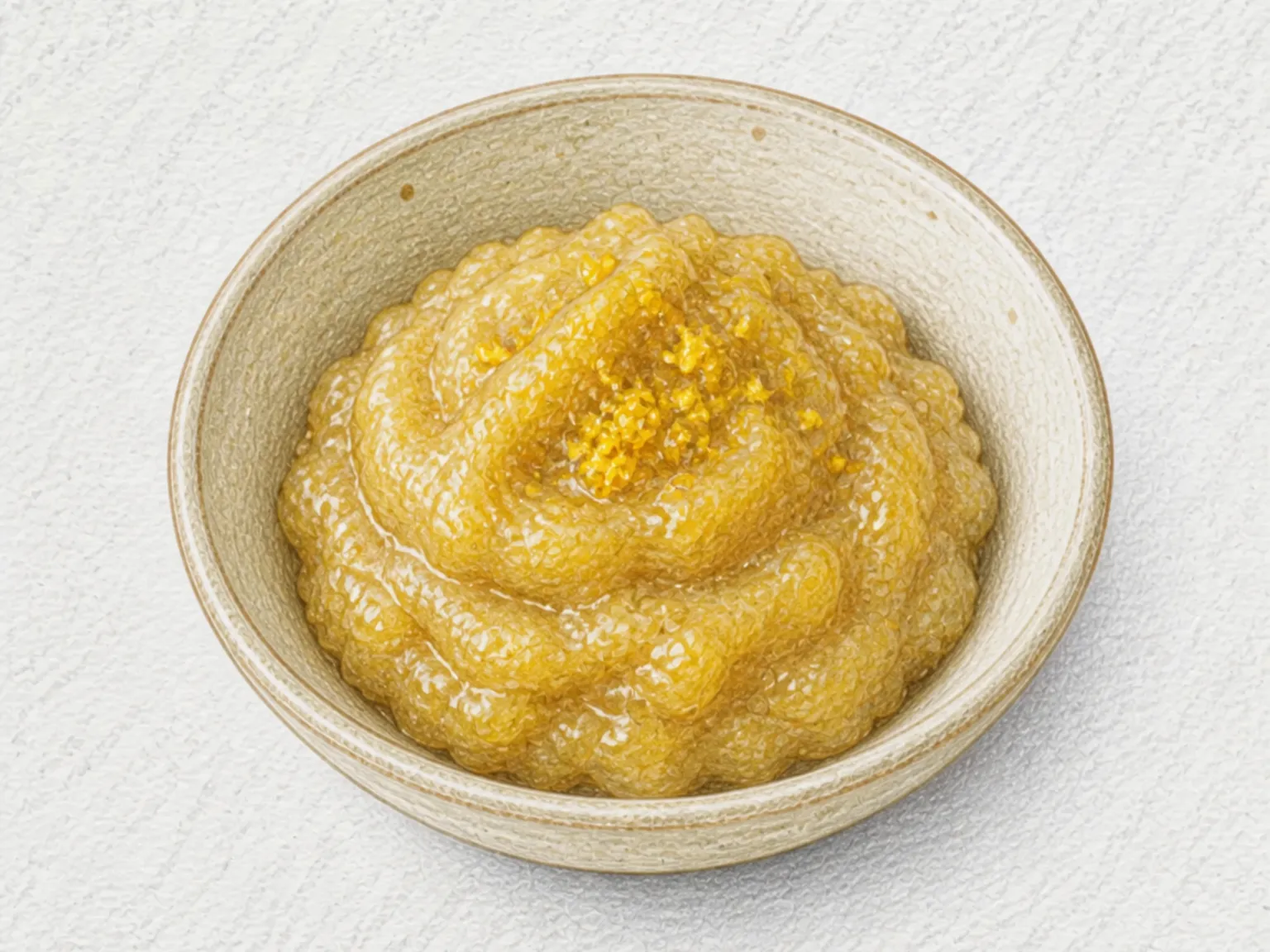
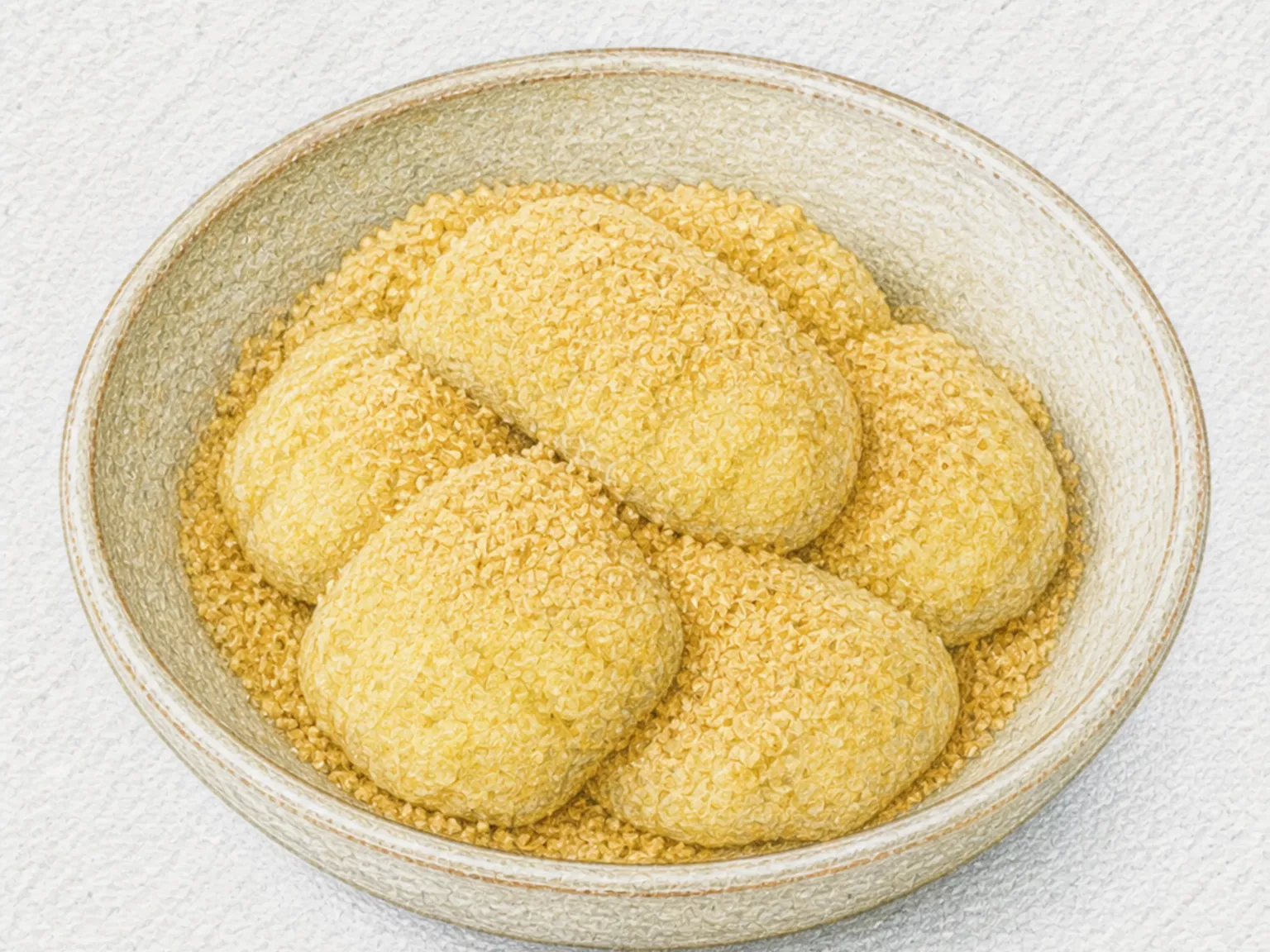
Tanmu Dingaku (Sweet Okinawan Taro Paste)
Desserts Medium

Tanmu Dingaku (Sweet Okinawan Taro Paste)

Tanmu dingaku is a celebratory Okinawan paste made from tanmu, a taro grown in clean flooded fields. The peeled tuber is cut into 2 cm cubes, blanched first, then simmered in fresh hot water until soft. Sugar is added and the mixture is stirred and crushed with a wooden spatula until it becomes thick like Japanese kinton. Mirin gives the final gloss, while finely chopped lemon or mandarin peel adds a fresh aroma. Because daughter and granddaughter corms grow around the parent, tanmu represents flourishing descendants and appears at New Year, Obon, and family celebrations. Small portions may follow rich pork dishes as a dessert.

🎉 Special Occasion
Prep 15min Cook 35min 4 servings
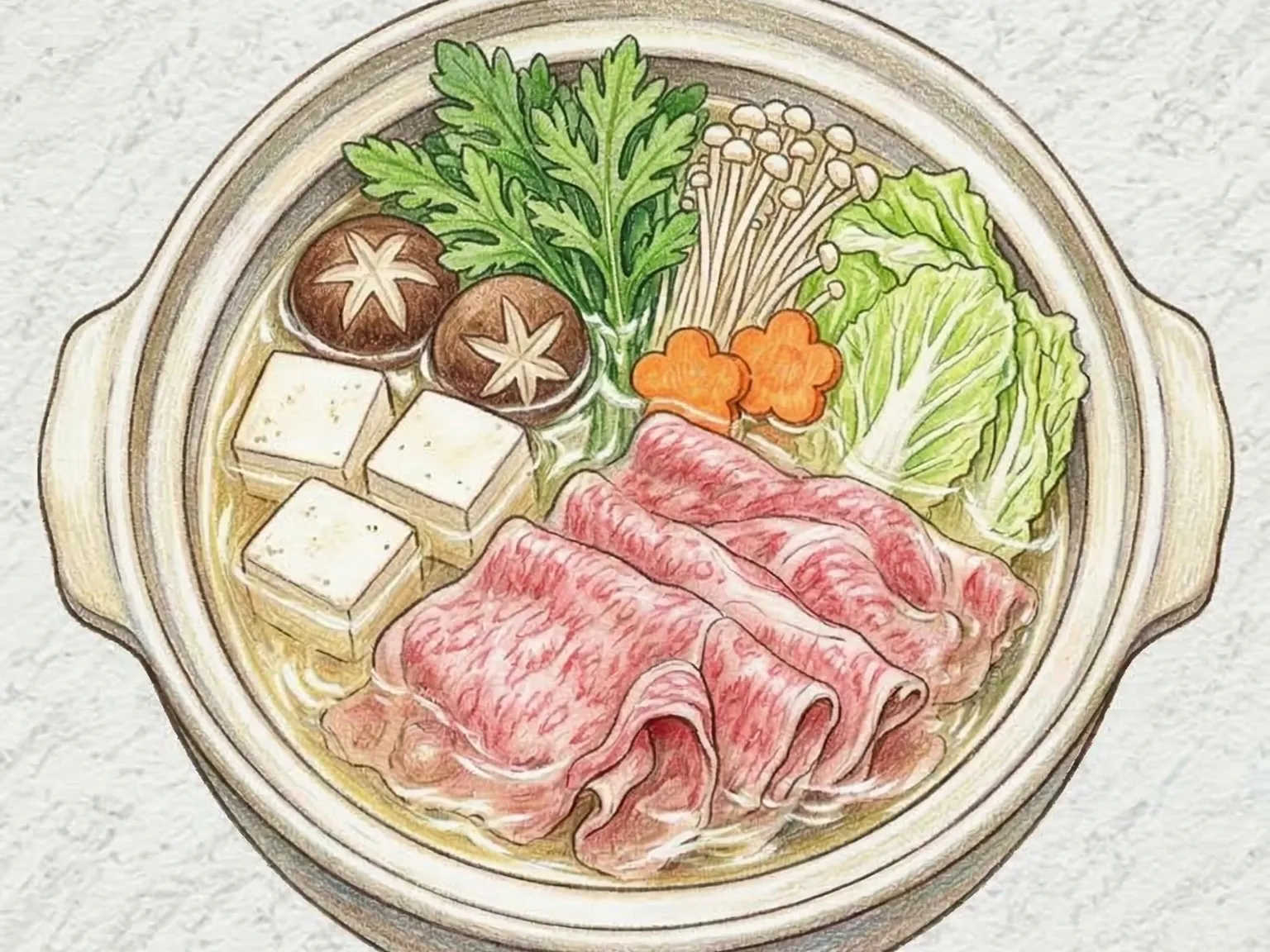
Shabu Shabu (Japanese Hot Pot with Thin-Sliced Beef in Kombu Broth)
Soups Easy

Shabu Shabu (Japanese Hot Pot with Thin-Sliced Beef in Kombu Broth)

Shabu-shabu is a Japanese hot pot built on simplicity: a pot of simmering kombu dashi, a plate of beef sliced so thin it is nearly translucent, and a selection of vegetables arranged on a separate platter. The name mimics the swishing sound made when a slice of beef is swept back and forth through the broth for just a few seconds until it turns from red to pale pink. Each piece is then dipped in either ponzu, a citrus-soy sauce, or a creamy sesame dipping sauce before eating. Napa cabbage, tofu, enoki mushrooms, shungiku greens, and rice cakes cook alongside the beef, each ingredient releasing its flavor into the broth and building complexity as the meal progresses. By the end, the enriched broth is used for a closing course of udon noodles or rice porridge, ensuring nothing is wasted.

🎉 Special Occasion
Prep 25min Cook 25min 4 servings
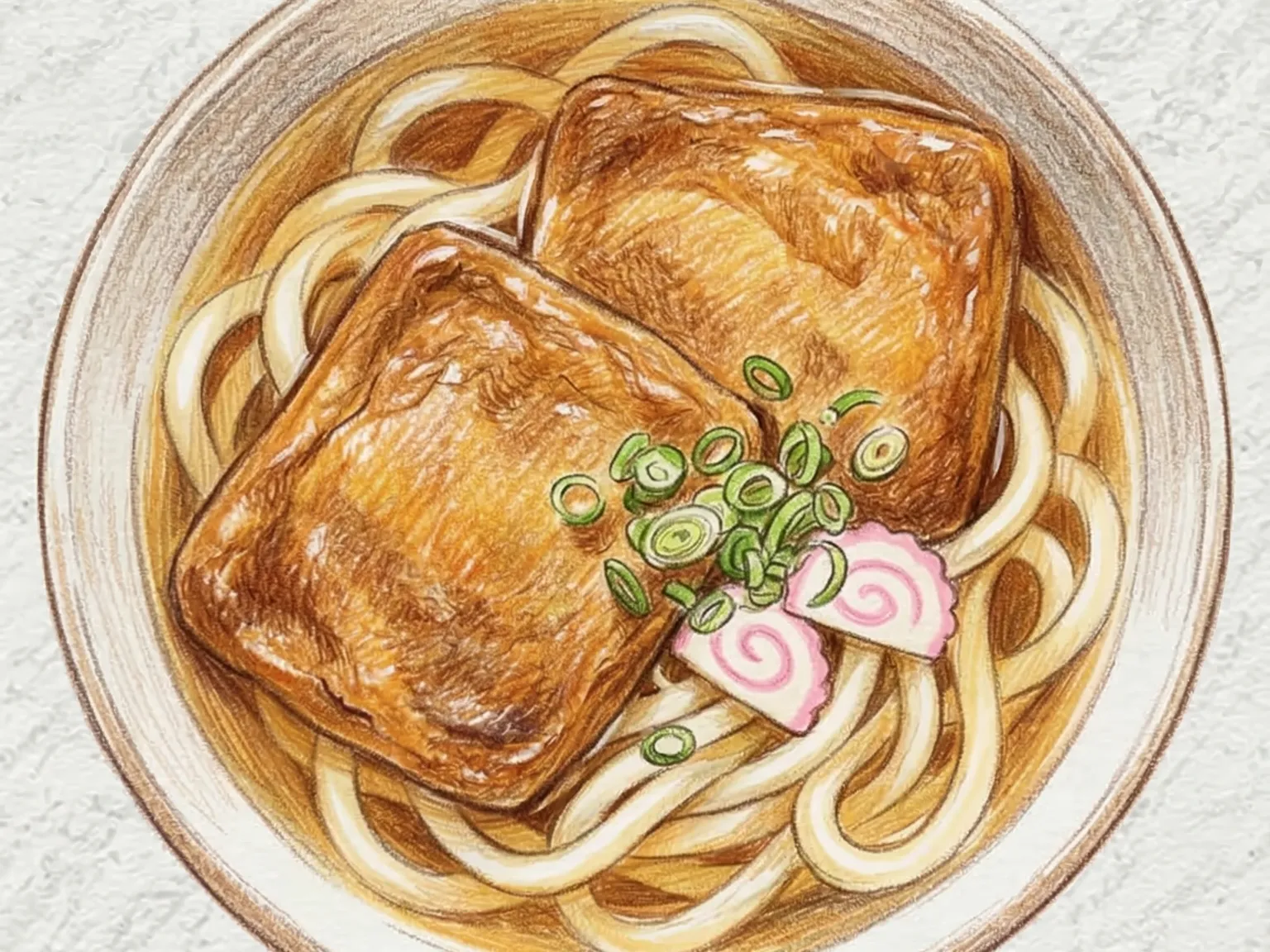
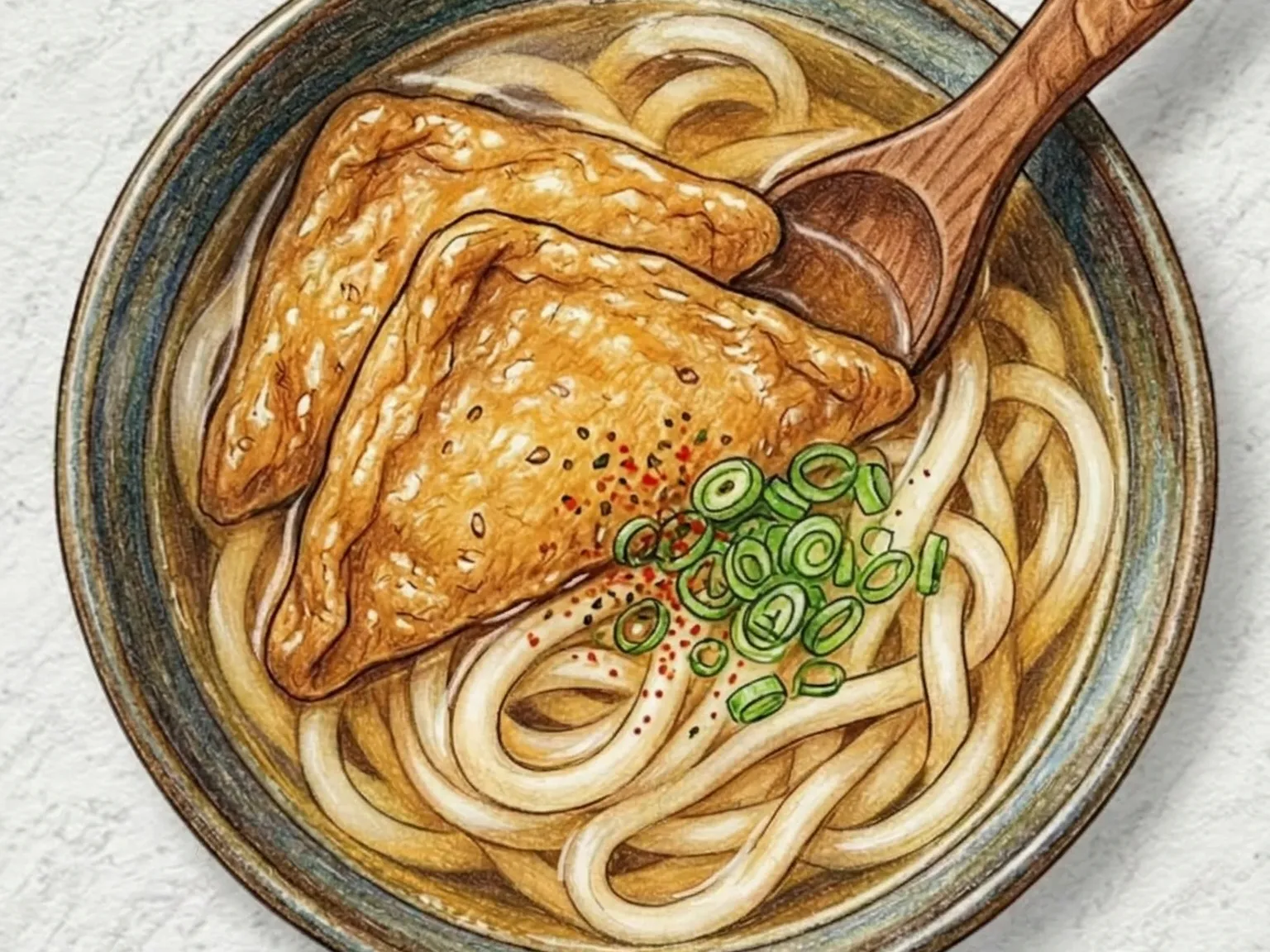
Udon with Seasoned Fried Tofu
Noodles Easy

Udon with Seasoned Fried Tofu

Kitsune udon is a Japanese noodle soup defined by its topping of sweet-simmered fried tofu pouches floating on a clear, deeply savory dashi broth. The aburaage is blanched first in boiling water to remove the excess oil that would otherwise cloud the broth and repel the seasoning, then braised in a mixture of water, soy sauce, mirin, and sugar for about six minutes until the liquid has been absorbed and the sweetness has penetrated to the center of each pouch. The broth is built separately from a stock of katsuobushi and kombu, seasoned with soy sauce, mirin, and just enough salt to round out the flavor without making it salty. The quality of this broth is the single most important factor in the finished bowl. Frozen udon noodles are warmed in boiling water for about two minutes, just long enough to loosen and heat through without losing their elastic, springy texture, then transferred to the bowl with the broth ladled over. The simmered tofu pouch sits on top, and as you eat, it releases its sweetened liquid gradually into the surrounding broth, shifting the flavor of the soup with each bite. Sliced scallion and a pinch of shichimi togarashi finish the bowl with fresh aroma and gentle heat. The tofu benefits from being prepared a day in advance, as resting overnight deepens the braising flavor throughout.

🏠 Everyday ⚡ Quick
Prep 12min Cook 18min 2 servings
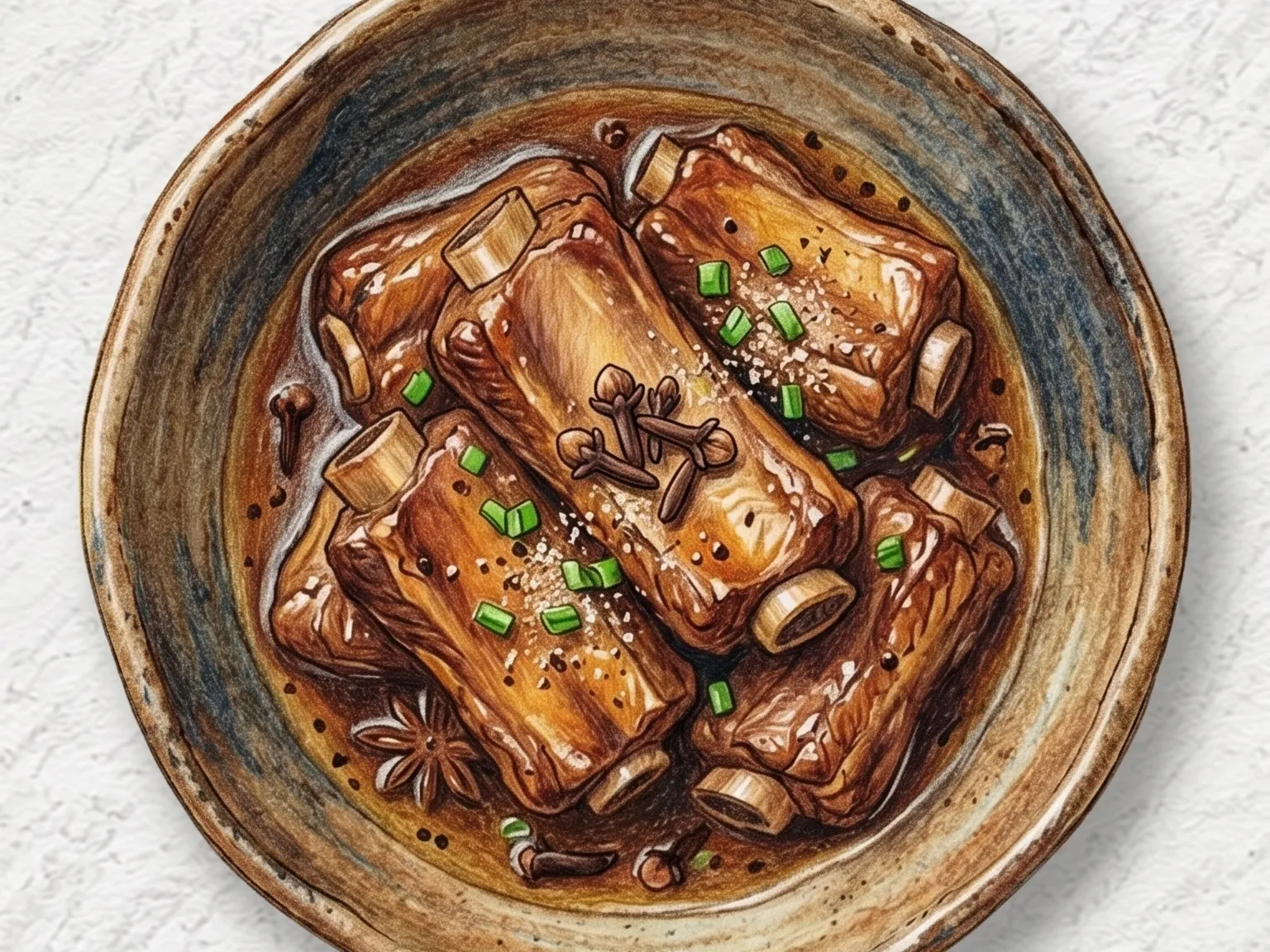
Clove-Scented Lu Shui Braised Pork Ribs
Asian Medium

Clove-Scented Lu Shui Braised Pork Ribs

Clove-Scented Lu Shui Braised Pork Ribs is a Taiwanese-style dish featuring tender meat coated in a glossy, aromatic sauce. The cooking process starts by soaking the ribs in cold water to extract blood and blanching them to remove impurities. Rock sugar is then melted and caramelized in oil to create a deep amber base that gives the pork a mahogany finish. Sautéing the ribs with five cloves, two star anise, sliced ginger, and green onion allows the spices to bloom. The ribs are braised with soy sauce, dark soy sauce, Shaoxing wine, and water on low heat for forty to fifty minutes. This slow cooking makes the meat tender enough to slip off the bone. Uncovering the pan for the final minutes reduces the liquid into a glaze. The strong aroma of cloves requires keeping to the specified count to maintain flavor balance.

🔥 Trending Now 🎉 Special Occasion
Prep 20min Cook 60min 4 servings
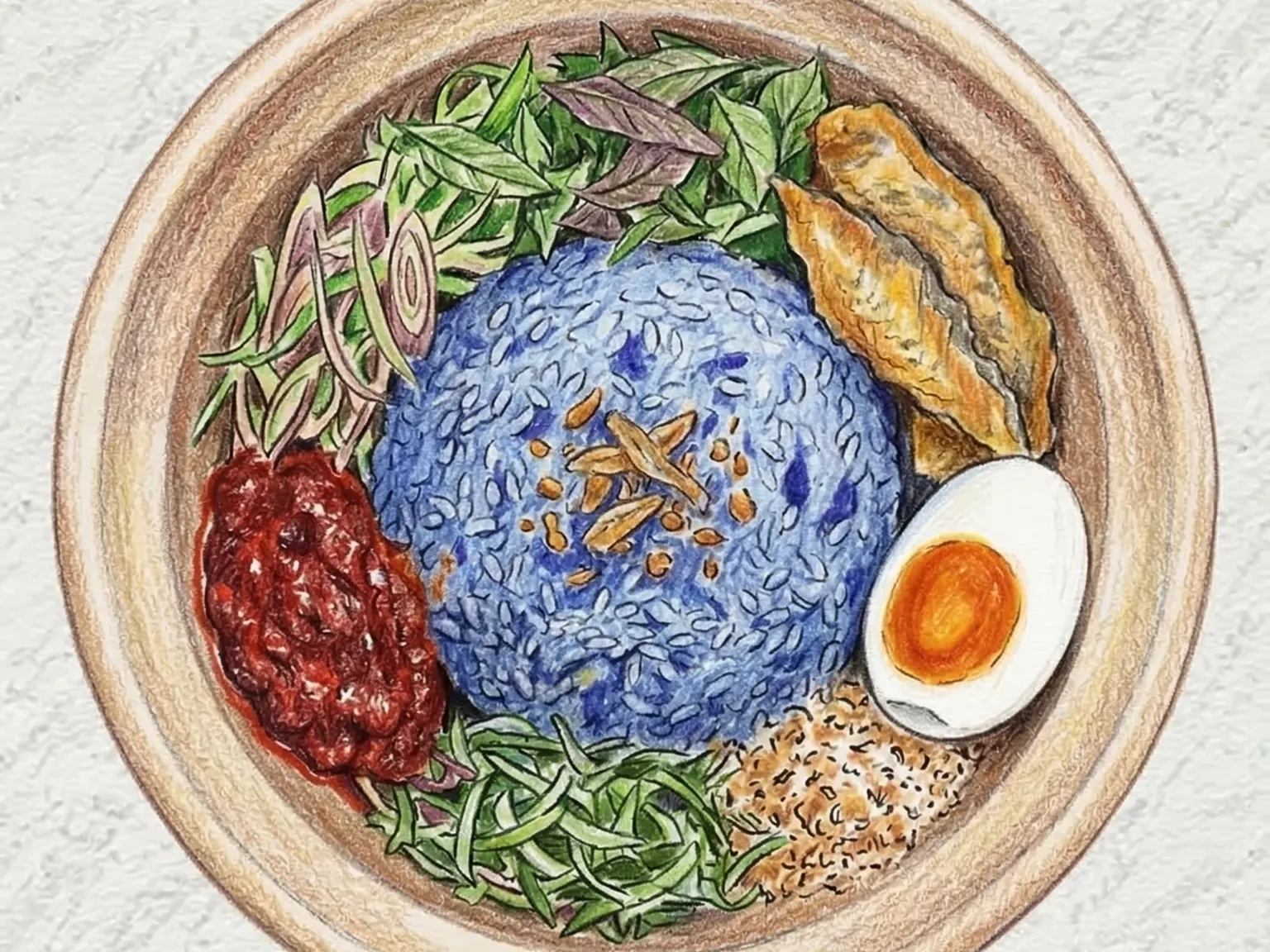
Nasi Kerabu (Malaysian Coconut Rice with Mackerel)
Rice Medium

Nasi Kerabu (Malaysian Coconut Rice with Mackerel)

This nasi kerabu preparation serves coconut-lemongrass rice with grilled mackerel, cucumber, blanched bean sprouts, and sambal arranged separately for mixing just before eating. Three hundred grams of rice is rinsed until the water runs almost clear, soaked for about 15 minutes, and drained thoroughly. It then cooks with 120 ml coconut milk, 240 ml water, and one bruised lemongrass stalk laid over the grains. As soon as the pot reaches a boil over medium heat, the heat is reduced to low for about 12 minutes. A further 10-minute covered rest finishes the rice before the lemongrass is removed and the grains are fluffed gently. The vegetable components are handled for contrast rather than cooked together. One hundred twenty grams of cucumber is cut into 0.3 cm strips, while 100 g bean sprouts is blanched for 2 minutes, rinsed in cold water, and drained well. The 150 g grilled mackerel is checked while still warm, when small bones are easier to locate. Skin and bones are removed as needed, and the flesh is flaked into small pieces without crushing it into a paste. Rice is plated with the cucumber, sprouts, and mackerel around it and 2 tablespoons sambal on the side. Combining the components only at the moment of eating retains the vegetables' crispness while distributing the fish and chili paste through the coconut-scented rice.

🎉 Special Occasion
Prep 25min Cook 25min 2 servings
Tenyose (Somen Agar Jelly)
Desserts Medium

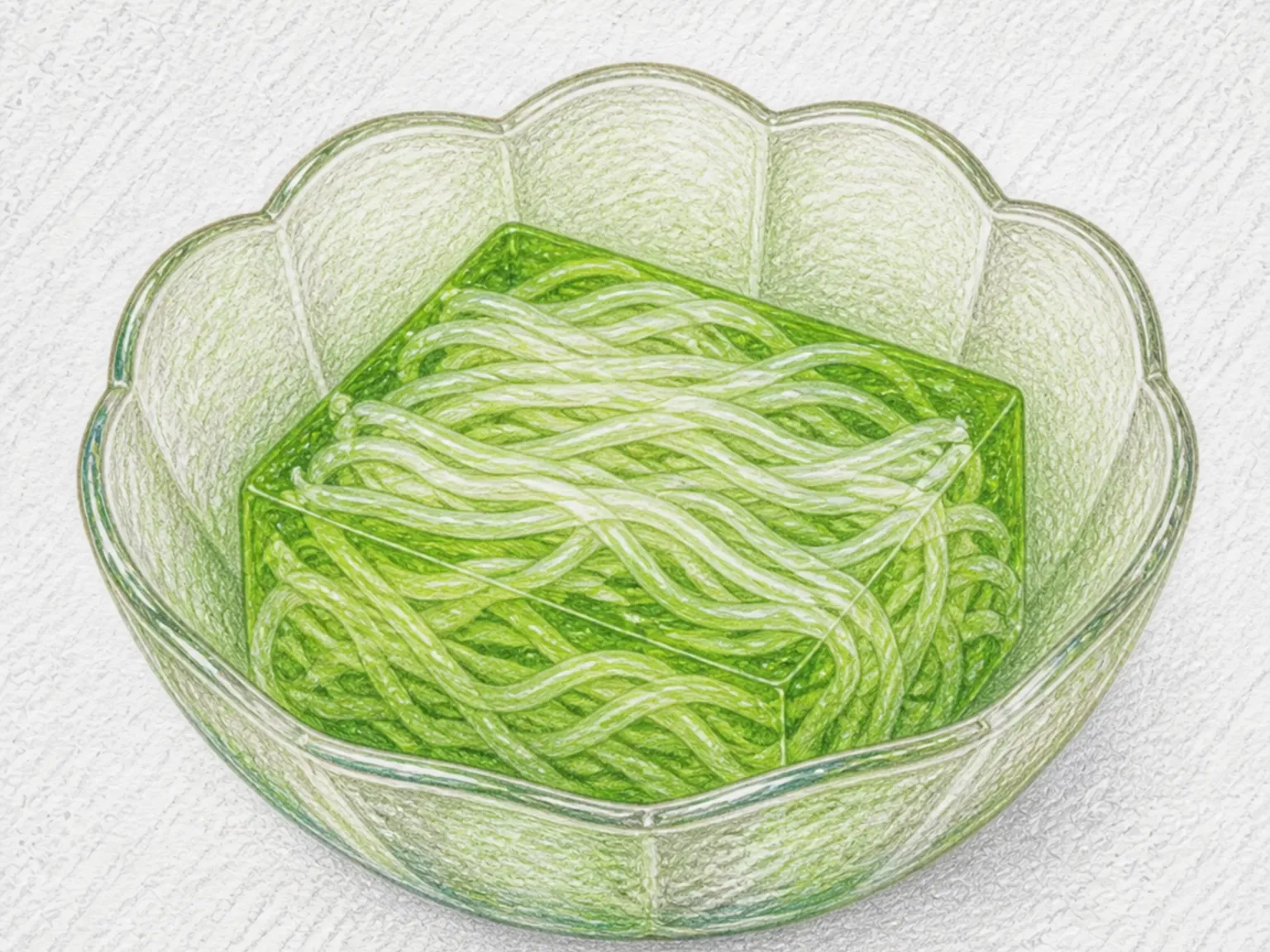
Tenyose (Somen Agar Jelly)

Tenyose is an agar dish from the Suwa region of Nagano. A soaked square agar stick is dissolved completely in water, sweetened, lightly salted, and tinted green, then a few cooked and rinsed somen strands are spread like flowing lines before the jelly sets. White noodles suspended in translucent green agar add color to summer and ceremonial tables. Suwa's agar industry developed through winter freezing and drying, and tenyose became hospitality food for the Onbashira Festival and family events. If the liquid is too hot the noodles sink, while a mixture that is too cool will not hold them, so arrange the strands just before a skin forms.

🎉 Special Occasion 🧒 Kid-Friendly
Prep 40min Cook 20min 4 servings
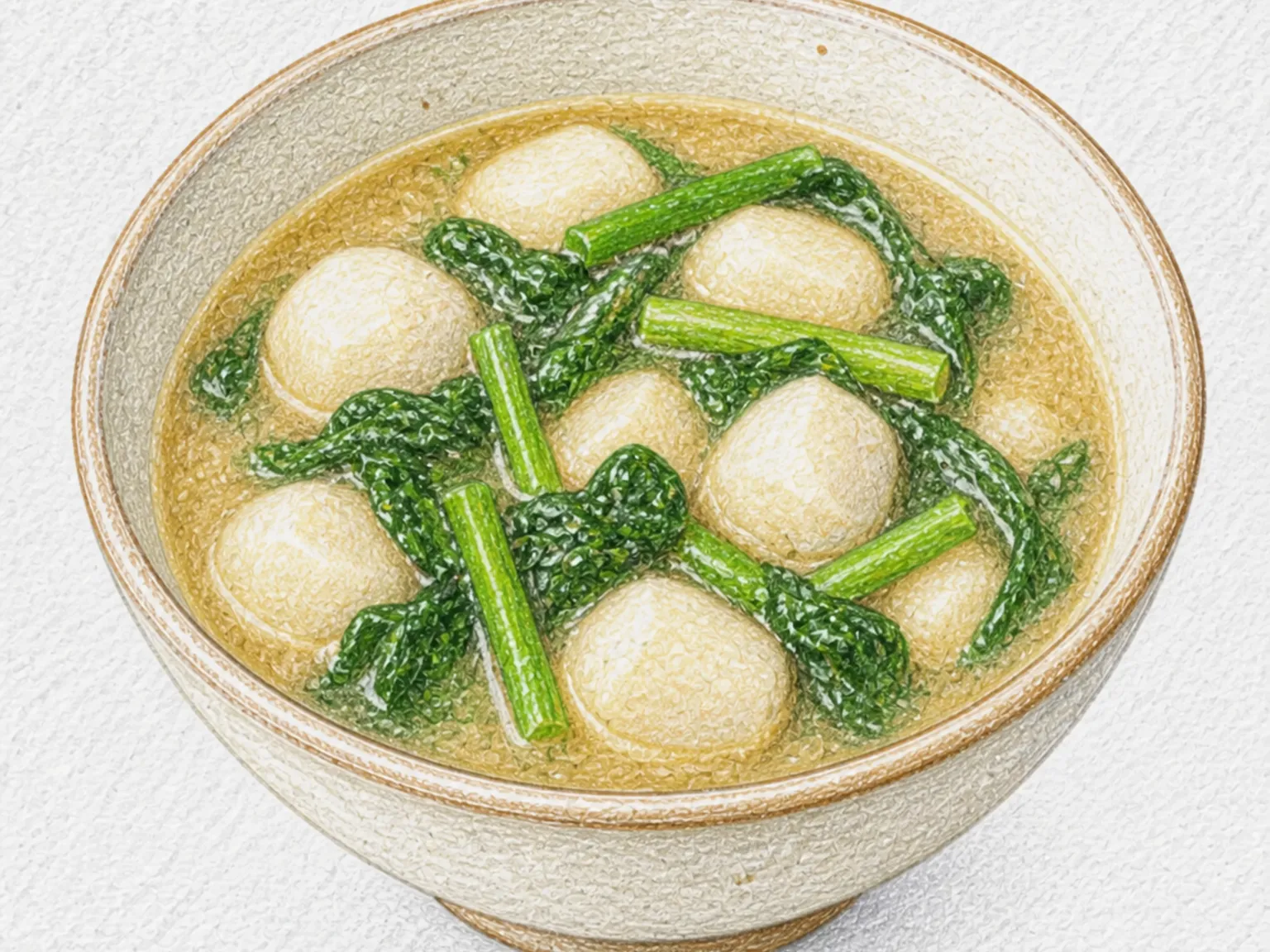
Shokkara-jiru
Soups Easy

Shokkara-jiru

Shokkara-jiru is an island soup of Mikurajima, Shikinejima, and Niijima in the Izu chain. Taro is simmered until tender, then seasoned with prepared muroaji shokkara fish sauce and finished with separately blanched ashitaba. Shokkara is a pungent, savory condiment traditionally made by salting and fermenting small whole muroaji; a related soup on Izu Oshima is called enbai-jiru. Taro and the late-autumn-to-winter ashitaba moderate the fish sauce's aroma and salinity. This recipe uses commercially sold or hygienically prepared muroaji shokkara rather than fermenting raw fish at home, making the soup a short, reproducible preparation.

🏠 Everyday
Prep 15min Cook 25min 2 servings
Osaka Kitsune Udon (Thick Noodles with Sweet Fried Tofu in Dashi)
Noodles Easy

Osaka Kitsune Udon (Thick Noodles with Sweet Fried Tofu in Dashi)

Kitsune udon is Osaka's signature noodle bowl, defined by sweet simmered fried tofu draped over thick wheat noodles in a clear dashi broth. The broth is drawn from kombu and bonito flakes, then seasoned with light soy sauce in the Kansai tradition, pale in color but layered with umami. The aburaage tofu is simmered separately in a mixture of dashi, soy sauce, mirin, and sugar until it swells with sweet braising liquid, and each bite releases a burst of that concentrated sweetness into the bowl. Thick, chewy udon noodles sit in the steaming broth, their mild wheat flavor providing a neutral base for the delicate soup. Sliced green onion scattered on top adds freshness and a gentle bite. In Osaka, kitsune udon is eaten at all hours, as a quick breakfast before work, a light lunch, or a late-night bowl after drinks, and every neighborhood udon shop holds its own variation on the sweet tofu recipe passed down through the years.

🏠 Everyday ⚡ Quick
Prep 10min Cook 20min 2 servings
Tara no Ko-ae (Vegetables Coated with Cod Roe)
Asian Medium

Tara no Ko-ae (Vegetables Coated with Cod Roe)

Tara no ko-ae is a winter side dish from the Tsugaru area of Aomori. Carrot, rehydrated koya tofu, and shirataki are cooked before loose true-cod roe is stirred through them until its small grains cling to every surface. In a region where winter cod was used from head to offal, the roe was salted for keeping and served at New Year and other celebrations. For ten servings, select 300 g refrigerated roe with intact sacs and a clean smell. Rub it with 15 g salt, cover, and pre-cure for 2 hours at 4°C or below. Rinse quickly, dry it, slit the membrane, and scrape out only the eggs. Soak 2 pieces koya tofu for 10 minutes and cut them into 3 cm strips. Blanch 200 g shirataki for 3 minutes. Cut 500 g carrot into batons 4 cm long and 3 mm thick, and slice half a long onion 3 mm thick. Stir-fry the carrot in 1 tbsp oil for 5 minutes, add the tofu and shirataki for 3 minutes, then pour in half a cup of sake. Cover and cook over medium-low heat for 8 minutes. Add the roe while a little liquid remains and separate the grains continuously with two wooden spatulas for 6 to 8 minutes. Check several areas of the pan for at least 70°C, then add the onion and cook for 1 more minute. If it will not be eaten hot, spread it in a wide container and refrigerate within 2 hours.

🏠 Everyday 🎉 Special Occasion
Prep 35min Cook 30min 10 servings
Nasi Lemak (Malaysian Coconut Pandan Rice with Anchovy Sambal)
Rice Medium

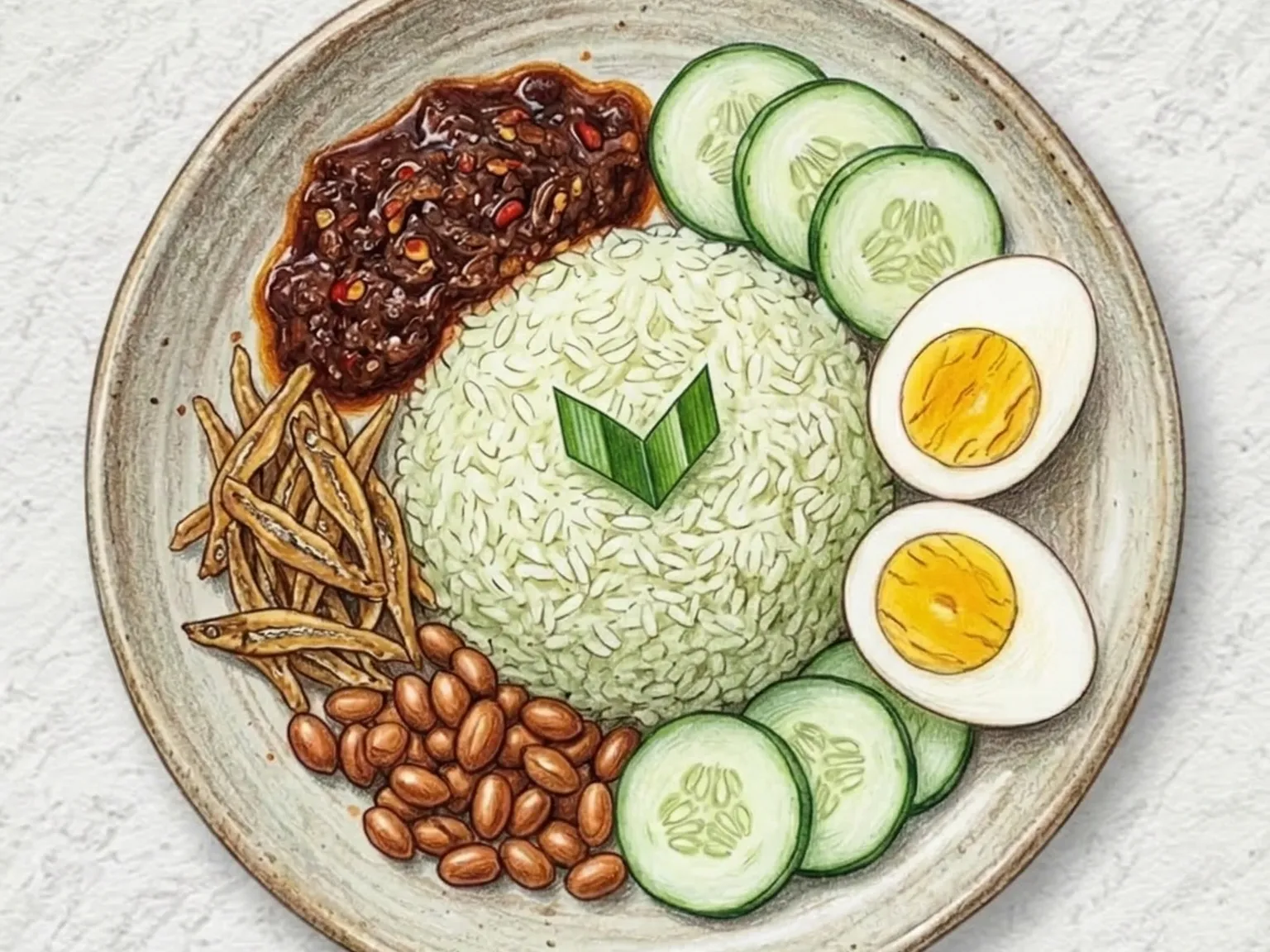
Nasi Lemak (Malaysian Coconut Pandan Rice with Anchovy Sambal)

Nasi lemak centers coconut-pandan rice on a plate with toasted dried anchovies, peanuts, boiled eggs, cucumber, and prepared sambal arranged around it. A 2-cup measure of rice is rinsed until the water runs mostly clear and drained in a sieve for about 10 minutes, preventing extra surface water from weakening the coconut seasoning. The rice cooks in a measured mixture of coconut milk and water with two pandan leaves. Once the pot begins to boil over medium heat, the heat is reduced and the covered rice cooks gently for 12 to 15 minutes. When no liquid remains visible, the heat is turned off and the pot rests covered for another 10 minutes. The pandan is removed before the grains are fluffed carefully. The dried anchovies spend 3 to 4 minutes in a dry pan set over medium heat and come off before their color becomes too dark. Cooling after toasting is what completes their crisp texture without a bitter finish. Fifty grams of peanuts is stirred in another dry pan for about 8 minutes until the skins split and smell roasted. Four eggs are boiled for 8 minutes, cooled, peeled, and halved, while one cucumber is sliced thinly. The warm rice is mounded on the plate and served with 4 teaspoons sambal plus the anchovies, peanuts, cucumber, and eggs. Keeping the accompaniments separate until serving preserves the crunch of the toasted items and the cool texture of the cucumber against the soft coconut rice.

🎉 Special Occasion
Prep 20min Cook 30min 4 servings
Tenmondo Candied Vegetable Sweets
Desserts Hard

Tenmondo Candied Vegetable Sweets

Tenmondo is a preserved sweet from Chiba made by slowly cooking burdock, carrot, ginger, and citrus peel with sugar until moisture recedes and crystals form on the surface. In a major vegetable-growing region, farm households prepared it to extend the harvest and provide an energy-rich snack during busy fieldwork. The name is linked to tenmondo, a dried medicinal tuber that was once steeped in honey. This recipe follows that structure, cooking each ingredient independently so its own firmness, aroma, and sugar coating remain distinct in the finished assortment.

🧒 Kid-Friendly 🏠 Everyday
Prep 480min Cook 150min 40 servings
Shui Zhu Yu (Sichuan Poached Fish in Fiery Chili Oil Broth)
Soups Hard

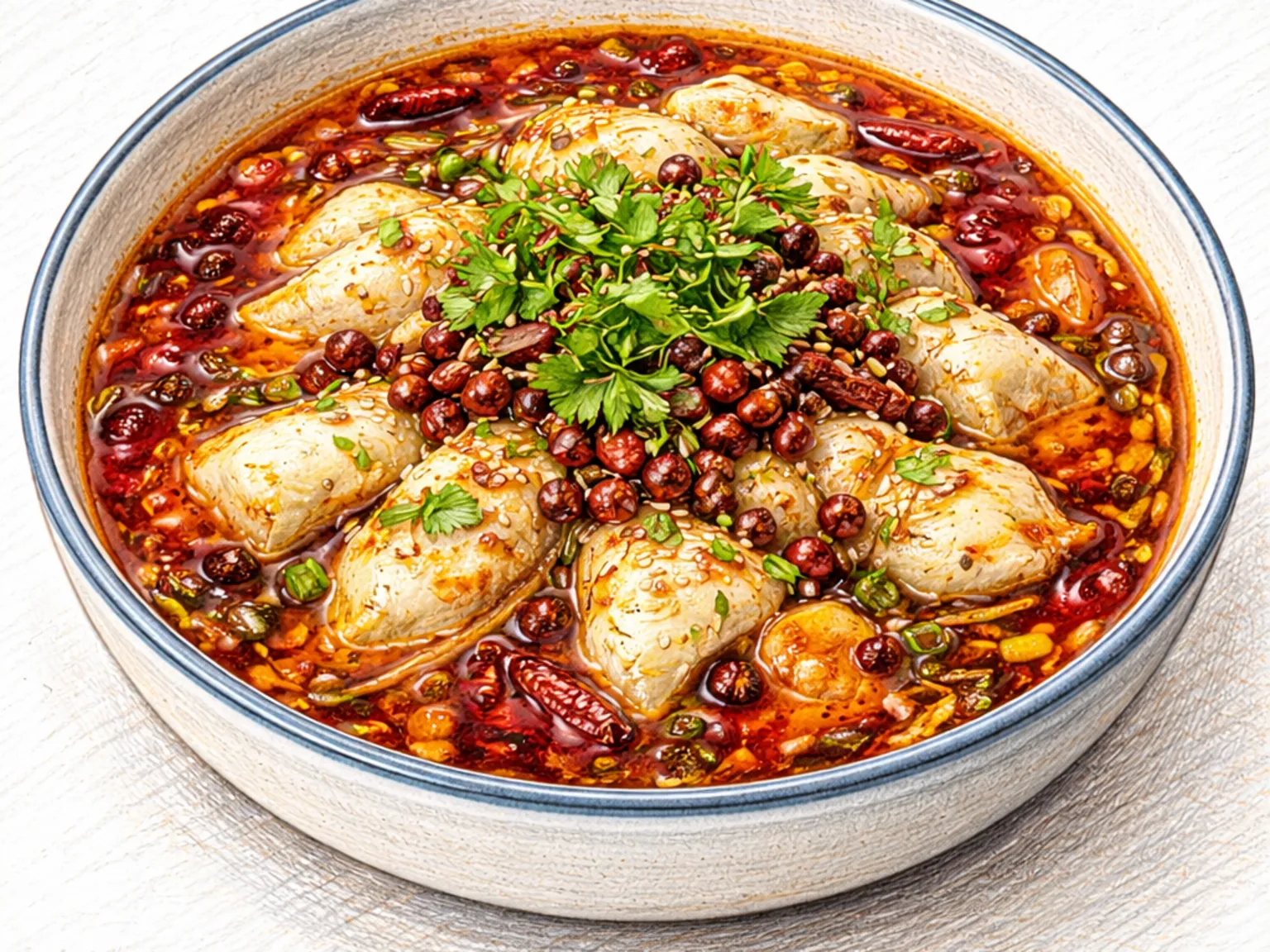
Shui Zhu Yu (Sichuan Poached Fish in Fiery Chili Oil Broth)

Shui zhu yu - literally 'water-boiled fish' - is one of Sichuan cuisine's most dramatic presentations, despite its modest name. Thin slices of white fish are coated in a light starch slurry and poached in a broth loaded with doubanjiang chili bean paste and Sichuan peppercorns. The fish cooks gently so each slice remains silky and intact. A wide bowl is lined with blanched bean sprouts, celery, and tofu, then the poached fish is laid on top. Dried chilies and whole Sichuan peppercorns are scattered over the surface, and smoking-hot oil is poured over them tableside - the sizzle sends a plume of chili-laced steam into the air. The resulting pool of fiery red oil looks intimidating, but the fish beneath is mild and buttery, creating a contrast between the numbing, tingling broth and the delicate flesh that defines the dish.

🎉 Special Occasion
Prep 25min Cook 20min 4 servings
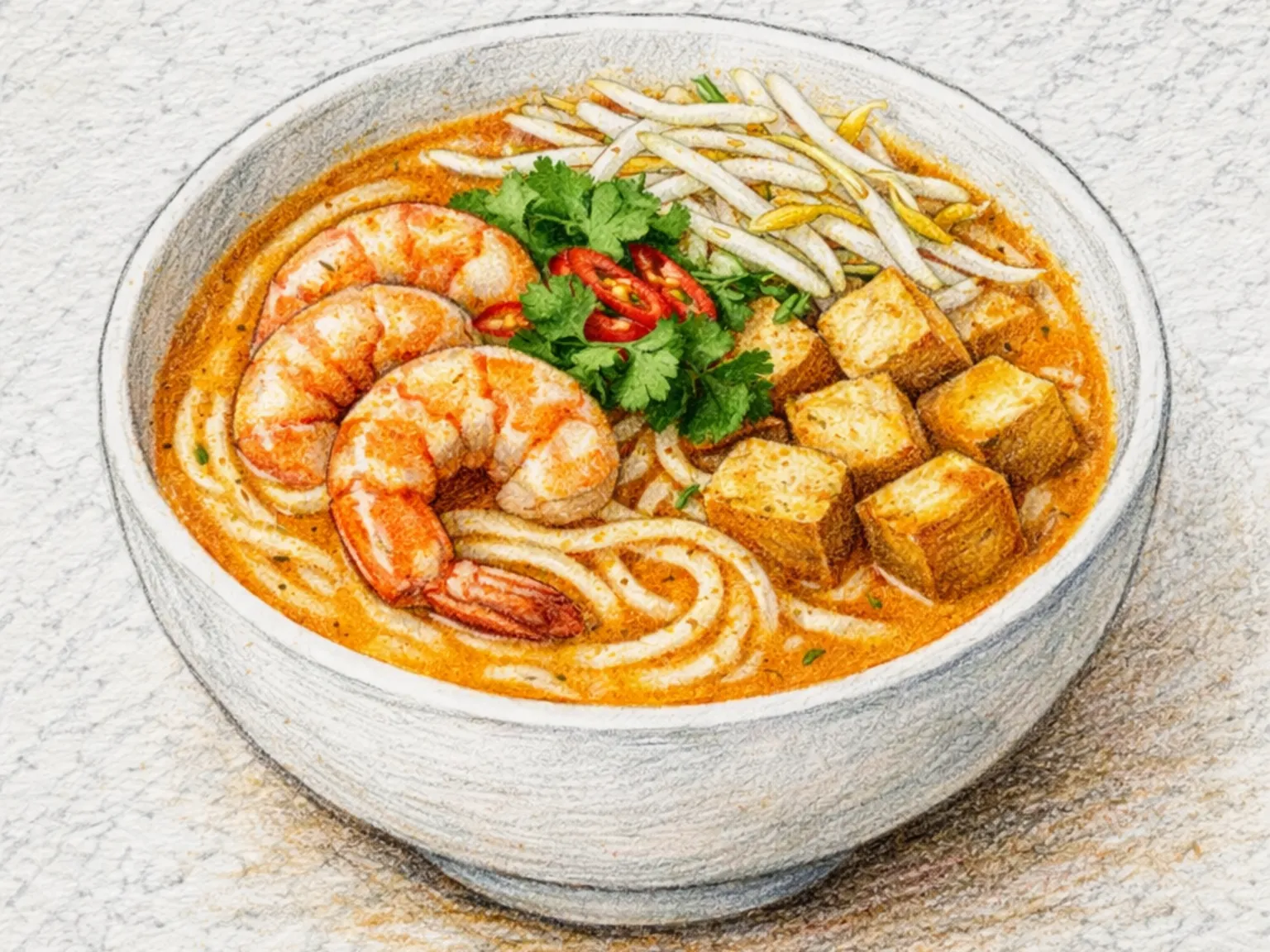
Singaporean Spicy Noodle Soup
Noodles Medium

Singaporean Spicy Noodle Soup

Laksa is a spicy coconut curry noodle soup from Singapore and Malaysia, assembled from a laksa paste of lemongrass, galangal, dried shrimp paste, and chili that is stir-fried in oil until deeply fragrant and the raw aroma of the shrimp paste cooks off. Coconut milk and shrimp stock are added to build the thick, aromatic broth that defines the dish, and fish sauce seasons it to a savory depth. Shrimp and fried tofu puffs simmer briefly in the completed broth, long enough to heat through but not so long that the shrimp toughens. Rice vermicelli, softened in hot water until pliable, goes into each bowl, and the broth is ladled over generously. Bean sprouts, halved soft-boiled eggs, and a wedge of lime are arranged on top - the lime is squeezed in at the table to cut the coconut richness with bright acidity. Store-bought laksa paste is a practical shortcut that produces a solid result, but homemade paste, with its layers of fresh lemongrass, galangal, fried shallots, and fermented shrimp, delivers a noticeably more complex and fragrant broth. Full-fat coconut milk is essential - reduced-fat versions thin out the broth and undercut the characteristic creaminess that sets laksa apart. A well-reduced shrimp stock intensifies the umami of the base considerably.

🎉 Special Occasion 🏠 Everyday
Prep 20min Cook 25min 2 servings
Cong You Bing (Flaky Scallion Pancake)
Asian Medium

Cong You Bing (Flaky Scallion Pancake)

Cong you bing - the scallion pancake of northern China - is built around a lamination technique that folds oil and scallion into wheat dough, creating the flaky, pull-apart layers that define its texture. The dough is rolled flat, brushed generously with oil, scattered with chopped scallions and salt, then rolled up into a tight cylinder and pressed flat again - a sequence repeated two or three times to multiply the internal layers. Each folding cycle traps air and fat between the dough sheets, so when the pancake hits an oiled pan over medium heat, steam expands those layers from inside while the exterior crisps to a golden, shattering crust. The scallions sandwiched between layers soften completely as they cook, losing their raw bite and releasing a gentle, almost sweet fragrance into the surrounding dough. In Taiwan's night markets, a popular variation cracks a whole egg directly onto the pancake during the final fry, pressing it flat and letting it cook together with the dough into a unified, extra-rich layer. The finished pancake is torn rather than cut, eaten any time from breakfast through midnight, and almost always served alongside a dipping sauce of soy sauce, vinegar, and sesame oil. Scallion pancakes rank among the most widely eaten flour-based street foods across the Chinese-speaking world, valued for the contrast between a shatteringly crisp exterior and a chewy, layered interior that no other preparation achieves.

🧒 Kid-Friendly 🎉 Special Occasion
Prep 30min Cook 18min 4 servings
Nasi Uduk (Jakartan Coconut Lemongrass Pandan Steamed Rice)
Rice Easy

Nasi Uduk (Jakartan Coconut Lemongrass Pandan Steamed Rice)

Nasi uduk is a steamed rice dish from Jakarta, Indonesia, cooked with coconut milk, lemongrass, and pandan leaves. The preparation begins by rinsing and soaking the rice to remove excess starch. It is then simmered in a mixture of coconut milk, water, and salt. Bruised lemongrass and knotted pandan leaves are added to the pot, infusing the rice grains with a gentle herbal aroma and a light coconut richness. Compared to Malaysian nasi lemak, this dish has a milder coconut profile. After cooking on low heat, the rice is left to steam with the heat off before the aromatics are removed. The dish is finished with a topping of crispy fried shallots, which add a nutty flavor and a crunchy texture. It is served alongside Indonesian sides such as fried tempeh, seasoned chicken, and omelette strips.

🏠 Everyday 🎉 Special Occasion
Prep 10min Cook 30min 4 servings

About Asian

Each country brings its own signature spices and sauces, so even the same ingredients can produce completely different flavors. With a few key pantry items - coconut milk, fish sauce, curry powder, doubanjiang - you can recreate the tastes of Asia at home.