Cooking Guides

Leftover Kimchi Recipes

Kimchi jjigae, kimchi jeon, kimchi fried rice, and kimchi japchae for using ripe kimchi well.

Leftover Kimchi Recipes

Why This Collection Works

Ripe kimchi can taste sharp on its own, but in stews, stir-fries, and pancakes that acidity becomes depth.

How the Recipes Were Chosen

The set focuses on kimchi jjigae, kimchi jeon, stir-fried kimchi, and kimchi fried rice that use fridge kimchi quickly.

How to Build a Meal

If kimchi tastes too sour, add a little sugar or stir-fry it in oil first to round the acidity.

Planning Tips

  • Choose one main dish first, then balance it with a soup, side dish, or quick vegetable recipe.
  • When time is limited, open the faster recipes first and save the more involved dishes for a weekend meal.
  • Use the category and tag links below to expand the collection into similar recipes.
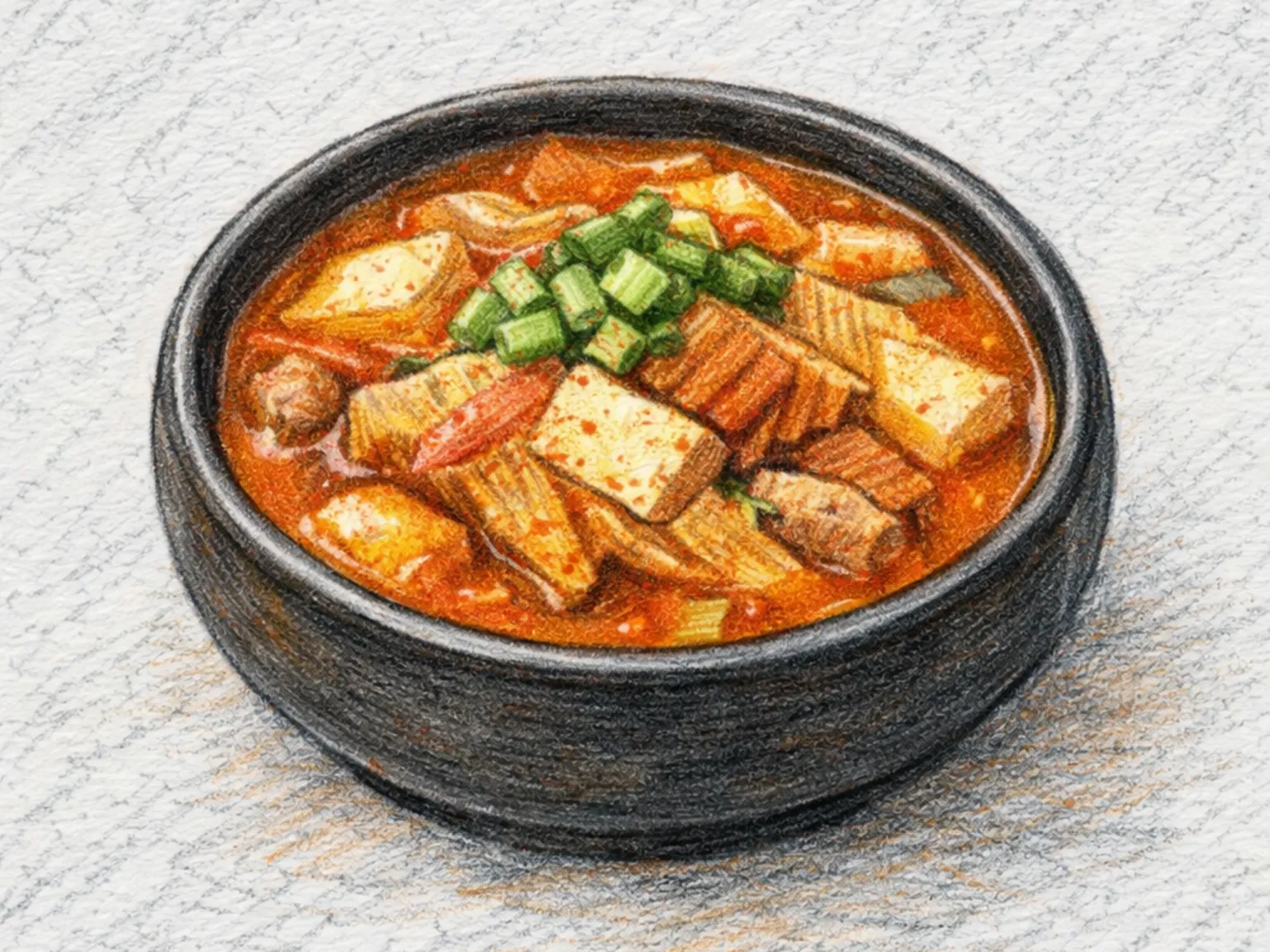
Featured Recipes

Korean Kimchi Jjigae (Kimchi Stew)
Stews Easy

Korean Kimchi Jjigae (Kimchi Stew)

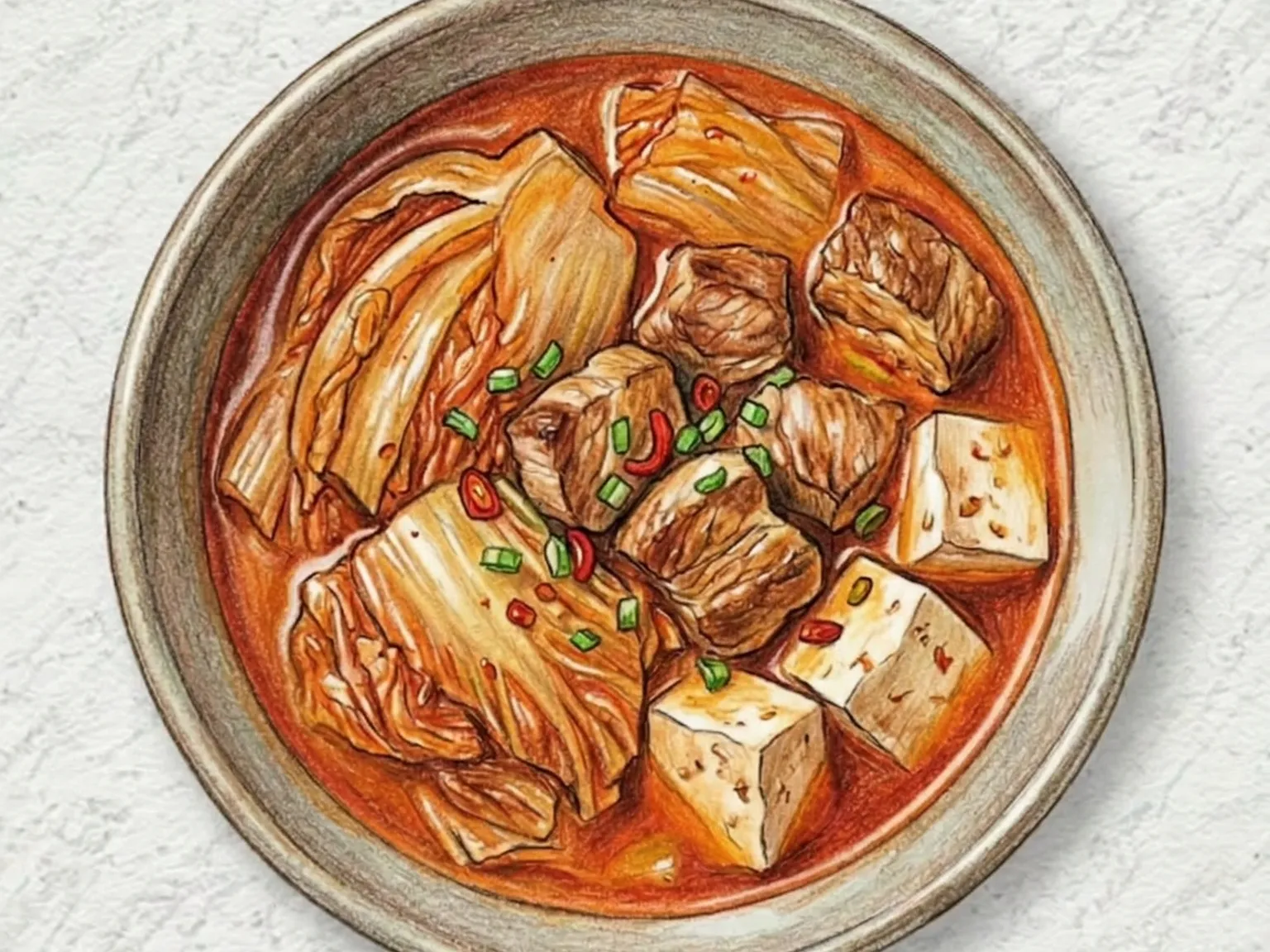
Kimchi jjigae is a well-loved Korean home-cooked stew, built on well-fermented kimchi and pork belly simmered together until the flavors fully meld. The kimchi's sharp acidity breaks down the richness of the pork fat, producing a broth that is simultaneously tangy, spicy, and deeply savory. A spoonful of doenjang adds another layer of fermented complexity, while tofu blocks absorb the fiery liquid. Finished with a drizzle of sesame oil, it is the definitive comfort food served with steamed rice.

🏠 Everyday
Prep 10min Cook 30min 4 servings
Korean Kimchi Jeon Cup (Kimchi Pancake Cups)
Street food Easy

Korean Kimchi Jeon Cup (Kimchi Pancake Cups)

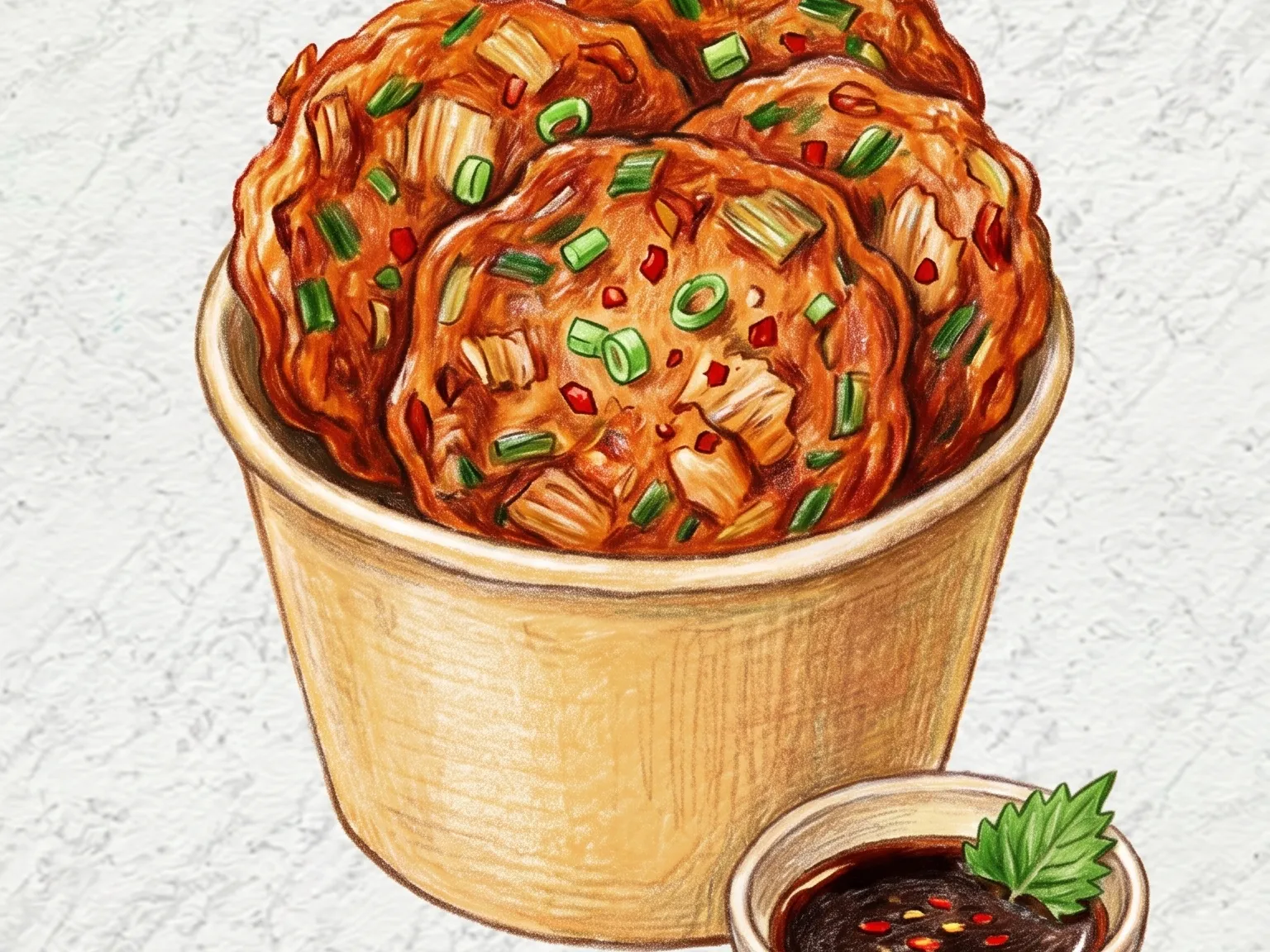
Kimchi jeon cups are small Korean pancakes made from a batter of pancake mix, water, kimchi brine, finely chopped aged kimchi, green onion, and Cheongyang chili, pan-fried into rounds and served standing upright in paper cups. Adding kimchi brine directly to the batter is the key step that separates these from a standard kimchi pancake: the fermented liquid spreads its salt and umami through every part of the batter, so the flavor is more intense and consistent than when kimchi is simply folded into a neutral base. A generous amount of oil in the pan and medium heat together crisp the edges into a fried shell while the center stays slightly soft and chewy. The Cheongyang chili adds a sharp, clean heat on top of the kimchi acidity, keeping the flavor lively. A thicker batter consistency than normal pancakes is necessary for this format: thin batter flops and collapses once stood upright in a cup, while a stiffer mix holds the round shape without bending. The hand-held cup format references pojangmacha culture, the covered street-stall tradition, and the pancakes are typically dipped in soy sauce or a vinegar-gochujang sauce.

🍺 Bar Snacks 🌙 Late Night
Prep 15min Cook 16min 4 servings
Korean White Kimchi Tofu Stew
Stews Easy

Korean White Kimchi Tofu Stew

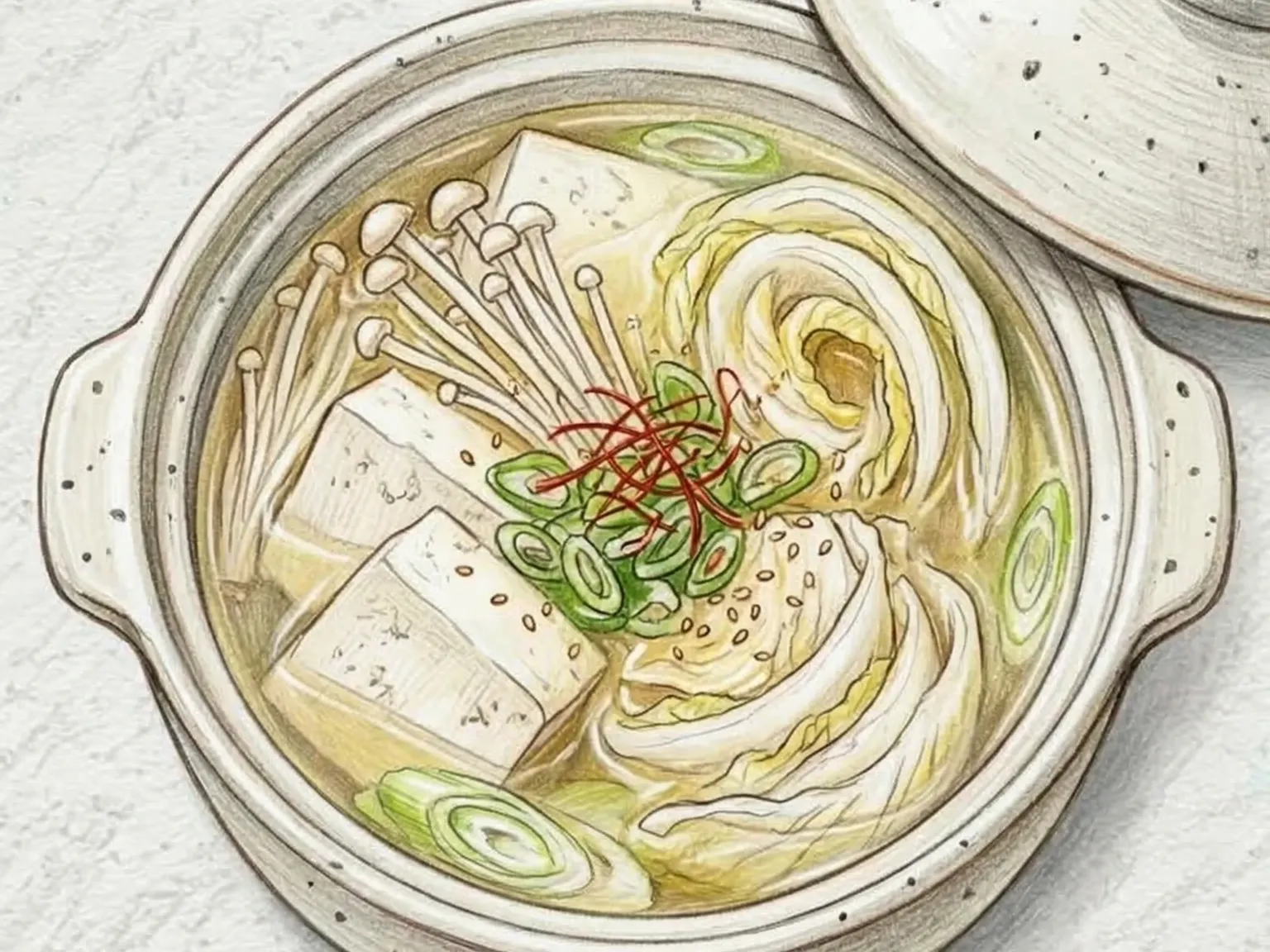
Baek kimchi dubu jjigae is a mild Korean stew where the gentle tang of white kimchi takes the place of regular red kimchi as the flavor anchor. Anchovy-kelp stock forms the umami foundation, and finely chopped white kimchi is added so its lactic fermentation acidity gradually dissolves into the broth, creating a refreshingly clean and clear flavor that diverges sharply from the bold heat of standard kimchi jjigae or the earthy weight of doenjang jjigae. Thick tofu slabs are added after the broth comes to a full boil so the blocks hold together rather than crumbling, and enoki mushrooms go in during the final two minutes to preserve their delicate texture. Guk-ganjang adjusts the salinity carefully, since the white kimchi itself already carries a noticeable saltiness from the brining process. Adding a sliced cheongyang chili introduces a measured spicy note into the otherwise gentle broth without overwhelming its clean character. Unlike the intense, opaque red broth of standard kimchi jjigae, this version stays transparent, lightly tart, and nearly fat-free, making it noticeably easy on the stomach. White kimchi is fermented without gochugaru, preserving all the lactic sourness while eliminating the heat and pigment, which makes it particularly well suited as a braising base for delicate ingredients like tofu and enoki.

🏠 Everyday ⚡ Quick
Prep 8min Cook 15min 2 servings
Korean Young Radish Kimchi Stew
Stews Easy

Korean Young Radish Kimchi Stew

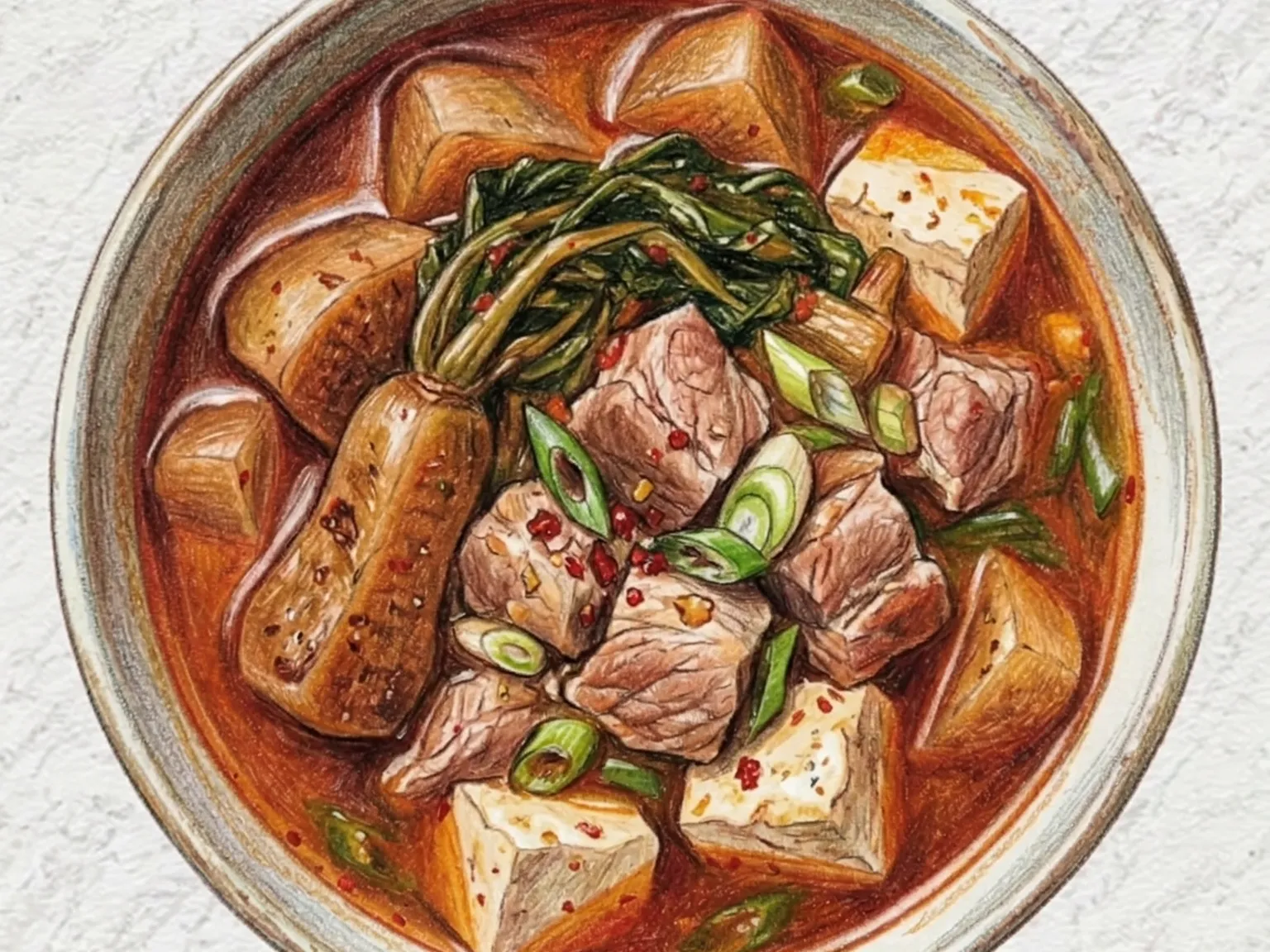
Chonggak kimchi jjigae uses fermented whole ponytail radishes in place of the usual napa cabbage kimchi. The radish pieces retain a firm, crunchy bite even after simmering, setting this version apart from the standard stew in both texture and flavor. Pork shoulder and a generous pour of kimchi brine build a full-bodied, sharply tangy broth, and tofu added near the end rounds out the bold, spicy flavors with a soft counterweight.

🏠 Everyday
Prep 12min Cook 28min 2 servings
Korean Kimchi Glass Noodle Stir-Fry
Noodles Easy

Korean Kimchi Glass Noodle Stir-Fry

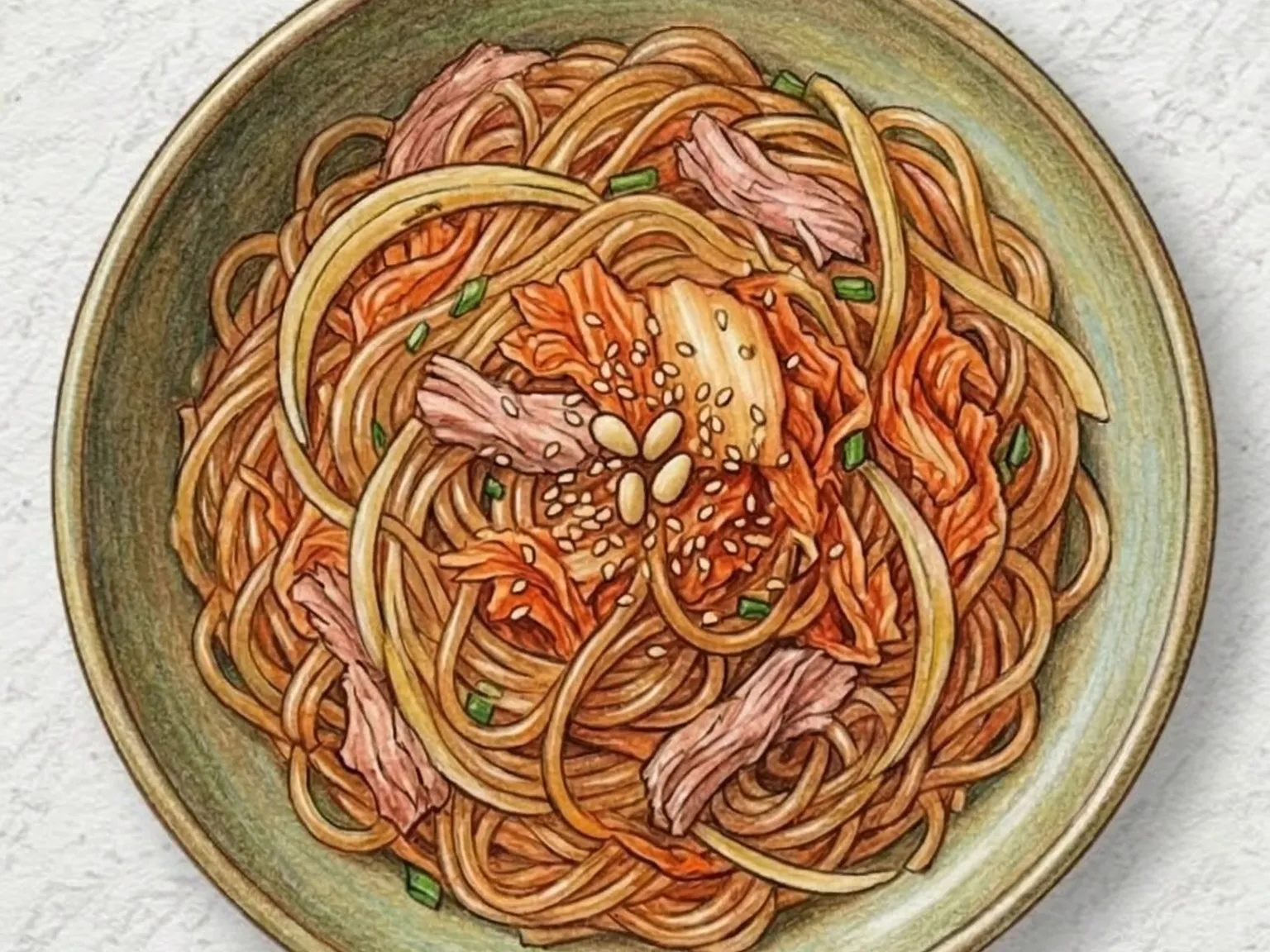
Kimchi japchae is a variation on classic Korean glass noodle stir-fry that replaces the usual assortment of vegetables with well-fermented aged kimchi, giving the dish a bold tangy heat that the original does not have. Glass noodles are boiled, rinsed in cold water to stop the cooking, and pre-seasoned with soy sauce so they absorb flavor before hitting the pan. Pork shoulder goes in first to render its fat and build a savory base in the wok, then the kimchi -- thoroughly squeezed dry -- is added and stir-fried until the sourness concentrates and caramelizes slightly. Removing the kimchi's moisture is a non-negotiable step: excess liquid steams the noodles rather than frying them, causing the noodles to swell and the overall seasoning to turn watery and flat. Sliced onion goes in with the kimchi to contribute a natural sweetness that softens the acidity. Once the aromatics are cooked down, the noodles are tossed in with additional soy sauce and a small amount of sugar if the kimchi is especially sour. The pan comes off the heat before sesame oil is added to preserve its fragrance, and whole sesame seeds finish the dish. The combination of the noodles' chewy elasticity and the kimchi's pungent, fermented character produces a version of japchae that tastes fundamentally different from the traditional preparation.

🏠 Everyday 🍱 Lunchbox
Prep 15min Cook 15min 2 servings
Korean Stir-Fried Kimchi (Caramelized Aged Kimchi Banchan)
Side dishes Easy

Korean Stir-Fried Kimchi (Caramelized Aged Kimchi Banchan)

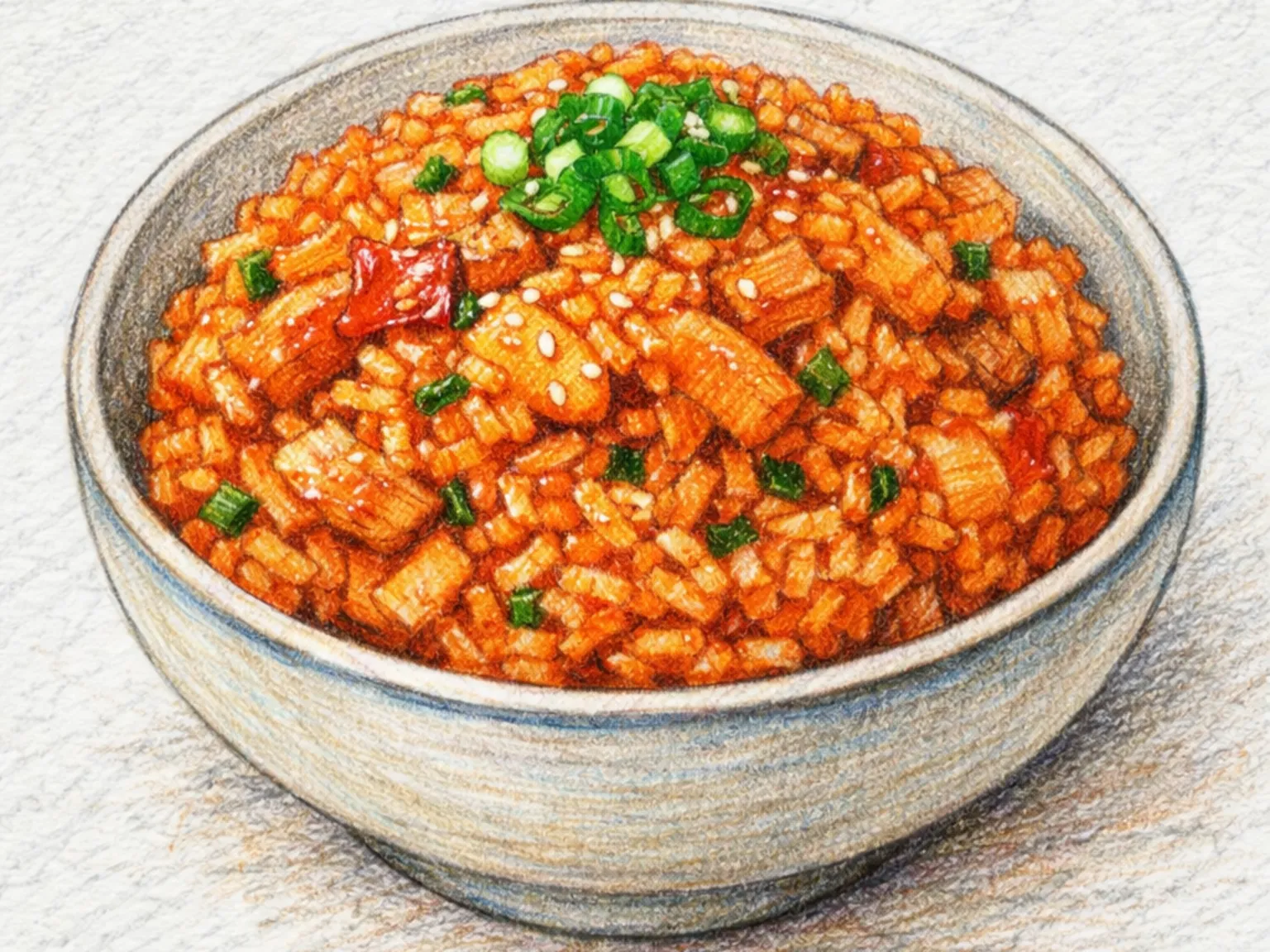
Kimchi-bokkeum is the default way Korean households use kimchi that has fermented past its fresh prime and developed a sharp lactic acidity that makes it too sour to eat on its own. Stir-frying over heat fundamentally transforms that sourness, cooking it down into something mellower, sweeter, and more rounded. Onion goes in first and cooks until translucent, building a sweet foundation before the kimchi and garlic join the pan. Maintaining medium heat is the key to driving off moisture gradually and building the thick, concentrated sauce that distinguishes well-made kimchi-bokkeum from a watery stir-fry. A small addition of gochugaru deepens the color and reinforces the chili heat, while a pinch of sugar balances the fermented sourness without making the dish sweet. A tablespoon of kimchi brine stirred in near the end amplifies the umami contributed by the lactobacillus cultures in the kimchi itself. Adding sliced pork belly or canned tuna to the pan along with the kimchi increases the protein and gives the dish more substance. The finished banchan is versatile enough to serve straight alongside rice, fold into fried rice, or pile on top of ramyeon.

🏠 Everyday 🍱 Lunchbox
Prep 8min Cook 10min 4 servings
Korean Pork Kimchi Stew (Fermented Kimchi & Pork Shoulder)
Stews Easy

Korean Pork Kimchi Stew (Fermented Kimchi & Pork Shoulder)

Pork kimchi jjigae is one of the most beloved home-cooked Korean stews, built on aged kimchi and pork shoulder. The marbled fat from the pork shoulder melts into the broth, balancing the kimchi's sharp acidity with richness. Tofu and onion bulk up the pot, while soup soy sauce and chili flakes season the liquid. The riper and more sour the kimchi, the better this stew tastes - it is the ideal use for old kimchi.

🏠 Everyday
Prep 12min Cook 25min 2 servings
Korean Kimchi Fried Rice (Kimchi Bokkeumbap)
Rice Easy

Korean Kimchi Fried Rice (Kimchi Bokkeumbap)

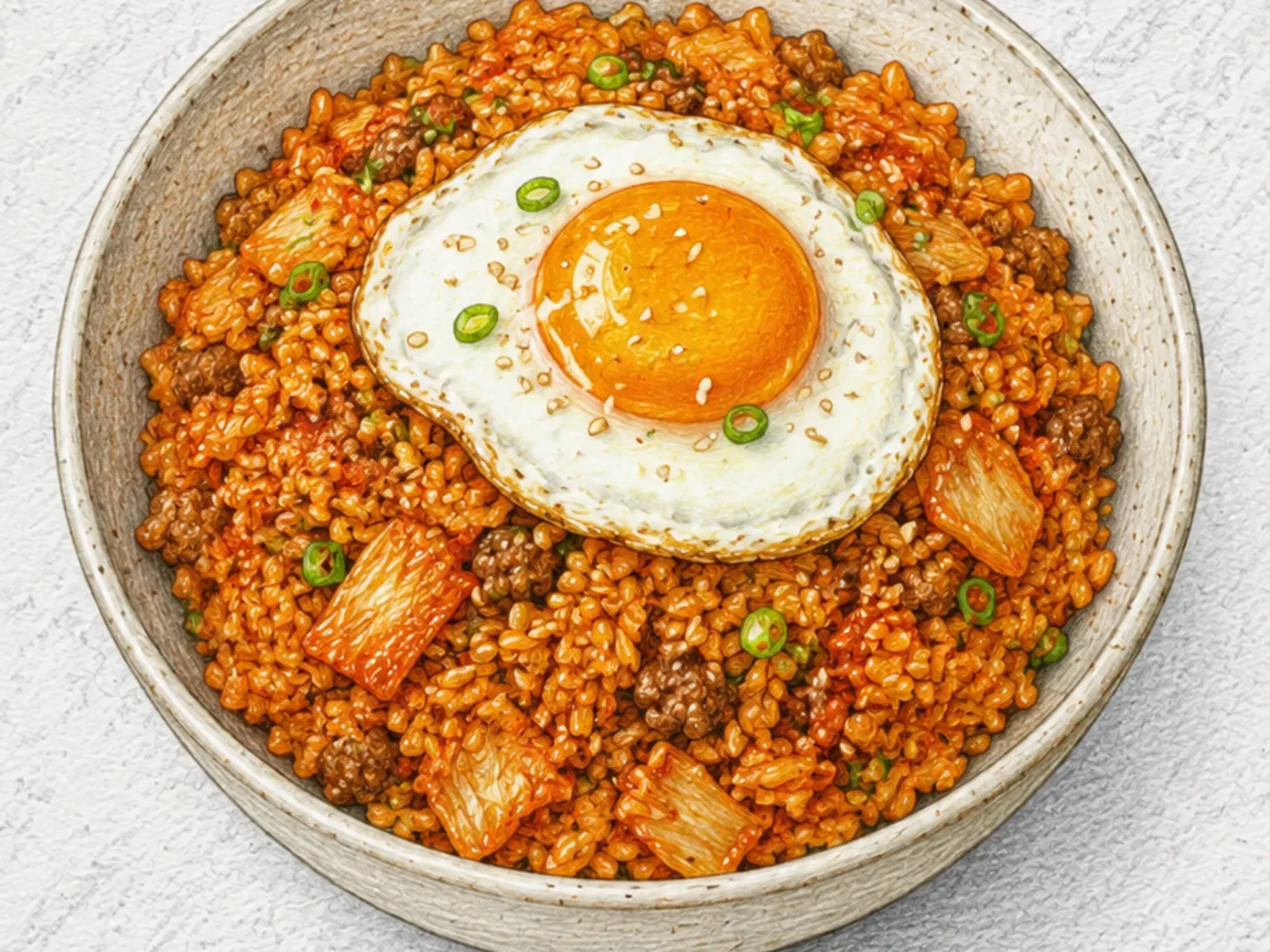
Finely chopped aged kimchi is stir-fried together with ground pork until the fermentation tang of the kimchi and the fat rendered from the pork combine into a deep, layered umami base. Kimchi juice is added to the pan along with gochujang and a measured touch of sugar, glazing the rice in a spicy-sweet coating. High heat throughout the stir-fry is what keeps each grain separate and lightly crisp rather than soft and clumped; the pan also needs to be fully heated before the ingredients go in, or the rice will stick. A soft-fried egg placed on top lets the runny yolk temper the heat when it is broken and mixed in, and using well-fermented, deeply soured kimchi noticeably shifts the depth of the flavor. Adding spam or canned tuna are equally common household variations, and the dish adapts readily to whatever is available. A drizzle of sesame oil just before serving lifts a toasty, nutty fragrance over the finished bowl.

🏠 Everyday 🍱 Lunchbox
Prep 10min Cook 10min 2 servings
Korean Bacon Kimchi Fried Rice
Rice Easy

Korean Bacon Kimchi Fried Rice

Bacon kimchi fried rice takes the most common Korean leftover combination - cold rice and aging kimchi - and substitutes rendered bacon fat for the traditional sesame oil base. The bacon goes into a cold pan and cooks slowly so the fat renders completely before the meat crisps, creating a pool of smoky drippings that replace cooking oil entirely. Well-fermented kimchi, squeezed of excess juice and chopped roughly, goes into the hot fat and sizzles until its edges caramelize and the sharp lactic tartness mellows into a deeper, roasted sourness. Day-old rice is pressed flat against the pan to develop a crust reminiscent of nurungji - the scorched rice layer that fried rice enthusiasts seek. Soy sauce and a pinch of sugar season the dish, though both should be used in small amounts to avoid masking the interplay between the bacon's smokiness and the kimchi's fermented character. A fried egg on top, with a yolk still runny, becomes a sauce when broken and stirred through the rice. Bacon became a standard Korean grocery item in the 2000s, and this dish has since become a common home-cooking variation, with many cooks preferring its deeper, smokier flavor profile over the sesame oil original.

🏠 Everyday 🍱 Lunchbox
Prep 10min Cook 12min 2 servings
Korean Kimchi Bean Sprout Stew
Stews Easy

Korean Kimchi Bean Sprout Stew

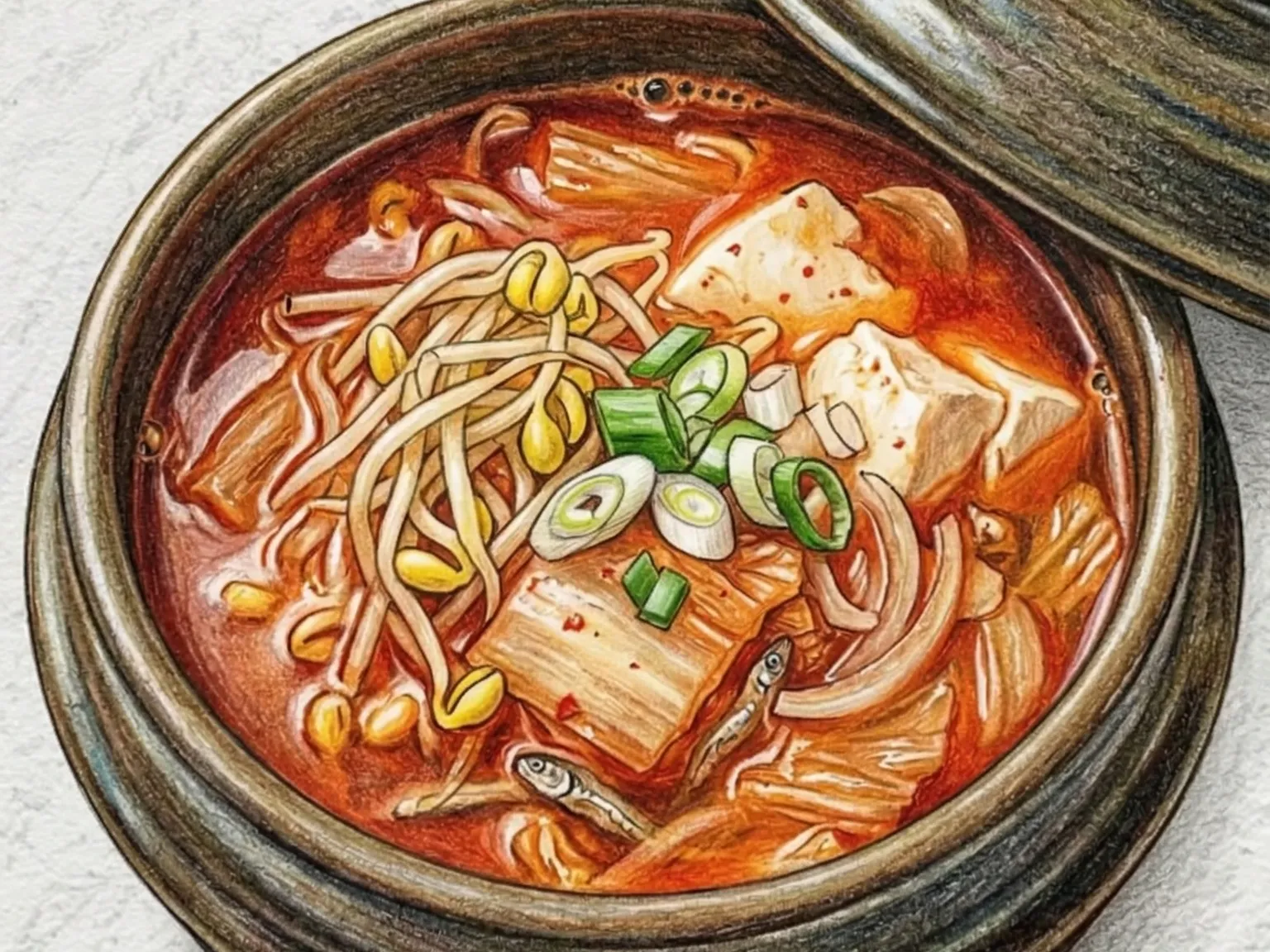
This jjigae simmers fermented kimchi and soybean sprouts in an anchovy-based stock for a broth that is both refreshing and sharply spiced. The soybean sprouts contribute a crisp bite and a clean, neutral flavor that tempers the kimchi's fermented tang and chili heat, keeping the overall taste from feeling one-dimensional. Soft tofu adds creaminess and a gentle texture contrast, while onion provides background sweetness and green onion brings a fresh, aromatic note. Soup soy sauce and gochugaru are used to season, producing a clear, clean spiciness without muddying the broth. In Korean households, this jjigae is frequently eaten in the morning or as a hangover remedy, valued for its simplicity and its ability to settle the stomach while still delivering a satisfying depth of flavor.

🏠 Everyday ⚡ Quick
Prep 10min Cook 20min 2 servings

Related Categories and Tags

Frequently Asked Questions

What recipes are included in Leftover Kimchi Recipes?

The set focuses on kimchi jjigae, kimchi jeon, stir-fried kimchi, and kimchi fried rice that use fridge kimchi quickly.

How many dishes should I make at once?

For a regular meal, one main dish and one or two sides are enough. For holidays or guests, build around one main, one soup, and two or three side dishes.

Can I prepare these recipes ahead?

If kimchi tastes too sour, add a little sugar or stir-fry it in oil first to round the acidity.

More Guides