🌙 Late Night Recipes
Quick and satisfying late-night bites
651 recipes. Page 1 of 28
Late-night cravings call for quick, easy recipes that satisfy without too much effort. Ramyeon, egg fried rice, tuna-mayo rice bowls, and simple toasts - these are dishes you can throw together when hunger strikes after dark. Cooking at home beats delivery in both cost and healthiness.
The ideal late-night snack is fast to make, easy to clean up, and just filling enough. These recipes hit that sweet spot - comforting without being heavy.
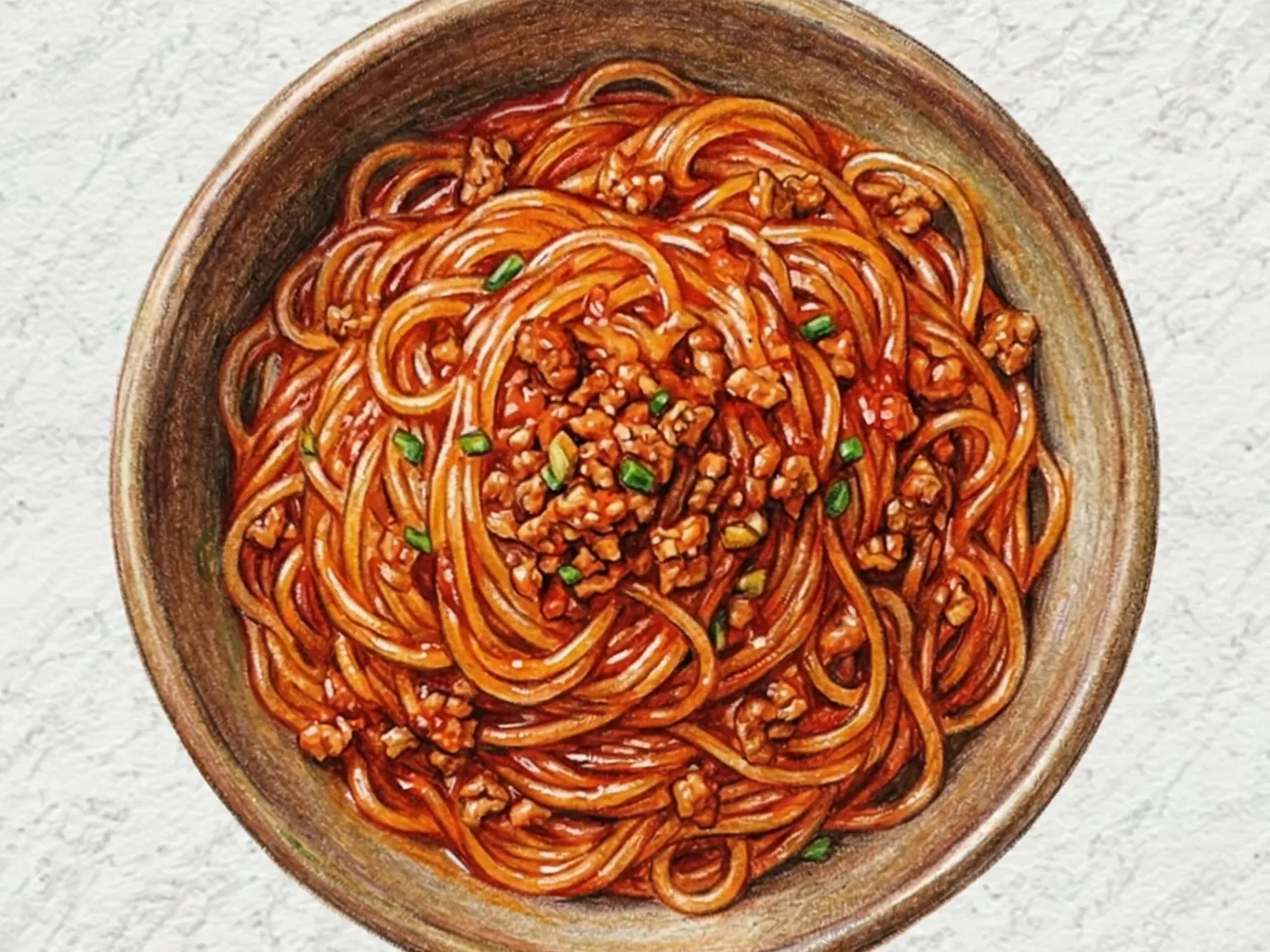
Ants Climbing a Tree (Sichuan Glass Noodles with Minced Pork)
Ants climbing a tree - mayi shang shu - is a Sichuan home dish named for the way tiny pieces of minced pork cling to slippery glass noodles, visually recalling ants on twigs. The key technique is to soak the noodles only until barely pliable, not fully softened, so they finish cooking in the pan while absorbing every drop of the braising liquid. Doubanjiang, Sichuan's fermented chili-bean paste, provides the spicy, funky backbone; soy sauce pulls the color into a deep amber. The pork must be minced as finely as possible so it adheres evenly along each strand rather than clumping. When the dish is done correctly, the pan is nearly dry, the noodles are deeply saturated in sauce, and the meat is distributed in dense, even flecks. It is the kind of dish made when the pantry has little more than staples, yet it delivers more flavor than its short ingredient list suggests.

Alfajores (Argentine Dulce de Leche Sandwich Cookies)
Alfajores began as a medieval Andalusian sweet brought to Spain by Moorish confectioners, but the round, pillowy sandwich-cookie form that people recognize today was shaped in 19th-century Argentina and Uruguay, where the recipe drifted far enough from its origins to become its own thing. The defining characteristic is the dough: heavily weighted with cornstarch relative to flour, it produces a cookie that does not snap or crunch but dissolves the moment it meets the tongue. Two rounds sandwich a thick layer of dulce de leche - slow-cooked milk caramel with a toffee depth and a consistency somewhere between fudge and butter - and the cookie itself is deliberately made plain so it does not compete with the filling. Rolling the exposed dulce de leche along the edge in shredded coconut adds a dry, fibrous contrast to the sticky center. A dusting of powdered sugar on top provides a brief, clean sweetness before the caramel asserts itself with each bite. In Buenos Aires, bakery windows stack them into towers, and the debate over which brand makes the best alfajor is treated with the seriousness Argentines reserve for football and steak.
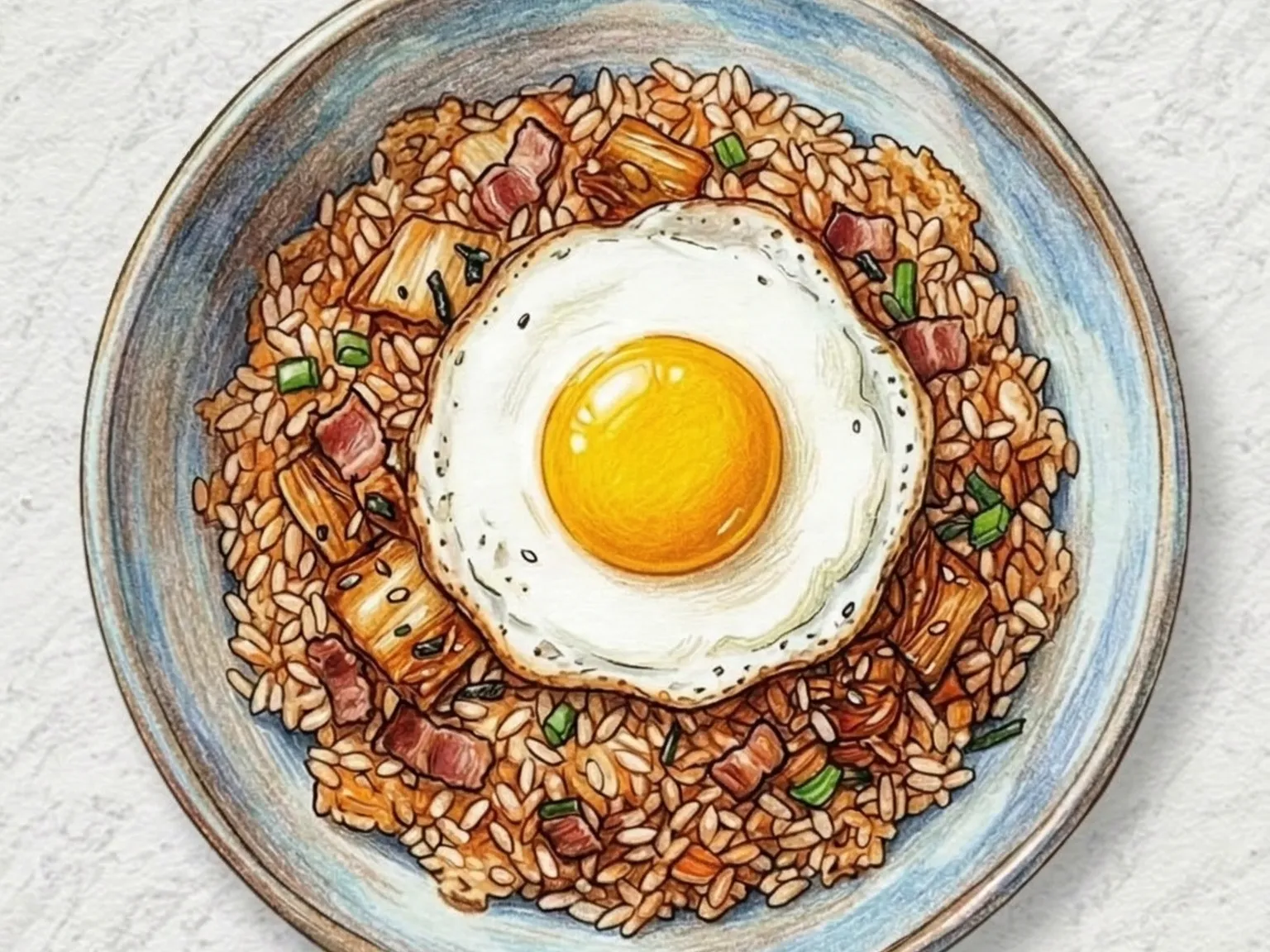
Korean Bacon Kimchi Fried Rice
Bacon kimchi fried rice takes the most common Korean leftover combination - cold rice and aging kimchi - and substitutes rendered bacon fat for the traditional sesame oil base. The bacon goes into a cold pan and cooks slowly so the fat renders completely before the meat crisps, creating a pool of smoky drippings that replace cooking oil entirely. Well-fermented kimchi, squeezed of excess juice and chopped roughly, goes into the hot fat and sizzles until its edges caramelize and the sharp lactic tartness mellows into a deeper, roasted sourness. Day-old rice is pressed flat against the pan to develop a crust reminiscent of nurungji - the scorched rice layer that fried rice enthusiasts seek. Soy sauce and a pinch of sugar season the dish, though both should be used in small amounts to avoid masking the interplay between the bacon's smokiness and the kimchi's fermented character. A fried egg on top, with a yolk still runny, becomes a sauce when broken and stirred through the rice. Bacon became a standard Korean grocery item in the 2000s, and this dish has since become a common home-cooking variation, with many cooks preferring its deeper, smokier flavor profile over the sesame oil original.
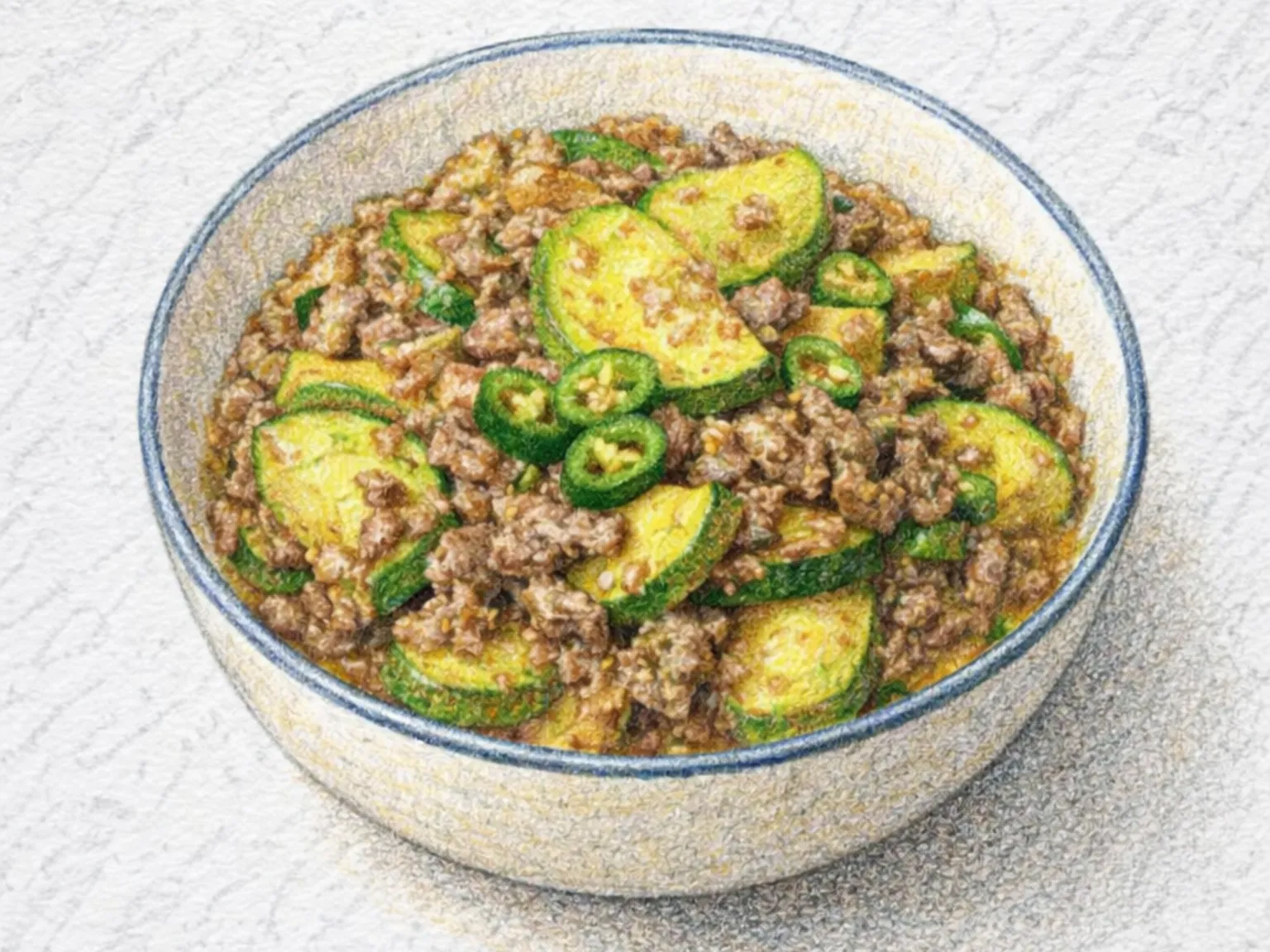
Korean Stir-Fried Zucchini and Beef Brisket with Doenjang
Three ingredients divide the labor in this stir-fry: beef brisket renders the fat, doenjang provides the fermented backbone, and zucchini supplies the body of the dish. The brisket goes into a dry pan first, no added oil, so its own fat melts out and becomes the cooking medium. Doenjang added directly to that rendered fat fries for thirty seconds until the raw paste smell cooks off and a deeper fragrance develops. Then the zucchini, sliced into half-moons, goes in with a dash of soup soy sauce over high heat. Total cooking time from pan to plate runs about five minutes - push past that and the zucchini releases too much water and turns limp. Sliced cheongyang chili at the end keeps a sharp heat in the background. A drizzle of perilla oil with the heat off gives a clean, herbal finish. Works as a banchan alongside rice, or spooned over a full bowl of steamed rice as a quick one-dish meal.
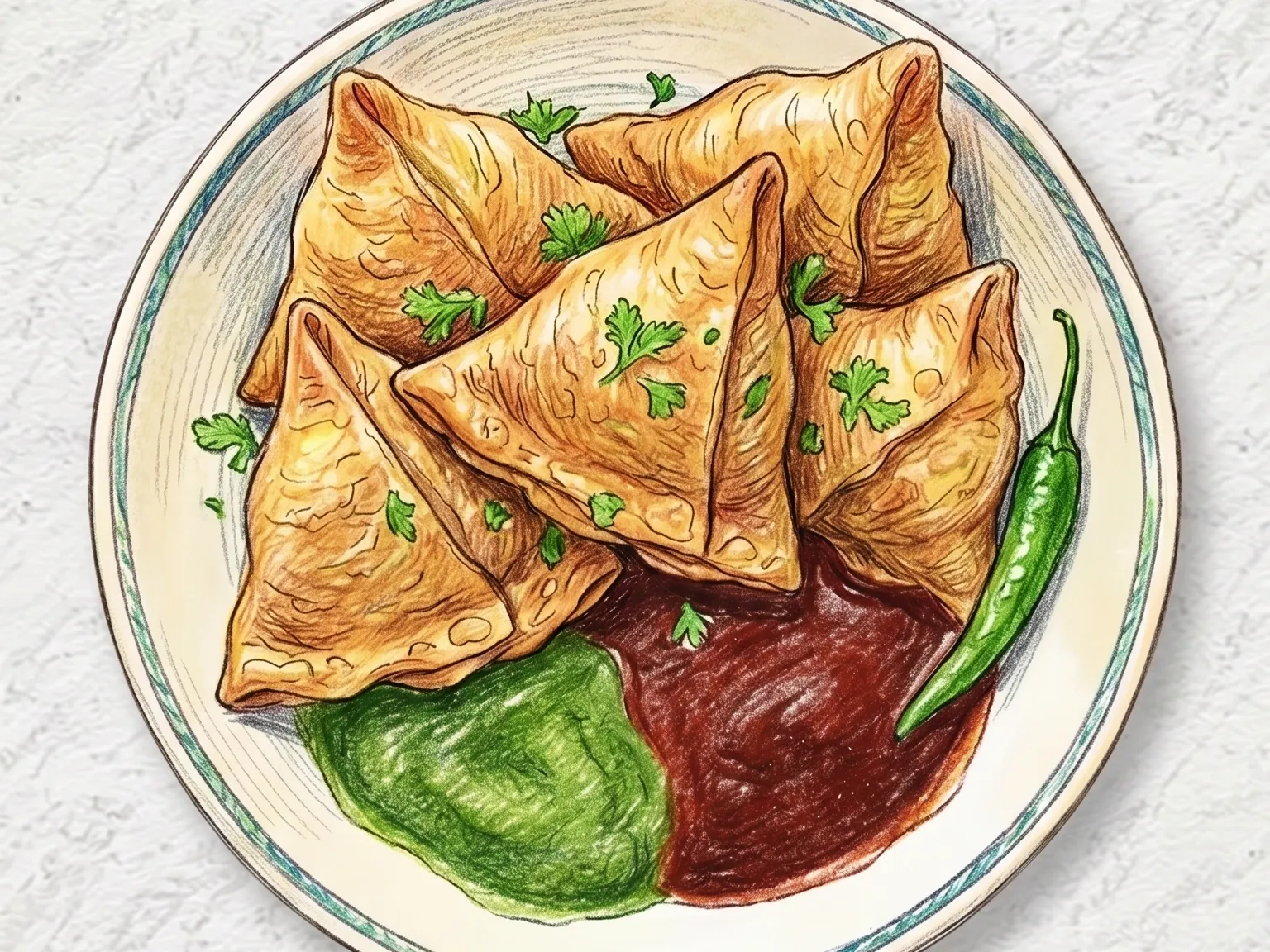
Aloo Samosa (Indian Crispy Potato-Filled Fried Pastry)
Samosa first appears in written form in a 10th-century Central Asian cookbook under the name sambosa, then follows trade routes westward into Persia and east into the Indian subcontinent, where it settled into street-food culture so thoroughly that chai stalls sell hundreds before noon each morning. The dough is stiff - flour, water, and oil kneaded until firm - and rolled thin. Too soft a dough absorbs oil during frying and turns greasy rather than crisp. The filling is boiled potato mixed with cumin, fresh green chili, and cilantro; the cumin's earthy fragrance permeates the potato during the mixing. The dough folds into a cone, filling goes in, air is pressed out carefully before sealing - trapped air expands in the hot oil and splits the crust. Fried at the correct temperature, the layered shell blisters outward, turns golden brown, and shatters audibly on first bite. Inside is a warm, lightly spiced potato that has absorbed all that cumin. Mint chutney and tamarind sauce are served alongside, their sourness and sweetness doing what the filling alone cannot.
Bam Tiramisu (Chestnut Tiramisu)
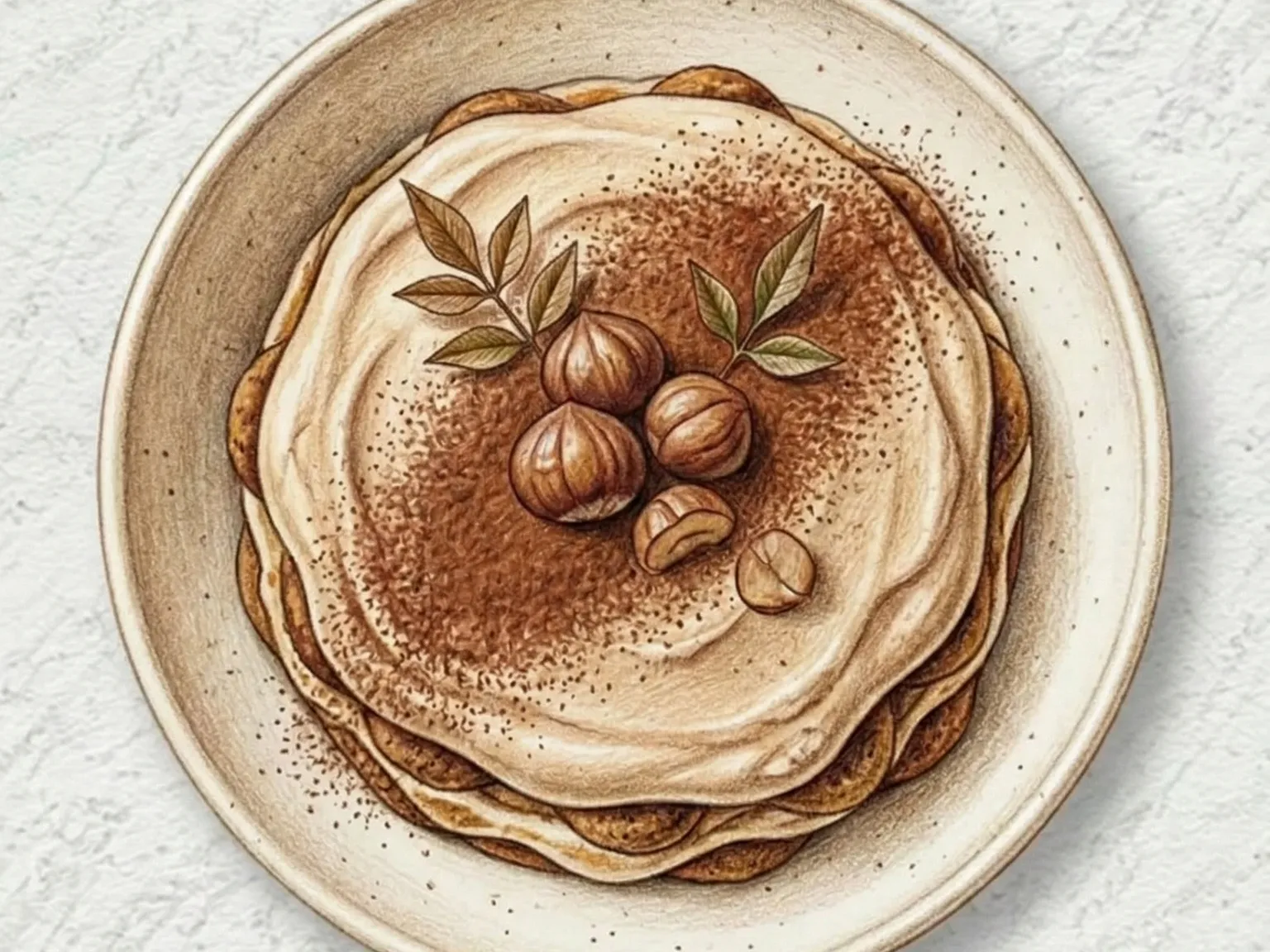
Chestnut tiramisu is a variation of the traditional Italian dessert that incorporates chestnut puree into the mascarpone cheese filling. This modification transforms a standard cafe dessert into a preparation specifically associated with the autumn season in Korea. The fundamental elements of the recipe remain consistent with the classic version. It utilizes ladyfinger biscuits that have been soaked in espresso, a filling made of whipped mascarpone and cream, and a final layer of cocoa powder. However, the introduction of chestnut puree alters the profile of the cream. Instead of a simple dairy richness, the mixture takes on an earthy quality. Using a puree made from chestnuts boiled at home, rather than a store-bought paste, helps maintain the natural grain of the nut. This provides the cream with a specific texture that is noticeable in every spoonful. When preparing the ladyfingers, the espresso soak requires a high level of precision. Each biscuit should be dipped for approximately one to two seconds. If the ladyfingers are submerged for a longer duration, they absorb an excessive amount of liquid. This leads to a waterlogged consistency which can cause the structural layers of the dessert to collapse while it sits in the refrigerator. The assembly process follows a predictable sequence. A layer of soaked ladyfingers is placed at the bottom, followed by a layer of the chestnut cream. This pattern is repeated once more before the entire dish is placed in the refrigerator to rest for at least four hours. This period of refrigeration is essential to the final outcome. During these hours, the ladyfingers absorb moisture from both the espresso and the cream layer above them. This process changes the biscuits from a crunchy state to a soft texture similar to cake, which allows for clean slices. Just before the dessert is served, a thin layer of cocoa powder is applied to the top. This adds a bitter element that balances the sweetness of the chestnuts. Preparing the tiramisu in individual glass containers or cups ensures that the portions are easy to manage and allows the different layers of the dessert to be clearly visible from the side.

Korean Chestnut Tea Latte Recipe
This Korean chestnut tea latte, also called bam latte, blends boiled chestnuts with milk for a warm cafe-style drink. The chestnuts are pureed with water until smooth, then heated gently with milk so the drink stays creamy instead of grainy. Maple syrup adds caramel sweetness over the mild, starchy chestnut flavor, while cinnamon and vanilla give the latte a warmer finish. Blend the chestnuts longer for a silkier drink, or leave a little texture for a thicker porridge-like consistency. The full preparation takes about twenty minutes, making it a practical homemade version of the seasonal chestnut latte served in Korean cafes each autumn.
Korean Garlic-Grilled Skirt Steak
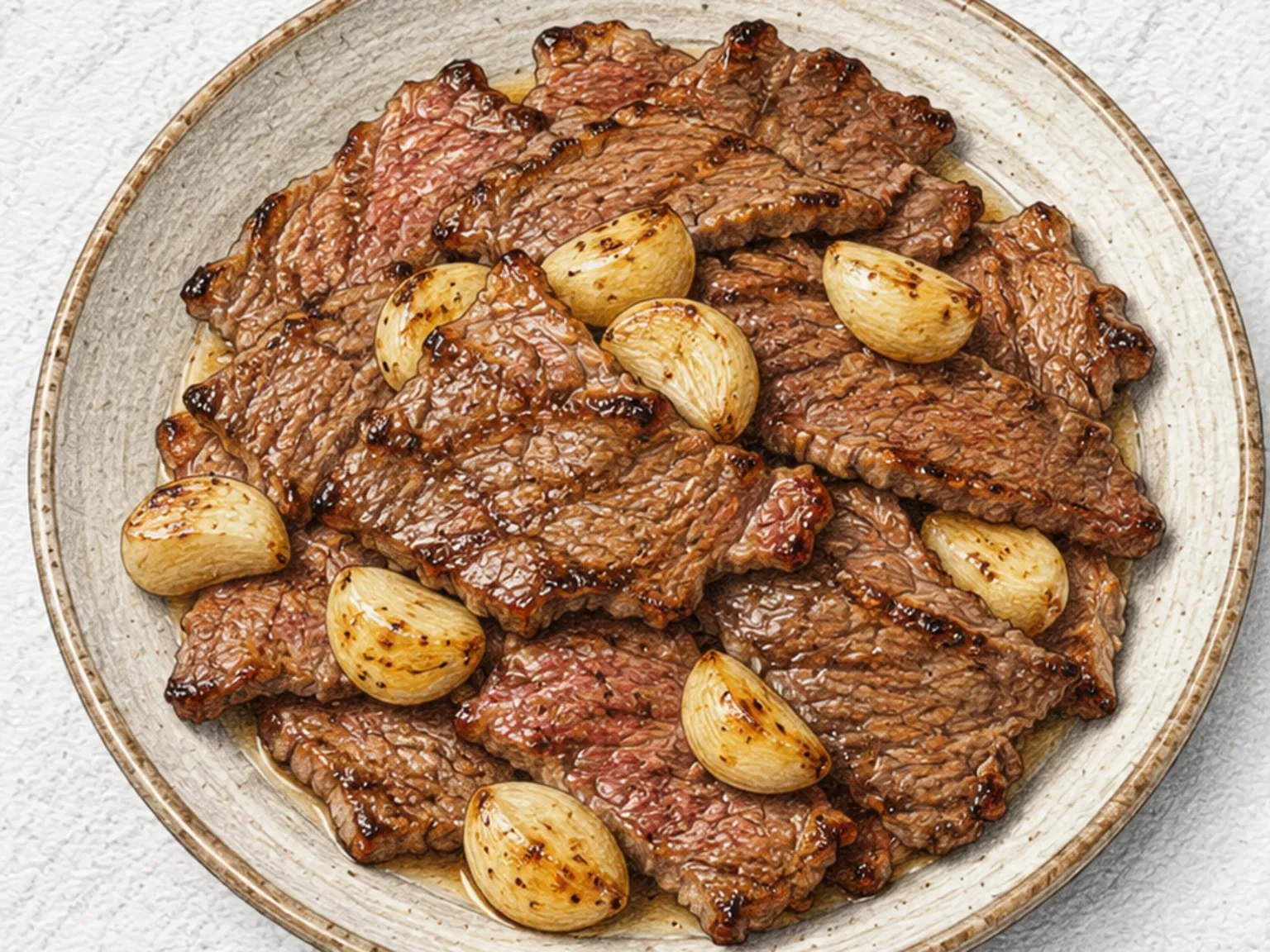
Anchangsal is the inner skirt cut from the diaphragm muscle, yielding roughly a kilogram per animal, which explains why Korean grill restaurants price it as a premium item. The grain runs coarse, marbling is tight within the thick muscle fibers, and the beefy flavor is intense - more so than well-known cuts like galbi or samgyeopsal. Marinating for too long or with aggressive seasoning buries those qualities. A short soak in soy sauce, sesame oil, minced garlic, and black pepper is enough. On a charcoal grill, thin slices cook in under a minute per side. The right doneness shows as caramelized edges with a slight char while the center stays pink - at that point the fat has rendered into the grain and the full flavor of the cut is present. Whole garlic cloves grilled alongside undergo a different transformation: about ten minutes of high heat takes away the sharpness and turns them sweet and soft. The standard way to eat it is wrapped in lettuce with ssamjang and a roasted garlic clove folded in together.
Manduguk (Korean Dumpling Clear Broth Soup)
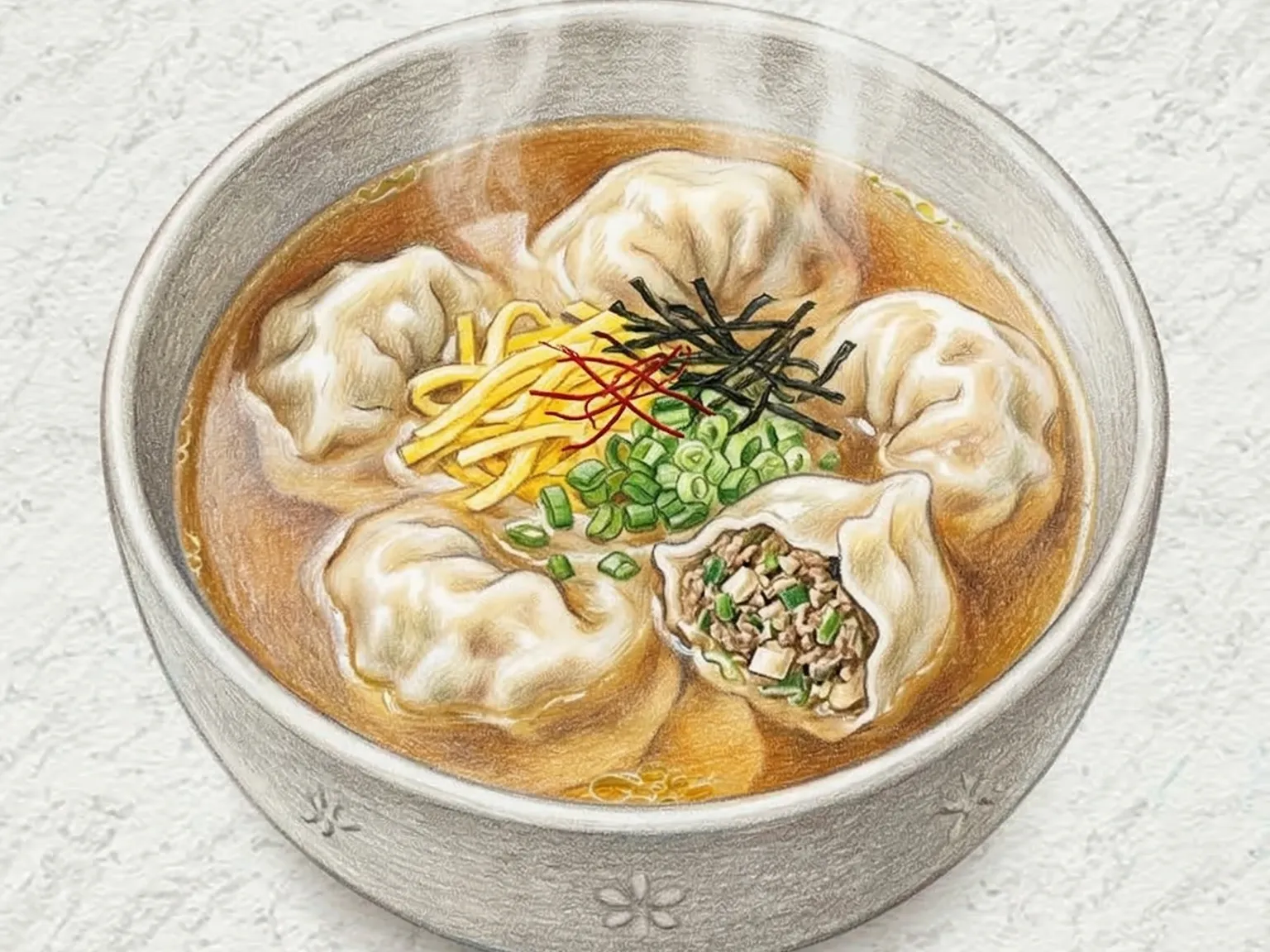
Manduguk is a Korean dumpling soup in which hand-folded dumplings stuffed with ground pork, tofu, scallion, and garlic are dropped into a clear, simmering broth, typically anchovy-kelp stock or beef broth, and cooked until they float. As the dumplings cook, their thin wheat-flour wrappers release a subtle starch that gives the broth a barely perceptible body, while the filling leaks savory juices that enrich the liquid gradually. A thin drizzle of beaten egg stirred in near the finish creates silken wisps on the surface of the broth and gives the bowl a more finished appearance. Shredded egg strips and crumbled dried seaweed scattered on top add a pleasant contrast in color and a faint oceanic note to the flavor. Many Korean households serve manduguk on Lunar New Year as an alternative to tteokguk, and some combine the two by adding sliced rice cakes alongside the dumplings. Dumplings can be made in large batches and frozen raw, which means this soup can be pulled together quickly on weeknights without sacrificing any of the flavor that comes from homemade filling. A small dish of soy-vinegar dipping sauce served alongside lets each person adjust the seasoning at the table, and the light acidity of the sauce cuts through the mild broth in a way that makes the contrast between the two worth trying.
Korean Beoseot Deulkkae Jeon (Mushroom Perilla Pancake)
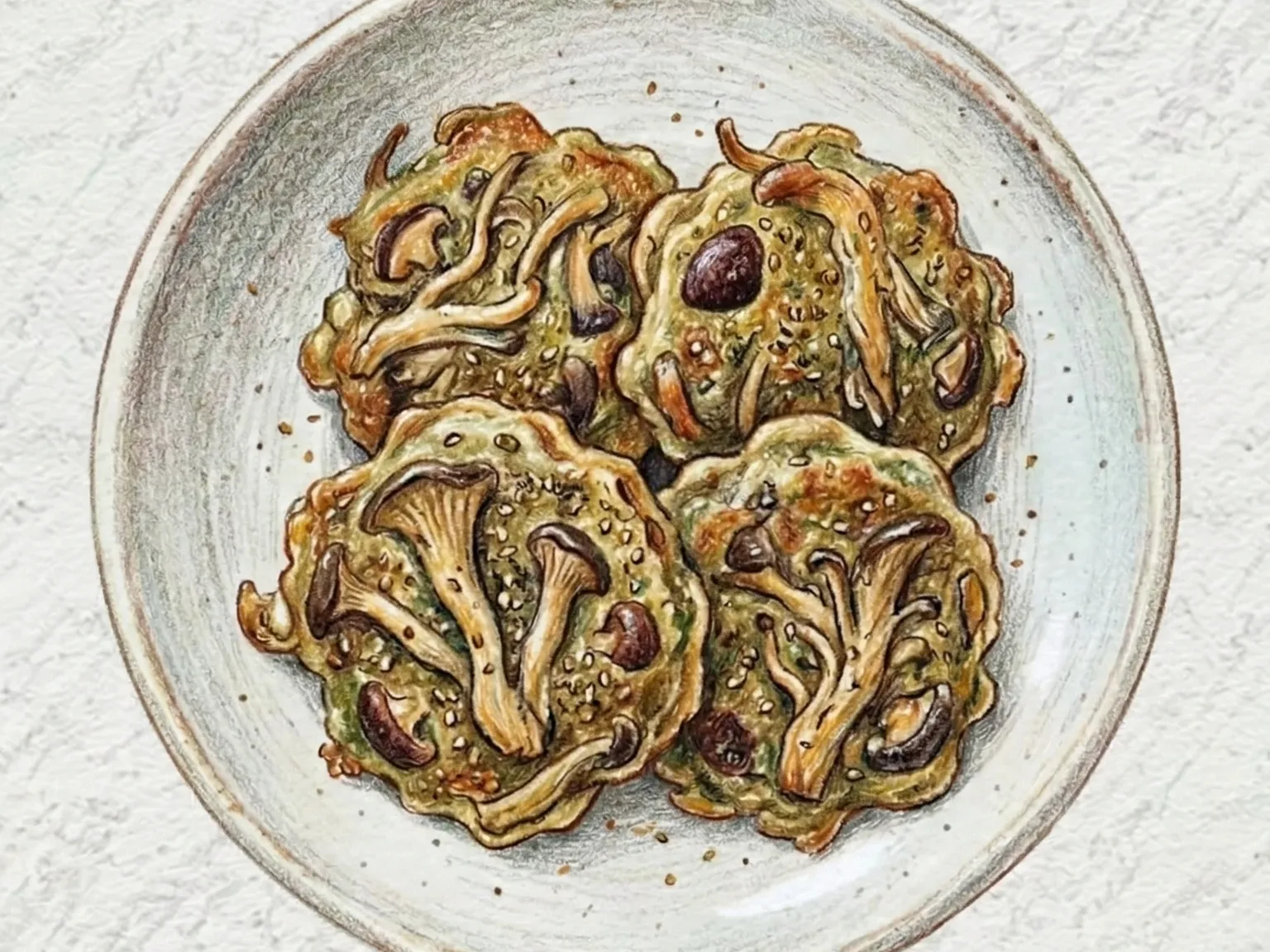
Mushroom and perilla seed jeon brings together oyster mushrooms and shiitake, sliced thin and folded into a batter built on perilla seed powder and a splash of soy sauce. Perilla seeds carry a heavier, slightly bitter nuttiness compared to sesame, and that quality anchors the earthy depth of the mushrooms rather than competing with it. Seasoning the batter directly with soy sauce means the pancake holds its own without a dipping sauce, though one on the side does not go amiss. Frying with enough oil gives the exterior a thin, crisp shell while the mushroom filling stays moist inside. Oyster mushrooms torn along their grain develop a pleasantly chewy bite as they cook; shiitake sliced fine distribute evenly so the whole pancake cooks at the same rate. It works as a makgeolli pairing or a straightforward side, and holds up well at room temperature - the perilla aroma actually deepens as it cools.
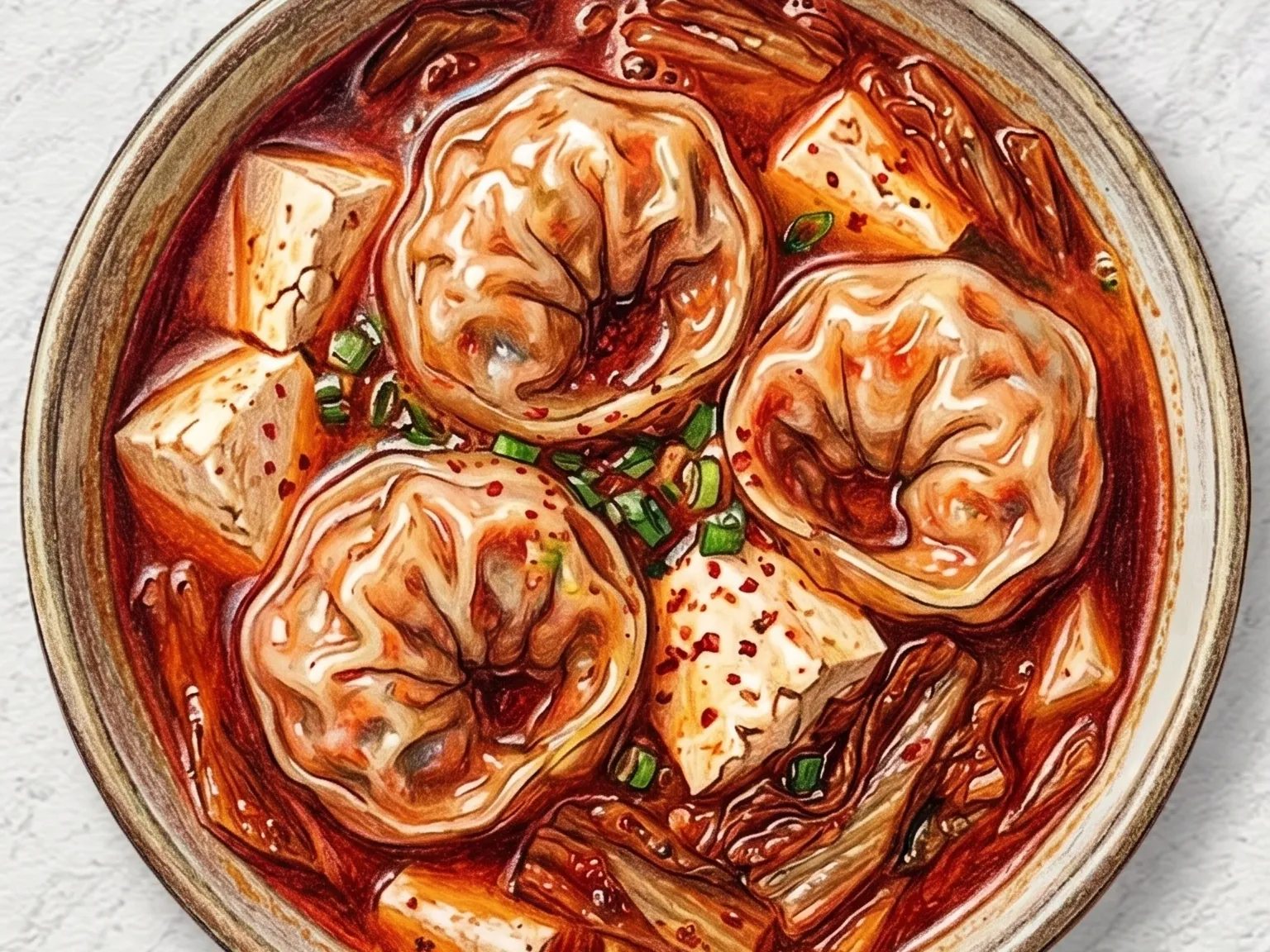
Korean Kimchi Mandu Jjigae (Kimchi Dumpling Stew)
Kimchi mandu jjigae drops whole frozen kimchi dumplings straight into a simmering pot of aged kimchi, tofu, and anchovy stock. The dumpling wrappers absorb the broth as they cook, swelling plump and moist, while the kimchi filling inside echoes the stew's tangy base and doubles the fermented depth. Gochugaru and soup soy sauce add a clean chili heat, and firm tofu cubes absorb the spiced broth for a softer textural contrast. Because the dumplings themselves carry seasoning, it is better to start with less sauce and adjust after tasting the broth. This is a filling, no-fuss meal that needs nothing more than a bowl of steamed rice alongside it.
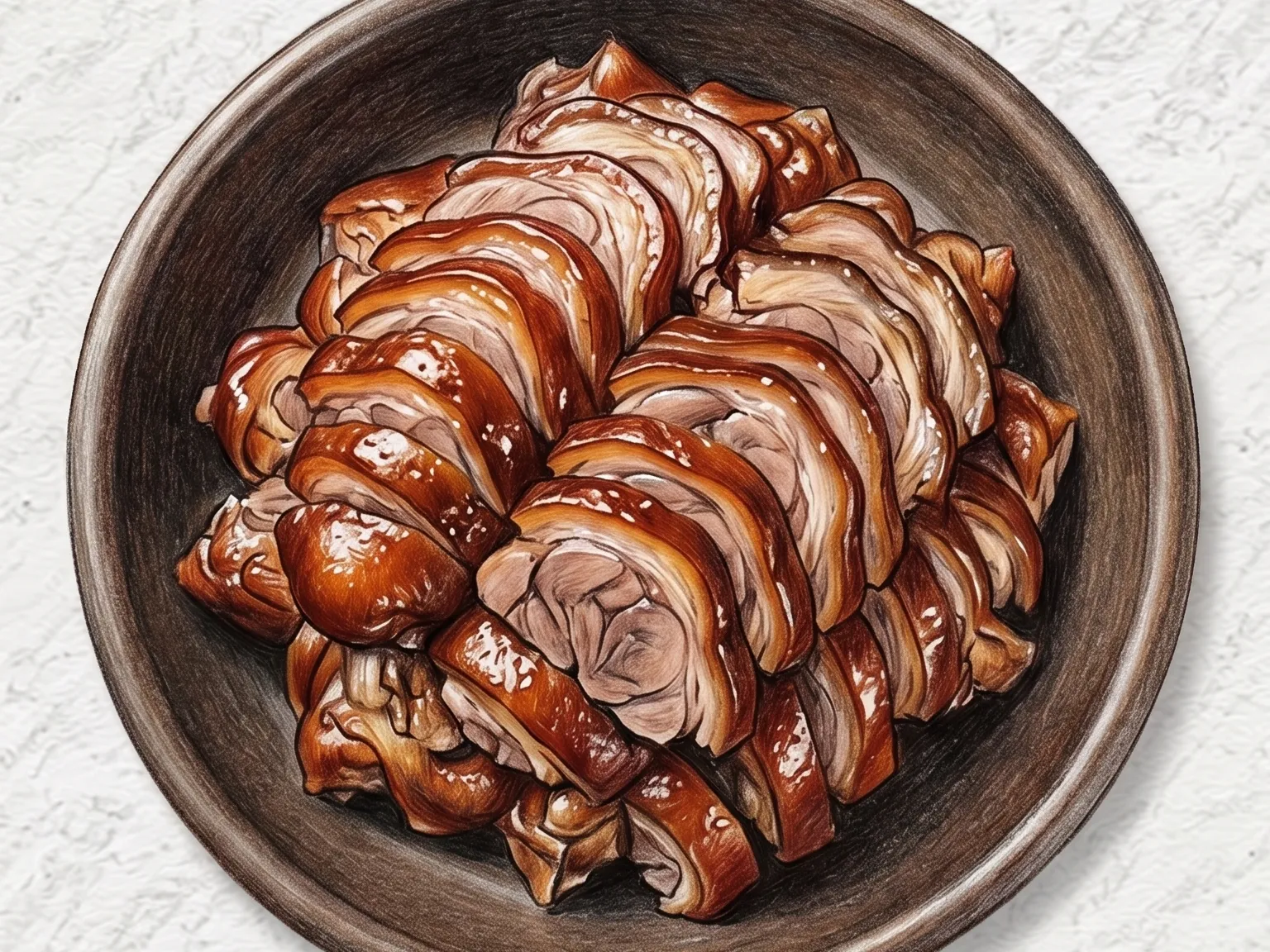
Korean Braised Pork Trotters
Jokbal is Korean soy-braised pork trotters slow-cooked for over two hours in a broth of soy sauce, garlic, ginger, onion, green onion, and whole peppercorn. The trotters are blanched first to remove impurities, then simmered gently until the collagen-rich skin turns glossy and the meat becomes fork-tender. The long braise allows the soy seasoning to penetrate deep into the layered skin and meat, creating a rich, savory flavor throughout. Traditionally sliced while still warm for the softest texture, jokbal is served with salted shrimp dipping sauce or ssamjang, wrapped in lettuce leaves - a classic Korean late-night food and drinking accompaniment.
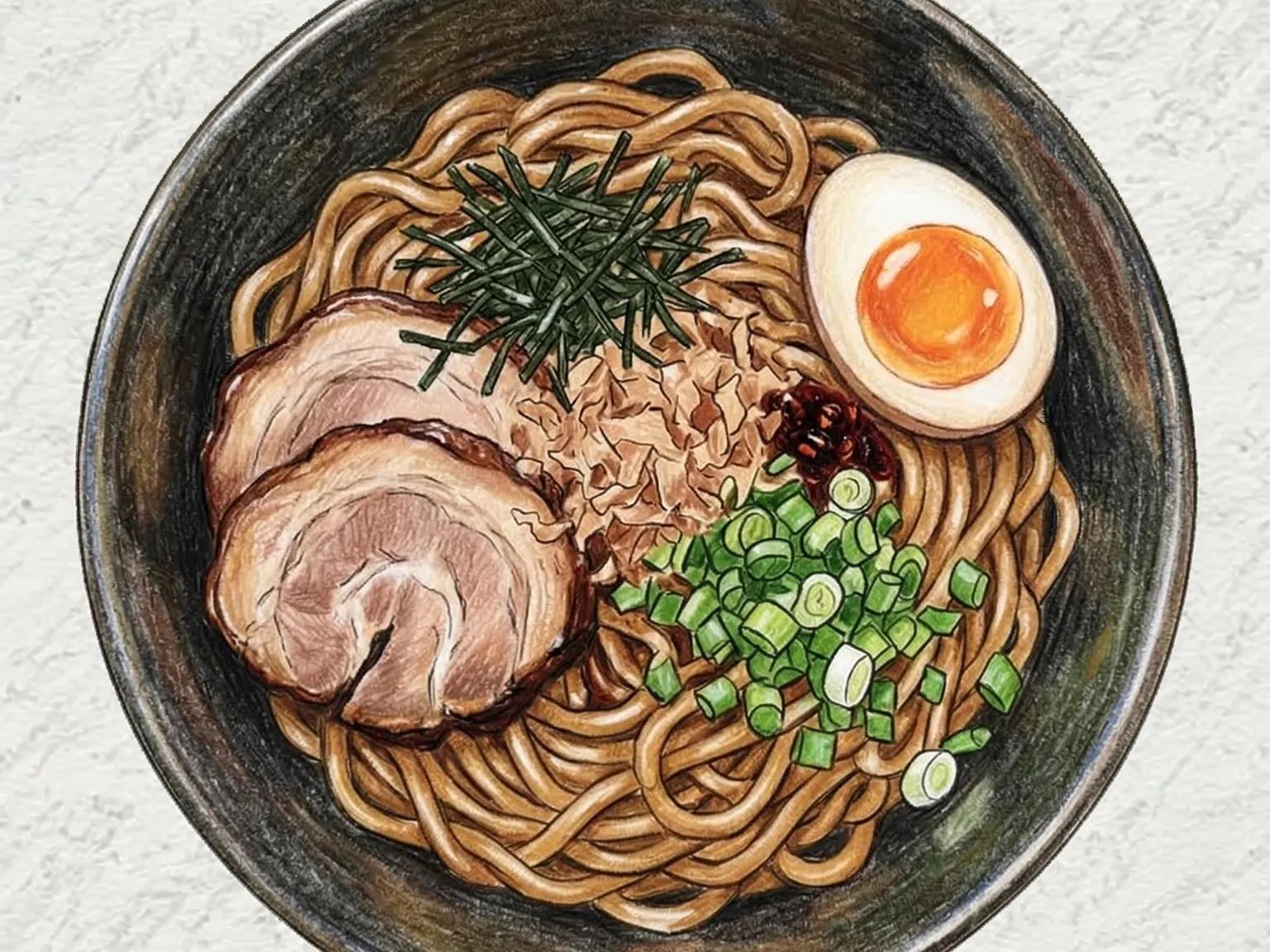
Abura Soba (Soupless Noodles in Rich Soy Sesame Oil Sauce)
Abura soba is a noodle dish built entirely on what is in the bowl, not what surrounds it. No broth - just a concentrated sauce pooled at the bottom: soy sauce, sesame oil, oyster sauce, and a measured pour of vinegar. Cooked ramen noodles land on top, and the first task is mixing everything from below with chopsticks until each strand is fully coated. Where broth-based ramen dilutes its seasoning across liters of liquid, abura soba delivers the full flavor load directly onto the noodle. The technique developed in Tokyo's student districts in the 1950s as a cheaper, quicker option than ramen - no long broth to maintain meant faster service and lower overhead. Toppings follow the standard ramen template: chashu pork, a runny soft-boiled egg, nori, bonito flakes, and scallion add salt, fat, smoke, and freshness in sequence. The vinegar in the base sauce is not incidental - it cuts through the oil and keeps the dish from turning heavy halfway through. Adjusting the vinegar amount is considered part of eating abura soba, a small customization that regulars develop opinions about.
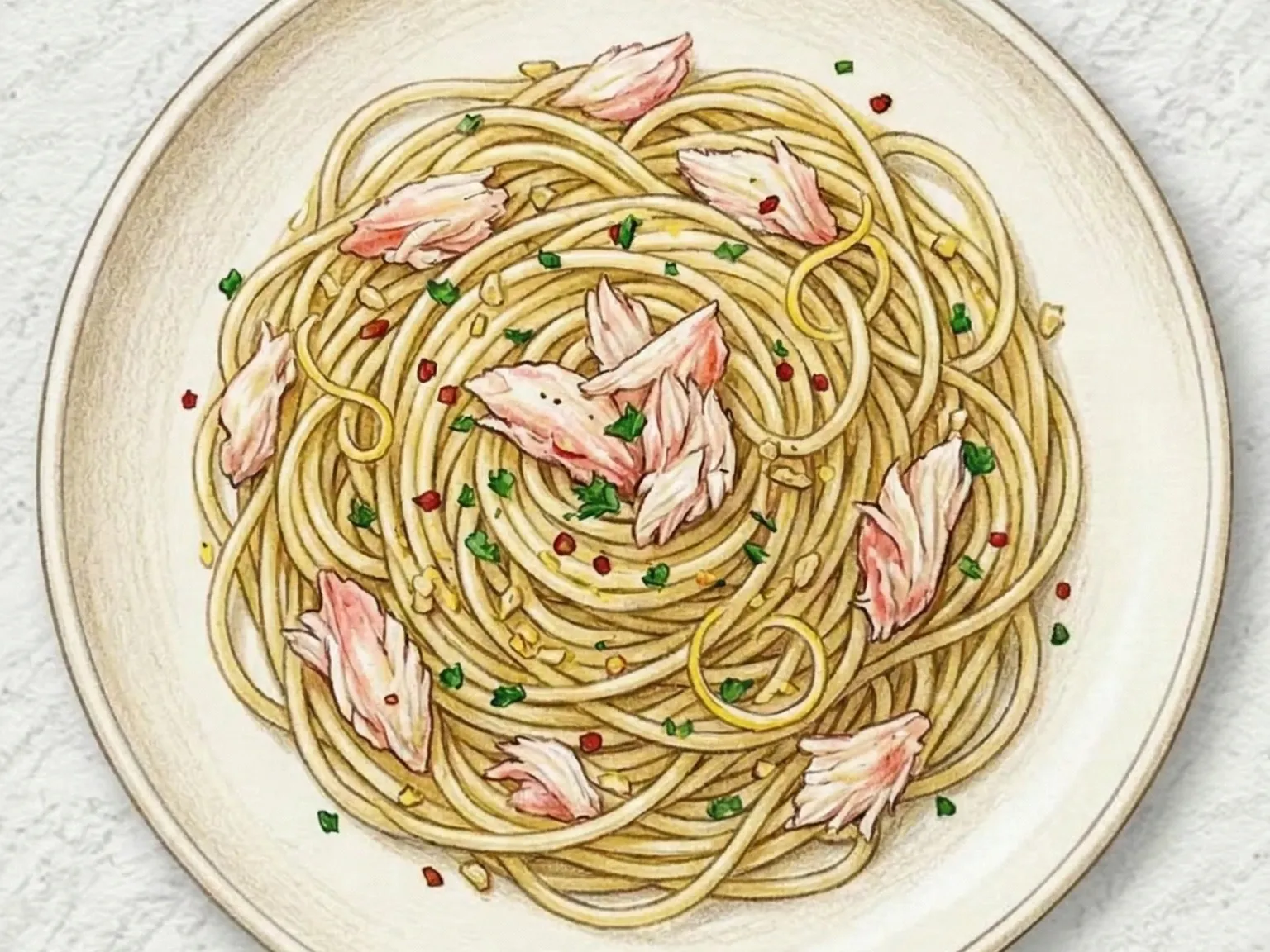
Blue Crab Lemon Garlic Pasta
Blue crab lemon garlic spaghetti starts by slowly warming thinly sliced garlic in olive oil over low heat until fragrant - pale gold, not browned. Crab meat and a splash of rice wine go in next to cook off any raw marine smell before butter is added and stirred until it melts into the oil. Starchy pasta water emulsifies the fat into a thin, glossy sauce that coats each strand of spaghetti evenly without heaviness, carrying a clean, oceanic flavor throughout. Lemon zest and juice are added only after the heat is turned off - adding them while the pan is still hot drives off the volatile citrus aroma before it reaches the plate. Keeping the garlic just short of golden, pale and softened rather than browned, is what separates a clean, nutty depth from an acrid bitterness that would overpower the crab. Fresh crab meat, picked directly from a live blue crab, delivers a noticeably sweeter flavor than thawed frozen product and is worth the extra effort when in season.
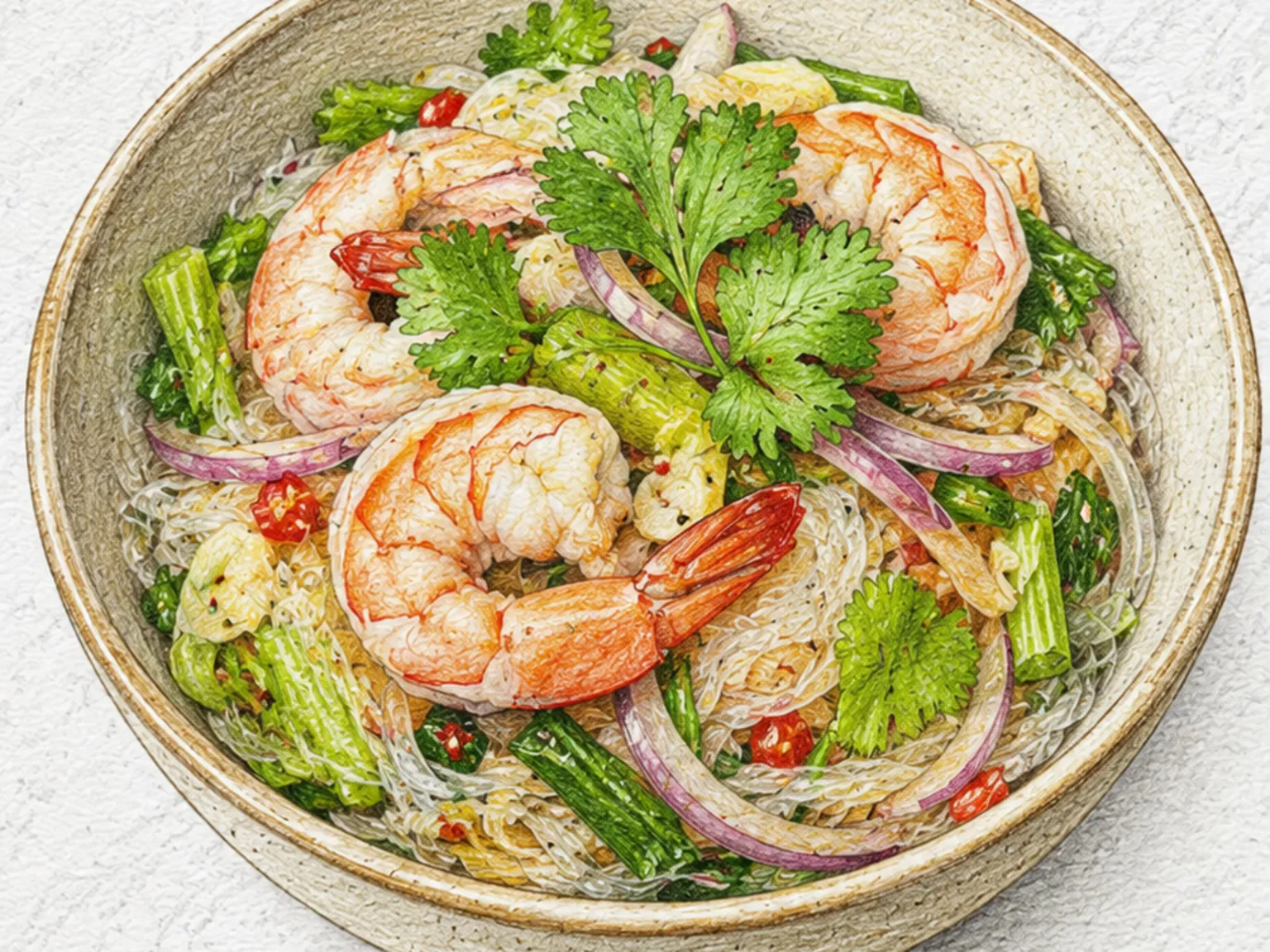
Yam Woon Sen (Thai Glass Noodle Salad with Shrimp)
Yam woon sen is a Thai glass noodle salad where soaked and briefly boiled mung bean noodles are tossed with blanched shrimp, sliced red onion, diagonally cut celery, and chopped cilantro in a dressing of lime juice, fish sauce, and palm sugar. The noodles are soaked in warm water for ten minutes, then boiled for just two minutes to maintain their chewy, springy texture - rinsing in cold water immediately after removes surface starch and prevents clumping. The shrimp need only a two-minute blanch to reach a firm, bouncy doneness; any longer and they turn rubbery. The dressing builds three layers simultaneously - fish sauce for salty depth, lime juice for bright acidity, and palm sugar for a caramel sweetness - creating the complex balance characteristic of Thai cuisine. Cilantro provides a fresh, herbal finish.
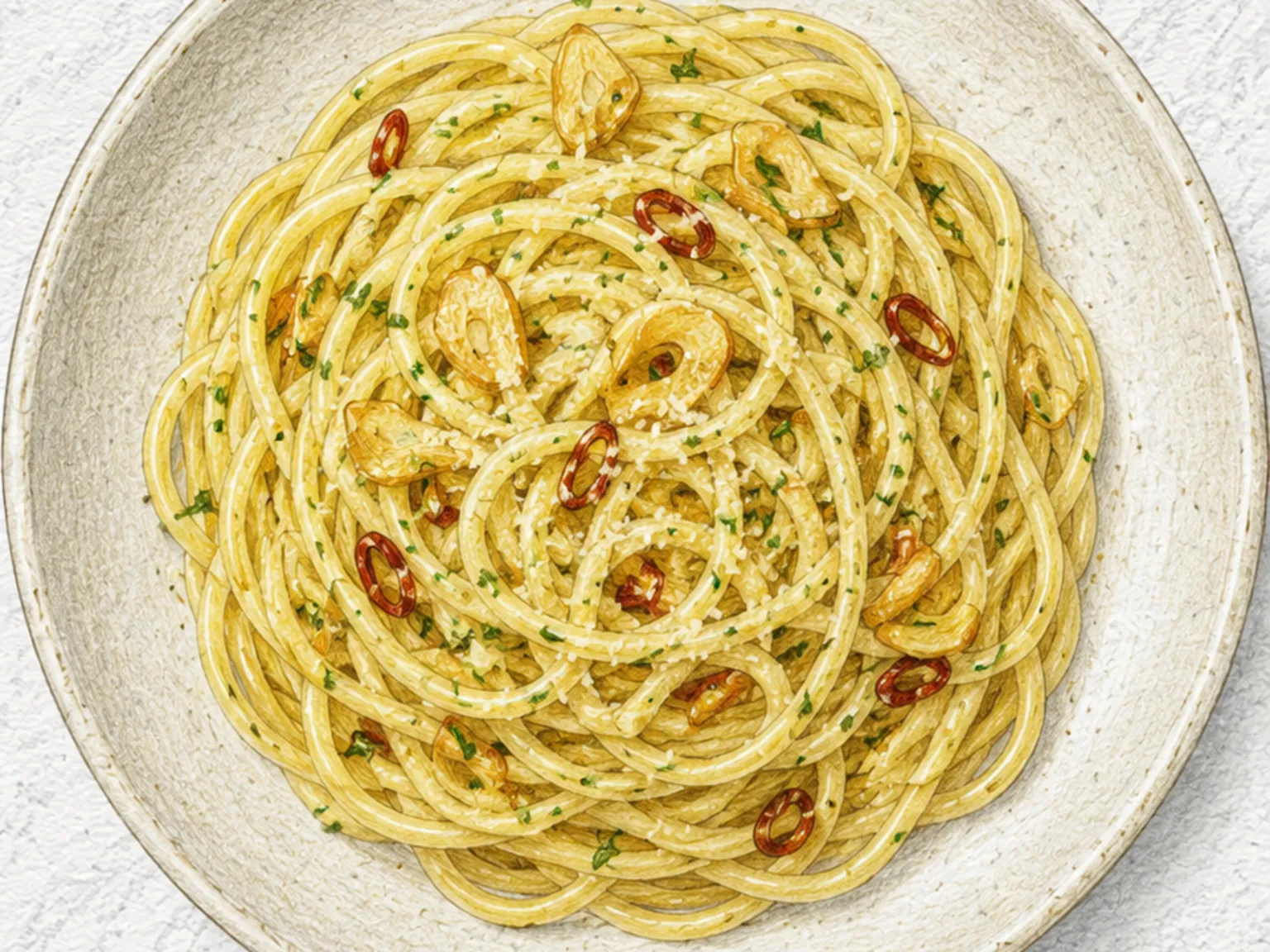
Spaghetti Aglio e Olio (Garlic and Olive Oil Pasta)
Spaghetti aglio e olio appears in Italian cookbooks as far back as the 19th century, making it one of the oldest documented pasta preparations in the canon. The restraint is the point: five ingredients, no sauce made separately, and the whole dish done in under twenty minutes. Thinly sliced garlic goes into extra virgin olive oil over low heat, slowly transferring its flavor into the fat - the temperature must stay low enough that the garlic turns golden but never brown, since browning brings bitterness. Dried chili flakes follow, infusing a second layer of heat into the oil. The technical turning point is adding starchy pasta water and tossing the pan hard over high heat: the starch links the oil and water into an emulsion that clings to every strand rather than pooling at the bottom. Skip this step and the dish separates on the plate. Parmigiano is not traditional but has become near-universal; shaved over the top, it adds a salty, crystalline crunch. The finished pasta should look barely coated, each strand glistening rather than swimming in sauce. Getting that result consistently is what separates people who understand the dish from people who have simply followed the ingredient list.
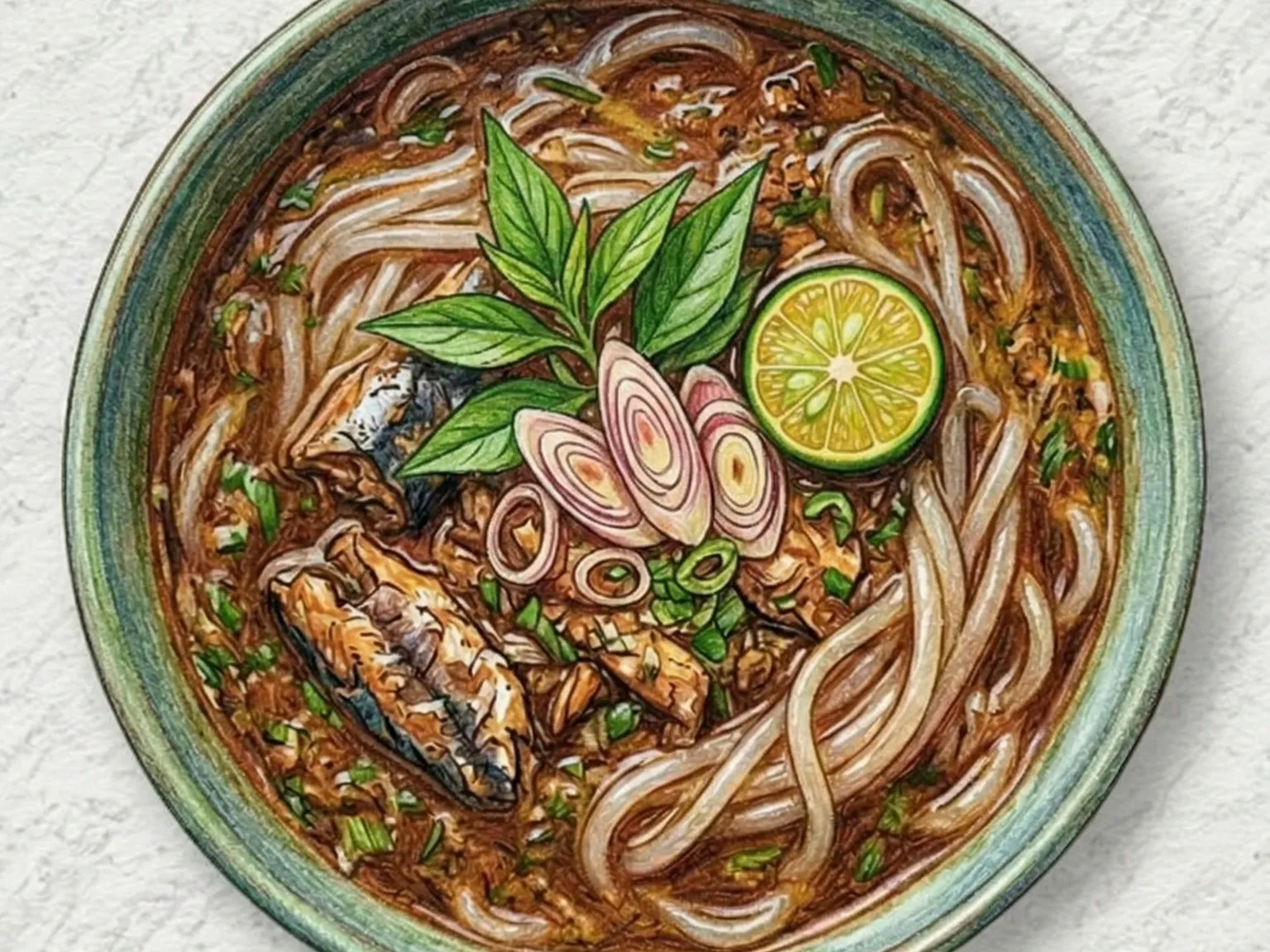
Tamarind Fish Noodle Soup
Asam laksa is Penang's defining noodle soup, recognized by UNESCO as one of Malaysia's intangible cultural heritage items. Where Singapore's curry laksa builds its richness on coconut milk, this version draws its entire character from a tamarind-soured fish broth that is tart, briny, and aggressively aromatic in a way that coconut-based versions never are. Whole mackerel is poached until it flakes, then removed and broken apart by hand; the remaining liquid is blended with torch ginger flower, lemongrass, and galangal pounded into a coarse paste to build the broth's layered fragrance. Tamarind sourness arrives first and dominates the initial impression, followed by a slow build of chili heat and the ocean depth of fish sauce. Thick rice noodles sit at the bottom of the bowl, their chewy resistance offering physical contrast to the sharp, lean broth that pours over them. The table condiments - julienned cucumber, fresh mint leaves, thinly sliced onion, and a spoonful of belacan-enriched prawn paste - are not optional garnishes but integral components: the fermented prawn paste in particular adds a dimension of umami that rounds the broth's acidity into something far more complex. Every hawker stall in Penang has its own spice ratios handed down through family lines, which is why no two bowls taste exactly alike.
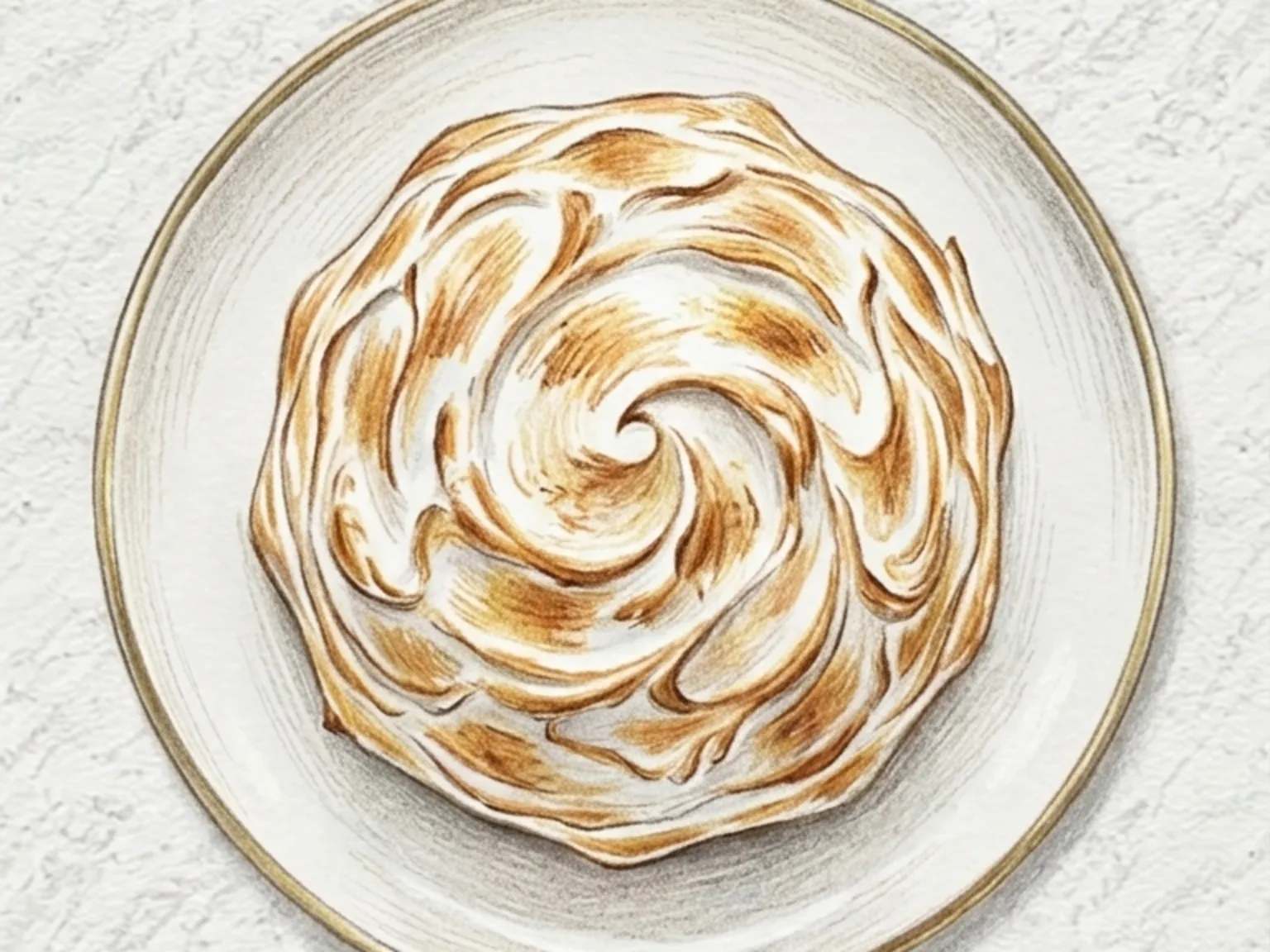
Baked Alaska
Baked Alaska is a dessert where sponge cake and ice cream are encased in Italian meringue without any gaps, then baked briefly at high heat. The meringue acts as an insulating shell, preventing the oven's intense heat from reaching the frozen core. For this to work reliably, the meringue must be applied thickly and cover every part of the surface. The ice cream needs at least four hours in the freezer before assembly so it stays solid through the brief bake, and the finished dome should go back into the freezer immediately after construction and stay there until just before browning. Egg whites whipped with sugar to stiff peaks form the meringue shell, which is then torched or placed in a 250-degree oven for two to three minutes until the surface turns golden brown. Adding vanilla extract to the meringue releases its aroma during browning. When sliced, three distinct layers become visible in cross-section: charred meringue, frozen ice cream, and moist sponge cake beneath. The contrast between the scorched, warm exterior and the frozen core is the defining quality of this dessert, and the visual reveal when the knife cuts through makes it as much a performance as a dish.
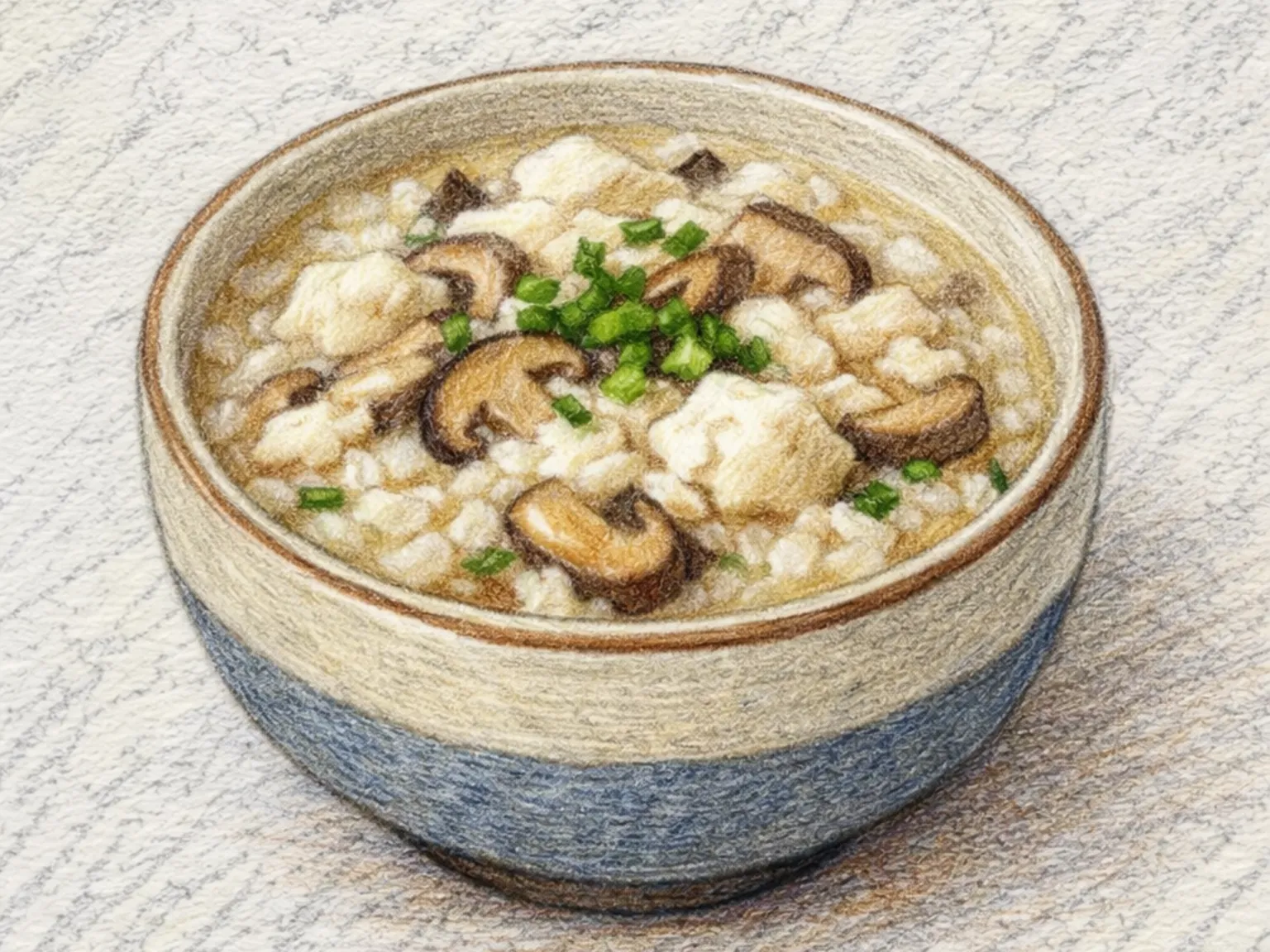
Korean Mushroom Soft Tofu Porridge
Shiitake mushrooms and sliced onion are sauteed in perilla oil until their edges soften and the oil takes on a faint herbal fragrance, then soaked rice and kelp stock go into the same pot. The mixture simmers until the grains break down into a smooth, cohesive porridge. At that point, the heat is lowered and spoonfuls of silken tofu are dropped in without stirring - preserving the soft, pillowy clusters that give the bowl its characteristic texture variation. Kelp stock brings a clean, moderate umami that anchors the dish without heaviness, and perilla oil contributes a slightly bitter, grass-like finish that differentiates this porridge from sesame-based versions. Soup soy sauce provides the seasoning, and chopped scallion goes on last. The result is gentle enough for a sensitive stomach yet complete enough to serve as a full meal.
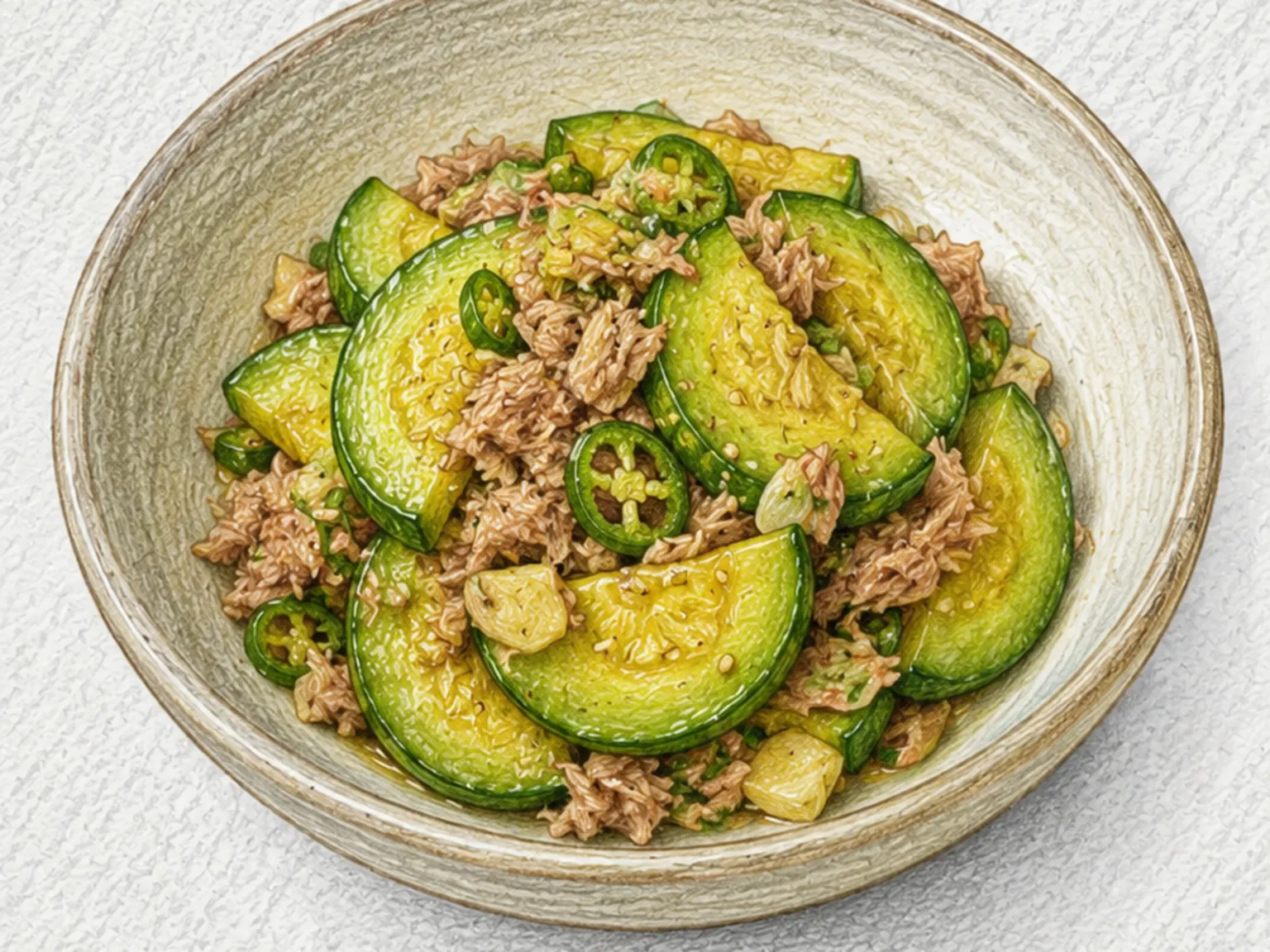
Korean Aehobak Chamchi Bokkeum (Zucchini Tuna Stir-fry)
Canned tuna and Korean zucchini are among the most constant fixtures in a Korean household refrigerator, and this stir-fry is one of the most efficient uses of both. The drained tuna brings protein and a clean saltiness that requires little beyond soup soy sauce to function as seasoning - no complex paste, no long list of aromatics. Zucchini provides mild sweetness and bulk. Garlic sauteed at the start builds a foundational aromatic layer, and cheongyang chili added shortly after threads a slow-building heat through the whole dish. The critical technique is brevity: the zucchini must come off heat while the half-moon slices still hold their shape. Overcooked zucchini releases water and collapses everything into a soft, wet mass. A finish of sesame oil seals the flavors and stabilizes the banchan at room temperature, which is why this dish transfers so well to lunchboxes.
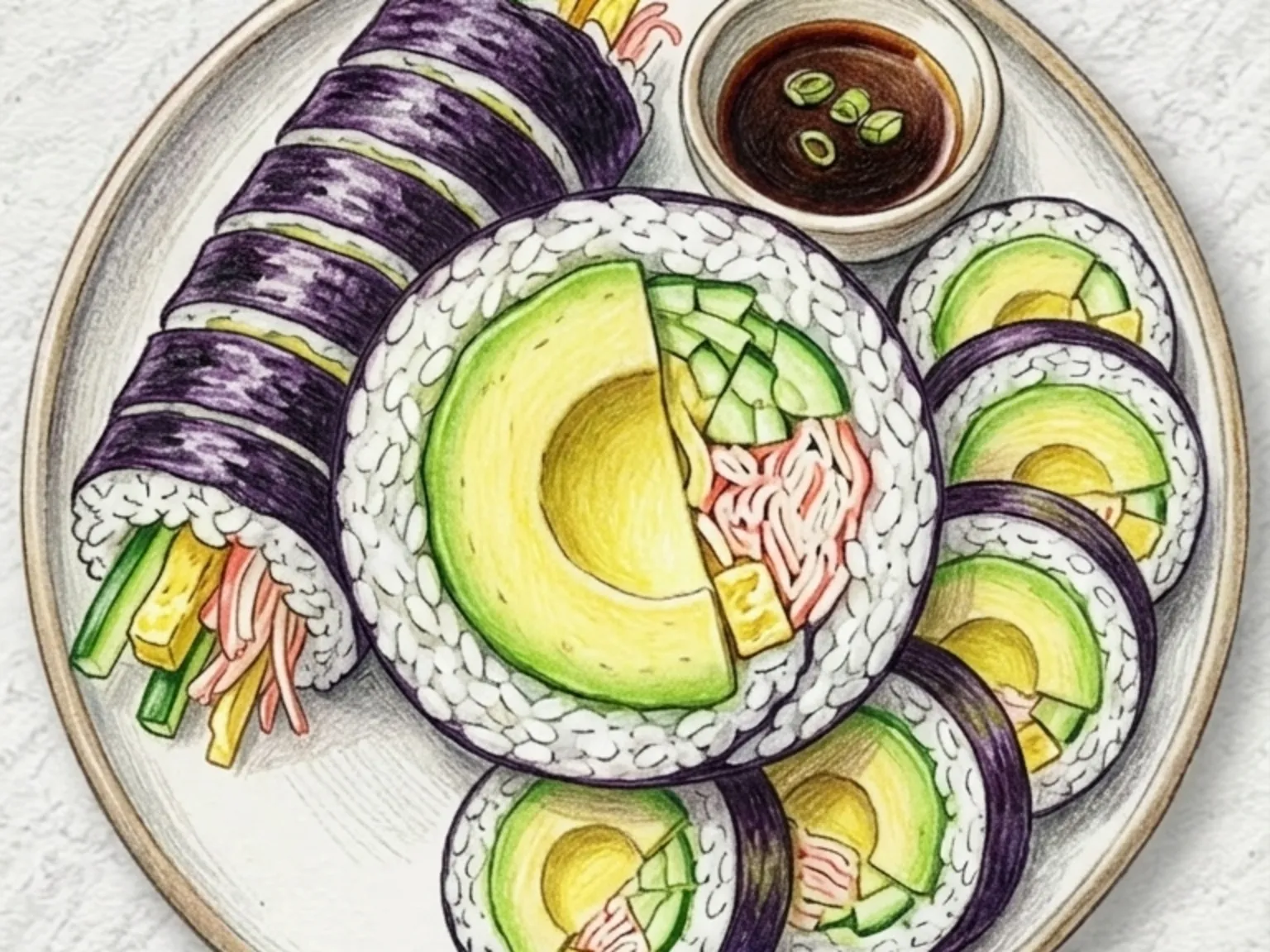
Korean Avocado Gimbap (Creamy Avocado Crab Seaweed Rice Roll)
Avocado gimbap is a contemporary Korean roll that emerged in the 2010s as avocado shifted from a specialty import to a common supermarket staple in Korea. The timing of Korean avocado adoption is traceable: consumption roughly doubled between 2014 and 2018, driven by cafe culture and wellness trends, and this gimbap variant followed directly from that availability. Where traditional gimbap - danmuji, ham, spinach, carrot, egg - delivers discrete, clearly differentiated flavors in each bite, avocado gimbap works differently. The avocado at the center is buttery and neutral, its creaminess binding the other ingredients rather than competing with them. Selecting the right avocado matters considerably: the fruit must be ripe enough to yield when bitten without resistance, but firm enough to hold a clean slice. Underripe avocado is hard and flavorless; overripe avocado collapses when cut and turns the cross-section muddy. The rice is seasoned simply with sesame oil and salt, and the sheet of dried laver wrapping everything contributes a roasted, oceanic note. Crab stick placed lengthwise in the center, alongside julienned cucumber and a strip of egg jidan, creates the characteristic cross-section: concentric rings of green, white, and yellow that have made this version one of the most photographed gimbap in Korean food media. The avocado begins oxidizing and browning within an hour of cutting, so the roll is best eaten soon after assembly. It has become one of the highest-selling items in Korean convenience store gimbap sections, and a standard offering at gimbap specialty restaurants.

Chestnut Sweet Jelly (Korean Agar-Set Chestnut White Bean Confection)
Bam yanggaeng is built from three components: chestnut puree, white bean paste, and agar powder. Boiled chestnuts are mashed fine and combined with the bean paste, then dissolved agar, sugar, and honey are stirred into the mixture before it is brought to a brief boil. Poured into a mold and left to cool at room temperature, the agar sets the block into firm, clean-slicing slabs - a texture that comes from agar's sharp recrystallization as it cools, which produces a harder and more abrupt snap than gelatin-based confections. The starchy density of chestnuts gives the cross-section a smooth, fine-grained quality that plain bean paste lacks. A small amount of salt is critical: it draws the sweetness into focus rather than muting it. Skimming air bubbles before pouring ensures a flat, even surface. Prepared as a holiday gift in Korean households for generations, the finished block keeps in the refrigerator for about a week without losing texture.
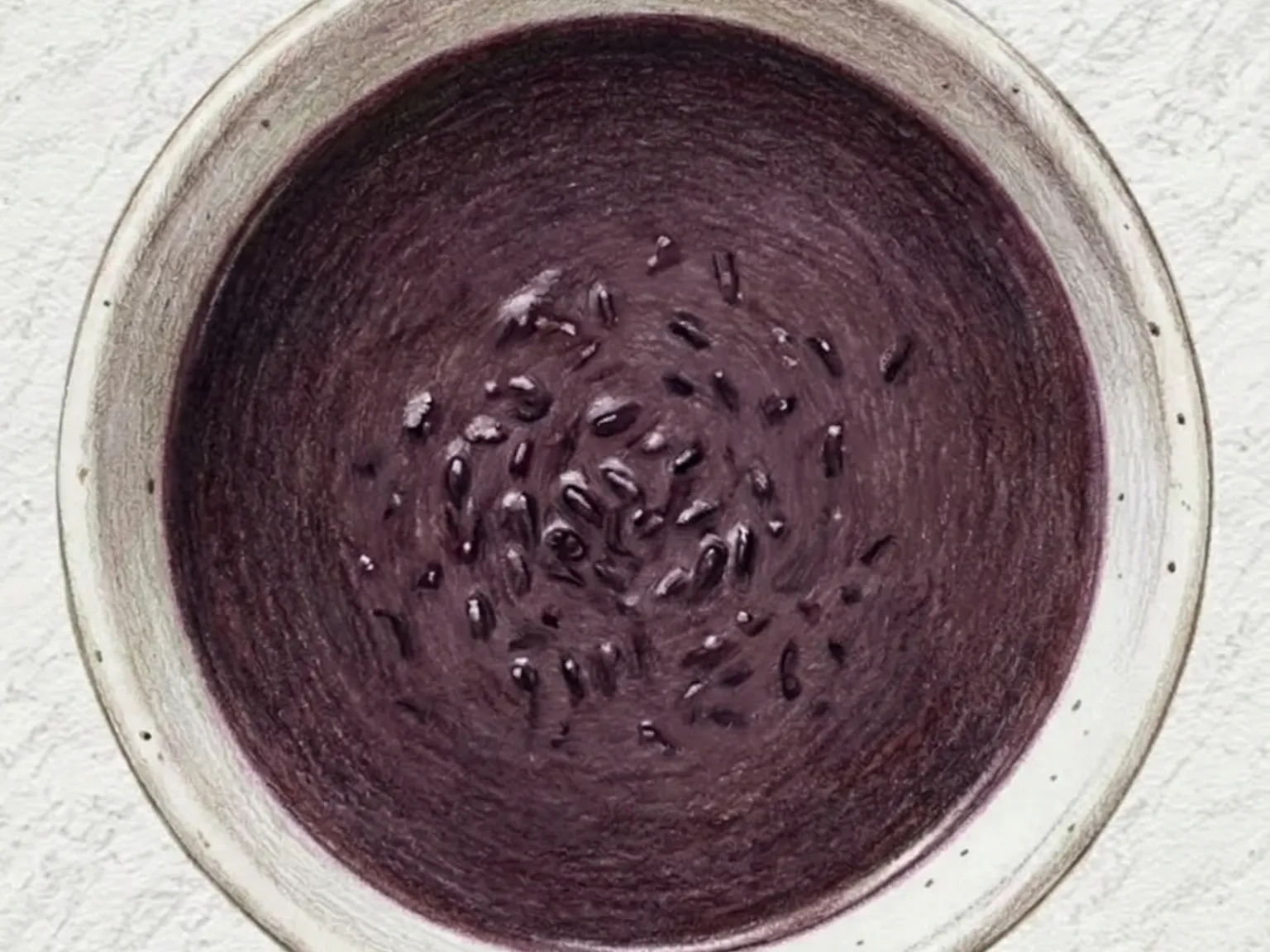
Korean Black Rice Latte (Purple Grain Milk Drink)
Heukmi latte is a grain-based drink made by soaking black rice for at least two hours, boiling it until completely soft, and then blending it smooth with milk. Without adequate soaking, the rice does not cook through evenly, and the blended result will be grainy rather than silky. Glutinous rice flour stirred into the blender adds viscosity, giving the drink a fuller, creamier body that coats the palate as it goes down. Maple syrup contributes a caramel-like sweetness that sits comfortably over the toasted, earthy character of the grain, while vanilla extract rounds out the aromatic range and keeps the flavor from smelling too starchy. A pinch of salt added at the very end prevents the sweetness from dominating and pulls the flavors into balance. The deep purple color comes naturally from the anthocyanin pigments in the black rice bran, making the drink visually striking before the first sip. It can be served warm straight from the blender or refrigerated and enjoyed cold.
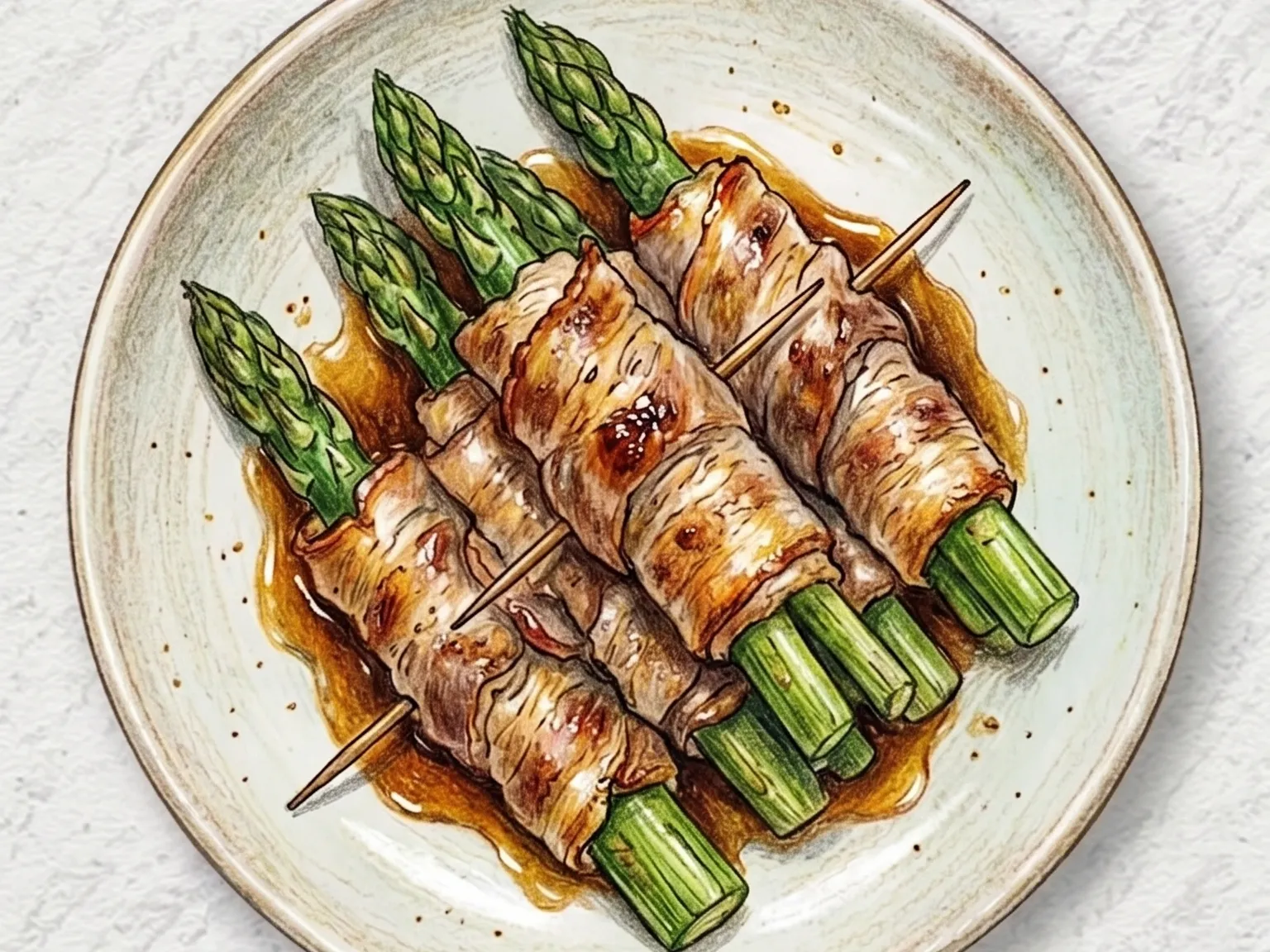
Korean Grilled Pork Belly Asparagus Rolls
A spear of asparagus wrapped tightly in thin-sliced pork belly and grilled over high heat - this is one of the most direct expressions of Korean barbecue technique, which treats almost any vegetable as a candidate for the grill when wrapped in fatty pork. Asparagus earns a particular place in this format because its firm structure resists the heat that would turn softer vegetables to mush inside the roll. The samgyeopsal is laid flat, the asparagus placed at one end, the meat rolled snug and pinned with a toothpick. On a blazing grill or a very hot pan, the fat renders and crisps into a tight, caramelized shell. Inside that shell, the asparagus steams in the trapped heat, its grassy sweetness concentrating rather than dissipating. A brush of soy sauce mixed with garlic and honey goes on during the final minute, the sugars caramelizing into a sticky, lacquered glaze. The contrast between the shattering pork exterior and the just-tender asparagus inside is what makes this worth eating.