Nashville Hot Chicken Burger
This Nashville Hot Chicken Burger recipe follows the actual preparation, main cooking method, and finish in order. Marinate chicken thighs in buttermilk for 30 minutes to tenderize and remove any odor. Fry the chicken in oil preheated to 170 degrees Celsius for about 8 minutes until crispy and cooked through. Assemble the burger by placing cabbage coleslaw mixed with mayonnaise, the spicy chicken, and pickles on a toasted bun.
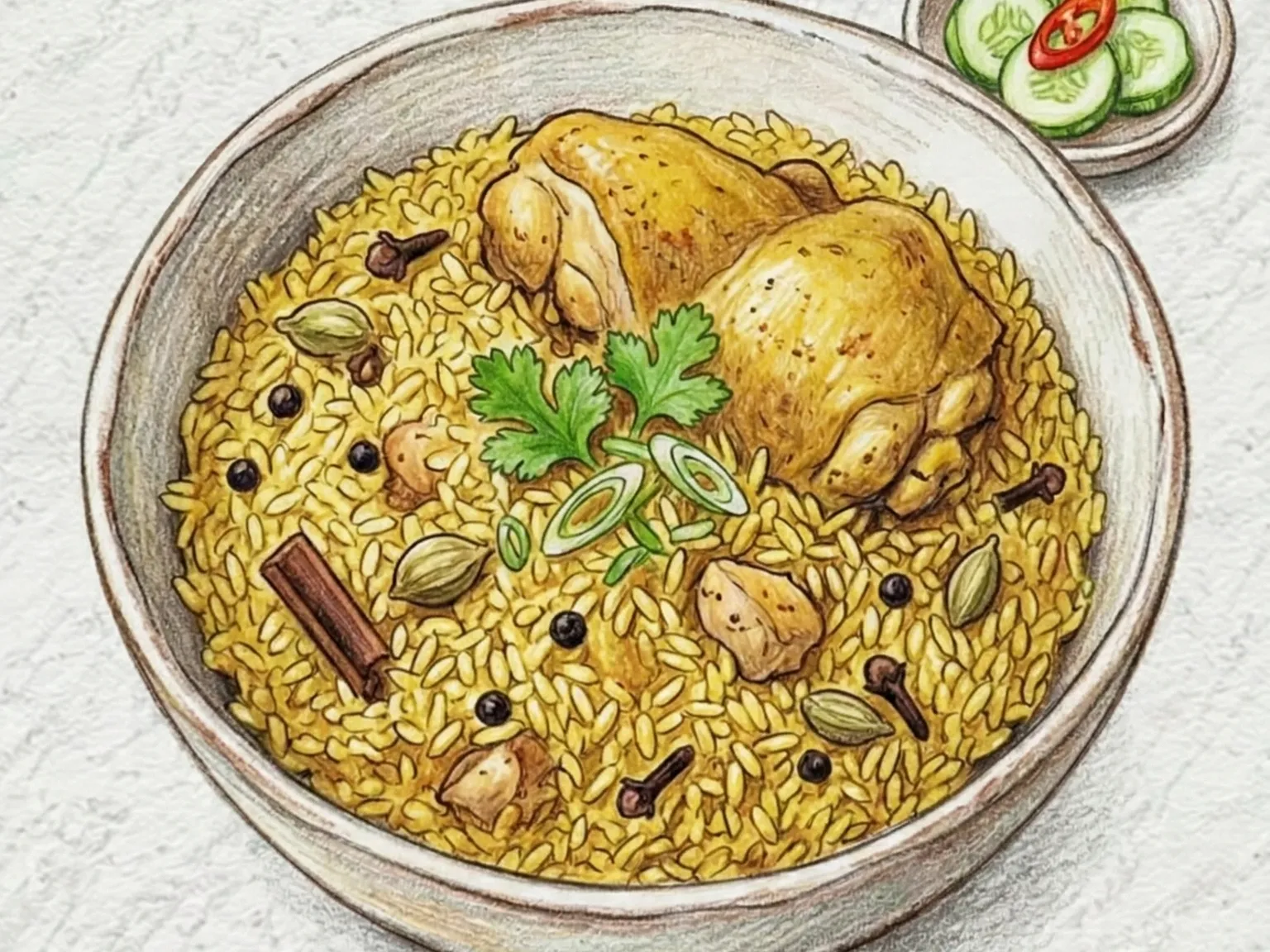
Khao Mok Gai (Thai-Muslim Spiced Chicken Biryani)
Khao mok gai is a Thai-Muslim take on biryani, in which spice-marinated chicken is cooked together with turmeric-tinted rice until the grains absorb the meat's juices. The chicken is rubbed with yogurt, cumin, coriander, and cinnamon, then briefly seared before being buried in parboiled rice seasoned with cardamom, cloves, and bay leaves. The pot is sealed and left on low heat so steam circulates through the layers, infusing every grain with aromatic depth. Turmeric gives the rice its signature golden hue. The dish originated in the Muslim communities of southern Thailand and reflects the culinary crossroads of Indian, Middle Eastern, and Southeast Asian cooking traditions. It is served with a sweet chili sauce for dipping, a bowl of clear chicken broth on the side, and a scattering of crispy fried shallots on top.
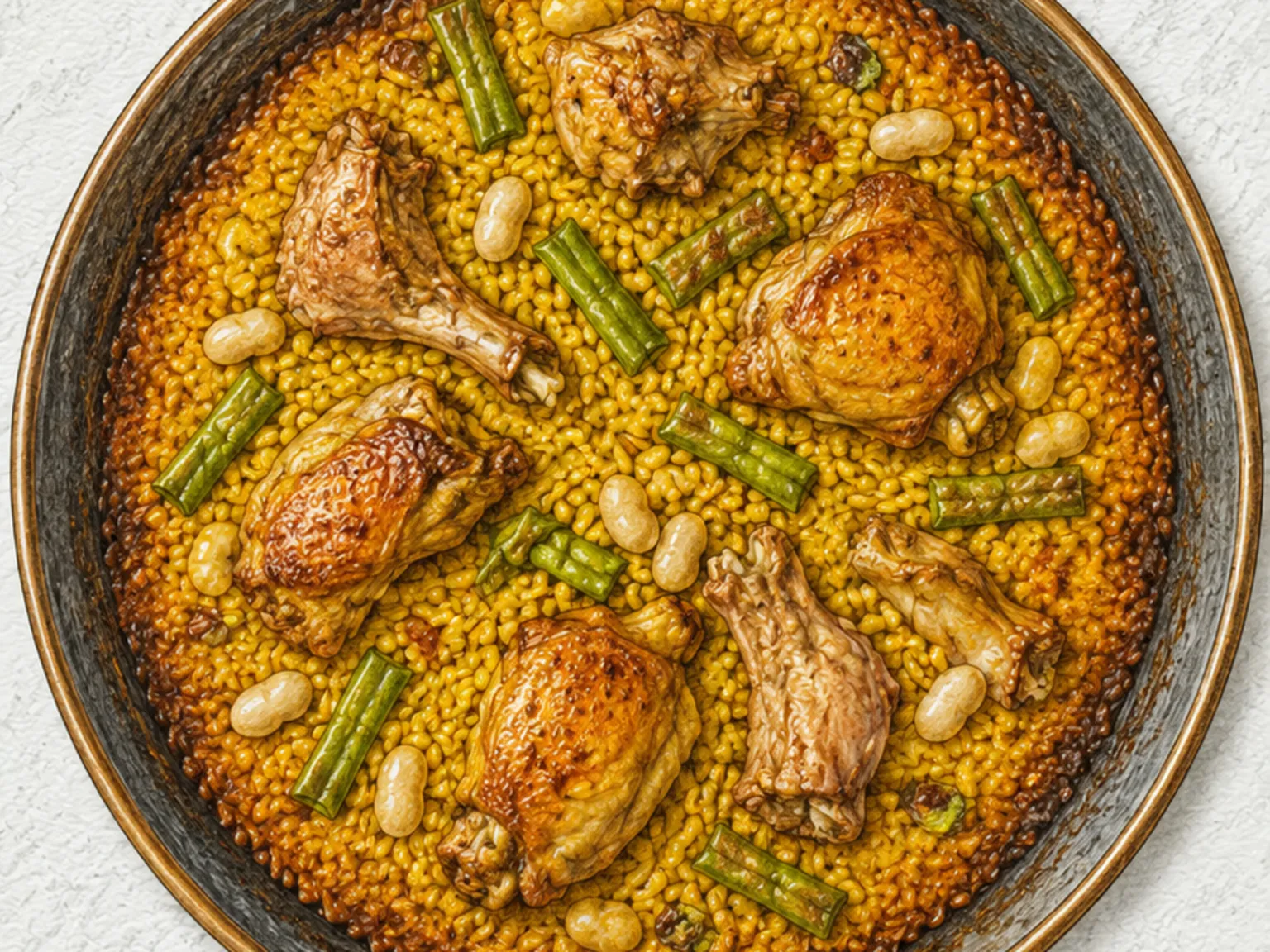
Paella Valenciana (Spanish Saffron Rice with Chicken and Rabbit)
This Paella Valenciana (Spanish Saffron Rice with Chicken and Rabbit) recipe follows the actual preparation, main cooking method, and finish in order. Warm a small portion of the chicken broth and steep the 0.5 g saffron for 5 minutes. Finely chop the tomatoes, and keep the 300 g short-grain rice unwashed so it releases starch properly in the pan. Do not scrape away the browned fond on the pan bottom. Add the tomatoes and cook for 5 minutes until their moisture reduces, then stir in the 150 g green beans and 1 teaspoon paprika powder. When most liquid has disappeared, cook 5 more minutes over low heat, then raise the heat for the final 3 minutes. Listen for a dry crackling sound, turn off the heat, and rest for 5 minutes before serving.
Thai Chicken Fried Rice
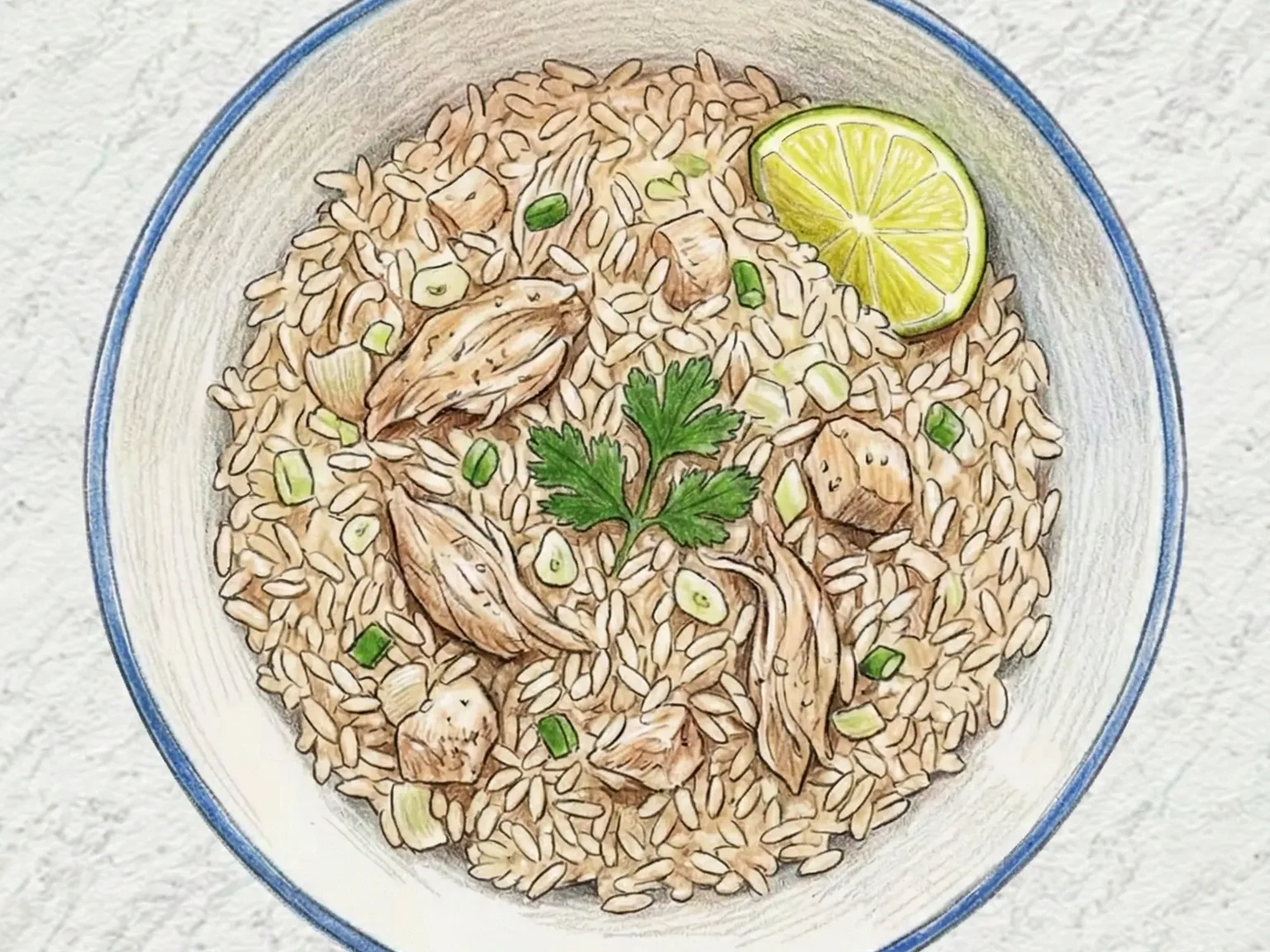
Khao pad gai is Thai chicken fried rice, one of the most consistently available single-plate meals sold at street stalls and sit-down restaurants across Thailand from morning until late at night. Bite-size pieces of chicken breast or thigh are seared first in a ripping-hot wok to develop color and a slight char, then minced garlic and a cracked egg follow in rapid succession. Day-old jasmine rice, cold from the refrigerator, is added next because its reduced moisture allows each grain to separate cleanly and pick up oil rather than clumping. Constant tossing over the highest possible heat is what produces the characteristic wok fragrance that sets Thai fried rice apart from versions cooked at lower temperatures. Fish sauce provides the primary saltiness, soy sauce adds a brown color and a layer of savory depth, and white pepper delivers a warm, earthy heat that lingers in the background. The mound of finished rice is tipped onto a plate and surrounded by a lime wedge, cucumber slices, and tomato to provide cool, acidic relief between bites. At the table, diners season their own portion from a small tray holding fish sauce, dried chili flakes, white sugar, and vinegar - the standard four-condiment set present at virtually every Thai table. The combination of all these adjustments makes a single dish capable of tasting quite different from person to person, which is part of its enduring appeal.
Kiritanpo Nabe (Akita-Style Grilled Rice Stick Hot Pot)
Kiritanpo nabe is a rustic hot pot from Akita Prefecture in northern Japan, built around grilled mashed-rice sticks simmered in chicken broth. Freshly cooked rice is pounded in a mortar until partially smooth and sticky, then wrapped around cedar skewers and toasted over charcoal until the surface develops a light char and a faint smokiness. The broth begins with bone-in chicken thighs cooked until the stock is rich and clear, seasoned simply with soy sauce and mirin, then loaded with burdock root, scallions, mushrooms, and Japanese parsley. The kiritanpo sticks are cut into segments and added to the simmering pot, where they absorb the rich broth and soften into a chewy, dumpling-like texture while still holding their cylindrical shape. Akita's harsh mountain winters gave this dish its purpose as a calorie-dense, warming meal built entirely from locally available ingredients. The faint smokiness from the charcoal grilling carries through into the finished broth, and this subtle background note is what distinguishes kiritanpo nabe from similar rice-cake hot pots made elsewhere in Japan.
Lo Mai Gai (Cantonese Lotus Leaf Glutinous Rice with Chicken)
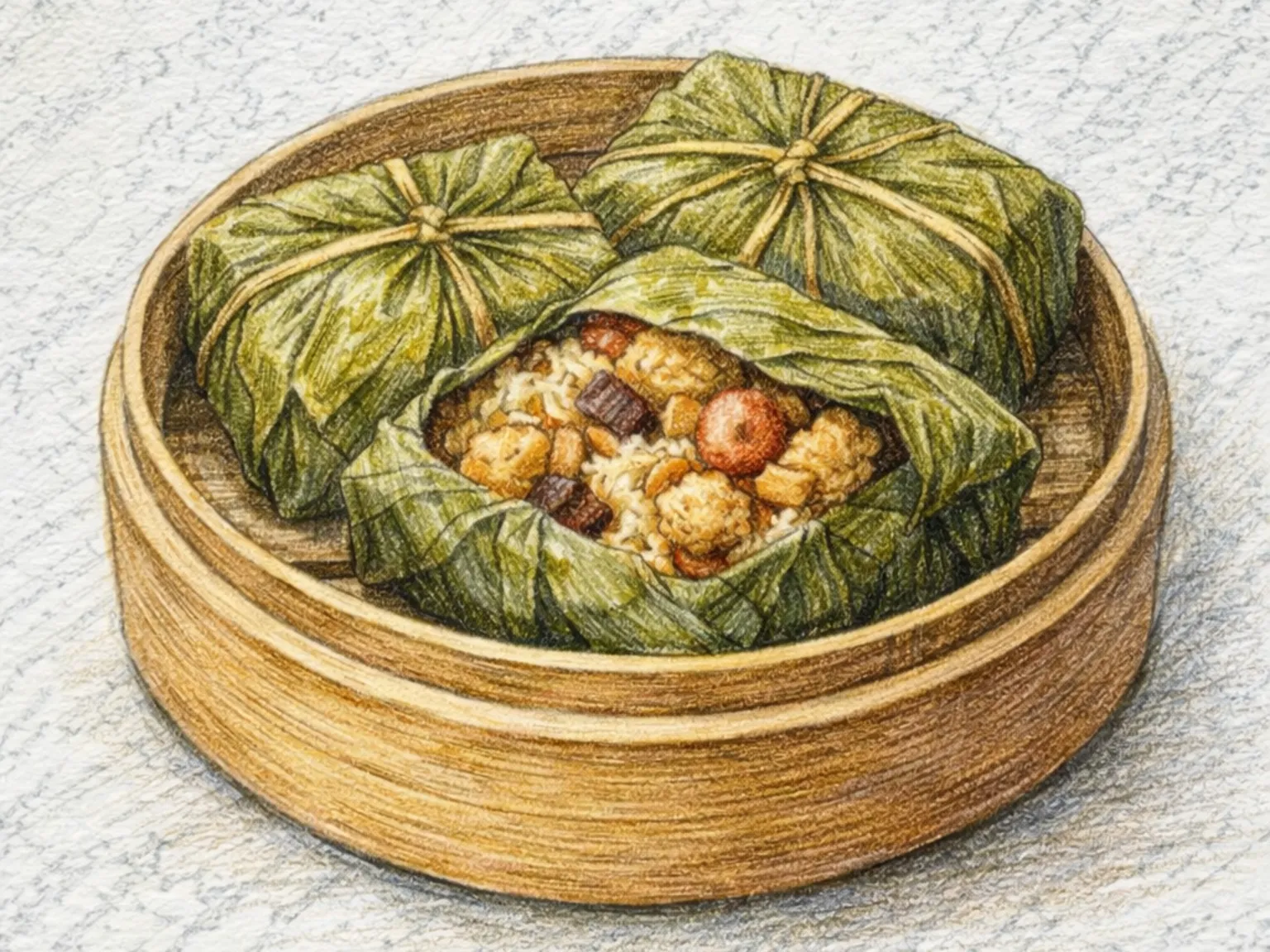
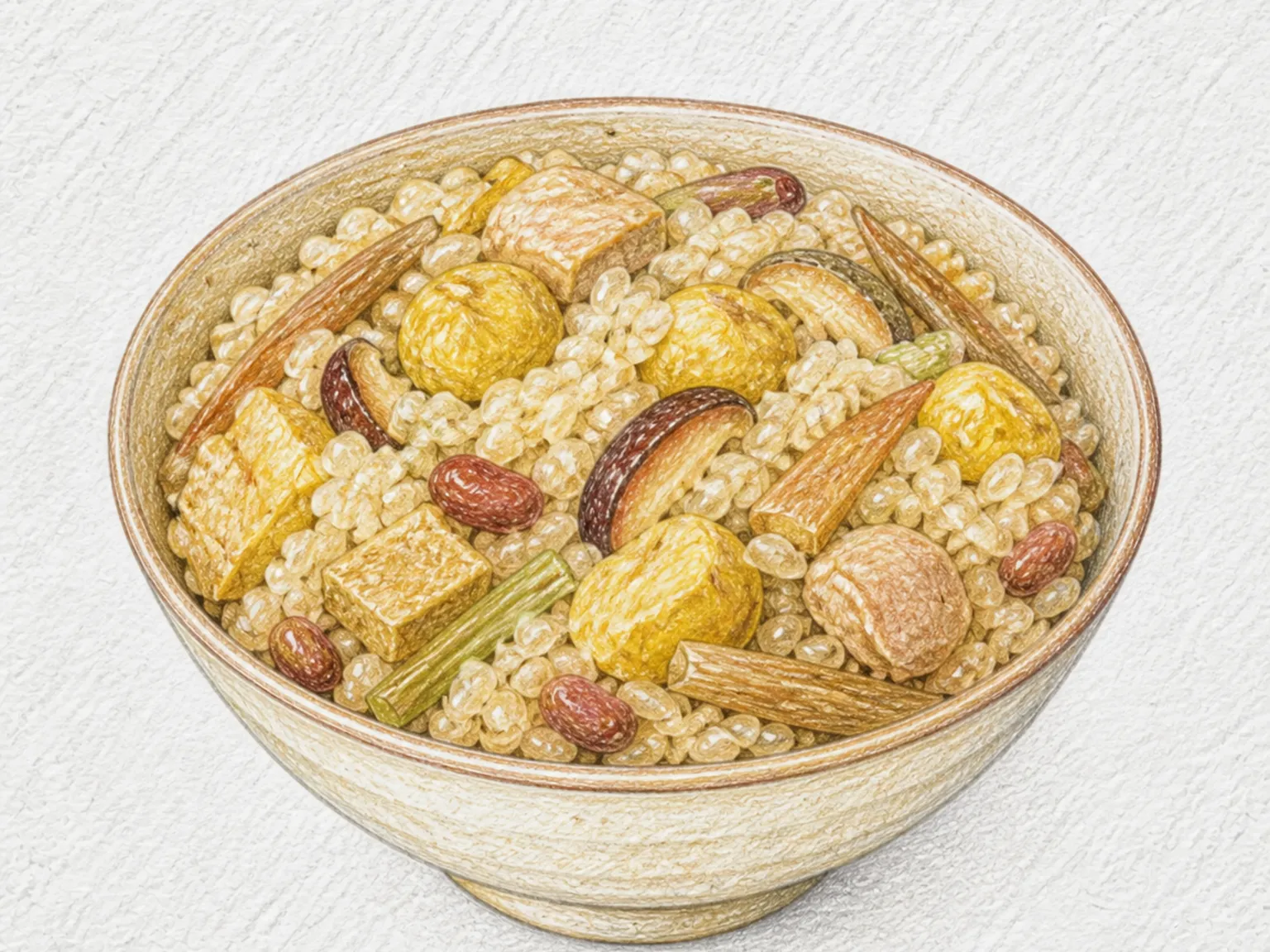
Lo mai gai is a Cantonese dim sum staple of glutinous rice packed with diced chicken, shiitake mushrooms, Chinese sausage, and dried shrimp, all seasoned with oyster sauce and soy sauce, then wrapped tightly in dried lotus leaves and steamed. The lotus leaf is not incidental to the dish. When the package is exposed to steam heat, the leaf releases a grassy, subtly earthy fragrance that penetrates the rice and cannot be recreated by substituting parchment or foil. The glutinous rice absorbs the seasoning from the filling as it cooks, drawing in the savory-sweet fat of the Chinese sausage, the concentrated marine umami of the dried shrimp, and the deep, woodsy aroma of shiitake mushrooms. These flavors fuse into the rice so that every spoonful carries all of them at once rather than tasting like individual components. The parcel arrives at the table in a bamboo steamer, and unfolding the leaf at the table releases a rush of steam carrying the unmistakable lotus fragrance. The traditional way to eat it is directly off the opened leaf.
Massaman Curry (Thai-Muslim Mild Chicken Potato Peanut Coconut Curry)
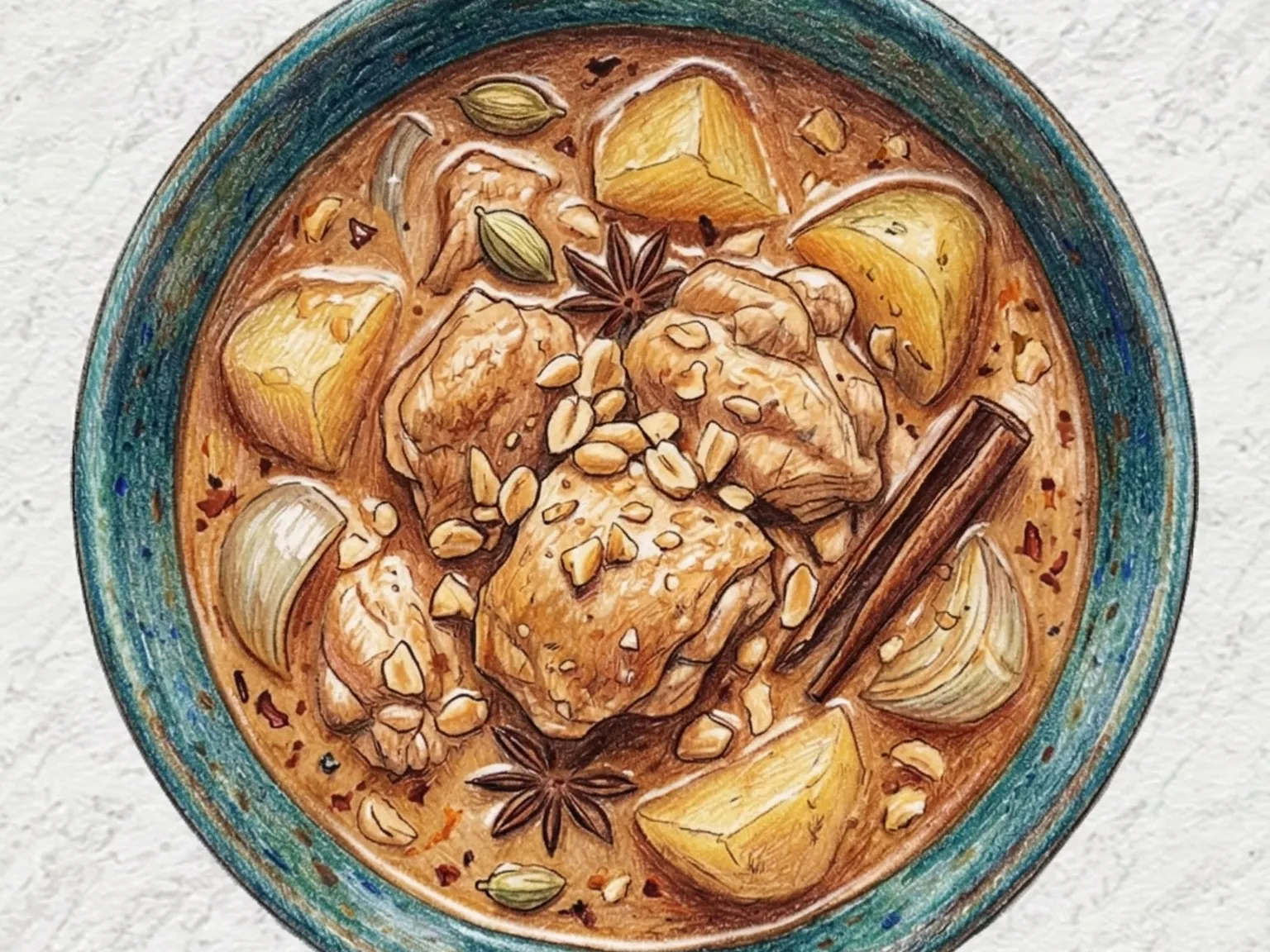
Massaman curry stands apart from other Thai curries with its mild, sweet-savory character and its roots in the Muslim communities of southern Thailand, where trade routes from Persia and India brought cinnamon, cardamom, cloves, and star anise into the local kitchen long before chili became dominant. These whole spices simmer in the coconut milk base, lending an aromatic warmth that is closer to a slow-braised stew than to the fiery curries Thailand is more widely known for. Chicken thighs, whole shallots, potatoes, and roasted peanuts braise together until the potatoes begin to break apart and naturally thicken the sauce, absorbing the spiced oil along the way. Tamarind paste and palm sugar steer the richness toward a gentle tang and sweetness rather than a heavy or one-dimensional creaminess. The result is a deeply layered curry that uses almost no chili heat, making it one of the most approachable dishes in the Thai repertoire for those unaccustomed to spice while still rewarding more experienced palates with its complexity.
Javanese Chicken Mie Goreng
Javanese chicken mie goreng is an Indonesian stir-fried noodle dish built around kecap manis, a thick, molasses-dark sweet soy sauce that caramelizes in the wok and coats the noodles in a glossy, sweet-savory glaze that is impossible to mistake for any other style of fried noodle. Shallots and garlic are fried first to form the aromatic base, then sliced chicken thigh, shredded cabbage, and scallions join the wok over high heat. The egg noodles go in last, tossing rapidly to pick up wok breath and absorb the sauce. A fried egg with a runny yolk, prawn crackers for crunch, and a wedge of lime to cut through the sweetness complete the plate in the street-stall tradition of Java. The unmistakable sweetness of kecap manis is what sets this dish apart from Chinese-style fried noodles and gives Javanese mie goreng its identity across Indonesia and beyond.
Mitsuba Oyakodon (Japanese Chicken Egg Rice Bowl with Mitsuba Herb)
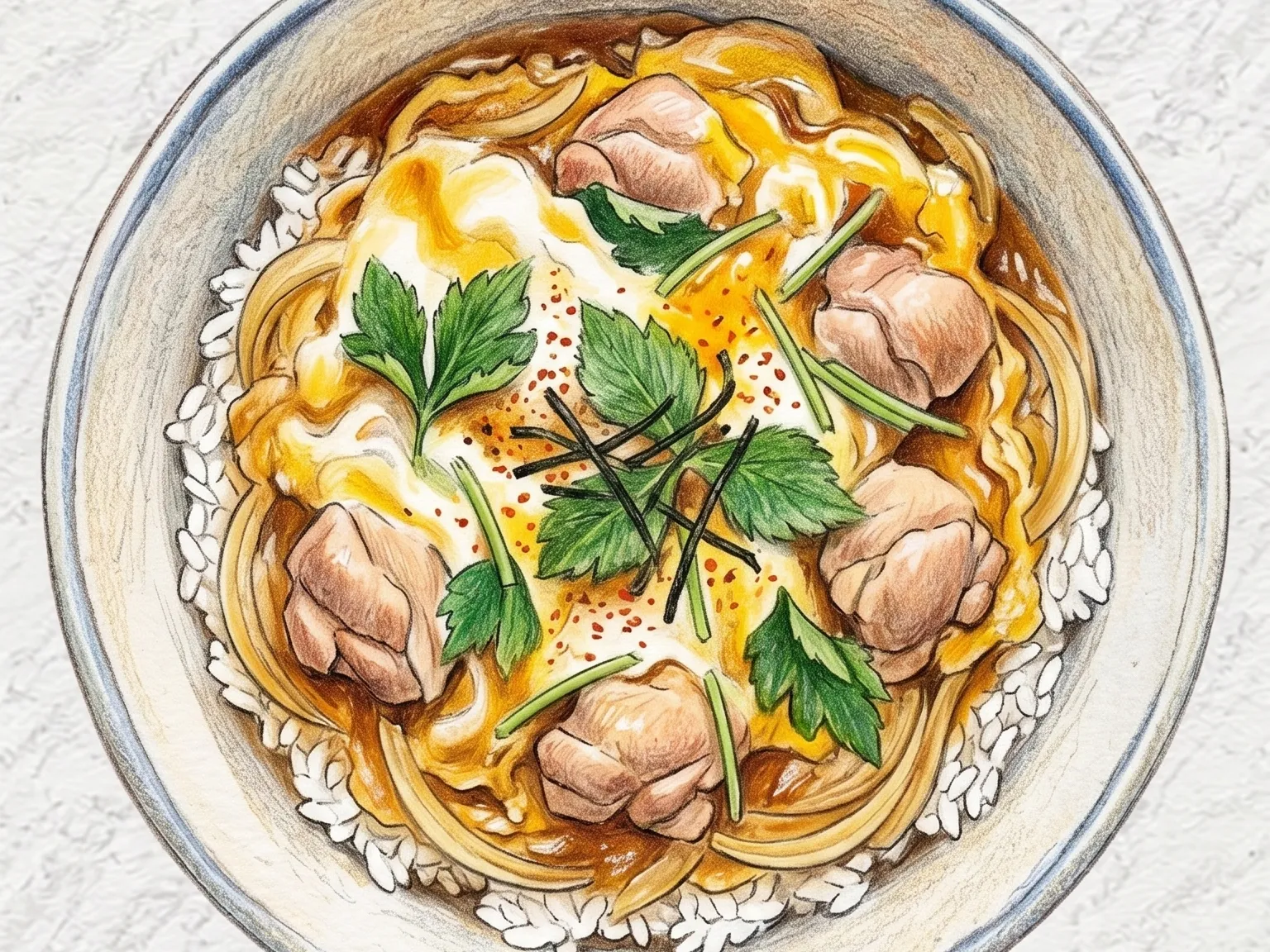
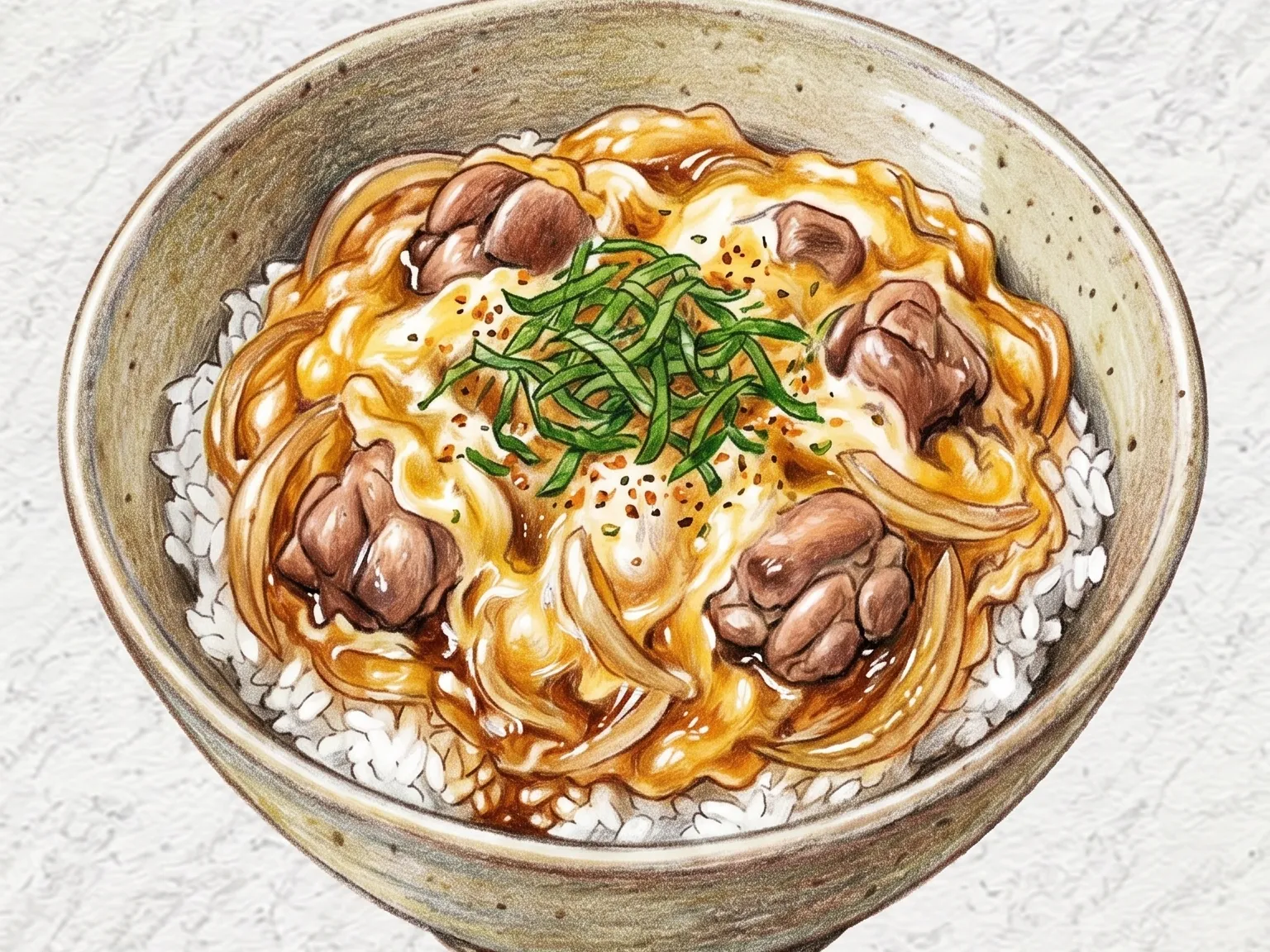
This Japanese chicken and egg rice bowl features chicken thighs and sliced onions simmered in dashi stock, soy sauce, and mirin. The chicken is cut into bite-sized pieces and cooked in the broth until tender. Beaten eggs are added in two batches: the first half is allowed to set slightly before the remainder is poured, creating a mixture of firm and silky, runny textures. To keep the egg texture soft, it is important not to overbeat the eggs before cooking. Fresh mitsuba, a Japanese wild parsley, is cut into four-centimeter pieces and placed on top during the last twenty seconds of cooking with the lid closed. This brief steaming preserves its delicate celery-like fragrance and green color. Letting the dish rest off the heat for thirty seconds before serving over warm rice ensures a smooth custard-like texture that coats each grain.
Nasi Kandar (Penang Indian-Muslim Rice with Mixed Curries)
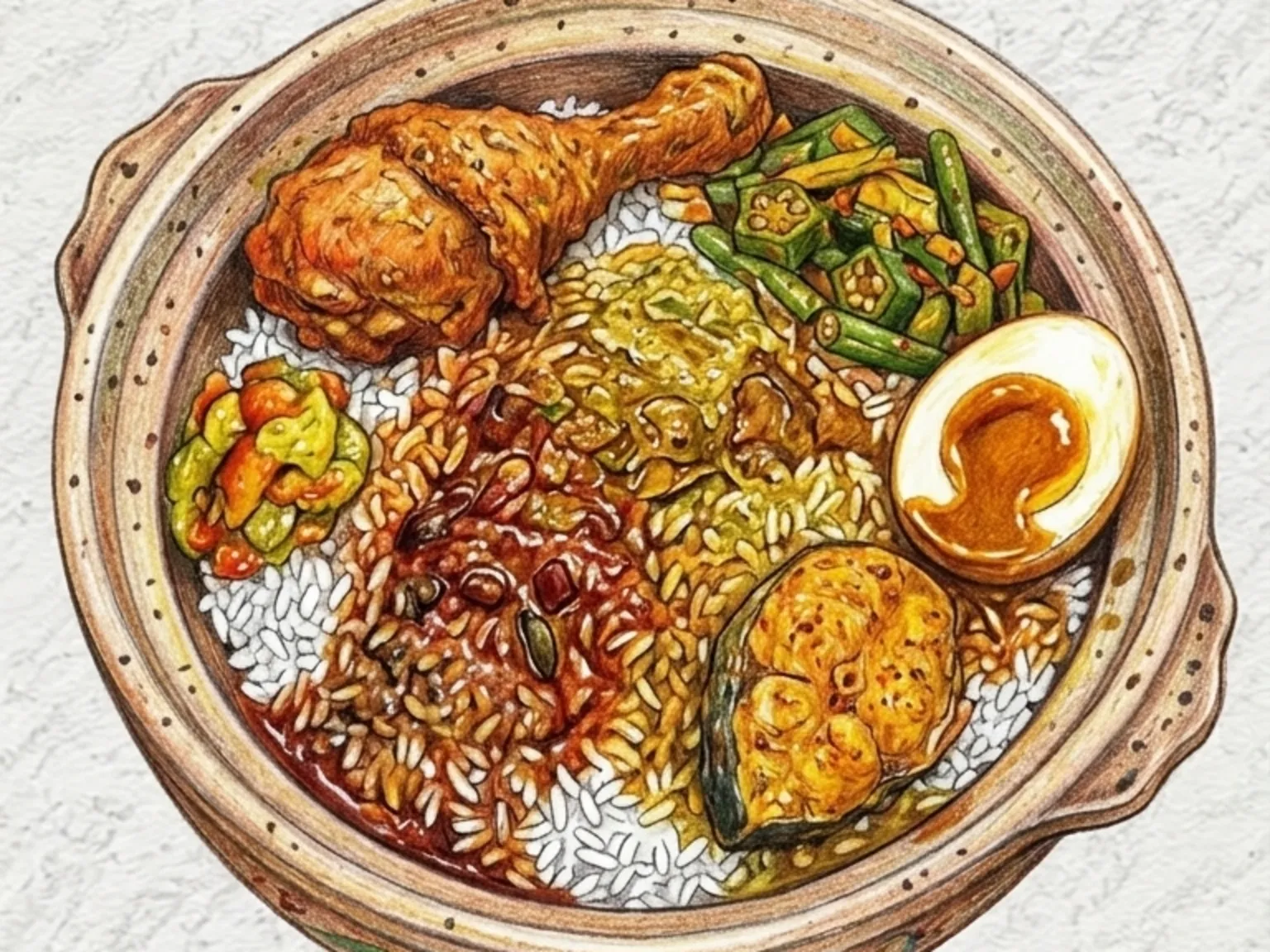
Nasi kandar is a Penang-born rice dish rooted in the culinary traditions of Malaysia's Indian-Muslim community. A mound of steamed white rice is doused with multiple curry gravies and accompanied by a choice of protein and vegetable sides. The defining technique is kuah campur - the deliberate mixing of different curry sauces so they pool together and soak into the rice, creating a layered complexity no single curry could achieve alone. Coconut milk lends a gentle richness, curry powder supplies aromatic depth, and chili brings lingering warmth. Diners select their own combination from a counter full of dishes, making each plate unique.
Hanoi-Style Chicken Pho (Pho Ga)
Hanoi-style pho ga is a chicken noodle soup that trades the beefy richness of pho bo for a lighter, cleaner bowl. Chicken bones and thighs simmer together until the broth turns golden and fragrant, then the meat is pulled into long shreds and piled over flat rice noodles. The spice profile is gentle - a knob of charred ginger and a single star anise - keeping the chicken flavor at the forefront. The broth has a silky quality from the natural gelatin in the bones, giving each spoonful a body that belies its clarity. Scallion, cilantro, and a squeeze of lime are the standard accompaniments. Some vendors add a torn fried dough stick for crunch. Pho ga is widely considered the everyday breakfast pho in Hanoi, less ceremonial than its beef counterpart but no less satisfying.
Three Cup Chicken (Taiwanese Soy Sesame Oil Rice Wine Braised Chicken)
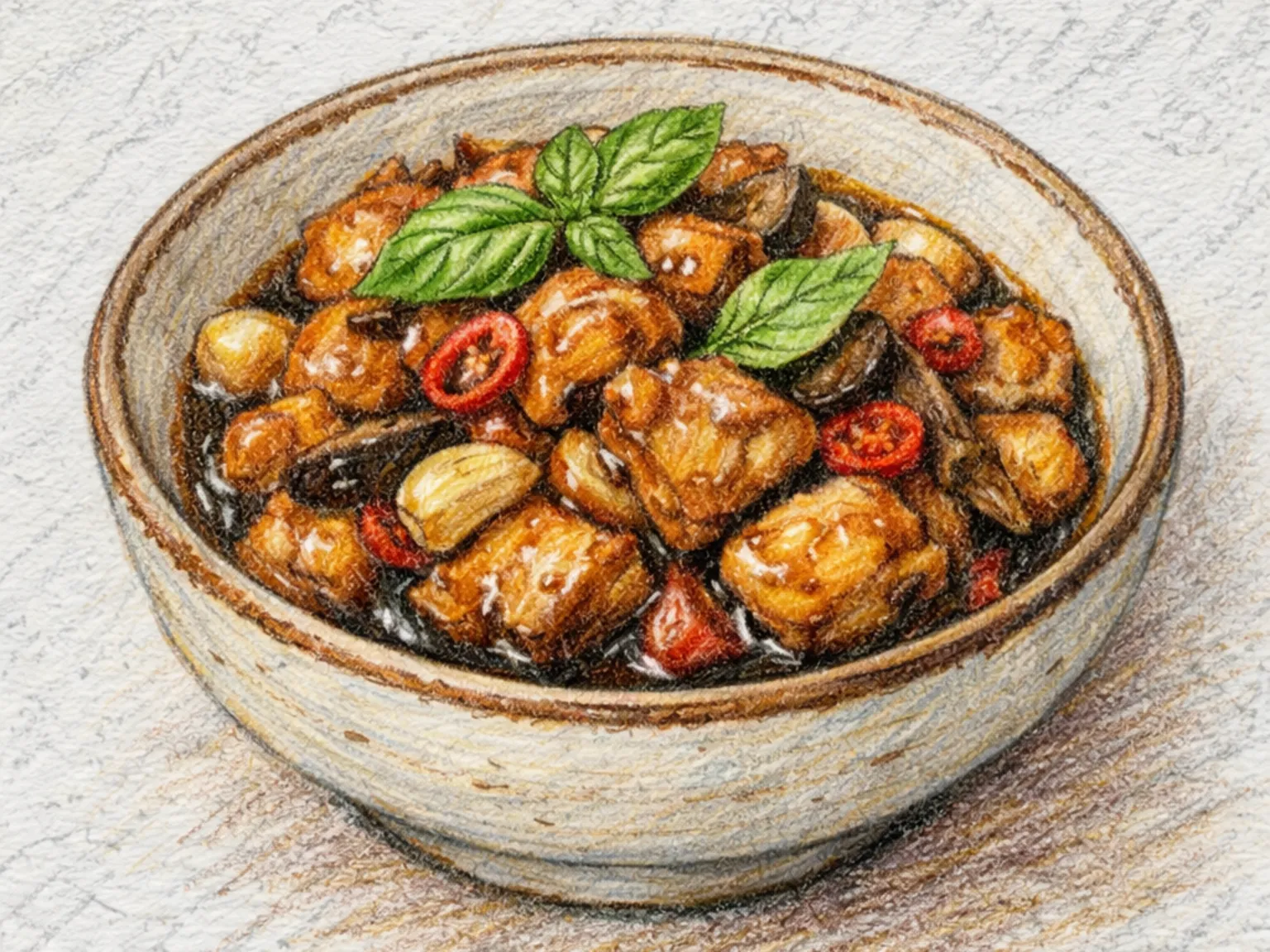
San bei ji, or Three Cup Chicken, is a Taiwanese braise named for the equal measures of soy sauce, sesame oil, and rice wine that form its sauce. The cooking begins with toasted sesame oil in a clay pot, followed by thin slices of garlic and ginger fried until golden. Bone-in chicken pieces, seared to a light crust, join the pot along with the soy sauce and rice wine. As the liquid reduces over moderate heat, it thickens into a dark, glossy glaze that coats every piece of chicken. The final and defining step is a generous handful of Thai basil leaves stirred in just before serving - the residual heat wilts the leaves and releases a sharp, peppery aroma that lifts the rich sauce. The dish is served directly in the clay pot, still bubbling, and paired with plain steamed rice to soak up the concentrated sauce.
Teriyaki Chicken
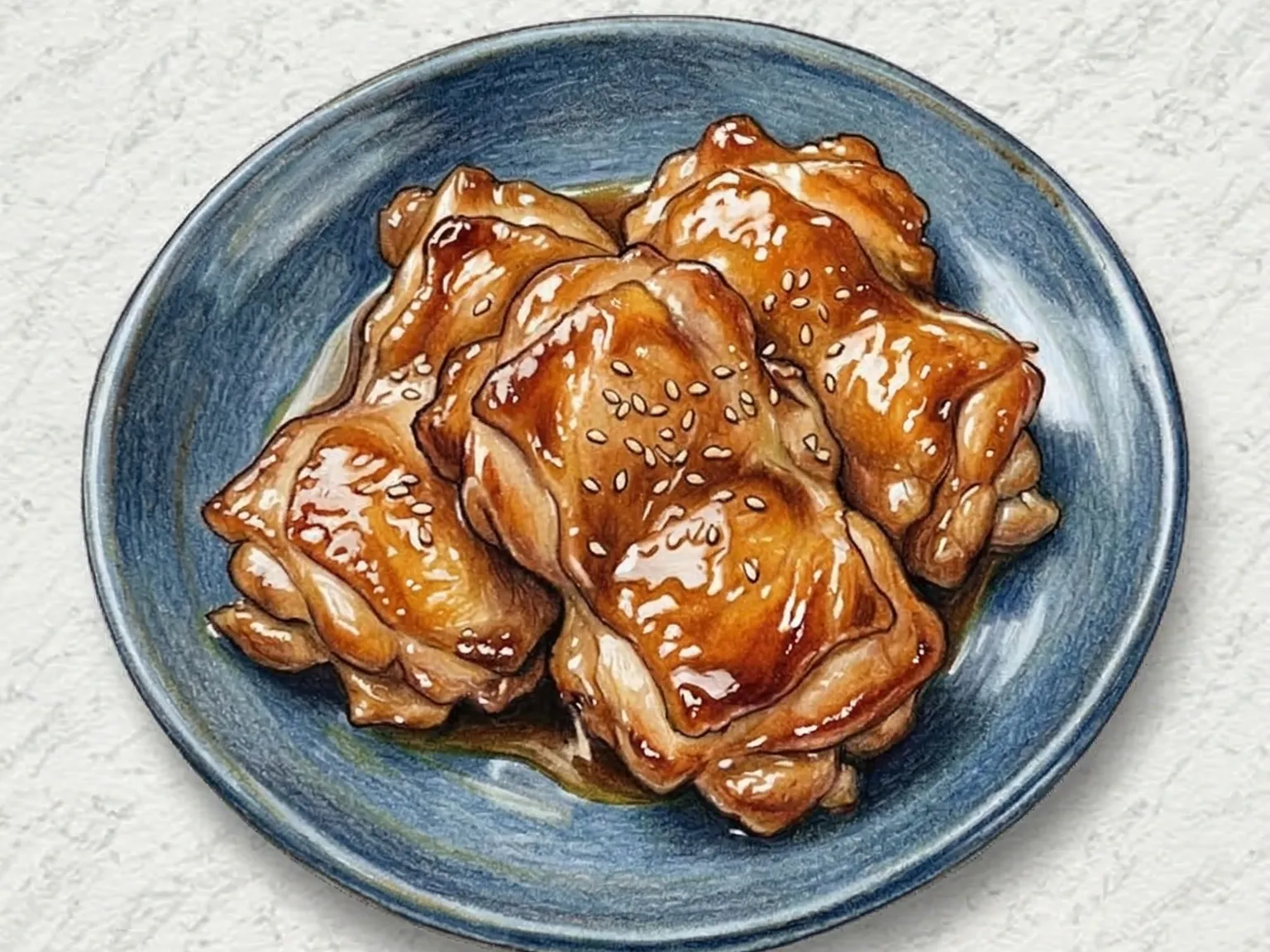
Teriyaki chicken is a Japanese dish of pan-seared chicken thighs glazed in a sweet-savory sauce made from soy sauce, mirin, sugar, and sake. The cooking begins skin-side down, pressing the chicken firmly against the pan to render the fat and crisp the skin to a deep golden color. Once flipped, the teriyaki sauce is poured in and the heat is lowered so the liquid reduces slowly, coating the chicken in a glossy, caramelized lacquer. Garlic and ginger, minced and added to the sauce, contribute a warm aromatic undercurrent that prevents the sweetness from becoming one-dimensional. As the sauce thickens, it clings to every surface of the chicken, creating a sticky, burnished exterior that contrasts with the moist meat beneath. The dish comes together in under thirty minutes and pairs equally well over steamed rice, alongside a green salad, or sliced into a bento box.
Tinola (Filipino Ginger Chicken Soup with Green Papaya)
Tinola is a Filipino home-style chicken soup defined by its prominent ginger character and its clear, light broth. The aromatic base is built by sauteing julienned ginger, sliced garlic, and onion in a little oil until fragrant, then adding chicken pieces and cooking them until the surfaces turn opaque. Fish sauce goes in next, providing a salty depth that anchors the broth, followed by a generous pour of water. The chicken simmers until fully tender, at which point wedges of green papaya are added-their mild sweetness and yielding texture complementing the peppery warmth of the ginger. Spinach or other leafy greens are stirred in at the very end, wilting in the residual heat and adding a fresh, verdant note to the bowl. The finished soup is remarkably clean in flavor despite its depth, with the ginger threading through every spoonful as a persistent, warming presence. In Filipino households, tinola occupies the same comforting role that chicken noodle soup holds elsewhere-it is the first dish prepared when someone is unwell or in need of nourishment.
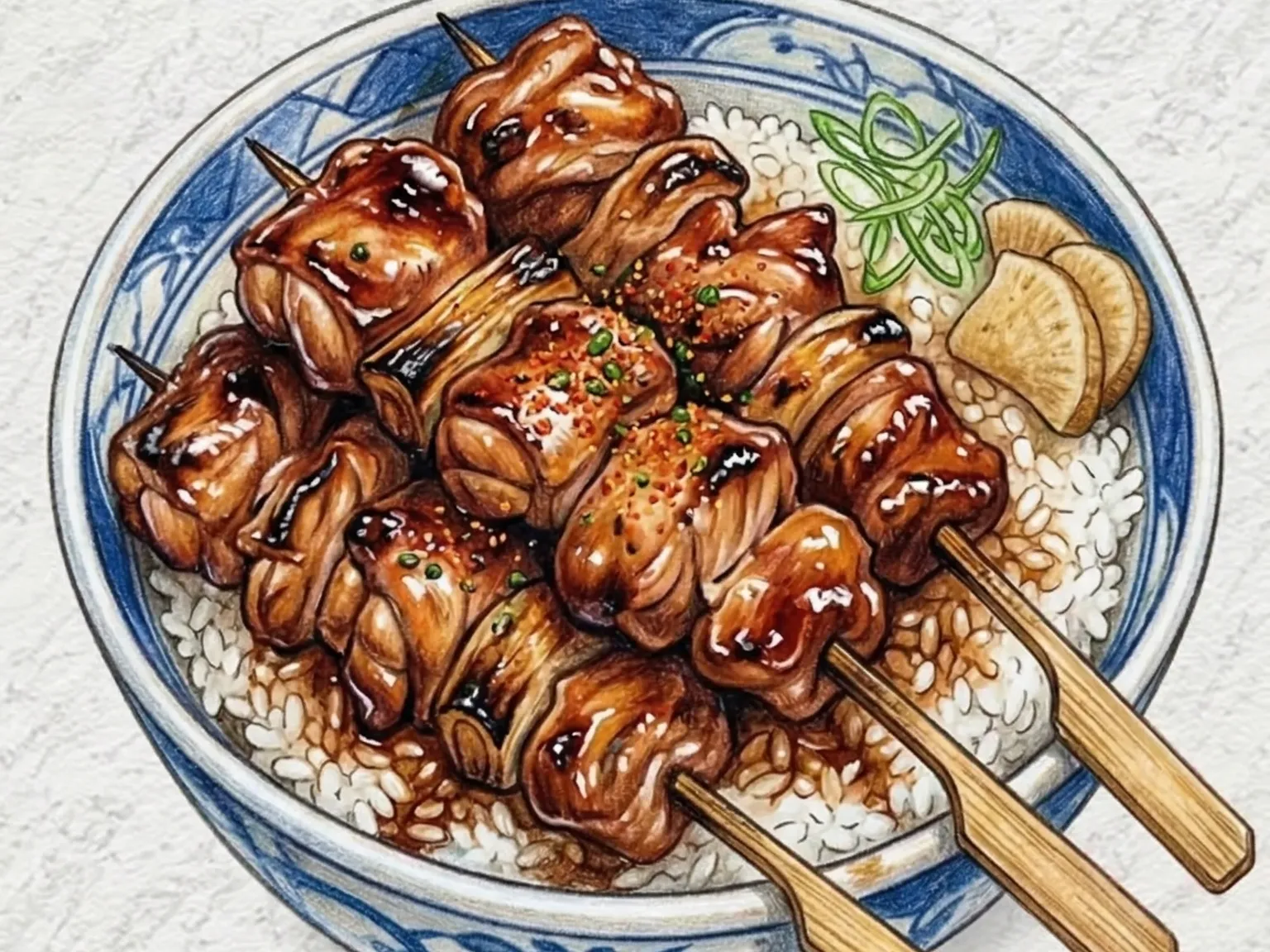
Yakitori (Japanese Charcoal-Grilled Chicken Skewers)
Yakitori is a traditional Japanese chicken skewer dish where bite-sized pieces of chicken thigh and leek are threaded onto bamboo sticks and grilled. The cooking process involves repeatedly brushing the skewers with a sweet soy-based glaze made of soy sauce, mirin, sugar, and sake. This builds a glossy, caramelized coating that pairs with the smokiness from the grill. Threading the ingredients with small gaps allows heat to circulate, ensuring the meat cooks through evenly. As they grill, the leek segments soften and sweeten, balancing the savory glaze. While the glazed version is common, yakitori can also be seasoned simply with salt, a style known as shio, which highlights the natural juiciness of the chicken thigh. The skewers are served hot as a casual dining item.
Chinese Crispy Chicken with Scallion Soy Dressing
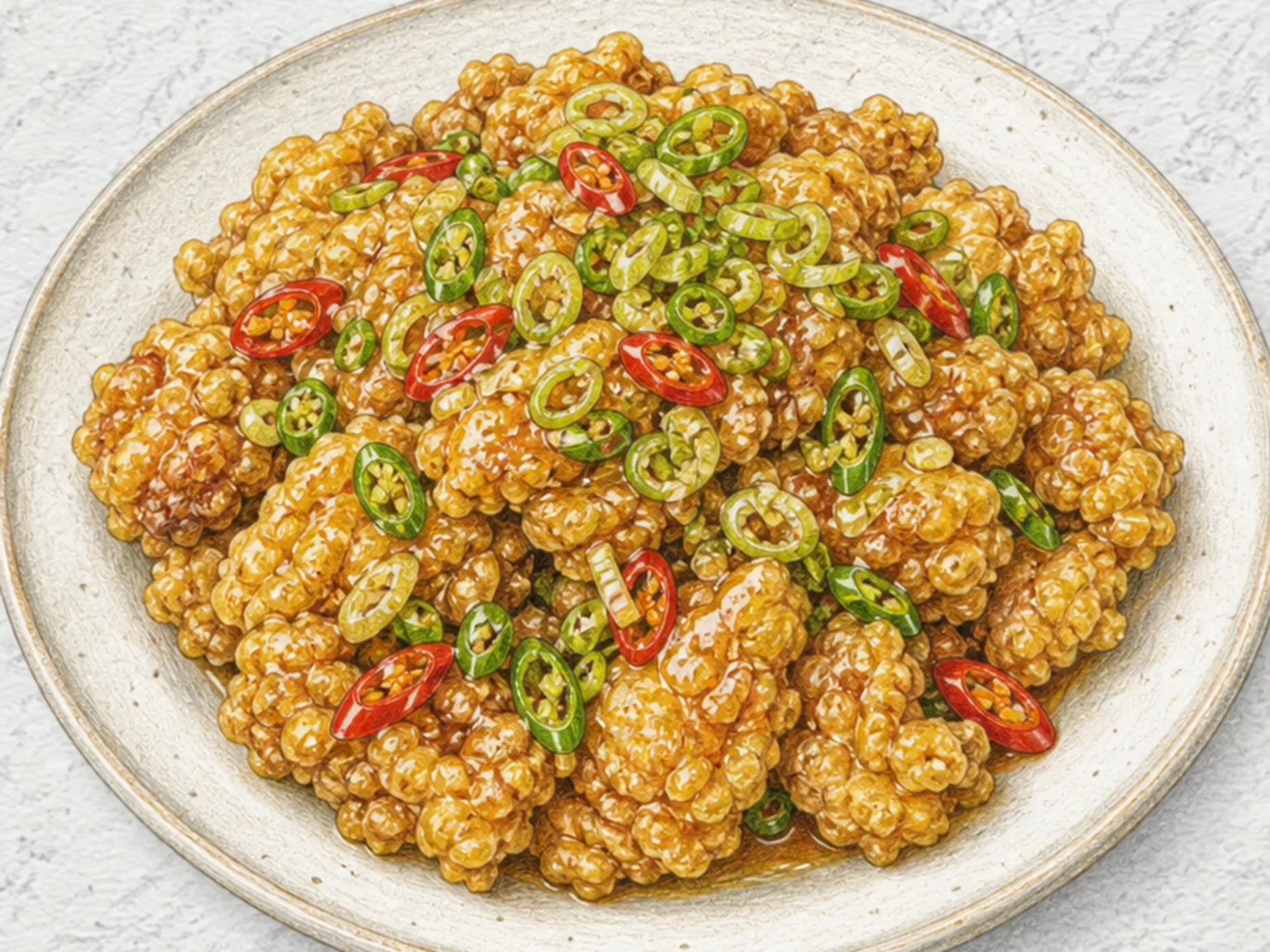
Yuringi coats chicken thigh in starch, fries it twice, and serves it over lettuce with scallion, chili, and a soy, vinegar, and sugar dressing. Fry until the coating is firm and crisp, drain well, and slice into bite-size pieces. Arrange the chicken and aromatics over thoroughly drained lettuce and pour on the dressing only at serving time to slow softening of the crust.
Yuzu Karaage (Japanese Citrus-Marinated Fried Chicken)
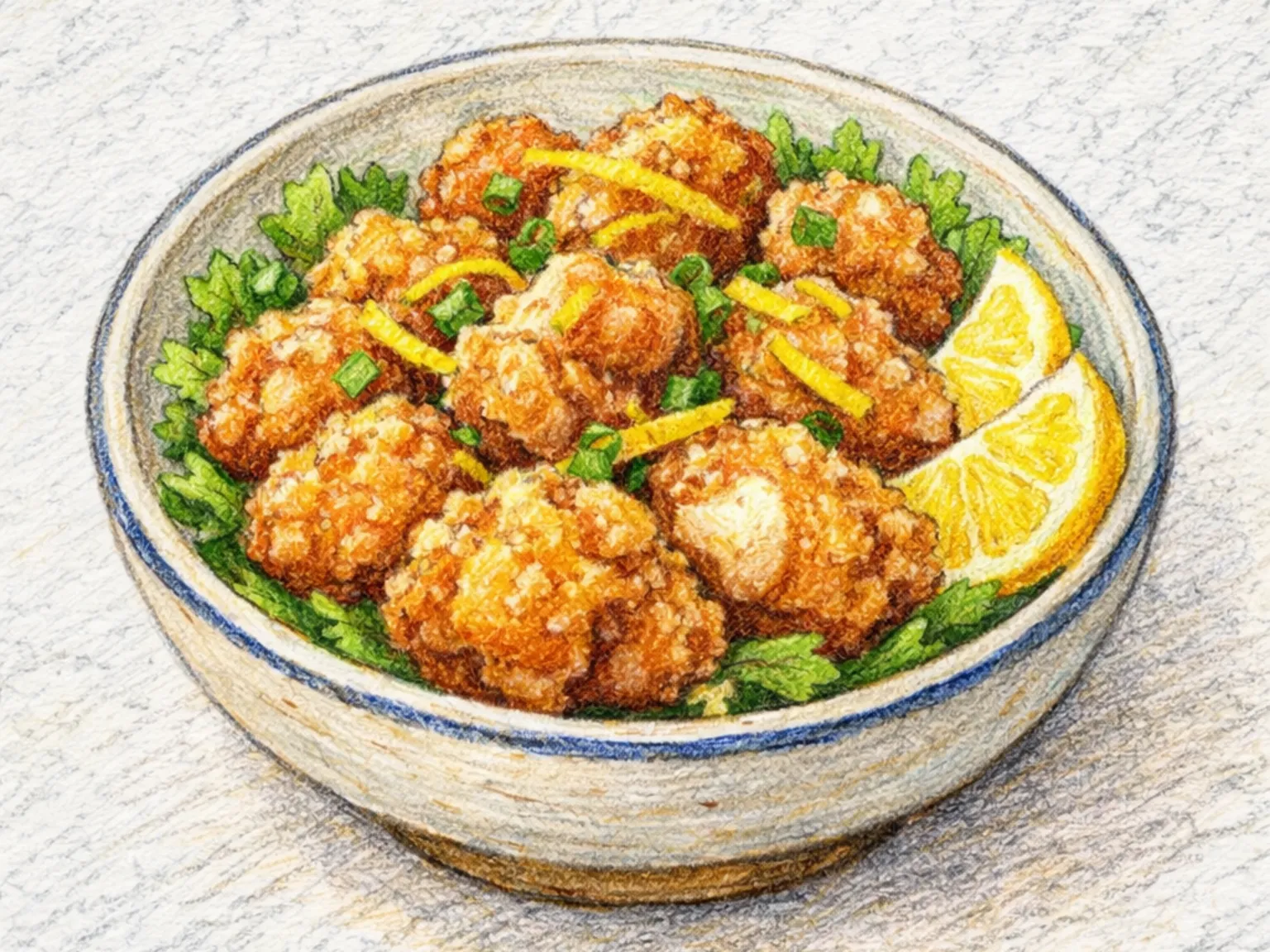
Yuzu karaage is a citrus-accented variation of Japanese fried chicken that incorporates yuzu into the traditional soy-ginger marinade. Boneless chicken thighs are marinated in soy sauce, cooking sake, garlic, ginger, and yuzu marmalade, which infuses the meat with a floral citrus fragrance distinct from lemon or lime. After marinating, the pieces are coated in potato starch and deep-fried until the exterior turns shatteringly crisp while the inside stays moist and well-seasoned. The yuzu adds a bright, aromatic acidity that lifts the richness of the fried coating and dark soy marinade, giving each bite a clean finish rather than a heavy aftertaste.