Charim

2686 Korean & World Recipes

2686+ Korean recipes, clean and organized. Ingredients to instructions, all at a glance.

Recipes with boneless chicken thigh

24 recipes

Buy boneless chicken thigh
Minari Pesto Chicken Gemelli
PastaMedium

Minari Pesto Chicken Gemelli

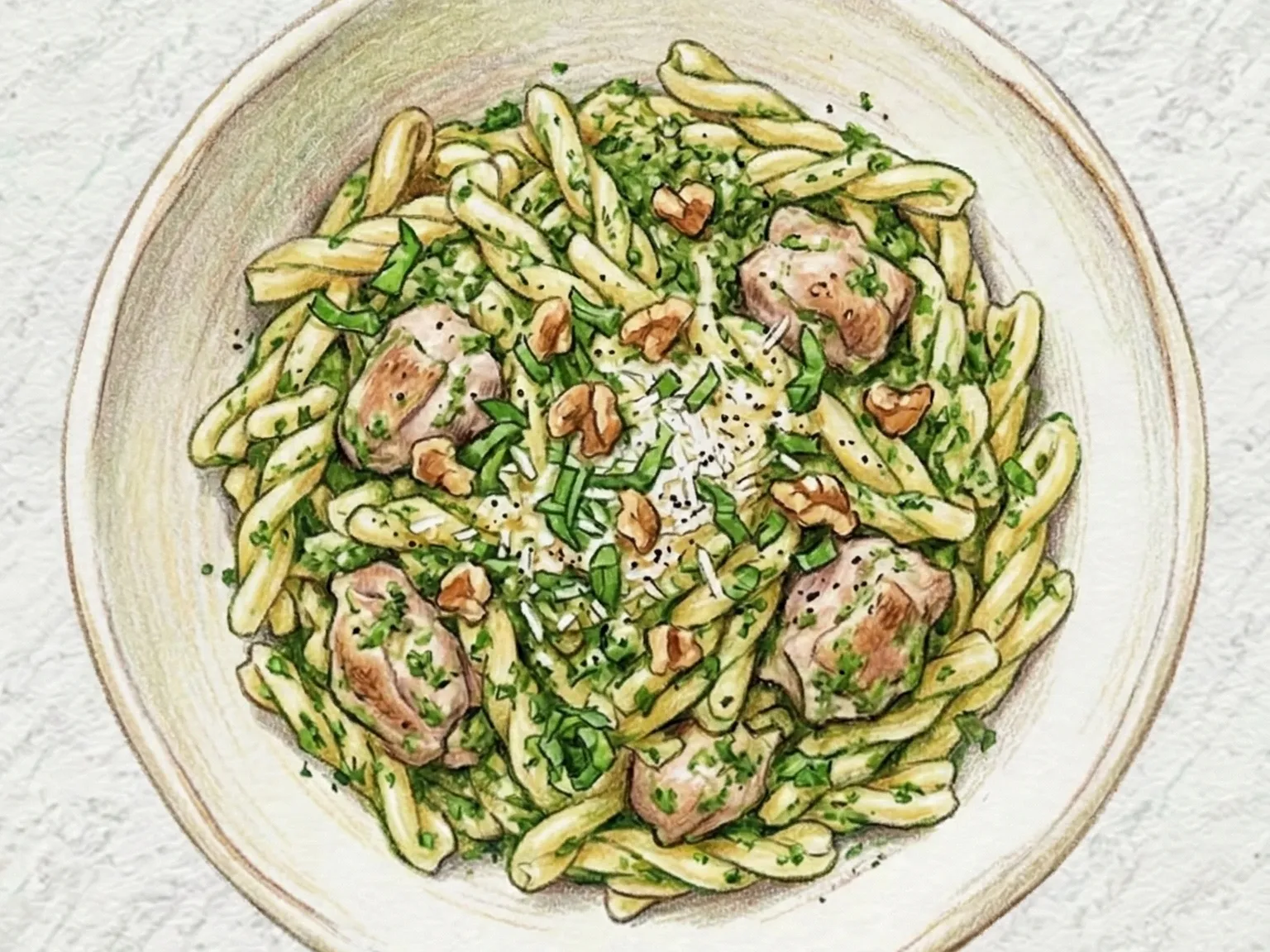
Minari pesto chicken gemelli is built on a sauce made by grinding Korean water parsley and walnuts together into a pesto that reads as herbaceous and faintly bitter rather than the sweet, basil-forward character of the Italian original. Minari has a clean, lightly peppery green aroma with a slight cooling quality that carries through to the finished sauce. Walnuts replace pine nuts, adding a denser, earthier nuttiness along with a coarser texture in the paste. Chicken thighs are seared in a hot pan until the skin side develops a proper golden crust through the Maillard reaction, which adds savory depth the breast cut lacks. Parmesan cheese and olive oil give the pesto its creamy, cohesive body. Lemon juice is added last to cut through the oil and brighten the entire dish without making it feel acidic. Gemelli is a natural choice because its tightly twisted double-helix shape traps the thick sauce inside each coil, ensuring good coverage in every bite. If minari is unavailable, ssukgat can substitute, but the flavor profile shifts toward a more bitter, chrysanthemum-like note.

🎉 Special Occasion
Prep 20minCook 20min4 servings
Chicken Quesadilla
WesternEasy

Chicken Quesadilla

Chicken quesadilla seasons diced chicken thigh with paprika, sautees it with onion and bell pepper, then presses the filling between flour tortillas with cheddar and mozzarella and toasts on low heat until crisp. Spreading a thin layer of cheese to the edges acts as glue, sealing the tortilla shut so the filling stays in place and the wedges cut cleanly. Low heat is essential - it gives the cheese time to melt evenly through the filling before the tortilla surface browns. The sharp flavor of cheddar and the stretch of mozzarella together wrap around the lean chicken, while paprika and onion add a sweet, smoky undertone. Sliced into eight wedges and served warm with sour cream or salsa on the side.

🏠 Everyday🧒 Kid-Friendly
Prep 15minCook 12min2 servings
Chao Ga (Vietnamese Chicken Rice Porridge with Ginger)
AsianEasy

Chao Ga (Vietnamese Chicken Rice Porridge with Ginger)

Chao ga is Vietnam's most widely eaten breakfast porridge, served whenever someone is ill or needs gentle nourishment, occupying the same restorative role that dakjuk holds in Korean cooking. A whole chicken simmers in water until the broth turns opaque and deeply flavored, then rice cooks directly in that liquid until the grains dissolve into a thick, almost creamy consistency. Generous slices of ginger added early in cooking suppress any gaminess and warm the stomach, while fish sauce brings an underlying umami depth that plain salt cannot replicate. The finished porridge is ladled into bowls and finished with hand-shredded chicken meat, fresh cilantro, cracked black pepper, crispy fried shallots, and strips of you tiao -- Chinese fried dough sticks -- whose crunch against the soft porridge creates a textural contrast considered essential to the dish. In Hanoi's early-morning alleys, chao ga vendors work from a single clay pot, serving hundreds of bowls to workers and commuters before noon, and the sight of rising steam from those stalls remains one of the defining images of the Vietnamese morning.

🏠 Everyday
Prep 15minCook 55min4 servings
Korean Spicy Dakgalbi Rice Bowl
RiceEasy

Korean Spicy Dakgalbi Rice Bowl

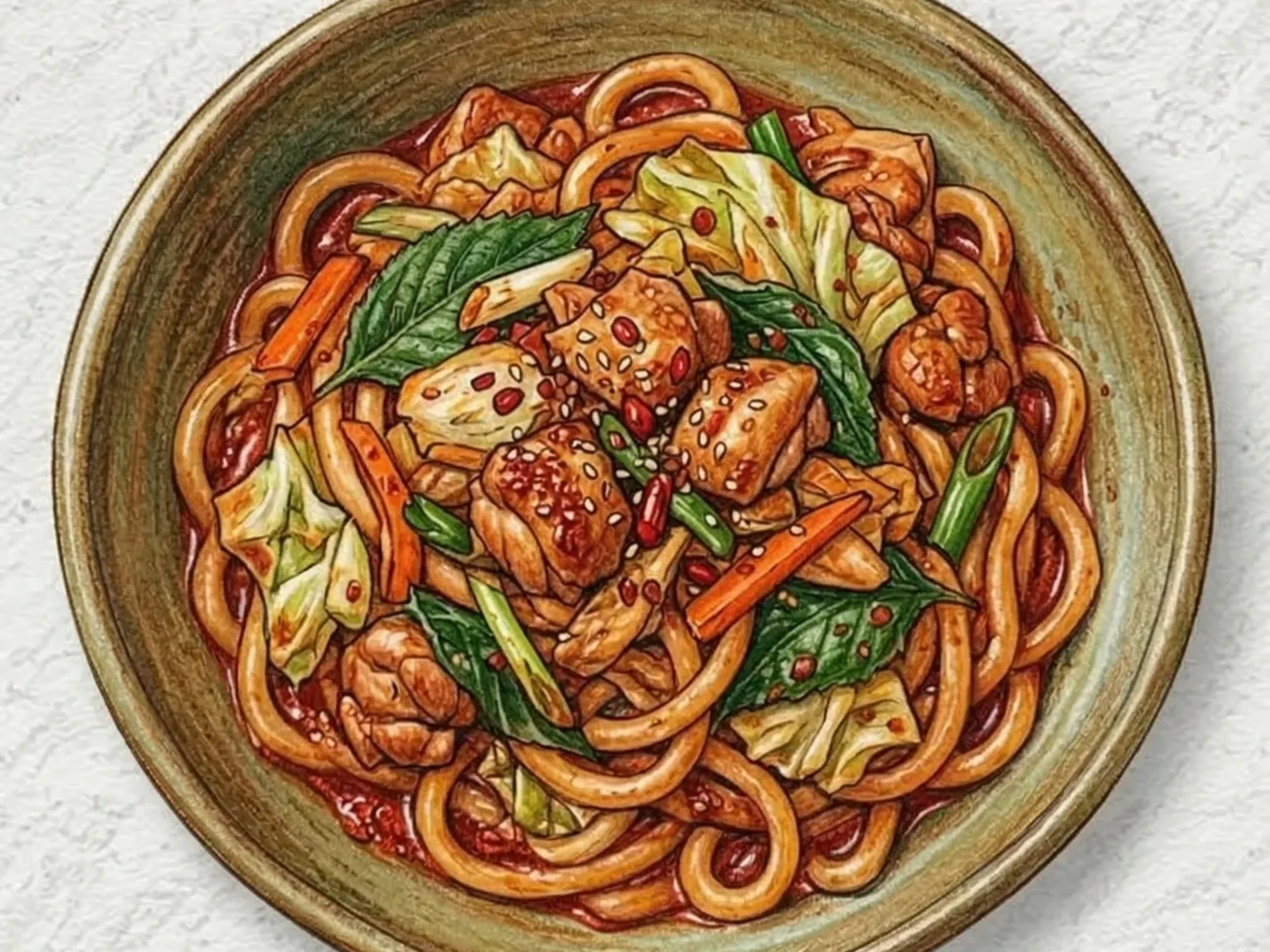
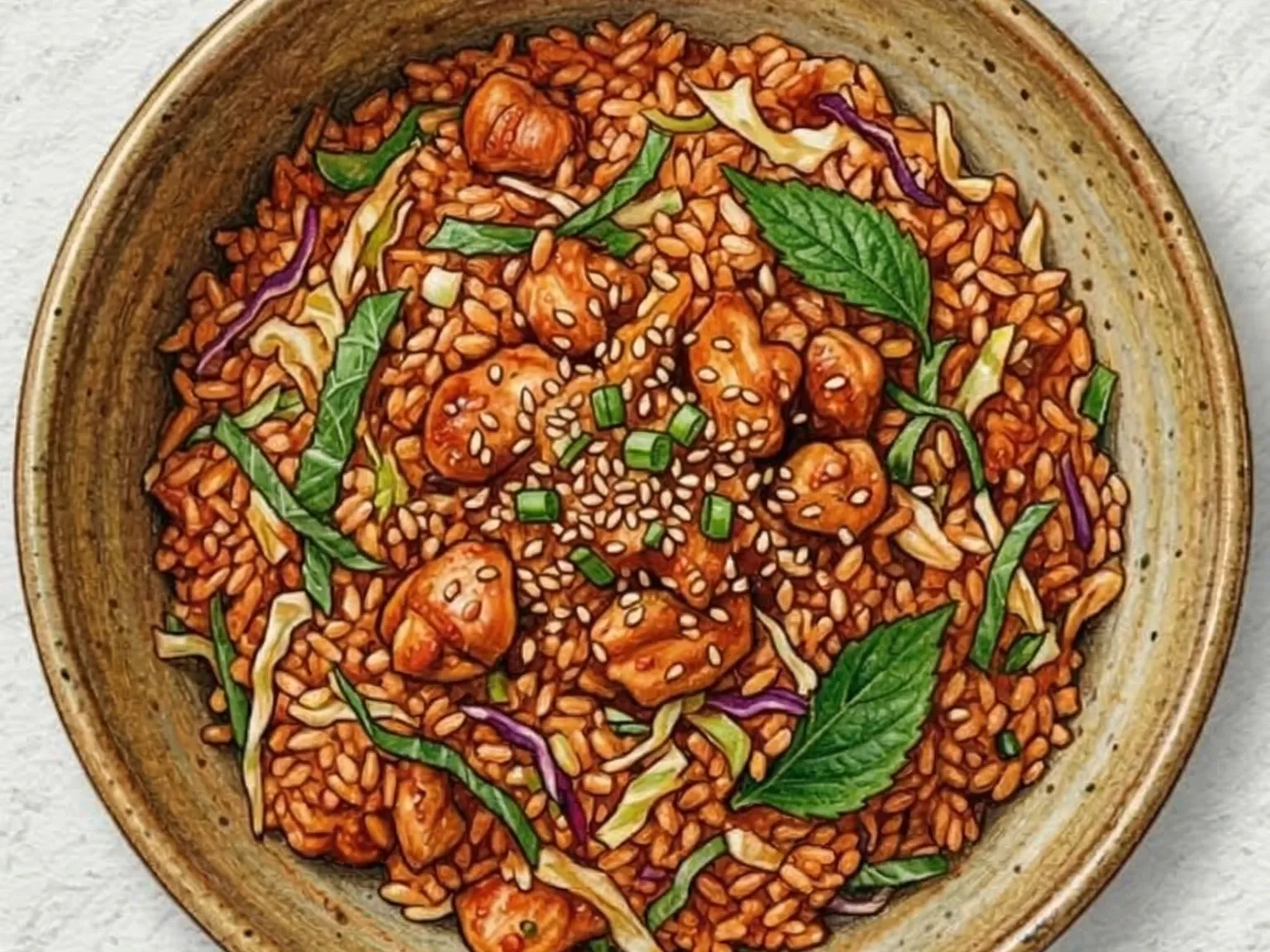
Dakgalbi deopbap serves the core flavors of Chuncheon's famous spicy chicken in a single rice bowl. Boneless chicken thigh is stir-fried alongside cabbage, onion, and green onion in a gochujang-based marinade balanced with sugar and a splash of soy sauce. The chicken is cooked over high heat throughout -- this creates a caramelized crust on the meat's surface and keeps the vegetables at a slight crunch rather than softening them completely. Sesame oil is added off the heat as a final step, contributing a toasty fragrance that rounds out the bold seasoning without overpowering it. At traditional dakgalbi restaurants in Chuncheon, the meal ends with fried rice made by mixing cooked rice directly into the residual sauce left on the hot iron plate -- this bowl captures that same moment in a format that can be made at home without a cast-iron griddle. The dish requires no banchan; the seasoned protein and vegetables together with the rice form a self-contained meal.

🏠 Everyday🍱 Lunchbox
Prep 15minCook 14min2 servings
Soy-Garlic Chicken Parmesan Spaghetti
PastaMedium

Soy-Garlic Chicken Parmesan Spaghetti

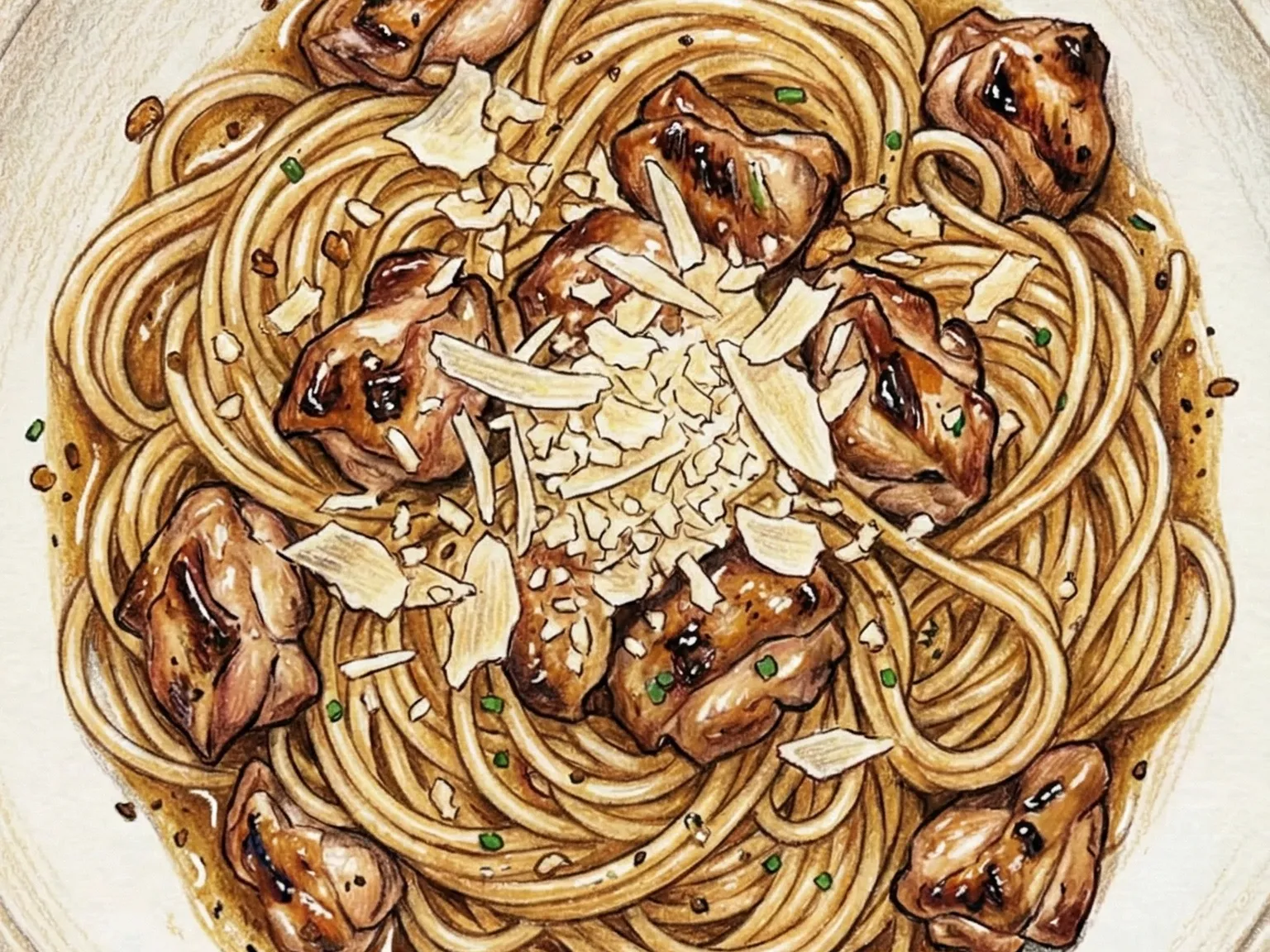
Soy garlic chicken Parmesan spaghetti represents a fusion of culinary traditions, integrating a marinade rooted in Korean flavors with the structural framework of a classic Italian pasta dish. For the protein component, chicken thigh pieces undergo a marination process involving a mixture of soy sauce, finely minced garlic, and honey. During the subsequent cooking phase, these ingredients are pan seared at a high temperature. This heat causes the natural sugars found in both the honey and the soy sauce to undergo caramelization, resulting in the formation of a dark and sticky glaze that coats the exterior of the meat. Garlic serves as a recurring element in the preparation, being used first within the initial marinade and then again when it is sauteed directly into the tomato sauce base. This repetition ensures that a consistent aromatic quality is maintained throughout the various layers of the meal from the start of cooking to the final assembly. The acidity inherent in the tomato sauce introduces a bright fruit character to the profile. This sharpness functions to balance the density of the sweet and salty glaze on the chicken, preventing the richness of the marinade from becoming overwhelming. A generous amount of grated Parmesan cheese is applied over the dish to introduce a nutty and salty depth. This cheese layer acts as a bridge between the Korean seasoning applied to the chicken and the Italian pasta that serves as the foundation of the plate. The choice of chicken thigh is intentional because this specific cut retains its internal moisture even during a hard sear. It remains succulent in a way that chicken breast meat often does not when subjected to similar levels of heat. The final preparation is completed with a garnish of thinly sliced scallions, which provides a clean green finish to the presentation.

🎉 Special Occasion🧒 Kid-Friendly
Prep 20minCook 25min4 servings
Chicken Souvlaki (Greek Lemon Herb Grilled Chicken Skewer)
WesternEasy

Chicken Souvlaki (Greek Lemon Herb Grilled Chicken Skewer)

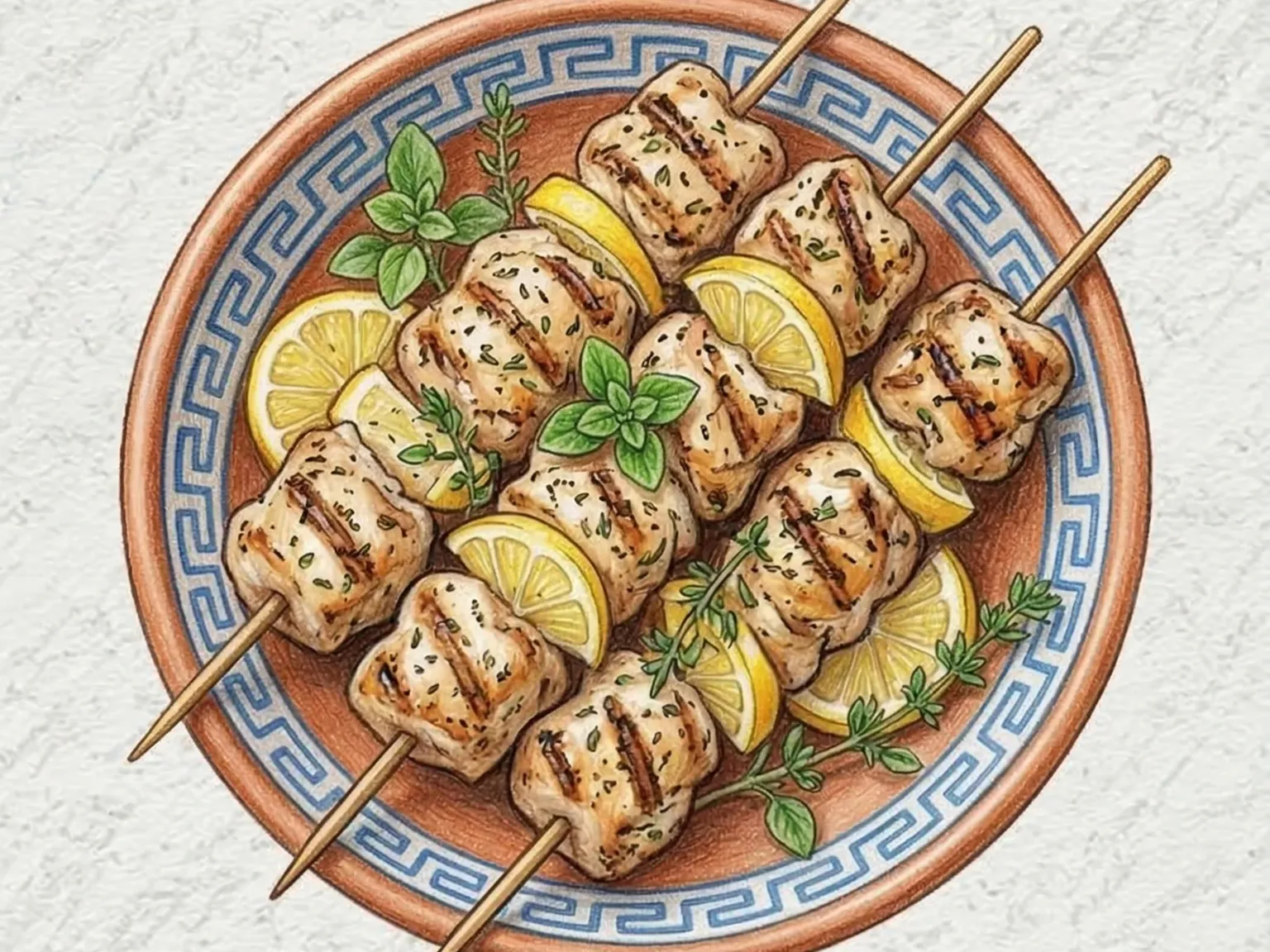
Chicken souvlaki consists of Greek grilled skewers prepared using pieces of chicken thigh that have been submerged in a marinade of lemon juice, olive oil, garlic, and dried oregano. This marination period is intended to give the citric acid sufficient time to interact with the meat. The lemon juice functions by breaking down surface proteins, which allows the various seasonings to move into the interior of the chicken instead of remaining only on the surface. Simultaneously, the olive oil establishes a physical boundary during the grilling stage that reduces the rate of moisture evaporation, ensuring that the inside of each piece remains moist. The addition of dried oregano contributes an earthy and slightly bitter herbal quality that balances the acidity of the lemon to produce the clean and straightforward flavor profile typical of Greek outdoor cooking. Using chicken thigh meat is a deliberate choice because its natural fat distribution protects the muscle fibers from becoming tough under the high heat of the grill, unlike leaner breast meat. This results in individual pieces that have a glossy exterior and a tender texture when they are removed from the heat. Serving the skewers with a portion of plain yogurt provides a temperature and texture contrast to the warm, smoky meat. When these components are combined inside warm pita bread with slices of fresh tomato and raw onion, the dish becomes a portable meal that provides satiety without creating a sensation of heaviness.

🍺 Bar Snacks🎉 Special Occasion
Prep 20minCook 15min4 servings
Chicken 65 (South Indian Deep-Fried Spiced Yogurt Chicken)
AsianMedium

Chicken 65 (South Indian Deep-Fried Spiced Yogurt Chicken)

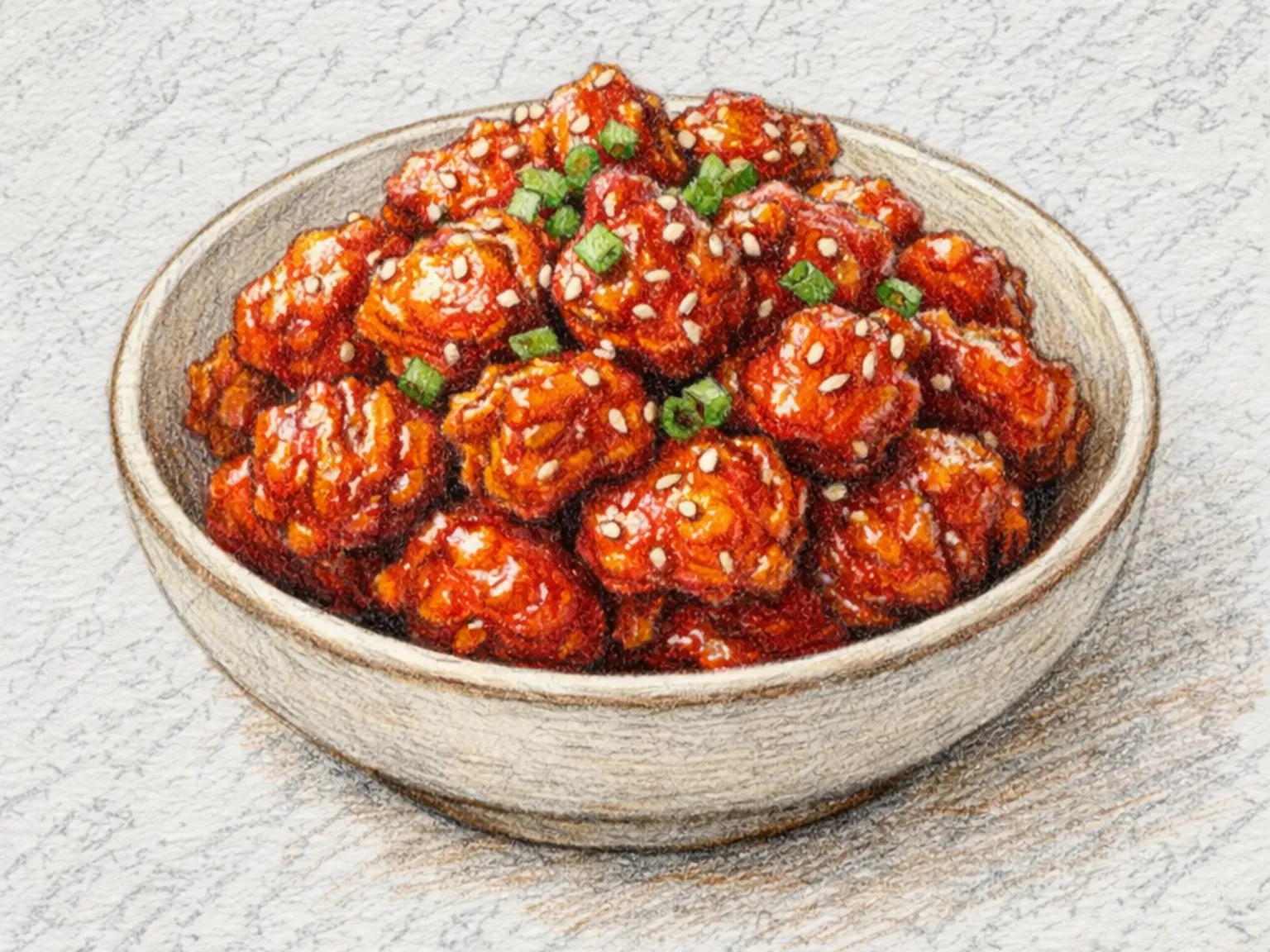
Chicken 65 is a South Indian deep-fried chicken dish that traces its origin to the Buhari Hotel in Chennai, where it first appeared on the menu in 1965. The name has generated a minor mythology: one theory says it was the 65th item on the original menu, another claims the recipe calls for exactly 65 ingredients, and a third insists the chicken required 65 days of marination - none of which has been conclusively verified. The marinade is built around whole-milk yogurt, red chili powder, turmeric, and a coarse ginger-garlic paste, which work together to tenderize the chicken while depositing both heat and tang deep into the fibers. After marinating for several hours, the pieces are dusted in cornstarch and fried until the exterior forms a thin, crackling shell while the interior stays moist from the dairy in the marinade. The dish is not finished after frying. The fried chicken goes back into a hot pan where it is tossed briskly with curry leaves, whole dried red chilies, and mustard seeds in a small amount of oil. When curry leaves hit hot fat, they release a distinctive aroma - something between roasted nuts and citrus peel - that clings to the surface of each piece and layers over the chili-yogurt flavors already present. This double-cooking method is what separates chicken 65 from generic fried chicken. Originally a bar snack in South India's pub culture, it spread across the subcontinent and now appears on menus everywhere from Bangalore to Delhi. The heat level varies significantly by restaurant, ranging from gently warming to genuinely tongue-numbing.

🎉 Special Occasion
Prep 25minCook 20min2 servings
Korean Gochujang Chicken Mayo Rice Bowl
RiceEasy

Korean Gochujang Chicken Mayo Rice Bowl

Gochujang chicken mayo deopbap pairs stir-fried chicken thigh glazed in a fermented chili sauce with a drizzle of creamy mayonnaise over warm steamed rice. Boneless chicken thigh cut into bite-sized pieces is stir-fried over high heat in a sauce built from gochujang, soy sauce, sugar, and minced garlic until a glossy, sticky glaze coats every surface and the edges of the chicken begin to caramelize. The sauced chicken goes directly onto the rice, and mayonnaise is zigzagged across the top in strips, creating alternating lines of red and white that fold together at the table. The combination works because gochujang contributes fermented, slow-building heat while the mayo provides a cool, fat-rich creaminess that extends each bite and carries the sauce deeper into the rice. Onion cooked alongside the chicken breaks down into the glaze, rounding the sauce's edges with a natural sweetness, while a scattering of sliced green onion on top adds a fresh, sharp contrast. Thigh meat is the correct choice over breast - its fat content means it retains moisture through the high-heat stir-fry rather than turning dry or stringy. A variation that has gained popularity layers a slice of processed cheese beneath the chicken, letting the residual heat melt it into a creamy middle layer between rice and glaze.

🏠 Everyday
Prep 15minCook 20min2 servings
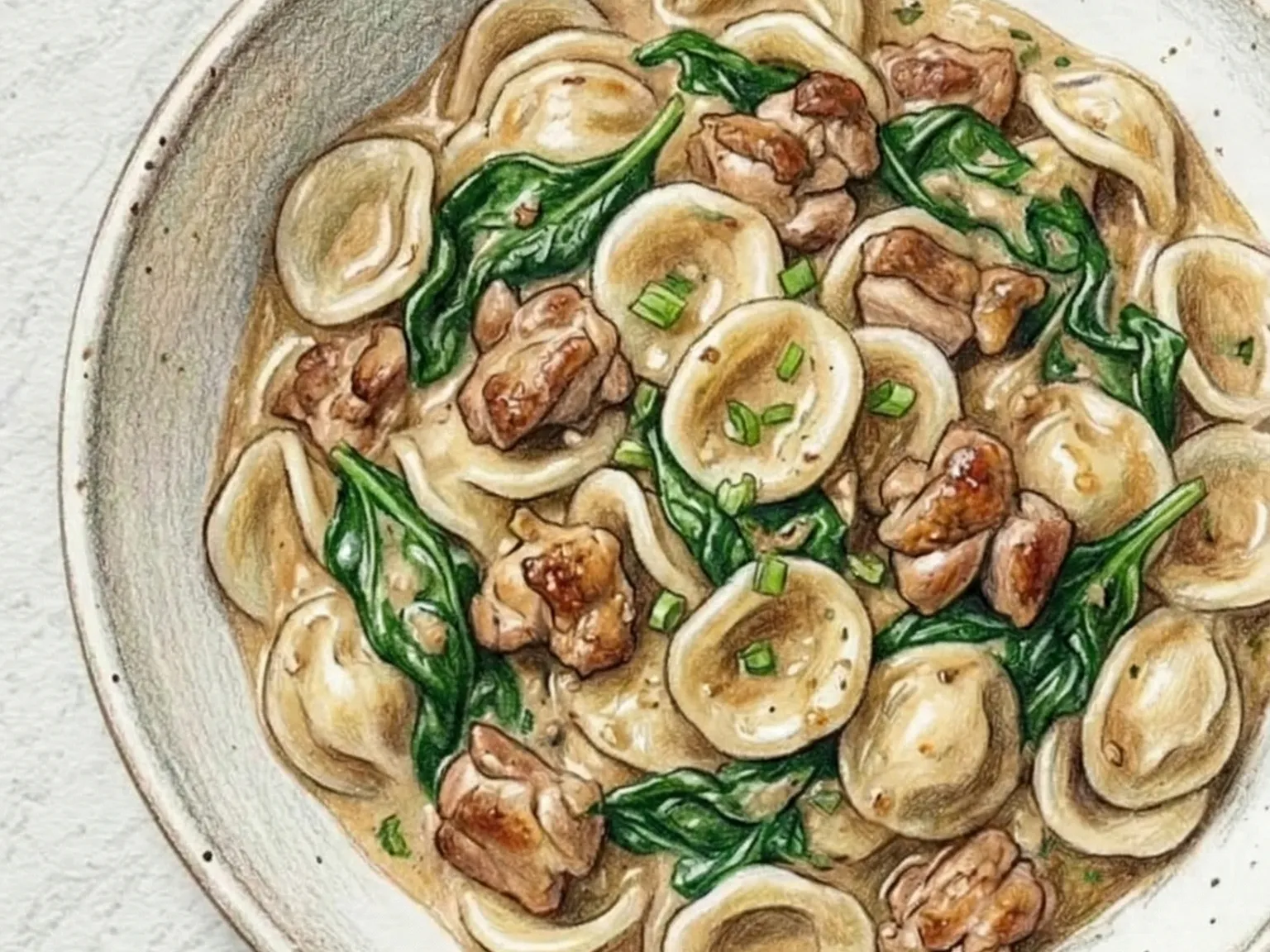
Ssamjang Chicken Spinach Orecchiette (Ssamjang Chicken Pasta)
PastaEasy

Ssamjang Chicken Spinach Orecchiette (Ssamjang Chicken Pasta)

Ssamjang chicken spinach orecchiette dissolves ssamjang directly in milk rather than frying it first, which softens the fermented paste's sharp edges into a smooth, savory cream sauce without bitterness. Boneless chicken thigh is seared until the skin turns golden and fat renders out, then combined with sauteed onion and garlic that build a sweet aromatic base underneath the fermented sauce. Spinach goes in at the very end to preserve its bright color and slight bite, and the concave, ear-shaped form of orecchiette cups the thick sauce inside each piece so every bite carries a full measure of flavor. Parmesan and black pepper are folded in off the heat so the cheese melts gradually without breaking. Reserving a small amount of pasta cooking water to loosen the sauce at the end helps achieve the right consistency.

🏠 Everyday
Prep 18minCook 17min2 servings
Chicken Vesuvio (Chicago White Wine Braised Chicken with Potatoes)
WesternMedium

Chicken Vesuvio (Chicago White Wine Braised Chicken with Potatoes)

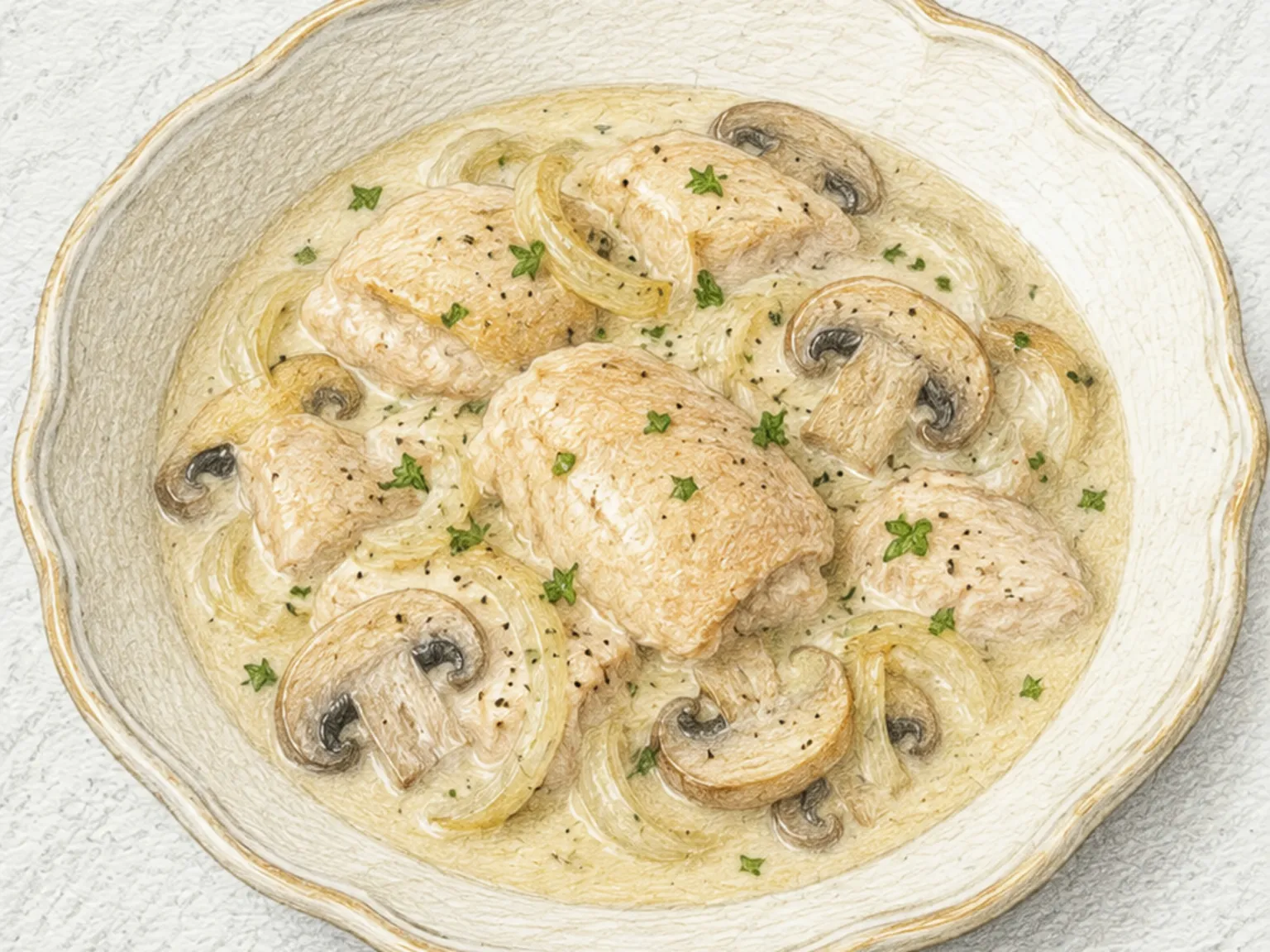
Chicken Vesuvio is a Chicago Italian-American dish that sears chicken thighs and potato chunks until golden, then simmers them with garlic, dry white wine, chicken stock, and oregano in a covered pan. Searing the chicken skin for at least five minutes builds a crisp texture and deposits a deep fond on the pan bottom that becomes the backbone of the sauce. After deglazing with wine and adding stock, twenty minutes of covered simmering lets the potatoes absorb the sauce and turn creamy inside while the chicken stays moist under its crisp skin. Peas and lemon juice added in the final two minutes introduce a bright green color and fresh acidity that lighten the otherwise heavy sauce. Dry white wine keeps the sauce clean and balanced rather than sweet.

🎉 Special Occasion
Prep 15minCook 35min2 servings
Chicken Adobo (Filipino Vinegar Soy Braised Chicken)
AsianEasy

Chicken Adobo (Filipino Vinegar Soy Braised Chicken)

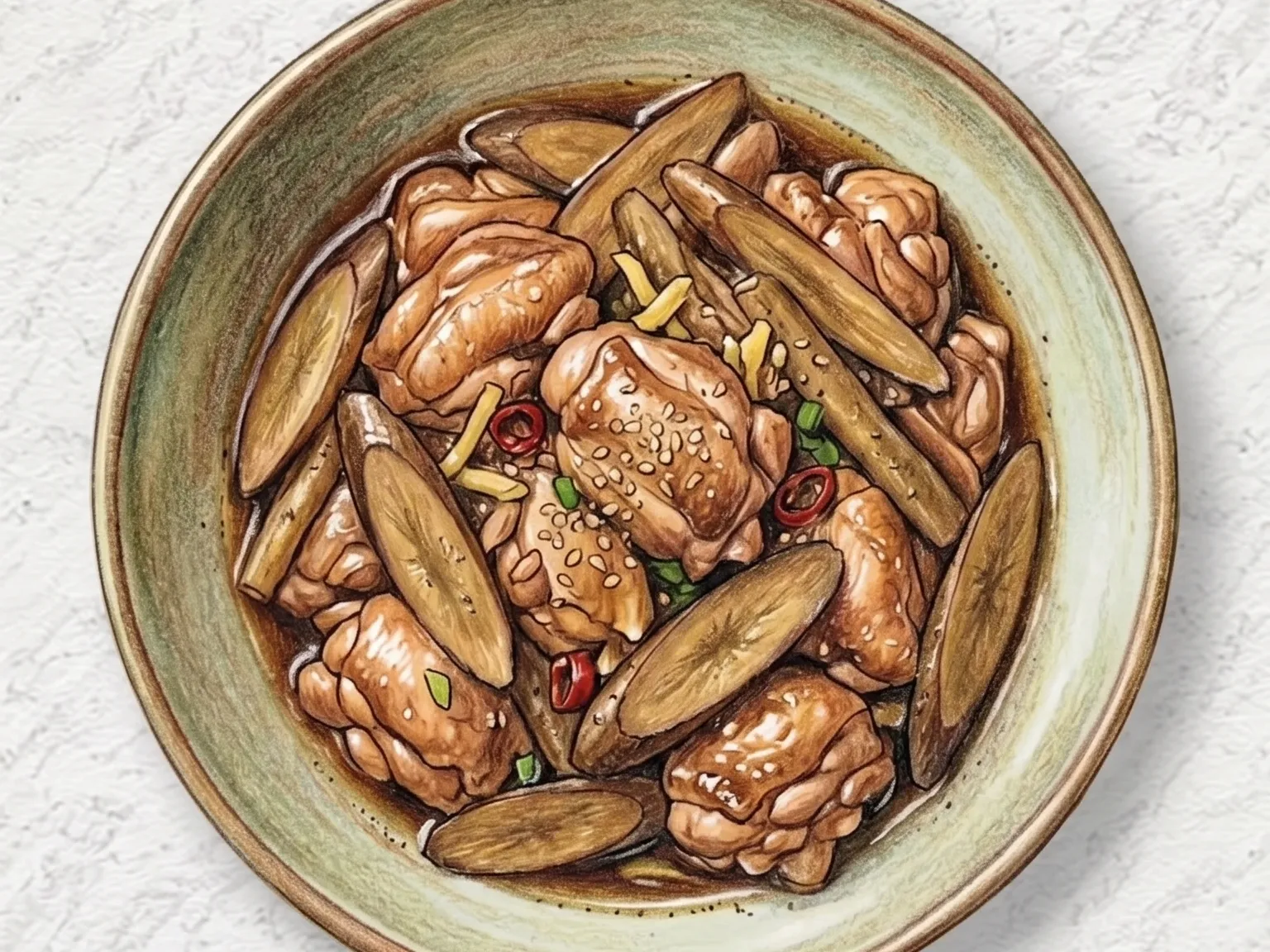
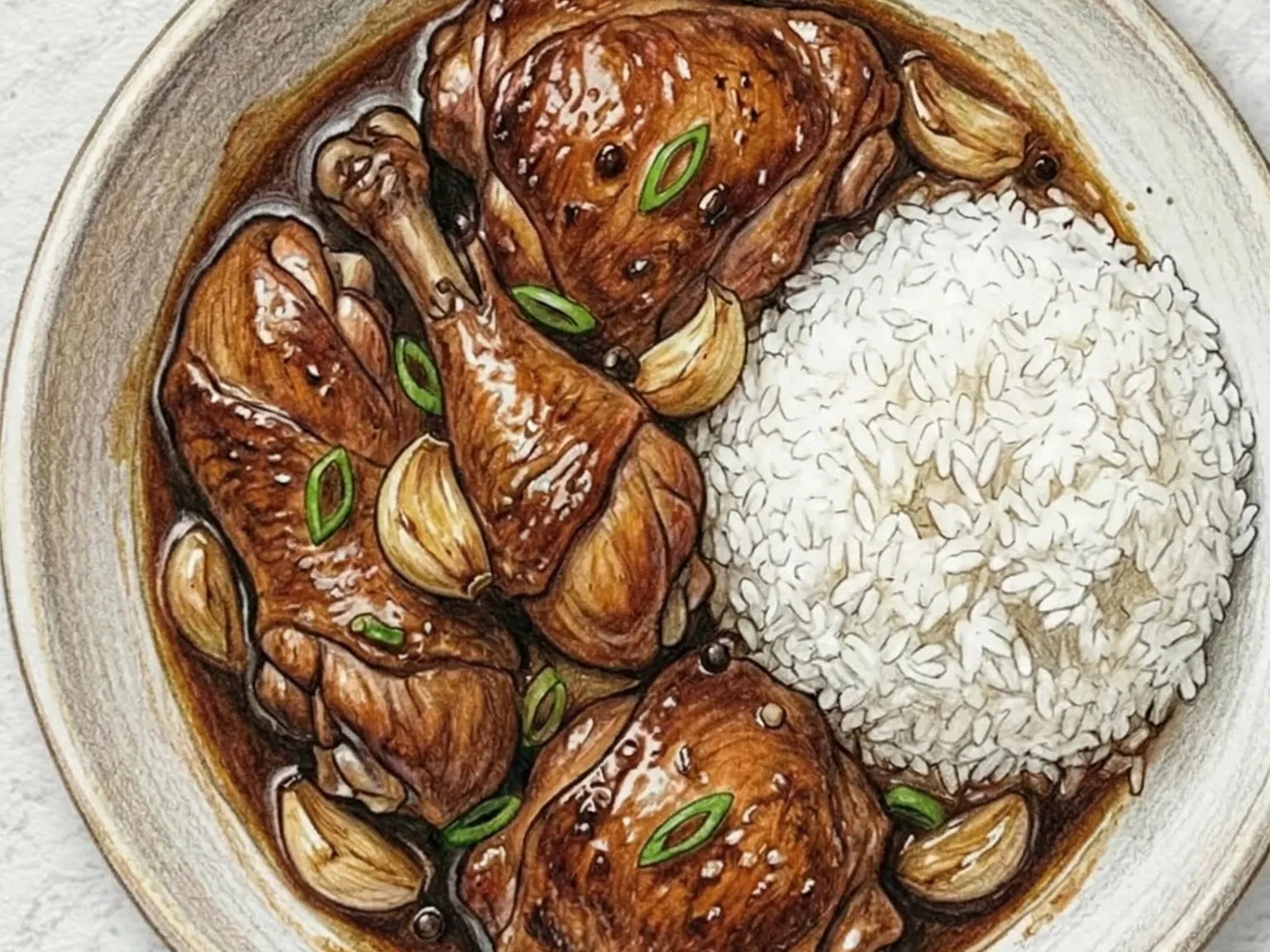
Chicken adobo is the unofficial national dish of the Philippines, rooted in a pre-colonial preservation technique of braising meat in vinegar to extend its shelf life in tropical heat long before refrigeration. Chicken simmers uncovered in soy sauce, cane vinegar, crushed whole garlic cloves, bay leaves, and whole black peppercorns until the sharp acidity of the vinegar mellows into a layered, salty-sour sauce with a caramelized depth that no amount of shortcutting can replicate. Once braised, the chicken pieces are removed from the sauce and pan-fried until the skin turns deep golden and audibly crisp, then returned to the reduced liquid for a final coat. The moment the crackling skin absorbs the thick, glossy sauce is the defining pleasure of a well-made adobo. Every Filipino household holds its own ratio of soy sauce to vinegar as a point of pride, and the unresolvable debate over whose mother makes the best version is practically a national institution. This tolerance for variation is part of why the dish has endured for centuries across a country of more than seven thousand islands. It is always served over steamed white rice with extra sauce ladled over generously, and adobo famously tastes better the next day, after the proteins have had time to reabsorb the deepened, overnight flavors from the refrigerator.

🍱 Lunchbox
Prep 15minCook 35min4 servings
Yakitori Rice Bowl (Soy-Mirin Glazed Grilled Chicken over Rice)
RiceMedium

Yakitori Rice Bowl (Soy-Mirin Glazed Grilled Chicken over Rice)

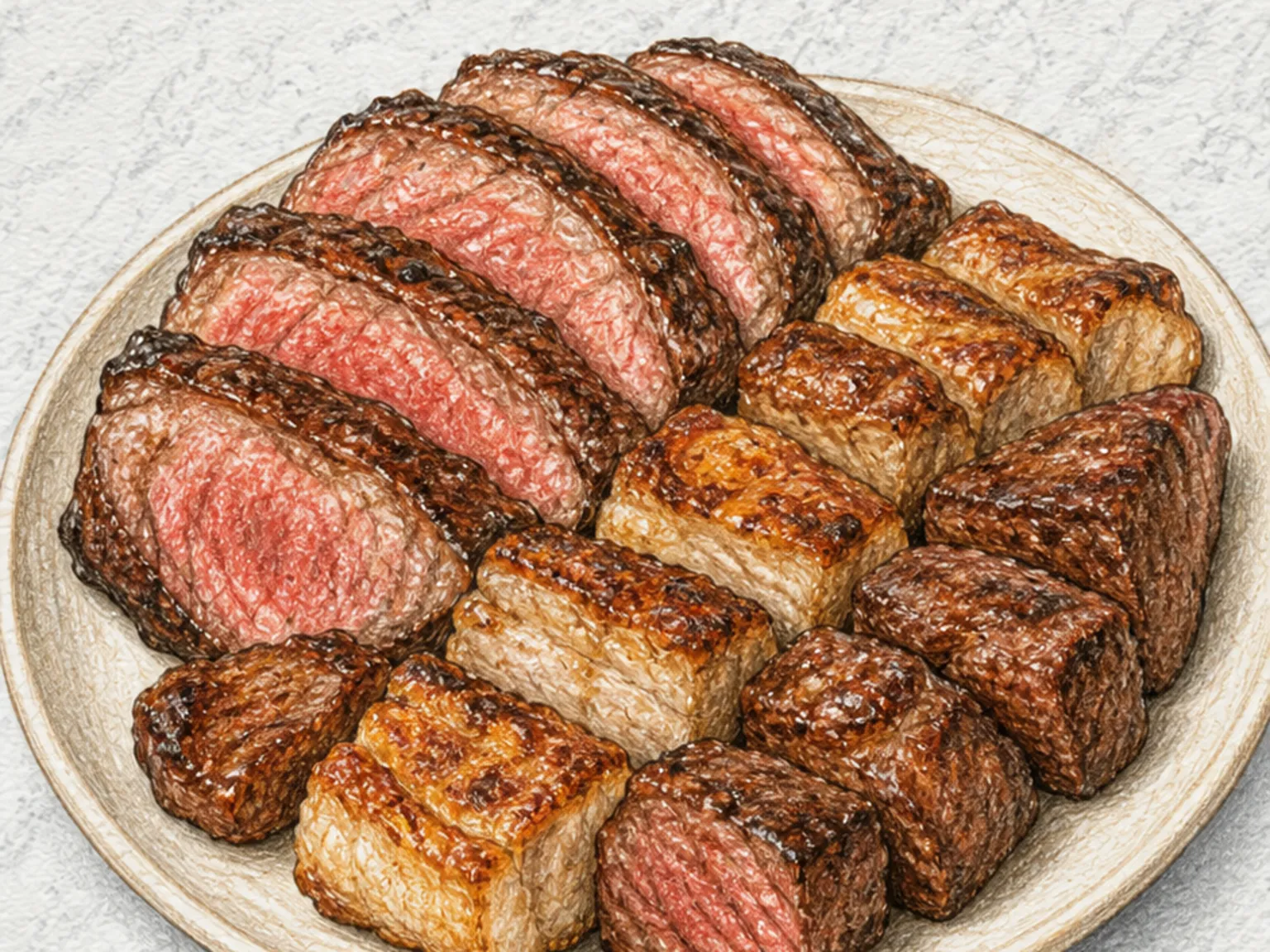
Direct heat and a repetitive glazing process define the preparation of this chicken skewer bowl. Small pieces of chicken thigh are secured onto skewers and grilled over a flame while a mixture of soy sauce, mirin, and sugar is applied in thin, sequential layers. This technique builds a lacquered surface through caramelization, which directs the sweet and salty flavors to the exterior of the meat. Applying the sauce too heavily in a single pass often leads to burning and an uneven crust. Because chicken thigh contains natural fats, the meat remains moist and tender even under high temperatures. When the cooked pieces are removed from the skewers and placed onto the rice, the excess glaze permeates the grains to provide sufficient seasoning. Sprinkling shichimi togarashi or sansho powder introduces a sharp or citrus-like contrast to the sweetness of the chicken. While chicken breast serves as a leaner alternative, it requires a longer marinating period and a shorter time on the grill to prevent the meat from drying out. The tare sauce can be prepared in advance and stored in the refrigerator for several weeks. Adding a halved soft-boiled egg or sliced scallions provides different textures and prevents the meal from feeling repetitive.

🏠 Everyday
Prep 20minCook 15min2 servings
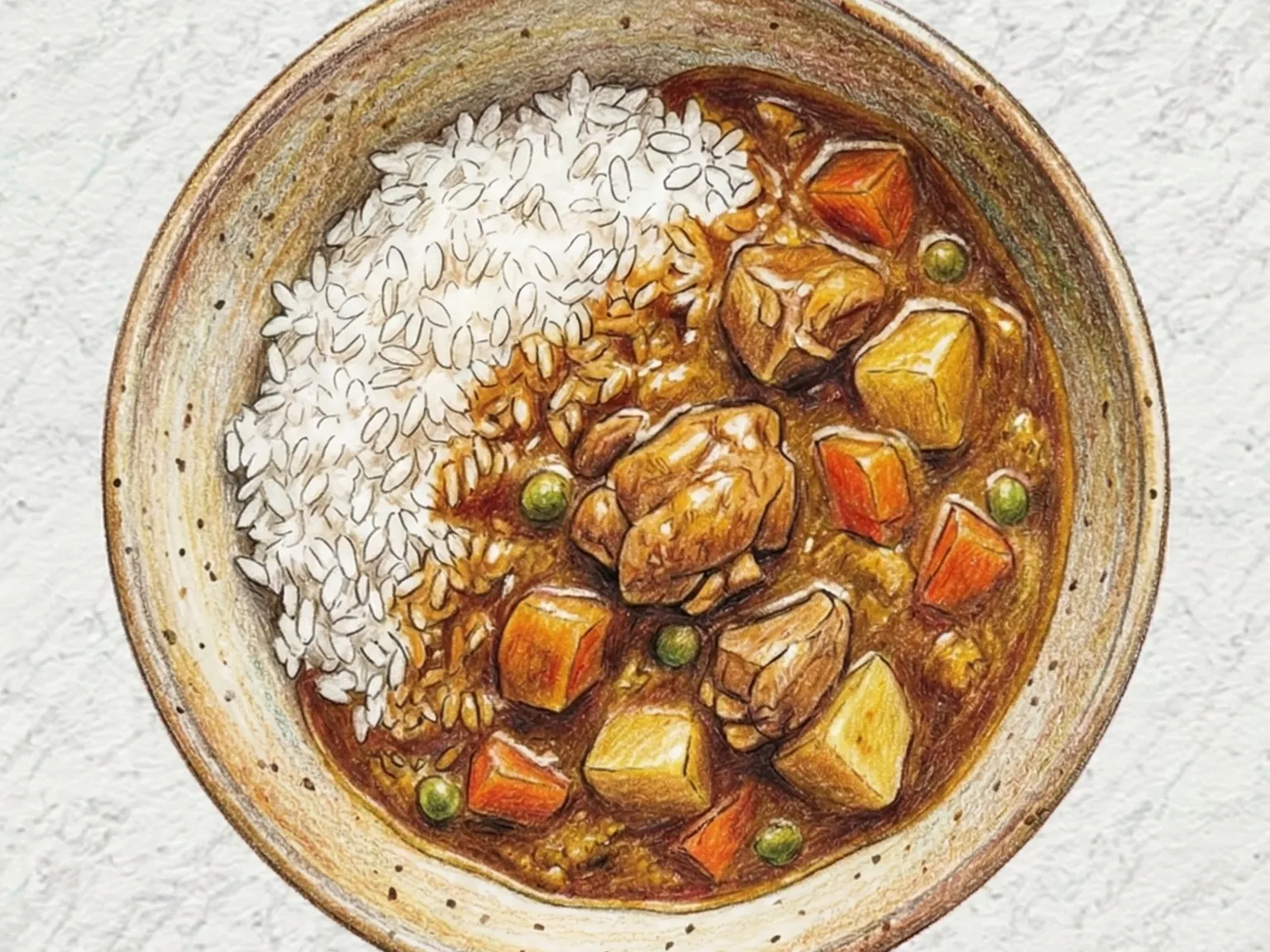
Chicken Curry
AsianEasy

Chicken Curry

Chicken curry is one of the world's most universal dishes, adapted as it traveled from the Indian subcontinent through Japan and into Korea, each culture reshaping it to local taste. The Japanese-style version uses a flour-and-butter roux for a thick, mild sauce, while Indian preparations build complexity by browning onions deeply and layering whole and ground spices with tomato. Chicken, potato, carrot, and onion simmer together until the vegetables release their starch and sweetness into the sauce, creating a velvety body. The essential pleasure is spooning the curry over steamed rice and watching it seep between the grains. Leftover curry reheated the next day tastes notably deeper - the Japanese call this nikkame no curry (second-day curry) and many prefer it to the fresh pot, as the spice compounds have had time to meld and the starches further thicken the sauce. Despite the simplicity of its core ingredients, the virtually limitless variation in spice blending is what makes this dish endlessly compelling across cultures.

🏠 Everyday
Prep 15minCook 35min4 servings
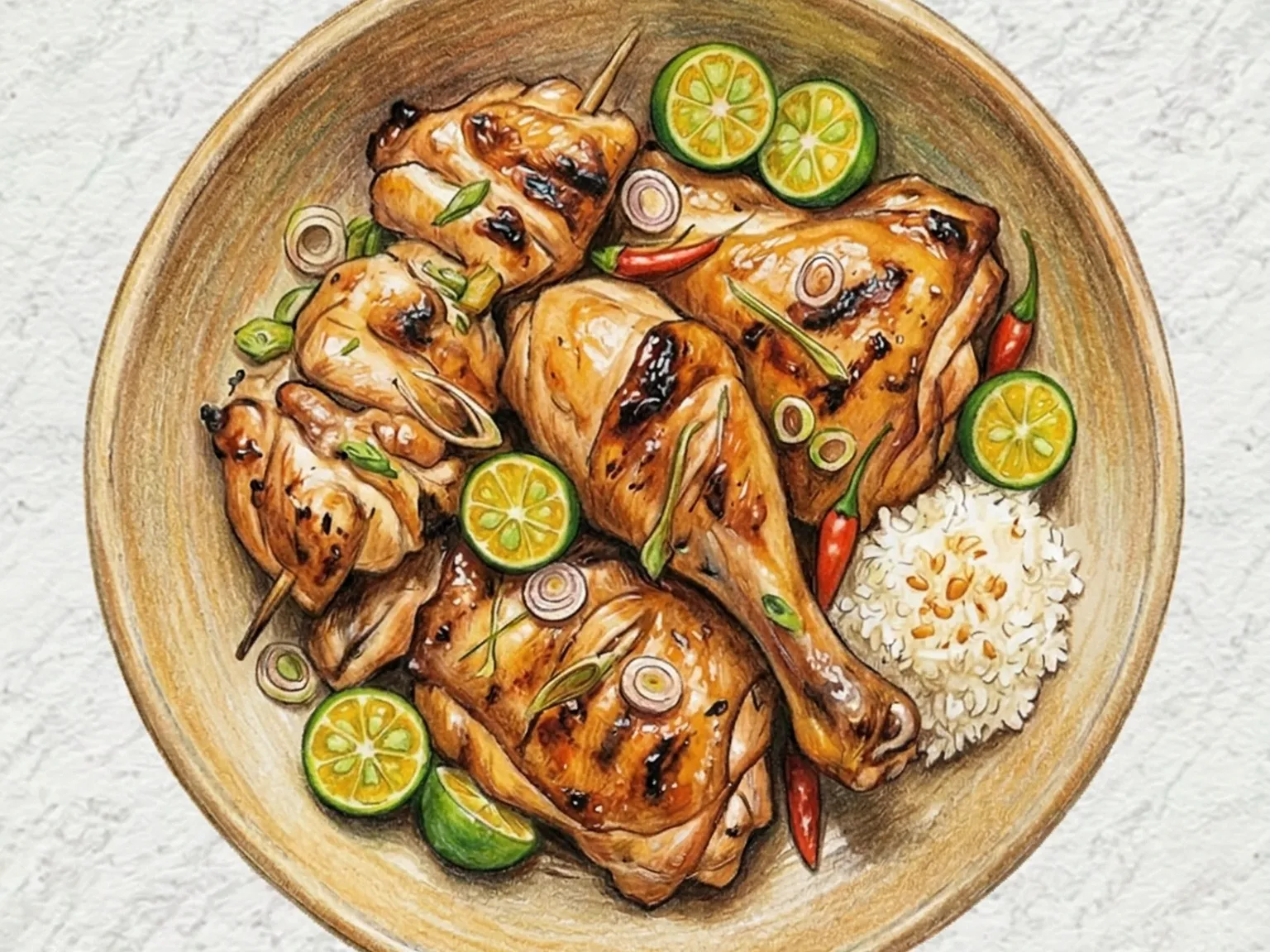
Chicken Inasal (Bacolod Citrus Lemongrass Grilled Chicken)
AsianMedium

Chicken Inasal (Bacolod Citrus Lemongrass Grilled Chicken)

Chicken inasal is the defining grilled chicken of Bacolod City in the Western Visayas region of the Philippines, so inseparable from its origin that it is commonly called Bacolod chicken. An overnight marinade of calamansi juice, cane vinegar, lemongrass, and garlic allows the acid to work deep into the muscle fibers, tenderizing the meat while coating it in layered citrus and herb fragrance. During grilling over coconut-shell charcoal, the chicken is basted repeatedly with annatto oil, which stains the skin a vivid orange and keeps the exterior perpetually moist so it never dries over the coals. The charcoal smoke combines with the calamansi and lemongrass aromatics to build a smoky-citrus flavor profile that distinguishes inasal from other grilled chicken preparations. The chicken is served alongside garlic rice with a small dish of chicken oil mixed with calamansi juice for dipping. In Bacolod, an entire street called Manokan Country is lined with dozens of inasal stalls that operate simultaneously every evening, filling the neighborhood with charcoal haze.

🎉 Special Occasion
Prep 20minCook 30min4 servings
Chicken Korma (Creamy Cashew Curry)
AsianMedium

Chicken Korma (Creamy Cashew Curry)

Chicken korma developed in the kitchens of the Mughal courts, where cooks built dishes around layered subtlety rather than raw heat. The sauce begins with cashews or almonds soaked overnight and ground into a fine paste, which gives the gravy a velvety body and toasted-nut richness without any cream. Chicken is marinated in yogurt with whole spices - cardamom pods, cloves, cinnamon sticks, and mace blades - then brought to a low simmer where the warm aromatics slowly infuse the liquid and meet the tang of the yogurt, producing a flavor that is complex yet entirely without aggression. Saffron dissolved in warm milk and stirred in near the end stains the sauce a deep gold and adds a faint floral quality, two elements that mark a properly made korma. The dish is frequently recommended to diners encountering Indian food for the first time because of its mildness, but the dense nut-paste base, the careful balancing of a dozen aromatics, and the slow integration of yogurt make korma one of the most technically demanding preparations in the North Indian canon - far more than a simple mild curry.

🎉 Special Occasion
Prep 20minCook 35min4 servings
Drunken Noodles
AsianEasy

Drunken Noodles

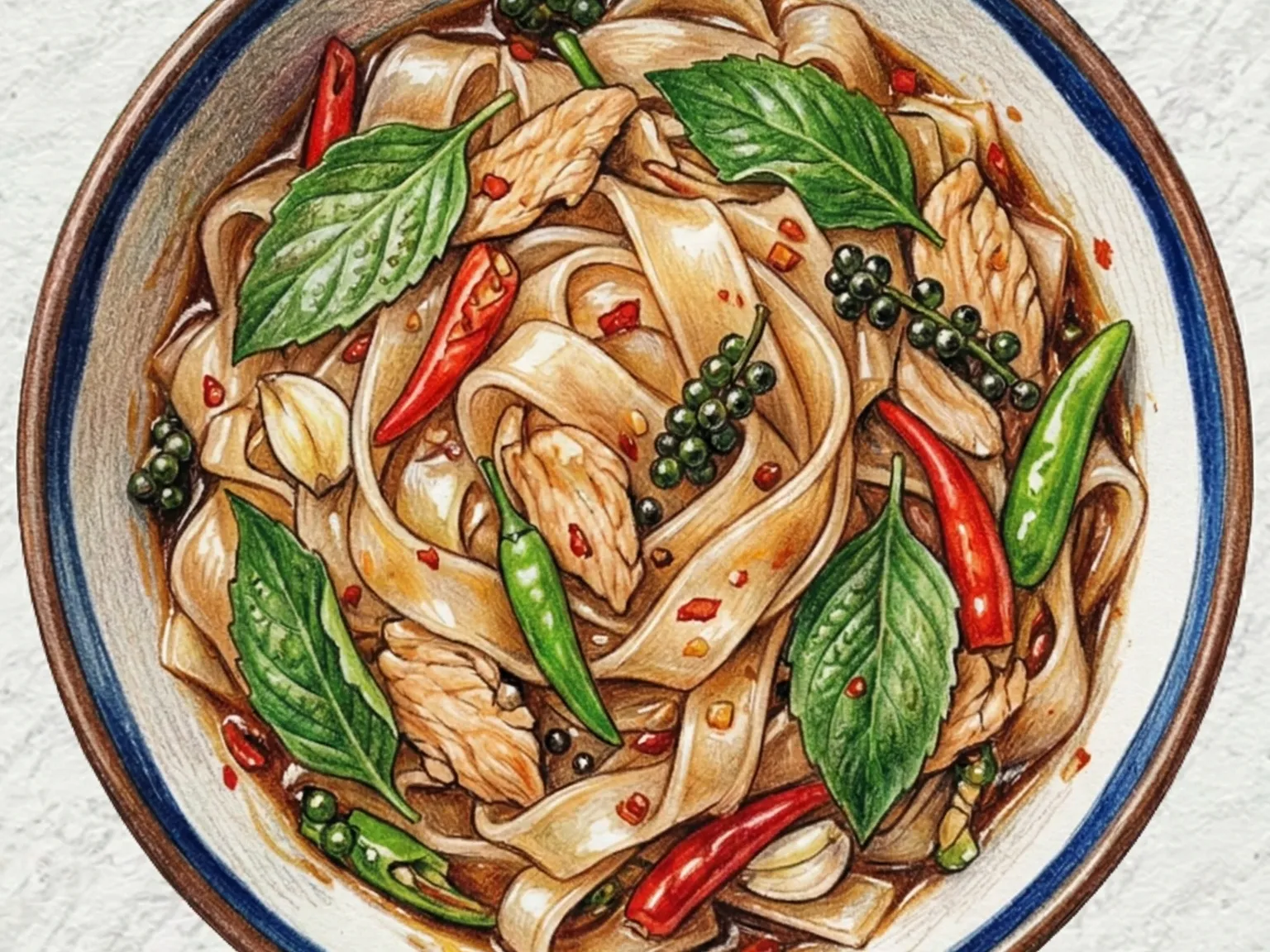
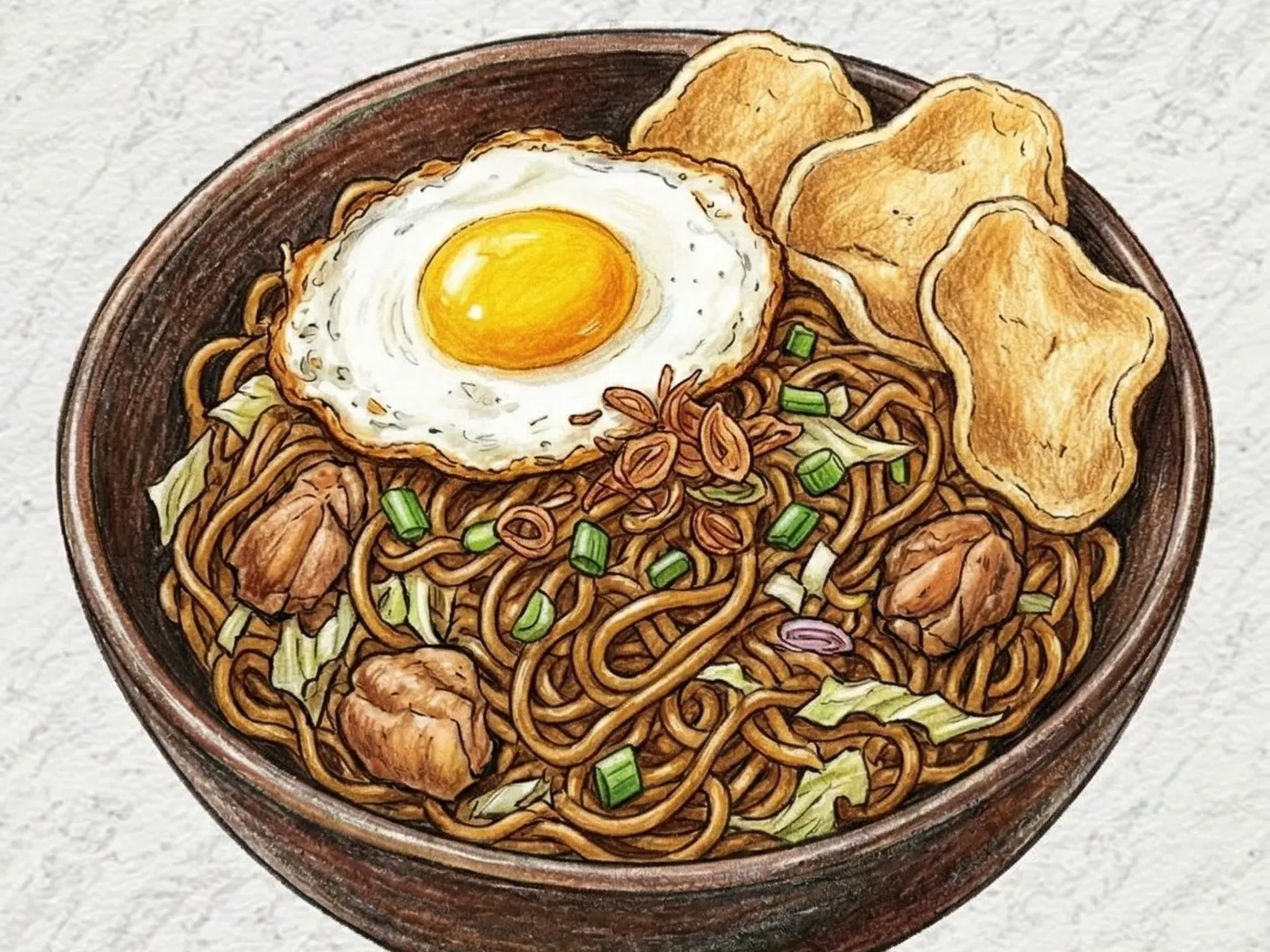
Pad kee mao, known outside Thailand as drunken noodles, is a stir-fried rice noodle dish from central Thailand whose name has two competing origin stories: one holds that it was street food eaten late at night to accompany drinking, the other that the ferocious chili heat leaves the eater feeling intoxicated. Wide rice noodles called sen yai are tossed in a screaming-hot wok with fresh chilies, crushed garlic, and protein, and the defining technique is leaving the noodles undisturbed long enough to char slightly where they press against the metal surface, generating a smoky, wok-seared flavor that no other cooking method replicates. Thai holy basil, known as krapao, is a fundamentally different ingredient from Italian basil: it carries a peppery, clove-adjacent sharpness and a faint natural heat, and when it hits a hot wok the volatile oils bloom instantly into the air around the pan. A dark sauce of oyster sauce, soy sauce, fish sauce, and sugar stains the noodles a deep mahogany-brown while building a flavor profile that stacks salt, sweetness, and fermented umami in every strand. In Thailand the dish is made with seafood, pork, or chicken, and a crispy fried egg cooked in a generous pool of oil until the edges lacquer and crunch is placed on top. The yolk is broken and stirred through the noodles at the table, coating everything in a rich, golden layer that softens the heat and ties the dish together. No rice is needed when the noodles already carry this much.

🏠 Everyday🌙 Late Night
Prep 15minCook 10min2 servings
Gai Pad Med Mamuang (Thai Cashew Chicken)
AsianEasy

Gai Pad Med Mamuang (Thai Cashew Chicken)

Gai pad med mamuang is a Thai-Chinese stir-fry that traces its lineage to Chinese cashew chicken but has absorbed Thai seasoning logic - fish sauce replacing salt, oyster sauce adding body, and dried chilies providing a gentle background warmth. Bite-sized chicken and roasted cashews are tossed in a blazing wok with dried chilies, onion, and bell pepper; the cashews are pre-fried at low temperature to golden throughout, ensuring they stay crunchy even after joining the wet sauce. The sauce blends oyster sauce, soy sauce, fish sauce, and sugar, and the ratio among these four determines whether the dish leans sweet, salty, or somewhere in between. As the sauce coats the chicken, it takes on a lacquered sheen, and the cashews' oily richness melts into the glaze, adding a buttery undertone. In Thailand, it is typically served over steamed jasmine rice as a one-plate meal (khao rat kaeng), and its mild heat profile makes it one of the first Thai stir-fries that international visitors order with confidence.

🏠 Everyday🍱 Lunchbox
Prep 15minCook 12min2 servings
Hainanese Chicken Rice (Poached Chicken on Fragrant Rice)
AsianMedium

Hainanese Chicken Rice (Poached Chicken on Fragrant Rice)

Hainanese chicken rice is the signature dish of Singapore and Malaysia, built on the deceptively simple technique of poaching bone-in chicken thighs in water seasoned with ginger and scallion at a consistently gentle temperature, then using the resulting broth to cook the rice. The temperature during poaching is the defining variable: the water must stay at a bare tremble rather than a rolling boil to keep the muscle fibers relaxed and the meat silky rather than fibrous or dry. For the rice, garlic and ginger are sauteed in oil or rendered chicken fat until fragrant, then raw jasmine rice joins the pot and the strained poaching broth replaces plain water for cooking. A spoonful of additional chicken fat stirred in before the lid goes on gives the finished rice a glossy sheen and noticeably richer aroma. The poached chicken is cooled, sliced across the grain to show a smooth, tender cross-section, and arranged alongside fresh cucumber slices that add a crisp, refreshing contrast to the soft meat. Two condiments accompany the dish and define its character: a chili-ginger sauce that provides heat and brightness, and a thick, dark soy sauce that contributes deep, caramel-like sweetness. Despite relying on few ingredients, the dish rewards careful attention to poaching temperature and broth management at every stage.

🎉 Special Occasion
Prep 20minCook 45min4 servings
Japanese Karaage (Soy-Ginger Fried Chicken)
AsianMedium

Japanese Karaage (Soy-Ginger Fried Chicken)

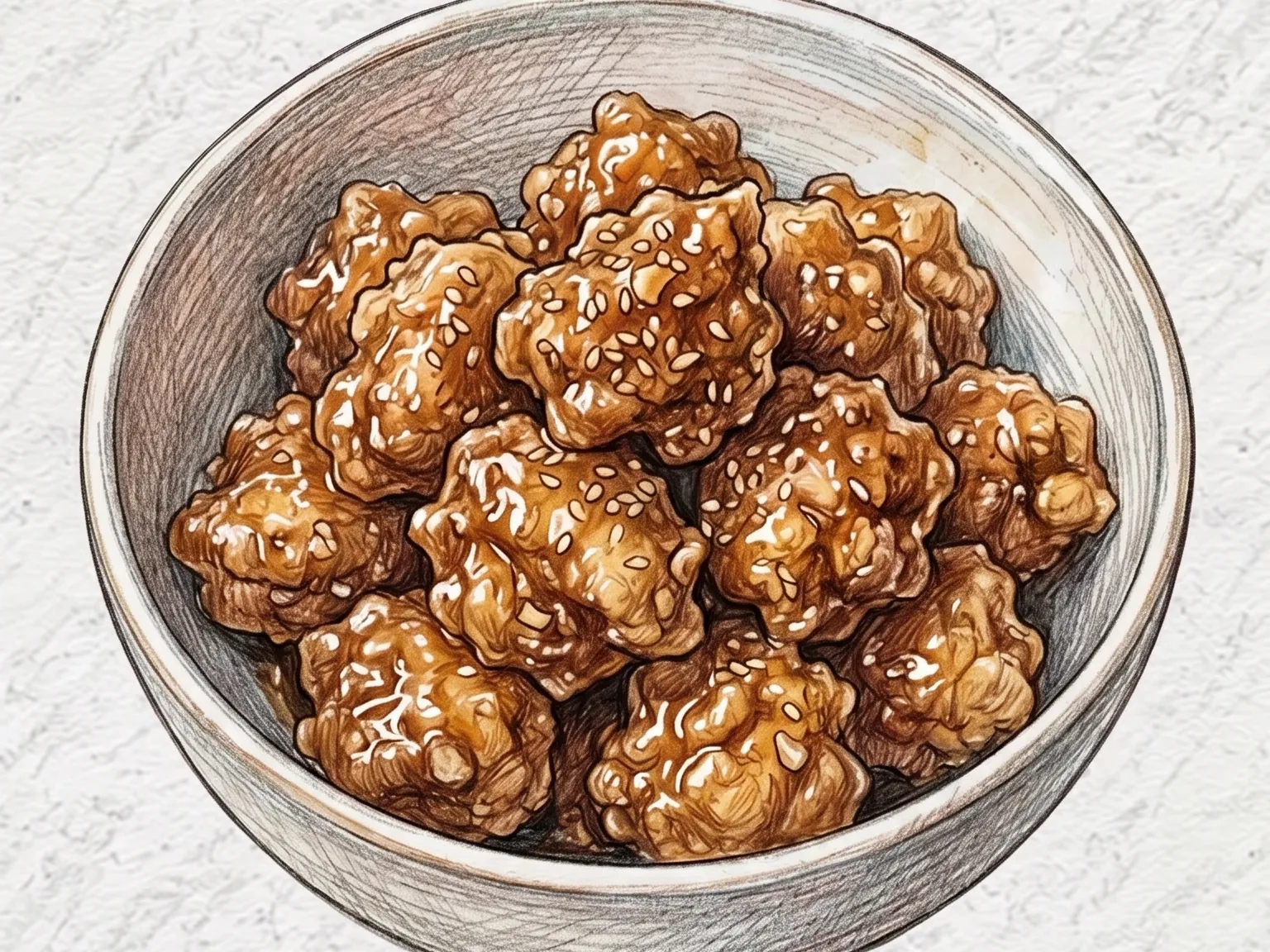
Karaage is Japanese fried chicken where boneless thigh pieces are marinated in soy sauce, mirin, grated ginger, and minced garlic for at least fifteen minutes before being coated in potato starch and double-fried. Ginger in the marinade counters the stronger gaminess of dark meat, and mirin contributes a mild sweetness and sheen to the finished crust. Potato starch produces a lighter and crispier shell than wheat flour or cornstarch, but any excess coating must be shaken off before frying or the surface sets unevenly. The first fry at 170 degrees Celsius runs for three to four minutes, cooking the chicken fully through. Pulled from the oil and rested for two minutes, residual heat equalizes the interior temperature. The second fry at 180 degrees for one to two minutes drives off remaining surface moisture, leaving a thin, shattering crust that holds its texture far longer than a single fry would. This is the central technique that keeps karaage crisp even as it cools. Squeezing lemon juice over the pieces just before eating cuts through the richness and sharpens the contrast between the crust and the juicy interior.

🍺 Bar Snacks🧒 Kid-Friendly
Prep 20minCook 20min2 servings
Khao Man Gai Tod (Thai Fried Chicken Rice Bowl)
AsianMedium

Khao Man Gai Tod (Thai Fried Chicken Rice Bowl)

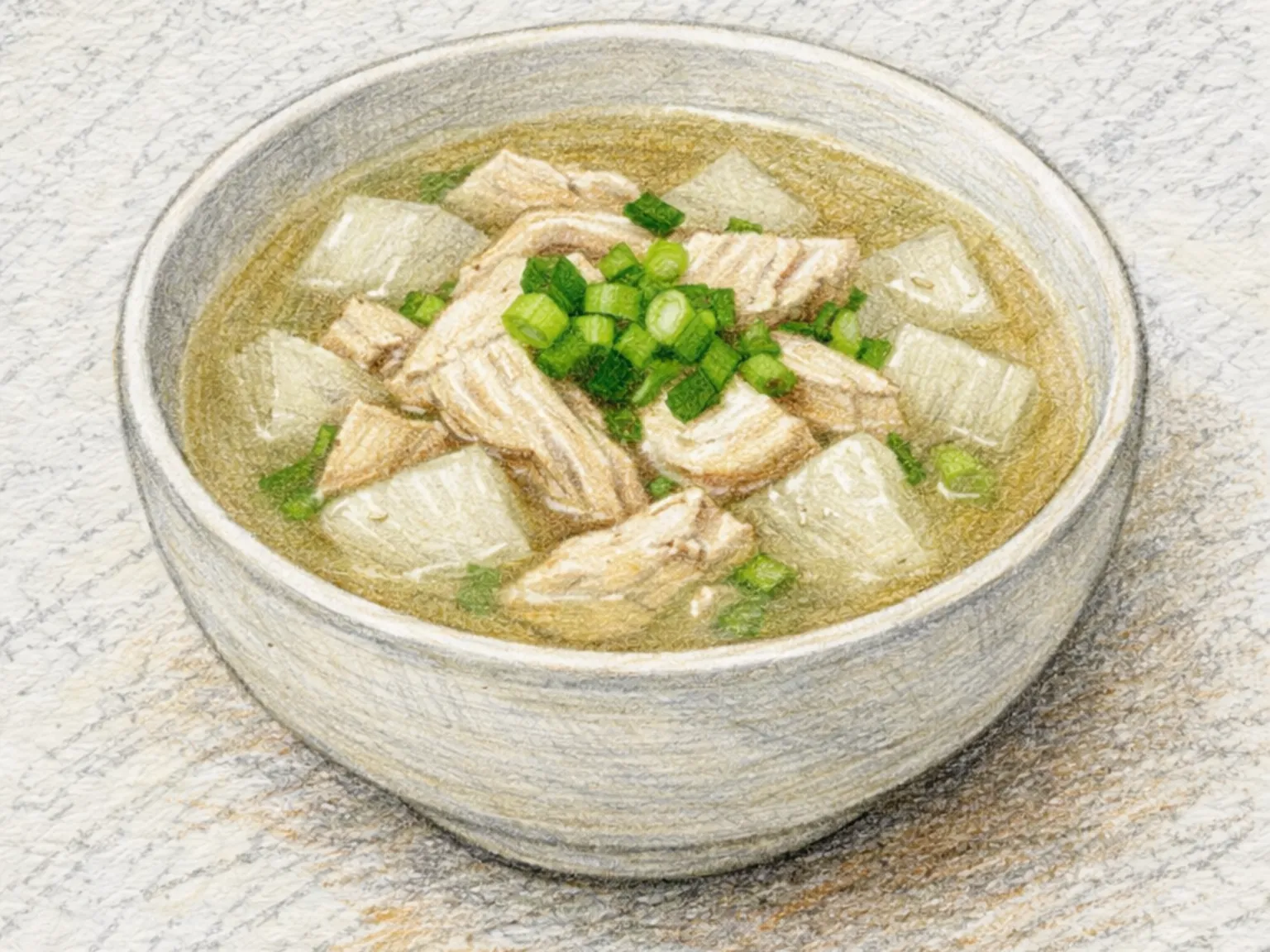
Khao man gai tod is the fried variation of Thailand's beloved chicken rice, replacing the poached bird with a crispy deep-fried version that adds texture and caramelized flavor to an already satisfying dish. Chicken pieces are marinated in garlic, white pepper, and fish sauce, then dusted in seasoned flour and fried until the crust turns deep golden and audibly crunchy. The rice is cooked in chicken broth with garlic and ginger, absorbing the fat and aroma of the stock into each grain so that it tastes rich on its own before any sauce is added. What ties the plate together is the sweet chili dipping sauce, a mix of fermented soybean, vinegar, chili, and sugar that delivers a sharp, funky counterpoint to the rich fried chicken and oily rice. Sliced cucumber and a small bowl of clear broth with winter melon round out the standard serving and provide relief between bites. Street vendors across Bangkok keep vats of oil at the ready for this dish throughout the day, and the crackling sound of chicken hitting hot oil is a reliable signal to stop and eat.

🎉 Special Occasion
Prep 20minCook 25min2 servings
Khao Mok Gai (Thai-Muslim Spiced Chicken Biryani)
AsianMedium

Khao Mok Gai (Thai-Muslim Spiced Chicken Biryani)

Khao mok gai is a Thai-Muslim take on biryani, in which spice-marinated chicken is cooked together with turmeric-tinted rice until the grains absorb the meat's juices. The chicken is rubbed with yogurt, cumin, coriander, and cinnamon, then briefly seared before being buried in parboiled rice seasoned with cardamom, cloves, and bay leaves. The pot is sealed and left on low heat so steam circulates through the layers, infusing every grain with aromatic depth. Turmeric gives the rice its signature golden hue. The dish originated in the Muslim communities of southern Thailand and reflects the culinary crossroads of Indian, Middle Eastern, and Southeast Asian cooking traditions. It is served with a sweet chili sauce for dipping, a bowl of clear chicken broth on the side, and a scattering of crispy fried shallots on top.

🎉 Special Occasion
Prep 20minCook 30min4 servings
Thai Chicken Fried Rice
AsianEasy

Thai Chicken Fried Rice

Khao pad gai is Thai chicken fried rice, one of the most consistently available single-plate meals sold at street stalls and sit-down restaurants across Thailand from morning until late at night. Bite-size pieces of chicken breast or thigh are seared first in a ripping-hot wok to develop color and a slight char, then minced garlic and a cracked egg follow in rapid succession. Day-old jasmine rice, cold from the refrigerator, is added next because its reduced moisture allows each grain to separate cleanly and pick up oil rather than clumping. Constant tossing over the highest possible heat is what produces the characteristic wok fragrance that sets Thai fried rice apart from versions cooked at lower temperatures. Fish sauce provides the primary saltiness, soy sauce adds a brown color and a layer of savory depth, and white pepper delivers a warm, earthy heat that lingers in the background. The mound of finished rice is tipped onto a plate and surrounded by a lime wedge, cucumber slices, and tomato to provide cool, acidic relief between bites. At the table, diners season their own portion from a small tray holding fish sauce, dried chili flakes, white sugar, and vinegar - the standard four-condiment set present at virtually every Thai table. The combination of all these adjustments makes a single dish capable of tasting quite different from person to person, which is part of its enduring appeal.

🏠 Everyday🌙 Late Night
Prep 12minCook 10min2 servings
Kiritanpo Nabe (Akita-Style Grilled Rice Stick Hot Pot)
AsianHard

Kiritanpo Nabe (Akita-Style Grilled Rice Stick Hot Pot)

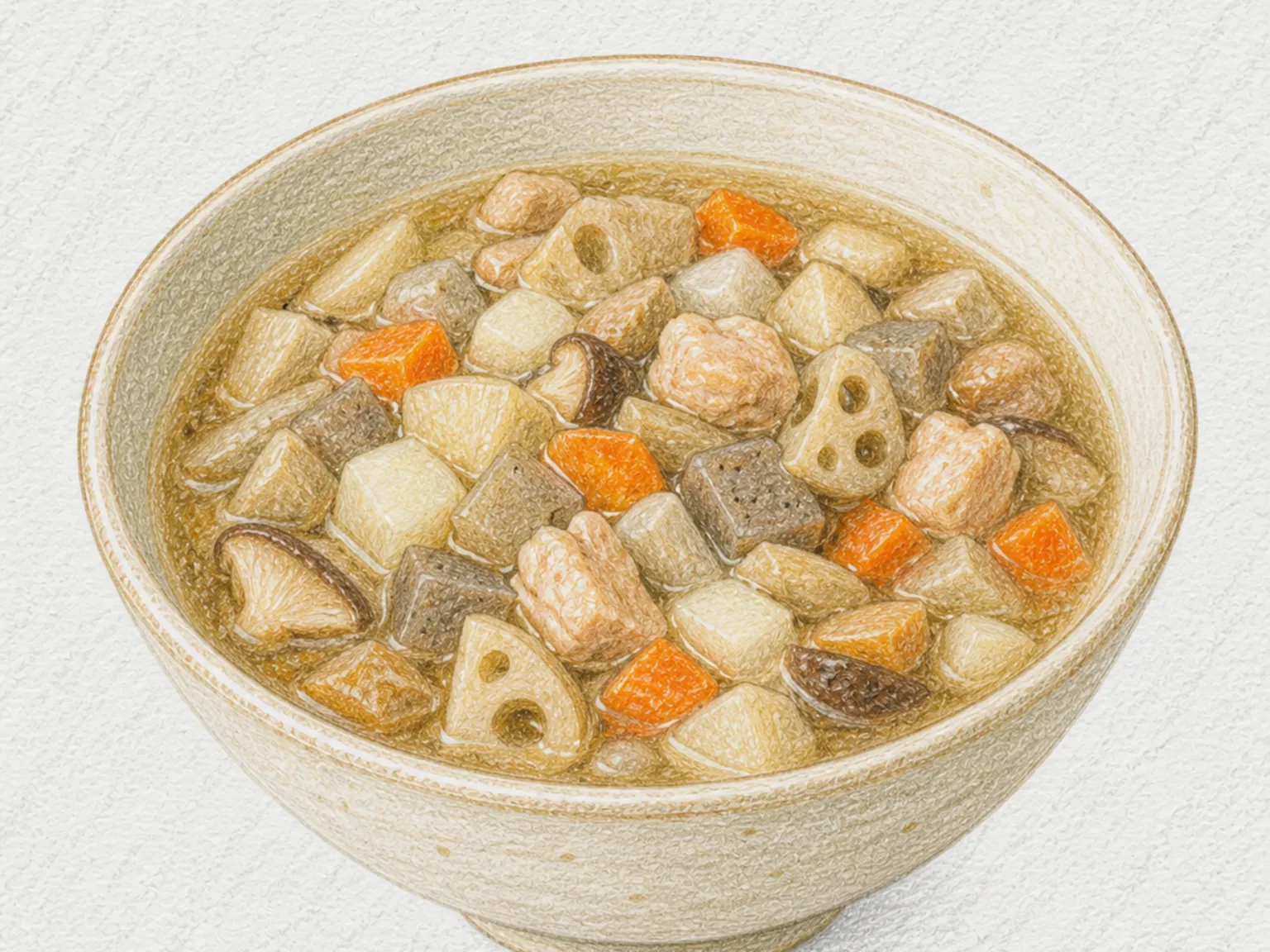
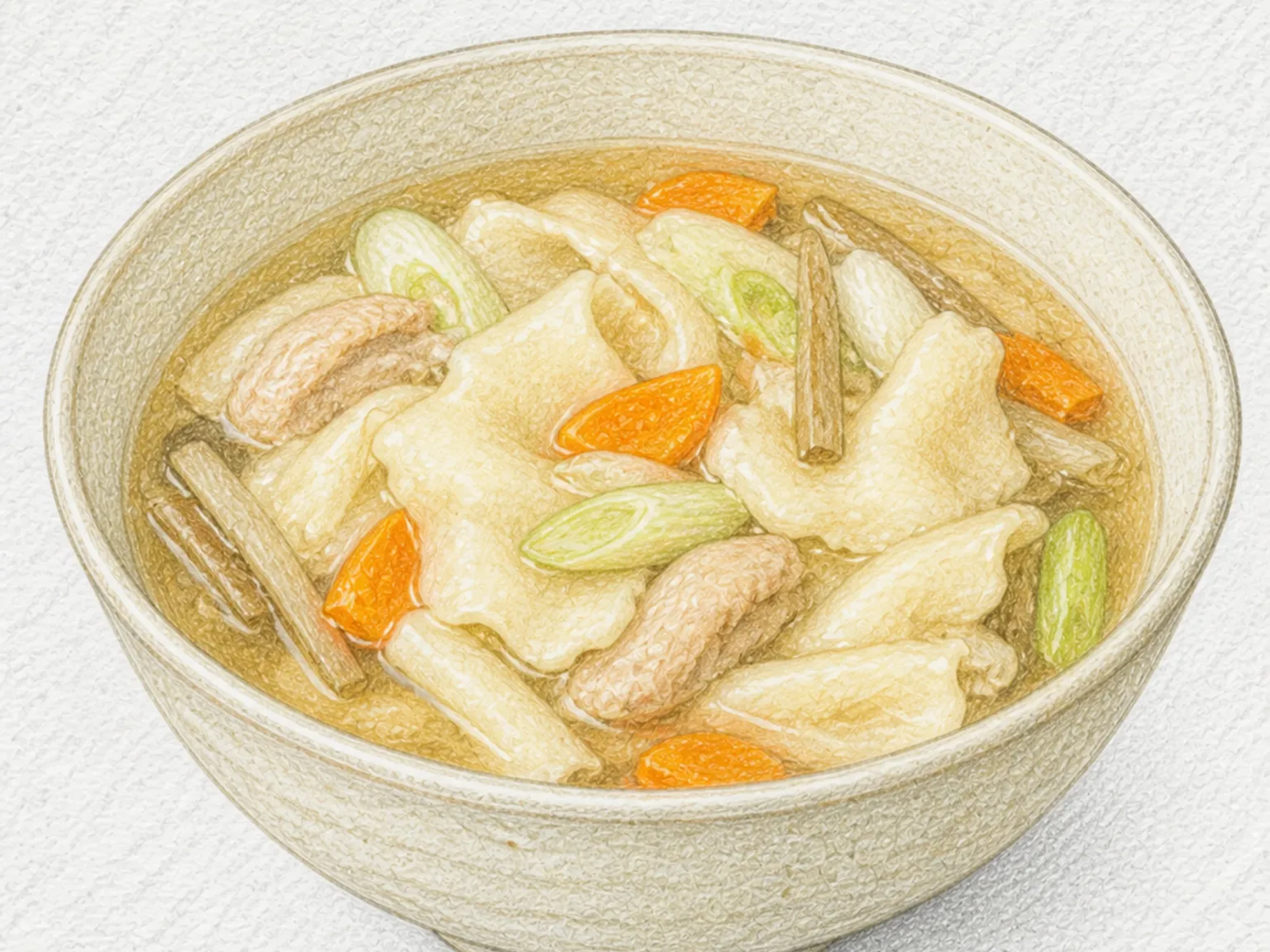
Kiritanpo nabe is a rustic hot pot from Akita Prefecture in northern Japan, built around grilled mashed-rice sticks simmered in chicken broth. Freshly cooked rice is pounded in a mortar until partially smooth and sticky, then wrapped around cedar skewers and toasted over charcoal until the surface develops a light char and a faint smokiness. The broth begins with bone-in chicken thighs cooked until the stock is rich and clear, seasoned simply with soy sauce and mirin, then loaded with burdock root, scallions, mushrooms, and Japanese parsley. The kiritanpo sticks are cut into segments and added to the simmering pot, where they absorb the rich broth and soften into a chewy, dumpling-like texture while still holding their cylindrical shape. Akita's harsh mountain winters gave this dish its purpose as a calorie-dense, warming meal built entirely from locally available ingredients. The faint smokiness from the charcoal grilling carries through into the finished broth, and this subtle background note is what distinguishes kiritanpo nabe from similar rice-cake hot pots made elsewhere in Japan.

🎉 Special Occasion
Prep 30minCook 30min4 servings
Lo Mai Gai (Cantonese Lotus Leaf Glutinous Rice with Chicken)
AsianHard

Lo Mai Gai (Cantonese Lotus Leaf Glutinous Rice with Chicken)

Lo mai gai is a Cantonese dim sum staple of glutinous rice packed with diced chicken, shiitake mushrooms, Chinese sausage, and dried shrimp, all seasoned with oyster sauce and soy sauce, then wrapped tightly in dried lotus leaves and steamed. The lotus leaf is not incidental to the dish. When the package is exposed to steam heat, the leaf releases a grassy, subtly earthy fragrance that penetrates the rice and cannot be recreated by substituting parchment or foil. The glutinous rice absorbs the seasoning from the filling as it cooks, drawing in the savory-sweet fat of the Chinese sausage, the concentrated marine umami of the dried shrimp, and the deep, woodsy aroma of shiitake mushrooms. These flavors fuse into the rice so that every spoonful carries all of them at once rather than tasting like individual components. The parcel arrives at the table in a bamboo steamer, and unfolding the leaf at the table releases a rush of steam carrying the unmistakable lotus fragrance. The traditional way to eat it is directly off the opened leaf.

🎉 Special Occasion
Prep 40minCook 45min4 servings