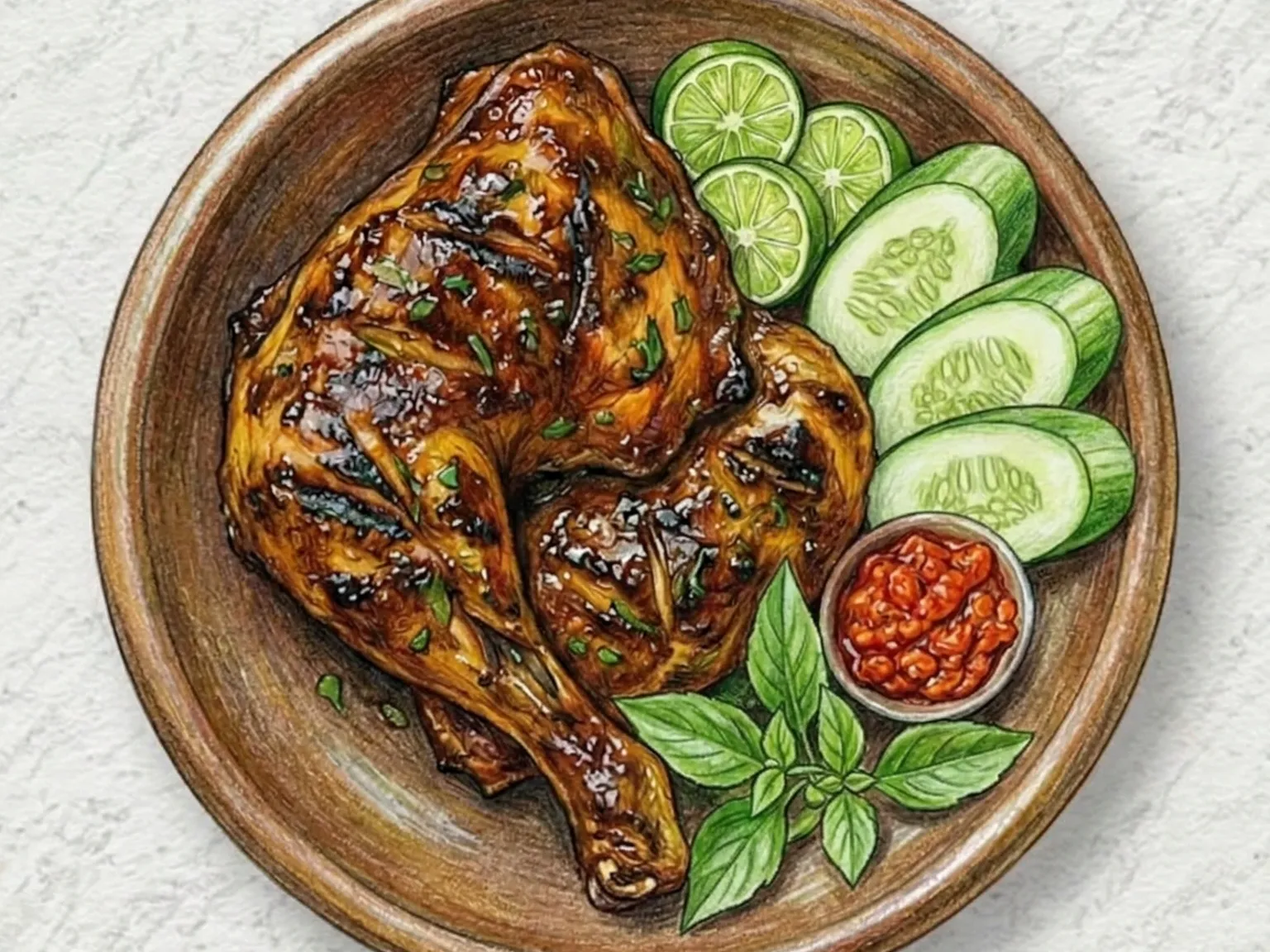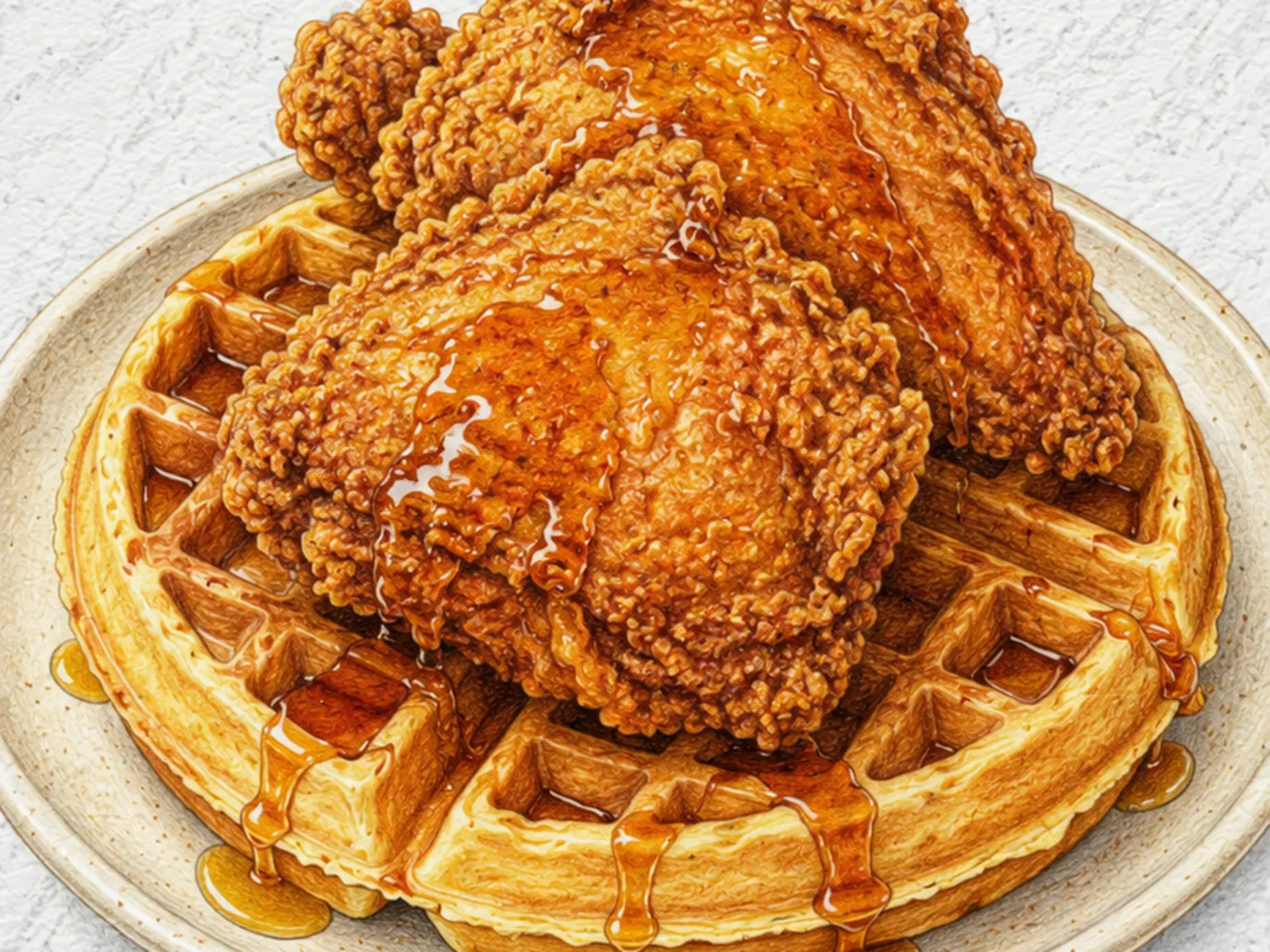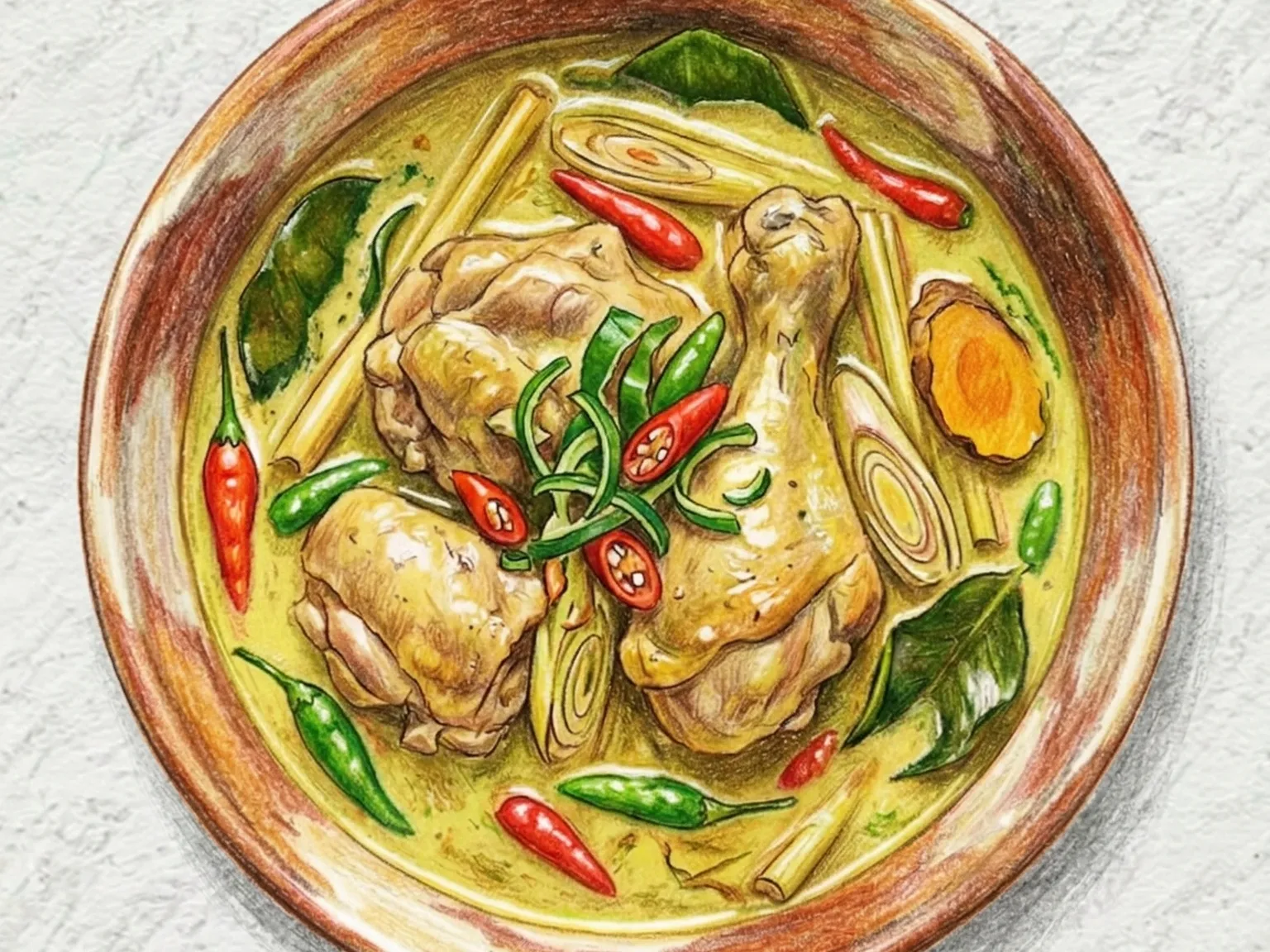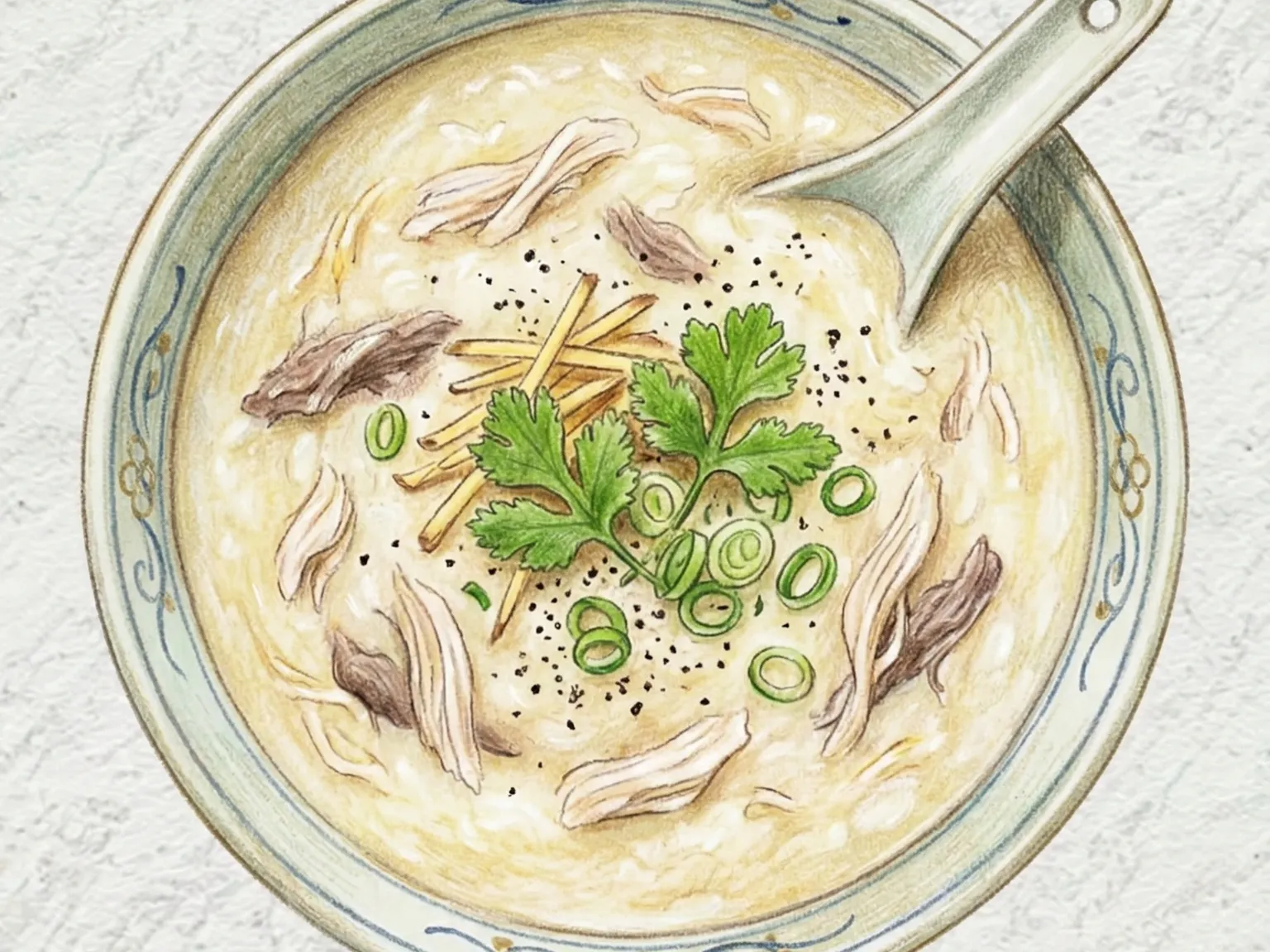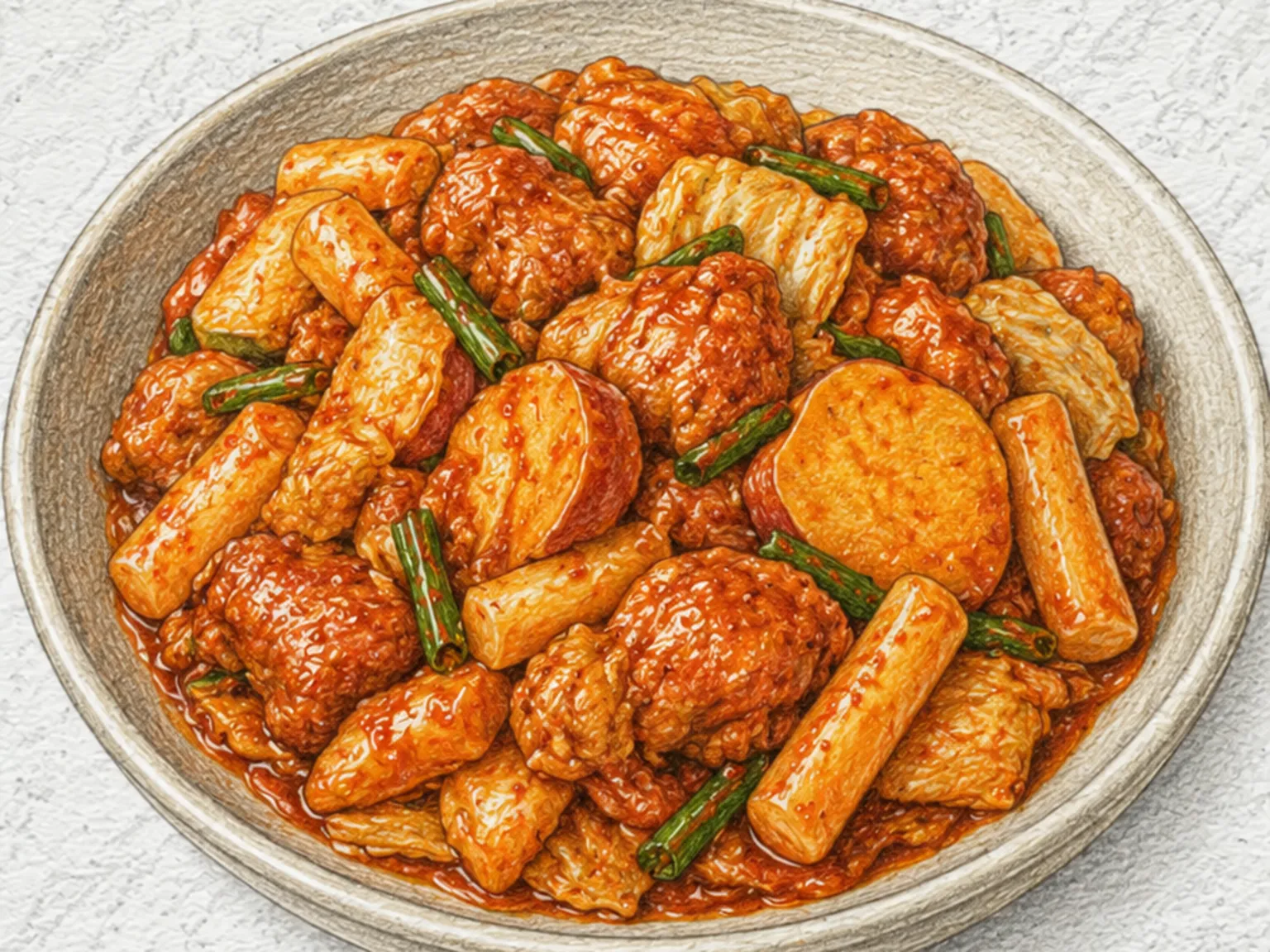
Ayam Bakar (Indonesian Grilled Chicken in Sweet Soy Marinade)
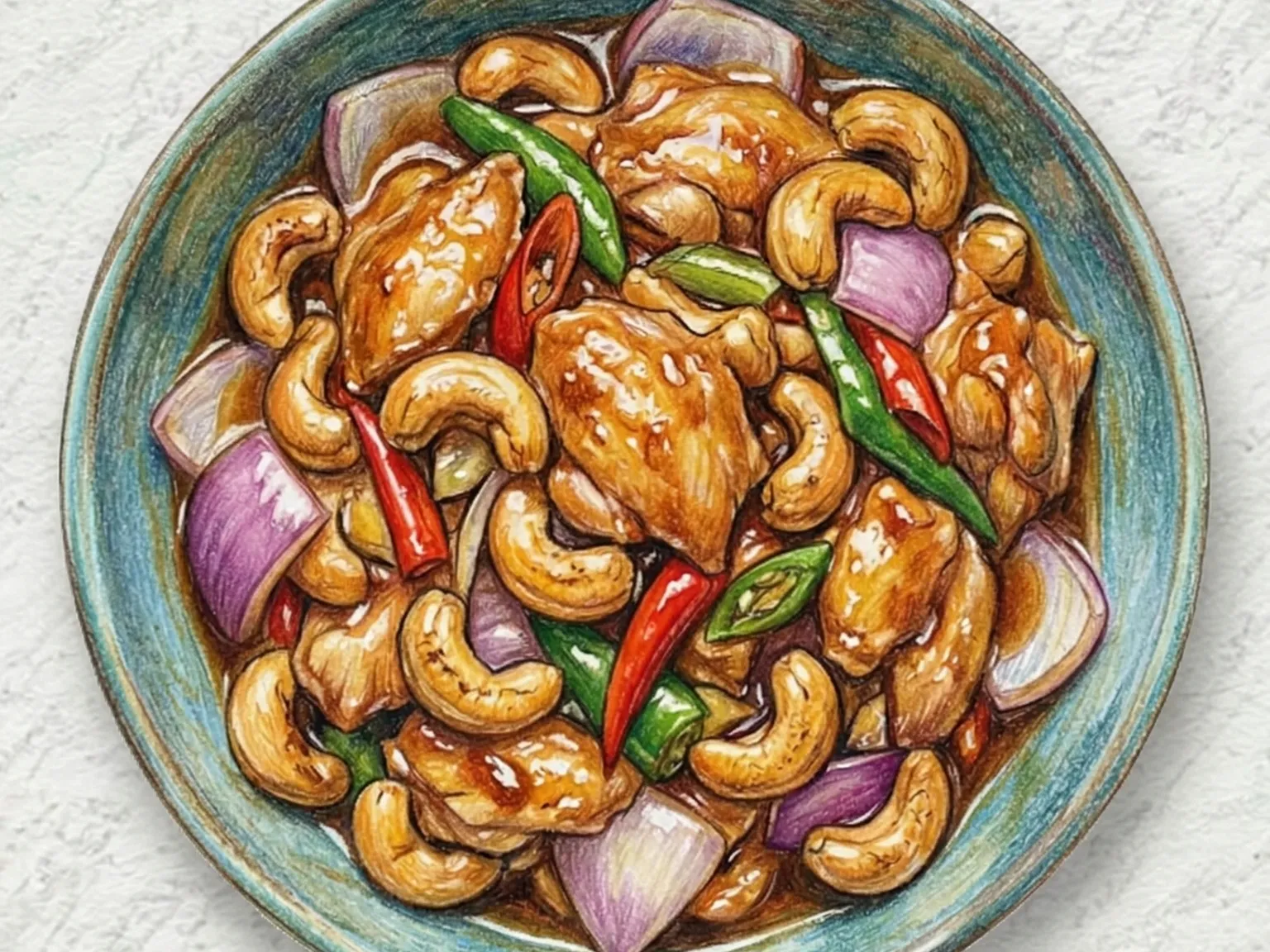
Ayam bakar means 'roasted chicken' in Malay-Indonesian and is a staple street food across Java, Sumatra, and Bali, where roadside warungs grill it over coconut-shell charcoal. The preparation follows a two-stage method: the chicken first simmers in a marinade of kecap manis (sweet soy sauce), garlic, ground coriander, turmeric, and lime juice until partially cooked and deeply colored throughout. The pre-cooked pieces then move to a very hot grill where the sugar-heavy glaze caramelizes rapidly, forming dark, lacquered patches with a faint char at the edges. This two-step approach ensures the meat stays moist under the intense grill heat while the exterior achieves maximum caramelization. The surface is sticky-sweet, with turmeric's earthiness and coriander's citrusy warmth detectable beneath. Served alongside steamed white rice, raw cucumber slices, and sambal, the dish relies on the sharp chili heat of the sauce and the cool cucumber to balance the sweetness of the glaze. The smoke from coconut-shell charcoal is considered part of the flavor, though a gas or charcoal grill at home produces an acceptable result.

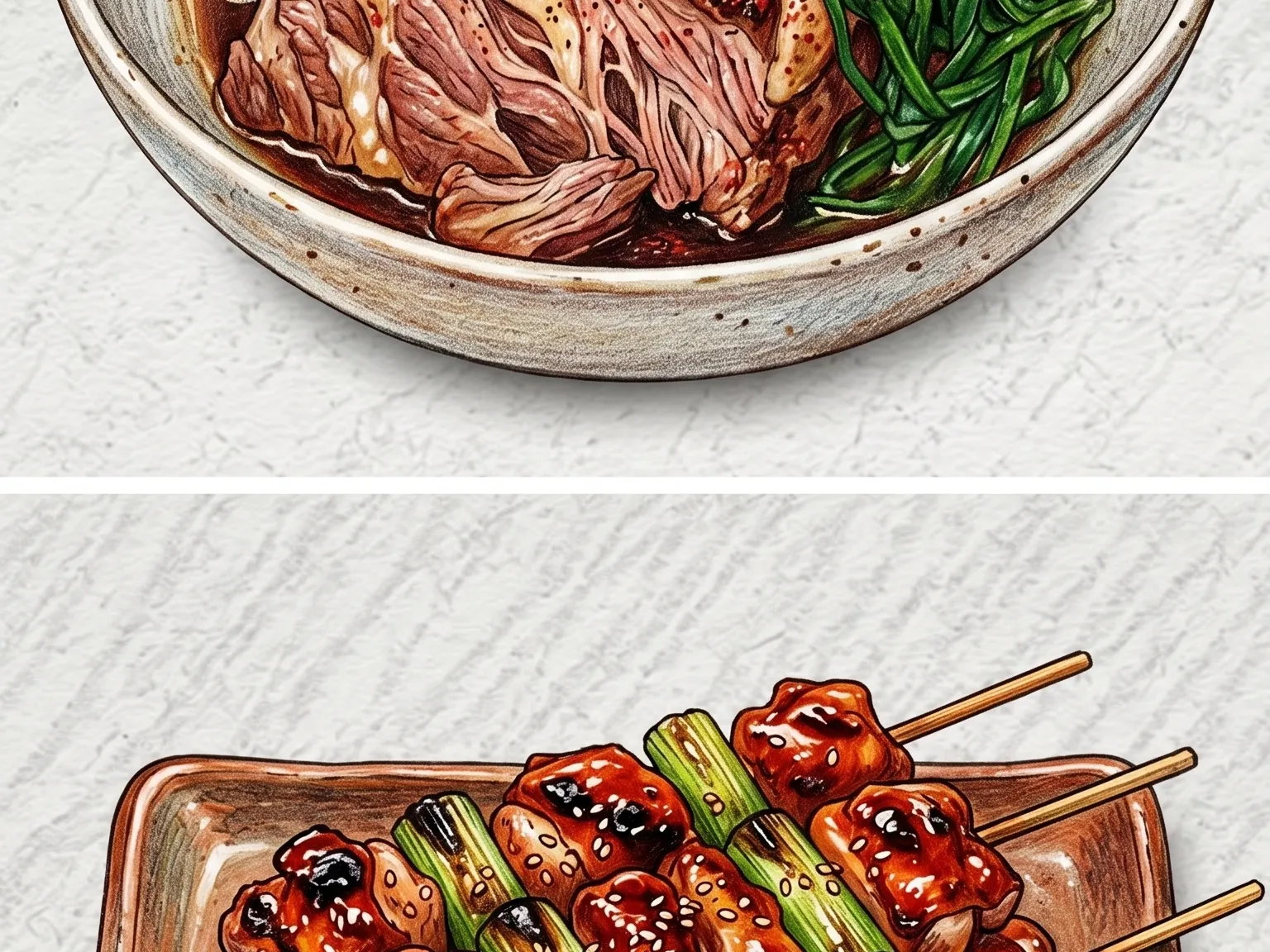
Chicken Curry Rice
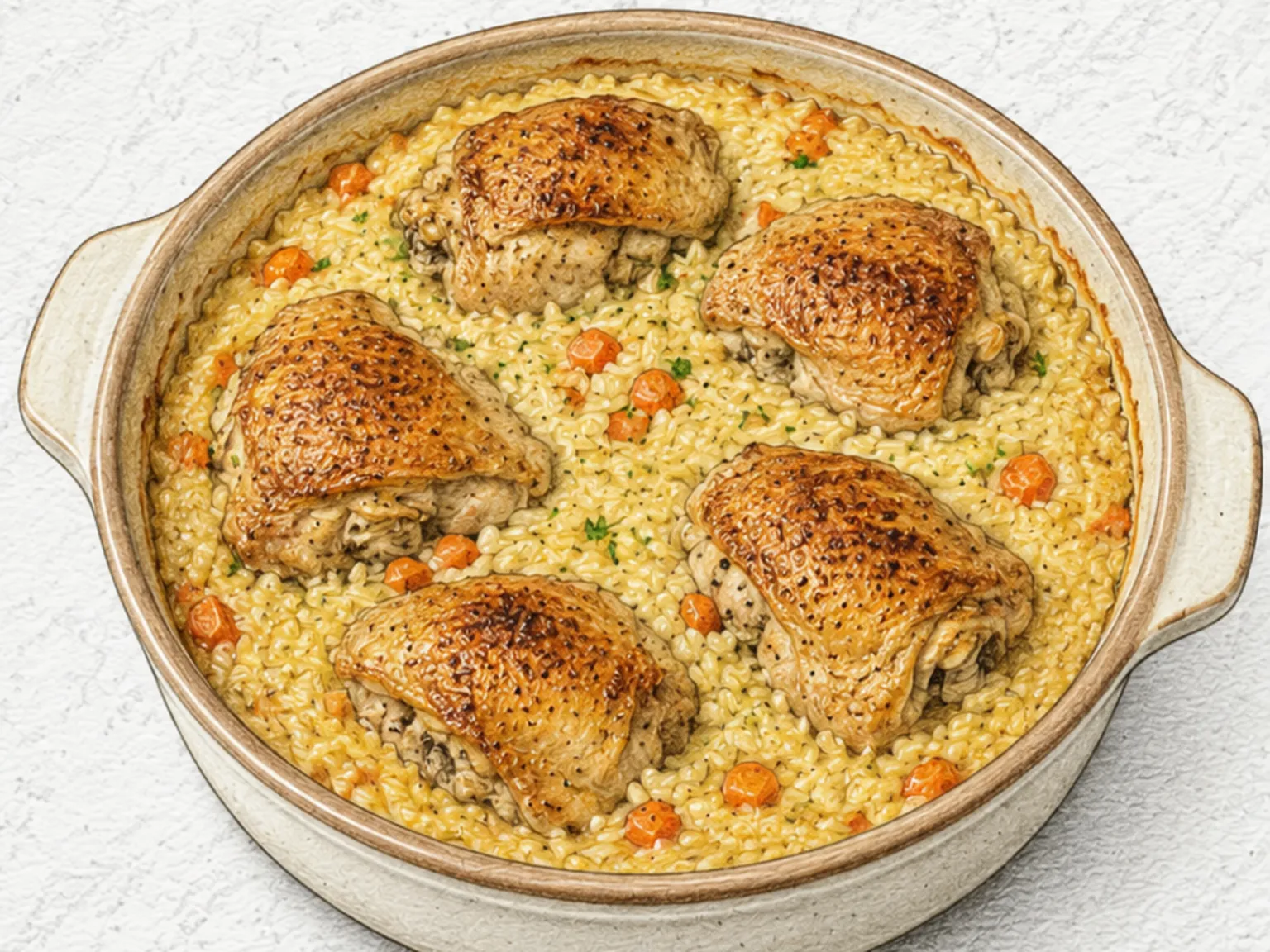
Chicken curry rice is a Japanese-style curry where bite-sized chicken thigh, potato, carrot, and onion simmer together until the curry roux melts into a thick, glossy sauce. The spice blend is gentle rather than fiery, with a mellow sweetness drawn from the slowly cooked vegetables. Chicken thigh meat stays moist and succulent even after prolonged simmering, absorbing the curry flavor throughout. The potato pieces break down slightly at the edges, thickening the sauce further and giving it a starchy body that clings to each spoonful of rice. A one-pot format makes it easy to scale -- prepare a large batch and the flavor deepens further overnight as everything continues to meld, making it well-suited for family dinners or weekly meal prep.

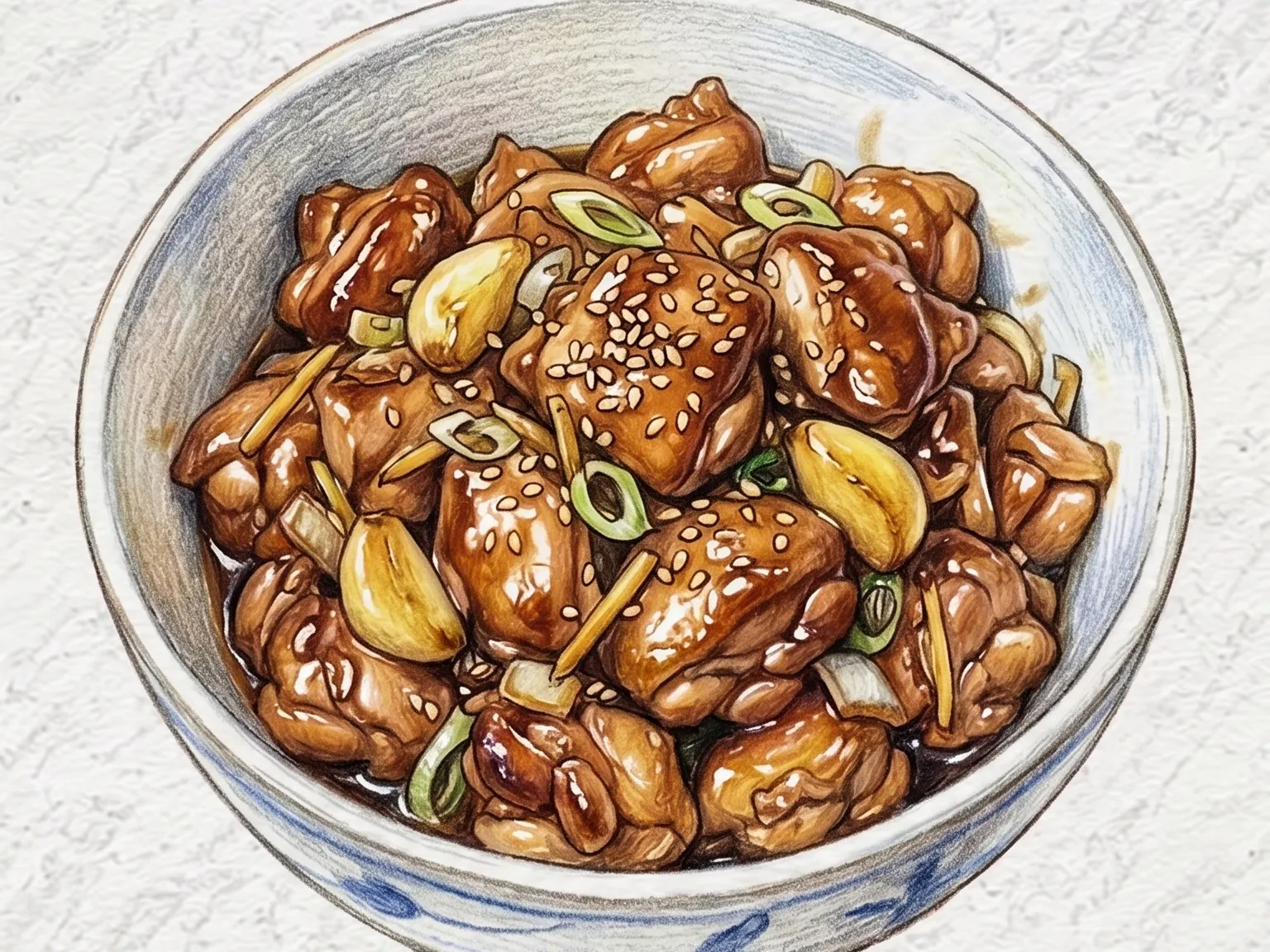
Korean Soy Braised Chicken Chunks
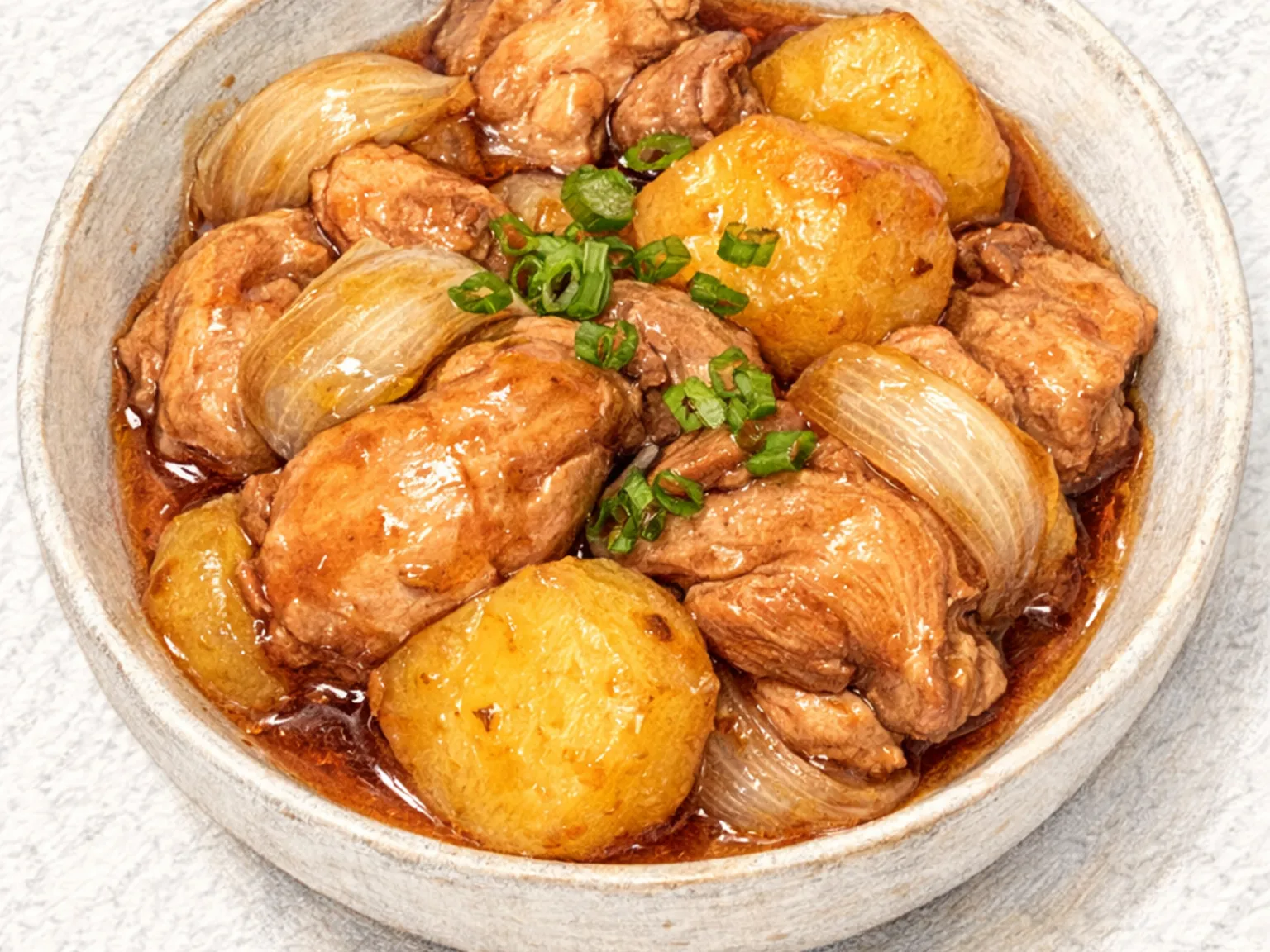
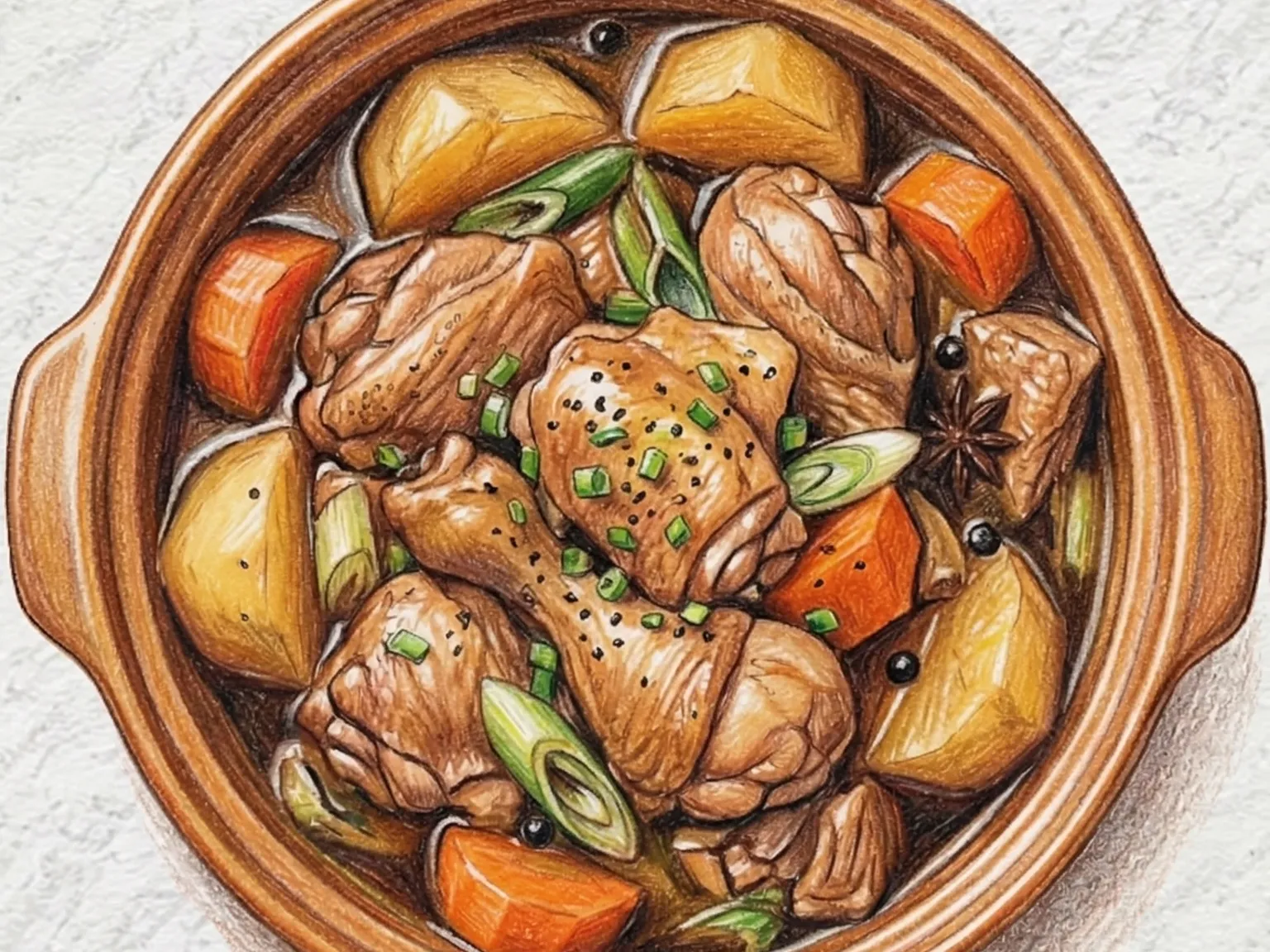
Dakganjang-jjim is a Korean soy-braised chicken dish where bone-in thigh pieces are combined with potatoes, carrots, and onion in a seasoned soy sauce base and simmered over low heat until the liquid reduces and the flavors concentrate. As the braising liquid cooks down, the salinity and umami of the soy sauce penetrate through the chicken skin and into the meat, seasoning it throughout rather than just coating the surface. The thigh cut is intentional - the fat and collagen in bone-in thighs keep the meat moist through the extended cooking time, preventing it from drying out the way leaner cuts would. The vegetables absorb the rendered chicken fat and soy-based cooking liquid as they soften, taking on a deep savory-sweet flavor that requires no additional seasoning. Because the dish contains no chili paste or gochugaru, it is mild in heat and broadly accessible, working equally well as a weeknight dinner main, a side dish over rice, or packed into a lunch box where the flavors continue to develop. The ratio of soy sauce to sugar in the braising liquid can be adjusted to suit individual taste - leaning toward saltier or sweeter without fundamentally changing the character of the dish.

Korean Gochujang Honey Dakgangjeong
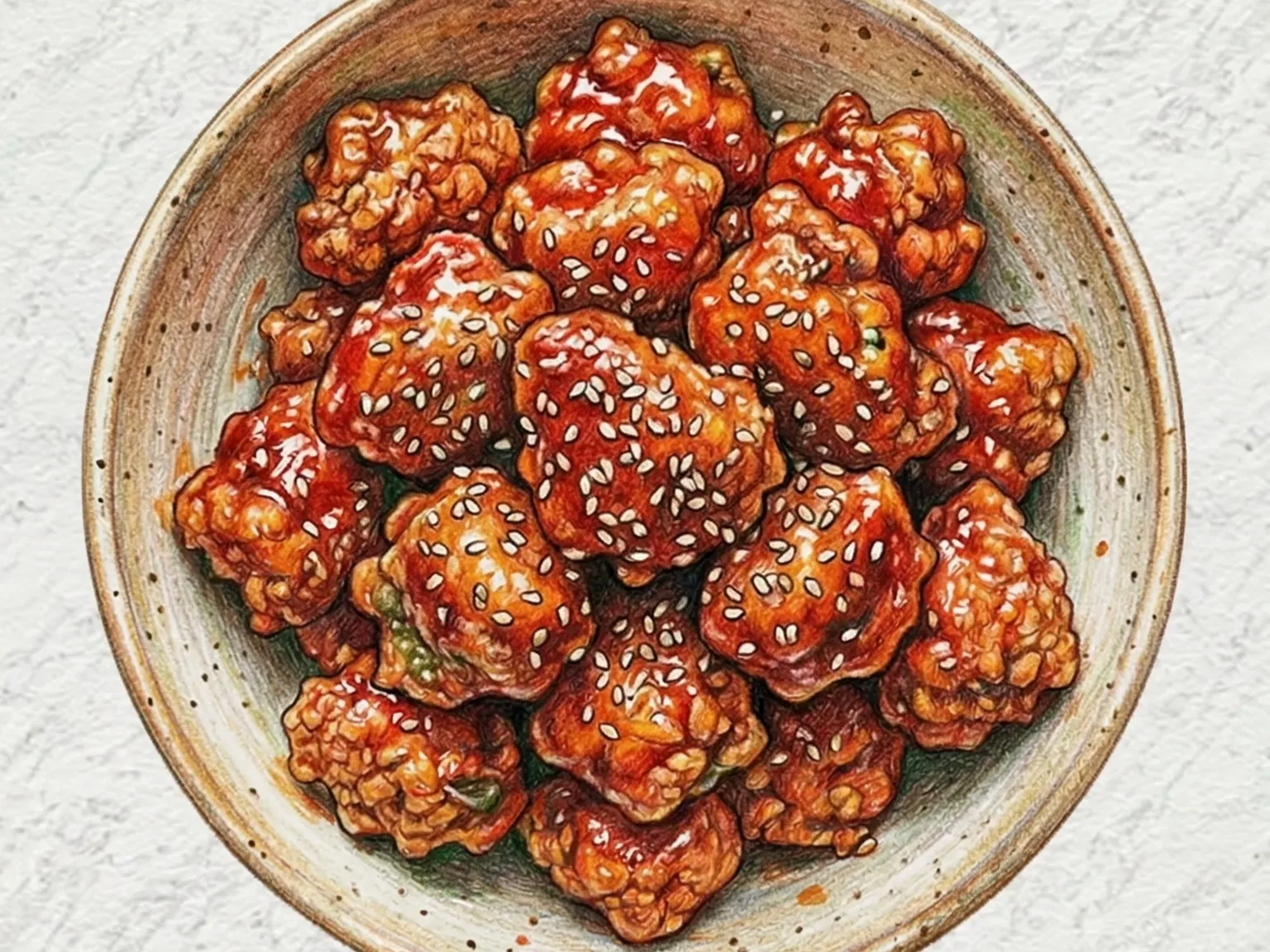
Gochujang honey dakgangjeong starts with bite-sized boneless chicken thigh pieces coated in potato starch and double-fried, first at 170 degrees Celsius and then at 180 degrees, before being tossed in a glaze of gochujang, honey, soy sauce, and garlic. The two-stage frying builds a rigid starch shell that stays crunchy even after the sauce is applied, while the natural fat in thigh meat keeps the interior juicy throughout the process. Gochujang's fermented heat contrasts directly with honey's thick sweetness, and soy sauce anchors the salt level so neither sweetness nor spice dominates. Garlic sharpens the aroma of the sauce, and sesame seeds scattered at the end add a finishing layer of nuttiness. The sauce must be reduced quickly on high heat, under one minute, to achieve a glossy coat without burning. The chicken should be sauced and eaten immediately after frying for the maximum contrast between the crackling crust and the tender, glazed interior.

Korean Gochujang Grilled Chicken Legs
Gochujang dak-dari-gui is a Korean pan-grilled chicken dish in which bone-in leg quarters are marinated in a sauce of gochujang, soy sauce, oligosaccharide syrup, minced garlic, mirin, and sesame oil before being cooked in a skillet. The use of oligosaccharide syrup rather than plain sugar is deliberate - it has a lower sweetness level but higher viscosity, which helps the marinade adhere to the chicken's surface and caramelizes more slowly without burning, making it easier to develop a proper glaze. Starting the chicken skin-side down over medium heat is the foundation of the dish: pressing the skin gently against the pan renders the subcutaneous fat gradually, producing a crisp surface layer. Without sufficient rendering time, the skin stays soft and slick even when coated with the sauce later. Flipping and covering with a lid traps steam inside the pan, which drives heat into the thickest part of the meat and ensures it cooks through evenly without the outside drying out. When the lid comes off and the sauce reduces, the evaporating water concentrates the marinade's flavors and causes it to begin clinging to the meat in a thick, glossy layer. The final two minutes on high heat are the transformation point of the dish: the residual sugars in the marinade caramelize rapidly in the intense heat, and the spicy fermented depth of the gochujang, the sweetness of the syrup, and the salinity of the soy compress into a lacquered, shining glaze. Marinating in the refrigerator for at least one hour, and ideally overnight, reduces any gamey odor from the chicken and allows the seasoning to work its way deep into the muscle fibers, so that when the meat is cooked it tastes seasoned from the inside.

Korean Chicken Radish Soup
Dak mu-guk is a Korean chicken and radish soup that produces a clear, deeply flavored broth from two simple main ingredients. Chicken thigh meat, cut into bite-sized pieces, is blanched for one minute in boiling water before the main simmer - this step removes impurities and blood, which is the most reliable way to achieve a transparent broth rather than a cloudy one. Onion and ginger then build the aromatic backbone over twenty minutes of gentle, low heat, allowing the chicken's natural depth to develop without aggressive boiling. The radish is cut into thin, flat squares rather than thick slabs; this shape turns translucent within ten minutes and releases its clean sweetness into the liquid quickly and evenly. Soup soy sauce and salt season the broth, and diagonally sliced green onion goes in just before the heat is turned off to preserve its color and mild bite. The result balances the richness of chicken stock against the cool, vegetal sweetness of radish in a soup that is light enough to eat when recovering from illness yet satisfying as an everyday meal.

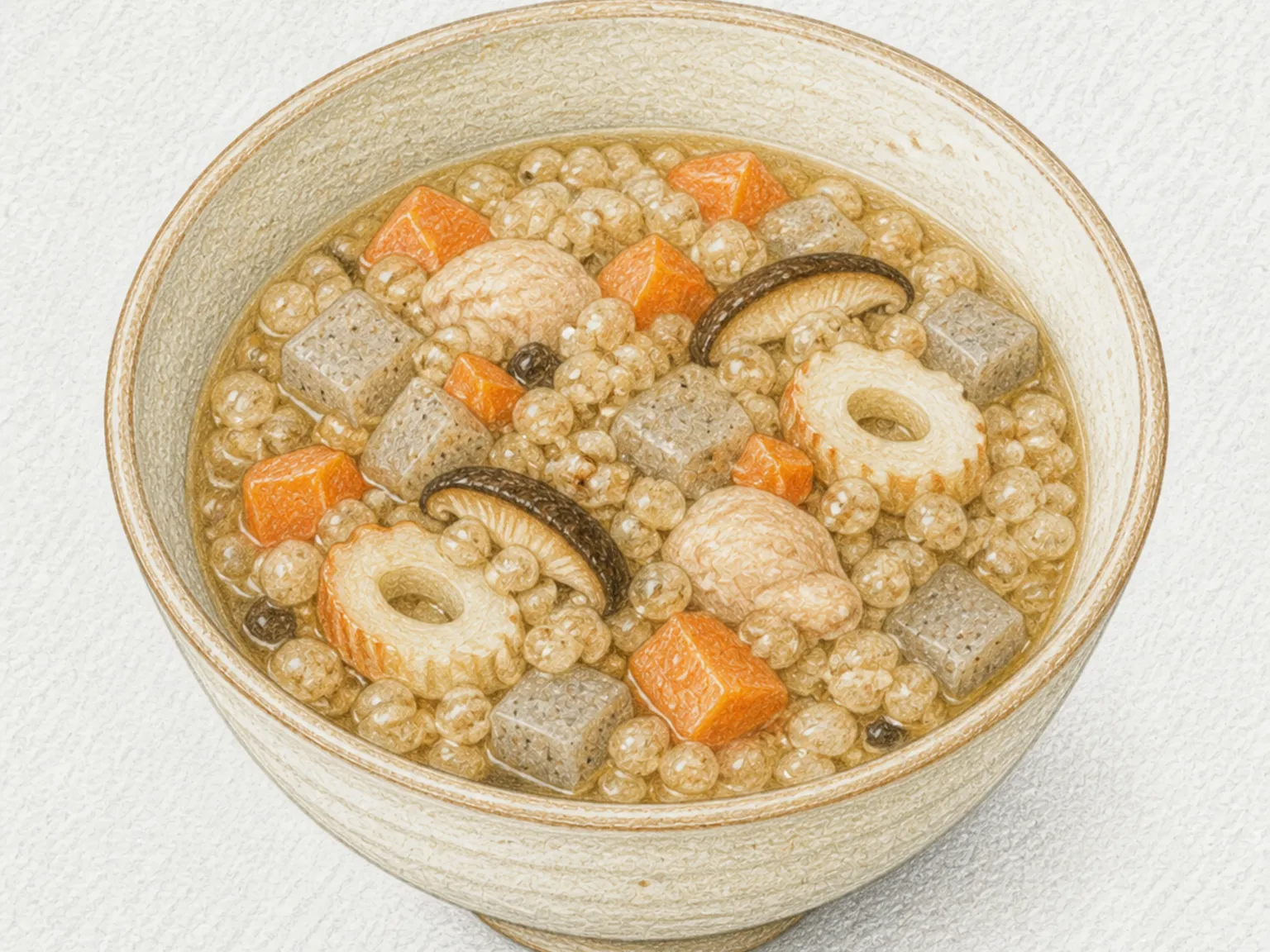
Japanese Braised Chicken and Root Vegetables
Chikuzenni is a Japanese-style braise of chicken thigh with lotus root, burdock, and carrot simmered in dashi seasoned with soy sauce and mirin. The thigh is seared first to render its fat, which coats each root vegetable piece as they braise together, building savory depth in the broth. Lotus root holds its firm bite through the cook, while burdock develops an earthy, nutty quality that intensifies with chewing. Mirin's restrained sweetness rounds out the soy, producing a side dish that stays satisfying across multiple meals of steamed rice.

Korean Chicken Knife-Cut Noodle Soup
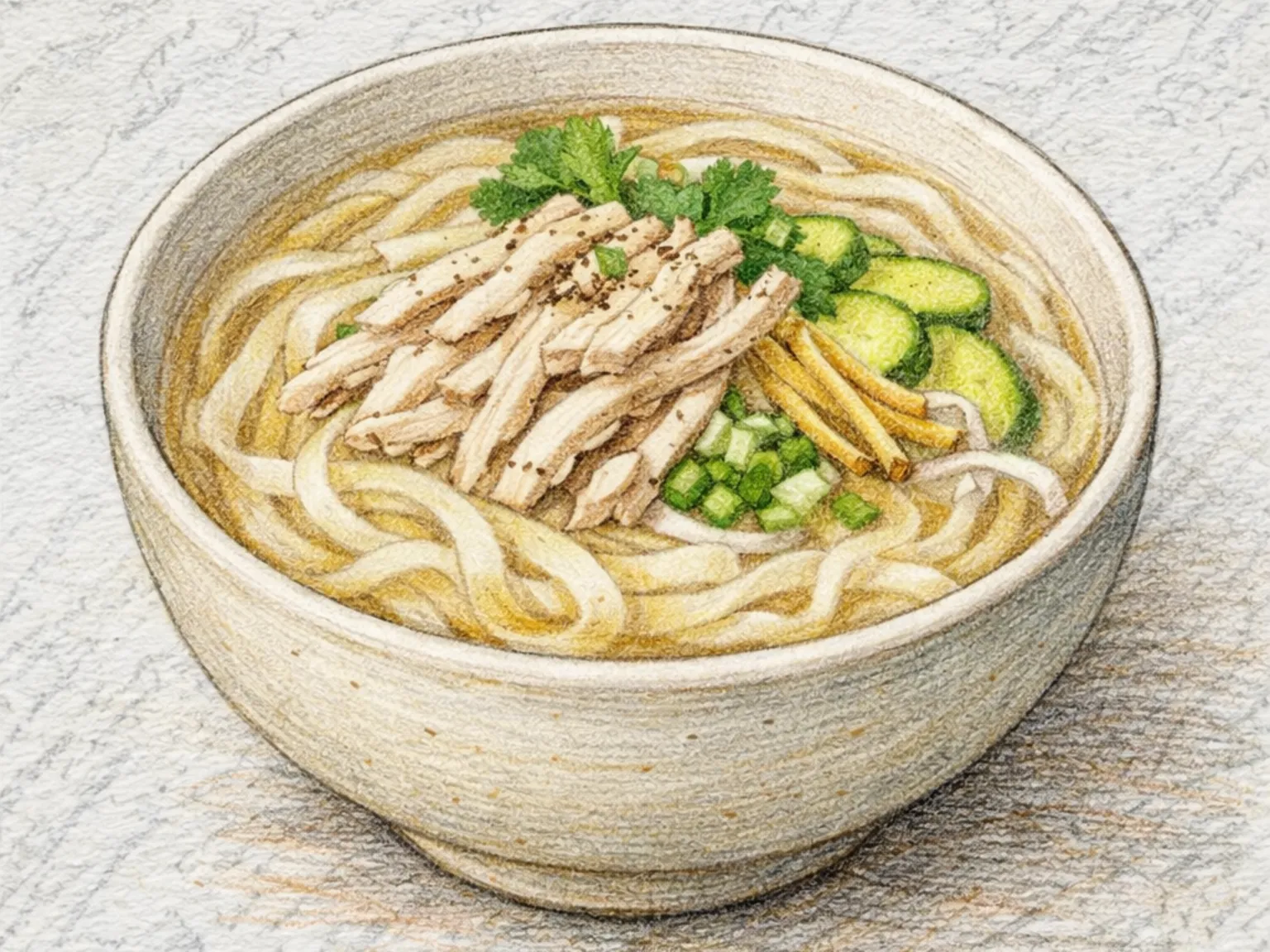
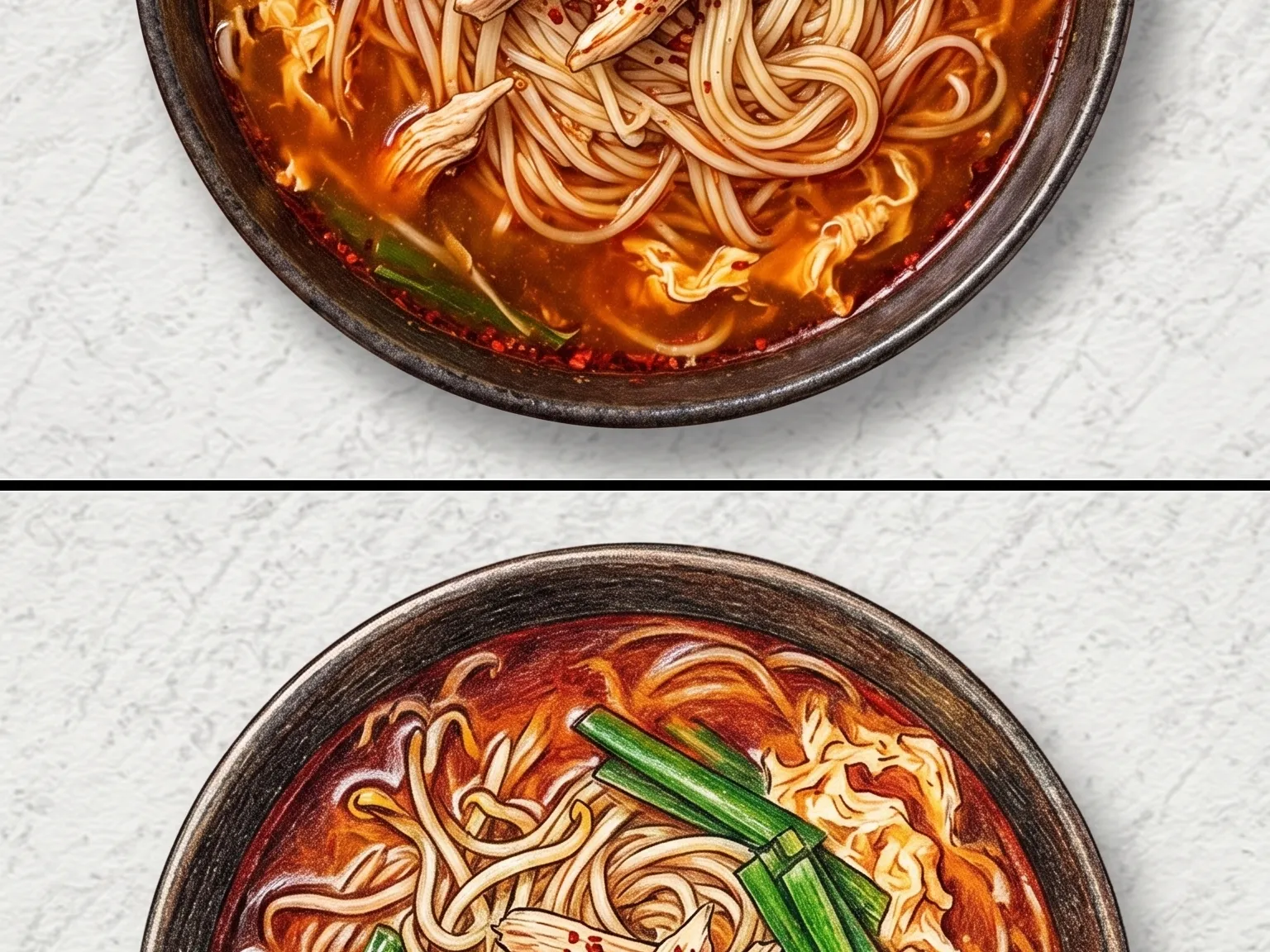
A whole chicken is simmered with green onion, garlic, and ginger until the broth turns opaque, deeply savory, and rich with collagen, then hand-cut wheat noodles are cooked directly in that liquid. Boiling the noodles in the broth rather than separately is the defining technique: the starch they release naturally thickens the soup into a silky, coating consistency, and the noodles themselves absorb the concentrated chicken flavor at every surface. Shredded chicken, pulled apart along the grain, goes on top just before serving. Potato and zucchini are added during the final minutes for their gentle sweetness and soft texture. A generous amount of ground black pepper stirred in or sprinkled on top sharpens the chicken aroma and adds a mild warmth that the broth on its own does not carry. Unlike ramyeon or rice noodle dishes, dak-kalguksu has no complex seasoning beyond salt, pepper, and the depth built from the chicken itself, making it one of the most comforting and straightforward noodle soups in Korean home cooking.

Dakgalbi Cream Rigatoni (Korean Spicy Chicken Gochujang Cream Pasta)
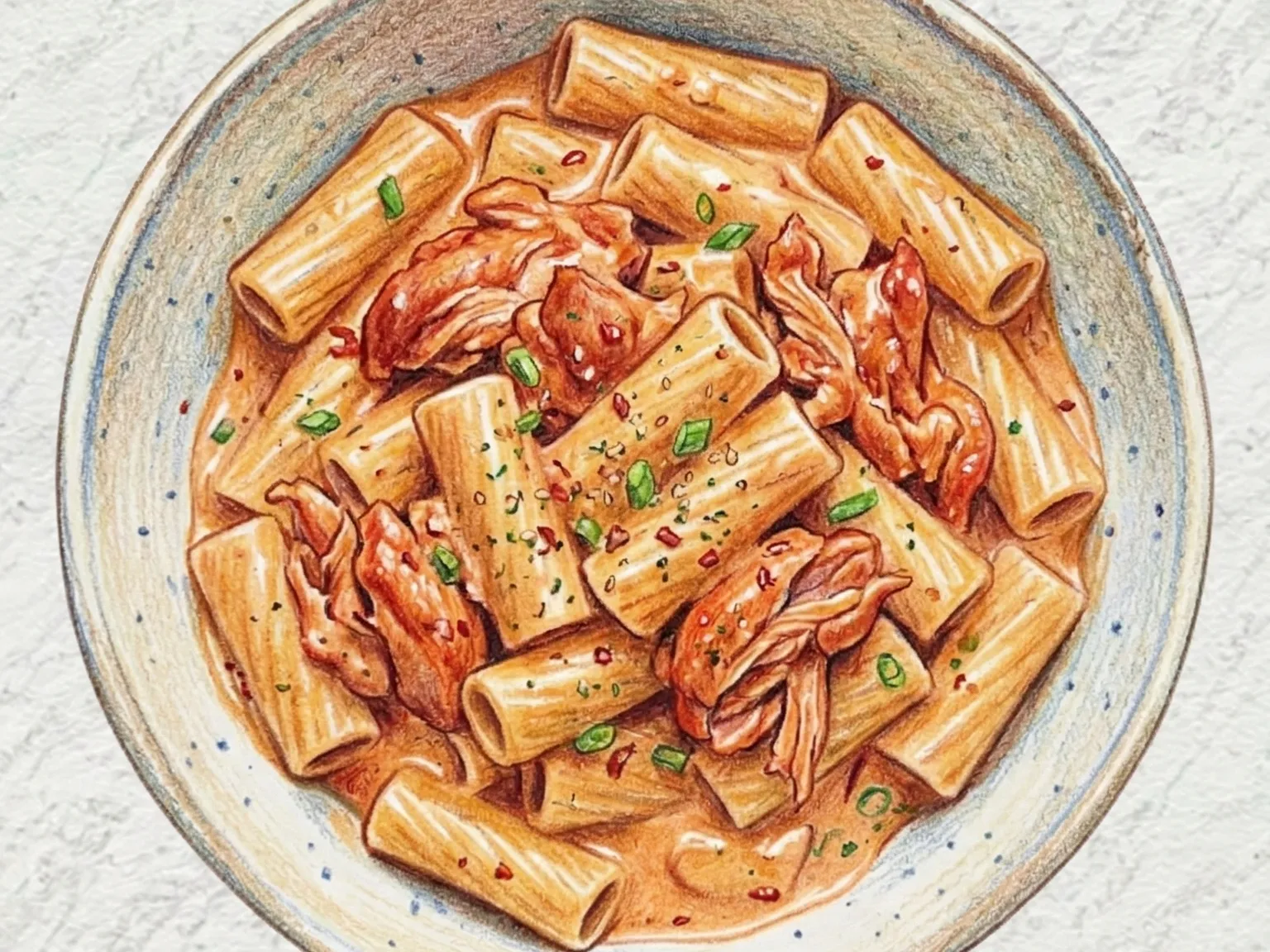
Dakgalbi cream rigatoni is a Korean-Italian fusion pasta that starts by marinating boneless chicken thighs in a sauce of gochujang, soy sauce, gochugaru, and sugar for at least twenty minutes, then stir-frying them at high heat with cabbage and sweet potato to build the bold, sweet-spicy flavor profile of traditional dakgalbi before finishing with heavy cream. The marinating step is not optional: the spiced paste needs time to penetrate the meat rather than staying on the surface, and the longer the chicken soaks, the more intensely savory it becomes when it hits the pan. Cooking over high heat drives the moisture out of the cabbage quickly, concentrating its natural sweetness and keeping the texture from turning watery. Sweet potato should either be pre-cooked or sliced thin enough to cook through during the stir-fry stage without holding the process up. Once the heavy cream is poured over and the heat is reduced to low, the red marinade and cream emulsify together without breaking, producing a thick, blush-pink sauce that coats everything in the pan. Rigatoni's short, wide hollow tubes are the ideal pasta shape for this preparation: the dense cream sauce fills the interior of each tube completely, so every bite delivers both the bold heat of the dakgalbi and the smooth richness of the cream together.

Chicken Fajitas
Chicken fajitas are a Mexican dish built around thinly sliced chicken thigh marinated for ten minutes in lime juice, paprika powder, and olive oil, then seared at high heat before being wrapped in warm flour tortillas with strips of bell pepper and onion. The lime marinade breaks down surface proteins in the meat, making it more tender and allowing the smoky, sweet paprika to penetrate rather than just coat the exterior. A hot pan is not optional. When the surface temperature is high enough, the chicken makes immediate contact with the metal, seals in its moisture, and develops a charred crust in the first two minutes. A pan that is only moderately warm causes the meat to release liquid instead, turning the cook into a braise rather than a sear and stripping out the flavor that high heat is meant to produce. The vegetables are added to the same pan after the chicken comes out and cooked only until the edges soften and a hint of caramelization appears, because extended cooking pulls out too much moisture and leaves the strips limp. Tortillas need thirty to forty seconds in a dry pan, flipped once, to become pliable enough to fold without cracking down the center. Sour cream or guacamole served on the side provides a cool, rich contrast to the spiced, charred filling, and the temperature difference between the two makes each bite more dynamic.

Ayam Gulai (Indonesian Spiced Coconut Chicken Curry)
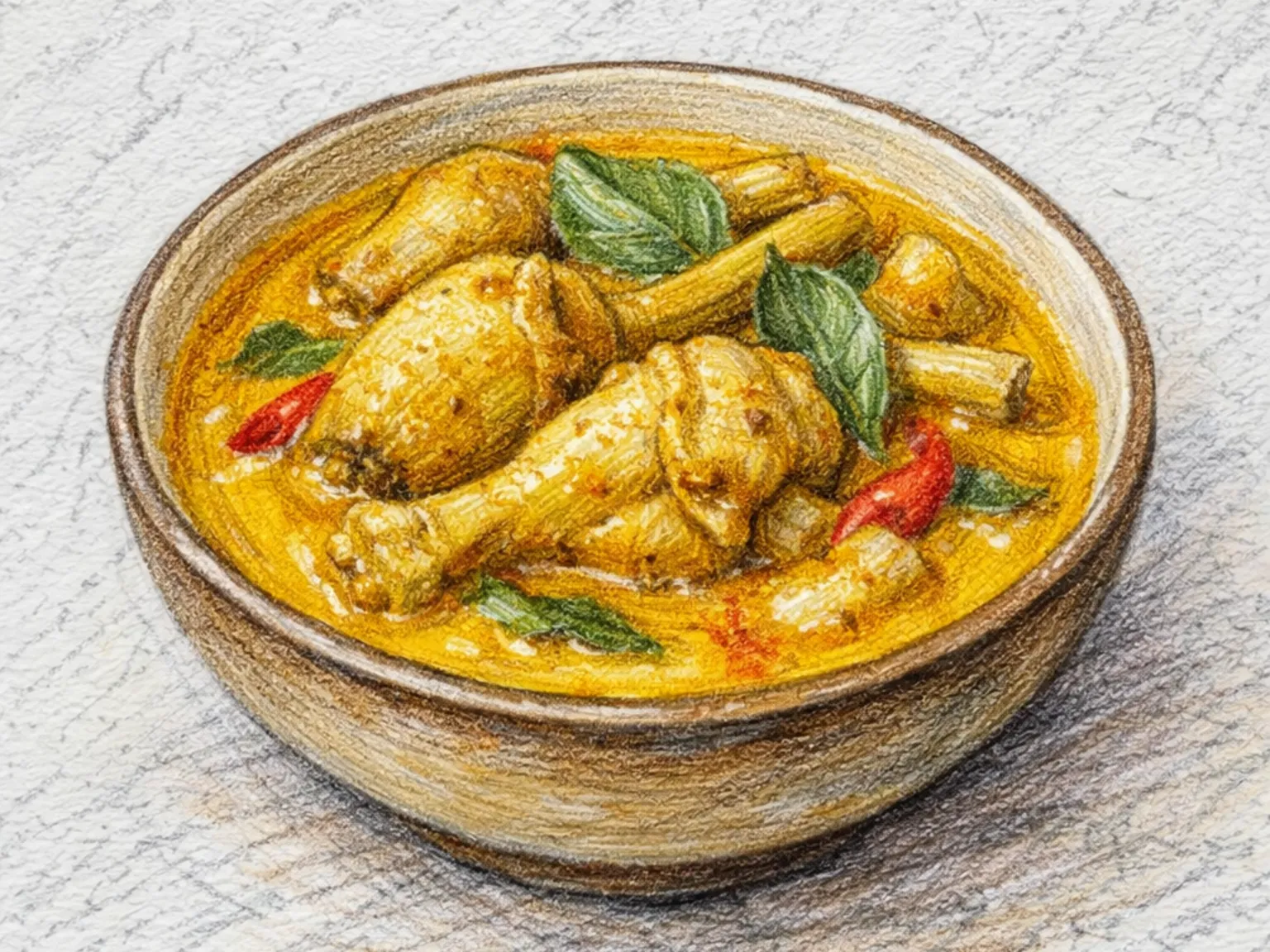
Traditional Indonesian cuisine from West Sumatra relies heavily on the complex application of spices and coconut milk. Ayam gulai serves as a primary example of this Minangkabau tradition. The process starts by grinding shallots, garlic, ginger, galangal, turmeric, and candlenuts into a wet paste called rempah. This mixture requires continuous stirring over low heat until the oil visibly separates from the solids. This separation indicates that the moisture has completely evaporated, allowing the aromatic compounds to develop fully. Skipping this step results in a sauce with an unpleasant raw texture. Once the base is ready, chicken pieces are braised in the spiced coconut liquid for at least thirty minutes. This duration ensures the meat becomes tender enough to fall off the bone while the sauce reduces to a bright yellow consistency that clings to the poultry. Turmeric and galangal establish an earthy base, while kaffir lime leaves contribute a sharp citrus scent to offset the heavy coconut milk. The natural fats in the coconut serve to carry these different aromatics across the palate, creating a long-lasting aftertaste. In a traditional Padang establishment, servers place numerous small plates on the table before any specific order is made. This service style reflects the local hospitality of the region. Diners are charged only for the dishes they touch, a practice that remains a defining element of the dining experience alongside the technical preparation of the curry itself.

Korean Dakgalbi Fried Rice
Dakgalbi bokkeumbap is a fried rice made by stir-frying gochujang-marinated boneless chicken thigh with cabbage and onion over high heat, then adding day-old rice to the pan and frying until every grain absorbs the sweet-spicy marinade. The dish originated from the Chuncheon tradition of finishing a dakgalbi meal by stir-frying the leftover sauce and scraps with rice, effectively turning what remains in the pan into a second course. Day-old rice is essential: fresh rice holds too much moisture and clumps together, while refrigerated rice separates cleanly on the hot surface and makes sufficient contact with the pan to develop slightly charred bits at the bottom. These caramelized patches add a smoky crunch that contrasts with the sauced grains above and elevate the dish beyond a simple fried rice. Cabbage and perilla leaves added at the very end of cooking retain a faint crunch that cuts through the richness of the gochujang marinade. Plating the rice with a few perilla leaves laid on top and a scatter of sesame seeds over the surface finishes the dish without requiring anything further.

Crispy Chili Garlic Chicken
Kkanpunggi is a Korean-Chinese chicken dish where bone-in or boneless thigh pieces are coated in potato starch and deep-fried until the crust is completely shatter-crisp, then tossed quickly over high heat in a sauce built from garlic, dried red chilies, soy sauce, rice vinegar, and sugar. The sauce must go on while the chicken is still hot from the fryer: the heat helps the thin glaze bond to the surface without softening the coating, while allowing the seasoning to penetrate just enough. Leaving the chicken in the sauce any longer causes the starch shell to absorb moisture and go limp, which destroys the entire point of the dish. The balance of salty, sour, and sweet in the sauce coats each piece evenly, and the assertive garlic aroma combined with the slow heat of dried chilies forms the flavor signature that makes kkanpunggi instantly recognizable. Additional sliced fresh chilies, green or red, can be added at the end to control heat intensity to personal preference. Crisping the skin side of the thigh thoroughly during frying deepens both the textural contrast and the roasted savory aroma. This is one of the most popular anju dishes in Korea, routinely paired with beer or soju, and it must be eaten immediately while the crunch is intact.

Korean Lemon Pepper Dakgangjeong
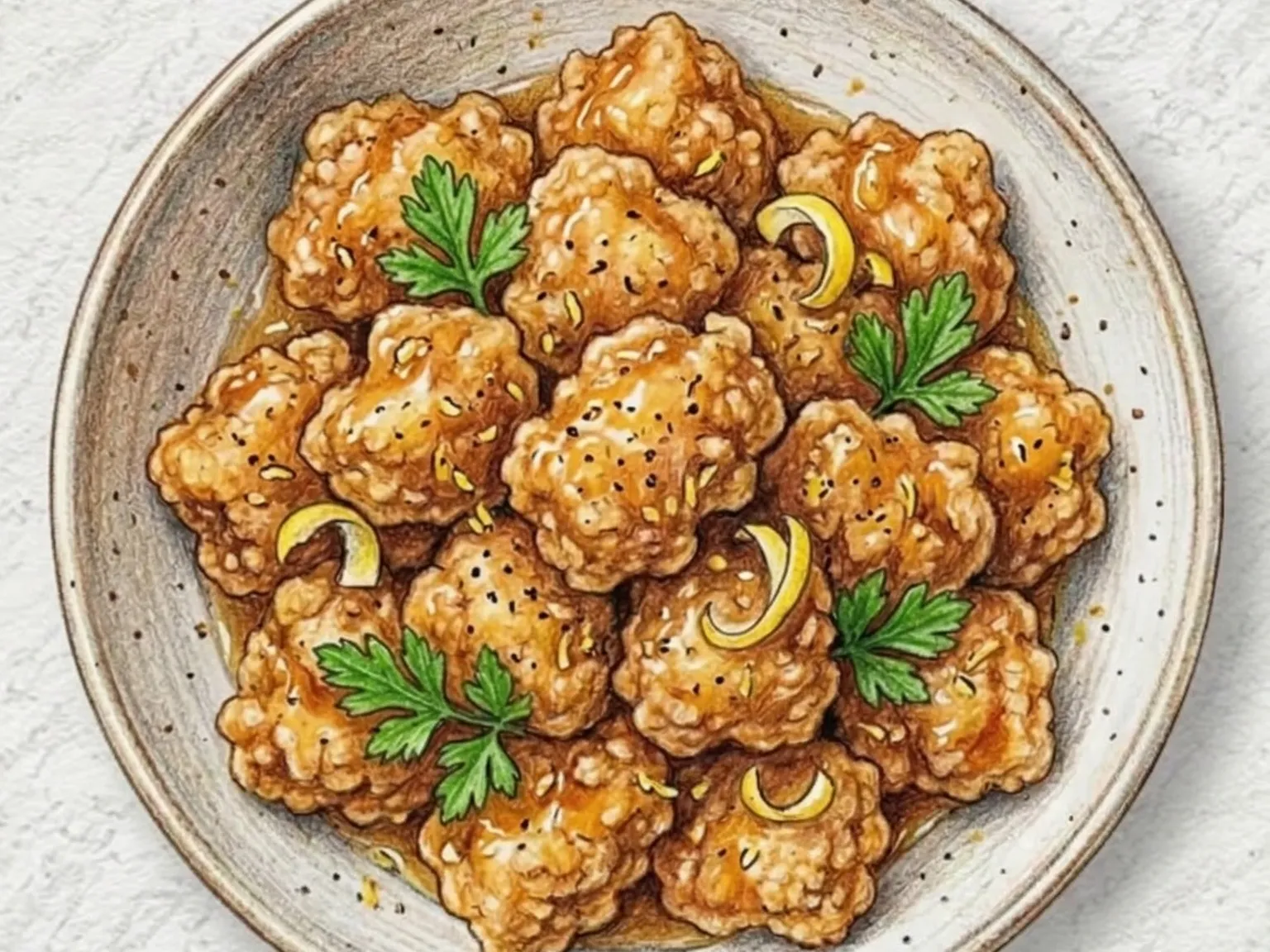
Boneless chicken thigh pieces are cut bite-size, coated thoroughly in potato starch, and double-fried at 170 then 180 degrees Celsius to build a shell that stays crunchy through the glazing step. The fried chicken goes straight into a reduction of lemon juice, honey, soy sauce, and butter, where the bright citrus acidity cuts cleanly through the rendered fat and cracked black pepper settles in as a slow, lingering finish. The entire tossing step must be completed in under twenty seconds before the steam softens the crust. Adding lemon zest directly into the glaze intensifies the citrus note considerably, and finished slices of lemon on the side make for a clean, vivid presentation.

Korean Soy-Garlic Grilled Chicken Legs
Chicken leg meat is scored at the thickest points for even cooking, then marinated in soy sauce, oligosaccharide syrup, minced garlic, cooking wine, sesame oil, and black pepper. Starting skin-side down in a covered pan for ten minutes, then flipping for another eight to ten minutes, the skin renders its fat and crisps up while the interior cooks through. A final brush of the remaining marinade reduces into a dark, glossy glaze that carries concentrated garlic and soy flavor. Finished with a sprinkle of sesame seeds, this dish yields four generous servings as a main course alongside rice.

Korean Dak Ganjang Jorim (Soy Braised Chicken)
Dak ganjang-jorim is chicken thigh braised with potato in a soy sauce glaze enriched with oligosaccharide syrup, garlic, and ginger juice. As the thighs simmer, the soy base works its way between the muscle fibers, leaving the meat deeply seasoned with a glossy brown finish. Potato chunks break down slightly at the edges and soak up the braising liquid, turning starchy and satisfying. A single cheongyang chili added to the pot gives a mild, lingering kick that keeps the sweet-salty profile from becoming one-note. Patting the chicken thighs thoroughly dry before searing them in the pan builds a Maillard-browned surface that adds another layer of savory depth, and removing the lid for the final five minutes lets the sauce reduce into a thick, clingy glaze.

Korean Stir-Fried Udon with Spicy Chicken
Dakgalbi udon bokkeum is a Korean stir-fried noodle dish where gochujang-marinated chicken, cabbage, sweet potato, and rice cakes cook together in a wide pan before thick udon noodles are added and tossed through the spicy-sweet sauce. The dakgalbi seasoning is assertive and clingy, coating every broad surface of the udon so that each bite carries the full weight of the marinade. Cabbage and scallion wilt fast under high heat, releasing sugars that moderate the chili paste and prevent the sauce from tasting sharp or one-dimensional. Sweet potato contributes starch that slightly thickens the sauce while cushioning its spice. Udon, being considerably thicker than ramen or somyeon, holds up under the heavy coating without turning mushy, and delivers a satisfying, bouncy chew throughout the meal. Managing the heat is important: keeping the pan at high temperature drives off excess moisture and produces the lightly charred, smoky edge that separates a good stir-fry from a steamed mess. Melting cheese over the top just before serving adds a creamy, fatty layer that offsets the heat. Sesame seeds and shredded seaweed finish the dish. It is well suited to group cooking on a large griddle or electric pan.

Mala Chicken Alfredo Fusilli
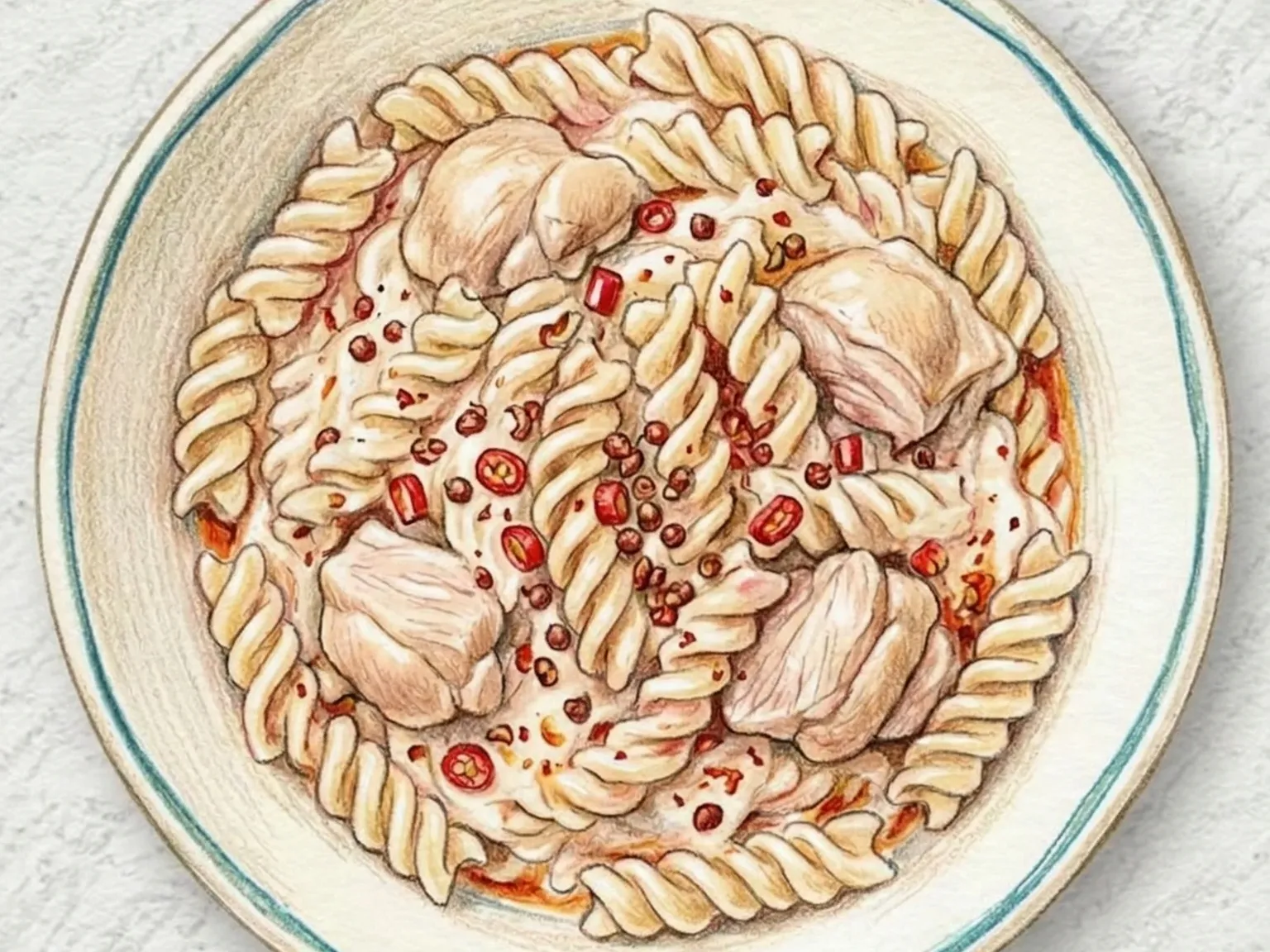
Mala chicken Alfredo fusilli is a fusion pasta that brings Sichuan mala sauce -- built on the numbing tingle of Sichuan peppercorn and the heat of dried chili -- into a cream-and-Parmesan Alfredo base. Chicken thigh is cut into bite-sized pieces and pan-seared to build a browned crust, then garlic and onion are sautéed in the residual fat to form the aromatic foundation. The Alfredo sauce is assembled from heavy cream, milk, and Parmigiano-Reggiano, with mala sauce stirred in to layer the peppercorn numbness against the dairy's richness. The amount of mala sauce added can be adjusted freely, making it straightforward to dial the level of tingling heat to preference. Fusilli's spiral ridges trap the thick sauce deep into their grooves so each piece delivers an even coating of flavor, and butter acts as a bridge between the cream base and the assertive spice, pulling both into a cohesive, glossy whole.

Chicken Provençal (South French Tomato Olive Herb Chicken)
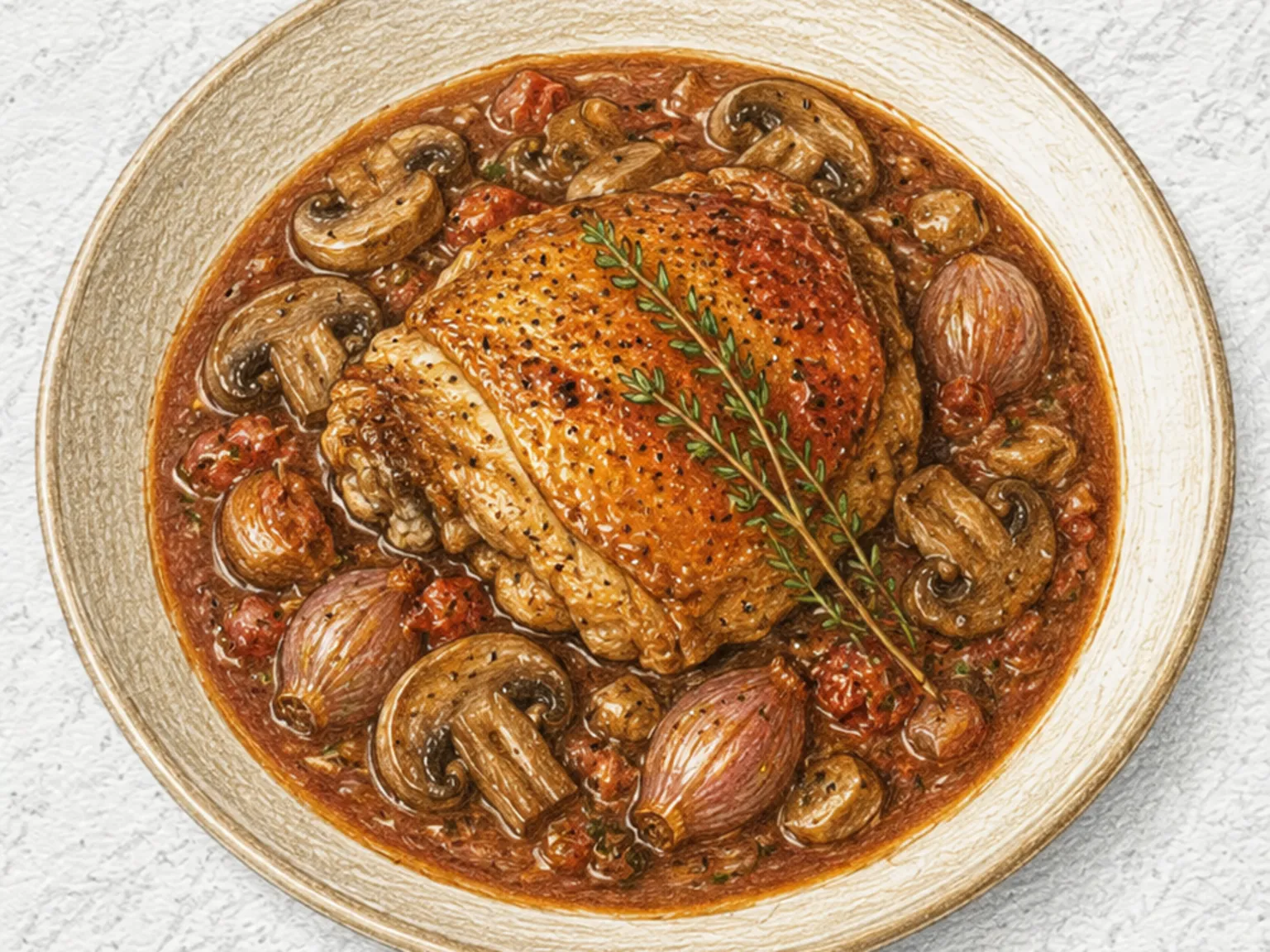
Chicken Provencal sears chicken thighs skin-side down on high heat until deeply golden, then braises them with cherry tomatoes, black olives, capers, garlic, and thyme in white wine for a southern French home-style dish. A prolonged sear of the chicken skin develops both crispness and a rich layer of fond on the pan bottom, which the wine dissolves into the sauce during deglazing. As the cherry tomatoes burst during cooking, their juice combines with the salty olives and sharp capers to form a bright, layered Mediterranean sauce. Twenty minutes of covered simmering followed by eight to ten minutes uncovered concentrates the sauce and allows it to penetrate the chicken deeply. A small amount of lemon zest stirred in at the end clarifies and lifts the aromatics of the finished dish. Using whole unpitted olives rather than pitted ones during cooking lets a slight bitterness leach from the pits into the sauce, adding an extra dimension that rounds out the sweetness of the tomatoes.

Ayam Lemak Cili Padi (Malay Coconut Chicken with Bird's Eye Chili)
Ayam lemak cili padi is a kampung staple from Malaysia's east coast states, built on a simple formula of chicken simmered in thin coconut milk with bird's eye chilies, turmeric, lemongrass, and shallots. Unlike richer curries where coconut milk is reduced to a thick gravy, the broth here stays deliberately soupy and light, designed to be spooned over steamed rice. Bird's eye chilies hit with an immediate, sharp heat the moment they touch the tongue - a quality distinct from the slow-building burn of dried chili pastes - and the heat lingers well past the last spoonful. Turmeric turns the broth a pale gold and contributes an earthy bitterness that runs beneath the coconut sweetness, keeping the overall flavor from tipping too rich. The dish requires no elaborate technique: the same pot holds everything from raw chicken to finished broth, and the short ingredient list reflects the rural economy it came from.

Korean Cheesy Dakgalbi Rice Bowl
Cheese dakgalbi deopbap is a rice bowl built on the flavors of Chuncheon-style spicy chicken stir-fry, finished with a blanket of melted mozzarella. Chicken thighs are marinated in gochujang, gochugaru, soy sauce, and sugar for at least thirty minutes, then stir-fried in a ripping-hot pan with rough-cut cabbage and onion until the sauce reduces and coats every surface. The heat must be high enough to evaporate moisture quickly; if the pan is too cool, the ingredients steam and the sauce turns thin. Thigh meat stays moist throughout cooking because of its higher fat content, making it far more forgiving than breast meat in a fast stir-fry. Cabbage cooked at high heat for a short time keeps enough crunch to stand against the richness of the cheese and sauce. Mozzarella laid over the top melts in the residual heat into long, stretchy strands that soften the chili sharpness with every bite. The whole dish comes together in under fifteen minutes with pantry staples, which makes it a natural choice for a quick solo dinner or late-night meal.

Spicy Fried Chicken Stir-fry
Rajogi is a Korean-Chinese dish of chicken thigh pieces coated in potato starch and deep-fried at 170 degrees Celsius until golden, then tossed in a sauce built from gochujang, ketchup, and vinegar. Onion and bell pepper are stir-fried separately to form the sauce base before the crispy chicken is folded in. The coating absorbs just enough glaze to deliver sweetness, tanginess, and chili heat simultaneously while retaining crunch underneath. Timing is critical -- the chicken must be tossed in sauce moments before serving to preserve its texture.

Korean Sweet Spicy Dakgangjeong
Yangnyeom dakgangjeong is Korean sweet-spicy fried chicken made by cutting boneless thigh meat into bite-size pieces, dredging them in potato starch, and running them through a two-stage fry. The first fry at 170 degrees Celsius cooks the meat through; the second fry at 185 degrees drives off the residual moisture the crust absorbed during the first pass, hardening the exterior into a shell that can withstand sauce tossing without collapsing. The glaze is a reduction of gochujang, gochugaru, corn syrup, and soy sauce, simmered down until the mixture is thick enough to coat a spoon without dripping off. Tossing the finished chicken in the hot glaze must happen off the heat and within twenty seconds, because the steam trapped between sauce and crust will turn the coating soggy if the process drags on. When done correctly, the result is a glossy, sticky exterior that crackles audibly at first bite even after the dish has cooled to room temperature, surrounding thigh meat that stays juicy inside.

Pancit Canton (Filipino Stir-Fried Egg Noodles with Chicken and Vegetables)
Pancit canton is a Filipino stir-fried egg noodle dish cooked with chicken, carrot, and cabbage in a soy sauce and oyster sauce base. The salty depth of soy sauce and the savory richness of oyster sauce permeate the noodles evenly, and a squeeze of fresh lemon at the end cuts through the oil to leave a clean, bright finish. The noodles are parboiled to roughly seventy percent doneness so they finish cooking in the wok while absorbing the sauce, retaining their springy texture rather than turning soft. Chicken thigh is stir-fried first to render its fat and release its juices into the pan, and that rendered fat then carries the carrot and cabbage through a quick, high-heat toss that preserves their crunch. Small additions of broth or water allow the noodles to absorb the sauce gradually, but too much liquid tips the dish toward soupy rather than stir-fried, so the volume must be controlled carefully. Lemon juice is added only after removing the pan from heat, because its volatile citrus aroma dissipates almost instantly on contact with a hot surface. In the Philippines, long noodles symbolize longevity and a full life, making pancit canton a fixture at birthdays and holiday celebrations.