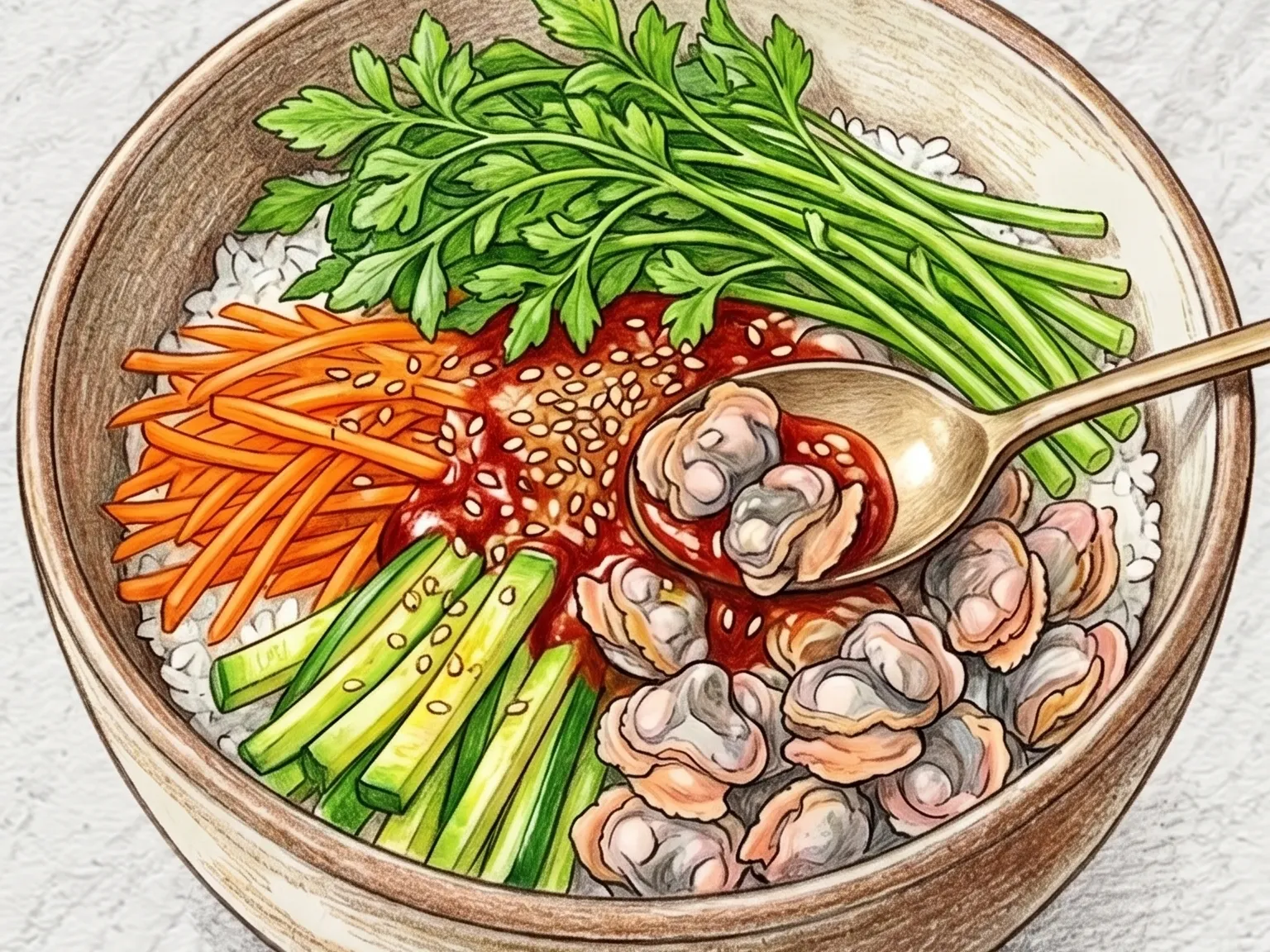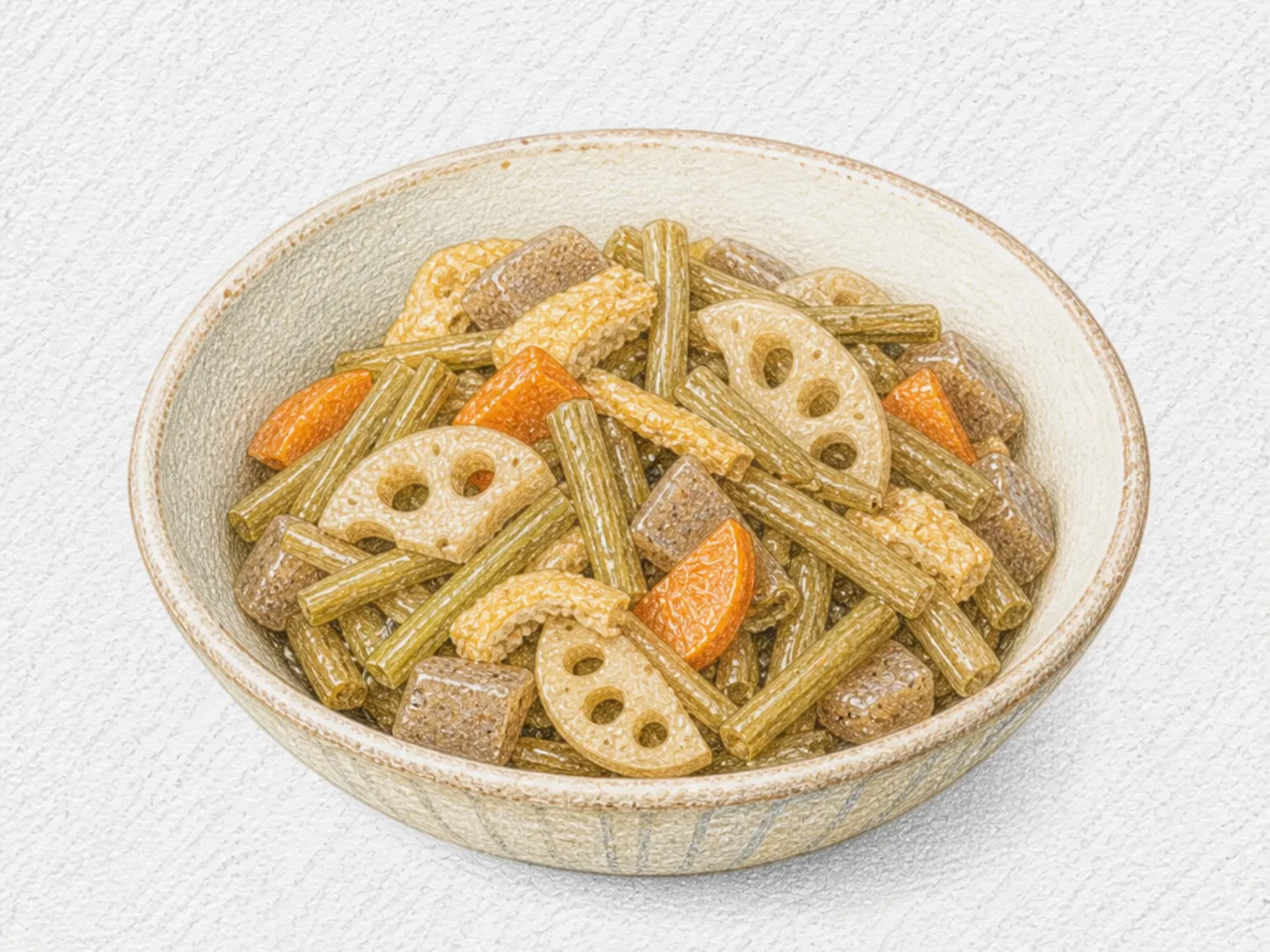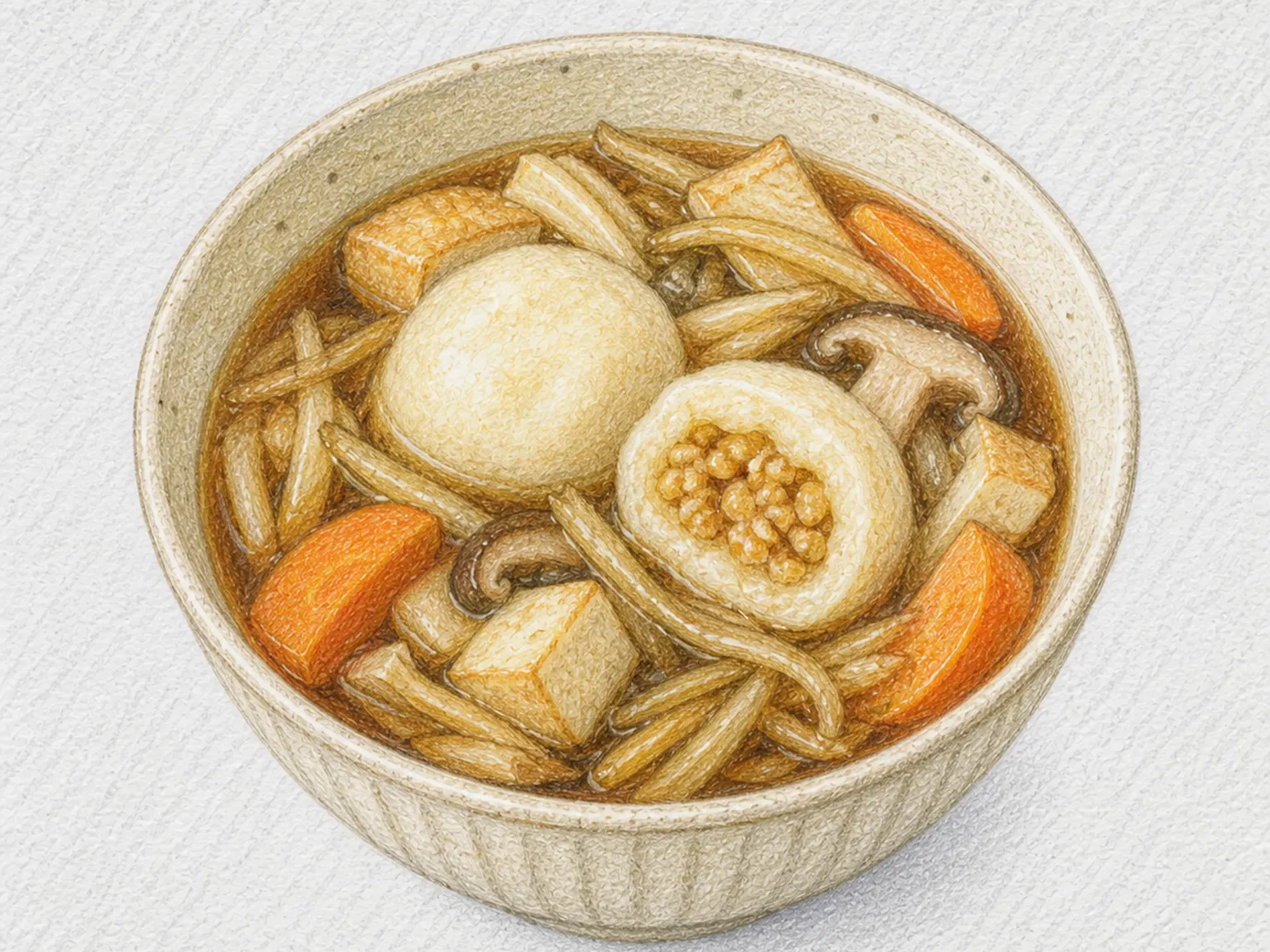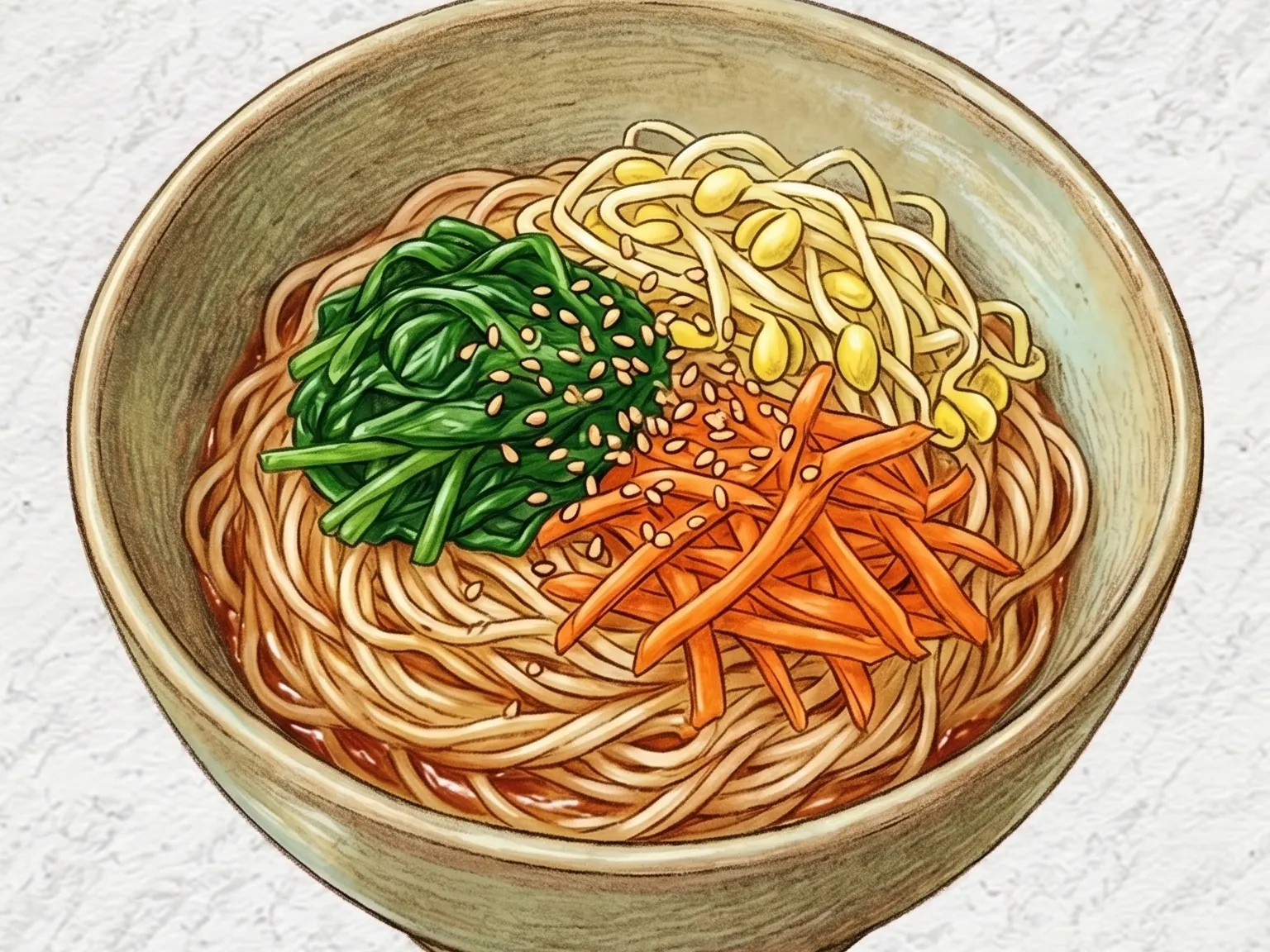
Korean Spicy Octopus Stir-fry
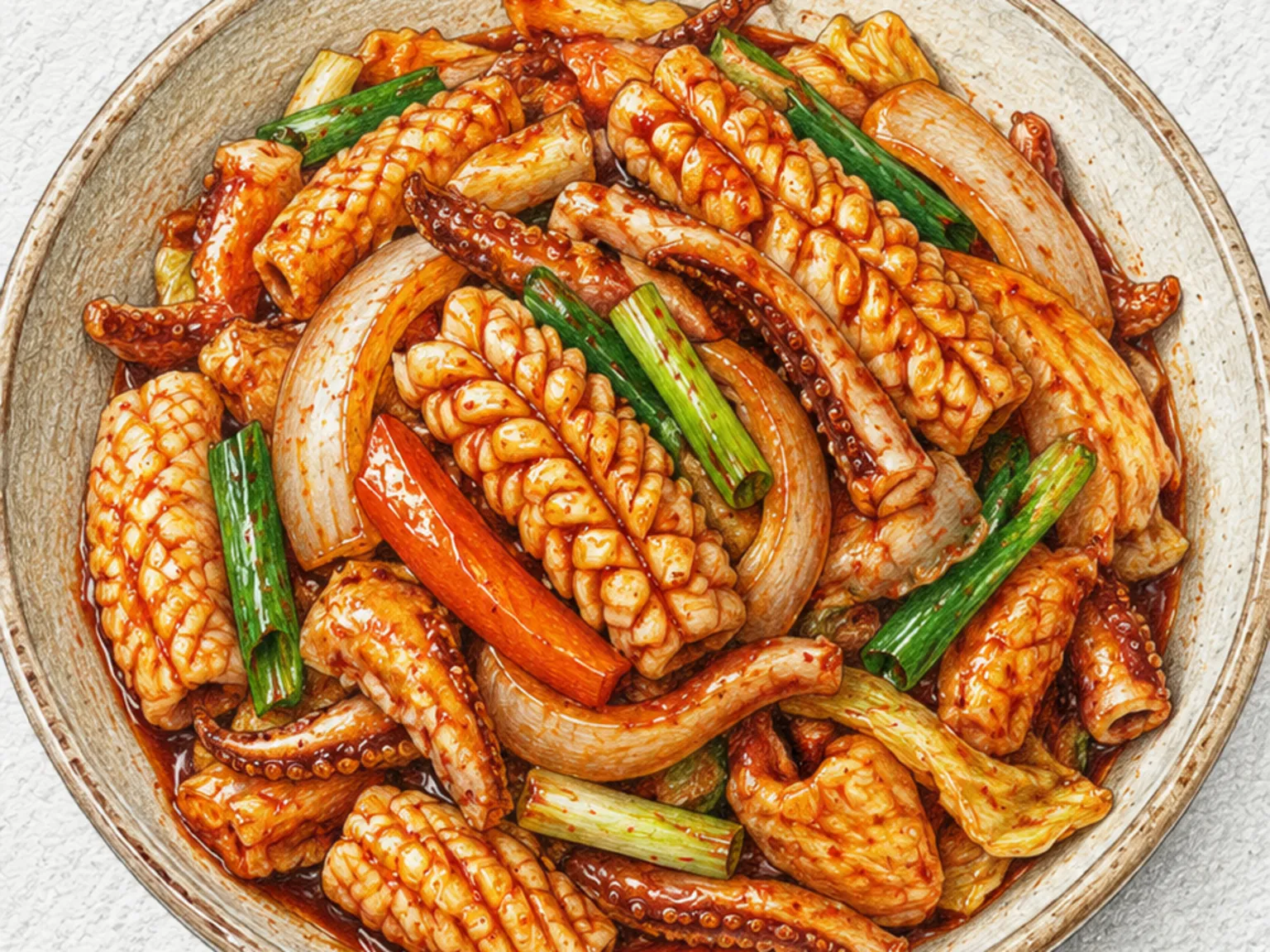
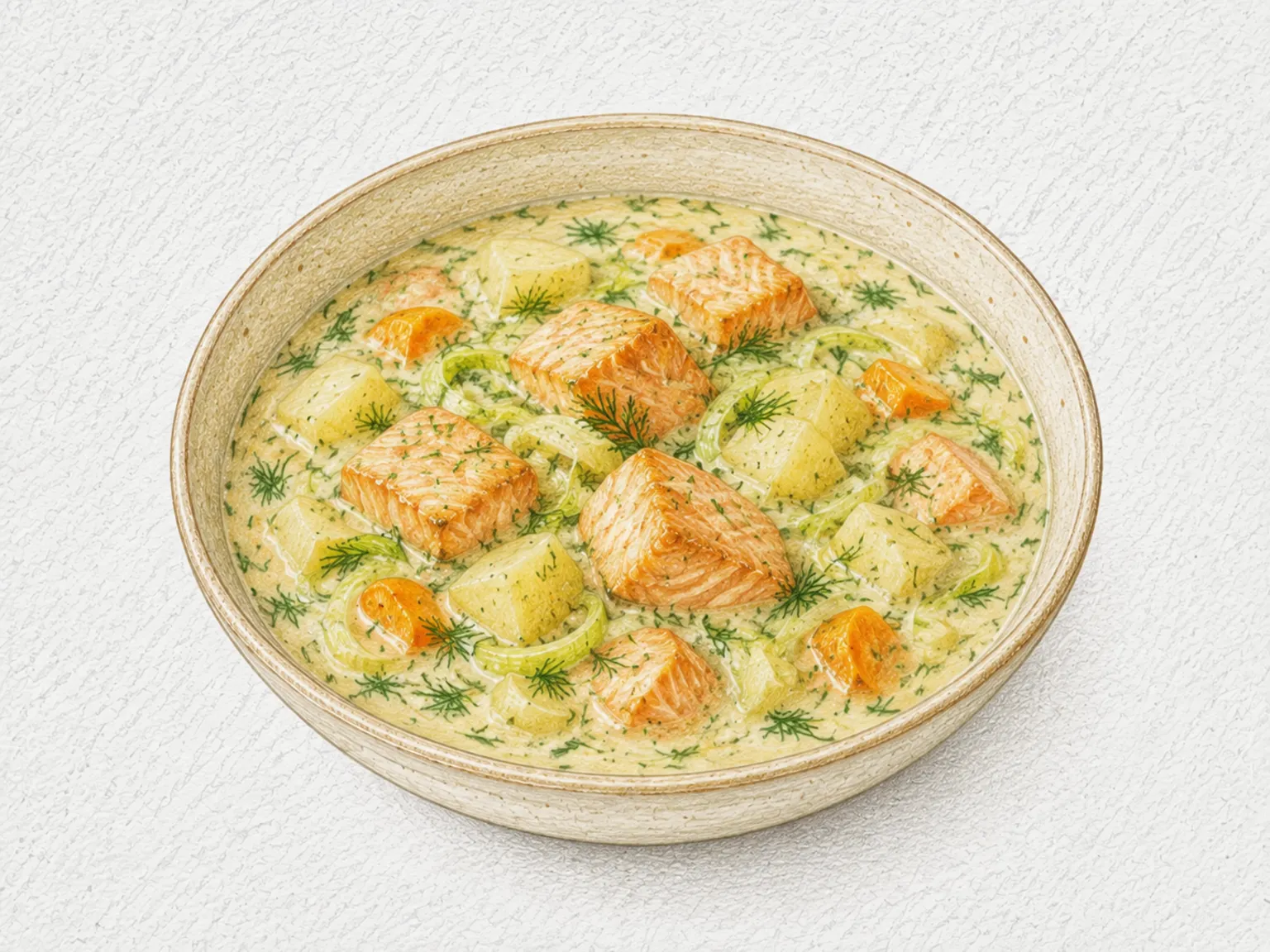
Muneo-bokkeum is a Korean stir-fry of pre-boiled octopus pieces cooked on high heat with onion, carrot, and scallion in a sauce built from gochujang and soy sauce. Because the octopus arrives already cooked, two to three minutes of high-heat stir-frying is the target window - enough time to heat the pieces through and coat them in the seasoning without pushing the texture past springy into tough. The sauce brings spice from the gochujang and saltiness from the soy sauce, and that combination lifts the naturally clean, mild flavor of the octopus without masking it. Vegetables are pulled from the pan while they still carry some bite, which sets up a textural contrast against the dense, elastic chew of the octopus. Sesame oil goes in at the very end as a finishing drizzle, adding a nutty, aromatic layer that ties the dish together. It works as a rice side dish or as an anju pairing alongside drinks.
Korean Addictive Mini Gimbap
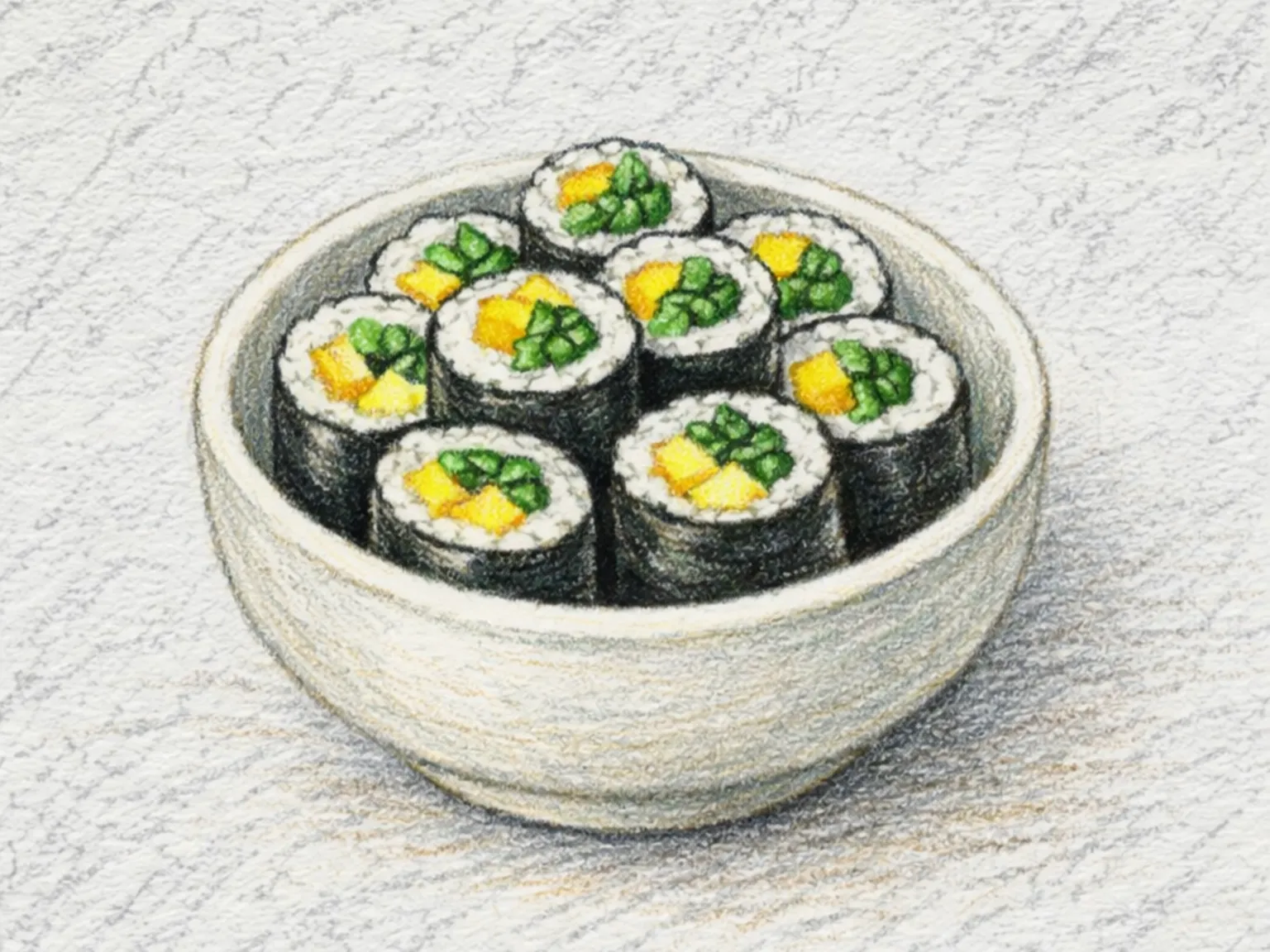
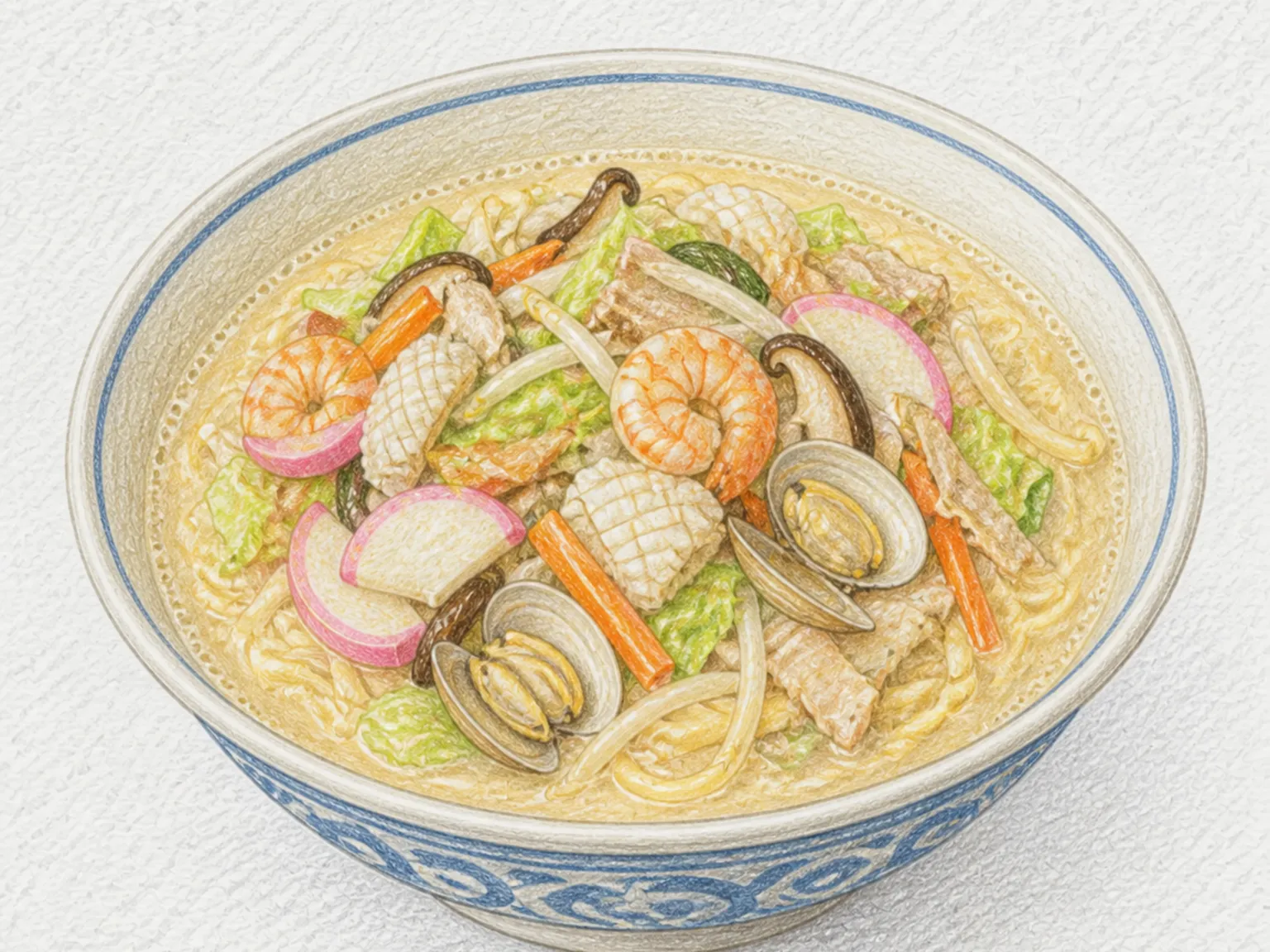
Mayak gimbap is a bite-sized Korean rolled rice snack made from quarter-cut nori sheets packed with a small amount of seasoned rice, sauteed carrot, blanched spinach, and thin egg strips, then rolled into compact cylinders no wider than a thumb. The name mayak, meaning narcotic, captures the addictive quality that comes from dipping each piece into the mustard-soy sauce: the sharp heat of Korean mustard, the salt of soy sauce, and a touch of vinegar and sugar interact with the mild roll to produce a balance that keeps you reaching for the next piece. Filling discipline is essential since the small nori squares tear easily under pressure, and a clean seal requires rice pressed right to the edge. Sliced pickled radish is the standard accompaniment, its cool crunch and acidity resetting the palate between bites. The sauce ratio matters as much as the rolling technique - too much mustard overwhelms, too little and the rolls taste flat.
Noppe (Niigata Taro and Vegetable Simmer)
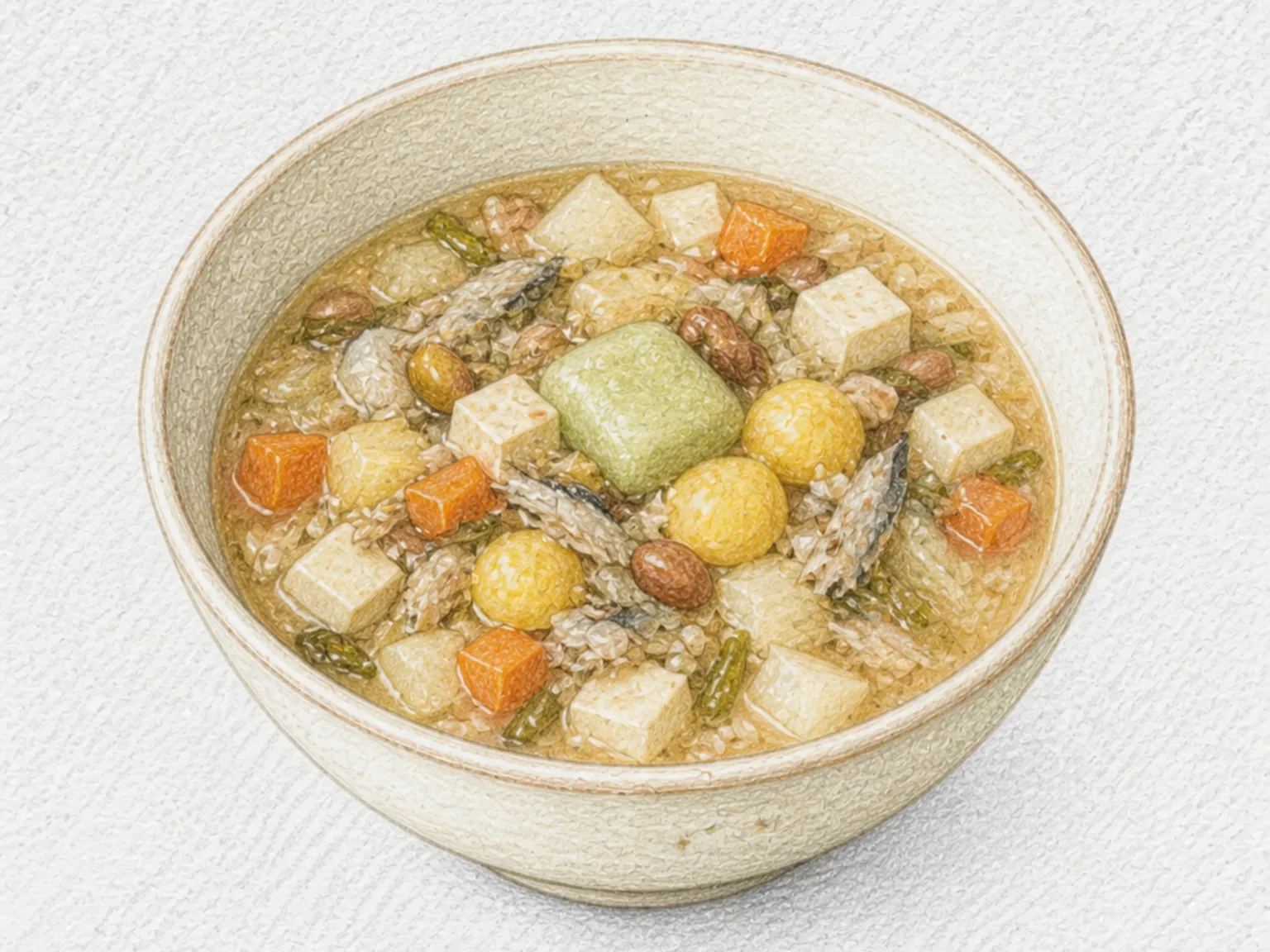
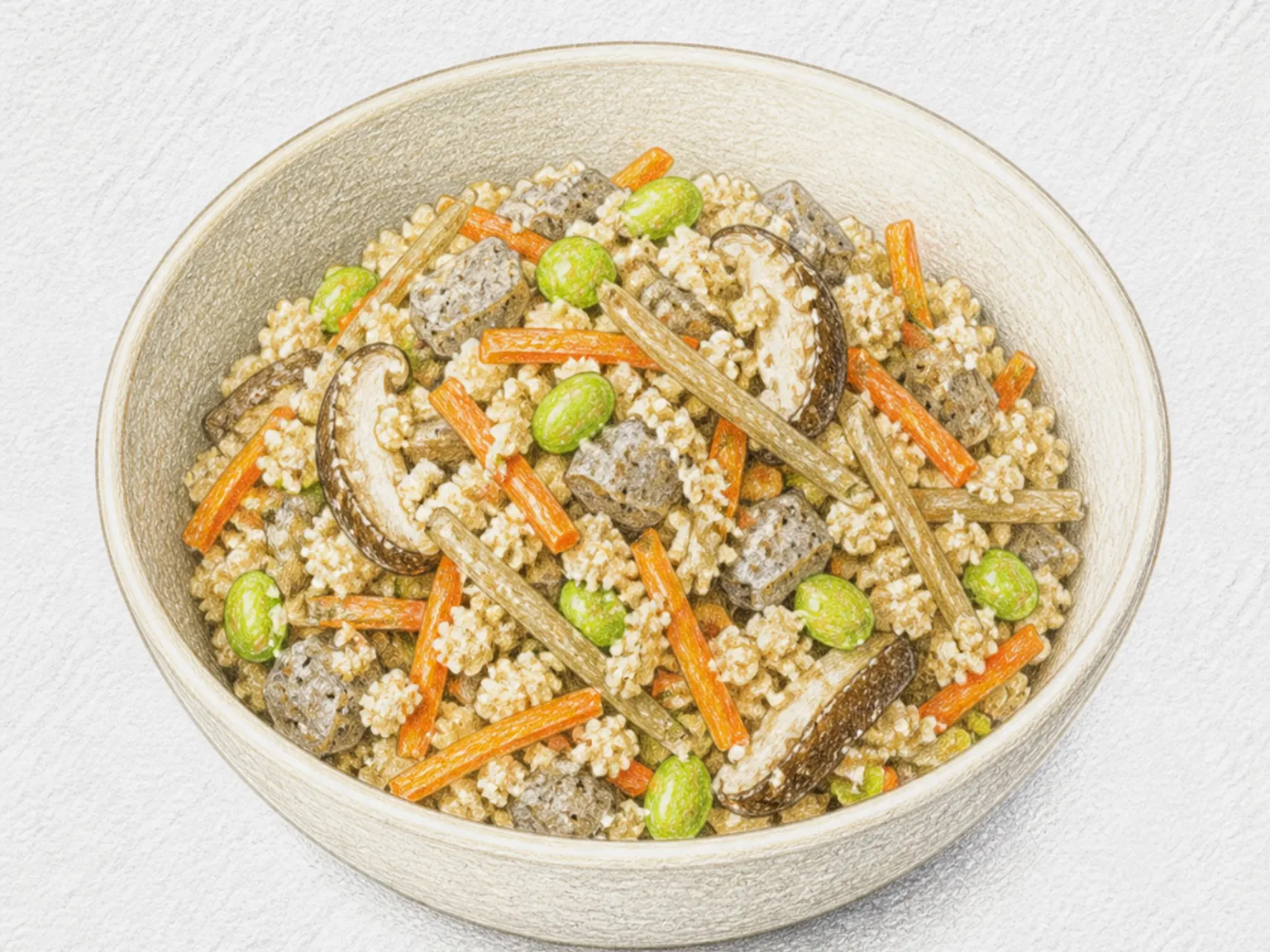
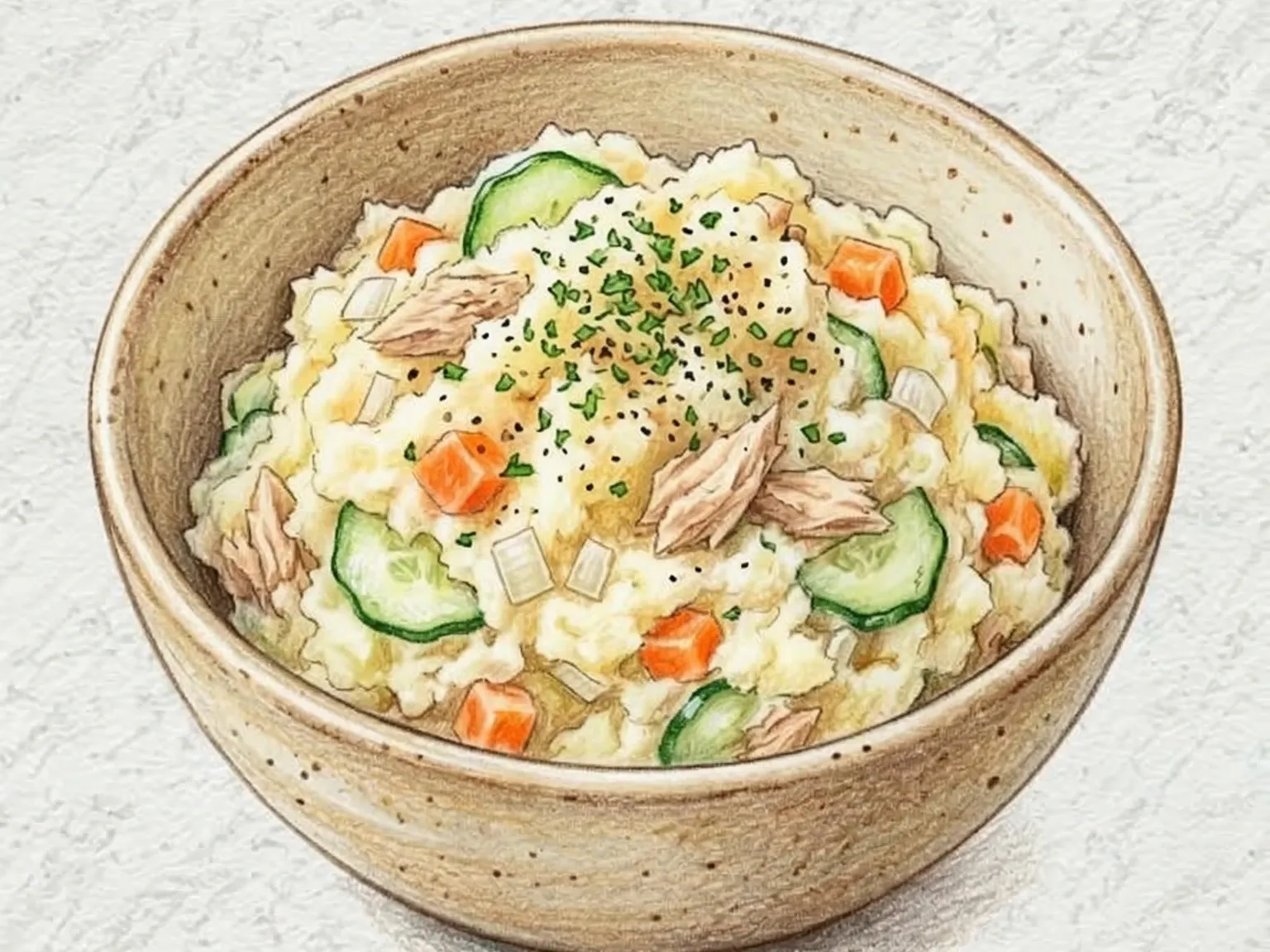
Noppe is a Niigata simmer of taro, carrot, bamboo shoot, konnyaku, shiitake, kamaboko, ginkgo nuts, and salted salmon, all cut to a similar size and cooked gently in broth enriched with the soaking liquids from dried scallop and shiitake. Starch released by the taro gives the liquid its natural light viscosity, so no separate starch slurry is used. Noppe is closer to a moist simmered dish than a soup. Stirring is kept gentle and cooking stops before the pieces lose their outlines, preserving both clear broth and distinct shapes. Niigata households prepare large pots for New Year, weddings, memorial services, and funerals, and serve it either warm or chilled according to season and family custom.
Nimiso Red Miso Vegetable Stew
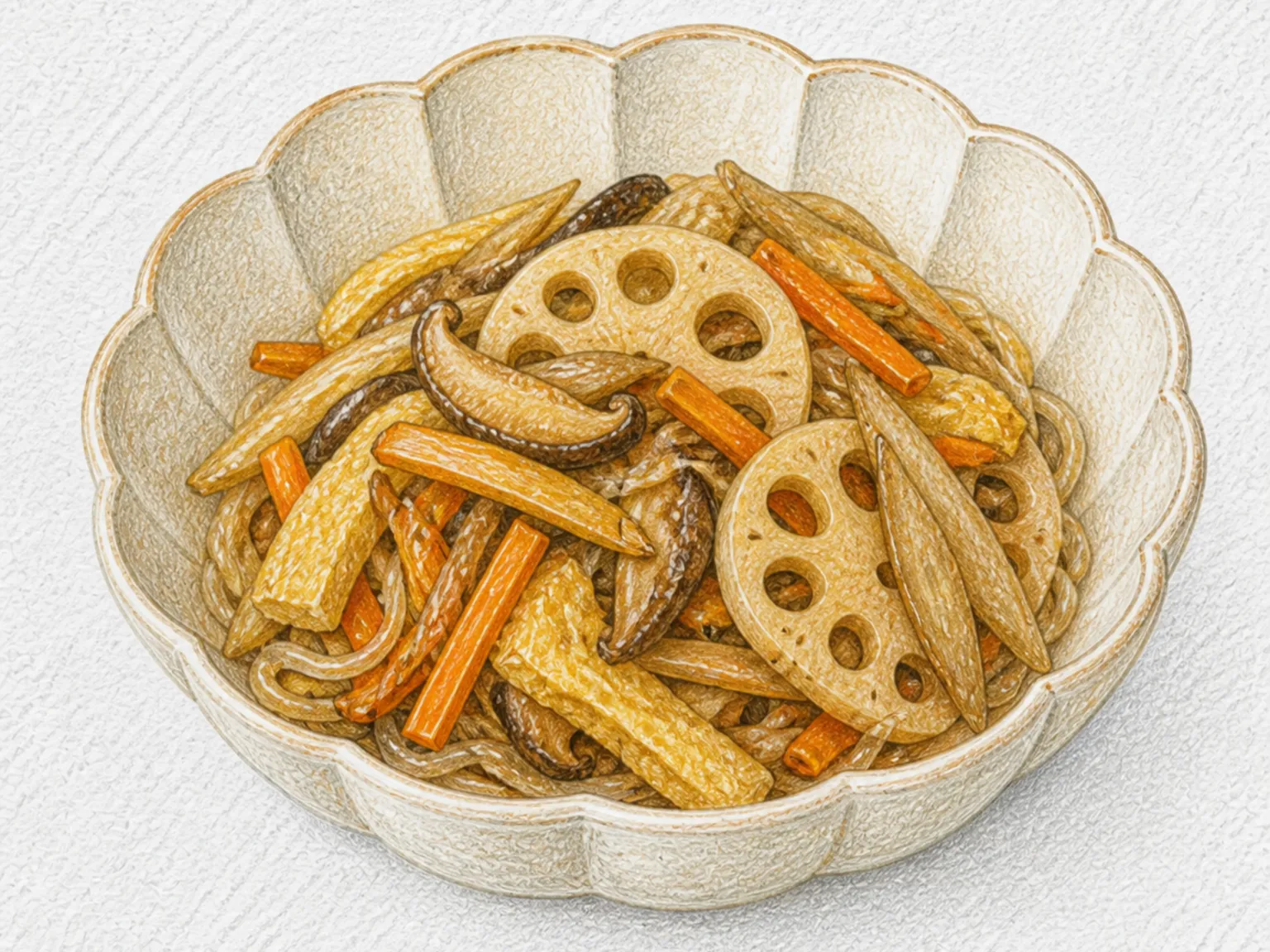
Nimiso is an everyday Aichi stew that slowly cooks daikon, carrot, burdock, taro, konnyaku, and fried tofu in stock seasoned with dark red soybean miso, mirin, and sugar. Also called misoni, it grew from Aichi's soybean-miso culture, represented by Hatcho miso. Red miso made from soybean koji and aged for one to three years develops deep savoriness, acidity, and a mild astringent edge. Household versions vary: some retain ample broth like a hot pot, while others reduce it to a concentrated simmered dish. Their common feature is cooking a generous batch of root vegetables. Here, burdock, konnyaku, and fried tofu are briefly blanched separately to clean their flavors, while leek is added at the end to preserve its aroma.
Pasta Bolognese
Pasta Bolognese is a slow-simmered meat ragu from Bologna in Emilia-Romagna, built on a soffritto of onion, carrot, and celery cooked down with a mixture of ground beef and ground pork. Browning the meat properly in a hot pan before any liquid is added creates a Maillard crust that contributes a depth of flavor that no amount of simmering can replicate. Red wine deglazes the pan, lifting every bit of browned fond from the bottom. Whole milk is then stirred in to soften the acidity and tenderize the proteins, which is the detail that separates a true Bolognese from a generic meat sauce. The ragu requires at least one hour of low, uncovered simmering for the fat to separate, the liquid to reduce, and the meat to break down into a cohesive sauce. Tagliatelle is the canonical pairing in the region, with the wide, egg-enriched ribbons catching the chunky sauce in every fold. Freshly grated Parmigiano-Reggiano finishes the dish. Cooking the tomato paste directly in the pan after the soffritto for two minutes caramelizes its natural sugars and removes raw bitterness before any liquid goes in.
Narae (Seven-Ingredient Vinegar Salad)
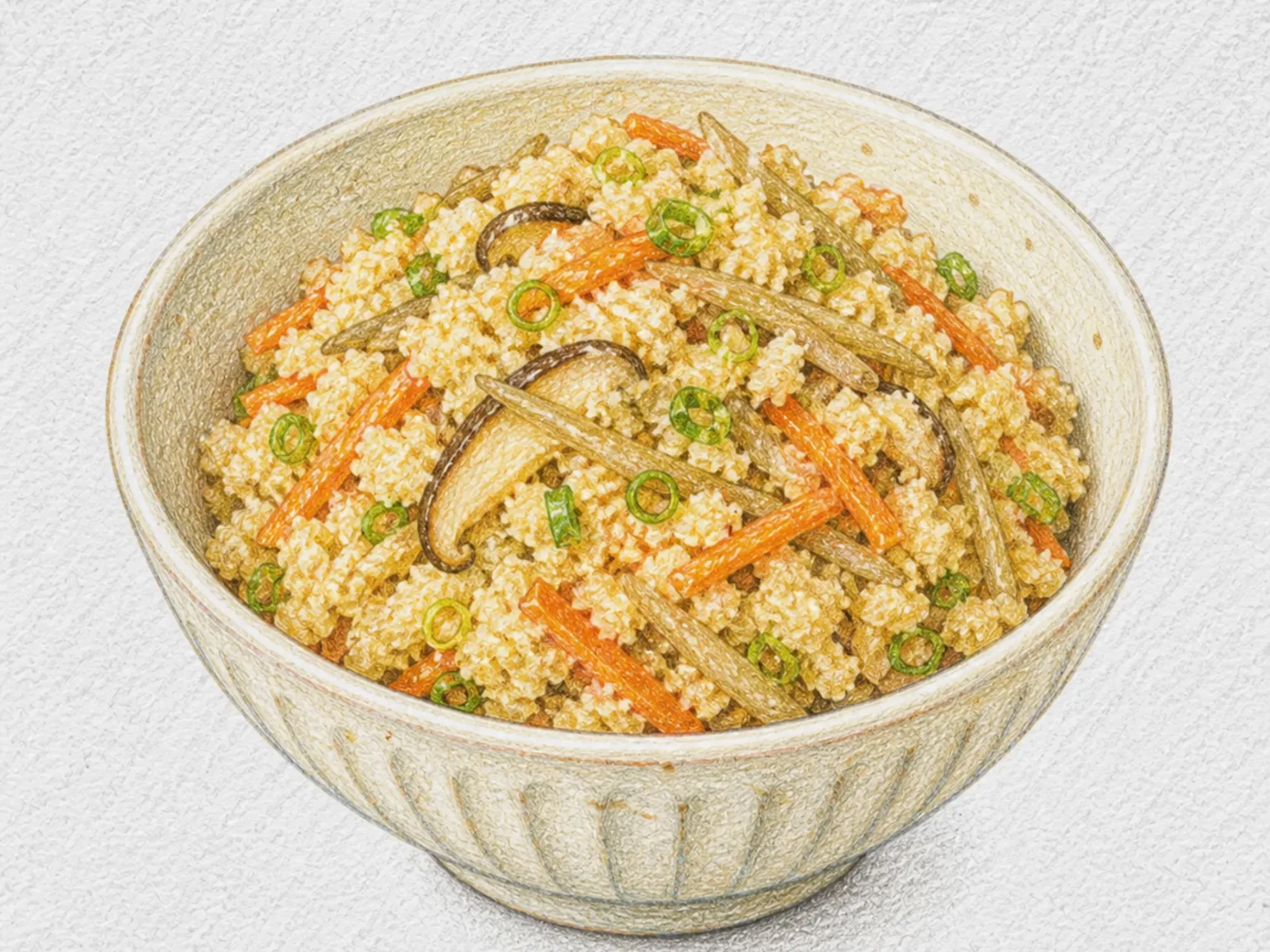
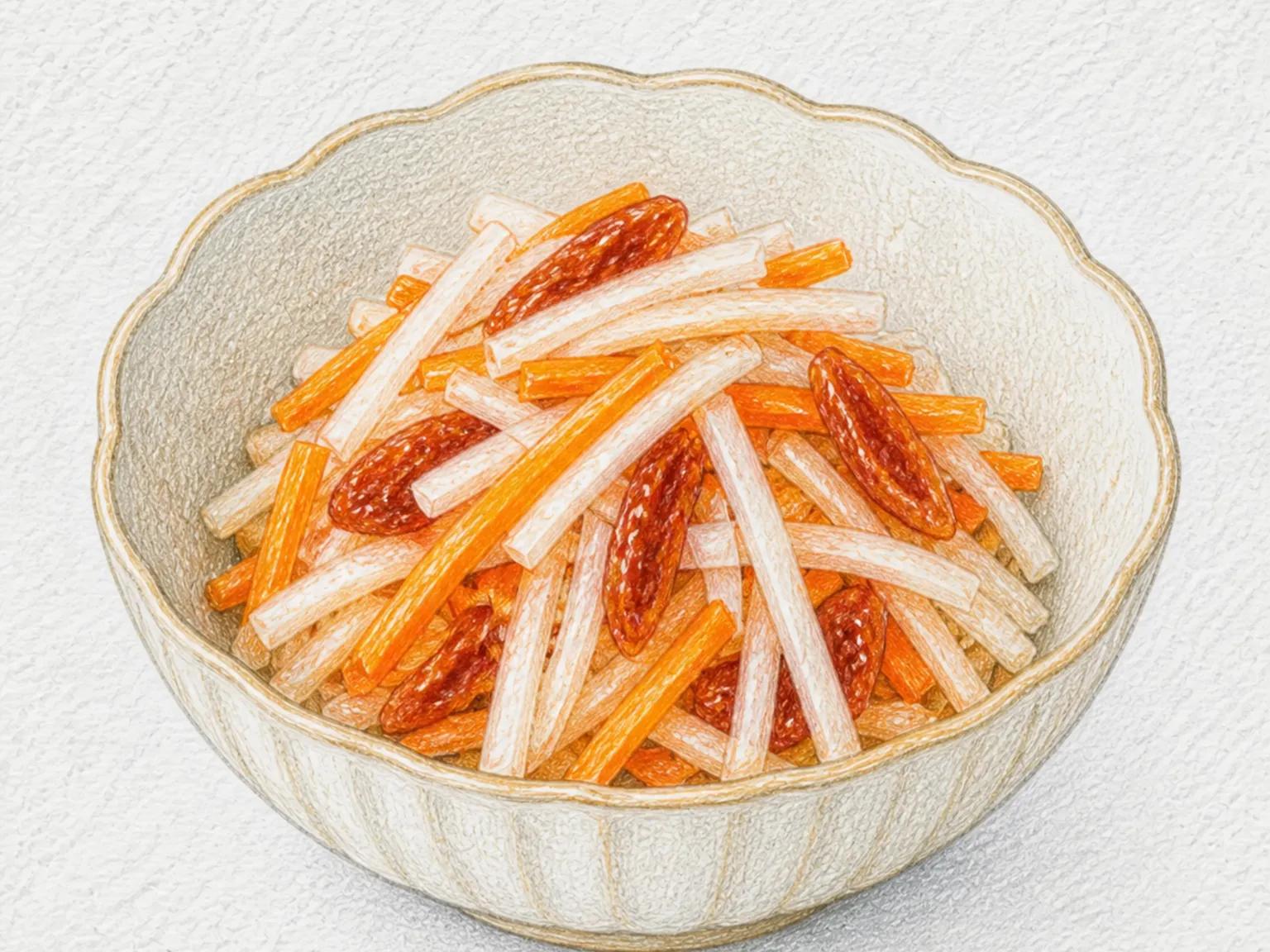
Narae is a Tokushima salad that cooks seven ingredients separately before dressing them in a sweet seasoned vinegar: daikon, carrot, dried shiitake, fried tofu, lotus root, burdock, and koya tofu. Daikon, carrot, lotus root, mushroom, and fried tofu simmer in shiitake soaking liquid; burdock is boiled on its own; and koya tofu absorbs a lightly sweet soy broth. Once all three groups are thoroughly drained, they are tossed with rice vinegar, sugar, light soy sauce, mirin, and sake and left to take on the seasoning. Sesame and yuzu peel finish a dish served at memorials and equinox observances, and now also eaten at home and in school meals.
Minestrone
This Minestrone recipe follows the actual preparation, main cooking method, and finish in order. Cut 1 onion, 2 carrots, 2 celery stalks, and 1 zucchini into similar small pieces so they cook evenly. Finely chop 3 garlic cloves and keep them separate because they go in after the firmer vegetables soften. Add the chopped garlic and cook for only about 30 seconds, just until fragrant, so it does not burn. Crush in 400 g whole peeled tomatoes and simmer over medium heat for 5 minutes to round off the acidity. If the soup becomes too thick, loosen it with a little more hot stock before serving. Turn off the heat, add 10 g fresh basil and a final drizzle of olive oil, then serve while the herb aroma is fresh.
Japanese Stir-Fried Noodles (Yakisoba)
Yakisoba is a classic Japanese stir-fried noodle dish made by tossing wheat noodles, pork, and vegetables in a tangy Worcestershire-based sauce. The preparation begins by stir-frying thinly sliced pork over high heat, followed by onions, carrots, and cabbage. Cooking the vegetables quickly at high heat keeps them crisp and prevents them from becoming soggy. The wheat noodles are briefly warmed to loosen them before being added to the pan. A savory-sweet yakisoba sauce is poured around the edges of the pan and quickly tossed to evenly coat every noodle strand. Once plated, hot noodles are topped with bonito flakes, which release a smoky aroma as they wave from the residual heat. Ensuring the noodles are not overcooked and adding the sauce near the end of the cooking process are key steps to maintaining the proper textures of both noodles and vegetables.
Korean Stir-fried Seaweed Stems
Miyeok-julgi-bokkeum is stir-fried seaweed stems - specifically the thick midrib portions of salted miyeok (wakame) - offering a textural experience entirely different from miyeok-muchim (seaweed salad) or miyeok-guk (seaweed soup). While seaweed leaves are soft and slippery, the stems are thick and resilient, producing a distinctive crunchy pop with each bite. Salt levels vary by brand, so soaking in cold water for ten minutes is the baseline desalting step, but tasting before cooking and rinsing again if needed is essential. Julienned onion and carrot stir-fried alongside break the monotony of seaweed alone, adding sweetness and color. Garlic sauteed in oil first establishes an aromatic foundation. A finishing drizzle of sesame oil and sesame seeds bridges the oceanic seaweed flavor with a toasty nuttiness. The extremely low calorie count makes this banchan a staple in diet-conscious Korean meal plans.
Diet Konjac Fried Rice
Diet Konjac Fried Rice is a low-calorie alternative to traditional fried rice, featuring chicken breast, eggs, and vegetables. The key step involves rinsing the konjac rice and dry-frying it in a pan without oil. This technique evaporates excess moisture and transforms the wet grains into a firm, chewy texture. To overcome the bland flavor of konjac, the dish uses a small combination of soy sauce and oyster sauce seasoned along the edges of the pan. Chopped green onions and carrots are sautéed in oil before adding chicken breast. Pushing these ingredients to one side to scramble the eggs separately keeps the eggs tender instead of rubbery. Finishing with a pinch of black pepper completes the savory profile. For longer satiety, cooking the konjac grains mixed with regular rice in a one-to-one ratio is recommended.
Korean Mushroom and Vegetable Stir-Fry
Mushroom-yachae-bokkeum stir-fries king oyster and oyster mushrooms with broccoli and carrot in a light soy-oyster sauce seasoning. Harder vegetables go into the hot pan first to get a head start, then the mushrooms join and pick up the sauce. High heat is essential because mushrooms release water quickly - fast cooking evaporates that moisture and concentrates the umami rather than steaming the ingredients. A finish of sesame oil ties the flavors together in a low-calorie dish that draws its depth entirely from the mushrooms' natural savoriness.
Korean Snack Bar Omelet Rice
Finely diced onion, carrot, and ham are stir-fried first to drive off moisture and draw out their natural sweetness, then cold leftover rice is added and tossed over high heat until every grain separates cleanly. Ketchup and Worcestershire sauce season the fried rice with a sweet-tangy balance that defines the bunsik-style flavor. The egg, mixed with a pinch of salt, is poured into a lightly oiled pan over low heat and spread into a thin sheet, then the fried rice is placed at the center and the egg is folded around it while still soft and barely set. Low heat is the key to keeping the omelet smooth and unbroken. The roll is shaped into an oval on the plate and finished with a neat zigzag of ketchup across the top. The warm egg shell traps the heat of the rice inside, keeping the filling moist until the first cut.
Gyujiru Okinawan Beef Soup
Gyujiru is a clear Okinawan soup that sautés generously cut beef and carrot in lard, then simmers them with kombu in bonito stock and finishes with grated ginger. In winter it traditionally used chidekuni, a long vivid-yellow island carrot, and the soup was valued as restorative food and served at regional observances. More substantial versions may include beef offal, but this household formula uses a block of lean beef round for straightforward handling. The beef is browned first in melted lard, followed by the carrot so its sweetness develops. Soaked kombu cut into three-centimeter squares and katsuo dashi then form the broth. Twenty minutes of low simmering tenderizes the components while careful skimming keeps the liquid clear. Salt and soy sauce are restrained to a light clear-soup seasoning, and ginger is stirred in only at the end so its fresh aroma remains distinct.
Korean Stuffed Steamed Cucumber
Oiseon is a traditional Korean court-style dish in which cucumber sections are hollowed out, stuffed with a filling of ground chicken, crumbled tofu, and finely julienned carrot, then steamed until the filling is just cooked through. The filling is seasoned only with soy sauce, garlic, and sesame oil, keeping it savory and lightly fragrant without competing with the clean flavor of the cucumber itself. Each piece delivers two distinct textures at once: the crisp, cool resistance of the cucumber shell against the soft, moist filling packed inside. Steaming rather than frying or sauteing preserves the cucumber's fresh green aroma and keeps the dish entirely oil-free, letting the natural character of each ingredient come forward without interference. The dish can be served warm directly from the steamer or chilled, at which point the flavors settle into a precise, refreshing clarity that works well in warmer seasons. A small dipping sauce of mustard sauce or light vinegar soy sauce sharpens the profile further. The careful preparation and restrained seasoning make oiseon appropriate for formal Korean table settings and guest entertaining, representing the kind of cooking where technique and balance speak louder than bold flavors.
Sara Udon (Crispy Noodles with Seafood Thick Sauce)
Sara udon is a Nagasaki noodle dish in which a hot, thickened stir-fry of pork, shrimp, squid, and vegetables is poured over fine crispy noodles arranged on a plate. Pork cooks first, followed by carrot, cabbage, shrimp, and squid; kamaboko, bean sprouts, and shiitake are added afterward so their textures remain distinct. Water, soy sauce, chicken stock powder, and potato starch form a glossy sauce that settles between the brittle strands. The dish was created in 1899 by Chin Heijun of the Shikairo restaurant as a brothless version of chanpon. Nagasaki residents distinguish the original thick-noodle style from the more recent fine crispy style. This recipe follows the latter, so the sauce is poured on only at serving time to preserve contrast between crisp noodles and soft topping.
Salmon Brown Rice Power Bowl
Salmon brown rice power bowl sears a salmon fillet four to five minutes per side until the skin crisps and the interior stays moist, then plates it over cooked brown rice with blanched spinach, julienned carrot, and sliced avocado. A sauce of soy sauce, lemon juice, and sesame oil layers umami depth, citrus brightness, and nutty aroma into a single drizzle that ties the mild grain to the rich fish. Brown rice's firm, chewy texture contrasts with the tender salmon flesh, and avocado fills the gap with a smooth, fatty creaminess. Pulling the salmon from heat while the center is still slightly translucent preserves moisture - overcooking causes the proteins to contract and squeeze out the juices.
Osso Buco (Milanese Braised Veal Shank with Gremolata)
This Osso Buco (Milanese Braised Veal Shank with Gremolata) recipe follows the actual preparation, main cooking method, and finish in order. Pat the 4 thick veal shanks dry, then coat them lightly with the 3 tablespoons of flour. Shake off loose flour so it browns cleanly instead of scorching in the oil. Lift the meat out briefly, then cook the onion, carrot, and celery in the same oil. Use medium heat for about 6 minutes, until the vegetables soften and smell sweet. When the meat separates easily with a fork, take it out carefully and spoon sauce over it. Finely chop 10 g parsley, zest from 1 lemon, and 2 garlic cloves, then scatter the gremolata just before serving.
Korean Stir-Fried Seaweed Stems with Perilla
Deulkkae miyeokjulgi-bokkeum stir-fries salted seaweed stems with perilla oil and ground perilla seeds, diverging from the standard sesame-and-soy version by foregrounding the earthy nuttiness of perilla. Desalting the stems in cold water for at least fifteen minutes is the essential first step - too brief and the dish is unpalatably salty, too long and the oceanic character washes away entirely. Garlic is sauteed in perilla oil to build an aromatic foundation, then the drained stems join with soup soy sauce and a splash of water for three minutes of stir-frying. Ground perilla seeds go in at the end, where they bind with the residual moisture and coat each strand in a pale, creamy film. Julienned onion added alongside contributes sweetness that balances the seaweed's brininess. The perilla powder's starch partially gelatinizes on contact with heat, thickening the sauce - but overcooking past this point turns the coating chalky, so timing the final addition is critical. Sesame seeds scattered off heat complete the dish.
Octopus Rice Porridge
Octopus porridge sautés soaked rice, carrot, and zucchini in sesame oil, simmers them until soft, and briefly warms finely chopped cooked octopus at the end.
Korean Spicy Stir-fried Octopus
Nakji-bokkeum is a fiery Korean stir-fry of small octopus (nakji) coated in a sauce of gochujang, gochugaru, soy sauce, sugar, and garlic, tossed with bean sprouts, onion, carrot, and scallion. Bean sprouts line the bottom of the pan, releasing moisture to prevent sticking while adding crunch. The vegetables and half the sauce go on next, then the octopus on top, covered and steamed on medium heat for three minutes before a final high-heat stir-fry sears everything for two minutes. Speed is critical - octopus toughens with prolonged cooking - and the dish is often mixed with boiled thin wheat noodles for a heartier meal.
Korean Shrimp Gimbap (Plump Shrimp and Vegetable Seaweed Roll)
Shrimp are peeled and deveined with a toothpick before being blanched for two minutes, then rolled inside seasoned rice, egg strips, sauteed julienned carrot, and cucumber. Deveining before blanching is essential because the intestinal tract can leave a faint off-flavor in the finished roll. Large shrimp are halved lengthwise before rolling so the cross-section of each slice shows a generous amount of pink shrimp flesh rather than a thin crescent. The shrimp's clean, mild flavor does not compete with the sauteed carrot, egg, or cucumber, and the firm, springy bite of well-cooked shrimp gives each piece a distinct texture against the soft rice and yielding egg. The rice is seasoned with sesame oil and salt, but the sesame oil should be kept to no more than one tablespoon per two cups of cooked rice, as too much will soften the seaweed prematurely. Chilling the completed rolls for 30 minutes before cutting helps the cross-sections hold their shape cleanly on the cutting board. Saeu-gimbap is a common choice for children's lunchboxes because its flavors are mild and accessible, and it makes a lighter, less assertive option compared to rolls with stronger-seasoned fillings like braised burdock or spiced fishcake.
Okuzukake (Thickened Vegetable and Umen Soup)
Okuzukake is a Buddhist vegetarian soup served in southern Miyagi during the spring and autumn equinox periods, Obon, and memorial gatherings. Taro, carrot, burdock, cowpea pods, and dried shiitake cook in a broth built from the mushroom soaking liquid. Fried tofu, fresh tofu, shirataki, and small wheat gluten pieces make the bowl substantial without meat or fish. Separately boiled Shiraishi umen noodles are added near the end, then potato starch slurry gives the clear, soy-seasoned broth enough body to cling lightly to the noodles and vegetables. A small amount of mitsuba finishes each serving.
Korean Steamed Stuffed Squid
Ojingeo sundae jjim is a Korean stuffed squid dish from the Gangwon-do region, where whole squid bodies are filled with a mixture of glass noodles, ground pork, onion, carrot, and garlic chives, then steamed. The chewy squid exterior encases a moist, savory stuffing that melds together during cooking. Soy sauce and sesame oil in the filling season it from within, and the squid's own moisture keeps everything from drying out. Slicing the squid after a brief rest reveals clean, attractive cross-sections with the noodles and vegetables visible inside. This dish is a common choice for home gatherings where a visually striking centerpiece is wanted.
Korean Beef Japchae (Soy-Marinated Beef Glass Noodle Stir-Fry)
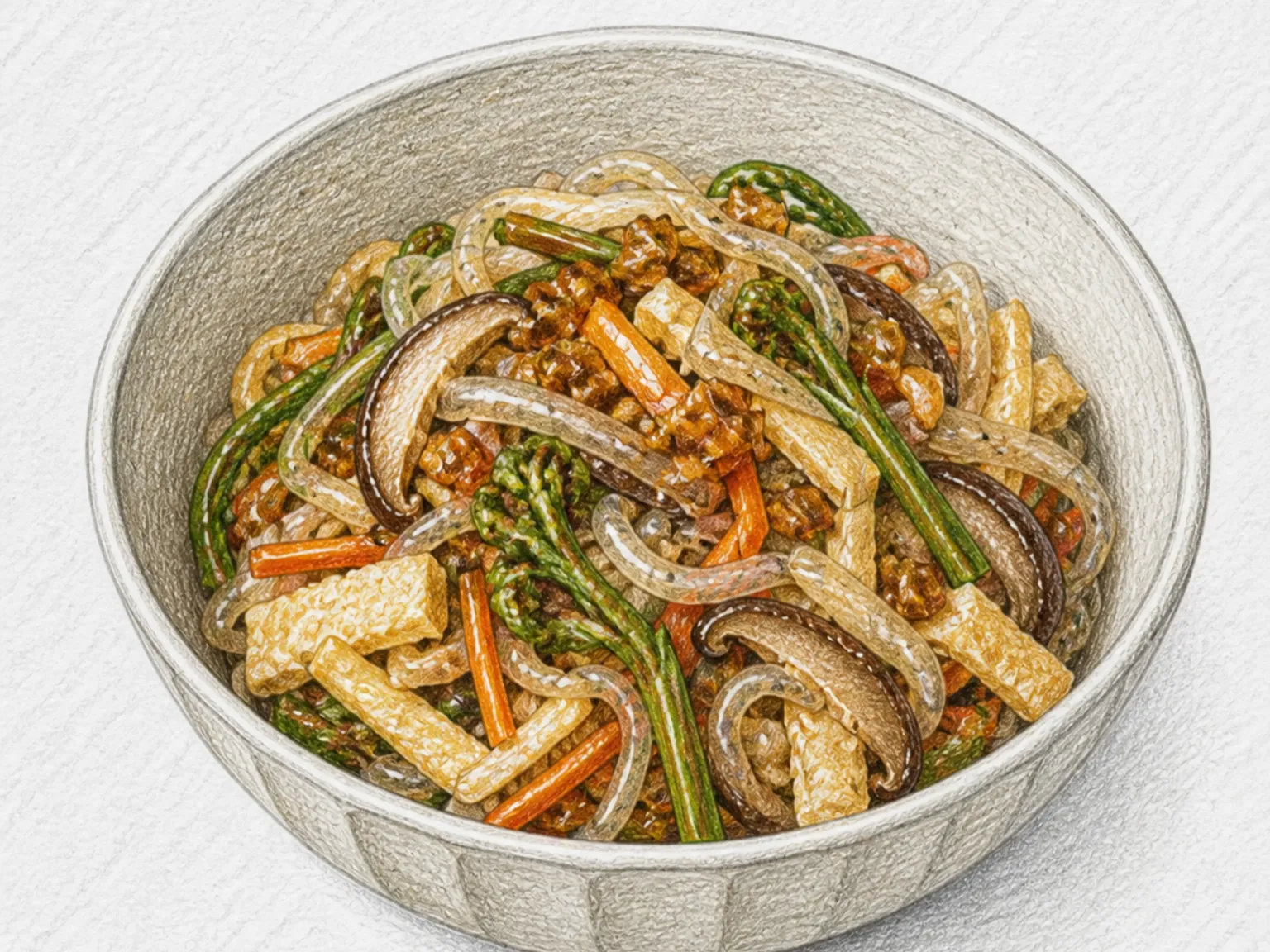
Sogogi japchae is a Korean stir-fried noodle dish made with sweet potato glass noodles, soy-marinated beef strips, and an assortment of individually prepared vegetables. Spinach is blanched, carrots and onions are julienned and stir-fried separately, and each component is combined at the end to preserve its distinct color and texture. The noodles are soaked rather than fully boiled, then finished in the pan so they stay chewy instead of mushy. Soy sauce, sugar, and sesame oil form the seasoning base, giving the dish its characteristic sweet-savory balance.