Pavlova
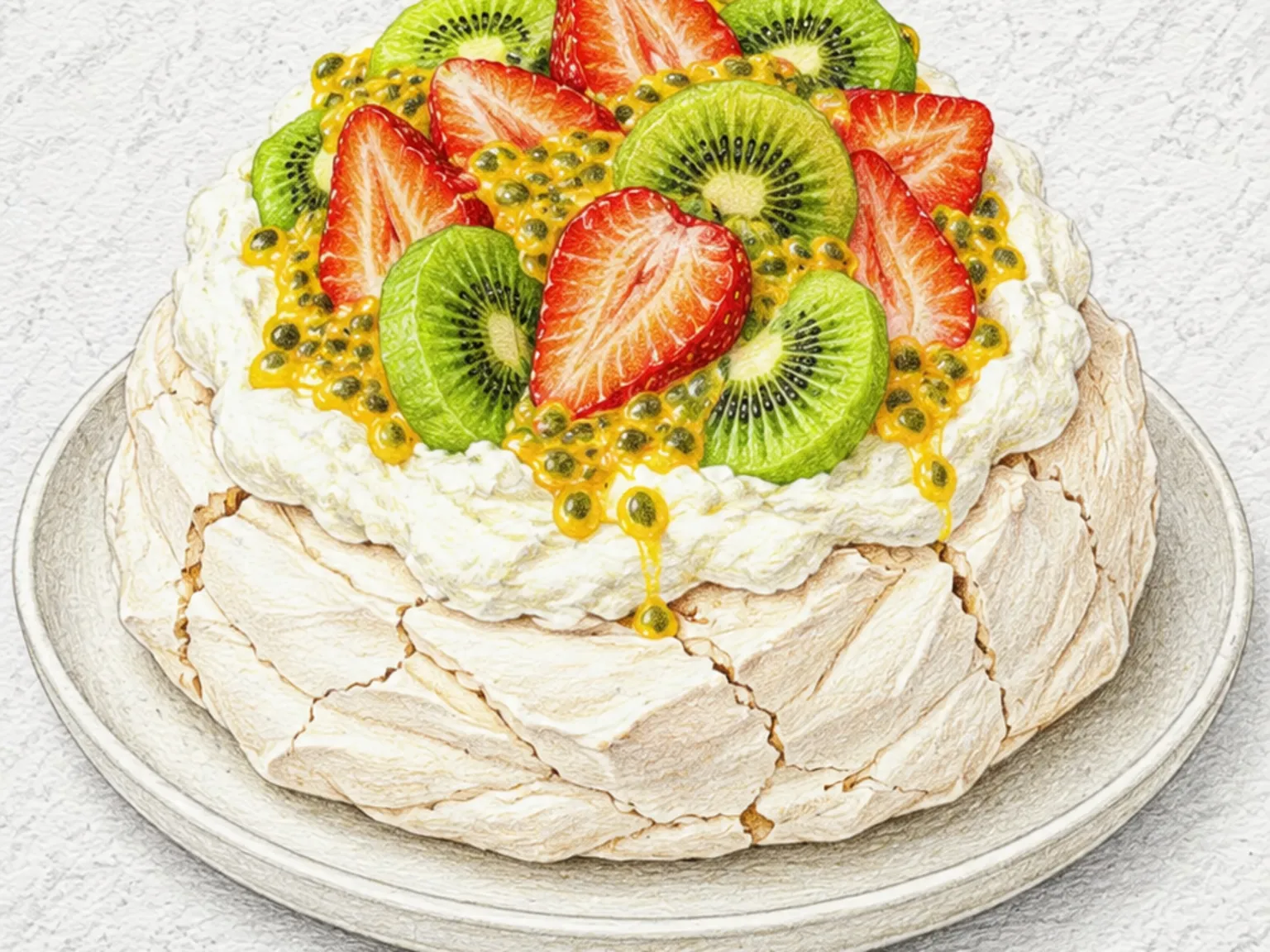
Popular in both Australia and New Zealand, this meringue dessert cracks into a thin, brittle shell when you cut it, with a soft, marshmallowy middle underneath. Whipped cream with strawberries and kiwi on top is the usual way to finish it.
17 recipes. Page 1 of 1
As an Amazon Associate, we may earn from qualifying purchases.
Popular in both Australia and New Zealand, this meringue dessert cracks into a thin, brittle shell when you cut it, with a soft, marshmallowy middle underneath. Whipped cream with strawberries and kiwi on top is the usual way to finish it.
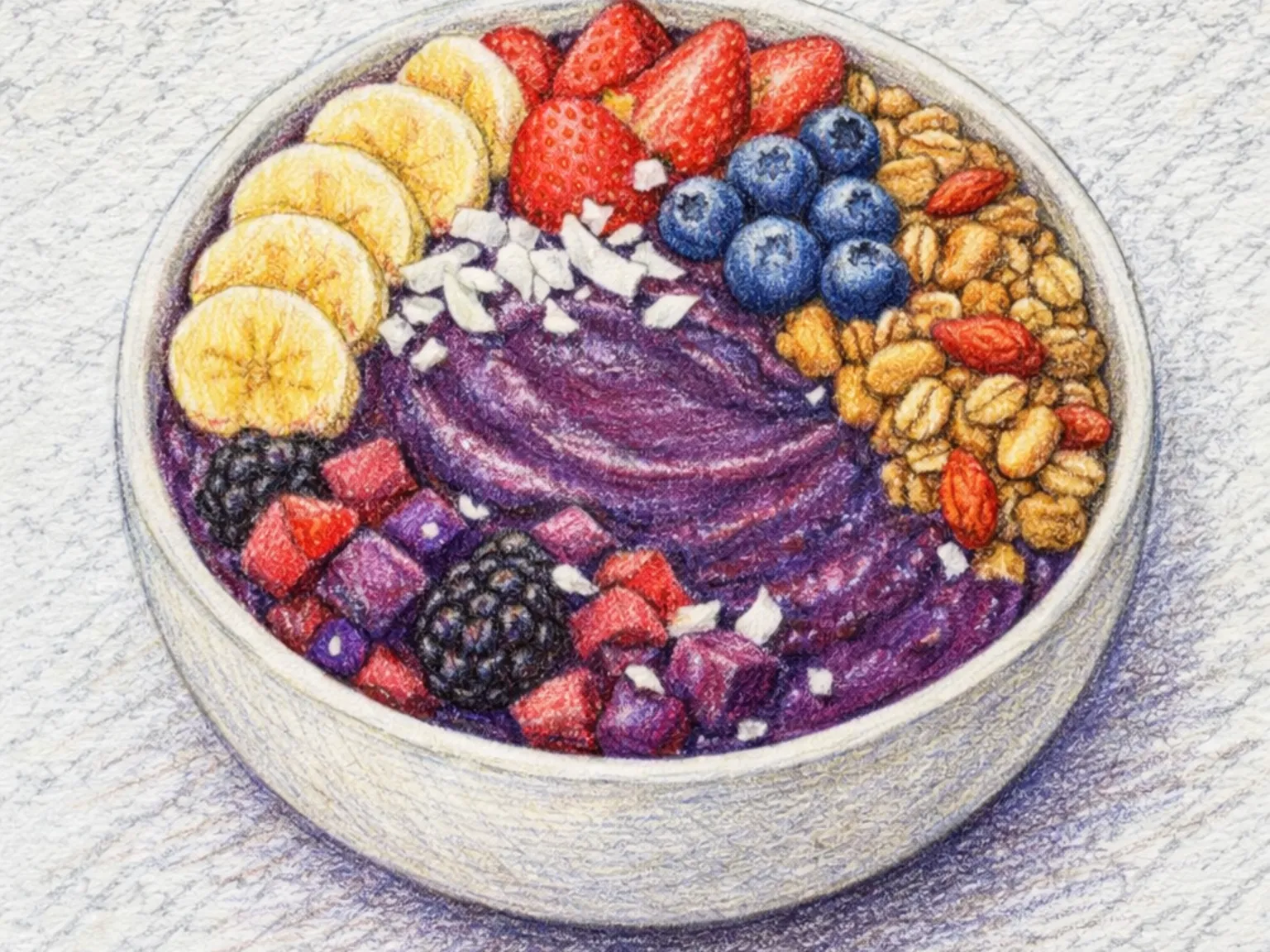
Frozen acai blended with banana, blueberries, and Greek yogurt turns into a thick, deep purple base like sorbet, with an earthy, almost cocoa-like note behind the berry flavor. The acai palm grows in the Amazon basin, and the bowl format topped with granola, fruit, and honey spread from Rio de Janeiro surf culture in the 1980s. The contrast between cold base and crunchy granola fades fast, so it goes to the table right away.
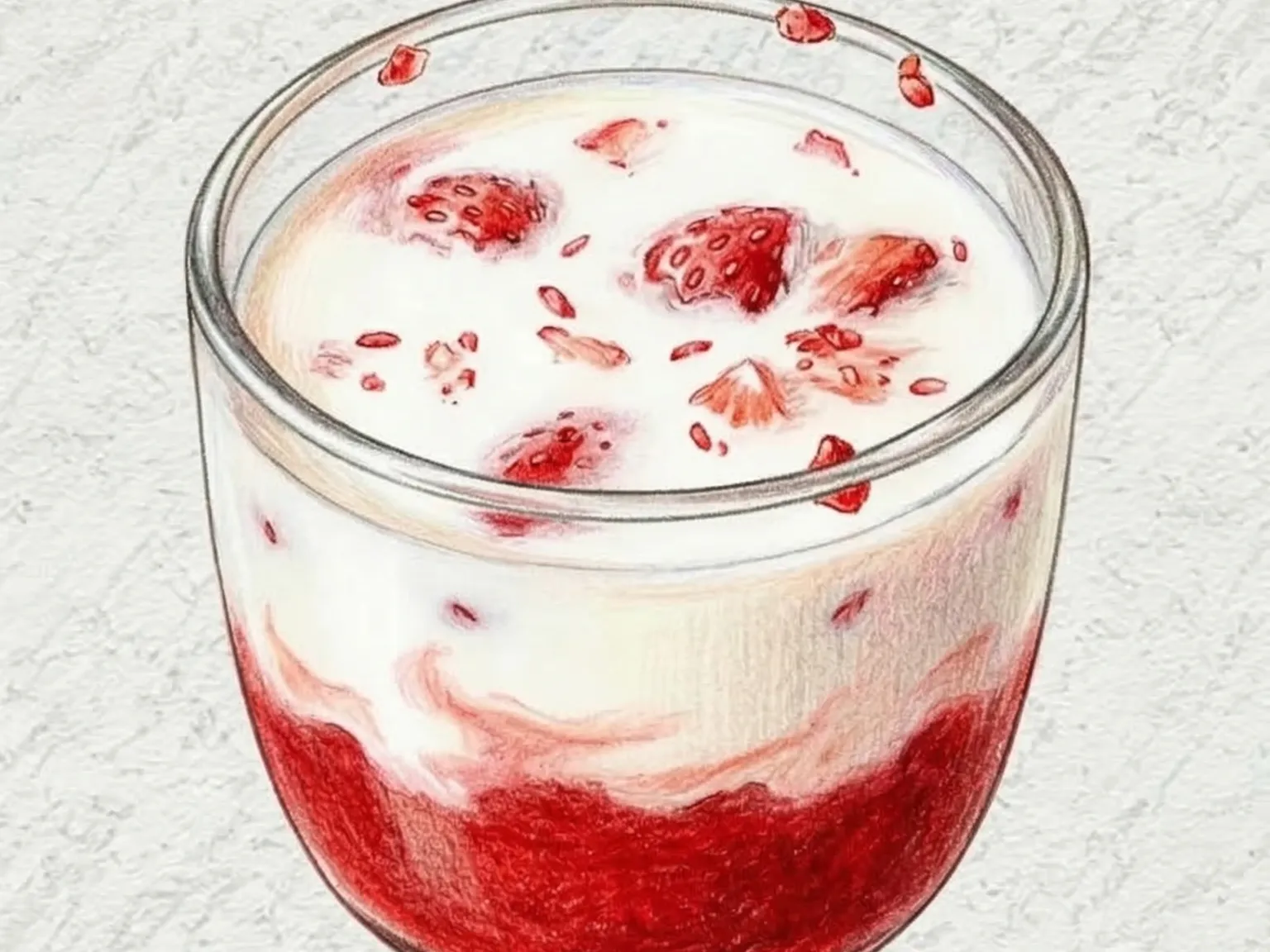
Strawberries crushed roughly with a fork and left under a sprinkle of sugar for five minutes give up enough juice to become a syrup. It goes into the bottom of an iced glass before cold milk is poured slowly down the side to keep a red layer under a white one. Stir with a straw and the pale pink milk carries bits of strawberry you can chew.
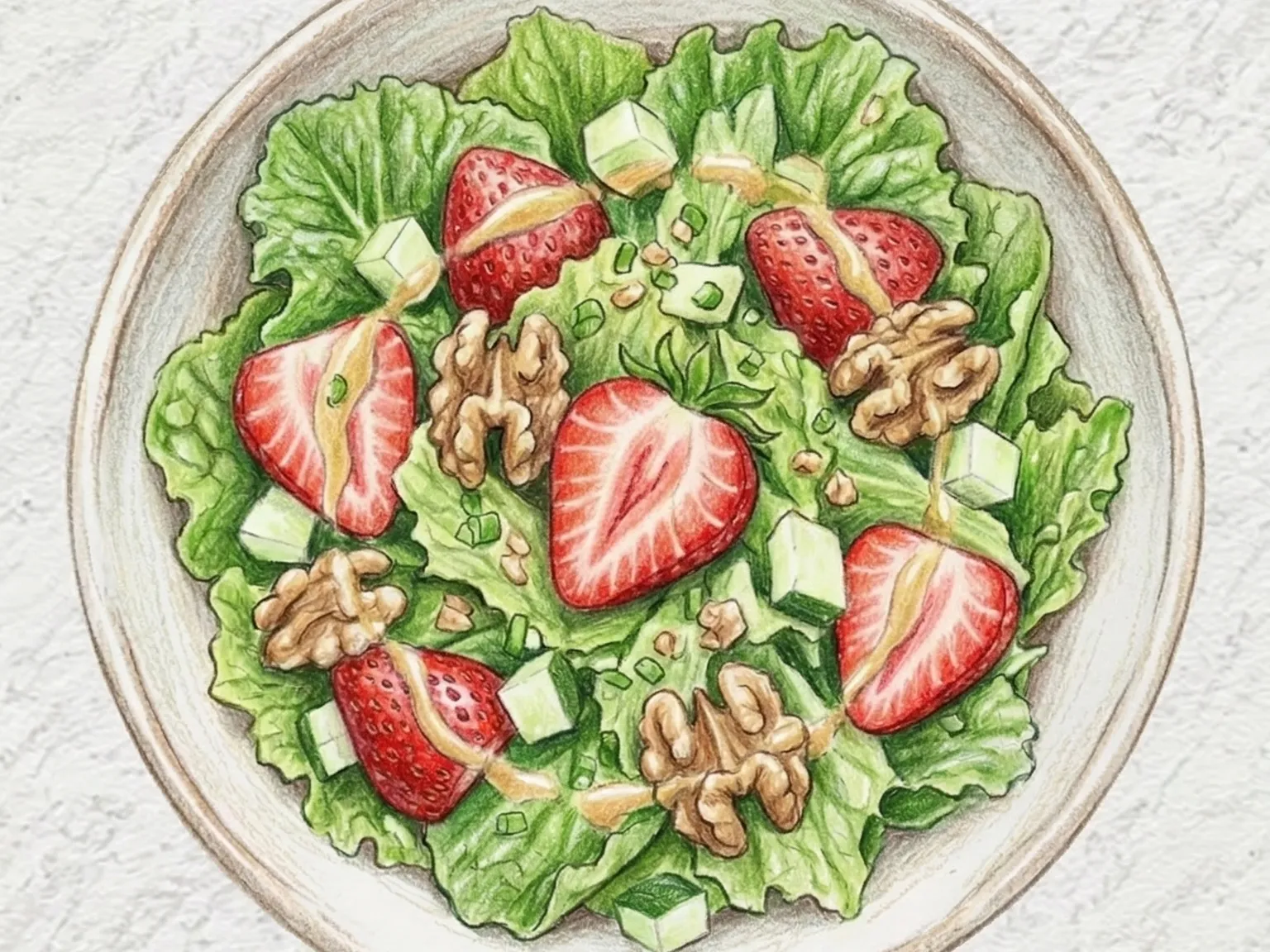
Bomdong, a flat, open-leaf cabbage harvested from winter into early spring, has sweet, crunchy leaves that pair surprisingly well with strawberries. The link is a doenjang dressing: Korean soybean paste loosened with olive oil, lemon juice, and honey, salty and nutty without being heavy. Because doenjang varies a lot in saltiness from brand to brand, the dressing goes on in portions, tasted as you go. The leaves are torn by hand rather than cut to keep their natural shape, then dried well, since leftover water thins the dressing. Strawberries sit on top of the greens instead of in the dressing, which would make them weep juice, and walnuts and sesame add a toasty note that bridges the fruit and the paste.
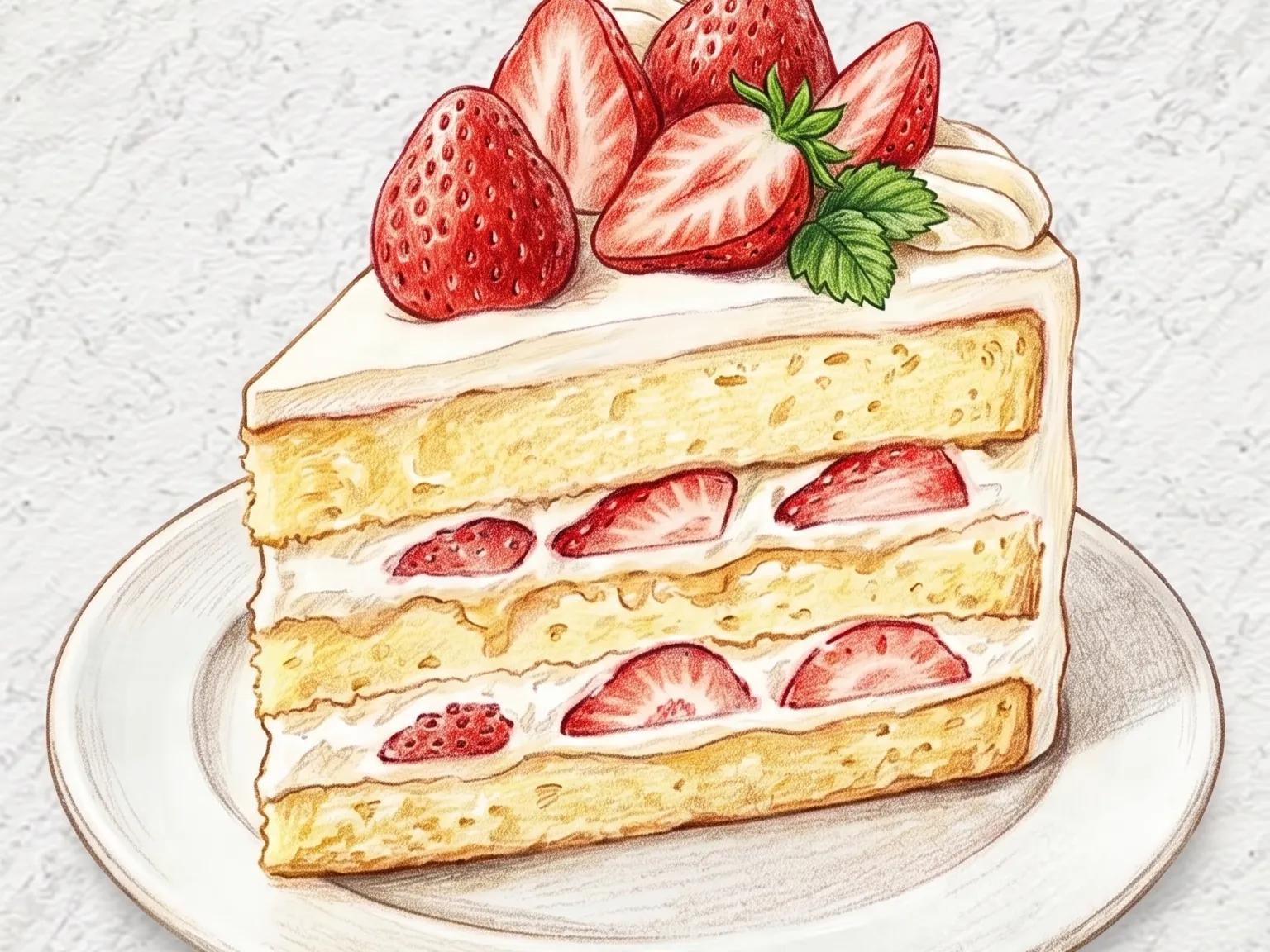
This is the shortcake you see in Japanese bakeries: three layers of airy sponge, raised only by whipped eggs, filled with cream and sliced strawberries. Pick out the best-looking berries for the top before you slice the rest.
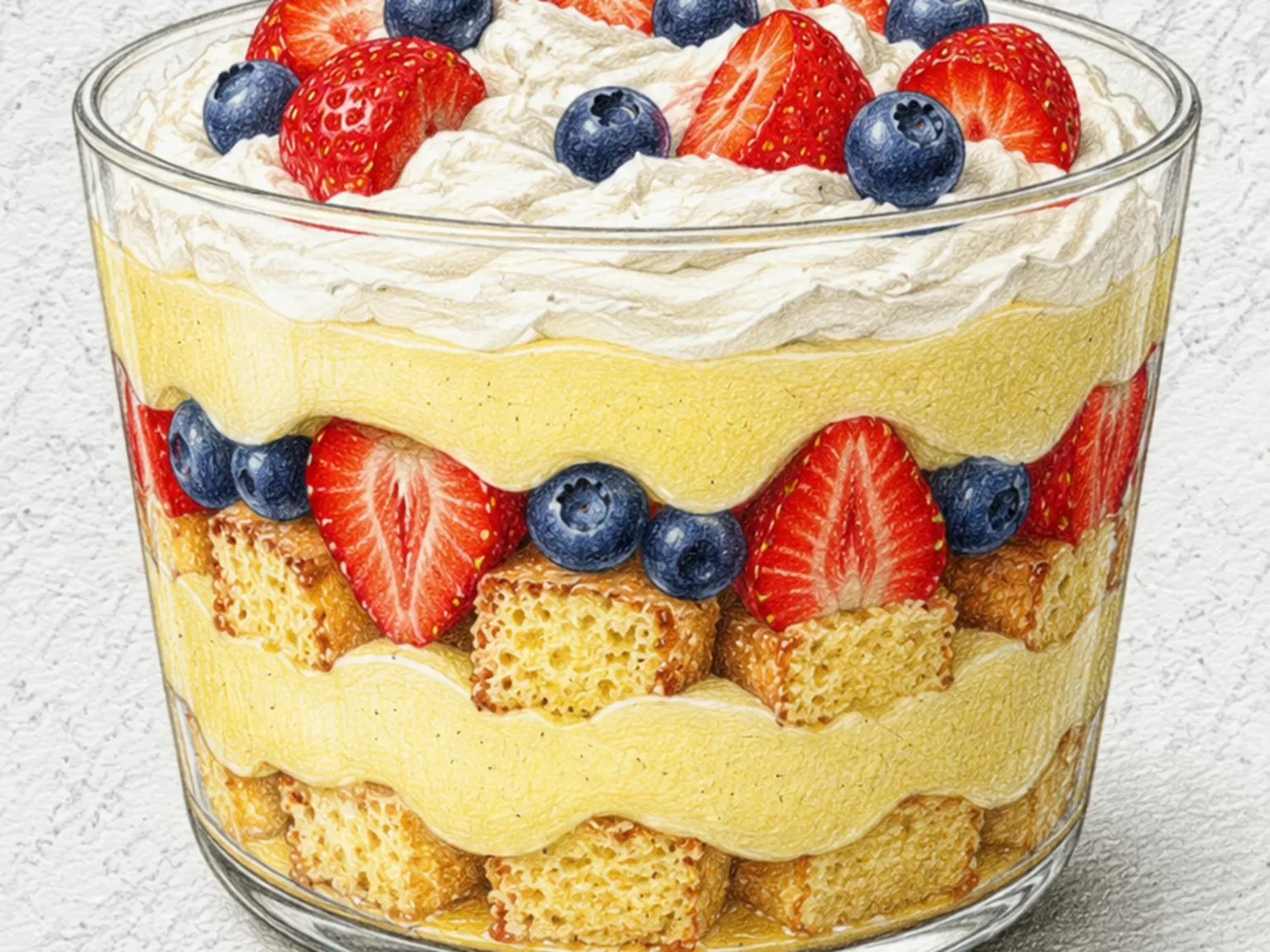
Through the sides of a glass bowl you can see the bands: sponge cake, strawberries and blueberries, custard and cream. Soaked in sherry or juice, the sponge turns soft as pudding, and the custard and whipped cream above it meet in the same spoonful. Fruit that goes in without being patted dry thins the custard and blurs the lines between layers.
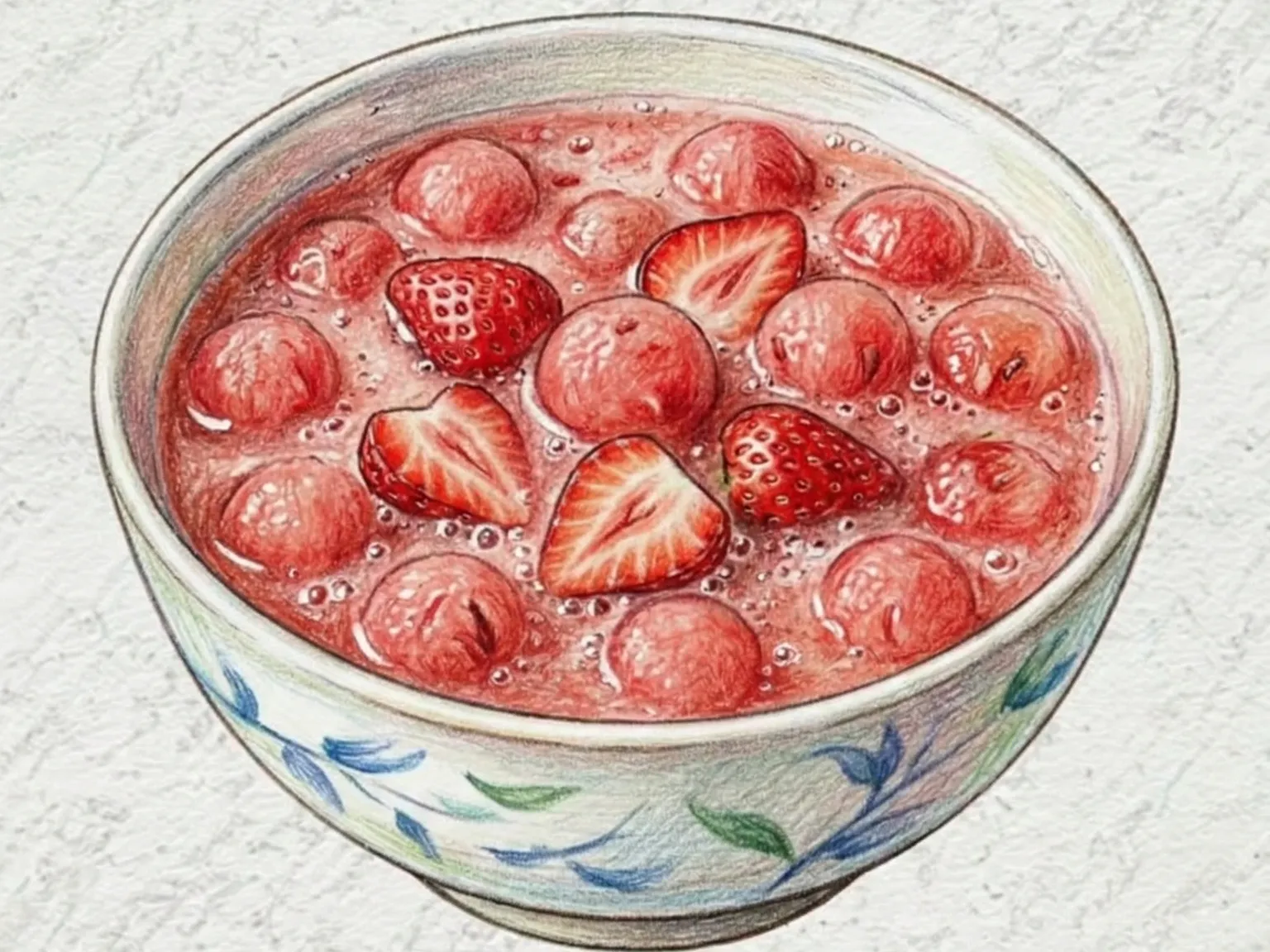
Half the watermelon is blended and strained, and the other half is scooped into balls to float in the bowl. The strained juice has to be properly cold before the milk goes in, or the pink base can separate. Lemon-lime soda is poured in just before eating, along with strawberries and blueberries.
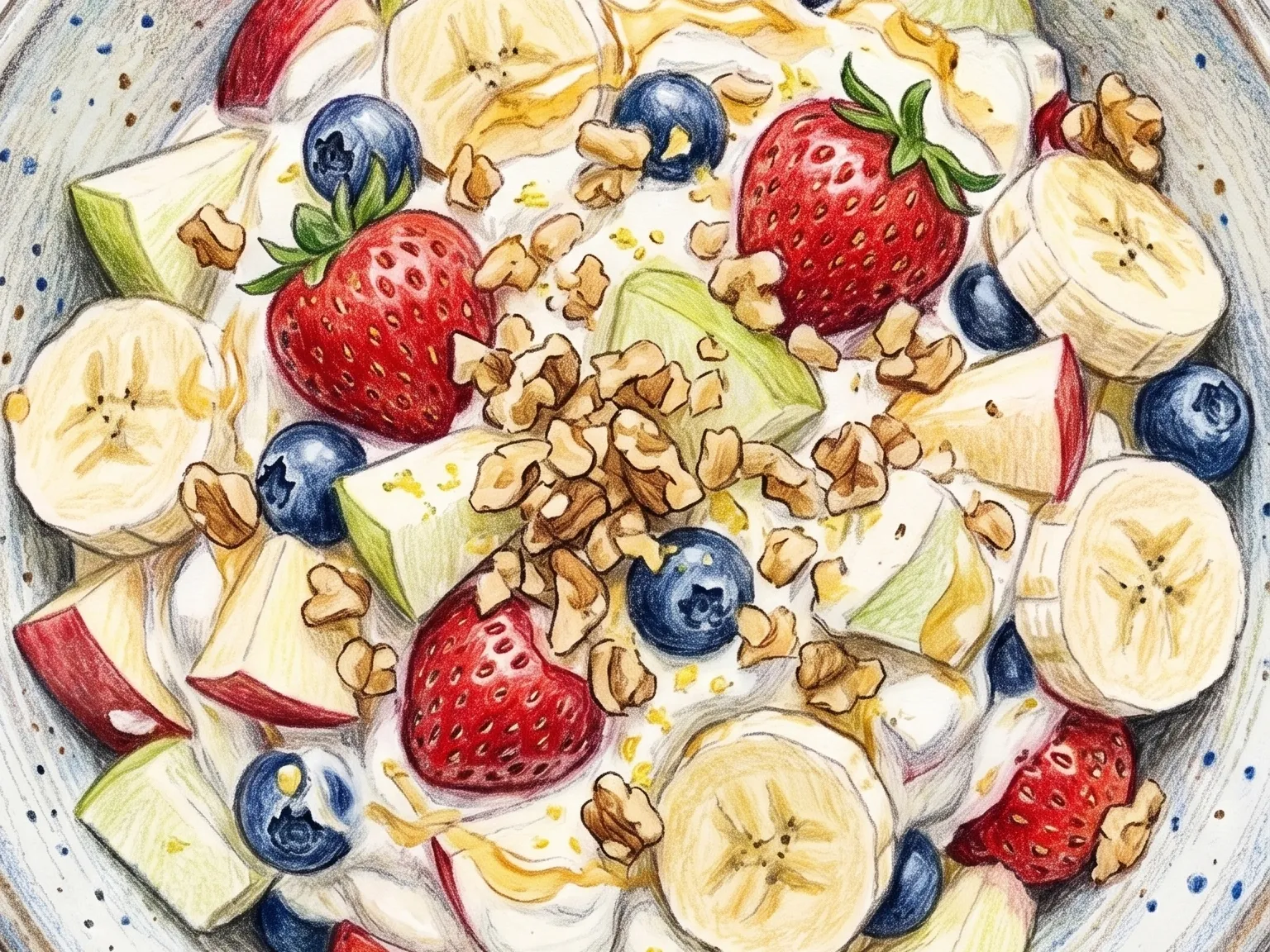
Apple, banana, strawberries and blueberries cut into bite-size pieces get folded into plain yogurt sweetened with honey, whose soft tang sits over the fruit's sweetness. Lemon juice slows browning on the cut apple and freshens the finish, while walnuts toasted briefly in a dry pan bring crunch to an otherwise soft bowl.
From Eton College in England, this dessert is named for what it looks like: a mess. Meringue broken by hand into big and small pieces is folded with strawberries and whipped cream just two or three times, and half the berries are crushed with lemon juice first so their red juice runs through the cream. Meringue left to sit goes soft, so it is served the moment it is mixed.
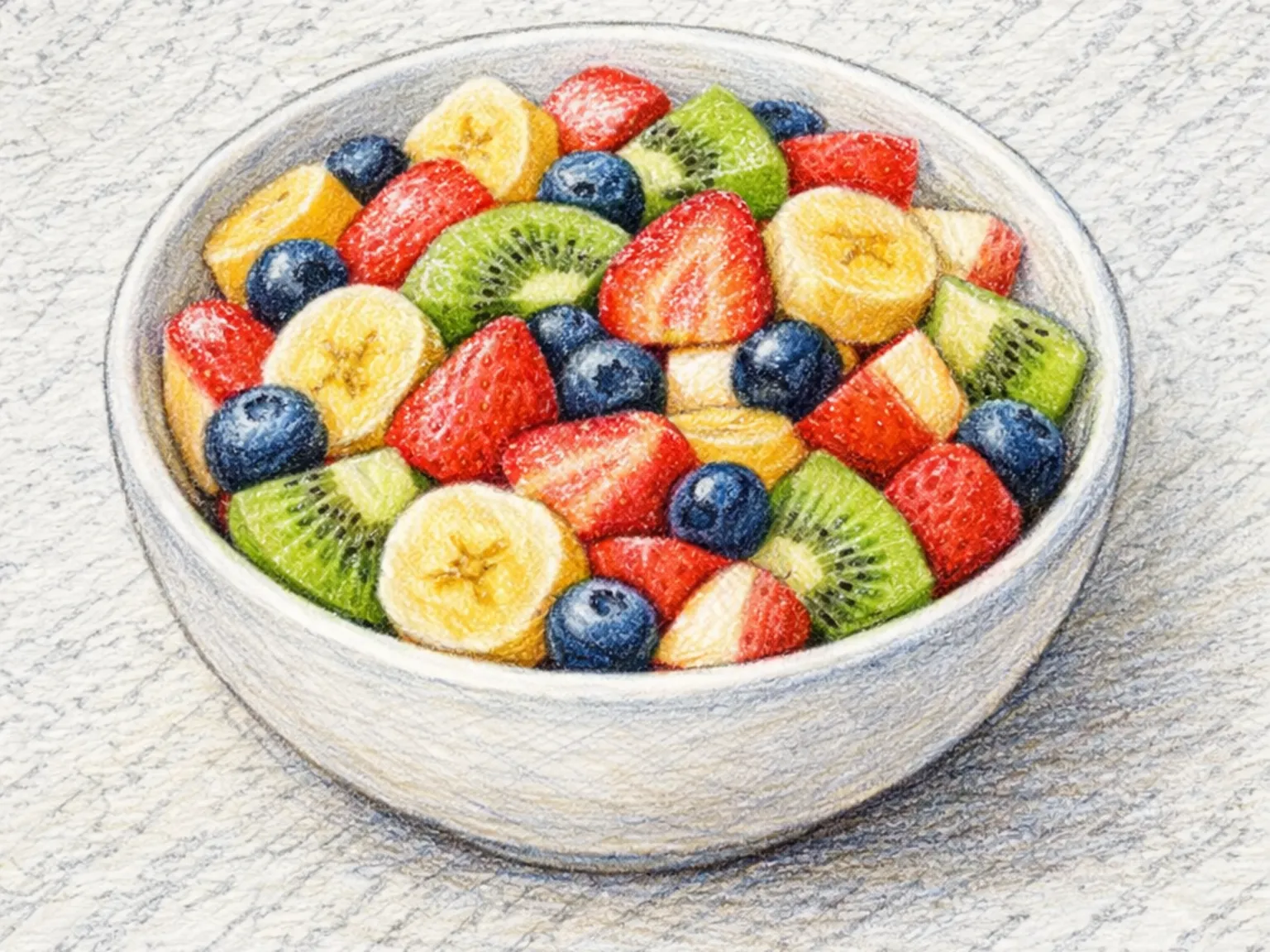
Crisp apple and kiwi, soft banana, and tart strawberries and blueberries end up together in each spoonful, held by plain yogurt sweetened only with honey and sharpened with lemon. Cutting the fruit to a similar size keeps every bite even. The lemon juice does a second job, slowing the apple from turning brown. Banana softens fastest of all, so it joins the bowl last, after everything else is coated. Ten minutes in the fridge lets the fruit juices loosen the yogurt into a lighter, glossier coating.
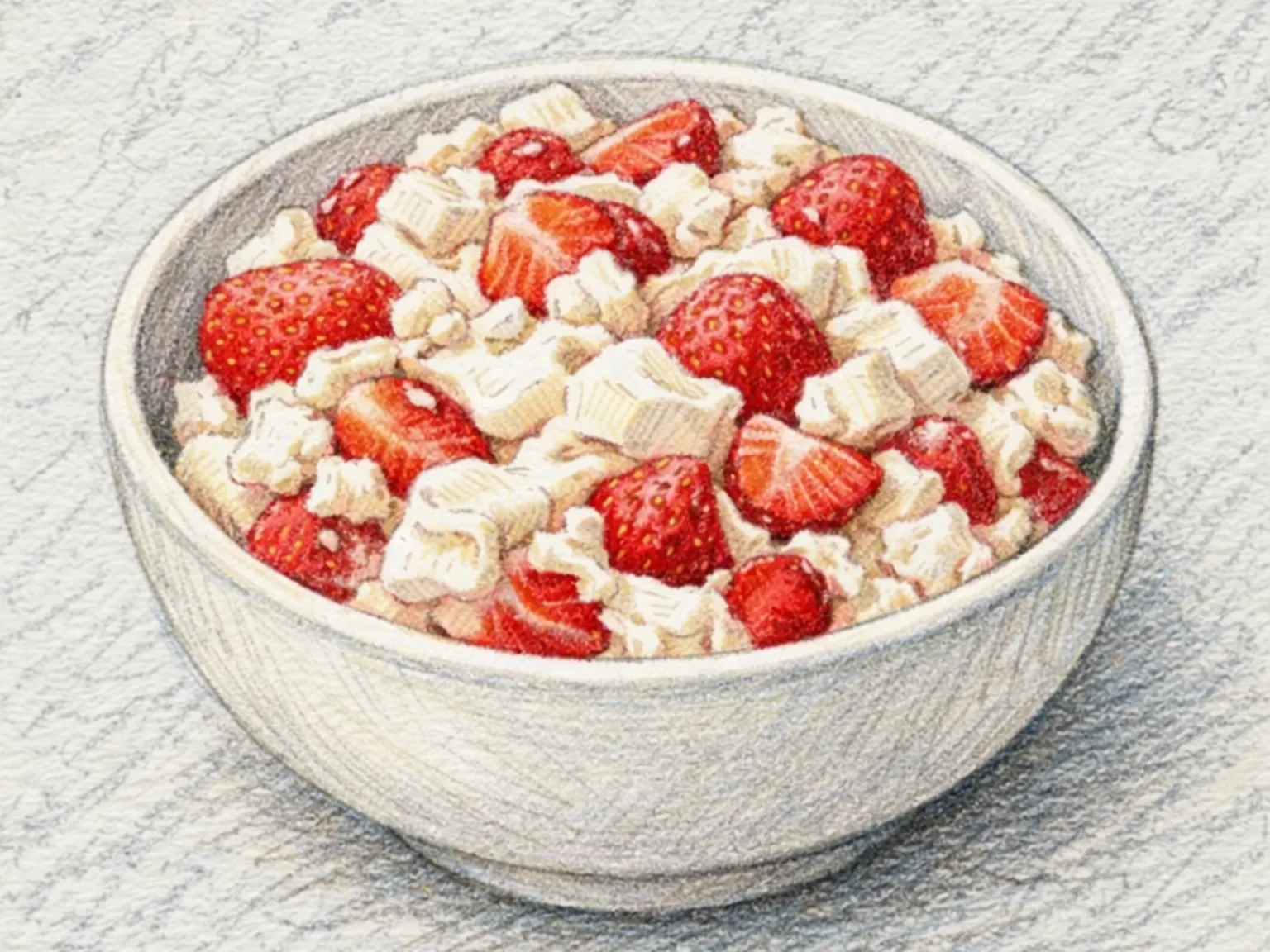
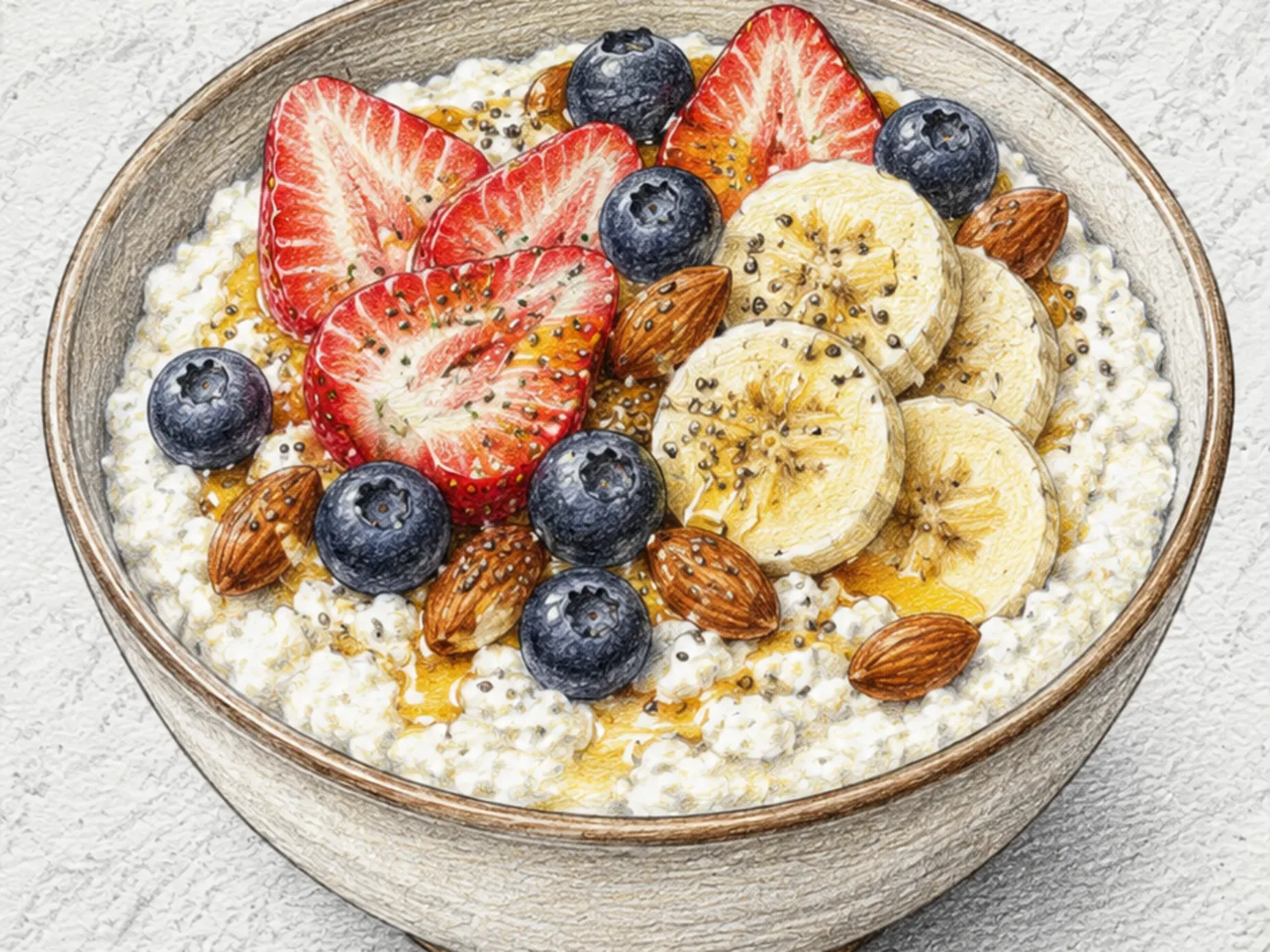
Juice from strawberries, blueberries, and banana runs between the small curds of cottage cheese, and each spoonful carries a mild saltiness and fruit sweetness together. There is no dressing, only a thin line of honey, and without the honey all the sweetness comes from the fruit. Pat the rinsed blueberries dry before they go on, or the cheese turns watery.
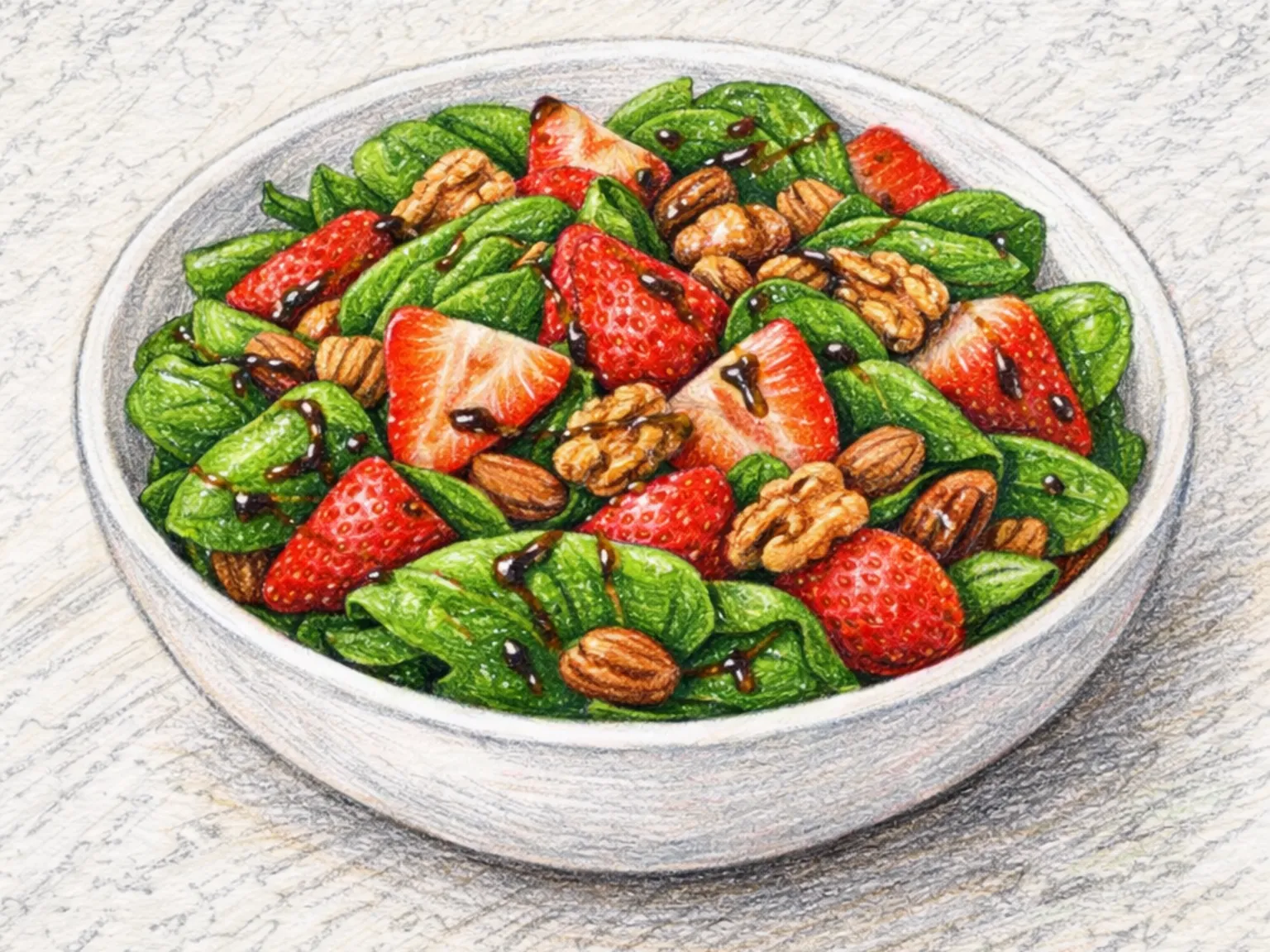
Thin slices of strawberry and a honey-balsamic dressing lay sweet and tart notes over tender baby spinach. Toasted walnuts and very thin red onion keep the salad from tipping into dessert, one with crunch and the other with a sharp bite.
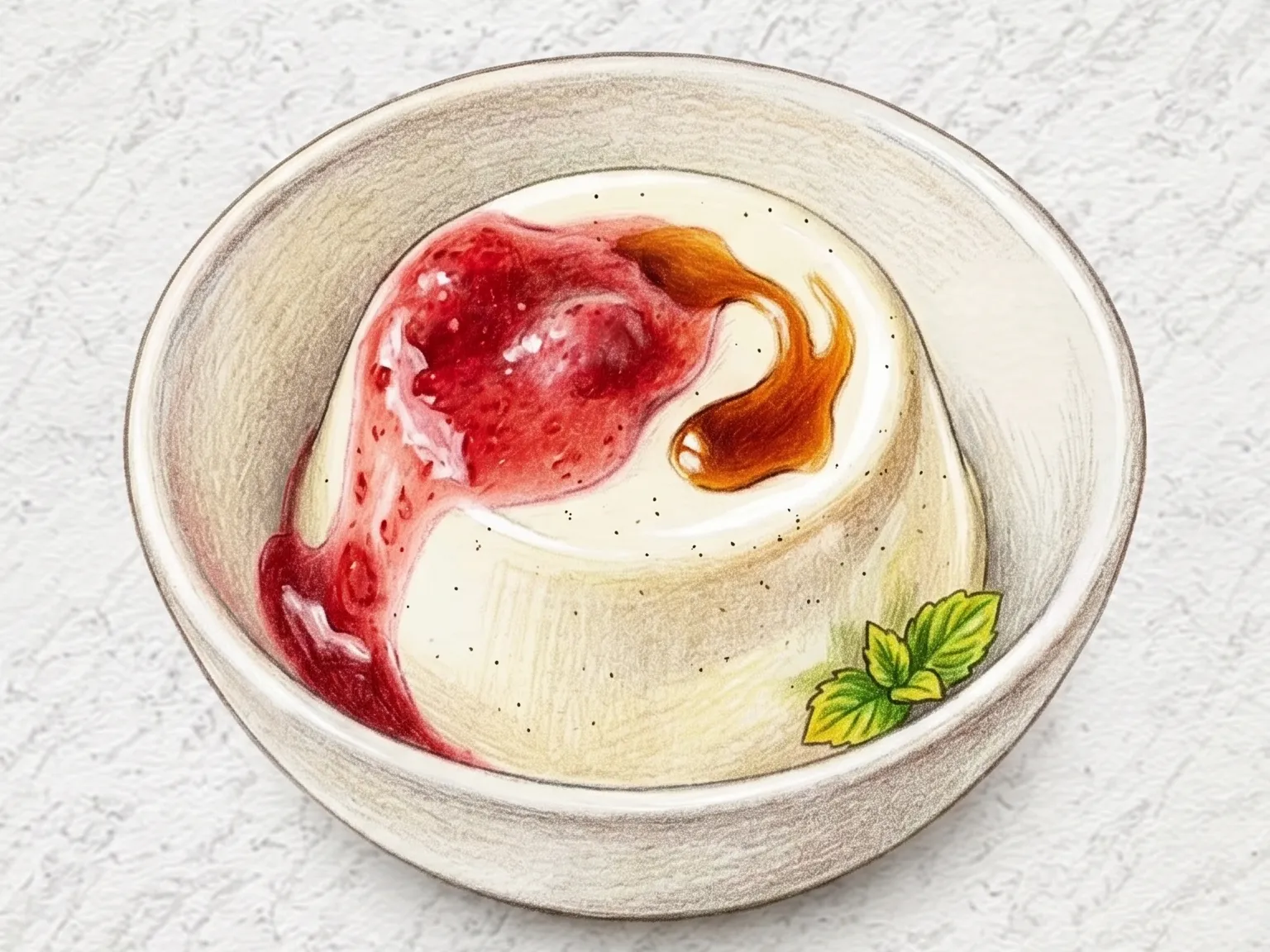
With 400ml of cream to only 120ml of milk, this panna cotta still trembles when nudged with a spoon after it sets, and melts almost as soon as it is in your mouth. The stove work takes a few minutes; the rest is at least four hours of waiting in the fridge. Thinly sliced strawberries go on top.
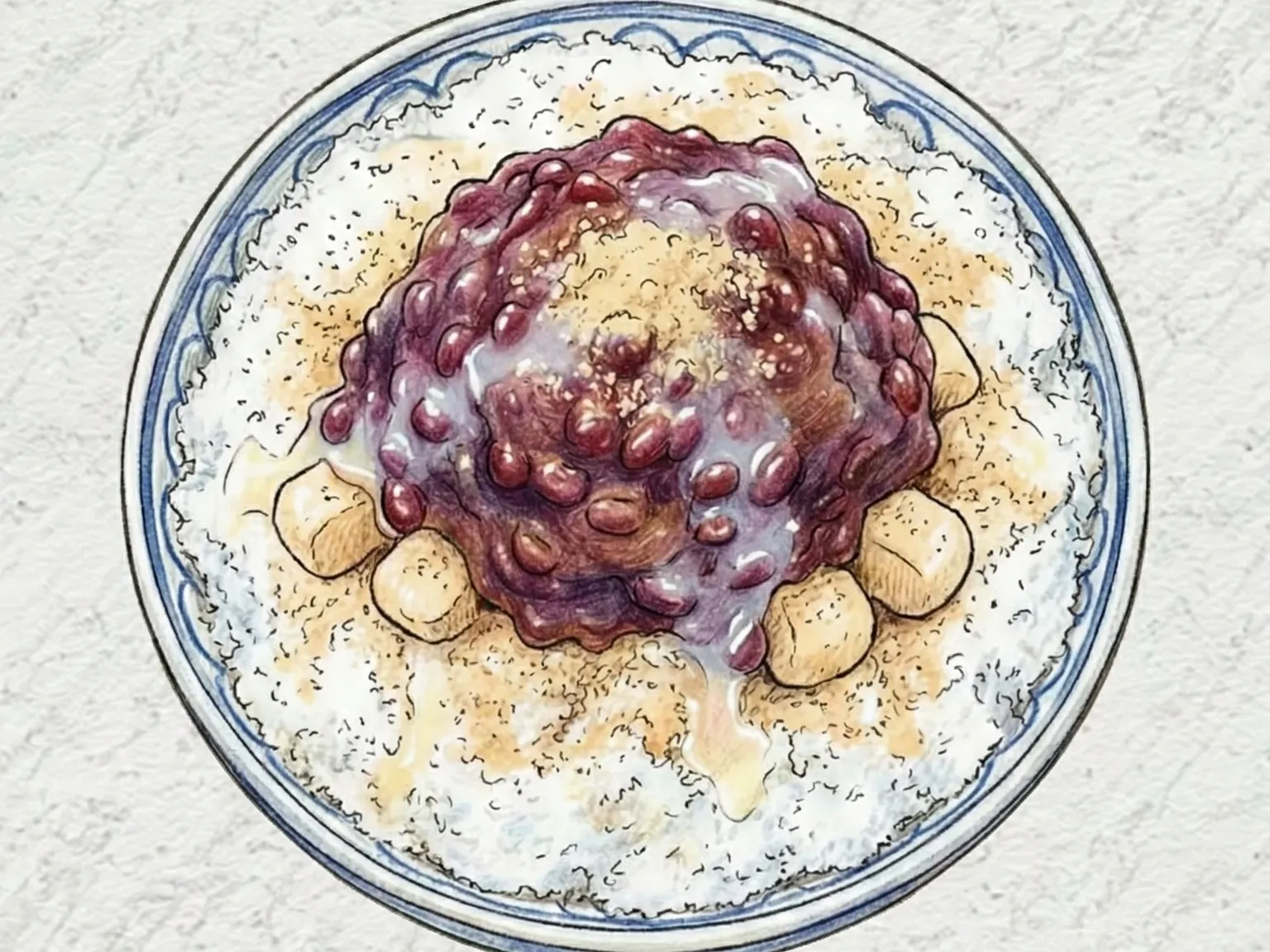
Frozen milk shaved into snow-fine flakes melts creamier and more opaque than plain water ice, which is what sets this bingsu apart. One spoonful can pick up sweet red beans, chewy rice cake, sliced strawberries, nutty multigrain and soybean powders, and crunchy almonds from the mound at once. The beans are tasted before any sugar goes in and cooled fully so they do not melt the ice on contact.
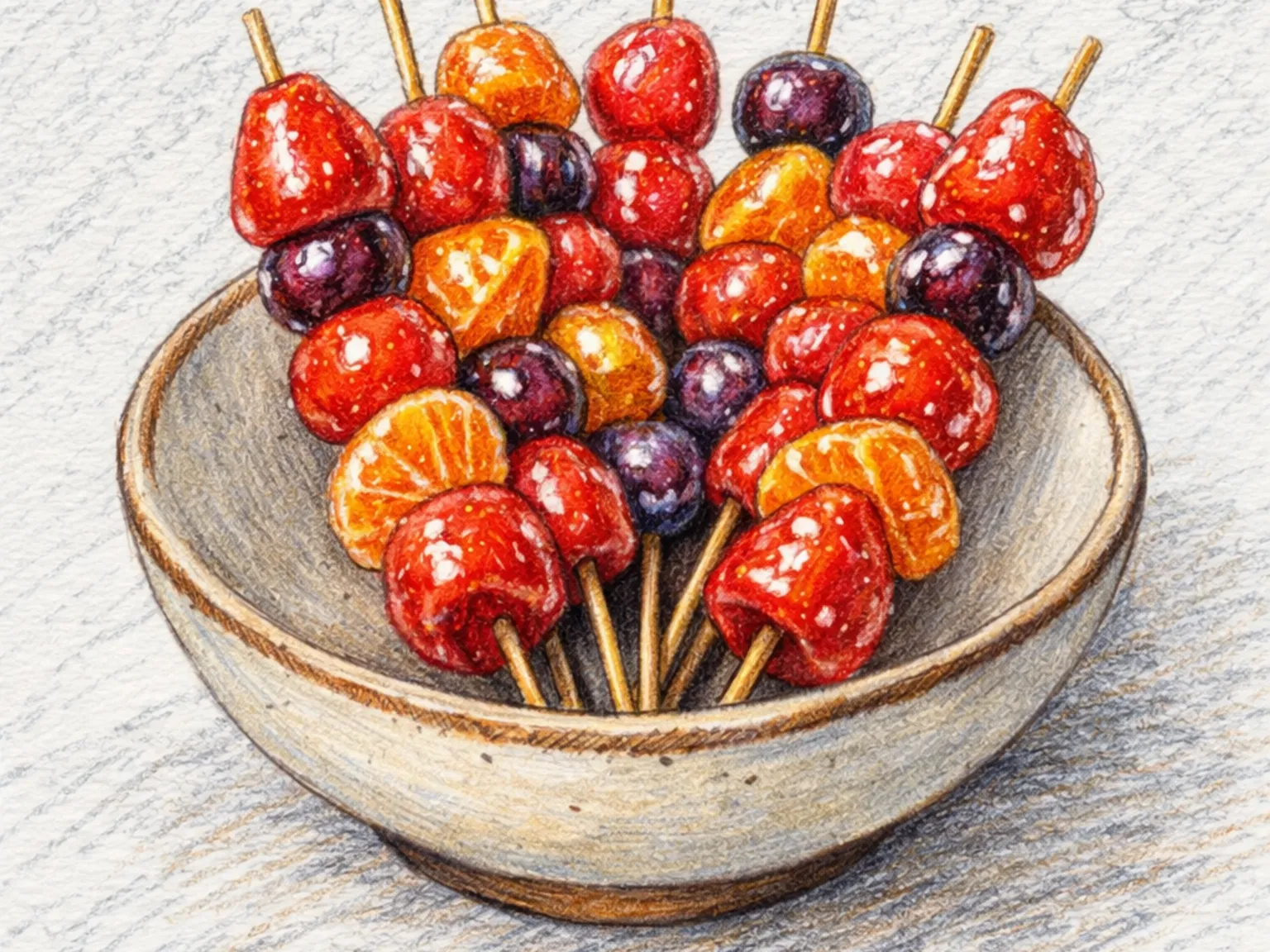
Strawberries and grapes on skewers get one quick turn in sugar syrup cooked to 150°C, which leaves a thin shell that shatters like glass over cold, juicy fruit. Syrup that falls short of that temperature stays tacky even after cooling. Humid air softens the set shell quickly, so these are eaten right where they are made.
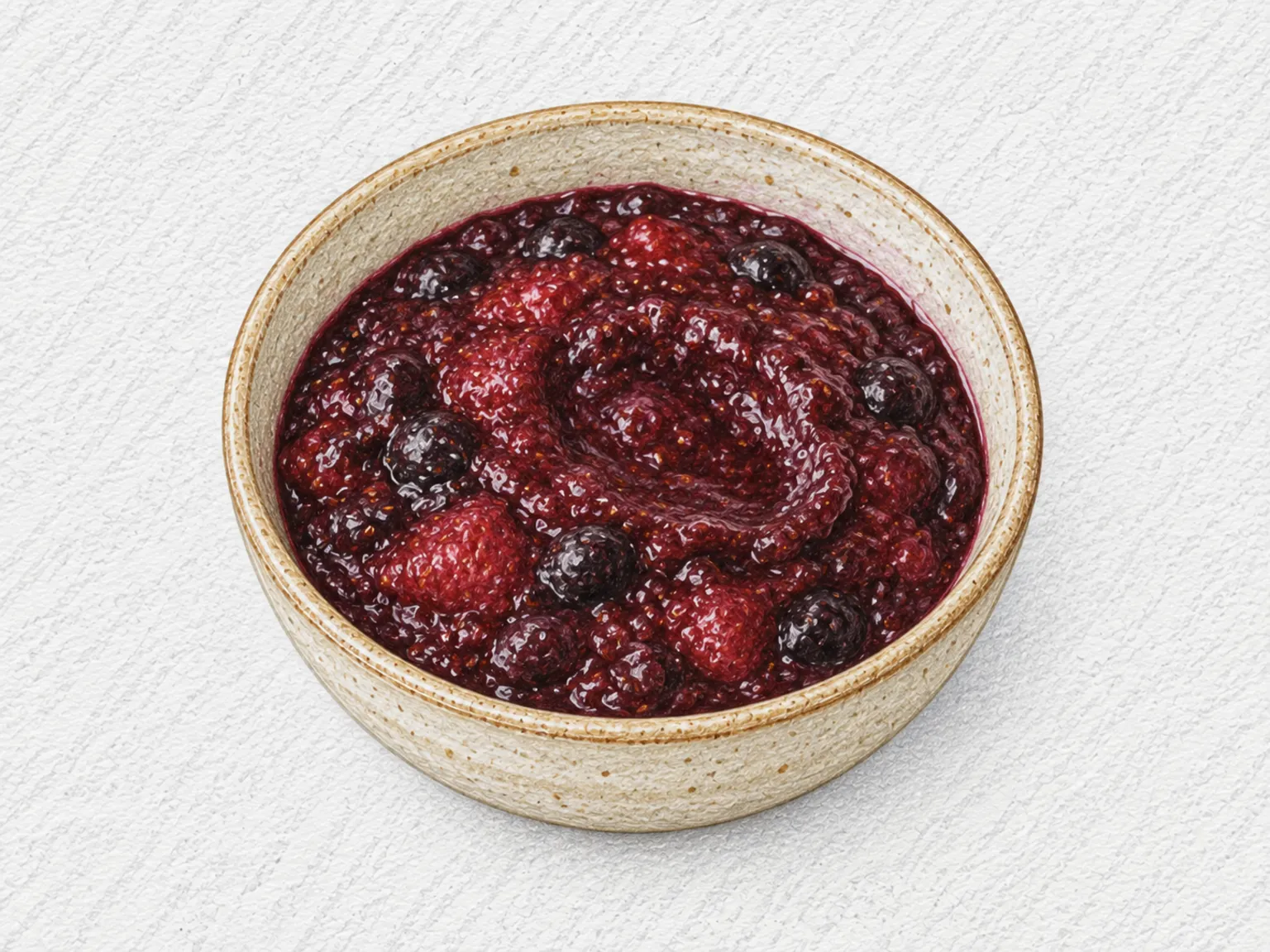
Crushed blueberries and strawberries reduce slowly with a little water until the fruit itself thickens the pot, with no starch or sugar added. This version follows the University of Kansas American Indian Health and Diet Project in using berries that are easy to buy, and unidentified wild fruit has no place in it.
Egg yolks, sugar and Marsala are whisked over steam until they swell to two or three times their volume, and the warm foam is spooned straight over strawberries and blueberries. The heating is brief and a fair amount of the wine's alcohol and aroma stays; if that is too much, half the Marsala can be orange juice. Yolks scramble easily, and this recipe takes the bowl off the heat by the thermometer, at 71°C, not by how the foam looks.