Country-style Soybean Paste Stew
Quick answer
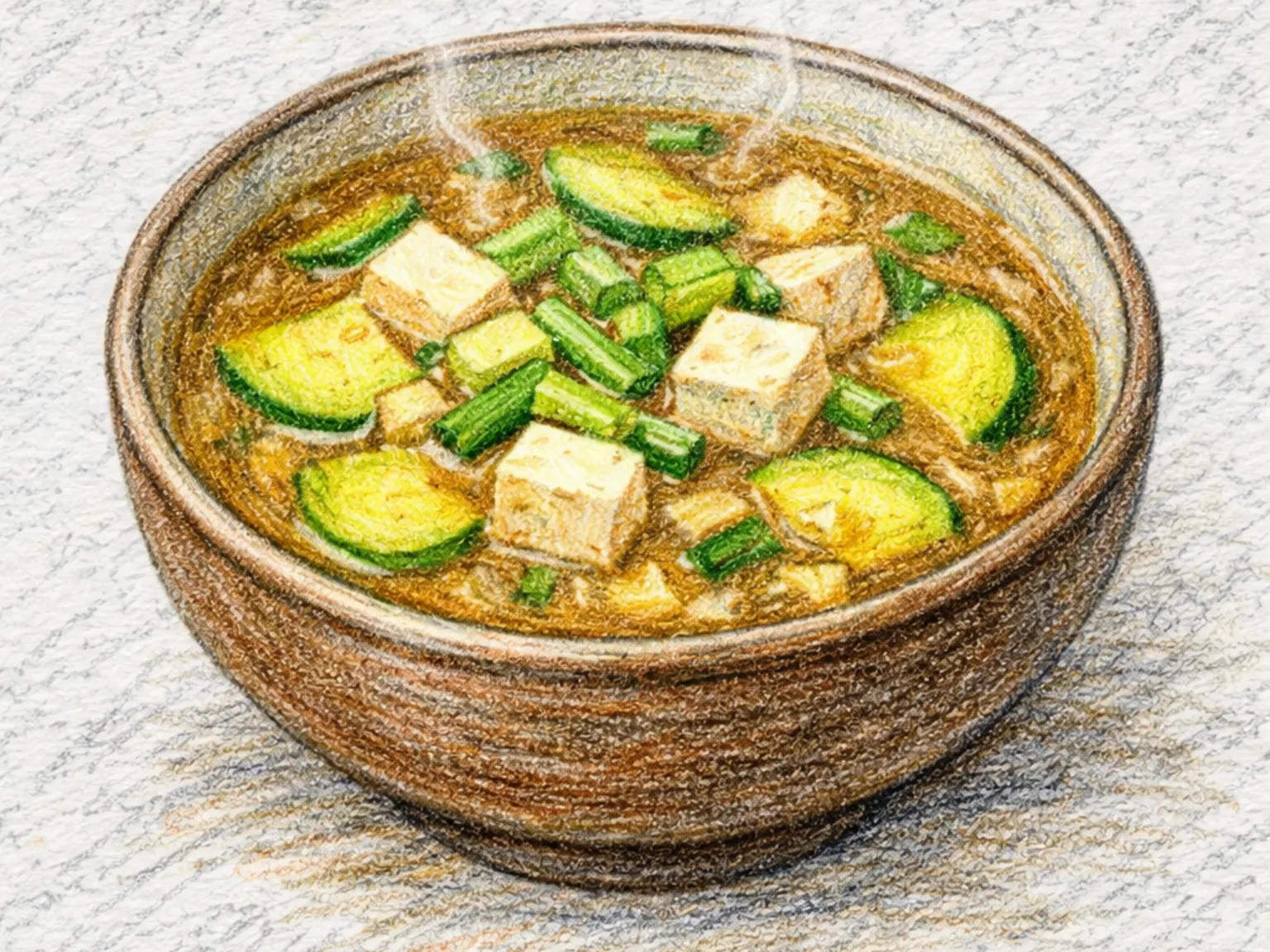
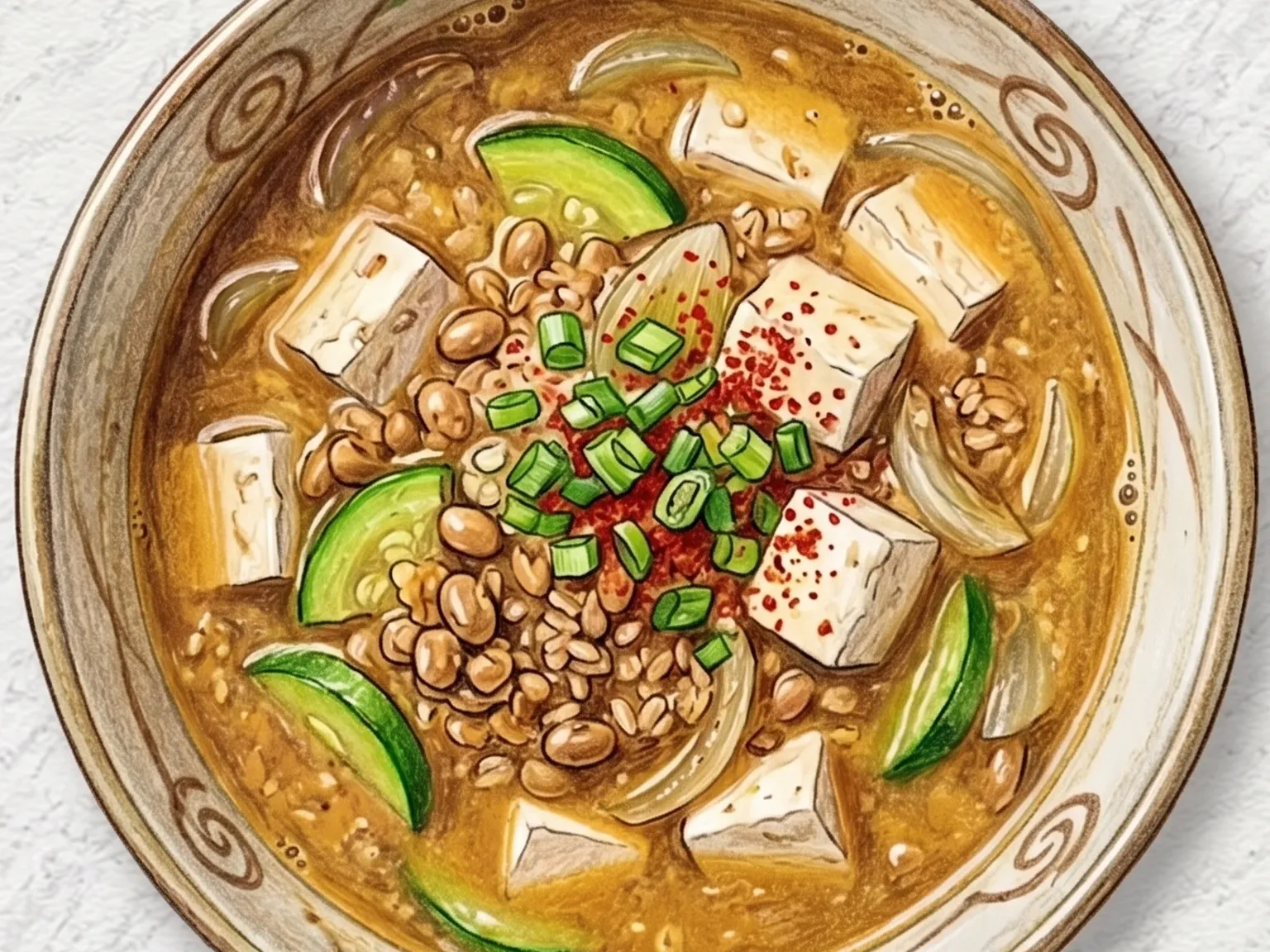
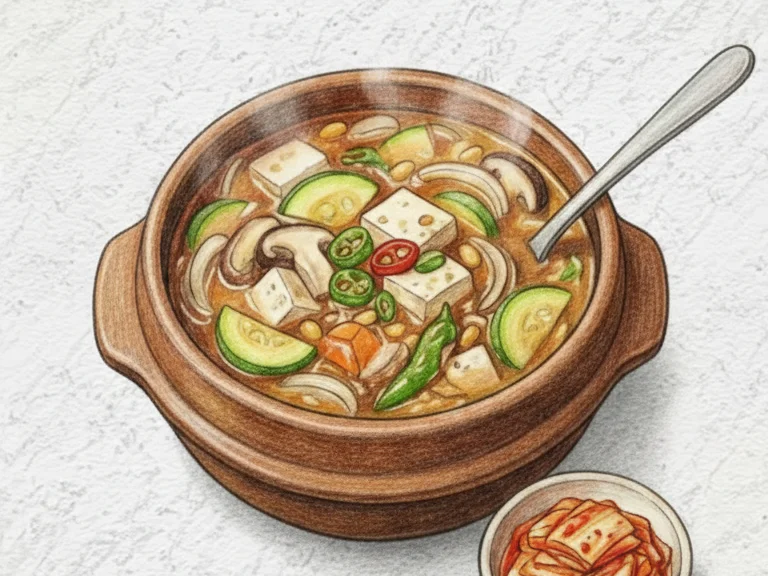
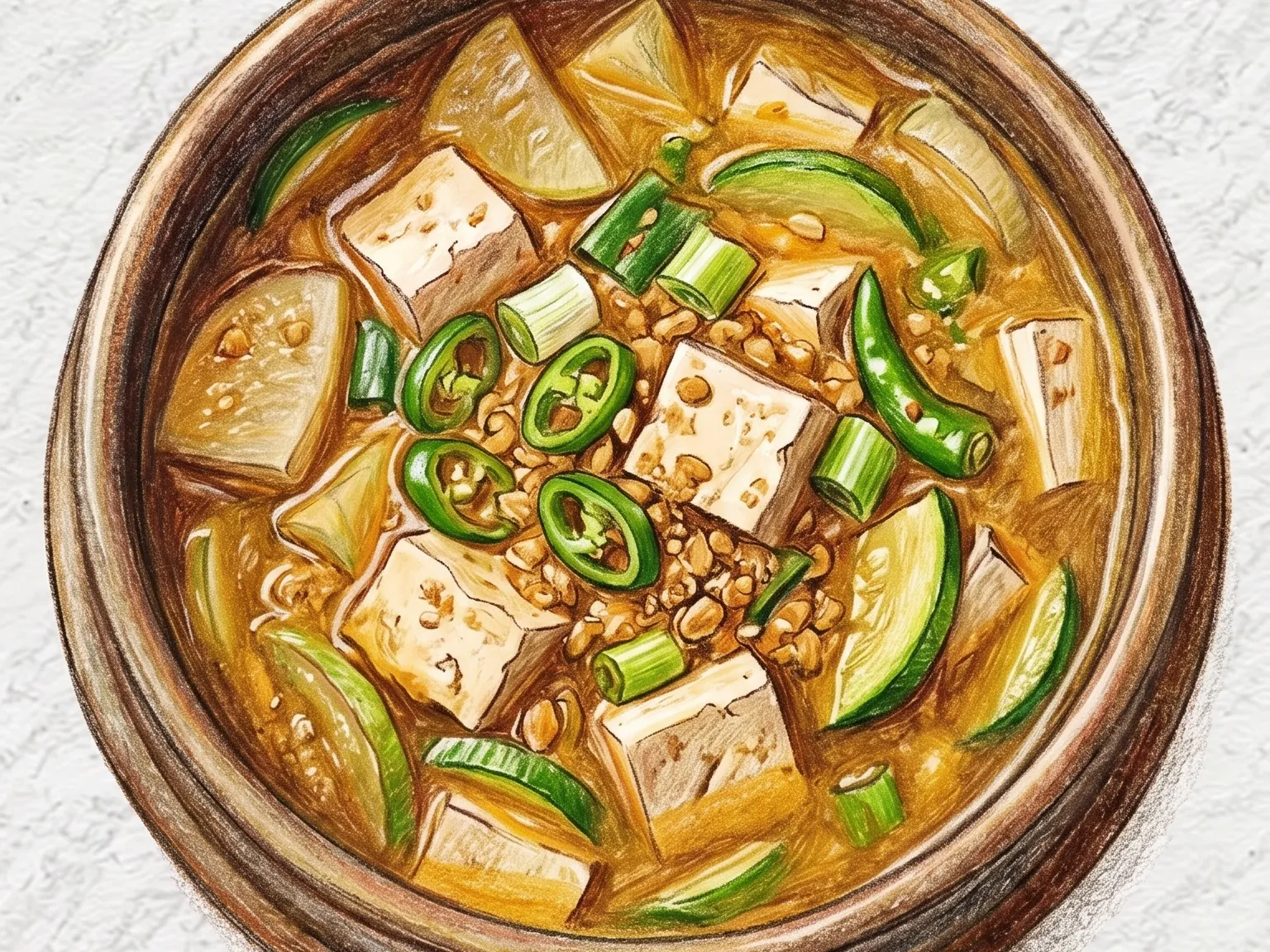
A traditional stew featuring the deep, earthy flavor of country-style fermented soybean paste.
- Sigol-doenjang-jjigae amplifies the heavy, rustic saltiness of country-style soybean paste with starchy potatoes and a sharp, spicy kick from fresh green chili peppers.
- Country doenjang added with potato from the start deepens as it simmers
Key ingredients
Core cooking flow
- 1 Add dried anchovies and kelp to a pot, simmer for 10 minutes, then remove them to yield 500ml of broth.
- 2 Cube 1 potato into 2cm pieces, cut half a zucchini into half-moons, chop hal...
- 3 Add the potato to the boiling broth first, then pass 3 tablespoons of doenja...
A traditional stew featuring the deep, earthy flavor of country-style fermented soybean paste.
What Makes This Special
- Sigol-doenjang-jjigae amplifies the heavy, rustic saltiness of country-style soybean paste with starchy potatoes and a sharp, spicy kick from fresh green chili peppers.
- Country doenjang added with potato from the start deepens as it simmers
- Anchovy-kelp stock provides the backbone that supports heavy paste salinity
- Cheongyang chili cuts through the dense fermented funk with sharp heat
Instructions
- 1
Add dried anchovies and kelp to a pot, simmer for 10 minutes, then remove them to yield 500ml of broth. Removing the anchovy guts before simmering reduces bitterness.
- 2
Cube 1 potato into 2cm pieces, cut half a zucchini into half-moons, chop half an onion into chunks, and slice the green onion and cheongyang pepper diagonally.
- 3
Add the potato to the boiling broth first, then pass 3 tablespoons of doenjang through a strainer into the broth. Straining the paste ensures it dissolves evenly with no lumps.
- 4
When the broth comes back to a boil, add zucchini, onion, and 0.5 tablespoon of minced garlic and continue simmering over medium heat. Move to the next step when a chopstick goes halfway through the potato.
- 5
Once the vegetables are cooked through, roughly break half a block of tofu into pieces by hand and add to the pot, then simmer for 3 more minutes.
- 6
Add the green onion and cheongyang pepper and bring to one last boil to finish. Leaving the pepper seeds increases heat, removing them keeps only the aroma.
Tips
Nutrition (per serving)
Recipes to Cook Together
More Stews →Serve with this
Diet Konjac Fried Rice
A light and delicious konjac fried rice to enjoy without calorie worries.
Shredded Chili Pickle
Spicy and sour shredded chili pickles, perfect for grilled meats.
Authentic Jeolla-style Kimchi
Authentic Southern-style kimchi with rich fish sauce and rice paste for deep umami.
Korean Chive Clam Jeon (Garlic Chive and Clam Seafood Pancake)
Buchu-bajirak-jeon is a seafood pancake of garlic chives and clam meat, pan-fried in a batter made with a mix of all-purpose pancake flour and rice flour. The rice flour addition increases the chew and gives the finished jeon a slightly more resilient texture than plain flour batters. Clam meat releases a briny, oceanic liquid as it cooks that seeps into the batter and flavors it throughout, while the chives add a sharp, grassy counterpoint. Minced garlic and diagonally sliced cheongyang chili worked into the batter suppress any fishiness and build a layered fragrance. A generous amount of oil in the pan over medium heat produces edges that crisp and brown like the outside of a fritter. Waiting until the bottom is fully set before flipping prevents the pancake from tearing. Served with soy dipping sauce or a seasoned soy mixture, the clean salinity of the clams comes through clearly.
Similar recipes
Korean Soybean Paste Stew
Doenjang jjigae is one of the most iconic stews in Korean home cooking. Fermented soybean paste is dissolved into a simple broth and simmered with tofu, potato, zucchini, and onion until everything comes together. Garlic adds aromatic warmth, and a Cheongyang chili sharpens the earthy base with a clean kick. The vegetables and tofu absorb the salty, savory broth as they cook, deepening the overall flavor. This is the everyday stew that anchors a Korean meal, pairing effortlessly with rice and any combination of banchan.
Korean Gangwon-Style Soybean Paste Stew
Gangwon-style doenjang jjigae is a regional variation of the fermented soybean paste stew defined by an unusually generous quantity of potatoes - 300 grams - which break down during cooking and release starch into the broth, giving it a thick, substantial body rarely found in other regional versions. Three tablespoons of doenjang dissolved in 1.1 liters of anchovy stock form a solid base. As the diced potatoes cook through, their starch gradually thickens the surrounding liquid and softens into pieces with a texture somewhere between firm and yielding. Oyster mushrooms contribute a distinctly chewy quality that holds up through extended simmering while also enriching the savory depth of the broth. Zucchini, onion, and firm tofu round out the pot, making it substantial enough to serve as a complete meal without anything else on the table. Gangwon Province, with its mountainous terrain, cooler summers, and long winters, developed a style of home cooking that favors generous quantities and long cooking times over refinement. The stew should be simmered until the potatoes are completely soft before serving so the broth reaches its intended consistency.
Korean Young Napa Soybean Paste Stew
Young napa cabbage (eolgari) takes center stage in this doenjang jjigae, wilting into the broth and releasing a mild sweetness. The stock is built from dried anchovies and kelp, then seasoned with fermented soybean paste for a full-bodied base. Firm tofu and onion add substance, while a green chili provides a sharp finish. Eolgari is a tender spring-harvested young cabbage with soft fibers and a pronounced natural sweetness, so when combined with the savory doenjang broth it contributes a mellow, round flavor without any bitterness. Adding a generous amount of tofu helps the cubes absorb the saltiness of the paste and brings the entire soup into a well-balanced, smooth finish that pairs naturally with steamed rice.
Korean Yeolmu Doenjang Stew
Seasonal young radish greens and fermented soybean paste come together in this refreshing summer stew designed to cool the body. The preparation begins with a clean anchovy and kelp stock, where doenjang is carefully dissolved to ensure a smooth consistency without clumps. Young radish greens, or yeolmu, contribute a signature crunch and a faint bitterness that softens as it simmers alongside sweet onions and zucchini. This natural sweetness from the onion balances the earthy profile of the fermented paste while gochugaru adds a hint of heat and a warm red hue to the broth. To preserve the crisp texture of the greens, add them after the doenjang and limit the simmering time to about five to seven minutes. Tofu should be introduced at the very end to prevent it from breaking apart while absorbing the savory liquid. The clean mineral finish provided by the kelp makes this dish an excellent companion for barley rice during humid months. For additional layers of flavor, sliced Cheongyang chilies increase the spiciness and a spoonful of perilla powder introduces a toasted quality to the base. If using low-sodium paste, a small amount of soup soy sauce helps achieve a balanced profile. Since young radish greens possess a distinct herbal fragrance at their peak, this stew delivers its best quality when served immediately on the day it is prepared.
Soybean Paste Stew with Clams
Doenjang jjigae with clams is one of the most frequently made stews in Korean households, built on the combination of fermented soybean paste's deep, earthy flavor and the clean briny umami of manila clams. The clams are purged of sand before being added to a pot of doenjang-laced broth, where they open and release their salty, seawater-flavored liquor directly into the soup. The result transforms the base from something merely savory into something distinctly oceanic and complex. Zucchini softens in the bubbling broth and contributes a natural sweetness as it breaks down, while blocks of soft tofu act as sponges, soaking up the seasoned liquid and releasing it in a burst of hot, flavorful broth when bitten into. Sliced cheongyang chili peppers are added to interrupt the heaviness of the fermented paste and sharpen the overall flavor. The stew is typically served in an earthenware pot while still bubbling, alongside rice. Many Koreans ladle the broth directly over their bowl of rice. The recipe adapts to any season: assembled with leftover summer vegetables from the refrigerator for a lighter version, or cooked piping hot in a stone pot through winter.
Korean Napa Outer Leaf Soybean Soup
Ugeoji doenjang-guk is a deeply comforting soybean paste soup made with the tough outer leaves of napa cabbage that might otherwise be discarded. The leaves are first massaged with doenjang, perilla oil, and garlic, a step that drives the fermented paste deep into the cabbage's thick veins so that when the soup simmers, the flavor releases gradually into the broth. Rice-rinsing water replaces plain stock as the cooking liquid, adding a gentle starchiness that rounds the doenjang's salt into something softer and more enveloping. As the ugeoji cooks down, it turns from a leathery sheet into a silky, almost melting tangle that drapes over the spoon and floods the mouth with concentrated vegetable-and-miso flavor. The broth itself becomes a murky, golden-brown pool of umami, tasting of earth, fermentation, and the quiet bitterness that only well-cooked greens provide. Cubed tofu gives textural relief, and thin rings of cheongyang chili pepper, if added, introduce a sharp heat that cuts the richness. It is a soup that transforms humble ingredients into something far greater than their parts.