Kimchi
Kimchi

Kimchi Recipes

112 recipes. Page 5 of 5

Kimchi is Korea's iconic fermented food, and there are dozens of varieties beyond the familiar napa cabbage version - cubed radish (kkakdugi), ponytail radish (chonggak), green onion (pa-kimchi), and young radish (yeolmu), to name a few. Jangajji (Korean pickles) are made by preserving vegetables in soy sauce, vinegar, or gochujang.

The fermentation process creates beneficial probiotics and a depth of umami unique to kimchi. Seasonal produce transformed into kimchi and pickles keeps for weeks, making them a constant presence in Korean refrigerators.

Korean Sigeumchi Kimchi (Spinach Kimchi)
Kimchi Easy

Korean Sigeumchi Kimchi (Spinach Kimchi)

Sigeumchi kimchi is a Korean spinach kimchi made by salting the greens for exactly twelve minutes to wilt the leaves while keeping the stems crisp, rinsing in cold water, squeezing dry, then tossing with gochugaru, sand lance fish sauce, minced garlic, plum extract, and scallion pieces. Strict timing on the salt is what creates the dual texture - tender leaves and crunchy stems - that defines this kimchi; over-salting collapses everything into softness. The fish sauce's fermented depth layers onto the spinach's mild, grassy base, and plum extract rounds out the seasoning's sharp edges with a gentle sweetness. Six hours of refrigeration settles the flavors into a cohesive whole. The vivid green color makes this a visually appealing banchan on any Korean table.

🏠 Everyday 🍱 Lunchbox
Prep 20min Cook 5min 4 servings
Perfectly Salted Cabbage
Kimchi Medium

Perfectly Salted Cabbage

The secret to perfectly salting cabbage for the best kimchi texture.

🔥 Trending Now 🥗 Light & Healthy
Prep 10min Cook 480min 4 servings
Korean Pickled Radish Wraps
Kimchi Easy

Korean Pickled Radish Wraps

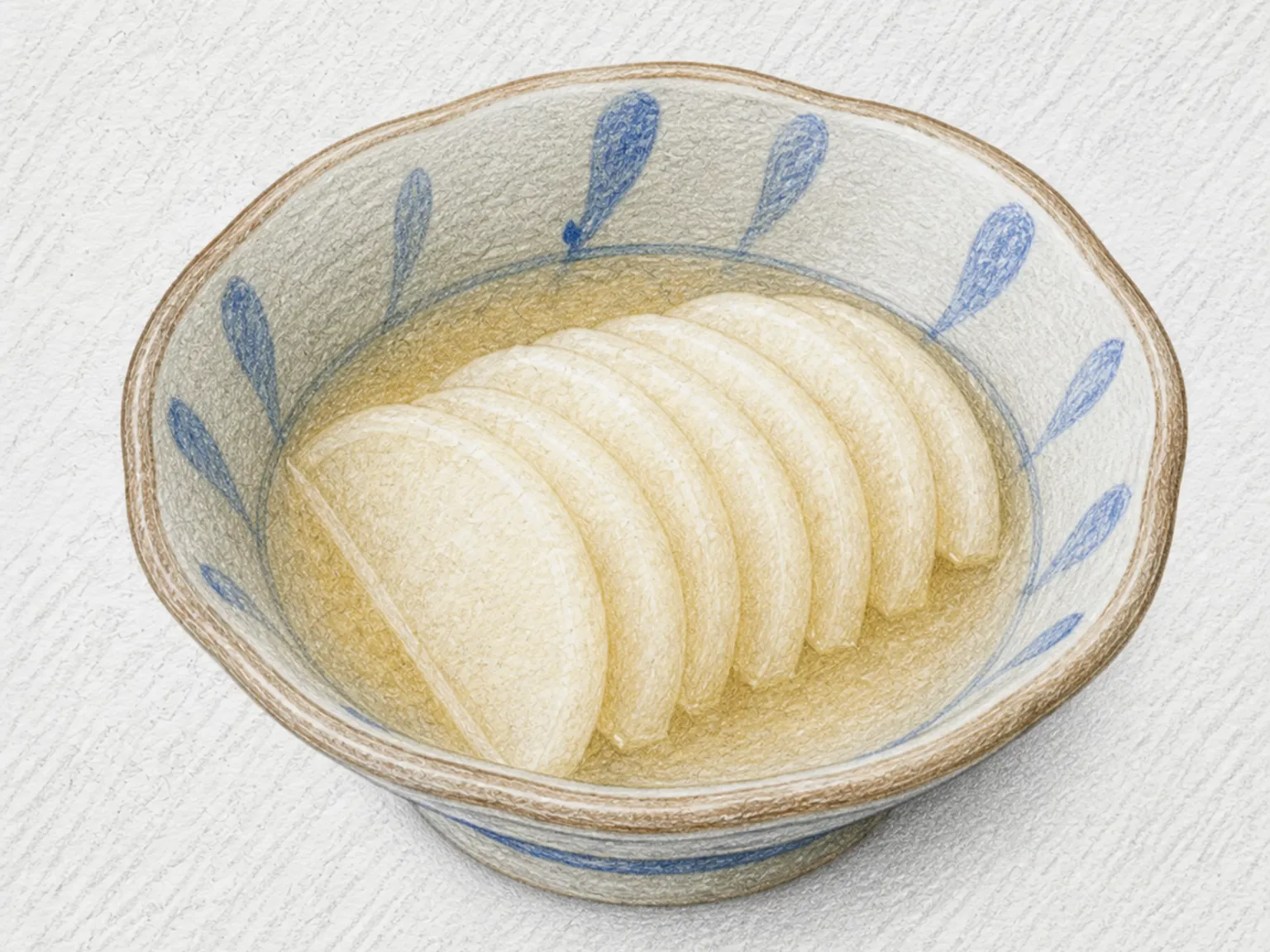
Ssam-mu is a Korean sweet-and-sour pickled radish made by slicing Korean radish into very thin two-millimeter rounds and submerging them in a warm brine of water, vinegar, sugar, salt, and bay leaves. The slices must be thin enough to wrap around grilled meat without tearing, and the brine is cooled to lukewarm before pouring - boiling hot liquid would cook the radish and destroy its crunch. Ready after one day of refrigeration, the pickle reaches its peak on day three when the vinegar tang and sugar sweetness have fully penetrated each slice. Adding a lemon slice to the jar introduces a fresh citrus note. Wrapped around a piece of grilled pork belly or fried chicken, the sweet-sour radish provides an immediate contrast that lifts the fatty richness of each bite.

🍱 Lunchbox ⚡ Quick
Prep 15min Cook 5min 4 servings
Korean Bitter Herb Kimchi
Kimchi Hard

Korean Bitter Herb Kimchi

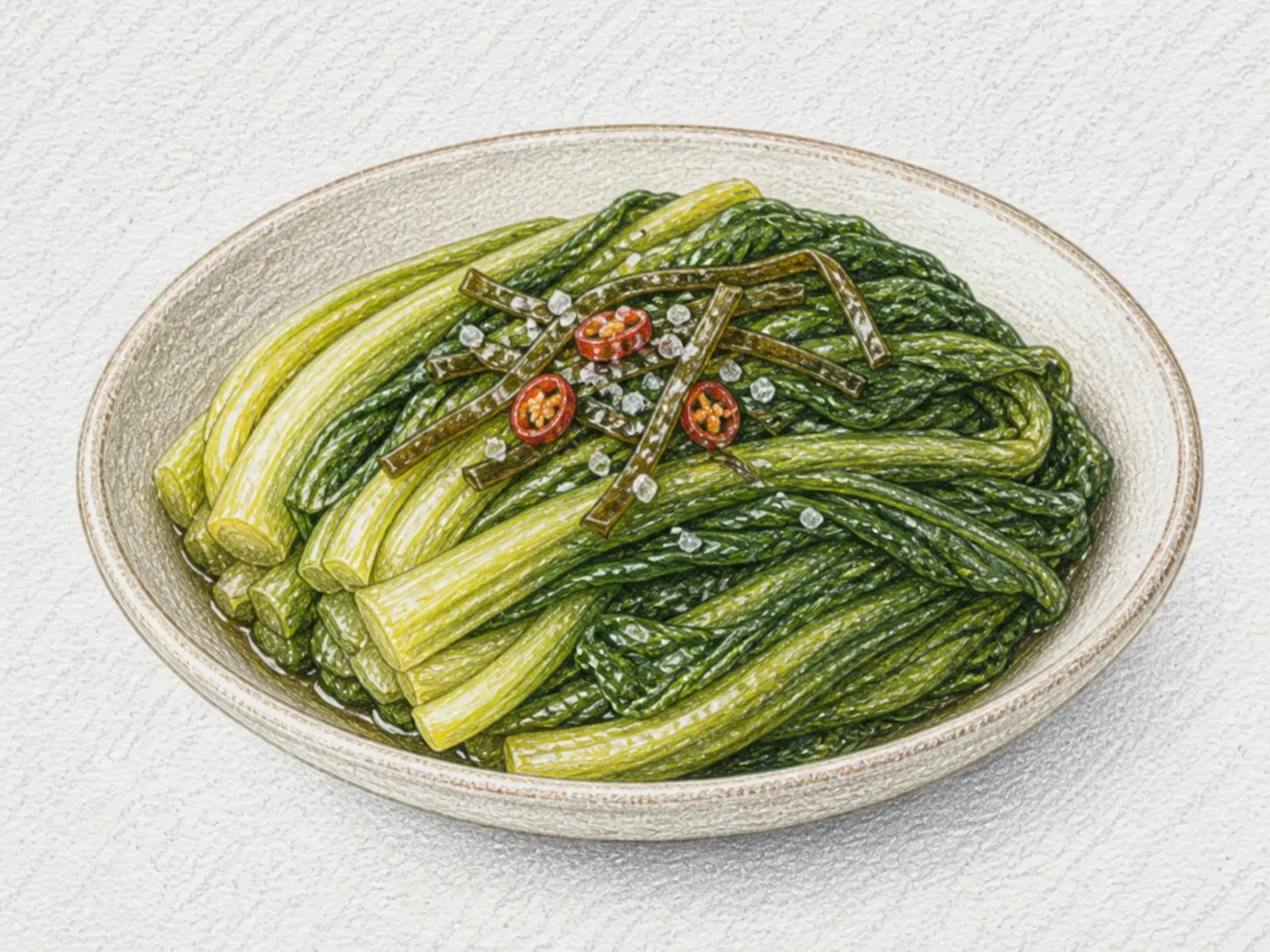
Sseumbagwi kimchi is a traditional spring fermented side dish made from sseumbagwi, a wild bitter herb that grows in Korea during early spring. The herb is soaked in cold water for at least twenty minutes to pull back its pronounced bitterness before being salted to soften the stalks. It is then dressed in a seasoning paste built from gochugaru, sand lance fish sauce, minced garlic, ginger, sweet rice paste, and plum syrup, mixed together with cut scallions. The rice paste adds body to the seasoning so it clings to the herb's thin stems and narrow leaves rather than sliding off. Plum syrup works on both the bitterness and the salt's edge at once, smoothing the overall profile without masking the herb's character. Sand lance fish sauce is preferred over anchovy sauce here because its gentler aroma does not compete with the plant's natural flavor. Five hours of room-temperature fermentation followed by refrigeration sets off lactic acid development, layering tangy depth over the bitter-green base. The flavor peaks around day three when bitterness, acidity, and umami reach the best balance. If the raw herb tastes too sharp, one additional soak in fresh cold water brings it within range before seasoning.

🎉 Special Occasion 🍱 Lunchbox
Prep 45min Cook 5min 4 servings
Korean Crown Daisy Soy Pickle
Kimchi Easy

Korean Crown Daisy Soy Pickle

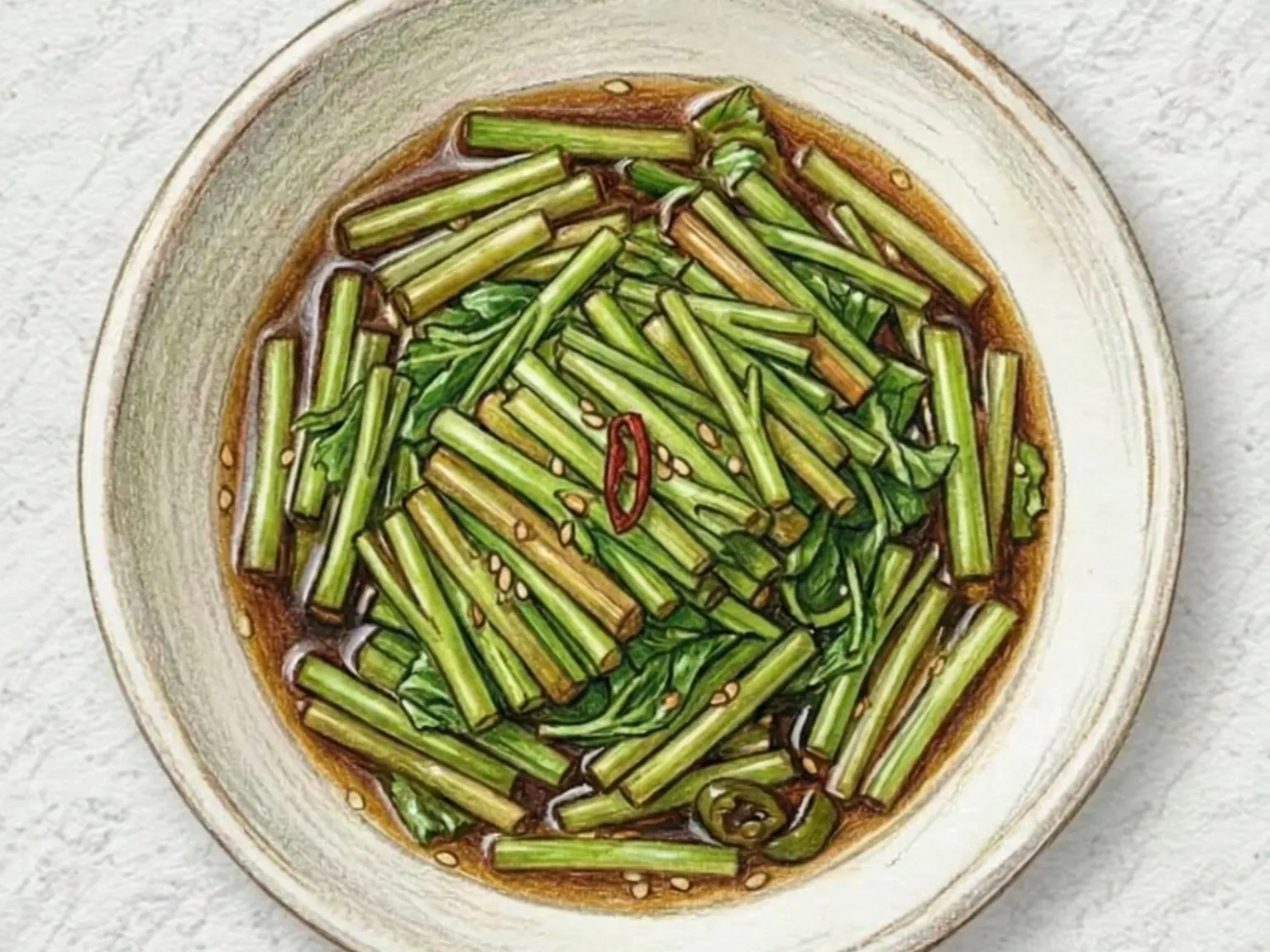
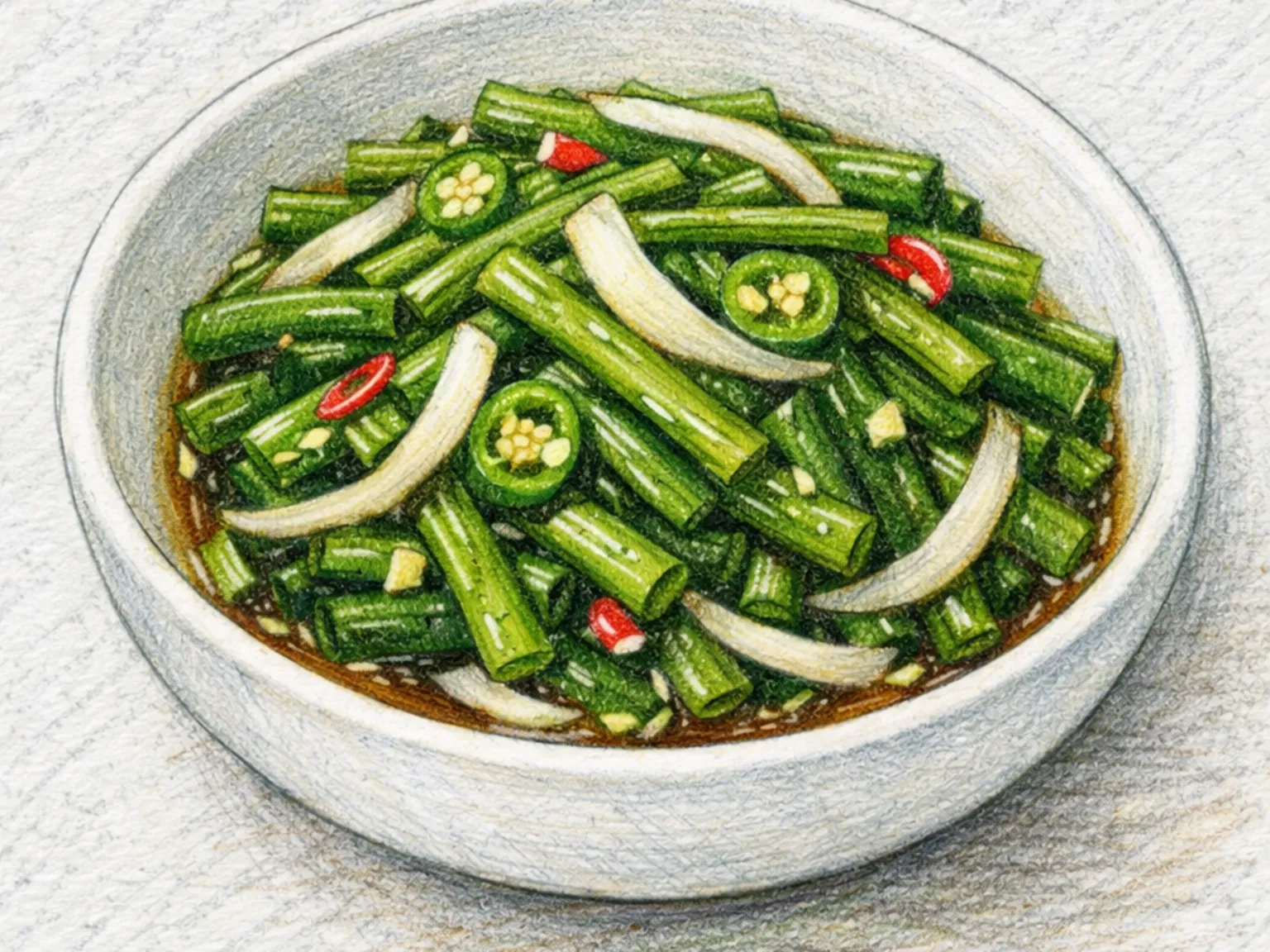
Ssukgat jangajji is a soy-brined pickle made with crown daisy greens, capturing the herb's distinctively bitter, aromatic character in a quick-cured form. A boiling mixture of soy sauce, vinegar, and sugar is poured directly over the trimmed greens, which wilts them just enough to expel raw grassiness while locking in the clean, herbal fragrance underneath. Thin slices of lemon layered between the greens as they steep introduce a citrus brightness that cuts through the saltiness of the soy and keeps the brine from tasting flat. Whole black peppercorns contribute a gentle background heat that tidies up the finish. The jar goes into the refrigerator once cooled, and the pickle is ready to eat after just twenty-four hours, making it one of the most practical options when a side dish is needed on short notice. The herbal fragrance is at its sharpest within the first week of refrigeration, after which the aroma gradually fades. It pairs well as a rice topping or served alongside grilled pork or beef.

🍱 Lunchbox 🏠 Everyday
Prep 15min Cook 10min 4 servings
Korean Crown Daisy Kimchi
Kimchi Easy

Korean Crown Daisy Kimchi

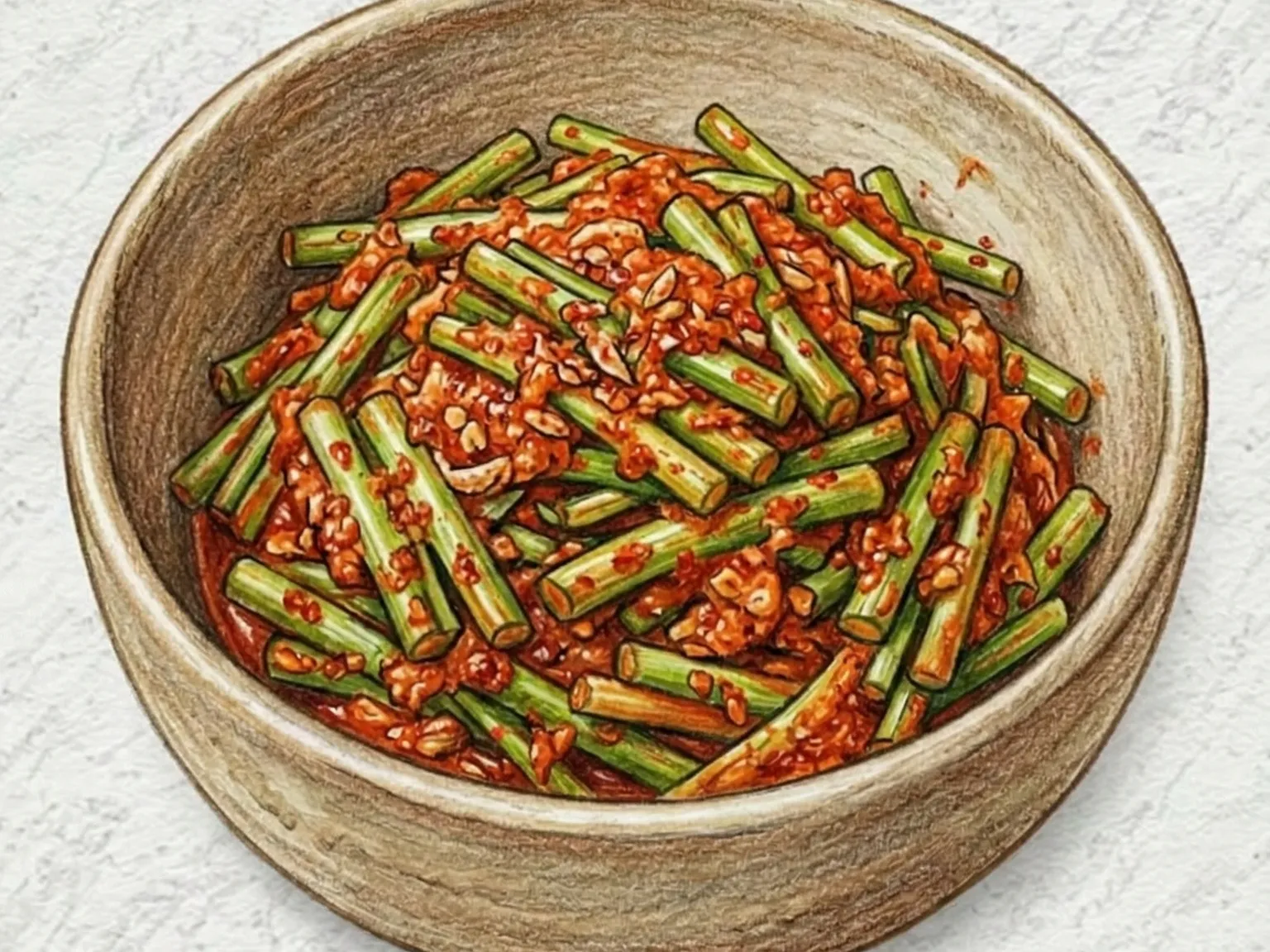
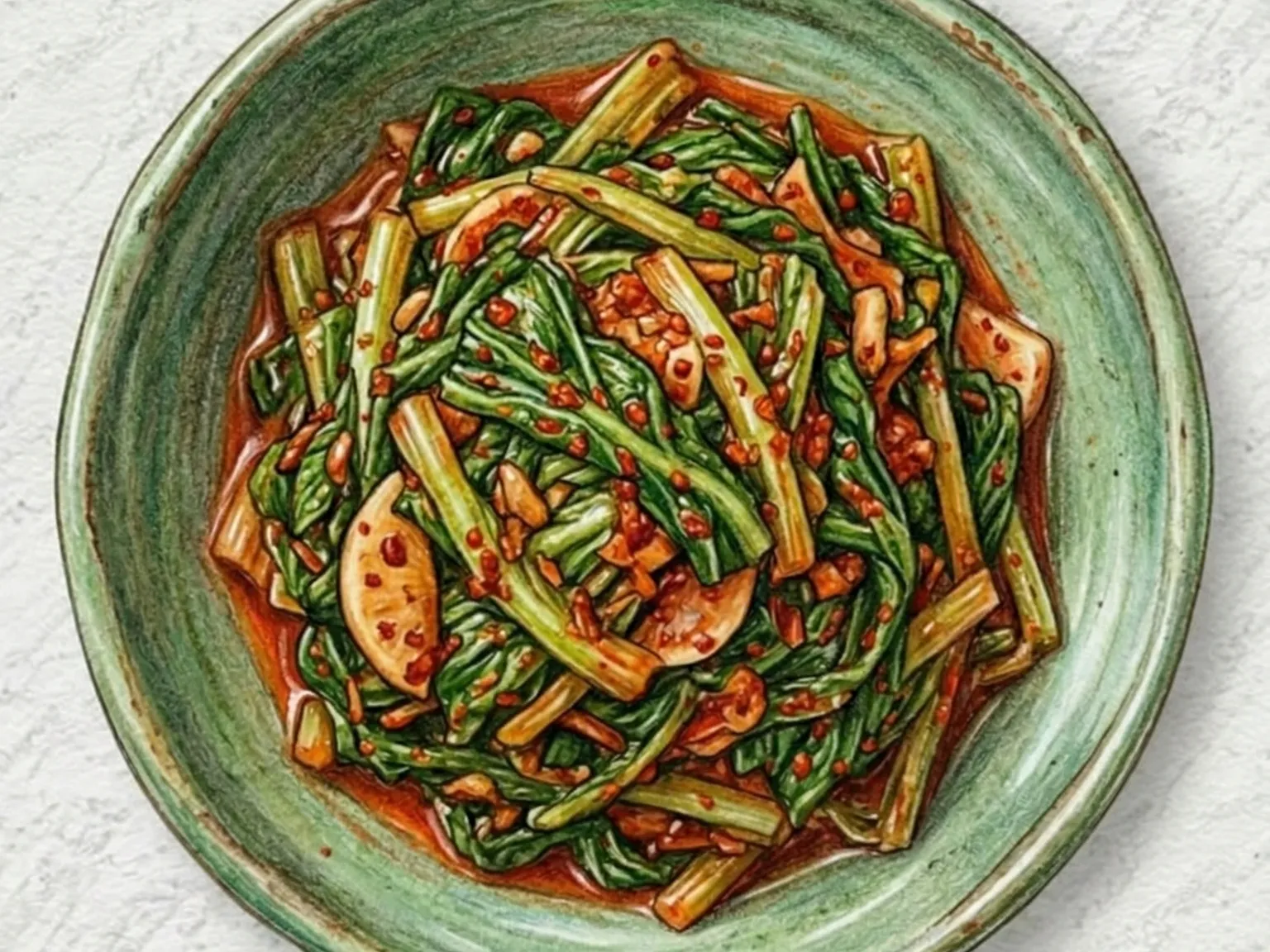
Ssukgat kimchi is a fragrant seasonal kimchi that highlights crown daisy's herbal bitterness alongside chili flakes and sand lance fish sauce. The greens are salted for only seven minutes to preserve their delicate, tender texture, then dressed with a paste enriched by sweet rice flour for better adhesion. Plum extract balances the bitterness with gentle sweetness and acidity during fermentation. After two hours at room temperature followed by overnight refrigeration, the kimchi reaches its aromatic peak within a single day. Because the leaves bruise easily, gentle tossing during seasoning is essential to maintain their shape.

🍱 Lunchbox 🏠 Everyday
Prep 20min Cook 5min 2 servings
Korean Turnip Kimchi (Diced Gochugaru Water Fermented)
Kimchi Easy

Korean Turnip Kimchi (Diced Gochugaru Water Fermented)

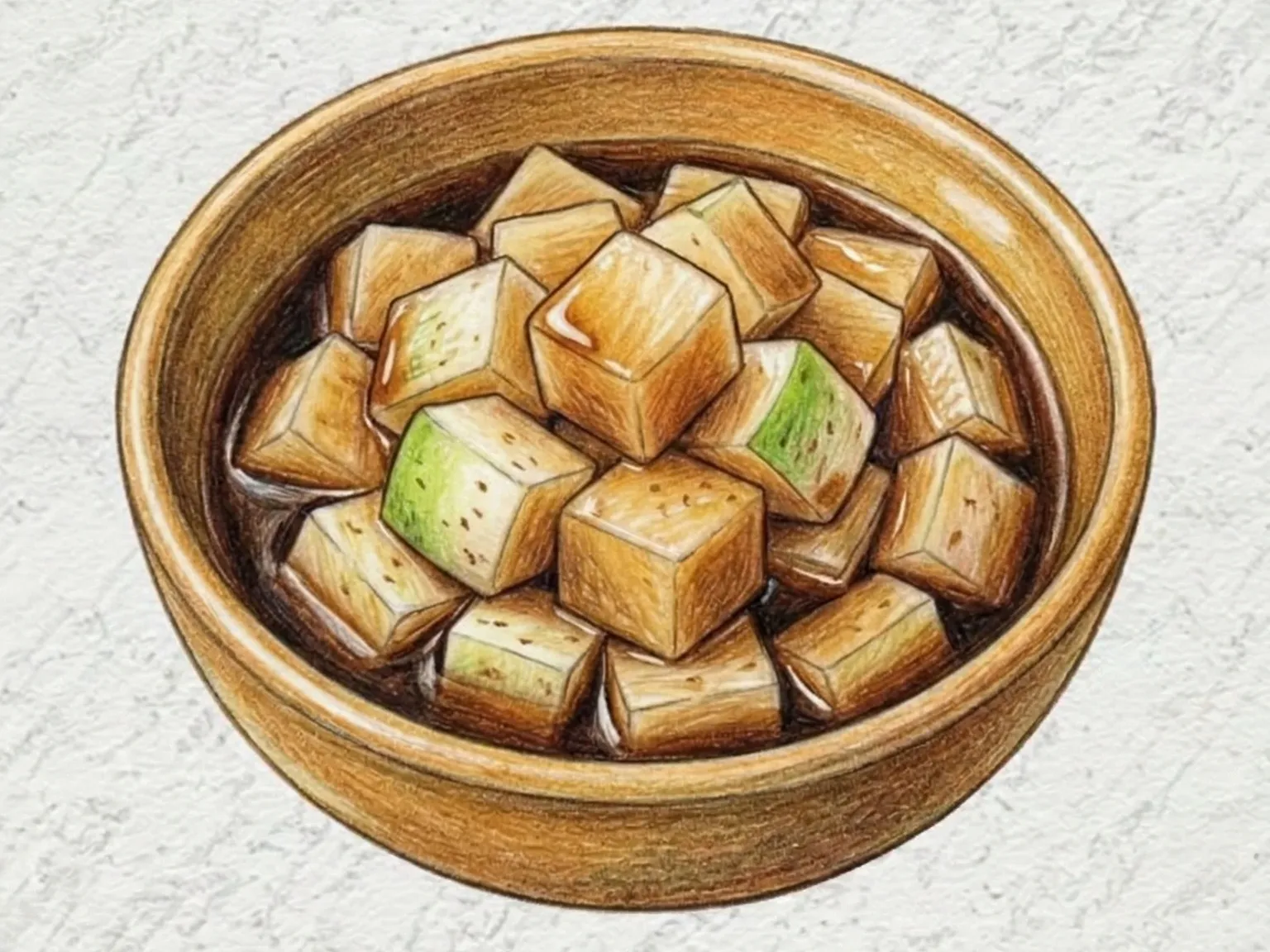
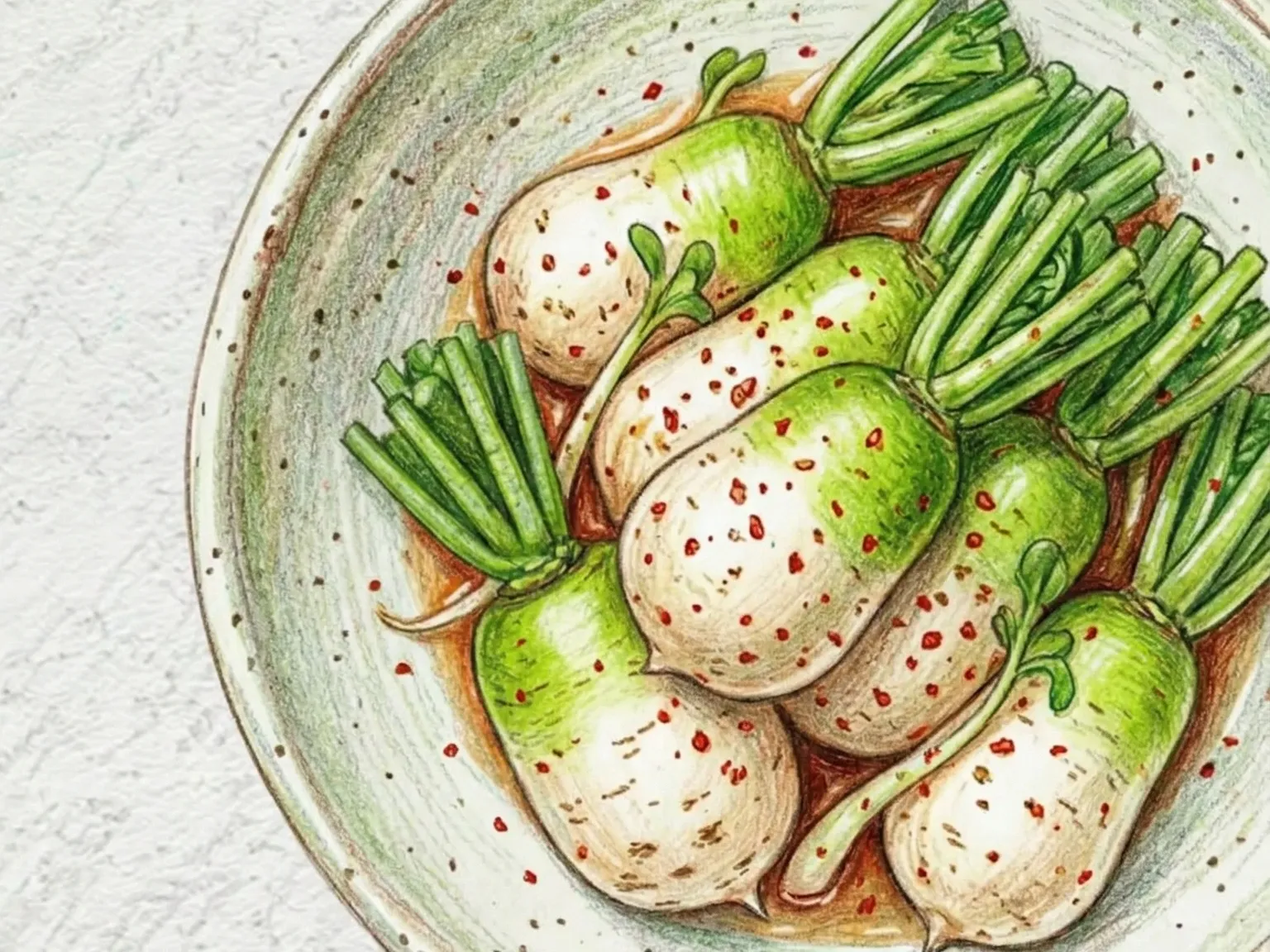
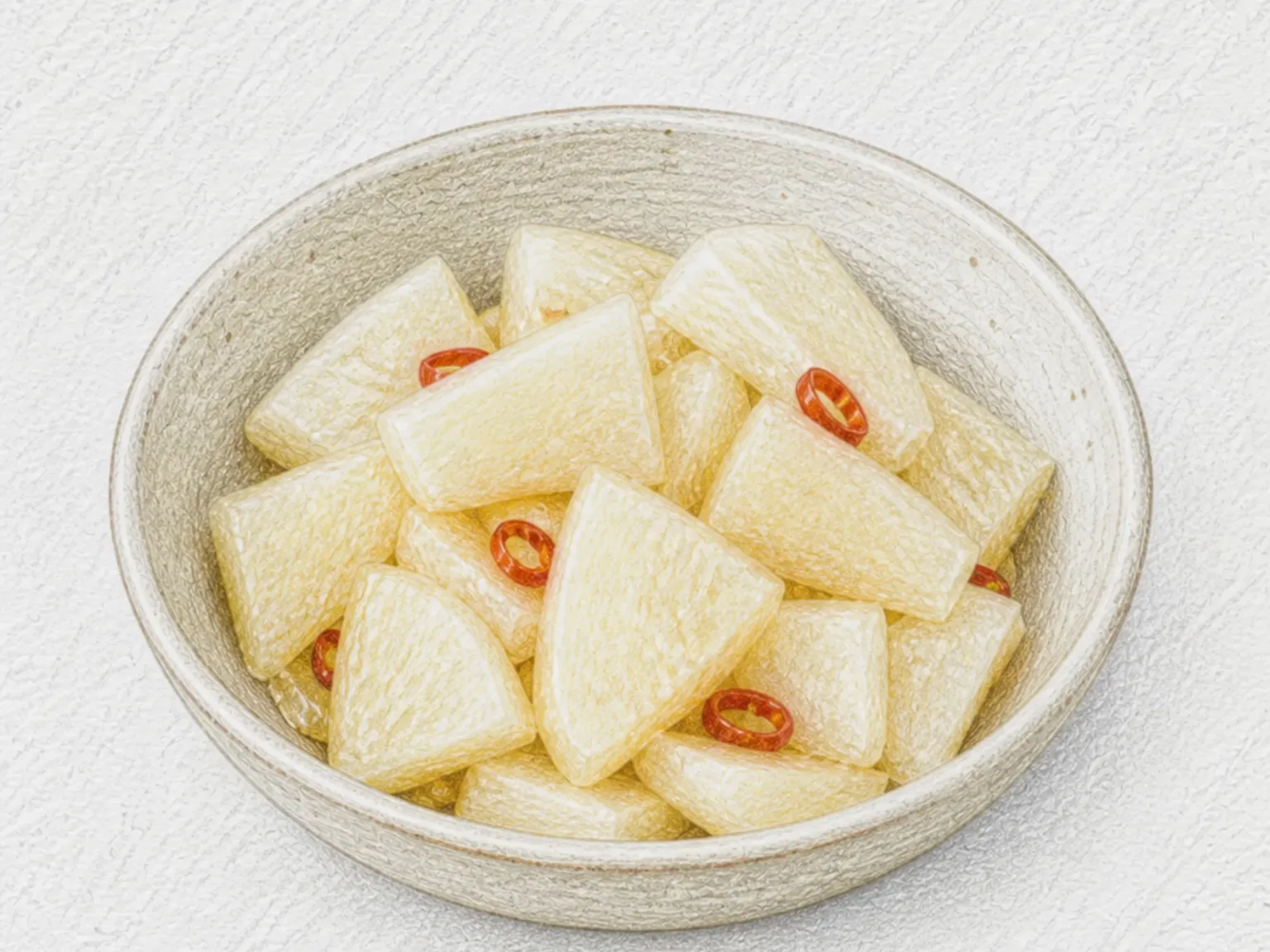
Sunmu kimchi is a brined kimchi made with diced turnips seasoned in chili flakes, fish sauce, garlic, and ginger juice, then submerged in water to ferment with its own liquid. Turnips have a naturally higher sweetness and denser flesh than Korean radish, so they stay firm and crunchy even after fermentation. Scallions woven through the batch add an aromatic layer that rounds out the spice. One day at room temperature followed by two days of refrigeration produces a cool, tangy brine that is refreshing to drink on its own. Adding turnip greens, if available, deepens both the color and the fragrance.

🏠 Everyday 🍱 Lunchbox
Prep 30min Cook 10min 4 servings
Korean Cherry Tomato Jangajji
Kimchi Easy

Korean Cherry Tomato Jangajji

Peeling cherry tomatoes by hand serves as the foundation for creating tomato jangajji, a Korean soy-preserved dish. Removing the skins allows the brine of soy sauce, rice vinegar, and sugar to permeate the flesh quickly and consistently. A critical step involves boiling the liquid and then letting it cool to room temperature before combining it with the fruit. This cooling period prevents the tomatoes from softening or becoming soggy, ensuring they remain firm throughout the pickling process. Thinly sliced onions included in the jar absorb the liquid, contributing a savory and tangy character. Fresh basil leaves introduce an herbal scent that distinguishes this preparation from standard soy pickles. One full day of refrigeration helps the acidity of the vinegar settle and highlights the natural sweetness of the tomatoes. This side dish functions effectively alongside rice or grilled meats, where its tartness acts as a cleanser for the palate after eating oily foods. The texture remains intact for about a week when kept cold. For a different profile, small amounts of cinnamon or star anise can be added to the brine to provide a warm spice fragrance. It also pairs well with cheese and crackers as an unconventional snack or finger food.

🍱 Lunchbox 🏠 Everyday
Prep 25min Cook 8min 4 servings
Korean Pickled Taro Stems
Kimchi Medium

Korean Pickled Taro Stems

Torandae jangajji is a Korean pickled side dish made from taro stems. The outer fibrous skin is peeled away first, and the stems are salted and then blanched. Raw taro stems contain calcium oxalate crystals that cause an unpleasant prickling sensation in the throat, and blanching effectively neutralizes this before the stems are packed into the pickling liquid. The brine is made by bringing soy sauce, vinegar, and sugar to a boil, and it is poured over the stems while still hot so the seasoning penetrates quickly and evenly. Sliced garlic and ginger are simmered in the brine before it is poured, which infuses the liquid with deep aromatic warmth without any of the sharp pungency those ingredients carry raw. After two to three days of refrigerating, each piece develops a layered depth of salty, savory flavor with a clean vinegar brightness underneath. The defining characteristic of this pickle is its distinctive fibrous crunch, which stays satisfying even after the stems have fully absorbed the brine. It works as a rice accompaniment throughout the week and doubles as a drinking snack alongside soju.

🍱 Lunchbox 🏠 Everyday
Prep 30min Cook 15min 4 servings
Korean Soy Pickled Burdock
Kimchi Easy

Korean Soy Pickled Burdock

Ueong jangajji is a soy-pickled burdock root prepared by soaking cut burdock in vinegar water to prevent browning, blanching to remove any earthiness, then submerging in a brine of soy sauce, vinegar, and sugar. Kelp, dried red chili, and whole peppercorns boiled into the brine contribute umami depth and a subtle warmth. The root's natural nuttiness and earthy aroma meld with the sweet-salty-tangy brine into a layered, lingering flavor. Its firm, crunchy texture holds up well over days of storage, and reboiling the brine on the third day extends the pickle's shelf life further. Because burdock oxidizes quickly once cut, transferring it to the vinegar soak immediately after slicing is essential for keeping the finished pickle looking clean and bright rather than muddy.

🏠 Everyday 🍱 Lunchbox
Prep 20min Cook 12min 4 servings
Korean Cabbage Kimchi (Crunchy Green Cabbage Kimchi)
Kimchi Easy

Korean Cabbage Kimchi (Crunchy Green Cabbage Kimchi)

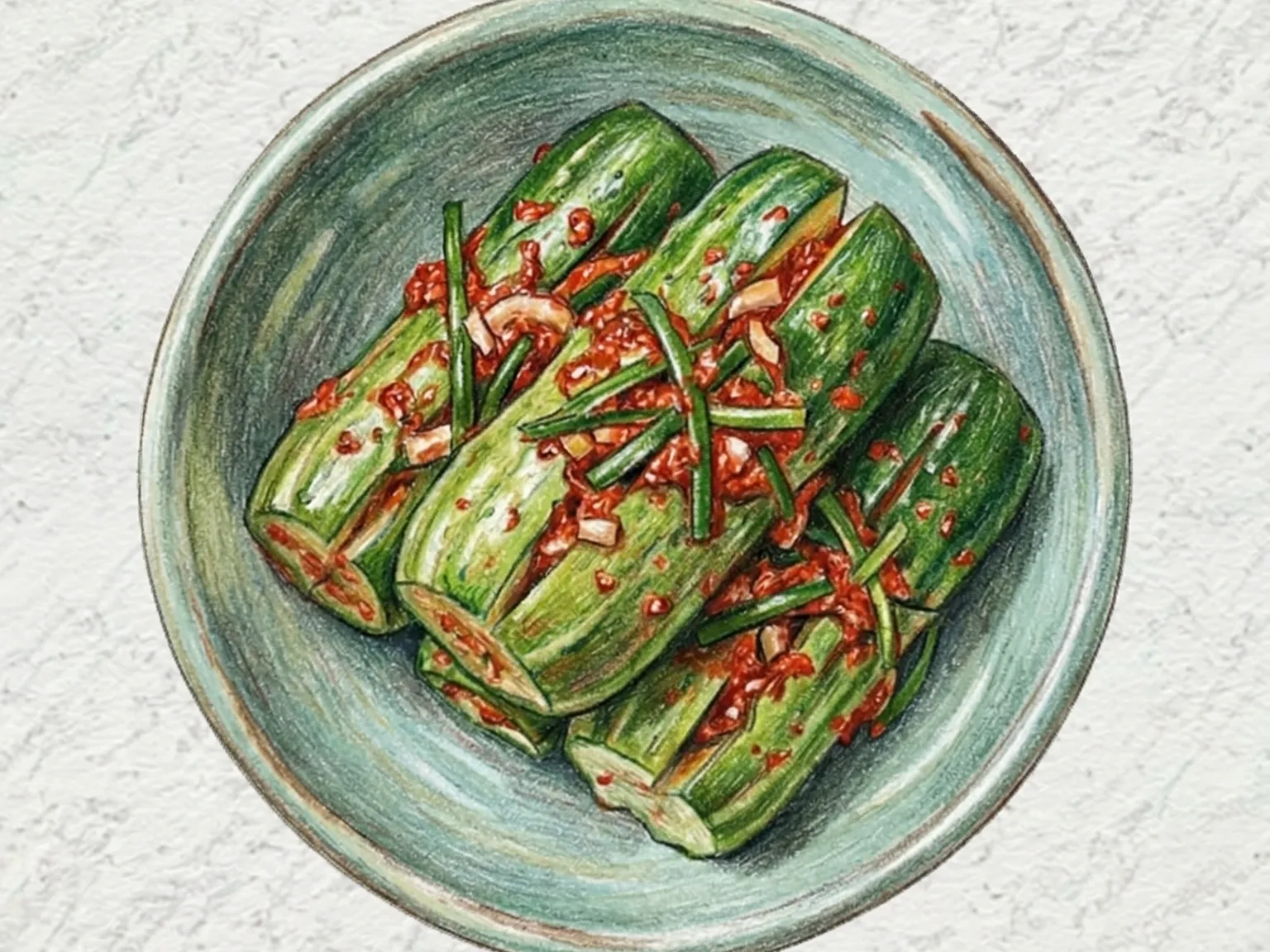
Yangbaechu kimchi is a Korean cabbage kimchi made by salting green cabbage and tossing it with chili flakes, fish sauce, and minced garlic. The thicker leaves and lower moisture content of green cabbage compared to napa cabbage result in a noticeably crunchier texture that persists through fermentation. The natural sweetness of cabbage softens the heat from the chili seasoning, while carrot and scallion pieces add color and freshness. Six hours of fermentation at room temperature followed by refrigeration lets the tanginess develop gradually. It serves as a lighter alternative when traditional napa kimchi feels too heavy.

🏠 Everyday 🍱 Lunchbox
Prep 30min Cook 10min 4 servings
Korean-Style Cabbage Pickle
Kimchi Easy

Korean-Style Cabbage Pickle

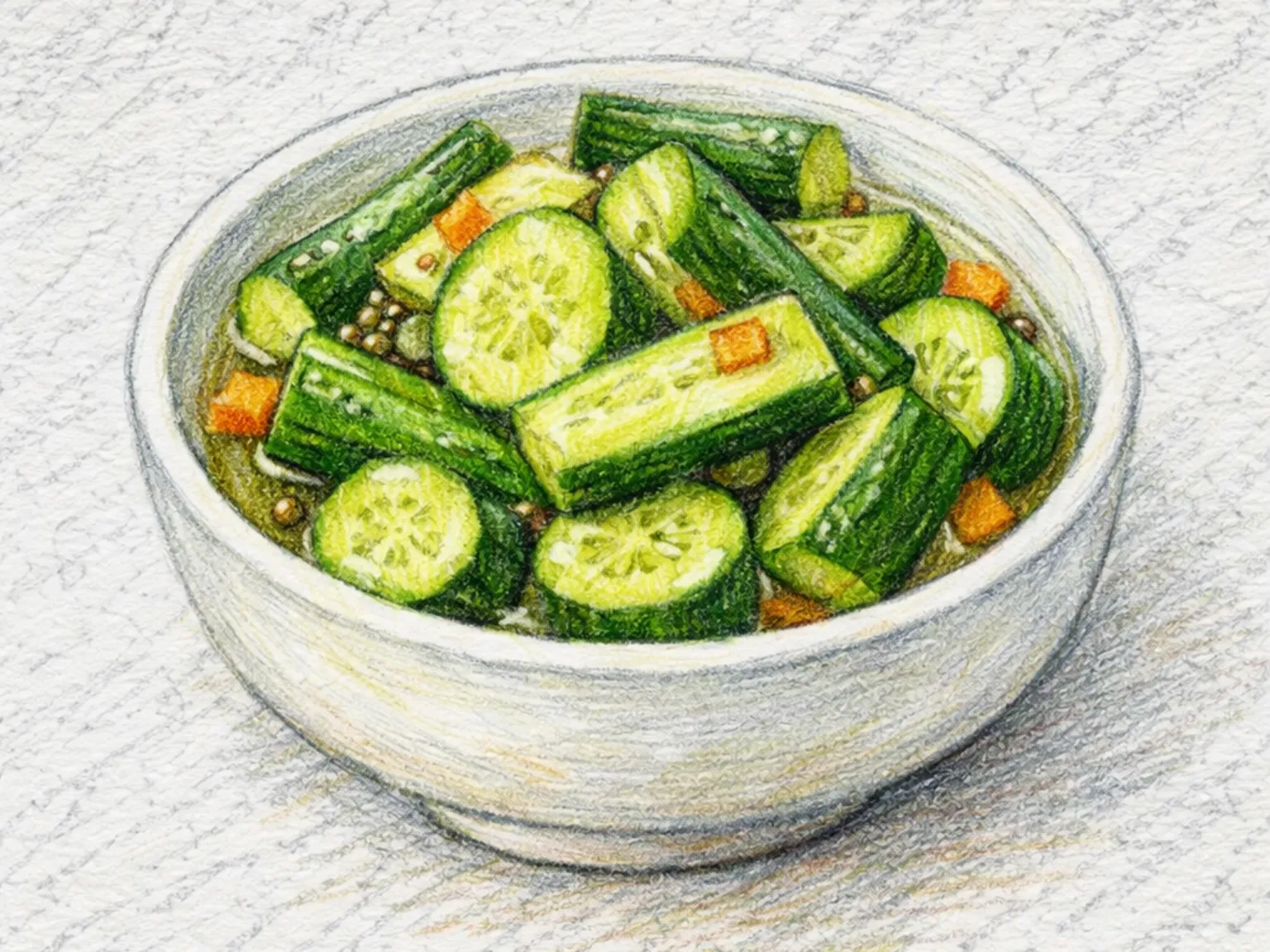
Yangbaechu pickle is a quick Korean-style vinegar pickle made by pouring a hot brine of vinegar, sugar, salt, and whole black peppercorns over bite-sized pieces of cabbage and carrot. The hot liquid wilts the vegetables just enough to help them absorb the brine while they retain a firm, snappy crunch throughout. Whole peppercorns contribute a subtle, aromatic heat that gives the finished pickle more depth than a plain vinegar soak would produce. After a single day of refrigeration the pickle is ready to eat, and it pairs especially well alongside fried cutlets, burgers, or any dish that benefits from a bright, acidic counterpoint to cut through richness. The carrot adds a note of natural sweetness and keeps the color vivid. Kept in a sealed container, the pickle is at its crunchiest within the first week, though the flavors become more rounded and pronounced as the vegetables continue to absorb the brine over time.

🍱 Lunchbox 🏠 Everyday
Prep 15min Cook 8min 4 servings
Korean Soy Pickled Onions
Kimchi Easy

Korean Soy Pickled Onions

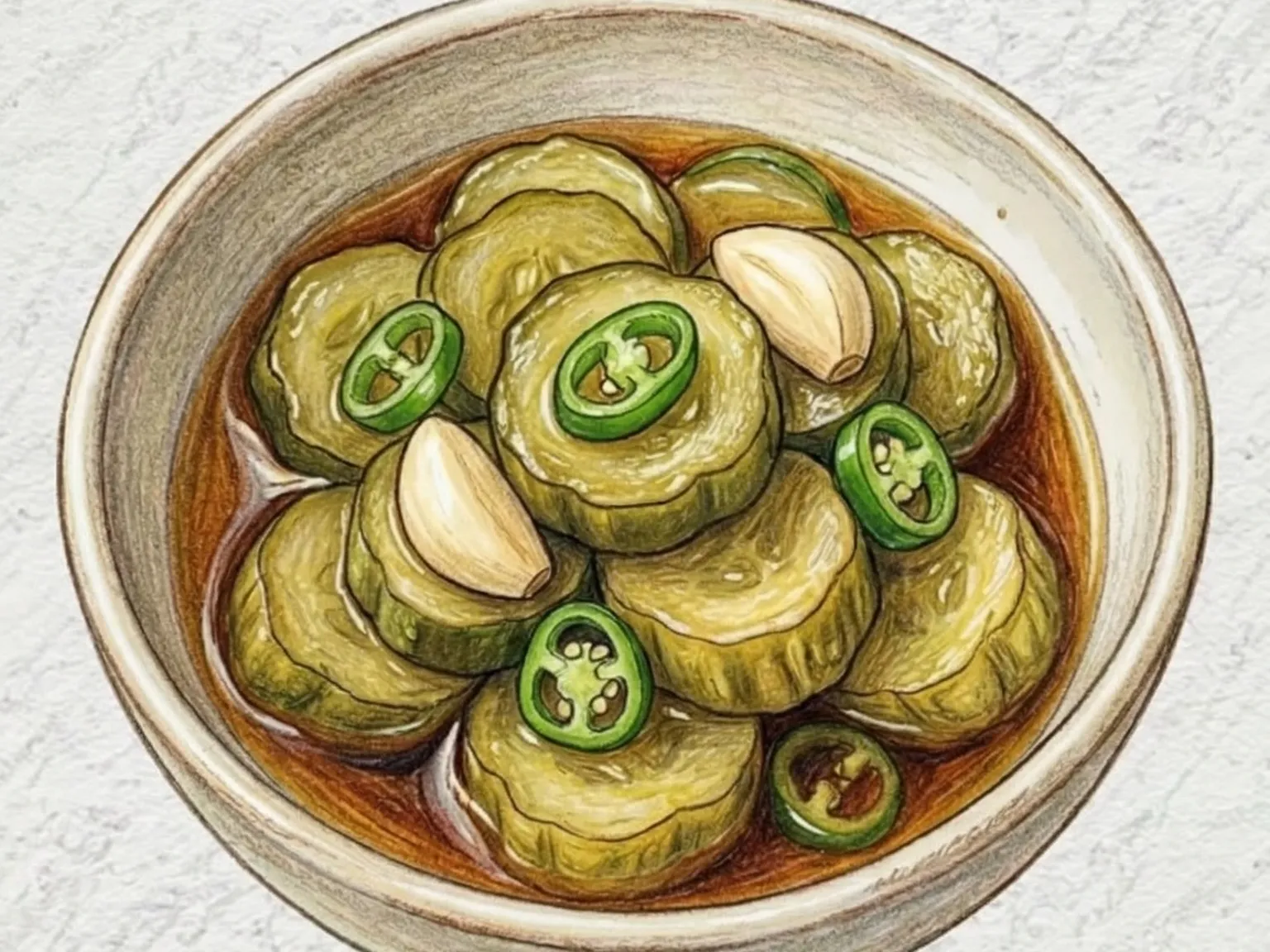
Yangpa jangajji is a soy-pickled onion made by immersing large-cut onion chunks in a boiled brine of soy sauce, vinegar, and sugar. The hot brine tempers the raw onion's sharp, pungent bite on contact, and as the pickle matures in the refrigerator the sweet-salty seasoning penetrates evenly through each piece. Cutting the onion along its fiber rather than against it keeps the texture firm and crisp after pickling, whereas thin cross-cut slices tend to soften quickly in the acidic brine. Sliced cheongyang chili peppers added to the jar gradually release their heat into the liquid, lending a gentle, lingering spiciness that offsets the sweetness and keeps the flavors from becoming one-dimensional. The pickle is ready after one day of refrigeration but improves noticeably at three days or more as the seasoning continues to deepen. It is a staple accompaniment to grilled meats like samgyeopsal, where its acidity and crunch cut through richness and refresh the palate between bites. It also works well over bibimbap or cold noodles. The brine can be brought back to a boil and reused for a second batch of onions, making this an economical pantry item.

🏠 Everyday 🍱 Lunchbox
Prep 15min Cook 12min 4 servings
Korean Young Radish Water Kimchi
Kimchi Medium

Korean Young Radish Water Kimchi

Yeolmu mul-kimchi is a water kimchi in which young radish greens are salted to reduce their raw grassy sharpness, then submerged in a clear, aromatic brine infused with sliced radish, scallions, garlic, and ginger. The garlic and ginger are wrapped in cloth and squeezed rather than added directly to the liquid, which keeps the brine transparent and clean-tasting rather than murky. Plum syrup blended into the brine provides a measured sweetness and contributes to a lively acidity as fermentation develops. Leaving the jar at room temperature for eight hours and then refrigerating for another twelve allows the brine to become gently effervescent and pleasantly tart without turning sour. The finished liquid doubles as a broth for cold noodles in summer or can be ladled over cooked rice for a refreshing light meal. Filtered cold water makes a noticeable difference in the cleanliness of the final flavor, and keeping close watch on the salting time prevents the greens from softening past their ideal crisp texture.

🥗 Light & Healthy 🍱 Lunchbox
Prep 30min 4 servings
Korean Lotus Root Jangajji
Kimchi Easy

Korean Lotus Root Jangajji

Yeongeun jangajji is a soy-pickled lotus root made by blanching sliced root in vinegar water to prevent discoloration, then soaking it in a hot brine of soy sauce, sugar, peppercorns, and bay leaf. The brine seeps through the root's characteristic holes, distributing a balanced salty-sweet flavor evenly in every bite. Bay leaf tempers the heaviness of the soy base while whole peppercorns add a mild spice undertone. The result is a pickle with a dual texture - simultaneously chewy and crisp - that keeps well for days and works as a lunchbox side or everyday banchan.

🏠 Everyday 🍱 Lunchbox
Prep 25min Cook 12min 4 servings
Korean Lotus Root Kimchi (Crunchy Spiced Root Kimchi)
Kimchi Medium

Korean Lotus Root Kimchi (Crunchy Spiced Root Kimchi)

Starting with sliced lotus root boiled in vinegar water helps remove bitterness while keeping the vegetable pale and crisp. The seasoning combines gochugaru, minced garlic, and anchovy fish sauce with the addition of fresh pear juice. This pear juice provides natural sugars and necessary moisture so the chili paste coats each slice evenly without becoming dry or clumping. Even after the fermentation process begins, the lotus root maintains its signature firm and crunchy texture. Sliced scallions are tossed in to add a fresh aromatic quality that balances the spicy garlic paste. One full day of refrigeration allows the flavors to settle into the flesh before serving. Because the seasoning gets trapped inside the characteristic holes of the root, the paste should remain thick rather than watery to ensure consistent flavor. When left to ferment for a few more days, the developing acidity helps cut through the richness of grilled meats or fried dishes. A light addition of sesame oil and toasted sesame seeds at the end brings a toasted scent to every bite.

🥗 Light & Healthy 🍱 Lunchbox
Prep 35min Cook 2min 4 servings