Kimchi
Kimchi

Kimchi Recipes

112 recipes. Page 4 of 5

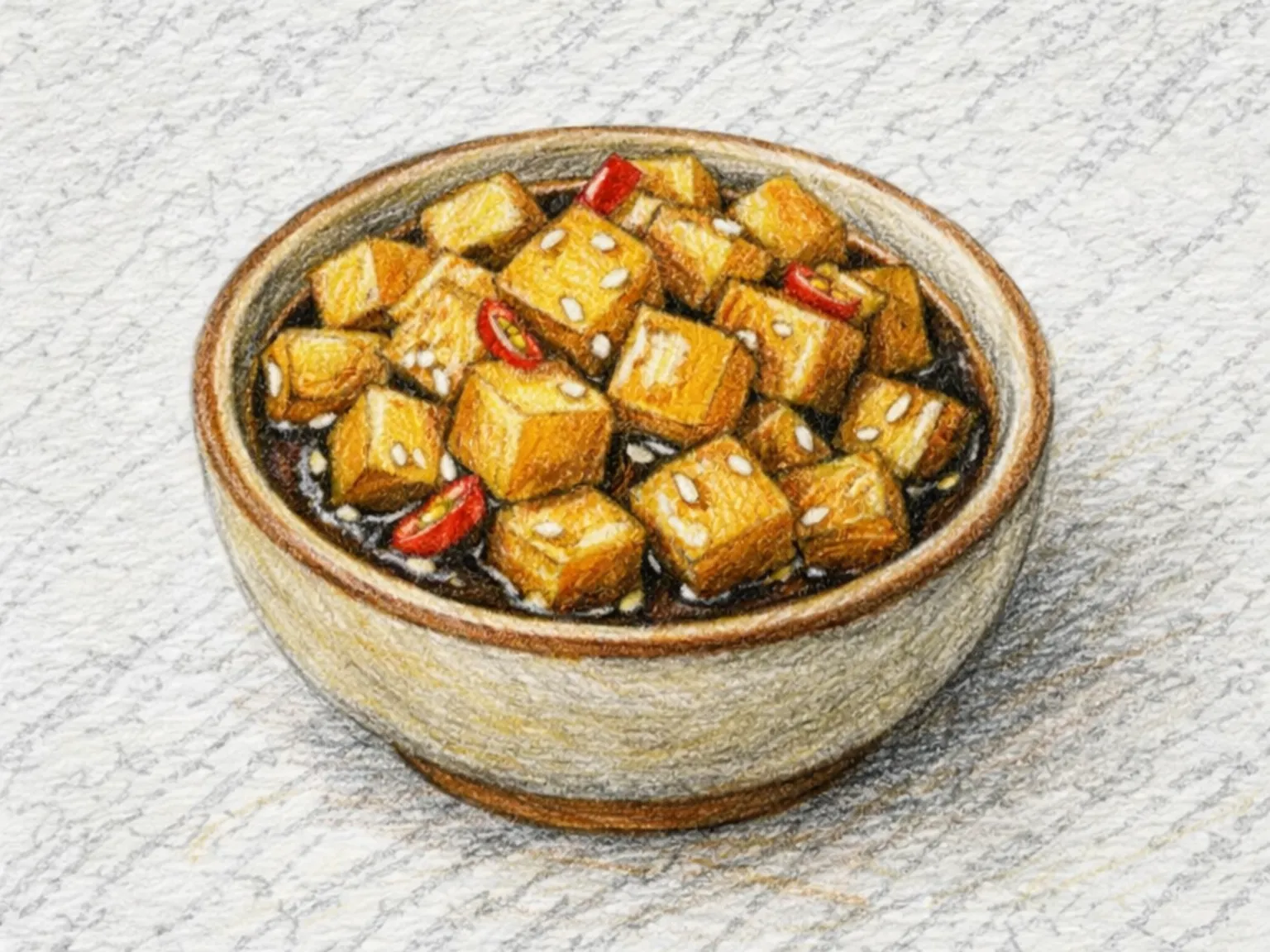
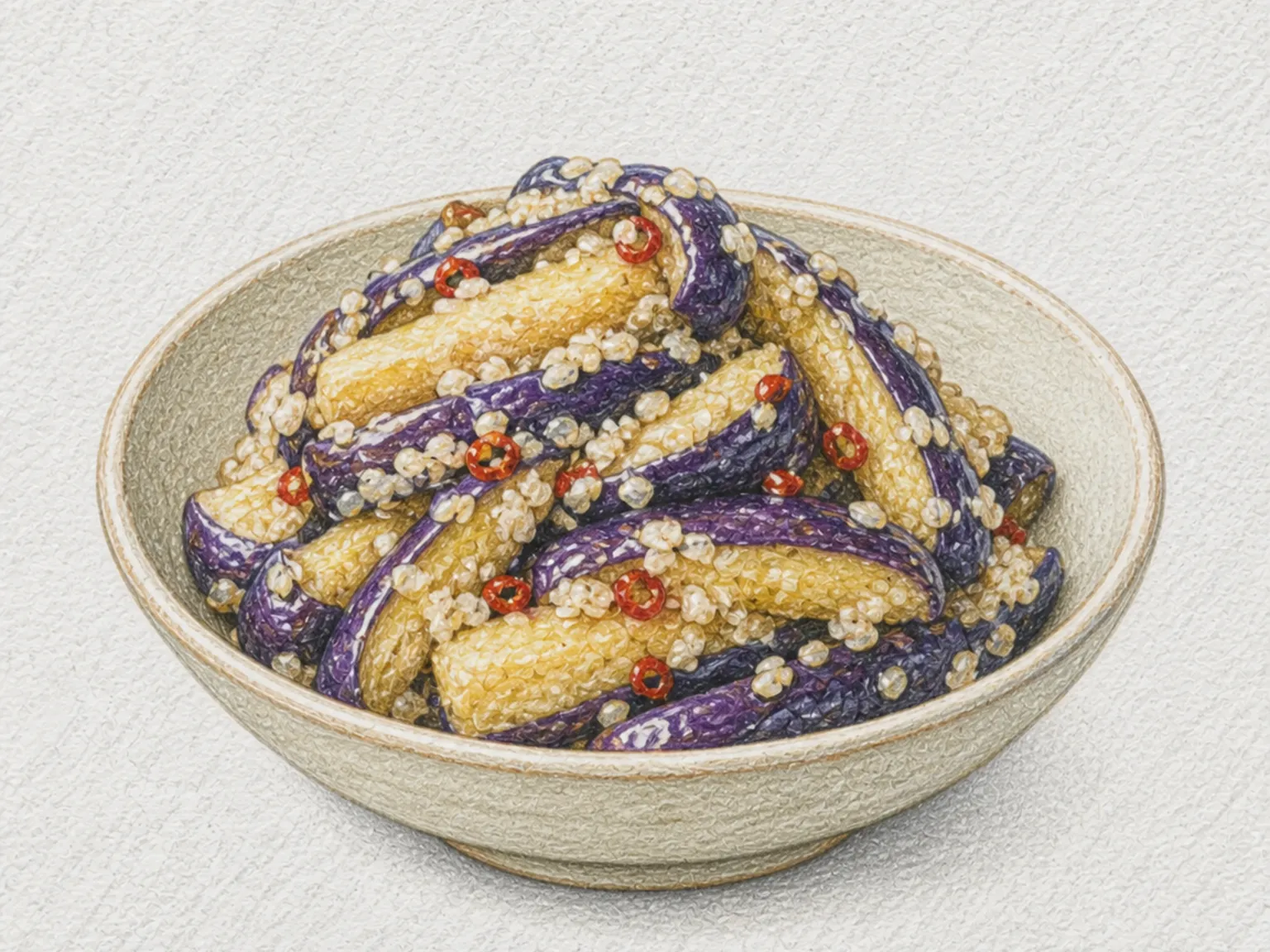
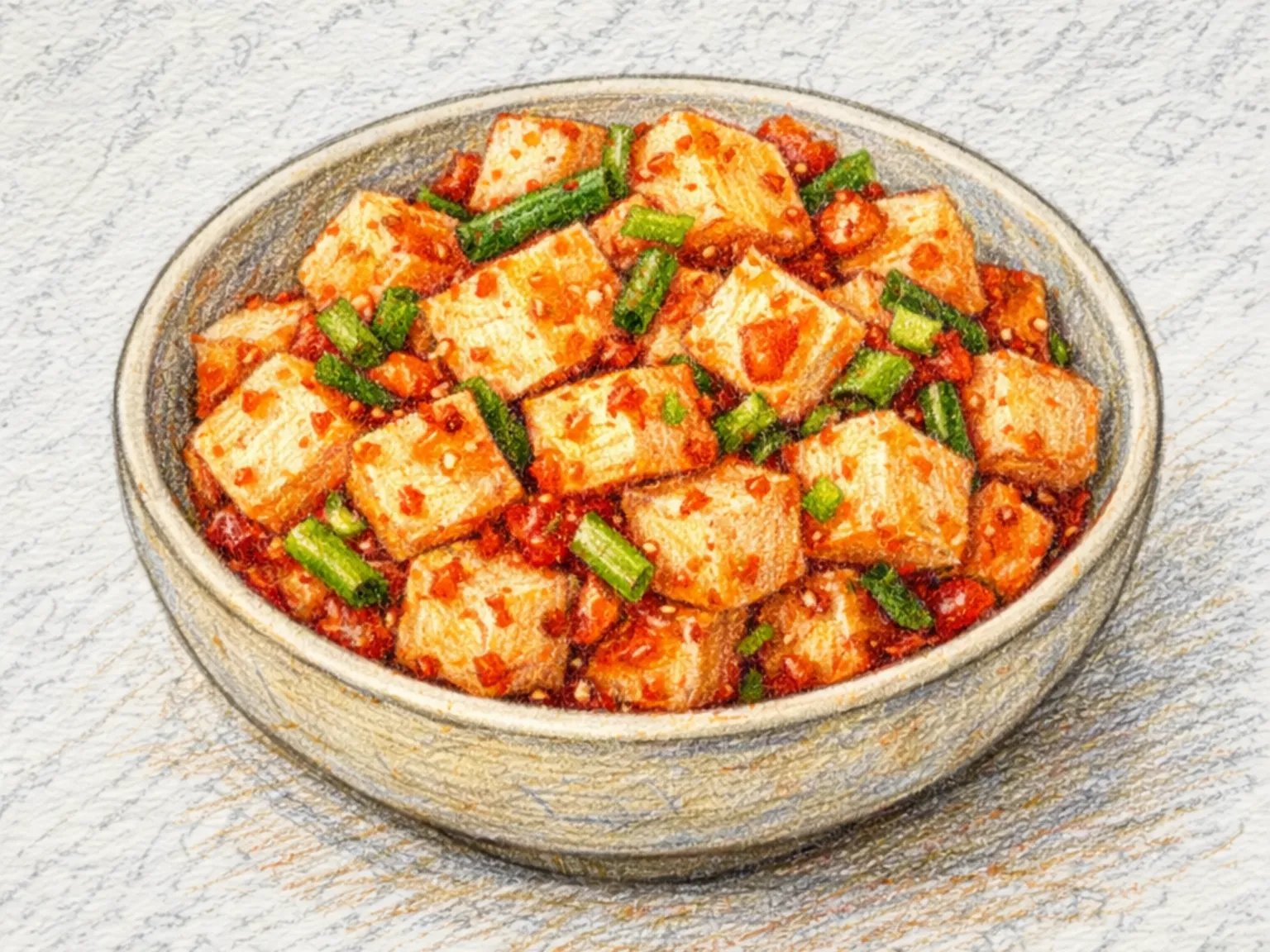
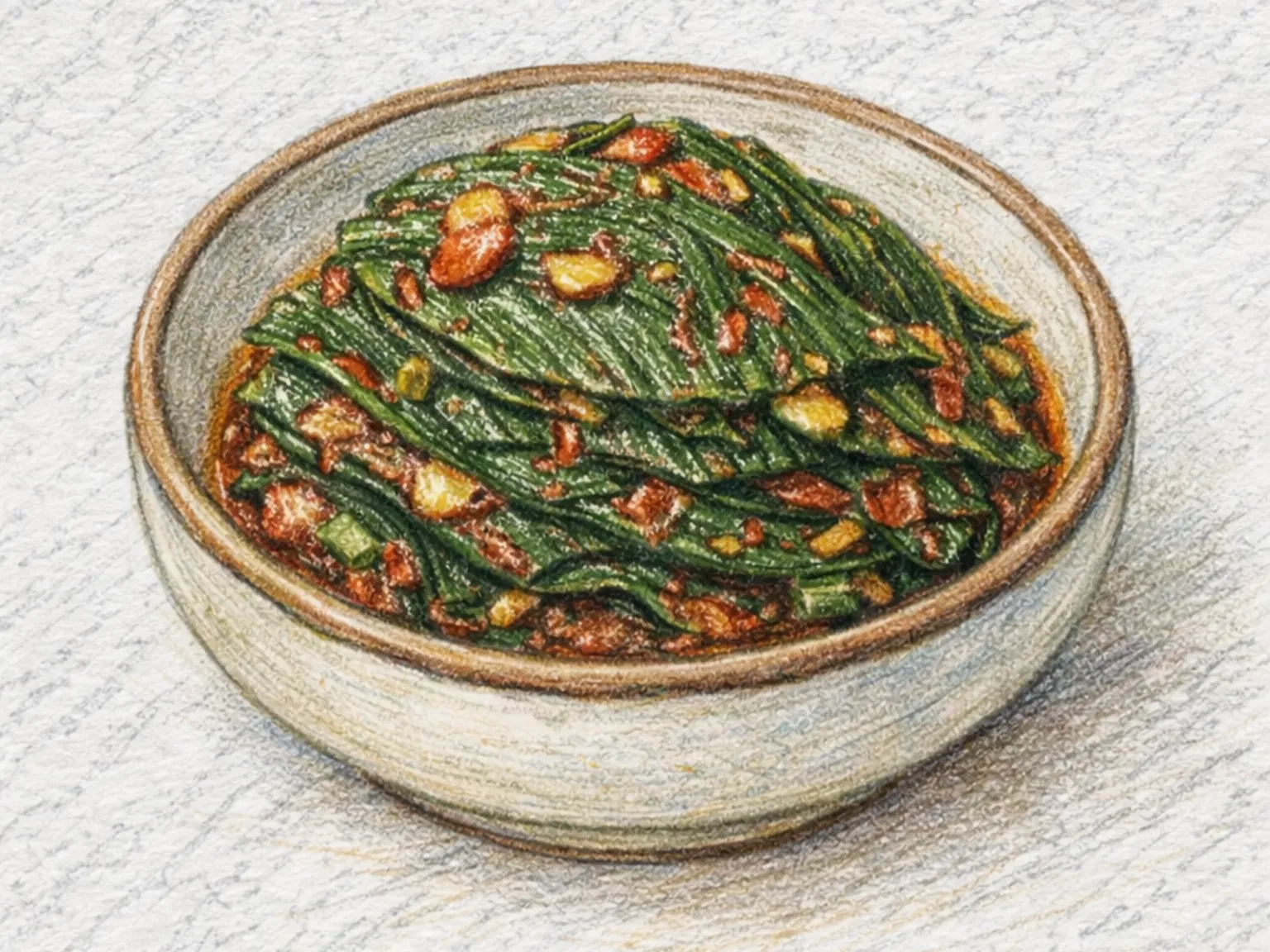
Kimchi is Korea's iconic fermented food, and there are dozens of varieties beyond the familiar napa cabbage version - cubed radish (kkakdugi), ponytail radish (chonggak), green onion (pa-kimchi), and young radish (yeolmu), to name a few. Jangajji (Korean pickles) are made by preserving vegetables in soy sauce, vinegar, or gochujang.

The fermentation process creates beneficial probiotics and a depth of umami unique to kimchi. Seasonal produce transformed into kimchi and pickles keeps for weeks, making them a constant presence in Korean refrigerators.

Korean Water Parsley Soy Pickle
Kimchi Easy

Korean Water Parsley Soy Pickle

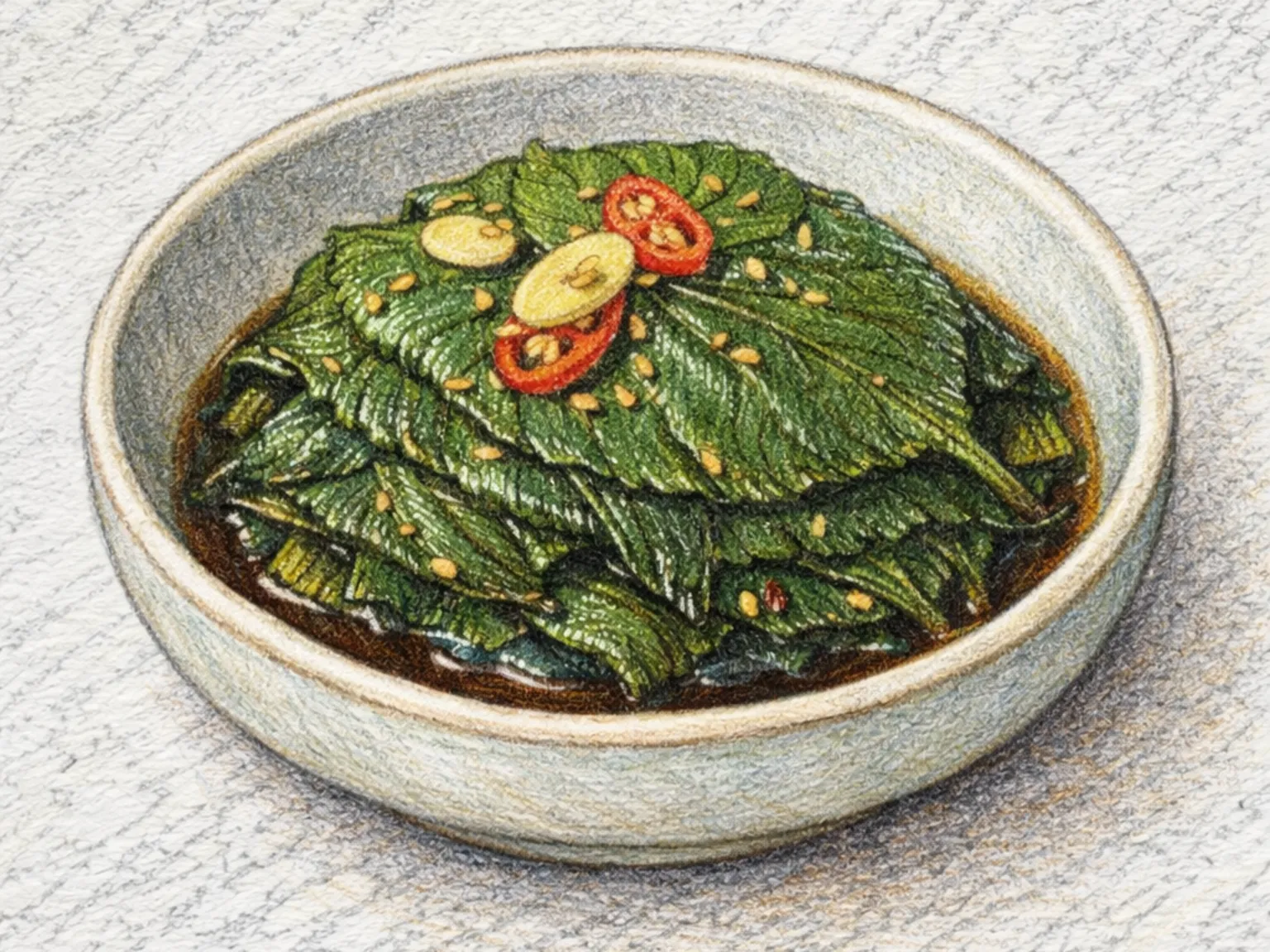
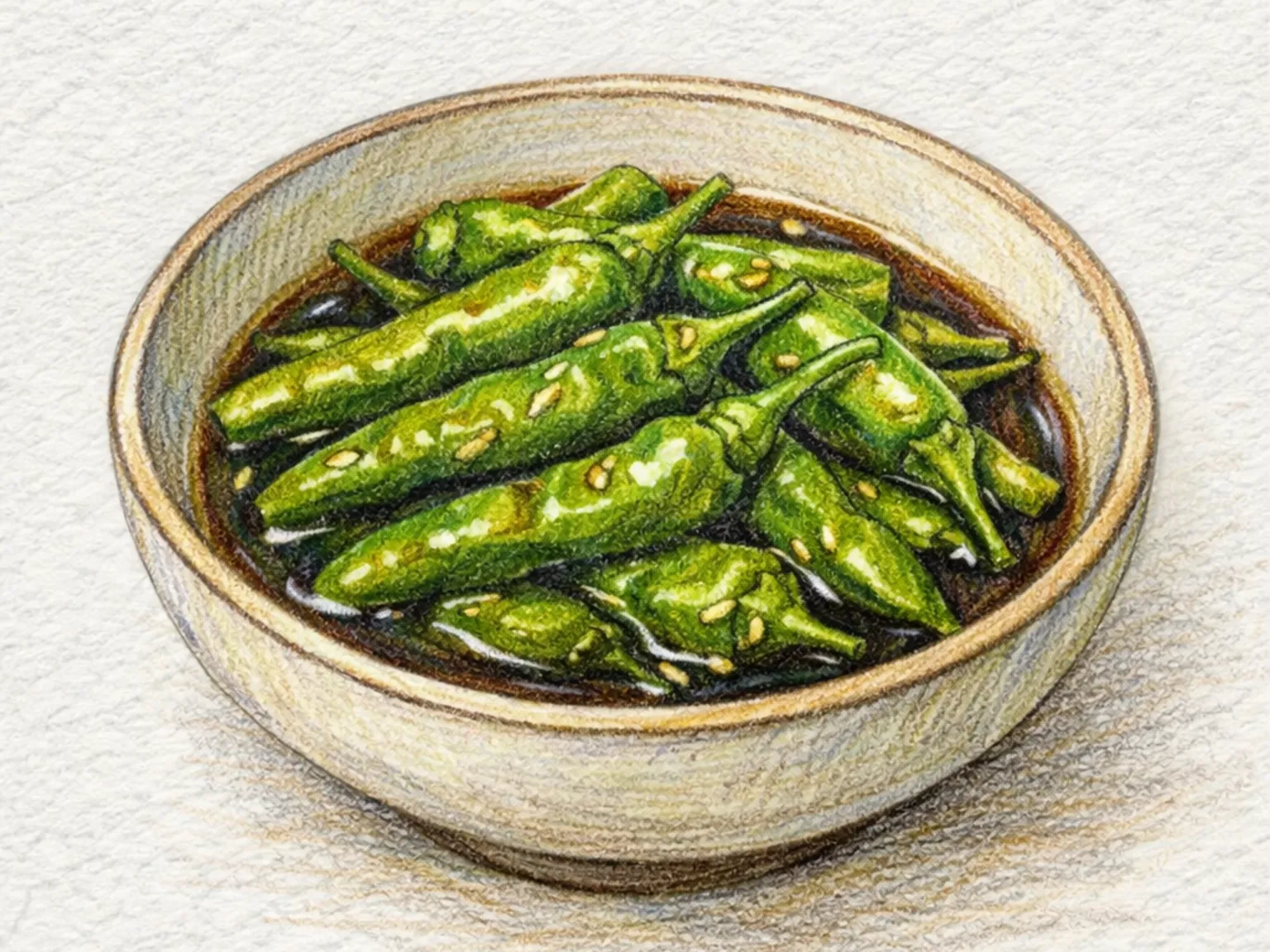
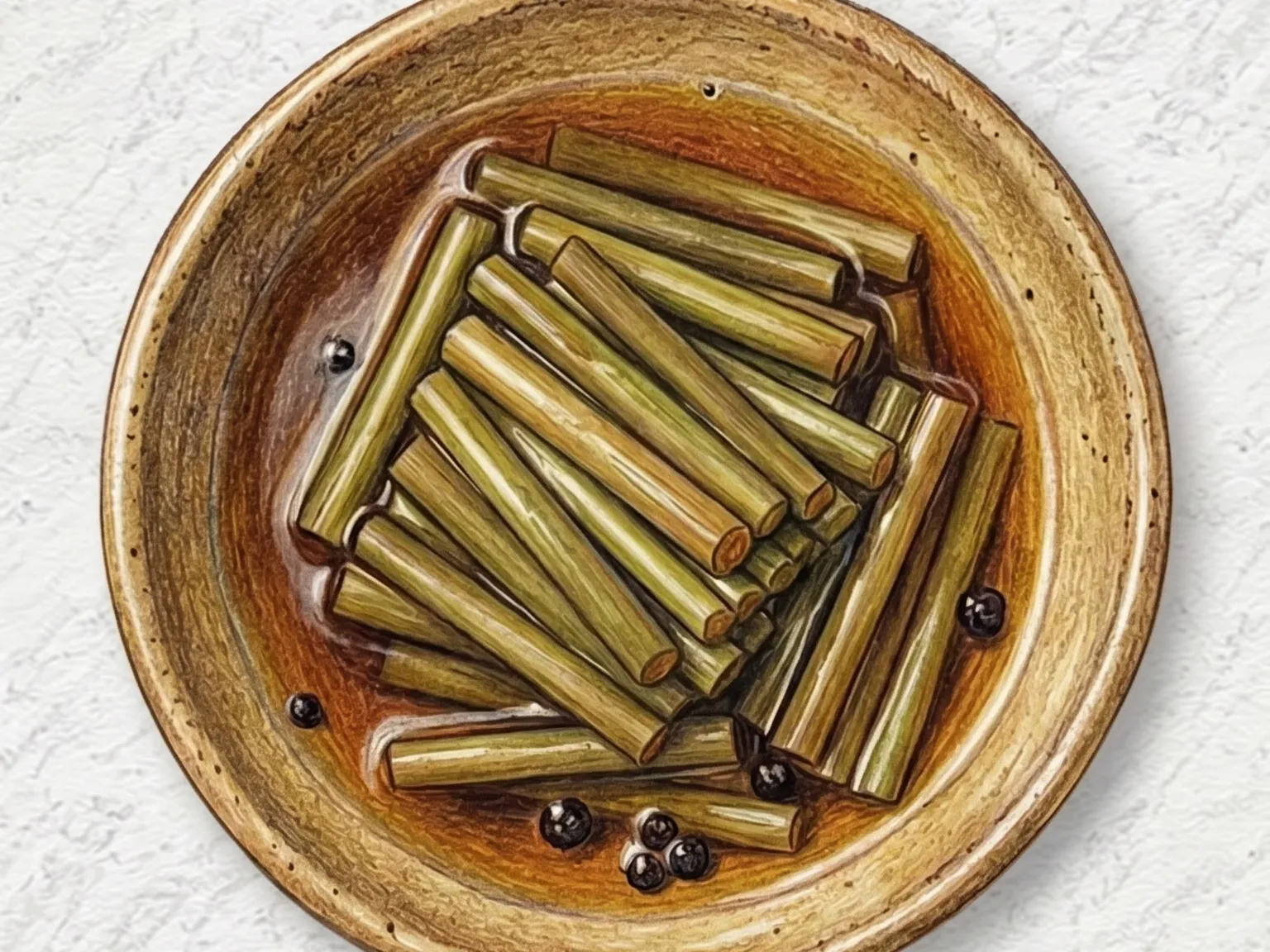
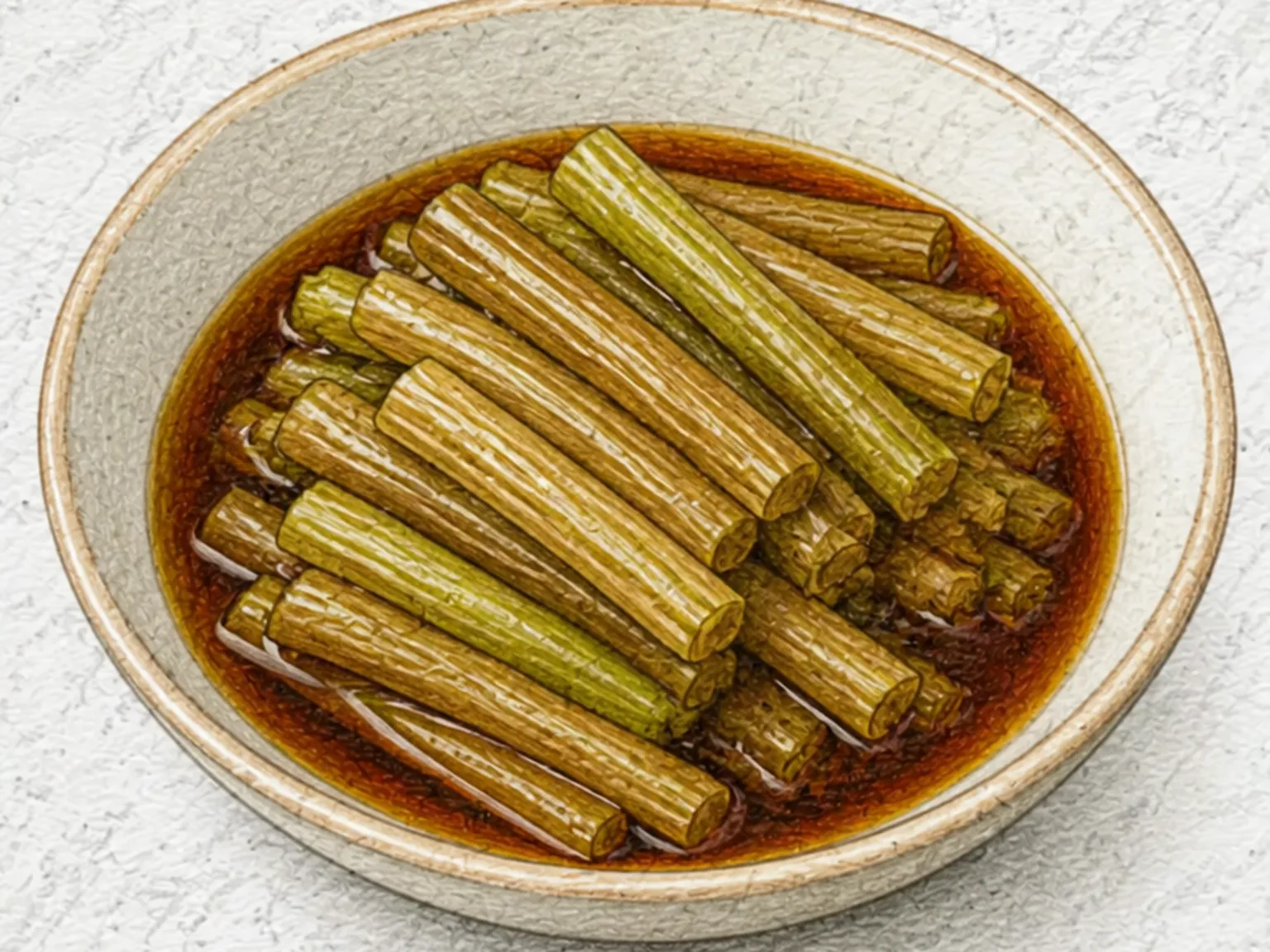
Preparing this dish starts with cutting water parsley stems into 5-centimeter segments and ensuring they are thoroughly dried. The pickling process involves a mixture of soy sauce, rice vinegar, and sugar that is boiled and then completely cooled before being poured over the prepared stems, garlic, and cheongyang chili peppers. As the herbs submerge in the savory liquid, the fresh scent of the water parsley evolves into a complex aromatic profile that is absent in its raw state. Rice vinegar provides a crisp finish to the palate, while the sharp heat from the chili peppers prevents the flavor from becoming flat or one-dimensional. Garlic acts as a stabilizing element for the entire seasoning base. The pickle reaches its optimal state around the second or third day of refrigeration when the initial sharpness of the vinegar mellows out while the stems maintain their firm crunch. Since the texture tends to soften over time, making frequent small batches is a practical approach to enjoy this preserve. This side dish functions well alongside grilled pork belly or other main courses with high fat content by clearing the palate between bites. The remaining brine can be reused for subsequent batches of vegetables, often resulting in a more developed and layered taste than the first round. Adding a small amount of lemon or yuzu juice introduces a citrus scent that complements the natural herbal characteristics of the water parsley.

🏠 Everyday 🍱 Lunchbox
Prep 15min Cook 10min 4 servings
Korean Water Parsley Kimchi
Kimchi Easy

Korean Water Parsley Kimchi

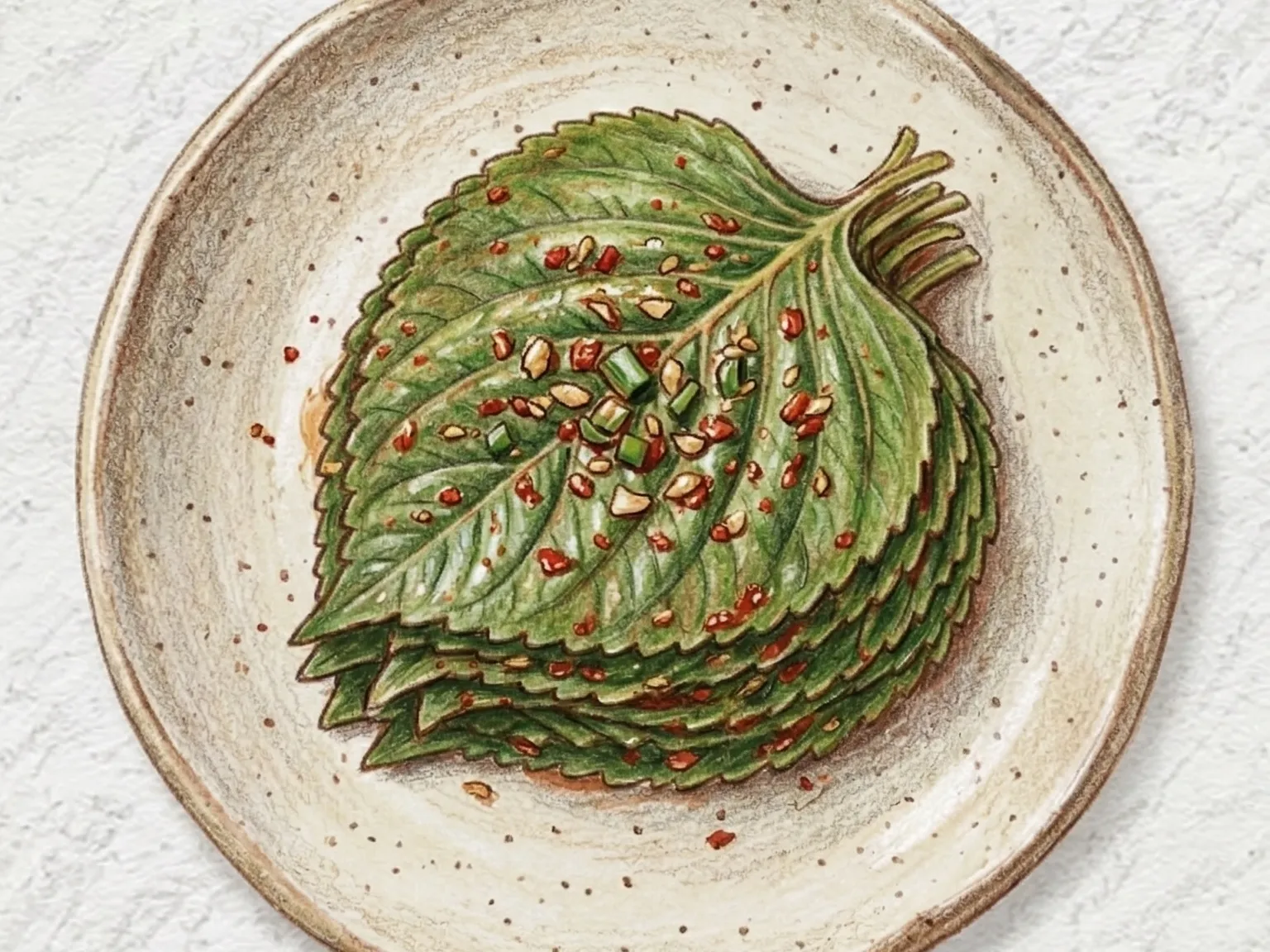
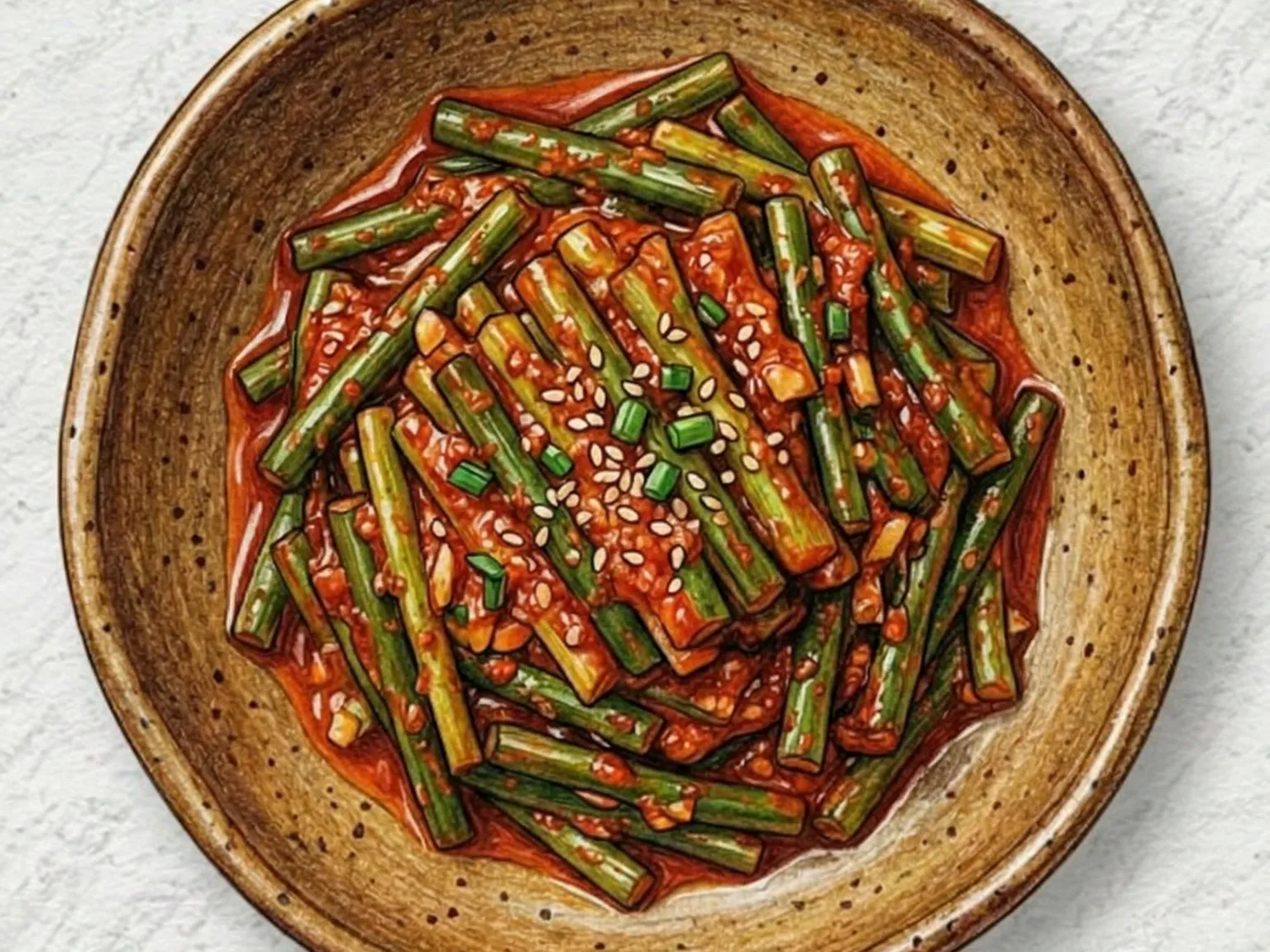
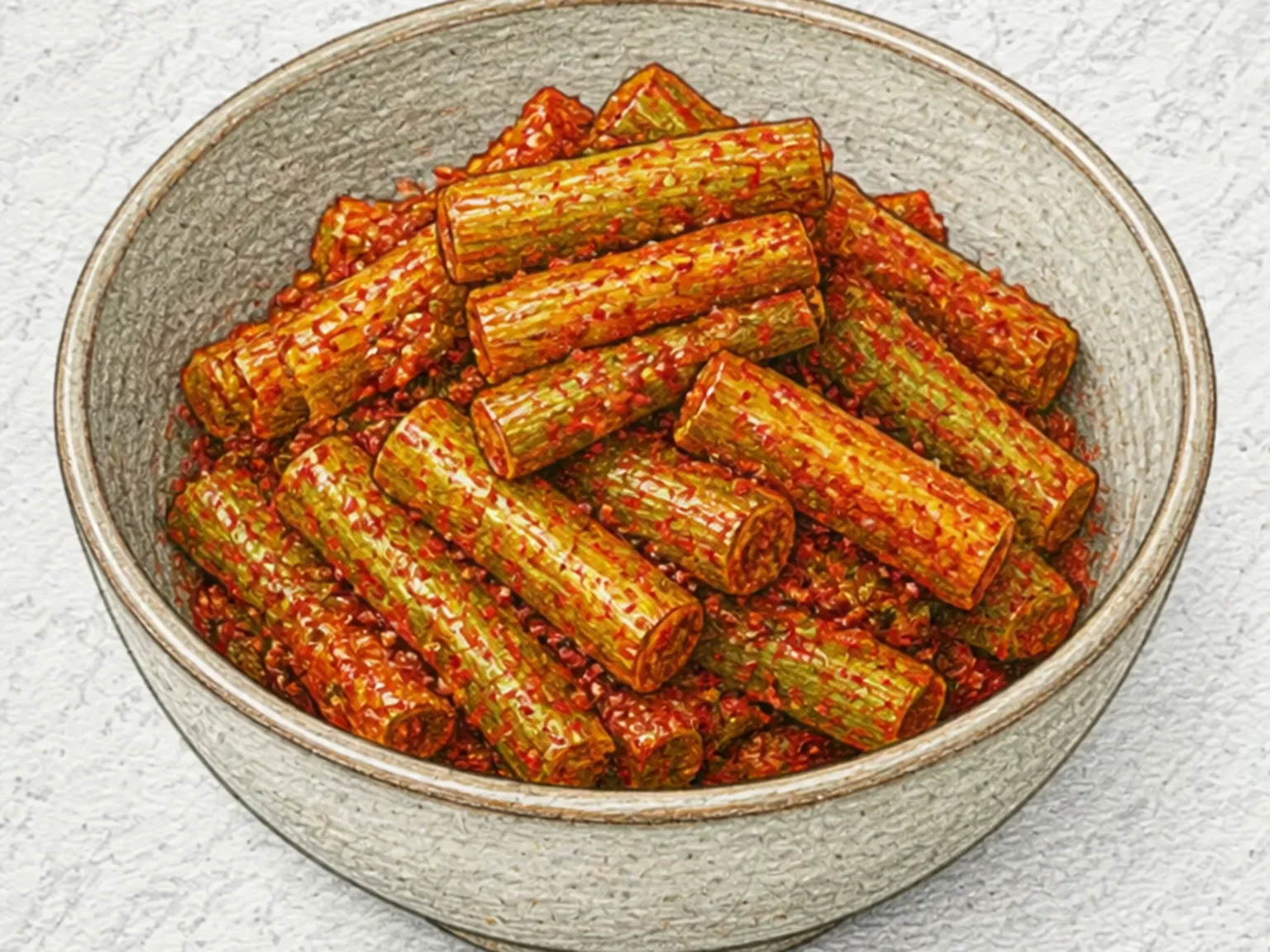
Minari kimchi is a quick, no-fermentation Korean water parsley kimchi that is ready to eat the moment it is made. The stems are salted for just ten minutes to barely wilt them, preserving their characteristic crunch and cool, clean herbal fragrance. Blended onion is worked into the seasoning paste alongside gochugaru, anchovy fish sauce, and plum syrup, giving the dressing body and a gentle sweetness. Anchovy fish sauce lays a seafood umami foundation under the light vegetable, while plum syrup's fruit acidity softens the chili heat rather than letting it dominate, so the finish is bright and refreshing rather than sharp. Paired with samgyeopsal or boiled pork, the water parsley's aromatics cut directly through the fat, cleansing the palate between bites in a way that heavier banchan cannot. The kimchi is best eaten on the day it is made while the stems still have their full snap.

🏠 Everyday 🍱 Lunchbox
Prep 20min Cook 5min 2 servings
Korean Miyeok Julgi Jangajji (Seaweed Stem Pickles)
Kimchi Easy

Korean Miyeok Julgi Jangajji (Seaweed Stem Pickles)

Miyeok julgi jangajji is a Korean seaweed stem pickle made by soaking salted seaweed stems long enough to remove the excess salt, blanching them briefly, and submerging them with sliced onion and cheongyang chili in a brine of dark soy sauce, vinegar, and sugar brought to a boil. The stems' characteristic crunchy-chewy bite holds up even as they absorb the brine, and a faint oceanic quality lingers beneath the soy sauce's savory depth and the sharp brightness of the vinegar. Onion adds natural sweetness to the pickling liquid, and the chili delivers a clean, piercing heat at the finish. Reboiling the brine, cooling it fully, and pouring it over a second time significantly extends shelf life, keeping the banchan in good condition in the refrigerator for three to four weeks or longer. After the first pour, allowing twenty-four hours before eating gives the stems enough time to fully absorb the brine and develop their proper flavor.

🥗 Light & Healthy 🍱 Lunchbox
Prep 20min Cook 12min 4 servings
Korean Soy Pickled Radish Cubes
Kimchi Easy

Korean Soy Pickled Radish Cubes

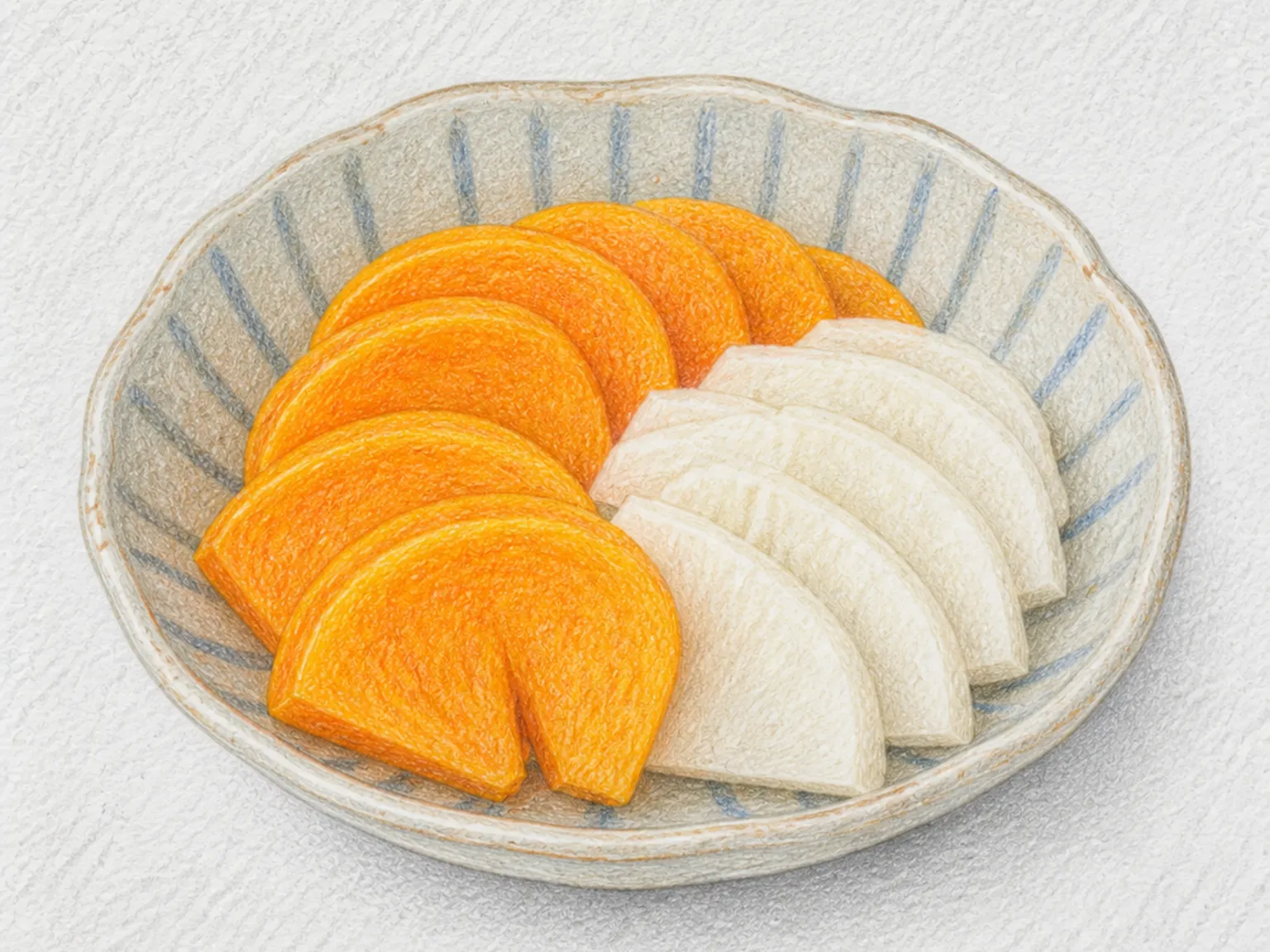
Mu jangajji is a fundamental Korean soy-pickled radish made by cutting radish into 1.5 cm cubes, packing them in a sterilized jar with dried chili, and pouring over a boiled brine of soy sauce, vinegar, and sugar. The radish's firm flesh absorbs the sweet-salty brine gradually while maintaining its crisp bite, and the dried chili adds a gentle warmth and aroma to the liquid. Pouring the brine while still hot is important because the heat briefly opens the cell walls of the radish, allowing the seasoning to penetrate more evenly throughout. Vinegar balances the soy's saltiness with a clean tang, and using dense winter radish yields the best texture. This is one of the most versatile Korean pickles, appearing alongside gimbap, bibimbap, and gukbap as a reliable everyday table companion.

🍱 Lunchbox 🏠 Everyday
Prep 20min Cook 10min 4 servings
Korean Dried Radish Soy Pickles
Kimchi Easy

Korean Dried Radish Soy Pickles

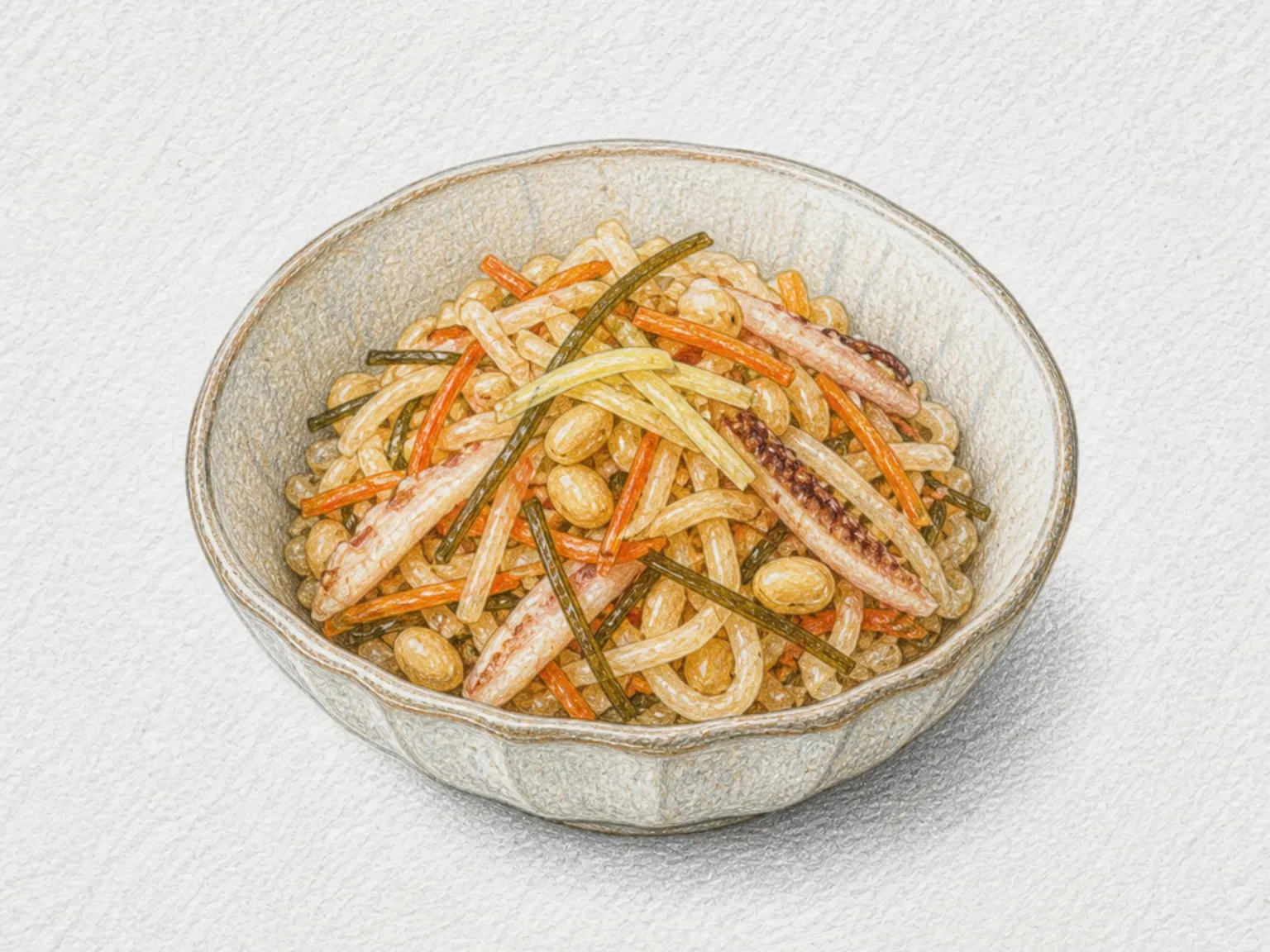
Mu mallaengi jangajji is a Korean pickled dried radish that exploits the concentrating effect of dehydration to achieve a depth of sweetness and chew that fresh radish pickles cannot match. The dried radish strips are first soaked in lukewarm water to restore their flexibility, then coated with gochugaru before being submerged in a brine of soy sauce, vinegar, and sugar that has been briefly boiled and cooled. Drying collapses the radish cell walls and concentrates the natural sugars, so when the rehydrated strips absorb the brine, the sweetness hits in layers beneath the chili heat. The texture of the rehydrated strips is distinctly chewy rather than crisp, which makes each bite feel satisfying and substantial. Soy sauce provides a dense, savory floor while vinegar lifts the salt and keeps the palate clean, and a scatter of toasted sesame seeds adds a faintly nutty finish. After resting for a day the seasoning stabilizes and the flavors meld, producing a banchan assertive enough to carry a full bowl of plain rice on its own.

🏠 Everyday 🍱 Lunchbox
Prep 30min Cook 8min 4 servings
Korean Radish Greens Kimchi
Kimchi Easy

Korean Radish Greens Kimchi

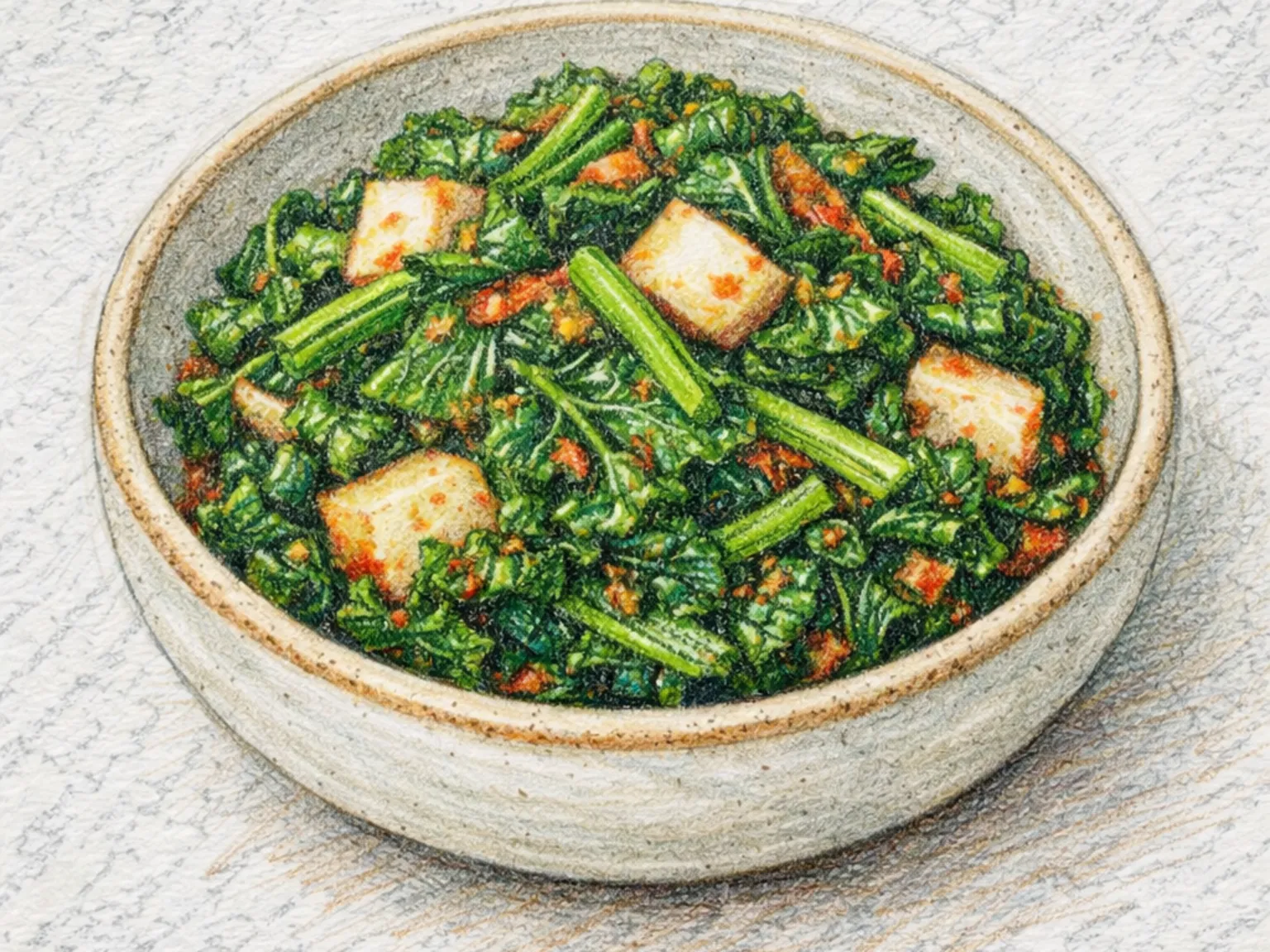
Mucheong kimchi is made from the leafy greens and stems of Korean radish, cut into 5 cm lengths, salted in coarse brine, then coated in a paste of sweet rice flour, gochugaru, anchovy fish sauce, minced garlic, ginger, and onion. The thick, fibrous stems grip the seasoning and hold up through fermentation without turning mushy, keeping a firm chew even after weeks in the refrigerator. Sweet rice flour acts as a glue that prevents the coating from sliding off the stems as the kimchi ages. Anchovy fish sauce lays down a deep seafood umami as the base layer, while onion moderates the chili heat with natural sweetness. The greens are a practical use of the entire radish rather than just the root, and the finished kimchi works beyond the banchan role: torn into pieces and added to siraegi soup, it enriches the broth; stirred into doenjang jjigae, it deepens the fermented soybean flavor with another layer of fermented complexity.

🍱 Lunchbox 🏠 Everyday
Prep 35min Cook 5min 4 servings
Korean Radish Sprout Kimchi
Kimchi Easy

Korean Radish Sprout Kimchi

Musun kimchi is an instant Korean side dish made by tossing thin radish sprouts in a seasoning of gochugaru, sand lance fish sauce, minced garlic, and a splash of vinegar. The sprouts carry a sharp, peppery bite that stacks naturally with the chili heat and the fish sauce's fermented depth. Mixing must stay under thirty seconds - overworking the delicate stems releases a grassy off-note instead of the clean radish sharpness. Vinegar sharpens the finish with bright acidity, and a final drizzle of sesame oil ties the bowl together with a toasted richness. This kimchi is at its best eaten the same day, while the sprouts still hold their crisp snap.

🥗 Light & Healthy 🍱 Lunchbox
Prep 20min Cook 5min 4 servings
Korean Salted Anchovy Jeotgal
Kimchi Medium

Korean Salted Anchovy Jeotgal

Myeolchi jeotgal is a traditional Korean fermented anchovy preserve made by layering cleaned small anchovies with coarse sea salt in a sterilized container, pressing firmly to eliminate air pockets, then refrigerating for extended aging. As salt draws moisture from the fish, it begins breaking down proteins into concentrated umami compounds, stripping away the raw fishiness and building the deep, complex flavor that defines this preserve. On the fifth day of fermentation, minced garlic, grated ginger, chili flakes, and rice wine are folded in to add aromatic layers on top of the developing fermented base. The salt ratio must stay at or above twenty percent of the anchovy weight throughout the process, as dropping below this threshold allows harmful bacteria to take hold and risks spoilage. The finished jeotgal has two primary uses in Korean cooking: stirred in small amounts into kimchi seasoning paste as an umami backbone, or spooned directly over hot rice as a pungent, savory side dish. It can also substitute for fish sauce in doenjang jjigae or seasoned vegetables, adding a more pronounced fermented character.

🍱 Lunchbox ⚡ Quick
Prep 20min 4 servings
Korean Pickled Alpine Leek Leaves
Kimchi Easy

Korean Pickled Alpine Leek Leaves

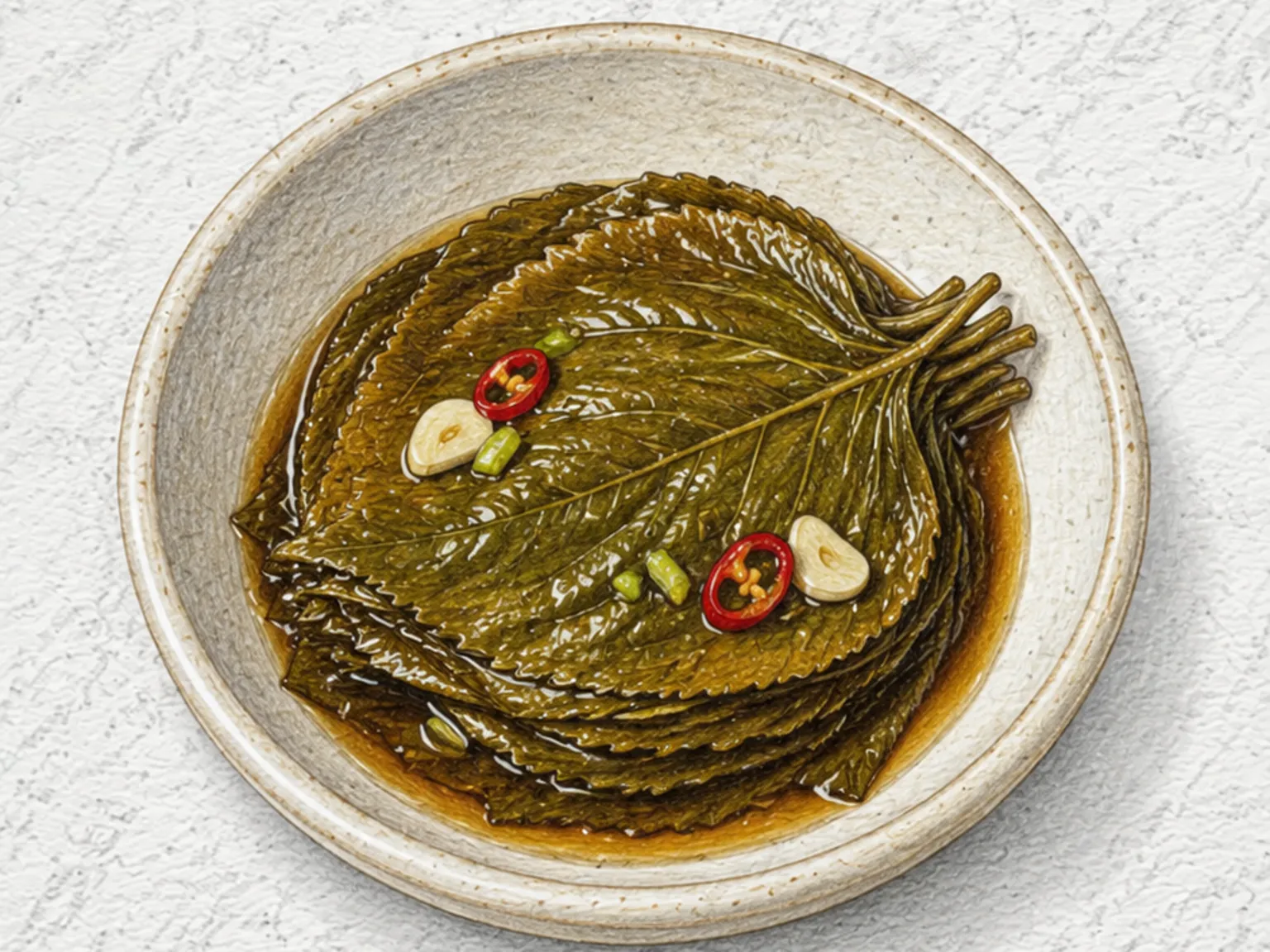
Myeongi jangajji is a Korean soy-pickled preserve made from alpine leek leaves, a wild mountain herb harvested in early spring. The leaves are rolled into a sterilized jar with sliced green chili, then covered with a boiling brine of soy sauce, vinegar, water, and sugar. Pouring the hot liquid partially blanches the leaf surface, locking in a vivid green color while the interior stays raw and pungent. After two to three days of refrigeration the brine penetrates fully, tempering the raw garlic intensity into a mellow, fragrant heat balanced by soy saltiness and vinegar tang. These pickled leaves are traditionally wrapped around grilled pork belly or bulgogi, where their aromatic acidity cuts through the rendered fat.

🍱 Lunchbox 🏠 Everyday
Prep 18min Cook 10min 4 servings
Korean Salted Pollock Roe Jeotgal
Kimchi Hard

Korean Salted Pollock Roe Jeotgal

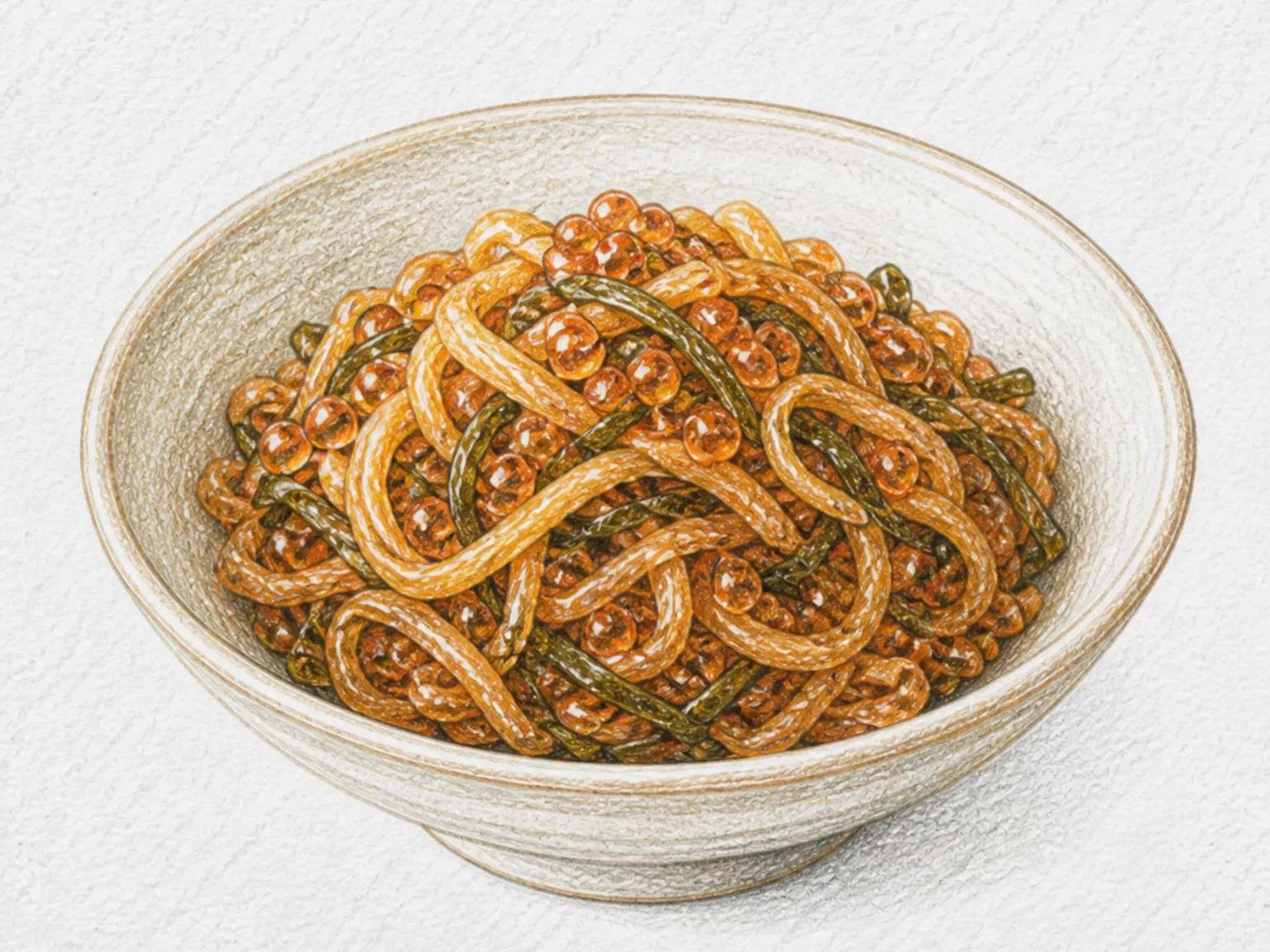
Myeongran jeotgal is a Korean salted and fermented pollock roe where fresh roe sacs are meticulously cleaned of blood spots and membranes, brushed with rice wine to suppress fishiness, then packed in a curing blend of coarse sea salt, gochugaru, and minced garlic alongside a piece of kelp. Over three to five days in cold storage, salt draws moisture out of each tiny egg, concentrating their pop-and-burst texture while enzymatic breakdown generates a deep, layered umami that raw roe cannot produce on its own. The chili flakes introduce a gentle warmth that sits behind rather than over the roe's natural salinity. Sliced thin and arranged over hot steamed rice, each piece releases a salty, oceanic intensity with every bite - a condiment that disappears faster than any dish it accompanies.

🎉 Special Occasion 🍱 Lunchbox
Prep 30min 4 servings
Korean Shepherd's Purse Kimchi
Kimchi Medium

Korean Shepherd's Purse Kimchi

Naengi kimchi is a seasonal Korean side dish where shepherd's purse, an early-spring wild herb with a distinctive earthy fragrance, is blanched for just twenty seconds in boiling salted water. This brief blanching is the defining technique - long enough to strip away the raw bitterness and any soil odor, yet short enough to preserve the herb's own clean, spring-like aroma. The cooled and thoroughly squeezed greens are then dressed in a paste of gochugaru, anchovy fish sauce, minced garlic, and sweet rice paste, which provides enough body and viscosity to coat each slender stem evenly. The fish sauce's fermented depth meets the herb's green, earthy character, producing a layered flavor that neither ingredient achieves on its own. Sesame seeds scattered on top add a quiet toasted crunch. At least two hours of refrigeration allows the seasoning to settle and deepen before the kimchi is at its best.

🍱 Lunchbox 🏠 Everyday
Prep 25min Cook 1min 2 servings
Korean Spicy Salted Octopus Jeotgal
Kimchi Medium

Korean Spicy Salted Octopus Jeotgal

Nakji jeotgal is a Korean fermented octopus side dish made by packing cleaned octopus in coarse salt for at least forty minutes to draw out moisture and firm the flesh, then coating it thoroughly in a paste of gochugaru, minced garlic, minced ginger, anchovy fish sauce, and plum syrup before cold-aging in the refrigerator. The initial salt cure tightens the octopus's already springy muscle fibers, intensifying the chew, and the gochugaru paste forms a dense crimson coating that forces spicy, salty heat into every layer of flesh as the dish sits. Anchovy fish sauce builds the umami foundation while plum syrup counteracts any lingering marine smell and introduces a subtle fruit sweetness that rounds out the salt and chili. Ginger leaves a sharp, clean note at the back of the palate that keeps the overall flavor from becoming heavy. After two to three days of refrigeration, a slow fermentation sets in and the separate components fuse into a cohesive, deeply savory whole. Served over warm rice, each piece of octopus delivers a firm, elastic chew followed by a concentrated rush of ocean flavor, and a drop of sesame oil stirred in at serving adds a toasted, nutty finish.

🍱 Lunchbox 🏠 Everyday
Prep 45min 4 servings
Korean Soy Pickled Cucumber
Kimchi Easy

Korean Soy Pickled Cucumber

Oi jangajji is a Korean soy-pickled cucumber made by slicing cucumbers into one-centimeter rounds, lightly salting them to draw out surface moisture, then packing them into a sterilized jar with whole garlic cloves and green chilies before pouring over a boiling brine of soy sauce, water, vinegar, and sugar. The hot liquid partially cooks the cucumber surface while leaving the center firmly crisp, and two days of cold fermentation allows the sweet, salty, sour brine to penetrate all the way through. The green chilies leave a faint heat at the back of each bite, and the whole garlic cloves release their aroma gradually into the brine as they soften over the resting period, adding a layer of complexity beyond a straightforward soy pickle. Reboiling the spent brine and pouring it back over the cucumbers once extends the crunch considerably, turning this into a practical side dish that holds up well for more than a week in the refrigerator. It works alongside a bowl of rice, next to a hearty soup, or as a sharp palate-waker on a hot summer day when appetite runs low.

🏠 Everyday 🍱 Lunchbox
Prep 20min Cook 10min 4 servings
Korean-Style Cucumber Pickle
Kimchi Easy

Korean-Style Cucumber Pickle

Oi pickle is a vinegar-brined cucumber pickle where one-centimeter-thick rounds are briefly salted to draw out surface moisture, then submerged in a hot brine of vinegar, water, sugar, salt, bay leaf, and whole black peppercorns. Pouring the hot brine directly over the salted cucumbers contracts their cell structure on contact, locking in a crunch that persists through multiple days of refrigeration. As the pickles rest, the sharp acidity of the vinegar softens and blends with the sugar into a balanced sweet-sour profile rather than a single piercing note. Bay leaf contributes a low, herbal background, and the peppercorns leave a faint heat at the finish that gives depth beyond plain vinegar sourness. The pickles are ready after twelve hours of chilling and keep well in a sealed container in the refrigerator for up to two weeks. Served alongside fried or fatty dishes, the clean acidity cuts through richness and refreshes the palate between bites.

🍱 Lunchbox 🏠 Everyday
Prep 20min Cook 10min 4 servings
Korean Stuffed Cucumber Kimchi
Kimchi Medium

Korean Stuffed Cucumber Kimchi

Oi sobagi is a Korean stuffed cucumber kimchi made by salting whole cucumbers, cutting them crosswise to within a centimeter of the base to create four attached wedges, and packing the cavity with a filling of garlic chives, onion, gochugaru, anchovy fish sauce, and plum syrup. When bitten, the cucumber's cool moisture meets the spicy, fragrant stuffing inside, releasing a burst of layered juice, and the firm crunch of the flesh contrasts cleanly with the softer chive filling. Salting for exactly thirty minutes is the critical window -- less time leaves the cucumber too firm to absorb the seasoning properly, while longer breaks down the cell structure and causes the flesh to go limp, which makes the stuffed pieces fall apart when cut. The filling ingredients should be mixed quickly without over-handling, because overworking the chives releases water and dilutes the seasoning. After stuffing, the cucumbers sit at room temperature for four hours to begin fermentation, then move to the refrigerator, where lactic acid development continues slowly overnight. By the second day the flavor is brighter and more complex with a distinct tangy edge. Cutting the portions just before serving, rather than in advance, keeps the flavorful interior juices from running out. Cucumbers of uniform thickness salt most evenly, and if substituting sugar for plum syrup, use a smaller quantity to keep the sweetness in check.

🍱 Lunchbox 🏠 Everyday
Prep 35min 4 servings
Salt-Brined Korean Cucumber Pickles
Kimchi Easy

Salt-Brined Korean Cucumber Pickles

Oiji is a traditional Korean long-fermented cucumber pickle made by submerging whole cucumbers in a boiled brine of water, coarse salt, sugar, and a touch of vinegar, then weighting them down so they stay fully immersed during at least five days of cold storage. Whole garlic cloves added to the jar release their aroma gradually into the brine. As the days pass, osmotic pressure draws moisture from the cucumbers while salt penetrates inward, producing a uniformly salty, firm pickle that retains its crunch far longer than quick-pickled varieties. Before serving, the oiji is sliced thin and soaked briefly in cold water to temper its saltiness, then dressed with sesame oil and gochugaru as a side dish, or dropped into a chilled broth for a refreshing summer soup.

🍱 Lunchbox 🏠 Everyday
Prep 20min Cook 10min 4 servings
Korean Spicy Fermented Squid Jeotgal
Kimchi Medium

Korean Spicy Fermented Squid Jeotgal

Ojingeo jeotgal is a Korean fermented squid preserve made by salting cleaned, finely chopped squid for one hour to firm the flesh and extract moisture, then dressing it in a paste of gochugaru, minced garlic, ginger, fish sauce, and corn syrup. The salt cure intensifies the squid's natural chewiness, and cutting the pieces small accelerates seasoning absorption during the two-to-three-day cold fermentation. Chili flakes coat every surface in a deep red layer that delivers steady heat, while corn syrup adds gloss and a mild sweetness that prevents the salt from dominating. Spooned over steamed rice, each piece offers a firm, springy chew followed by a wave of fermented umami. Mixing in a touch of sesame oil before serving softens the saltiness and adds a nutty fragrance that rounds out each mouthful.

🍱 Lunchbox 🏠 Everyday
Prep 30min 4 servings
Korean Mustard Greens Pickle
Kimchi Easy

Korean Mustard Greens Pickle

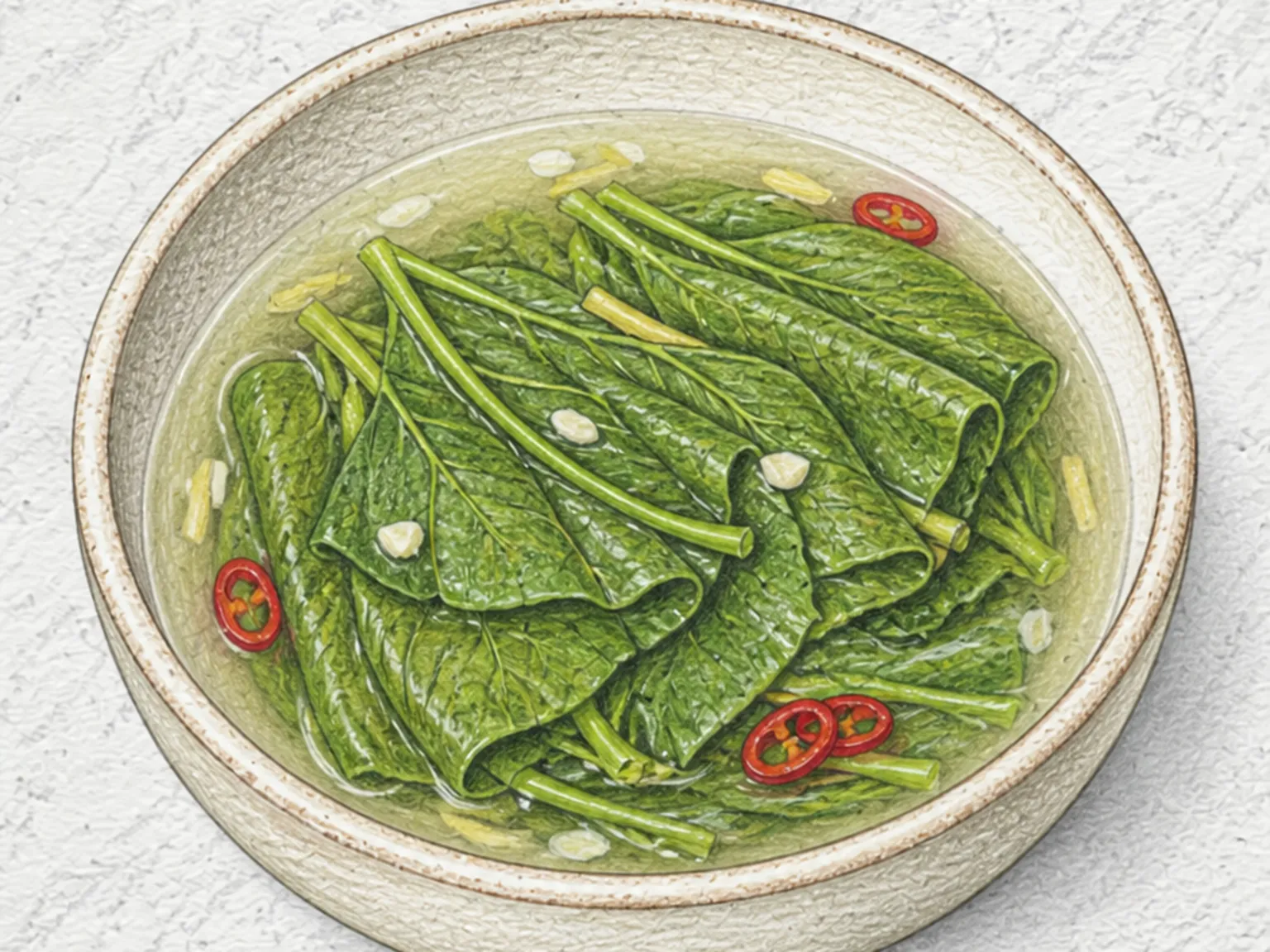
Paeju mustard pickle is a quick vinegar preserve where mustard greens are cut into roughly four-centimeter pieces, packed into jars with sliced garlic, and submerged in a hot brine of vinegar, water, sugar, salt, and lemon juice. Mustard greens hold on to their peppery, nasal bite even after pickling, layering that natural heat against the sharp acidity of the brine. Lemon juice is added only after the heat is turned off, preserving the citrus aroma that would otherwise evaporate during boiling. Thicker stems absorb the brine more slowly than the leaves, so separating them and salting the stems first gives a more uniform texture throughout. The pickles are ready after twelve hours of refrigeration, but a full day of resting allows the brine to penetrate to the center of each piece and the flavors to settle into a rounder balance. Served alongside fatty meats, their peppery acidity cleans the palate effectively; tucked into a sandwich, they stand in for mustard with more complexity.

🍱 Lunchbox ⚡ Quick
Prep 12min Cook 6min 2 servings
Korean Bell Pepper Pickles
Kimchi Easy

Korean Bell Pepper Pickles

Papeurika jangajji is a Korean soy-vinegar pickle made by cutting red and yellow bell peppers and cucumber into two-centimeter strips, layering them in a sterilized glass jar, and pouring over a hot brine of soy sauce, vinegar, water, sugar, and whole peppercorns. The peppers' thick flesh absorbs the brine gradually while holding a firm, satisfying crunch throughout, and their natural vegetable sweetness forms a precise three-way balance with the salty soy and tart vinegar. Whole peppercorns leave a faint, lingering spice at the finish that keeps each bite interesting, and the vivid red-and-yellow colors make these pickles a clear visual accent on the table. The pickles are edible from the next day, but the flavor is at its best after two to three days once the brine has fully penetrated to the center. Leaving out the cucumber reduces moisture release and extends refrigerator life to more than two weeks. Any leftover brine works well as a salad dressing, so nothing goes to waste.

🏠 Everyday 🍱 Lunchbox
Prep 15min Cook 10min 2 servings
Fresh Whole Cabbage Kimchi
Kimchi Medium

Fresh Whole Cabbage Kimchi

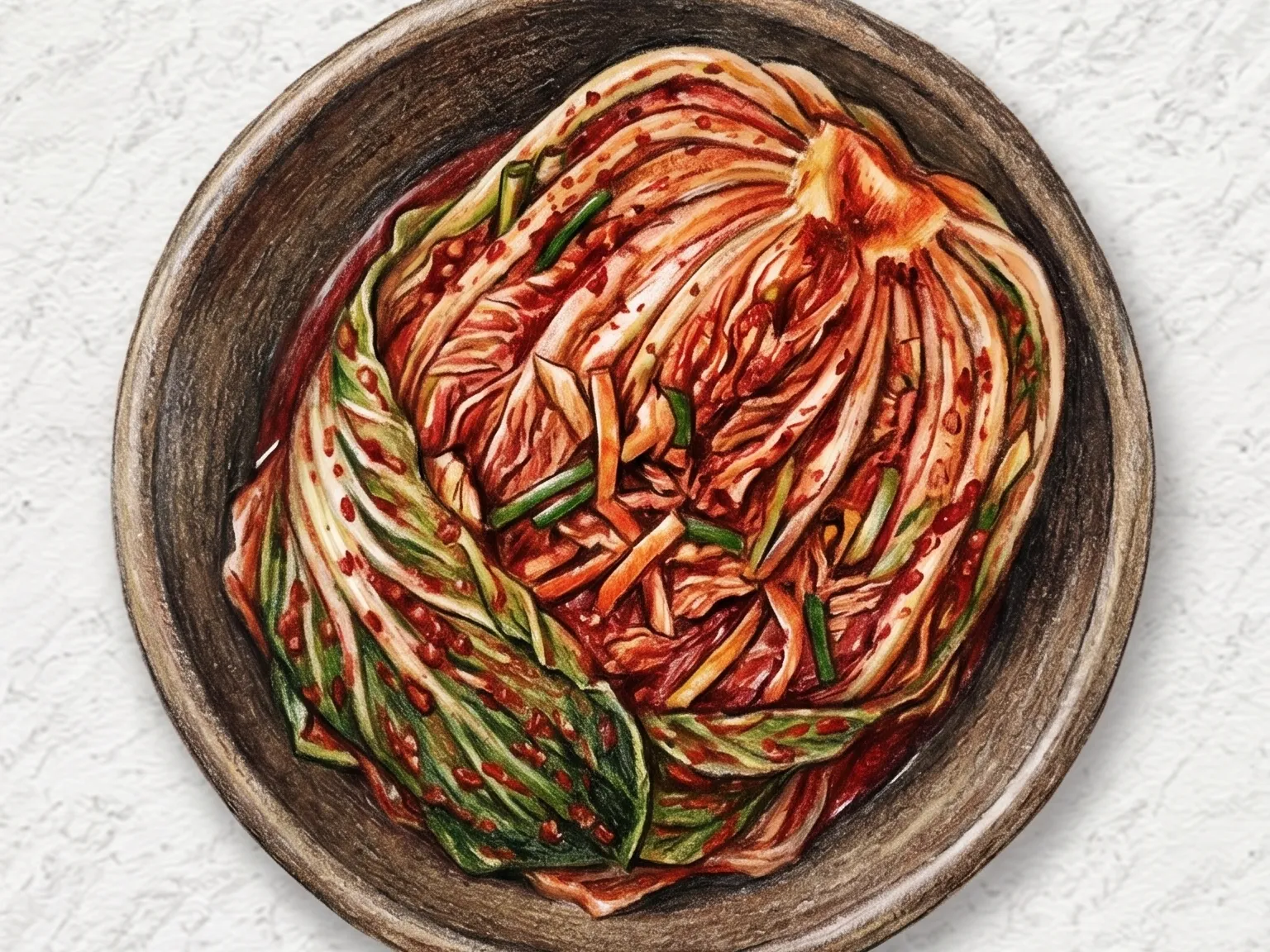
Crispy and refreshing whole cabbage kimchi made to be eaten fresh.

🔥 Trending Now 🥗 Light & Healthy
Prep 40min Cook 15min 4 servings
Korean Pickled Ginger in Soy-Vinegar Brine
Kimchi Easy

Korean Pickled Ginger in Soy-Vinegar Brine

Saenggang jangajji is a traditional Korean soy-and-vinegar pickled ginger built on one precise technique: peeling fresh ginger, slicing it as thin as possible, blanching the slices for exactly thirty seconds to blunt their raw bite without stripping fragrance, then submerging them in a hot brine of soy sauce, vinegar, water, and sugar. The brief blanch relaxes the tough fibers enough for the brine to penetrate while keeping the aromatic compounds intact. After three days of cold fermentation the sweet, salty, and sour brine soaks through every thin slice, and the sharp initial heat softens into a mellow, rounded warmth. One slice eaten alongside rice cleanses the palate between mouthfuls, and placed next to fatty cuts like pork belly or boiled pork, the pickle's acidity cuts through the grease with clarity. Blanching beyond thirty seconds dissolves the essential oils that give ginger its fragrance, which is why the timing is non-negotiable. Cutting the ginger thinner accelerates brine penetration and shortens the required aging time, and adding a single cheongyang pepper to the brine layers a clean, bright heat over the ginger's natural warmth.

🍱 Lunchbox 🏠 Everyday
Prep 20min Cook 8min 4 servings
Korean Salt-Fermented Tiny Shrimp
Kimchi Medium

Korean Salt-Fermented Tiny Shrimp

Saeujeot is a Korean salt-fermented tiny shrimp condiment made by mixing small shrimp evenly with sea salt, packing the mixture tightly into a sterilized jar, and fermenting under refrigeration for a minimum of two weeks. Salt draws moisture from the shrimp and initiates enzymatic breakdown of the proteins, gradually transforming the raw fishiness into concentrated amino acids and the deep, savory umami that forms the backbone of kimchi seasoning and Korean stew bases. Rice wine and ginger juice are added to suppress the off-flavors that develop during the early, volatile stages of fermentation before the lactic acid bacteria have established dominance. A small amount of chili flakes contributes a faint background warmth. The most critical step before salting is removing as much surface moisture as possible after rinsing the shrimp, since excess water dilutes the brine concentration and creates conditions for spoilage bacteria. The salt ratio should fall between 20 and 25 percent of the shrimp's weight: too high and the result is harsh and one-dimensional, too low and safety becomes a concern during the long cure. Only clean, dry utensils should ever touch the jar to prevent contamination that would undermine months of careful fermentation. Saeujeot fermented for six months or longer develops a rounded complexity absent in younger batches. In Korea, the harvest season determines the name and character of the product: ojot from May, yukjeot from June, and chujeot from autumn each carry a distinct flavor profile suited to different culinary uses.

🍱 Lunchbox ⚡ Quick
Prep 20min 4 servings
Korean Lettuce Kimchi (Quick Leaf Gochugaru Dressed)
Kimchi Easy

Korean Lettuce Kimchi (Quick Leaf Gochugaru Dressed)

Sangchu kimchi is a quick Korean lettuce kimchi that starts with leaf lettuce torn into bite-sized pieces, salted lightly for ten minutes to relax the leaves without fully collapsing them, then tossed in a seasoning of gochugaru, sand lance fish sauce, minced garlic, vinegar, and sugar. As the lettuce absorbs the dressing it softens, but eating it before it fully wilts keeps a faint crispness at the leaf edges along with the lettuce's characteristic mild bitterness. The fermented depth of the fish sauce adds weight to the lettuce's grassy, clean flavor, while vinegar contributes a bright, tangy finish that cuts through the richness. Sesame seeds scattered through the mix give a faintly toasted crunch with each bite. Drying the leaves thoroughly after salting is the step that most directly controls flavor: any residual water dilutes the seasoning rapidly and turns the kimchi watery and dull within an hour or two. This kimchi is best made moments before serving and eaten immediately while the textures are still distinct. A small amount of ssamjang folded in adds a deeper, earthy fermented note for variation.

🍱 Lunchbox ⚡ Quick
Prep 20min 2 servings
Korean Seokbakji Radish Kimchi
Kimchi Easy

Korean Seokbakji Radish Kimchi

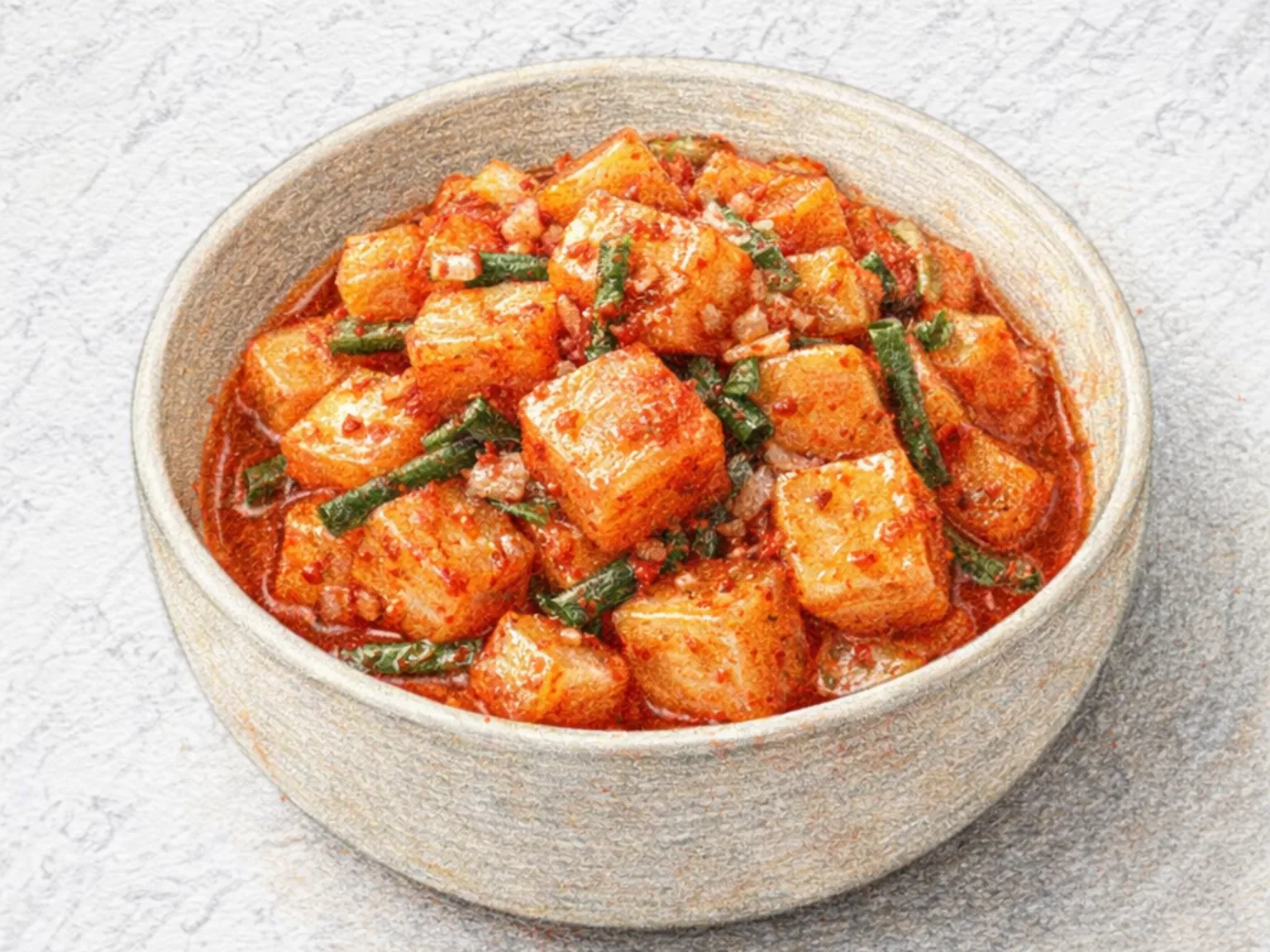
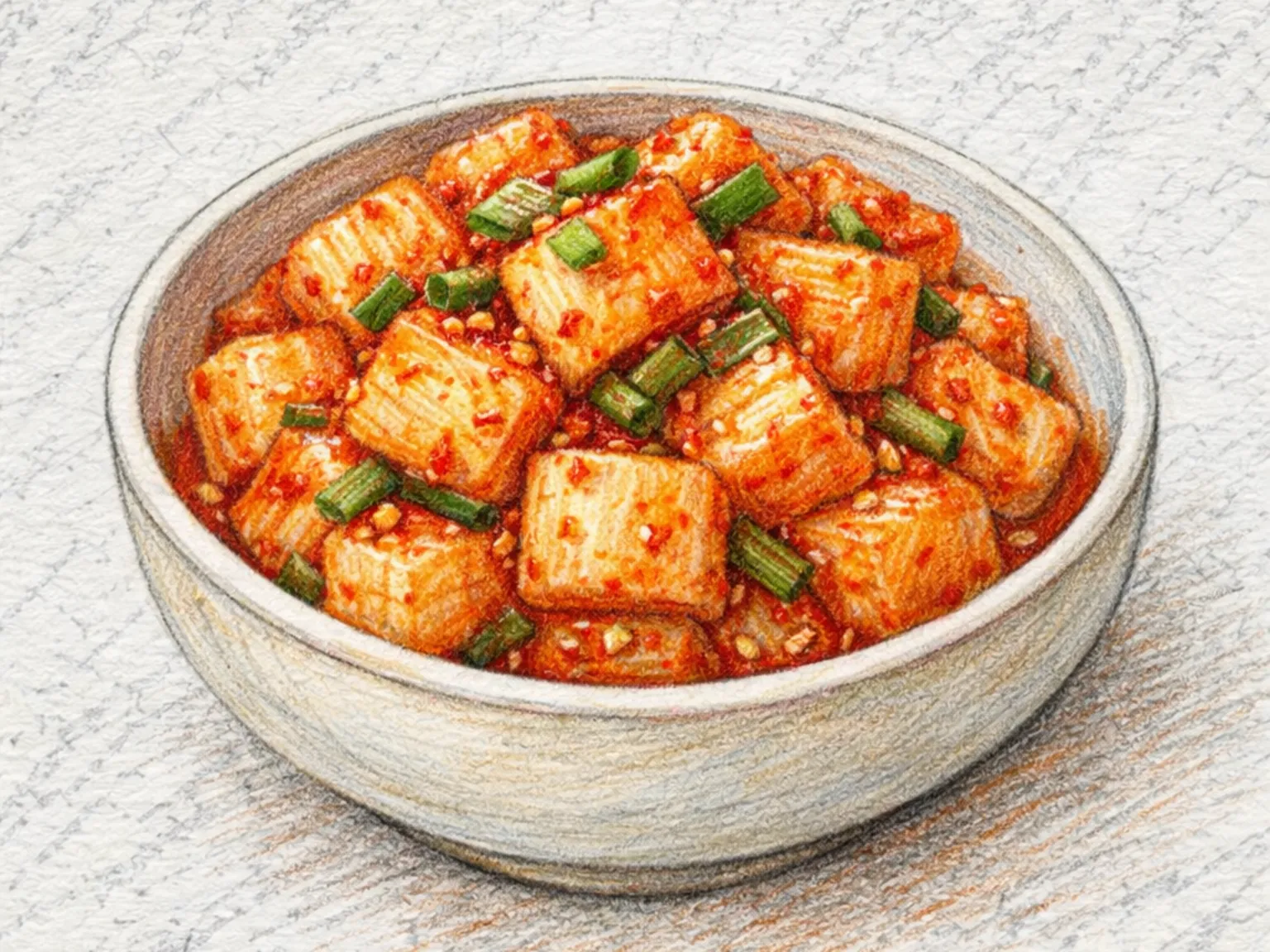
Seokbakji is a traditional Korean radish kimchi in which large-cut radish cubes are salted for one hour, drained, and tossed with a seasoning of gochugaru, salted shrimp, minced garlic, ginger, and scallion pieces before being set aside to ferment. The size of the radish pieces is the most important factor in this kimchi - smaller cuts turn mushy during fermentation as salt and acid break down the cell structure, while large cubes maintain their firm, satisfying crunch throughout the entire maturation period. Salted shrimp here does far more than add salt: its fermented depth provides an umami backbone that gochugaru alone cannot deliver. After one day of fermentation at room temperature, two more days in the refrigerator allow lactic acid bacteria to develop a clean, refreshing sourness. The liquid that the radish releases during this process becomes a flavorful brine - this brine is one of seokbakji's most prized characteristics. Placed alongside a bowl of seolleongtang or gukbap, the cold, crunchy kimchi and its tangy liquid cut directly through the richness of the bone broth, refreshing the palate between spoonfuls. Compared to kkakdugi, seokbakji pieces are larger and more liquid-forward.

🍱 Lunchbox 🏠 Everyday
Prep 35min Cook 10min 4 servings