Kimchi

Kimchi Recipes

163 recipes. Page 7 of 7

Kimchi is Korea's iconic fermented food, and there are dozens of varieties beyond the familiar napa cabbage version - cubed radish (kkakdugi), ponytail radish (chonggak), green onion (pa-kimchi), and young radish (yeolmu), to name a few. Jangajji (Korean pickles) are made by preserving vegetables in soy sauce, vinegar, or gochujang.

Kimchi
Tofu Umezu-zuke (Plum Vinegar Pickled Tofu)
Kimchi Medium

Tofu Umezu-zuke (Plum Vinegar Pickled Tofu)

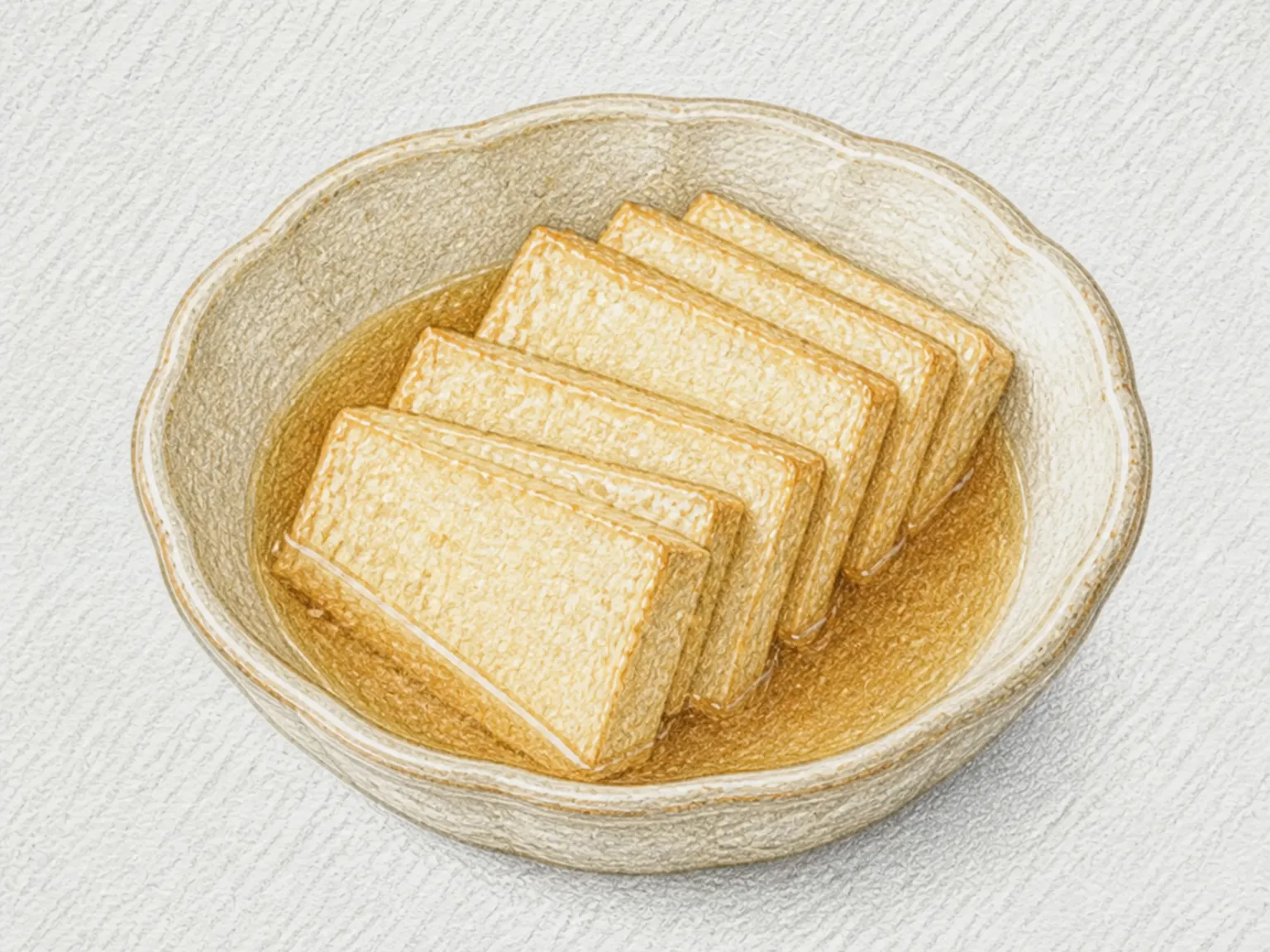
Tofu umezu-zuke is a Kochi preserved side dish made by slicing firm momen tofu, pressing it between cloth and absorbent paper for one or two hours, grilling both sides until golden, cooling it, and soaking it for about a week in umezu, the salty sour liquid produced when plums are cured. The result combines bright acidity and high salinity with a dense, almost creamy tofu texture, so it is eaten in thin slices as a drinking snack. For home preparation, bottled food-grade umezu is used and tofu is heated through before curing only at 4C or below.

🍺 Bar Snacks 🏠 Everyday
Prep 20min Cook 15min 4 servings
Korean Cherry Tomato Jangajji
Kimchi Easy

Korean Cherry Tomato Jangajji

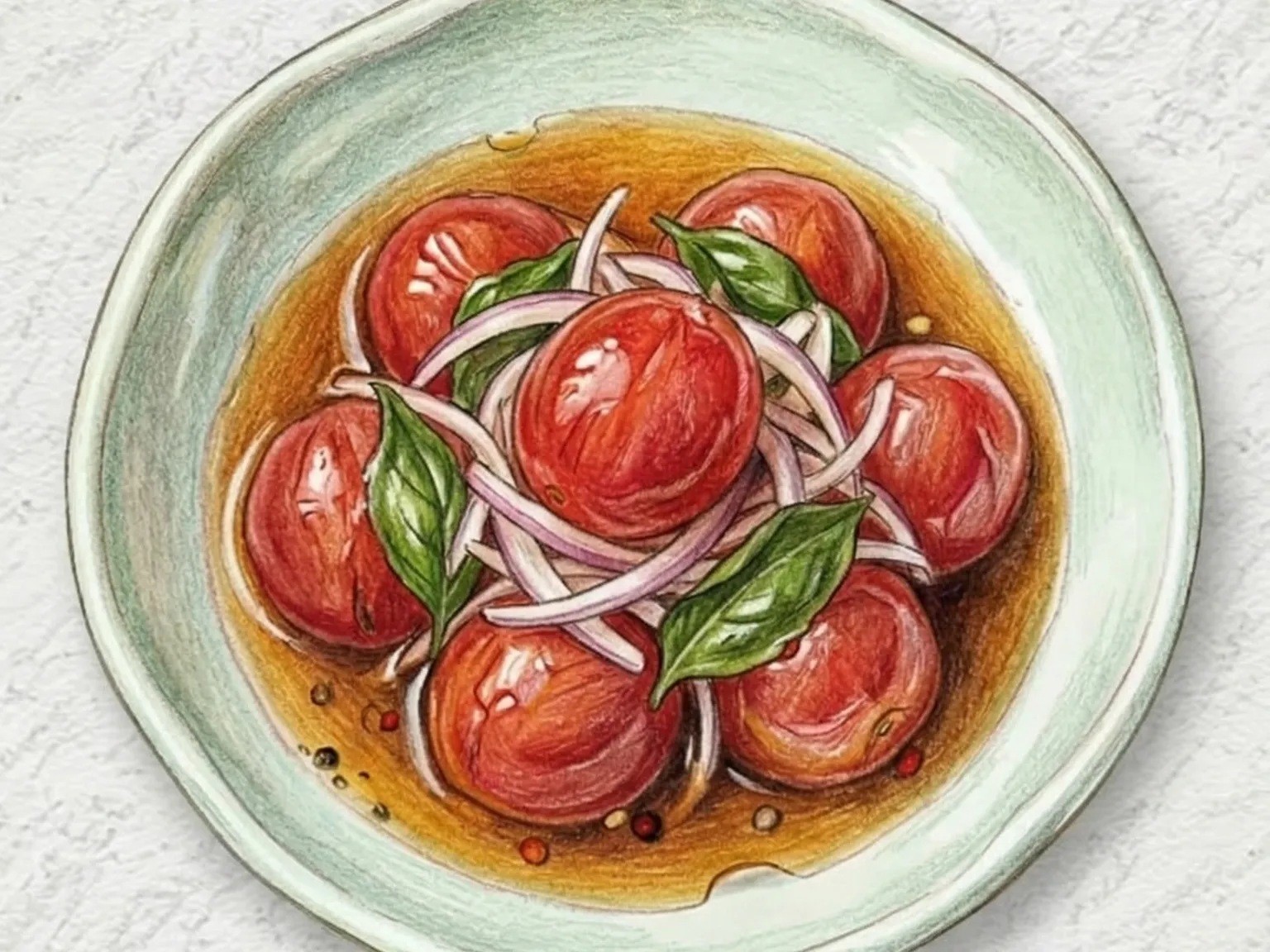
Peeling cherry tomatoes by hand serves as the foundation for creating tomato jangajji, a Korean soy-preserved dish. Removing the skins allows the brine of soy sauce, rice vinegar, and sugar to permeate the flesh quickly and consistently. A critical step involves boiling the liquid and then letting it cool to room temperature before combining it with the fruit. This cooling period prevents the tomatoes from softening or becoming soggy, ensuring they remain firm throughout the pickling process. Thinly sliced onions included in the jar absorb the liquid, contributing a savory and tangy character. Fresh basil leaves introduce an herbal scent that distinguishes this preparation from standard soy pickles. One full day of refrigeration helps the acidity of the vinegar settle and highlights the natural sweetness of the tomatoes. This side dish functions effectively alongside rice or grilled meats, where its tartness acts as a cleanser for the palate after eating oily foods. The texture remains intact for about a week when kept cold. For a different profile, small amounts of cinnamon or star anise can be added to the brine to provide a warm spice fragrance. It also pairs well with cheese and crackers as an unconventional snack or finger food.

🍱 Lunchbox 🏠 Everyday
Prep 25min Cook 8min 4 servings
Korean Pickled Taro Stems
Kimchi Medium

Korean Pickled Taro Stems

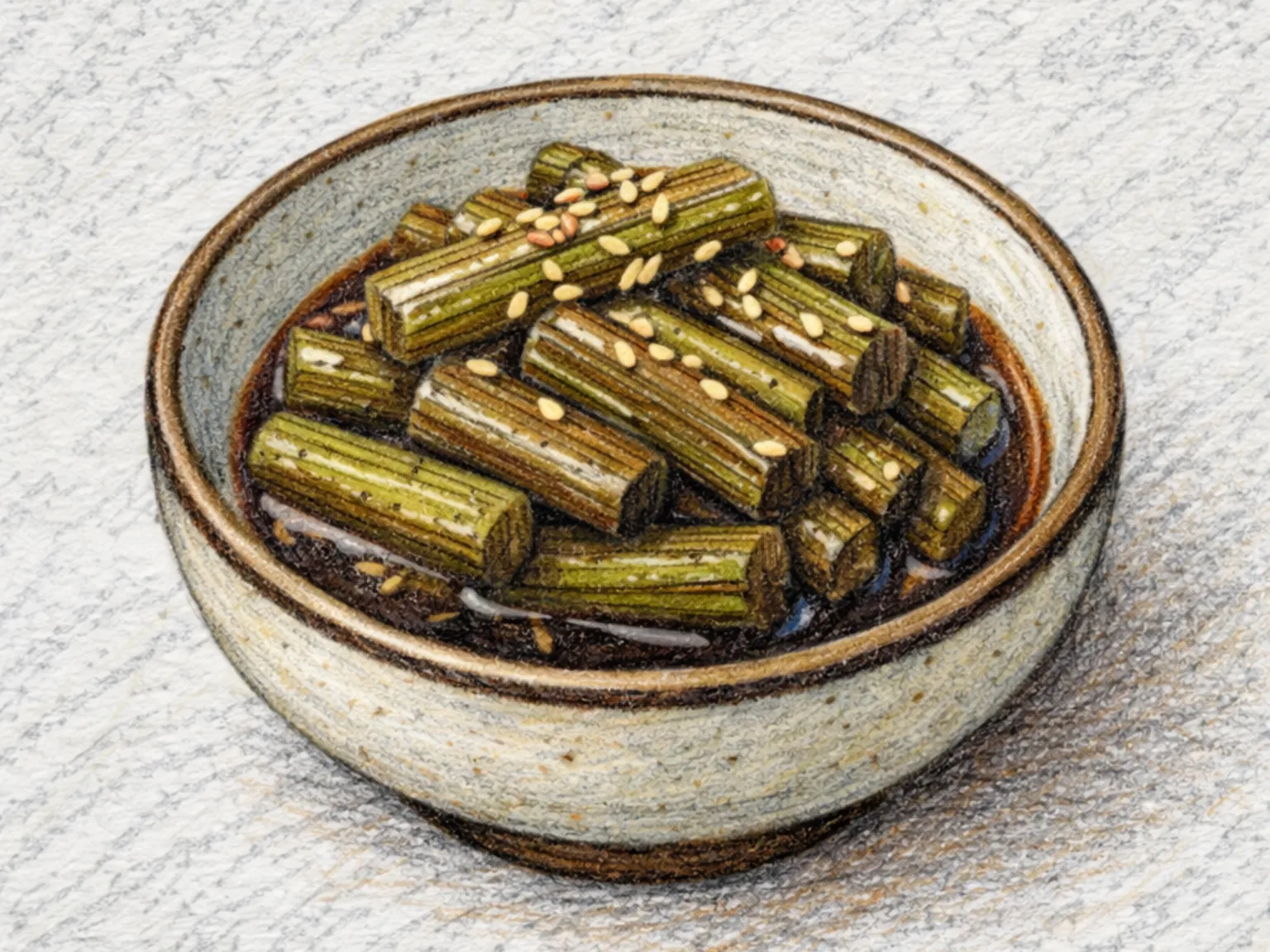
Torandae jangajji is a Korean pickled side dish made from taro stems. The outer fibrous skin is peeled away first, and the stems are salted and then blanched. Raw taro stems contain calcium oxalate crystals that cause an unpleasant prickling sensation in the throat, and blanching effectively neutralizes this before the stems are packed into the pickling liquid. The brine is made by bringing soy sauce, vinegar, and sugar to a boil, and it is poured over the stems while still hot so the seasoning penetrates quickly and evenly. Sliced garlic and ginger are simmered in the brine before it is poured, which infuses the liquid with deep aromatic warmth without any of the sharp pungency those ingredients carry raw. After two to three days of refrigerating, each piece develops a layered depth of salty, savory flavor with a clean vinegar brightness underneath. The defining characteristic of this pickle is its distinctive fibrous crunch, which stays satisfying even after the stems have fully absorbed the brine. It works as a rice accompaniment throughout the week and doubles as a drinking snack alongside soju.

🍱 Lunchbox 🏠 Everyday
Prep 30min Cook 15min 4 servings
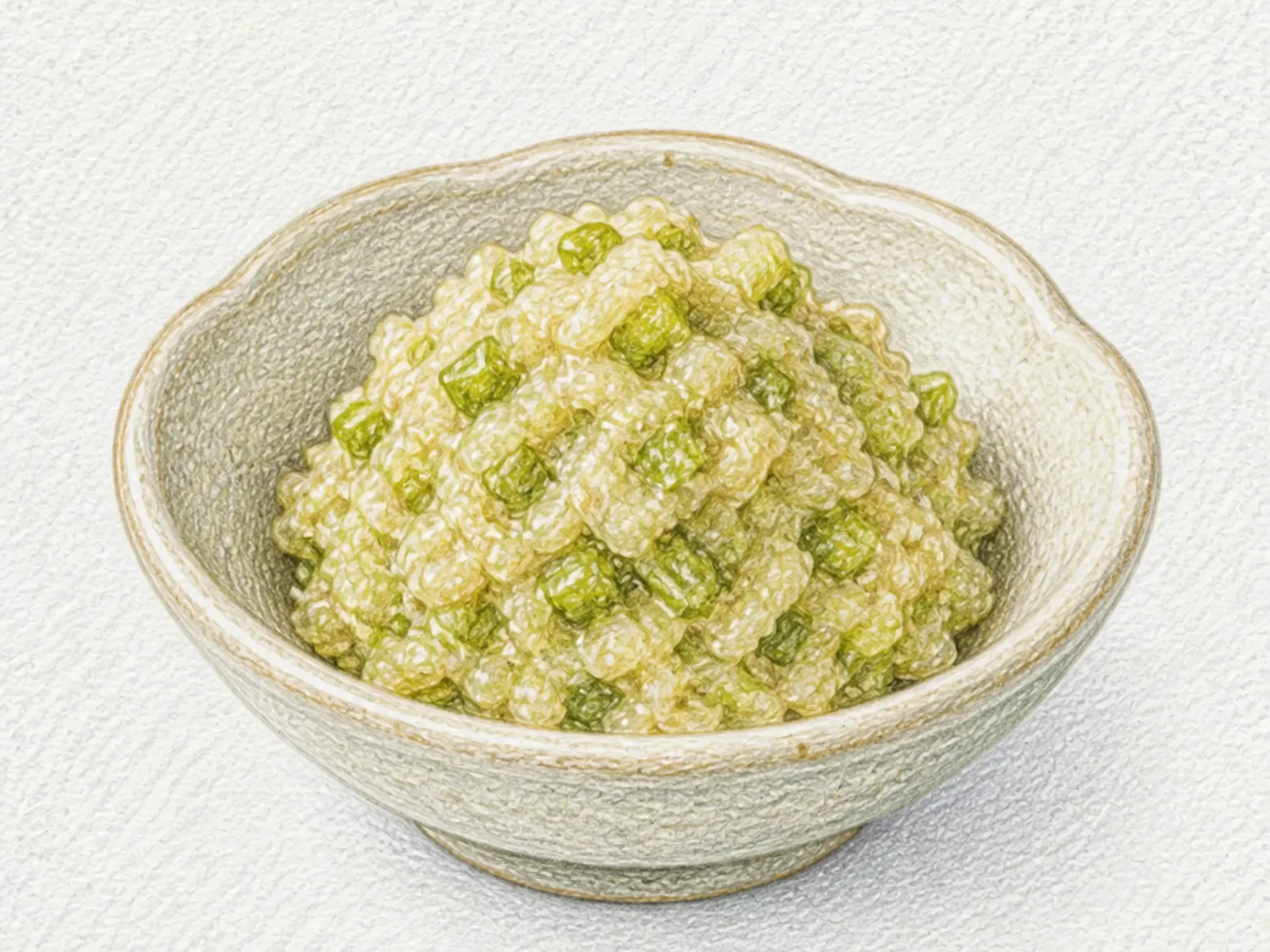
Sansho Leaf Tsukudani with Dried Whitebait
Kimchi Easy

Sansho Leaf Tsukudani with Dried Whitebait

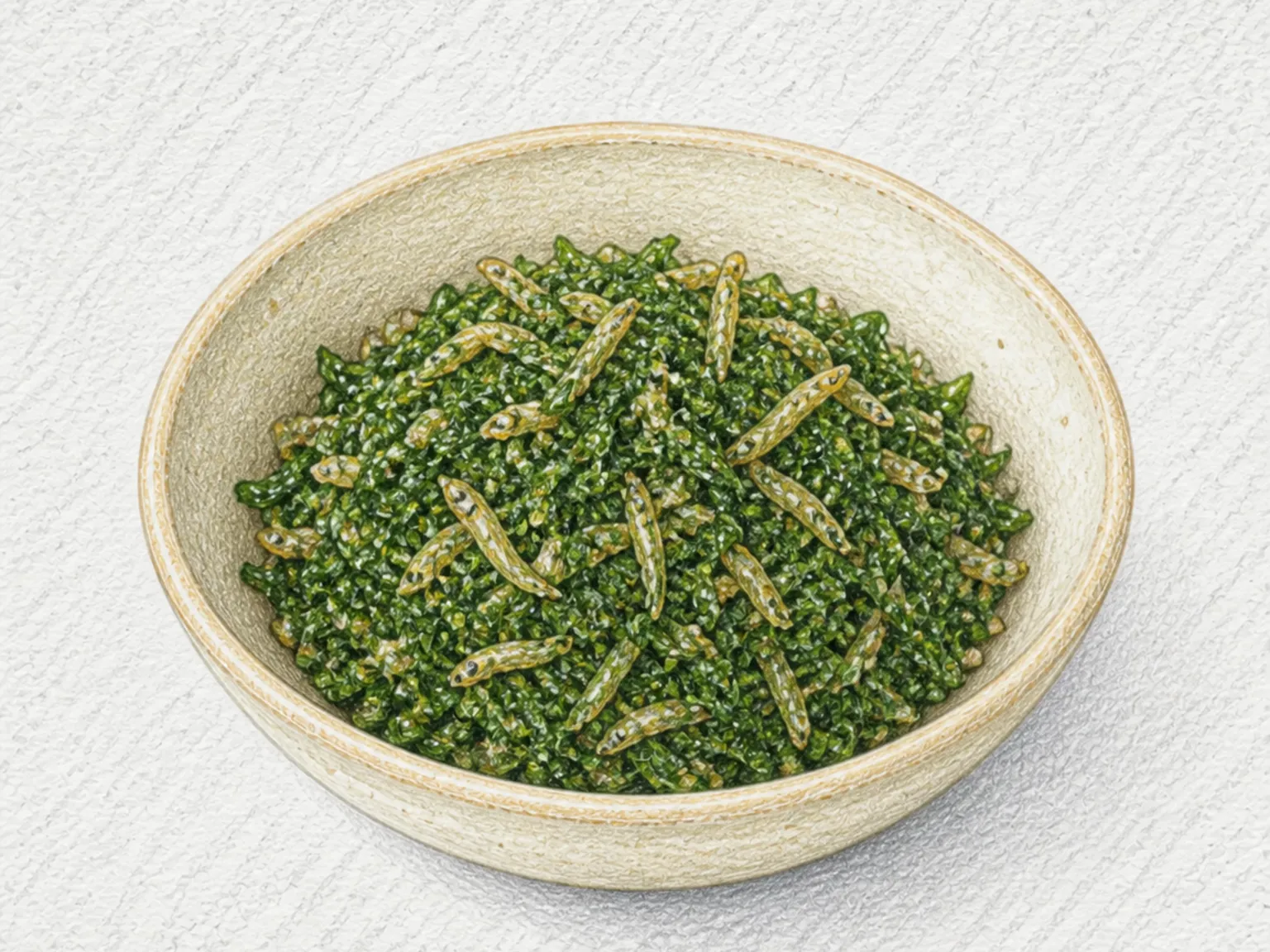
Sansho leaf tsukudani is a Kyoto preserve made from tender spring leaves. The leaves are cleaned, chopped finely, and showered with boiling water to brighten their green color before sake, light soy sauce, and chirimen-jako dried whitebait simmer with them until almost dry. Citrus-like sansho aroma, a gentle tongue-tingling sensation, and the salty savor of fish make a small spoonful sufficient for rice. Sansho has long grown wild around Kyoto's mountain villages and waterways. Cooks use kinome young shoots in early spring, flowers in April, and green berries in May, preserving each short season in different dishes. The finished tsukudani tops rice, rice balls, ochazuke, udon, somen, or chilled tofu. Chopping before the boiling-water rinse helps the leaves retain a vivid color.

🏠 Everyday 🍱 Lunchbox
Prep 15min Cook 15min 4 servings
Korean Soy Pickled Burdock
Kimchi Easy

Korean Soy Pickled Burdock

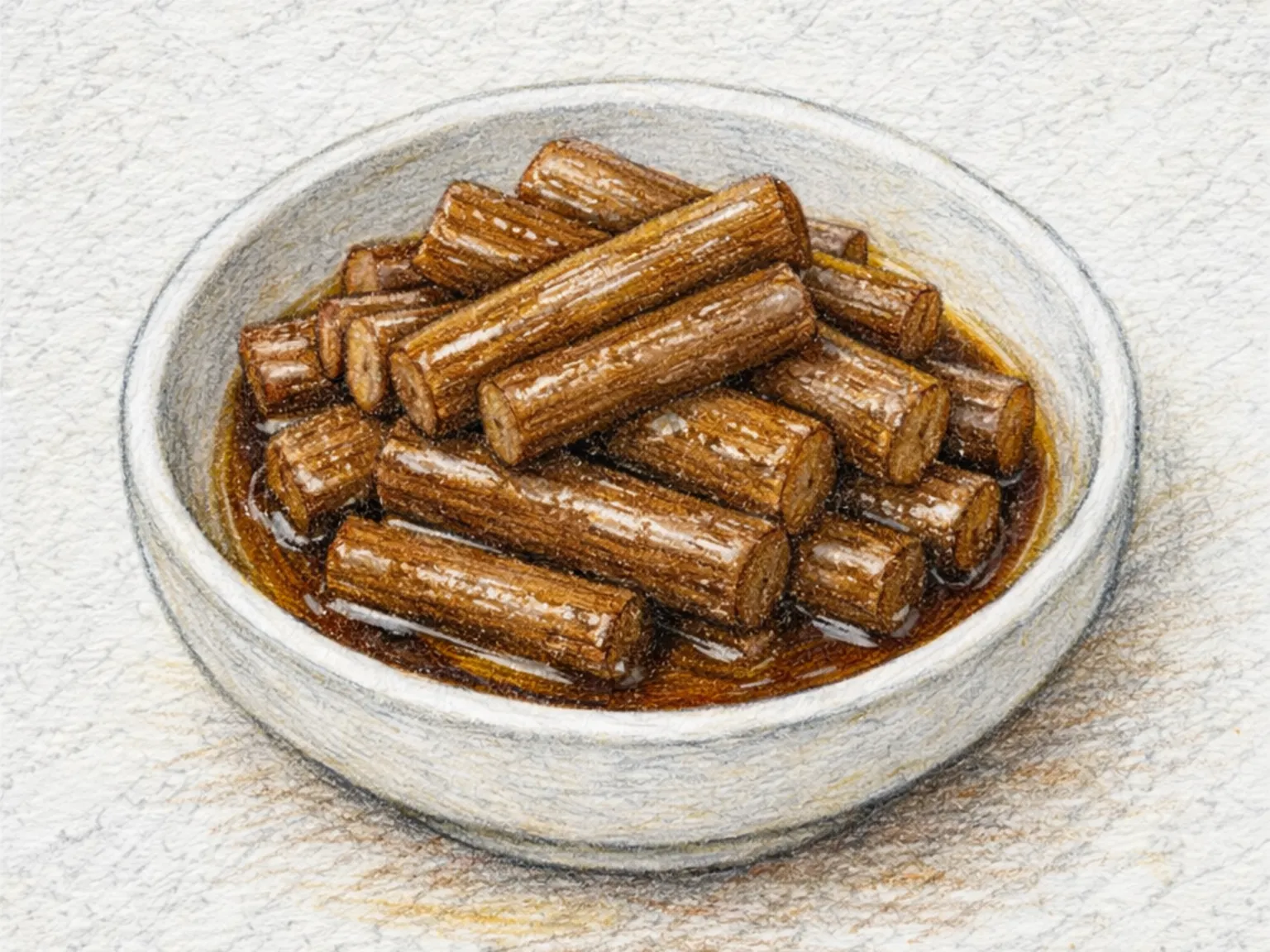
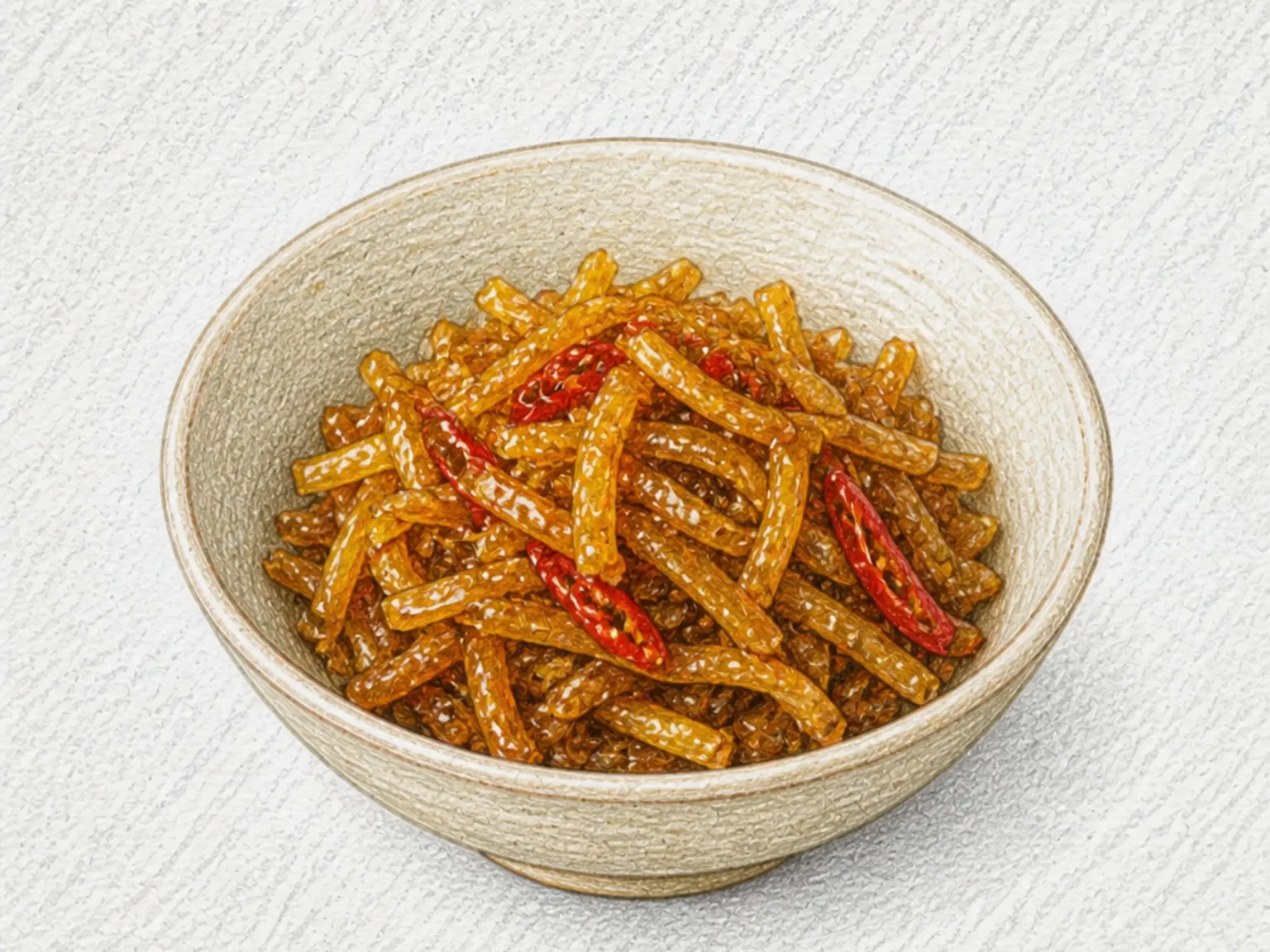
Ueong jangajji is a soy-pickled burdock root prepared by soaking cut burdock in vinegar water to prevent browning, blanching to remove any earthiness, then submerging in a brine of soy sauce, vinegar, and sugar. Kelp, dried red chili, and whole peppercorns boiled into the brine contribute umami depth and a subtle warmth. The root's natural nuttiness and earthy aroma meld with the sweet-salty-tangy brine into a layered, lingering flavor. Its firm, crunchy texture holds up well over days of storage, and reboiling the brine on the third day extends the pickle's shelf life further. Because burdock oxidizes quickly once cut, transferring it to the vinegar soak immediately after slicing is essential for keeping the finished pickle looking clean and bright rather than muddy.

🏠 Everyday 🍱 Lunchbox
Prep 20min Cook 12min 4 servings
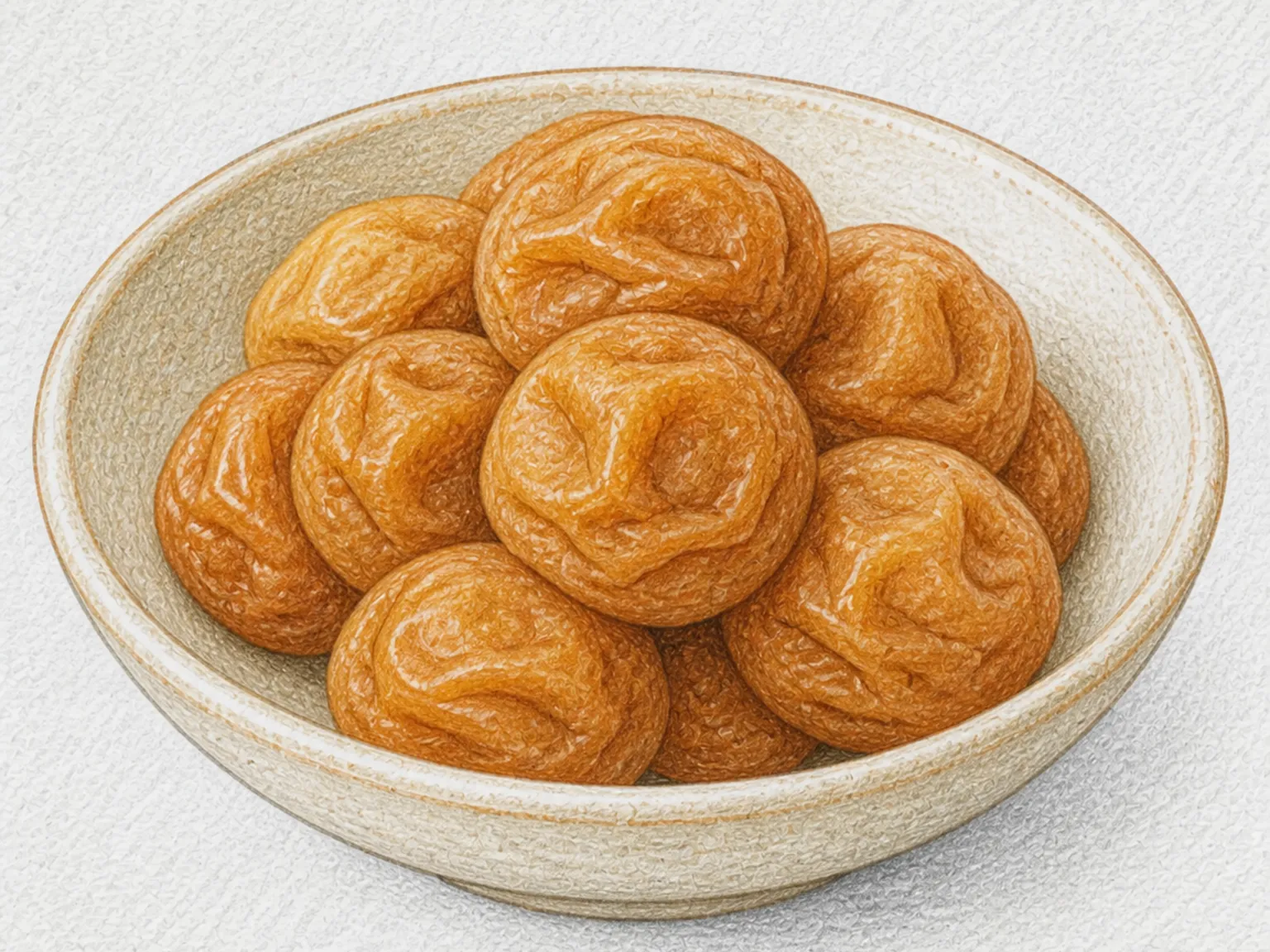
Umeboshi (Salt-Cured Sun-Dried Ume)
Kimchi Hard

Umeboshi (Salt-Cured Sun-Dried Ume)

Umeboshi are Wakayama-style salted plums made from fully ripe yellow ume packed with coarse salt until fragrant ume vinegar rises, aged for about one month, then dried in direct sun for 3 to 4 clear days. Salt equals 20 percent of the plum weight, producing an intensely sour and salty preserve whose flesh becomes chewy and concentrated after drying. During aging, every plum must stay wetted by brine. Any fuzzy mold, slimy discoloration, bag leak, or rotten odor means the entire batch should be discarded without tasting.

🏠 Everyday
Prep 90min 20 servings
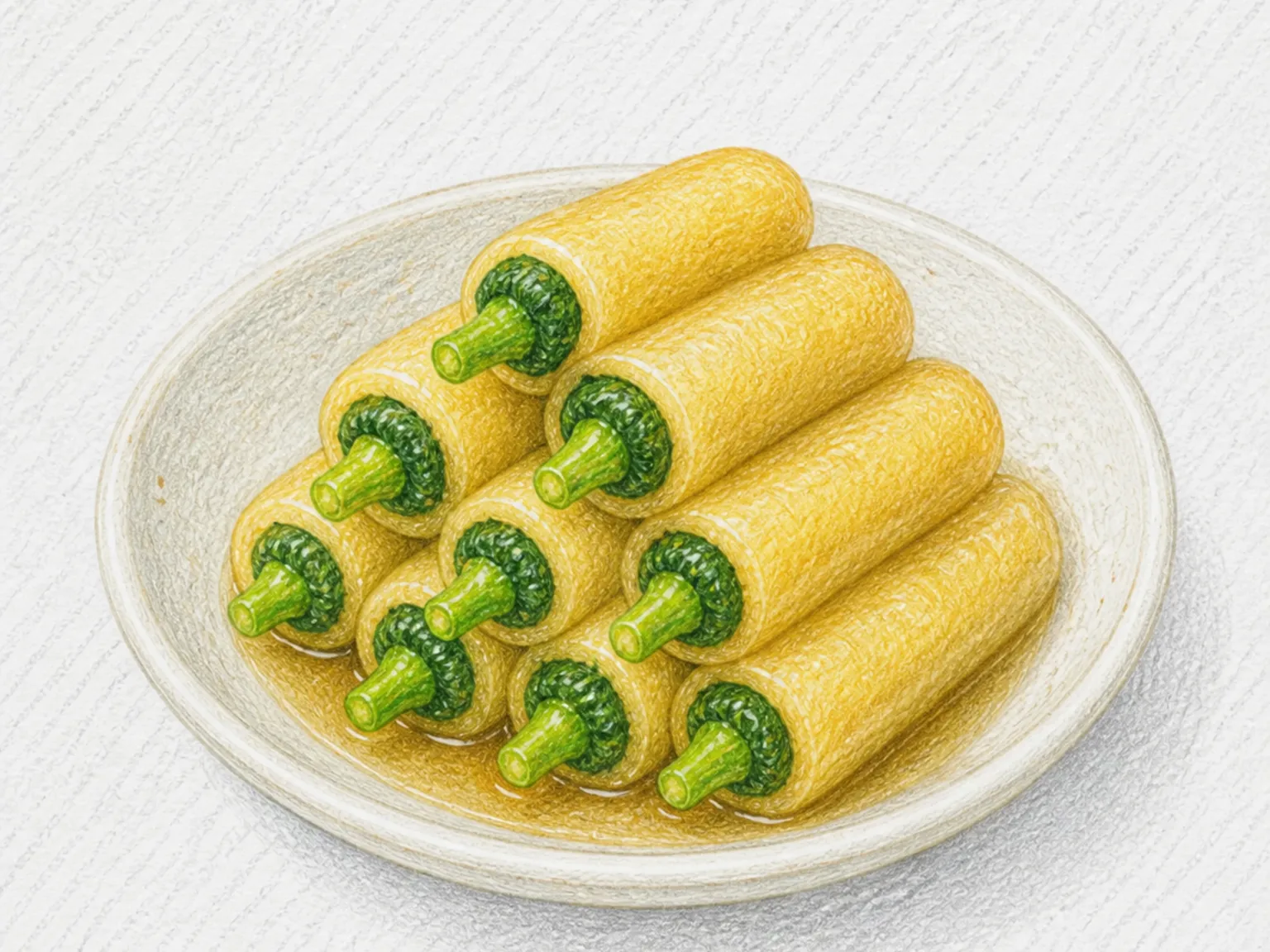
Uri no Teppo-Zuke (Chili-Stuffed Soy-Pickled Melon)
Kimchi Hard

Uri no Teppo-Zuke (Chili-Stuffed Soy-Pickled Melon)

Uri no teppo-zuke is a Chiba pickle made from hollowed, salt-cured white melon. The melon is desalinated over two days with repeated water changes, squeezed thoroughly dry, and packed with green chilies wrapped in shiso leaves like ammunition inside a gun barrel. A marinade of soy sauce, coarse sugar, sake, mirin, and vinegar is boiled, cooled completely, and poured over the melon. For four to five consecutive days, the melon is removed and the liquid alone is reboiled, cooled, and returned; it is ready after about a week. The shape explains the name teppo-zuke, or gun pickle. Once a winter preserve around Narita and Katori, it remains a crisp, spicy rice side and sake accompaniment and is a well-known souvenir near Naritasan Shinshoji Temple.

🍺 Bar Snacks 🎉 Special Occasion
Prep 60min Cook 50min 4 servings
Zuiki Sweet Vinegar Pickle
Kimchi Easy

Zuiki Sweet Vinegar Pickle

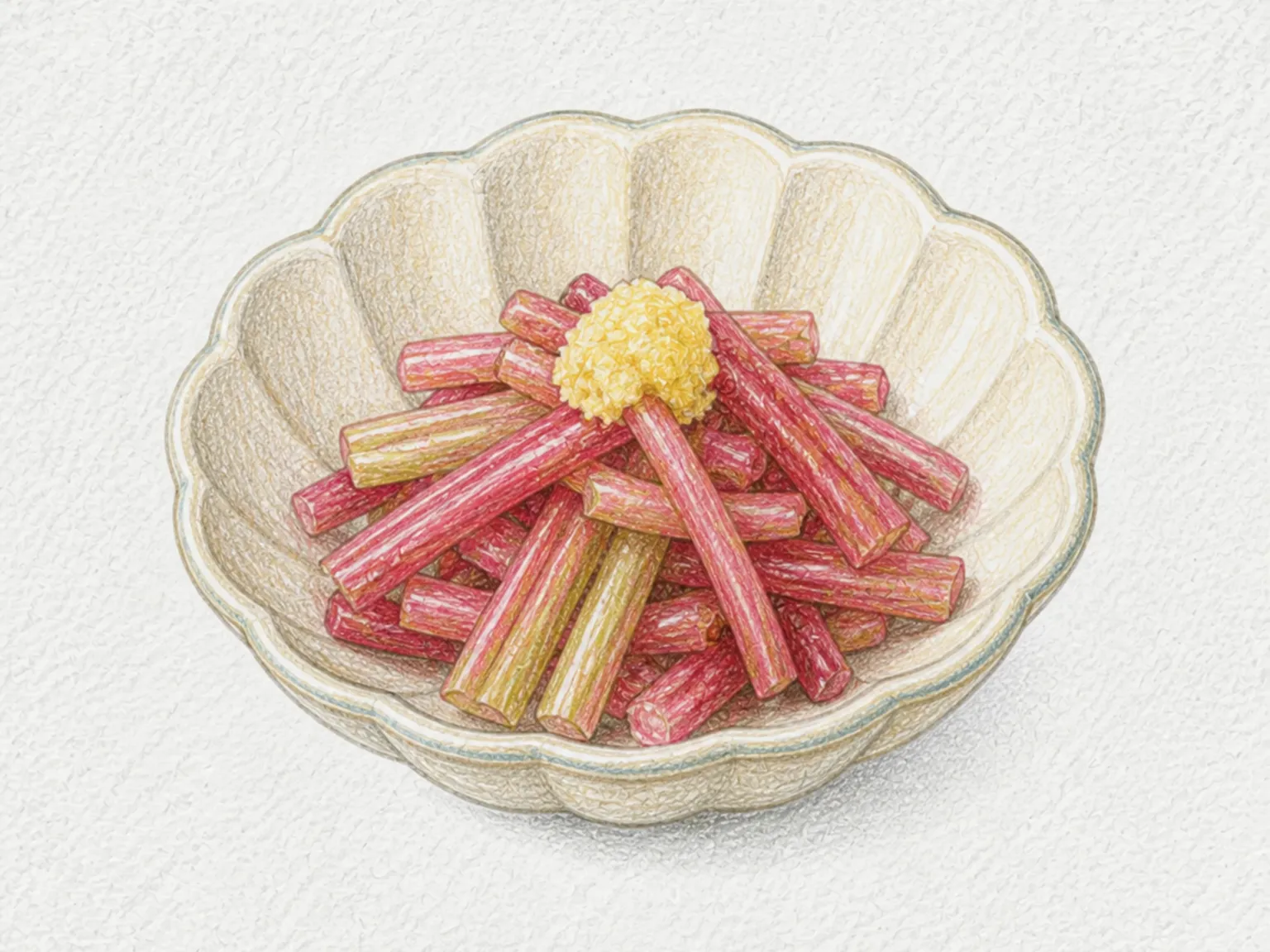
Zuiki sweet vinegar pickle is a Niigata summer side dish made from the fresh leaf stalks of Yatsugashira taro. The peeled stalks are soaked to draw out harshness, briefly boiled, and placed while hot into a cooled brine of vinegar, sugar, and salt. Zuiki is harvested from June through September, and the vinegar sharpens its natural red color while preserving a lightly crisp, fibrous bite. Boiling the brine first dissolves the sugar and salt evenly; cooling it before adding the hot stalks prevents unnecessary softening. The finished pickle is chilled thoroughly and served with freshly grated ginger for a clean, spicy finish.

🏠 Everyday ⚡ Quick
Prep 45min Cook 8min 4 servings
Wasabi-Zuke (Wasabi Pickled in Sake Lees)
Kimchi Medium

Wasabi-Zuke (Wasabi Pickled in Sake Lees)

Wasabi-zuke is a Shizuoka pickle made by finely cutting wasabi stems and roots, salting them overnight, and mixing the well-drained pieces into sake lees kneaded smooth with sugar and sake. Two to three days in a sealed container allow the sharp nasal heat of wasabi to emerge through the deep fermented aroma of the lees. Squeezing the salted wasabi firmly through cloth is important because excess water thins the paste. Wasabi cultivation in Shizuoka is said to have begun between 1596 and 1615, when wild plants from Mount Bukkoku were transplanted near the spring water of Utogi. The growing method later spread to Izu and beyond. Wasabi-zuke reportedly began selling inside Shizuoka Station after it opened in 1889, becoming a standard regional souvenir as well as an everyday accompaniment to hot rice and sake.

🍺 Bar Snacks
Prep 30min 2 servings
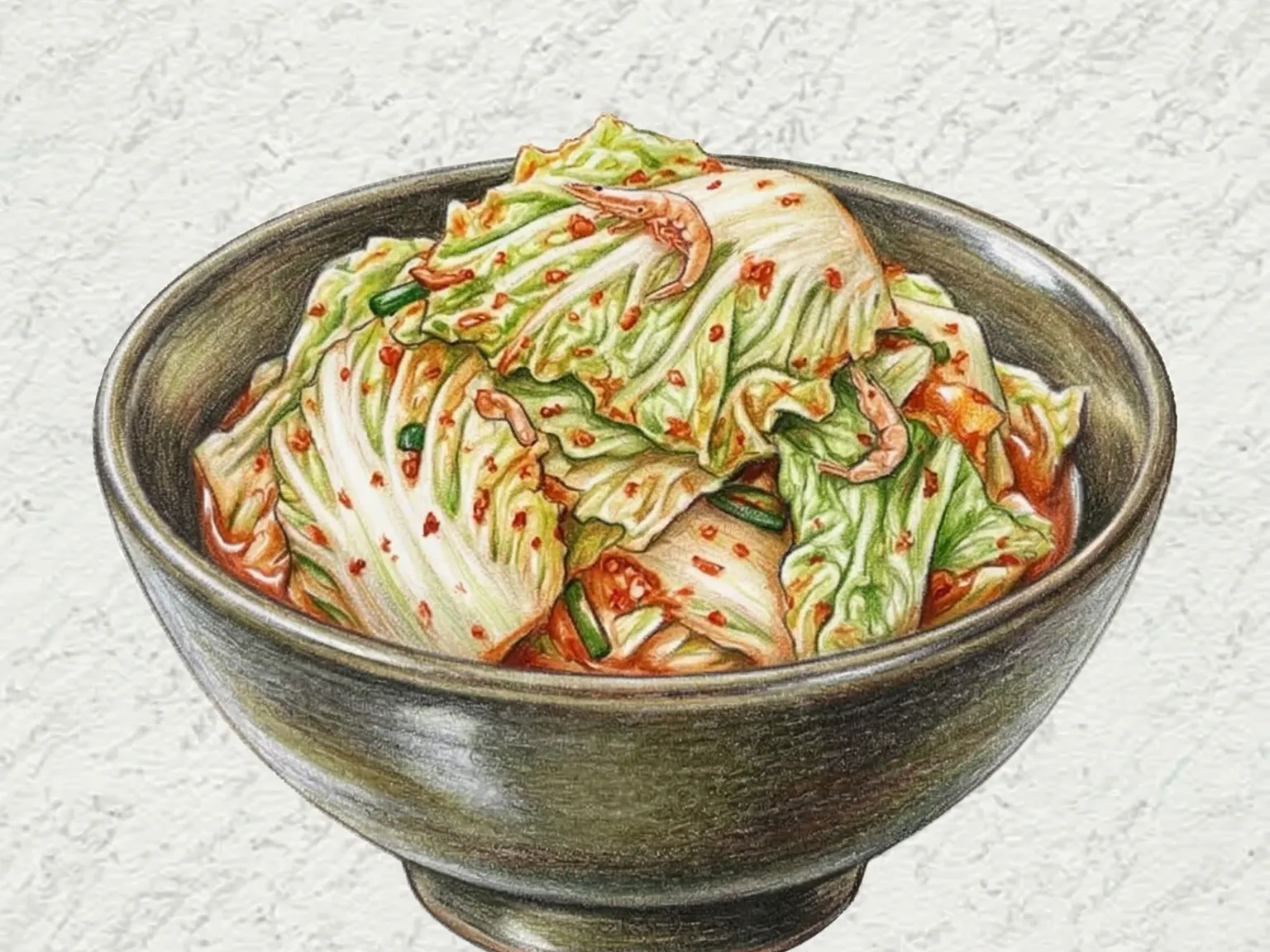
Korean Cabbage Kimchi (Crunchy Green Cabbage Kimchi)
Kimchi Easy

Korean Cabbage Kimchi (Crunchy Green Cabbage Kimchi)

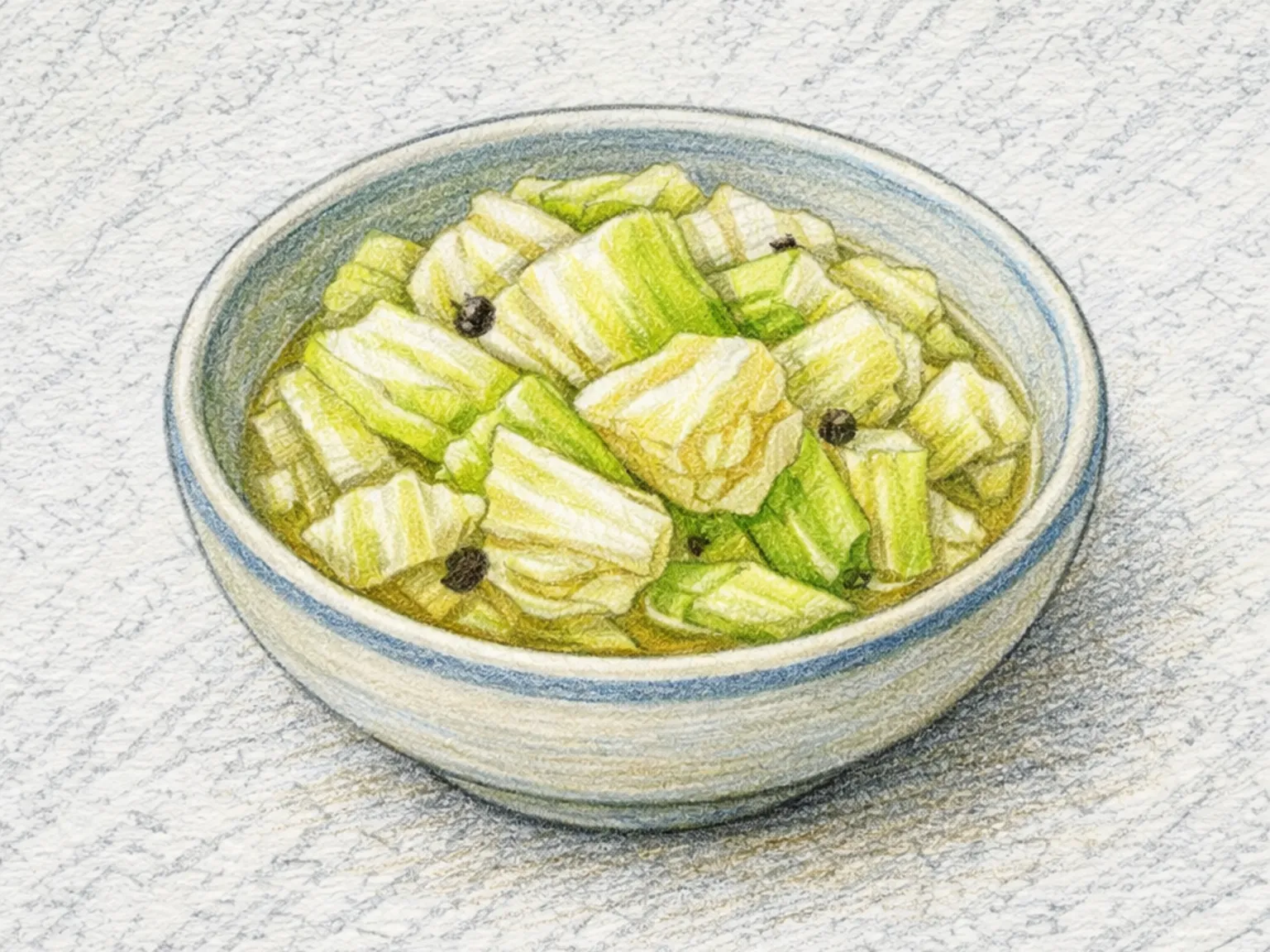
Yangbaechu kimchi is a Korean cabbage kimchi made by salting green cabbage and tossing it with chili flakes, fish sauce, and minced garlic. The thicker leaves and lower moisture content of green cabbage compared to napa cabbage result in a noticeably crunchier texture that persists through fermentation. The natural sweetness of cabbage softens the heat from the chili seasoning, while carrot and scallion pieces add color and freshness. Six hours of fermentation at room temperature followed by refrigeration lets the tanginess develop gradually. It serves as a lighter alternative when traditional napa kimchi feels too heavy.

🏠 Everyday 🍱 Lunchbox
Prep 30min Cook 10min 4 servings
Korean-Style Cabbage Pickle
Kimchi Easy

Korean-Style Cabbage Pickle

Yangbaechu pickle is a quick Korean-style vinegar pickle made by pouring a hot brine of vinegar, sugar, salt, and whole black peppercorns over bite-sized pieces of cabbage and carrot. The hot liquid wilts the vegetables just enough to help them absorb the brine while they retain a firm, snappy crunch throughout. Whole peppercorns contribute a subtle, aromatic heat that gives the finished pickle more depth than a plain vinegar soak would produce. After a single day of refrigeration the pickle is ready to eat, and it pairs especially well alongside fried cutlets, burgers, or any dish that benefits from a bright, acidic counterpoint to cut through richness. The carrot adds a note of natural sweetness and keeps the color vivid. Kept in a sealed container, the pickle is at its crunchiest within the first week, though the flavors become more rounded and pronounced as the vegetables continue to absorb the brine over time.

🍱 Lunchbox 🏠 Everyday
Prep 15min Cook 8min 4 servings
Korean Soy Pickled Onions
Kimchi Easy

Korean Soy Pickled Onions

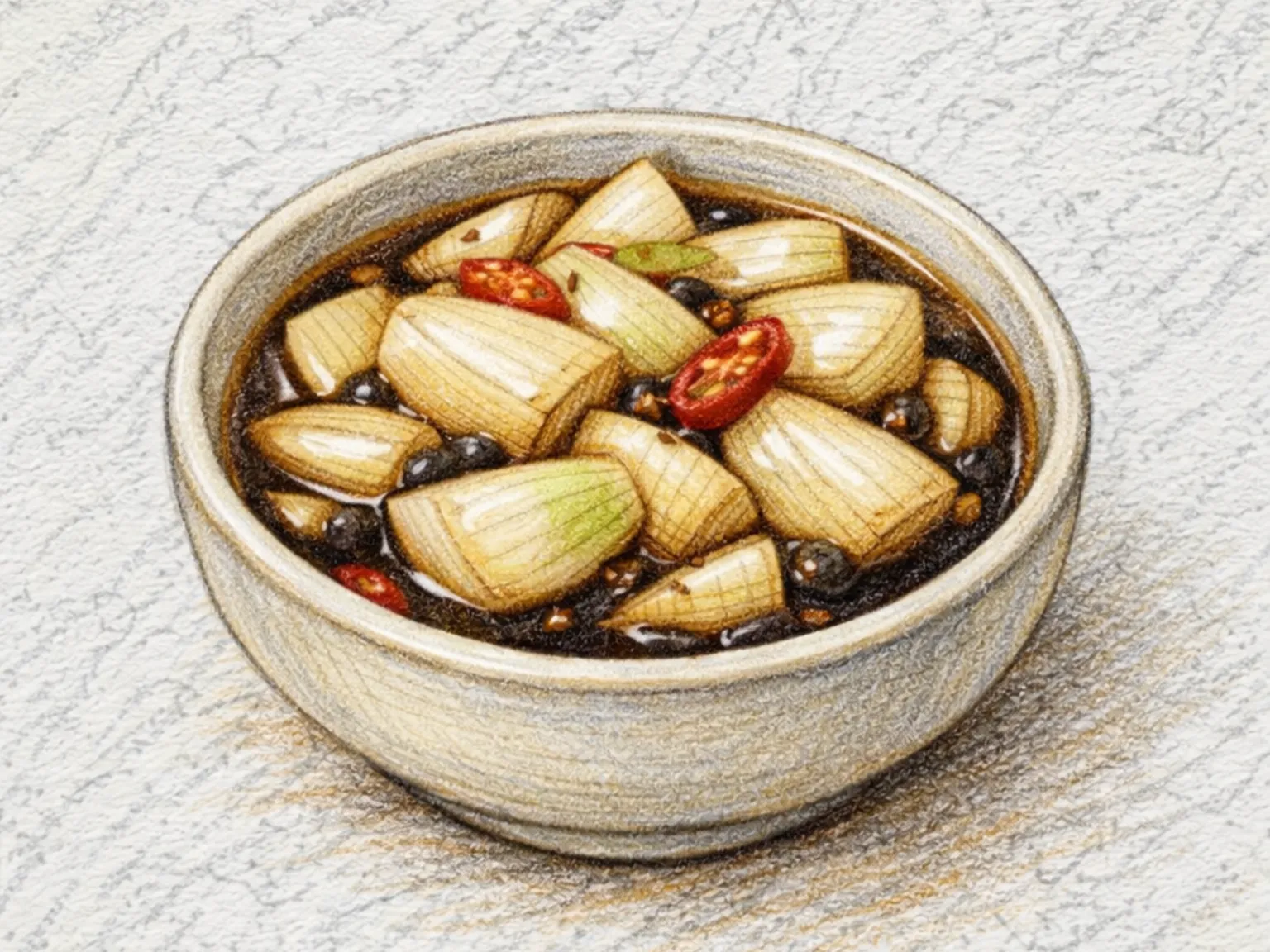
Yangpa jangajji is a soy-pickled onion made by immersing large-cut onion chunks in a boiled brine of soy sauce, vinegar, and sugar. The hot brine tempers the raw onion's sharp, pungent bite on contact, and as the pickle matures in the refrigerator the sweet-salty seasoning penetrates evenly through each piece. Cutting the onion along its fiber rather than against it keeps the texture firm and crisp after pickling, whereas thin cross-cut slices tend to soften quickly in the acidic brine. Sliced cheongyang chili peppers added to the jar gradually release their heat into the liquid, lending a gentle, lingering spiciness that offsets the sweetness and keeps the flavors from becoming one-dimensional. The pickle is ready after one day of refrigeration but improves noticeably at three days or more as the seasoning continues to deepen. It is a staple accompaniment to grilled meats like samgyeopsal, where its acidity and crunch cut through richness and refresh the palate between bites. It also works well over bibimbap or cold noodles. The brine can be brought back to a boil and reused for a second batch of onions, making this an economical pantry item.

🏠 Everyday 🍱 Lunchbox
Prep 15min Cook 12min 4 servings
Korean Young Radish Kimchi
Kimchi Medium

Korean Young Radish Kimchi

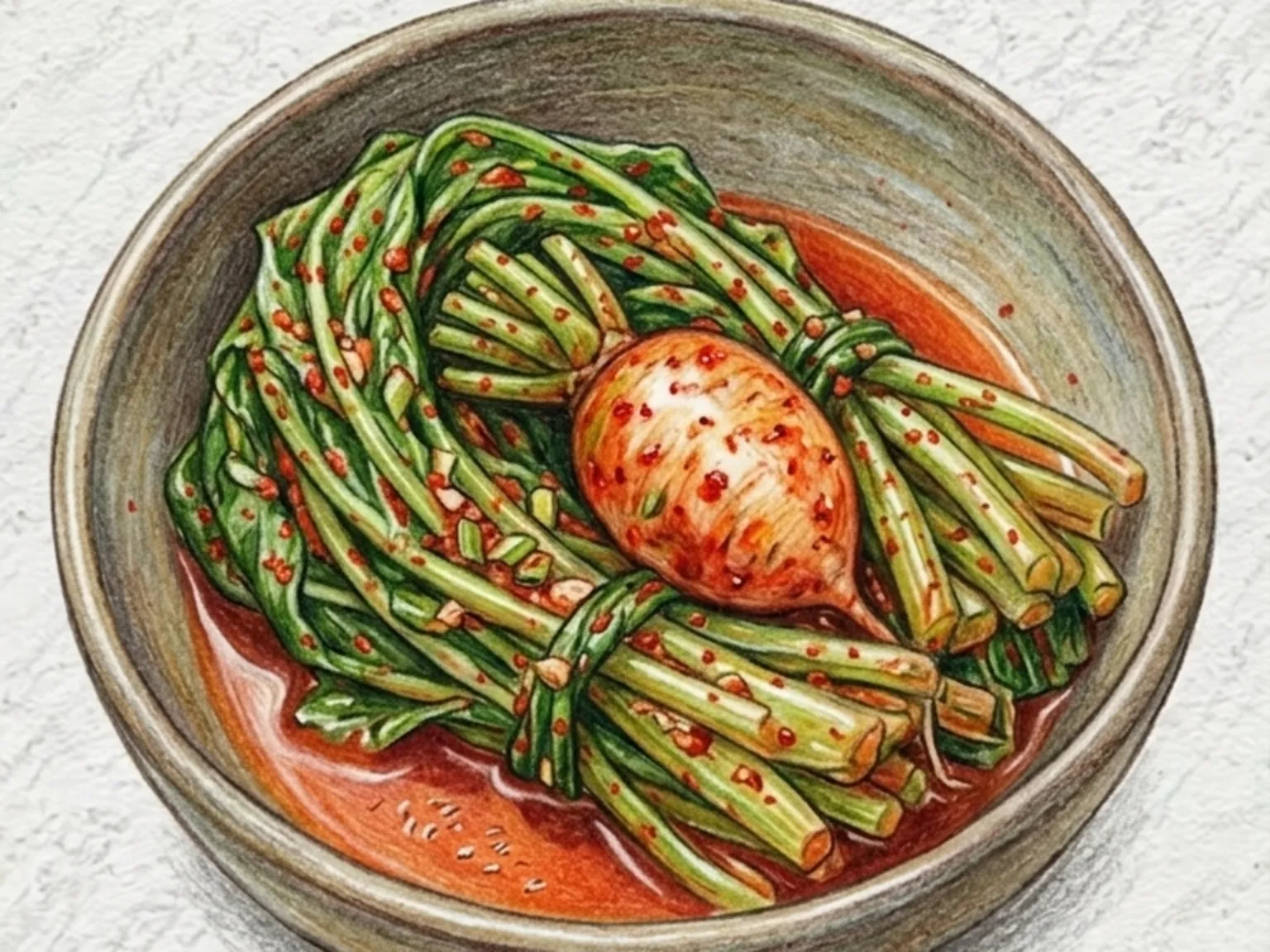
Young radish greens and their slender stems are salted briefly, dressed in a gochugaru-based paste, and fermented into a kimchi that defines Korean summer eating. The greens are more delicate than mature radish, absorbing the seasoning quickly while retaining a refreshing crunch that lasts well into fermentation. Gochugaru and anchovy fish sauce form the backbone of the paste, delivering heat and deep umami in equal measure, while garlic lends a pungent undercurrent that mellows as the fermentation progresses. Once dressed, the radish greens release their own moisture, creating a naturally occurring brine that becomes the hallmark of yeolmu kimchi: a tangy, chili-flecked liquid that can be spooned over cold noodles or rice. Even half a day at room temperature kicks off the fermentation, introducing a sharp, fizzy acidity that signals the kimchi is alive. Transferring it to the refrigerator slows the process and stabilizes the flavor at a bright, appetizing sourness. Draped over bibim-guksu or naengmyeon, it brings a cooling, spicy bite that defines the Korean summer table.

🏠 Everyday 🥗 Light & Healthy
Prep 30min 4 servings
Korean Young Radish Water Kimchi
Kimchi Medium

Korean Young Radish Water Kimchi

Yeolmu mul-kimchi is a water kimchi in which young radish greens are salted to reduce their raw grassy sharpness, then submerged in a clear, aromatic brine infused with sliced radish, scallions, garlic, and ginger. The garlic and ginger are wrapped in cloth and squeezed rather than added directly to the liquid, which keeps the brine transparent and clean-tasting rather than murky. Plum syrup blended into the brine provides a measured sweetness and contributes to a lively acidity as fermentation develops. Leaving the jar at room temperature for eight hours and then refrigerating for another twelve allows the brine to become gently effervescent and pleasantly tart without turning sour. The finished liquid doubles as a broth for cold noodles in summer or can be ladled over cooked rice for a refreshing light meal. Filtered cold water makes a noticeable difference in the cleanliness of the final flavor, and keeping close watch on the salting time prevents the greens from softening past their ideal crisp texture.

🥗 Light & Healthy 🍱 Lunchbox
Prep 30min 4 servings
Korean Lotus Root Jangajji
Kimchi Easy

Korean Lotus Root Jangajji

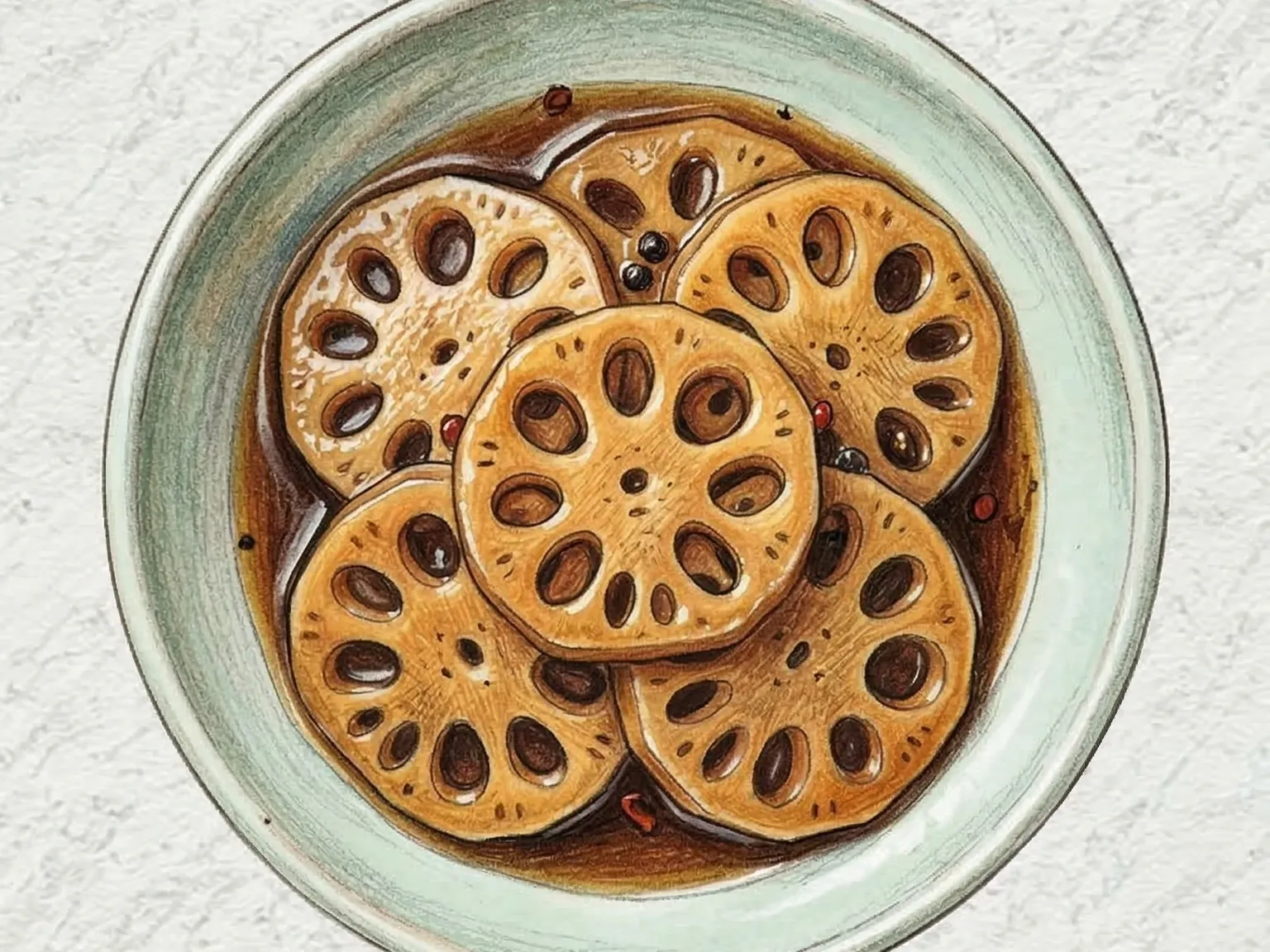
Yeongeun jangajji is a soy-pickled lotus root made by blanching sliced root in vinegar water to prevent discoloration, then soaking it in a hot brine of soy sauce, sugar, peppercorns, and bay leaf. The brine seeps through the root's characteristic holes, distributing a balanced salty-sweet flavor evenly in every bite. Bay leaf tempers the heaviness of the soy base while whole peppercorns add a mild spice undertone. The result is a pickle with a dual texture - simultaneously chewy and crisp - that keeps well for days and works as a lunchbox side or everyday banchan.

🏠 Everyday 🍱 Lunchbox
Prep 25min Cook 12min 4 servings
Korean Lotus Root Kimchi (Crunchy Spiced Root Kimchi)
Kimchi Medium

Korean Lotus Root Kimchi (Crunchy Spiced Root Kimchi)

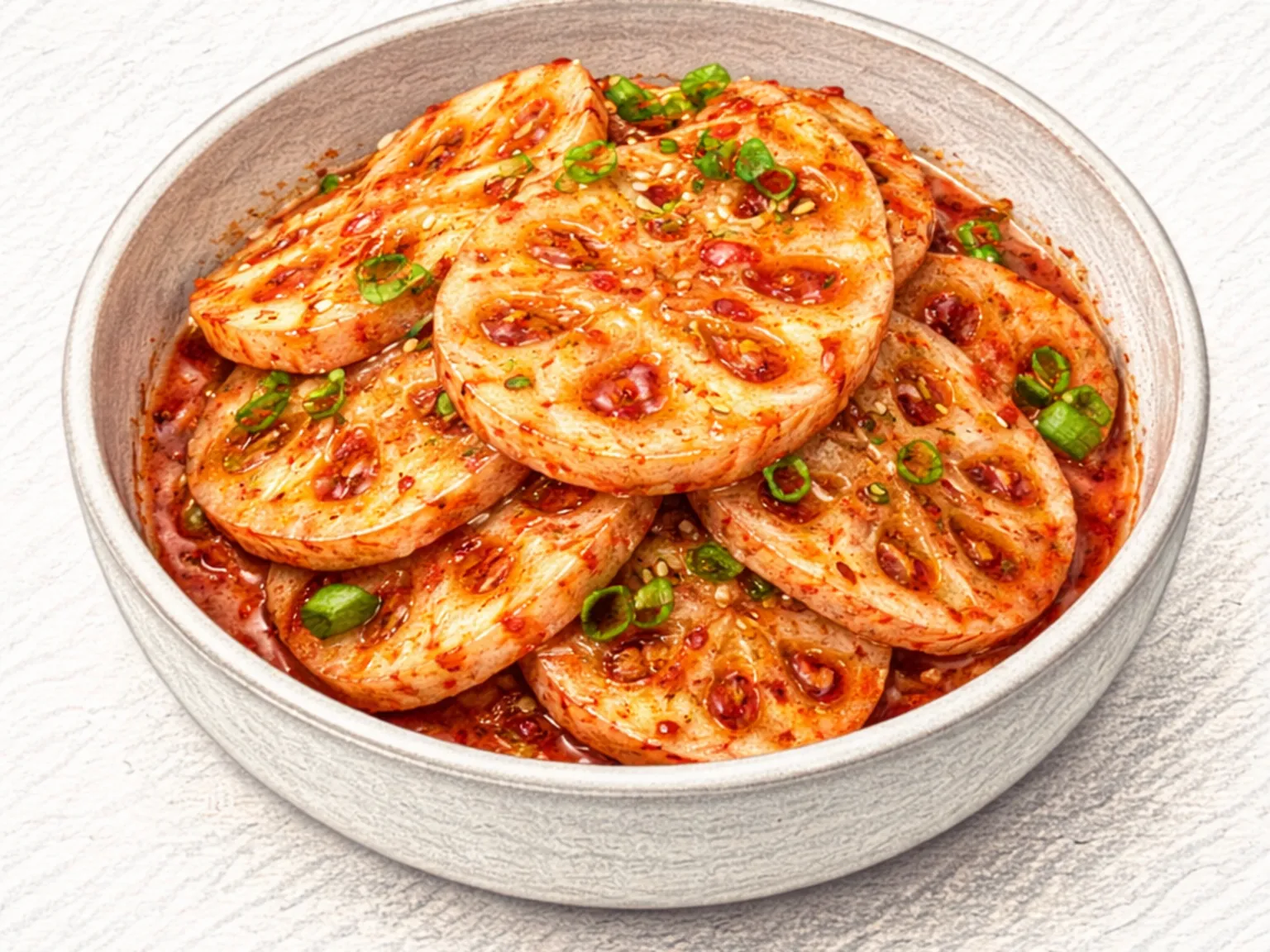
Starting with sliced lotus root boiled in vinegar water helps remove bitterness while keeping the vegetable pale and crisp. The seasoning combines gochugaru, minced garlic, and anchovy fish sauce with the addition of fresh pear juice. This pear juice provides natural sugars and necessary moisture so the chili paste coats each slice evenly without becoming dry or clumping. Even after the fermentation process begins, the lotus root maintains its signature firm and crunchy texture. Sliced scallions are tossed in to add a fresh aromatic quality that balances the spicy garlic paste. One full day of refrigeration allows the flavors to settle into the flesh before serving. Because the seasoning gets trapped inside the characteristic holes of the root, the paste should remain thick rather than watery to ensure consistent flavor. When left to ferment for a few more days, the developing acidity helps cut through the richness of grilled meats or fried dishes. A light addition of sesame oil and toasted sesame seeds at the end brings a toasted scent to every bite.

🥗 Light & Healthy 🍱 Lunchbox
Prep 35min Cook 2min 4 servings
Gunma Yuzu Maki
Kimchi Medium

Gunma Yuzu Maki

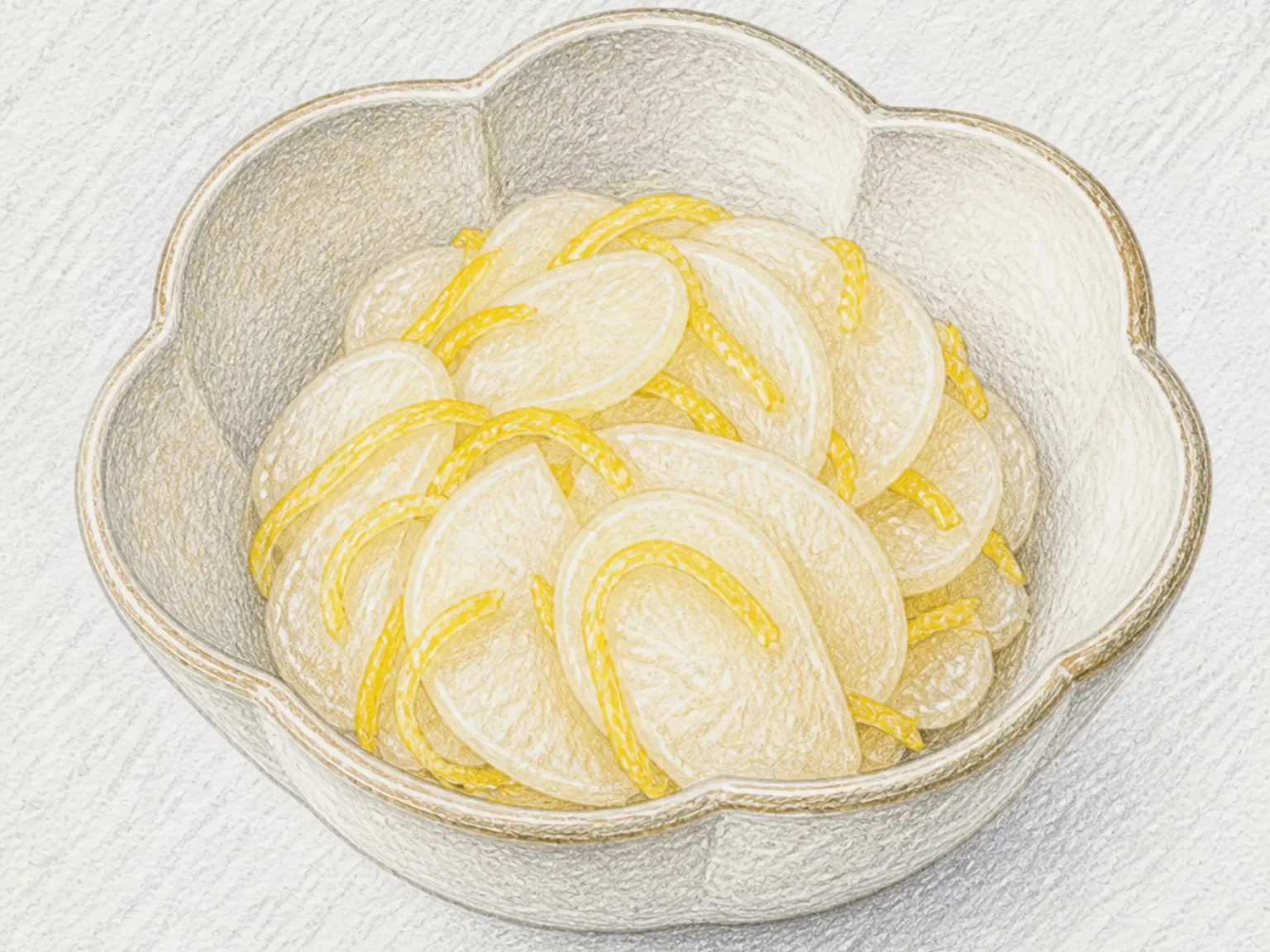
Gunma yuzu maki is a rolled winter pickle made by slicing daikon into 2mm rounds, drying them for a full day in the prefecture's dry karakkaze weather, wrapping each around fine yuzu-peel strips, and curing the rolls in sweet vinegar for about one week. Gunma's low-rain winter climate supported a broad culture of drying konjac, persimmons, daikon, and taro stalks, and this dish grew from that practice. It is served for winter celebrations and may replace red-and-white namasu in osechi. Drying makes each radish slice flexible and absorbent while preserving a pleasant chew, and yuzu perfume spreads through the vinegar as the rolls rest.

🎉 Special Occasion 🥗 Light & Healthy
Prep 480min Cook 5min 25 servings
Yubeshi (Sweet Soy-Simmered Dried Yuzu Peel)
Kimchi Easy

Yubeshi (Sweet Soy-Simmered Dried Yuzu Peel)

This Tokushima yubeshi is a preserved condiment made by soaking dried yuzu peel, boiling it in three changes of water to reduce harsh bitterness, then simmering it with sugar, dark soy sauce, mirin, and dashi until the peel releases pectin and the liquid turns sticky. Unlike regional yubeshi that stuff whole yuzu with miso or glutinous rice, this version finely cuts the peel and cooks it sweet and savory. Citrus perfume and a controlled bitter edge support the soy sweetness, while optional chili gives a brief warm finish.

🏠 Everyday 🍺 Bar Snacks
Prep 15min Cook 45min 4 servings
Suzuki (Red Taro Stems in Sweet Vinegar)
Kimchi Medium

Suzuki (Red Taro Stems in Sweet Vinegar)

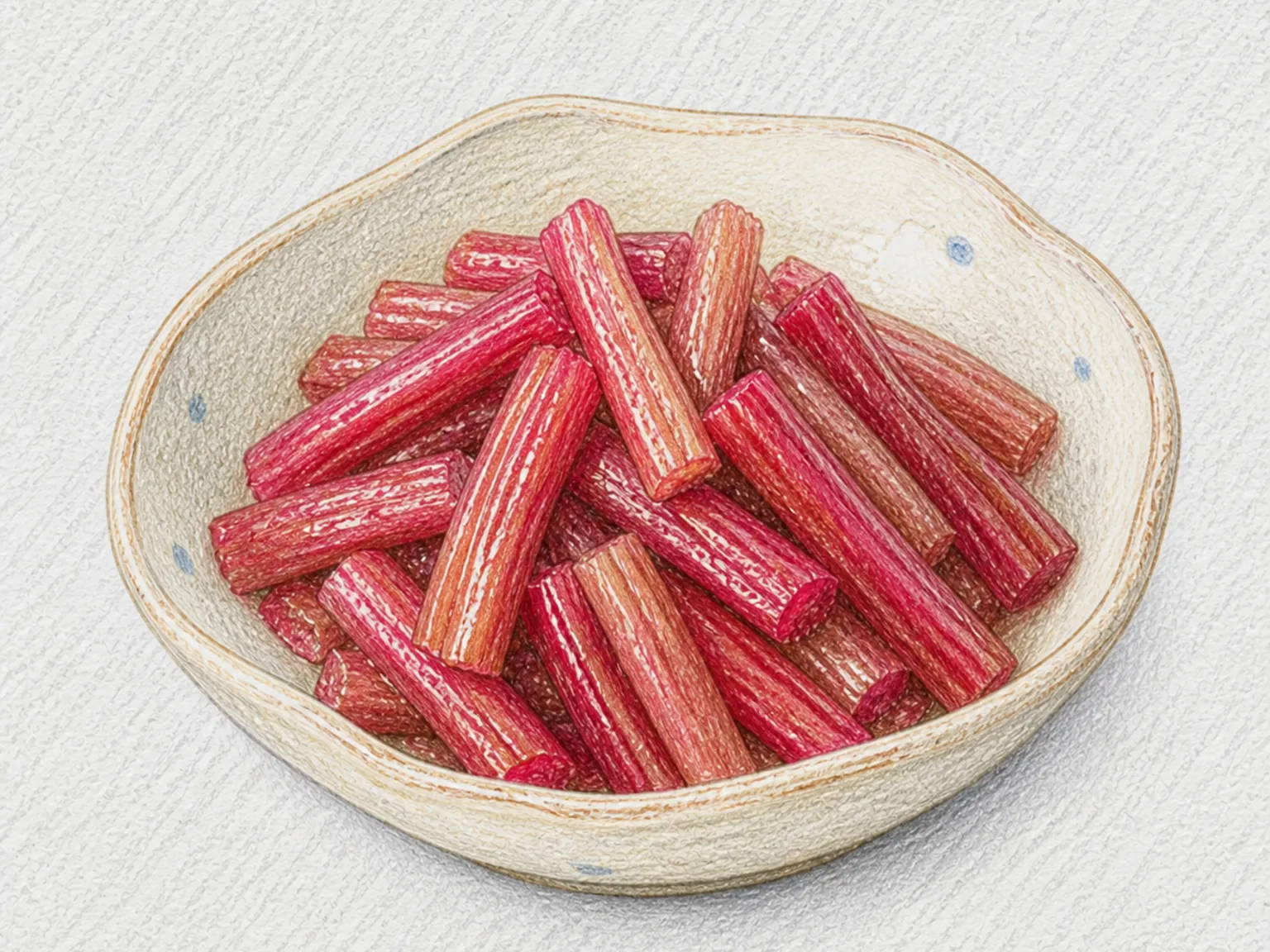
Suzuki is a summer side dish from Toyama made with the red leaf stalks of yatsugashira taro. The stalks are peeled, soaked to draw out harshness, dry-fried without oil, and splashed with vinegar to reveal a vivid red color before being dressed in sweetened vinegar and soy sauce. Cutting every piece to 4cm and splitting thick sections lengthwise helps them cook evenly and removes throat-irritating acridity. Once cool, the dressing settles during refrigeration, producing a bright dish served at home, Obon, and autumn festivals.

🏠 Everyday
Prep 35min Cook 15min 4 servings
About Kimchi

The fermentation process creates beneficial probiotics and a depth of umami unique to kimchi. Seasonal produce transformed into kimchi and pickles keeps for weeks, making them a constant presence in Korean refrigerators.