Charim

2686 Korean & World Recipes

2686+ Korean recipes, clean and organized. Ingredients to instructions, all at a glance.

Recipes with cooking wine

9 recipes

Buy cooking wine
Korean Bellflower Root & Eggplant Soy Stir-fry
Stir-fryMedium

Korean Bellflower Root & Eggplant Soy Stir-fry

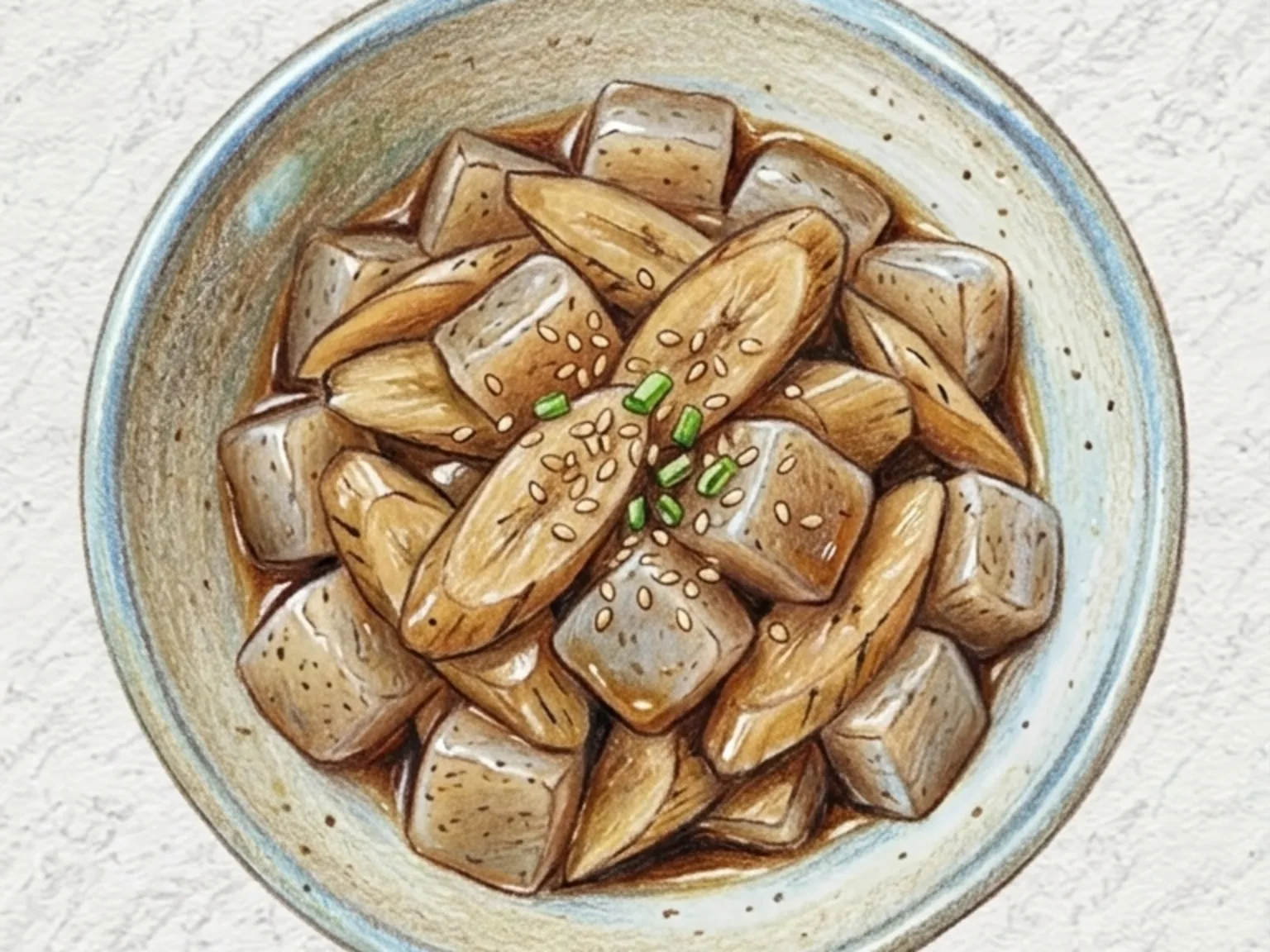
Deodeok gaji ganjang bokkeum is a Korean vegetable stir-fry that brings together deodeok root and eggplant in a soy-based seasoning sauce. The two main ingredients offer a clear textural contrast: deodeok has a firm, fibrous chew that resists the heat and holds its structure throughout cooking, while eggplant softens and collapses into a silky, yielding mass as it cooks. A dressing of soy sauce, sesame oil, and minced garlic ties the two together, tempering the slightly earthy, mildly bitter quality of the deodeok while drawing out the natural sweetness latent in both vegetables. The order in which the ingredients go into the pan matters. Eggplant absorbs oil readily and needs more time to soften properly, so it goes in first. Adding deodeok too early would leave it overdone by the time the eggplant reaches the right texture. The fermented umami of soy sauce and the glutamates naturally present in both vegetables layer together to produce depth in the finished dish without any meat. If the deodeok tastes particularly bitter, soaking the peeled pieces in lightly salted water for ten minutes before cooking draws out a significant portion of the bitterness. Salting the eggplant and letting it sit briefly before cooking removes excess moisture, reducing the amount of oil it absorbs and producing a cleaner, firmer texture in the finished stir-fry. The dish can be served directly over hot rice or presented as a standalone banchan. Like most soy-seasoned vegetable preparations, the flavors deepen and mellow overnight in the refrigerator, making leftovers worth keeping.

🏠 Everyday🍱 Lunchbox
Prep 20minCook 14min4 servings
Korean Zucchini Shrimp Stir-fry
Stir-fryEasy

Korean Zucchini Shrimp Stir-fry

Hobak-saeu-bokkeum is a light Korean stir-fry of thinly sliced zucchini and shrimp seasoned with soy sauce, cooking wine, and garlic. The dish relies on the inherent flavors of its ingredients rather than heavy seasoning, keeping the final result mild, clean, and free of excess grease. Zucchini softens as it cooks and releases its natural sweetness, but the heat must be managed carefully. Overcooking draws out too much moisture and turns the slices limp and watery, eliminating the slight crispness at the center that defines the ideal texture. A well-preheated pan and high heat are needed to sear the surface quickly before the interior softens all the way through. Shrimp are cooked only until they turn pink and curl into a gentle arc. At that moment the proteins have set just enough to give a plump, springy bite; cooking beyond that point tightens the muscle fibers further and makes them rubbery. Using soup soy sauce rather than dark soy sauce keeps the color light and the seasoning clean. A sliced green chili adds a sharp kick without changing the fundamental character of the dish. The entire stir-fry comes together in around ten minutes, making it one of the more practical banchan options when time is limited. It holds its flavor and texture at room temperature without deteriorating, which makes it a reliable choice for a packed lunchbox as well as a fresh dinner side. Lightly salting the shrimp and splashing on a small amount of cooking wine before cooking helps draw out any residual fishiness. Yellow squash or zucchini varieties can substitute freely for the Korean hobak, and adding squid alongside the shrimp introduces an additional layer of oceanic character to the finished dish.

🥗 Light & Healthy🏠 Everyday
Prep 12minCook 8min2 servings
Korean Soy-Braised Chicken Wings
SteamedEasy

Korean Soy-Braised Chicken Wings

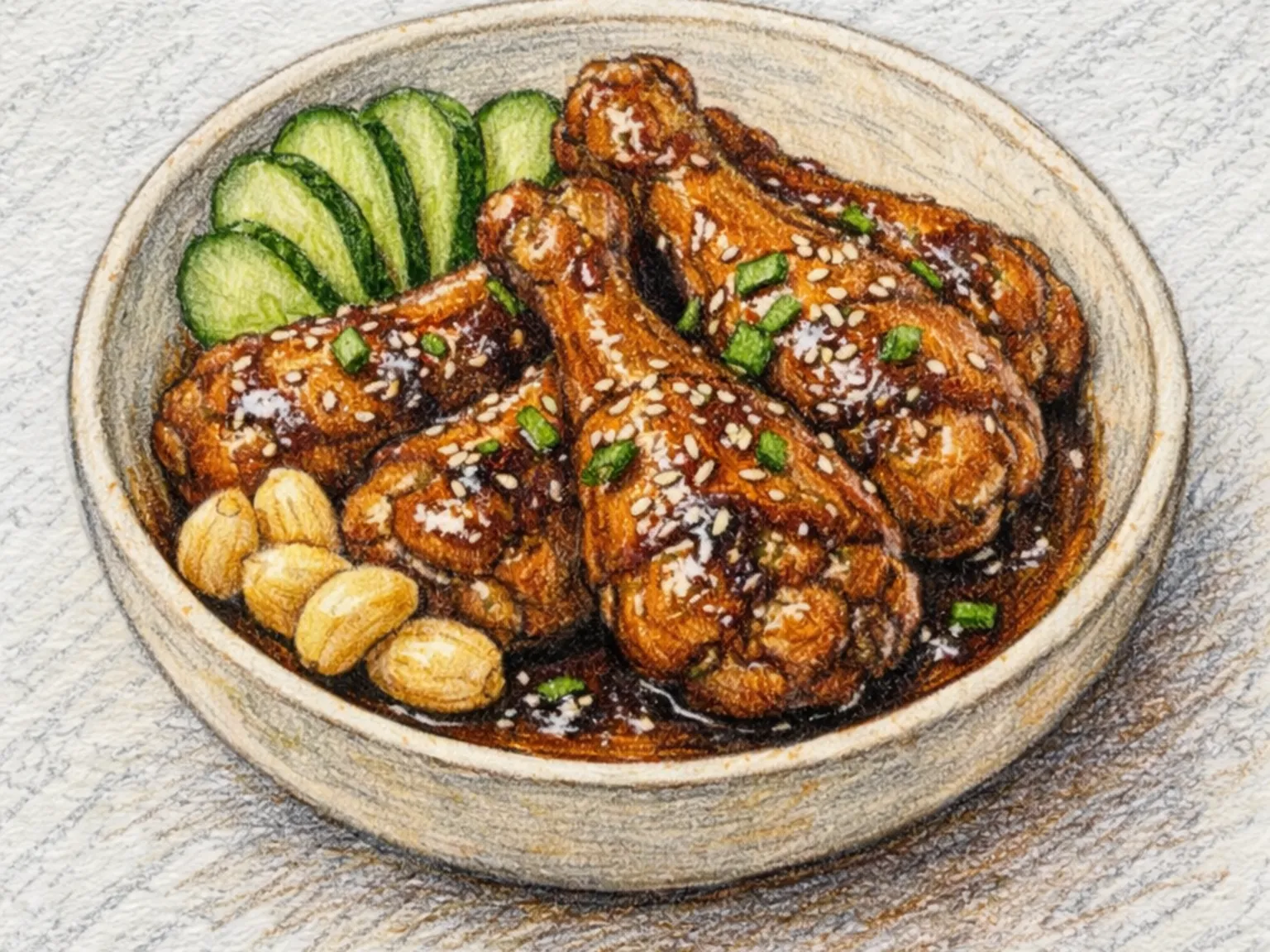
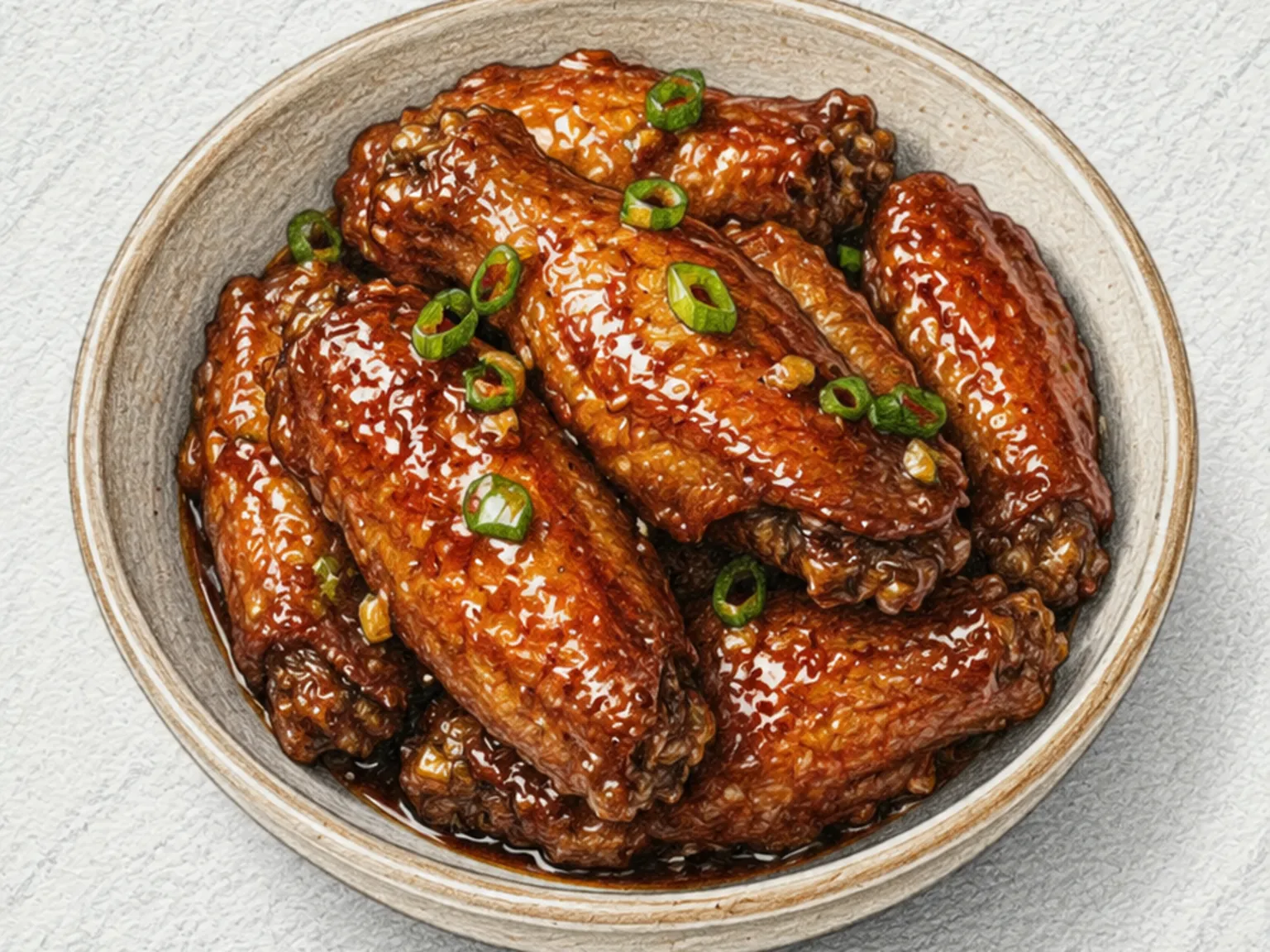
Korean soy-braised chicken wings are simmered in a glaze of soy sauce, sugar, garlic, and ginger until the sauce reduces to a thick, shiny coating. Scoring the wings beforehand allows the seasoning to reach the meat, and twenty minutes of covered braising followed by ten minutes of uncovered reduction concentrates the liquid into a sticky lacquer. Ginger keeps the flavor clean by neutralizing any gamey notes, and a finishing drizzle of sesame oil adds warmth. The wings come out so tender that the meat slides off the bone easily, making this a crowd-pleasing dish for children and adults alike.

🧒 Kid-Friendly🍱 Lunchbox
Prep 15minCook 35min3 servings
Korean Mussel Soup Noodles
NoodlesEasy

Korean Mussel Soup Noodles

Honghap tangmyeon is a mussel noodle soup where a generous quantity of mussels is simmered to produce a deeply briny, clear broth that serves as the foundation of the entire dish without the use of prepared stock. The mussels release their concentrated sea flavor directly into the pot, and this self-made broth is what distinguishes the dish from simpler seafood noodle soups. Korean radish is cooked alongside from the start, lending a natural sweetness and a refreshing clarity to the liquid as it breaks down gently. Soup soy sauce and cooking wine adjust the seasoning and temper the salt that the mussels contribute, pulling the flavor into balance. Minced garlic and green onion build an aromatic layer that keeps any fishiness in check, leaving only a clean, deep savoriness in its place. A generous crack of black pepper over the steaming bowl sharpens the marine character of the broth and warms the palate. The noodles should not be overcooked; they need enough bite to hold up against the rich, hot liquid. A few slices of cheongyang chili on top add a brisk heat that makes the broth feel simultaneously cool and fiery, the defining sensation of good Korean seafood soup.

🍺 Bar Snacks🌙 Late Night
Prep 18minCook 20min2 servings
Korean Soy Garlic Grilled Duck
GrilledMedium

Korean Soy Garlic Grilled Duck

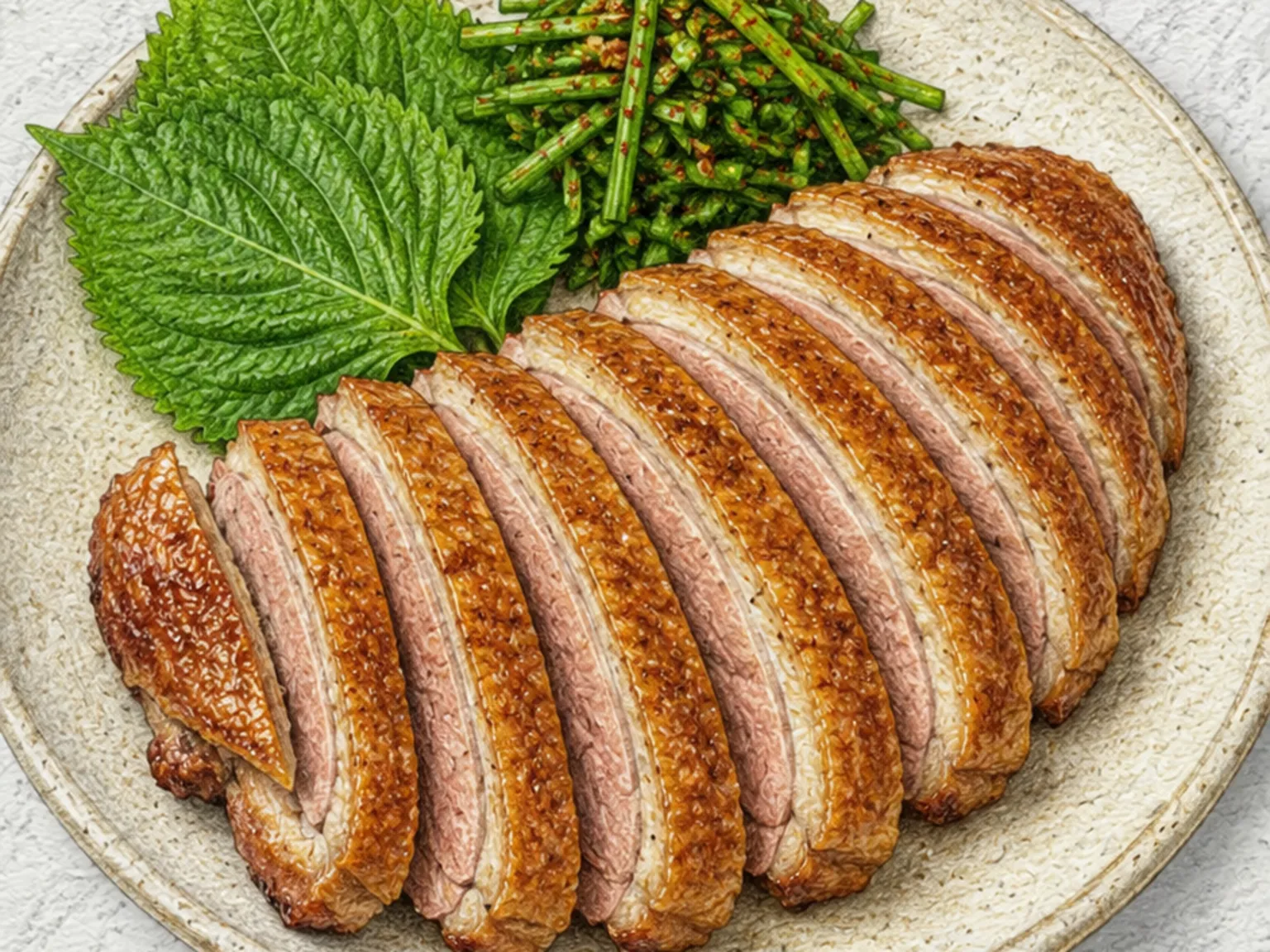
Ori-ganjang-gui is a Korean soy-braised grilled duck dish where scored duck breast is marinated for twenty minutes in a sauce of soy sauce, minced garlic, honey, cooking wine, ginger juice, and black pepper, then placed skin-side down in a cold pan to start cooking. The cold-start method slowly renders the thick subcutaneous fat layer into the pan over eight minutes, building up a pool of self-basting duck fat that eliminates the need for added oil and crisps the skin without burning it before the breast is flipped. Soy sauce and honey caramelize at high heat into a glossy dark brown glaze, while ginger juice actively breaks down the gamey odor that duck fat often carries. In the final two minutes, the remaining marinade is brushed back onto the meat and sliced onions are added to the pan, where their natural sugars rise and merge with the salty-sweet soy coating to form a deeply savory side that complements the duck. The sliced meat can be wrapped in perilla or lettuce leaves, or the rendered cooking juices can be spooned directly over rice.

🍺 Bar Snacks
Prep 20minCook 25min4 servings
Korean Cauliflower Soybean Paste Pork Stir-fry
Stir-fryMedium

Korean Cauliflower Soybean Paste Pork Stir-fry

Kollipeullawo doenjang dwaeji bokkeum begins with pork shoulder seared hard over high heat until the exterior turns deep brown, building a crust that holds flavor through the rest of the cook. Doenjang and gochugaru go in next and fry briefly in the rendered pork fat, releasing their fermented, spiced aroma into the oil. Cauliflower blanched for forty seconds and thoroughly drained is folded in last. Draining the cauliflower matters: excess moisture would dilute the sauce and prevent it from concentrating on the meat and vegetables. The fermented saltiness of doenjang merging with the pork fat creates an earthy depth that straight doenjang jjigae does not have, and the cauliflower's mild, slightly sweet character offsets the heavier notes of the paste, making the dish feel lighter than the ingredient list suggests. With low carbohydrate content, it slots naturally into reduced-carb meal plans without compromise.

🥗 Light & Healthy🏠 Everyday
Prep 18minCook 12min2 servings
Braised Dried Pollock (Hwangtae-po Jorim)
Side dishesEasy

Braised Dried Pollock (Hwangtae-po Jorim)

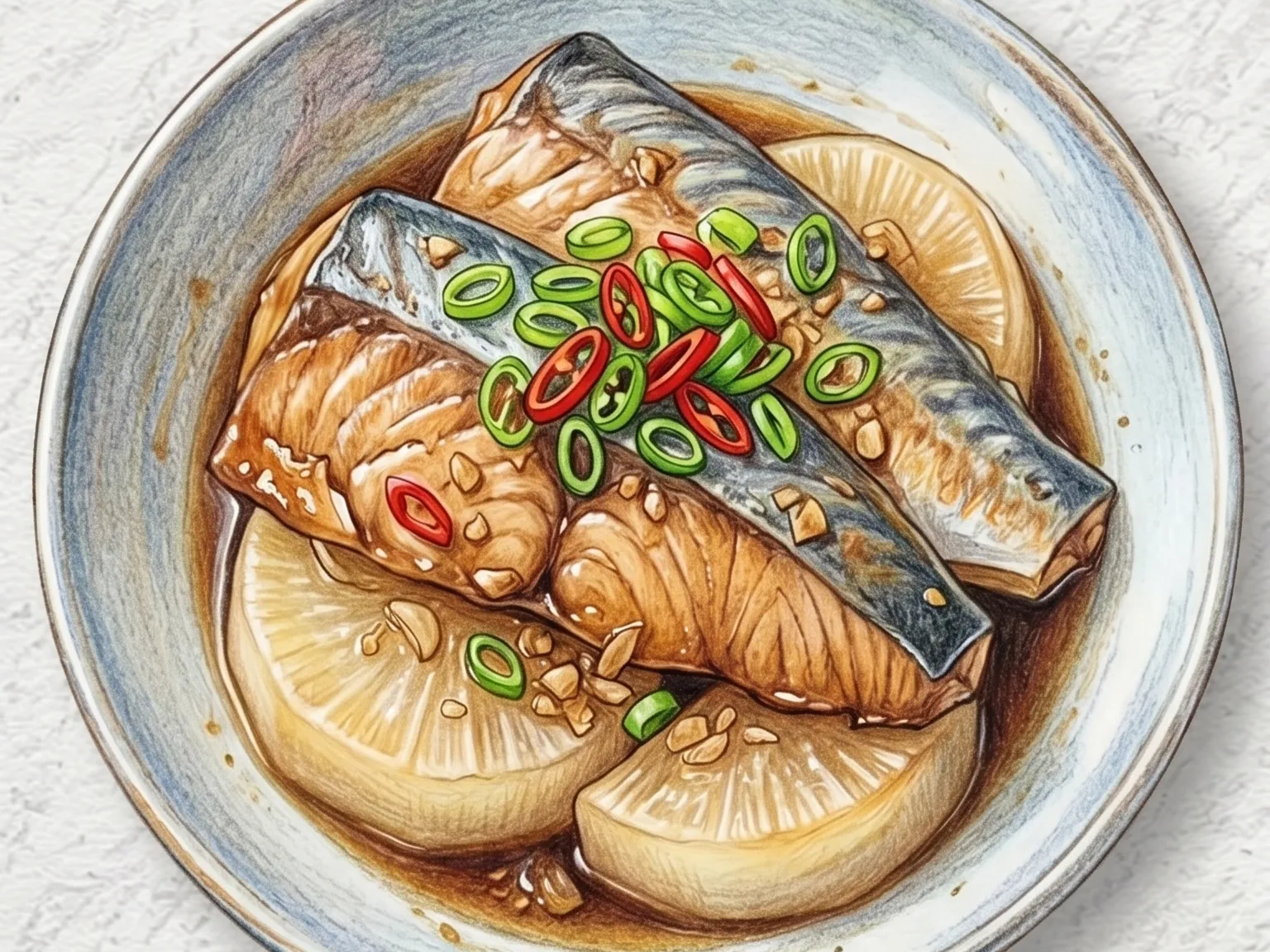
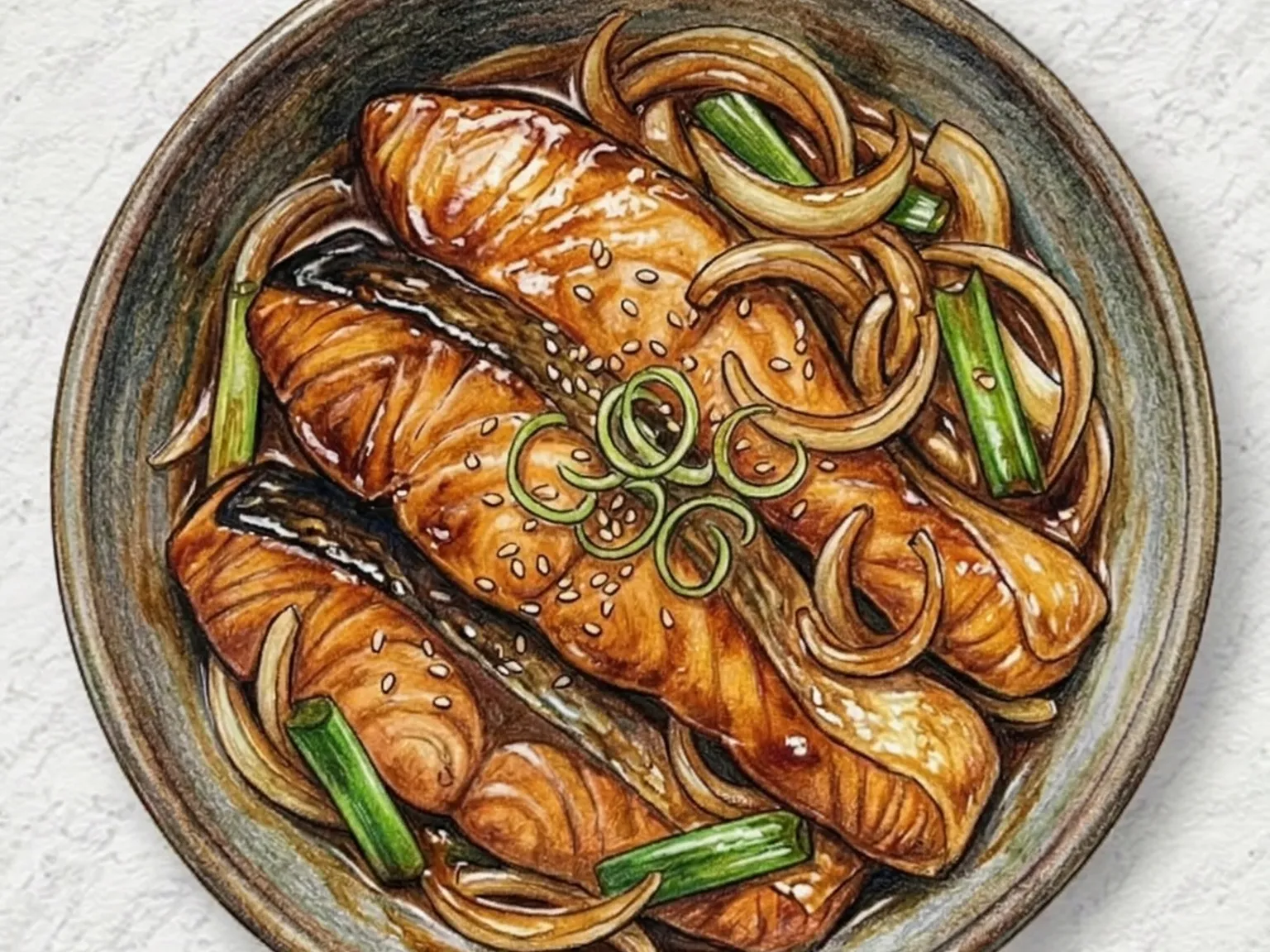
Hwangtae-po jorim is a Korean braised side dish made from hwangtae, the air-dried pollock produced in the Gangwon-do mountains where bitter winter cold freezes and thaws the fish dozens of times across the season. Each freeze-thaw cycle breaks down the protein structure and opens up a sponge-like network of pores throughout the flesh. When braised in a ganjang-gochujang sauce, those pores draw the seasoning deep inside, so every bite carries the savory-sweet glaze all the way through rather than just coating the surface. Rehydrating the dried pollock for no more than three minutes preserves the chewy, springy bite; soaking it longer collapses the structure and leaves it soft and crumbly. Oligosaccharide syrup reduces into a glossy finish that coats each piece, and sesame oil goes in only after the heat is off to keep its fragrance intact. Refrigerated, the dish holds for more than a week, making it a practical addition to meal-prep banchan rotations.

🏠 Everyday🍱 Lunchbox
Prep 10minCook 12min4 servings
Korean Soy Braised Quail Eggs
Stir-fryEasy

Korean Soy Braised Quail Eggs

Al-jorim - soy-braised quail eggs - is one of Korea's most universal banchan, appearing in school cafeteria trays, packed office lunchboxes, and home refrigerators as a reliable standby. The dish belongs to the broader Korean jorim tradition of simmering proteins low and slow in a sweetened soy-based liquid until the glaze seeps through to the center. Peeled quail eggs go into a pan with soy sauce, water, sugar, cooking wine, and minced garlic, then simmer over medium-low heat for ten minutes. Turning the eggs occasionally is essential - it ensures the soy stain reaches every surface evenly rather than leaving pale patches. The liquid starts thin and gradually reduces as the eggs cook, concentrating into a sticky, glossy glaze that clings to the surface in the final two to three minutes over higher heat. The outside takes on a deep chestnut brown while the yolk inside stays vivid yellow. A sliced cheongyang chili added near the end introduces a low, slow heat that keeps the sweet-salty profile from becoming monotonous. Sesame oil and toasted sesame seeds scattered over the finished eggs add a nutty note against the soy base. Left overnight in the refrigerator, the seasoning penetrates further and the flavor deepens, making this one of the few banchan that genuinely improves after a day.

🏠 Everyday🍱 Lunchbox
Prep 10minCook 15min2 servings
Korean Braised Beef Short Ribs with Kabocha
SteamedHard

Korean Braised Beef Short Ribs with Kabocha

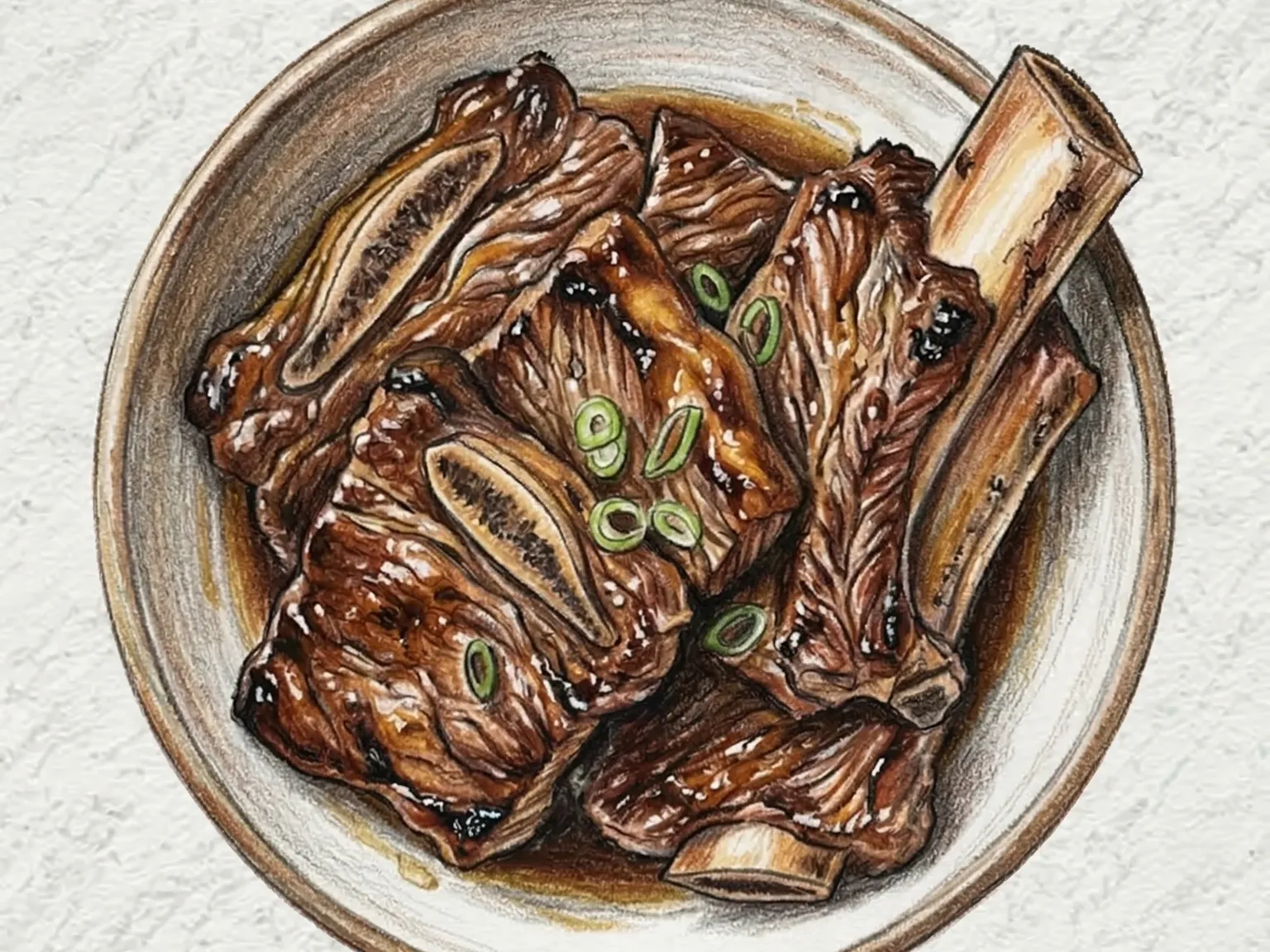
Danhobak-sogalbi-jjim is beef short ribs marinated in Korean pear juice, then braised with kabocha squash, radish, carrot, and onion in a soy-based sauce until deeply flavored. Pear juice works into the meat during marination, softening the muscle fibers and leaving a background fruit sweetness that comes through in the finished braise. Kabocha edges break down during cooking, releasing starchy flesh into the sauce and thickening it without any added starch. Radish and carrot spend the full braise in the soy sauce and absorb it thoroughly, becoming nearly as satisfying as the ribs themselves. A drizzle of sesame oil just before serving lifts the fragrance of the whole dish. This is a centerpiece preparation in Korean holiday and birthday cooking.

🎉 Special Occasion
Prep 35minCook 70min4 servings