Charim

2686 Korean & World Recipes

2686+ Korean recipes, clean and organized. Ingredients to instructions, all at a glance.

Recipes with cooking wine

24 recipes

Buy cooking wine
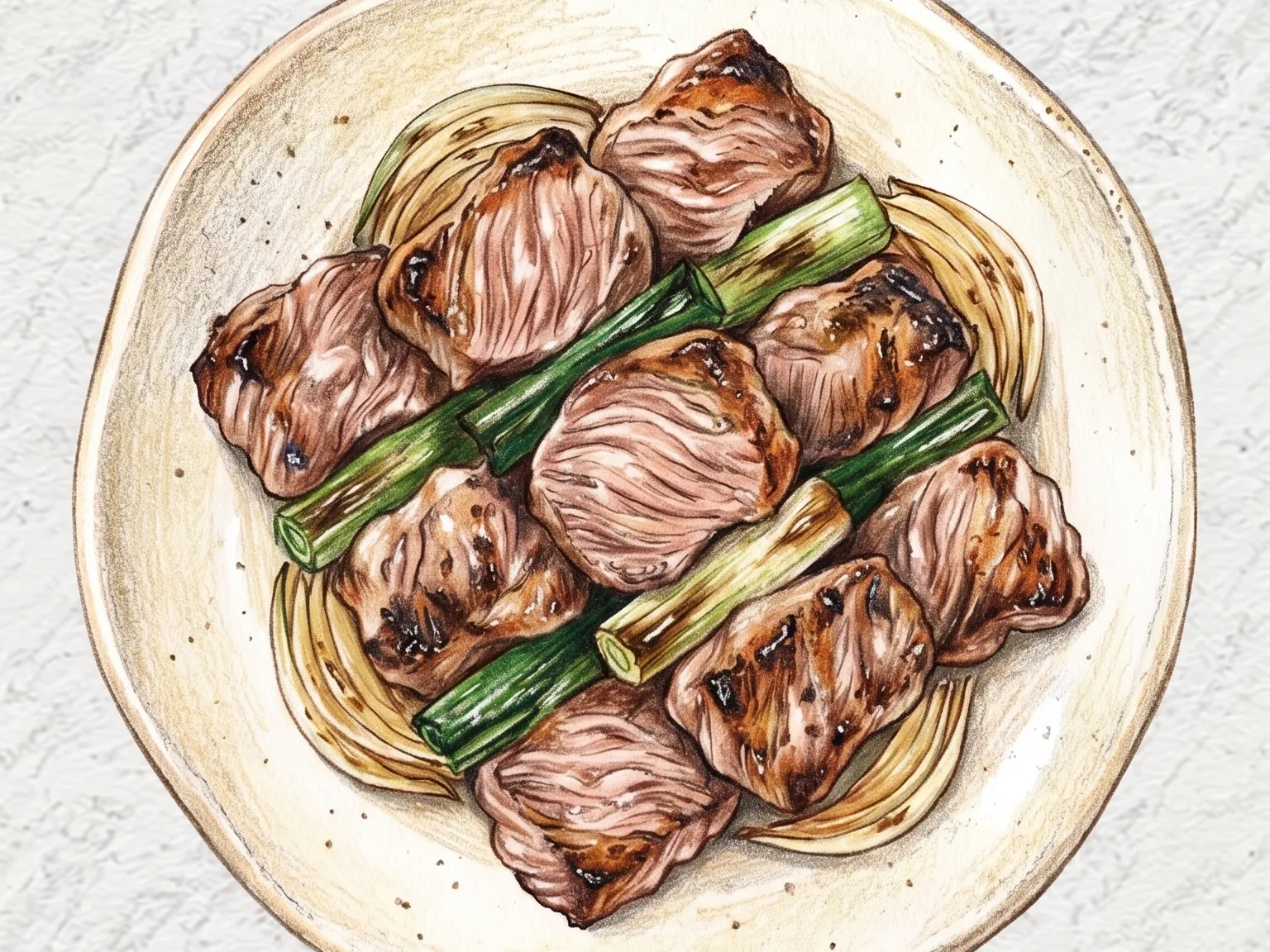
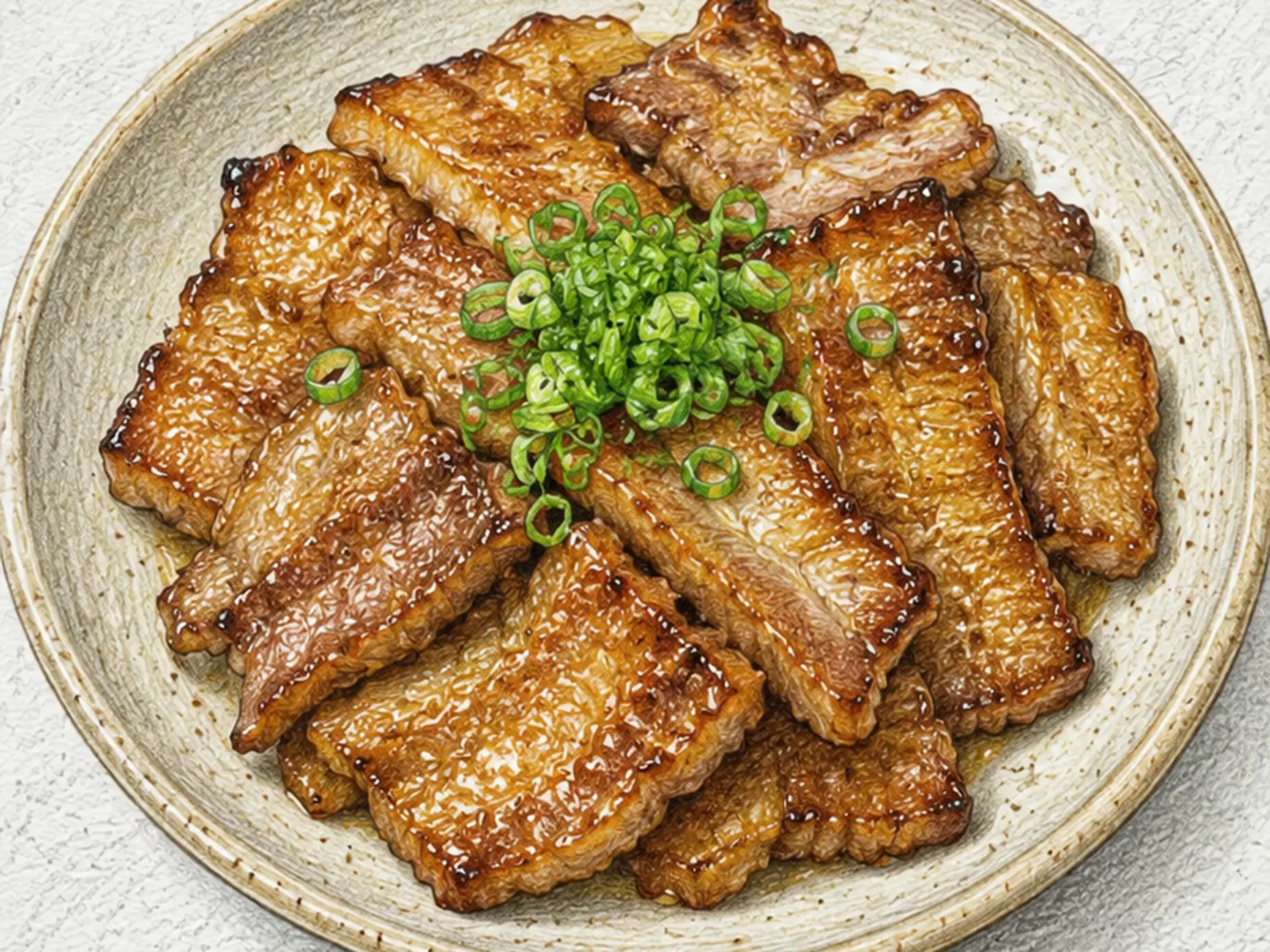
Korean Soy Scallion Grilled Pork Jowl
GrilledMedium

Korean Soy Scallion Grilled Pork Jowl

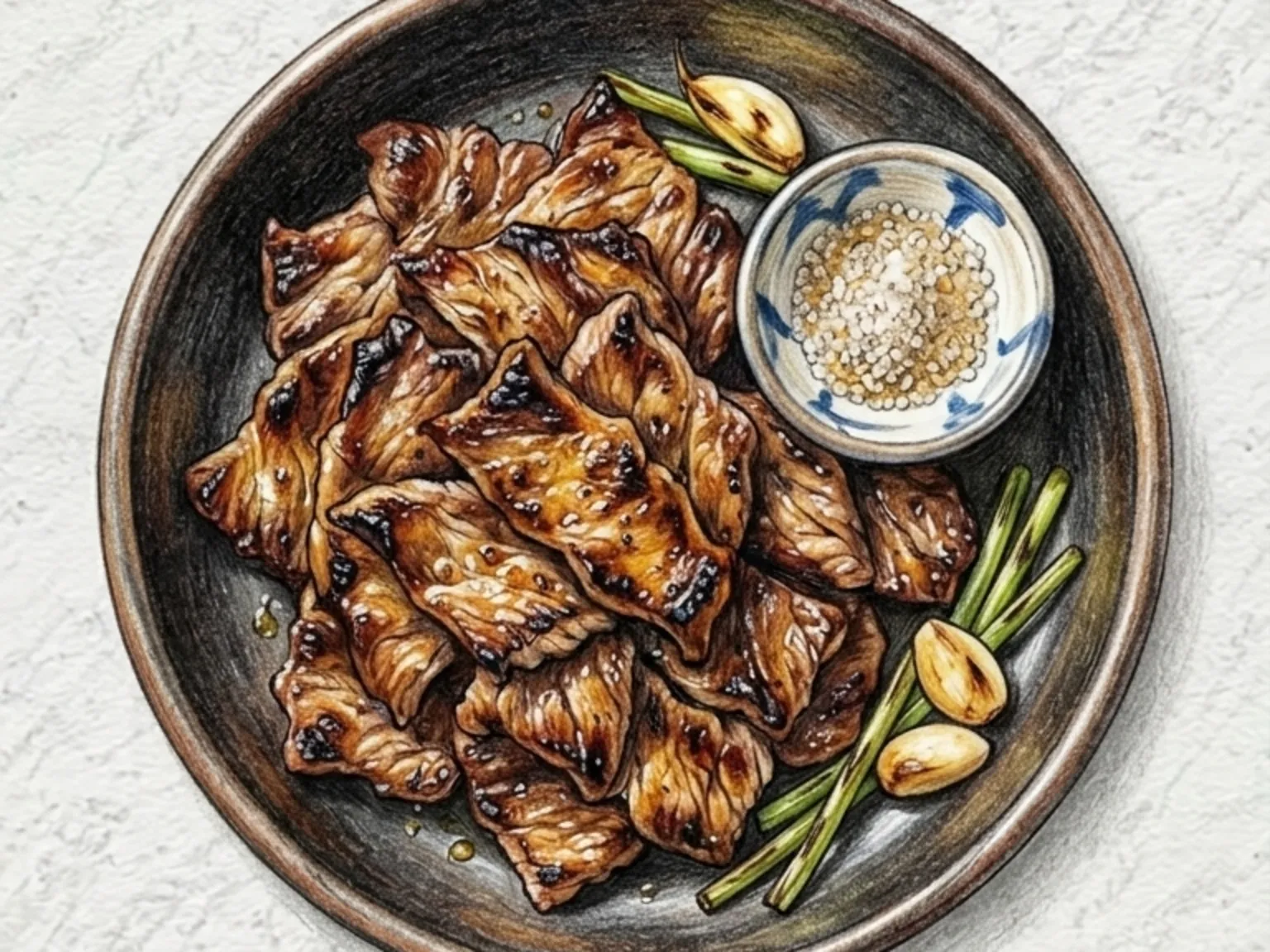
Hangjeongsal ganjang-pa-gui is a soy-scallion grilled pork jowl dish where one-centimeter-thick slices are marinated for fifteen minutes in a sauce of dark soy sauce, cooking wine, minced garlic, sugar, sesame oil, and black pepper, then grilled alongside thick-cut scallion segments over medium-high heat for three to four minutes per side. Hangjeongsal, the jowl cut taken from a narrow strip along the neck, is one of the rarest and most prized cuts of the pig, yielding only a small amount per animal. Its fine intramuscular fat and firm yet springy chew set it apart from belly or collar cuts that are more readily available. The technique of reserving one-third of the marinade to baste during the final minute of cooking is what gives the dish its signature lacquered surface: the fresh sauce hits a hot, already-caramelized pan and almost instantly transforms into a sweet-salty glaze that coats each slice. The scallions are left largely untouched until the last moments over high heat, where the exterior chars while the interior moisture turns to steam, concentrating natural sugars into something close to caramel and adding a layer of smokiness to the soy-based glaze. Keeping the marinating time strictly under twenty minutes is essential because extended contact with soy sauce draws moisture from the meat through osmosis, oversalting the interior and dulling the richness that makes this particular cut worth seeking out.

🍺 Bar Snacks
Prep 20minCook 18min2 servings
Korean Braised Beef with Dried Radish
SteamedMedium

Korean Braised Beef with Dried Radish

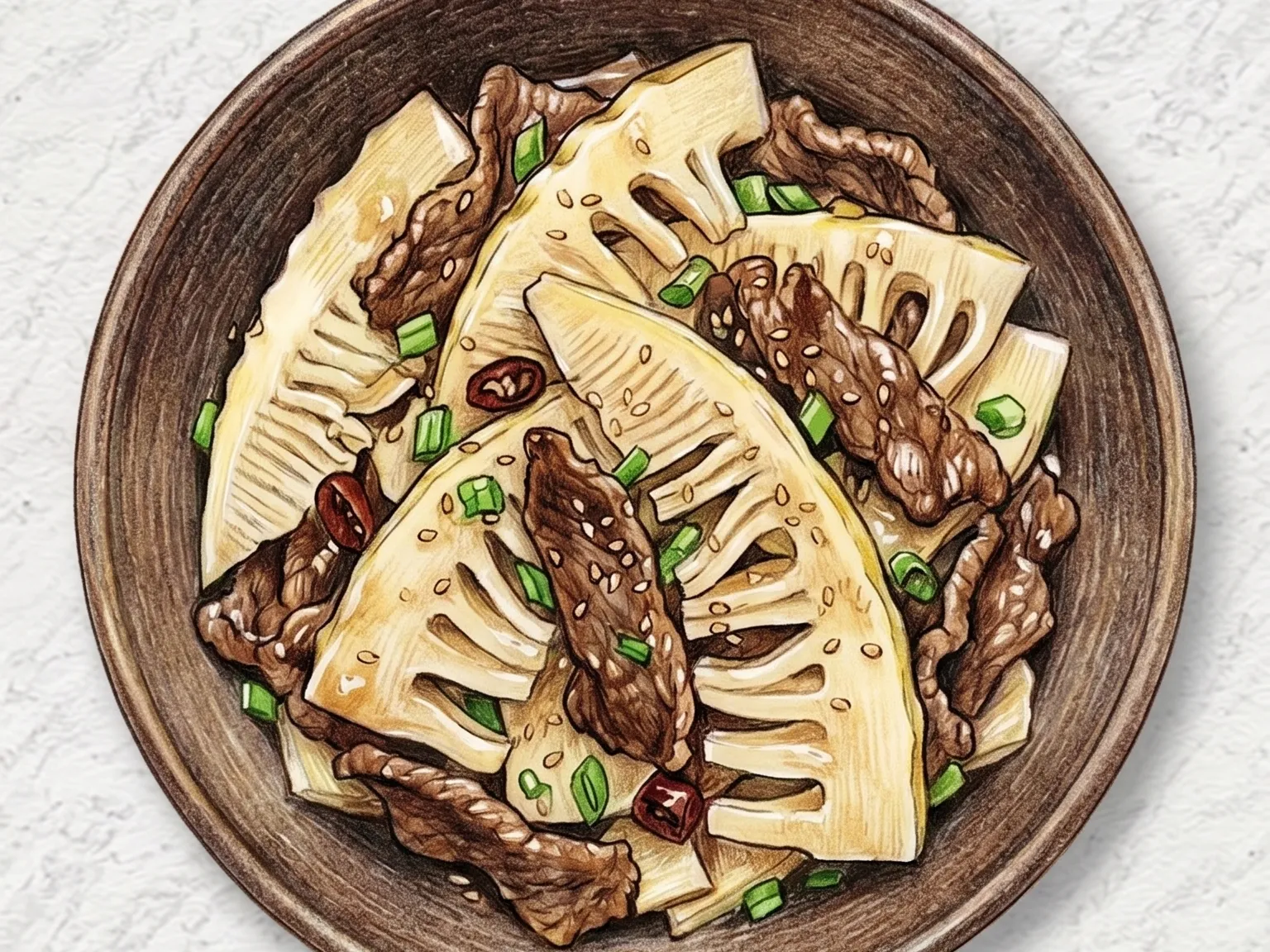
Mumallaengi sogogi jorim is a Korean soy-braised side dish of rehydrated dried radish strips and lean beef round, cooked down until the sauce just barely covers the ingredients. Drying concentrates the radish's natural sugars and umami, and once soaked and braised the strips become chewy and deeply flavored in a way fresh radish cannot replicate. Before soaking, a quick rinse removes any dust or impurities from the drying process, and twenty minutes or more in cold water restores just enough elasticity for a satisfying texture after cooking. Thin-sliced beef is pre-seasoned with cooking wine to neutralize any off-smell, then added to the pan so it cooks cleanly and without a heavy aroma. Oligosaccharide syrup adds a gentle sheen and sweetness to the soy base without making the dish cloying. Toasted sesame seeds scattered over the top finish the dish with a nutty fragrance. Like most Korean braised side dishes, this one improves after a night in the refrigerator as the seasoning continues to penetrate, making it a practical and reliable choice for lunchboxes and weekday meal preparation that can be made ahead and eaten across several days.

🏠 Everyday🎉 Special Occasion
Prep 25minCook 45min4 servings
Korean Seaweed, Perilla & Shrimp Stir-fry
Stir-fryEasy

Korean Seaweed, Perilla & Shrimp Stir-fry

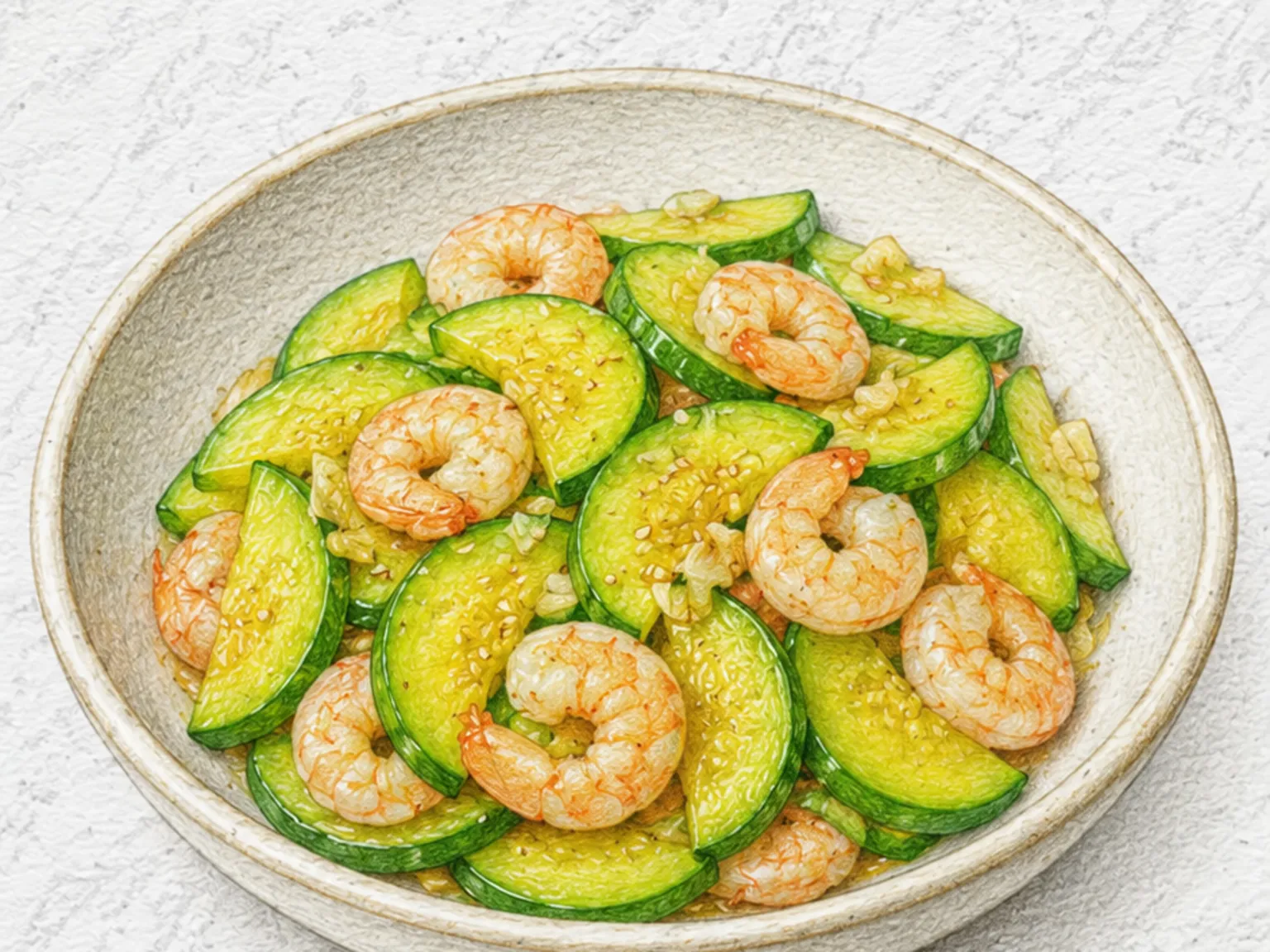
Tot-deulkkae-saeu-bokkeum stir-fries briefly blanched tot seaweed and shrimp in perilla oil, finished with ground perilla seeds. The tot is blanched for only 30 seconds to preserve its distinctive pop-and-chew texture, and the shrimp are pre-seasoned with cooking wine to remove any fishiness before being cooked to a springy doneness. Perilla oil and ground perilla seeds merge with the oceanic salinity of the seaweed and shrimp, building a nutty-briny flavor. Seasoned lightly with soup soy sauce and green onion, it is a low-carbohydrate side dish anchored in seafood and sea vegetables.

🥗 Light & Healthy🏠 Everyday
Prep 15minCook 10min2 servings
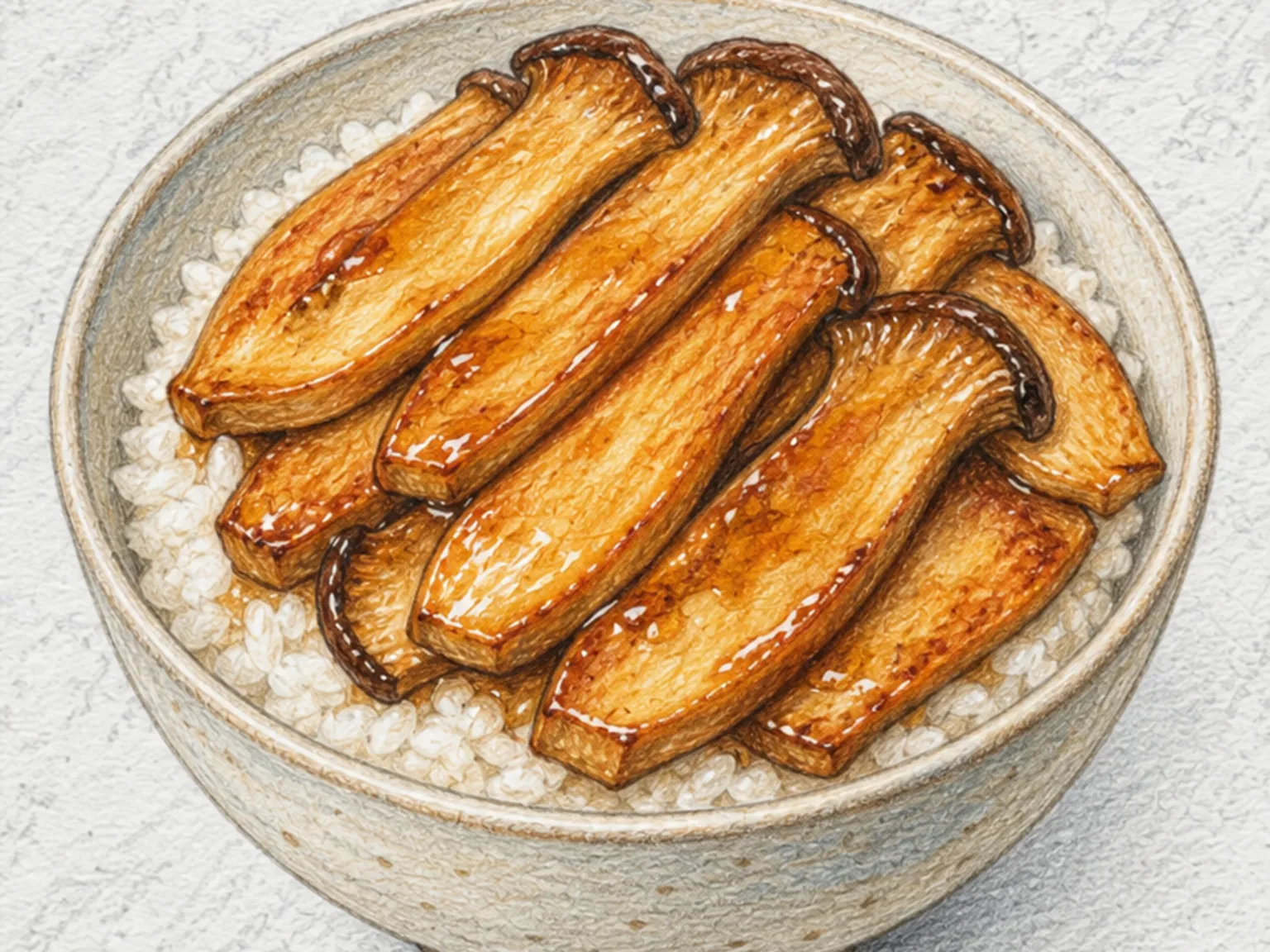
Korean Sweet Soy Glazed Eel Grill
GrilledMedium

Korean Sweet Soy Glazed Eel Grill

Eel fillets are seared skin-side down first in a hot pan so the skin renders and releases some of its fat, then flipped and finished on the flesh side before the sauce goes in. The glaze is a mixture of soy sauce, rice syrup, cooking wine, and ground ginger, brushed or spooned over the eel repeatedly over low heat. Each application builds another layer of the glossy coating, with the sweetness of the rice syrup and the saltiness of the soy sauce penetrating the fatty flesh together. Wiping excess rendered fat from the pan before glazing is a key step: removing it keeps the finished dish balanced rather than greasy and lets the umami of the glaze come through clearly. Sesame seeds and diagonally sliced scallion finish the plating, adding fragrance and a little texture to the lacquered surface. Served over rice, the sauce soaks into the grains and turns the bowl into something closer to a meal than a side dish.

🍺 Bar Snacks
Prep 18minCook 14min2 servings
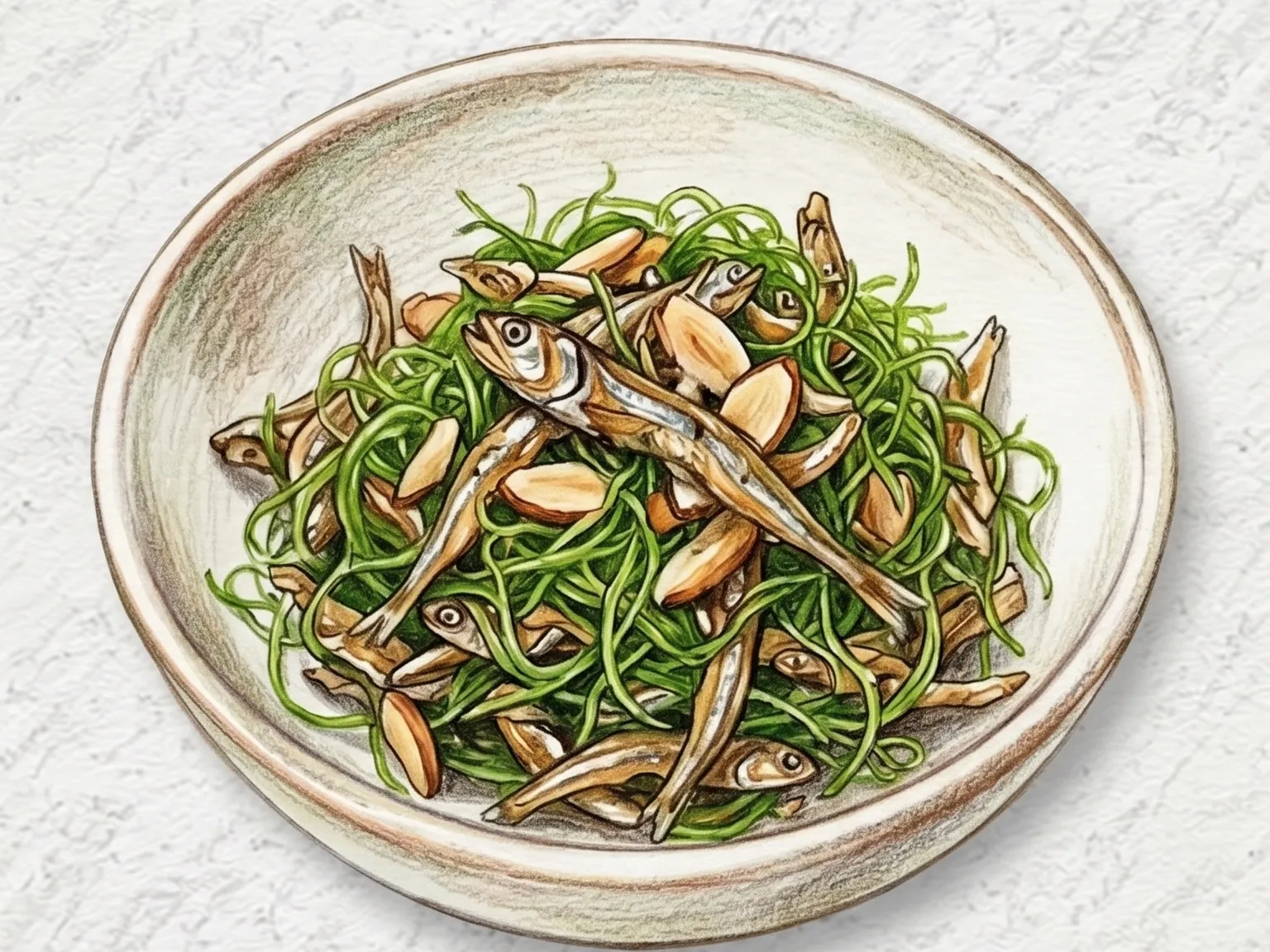
Korean Anchovy & Shishito Braise
SteamedEasy

Korean Anchovy & Shishito Braise

Myeolchi kkwari jorim is a Korean side dish of dry-toasted small anchovies and shishito peppers glazed in a sweet soy sauce with corn syrup and cooking wine. Toasting the anchovies first drives off any fishy smell and brings out their nuttiness, while the peppers are stir-fried in oil to release a mild, lingering heat. The glaze coats everything in a shiny, sweet-salty finish, and sesame oil with sesame seeds add a final toasted aroma. This banchan tastes even better the next day after the sauce has fully settled in, making it one of the most reliable lunchbox staples in Korean home cooking.

🏠 Everyday🎉 Special Occasion
Prep 10minCook 12min4 servings
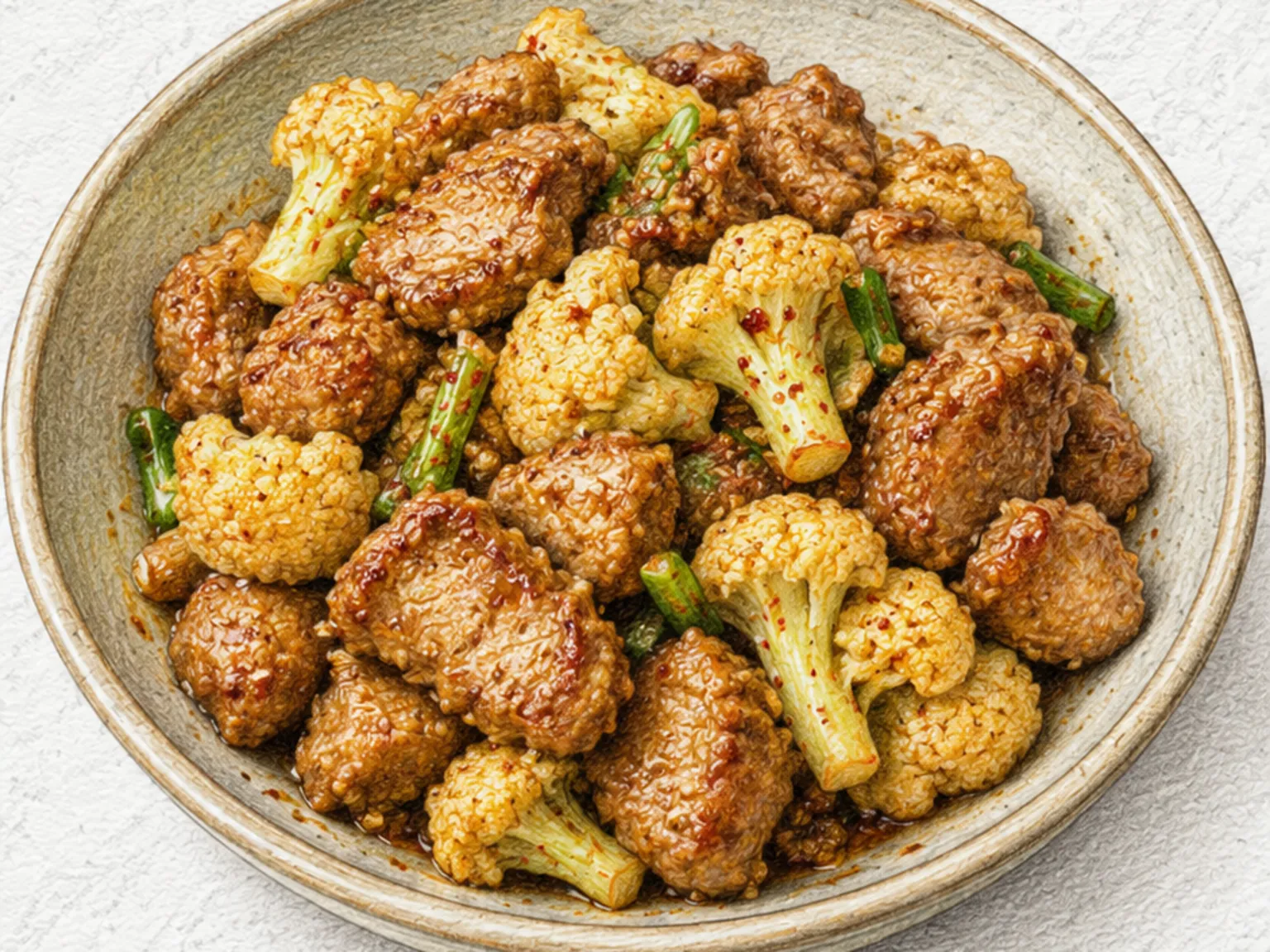
Korean Lotus Root Chicken Breast Stir-fry
Stir-fryMedium

Korean Lotus Root Chicken Breast Stir-fry

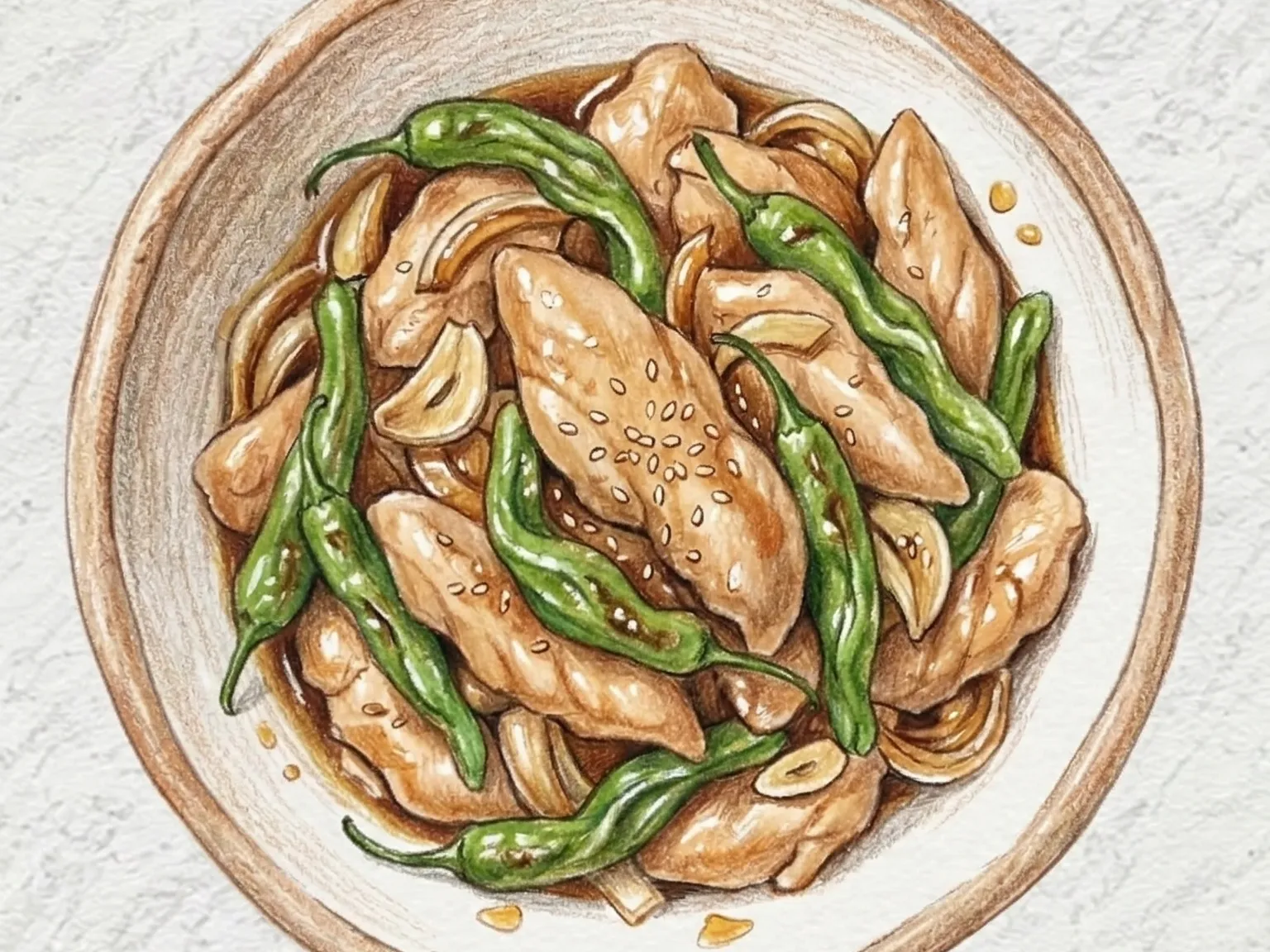
Yeongeun-dakgaseumsal-bokkeum stir-fries soy-and-wine-marinated chicken breast with lotus root, bell pepper, and onion. The lotus root is sliced 3mm thick and soaked in vinegar water to prevent browning and keep its crunch, while the chicken is cooked quickly over medium-high heat to avoid drying out. Oligosaccharide syrup mixed with soy sauce creates a glossy glaze that coats the ingredients, and bell pepper adds color and sweetness. The crisp, starchy bite of the lotus root paired with the lean chicken makes this a protein-rich banchan that stays grease-free and packs well for lunches.

🏠 Everyday🍱 Lunchbox
Prep 20minCook 12min4 servings
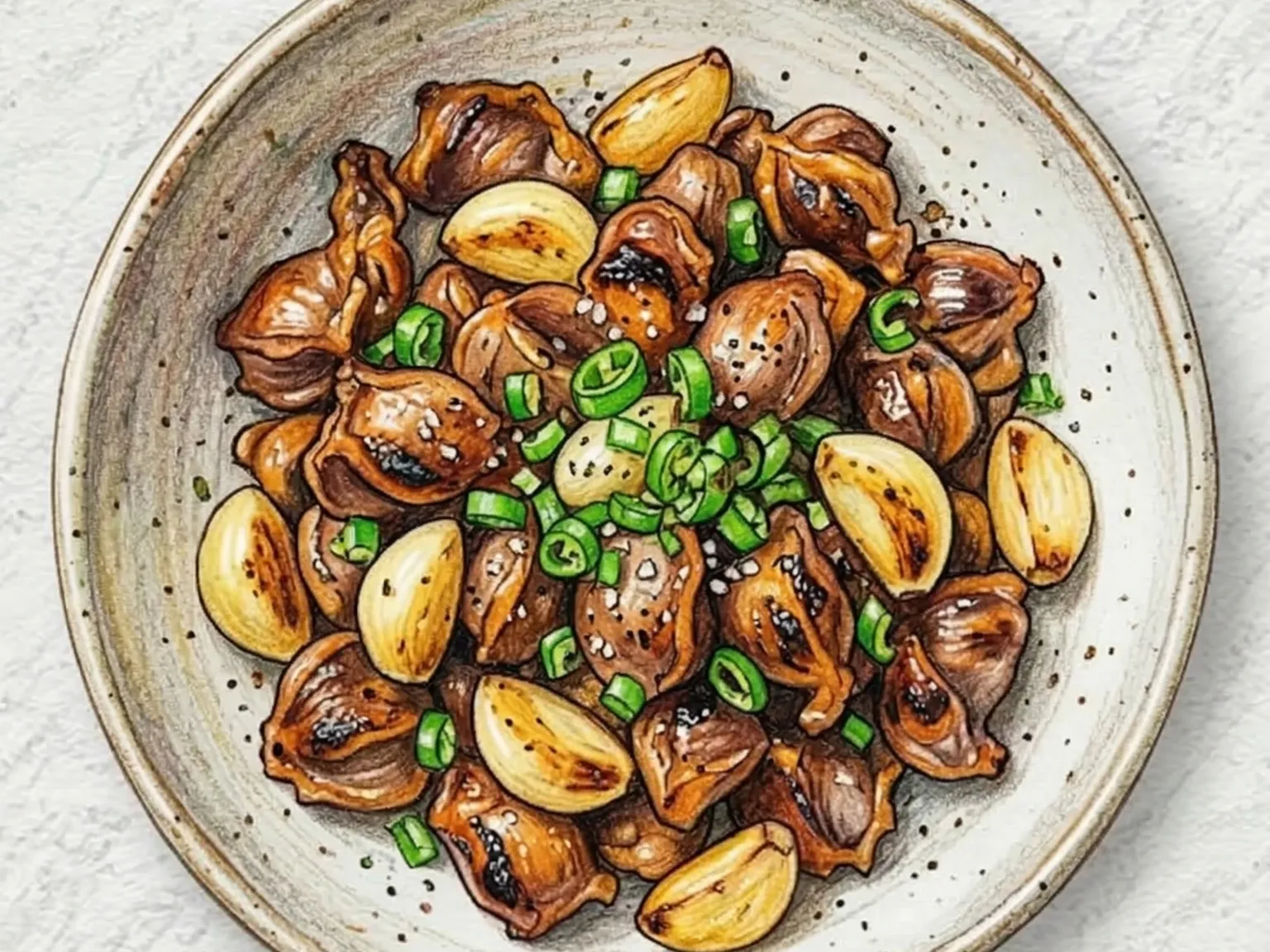
Korean Butter-Grilled Abalone
GrilledMedium

Korean Butter-Grilled Abalone

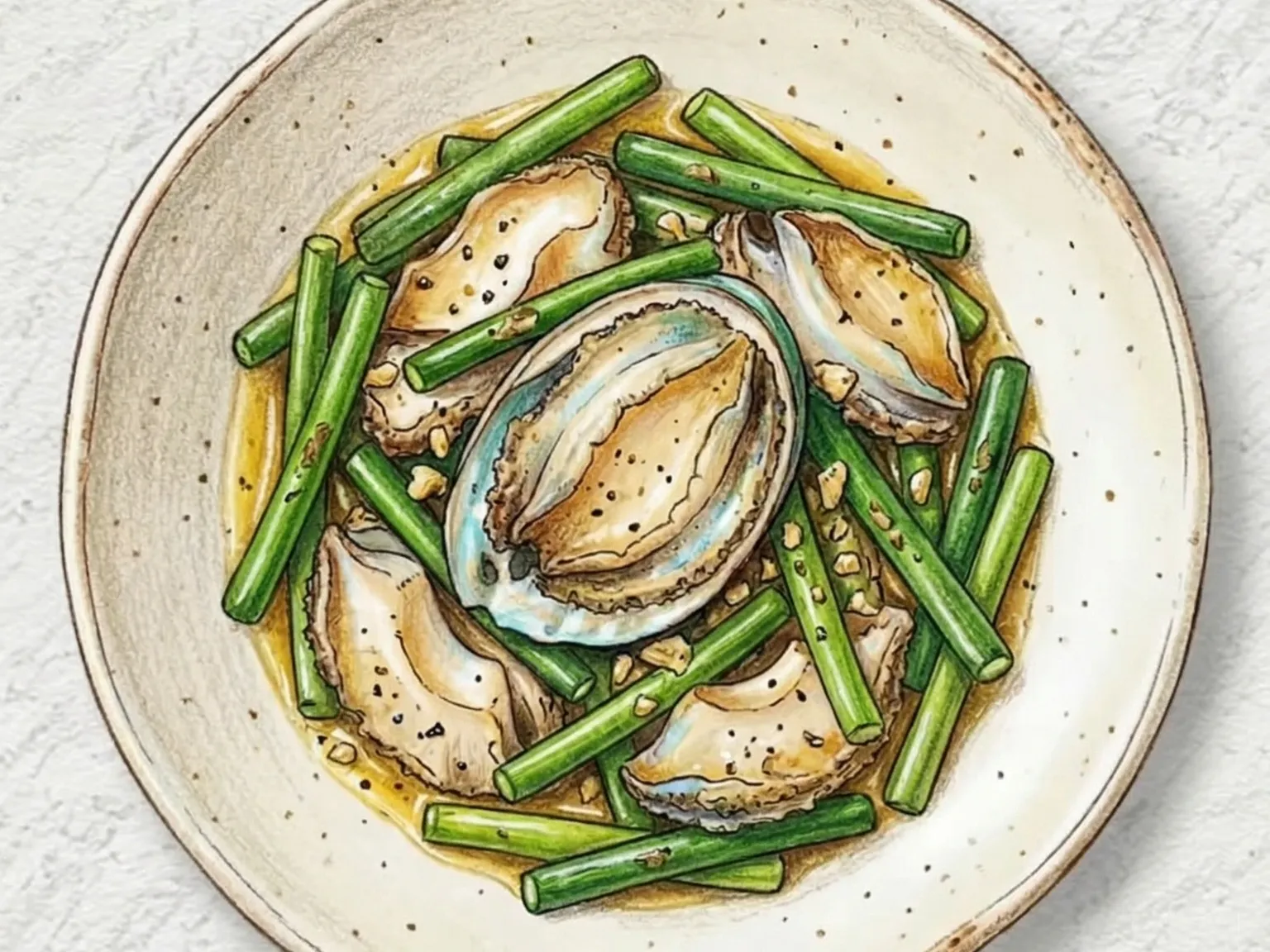
Scored abalone is seared quickly in garlic butter, with the cooking time kept to two or three minutes so the flesh stays springy and firm rather than contracting into a tough, rubbery state. Minced garlic is added to the melted butter first, allowing its fragrance to bloom before the abalone goes in, so the shellfish absorbs the full depth of the butter. A small addition of soy sauce to the pan deepens the umami without masking the delicate sweetness of the abalone itself. For an extra layer of oceanic richness, the abalone liver can be minced and stirred directly into the butter sauce as it finishes; the liver melts in, contributing a briny, mineral depth that amplifies the sea flavor of the dish. The finished abalone is best served in the cleaned shells, which both keep the butter sauce pooled around the meat and make for an appealing natural presentation. A light squeeze of lemon juice just before serving cuts through the richness of the butter and brings out the natural sweetness of the shellfish.

🍺 Bar Snacks
Prep 20minCook 10min2 servings
Korean Steamed Duck with Chives
SteamedMedium

Korean Steamed Duck with Chives

Ori-buchu-jjim is a Korean braised duck dish where duck meat is marinated in soy sauce, cooking wine, garlic, and black pepper, then placed over a layer of sliced onion with water added and the lid on. Over thirty minutes of steady heat, the fat rendered from the duck is skimmed away periodically, which removes the gamey heaviness and keeps the final result clean on the palate. Fresh garlic chives go in only at the end, wilting just enough to soften while releasing their sharp, green fragrance into the pot. That herbal sharpness is precisely what balances the deep, fatty richness of duck. As the liquid reduces near the end of cooking, the soy-based marinade thickens and clings to the surface of each piece, glazing the meat with concentrated seasoning. Duck has long been regarded in Korean food culture as a restorative ingredient, and this preparation honors that reputation by delivering full flavor while skimming away the excess fat. It is a main course suited to summer tables when the body needs replenishment.

🎉 Special Occasion
Prep 20minCook 45min4 servings
Korean Horse Mackerel with Yuzu Soy Glaze
GrilledEasy

Korean Horse Mackerel with Yuzu Soy Glaze

Horse mackerel is marinated in a sauce of yuzu marmalade, soy sauce, cooking wine, and garlic, then grilled on a grill pan until the skin crisps and chars lightly. The citrus notes from the yuzu naturally suppress fishiness while harmonizing with the soy sauce saltiness. Brushing the remaining glaze in the final minute gives the skin a lacquered sheen. Sesame oil and sliced scallion complete the dish with a toasted, aromatic finish. The brevity of the ingredient list belies how decisively the yuzu transforms a grilled fish into something bright and fragrant.

🍺 Bar Snacks🏠 Everyday
Prep 15minCook 12min2 servings
Korean Samgyeopsal Ganjang Jorim (Soy-Braised Pork Belly)
SteamedMedium

Korean Samgyeopsal Ganjang Jorim (Soy-Braised Pork Belly)

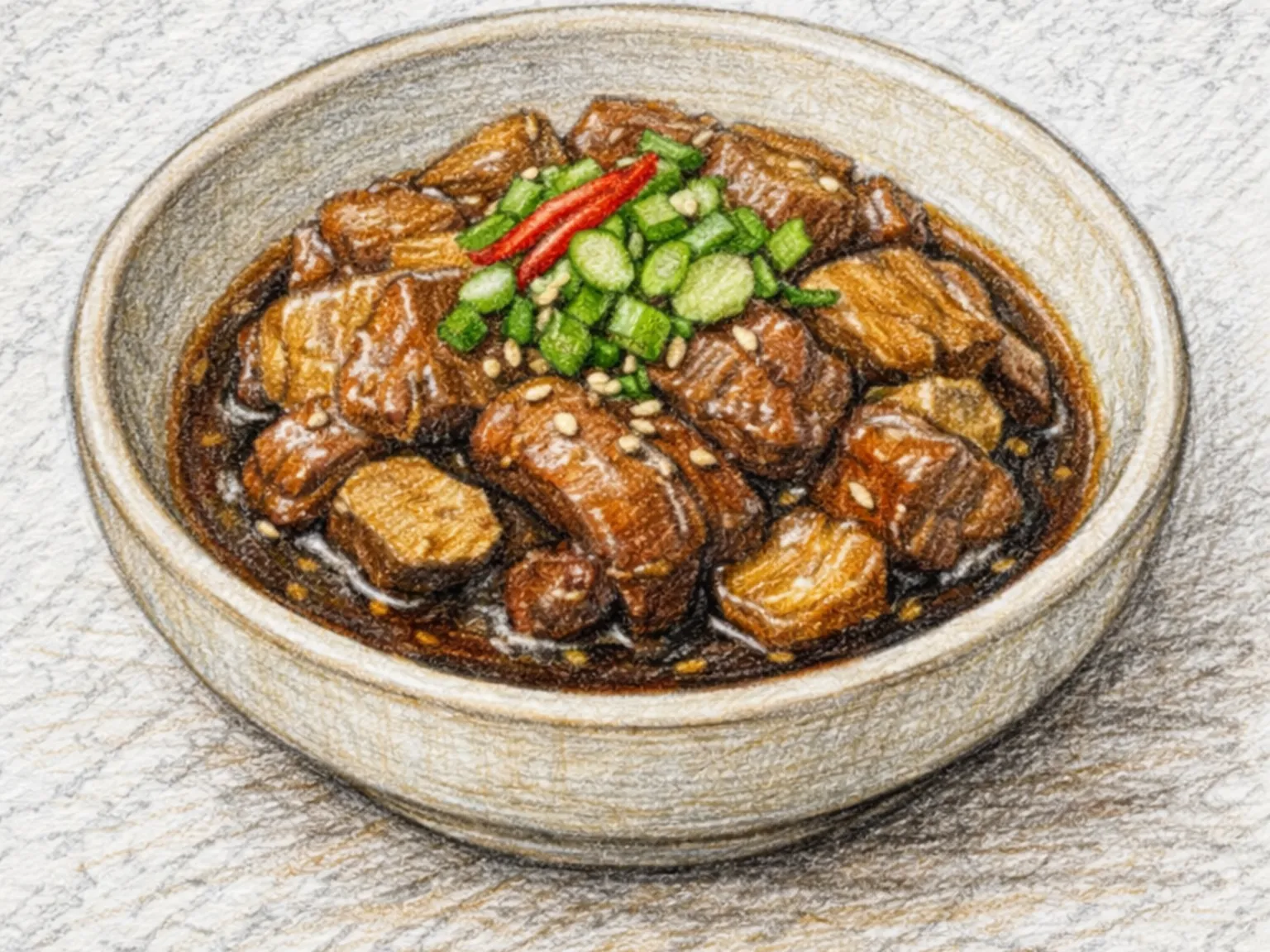
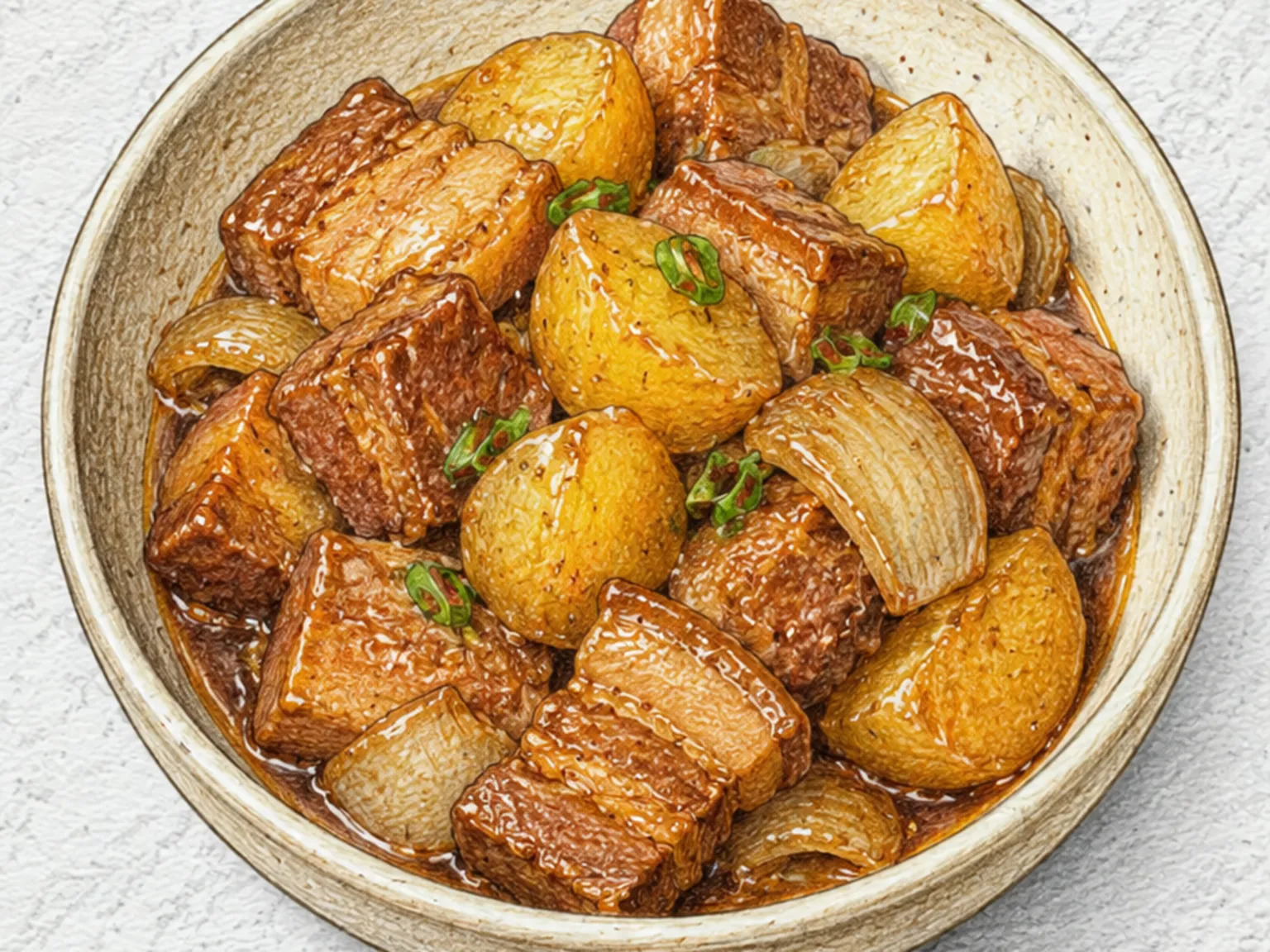
Samgyeopsal ganjang jorim is a Korean soy-braised pork belly dish where blanched pork belly is simmered with radish and onion in a soy sauce base for over forty-five minutes. Blanching first removes impurities and excess fat, leaving a clean-tasting braise. The long simmer allows soy sauce to penetrate the layered pork, building a deep flavor that is savory without being greasy. Radish chunks absorb the pork-enriched liquid and develop a richness of their own, while oligosaccharide syrup lends a natural sheen. Cooling and reheating concentrates the seasoning further, making this a strong choice for gatherings or holiday meals.

🏠 Everyday🎉 Special Occasion
Prep 20minCook 55min4 servings
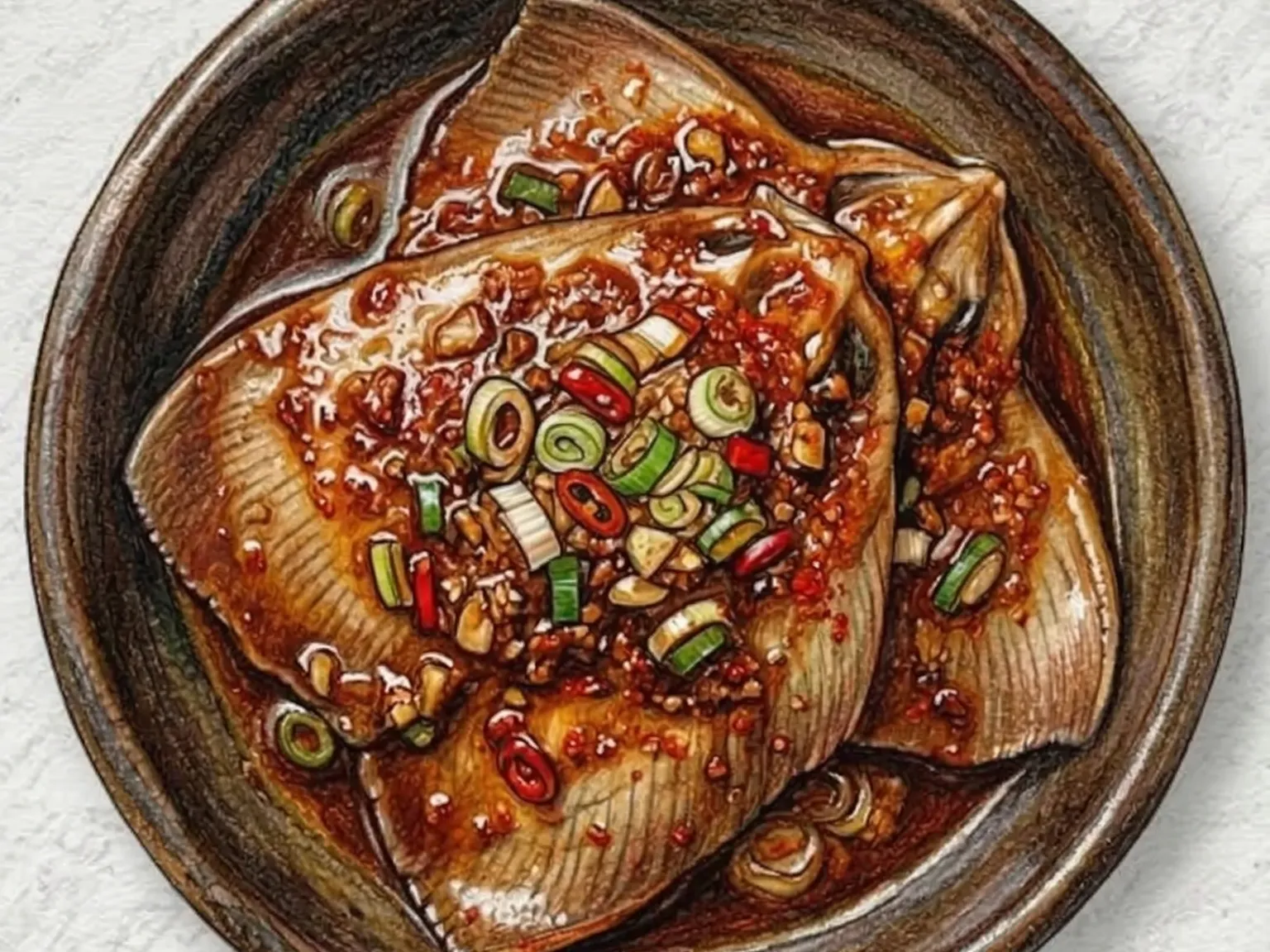
Korean Spicy Grilled Hagfish
GrilledHard

Korean Spicy Grilled Hagfish

Cleaned hagfish is marinated for fifteen minutes in a bold mixture of gochujang, chili flakes, soy sauce, sugar, ginger juice, and cooking wine, then grilled fast on a thoroughly preheated pan or wire rack. The high heat preserves the hagfish's distinctively chewy, elastic bite, though the sugar-heavy sauce demands frequent flipping to prevent burning. Green onion is stirred in at the end, and a final drizzle of sesame oil spreads a toasted fragrance through the fiery dish.

🍺 Bar Snacks🎉 Special Occasion
Prep 25minCook 12min2 servings
Korean Braised Mackerel with Dried Radish Greens
SteamedMedium

Korean Braised Mackerel with Dried Radish Greens

Siraegi godeungeo jorim is a Korean braised mackerel dish in which the fish and pre-boiled dried radish greens are cooked down with radish and onion in a chili-soy seasoning. The richness of mackerel fat and the earthy, fibrous character of dried radish greens share the same braising liquid, each amplifying what the other brings to the pot. The radish greens must be boiled thoroughly before braising to soften their tough fibers and leach out any residual bitterness, which is then washed away with a cold rinse. Mackerel seasoned lightly with cooking wine is placed over the greens and vegetables, and the pot braises over medium-low heat for more than twenty minutes so the seasoning penetrates the flesh all the way through. Spooning the braising liquid over the fish two or three times during cooking ensures an even coating on the upper surface. Radish becomes sweeter and more concentrated as it reduces, neutralizing any fishiness from the mackerel. The finished dish, spooned generously over steamed rice with its spicy braising sauce, delivers a layered depth of flavor that is unmistakably Korean.

🎉 Special Occasion🍱 Lunchbox
Prep 20minCook 35min4 servings
Korean Gochujang Grilled Anchovies
GrilledEasy

Korean Gochujang Grilled Anchovies

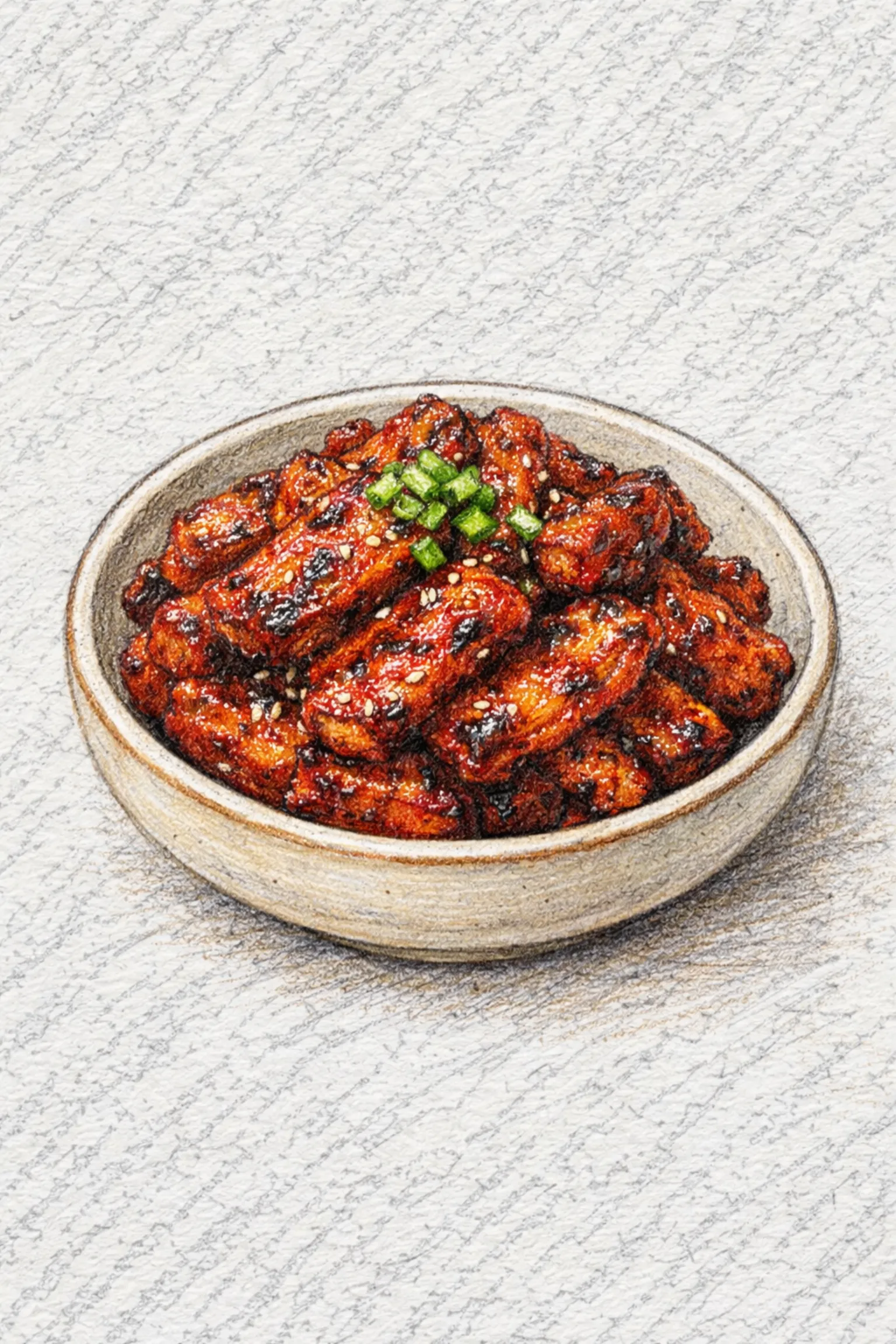
Myeolchi-gochujang-gui is a Korean gochujang-glazed anchovy side dish where medium-sized dried anchovies are first dry-toasted in a pan for one minute to reduce fishiness and drive off moisture, then tossed in a sauce of gochujang, soy sauce, oligosaccharide syrup, cooking wine, and minced garlic. The sauce is simmered briefly over low heat before the anchovies go in, cooking off the alcohol in the wine and thickening the glaze so it clings to each fish. Once the anchovies are added, the tossing should finish within two minutes-longer cooking hardens them rather than keeping them pleasantly chewy. Sesame oil and toasted sesame seeds folded in at the end round out the sweet-spicy-salty profile with a nutty finish.

🍺 Bar Snacks🍱 Lunchbox
Prep 12minCook 8min2 servings
Korean Braised Beef and Radish
SteamedMedium

Korean Braised Beef and Radish

Sogogi mu jorim is a Korean braised beef and radish dish where brisket and thick-cut Korean radish are slowly simmered in soy sauce with garlic, ginger, and a touch of sugar. Boiling the beef first and skimming the foam produces a clean broth base for braising. The radish goes in later so it cooks until semi-translucent, absorbing the beef-enriched liquid and developing a natural sweetness that balances the soy. Green onion added at the end contributes a fresh note. Cutting the radish thick is important so it holds its shape through the braise, and resting the dish overnight before reheating deepens the flavor noticeably.

🏠 Everyday🎉 Special Occasion
Prep 20minCook 45min4 servings
Korean Soy-Garlic Grilled Chicken Legs
GrilledMedium

Korean Soy-Garlic Grilled Chicken Legs

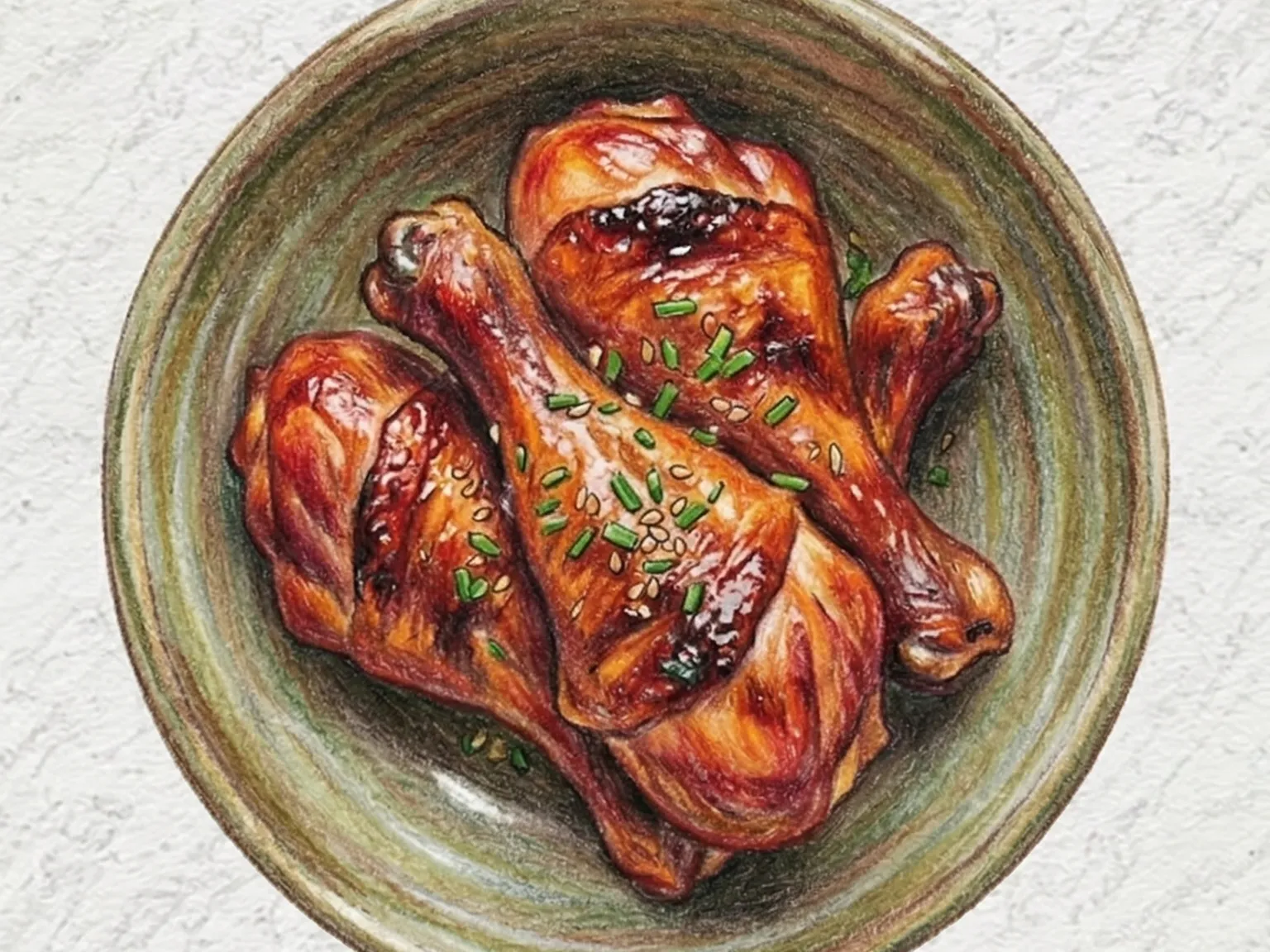
Chicken leg meat is scored at the thickest points for even cooking, then marinated in soy sauce, oligosaccharide syrup, minced garlic, cooking wine, sesame oil, and black pepper. Starting skin-side down in a covered pan for ten minutes, then flipping for another eight to ten minutes, the skin renders its fat and crisps up while the interior cooks through. A final brush of the remaining marinade reduces into a dark, glossy glaze that carries concentrated garlic and soy flavor. Finished with a sprinkle of sesame seeds, this dish yields four generous servings as a main course alongside rice.

🍺 Bar Snacks
Prep 20minCook 30min4 servings
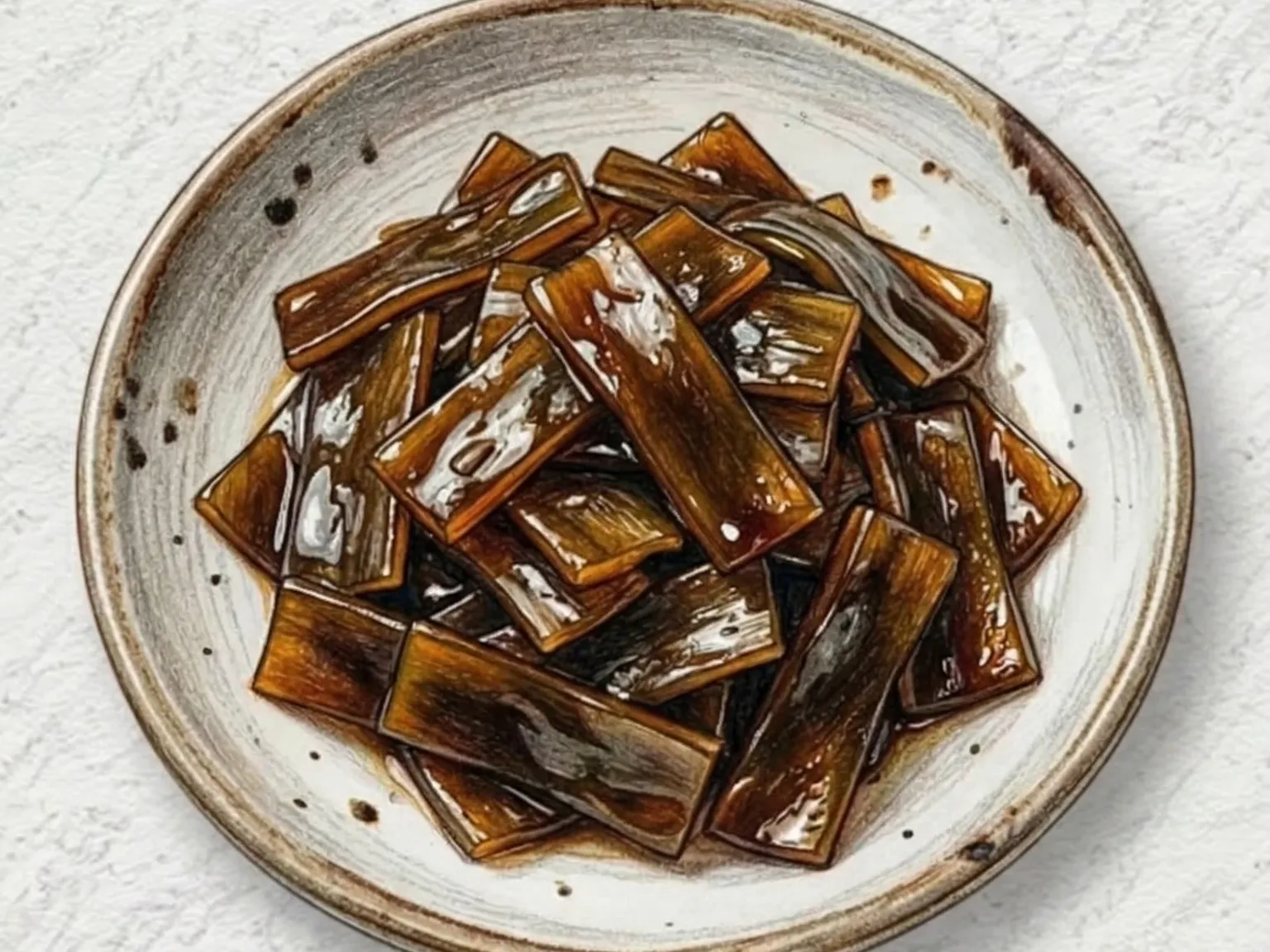
Korean Braised Burdock and Konjac
SteamedEasy

Korean Braised Burdock and Konjac

Ueong gonyak jorim is a low-calorie Korean braised side dish of diagonally sliced burdock root and bite-size konjac in soy sauce with oligosaccharide syrup. The burdock is soaked in vinegar water to remove astringency, and the konjac is blanched then dry-toasted briefly to minimize its neutral odor. Adding the syrup once the liquid has reduced by half creates a gentle gloss and softens the salt. Sesame oil and sesame seeds finish the dish with a toasted note. Despite using just a handful of inexpensive ingredients, the contrasting textures of crunchy burdock and bouncy konjac make this banchan more interesting than the short ingredient list suggests.

🥗 Light & Healthy🏠 Everyday
Prep 15minCook 25min2 servings
Korean Grilled Beef Plate Rib
GrilledMedium

Korean Grilled Beef Plate Rib

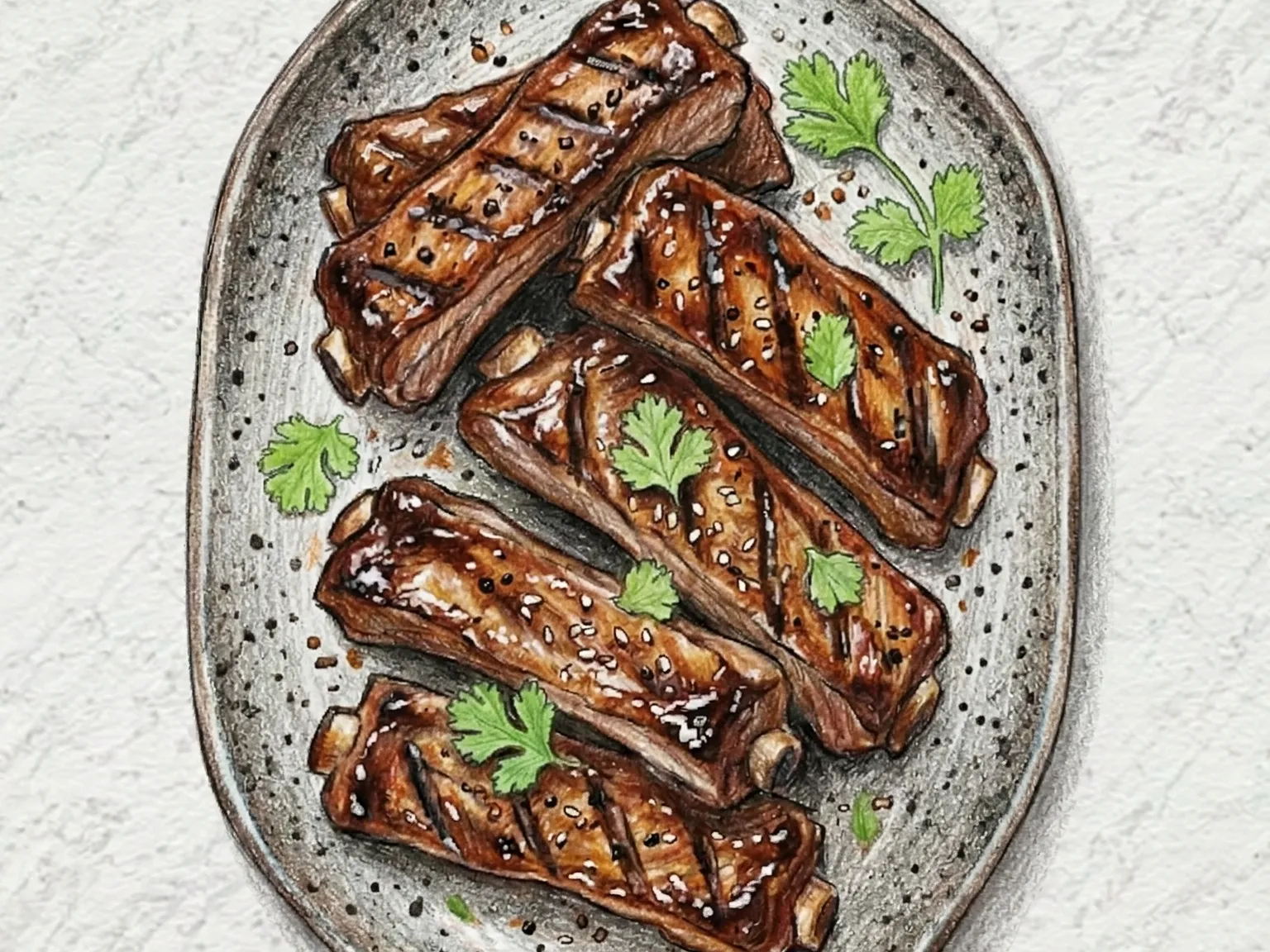
Beef plate rib - a thick, fatty slab attached to the rib bone - delivers a more intense beef flavor than standard short ribs when grilled. After soaking in cold water to draw out blood, the scored meat marinates for at least thirty minutes in soy sauce, Korean pear juice, cooking wine, minced garlic, sesame oil, black pepper, and green onion. The marinade seeps into the score marks, seasoning the meat to its core. Grilled four to five minutes per side on medium-high heat and glazed with remaining marinade, the surface darkens to a lacquered finish. The meat near the bone has a pronounced chew, while fat-laced sections melt on the tongue with lingering umami.

🍺 Bar Snacks🎉 Special Occasion
Prep 25minCook 20min2 servings
Korean Soy Braised Salmon
SteamedEasy

Korean Soy Braised Salmon

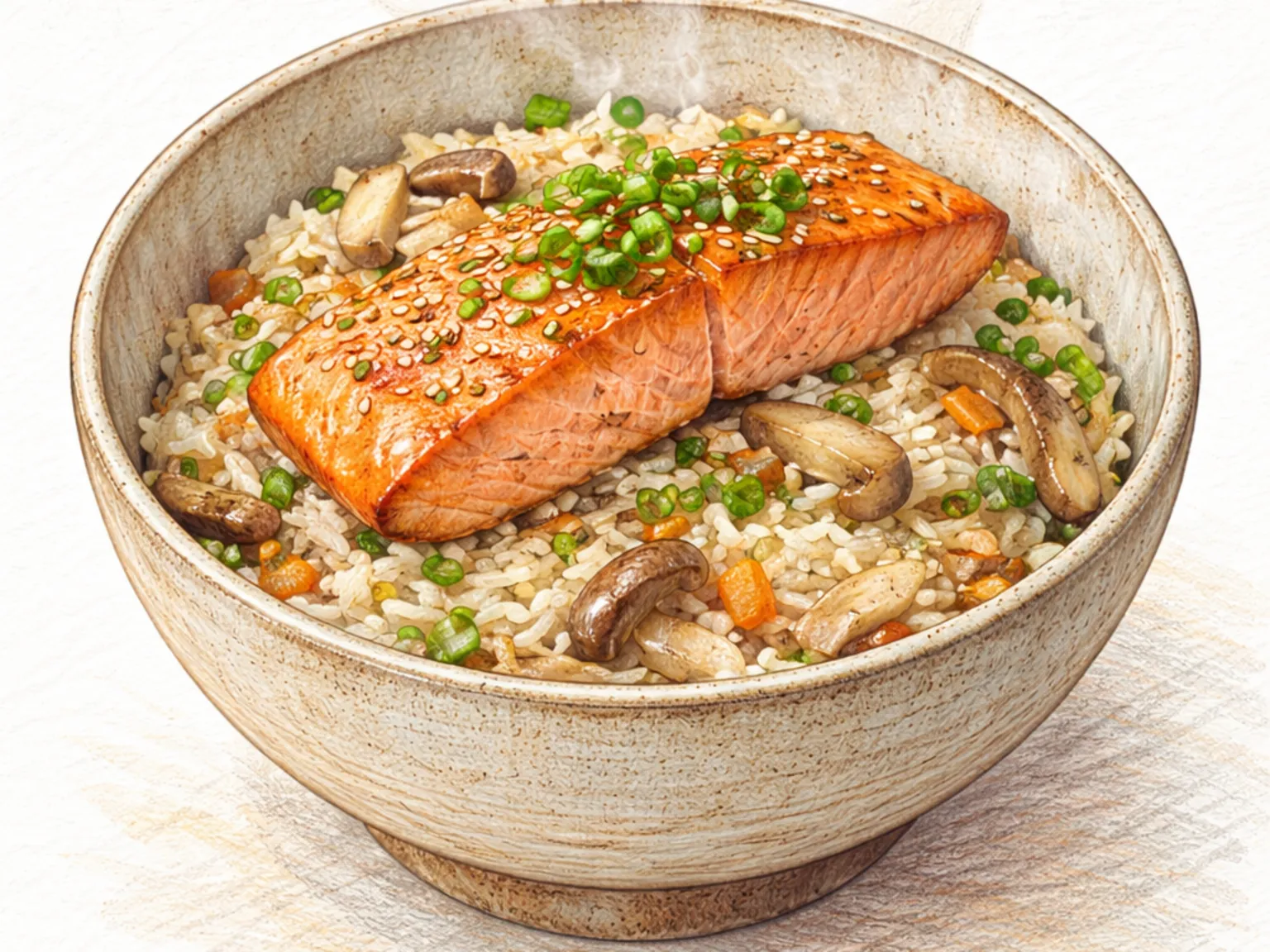
Yeon-eo ganjang jorim is Korean soy-braised salmon where fillets are seared first to firm the surface, then glazed in a sauce of soy sauce, cooking wine, and oligosaccharide syrup. Green onion and onion cook in the sauce, adding sweetness and neutralizing any fishiness. The syrup gives the glaze a smooth sheen that clings to each piece of salmon as the liquid reduces. With total cooking time under twenty minutes, this is a practical weeknight fish dish that delivers a polished, glossy presentation with minimal effort.

🍱 Lunchbox
Prep 12minCook 18min2 servings
Korean Ureok Doenjang Gui (Doenjang Grilled Rockfish)
GrilledMedium

Korean Ureok Doenjang Gui (Doenjang Grilled Rockfish)

Rockfish fillets are patted dry, pin-boned, and brushed thinly with a paste of doenjang, gochujang, minced garlic, cooking wine, honey, and sesame oil before resting in the refrigerator for fifteen minutes. Cooking begins skin-side down for four minutes, then the fillet is flipped for three minutes, and a second thin coat of paste is applied for two final minutes. The key is thin, repeated applications - a thick layer burns before the fish is done. Rockfish's mild white flesh absorbs the complex, fermented savoriness of the doenjang-gochujang blend, producing a depth of flavor that plain grilled fish cannot match.

🍺 Bar Snacks🏠 Everyday
Prep 20minCook 18min2 servings
Korean Yeongeun Ganjang Jorim (Soy-Braised Lotus Root)
SteamedEasy

Korean Yeongeun Ganjang Jorim (Soy-Braised Lotus Root)

Yeongeun ganjang jorim is a Korean soy-braised lotus root side dish simmered in soy sauce, oligosaccharide syrup, vinegar, and cooking wine. The starchy surface of the lotus root develops a glossy glaze from the reduced sauce while the interior stays distinctly crunchy. Vinegar brightens the soy's salinity, and the syrup contributes a gentle sweetness and visible sheen. This banchan improves overnight in the refrigerator as the seasoning continues to penetrate, making it one of the most practical make-ahead side dishes in Korean home cooking.

🏠 Everyday🎉 Special Occasion
Prep 15minCook 25min4 servings
Korean Marinated Beef Short Ribs
GrilledHard

Korean Marinated Beef Short Ribs

One kilogram of beef short ribs is soaked in cold water for thirty minutes, then marinated for at least an hour in grated Korean pear, onion juice, soy sauce, sugar, honey, minced garlic, sesame oil, cooking wine, and black pepper. The enzymes in pear and onion tenderize the meat, while soy sauce and honey caramelize on the grill into a dark, lacquered glaze. The ribs are seared on a preheated grill, then cooked at medium heat for three to four minutes per side with a final thin brush of marinade. This is a centerpiece dish for Korean holidays and dinner parties, with portions generous enough for a family of four.

🎉 Special Occasion
Prep 40minCook 20min4 servings
Korean Steamed Spanish Mackerel
SteamedMedium

Korean Steamed Spanish Mackerel

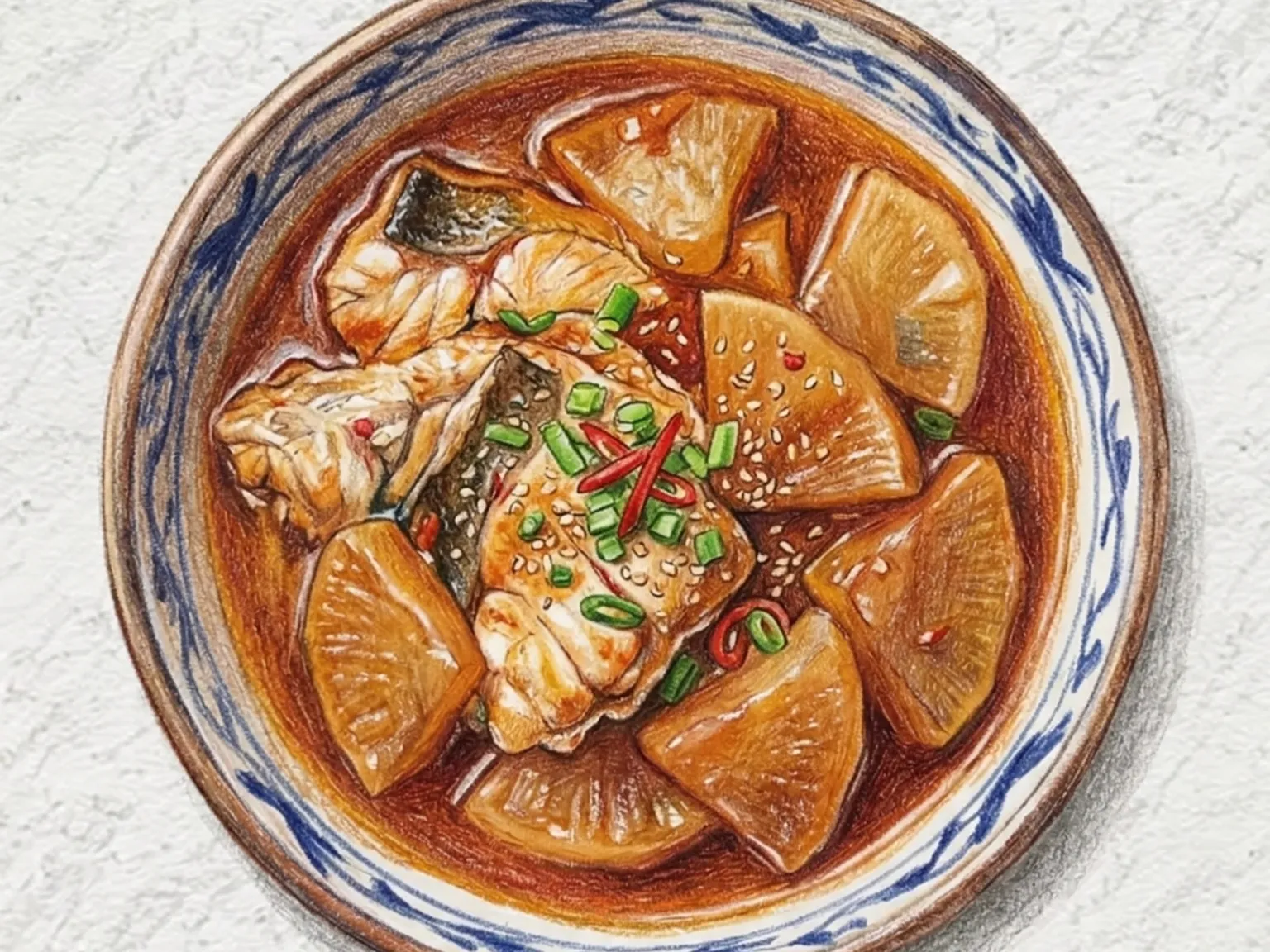
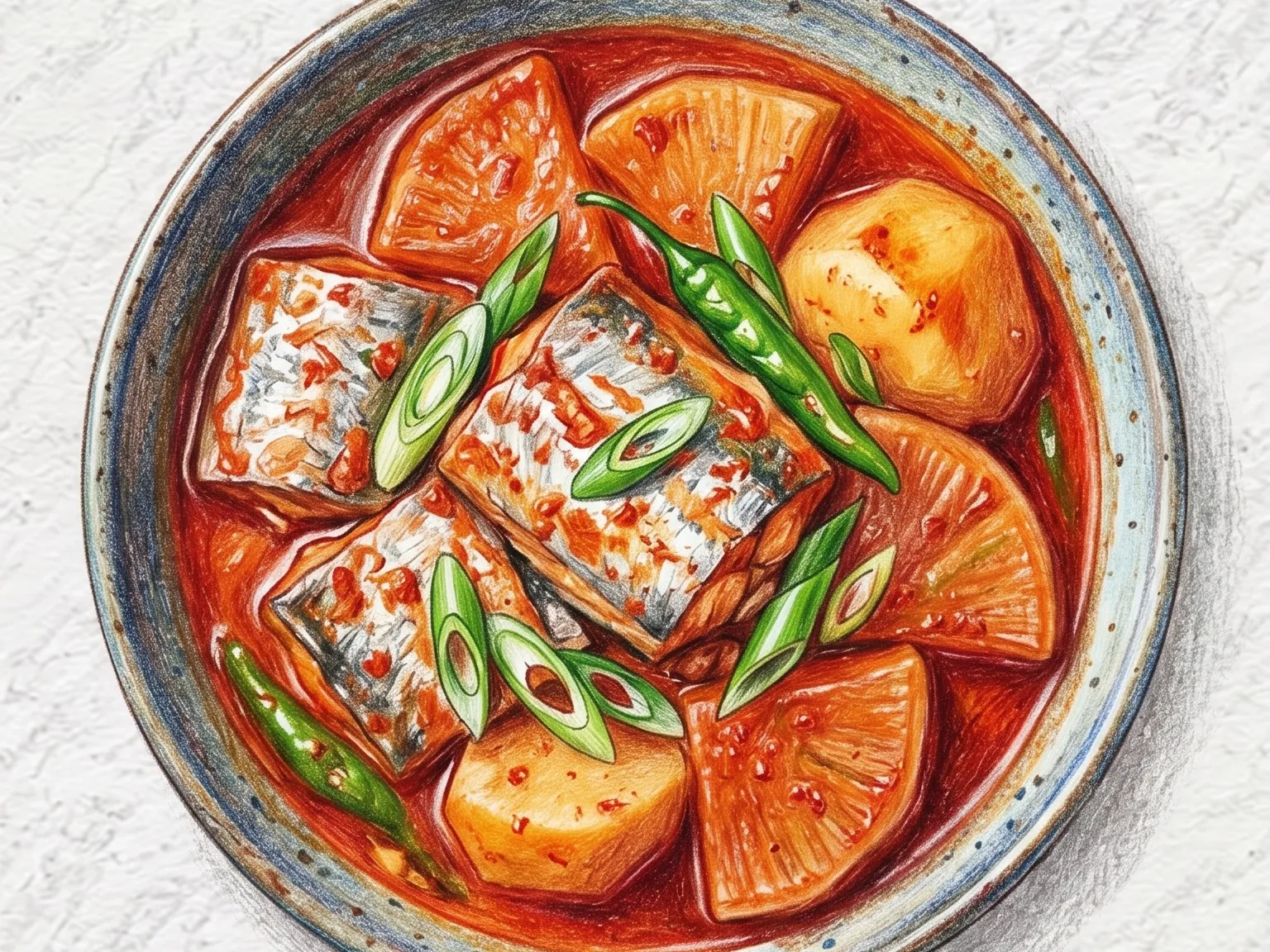
Samchi jjim is a Korean steamed-braised Spanish mackerel dish cooked over radish slices with soy sauce, garlic, and cooking wine. The radish cushions the fish from direct heat while releasing a clean sweetness into the braising liquid, and soy sauce seasons the delicate flesh evenly. Because the mackerel is soft and flaky, it is never flipped; instead the sauce is spooned over it repeatedly. Green onion and fresh chili are added at the end for a pop of color and gentle heat. Paired with rice and a ladle of the reduced sauce, it highlights the clean flavor of the fish alongside soy-based umami.

🍱 Lunchbox
Prep 15minCook 22min2 servings
Korean Thistle and Mackerel Pot Rice
RiceMedium

Korean Thistle and Mackerel Pot Rice

Gondre mackerel sotbap begins by stir-frying thinly sliced radish in sesame oil to build a savory base, then soaked rice and squeezed gondre thistle greens are added before a mackerel fillet marinated in cooking wine and ginger juice is placed skin-side up on top. The pot is covered and cooked over low heat for fourteen minutes, followed by five minutes of resting off the heat. During that resting period, the earthy, slightly smoky aroma of gondre and the concentrated umami of the mackerel seep into each grain of rice without further stirring. Keeping the fish skin-side up protects the flesh from breaking apart during cooking and prevents the pot from becoming cloudy with loose pieces. The radish layer at the bottom absorbs moisture and guards against sticking while contributing its own mild sweetness to the rice underneath. Before eating, a drizzle of soy sauce is poured over the opened pot and the contents are tossed together lightly, bringing the mountain-foraged greens and the sea fish into a unified, quietly complex bowl. The scorched rice crust that forms on the bottom of the pot is steeped in hot water to make nurungji tea.

🏠 Everyday
Prep 18minCook 28min2 servings
Korean Soy Braised Konjac
Side dishesEasy

Korean Soy Braised Konjac

Gonnyak-jorim is a braised konjac banchan seasoned with soy sauce, rice syrup, gochugaru, and garlic, valued mainly for its satisfying chew and near-zero calorie count. Konjac carries a faint lime-water odor from its processing, and blanching it in boiling water for two minutes removes that smell before any seasoning is applied. Draining thoroughly and then dry-toasting the pieces in a pan without oil evaporates residual moisture from the surface, creating a drier exterior that the sauce can actually grip. Scoring the konjac in a crosshatch pattern before cooking solves its fundamental flavor problem: the dense, non-porous texture resists absorption, but the scored grooves pool the sauce and hold it in place so the coating sticks. Rice syrup in the sauce builds a glossy, slightly sticky finish as the liquid reduces. The finished pieces are sweet, salty, and faintly spicy with a firm, springy bite that makes them one of the more filling low-calorie side dishes in Korean cuisine.

🥗 Light & Healthy🏠 Everyday
Prep 10minCook 20min4 servings