Monte Cristo Sandwich
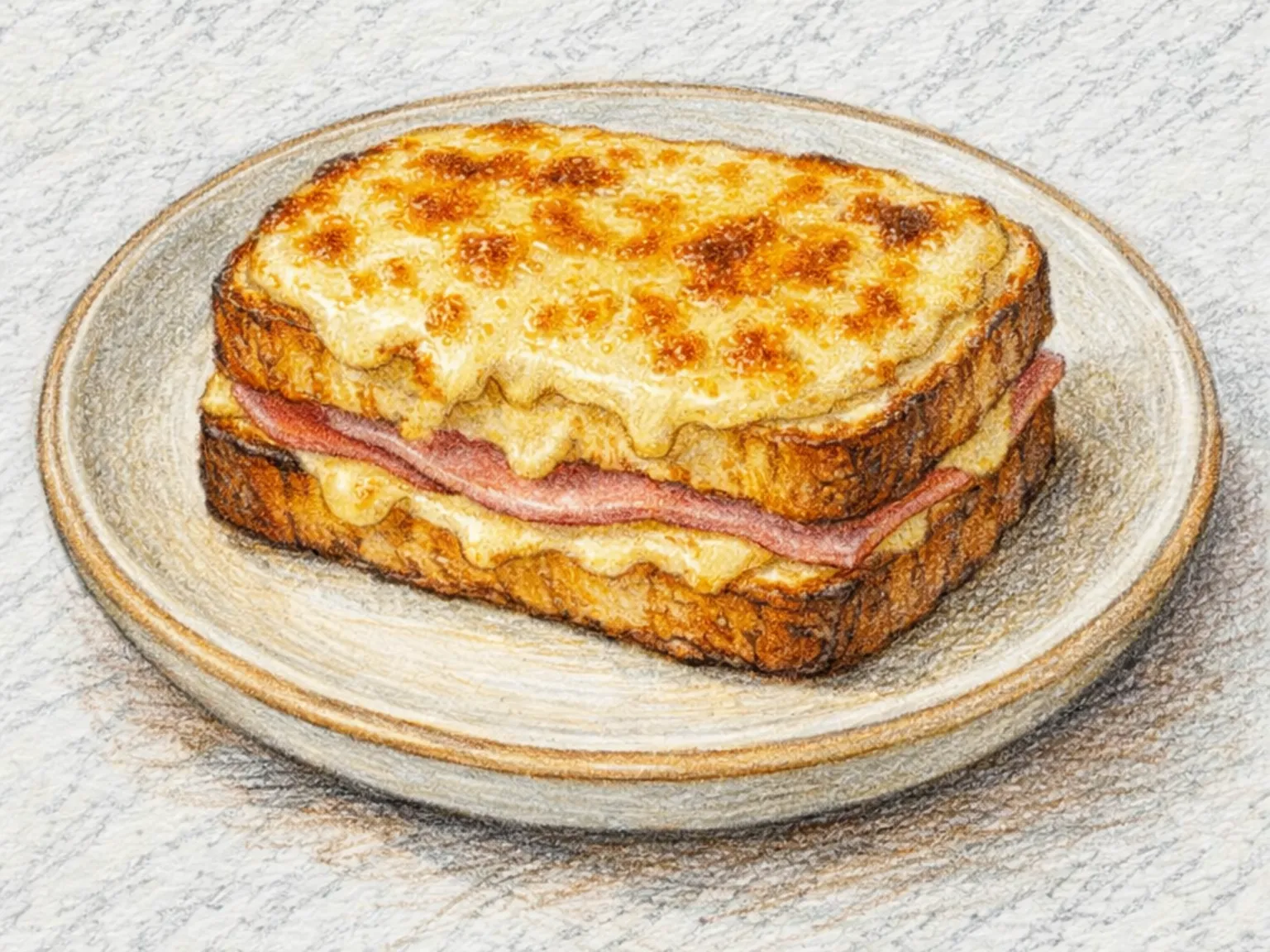
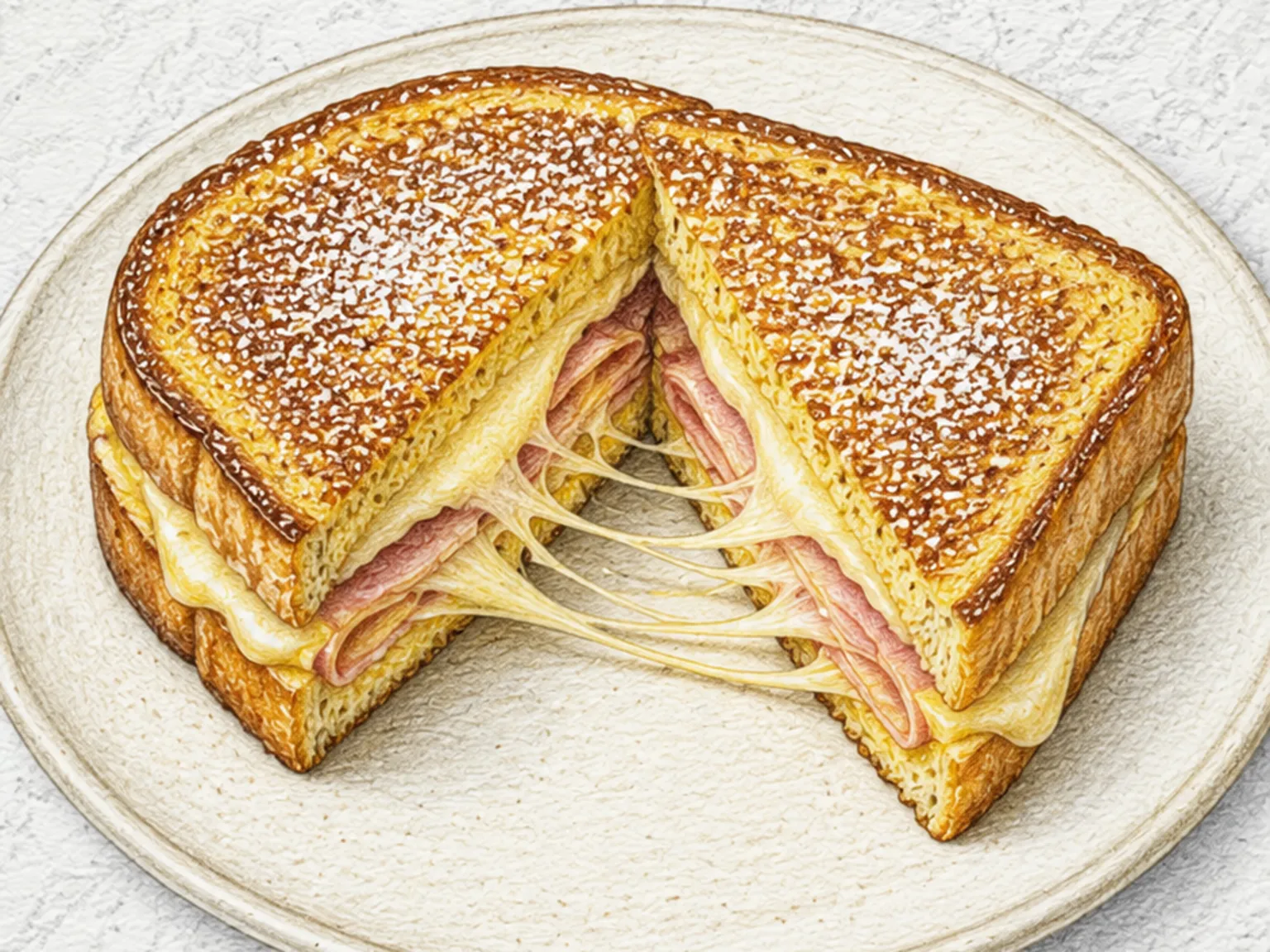
A Monte Cristo sandwich consists of multiple layers of ham and Swiss cheese placed between slices of bread that have been spread with a layer of Dijon mustard. After the sandwich has been assembled, it is dipped for a short period of time into a batter made from a combination of beaten eggs and milk. The sandwich is then transferred to a pan and fried in butter until the exterior develops a golden color on both sides. This preparation method blends the traditional elements of French toast with those of a standard ham and cheese sandwich by surrounding savory interior fillings with a rich and egg based coating. It is necessary to keep the dipping stage brief because allowing the bread to soak for an extended duration will cause it to become overly saturated, which typically leads to the bread tearing when the sandwich is flipped. Cooking the sandwich over medium low heat ensures that the outside has sufficient time to reach a golden and crisp state while the cheese inside the layers melts in a consistent manner. Dividing the sandwich into two halves while it is still warm serves to display the stretchy consistency of the melted cheese and creates a visual presentation for the finished meal. The addition of mustard introduces a sharp taste that functions to balance the rich characteristics of the eggs and dairy ingredients.
Adjust Servings
Instructions
- 1
Spread mustard on bread, add ham and cheese, and close sandwiches.
- 2
Whisk eggs and milk to make an egg batter.
- 3
Dip each sandwich briefly on both sides in the batter.
- 4
Melt butter in a pan and cook sandwiches on medium-low until golden.
- 5
Once cheese melts, slice in half and serve warm.
As an Amazon Associate, we may earn from qualifying purchases.
Tips
Nutrition (per serving)
Goes Well With

Kimchi Bacon Mac and Cheese
Kimchi bacon mac and cheese layers aged kimchi's lactic tang and smoky bacon into a classic American cheddar cheese sauce over elbow macaroni. A butter-flour roux forms the base, with milk whisked in to build a béchamel before cheddar is melted into a thick, clinging sauce. Crisp bacon pieces add salt and crunch throughout, while chopped ripe kimchi introduces fermented acidity that counteracts the richness of the cheese. A pinch of gochugaru runs underneath with mild, warming heat. The tubular macaroni shape traps sauce inside and out, ensuring each forkful carries the full spectrum of creamy, tangy, and smoky flavors.

Fruit Yogurt Salad
Apple, banana, strawberry, and blueberry are cut into bite-sized pieces and folded into plain yogurt for a fruit salad where the dressing serves as background rather than centerpiece. The yogurt provides gentle acidity that anchors the sweetness of the fruit without overwhelming it. Honey softens the sharper edge of the yogurt, and a squeeze of lemon juice does double duty: it slows the browning of cut apple and banana while leaving a clean citrus note on the finish. Roughly chopped walnuts scattered over the top introduce a crunchy, slightly bitter contrast to the soft fruit and smooth yogurt, breaking the monotony of texture. Swapping in seasonal fruit makes the recipe adaptable year-round without adjusting the base formula - peaches and melon in summer, persimmon and pear in autumn all work within the same yogurt, honey, and lemon framework. Light enough for a morning meal and refreshing enough after a heavy dinner, it sits comfortably in either role.

Black Sesame Brownies
Black sesame brownies are built on a base of dark chocolate and butter melted together over a double boiler, with roasted black sesame powder sifted in before folding. The bitter edge of the chocolate meets the toasted, grain-like aroma of the sesame, adding a nutty depth that standard brownies lack. The cake flour ratio is kept low to produce a fudgy, dense center that stays slightly underdone-looking even after the full bake at 175 degrees Celsius for twenty to twenty-five minutes. Because black sesame powder is naturally oily and prone to clumping, it must be sifted together with the flour and salt before going into the batter - skipping this step leaves uneven pockets of undistributed sesame. Pull them from the oven with a faint wobble at the center, and the residual heat finishes the interior as the pan cools. Wait until fully cool before cutting for clean edges.

Citrus Espresso Tonic with Orange
Espresso tonic is a carbonated coffee drink built by slowly pouring espresso over chilled tonic water to form two distinct layers. The tonic must be thoroughly cold to maintain stable carbonation throughout; cooling the espresso for about thirty seconds before pouring it over a spoon produces a clean separation between the two liquids. The quinine bitterness in the tonic water meets the espresso's roast bitterness, creating a balanced interplay rather than one-note sharpness. Orange slices and lemon peel garnish the glass, releasing citrus oils that rise with the bubbles. Specialty espresso with pronounced fruit acidity works particularly well here, harmonizing with the tonic's effervescence and lending natural sweetness without added sugar. Pre-chilling the glass with ice before adding the tonic helps preserve carbonation. The drink gained popularity in Scandinavian coffee culture during the 2010s before spreading worldwide.
More Recipes

Philly Cheesesteak Sandwich
Philly Cheesesteak Sandwich originated in 1930s Philadelphia and remains one of America's defining street foods. Ribeye or top round is partially frozen for about thirty minutes so it can be sliced paper-thin, and these razor-thin slices are seared on a screaming-hot flat griddle where they caramelize almost instantly, developing char and retaining their juices. Onion and green bell pepper are cooked on the same griddle to absorb the beef's rendered fat and fond, and provolone cheese is draped over the pile of meat before a dome lid traps steam to melt it into a blanket that binds everything together. The hoagie roll provides the crucial structural balance - a lightly crisp exterior that gives way to a soft crumb capable of absorbing juices without becoming soggy or falling apart.

Cuban Sandwich
Cuban sandwich splits a baguette lengthwise and spreads Dijon mustard on both cut sides before layering roast pork, sliced ham, Swiss cheese, and thin pickle slices inside. Butter goes on the outer crust, and the assembled sandwich is pressed in a skillet or sandwich press over medium heat for four to five minutes per side. The sustained pressure flattens the bread into a crisp, golden shell while the Swiss cheese melts and binds the fillings into a cohesive unit. Pickles provide a tart acidity and mustard adds a sharp, pungent bite that cut through the salty richness of the two meats, keeping each mouthful balanced rather than heavy. A heavy cast-iron pan placed on top works as well as a dedicated press when equipment is limited. The traditional pork is lechon, a Cuban-style roast marinated in garlic, cumin, and sour orange juice, though tightly grained pork belly or chashu makes a serviceable substitute. This sandwich was developed by Cuban immigrants in Tampa and Miami, where it became a daily staple rather than an occasional indulgence. Deceptively simple in appearance, it is a study in balance: every ingredient serves a specific purpose and the whole is noticeably better than the sum of its parts.

Club Sandwich
A club sandwich is built across three slices of buttered, golden-toasted bread with sliced chicken breast, crisp bacon, fresh lettuce, and tomato arranged in two distinct layers. The salty crunch of bacon meets the lean, mild protein of chicken breast, and juicy tomato slices and crisp lettuce introduce freshness and textural contrast throughout. Mayonnaise spread on each bread layer functions as a binder that smooths each bite and brings the savory components into balance. Drying the lettuce completely before assembly is essential - any residual moisture will soften the toast within minutes. Securing all layers with cocktail picks and cutting diagonally produces clean cross-sections and keeps the layers from sliding during eating. The order of fillings and the degree of toasting both affect the final texture noticeably.

Tuna Melt
Tuna melt mixes drained canned tuna with finely diced celery and mayonnaise, spreads the mixture on sandwich bread, tops it with cheddar cheese, butters the outside, and grills in a pan until both sides are crisp and golden. Draining the tuna thoroughly is the first priority - excess moisture soaks into the bread and prevents it from crisping no matter how long it cooks. The celery adds a textural crunch that contrasts with the soft, creamy tuna filling. Using several thin slices of cheese rather than one thick piece ensures more even melting and full coverage across the bread. Medium-low heat is essential: it gives the cheese enough time to melt completely before the bread burns, which high heat makes nearly impossible. The sandwich is best served immediately after cutting in half, while the cheese is still stretchy and warm.

Whoopie Pie
Two dome-shaped cocoa cake cookies sandwich a generous swirl of marshmallow cream, creating an American classic that straddles the line between cookie and cake. The cookies are thicker and softer than standard drop cookies, with a moist, cakey crumb that yields gently when bitten. Cocoa provides a mild bitterness that grounds the filling, while the marshmallow cream is airy, sweet, and slightly sticky. Spacing the batter mounds well apart on the baking sheet is important, as they spread during baking into the flat, round shape that defines a whoopie pie. Filling must wait until the cookies are completely cool; warm cookies melt the cream and create a messy result. Matching pairs by size before assembly produces a uniform, professional look. Stored in the refrigerator, the cream firms and seeps into the cookies overnight, producing a denser, fudgier texture that many prefer to the freshly assembled version.

Red Velvet Cake
Red velvet cake is an American layer cake defined by its bright crimson interior and its covering of tangy cream cheese frosting. The frosting serves to balance the sweetness of the cake layers. The batter is prepared with a small amount of cocoa powder, which provides depth to the flavor without making the cake taste like a typical chocolate dessert. Buttermilk is included in the recipe to provide a mild lactic acidity that adds complexity to the overall taste. Instead of using butter as the primary fat source, vegetable oil is used to create a moist sponge that remains soft for several days after it has been baked. The fine, velvety texture of the crumb is produced by a specific chemical reaction between baking soda and white vinegar. This reaction generates small air bubbles throughout the batter during the baking process. The frosting is made by beating cold cream cheese with butter and powdered sugar until it reaches a consistency thick enough to stay in place between the layers without sliding. The visual appeal of the cake comes from the sharp contrast between the deep red crumb and the white frosting, which is revealed when the cake is sliced. This appearance has made the cake a common choice for various celebrations. If a more natural appearance is preferred, beet powder can be used as a substitute for food coloring to create a more subdued shade of red.