Korean Beef Fried Rice (Soy-Marinated Ground Beef Stir-fried Rice)
Rice Easy

Korean Beef Fried Rice (Soy-Marinated Ground Beef Stir-fried Rice)

Quick answer

Sogogi bokkeumbap stir-fries soy-marinated ground beef with diced vegetables and day-old rice over high heat for a deeply savory fried rice.

What makes this special

  • Soy-marinated ground beef renders its fat first, leaving a savory fond that coats every rice grain.
  • Ground beef stir-fried first 3 minutes to lay a flavor base in the pan
  • Sesame oil added last to finish with fresh toasty aroma
Total time
20 min
Level
Easy
Servings
2 servings
Ingredients
9
Calories
580 kcal
Protein
28 g

Key ingredients

Cooked riceGround beefOnionCarrotZucchini

Core cooking flow

  1. 1 Dice 80 g onion, 40 g carrot, and 60 g zucchini slightly larger than rice grains so they keep texture.
  2. 2 Heat a wide pan over high heat, then add 1 tbsp cooking oil.
  3. 3 Let the beef sit for about 1 minute before breaking it up.

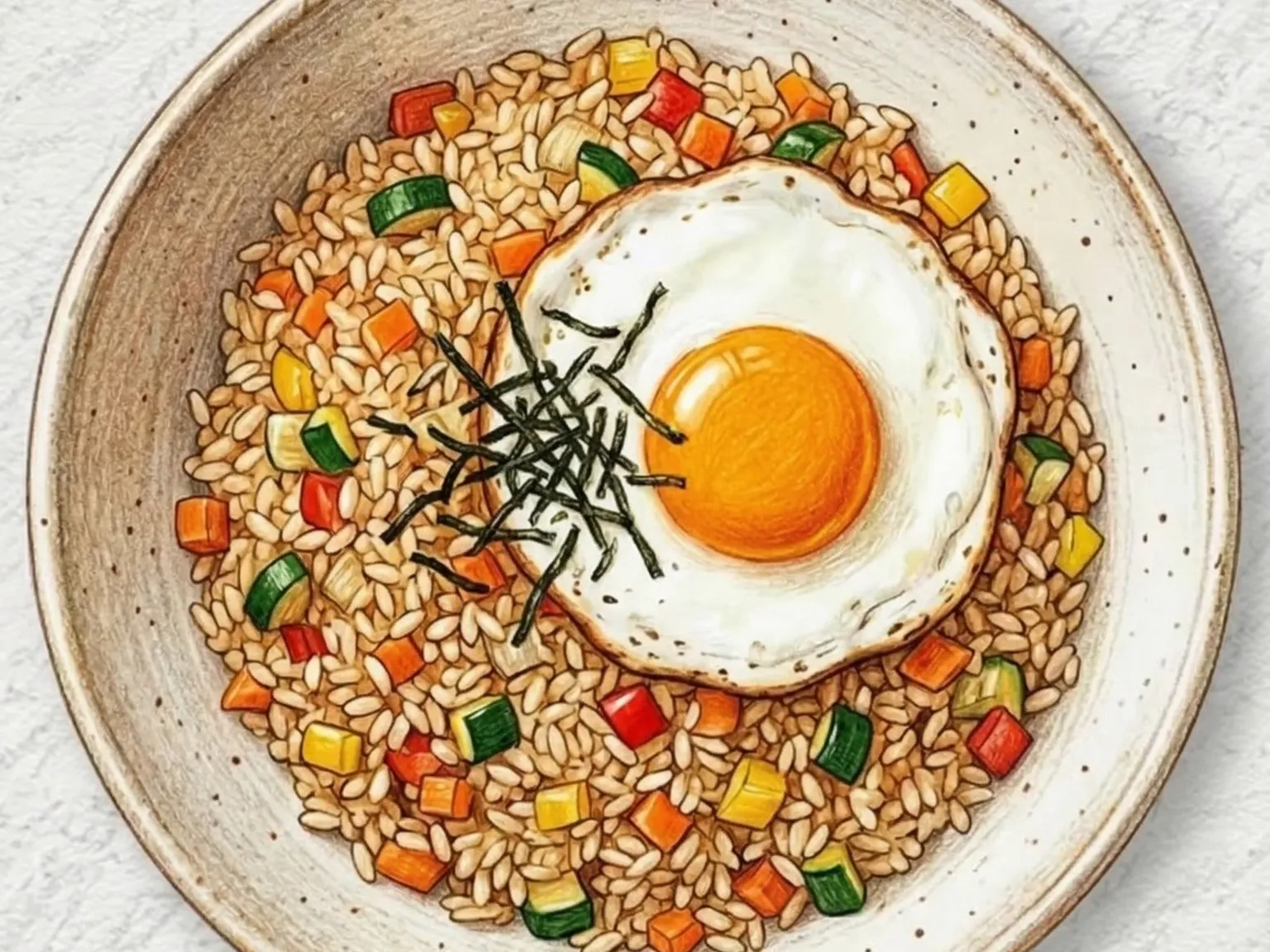
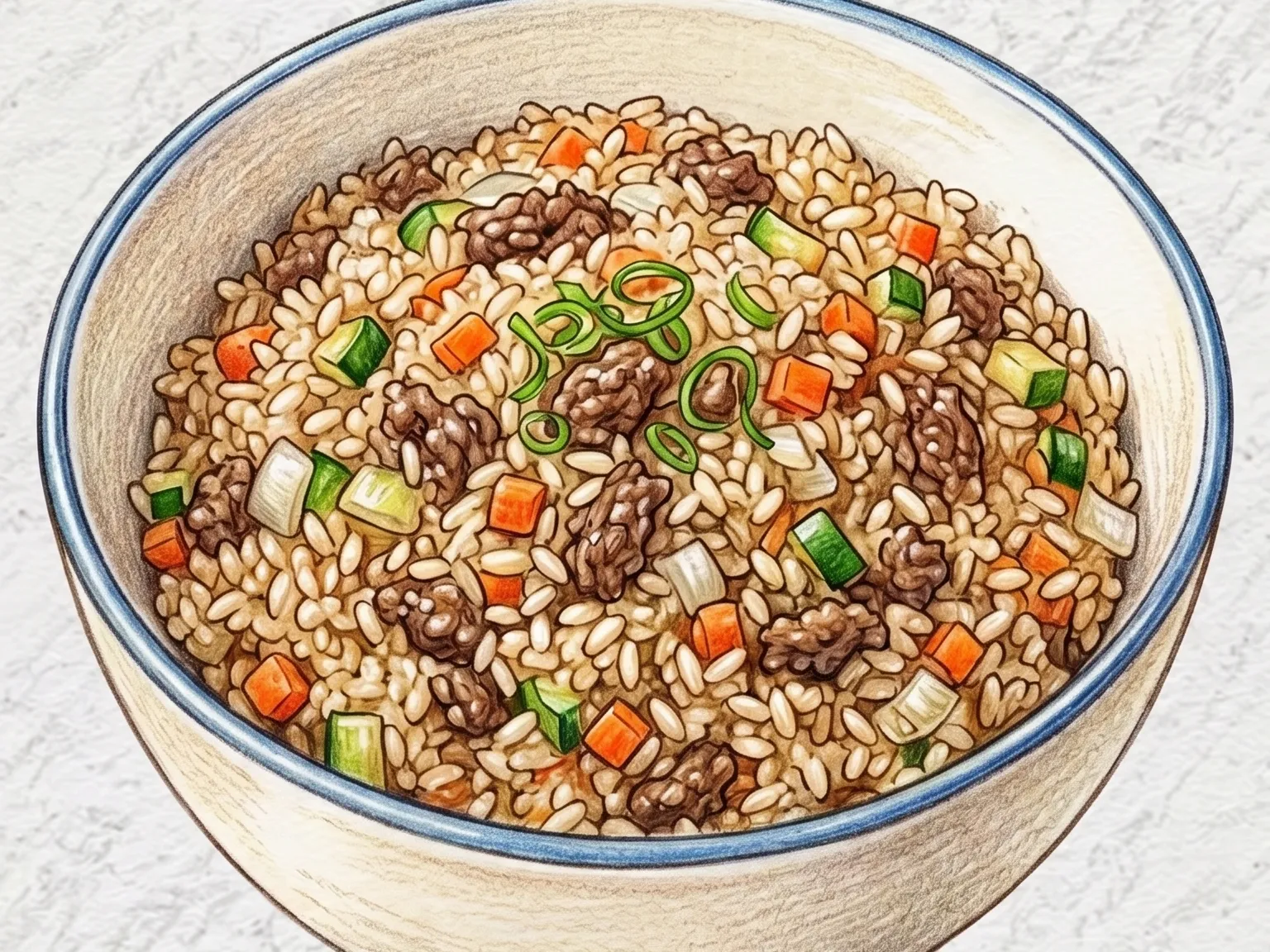
Sogogi bokkeumbap stir-fries soy-marinated ground beef with diced vegetables and day-old rice over high heat for a deeply savory fried rice. The beef goes in first, rendering its fat and leaving behind a flavorful fond that coats the pan. Onion, carrot, and zucchini follow, cooking just until their edges soften and their natural sugars begin to caramelize. Cold rice is added and tossed vigorously to break up clumps, picking up the soy seasoning and meat juices as it fries. A final drizzle of sesame oil right before plating adds a fragrant, nutty finish. The beef infuses the rice with a meaty depth while the vegetables keep the dish from feeling heavy, making it a quick, satisfying meal from everyday pantry ingredients.

Prep 10min Cook 10min 2 servings

Instructions

Read the steps as a cooking flow: prep, heat, seasoning, doneness control, and finish.

6 steps
  1. 1
    Heat

    Dice 80 g onion, 40 g carrot, and 60 g zucchini slightly larger than rice grains so they keep texture.

    Loosen 2 cups of cold cooked rice by hand or with a spoon before it reaches the pan.

  2. 2
    Control

    Heat a wide pan over high heat, then add 1 tbsp cooking oil.

    When the oil moves easily across the surface, spread 150 g ground beef in a thin layer so it sears instead of steaming.

  3. 3
    Heat

    Let the beef sit for about 1 minute before breaking it up.

    Stir-fry 2 minutes more, scraping lightly, until most redness disappears and browned bits begin to cling to the pan bottom.

  4. 4
    Heat

    Add 1 tsp minced garlic and stir for only 20 seconds to release aroma without burning it.

    Add onion, carrot, and zucchini, then cook about 2 minutes until the edges soften and turn slightly translucent.

  5. 5
    Control

    Add 2 cups rice and press with a spatula as you toss over high heat to break up clumps.

    Pour 2 tbsp soy sauce around the pan edge, let it sizzle, then mix for about 3 minutes.

  6. 6
    Finish

    When the rice grains look separate and no moisture remains in the pan, turn off the heat.

    Drizzle in 1 tsp sesame oil, toss quickly so the aroma stays fresh, and serve while hot.

After the steps

Pick a recipe that fits this dish.

Continue with shared ingredients, meal pairings, or a similar method.

Recipes That Go Well With This

More Rice →

Based on shared ingredients and meal pairing

Korean Curry Fried Rice (Golden Spiced Chicken Fried Rice)
Shared ingredient: cooked short-grain rice Rice

Korean Curry Fried Rice (Golden Spiced Chicken Fried Rice)

Curry bokkeumbap is a Korean fried rice where curry powder coats each grain with warm spice and gives the rice a vivid golden color. Chicken breast, onion, carrot, and bell pepper are stir-fried together before the rice goes in, distributing protein and vegetables evenly through every serving. The curry fragrance develops gradually with each bite - more present than plain fried rice but lighter than a curry sauce, landing at a satisfying middle point between the two. Bell pepper adds sweetness and a visual contrast of color against the golden rice. Topping with a fried egg raises the dish further: when the yolk breaks and mixes into the rice, a layer of creaminess runs through each bite. The recipe works well with day-old rice and requires few ingredients, making it a practical weeknight meal.

Korean Seafood Fried Rice
Shared ingredient: cooked short-grain rice Rice

Korean Seafood Fried Rice

Mixed seafood including shrimp, squid, and mussel meat is stir-fried together on high heat until a smoky wok char develops. Day-old cold rice works best because its lower moisture content lets the grains separate cleanly in the pan, and seasoning with soy sauce and oyster sauce layers additional depth on top of the seafood's own brininess. Cracking the eggs into the pan first and immediately tossing the rice on top coats each grain in a thin shell of egg, yielding a lightly crisp exterior. Sesame oil is drizzled only after the heat is off so its fragrance stays intact.

Korean Kimchi Mandu Jjigae (Kimchi Dumpling Stew)
Serve together Stews

Korean Kimchi Mandu Jjigae (Kimchi Dumpling Stew)

Kimchi mandu jjigae drops whole frozen kimchi dumplings straight into a simmering pot of aged kimchi, tofu, and anchovy stock. The dumpling wrappers absorb the broth as they cook, swelling plump and moist, while the kimchi filling inside echoes the stew's tangy base and doubles the fermented depth. Gochugaru and soup soy sauce add a clean chili heat, and firm tofu cubes absorb the spiced broth for a softer textural contrast. Because the dumplings themselves carry seasoning, it is better to start with less sauce and adjust after tasting the broth. This is a filling, no-fuss meal that needs nothing more than a bowl of steamed rice alongside it.

Korean Tomato Egg Fried Rice
Similar recipe Rice

Korean Tomato Egg Fried Rice

Eggs are scrambled first and set aside, then tomatoes are stir-fried in the same pan until their juices burst and coat the wok. Day-old or freshly cooked rice goes in next, tossed at high heat so the grains absorb the tomato's sweet-tart moisture while staying individually distinct. The scrambled egg is folded back in at the end, distributing soft, fluffy curds throughout the fried rice. Rooted in the Chinese classic of tomato and egg, this version turns those familiar flavors into a satisfying one-bowl fried rice.

Serve with this

Korean Seasoned Coastal Hogfennel Greens
Side dishes Easy

Korean Seasoned Coastal Hogfennel Greens

Bangpung namul muchim is a spring side dish made from coastal hogfennel, a wild herb that grows on seaside cliffs and sandy shores along Korea's coastline. The plant has a pungent, celery-like aroma that defines the dish. Blanching in salted boiling water for exactly one minute tames the raw bitterness while preserving the herbal fragrance - overcooking diminishes both the aroma and the texture. After squeezing out moisture thoroughly, the greens are seasoned simply with doenjang, minced garlic, and sesame oil. Keeping the seasoning minimal is intentional: the dressing supports the herb's character without masking it. The fermented depth of doenjang meets the slightly bitter, woodsy flavor of the greens in a combination that tastes distinctly of early spring. Harvested in coastal regions of Gangwon-do, Gyeonggi coast, and Jeju from March through May, bangpung is a seasonal ingredient with a short window and a reputation as a spring tonic in Korean traditional food culture.

🏠 Everyday 🍱 Lunchbox
Prep 12min Cook 3min 4 servings
Korean Bok Choy Kimchi (Gochugaru Fermented Quick)
Kimchi Medium

Korean Bok Choy Kimchi (Gochugaru Fermented Quick)

Cheonggyeongchae kimchi is a bok choy kimchi prepared by halving the heads lengthwise, salting them for twenty minutes, and coating each leaf layer with a paste of gochugaru, salted shrimp, anchovy fish sauce, and sweet rice paste. Keeping the salting time short preserves the crisp snap of the stems, while the leaves soften just enough to hold the seasoning. Julienned scallions and carrot add color and textural variety, and adjusting the fish sauce quantity based on the salted shrimp salinity keeps the overall salt level balanced. After four hours of room-temperature fermentation followed by refrigeration, this kimchi is ready within a day and offers a lighter, crunchier character than traditional napa cabbage kimchi.

🍱 Lunchbox ⚡ Quick
Prep 35min 4 servings
Manduguk (Korean Dumpling Clear Broth Soup)
Soups Easy

Manduguk (Korean Dumpling Clear Broth Soup)

Manduguk is a Korean dumpling soup in which hand-folded dumplings stuffed with ground pork, tofu, scallion, and garlic are dropped into a clear, simmering broth, typically anchovy-kelp stock or beef broth, and cooked until they float. As the dumplings cook, their thin wheat-flour wrappers release a subtle starch that gives the broth a barely perceptible body, while the filling leaks savory juices that enrich the liquid gradually. A thin drizzle of beaten egg stirred in near the finish creates silken wisps on the surface of the broth and gives the bowl a more finished appearance. Shredded egg strips and crumbled dried seaweed scattered on top add a pleasant contrast in color and a faint oceanic note to the flavor. Many Korean households serve manduguk on Lunar New Year as an alternative to tteokguk, and some combine the two by adding sliced rice cakes alongside the dumplings. Dumplings can be made in large batches and frozen raw, which means this soup can be pulled together quickly on weeknights without sacrificing any of the flavor that comes from homemade filling. A small dish of soy-vinegar dipping sauce served alongside lets each person adjust the seasoning at the table, and the light acidity of the sauce cuts through the mild broth in a way that makes the contrast between the two worth trying.

🏠 Everyday 🎉 Special Occasion
Prep 10min Cook 15min 4 servings

Similar recipes

Korean Beef Brisket Rice Bowl
Rice Easy

Korean Beef Brisket Rice Bowl

Chadol deopbap is a Korean rice bowl built on paper-thin beef brisket slices seared in a hot dry pan until the edges turn crisp and caramelized, then finished with a soy-based glaze and placed over steamed rice. The marbling in the brisket renders quickly under high heat, coating the pan in fat that then carries the flavors of soy sauce, sugar, garlic, and sesame oil into a concentrated glaze. A soft-cooked or raw egg yolk placed on top is a standard addition; stirring it in spreads a golden richness across the rice that thickens the sauce and rounds out the saltiness of the soy. Sliced scallions and toasted sesame seeds scattered over the finished bowl add textural contrast and a clean finish. The recipe relies on pantry staples, requires no marinating, and comes together in under ten minutes from start to plate, making it one of the most practical formats for a single-serve weeknight meal without sacrificing depth of flavor.

🏠 Everyday ⚡ Quick
Prep 10min Cook 10min 2 servings
Korean Beef Jeon (Egg-Coated Pan-Fried Thin Beef Slice)
Grilled Medium

Korean Beef Jeon (Egg-Coated Pan-Fried Thin Beef Slice)

This classic Korean dish consists of thinly sliced lean beef round that is lightly seasoned, coated in flour and egg, and pan-fried. The process begins by seasoning the beef slices with salt, black pepper, and minced garlic. Each slice is dusted with a thin layer of flour, shaking off any excess to prevent clumping and to ensure the egg batter adheres securely during cooking. The floured beef is dipped in beaten egg and cooked in a preheated pan with oil over medium heat. It is crucial to avoid high heat, which can scorch the egg coating and toughen the meat. Pan-frying each side briefly until the egg sets preserves the natural tenderness of the beef. The cooked slices feature a delicate golden coating and are typically served warm. Yukjeon is a staple for holiday feasts, ancestral rites, and housewarming gatherings.

🍺 Bar Snacks 🎉 Special Occasion
Prep 20min Cook 12min 4 servings
Korean Deep-Fried Seaweed Rice Roll
Street food Medium

Korean Deep-Fried Seaweed Rice Roll

Gimmari is a Korean street snack of glass noodles seasoned with soy sauce and sesame oil, rolled tightly inside sheets of dried seaweed with julienned carrot and onion, then coated in a light batter and deep-fried until golden. At around 160 degrees Celsius, the seaweed barely absorbs oil during frying, crisping into a thin, taut shell while the glass noodles inside retain their characteristic springy, chewy pull. The first bite delivers the simultaneous crunch of the fried coating and the intensified savory depth of the toasted seaweed, followed by the elastic bounce of the glass noodles and the underlying soy-sesame seasoning that runs through the filling. One of gimmari's more notable qualities is the way high-heat frying concentrates the seaweed's natural umami, making the wrapper more flavorful than it would be raw. The classic accompaniment is tteokbokki sauce: the tangy, gochujang-based spice of the sauce against the crisp exterior creates one of the most iconic pairings in Korean street food. Eomuk broth on the side rounds out the combination, and the trio of gimmari, tteokbokki, and eomuk is essentially the standard order at any Korean bunsik stall.

🍺 Bar Snacks 🧒 Kid-Friendly
Prep 20min Cook 10min 2 servings

Tips

Sear beef quickly on high heat to prevent excess moisture.
Adding 1 tbsp oyster sauce deepens the umami.

Nutrition (per serving)

Calories
580
kcal
Protein
28
g
Carbs
66
g
Fat
22
g