Soybean Paste Stew with Clams
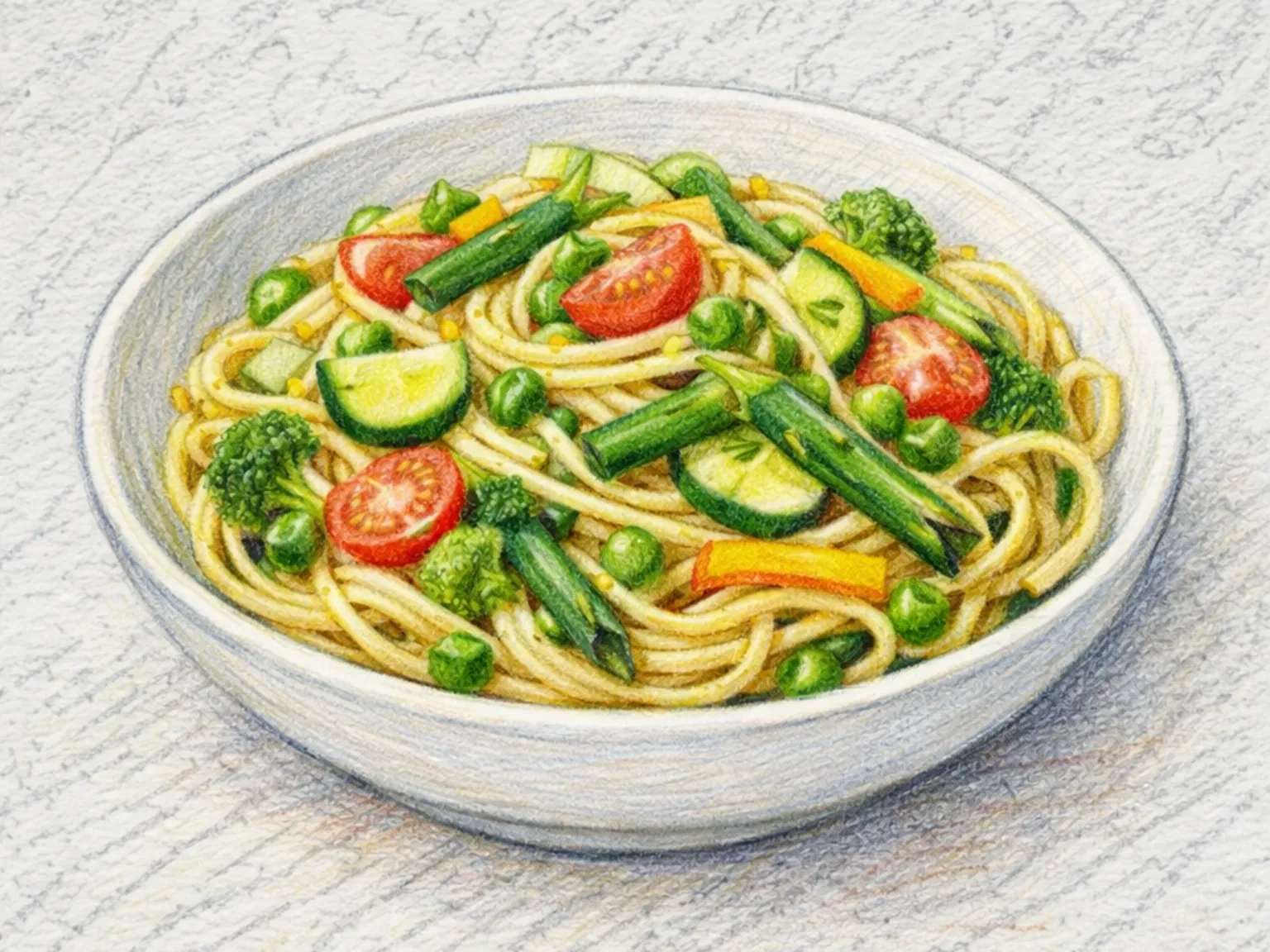
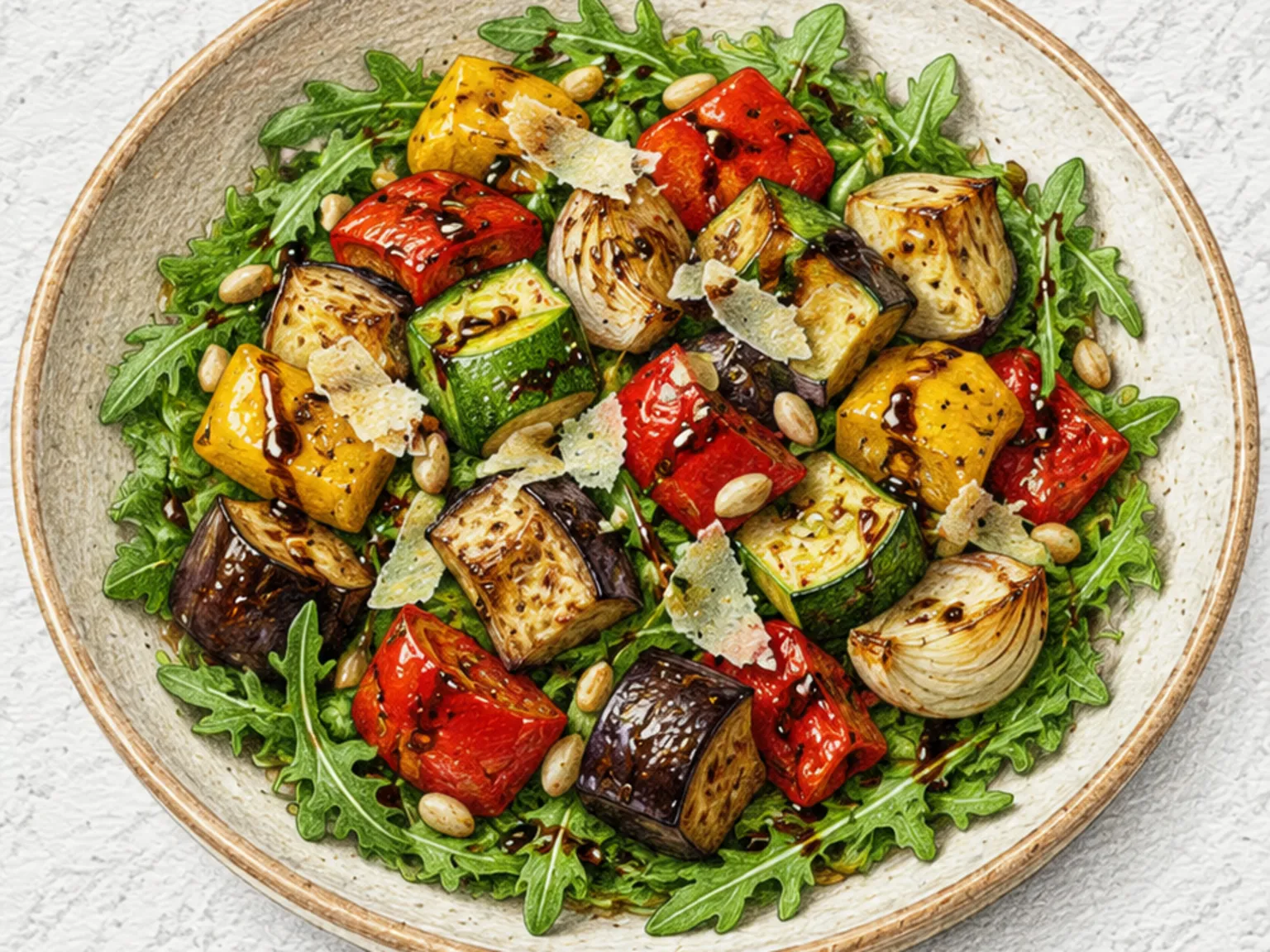
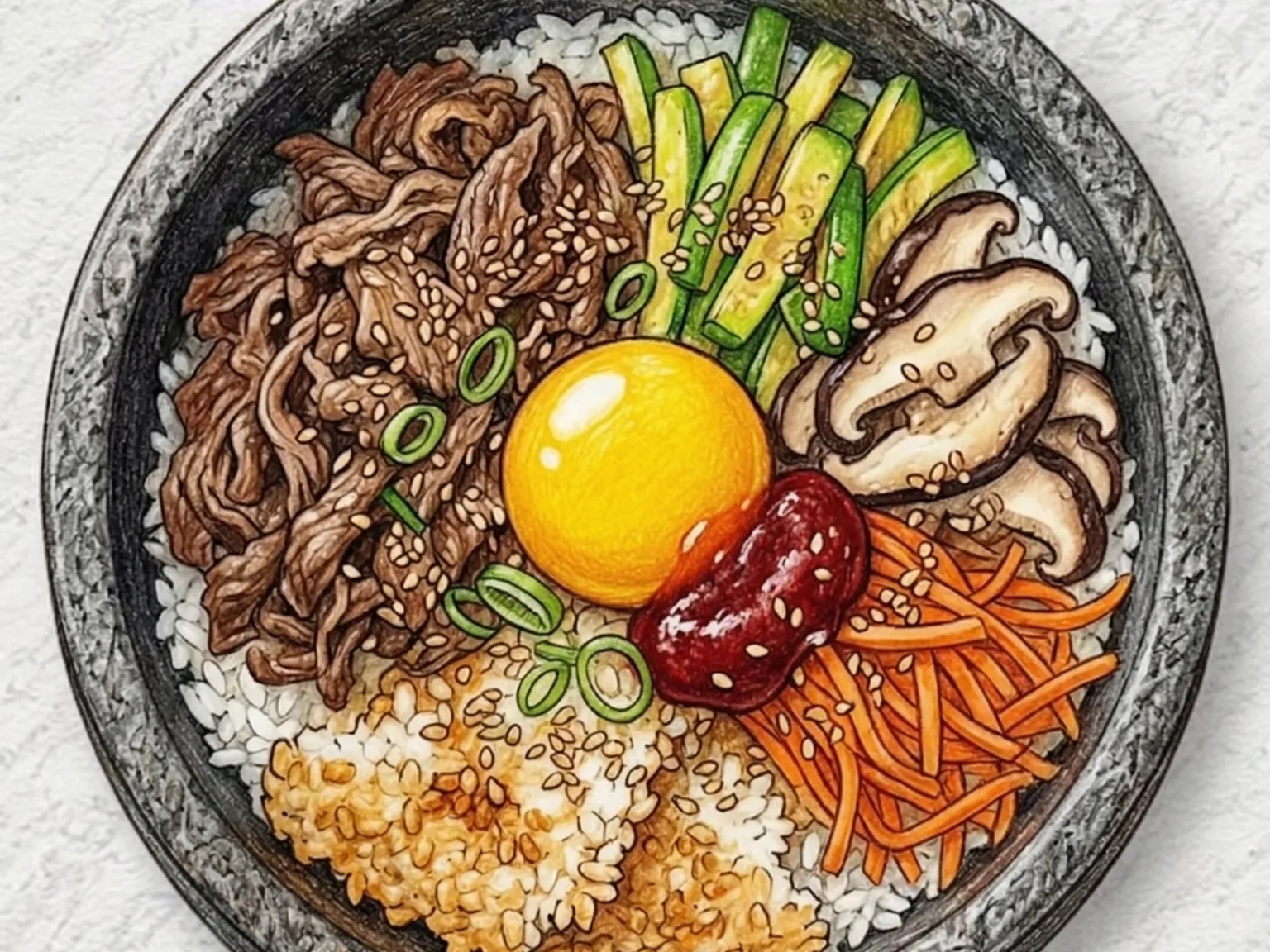
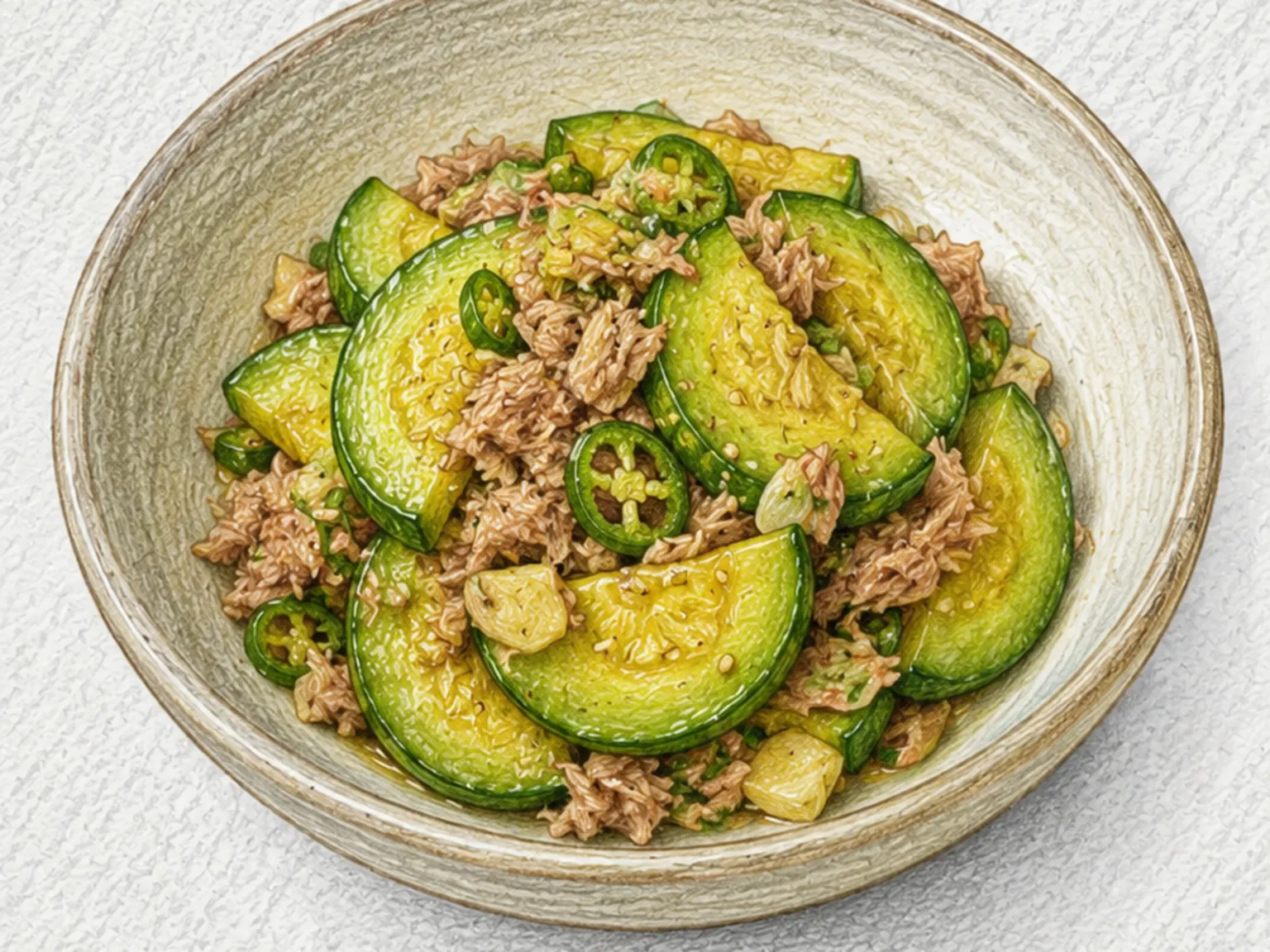
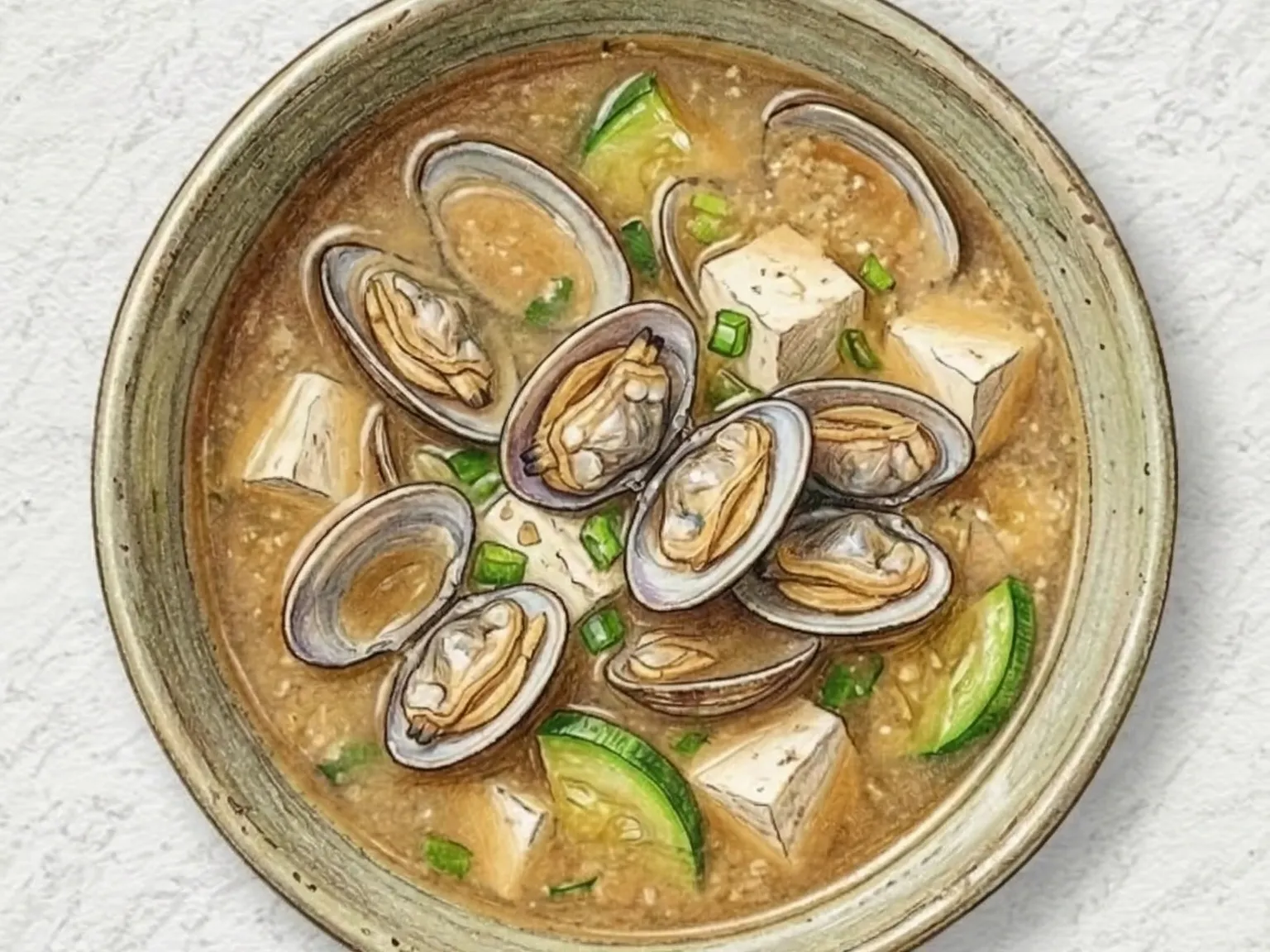
Doenjang jjigae with clams is one of the most frequently made stews in Korean households, built on the combination of fermented soybean paste's deep, earthy flavor and the clean briny umami of manila clams. The clams are purged of sand before being added to a pot of doenjang-laced broth, where they open and release their salty, seawater-flavored liquor directly into the soup. The result transforms the base from something merely savory into something distinctly oceanic and complex. Zucchini softens in the bubbling broth and contributes a natural sweetness as it breaks down, while blocks of soft tofu act as sponges, soaking up the seasoned liquid and releasing it in a burst of hot, flavorful broth when bitten into. Sliced cheongyang chili peppers are added to interrupt the heaviness of the fermented paste and sharpen the overall flavor. The stew is typically served in an earthenware pot while still bubbling, alongside rice. Many Koreans ladle the broth directly over their bowl of rice. The recipe adapts to any season: assembled with leftover summer vegetables from the refrigerator for a lighter version, or cooked piping hot in a stone pot through winter.

Korean Stir-fried Zucchini
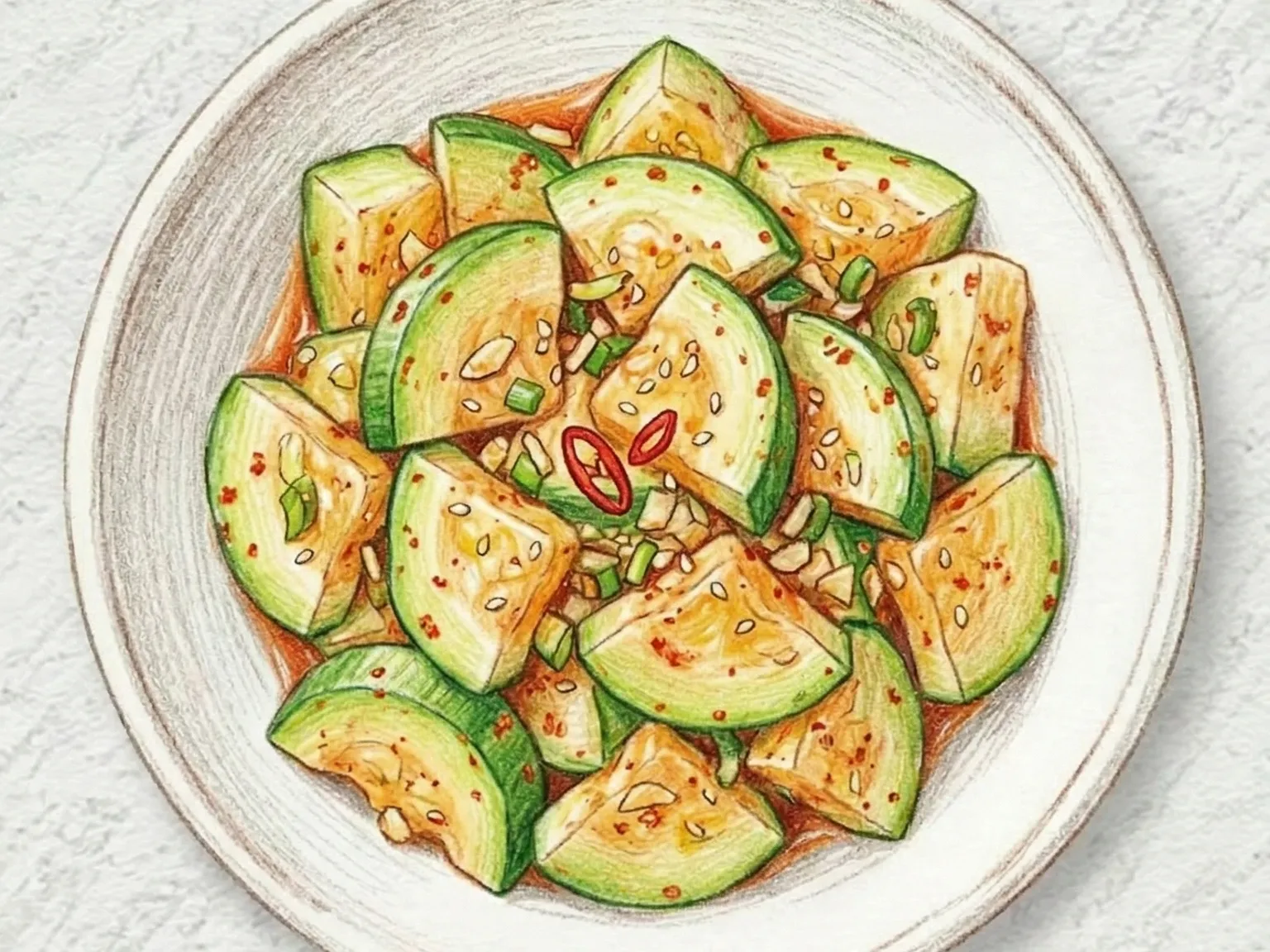
Hobak-bokkeum is one of the quickest and most fundamental banchan in the Korean home-cooking repertoire. Thinly sliced Korean zucchini, known as aehobak, is salted for five minutes to draw out moisture before cooking. Skipping this step floods the pan during stir-frying and produces a steamed rather than properly stir-fried result. Seasoning with saeujeot, fermented salted shrimp paste, instead of plain salt brings a deeper marine umami that cannot be replicated by sodium alone, and the high salinity of the paste means additional salt is rarely needed. High heat and a short cooking time allow the surface of each slice to lightly caramelize, building a toasty, nutty aroma while the interior cooks through without turning watery or soft. Garlic goes into the oil first to bloom its fragrance before the zucchini follows, layering flavor from the base. Green onion added in the final seconds of cooking preserves its aromatic edge rather than wilting away. A drizzle of sesame oil and a scatter of toasted sesame seeds at the end produces a clean, simply flavored side dish with a lasting nutty finish. When aehobak is already in the refrigerator, the whole dish can be on the table within five minutes.

Korean Mixed Rice Bowl (Colorful Vegetables & Gochujang)
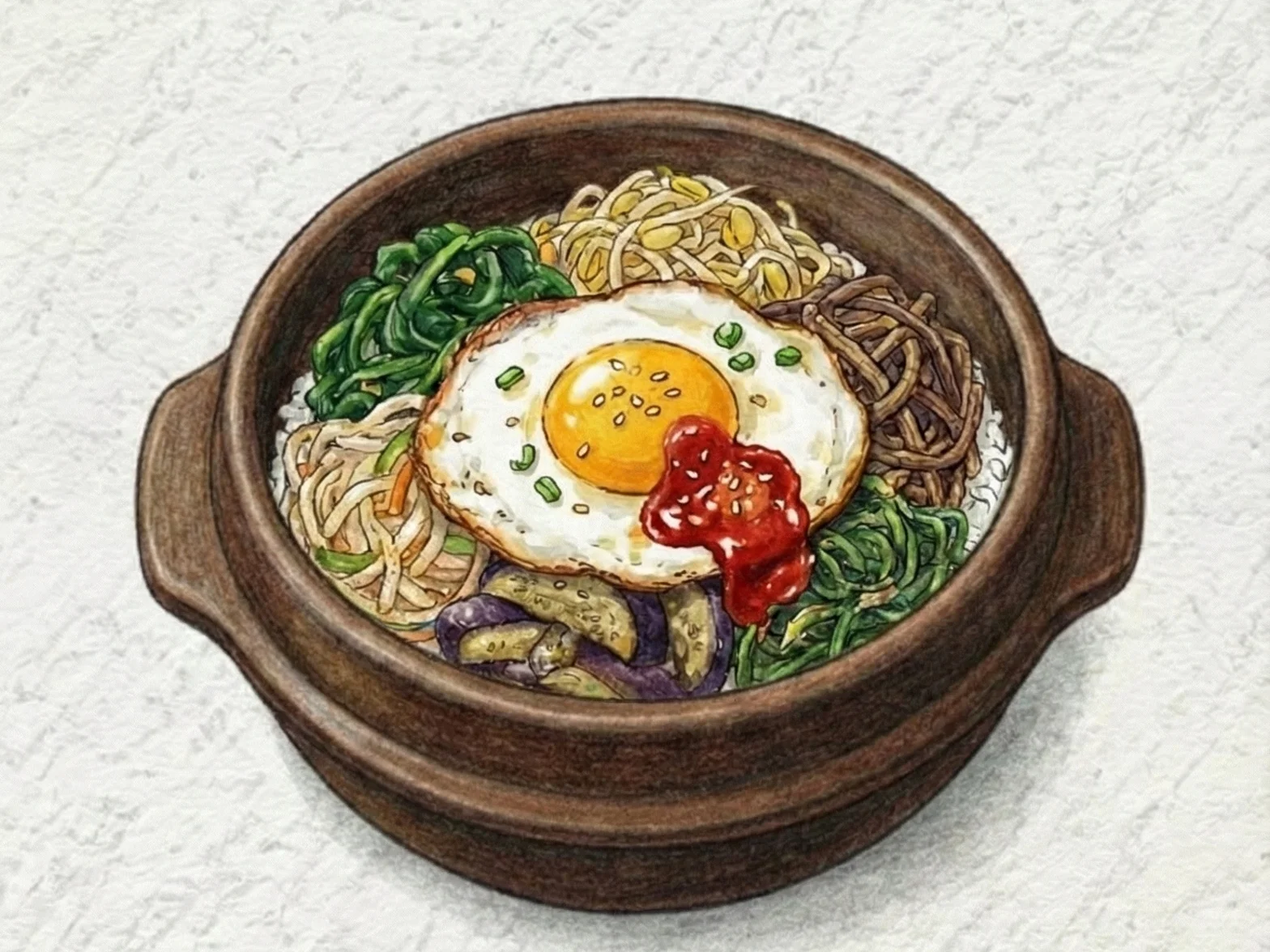
Bibimbap is one of Korea's defining one-bowl meals, assembled by arranging individually seasoned vegetables - spinach, bean sprouts, zucchini, and carrots - alongside marinated beef and a fried egg over a bowl of steamed rice, then mixed together at the table with gochujang. Each component is cooked and seasoned on its own before plating, which preserves distinct textures and flavors right up until the moment of mixing. The act of stirring brings crisp vegetables, tender beef, and spicy fermented chili paste into a single cohesive bite. Leftover namul from previous meals makes the assembly genuinely fast on a weeknight, and when served in a preheated stone pot, the rice forms a golden, crackling crust at the base that provides a final textural reward. The gochujang ratio is adjustable, making it easy to calibrate heat to individual preference.

Korean Stir-Fried Zucchini and Beef Brisket with Doenjang
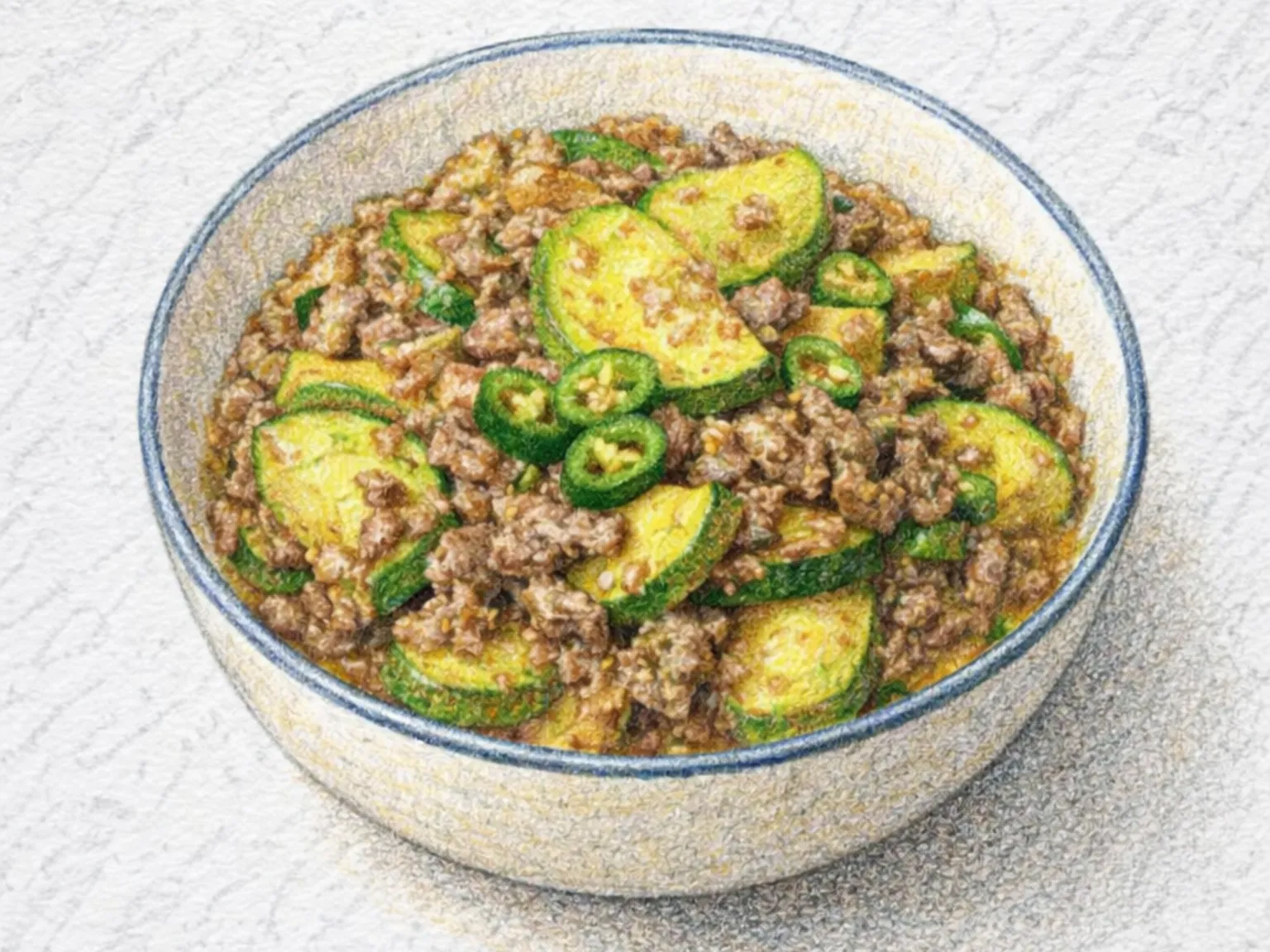
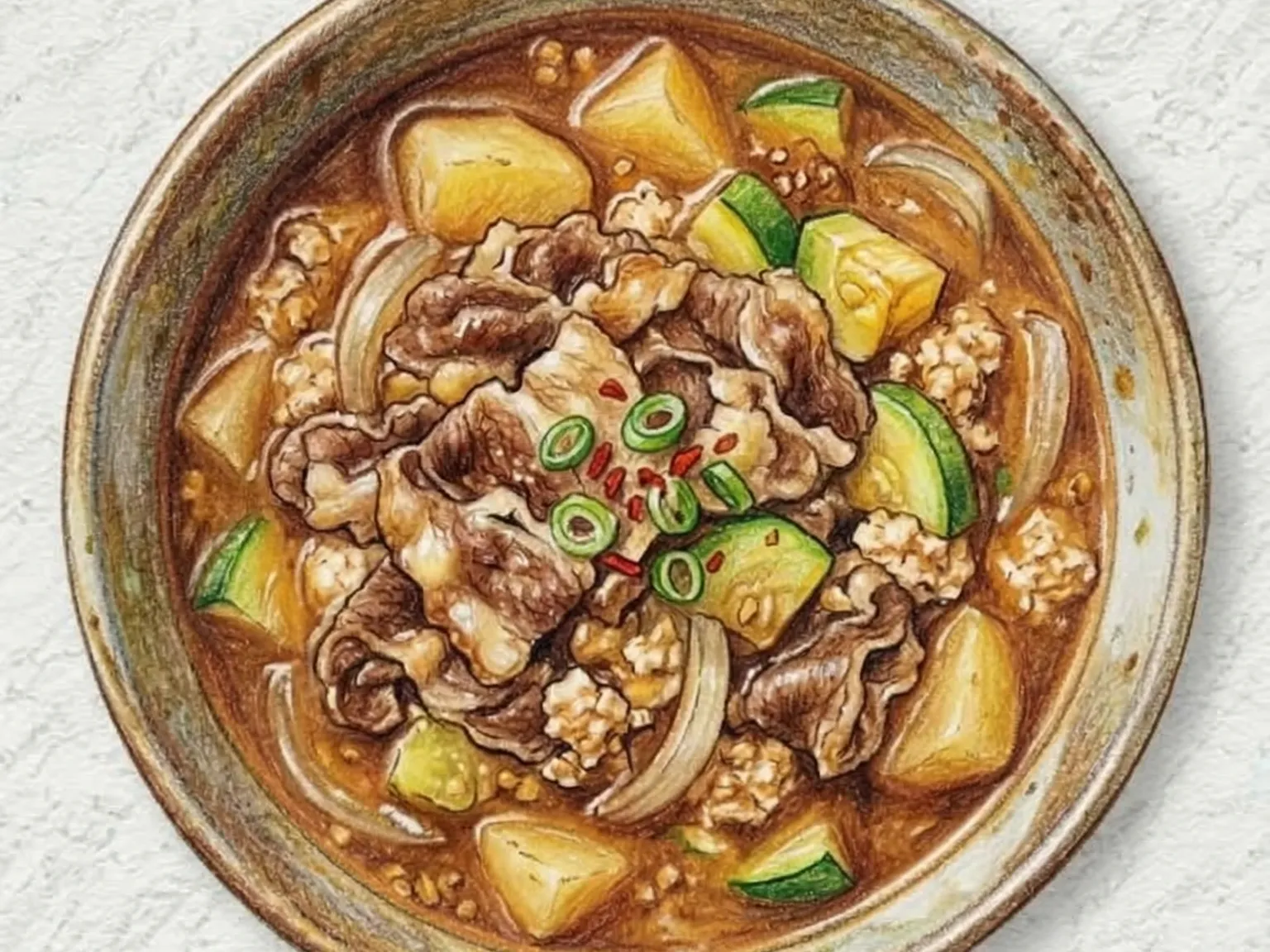
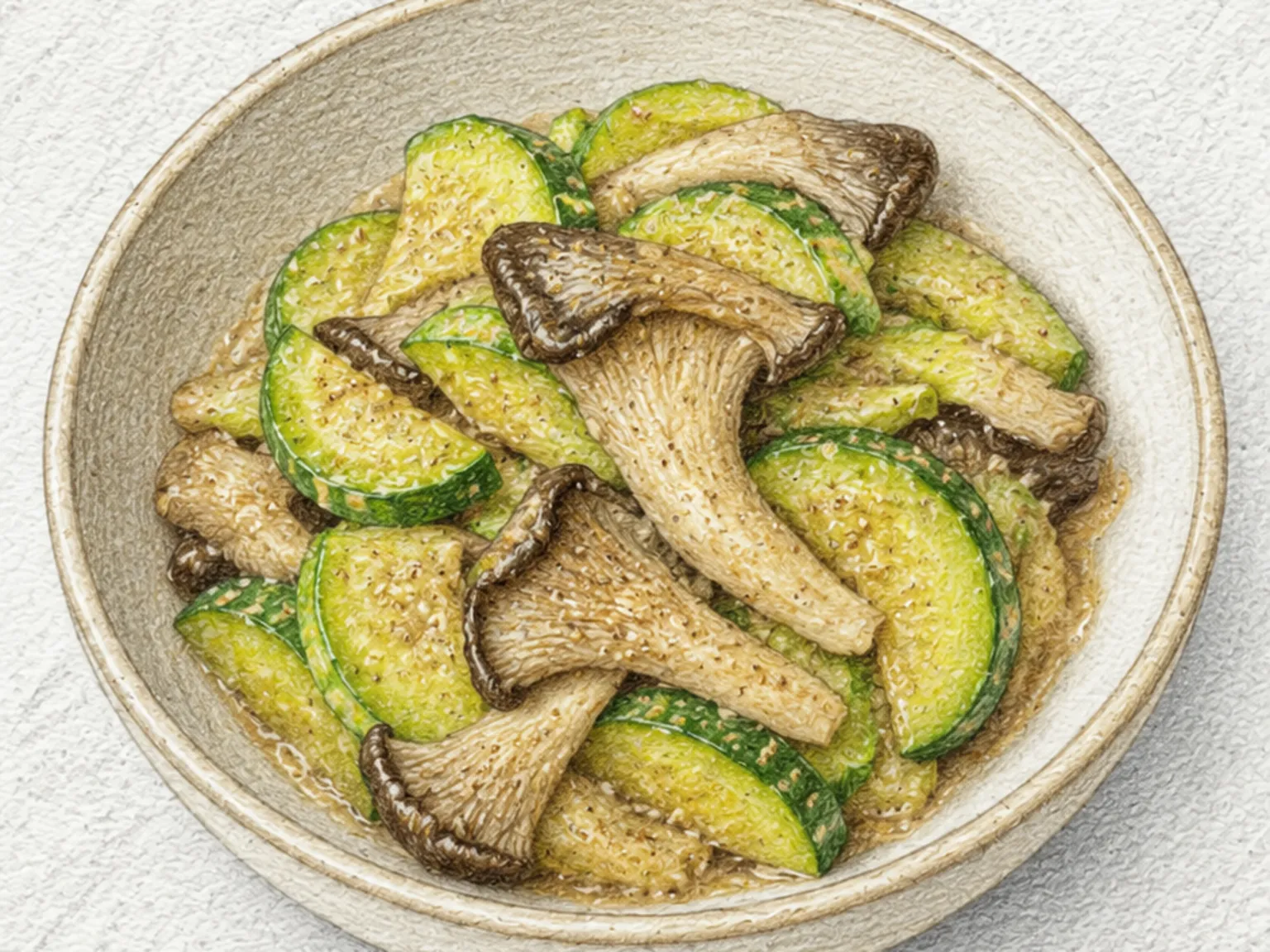
Three ingredients divide the labor in this stir-fry: beef brisket renders the fat, doenjang provides the fermented backbone, and zucchini supplies the body of the dish. The brisket goes into a dry pan first, no added oil, so its own fat melts out and becomes the cooking medium. Doenjang added directly to that rendered fat fries for thirty seconds until the raw paste smell cooks off and a deeper fragrance develops. Then the zucchini, sliced into half-moons, goes in with a dash of soup soy sauce over high heat. Total cooking time from pan to plate runs about five minutes - push past that and the zucchini releases too much water and turns limp. Sliced cheongyang chili at the end keeps a sharp heat in the background. A drizzle of perilla oil with the heat off gives a clean, herbal finish. Works as a banchan alongside rice, or spooned over a full bowl of steamed rice as a quick one-dish meal.

Korean Black Bean Noodles
Bunsik-style jjajangmyeon starts with frying chunjang in oil long enough to mellow its raw bitterness and remove any off notes before adding any other ingredients. Ground pork, onion, zucchini, and potato go in together and are stir-fried until fragrant, then water is added and the mixture simmers until the potato softens. A starch slurry is stirred in gradually to bring the sauce to the right consistency. The chunjang's deep salinity and the slowly cooked onion's natural sweetness form the backbone of the sauce, while the potato partially breaks down during simmering and lends body without any additional thickeners. The starch-finished sauce clings heavily to the chewy wheat noodles so every strand carries a dense, rounded hit of flavor. Rinsing the noodles briefly in cold water right after boiling tightens their texture and keeps them from going soft when mixed.

Assorted Korean Pancakes (Holiday Mixed Jeon Platter)
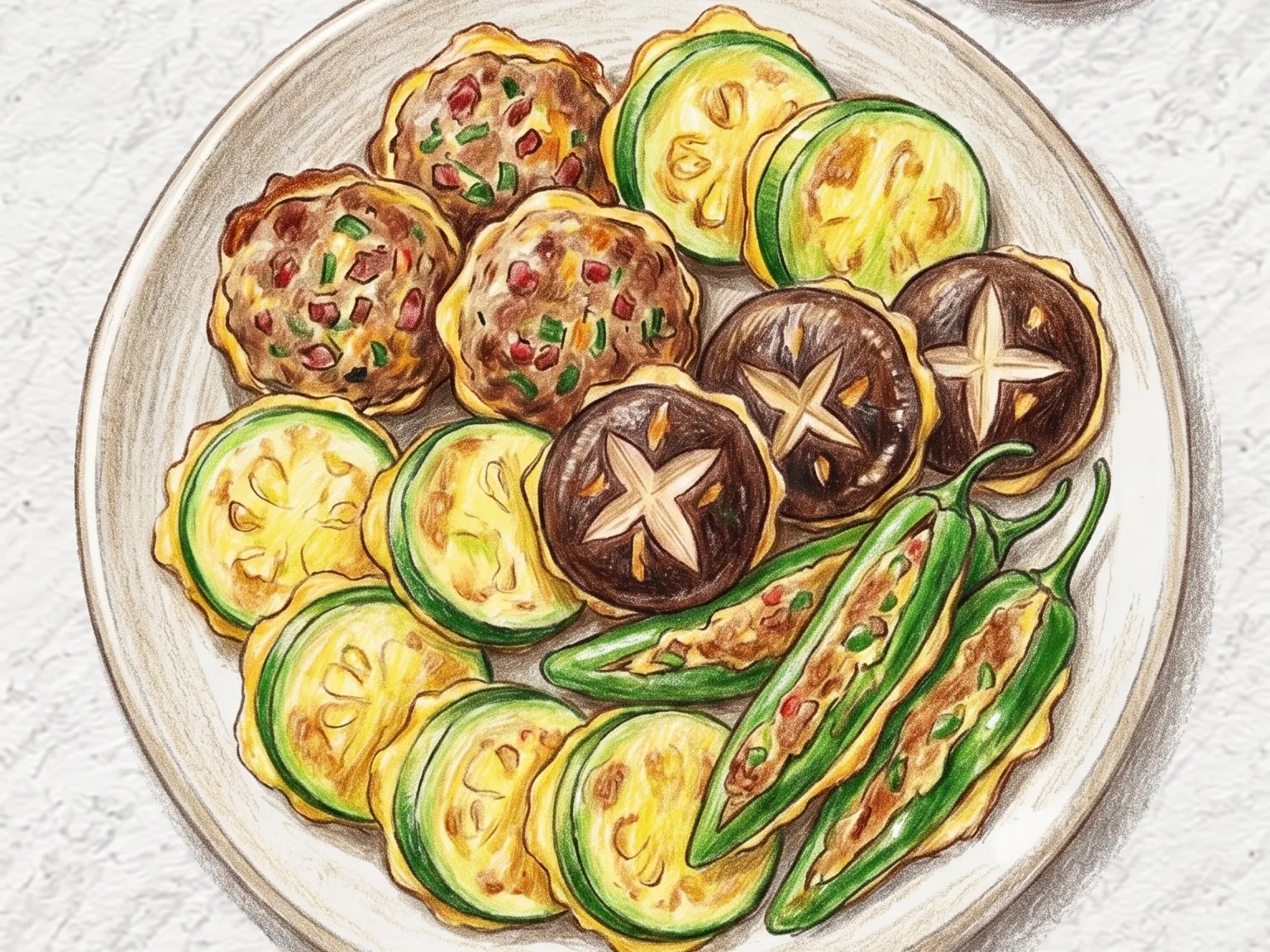
Hanjeongsik jeon-modeum is a mixed Korean pancake platter that brings together meat patties, zucchini jeon, shiitake mushroom jeon, and stuffed green chili jeon on a single serving board, forming the visual and gastronomic centerpiece of Seollal and Chuseok holiday tables. Each ingredient is cut to portion size, dusted lightly in flour, coated in beaten egg, and pan-fried over medium heat until both sides turn a deep golden. The single most important rule is to fry in small batches of three to four pieces at a time -- overcrowding drops the pan temperature sharply and causes the egg batter to absorb oil rather than set, leaving the jeon heavy and greasy instead of crisp and light. Meat patties made from a balanced mix of tofu, beef, and pork hold their shape while staying tender, and zucchini rounds need to be salted and pressed dry beforehand to prevent oil spatter during frying. For shiitake, removing the stem and dusting flour onto the inner gill side ensures the egg coating adheres evenly. A small dipping bowl of cho-ganjang -- soy sauce sharpened with a splash of rice vinegar -- cuts through the richness of the oil and draws out the contrast between the patties' deep savory flavor, the mild sweetness of zucchini, and the subtle heat of the peppers.

Korean Zucchini Soybean Paste Soup
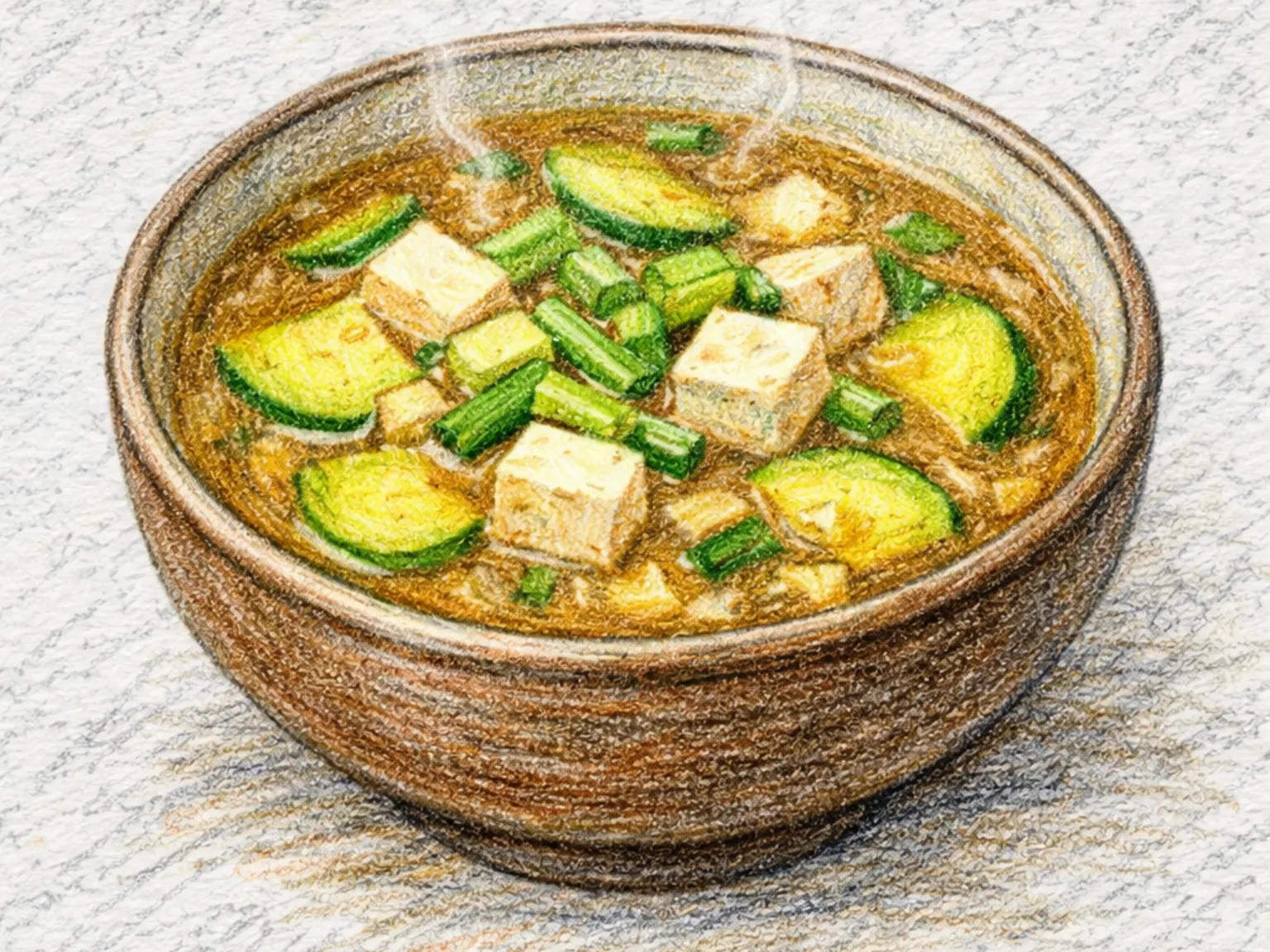
The soup that comes to mind when Koreans think of home cooking. Not a dish for special occasions - this is what gets made on ordinary weeknights when nothing more specific has been decided. Anchovy-kelp stock is the base: dried anchovies and a piece of kombu in cold water, brought to a boil and simmered ten minutes. Doenjang dissolved through a strainer into the finished stock adds the fermented, earthy depth that defines the soup. Onion goes in first and sweetens the broth as it softens. Zucchini, sliced into half-moons, follows with minced garlic, cooking for five minutes at most - past that point the slices lose their shape and the broth becomes murky. Cubed tofu is added last, just to warm through without breaking. The result is a cloudy, golden soup where the salty funk of the doenjang sits underneath a gentle vegetable sweetness. A sliced cheongyang chili makes it spicy; left out, the soup is mild enough for any table.

Korean Zucchini Corn Jeon
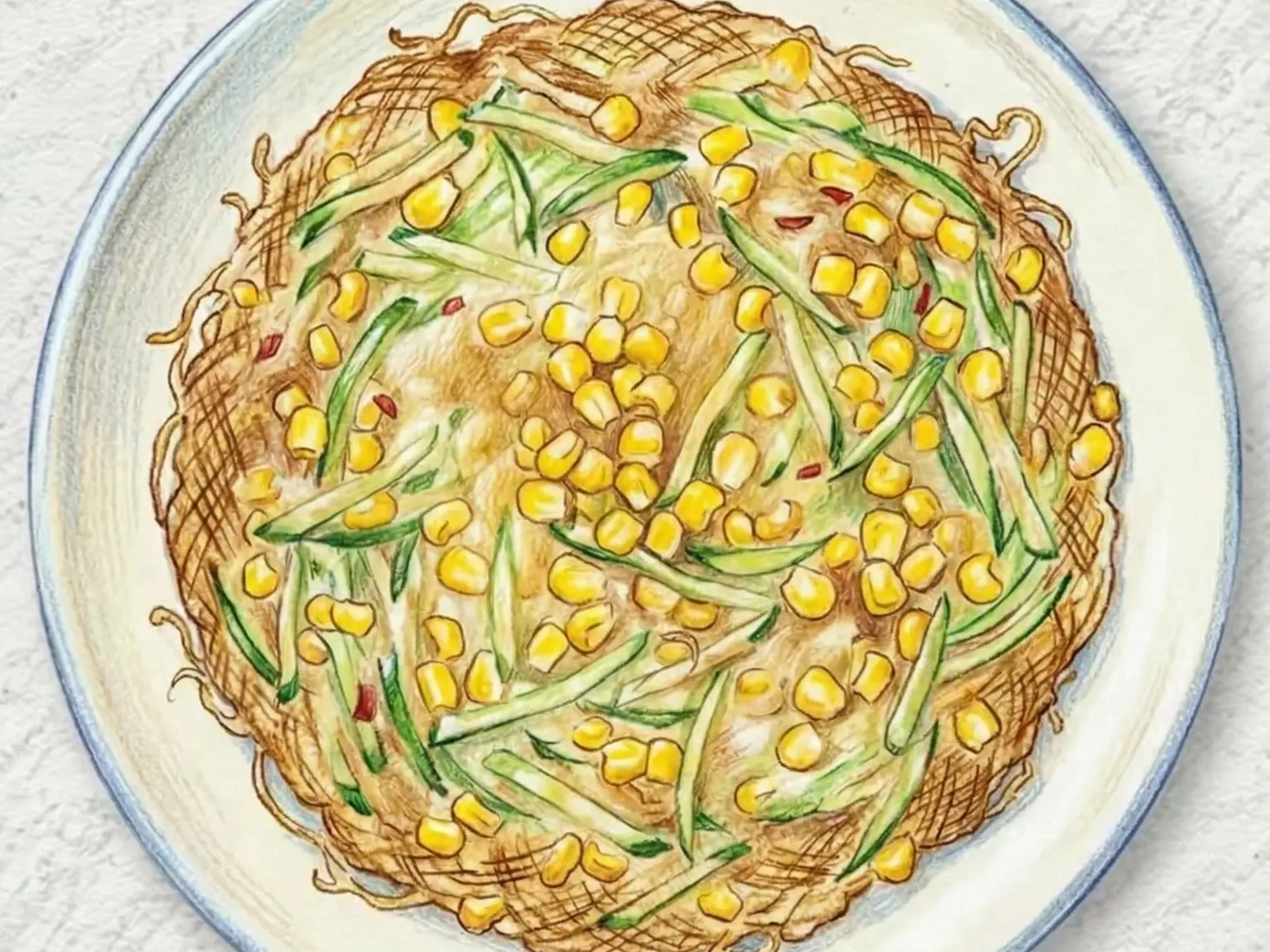
Shredded zucchini and sweet corn kernels are folded into a pancake-mix batter and pan-fried until golden. Julienning the zucchini to a uniform thickness ensures even cooking throughout, while the corn kernels pop with sweetness in each bite. Egg enriches the batter and improves cohesion, and black pepper adds a light seasoning. Using cold water keeps the batter thin and airy, which helps the vegetables maintain their distinct textures after frying. The pan and oil must be fully heated before the batter goes in to achieve a crisp exterior, and spreading the batter wide makes the edges thin enough to turn properly crunchy. Let one side set completely over medium heat before flipping to keep the pancake intact.

Korean Zucchini Pork Stew
Aehobak-jjigae makes a convincing case that modest ingredients and correct technique outperform a long shopping list. The base is pork, zucchini, gochujang, and gochugaru - nothing more - but the order of operations matters. Stir-frying the pork with garlic until the fat renders creates a savory base on the bottom of the pot; then gochujang goes in and toasts in that rendered fat before any liquid is added. Pouring anchovy broth into this spiced oil produces a broth with body and cohesion that simply boiling everything together cannot replicate. Zucchini cut into half-moons enters the simmering broth and cooks for six minutes, just long enough to absorb the seasoning without losing structure. Timing here is important - overcooking collapses the zucchini into mush. The finished broth reads as spicy upfront, but pork fat and vegetable sugars sustain a low sweetness underneath that keeps the heat from feeling one-dimensional. The broth is dense enough to spoon over rice, and the dish comes together entirely from a standard Korean pantry with no special shopping required.

Korean Steamed Zucchini with Salted Shrimp
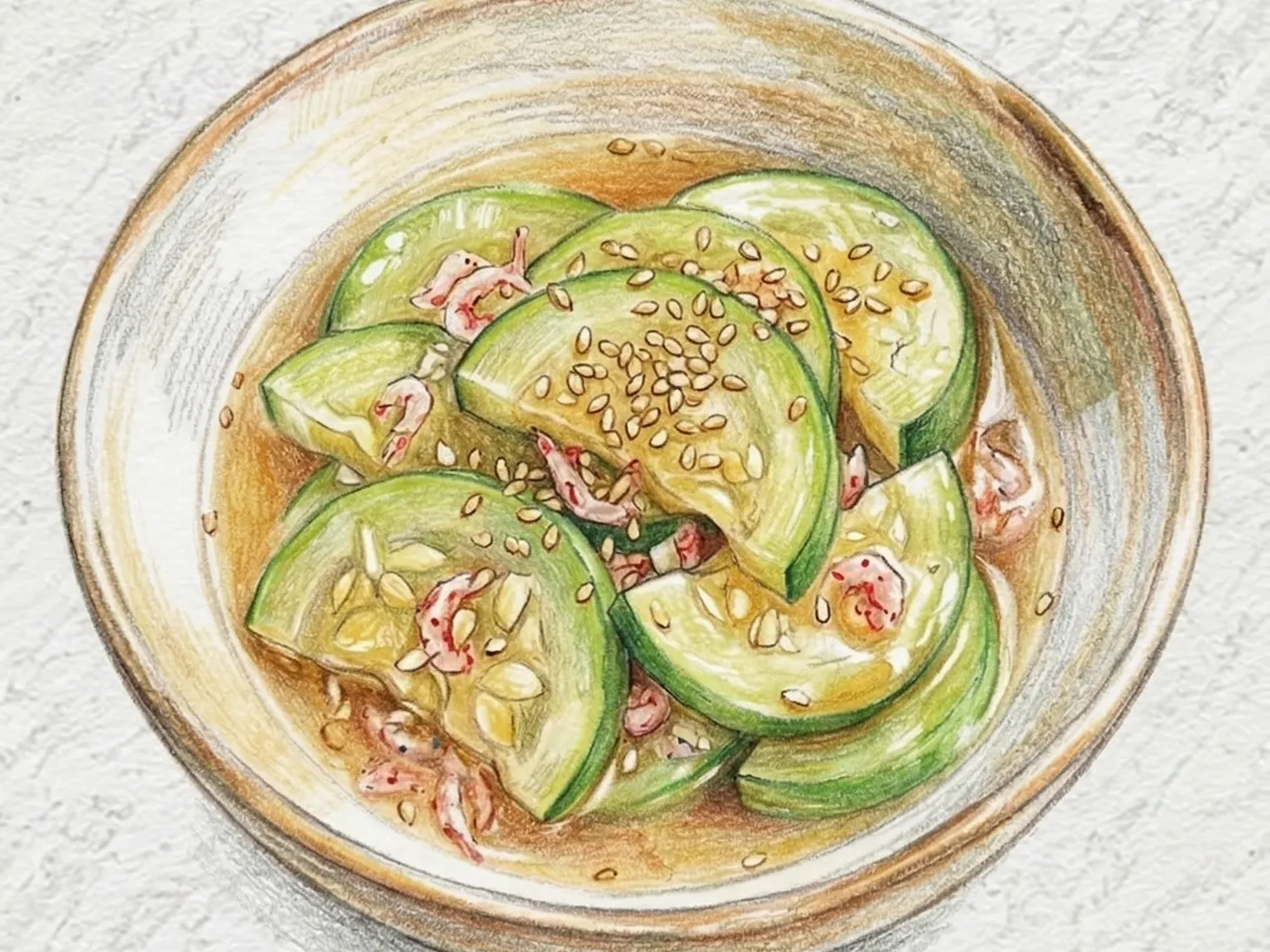
Aehobak saeujeot jjim belongs to a class of Korean dishes where the ingredient list is deliberately short and fermentation carries the flavor. The only seasoning is salted shrimp - saeujeot - minced fine and dissolved in water with garlic to form a light broth. That minimal liquid does more than it looks: as zucchini cooks in it, the brine's concentrated umami soaks into each piece, delivering more depth than the simple preparation suggests. Half-moon slices go into the pot, the broth is poured over, and the lid goes on over medium-low heat. This method sits between steaming and braising - moisture stays trapped in the pot, heat distributes evenly, and the zucchini cooks through without going soft or watery. Perilla oil and sesame seeds added off the heat balance the fermented note of the shrimp paste with a round, nutty fragrance. The dish comes from Korean countryside cooking, where salted seafood was the default seasoning long before soy sauce was widely available. It pairs well alongside richer, oil-forward mains where something clean and lightly briny makes sense.

Korean Zucchini Pickles (Soy Vinegar Brine Jangajji)
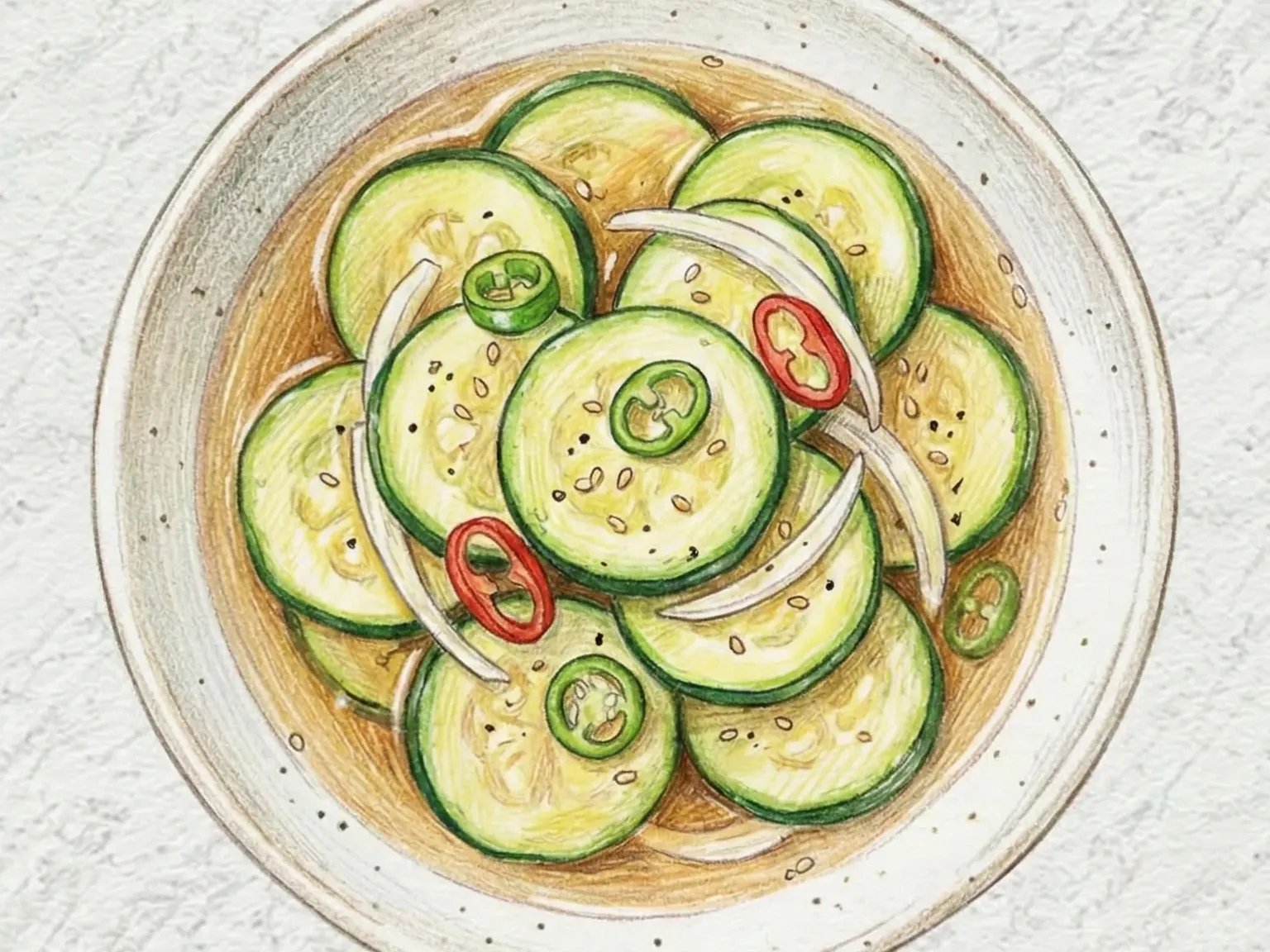
Jangajji - vegetables preserved in soy brine - was the Korean kitchen's answer to long winters and months without reliable food storage. This zucchini version layers thick half-moon slices with onion, cheongyang chili, and whole garlic cloves in a sterilized glass jar before a boiling-hot brine of soy sauce, vinegar, sugar, and water is poured straight in. The heat from the brine does two things at once: it partially cooks the outer surfaces while the centers stay crisp, and it drives the pickling liquid deeper into each piece than cold brine ever could. The pickle is technically ready at 24 hours, but after three days the sweet-sour-salty brine has fully penetrated and the flavors integrate into something more balanced. Cheongyang chili contributes a slow-building heat at the back of each bite, and the whole garlic cloves shed their raw sharpness in the brine, softening into something mellow and slightly sweet. Unlike fresh banchan that must be eaten the same day, this keeps for two weeks in the refrigerator - a ready supply of bright, tangy contrast for any meal that needs it.

Korean Andong Guksi (Clear Beef Broth Celebration Noodles)
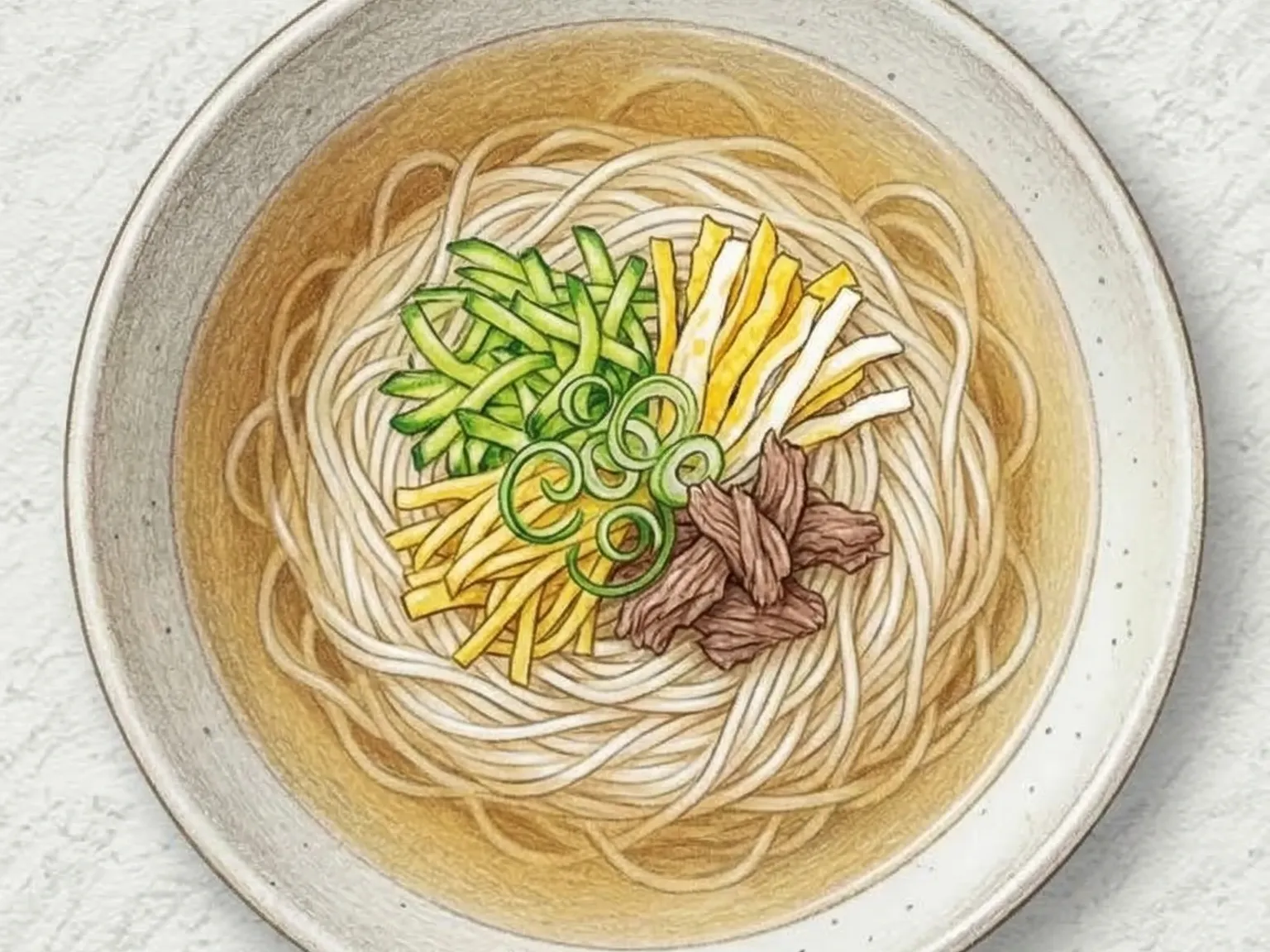
Andong guksi is a banquet noodle dish from the city of Andong in North Gyeongsang Province, served at weddings, ancestral rites, and major family ceremonies for centuries. In Korean culture, long noodles carry a symbolic association with longevity, and that significance kept this dish at the center of celebratory meals across generations. The broth is made from beef brisket and bones simmered for hours until the liquid is clear yet coated with dissolved gelatin - not milky-white in the style of bone broths pushed hard, but translucent and full of a quiet richness that clings faintly to the lips. Wheat noodles, traditionally hand-pulled but now usually dried and purchased, are cooked separately, rinsed, and placed in the strained broth. Toppings are deliberately minimal: thin egg jidan strips, julienned zucchini, and a few slices of the boiled brisket. Seasoning with soup soy sauce and a touch of garlic keeps the broth transparent and positions the beef flavor at the front. Andong's most famous export, jjimdak, relies on bold, chili-forward heat; guksi is the counterpoint - an exercise in restraint and clarity.

Korean Zucchini Namul (Sesame-Dressed Bibimbap Topping)
Hobak namul is julienned zucchini stir-fried with sesame oil and garlic, a foundational Korean side dish that appears as one of the five-color toppings essential to bibimbap. Though it resembles hobak-bokkeum at a glance, the difference comes down to how the vegetable is cut: namul requires thin julienne strips rather than half-moons, which allows the strands to nestle between rice grains when the bowl is mixed rather than sitting on top in clumps. Salting the raw zucchini and squeezing out moisture thoroughly is the most important step in the process; any water left behind causes the vegetable to release steam in the pan and turn soggy, and will make the rice in a bibimbap bowl gummy. Seasoning is intentionally minimal, relying on salt and sesame oil alone, with garlic gently cooked first to build an aromatic base without burning. Three minutes over medium heat is all the cooking time needed, and the finished strands hold their shape without releasing additional liquid even after they cool, which makes this namul a reliable choice for packed lunches where texture must survive time away from the stove. Because it is stir-fried rather than dressed raw, it also stays dry at room temperature, making it a common fixture on ceremonial tables set for ancestral rites or holiday meals. The light green color of the cooked zucchini provides visual contrast on a plate.

Korean Dolsot Bulgogi Bibimbap
Dolsot bulgogi bibimbap arrives in a superheated stone bowl that continues cooking the rice against its surface throughout the meal, building a layer of crispy nurungji that grows thicker and crunchier the longer you wait to mix. Thinly sliced beef marinated in soy sauce, sugar, and sesame oil is seared quickly over high heat to keep it juicy, then arranged alongside separately sauteed zucchini, shiitake mushroom, and carrot over a base of hot rice. A raw egg yolk sits at the center, ready to be broken and stirred through with a generous spoonful of gochujang. As the bibimbap is mixed, the yolk turns into a silky binder that coats every grain of rice and every vegetable strand, while the gochujang distributes its warmth evenly through the bowl. The sizzling sound of the stone pot and the aroma of charring rice rising from the bottom are part of the experience from the first moment the bowl lands on the table. Scraping up the caramelized nurungji at the very end delivers a final crunch that contrasts the tender toppings throughout.

Korean Doenjang Braised Tofu
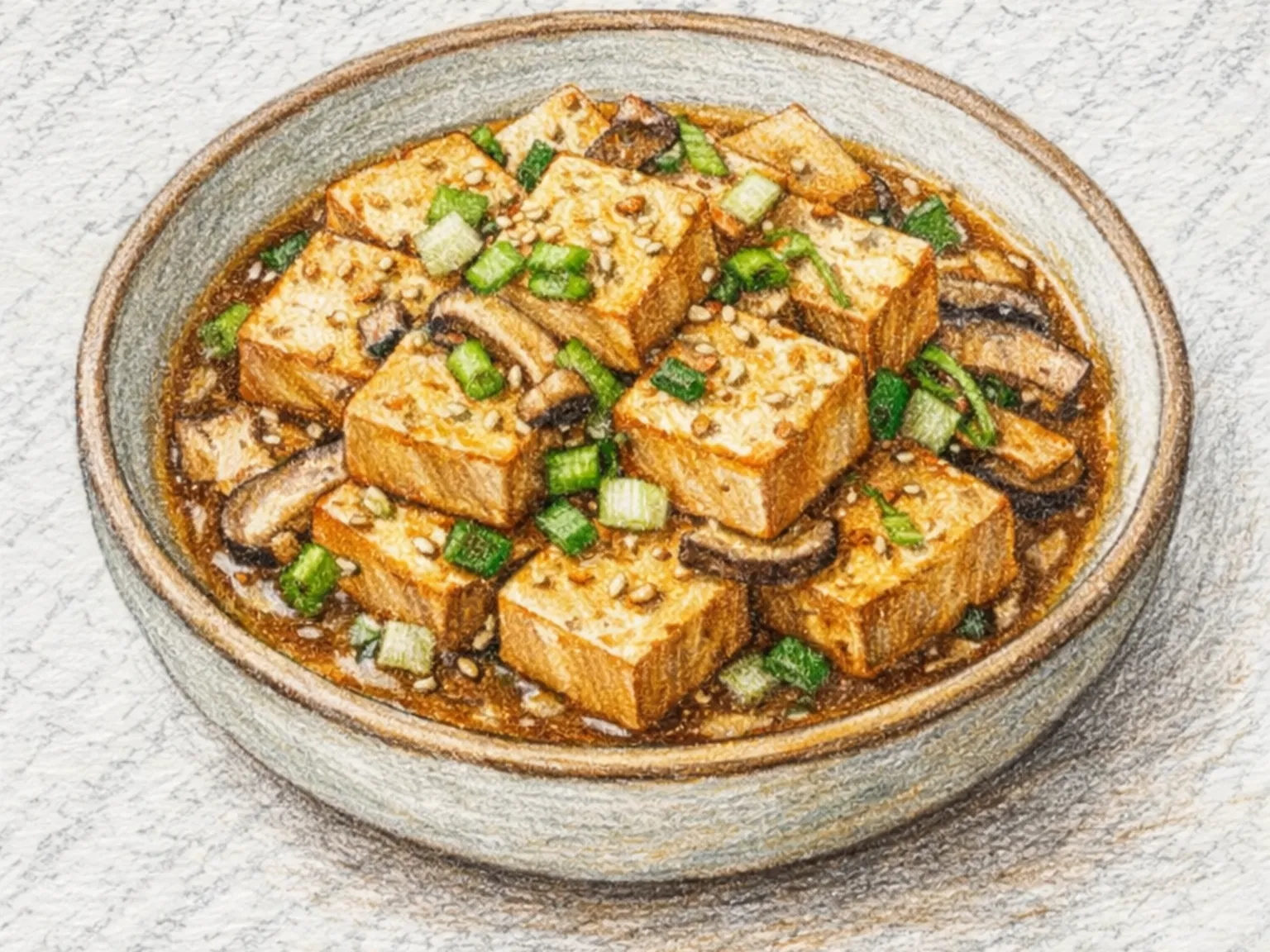
Doenjang-dubu-jorim is a braised tofu banchan in which tofu slices are simmered in a broth of fermented soybean paste, water, and aromatics until the liquid reduces and the seasoning permeates the tofu throughout. Doenjang is a Korean fermented soybean paste with a deeply savory, earthy character distinct from Japanese miso, and its slow penetration into the porous interior of the tofu produces a richness that simple soy-seasoned tofu does not achieve. Zucchini and onion are added to the same pot, and their natural sweetness tempers the salt of the paste, giving the final braise a more balanced flavor. The tofu is braised until its surface firms slightly, which helps it hold its shape while the interior stays soft and fully seasoned. Any remaining braising liquid is well-seasoned and pairs naturally with a bowl of rice. It is an economical banchan that requires minimal preparation and stores in the refrigerator for several days.

Korean Clam Doenjang Soup
Bajirak doenjang guk is a Korean home-style soup that brings together manila clams and doenjang to layer oceanic umami with fermented soybean depth in a single, clean broth. Starting the clams in cold water and bringing everything slowly to a boil draws flavor from the shells gradually rather than shocking them, building a stock base that grows richer as the temperature rises. The doenjang must be dissolved through a strainer rather than stirred in directly, because undissolved paste left in the soup creates a grainy texture and uneven seasoning. Since clams carry their own salt, the quantity of doenjang should be noticeably less than usual to prevent the finished soup from becoming over-salted; seasoning should always be adjusted at the end after tasting. Soft tofu cut into cubes adds a gentle, yielding protein bite, and Korean zucchini releases a quiet sweetness into the broth as it cooks through, softening the overall profile. Minced garlic introduced mid-cooking harmonizes with the fermented aroma of the doenjang without overpowering it. Scallion added in the final minute preserves its fresh, sharp note rather than turning limp and faded. No anchovy stock, no dried kelp, and no dashi of any kind is needed here, because the clams alone provide enough umami to build genuine depth. That restraint is what defines the soup: when the ingredients are kept simple, the natural sweetness and marine character of good clams come through cleanly, producing a broth that tastes more substantial than its short ingredient list suggests.

Korean Brisket Soybean Paste Stew
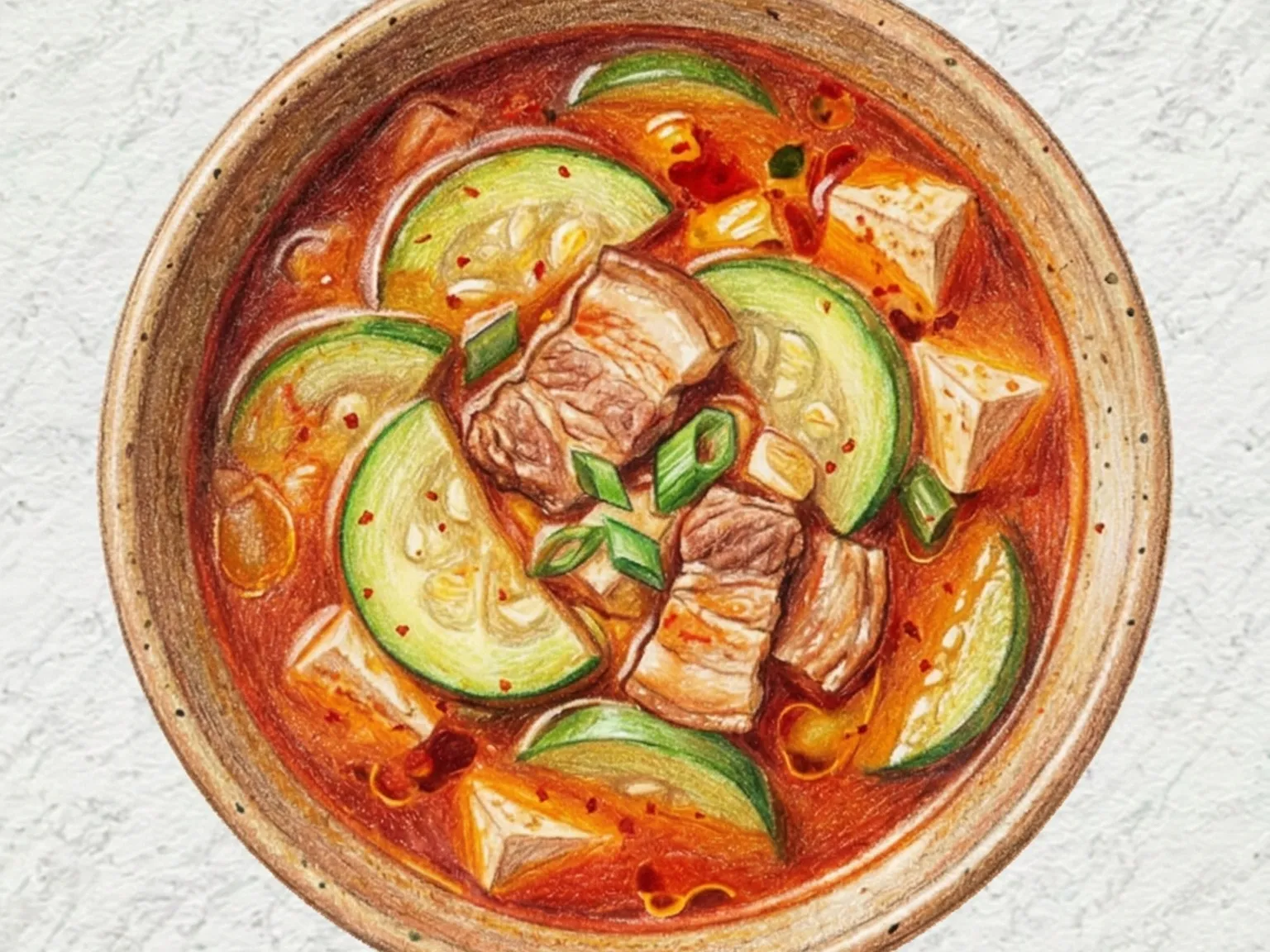
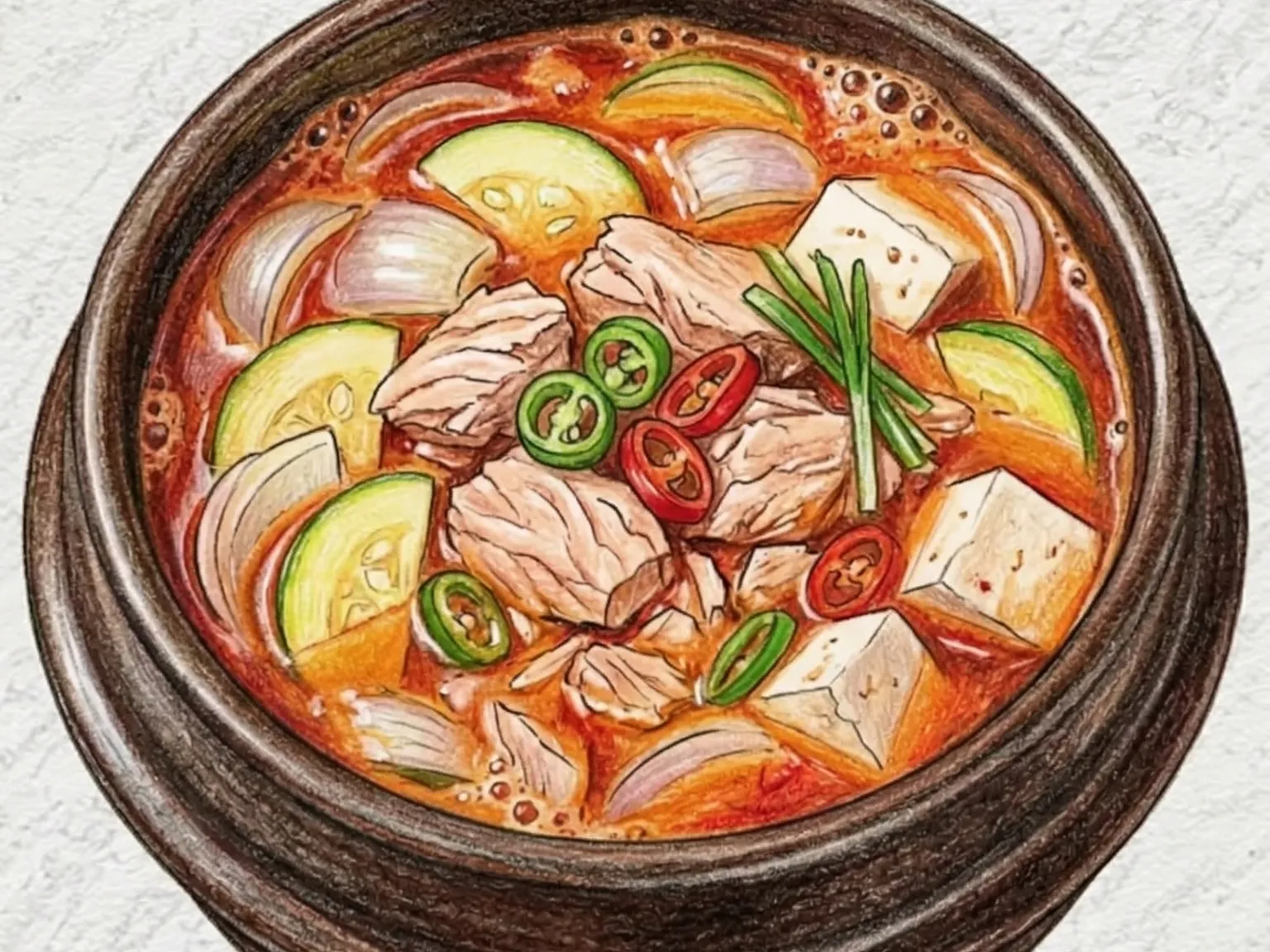
Thinly sliced brisket is added to the classic soybean paste stew base of rice-rinsing water and doenjang, cooked together with potato, zucchini, tofu, and cheongyang chili. The marbled fat in the brisket renders into the broth as it cooks, building a richer and more savory base than the standard vegetable-only version. The cheongyang chili delivers a sharp heat that makes this stew especially good with a bowl of rice. Adding the brisket slices after the vegetables have softened partially prevents the meat from overcooking and turning tough during the remaining simmer time.

Korean Zucchini Kimchi (Summer Fresh Gochugaru Quick)
Hobak kimchi represents a seasonal Korean vegetable preparation specifically associated with the summer months. This timing is chosen because domestic aehobak reach their peak levels of natural sweetness and maintain a particularly tender internal structure during this time of year. To prepare the zucchini for seasoning, the vegetable is typically sliced into thin half-moon shapes or uniform rectangular pieces. The salting stage for these slices is kept intentionally brief. This limited salting time serves a specific functional purpose in the recipe by preventing the extraction of excessive moisture from the vegetable cells. If the zucchini remains in salt for an extended period, the individual slices tend to lose their structural integrity and collapse, which eliminates the characteristic crispness that defines the quality of the finished dish. Once the brief salting process is complete, the zucchini pieces are rinsed in cold water and squeezed firmly by hand to remove as much residual liquid as possible. The seasoning phase involves thoroughly tossing the prepared slices with a combination of red chili flakes known as gochugaru, fish sauce, and finely minced garlic. Rather than utilizing refined sugar for seasoning, this recipe relies on the addition of plum extract. The extract provides a balanced and rounded natural sweetness to the profile of the dish without the need for processed additives. Fresh garlic chives are integrated into the mixture to contribute an aromatic and grassy quality that connects the different flavor elements together. Thinly sliced onions are also added to provide a subtle savory depth in the background. This particular variety is a no-fermentation kimchi, meaning it is designed to be consumed on the same day it is made or within two days at the most. Beyond this forty-eight hour window, the texture of the zucchini softens significantly and the initial freshness of the ingredients begins to dissipate. To maintain the best possible quality during this short period, the kimchi should be kept in a tightly sealed container and stored in the refrigerator.

Korean Clam Kalguksu (Hand-Cut Noodles in Clam Broth)
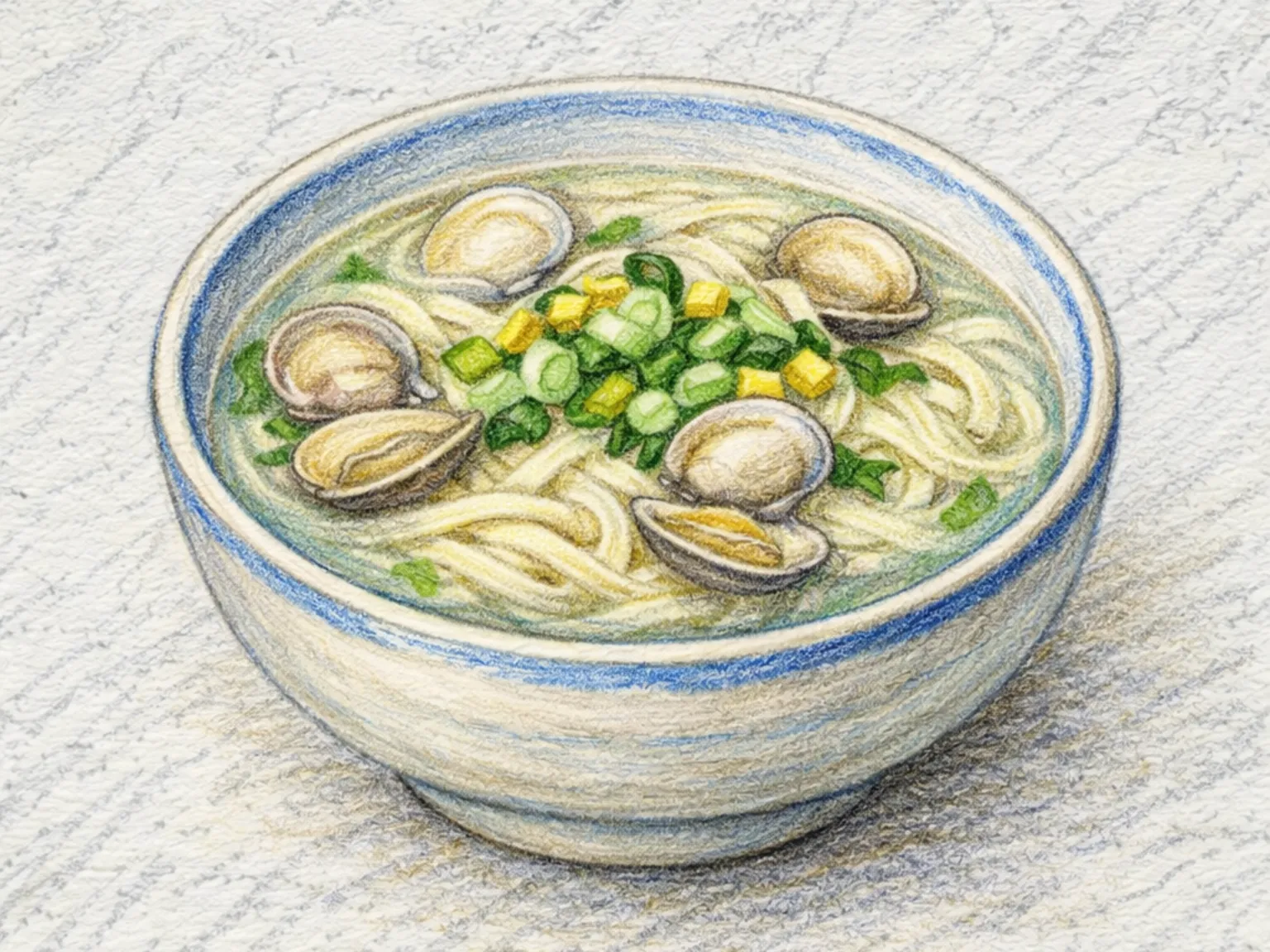
Baekhap kalguksu is a Korean knife-cut noodle soup in which the broth is derived entirely from hard clams rather than the more standard anchovy base. Purged clams are placed in cold water and brought to a boil; once the shells open, the clams are lifted out and the broth is strained through cheesecloth to remove any residual sand or shell fragments. Thinly sliced daikon radish and Korean zucchini cook in the strained broth for five minutes, contributing vegetal sweetness. The hand-cut noodles go in next and are boiled for six to seven minutes until they turn translucent; starch released from the noodles thickens the broth naturally into a lightly viscous, silky consistency without any additional thickener. Once the noodles are cooked, the reserved clam meat returns to the pot, and the soup is seasoned with minced garlic and guk-ganjang. Onion added with the vegetables deepens the broth's sweetness further. Because clam liquor rather than dried anchovy forms the base, the soup carries a distinctly marine, mineral character that permeates every strand of noodle, setting baekhap kalguksu apart from all other regional kalguksu variations. Along the coastal areas of South Chungcheong and Jeolla Provinces, this style of noodle soup has been a local specialty for generations, best in the seasons when clams are most abundant.

Korean Zucchini Pancakes (Egg-Battered Pan-Fried Slices)
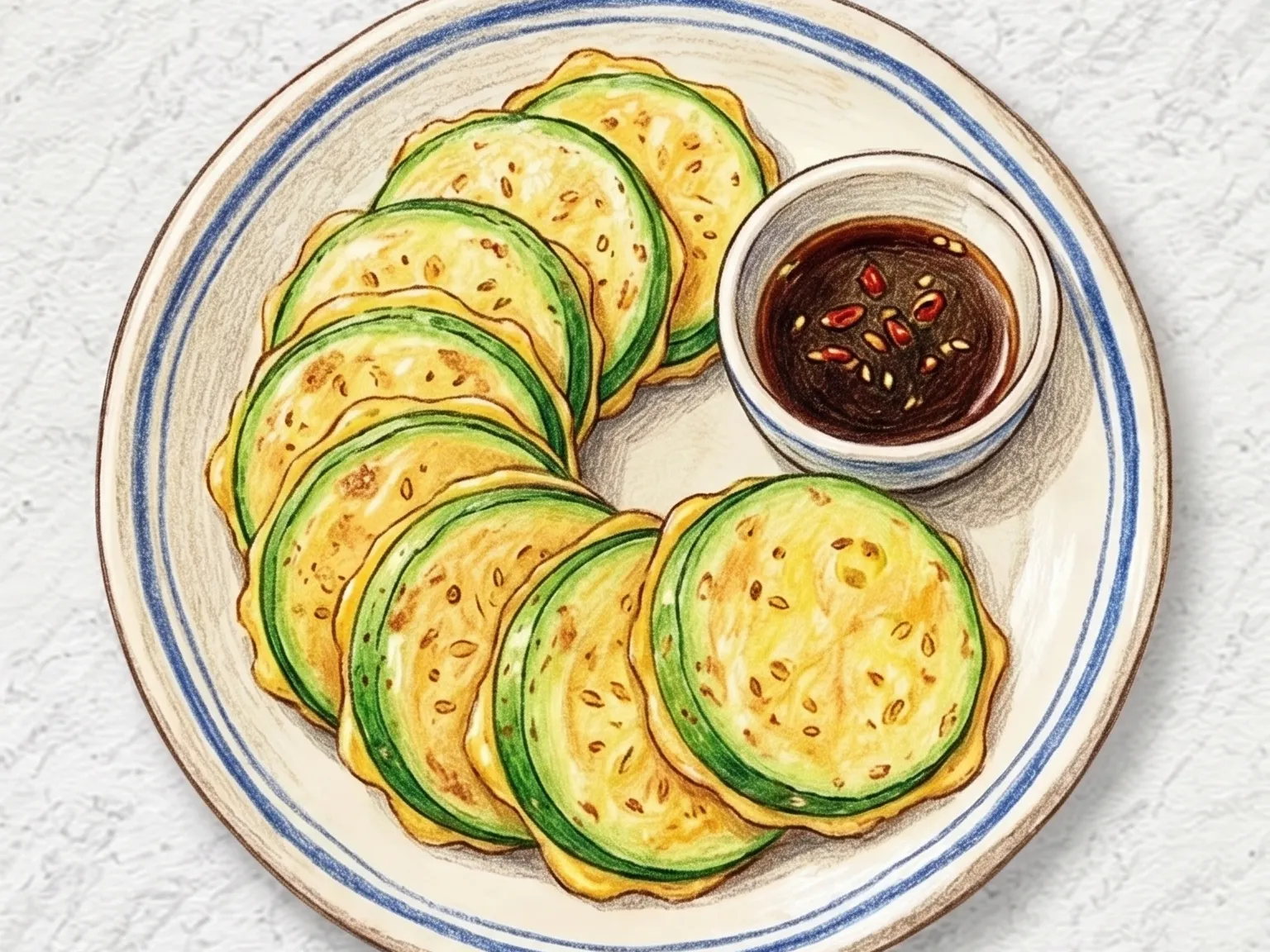
Hobak-jeon is a Korean pan-fried zucchini pancake made by dredging thin slices in flour then coating them in beaten egg before cooking in oil. The technique is the foundational jeon method used across Korean cuisine: a dry flour coat first to help the egg adhere, then the egg layer that fries into a golden, slightly spongy crust. Cutting the zucchini to an even 0.5 cm thickness matters for consistent cooking, and salting the slices briefly then patting them dry ensures the flour sticks uniformly. Low heat is important: a gentle pan allows the egg coating to set gradually and turn evenly golden while the zucchini inside softens and becomes almost creamy. High heat sets the egg too fast and leaves the interior undercooked. Dipped in cho-ganjang, a simple mix of soy sauce and vinegar, the acidity provides contrast to the oiliness of the fried coating. During Chuseok and Seollal, households prepare assorted stacks of jeon for the ritual offering table and subsequent family meal, and hobak-jeon is reliably present among them. With only zucchini, flour, eggs, and salt required, this is one of the most straightforward Korean recipes to attempt.

Korean Thick Doenjang Bibimbap
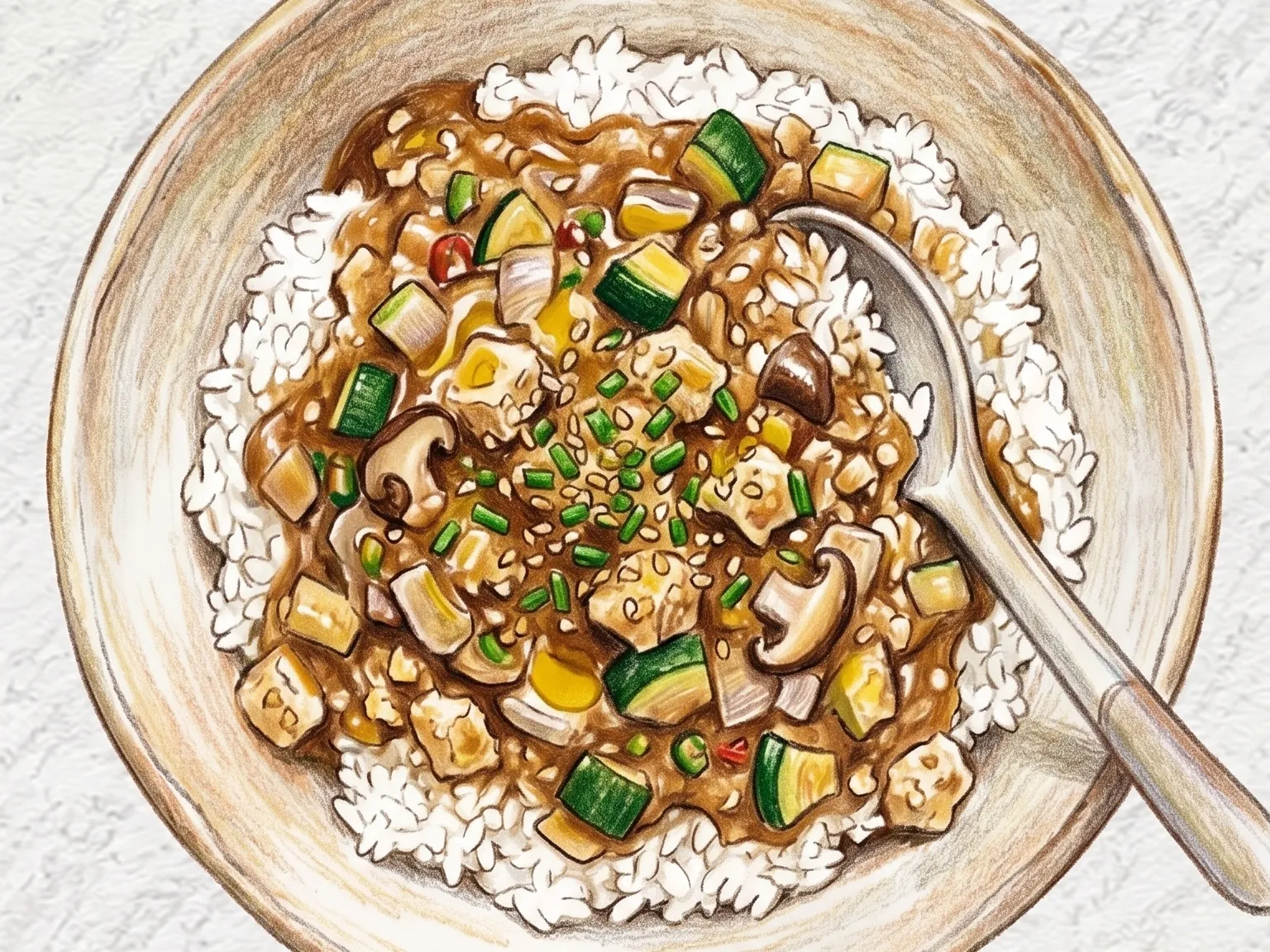
Gangdoenjang-bibimbap is a rice bowl built around gangdoenjang, a reduced and concentrated version of the fermented soybean paste cooked down with vegetables and tofu until most of the moisture has evaporated. Where ordinary doenjang jjigae centers on broth, gangdoenjang is intentionally reduced to intensify the fermented depth, allowing the paste to cling to rice like a thick sauce when spooned over and mixed in. Minced garlic is bloomed in sesame oil first, then diced onion and zucchini are added and cooked through before the dissolved doenjang and minced shiitake go into the pan to reduce over gentle heat. Firm tofu is crumbled in during the final stage, breaking apart as it cooks and giving the sauce a heavier, more substantial body. Water is added in 20 to 40 milliliter increments to adjust consistency depending on the saltiness of the paste. A chopped cheongyang chili raises the heat and sharpens the savory quality of the doenjang. An extra drizzle of sesame oil when mixing amplifies the nuttiness, and a fried egg or crumbled dried seaweed on top turns the bowl into a complete and filling meal.

Korean Freshwater Crab Spicy Soup
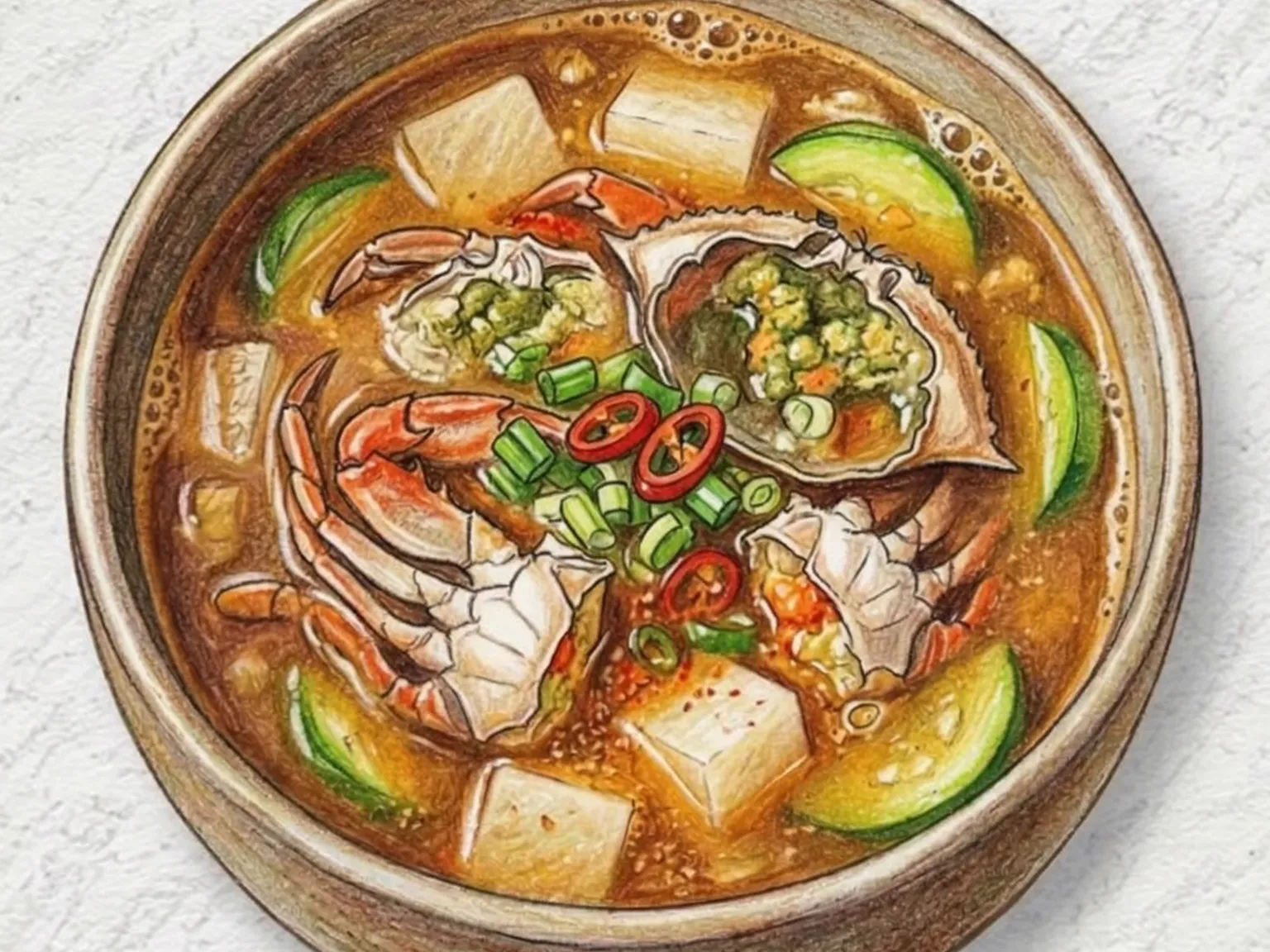
Freshwater crabs are halved, thoroughly cleaned, and simmered in a stock built from radish and doenjang that draws out their intense, briny umami over forty minutes of steady cooking. Gochugaru and cheongyang chili build up layers of fiery heat, while zucchini and radish contribute natural sweetness that tempers the spice. Pressing the soybean paste through a strainer before adding it keeps the broth smooth and clear rather than grainy, and the result is a bold, aromatic stew deeply rooted in Korean regional tradition.

Korean Tuna Stew
A weeknight stew built from a single can of tuna. The canned oil and flaked meat break into the water with gochugaru and soup soy sauce, building a sharp, savory broth without stock. Zucchini and onion add natural sweetness, tofu provides a soft counterweight, and a cheongyang chili pushes the heat up a notch. No extra broth needed - the fat from the can does the work.

Korean Manila Clam Knife-Cut Noodle Soup
Bajirak kalguksu is a prominent Korean noodle dish that consists of wheat noodles prepared by hand and cooked in a broth made from manila clams. The process begins with the preparation of the clams, which are soaked in cold water for at least one hour. This purging stage is necessary to ensure that the clams expel any internal sand or debris before they are boiled. Once cleaned, the clams are placed in fresh water and boiled until their shells open fully. The shells are then discarded, and the resulting stock is strained through a fine cloth to remove every remaining particle of grit. This meticulous straining produces a clear broth where the natural oceanic flavor of the clams remains the primary focus. The salinity of this base is mineral and clean, which distinguishes it from the flavor profile of dashi made with dried and concentrated anchovies. Sliced Korean zucchini and scallions are added to the strained broth and allowed to simmer for five minutes. These vegetables contribute a mild sweetness that helps to soften the natural saltiness of the clam extract. When the hand-cut noodles are added to the boiling liquid, they release starch as they cook. This starch gradually transforms the consistency of the broth, making it slightly thick and viscous so that it adheres to the individual noodle strands. This specific change in texture is what separates kalguksu from other varieties of Korean noodle soup. The noodles are boiled for six to seven minutes until they become translucent, after which the reserved clam meat is returned to the pot. Seasoning with soup soy sauce is performed with caution because the clam stock already contains a high level of natural salinity. Adding an excessive amount of soy sauce can easily mask the delicate marine qualities that define the dish. The overall concentration of the broth is a direct result of the quantity of clams used and the length of the simmering process. If a more assertive flavor profile is preferred, the number of clams used in the initial stage should be increased rather than adding more external seasoning.