Salsa Verde (Mexican Green Tomatillo Salsa)
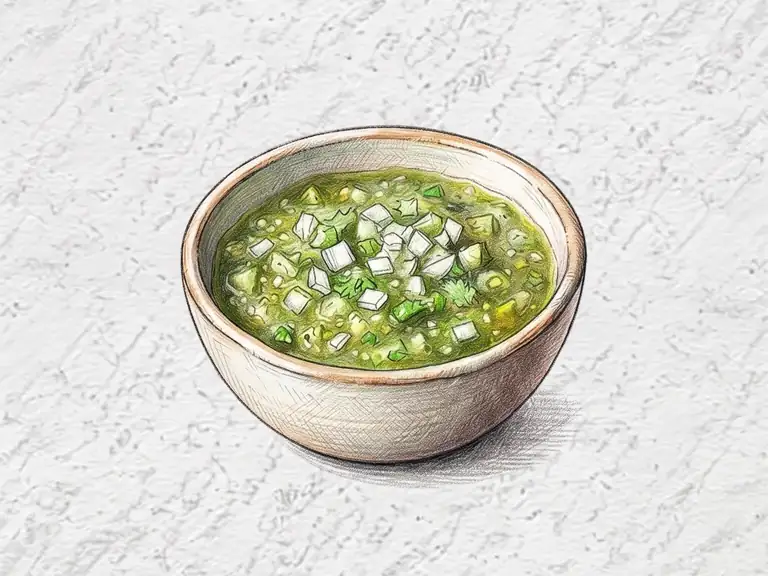
The chopped onion is rinsed under cold water, shaken dry and stirred into the blended salsa by hand, so it stays in small, crisp pieces.
235 recipes. Page 9 of 10
Salad recipes with vegetables, fruit, and grains
The chopped onion is rinsed under cold water, shaken dry and stirred into the blended salsa by hand, so it stays in small, crisp pieces.
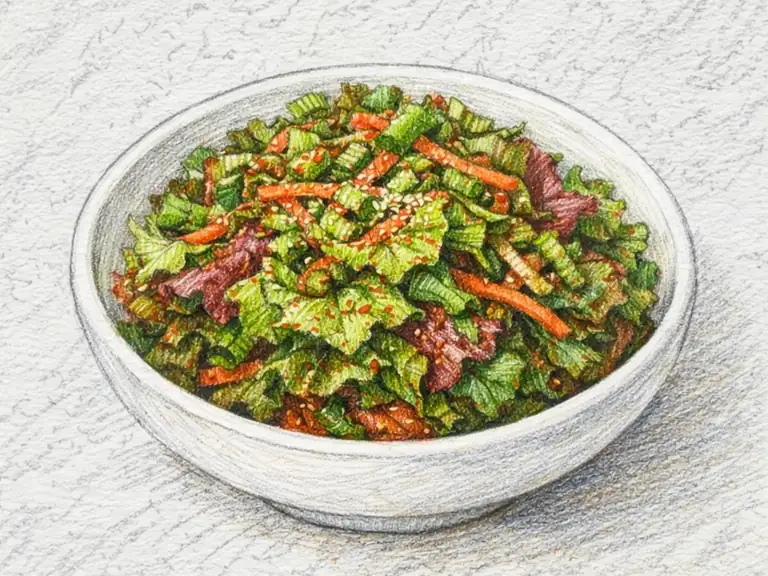
Torn lettuce gets a thin, glossy coat of red chili dressing seconds before it reaches the table, usually beside grilled pork belly or other grilled meat. The dressing rests for about a minute first, long enough for the chili flakes to soften and lose their dusty taste. Geotjeori is a fresh, unaged kimchi-style salad, and it does not hold: left to sit, the leaves wilt and liquid gathers in the bowl. When the dressing tastes thin, drying the lettuce matters more than adjusting the sauce: the usual cause is water trapped between the leaves rather than too little seasoning. Thin slices of onion add a sharp edge against the mild bitterness of the leaves. Plum syrup gives a fruitier, subtler sweetness than sugar, and vinegar tempers the chili heat.
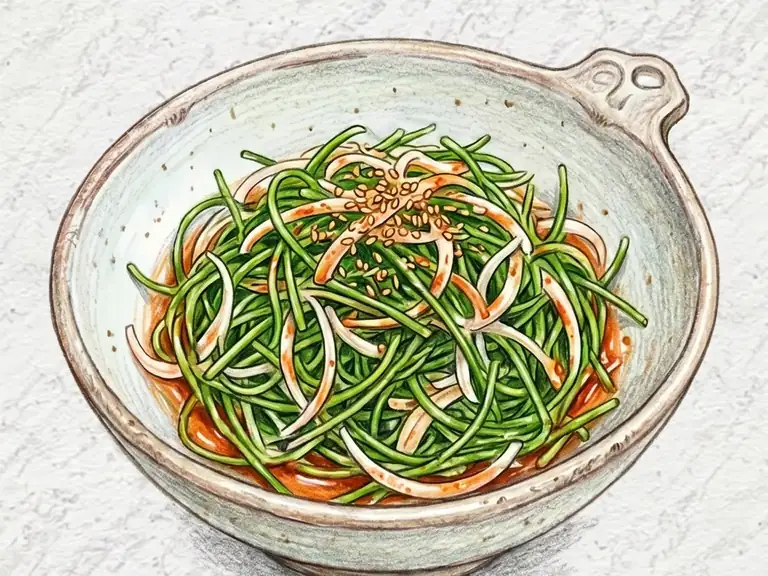
Glasswort grows near tidal flats and its thin stems already taste salty, which leaves the seasoning to chili flakes, vinegar, plum syrup and sesame oil with no added salt. The stems pop when bitten, and keeping that snap explains the 10-second blanch and the plunge into cold water right after. Mixing it for too long makes the stems go limp and leaves water on the plate. For that reason the chili flakes are soaked in the vinegar and plum syrup first, and a quick toss then coats the greens. Paper-thin onion adds a little sweetness, and the fruity plum syrup rounds off the vinegar's sharpness.
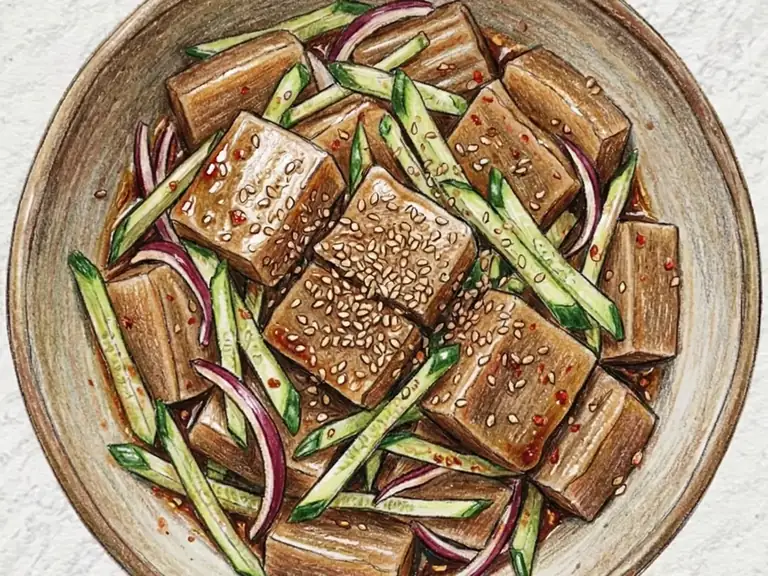
A brief dip in boiling water firms the surface of acorn jelly, which helps the soft slices survive being tossed in a soy, vinegar and chili dressing. Mixing them takes a few gentle lifts from the bottom rather than stirring, as they still break easily.
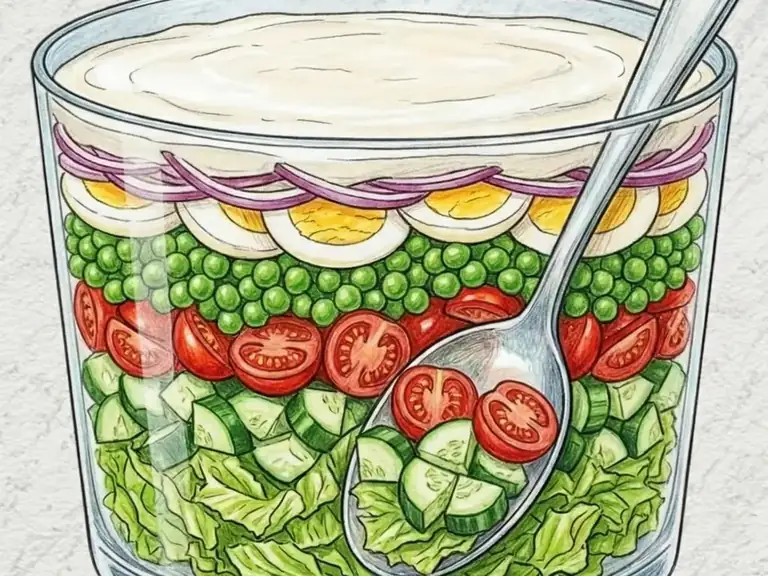
Six layers of romaine, cucumber, cherry tomato, peas, chopped egg, and red onion show through the side of a glass bowl, capped with Greek yogurt and lemon. Egg brings mild richness, peas a starchy sweetness, and red onion a sharp edge against the creamy top. Serve with a spoon that reaches all the way to the bottom, so every plate gets every layer.
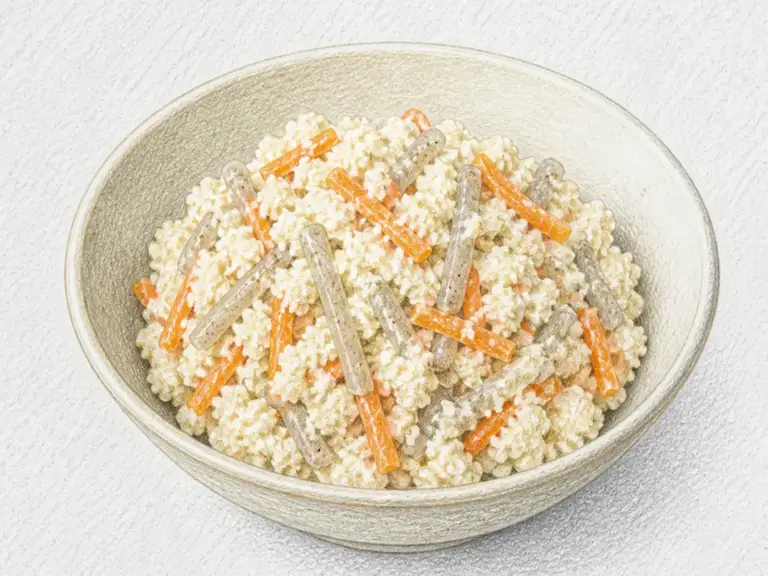
Tofu mashed until smooth, with ground sesame and a little sugar, coats the carrot and konjac in a white dressing that is more gently sweet than salty. Any warmth or liquid left in the vegetables thins it out, so after their simmer in dashi they are drained and cooled completely.
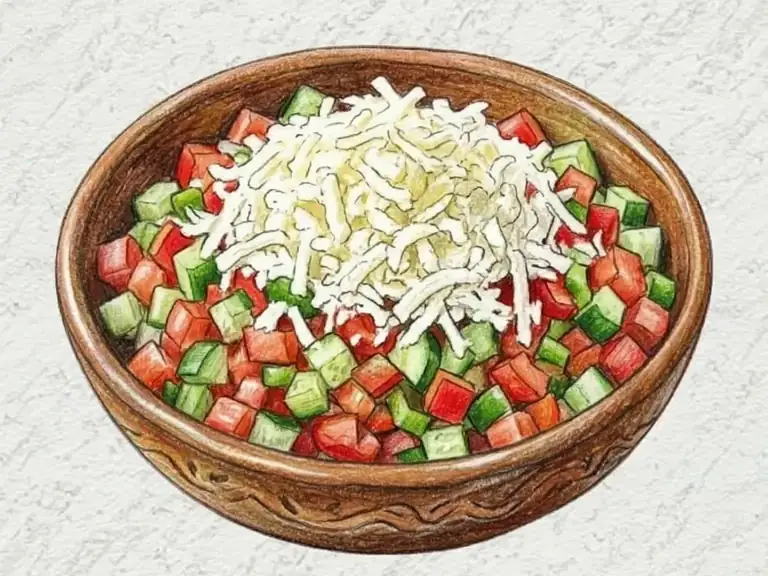
Finely grated feta covers chopped tomato, cucumber, green pepper, and onion like a layer of snow in Bulgaria's best-known salad. There is no separate dressing: juice from ripe tomatoes mixes with the olive oil and red wine vinegar and becomes the sauce at the bottom of the bowl. Green pepper's grassy bitterness keeps the salty cheese and watery vegetables from tasting one-note. The feta brings plenty of salt on its own, so the vegetables get only a light seasoning to start. Scraping out the cucumber's seed section means less water diluting that sauce, and tossing right before eating keeps the vegetables firm.
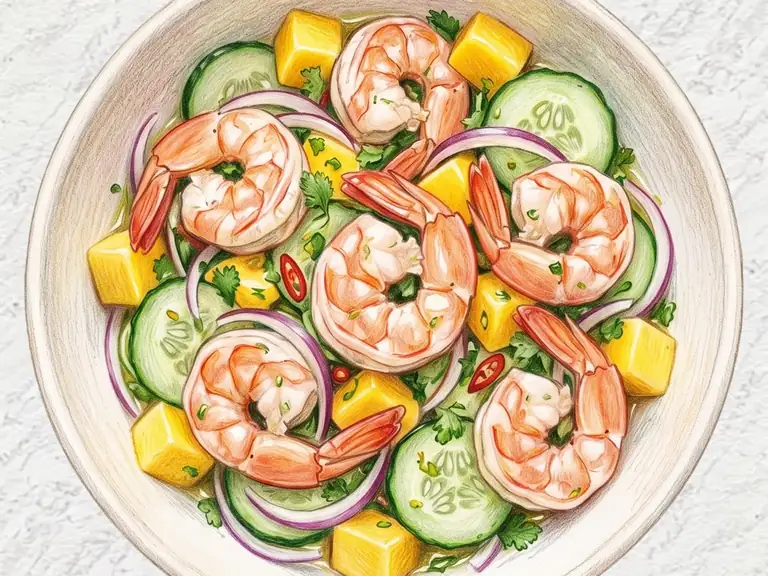
Snappy shrimp and soft, ripe mango are pulled together by lime juice and fish sauce, salty and sour at once. It is best eaten cold, soon after tossing, before the mango and shrimp start shedding liquid into the bowl.
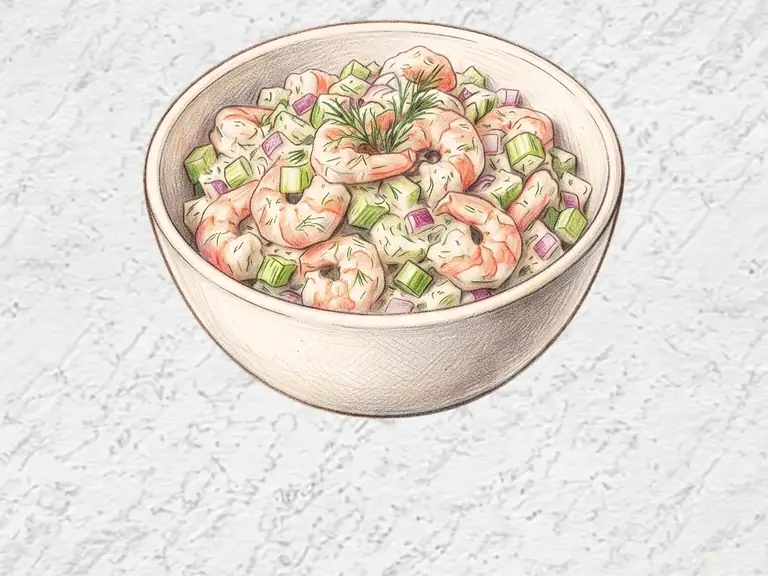
The mayonnaise dressing is tangy with plenty of lemon juice and full of fresh dill, and a little Worcestershire sauce stirred in gives it a salty, savory edge. Finely chopped celery and red onion stay crunchy in the creamy dressing.
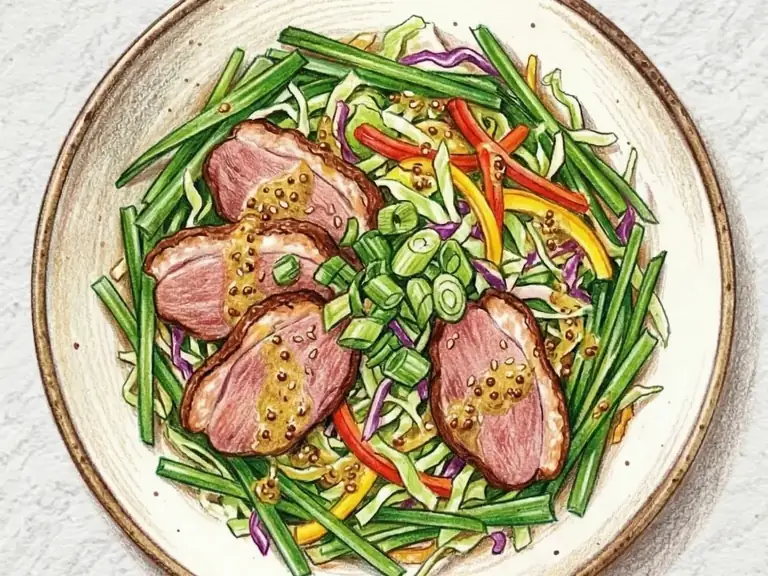
Searing smoked duck briefly renders the surface fat, and what richness remains gets cut by the nose-tingling heat of mustard and a splash of vinegar. Korean chives, cabbage, and bell pepper give it crunch and a garlicky green aroma, while honey and sesame oil round off the soy dressing. Toss the duck with the vegetables while it is still warm, when the meat feels most tender.
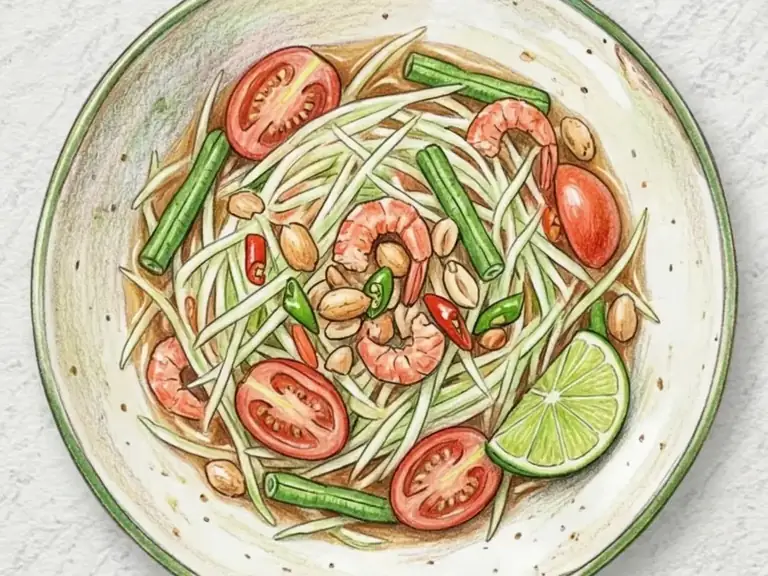
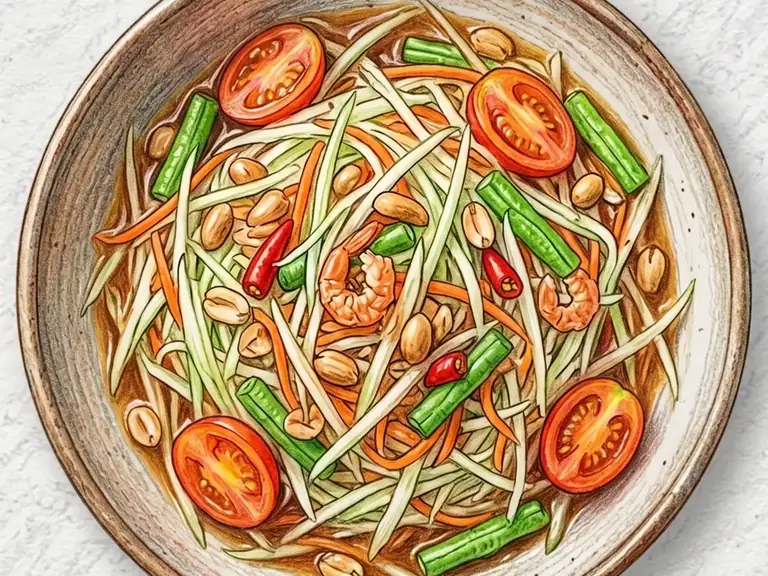
Shredded green papaya is bruised only lightly in a mortar with a hot lime dressing and keeps its strands crisp instead of limp. The mortar acts more like a mixing bowl than a grinder. Pounding hard snaps the thin strands and softens them.
Fine shreds of green papaya get lightly bruised in a mortar so they soak up lime juice, fish sauce, and palm sugar. Unripe papaya has none of the fruit's sweetness, just a crisp crunch, and the dressing hits hot, sour, salty, and sweet all at once. A cold-water soak firms the shreds, but they need thorough draining or the measured dressing turns watery. Light pounding is all it takes; stop once the tomatoes start to release juice, before they collapse. Without a mortar, a large bowl and a rolling pin do the same job with gentle pressing, and seeding the Thai chilies tames the heat. Serve it as soon as the peanuts are mixed in, while the papaya is still crisp.
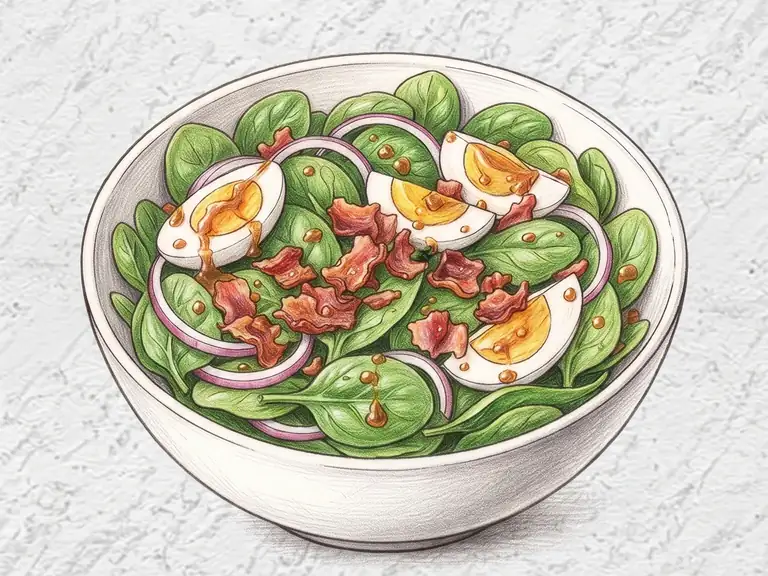
The bacon and the dressing can be made ahead; when it is time to eat, rewarm the dressing briefly if you like and toss. The dressing, made with the bacon fat, is tangy from red wine vinegar and tastes of Dijon mustard.
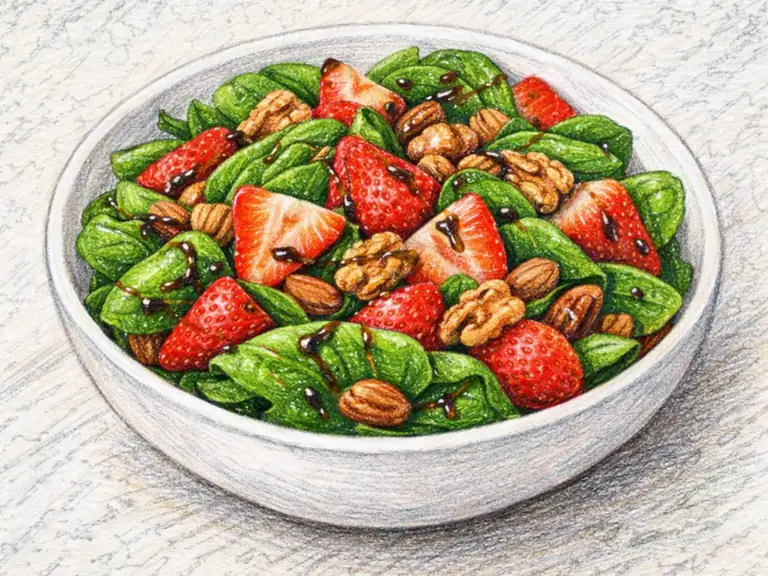
Thin slices of strawberry and a honey-balsamic dressing lay sweet and tart notes over tender baby spinach. Toasted walnuts and very thin red onion keep the salad from tipping into dessert, one with crunch and the other with a sharp bite.
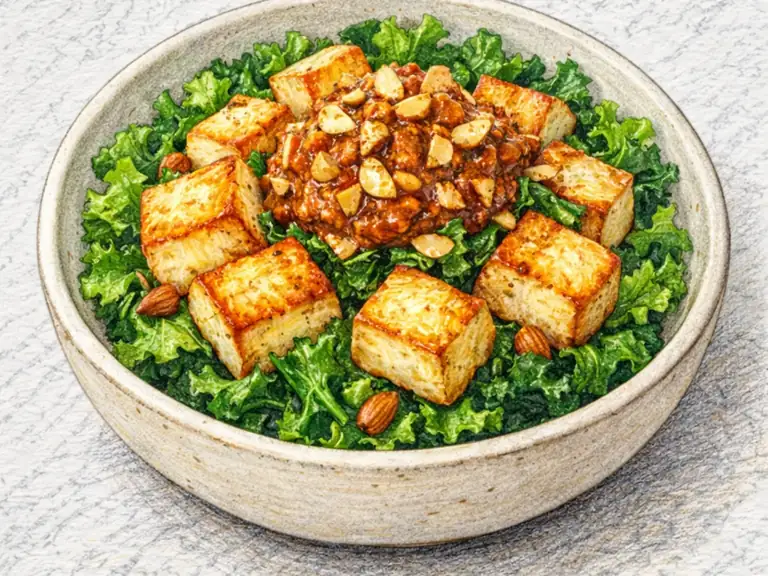
Thinned with lemon juice, ssamjang (the soybean and chili dipping paste used for Korean lettuce wraps) becomes a savory dressing sturdy enough for raw kale. The kale's slight bitterness suits that nutty, salty depth, and red cabbage and cucumber add juicy crunch. Golden pan-seared tofu edges and sliced almonds supply the crunch in the name; scatter the almonds at the last minute so they stay crisp.
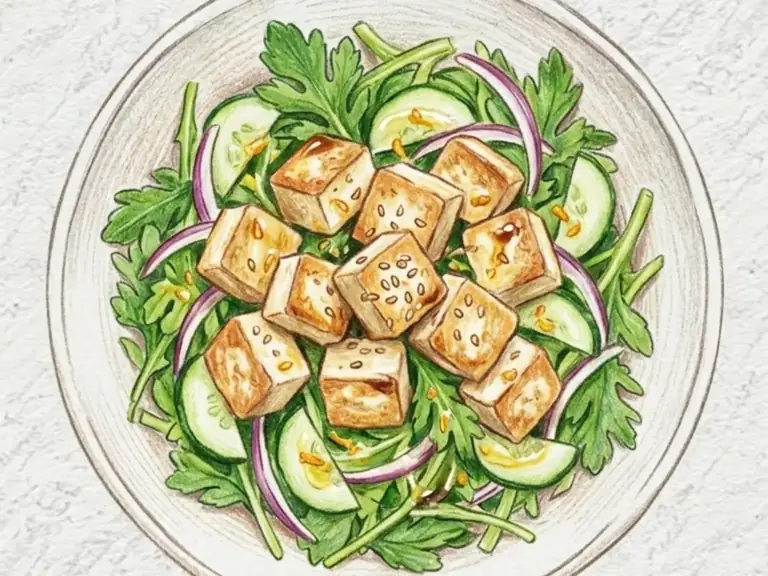
Raw crown daisy leaves are bitter and fragrant, and a yuzu marmalade dressing wraps them in sweet citrus while browned tofu adds a mild, savory base. Because the greens stay uncooked, hot tofu wilts them on contact and dulls their aroma; let the tofu cool briefly first. Soy sauce, lemon, and sesame oil balance the sweetness of the marmalade, and gentle folding keeps the seared cubes whole.
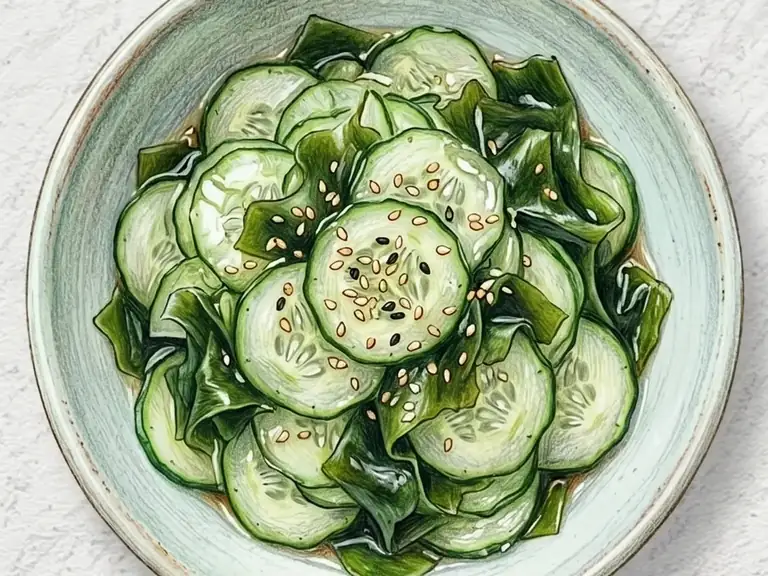
Paper-thin cucumber and wakame soak in a sweet rice vinegar dressing, and the result is cool, tangy, and very light. Unlike many cucumber salads, it carries no garlic or chili, so the vinegar and the clean taste of cucumber come through on their own.
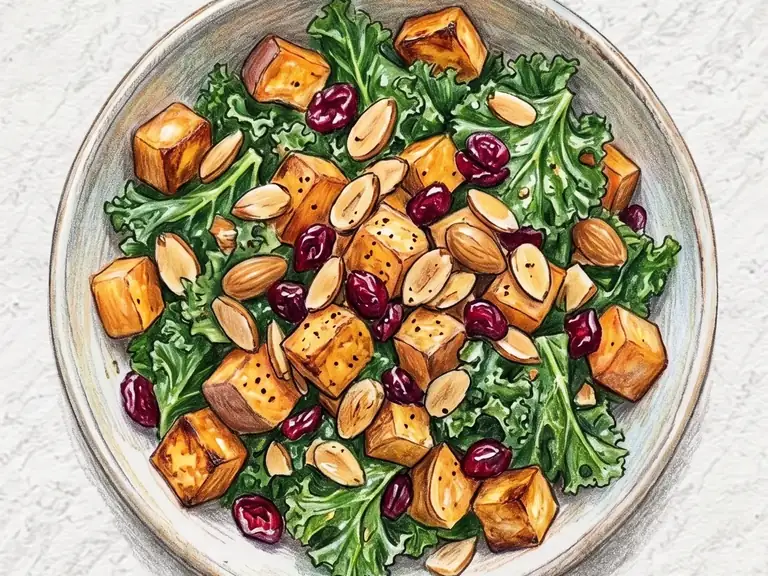
Sweet potato roasted until its edges caramelize gives sturdy, bitter kale a sweet counterweight, enough to make this a filling bowl on its own. Almonds add crunch and dried cranberries a sour note, while a Dijon, lemon, and honey dressing keeps it bright. Cool the roasted cubes completely before they meet the kale, since leftover heat softens the leaves too far, and lift gently from underneath when mixing so the cubes stay intact.
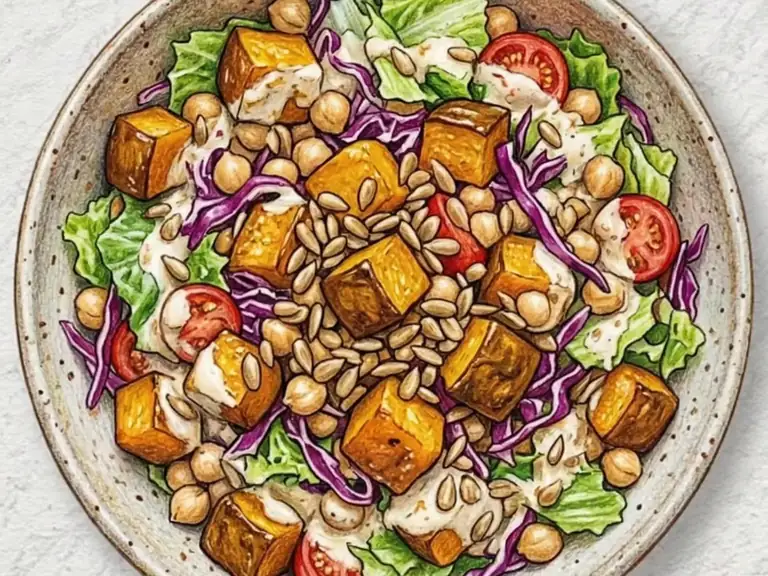
Whisking doenjang (Korean fermented soybean paste) into plain yogurt gives a dressing that starts tangy and finishes savory and salty, a lighter alternative to the usual mayonnaise. Roasted kabocha and chickpeas make the bowl filling, while lettuce, red cabbage, and grape tomatoes keep it crisp and juicy. Sunflower seeds go on at the very end so they keep their crunch.
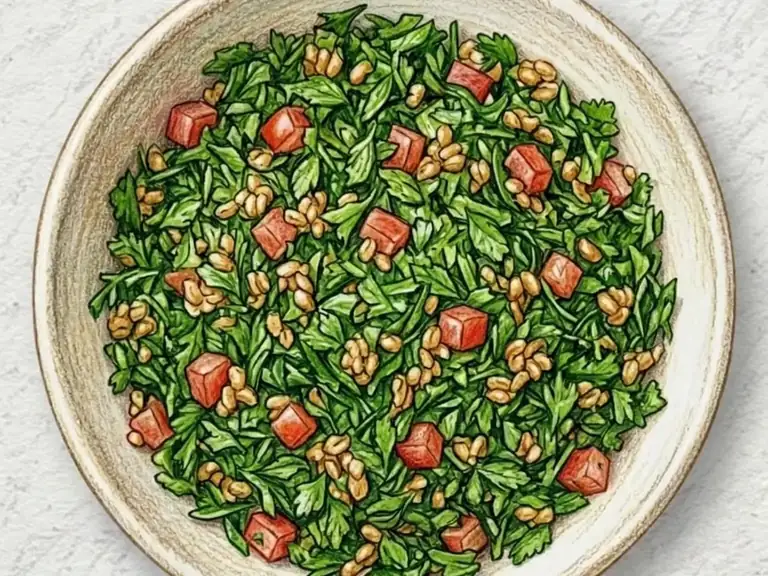
Parsley makes up most of the bowl, with grains of bulgur scattered through the chopped green rather than the other way round. Mint and lemon juice bring a cool, sour lift, and thinly sliced green onion adds a sharp edge. The herbs are chopped with a sharp, upright knife so the leaves are cut, not crushed, and keep their aroma. Mushy bulgur blurs into the herbs, and the soak stops while the grains are tender with a little chew left. Water from any of three places, the soaked bulgur, the washed herbs, or the tomato's seedy center, ends up as thin dressing pooled in the bowl. The cooled bulgur takes the dressing first and is seasoned on its own before the vegetables join it.
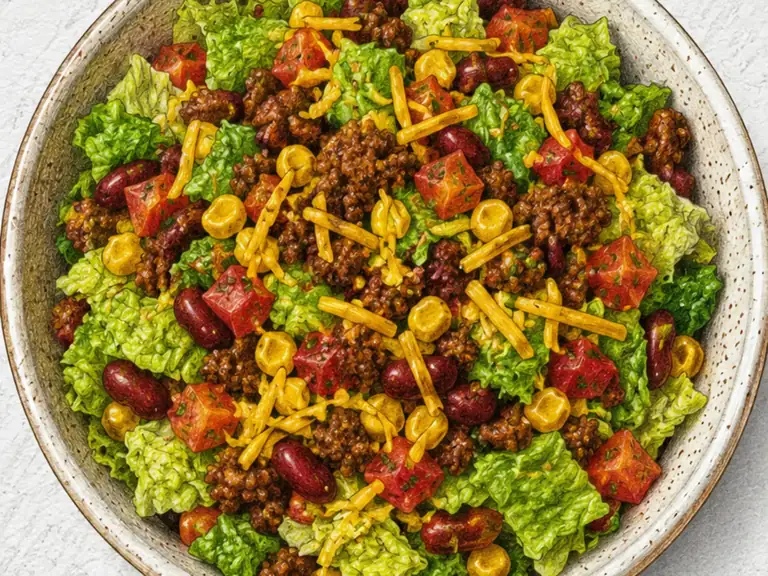
All the fillings of a taco, minus the tortilla: browned ground beef, kidney beans, corn, cheddar, and salsa piled over crisp romaine and finished with lime. Any water left on the romaine, beans, or corn joins the liquid from the salsa and lime and ends up pooled at the bottom of the bowl. Assemble just before eating, since the warm beef starts wilting the lettuce as soon as it lands.
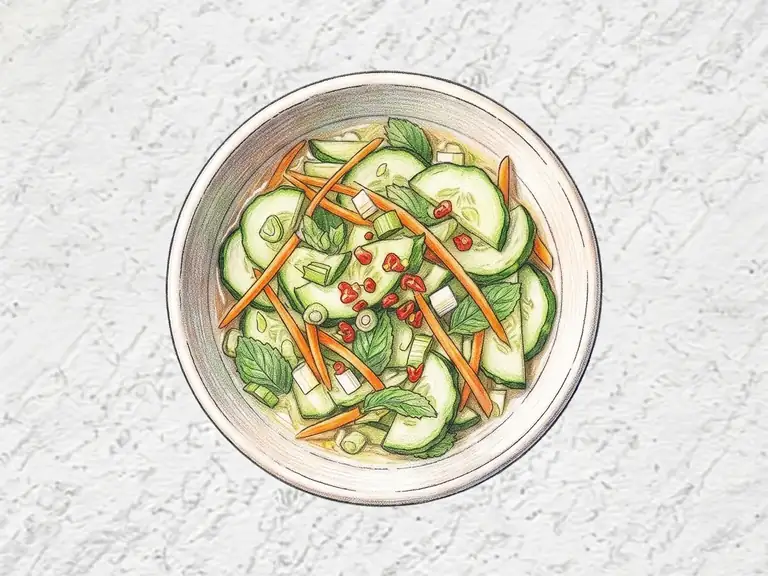
The dressing is rice vinegar and lime juice with the sugar and salt dissolved in them, and it has no oil. Knife work included, the salad takes about 10 minutes.
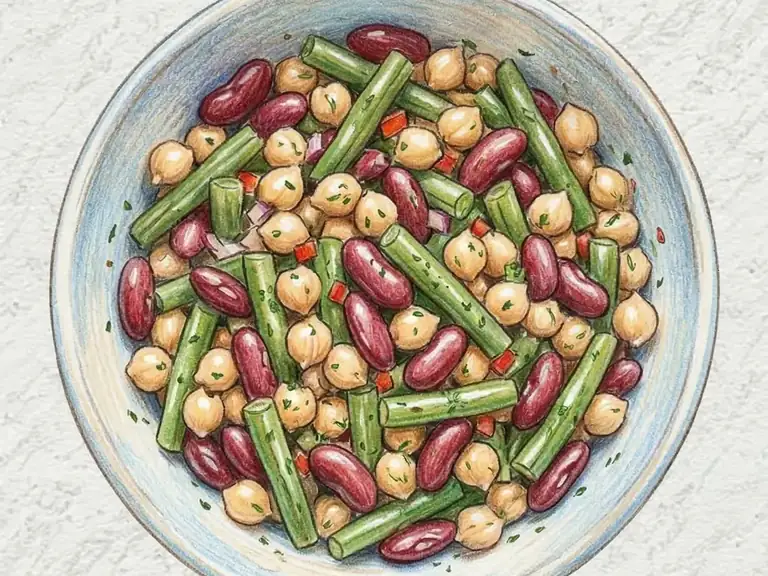
Canned kidney beans and chickpeas get blanched green beans for crunch and a dressing of cider vinegar and Dijon mustard. A night in the fridge lets the dressing work into the beans, and it tastes better the next day.
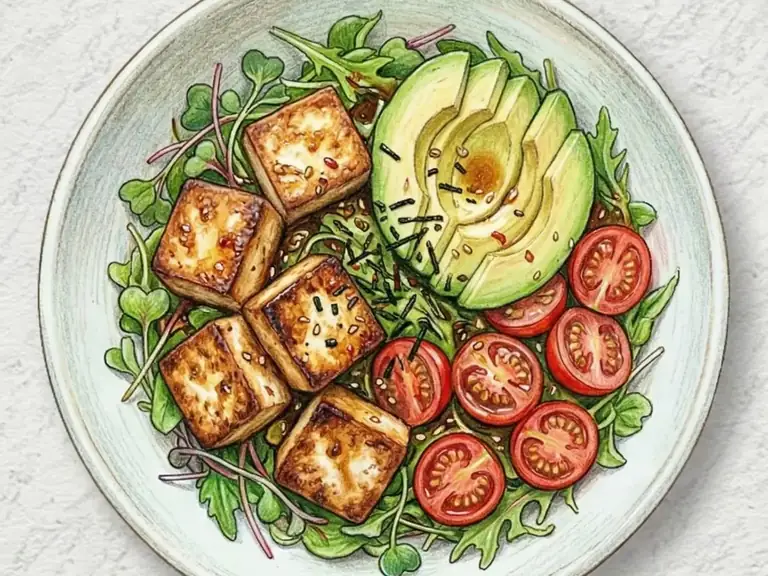
Golden seared tofu and buttery avocado share a dressing of soy sauce, sesame oil, and lemon juice. Familiar Korean seasoning paired with citrus acidity keeps the bowl savory without making it heavy. Pressing the tofu until its surface feels dry cuts down on splattering and gives a cleaner sear. Left alone until the first side firms up, the cubes sear well enough to hold their shape when tossed. The avocado is cut only once everything else is ready and goes straight into the lemony dressing, where it browns less. Let the hot tofu cool slightly before it touches the greens.