Solnip-cha (Korean Pine Needle Tea)
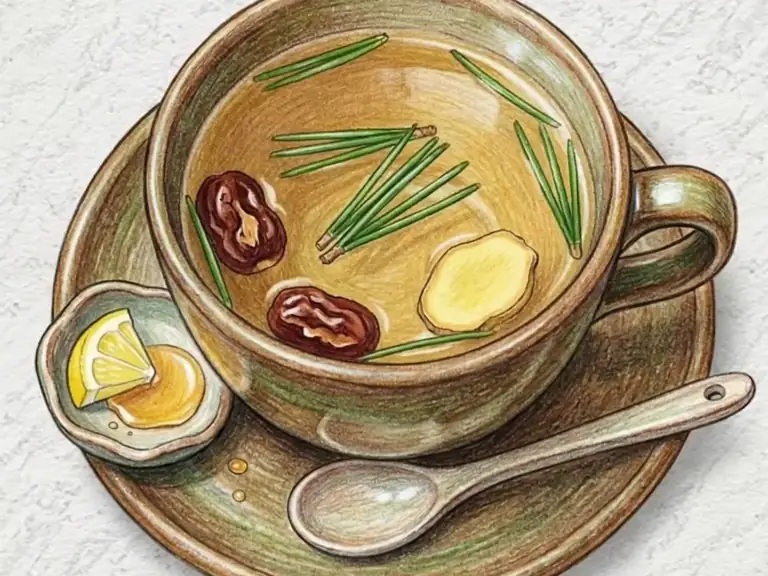
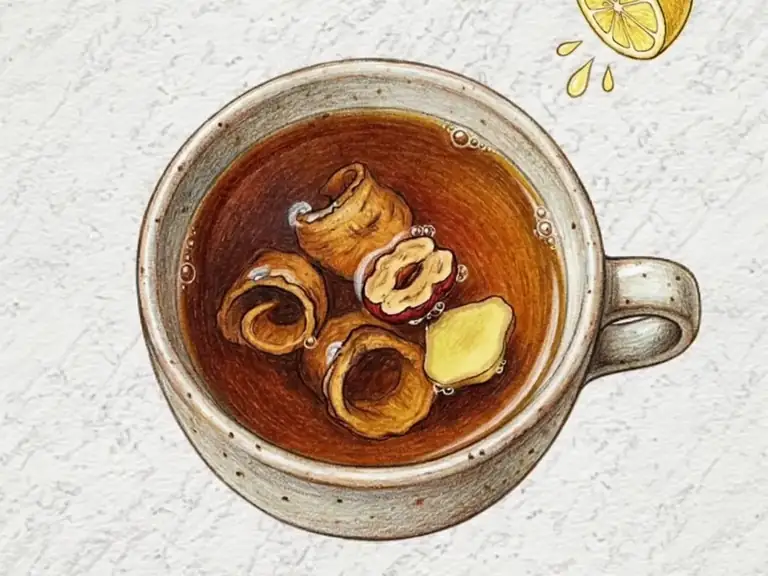
Young pine needles steeped over low heat with jujubes and ginger give a clear, resin-like pine scent. Longer simmering does not make that scent stronger, only more astringent, so the brew stays under 20 minutes.
235 recipes. Page 8 of 10
As an Amazon Associate, we may earn from qualifying purchases.
Young pine needles steeped over low heat with jujubes and ginger give a clear, resin-like pine scent. Longer simmering does not make that scent stronger, only more astringent, so the brew stays under 20 minutes.
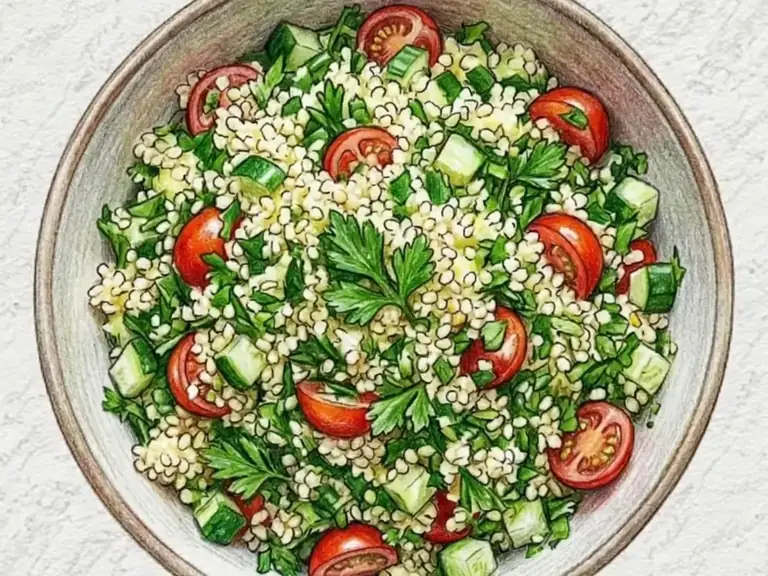
Couscous never boils for this salad: boiling water is poured over, the bowl is covered, and five minutes of standing does the cooking. Texture is decided afterward. Lifted apart with a fork, the grains stay light and separate; pressed or stirred, they clump into a sticky mass. Cucumber, cherry tomatoes and roughly chopped parsley add juice and freshness, and a lemon and olive oil dressing seasons it lightly. Let the steam escape completely first, or the vegetables soften. With parsley making up so much of the bowl, it eats more like tabbouleh than a heavy grain salad, and couscous that holds its texture at room temperature travels well in a lunch box or to a picnic.
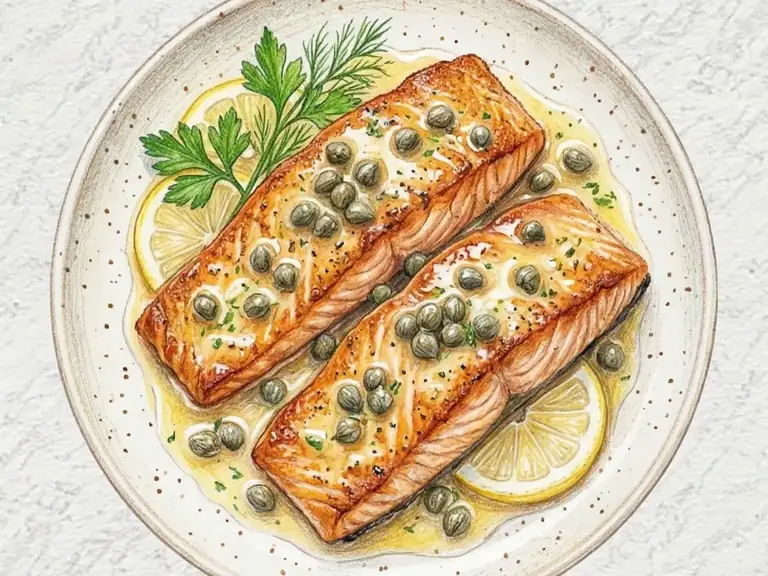
Lemon juice and capers give a sharp, salty edge to a butter pan sauce that cuts through the richness of salmon. A light dusting of flour gives the fillet a thin crust, and the browned bits left in the pan dissolve into chicken stock to start the sauce. The fish is only partly cooked in the first sear and goes back into the sauce for the last couple of minutes, so it stays moist instead of drying out.
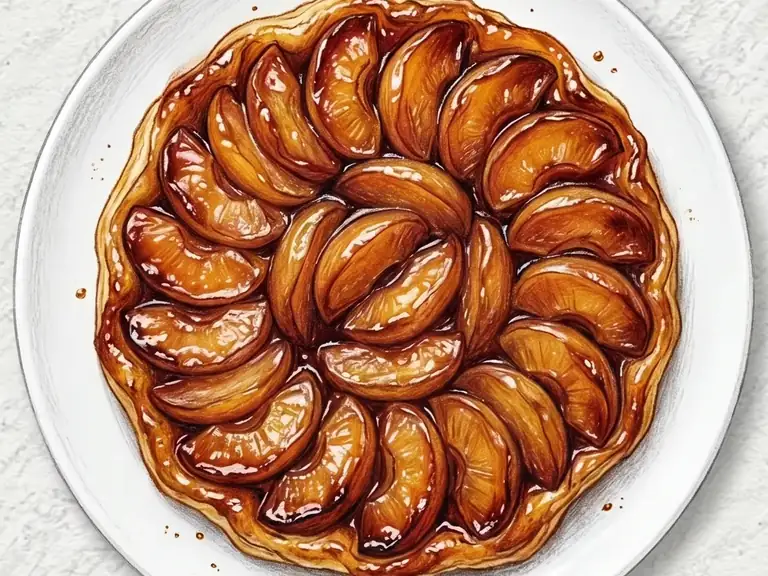
Apples cook first in a butter-and-sugar caramel in an ovenproof pan, then bake under a sheet of pastry before the whole thing is flipped onto a plate, caramelized fruit on top. The apples are peeled, cut into thick pieces and packed upright in the pan with no gaps. After only 3 to 5 minutes out of the oven, a plate wider than the pan goes on top and both are turned over in one motion.
Somaek, short for soju plus maekju (beer), started as a bomb-shot habit at Korean drinking tables, and this version tidies it into something closer to a highball with ice, lemon juice, and a lemon slice. At one part soju to three parts lager, beer still carries most of the flavor while soju adds strength. A splash of soda water lowers the alcohol and sharpens the fizz.
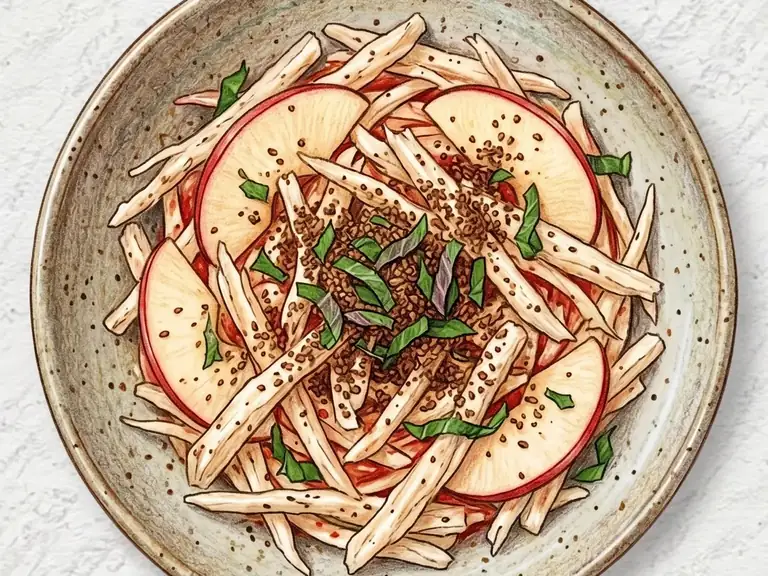
Tapped with the back of a knife and torn lengthwise by hand, deodeok (a Korean mountain root) splits into chewy, fibrous strands, but pounded too hard the fibers crush and the chew is gone. A gochujang and vinegar dressing thickened with ground perilla seed gives it a nutty finish, and julienned apple softens the root's bitterness with sweet juice.
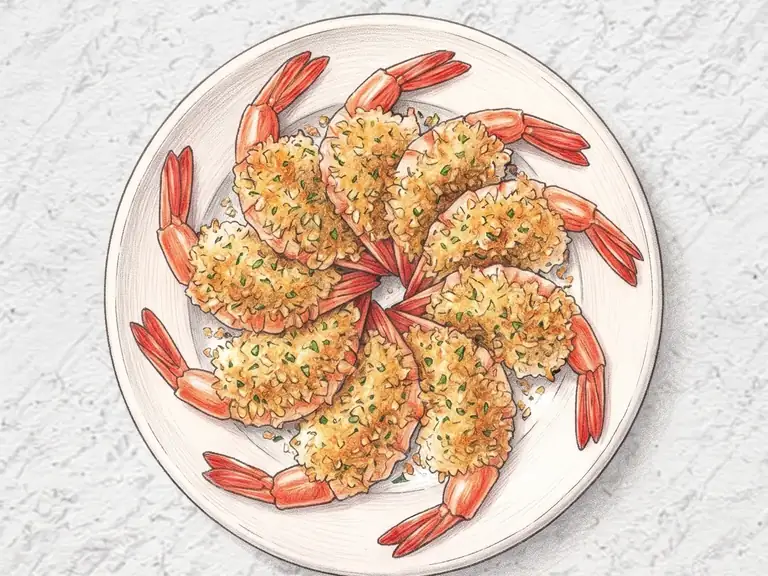
True to its name, the dish is flavored with dried oregano, which is split, along with the lemon zest, between the wine marinade and the crumb topping. Laid on their sides in a pinwheel with the tails pointing out, the shrimp each end up evenly covered with the garlic butter crumbs.
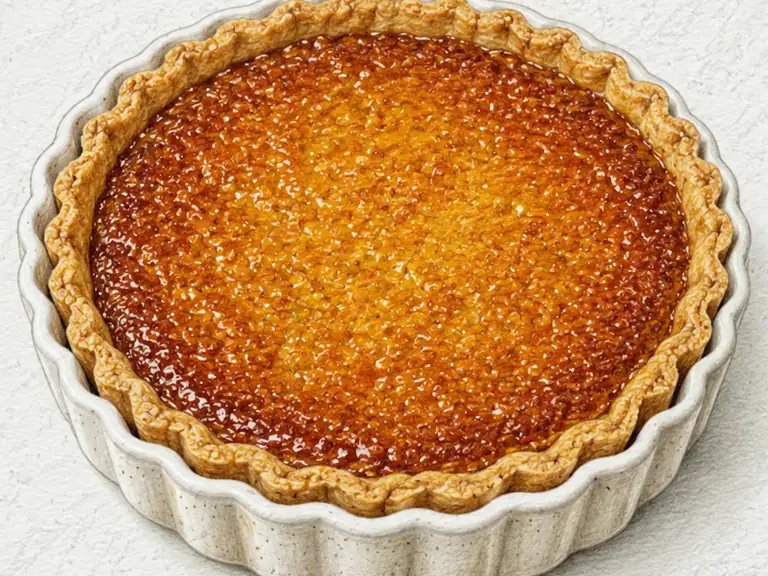
Golden syrup, coarse breadcrumbs and lemon make the filling of this British tart, sticky and deeply sweet. A little wobble in the center when it comes out is fine. The filling firms as it cools. Pull the tart once the top is lightly browned, and wait until it is completely cold before slicing.
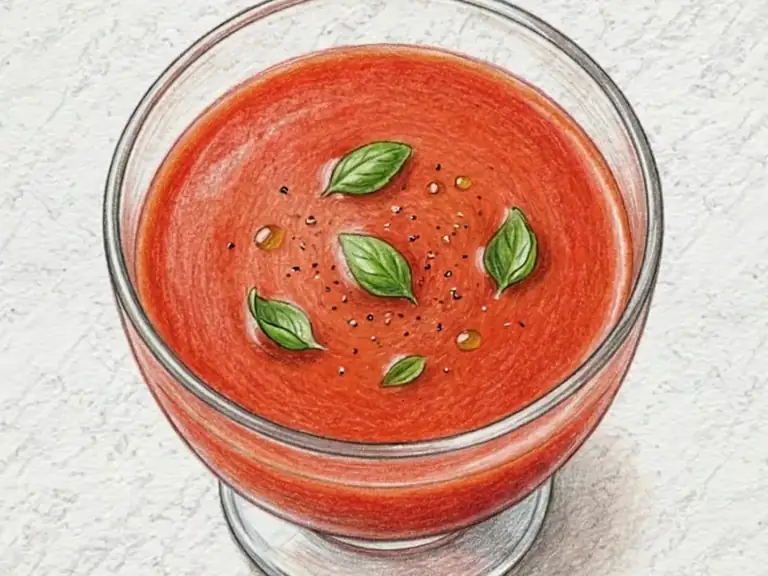
This juice lives or dies by the tomatoes. Underripe ones give little but sourness, so let them ripen at room temperature rather than in the fridge. The basil goes in right before blending, and the juice is seasoned with salt and pepper, so it drinks savory rather than sweet.
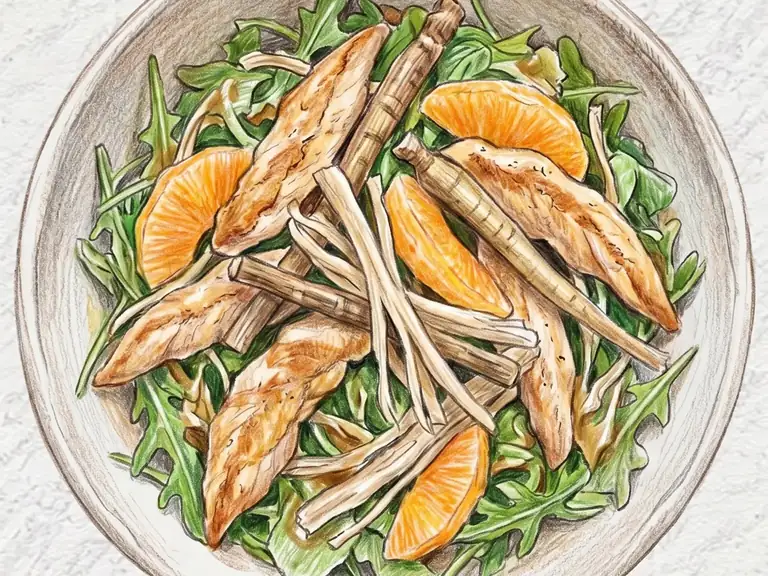
Deodeok, a Korean mountain root, has an earthy smell and a gentle bitterness, and orange segments and arugula answer it with acidity and a peppery bitterness. The root is pounded and seared in the same pan as the chicken tenders, glazed with soy sauce, and a light dressing of lemon juice, soy sauce, olive oil and honey lands somewhere between Korean and Italian.
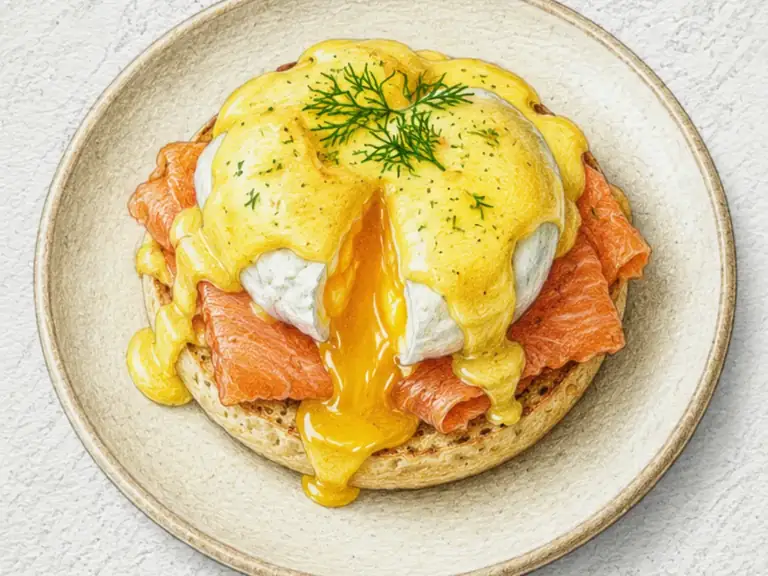
In this Benedict, smoked salmon takes the place of ham and brings its salty, smoky flavor between the toasted muffin, a poached egg, and hollandaise. The sauce is whisked from yolks and lemon juice over water that only steams, with warm melted butter added in a thin stream, and hotter water would set the yolks and break the sauce. The eggs poach in barely trembling water with a splash of vinegar, and 3 minutes 30 seconds leaves the whites set and the centers soft. Once cut, the yolk runs over the salmon and muffin as a second sauce. Since the eggs, sauce, and muffins all need to land at the same moment, melting the butter first and keeping it warm sets up the rest.
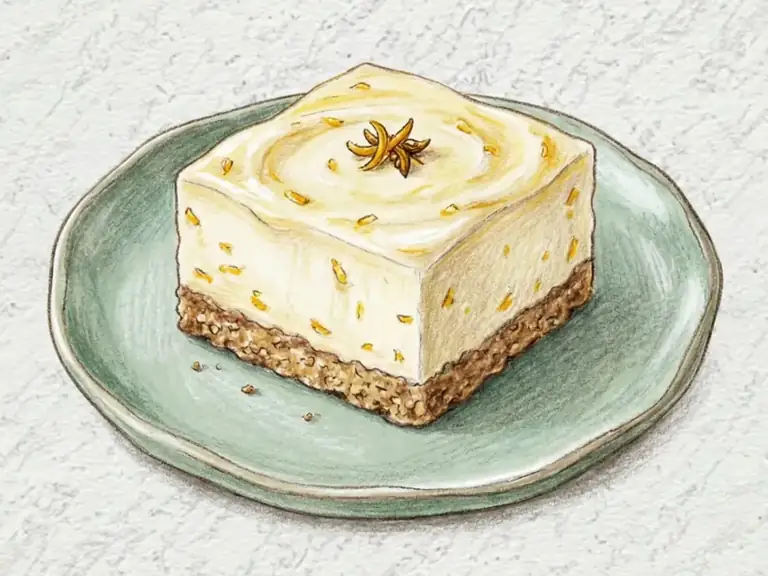
A cream cheese filling with yuja-cheong (Korean citron preserve) bakes as one slab over a cracker crust, then chills firm before being cut into squares. The citrus comes through after the dense cheese and keeps the finish light.
Burdock root, sliced thin with its skin on and dry-roasted until it browns, gives this tea its toasty aroma. The slicing matters as much as the roasting: thick slices hold their flavor back.
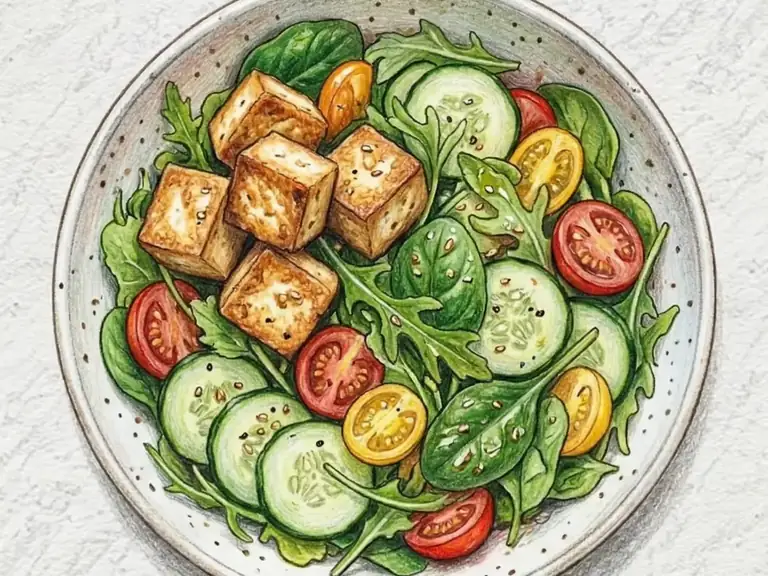
Pressed for 20 minutes and seared until golden on each side, the tofu goes onto the salad still warm, a crisp-edged contrast to cool baby greens, cucumber and cherry tomatoes. The soy sauce, lemon and sesame oil dressing brings enough salt and acidity that the tofu itself needs no separate seasoning. Only the vegetables get dressed, with the tofu sitting on top so its browned surface stays dry until the first bite.
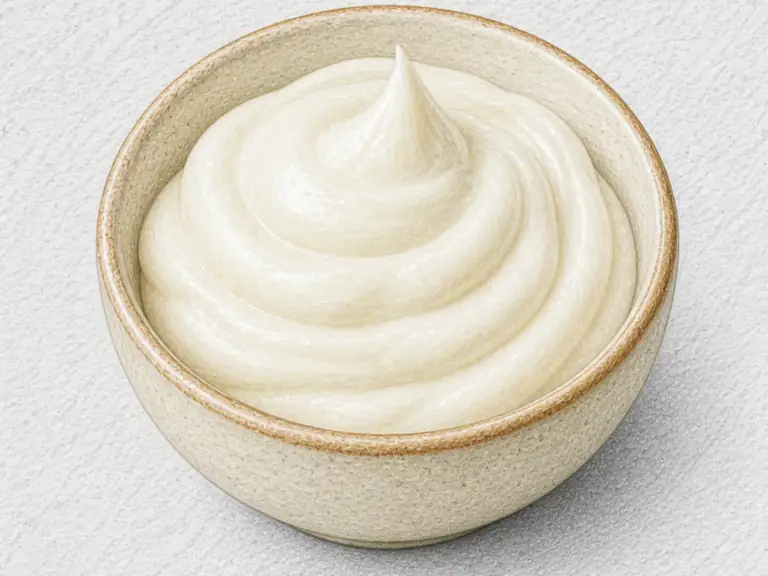
Raw garlic and neutral oil, with no egg or dairy, whip into a thick white spread served in small spoonfuls alongside grilled chicken or potatoes. Everything rides on how slowly the oil is added: poured in a stream too early, it leaves garlic bits floating in thin oil. Oil showing separately around the garlic means the emulsion has not formed, and that is the moment to stop pouring rather than speed up. Lemon juice and ice water are worked in last, a little at a time, to set the sharpness and thickness. Canola or another neutral oil stays out of the garlic's way where olive oil would compete. Making a smaller batch in a large food processor tends to leave the garlic sitting under the blade.
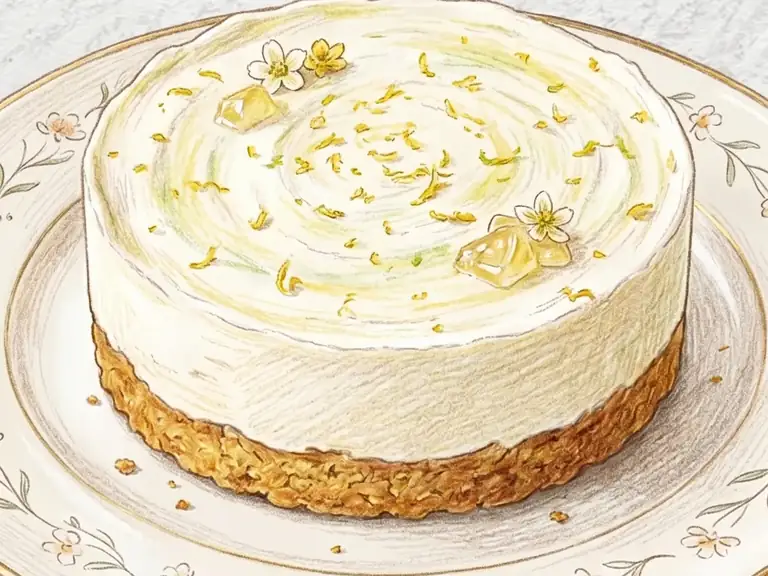
The cream cheese filling over a digestive biscuit base is flavored with yuja-cheong (Korean citron preserve) and lemon juice. A few hours in the fridge sets it enough to slice, but the yuja only really comes through after a day, so make it the day before.
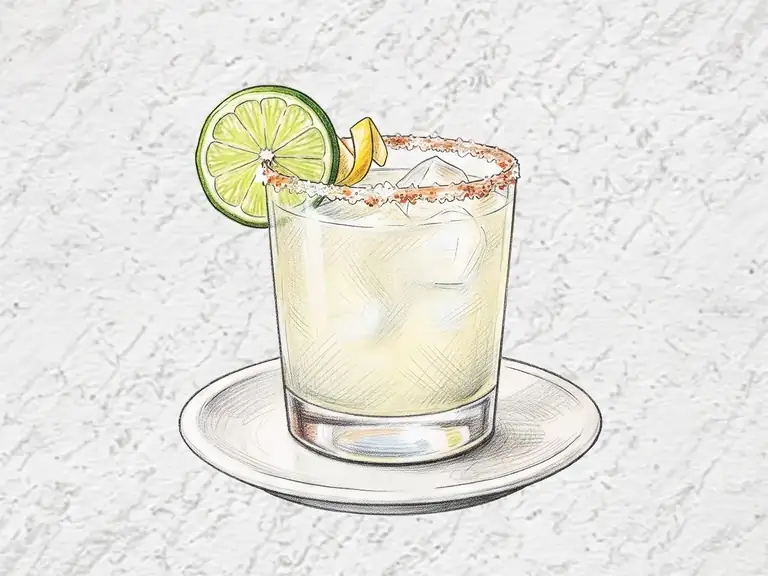
Half lime juice and half lemon juice, sweetened with superfine sugar that dissolves with stirring alone, fills most of each glass, and the club soda goes on top, 2 tablespoons a glass. More sugar can go in to taste, and a little Tajin seasoning mixed into the rim salt adds chili and lime.
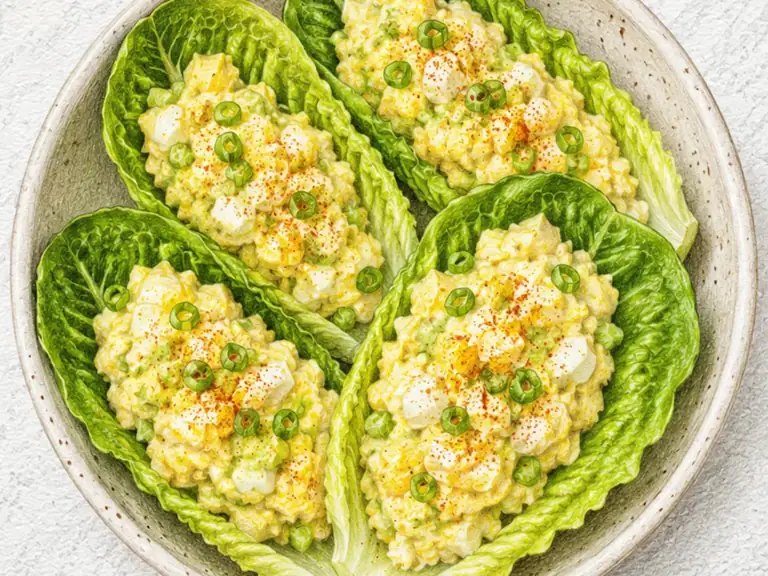
This egg salad is wrapped in romaine leaves rather than bread, and only a tablespoon of mayonnaise goes in; Greek yogurt makes up the rest. Finely chopped celery gives it crunch, and Dijon mustard a little heat.
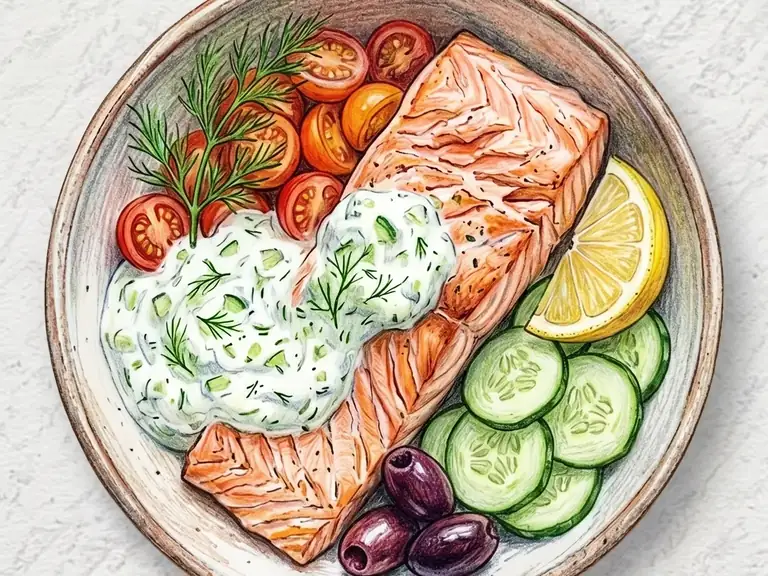
Cold tzatziki over warm grains and pan-seared salmon gives this bowl its contrast in temperature. The Greek sauce mixes thick yogurt with cucumber, garlic, lemon, and dill, and the dill cuts through the richness of the fish. Brown rice or quinoa both work as the base, and halved cherry tomatoes add a bright, sweet note.
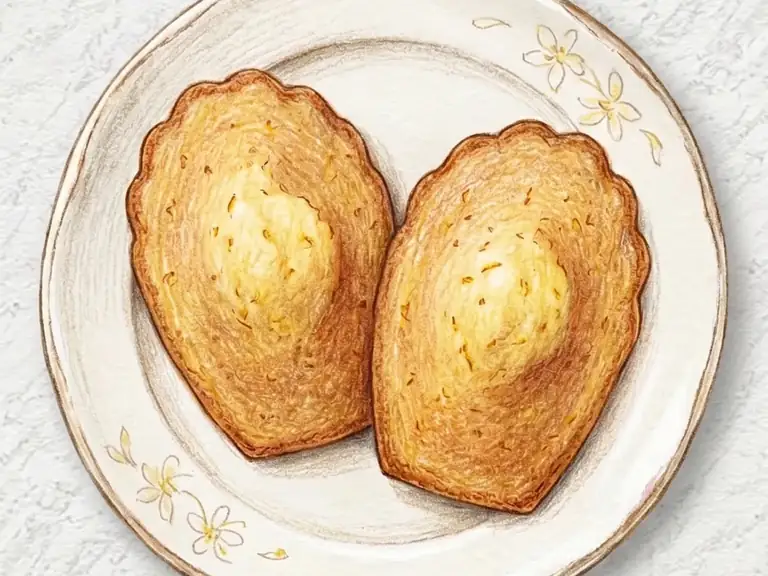
Browning the butter first gives these madeleines a nutty base, with yuja-cheong (yuja marmalade) and lemon juice adding a sharp citrus note on top. Any big pieces of peel in the marmalade are chopped small so every mold gets its share.
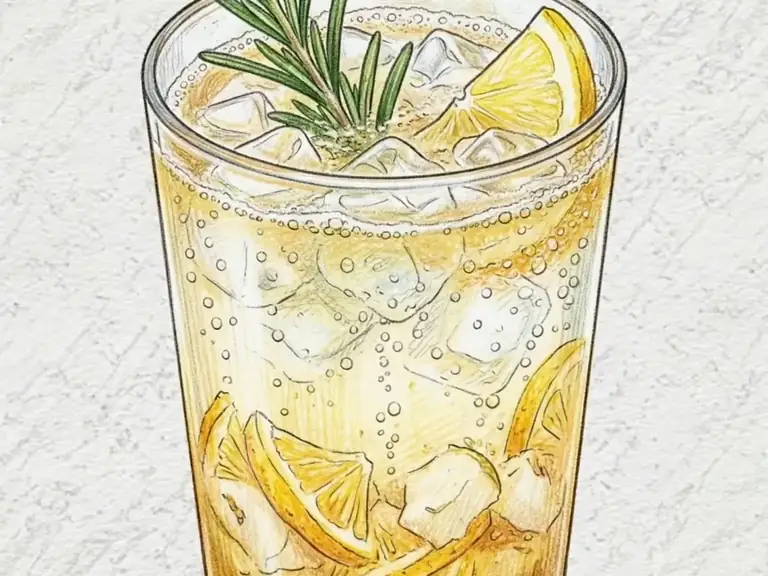
Yuja (Korean citron) marmalade, pear juice, lemon juice and honey are mixed into a base first, divided between iced glasses, and topped with soda water at the very end. Yuja marmalades vary in sweetness, so the honey goes in to taste. A sprig of rosemary, slapped once between the palms to wake it up, goes into each glass.
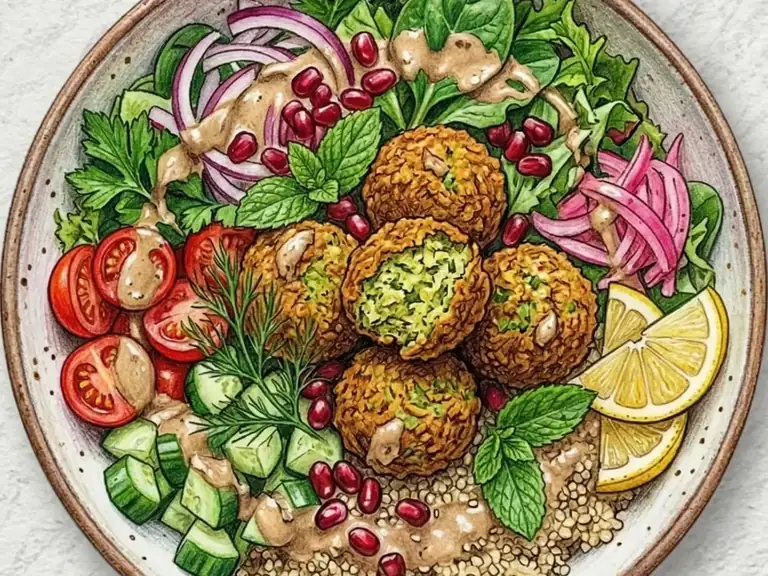
Cooked chickpeas, onion and parsley are pulsed into a coarse mixture, shaped into small balls and baked or pan-fried into falafel that sit over romaine, tomato and cucumber under a tahini sauce. Done well, the falafel are deep golden and crisp outside but still moist within, a clear contrast to the raw vegetables. Lemon juice cuts the richness of the sesame-based tahini. No deep fryer is involved: the oven or a lightly oiled pan does the job.
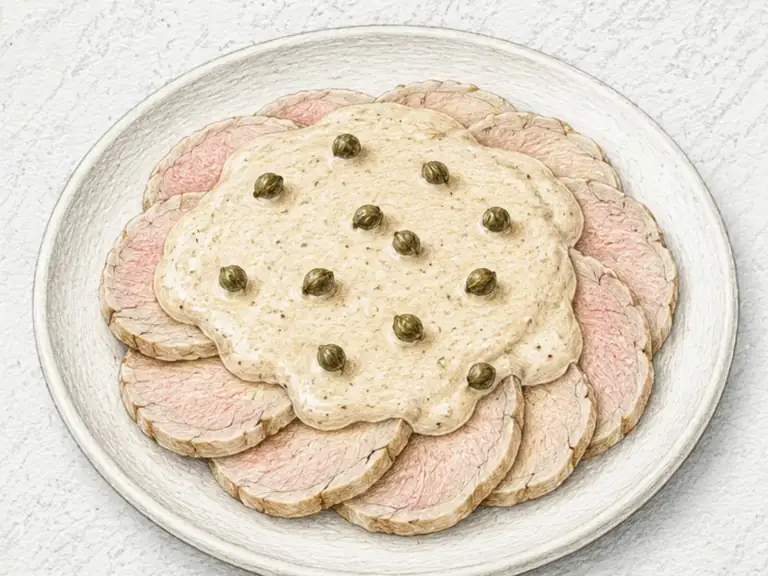
Chilled, thinly sliced veal disappears under a cold sauce of tuna, capers, and anchovy blended smooth with mayonnaise and lemon. The meat is gently cooked in white wine over a bed of onion, then cooled completely so it slices thin without tearing. That cooking liquid is saved to loosen the sauce until it flows slowly off a spoon. Capers and anchovy bring the salt and acidity that the mild veal lacks, and a few extra capers are scattered on top before it is served cold.
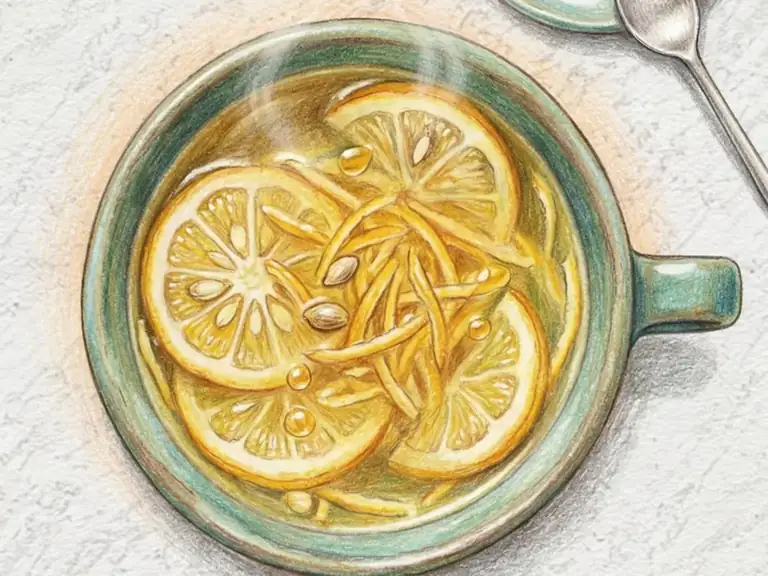
The yuja marmalade is loosened in water that has cooled to 85 to 90°C rather than at a rolling boil, which drives off the citron aroma and brings out bitterness. Honey, a little ginger juice and a few drops of lemon go in too, and the cups are warmed with hot water beforehand. The peel sinks to the bottom; stir before drinking.