Bangers and Mash
Bangers and mash is a cornerstone of British home cooking, pairing pan-fried pork sausages with creamy butter mashed potatoes under a ladle of slowly built onion gravy. The sausages are cooked until their casings turn a deep brown and develop a slight snap when bitten. Potatoes are boiled until fully tender, then mashed with butter and warm milk to a smooth, uniform consistency. The onion gravy is the element that makes the dish: sliced onions caramelize slowly over low heat until deeply sweet, then beef broth goes in and reduces with a small addition of flour to reach a pourable thickness. That gravy's concentrated savory depth ties together the saltiness of the sausage and the neutral base of the mash in a way that neither component achieves alone. It is one of the most frequently ordered items on British pub menus and straightforward enough to put together in about thirty minutes at home.

Black Rice Black Sesame Muffins
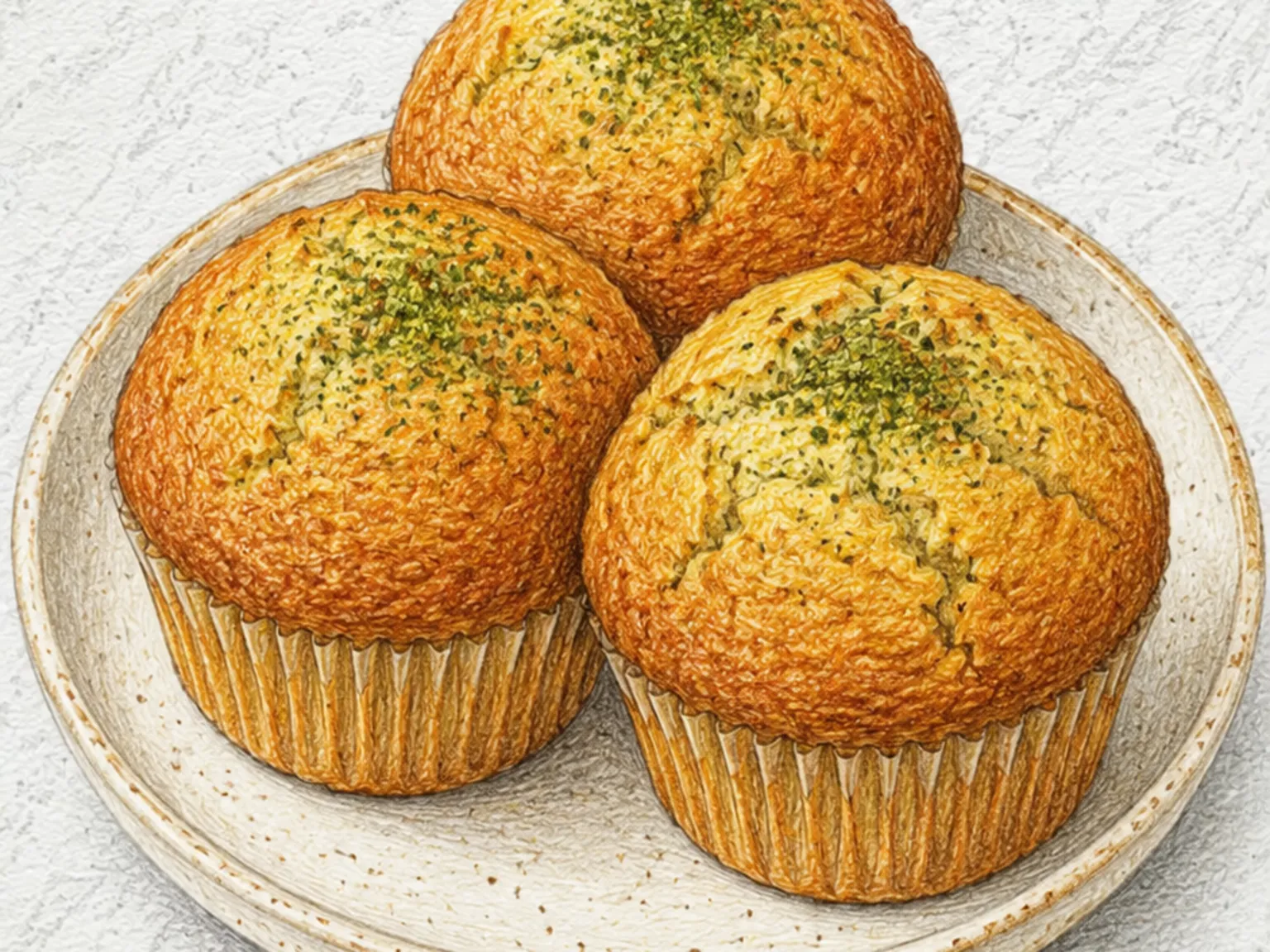
Black rice black sesame muffins bring together two of Korean baking's most distinctive ingredients into a single pastry with layered flavor and an unusual deep color. Black rice flour and cake flour form the dry base, with roasted black sesame seeds folded in to add concentrated nuttiness and tiny bursts of crunch throughout the crumb. Plain yogurt and milk provide the moisture and a faint tang that offsets the sweetness, while neutral oil keeps the fat light. During baking, the heat activates the oils within the sesame seeds, intensifying their roasted aroma as the muffins rise. The finished interior stays moist and tender, and the crust develops a subtle chew. The color is a striking deep purple-gray from the black rice. Flavor arrives in sequence: the earthy, slightly mineral depth of black rice leads, and the bold, roasted sesame note finishes. The restrained sweetness makes these muffins as well-suited to coffee or tea as they are to eating on their own.

Cullen Skink Recipe (Scottish Smoked Haddock Chowder)
Cullen skink is a creamy smoked fish soup from the northeastern Scottish fishing village of Cullen, traditionally made with smoked haddock, potato, and milk rather than cream or thickening flour. The fish is gently poached in milk with a bay leaf over low heat for eight minutes until the liquid is deeply infused with smoke, then removed and flaked. The starch-laden milk is strained and reserved. Butter-softened onions go into the pot first to draw out their sweetness, followed by diced potato and the infused milk. As the potato cooks through, its natural starch thickens the soup into a silky, spoonable chowder without any added cream. The reserved fish goes back in along with cracked black pepper and chopped parsley for a final three-minute simmer that brings smoke, potato, and herb into one cohesive flavor. Because salt levels in smoked fish vary considerably between producers, seasoning should always be adjusted at the very end after tasting. Served with dark rye bread or soda bread, one bowl makes a satisfying main course on its own.

Red Bean Butter Macarons (Almond Shells with Red Bean Cream)
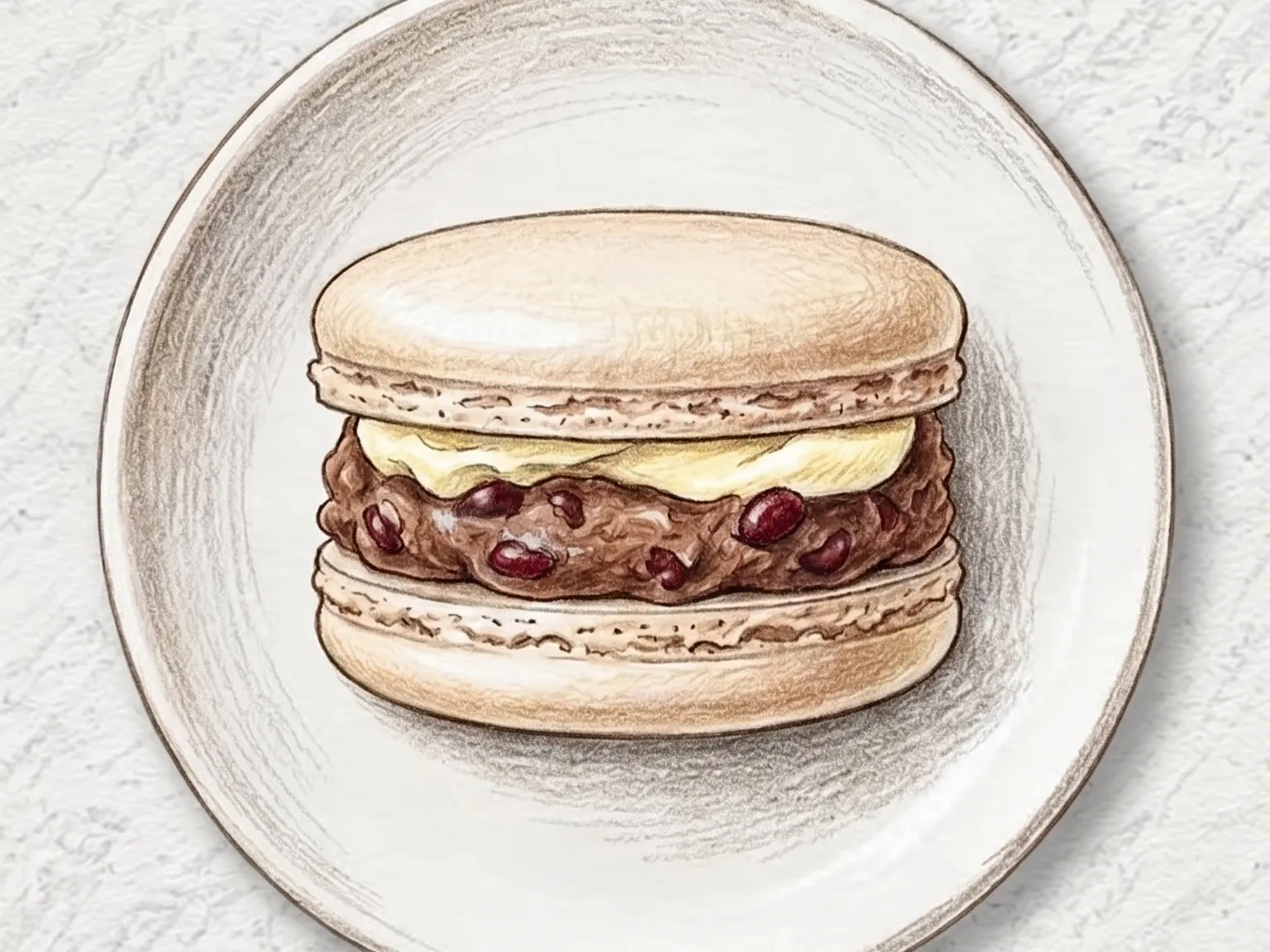
Almond meringue shells sandwich a filling of sweetened red bean paste blended with softened butter, creating a macaron that is distinctly Korean in flavor. The shells should have a smooth, glossy top and a ruffled foot, while the red bean butter cream inside is dense, sweet, and subtly earthy. The natural purple-brown hue of the red bean filling contrasts with pastel-colored shells for an appealing visual. After assembly, a full day of refrigerated rest allows the shells to absorb moisture from the filling, softening them to the ideal chewy-smooth texture known as macaron maturation. These have become a staple in Korean cafes and bakeries, valued both as a treat and as a gift-worthy confection.

Sweet Potato Mochi Bread Rings
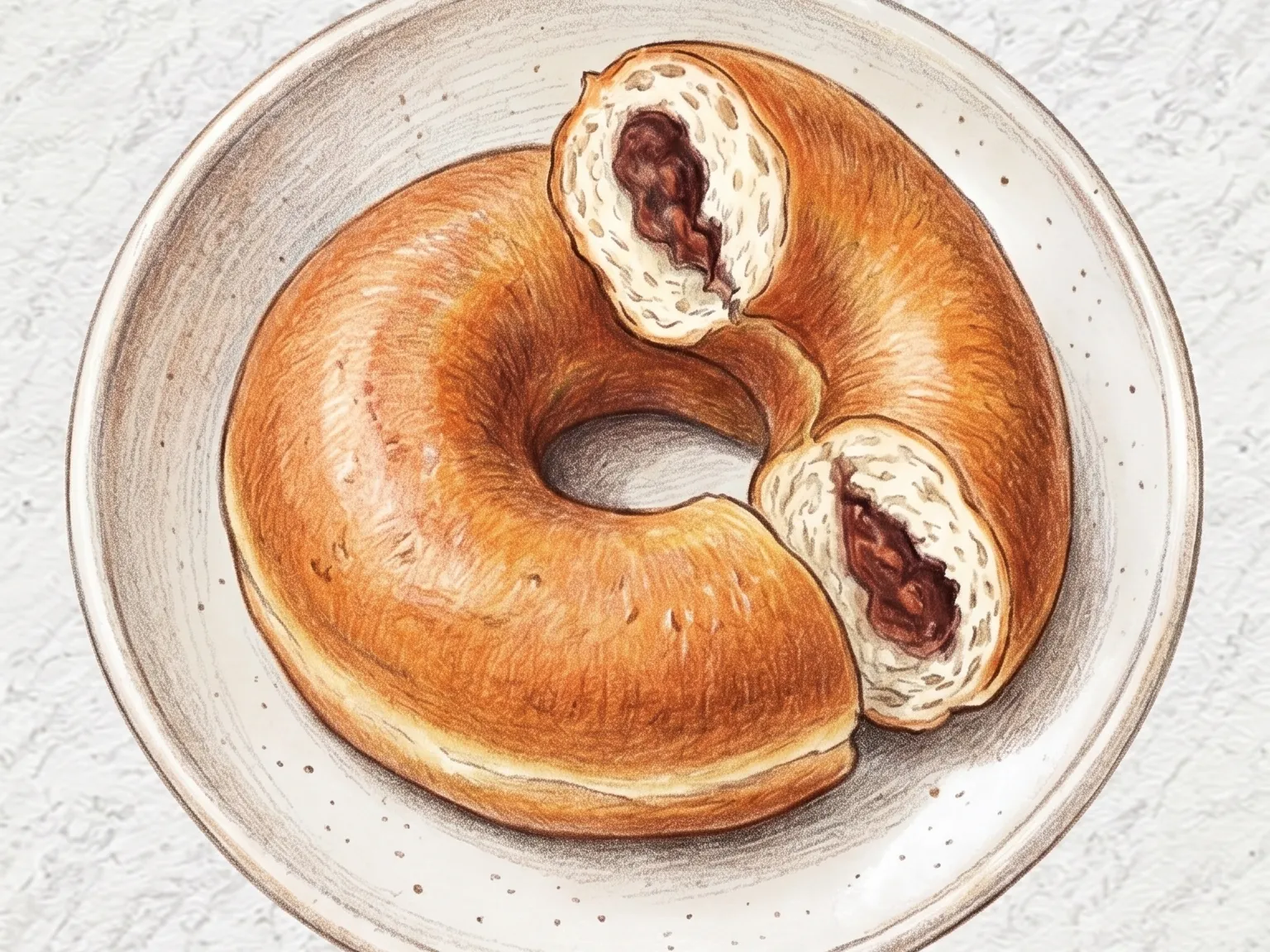
Tapioca starch is scalded in hot milk and butter, then kneaded with mashed sweet potato, egg, and grated parmesan to form a chewy dough that is shaped into rings and baked. This is a Korean riff on Brazilian cheese bread, where the tapioca creates a springy, stretchy crumb entirely unlike wheat-based baking. Sweet potato lends mild sweetness and a golden hue, while the cheese contributes a salty, savory edge that prevents the bread from tasting like dessert. The ring shape ensures even heat distribution, so the exterior turns golden and crisp while the interior stays elastic and stretchy. These are best eaten within minutes of leaving the oven, when the mochi-like pull is at its peak - once cooled, the chew diminishes noticeably. If the dough feels too wet during mixing, adding tapioca starch in five-gram increments brings it to the right consistency.

Cajun Shrimp Pasta
Cajun shrimp pasta belongs to the American culinary tradition and focuses on shrimp seasoned with a specific blend of spices known as Cajun seasoning. This seasoning mixture originates from the Louisiana Creole culinary heritage and typically includes a combination of paprika, cayenne pepper, dried oregano, thyme, garlic powder, and onion powder. This specific grouping of ingredients provides a distinct smoky quality and a moderate level of heat that separates it from the herb and spice traditions commonly found in Italian or Spanish cuisine. During the cooking process, the shrimp are first coated in the spice mix and then seared in butter for approximately one to two minutes on each side. It is necessary to remove the shrimp from the pan while they are still slightly underdone, as leaving them on the heat for too long results in a tough and rubbery texture. By taking them out of the pan early and only returning them at the final stage of preparation, the shrimp maintain their firm and snappy bite. Once the shrimp have been set aside, the butter and the spice-infused oil remaining in the pan serve as the primary flavor foundation for the sauce. A mixture of chopped onion, minced garlic, and bell peppers is sautéed in this residue until the vegetables soften and absorb the smoky heat left behind by the spices. The sauce is then constructed using both heavy cream and milk. The decision to use a combination of these two liquids, rather than heavy cream by itself, results in a lighter consistency that allows the sauce to coat the pasta strands more evenly without feeling excessively heavy during consumption. A small amount of the starchy water used to boil the pasta is added to the sauce before the noodles are introduced. This starch aids in the emulsification of the cream, which ensures that the sauce adheres to the pasta instead of separating or gathering at the bottom of the plate. The shrimp are added back into the pan at the very end, remaining on the heat only long enough to be warmed through. For individuals who would like a more intense level of spiciness, extra seasoning can be added to the finished dish at the table.

Moussaka (Greek Eggplant Lamb Bechamel Bake)
Layers of pan-fried eggplant, cinnamon-scented lamb sauce, and a thick bechamel topping define the structure of this Greek oven-baked casserole. The preparation begins by salting the eggplant slices for thirty minutes to draw out moisture and bitterness, which prevents the vegetable from absorbing excess oil and helps it retain its shape during baking. Inside the meat sauce, ground lamb is simmered with tomatoes and a touch of cinnamon, an addition that tempers the natural gamey scent of the lamb with warm Mediterranean aromatics. To complete the assembly, a layer of bechamel enriched with egg yolks and Parmesan cheese is spread over the top before the dish enters a 180-degree Celsius oven for 40 minutes. The inclusion of egg yolks allows the creamy sauce to set firmly, creating a golden crust that holds the internal components together when the dish is sliced. This structural stability results in clean, visible layers in each serving. Options for customization include replacing or mixing the eggplant with potatoes or zucchini, or substituting the lamb with ground beef. Allowing the moussaka to rest for 15 to 20 minutes after baking ensures the layers settle properly for ideal presentation. Since the flavors intensify when kept in the refrigerator for a day or two, this dish functions well as a make-ahead option for gatherings.

Greek Custard Phyllo Pie (Crispy Filo & Semolina Custard)
Galaktoboureko is a beloved Greek pastry in which sheets of butter-brushed phyllo dough are layered around a thick semolina custard, baked until golden, and then drenched in cold lemon syrup while still hot from the oven. Every sheet of phyllo must be brushed with melted butter before stacking, a labor-intensive process that creates dozens of paper-thin layers capable of shattering at the touch of a fork. The custard is cooked on the stovetop by whisking semolina into hot milk in a slow, steady stream until the mixture thickens into a smooth but faintly grainy cream. Unlike flour-based pastry creams, semolina custard retains a subtle granular texture that gives the filling a distinct character. Egg yolks and whole eggs are both incorporated, adding richness and a custardy softness, and vanilla deepens the flavor further. Pouring cold syrup over the pastry while it comes scorching from the oven causes rapid absorption: the liquid rushes between the phyllo layers and saturates the custard without turning the top surface soft and soggy. The temperature contrast between hot pastry and cold syrup is the exact mechanism that preserves the crisp exterior. Adding cinnamon or orange zest to the custard before filling introduces a fragrant complexity that offsets the sweetness of the syrup. The pastry tastes noticeably different eaten warm versus at room temperature, offering two distinct textural and aromatic experiences from the same preparation.

Korean Black Soybean Noodle Cup
Seori-kongguksu-cup serves chilled black soybean broth over thin somyeon noodles in a cup-sized portion, a cool summer street food built for hot weather. The broth is made by blending boiled black soybeans with milk and cold water, then pressing through a fine strainer for a silky, lump-free consistency. Black soybeans give the broth a grayish hue distinct from the ivory-colored broth made with ordinary yellow soybeans, and the flavor is noticeably richer and more intensely nutty, with a clean finish rather than a heavy aftertaste. Cooking the soybeans fully and letting them cool before blending is important because heat drives off the aromatic compounds that give the broth its characteristic fragrance. Sliced cucumber, cherry tomatoes, and ice cubes go on top, the vegetables adding crunch and color contrast while the ice keeps the broth cold so the soybean flavor stays sharp and defined. Somyeon noodles are boiled and rinsed several times in cold water to strip off surface starch, which would otherwise cloud the broth and make the noodles clump. The result is a simple, satisfying bowl where every element has a clear role.