Pasta Bolognese
Pasta Bolognese is a slow-simmered meat ragu from Bologna in Emilia-Romagna, built on a soffritto of onion, carrot, and celery cooked down with a mixture of ground beef and ground pork. Browning the meat properly in a hot pan before any liquid is added creates a Maillard crust that contributes a depth of flavor that no amount of simmering can replicate. Red wine deglazes the pan, lifting every bit of browned fond from the bottom. Whole milk is then stirred in to soften the acidity and tenderize the proteins, which is the detail that separates a true Bolognese from a generic meat sauce. The ragu requires at least one hour of low, uncovered simmering for the fat to separate, the liquid to reduce, and the meat to break down into a cohesive sauce. Tagliatelle is the canonical pairing in the region, with the wide, egg-enriched ribbons catching the chunky sauce in every fold. Freshly grated Parmigiano-Reggiano finishes the dish. Cooking the tomato paste directly in the pan after the soffritto for two minutes caramelizes its natural sugars and removes raw bitterness before any liquid goes in.

Korean Steamed Buns (Fluffy Yeast-Leavened Buns with Sweet Red Bean)
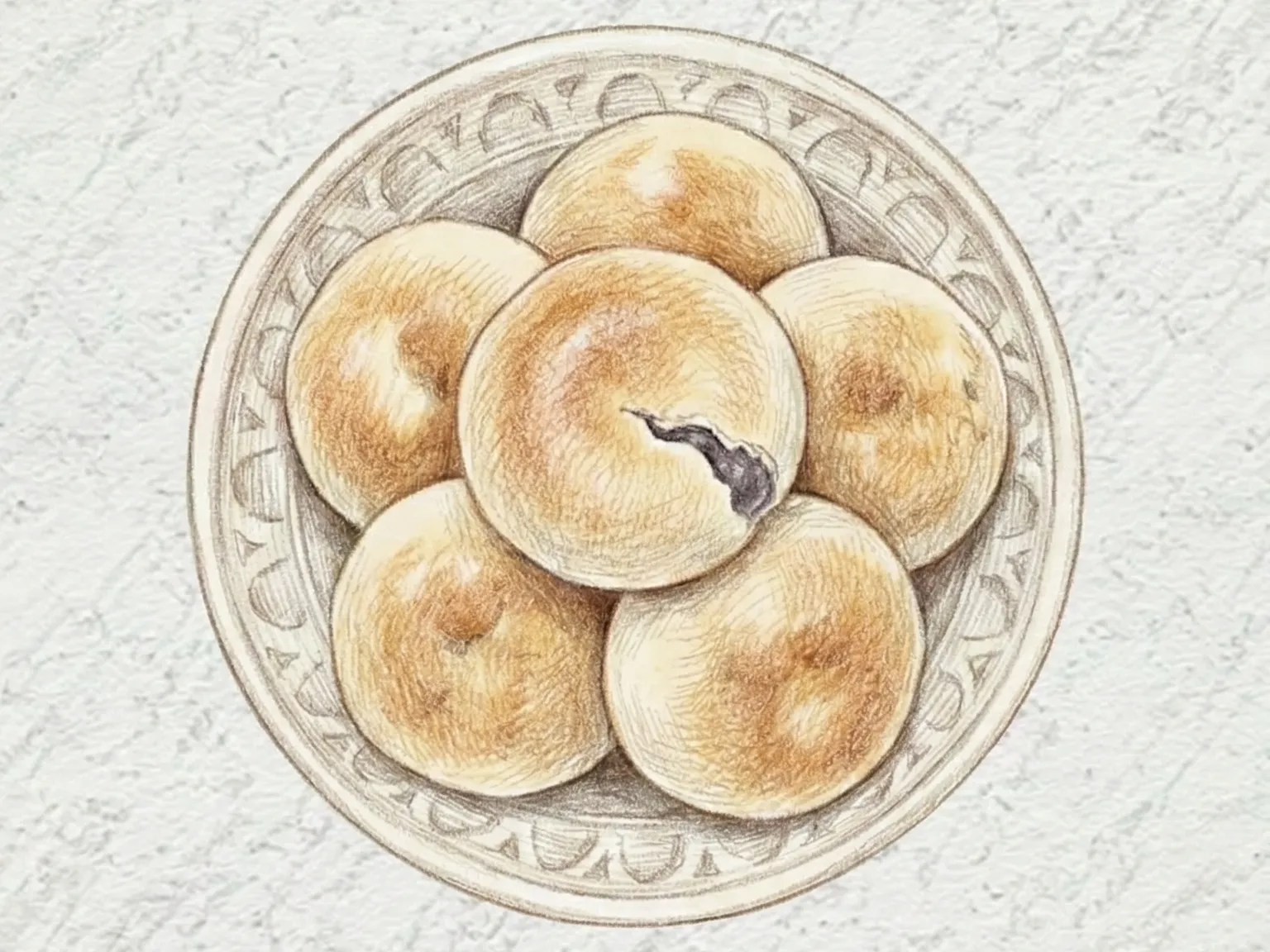
Hoppang is a Korean steamed bun made from yeast-leavened bread flour dough enriched with milk, filled with sweet red bean paste and cooked in a steamer. The dough rises during proofing to become pillowy and elastic, turning moist and springy once steamed. The dense sweetness of the red bean filling seeps into the surrounding bread layer, and placing the sealed side down during steaming prevents splitting. A small addition of salt to the dough sharpens the sweetness and creates a subtle contrast that keeps the flavor from becoming flat. Adequate proofing time is equally important: the longer the dough ferments within reason, the more evenly distributed the gas bubbles, which means a consistently light, open crumb after steaming. It is a classic Korean winter street snack, traditionally sold piping hot from steam carts at outdoor stalls and convenience stores throughout the cold season.

Classic Waffle
Classic waffles are made from a batter of flour, eggs, milk, melted butter, and baking powder cooked in a hot waffle iron. The baking powder aerates the batter, producing a crumb that is open and light while the outer surface crisps against the heated metal plates. Each square grid pocket in the iron serves a structural purpose: it forms a channel that holds maple syrup, melted butter, or fruit compote so every forkful carries an even measure of topping. Eggs distinguish American-style waffles from Belgian ones, contributing fat and protein that give the interior a slightly chewy, springy quality rather than a purely airy crumb. The sizzling sound from the iron as the batter hits the plates signals that the surface temperature is high enough for browning; the waffle is done when the steam output drops off and the exterior color deepens to a uniform amber. Fresh from the iron, pressing a fork into the surface produces an audible crack, and the inside is steaming, soft, and moist.

Korean Egg Roll Skewers (Layered Vegetable Egg Roll on Skewers)
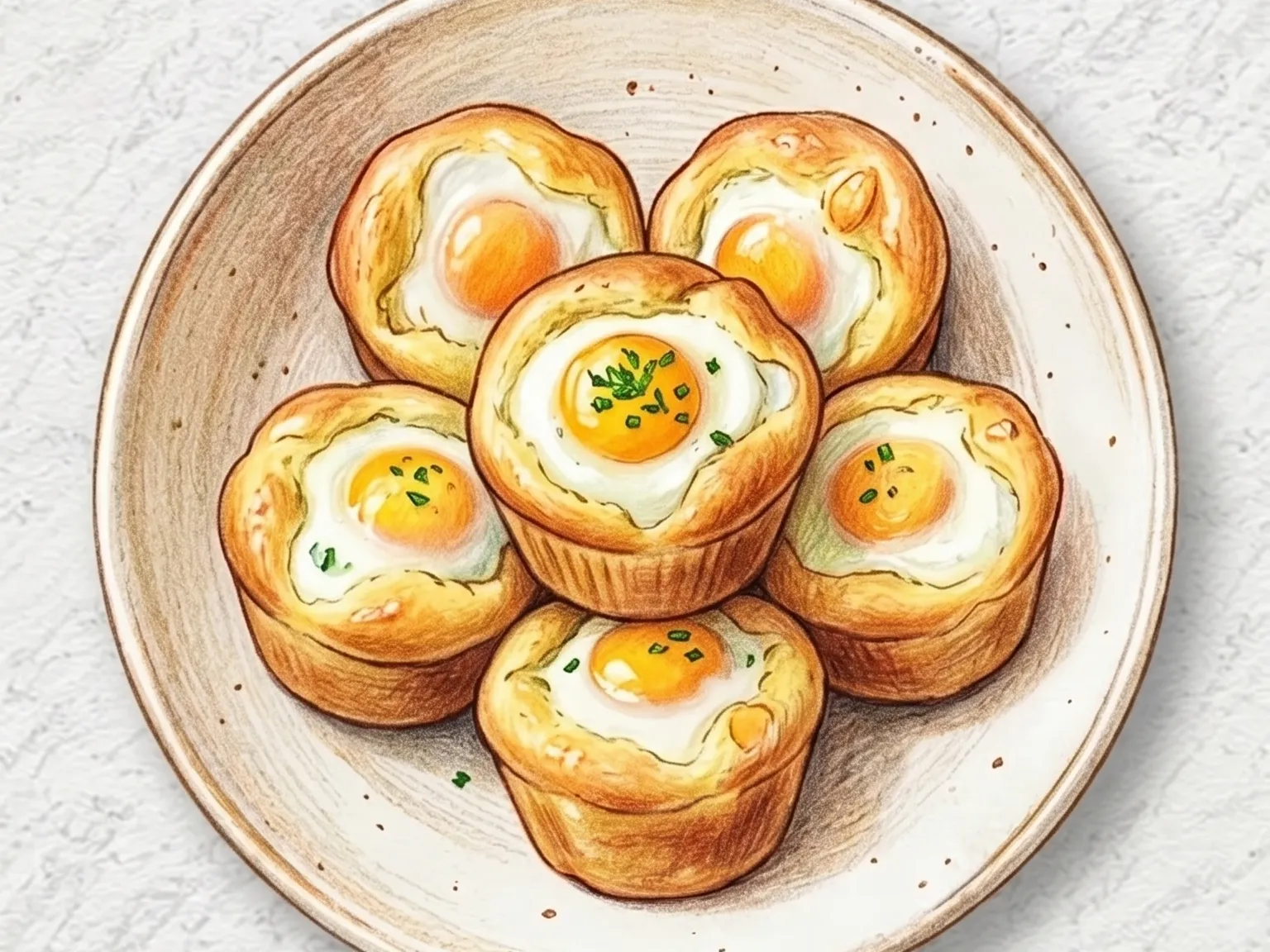
Gyeran-mari kkochi is a Korean egg roll skewer made by folding finely diced carrot, garlic chives, and onion into beaten egg, then rolling the mixture in stages in a rectangular pan to create a tightly layered spiral. The beaten egg is poured into the pan in three separate additions, each addition rolled over and wrapped around the previous layer before the next is poured in - a technique that builds the internal spiral visible when the roll is sliced. Low heat from start to finish is not a preference but a requirement: if the heat climbs too high, the egg sets too quickly and tears during rolling rather than yielding to the spatula. Adding milk at roughly ten percent of the total egg volume relaxes the protein structure so the finished roll stays soft and moist even after cooling, rather than tightening into a rubbery cylinder. The natural sweetness of the chives and carrot folded inside complements the savory egg without requiring heavy seasoning - salt and a small amount of soy sauce are sufficient. Once the roll is formed, cooled briefly, and sliced into three-centimeter pieces, each piece is threaded onto a bamboo skewer and rolled once more in the pan to develop a light golden surface and lock the skewer in place.

Goguma Streusel Loaf Bread (Sweet Potato Streusel Loaf)
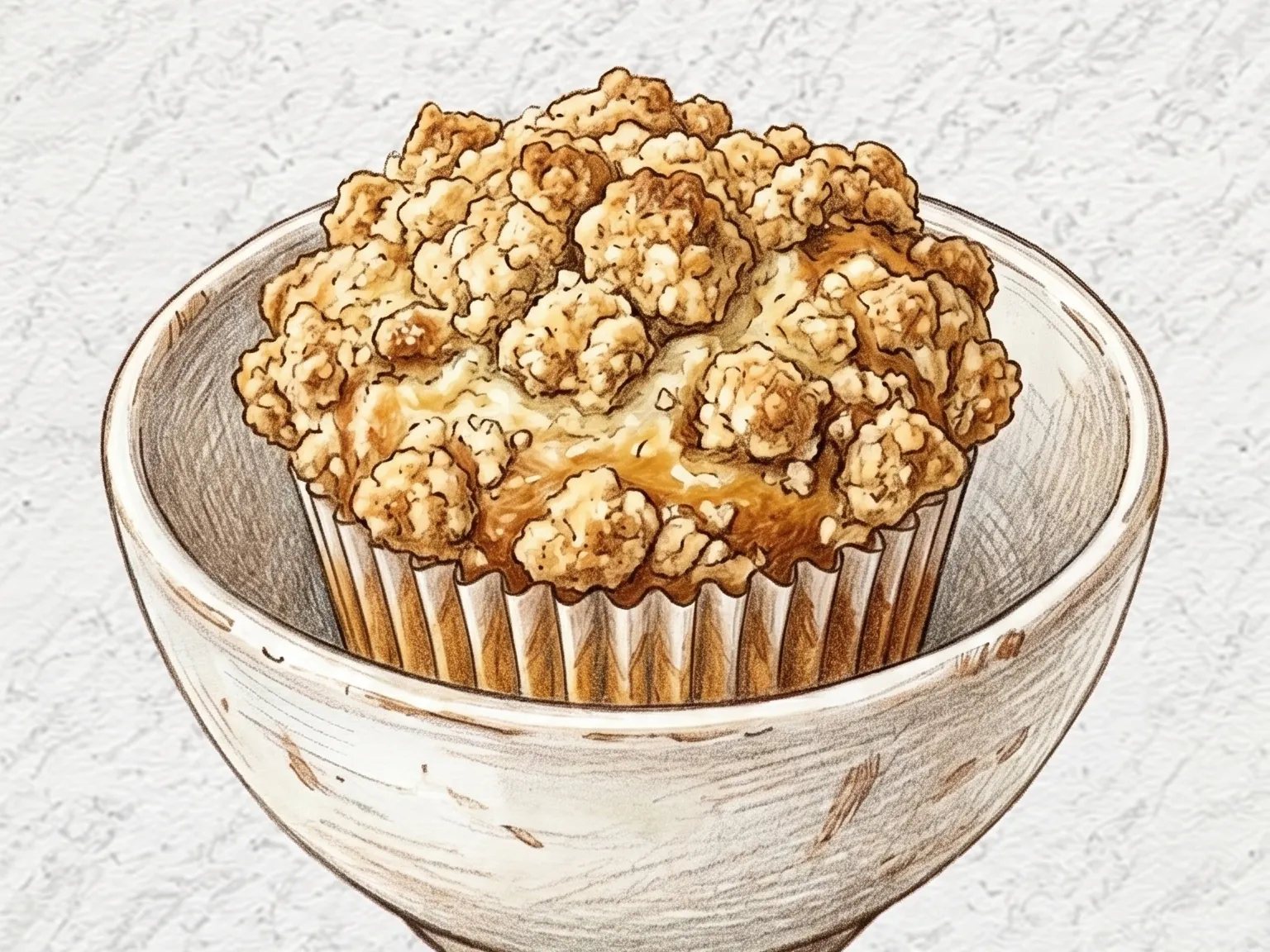
Sweet potato puree is whisked into a batter enriched with brown sugar, eggs, and neutral oil, then baked in a loaf pan with a generous layer of butter streusel on top. The puree keeps the crumb remarkably moist and dense, while the streusel bakes into crunchy, crumbly clusters that shatter against the soft interior. Cinnamon reinforces the sweet potato's warmth, and brown sugar deepens the flavor with a faint molasses note. The streusel must be prepared with cold butter rubbed by hand into flour and sugar - the coarse, irregular texture is what creates the satisfying crunch after baking. If the puree is particularly wet, reducing the milk by ten milliliters prevents a batter that is too loose. Should the top brown too quickly during the long bake, a loose tent of foil protects the streusel without trapping steam. The loaf slices most neatly after cooling completely on a rack.

Butter Mochi Cake (Hawaiian Glutinous Rice Coconut Cake)
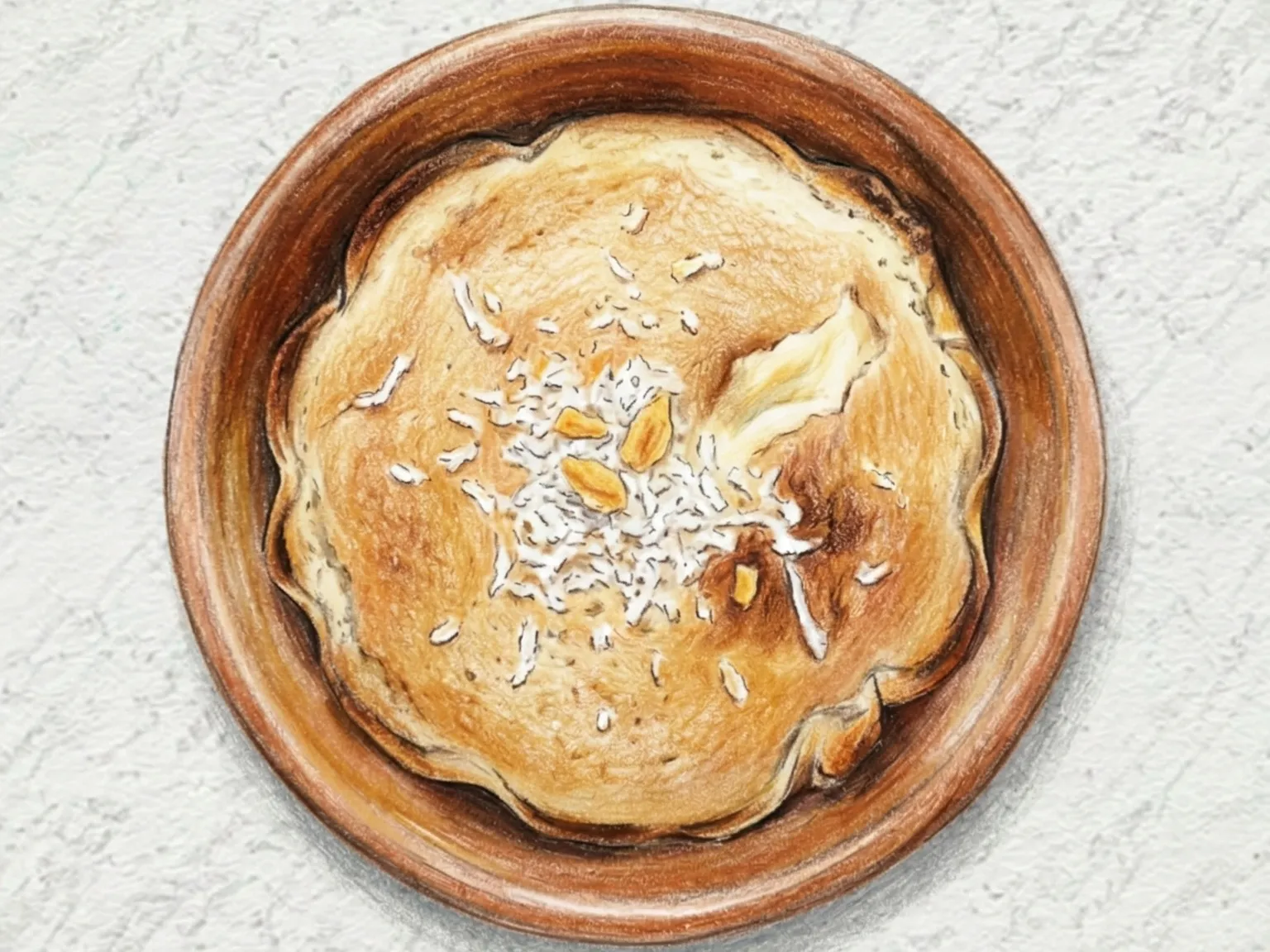
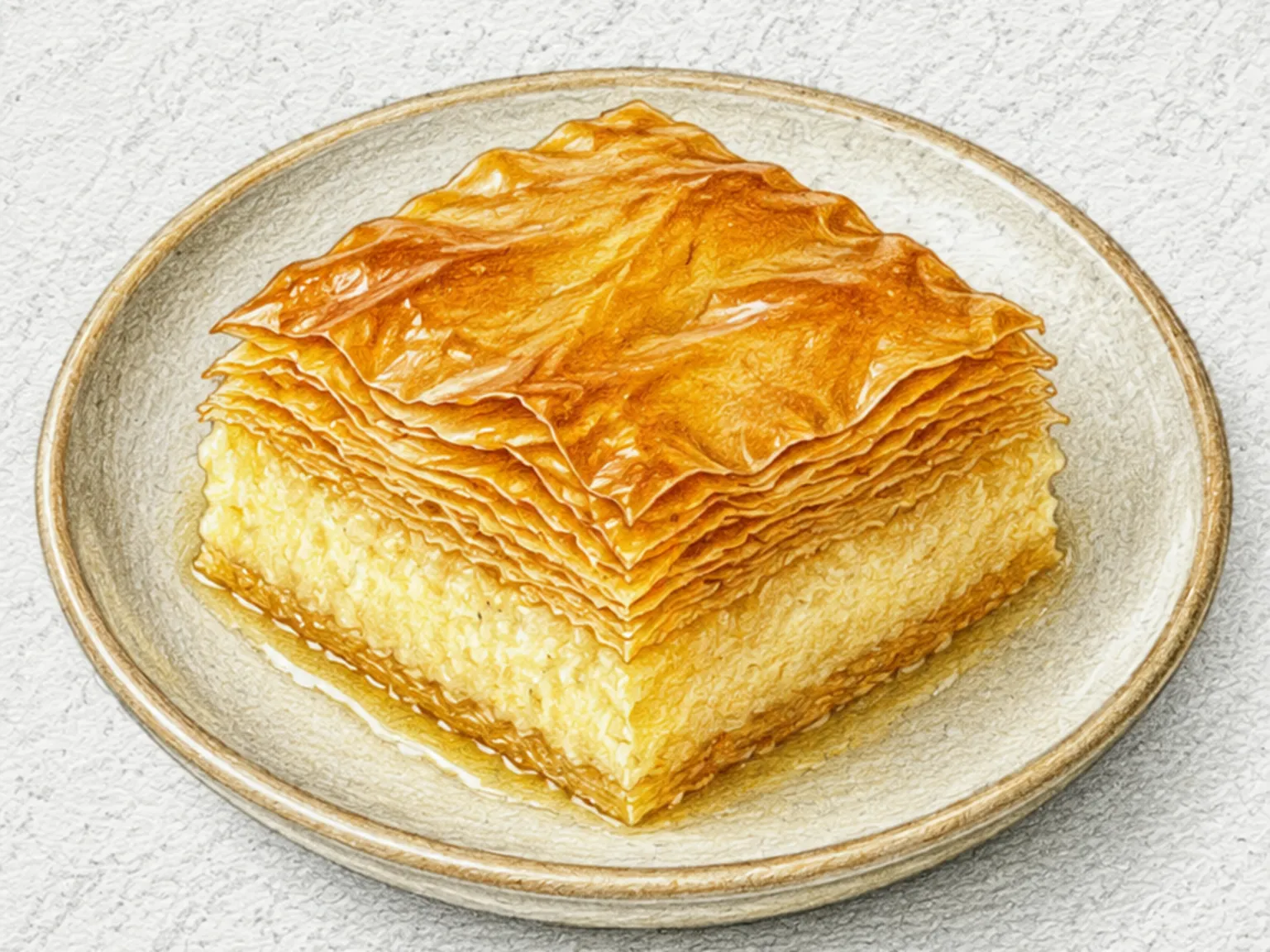
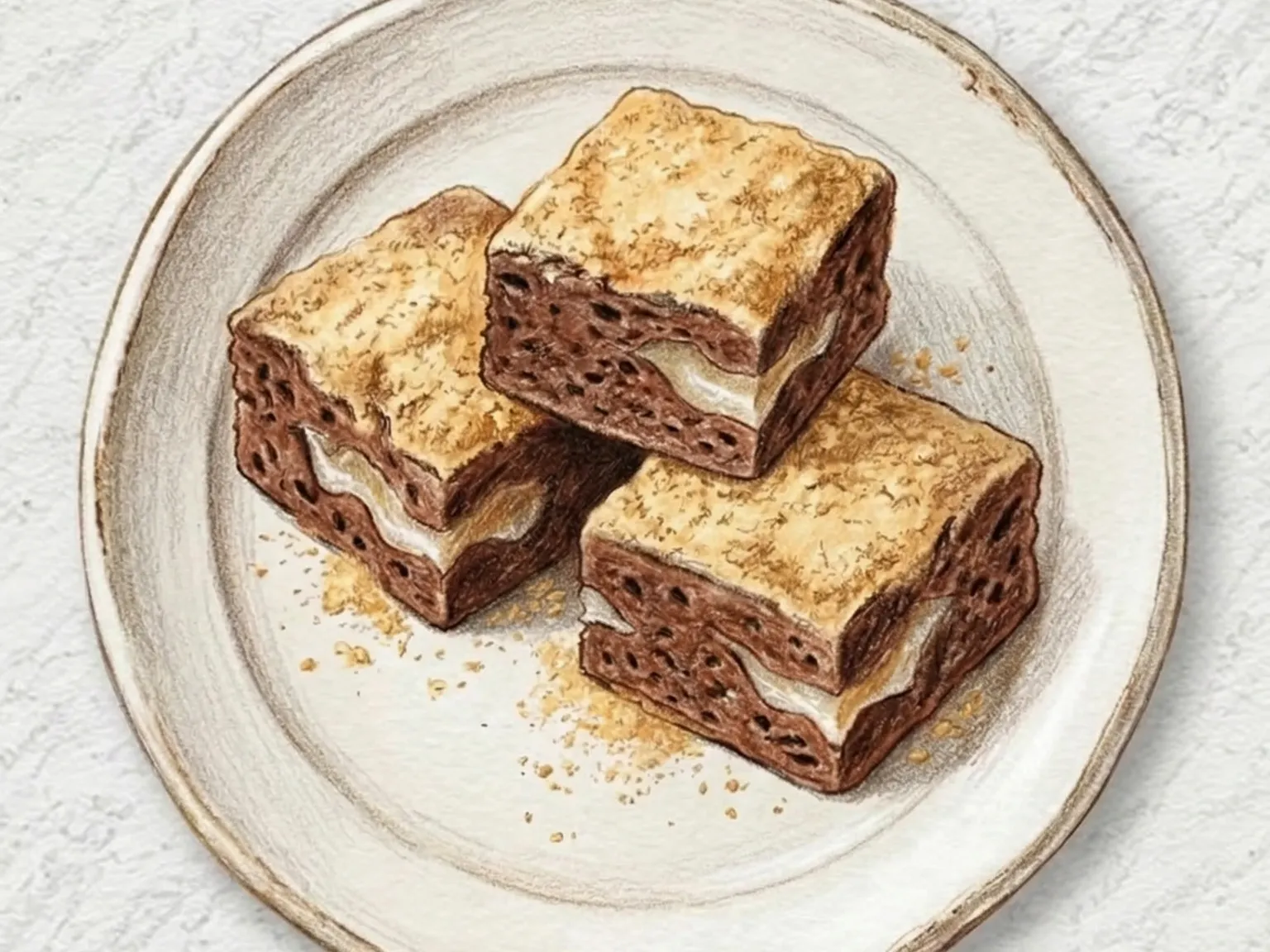
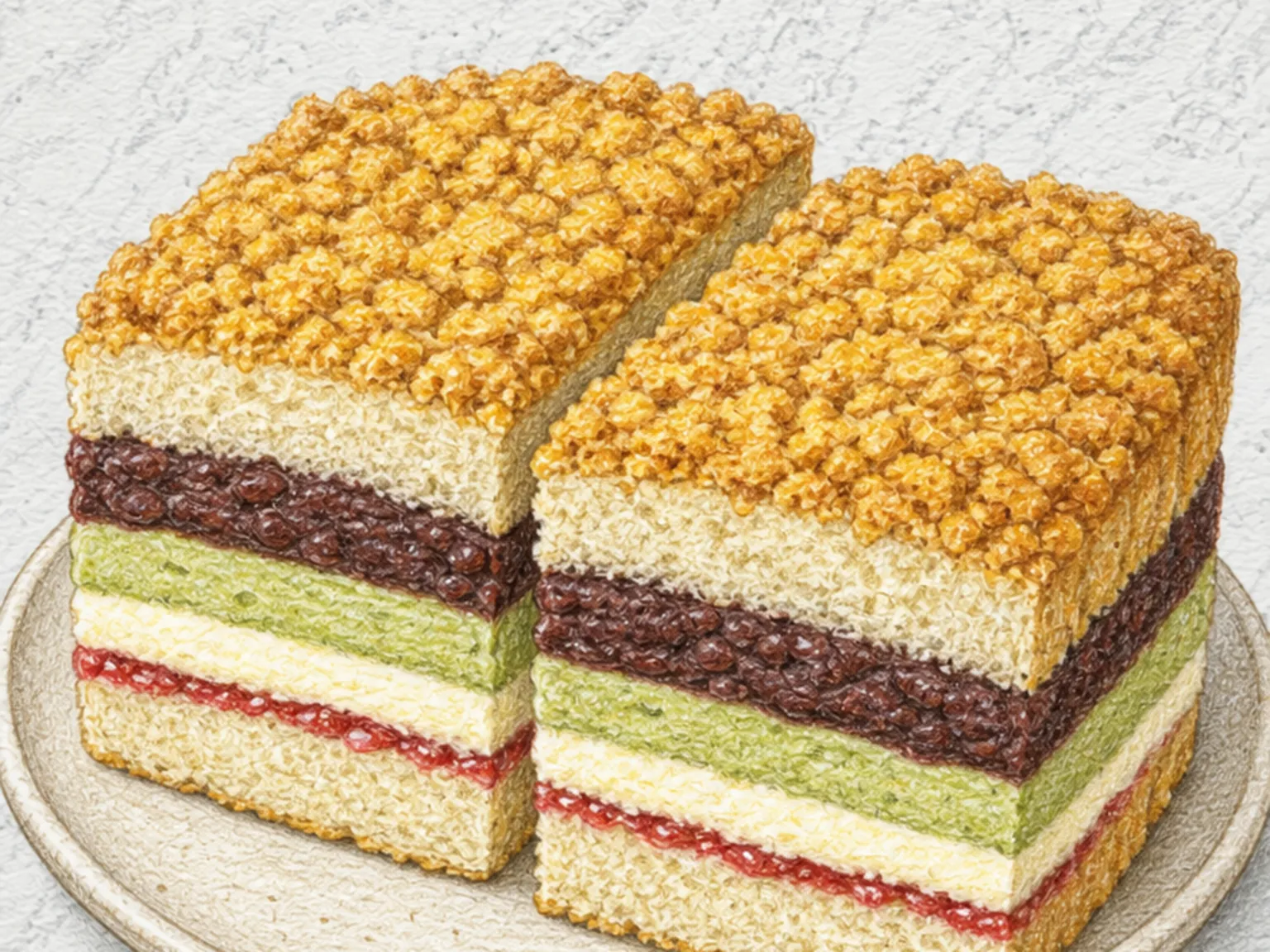
Butter mochi cake is a Hawaiian baked dessert that uses sweet glutinous rice flour as its structural foundation, resulting in a single slice that contains both the dense chewiness of a mochi rice cake and the golden, lightly crisp crust of a conventional baked good. The batter is thin and pourable - sweet rice flour combined with sugar, eggs, melted butter, whole milk, and coconut milk - and it is baked low and slow in a rectangular pan until fully set. During the long bake, the bottom of the cake densifies and becomes chewy in the way mochi does, trapping moisture within the glutinous starch structure. The top surface, meanwhile, dries out and the sugars caramelize into a thin hazelnut-brown crust with a faint crunch. Coconut milk threads a subtle tropical aroma throughout every bite without dominating. The butter dissolves into the starch matrix during baking, replacing the neutral, slightly sticky character that plain mochi can have with a warm, dairy-rich depth. At room temperature, the chewiness is most pronounced. Gently rewarmed in an oven or toaster, the crust crisps back up and the textural contrast between the two layers becomes more vivid.

Panettone
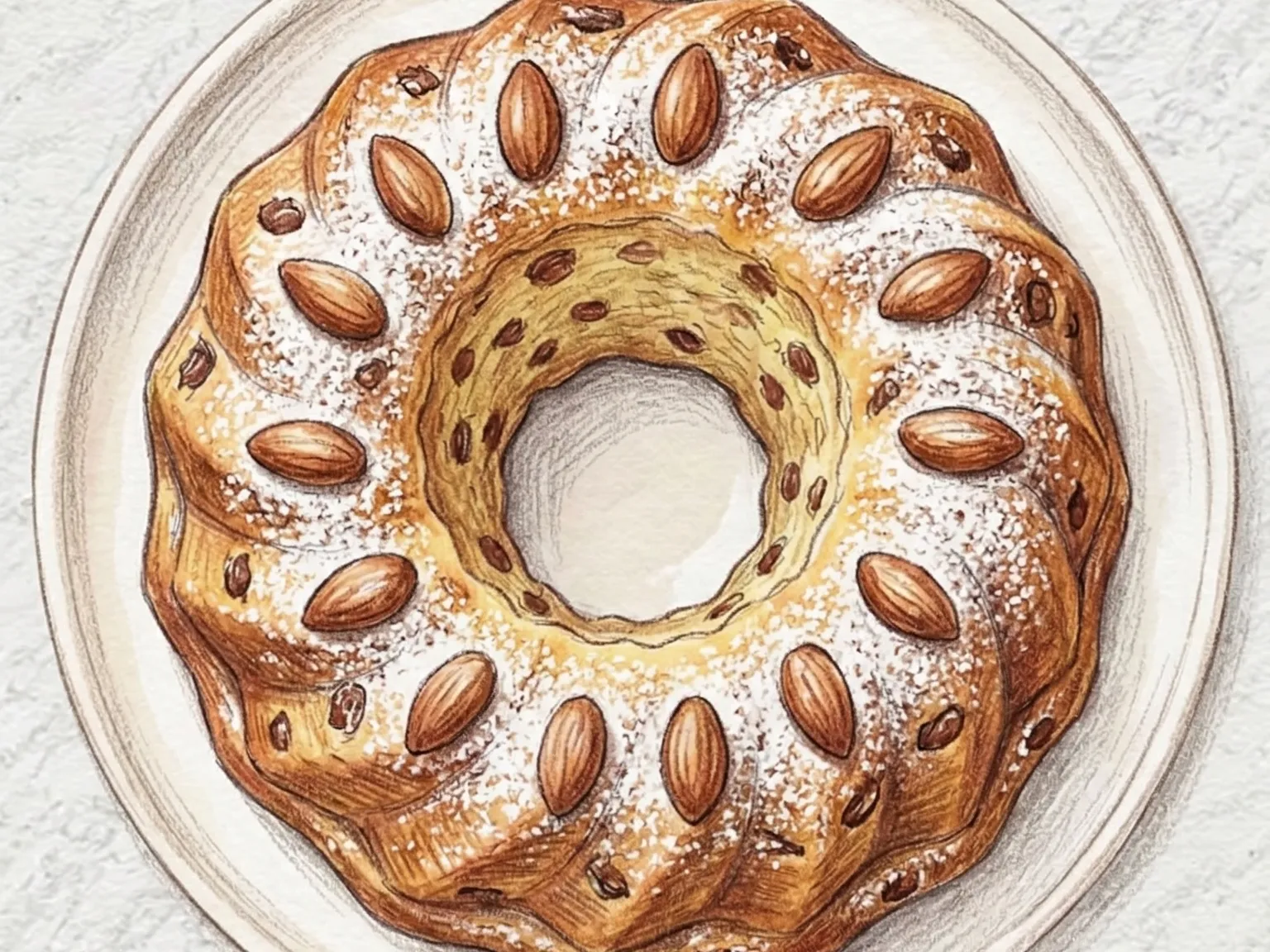
Studded with candied orange peel and raisins, this tall Italian holiday bread rises dramatically in a cylindrical mold to a dome that often extends above the rim. The crumb is open-textured and pulls apart in long, buttery strands, with pockets of dried fruit appearing at every tear. Orange peel contributes a bright, citrus fragrance that cuts through the richness of the egg-and-butter dough, while raisins add concentrated sweetness in scattered bursts. Cooling the baked loaf upside down, suspended by skewers, prevents the heavy dough from collapsing under its own weight and preserves the lofty height. Wrapped tightly, panettone stays moist for three to four days, and many consider it even better on the second day as the flavors meld.

Rice Pudding
Rice pudding is made by simmering short-grain rice in milk over low heat, stirring regularly, until the grains swell and release their starch into the surrounding liquid. The result is a thick, porridge-like dessert with a creamy consistency that coats the back of a spoon. Vanilla extract infuses the dairy base with a warm, floral note, and a pour of heavy cream near the end pushes the richness further. A dusting of ground cinnamon on top adds an aromatic layer that greets the nose before the first spoonful reaches the mouth. The most common pitfall is scorching - rice and milk on a hot surface stick and burn quickly, so frequent scraping with a wooden spoon is non-negotiable. Because the pudding continues to thicken as it cools, pulling it off the heat when it looks slightly thinner than desired yields the best final texture. Served warm, it feels like a hug in a bowl; chilled overnight, it sets firmer and develops a denser, more custard-like character.

Green Bean Casserole
Green bean casserole bakes blanched green beans in a mushroom cream sauce, then tops them with crispy fried onions for a contrast of textures that defines this American holiday side dish. Blanching the beans for just three minutes and shocking them in ice water preserves their bright green color and a slight crunch that survives the oven. Sauteing onion and mushrooms in butter, stirring in flour to build a roux, and gradually adding milk produces a smooth cream sauce infused with earthy mushroom flavor. After twenty minutes in the oven, the casserole is pulled out and topped with fried onions, then returned for five more minutes so the onions crisp without burning. The finished dish layers the crunch of the topping against the creamy sauce and tender-crisp beans.

Flan Parisien (Parisian Vanilla Custard Tart)
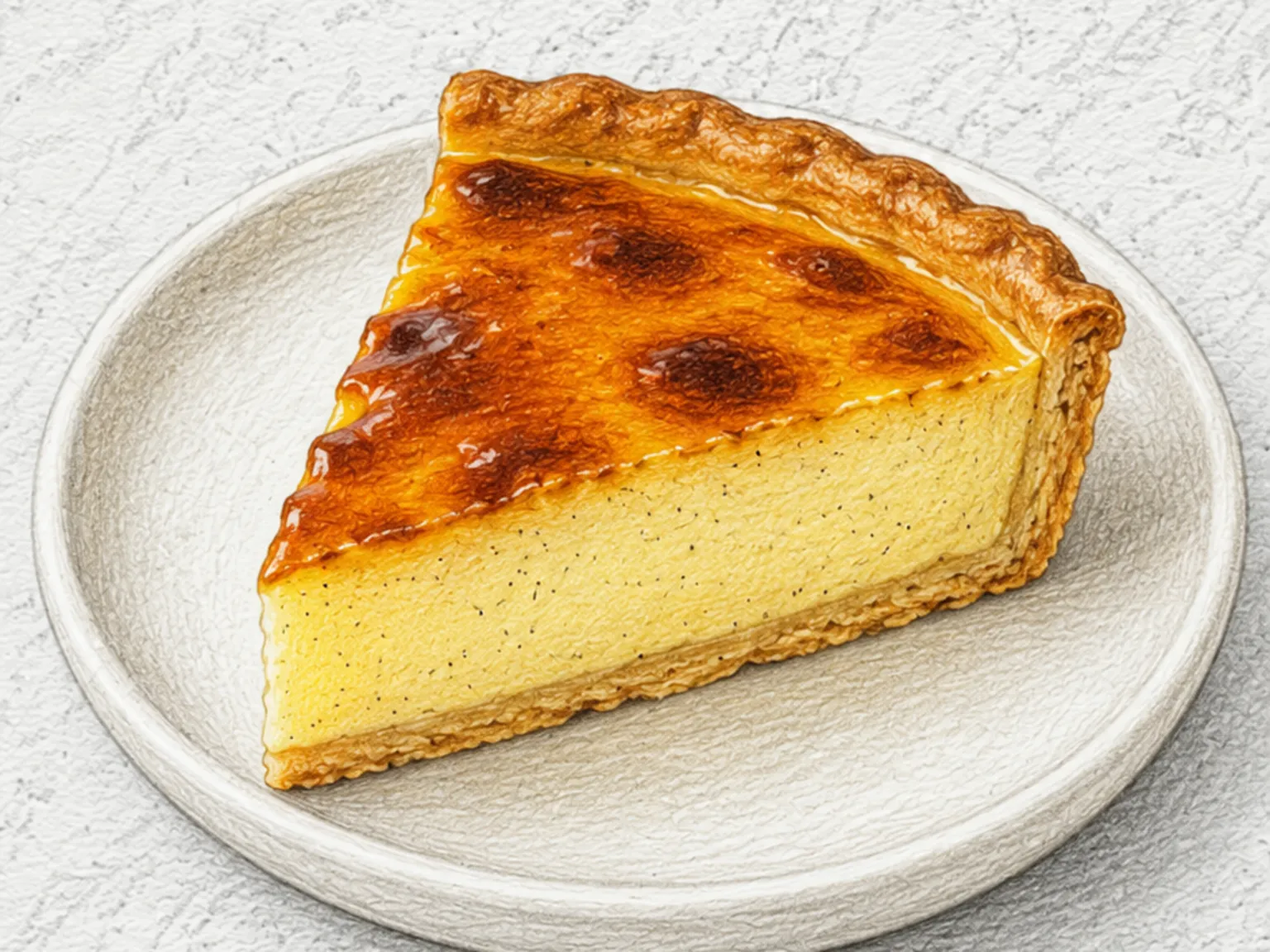
Flan Parisien is a Parisian bakery staple found in nearly every boulangerie in the city. A buttery shortcrust pastry shell holds a thick, firm vanilla custard that bakes slowly until the top develops caramelized brown spots. The custard is made from milk, eggs, sugar, and cornstarch, which gives it a denser, sliceable consistency that distinguishes it from softer baked custards like creme brulee. When properly cooled, the filling holds its shape when cut yet melts smoothly on the tongue with a clean vanilla flavor. Vanilla bean seeds speckled throughout the custard signal that the real ingredient was used rather than extract. The pastry shell must be blind-baked first to prevent sogginess, then filled and baked again until set. It is served cold, and the contrast between the crisp, buttery shell and the cool, trembling custard makes each bite satisfying. Allowing the flan to cool fully at room temperature before refrigerating prevents the custard from cracking or collapsing when sliced, which is the most common mistake when cutting too soon after baking.

Korean Potato Cheese Porridge
Gamja-cheese-juk is a creamy Korean rice porridge in which finely diced potato and onion are first sauteed in butter to draw out their natural sweetness before soaked rice and milk are added and the whole pot is brought to a slow simmer. As the potato cooks, its starch releases into the liquid and thickens the porridge from within, producing a smooth, dense base without the need for any thickening agent. Cheddar cheese is stirred in near the end of cooking, contributing salt and richness that eliminates the need for much additional seasoning -- the combination of buttery saute, starchy potato, and melted cheese produces a flavor deep enough to stand without extra condiments. Partially mashing the potato pieces against the side of the pot while the porridge cooks creates an even creamier consistency, and because different cheeses carry varying levels of salt, adding the final seasoning only after the cheese has fully melted prevents over-salting. The porridge is mild, warm, and velvety, suited to children and comforting as a light breakfast or recovery meal on a cold morning.

German Butter Cake (Yeasted Sheet Cake with Almond Topping)
Butterkuchen is a traditional German yeasted cake that relies on generous amounts of butter for its character. The dough is a soft, enriched bread base similar to brioche that rises into a pillowy sheet before baking. The surface is dimpled with fingertips and small pieces of cold butter are pressed into each hollow, so that as the cake bakes, the butter melts into caramelized pools that create pockets of salty-sweet richness across the top. Sliced almonds scattered over the surface toast to a golden crunch, adding textural contrast to the soft, open-crumbed interior. The finished cake is tender and buttery without being heavy - each square holds together cleanly when sliced, the almonds staying anchored by the caramelized glaze rather than scattering. The recipe has remained largely unchanged in northern German bakeries and family kitchens for generations, where simplicity of ingredients is the point rather than the limitation. A cup of strong filter coffee alongside a warm slice is the standard pairing, and the combination holds up without improvement.

Japanese Cotton Cheesecake
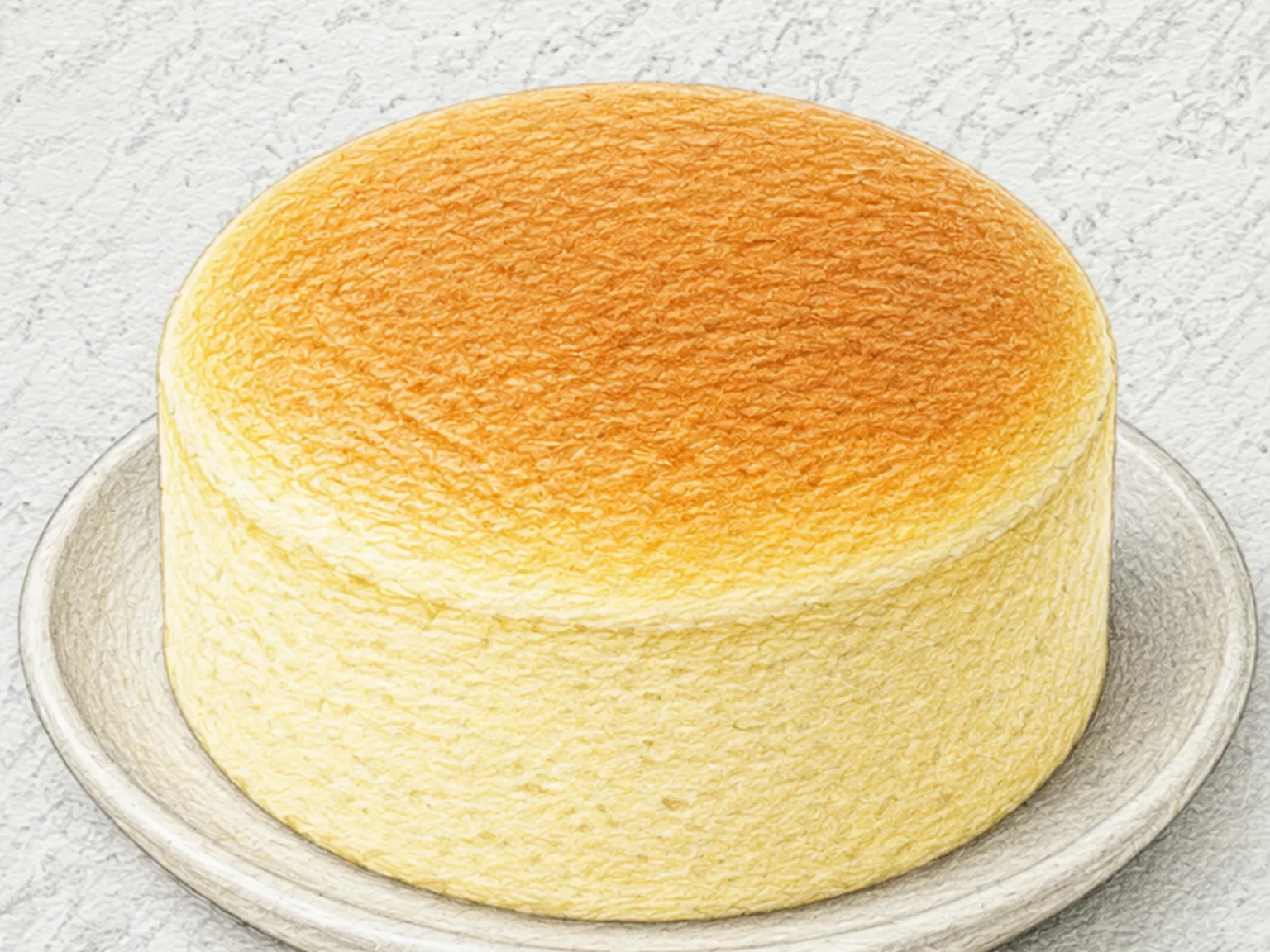
Japanese cotton cheesecake pursues a cloud-light, moist texture in place of the dense, heavy richness of a New York-style cheesecake. Cream cheese is melted and blended with egg yolks and milk, then stiffly beaten meringue is folded in three additions to keep as much air in the batter as possible. Baking in a water bath at around 150 degrees Celsius prevents the surface from setting too quickly and allows the interior to cook gently, so the finished cake wobbles when nudged from the pan. A slight collapse after removing from the oven is expected and normal. Resting in the refrigerator overnight redistributes moisture evenly through the crumb, deepening the cheese flavor while adding a silkier texture to each slice. On the palate, the cake dissolves almost weightlessly, releasing a mild tang from the cream cheese and a soft, eggy warmth. Very little flour goes into the batter, which keeps the texture smooth and delicate rather than cakey, making toppings entirely unnecessary.

Mac and Cheese
Mac and cheese begins with a roux of butter and flour, into which milk is whisked in three additions to form a smooth bechamel. Cheddar and mozzarella are melted into the sauce over low heat - adding cheese on high heat causes the fat to separate and the texture to turn grainy. The cooked macaroni, boiled one minute short of the package time, is stirred into the sauce so it finishes to al dente as it absorbs moisture. Reserving a few tablespoons of pasta water makes it easy to adjust the consistency if the sauce thickens too much. For an optional crunchy top, the mixture can be transferred to a baking dish, topped with buttered breadcrumbs, and baked at 200 degrees Celsius for 12 to 15 minutes until golden. Either way - baked or straight from the pot - the result is a rich, creamy dish with bold dairy flavor.

Churros with Chocolate Sauce
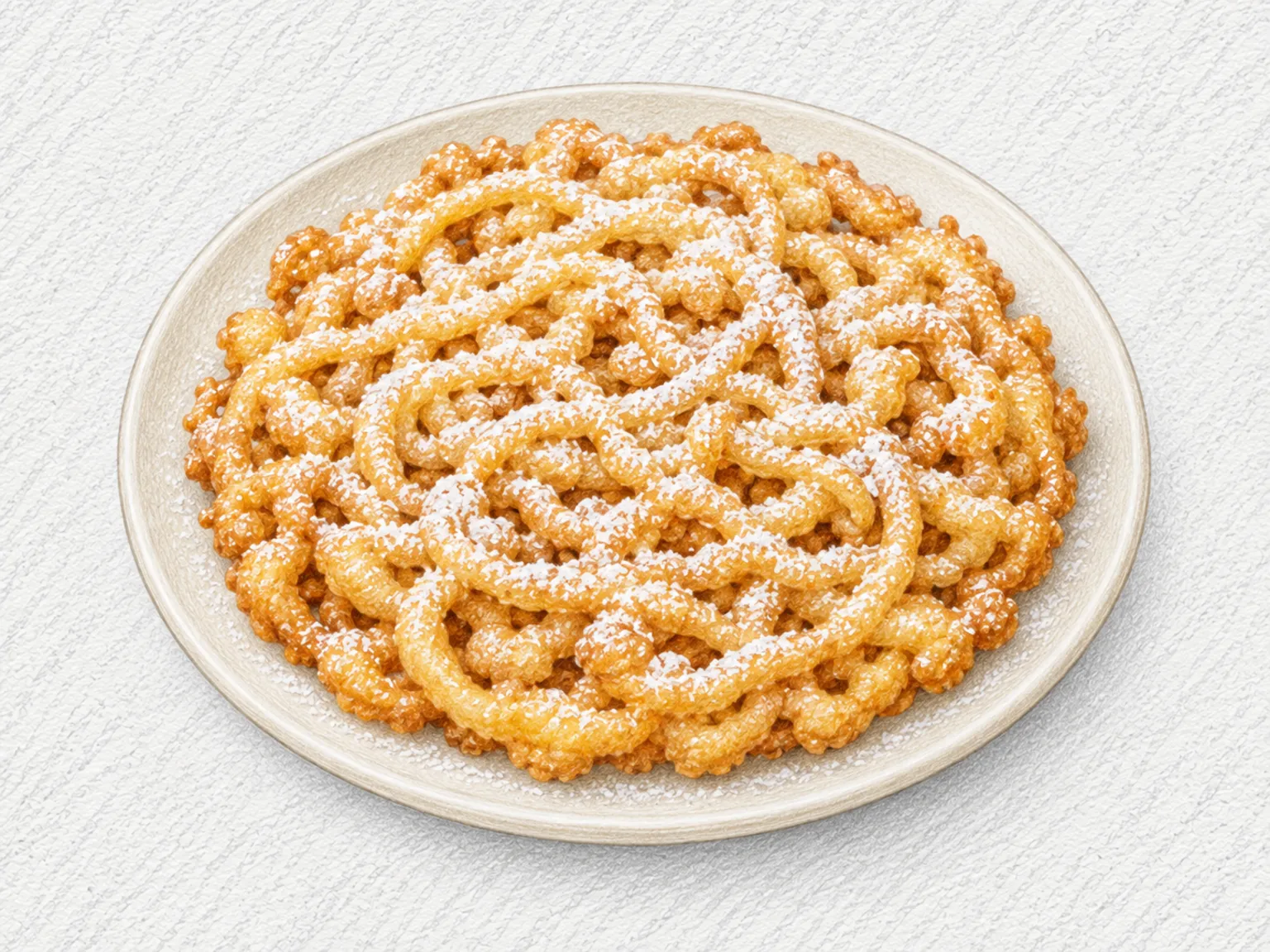
Churros are made from a choux-style dough of boiled water, butter, and flour, enriched with eggs and piped through a star tip directly into hot oil. Frying at 175 to 180 degrees Celsius produces a crisp, ridged exterior where the star-shaped edges brown and split cleanly, while the interior stays chewy with a slightly hollow core that forms as the steam escapes during cooking. The contrast between the crackling outer crust and the soft, doughy center is the defining textural quality of a well-made churro. Adding the eggs gradually and stopping when the batter falls in a slow, thick ribbon prevents the ridges from blurring during piping. Rolling the hot churros in cinnamon sugar immediately after frying coats them while the oil helps the mixture adhere. The accompanying dipping sauce melts dark chocolate into warm milk over gentle heat, producing a thick, bittersweet liquid that contrasts the sweetened dough. Across Spain and parts of Europe, churros dipped in hot chocolate are a standard morning meal, not a dessert.

Vanilla Panna Cotta
Heavy cream and milk are gently heated with sugar and vanilla, then set with gelatin into a chilled Italian dessert that requires no oven at all. After four hours of refrigeration, the mixture firms to a silky consistency that trembles on the spoon and dissolves on the tongue. The vanilla fragrance is carried by the high fat content of the cream, releasing slowly with each bite rather than hitting all at once. Sweetness is kept moderate so the dairy richness speaks for itself, leaving a clean finish. To unmold, a brief dip of the cup in warm water loosens the edges. Berry coulis or salted caramel sauce over the top adds color and a contrasting flavor note. Gelatin must be dissolved off the heat to preserve its setting strength.

Black Sesame Miso Cornbread
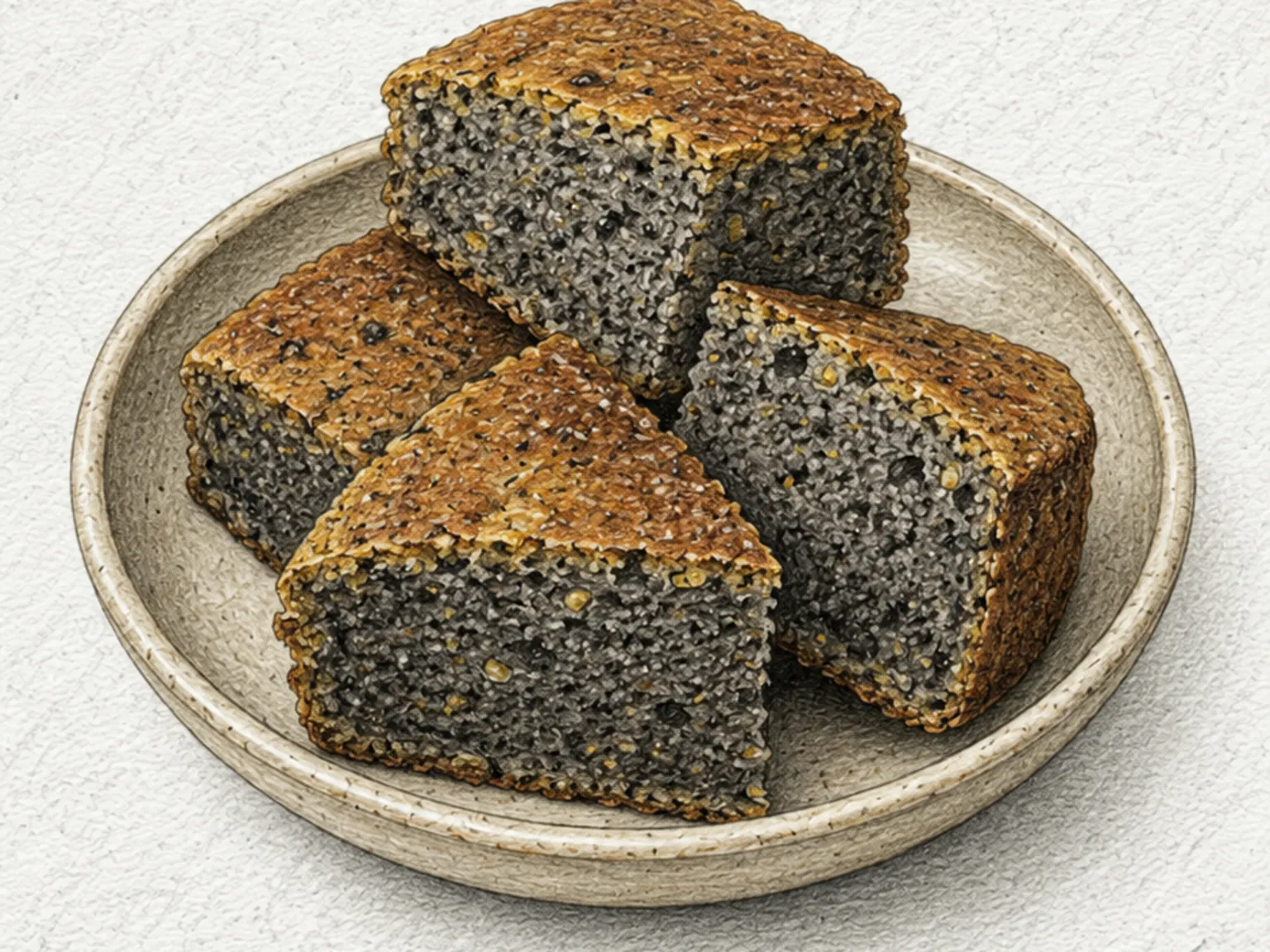
This fusion cornbread combines roasted black sesame powder and doenjang with a classic American cornmeal batter. Adding ground heukimja tints the batter a deep charcoal grey and introduces a toasted-nut richness that ordinary cornbread simply does not have. A small amount of doenjang dissolved into the wet ingredients spreads a quiet, fermented savoriness throughout the crumb, not asserting itself as bean paste but registering as an unexplained depth and complexity that makes the bread more interesting with each bite. Coarse cornmeal preserves the grainy, slightly gritty chew that defines good cornbread, while butter and buttermilk keep the crumb moist rather than dry. The salt in the doenjang holds the sweetness of the sugar in check, landing the bread in an ambiguous zone between savory and sweet rather than firmly in either camp. A drizzle of honey or a pat of butter on a warm slice amplifies the nuttiness of the sesame. The bread also pairs naturally with soups and Korean jjigae, where its savoriness harmonizes with broth-based dishes in a way that plain cornbread would not.

Lemon Drizzle Cake (Syrup-Soaked British Lemon Loaf)
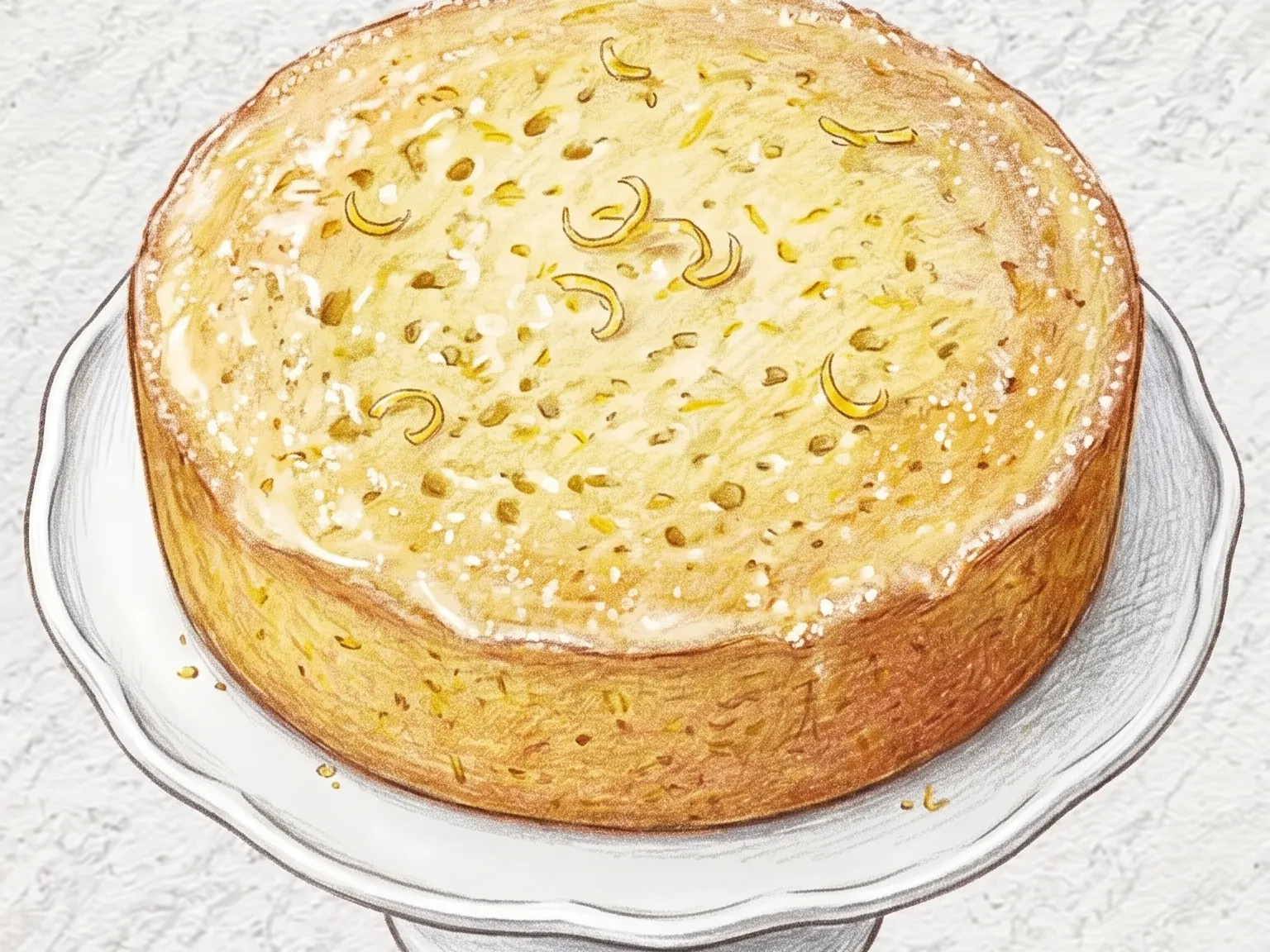
A British loaf cake that owes its lasting moisture to a lemon syrup poured over the surface straight from the oven. Creaming butter and sugar thoroughly at the start incorporates air for a lighter crumb, while lemon zest folded into the batter releases its essential oils during baking, filling the kitchen with citrus fragrance. The critical step comes after baking: a hot syrup of freshly squeezed lemon juice and sugar is drizzled over the cake while it is still warm, and the open crumb absorbs the liquid rapidly. As the cake cools, a thin crust of crystallized sugar forms on top, adding a faintly crunchy texture that gives way to the soft, syrup-soaked interior beneath. A skewer test determines doneness; underbaked cake collapses, while overbaked cake lacks the porosity to absorb the syrup fully. Wrapping the cooled cake and leaving it overnight allows the syrup to distribute evenly, deepening both the lemon flavor and the moist texture. It is a staple of the English afternoon tea table, needing no elaborate decoration to impress.

Shrimp and Grits
Shrimp and grits layers creamy, cheese-enriched grits beneath sauteed shrimp cooked in rendered bacon fat. The grits are whisked gradually into a mixture of boiling water and milk, then stirred frequently over low heat for about fifteen minutes until they reach a smooth, porridge-like consistency. Cheddar cheese and butter folded in at the end add richness and a slight tang. Bacon is rendered until crisp first, and its fat becomes the cooking medium for the shrimp, transferring smoky, salty depth into each piece. Paprika dusted over the shrimp before cooking contributes warm color and a mild earthy note. The shrimp should be pulled from the heat the moment they turn opaque - even a minute too long makes them rubbery.

Panna Cotta
Panna cotta is a cold dessert from the Piedmont region of Italy, made by gently warming heavy cream with vanilla and sugar, then setting it with gelatin. The gelatin ratio is critical - too much produces a rubbery texture like firm pudding, while too little leaves it unable to hold its shape. A properly made panna cotta trembles when nudged with a spoon yet scoops cleanly. The cream must be heated only until small bubbles appear at the edges, never brought to a full boil, which would cause the fat to separate and ruin the silky consistency. Strawberry coulis or caramel sauce provides contrast - fruit acidity or bittersweet caramel against the rich cream. Using a whole vanilla bean rather than extract yields a more complex fragrance, and the dark seeds suspended in the white cream create visual appeal.

Anpan (Japanese Sweet Red Bean Filled Soft Milk Bun)
Anpan was created in 1874 at Kimuraya bakery in Tokyo's Ginza district, making it one of Japan's first truly successful fusion foods - a meeting of Western bread technique and the Japanese tradition of sweet bean-paste confection. Kimuraya's founders solved the challenge of making bread palatable to Japanese tastes by replacing commercial yeast with sakadane, a fermented starter made from Japanese sake lees, which gave the dough a subtle rice-fermentation fragrance that yeast-risen bread cannot replicate. The enriched dough - made with milk, butter, and egg - produces a crumb that is cottony soft and tears apart in loose, pillowy layers. Inside, a generous portion of anko provides concentrated sweetness backed by the earthy, slightly mineral depth that azuki beans carry even after long cooking. Anko itself comes in two forms: koshian, strained to a smooth paste with the skins removed, and tsubuan, which retains the whole beans for a more textured bite; Kimuraya's original style uses the finer koshian. A single salted cherry blossom petal pressed into the top before baking is the bakery's signature touch, contributing a faint floral saltiness that sits against the sweetness without overpowering it. The bun was presented to Emperor Meiji in 1875, which established its reputation as a national snack almost overnight. More than 150 years later, it remains essentially unchanged in concept and is found in every Japanese convenience store and artisan bakery alike.

Malcha Chamkkae Brioche Knots (Matcha Sesame Brioche Knots)
Half the brioche dough is tinted green with matcha powder and left to develop alongside the plain half, then the two are twisted into knot shapes and coated in toasted sesame seeds before baking. The enriched dough delivers the hallmark brioche character, soft, buttery, and slightly sweet, while the matcha half contributes an earthy bitterness that tempers the richness. Sesame seeds, warmed during baking, release a pronounced nutty aroma and add a light crunch to the bread's otherwise pillowy surface. Keeping the dough temperature near 26 degrees Celsius prevents the butter from leaking out during kneading; dissolving the matcha in a small amount of water first ensures streak-free color. After a 60-minute bulk rise and a 30-minute proof, the knots bake at 180 degrees Celsius for 16 to 18 minutes until the tops are golden and the interiors are feathery. The two-toned swirl visible when the knot is torn open makes this bread visually striking, well suited for gift-giving or serving at a gathering.

Slow-Simmered Meat Sauce Pasta
Beef ragu tagliatelle is an Italian braised meat sauce pasta built on slow cooking rather than speed. Ground beef and a soffritto of finely diced onion, carrot, and celery are cooked together in a heavy pot for ninety minutes or longer until the vegetables dissolve entirely into the sauce. Tomato paste is stirred in and caramelized during the early stages to deepen its sweetness and concentrate flavor, then red wine deglazes the pot, lifting the browned fond from the bottom into the liquid. The long, low simmer breaks the meat down into small, tender pieces suspended in a thick, glossy sauce. Wide tagliatelle ribbons are ideal here because their surface texture and broad folds trap the heavy ragu rather than letting it slide off, delivering concentrated beef flavor with every bite.

Monte Cristo Sandwich
A Monte Cristo sandwich consists of multiple layers of ham and Swiss cheese placed between slices of bread that have been spread with a layer of Dijon mustard. After the sandwich has been assembled, it is dipped for a short period of time into a batter made from a combination of beaten eggs and milk. The sandwich is then transferred to a pan and fried in butter until the exterior develops a golden color on both sides. This preparation method blends the traditional elements of French toast with those of a standard ham and cheese sandwich by surrounding savory interior fillings with a rich and egg based coating. It is necessary to keep the dipping stage brief because allowing the bread to soak for an extended duration will cause it to become overly saturated, which typically leads to the bread tearing when the sandwich is flipped. Cooking the sandwich over medium low heat ensures that the outside has sufficient time to reach a golden and crisp state while the cheese inside the layers melts in a consistent manner. Dividing the sandwich into two halves while it is still warm serves to display the stretchy consistency of the melted cheese and creates a visual presentation for the finished meal. The addition of mustard introduces a sharp taste that functions to balance the rich characteristics of the eggs and dairy ingredients.