Recipes with salted shrimp (saeujeot)

21 recipes. Page 1 of 1

Buy salted shrimp (saeujeot)

As an Amazon Associate, we may earn from qualifying purchases.

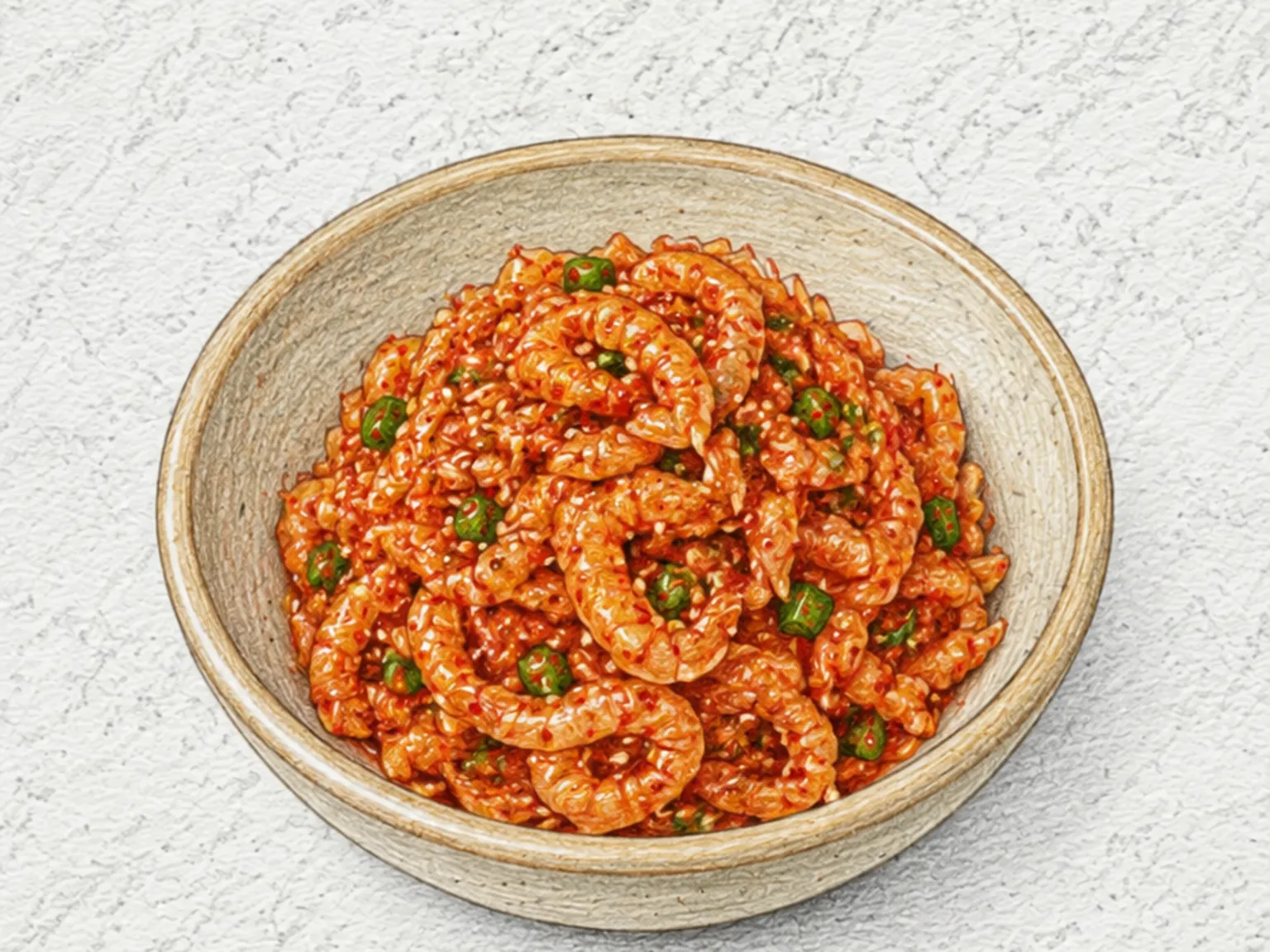
Saeujeot Muchim
Side dishes Easy

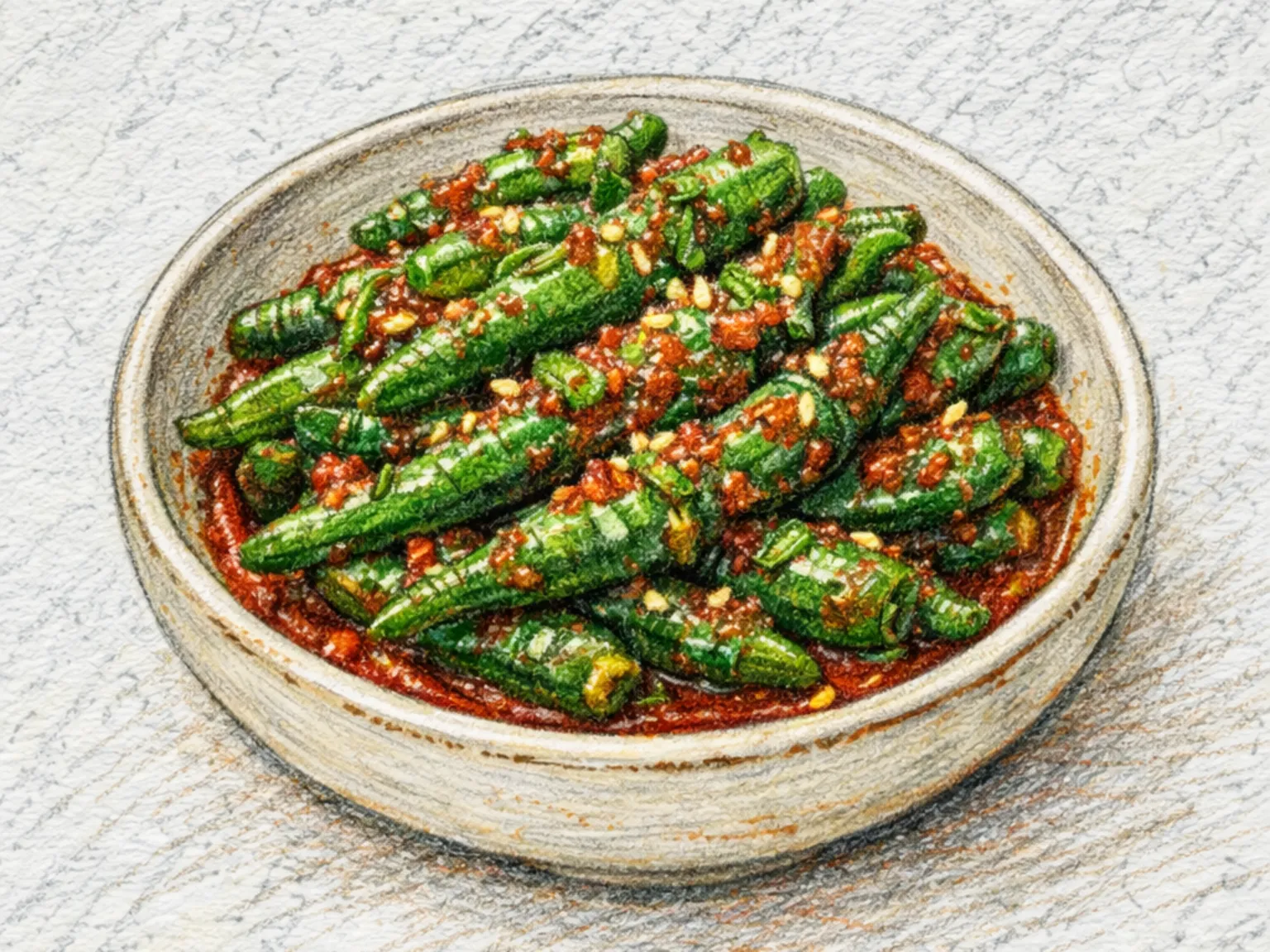
Saeujeot Muchim

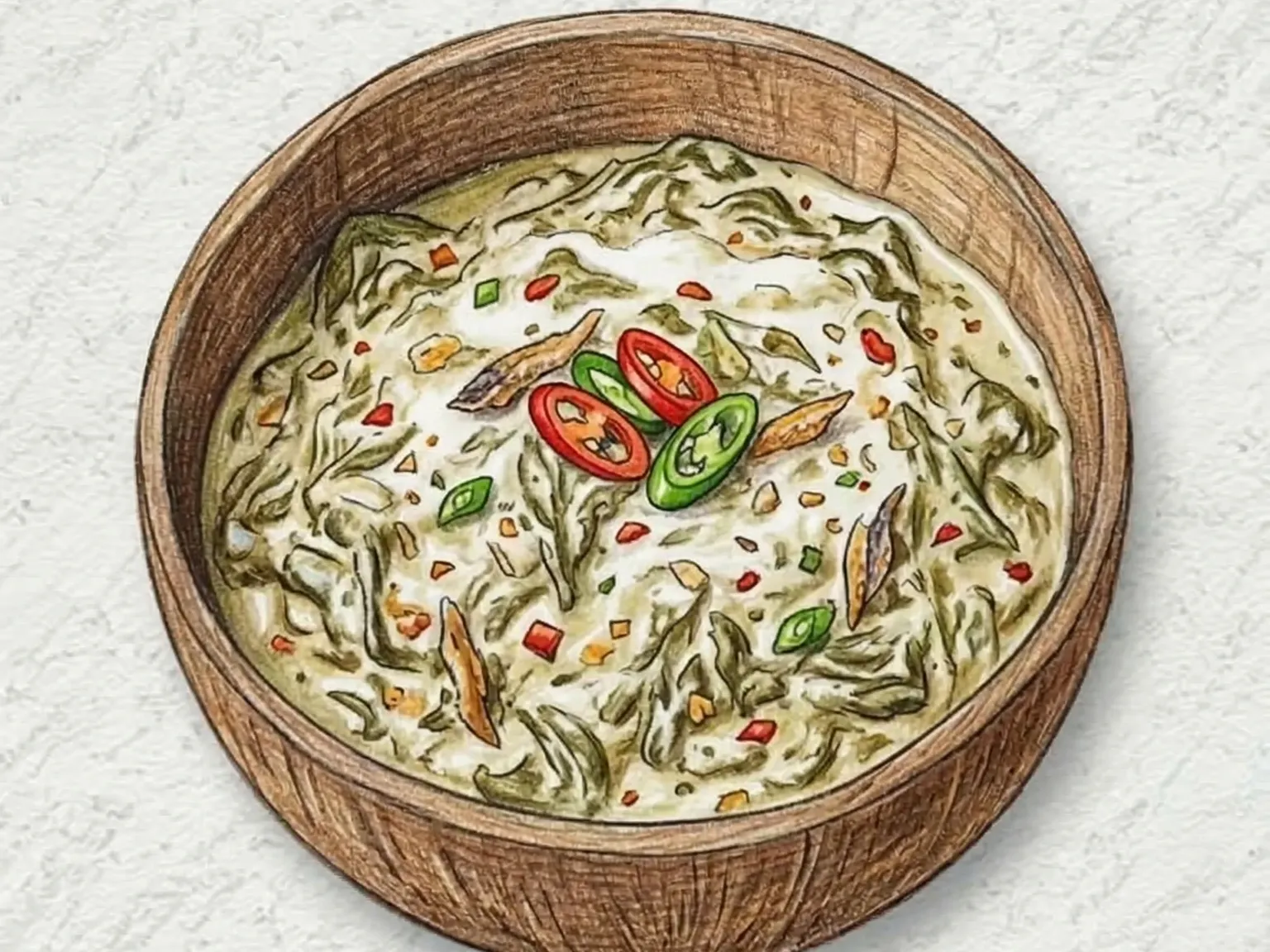
Saeujeot, tiny salted shrimp, supplies every bit of salt in this side dish; the chili flakes, garlic, scallion, and sesame oil only round it out into something eaten a little at a time from a small bowl. Jars vary a lot in how much brine they hold, and too much liquid leaves the seasoning sliding around in a puddle. Coloring the shrimp with chili flakes first, then folding the rest in from the bottom up, keeps the little shrimp whole instead of mashed.

⚡ 20-Minute Recipes 🏠 Everyday
Prep 5min 0 2 servings
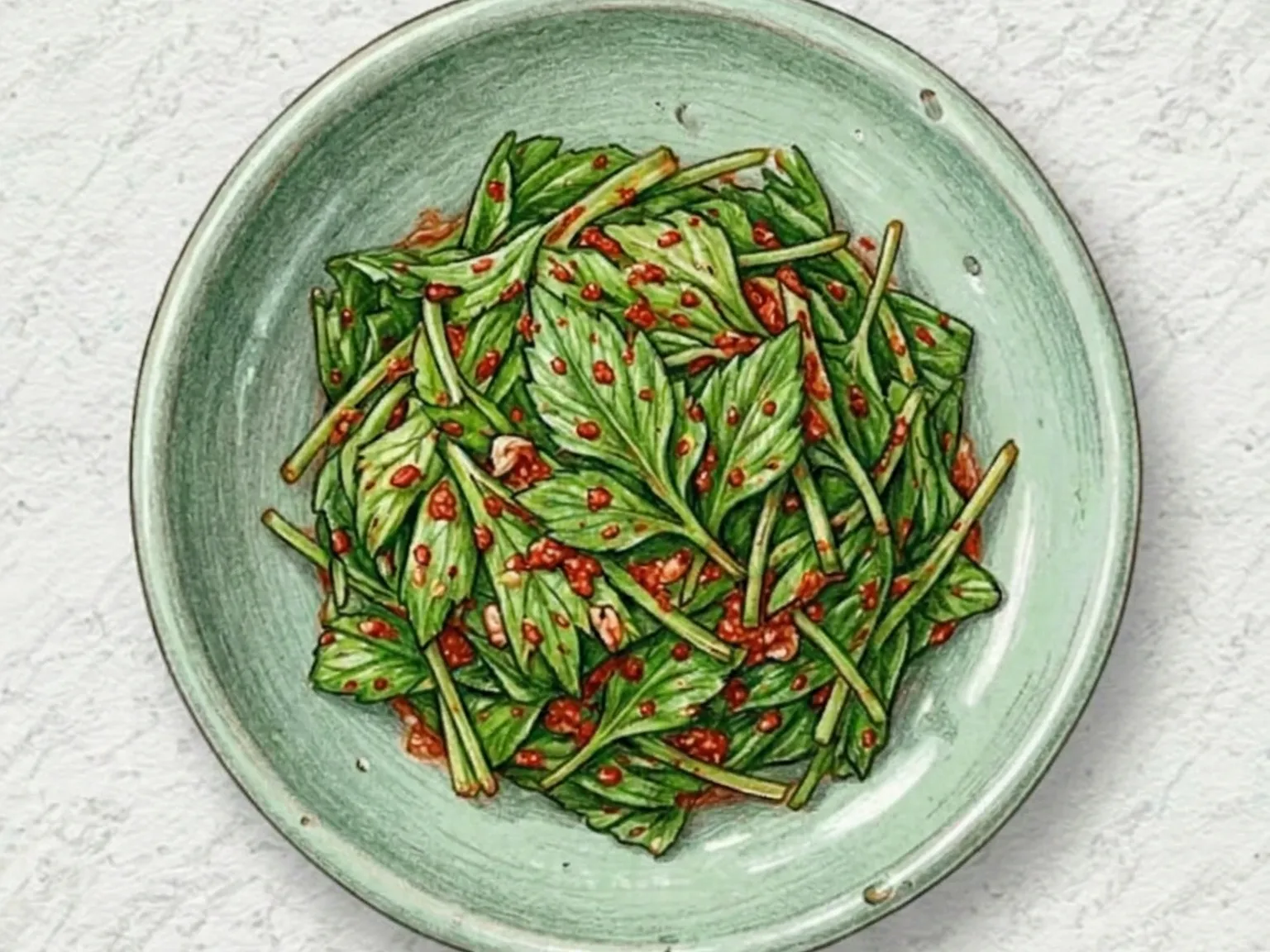
Korean Chamnamul Kimchi (Pimpinella Kimchi)
Kimchi Medium

Korean Chamnamul Kimchi (Pimpinella Kimchi)

Chamnamul greens are salted for just 10 minutes and dressed without rinsing, letting the leftover salt season them. A gentle squeeze is enough, since wringing bruises the tender leaves and makes them slump during fermentation. Blended Korean pear and onion in the sweet rice paste round off the chili heat. With so much moisture in the greens, fermentation moves fast and the kimchi softens if kept too long. Small batches eaten within a few days work best.

Prep 30min Cook 5min 4 servings
Korean Bok Choy Kimchi (Gochugaru Fermented Quick)
Kimchi Medium

Korean Bok Choy Kimchi (Gochugaru Fermented Quick)

Bok choy makes a lighter, crunchier kimchi than napa cabbage, ready to eat within a day. The salt goes mainly on the thick stems, and 20 minutes is the limit before the stems toughen. The halves drain thoroughly in a sieve after rinsing, because leftover water thins the paste until it slides off the leaves. Blending the salted shrimp and fish sauce into the sweet rice paste first makes the seasoning easy to spread thinly between leaves. Julienned carrot and scallions add color and a varied bite. After 4 hours at room temperature it moves to the fridge.

Prep 35min 0 4 servings
Korean Young Napa Kimchi (Spring Cabbage Quick Ferment)
Kimchi Medium

Korean Young Napa Kimchi (Spring Cabbage Quick Ferment)

Young spring napa cabbage (eolgari) soaks up seasoning quickly through its thin leaves and tender stems and turns pleasantly sour by the next day. That speed cuts both ways: 20 to 30 minutes of salting is plenty, and longer turns the stems tough. The stems are a better signal than the clock: the cabbage is turned once midway, and salting stops as soon as they bend slightly. Salted shrimp and fish sauce fill in savory depth that a short ferment would otherwise lack, while glutinous rice paste helps the chili seasoning cling to every leaf. Koreans make this lighter kimchi in spring, when aged winter kimchi starts to feel heavy.

Prep 40min Cook 10min 4 servings
Jeolla-style Green Onion Kimchi
Kimchi Medium

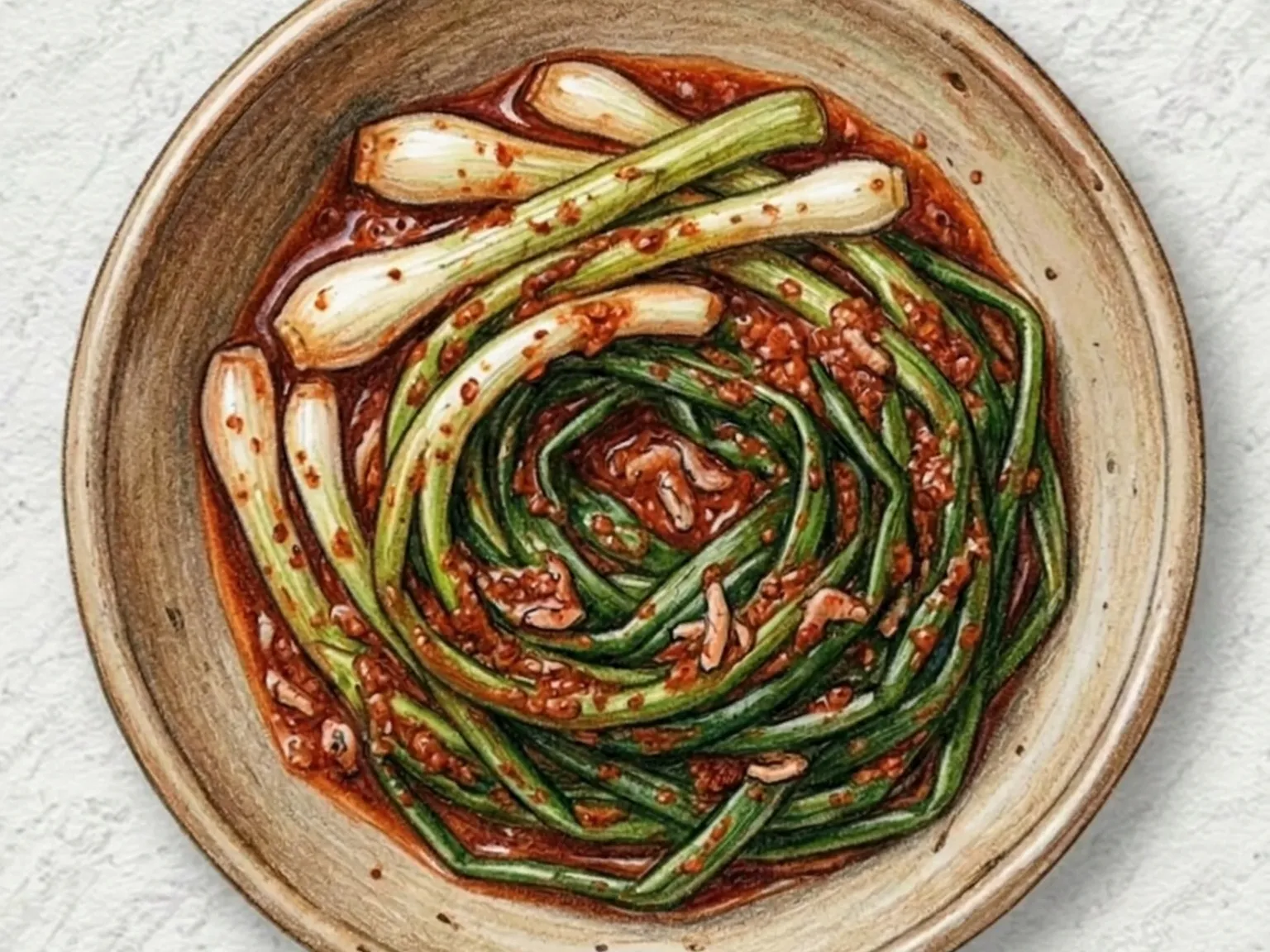
Jeolla-style Green Onion Kimchi

Instead of salt, this Jeolla version seasons the scallions with thick fermented anchovy sauce, myeolchi jinjeot, which gives them a funky, deep saltiness. The sauce goes only on the white stalks at first, since they are thick and need a head start, and whatever drains off is stirred back into the chili paste rather than thrown away. Pear juice sweetens the paste in place of sugar for a cleaner finish. The green tops get only a light swipe of seasoning, because squeezing them makes the kimchi taste grassy.

Prep 30min Cook 20min 4 servings
Traditional Kimjang Cabbage Kimchi
Kimchi Hard

Traditional Kimjang Cabbage Kimchi

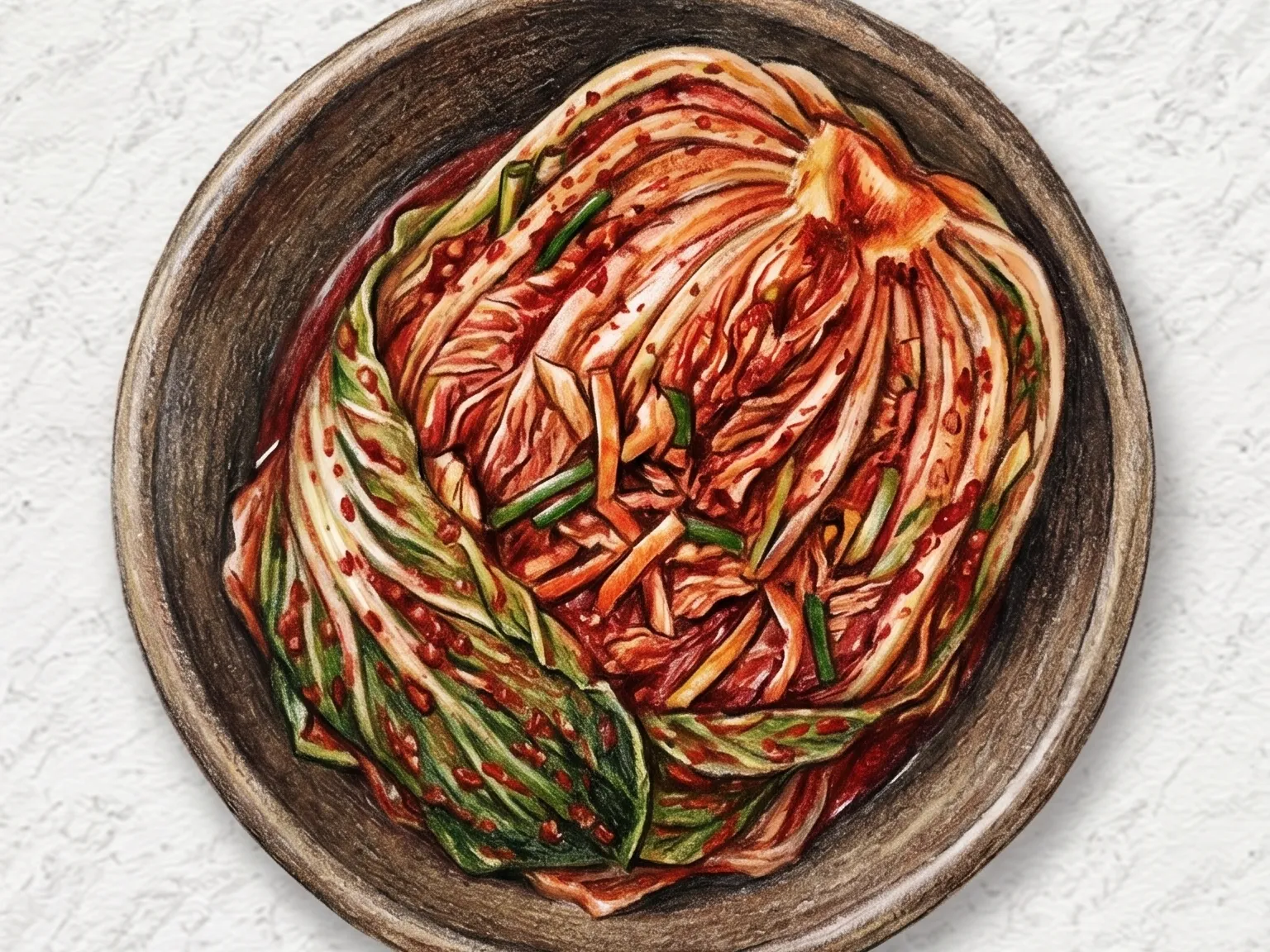
Built for kimjang, the big winter kimchi-making session, this recipe works through 10 kg of salted napa cabbage at once. The radish strips are tossed with the chili flakes first and turn red before the fish sauce, salted shrimp and garlic join them, which keeps the seasoning a clean, even color. Mustard greens and water dropwort cut into the seasoning give it a clean, slightly bitter aroma. Fresh oysters are optional and make the kimchi taste cooler and brighter, but because they also sour it faster, they go only into the containers that will be opened first. After one to two days at room temperature, the kimchi moves to the fridge and keeps its flavor for two to three weeks.

Prep 60min Cook 60min 4 servings
Korean Seokbakji Radish Kimchi
Kimchi Easy

Korean Seokbakji Radish Kimchi

Big chunks of radish and plenty of cool, tangy brine make seokbakji a natural partner for rich bone broth soups like seolleongtang. Salted shrimp does more than season the chili paste; it lays down a fermented, savory base. A day at room temperature followed by two days in the fridge turns the water drawn from the radish into a refreshing, lightly sour brine. The salted radish is drained but not rinsed, so the salt it holds seasons the kimchi from inside.

Prep 45min 0 4 servings