Asian

Asian Recipes

806 recipes. Page 14 of 34

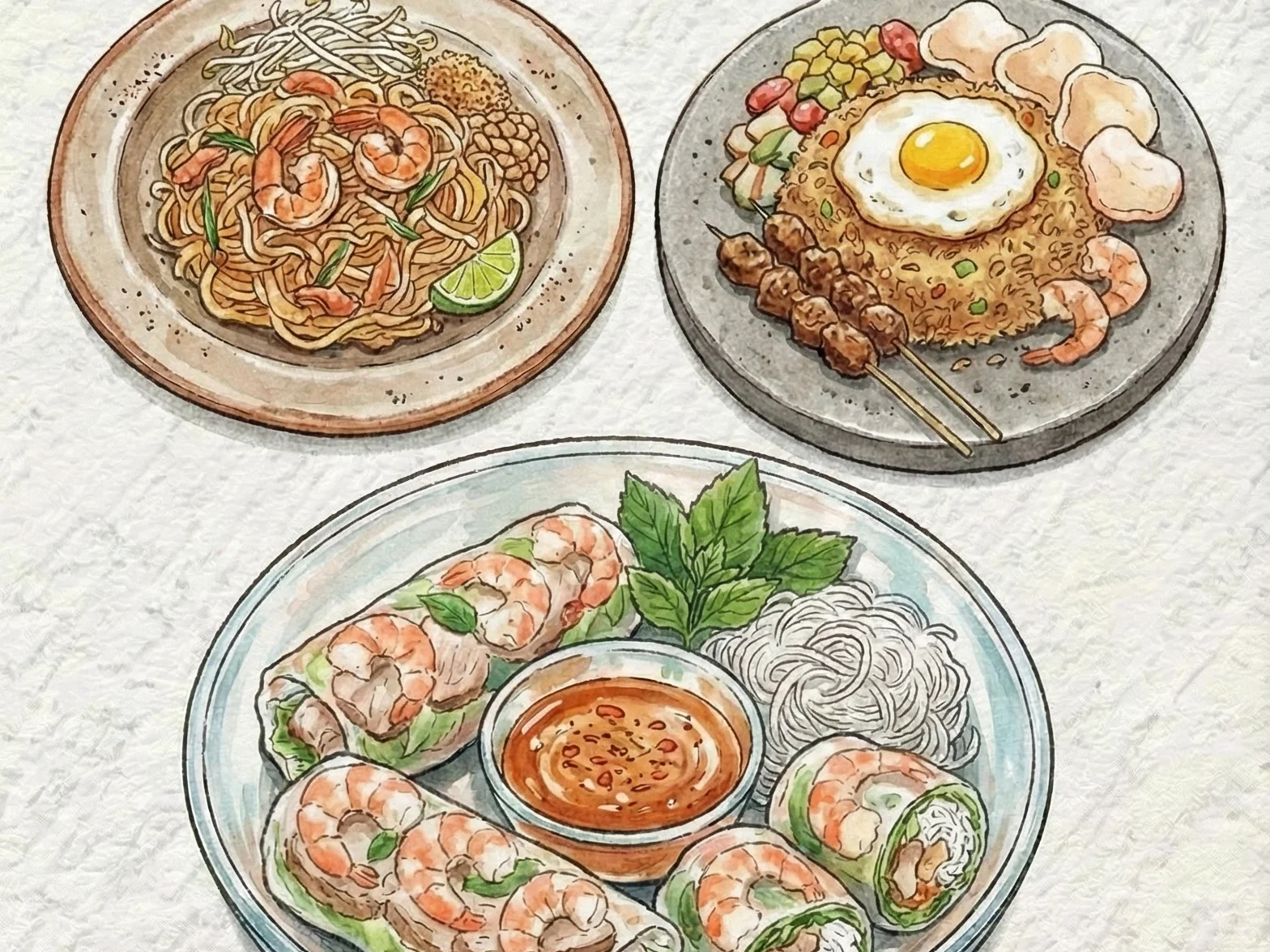
The Asian category gathers popular dishes from Japan, China, Thailand, Vietnam, India, and beyond. Curry, stir-fried noodles, mapo tofu, pad Thai, and pho are among the Asian favorites commonly enjoyed in Korean households.

Asian
Roasted Cauliflower Tahini Salad
Salads Easy

Roasted Cauliflower Tahini Salad

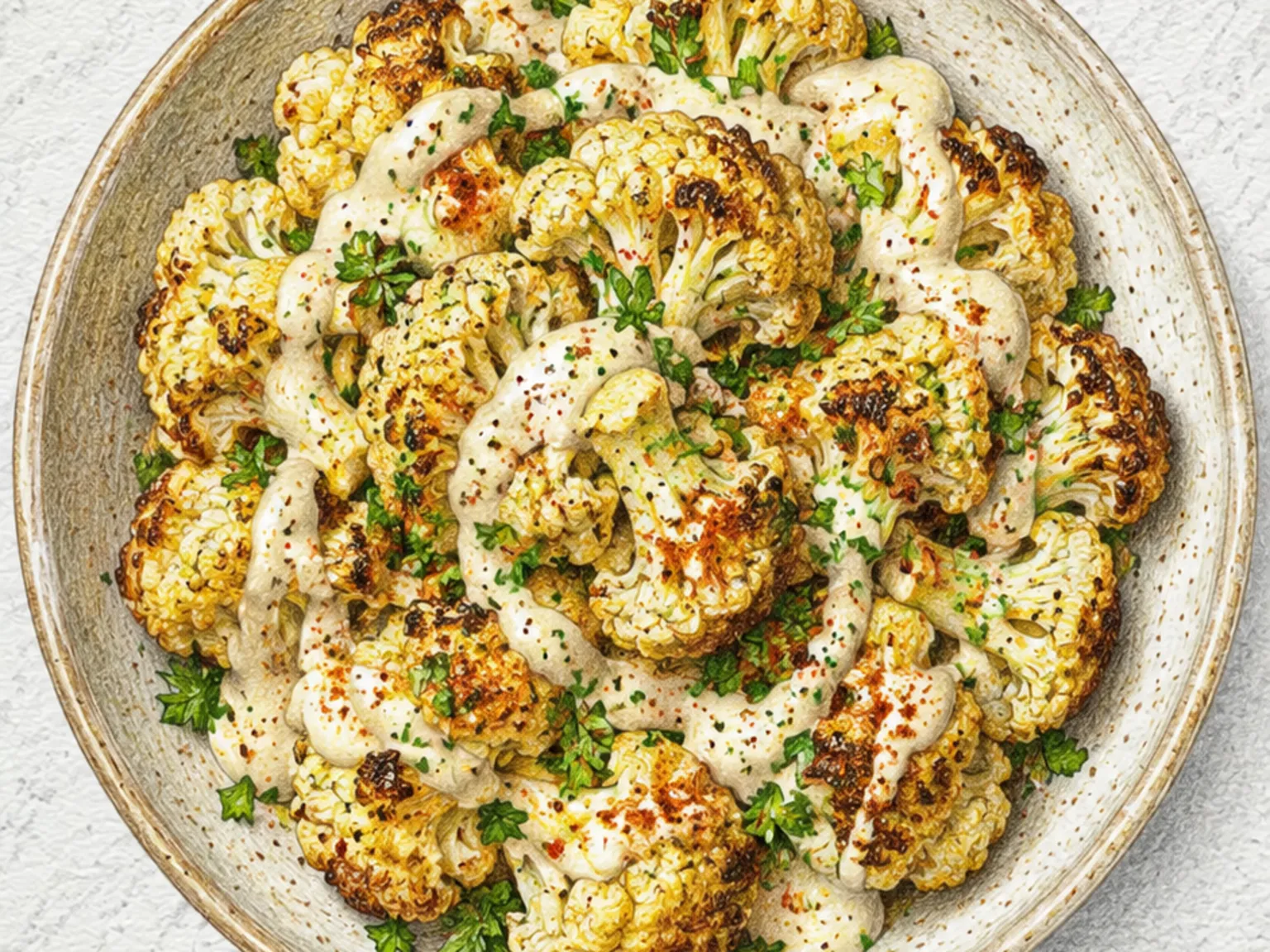
Cauliflower florets reach a specific texture and flavor profile when roasted in a mixture of olive oil and salt. This process continues in the oven until the edges of the vegetable turn a deep golden brown. This dry heat method creates a transformation that is distinct from moist heat methods like steaming or boiling. High oven temperatures trigger caramelization and the Maillard reaction, which together extract a nutty and slightly sweet complexity from the cauliflower. This development is significant because the vegetable is otherwise quite mild and neutral in its raw or boiled state. The concentrated flavor resulting from roasting provides the necessary foundation for the tahini dressing. Because the dressing is thick and carries a heavy sesame richness, it requires the caramelized depth of the roasted cauliflower to act as a balance. Without this roasting process, the dressing might easily overpower a vegetable that has not developed its own strong character. The preparation of the sauce involves whisking tahini paste with fresh lemon juice and minced garlic. This mixture is stirred until it becomes smooth. The acidity from the lemon juice is essential here as it cuts through the density of the sesame paste. This ensures the final sauce remains bright on the palate instead of feeling heavy or overly thick. To complete the dish, large amounts of chopped flat-leaf parsley are scattered over the top. This addition introduces a vivid green color and a clean herbal quality that serves to offset the richness of both the tahini and the oil used during the roasting process. A light dusting of cumin or smoked paprika can be applied as a final step to sharpen the Middle Eastern characteristics of the salad. The final result presents a series of layered flavors including the toasted sesame from the tahini, the caramelized edges of the cauliflower, the sharp acid of the lemon, and the clean finish provided by the parsley. Each of these components acts as a distinct note within the overall composition. This combination is a common staple in Middle Eastern culinary traditions. It functions well when served alongside flatbread or as an accompaniment to grilled portions of meat or fish.

🥗 Light & Healthy 🏠 Everyday
Prep 15min Cook 25min 2 servings
Bicol Express (Filipino Pork Belly in Spicy Coconut Cream Stew)
Asian Medium

Bicol Express (Filipino Pork Belly in Spicy Coconut Cream Stew)

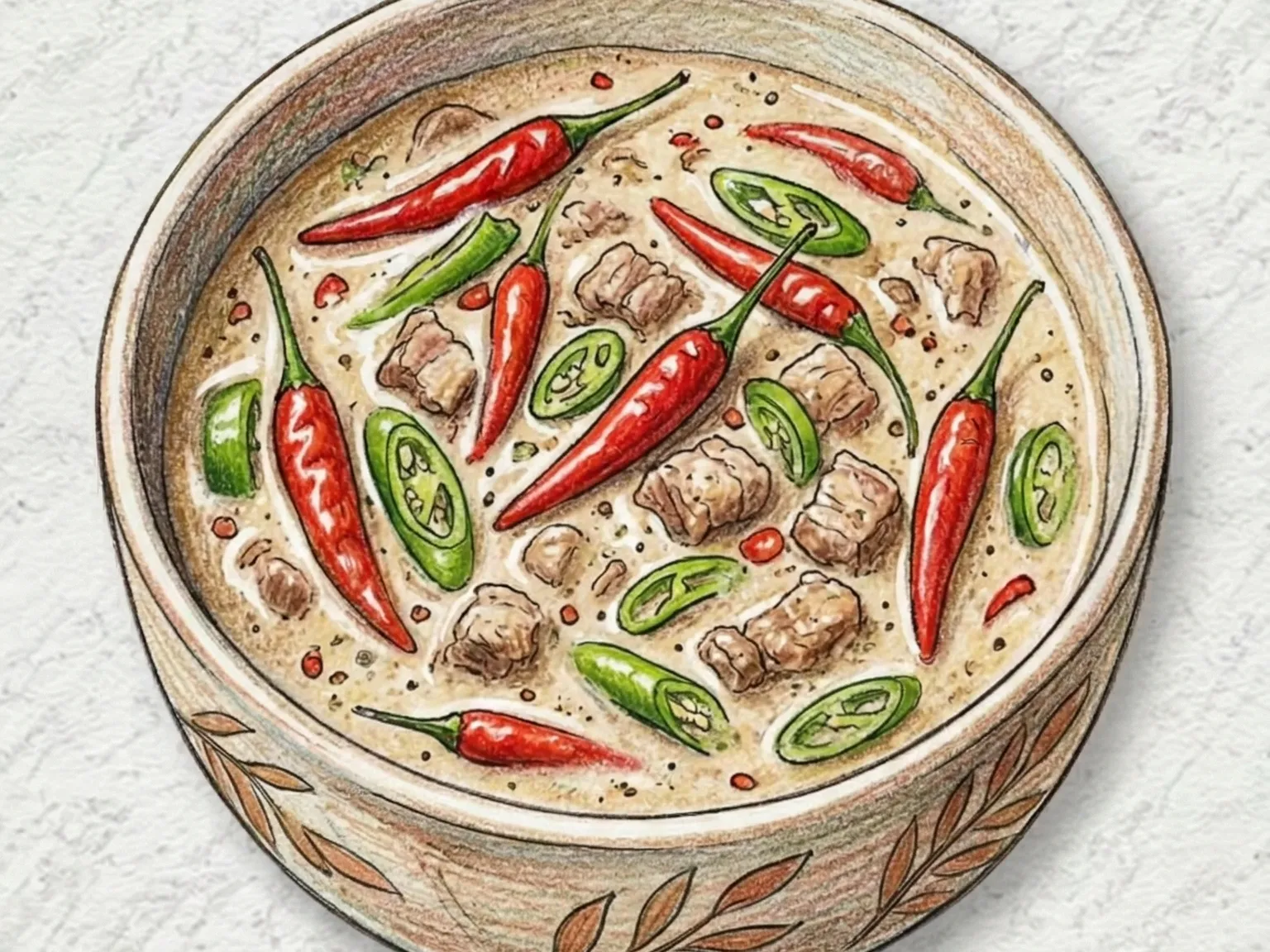
Bicol Express takes its name from the train line that once ran between Manila and the Bicol region in southeastern Luzon, an area where coconut and chili peppers appear in quantities that would be considered excessive almost anywhere else in the Philippines. Thinly sliced pork belly simmers in a mixture of coconut milk and coconut cream together with fermented shrimp paste (bagoong), garlic, onion, and a generous measure of both long finger chilies and bird's eye chilies. The liquid reduces slowly over medium heat until the coconut milk splits, releasing its fat into the pan - at that point the pork begins to fry in the rendered coconut oil rather than braise in liquid, and its texture changes noticeably. The finished dish has almost no remaining sauce; a thick, creamy, oily coating clings to every piece of pork and chili. The shrimp paste operates below the surface of the sweetness provided by the coconut, laying down a deep, briny, funky foundation that defines the flavor without announcing itself. The heat from the chilies does not arrive immediately - it accumulates over successive spoonfuls. The combination of coconut, chili, and fermented shrimp reflects an ancient Bicolano flavor structure that predates the dish's catchy modern name by generations. Serving it over steamed white rice, which absorbs the rich coating as it sits on the plate, is the only way to eat it properly.

🎉 Special Occasion 🍱 Lunchbox
Prep 15min Cook 35min 4 servings
Daegu-style Spicy Chinese Rice Bowl
Rice Medium

Daegu-style Spicy Chinese Rice Bowl

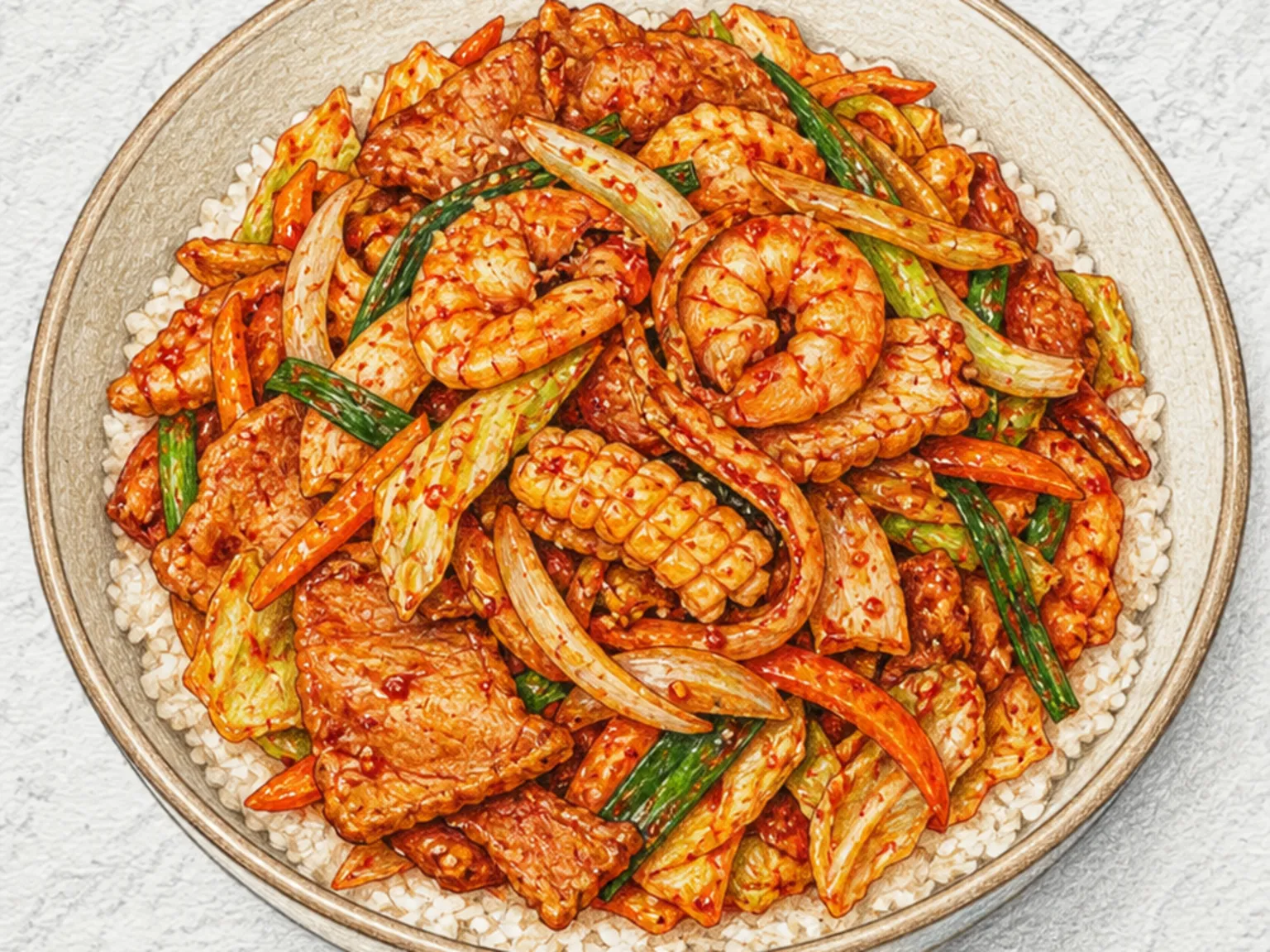
Junghwa bibimbap is a Daegu-style rice bowl topped with pork, squid, shrimp, and cabbage stir-fried quickly over high heat, then finished with a fried egg whose yolk remains soft. Cut 150 g pork shoulder into bite-size pieces. Score the skin side of 100 g squid shallowly and cut it to a similar size so it curls during cooking without becoming difficult to chew. Pat 80 g peeled shrimp dry, cut 100 g cabbage into bite-size sections, and slice 50 g green onion. Since the high-heat cooking moves quickly, measure 2 tablespoons red pepper powder, 1.5 tablespoons oyster sauce, 1 tablespoon soy sauce, and 1 tablespoon minced garlic before heating the pan. Add 3 tablespoons cooking oil to a skillet and cook the green onion and garlic over low heat until their aroma enters the oil. Raise the heat to high before the garlic browns, add the pork, and stir-fry rapidly until its exterior turns pale. Add the squid, shrimp, and cabbage together and toss broadly so the pan recovers its heat instead of steaming the ingredients. Pour the soy sauce and oyster sauce around the exposed hot edge of the pan, let them bubble briefly, and then mix them through the food. Sprinkle in the red pepper powder so it does not land in one dense pile, and continue stir-frying over high heat for 2 minutes until the pork and seafood are cooked through. In a separate pan, fry 2 eggs until the whites are set while the yolks remain runny. Divide 400 g warm rice between two bowls, spoon the stir-fry and its pan seasoning over each portion, and add one fried egg on top. Serve immediately so the hot mixture can be combined with the soft yolk at the table.

🏠 Everyday 🍺 Bar Snacks
Prep 15min Cook 15min 2 servings
Koobuirichii (Stir-Simmered Kelp and Pork)
Stir-fry Medium

Koobuirichii (Stir-Simmered Kelp and Pork)

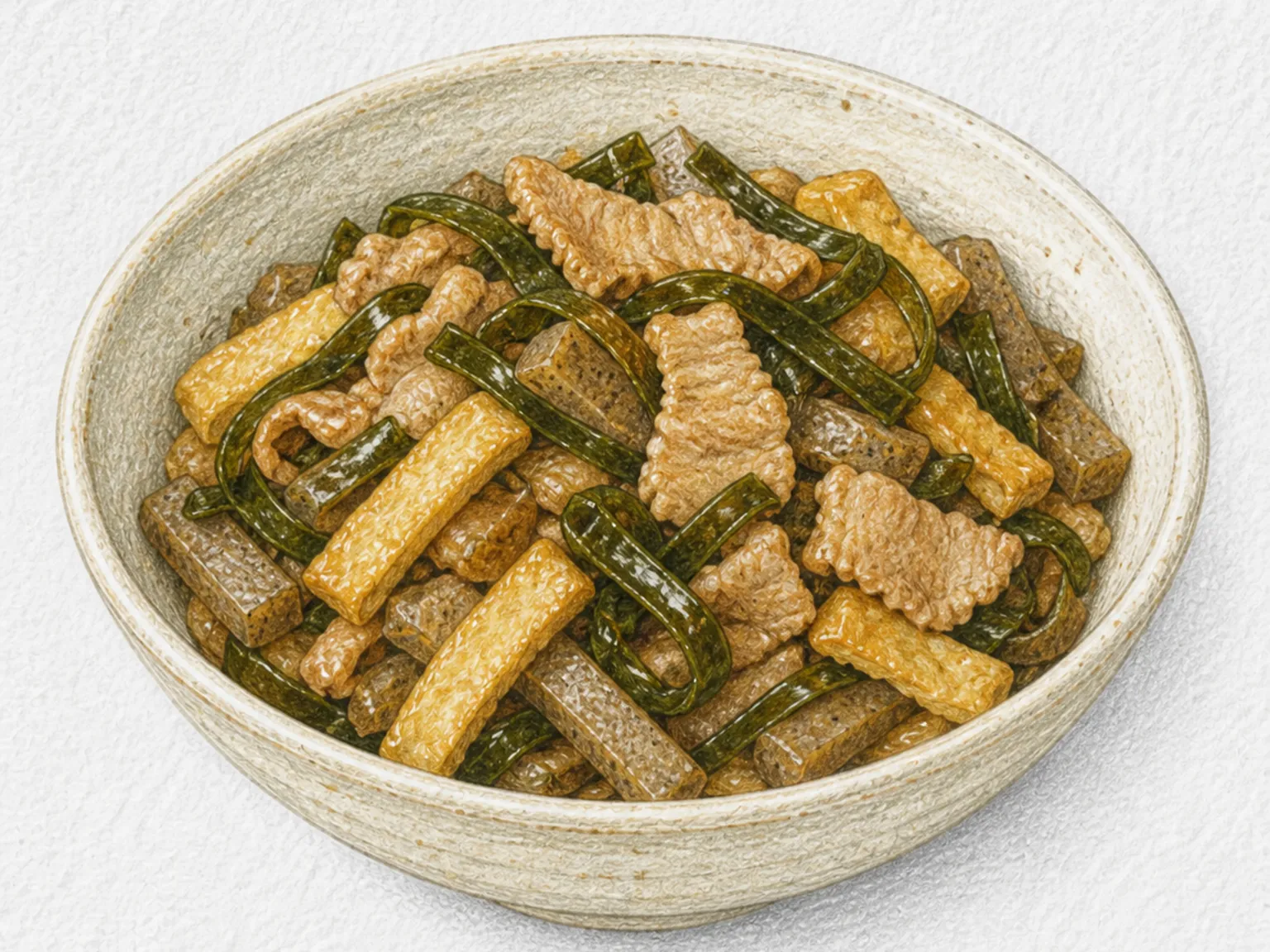
Koobuirichii starts by coating 40 g rehydrated kombu with oil, then softens it with 2 cups pork stock added in three portions. Soak the kombu until pliable, drain it, fold the slippery sheets into layers, and cut them into strips 3 to 4 mm wide. Boil 60 g pork belly until its center reaches at least 75°C. Cool it briefly, cut it into short strips, and strain the cooking liquid for the stock. Cut 40 g konnyaku, 30 g kamaboko, and 30 g fried tofu to a similar size. Briefly blanch the konnyaku and drain it. In a small pan over low heat, warm 1 tablespoon sugar, 0.5 tablespoon mirin, 1 tablespoon sake, and 1.25 tablespoons soy sauce. Add the pork and konnyaku and simmer them briefly in this seasoning. Heat 1 tablespoon neutral oil in a wide pot and stir-fry the kombu over medium heat until every strip is coated. Add the stock one portion at a time. Whenever a portion boils, lower the heat and replace the drop lid. Partway through softening the kombu, add the seasoned pork and konnyaku with all their liquid. Continue until almost no broth remains. Fold in the kamaboko and fried tofu without breaking them, taste, and use the pinch of salt only at the finish. Stop when the reduced seasoning clings glossily to all the pieces.

🎉 Special Occasion 🏠 Everyday
Prep 30min Cook 55min 4 servings
Kuri Kinton (Cloth-Shaped Chestnut Sweet)
Desserts Medium

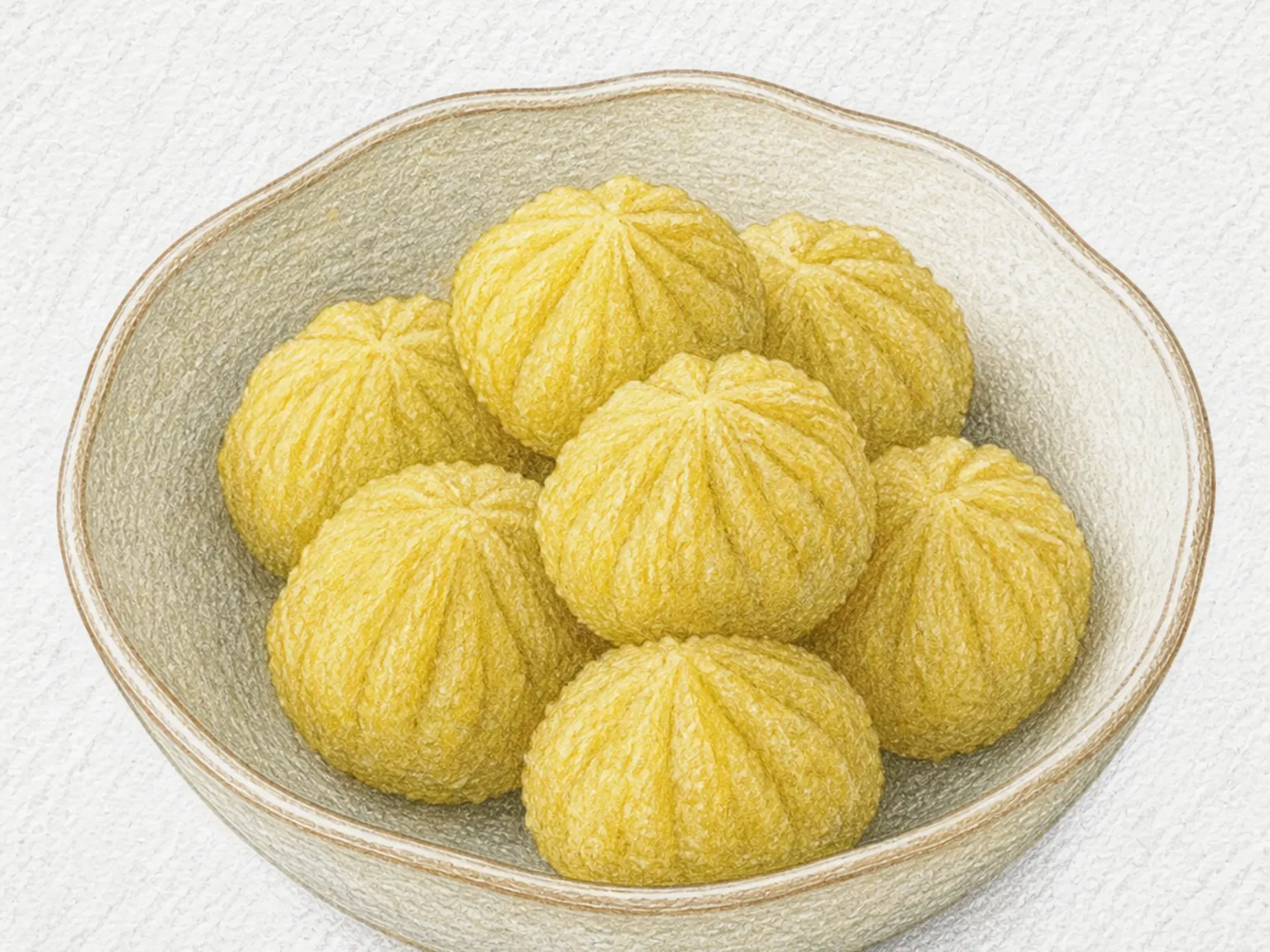
Kuri Kinton (Cloth-Shaped Chestnut Sweet)

Kuri kinton from Nakatsugawa, Gifu is made by boiling fresh chestnuts until tender, scooping them while hot, removing sprouts and dark spots, then mixing with sugar and salt and kneading over low heat until a faint toasted aroma develops. Individual portions are twisted in a damp cloth into chestnut shapes. Unlike the New Year kuri kinton made with sweet potato and candied chestnuts, this wagashi is based on chestnut flesh itself, so its powdery texture and aroma remain direct. If reduced too far it cracks in the cloth; if too wet it loses shape. Stop when a squeezed portion holds together with smooth edges, and refrigerate the moist finished sweets.

🎉 Special Occasion 🧒 Kid-Friendly
Prep 45min Cook 65min 30 servings
Kasujiru Toyama Turnip Soup with Sake Lees
Soups Medium

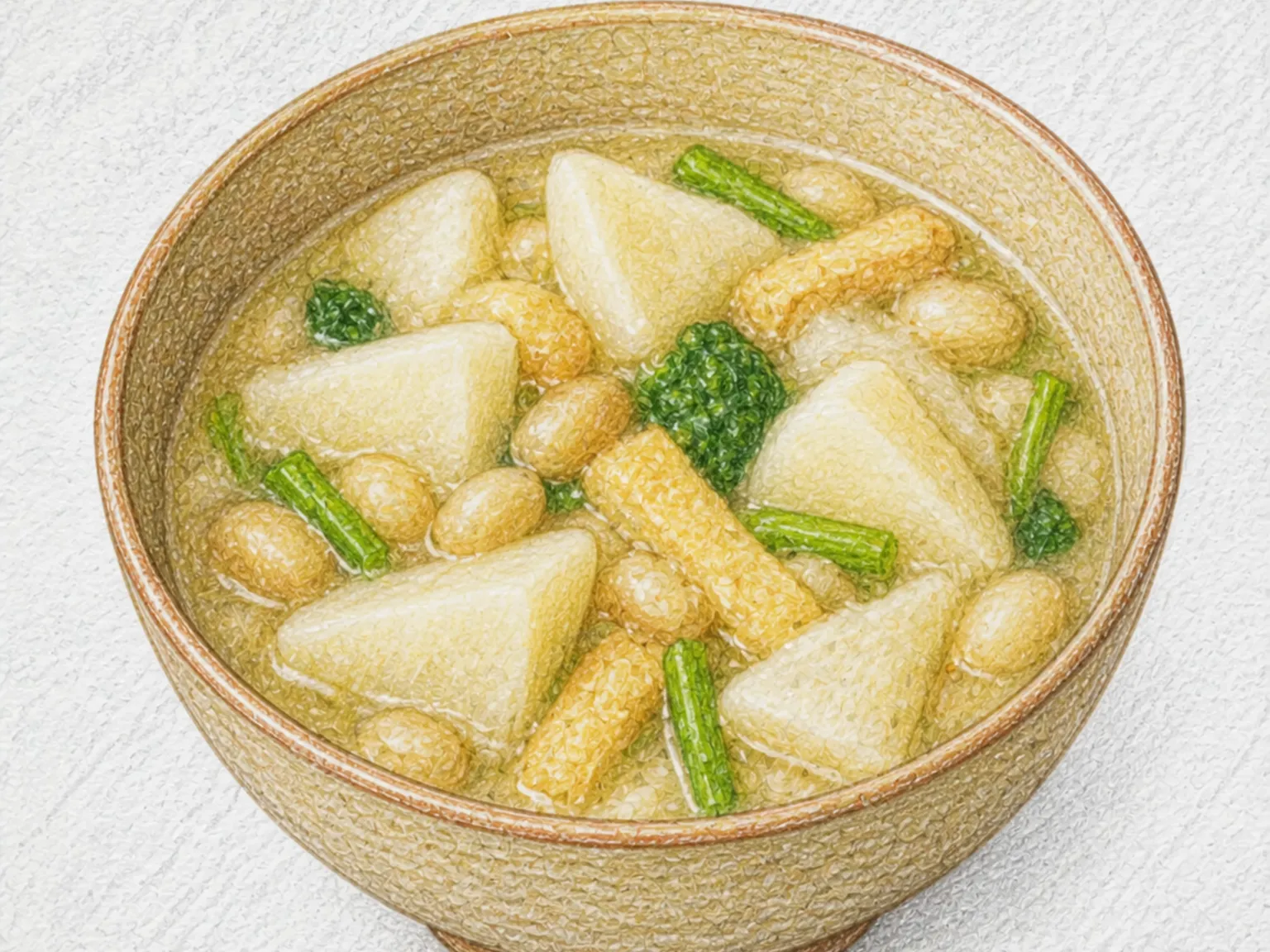
Kasujiru Toyama Turnip Soup with Sake Lees

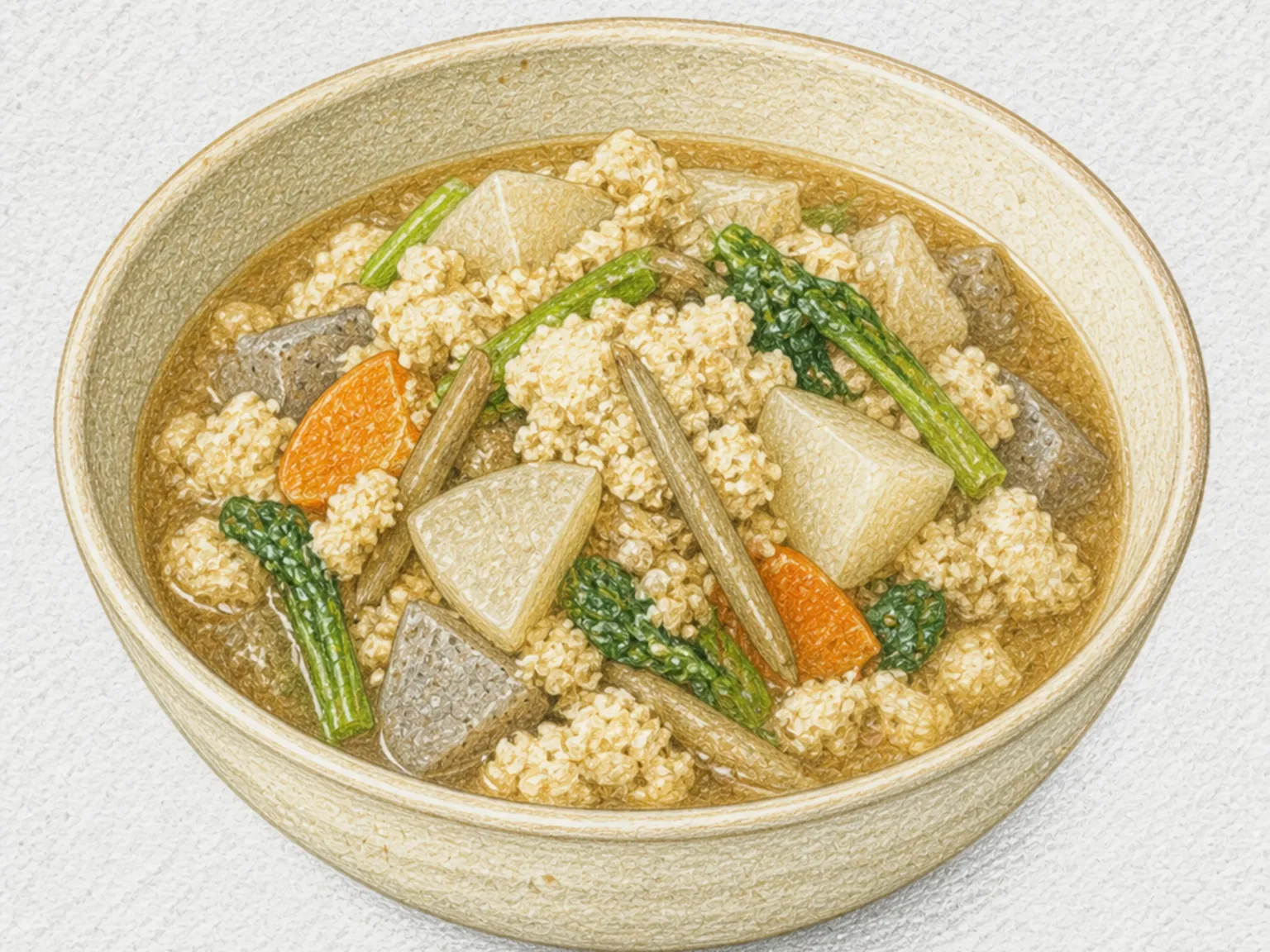
Kasujiru from Yonezawa in Yamagata simmers firm Toyama turnips with uchimame flattened soybeans and fried tofu in a miso-style broth, then dissolves a generous amount of sake lees for mellow fermented aroma and body. Toyama turnips are harder and sweeter than common turnips and store well through winter. Local cooks use a technique called bukkaku, levering irregular bite-size pieces from the root with the corner of a knife so the rough surfaces absorb broth. The turnip cooks first in dashi, followed by the tofu and dried flattened soybeans until everything softens. Miso, sake lees, and mirin are loosened separately with hot broth before returning to the pot, preventing dense lumps. Tender turnip greens enter only for the final boil. Cooling once and reheating helps seasoning penetrate the firm root, but soup made with sake lees should not be assumed completely alcohol-free.

🏠 Everyday
Prep 25min Cook 40min 4 servings
Wasabi-Zuke (Wasabi Pickled in Sake Lees)
Kimchi Medium

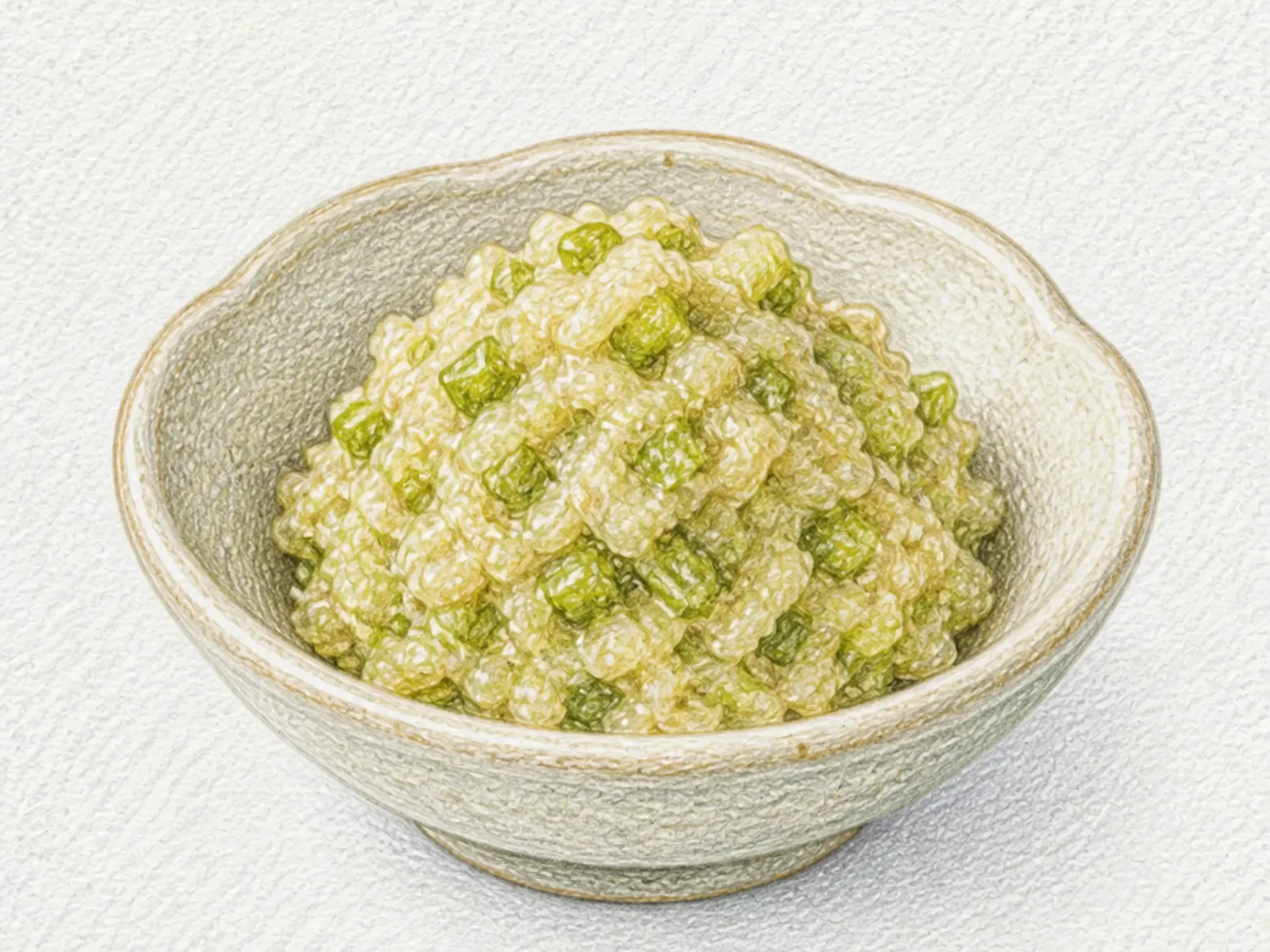
Wasabi-Zuke (Wasabi Pickled in Sake Lees)

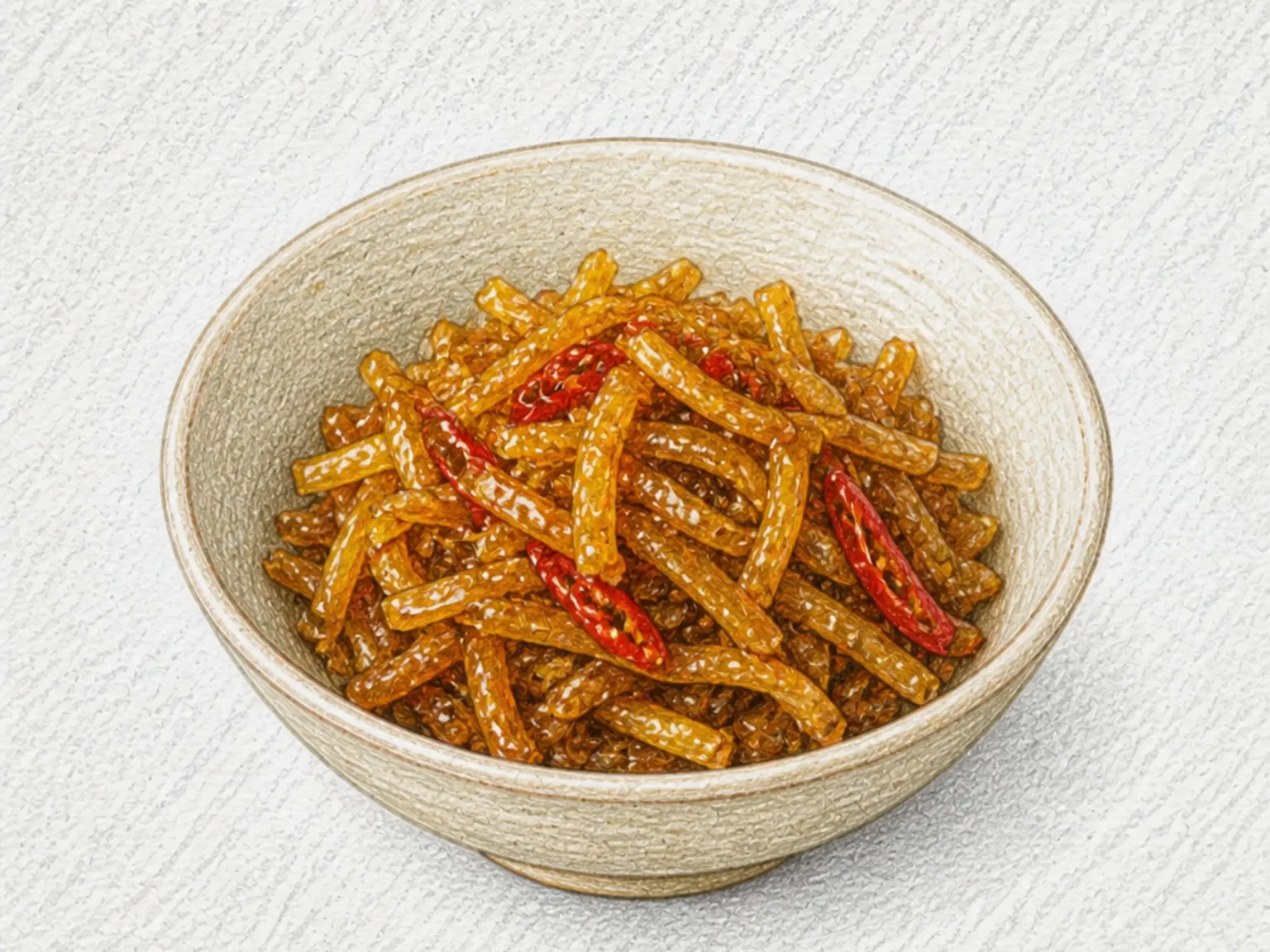
Wasabi-zuke is a Shizuoka pickle made by finely cutting wasabi stems and roots, salting them overnight, and mixing the well-drained pieces into sake lees kneaded smooth with sugar and sake. Two to three days in a sealed container allow the sharp nasal heat of wasabi to emerge through the deep fermented aroma of the lees. Squeezing the salted wasabi firmly through cloth is important because excess water thins the paste. Wasabi cultivation in Shizuoka is said to have begun between 1596 and 1615, when wild plants from Mount Bukkoku were transplanted near the spring water of Utogi. The growing method later spread to Izu and beyond. Wasabi-zuke reportedly began selling inside Shizuoka Station after it opened in 1889, becoming a standard regional souvenir as well as an everyday accompaniment to hot rice and sake.

🍺 Bar Snacks
Prep 30min 2 servings
Guilin Rice Noodles (Silky Rice Noodles in Beef Brisket Broth)
Noodles Medium

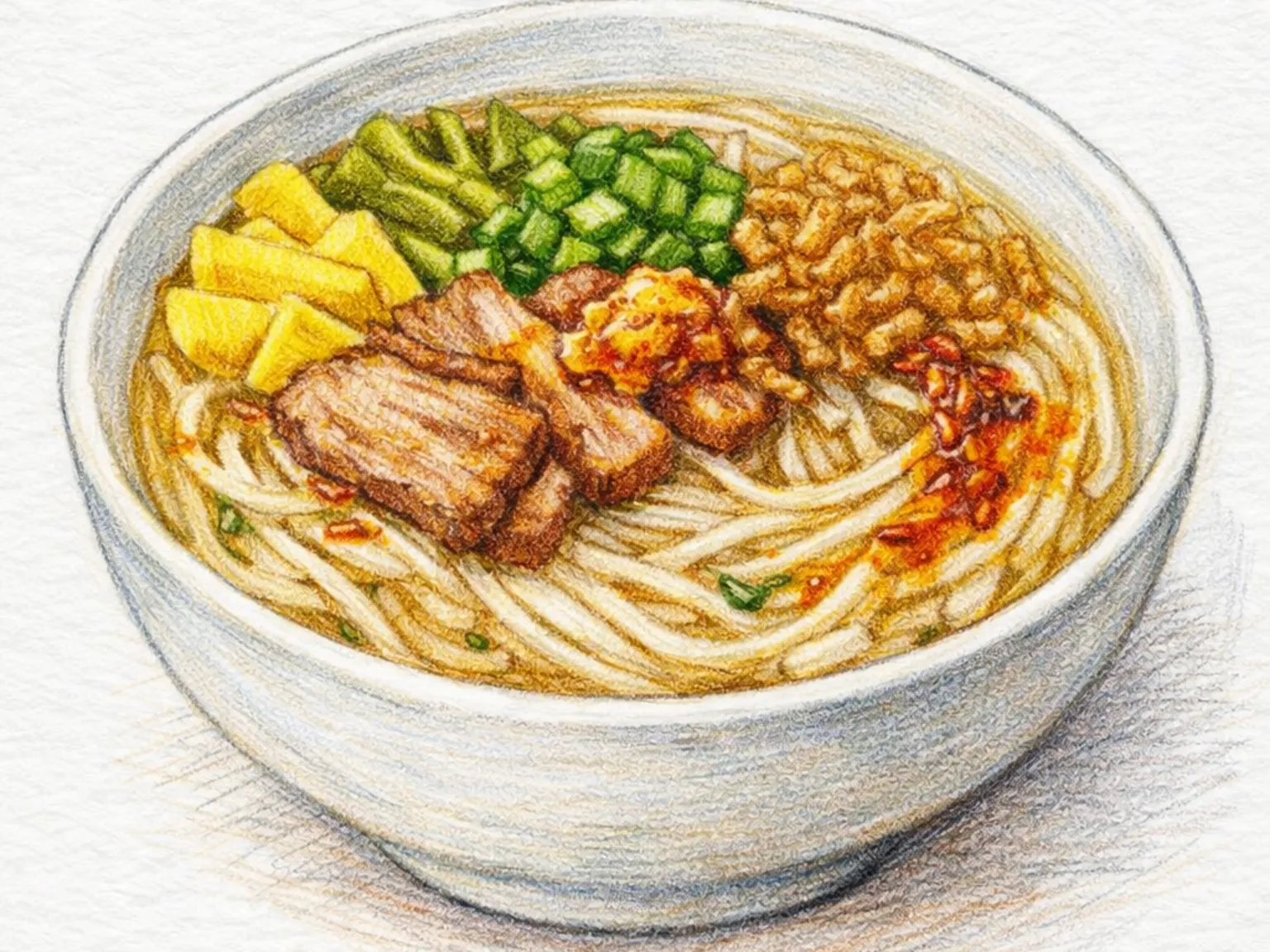
Guilin Rice Noodles (Silky Rice Noodles in Beef Brisket Broth)

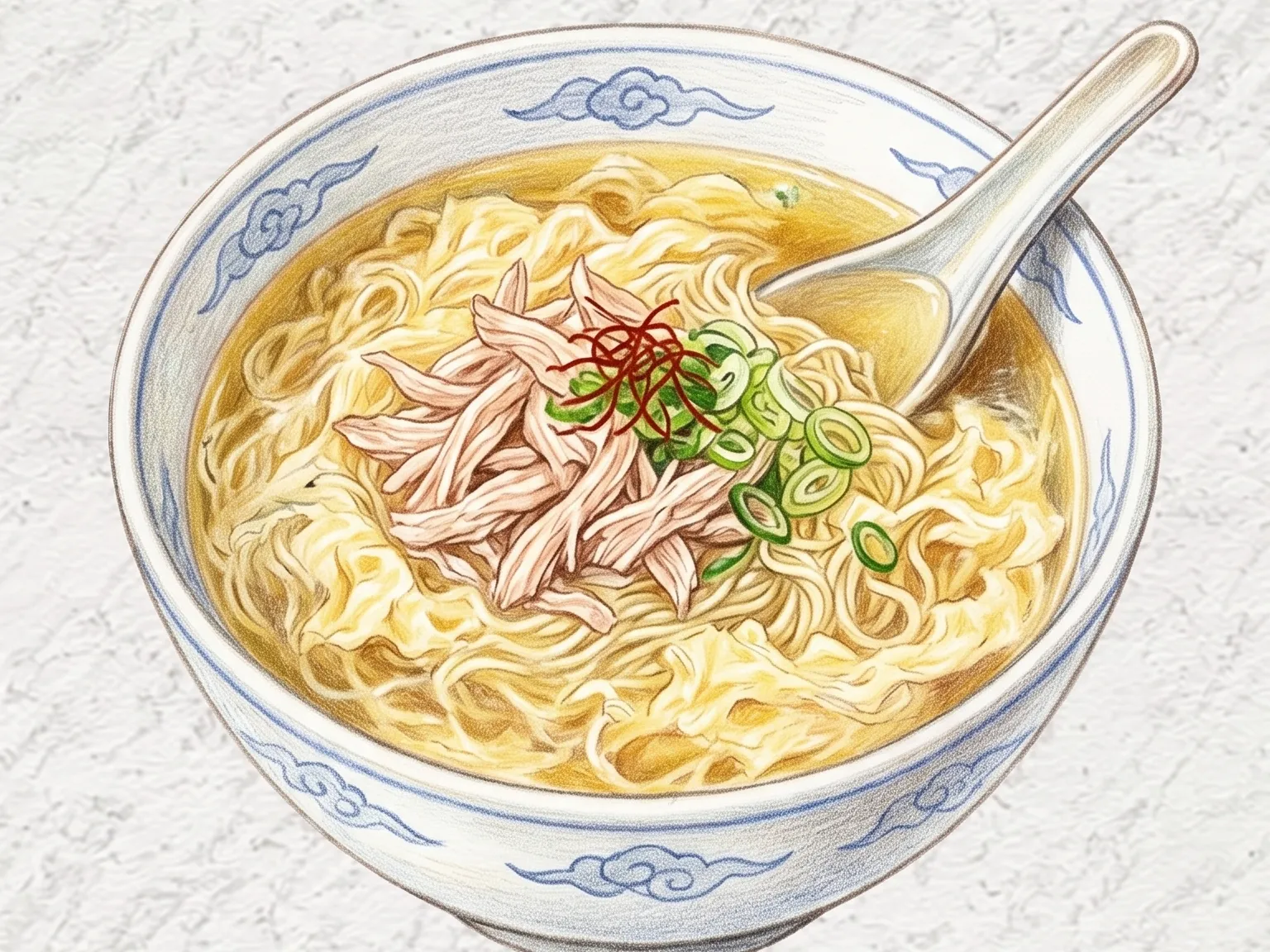
Guilin rice noodles are the signature noodle dish of Guilin in Guangxi, China, built on a clear beef brisket broth that has been simmered until the collagen fully dissolves and the liquid turns deeply savory without becoming heavy. The slender rice noodle strands are smooth and slightly springy, and they absorb the broth as the bowl sits. Soy sauce seasons the soup with a salty, round undertone rather than any sharp edge. Pickled daikon radish is added as a topping for its crisp bite and vinegary tang, which cuts through the richness of the beef broth and resets the palate between mouthfuls. A drizzle of chili oil introduces a warm, slow-building heat that spreads through the soup. Fresh cilantro placed on top at the end adds a bright, citrus-forward herbal fragrance that ties the Southeast Asian-influenced profile of the bowl together. The combination of broth, noodles, and contrasting toppings is what makes Guilin rice noodles a dish people return to repeatedly.

🎉 Special Occasion 🍺 Bar Snacks
Prep 20min Cook 35min 2 servings
Roasted Kabocha Miso Nut Salad
Salads Easy

Roasted Kabocha Miso Nut Salad

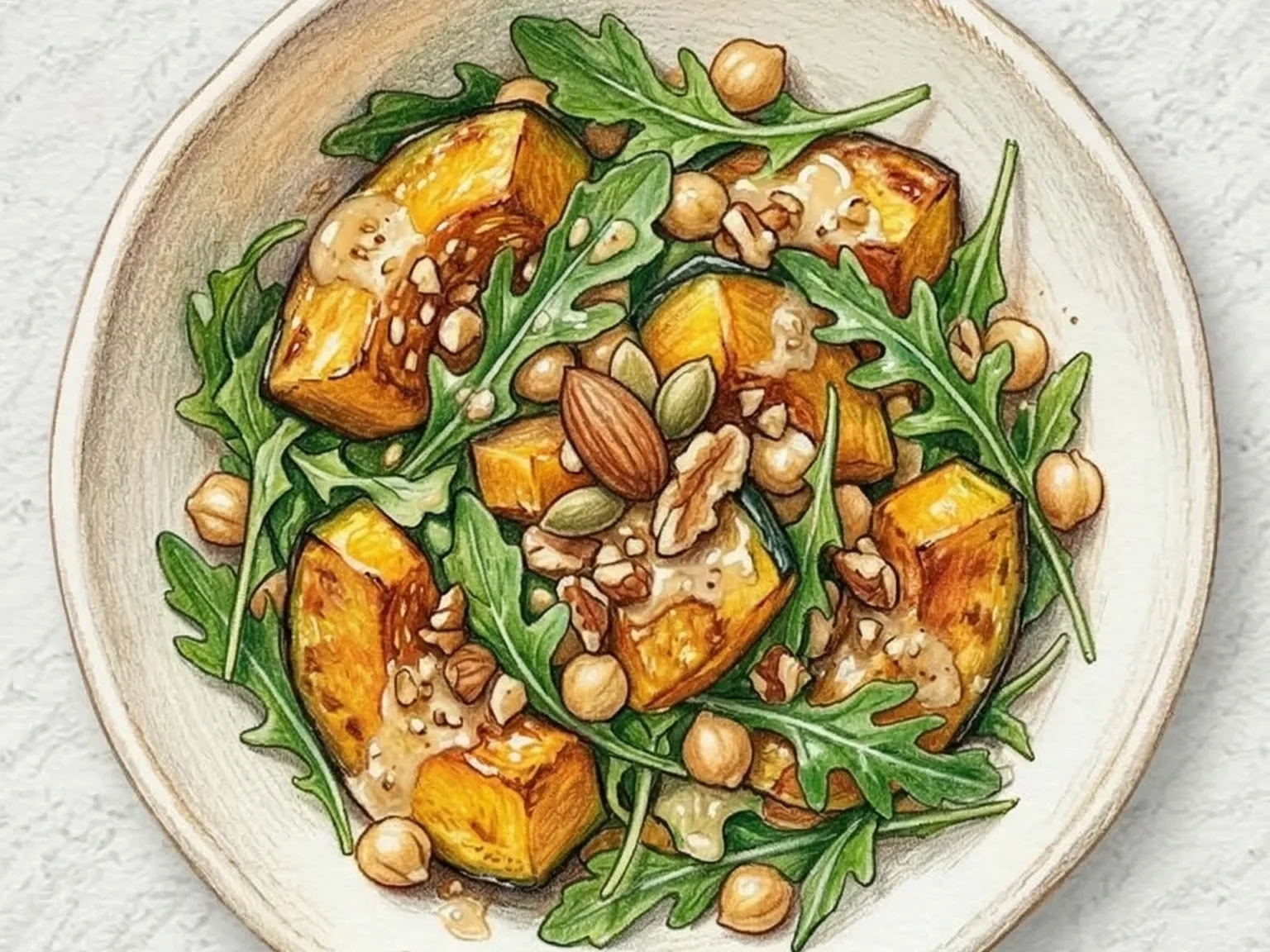
Kabocha squash is sliced into half-moons and roasted in a hot oven until the cut surfaces caramelize and the flesh turns chestnut-soft and dry in the best possible way. The dressing combines white miso, rice vinegar, and maple syrup into a mixture where salt, acid, and a restrained sweetness reinforce each other and amplify the roasted squash underneath. Arugula provides the peppery, slightly bitter base that keeps the salad from tipping too sweet. Chickpeas add lean protein and a firm, satisfying chew that holds up against the tender squash. Walnuts, crushed roughly rather than chopped fine, contribute crunch and a deep, roasted nuttiness that layers well with the soft squash in each forkful. The contrast between textures, tender squash against resistant walnut, is what makes this salad interesting across every bite. Autumn kabocha, at the peak of its natural sugar content, delivers the most pronounced sweetness, and the dish is filling enough to stand as a vegetarian main course with nothing else alongside it. If using refrigerated squash, adjust oven time and temperature to ensure even caramelization.

🥗 Light & Healthy 🎉 Special Occasion
Prep 15min Cook 25min 4 servings
Bishu Nabe (Sake-Cooked Meat and Vegetable Hot Pot)
Asian Medium

Bishu Nabe (Sake-Cooked Meat and Vegetable Hot Pot)

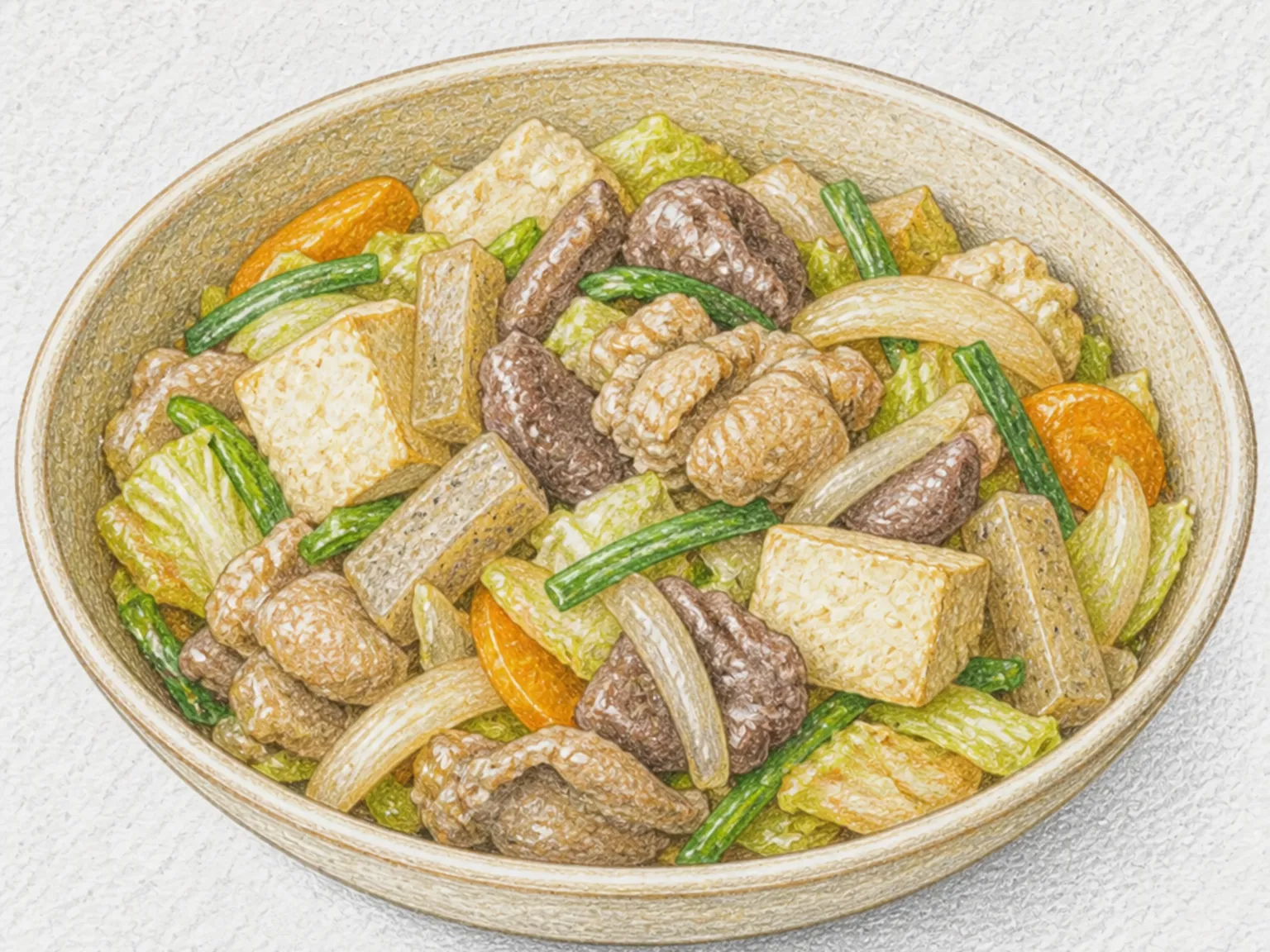
Bishu nabe is a hot pot associated with brewery workers in Saijo, Higashihiroshima, who ate it between tasks during the winter sake-making season. No water or dashi is added. A small amount of pork shoulder is heated first so its fat coats the pot, followed by sliced garlic. Chicken thigh, chicken gizzard, vegetables, konnyaku, and tofu cook as one cup of sake is added little by little. Firm ingredients such as carrot, onion, and konnyaku enter before napa cabbage, white leek, garlic chives, and tofu. Salt and pepper provide the only final seasoning. Keep the faster vegetables from becoming soft, and do not eat the chicken or gizzard until the centers are fully cooked. The result has little free broth and relies on sake and vegetable moisture.

🎉 Special Occasion 🍺 Bar Snacks
Prep 30min Cook 35min 4 servings
Kakimochi (Dried and Fried Rice-Cake Crackers)
Rice Hard

Kakimochi (Dried and Fried Rice-Cake Crackers)

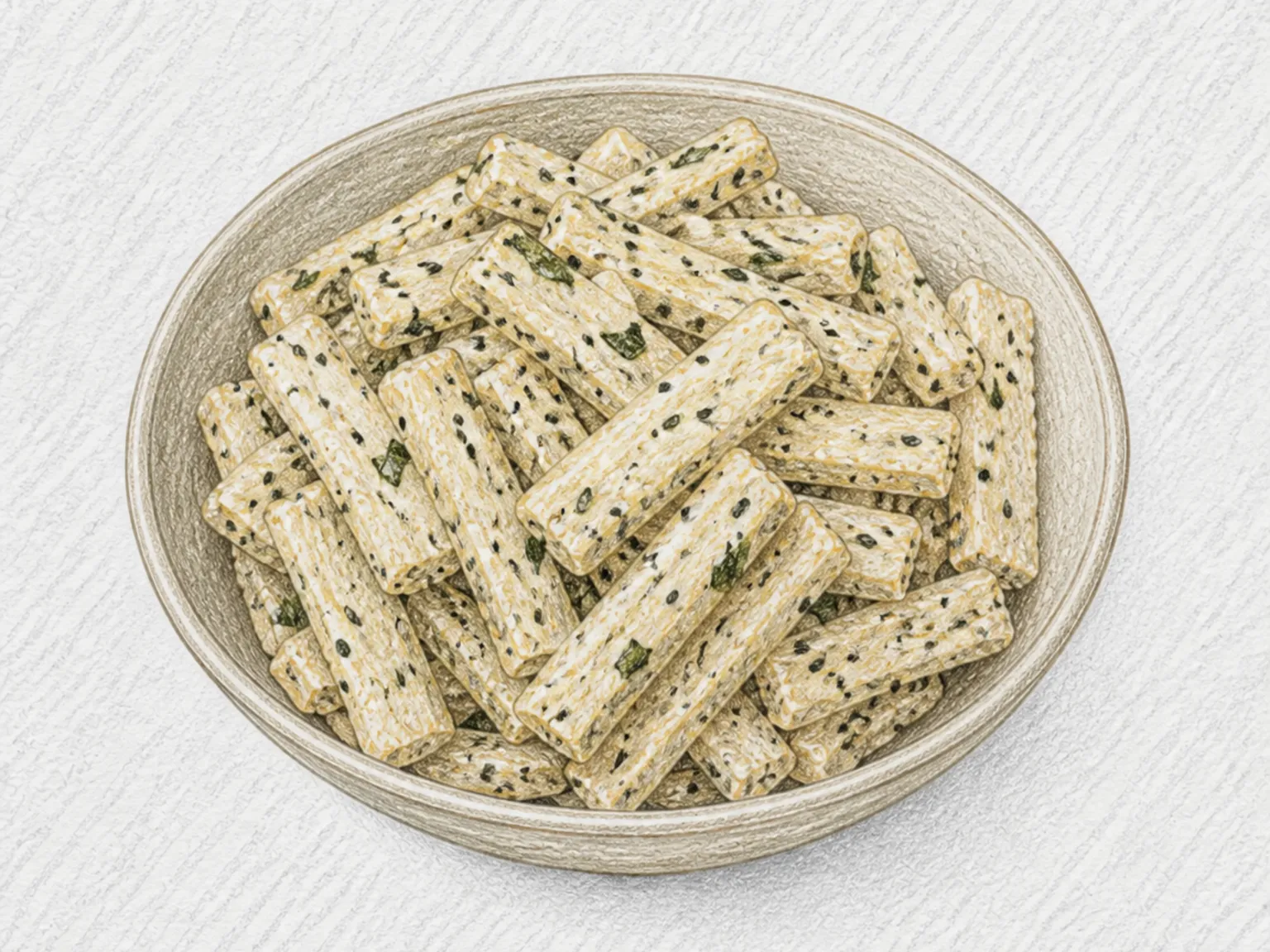
Kakimochi begins as a glutinous rice dough seasoned with grated taro, black sesame, nori, salt, and a small amount of baking soda, but its defining step is the long, controlled drying period before frying. The 4.5 kg glutinous rice is soaked for 8 hours and drained for 1 hour. Steaming then continues for 45 to 60 minutes, stopping when every grain is translucent and tender. While hot, it is pounded with 120 g grated taro, 36 g salt, 18 g black sesame, four nori sheets torn into 5 mm pieces, and 15 g food-grade baking soda. Pounding continues until no rice grains remain and the dough is smooth enough to slice cleanly later. With dampened hands, the mochi is divided into eight logs about 6 cm wide and 4 cm high. The logs rest under clean cloth in a cool place for 2 days, becoming firm enough for a sharp knife to cut them into 2 to 3 mm slices without crushing them. The pieces are arranged separately on mesh, shade-dried for 2 days, then moved to mesh bags for roughly 12 more days in cool, dry, moving air. A test piece should snap with no damp layer in its center. Any mold spot or musty smell requires discarding that piece and adjacent ones rather than frying them. Fully dried kakimochi is stored airtight and fried only as needed. Small batches spend 2 to 4 minutes in oil held at 140°C, with turning, until the centers expand evenly and become crisp instead of browning while still hard inside.

🧒 Kid-Friendly
Prep 150min Cook 90min 80 servings
Singapore Chili Crab (Singaporean Whole Mud Crab in Sweet Spicy Sauce)
Stir-fry Hard

Singapore Chili Crab (Singaporean Whole Mud Crab in Sweet Spicy Sauce)

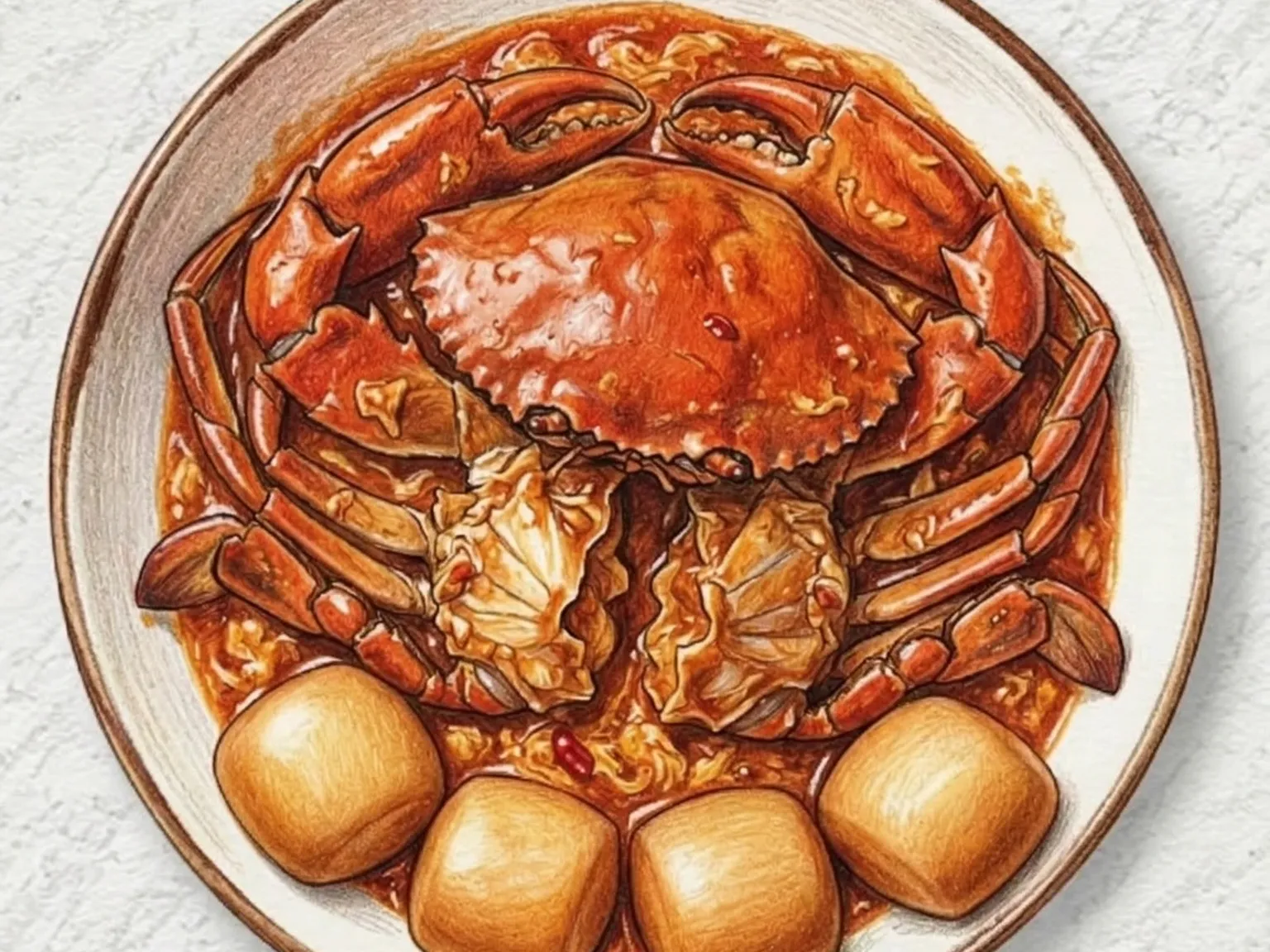
Singapore chili crab cooks 1200 g cleaned mud crab in a ketchup and chili sauce base, then controls the sauce thickness with starch slurry followed by beaten egg. Pat the prepared crabs very dry, cut them in half, and lightly crack the claws with the back of a knife so the sauce can reach the meat. Warm oil in a wok over medium heat and stir 1.5 tablespoons garlic with 1 tablespoon ginger for about 30 seconds, keeping both pale. Add 4 tablespoons ketchup, 3 tablespoons chili sauce, and 1 tablespoon sugar. Lower the heat to medium-low and cook the mixture for 1 minute until it looks glossy. Turn the crab pieces gently through the sauce, pour in 300 ml chicken stock, and cover the wok. Keep the covered crab at a medium-heat simmer for 8 minutes. Red shells and cooked-looking joints are the cues given before thickening. Mix 1 tablespoon starch with water and add the slurry gradually rather than all at once. Stop when the sauce leaves a thin coating on a spoon, since excess starch would make it pasty. Beat 1 egg, reduce the heat to low, and drizzle it around the wok rim. Wait 10 seconds before stirring in broad strokes to form soft ribbons. Remove the wok from the heat while the sauce still moves easily around the crab, and serve it with the bread or rice specified in the source steps.

🎉 Special Occasion 🍱 Lunchbox
Prep 25min Cook 25min 4 servings
Lauki Halwa (Indian Bottle Gourd Milk Pudding)
Desserts Medium

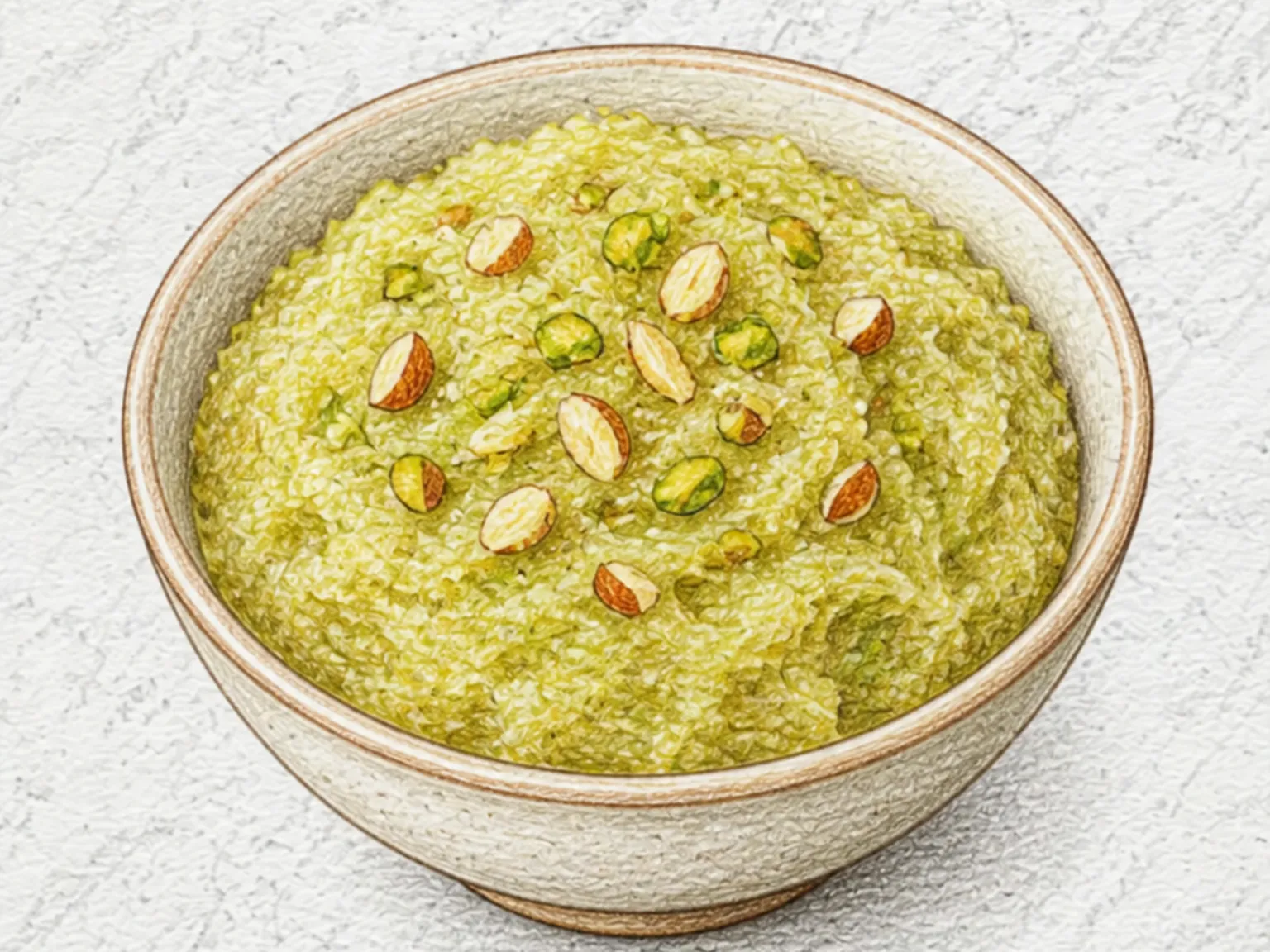
Lauki Halwa (Indian Bottle Gourd Milk Pudding)

Lauki halwa is a dessert made by sauteing finely grated bottle gourd in ghee, cooking it in milk, and reducing it with sugar and cardamom to a thick paste. Peel 300g bottle gourd, scoop out the soft seedy center, and finely grate only the firm white flesh. Melt 20g ghee in a wide pan and cook the grated gourd over medium heat for 7 to 8 minutes, until its visible moisture has reduced. Skipping this initial reduction makes the later milk stage take longer and the final consistency harder to judge. Pour in 400ml whole milk and lower the heat once it begins to boil. Cook for 15 minutes, stirring throughout, until the gourd is completely tender and the milk has thickened. Regular stirring is important as the mixture reduces and begins to catch more easily on the bottom. When most of the milk has cooked away, add 60g sugar and 2g cardamom powder. Continue cooking for 5 minutes, until the mixture becomes firm and paste-like and a spatula leaves a visible trail. In a separate pan, melt the remaining 10g ghee and fry 15g cashews with 15g raisins. Spoon them over the finished halwa and serve it warm. Treating the moisture reduction as three distinct stages, first the grated gourd, then the milk, and finally the sweetened mixture, makes the finishing point easier to control.

🏠 Everyday
Prep 15min Cook 30min 2 servings
Keiran (Sweet Bean Rice Dumplings in Clear Soup)
Soups Hard

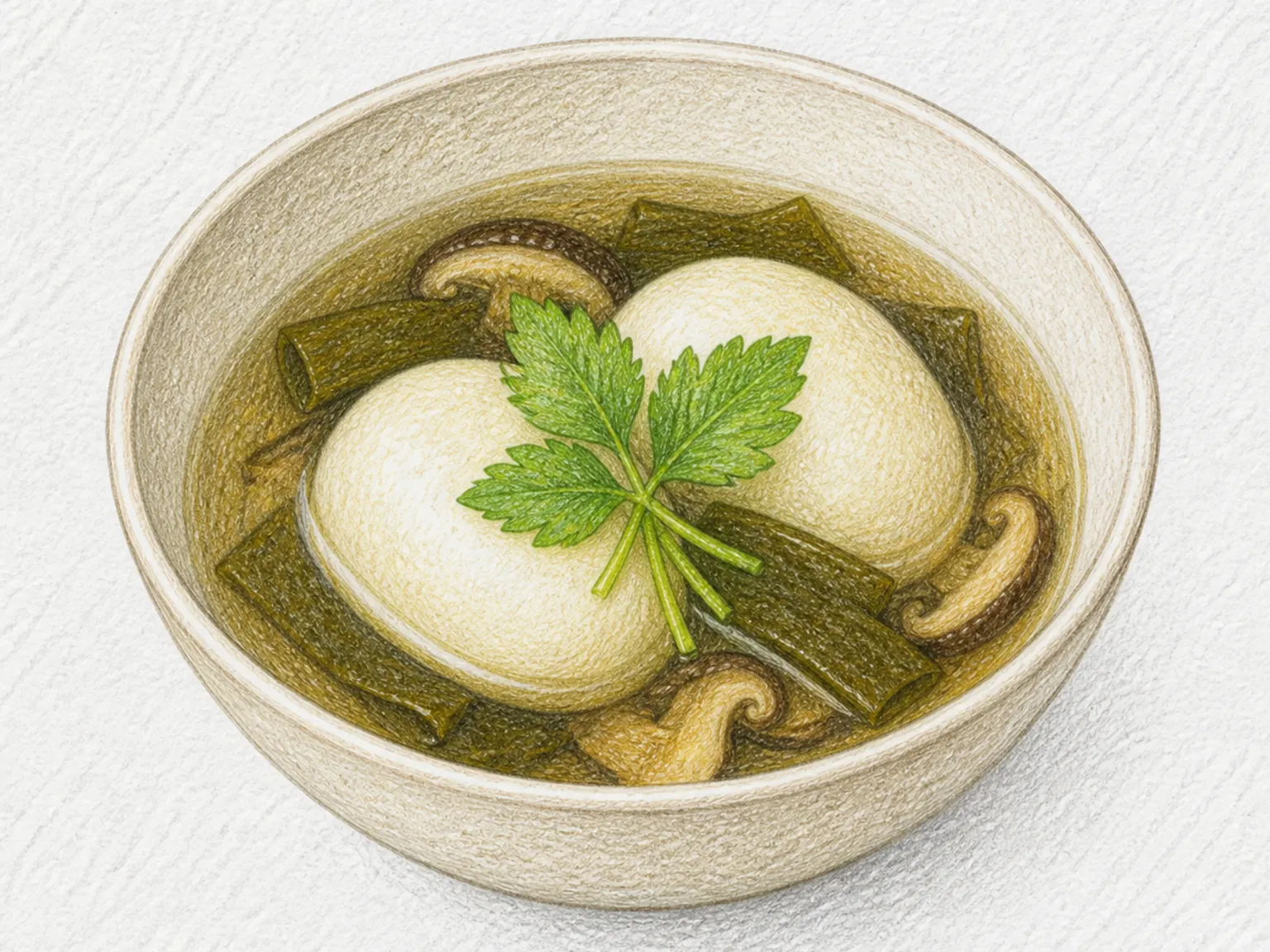
Keiran (Sweet Bean Rice Dumplings in Clear Soup)

Keiran is a ceremonial soup from the Shimokita region of Aomori Prefecture, traditionally prepared during the autumn harvest and for auspicious gatherings. Glutinous rice flour is moistened gradually with warm water and kneaded until as soft as an earlobe. The dough is wrapped around smooth red bean paste and shaped like small eggs, which gives the dish its name. The dumplings are cooked gently in plenty of boiling water so they do not break, then touched with clean water and reshaped while still hot to create a glossy surface. Two dumplings go into each bowl with a clear broth made from dried shiitake, kombu, and soy sauce, finished with mitsuba. Sweet bean filling and savory broth meet in the same bite, while the neat egg shape gives the soup its festive character.

🎉 Special Occasion
Prep 40min Cook 25min 20 servings
Gunma Yuzu Maki
Kimchi Medium

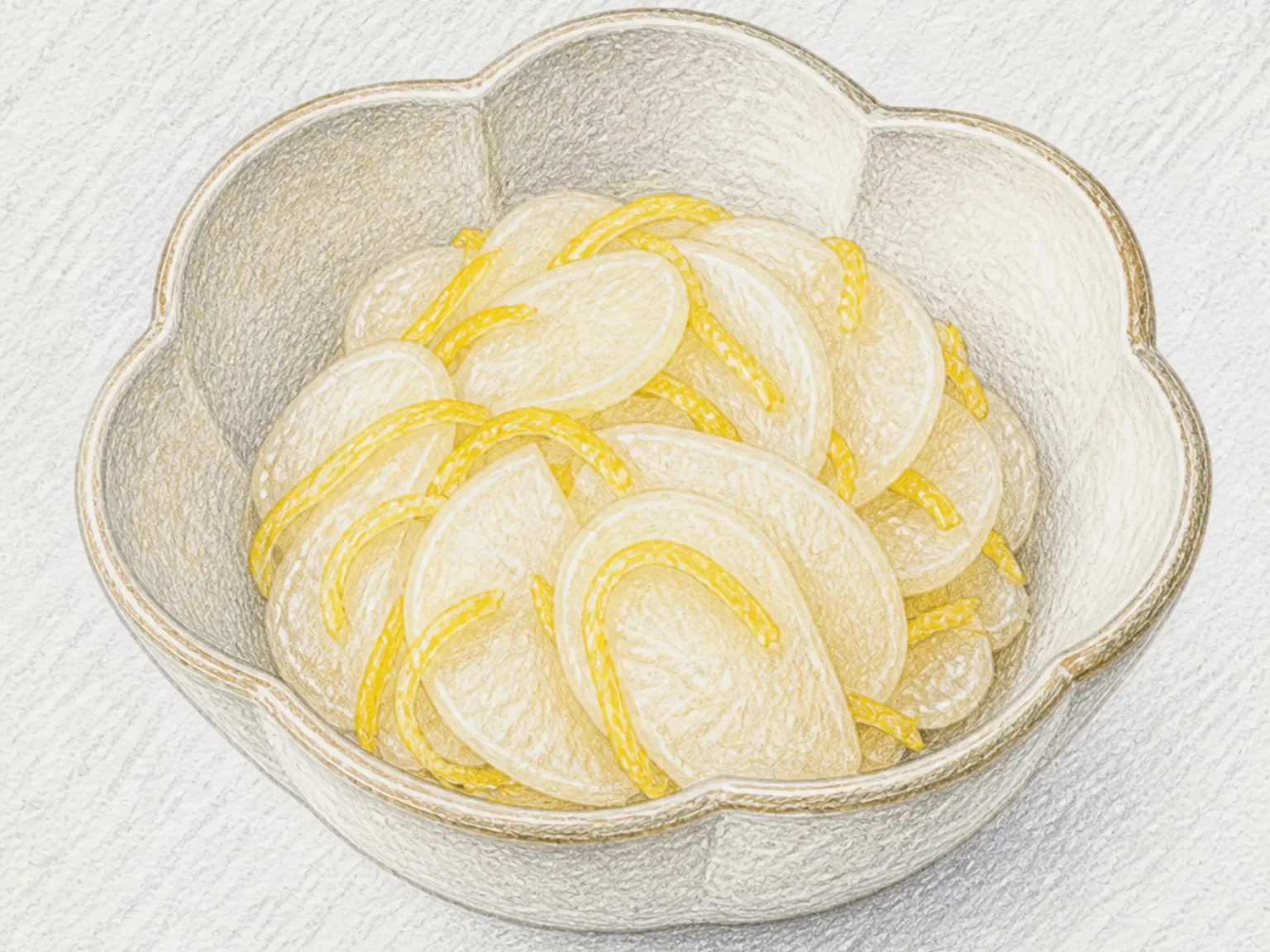
Gunma Yuzu Maki

Gunma yuzu maki is a rolled winter pickle made by slicing daikon into 2mm rounds, drying them for a full day in the prefecture's dry karakkaze weather, wrapping each around fine yuzu-peel strips, and curing the rolls in sweet vinegar for about one week. Gunma's low-rain winter climate supported a broad culture of drying konjac, persimmons, daikon, and taro stalks, and this dish grew from that practice. It is served for winter celebrations and may replace red-and-white namasu in osechi. Drying makes each radish slice flexible and absorbent while preserving a pleasant chew, and yuzu perfume spreads through the vinegar as the rolls rest.

🎉 Special Occasion 🥗 Light & Healthy
Prep 480min Cook 5min 25 servings
Seafood Jajangmyeon (Black Bean Noodles with Squid and Shrimp)
Noodles Medium

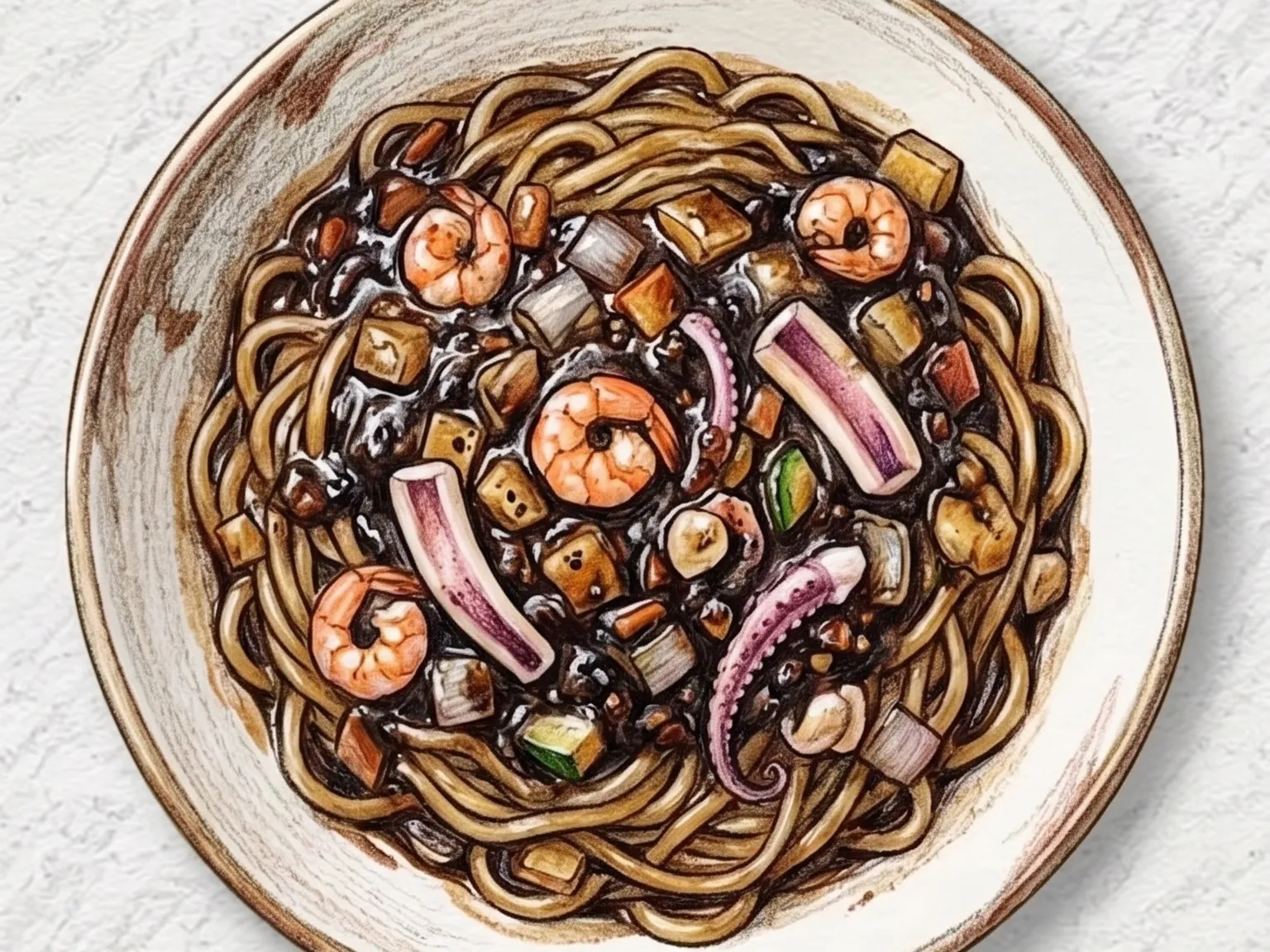
Seafood Jajangmyeon (Black Bean Noodles with Squid and Shrimp)

Haemul jajangmyeon replaces the usual pork with squid and shrimp, bringing a marine twist to the classic Korean black bean noodle dish. The chunjang paste is fried in oil until its raw bitterness fades and a caramel-like sweetness emerges, then the seafood releases its juices into the sauce, building a layered umami absent from the standard version. Diced onion, potato, and zucchini soften into the sauce, contributing natural sweetness and body, while a cornstarch slurry thickens everything to a glossy, clinging consistency. The timing of the seafood matters: adding squid and shrimp too early causes them to tighten and turn rubbery, so they should go in during the final minutes of cooking once the vegetables have softened, allowing just enough heat to cook them through while keeping them springy. The chunjang itself requires at least five minutes of frying over medium heat before any other ingredients join the pan; cutting this step short leaves a harsh, bitter note in the finished sauce that no amount of sugar can fully correct. Poured over springy fresh wheat noodles, the dark sauce delivers both the familiar roasted-bean depth and an unmistakable ocean undertone.

🏠 Everyday 🌙 Late Night
Prep 20min Cook 18min 2 servings
Shiraae Vegetables in Tofu Sesame Dressing
Salads Easy

Shiraae Vegetables in Tofu Sesame Dressing

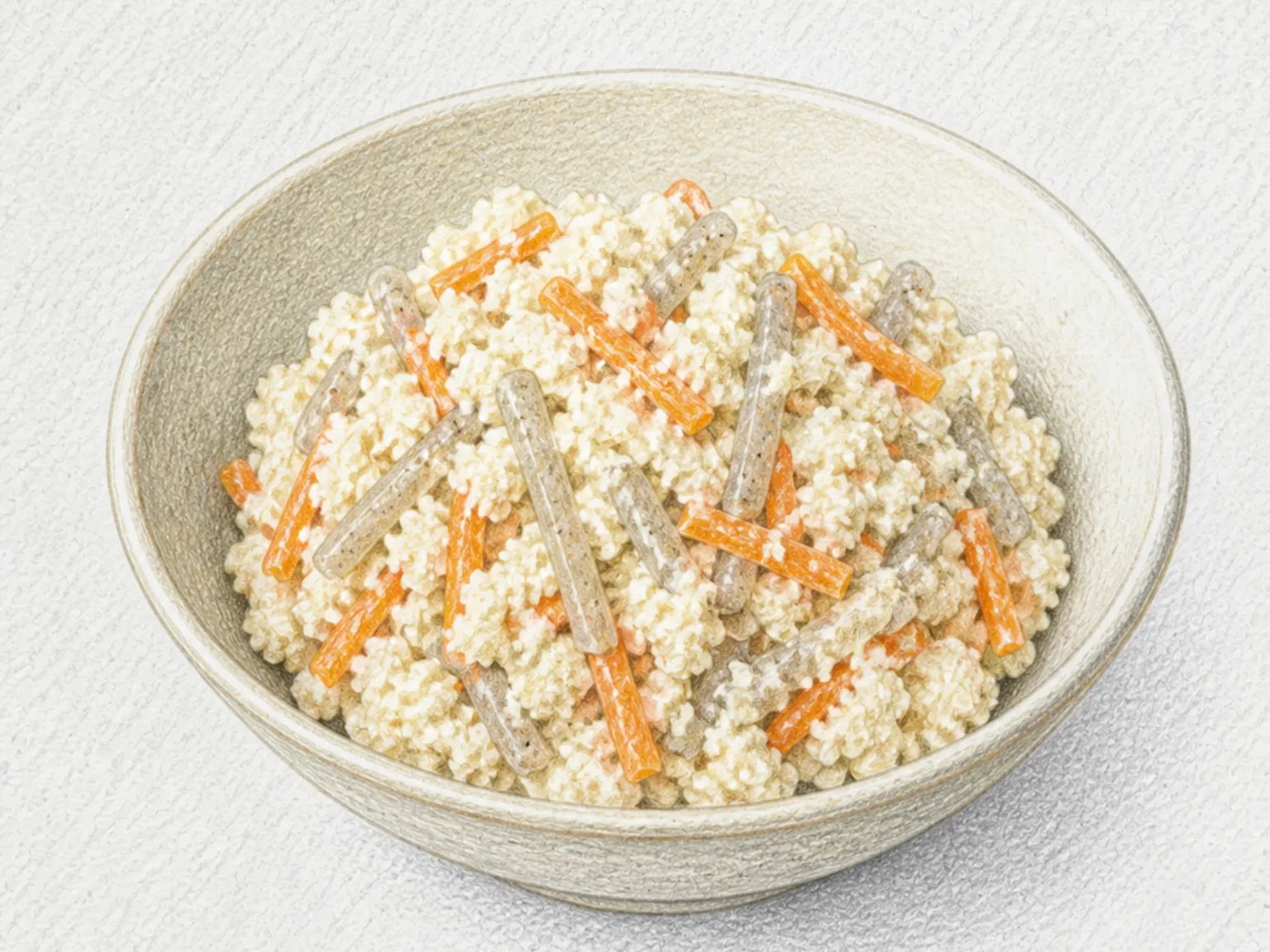
Shiraae is a Tochigi home side dish that turns well-drained firm tofu into a smooth white dressing with sugar, salt, and ground sesame, then folds it around seasoned carrot and konnyaku immediately before serving. In mountain communities where tofu was once scarce, neighbors shared equipment to make it for New Year, weddings, funerals, and shrine festivals. It is now an everyday dish throughout the year. Konnyaku is briefly boiled first to reduce its characteristic odor and cut to match the carrot. Both are simmered in dashi with sugar and salt, absorb the seasoning, and must cool completely so their moisture does not loosen the tofu dressing. The tofu is weighted for thirty minutes and ground until no curds remain visible. Mixing waits until the last moment, and a light folding motion keeps the dressing white while preserving the vegetables' clear shape.

🏠 Everyday 🥗 Light & Healthy
Prep 45min Cook 15min 4 servings
Bistek Tagalog (Filipino Beef with Lime Soy Sauce)
Asian Easy

Bistek Tagalog (Filipino Beef with Lime Soy Sauce)

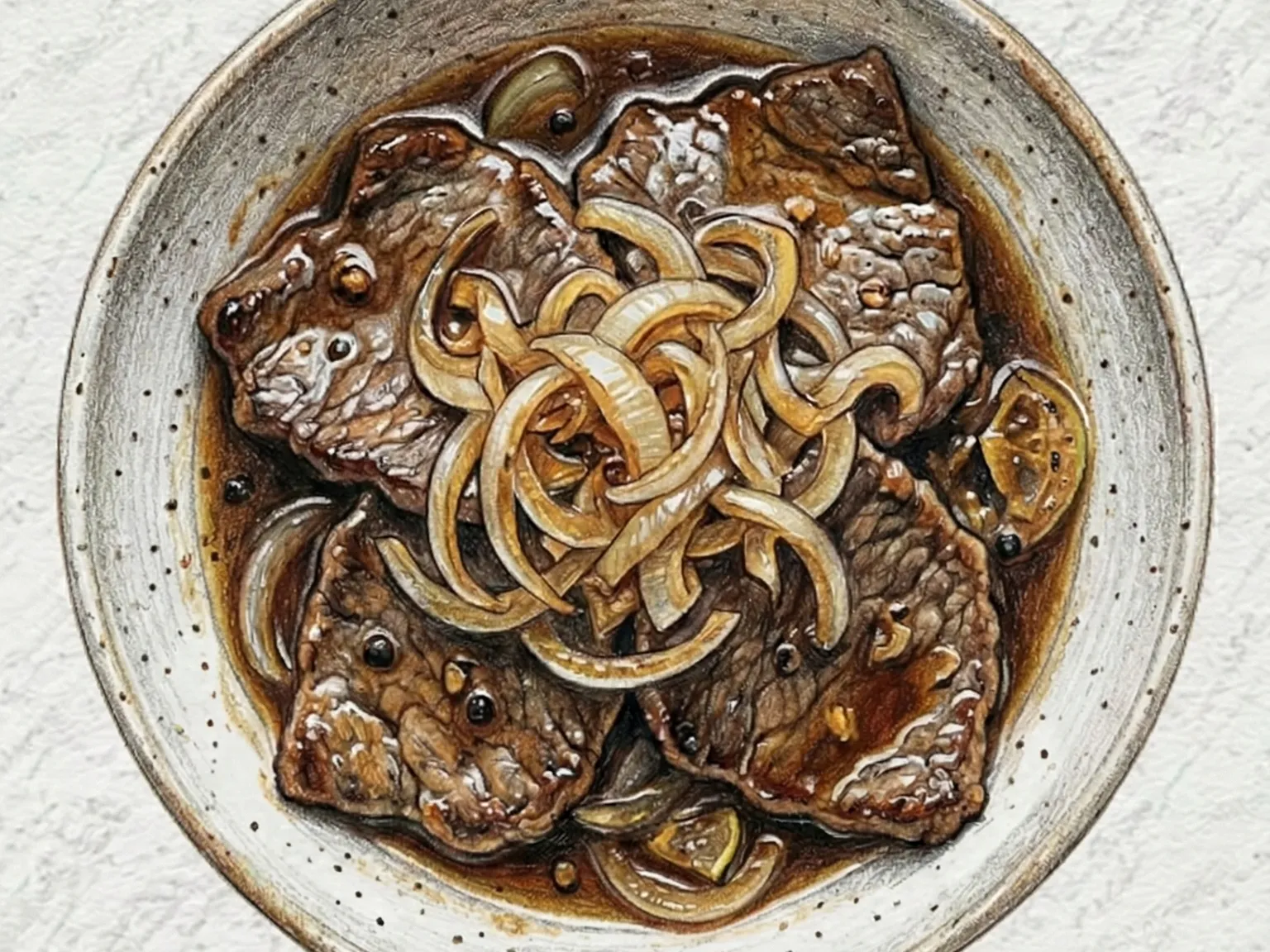
Bistek Tagalog adapts the Spanish bistec with a distinctly Philippine ingredient: calamansi citrus replaces wine or vinegar as the marinade acid, producing a brighter, more tropical tang than either. Thinly sliced beef sirloin soaks in soy sauce, calamansi juice, garlic, and black pepper for at least thirty minutes; the acid tenderizes the muscle fibers while the soy penetrates deeply. The beef is seared quickly in a very hot pan and set aside, leaving flavorful drippings in the pan. Thick onion rings cook in those drippings until softened and lightly caramelized, picking up the beef fond as they collapse. The marinade is poured back into the pan and reduced into a dark, glossy braising liquid. When the beef returns to the pan, it finishes cooking in this sauce and each piece gets coated. The soy provides a savory, umami-forward depth, and the calamansi keeps cutting through the heaviness of the reduced sauce and the fat from the beef. Served over steamed white rice with the caramelized onion rings piled on top, bistek tagalog is one of the most common weeknight meals across the Philippines.

🎉 Special Occasion 🍺 Bar Snacks
Prep 20min Cook 12min 2 servings
Japanese Curry Rice
Rice Easy

Japanese Curry Rice

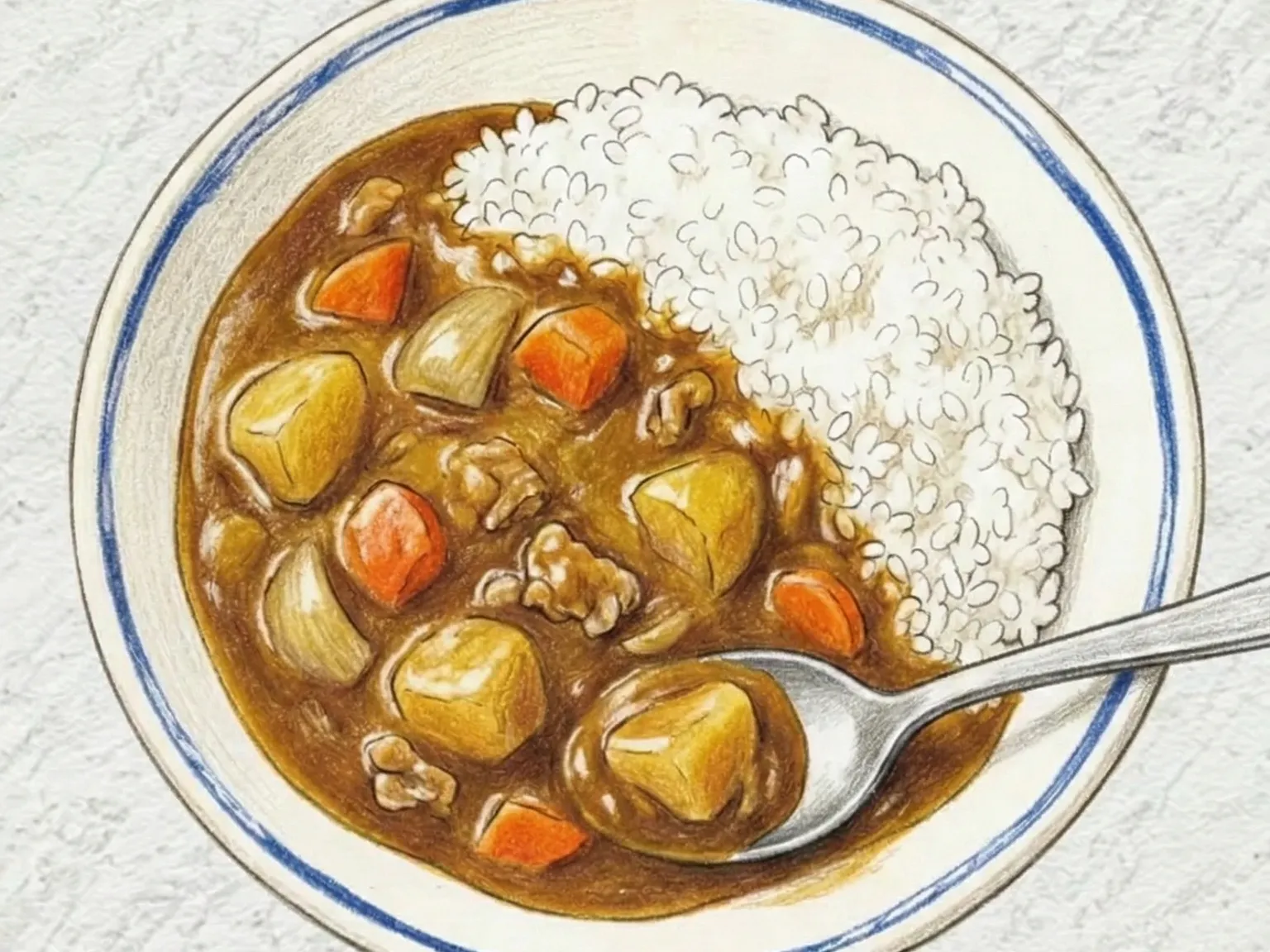
Kare raisu is one of the most frequently cooked meals in Japanese households, using commercially prepared curry roux blocks that produce a milder, thicker, and sweeter result than Indian curry. Beef or chicken is cut into bite-sized pieces and stir-fried with onion, potato, and carrot before water is added and the pot simmers until the potatoes turn tender. The heat is lowered and the curry roux blocks are broken in and stirred until fully dissolved; the roux contains flour and fat that thicken the liquid into a glossy, coating sauce. Keeping the heat low after adding the roux is critical because high heat causes the thick sauce to scorch on the bottom. The finished curry deepens in flavor if rested overnight, as the vegetables continue to release their sweetness into the sauce. Unlike Indian curry with its layered spice blends, Japanese curry draws its appeal from the consistent, approachable flavor that a single roux block delivers every time.

🏠 Everyday 🧒 Kid-Friendly
Prep 20min Cook 35min 4 servings
Sisig (Filipino Crispy Chopped Pork with Chili and Calamansi)
Stir-fry Medium

Sisig (Filipino Crispy Chopped Pork with Chili and Calamansi)

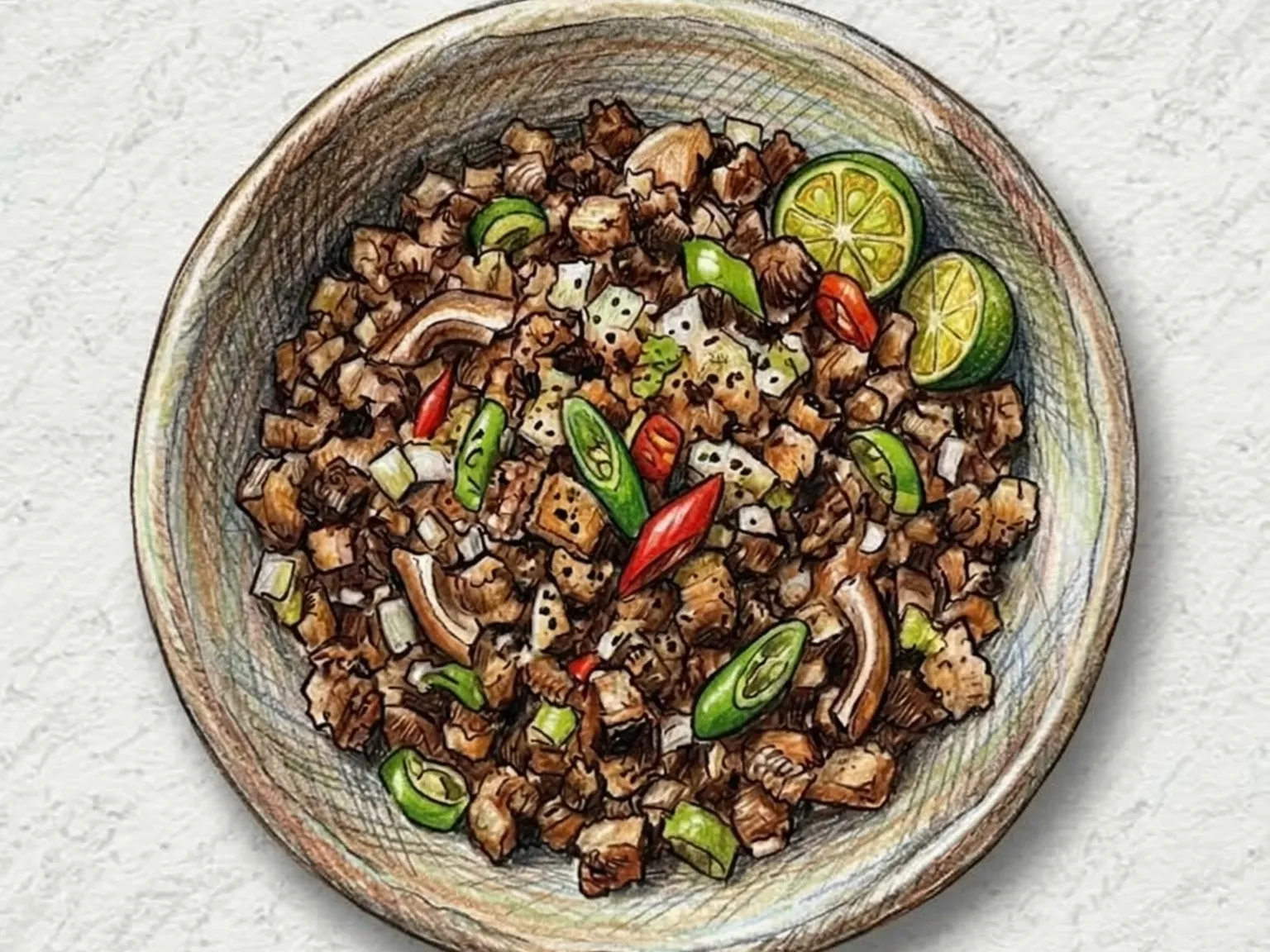
Sisig begins with 400 g pork shoulder boiled until fully cooked and tender, then finely chopped and crisped in butter before calamansi and mayonnaise are added at different heat stages. Drain the boiled pork thoroughly, let it cool enough to handle, chop it, and press away surface moisture. This drying step allows the pieces to brown instead of steaming. Dice 120 g onion and thinly slice 2 chilies, keeping 1 tablespoon soy sauce, 0.5 teaspoon black pepper, and 2 tablespoons calamansi juice within reach. Heat a wide pan over medium-high heat, melt 1 tablespoon butter, and spread the pork in a thin layer. Fry it for 4 minutes first, then continue for no more than 2 additional minutes if moisture remains or the edges have not become deeply crisp. Add the onion and chilies for 1 minute, extending that stage by only 1 minute if the onion is still too raw. Pour in the soy sauce and black pepper. Reduce the heat to low before adding the calamansi juice and toss for about 30 seconds so its acidity is not cooked away. Turn off the burner, fold in 2 tablespoons mayonnaise with residual heat, and stop as soon as it lightly coats the pork without splitting. Transfer immediately to a plate or the hot serving plate mentioned in the source.

🍺 Bar Snacks
Prep 20min Cook 25min 2 servings
Maki-gaki (Pressed Dried Persimmon Roll)
Desserts Hard

Maki-gaki (Pressed Dried Persimmon Roll)

Maki-gaki is a traditional sweet from Uki and Yamato in Kumamoto. Premium dried persimmons dusted naturally with white fructose have their stem and tip removed, are slit open and seeded, overlapped by halves on a bamboo mat, and rolled into a dense cylinder. Food-safe cellophane, woven rice straw, and straw rope compress roughly twenty fruits without gaps. Thin crosswise slices reveal amber flesh and white sugar layers resembling a rose. The name carries the auspicious idea of gathering in good fortune, making the roll a year-end gift and New Year food. Its concentrated persimmon aroma and natural sweetness recall a fine wagashi. It is served thinly with tea, or paired with cream cheese or ham for drinks. Hand-massaged momi-gaki with an even shape produces the clearest pattern and tightest roll.

🎉 Special Occasion
Prep 75min 10 servings
Iwate Kenchin-jiru
Soups Hard

Iwate Kenchin-jiru

Iwate kenchin-jiru is a substantial soup in which firm cotton tofu is roughly crushed and fried in generous oil until most of its cloudy moisture cooks away. Daikon, carrot, burdock, konjac, preserved mountain vegetables, fried tofu, and bamboo shoot are then fried with it before a kombu, dried-sardine, and bonito broth is added. Unlike versions elsewhere, the northern Iwate style contains no meat and emphasizes tofu cooked into loose, crumbly pieces. It was prepared at the end of autumn farm work and for New Year, especially in large batches during the Little New Year period so women could rest and reheat it. An overnight rest lets the soy-seasoned broth penetrate the many vegetables more deeply.

🏠 Everyday 🎉 Special Occasion
Prep 45min Cook 70min 6 servings
Yubeshi (Sweet Soy-Simmered Dried Yuzu Peel)
Kimchi Easy

Yubeshi (Sweet Soy-Simmered Dried Yuzu Peel)

This Tokushima yubeshi is a preserved condiment made by soaking dried yuzu peel, boiling it in three changes of water to reduce harsh bitterness, then simmering it with sugar, dark soy sauce, mirin, and dashi until the peel releases pectin and the liquid turns sticky. Unlike regional yubeshi that stuff whole yuzu with miso or glutinous rice, this version finely cuts the peel and cooks it sweet and savory. Citrus perfume and a controlled bitter edge support the soy sweetness, while optional chili gives a brief warm finish.

🏠 Everyday 🍺 Bar Snacks
Prep 15min Cook 45min 4 servings
Hakka Noodles (Indo-Chinese Stir-Fried Noodles)
Noodles Easy

Hakka Noodles (Indo-Chinese Stir-Fried Noodles)

Hakka noodles represent the Indo-Chinese culinary tradition, a fusion cuisine that originated in the Chinese immigrant community of Kolkata and has since spread to cities across India. Egg noodles are boiled just short of fully cooked, rinsed under cold water to stop cooking, and tossed with a small amount of oil so the strands stay separate and pick up seasoning evenly during stir-frying. The vegetables, cabbage, carrot, and bell pepper, are julienned into matchstick-width strips that match the diameter of the noodles, ensuring a balanced forkful in every bite, and are cooked for no more than two minutes over intense heat to preserve their snap. The seasoning mix is deliberately spare: soy sauce for salinity, a splash of rice vinegar for a faint sour note, and black pepper for warmth. What matters more than the ingredient list is the speed and heat of the cooking. The intense wok temperature creates a light char and smoky depth on the noodles and vegetables, a quality called wok hei that cannot be achieved at lower temperatures regardless of the seasoning. Spring onions are added only after the heat is off to keep their fresh aroma and bite intact. Slightly undercooking the noodles before the wok is key; overcooked noodles turn mushy under the heat of stir-frying.

🏠 Everyday 🌙 Late Night
Prep 15min Cook 10min 2 servings

About Asian

Each country brings its own signature spices and sauces, so even the same ingredients can produce completely different flavors. With a few key pantry items - coconut milk, fish sauce, curry powder, doubanjiang - you can recreate the tastes of Asia at home.