Rice Recipes
334 recipes. Page 9 of 14
Rice is the foundation of Korean cuisine, appearing not only as steamed white rice but also as fried rice, bibimbap, clay-pot rice (sotbap), and gimbap rolls. Porridge (juk) - made by slow-cooking rice into a silky consistency - is comfort food for cold days or when you need something gentle on the stomach. Abalone porridge, pumpkin porridge, and chicken porridge are all classics.
Konetsuke (Rice and Flour Griddle Cakes)
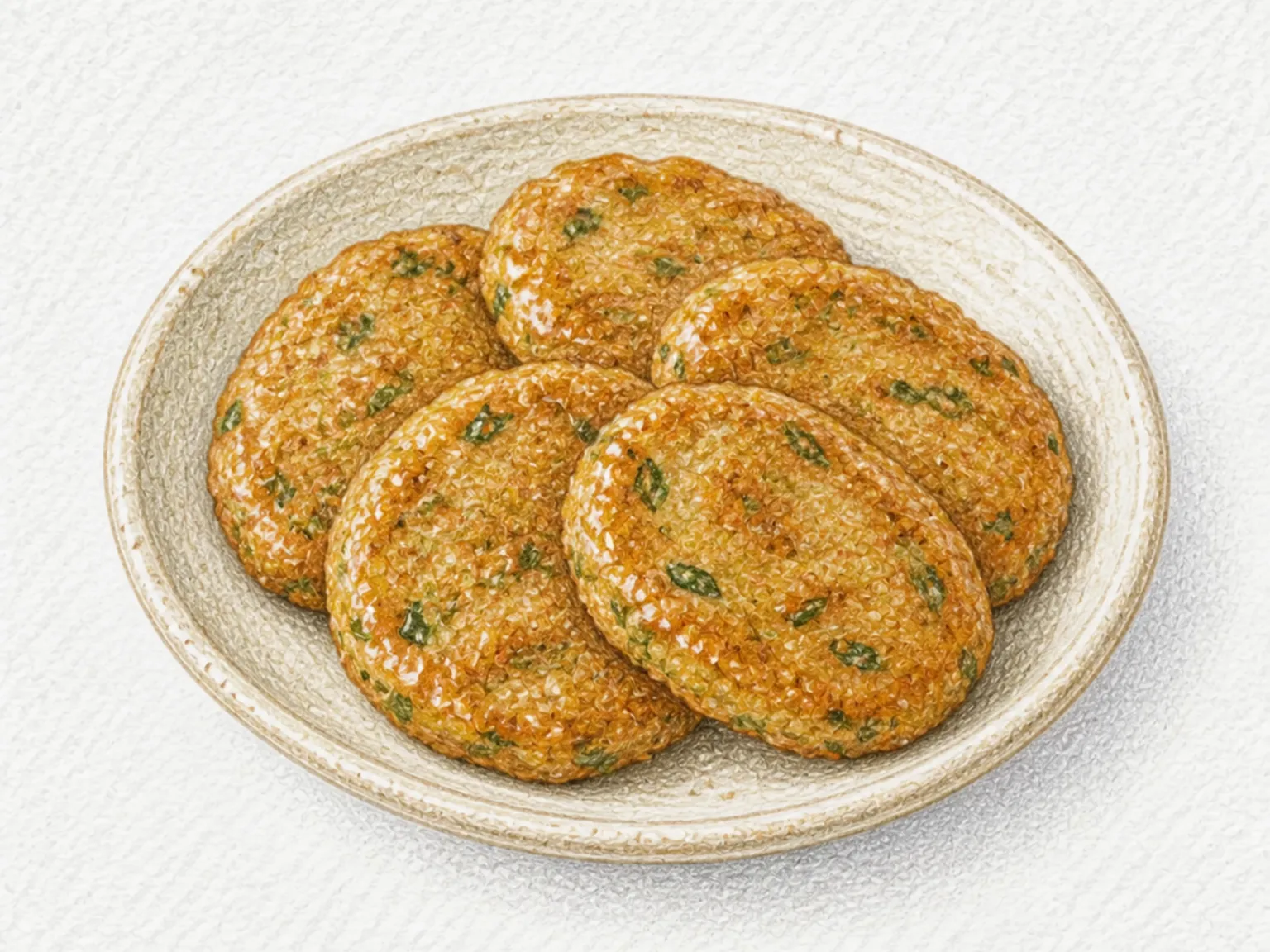
Konetsuke is a Nagano griddle cake from the Hokushin and Toshin areas, developed as a practical way to use leftover cooked rice. The rice is kneaded firmly with wheat flour and optional chopped green shiso, shaped into thick rounds or ovals, and browned on both sides in a lightly oiled pan. The cooked cakes are then coated in a simmering soy sauce and sugar glaze. Once used to stretch scarce rice and supplement a staple meal, konetsuke is now commonly eaten as a filling snack throughout the year.
Korean Soy Pulp Porridge (High-Protein Okara Anchovy Stock Porridge)
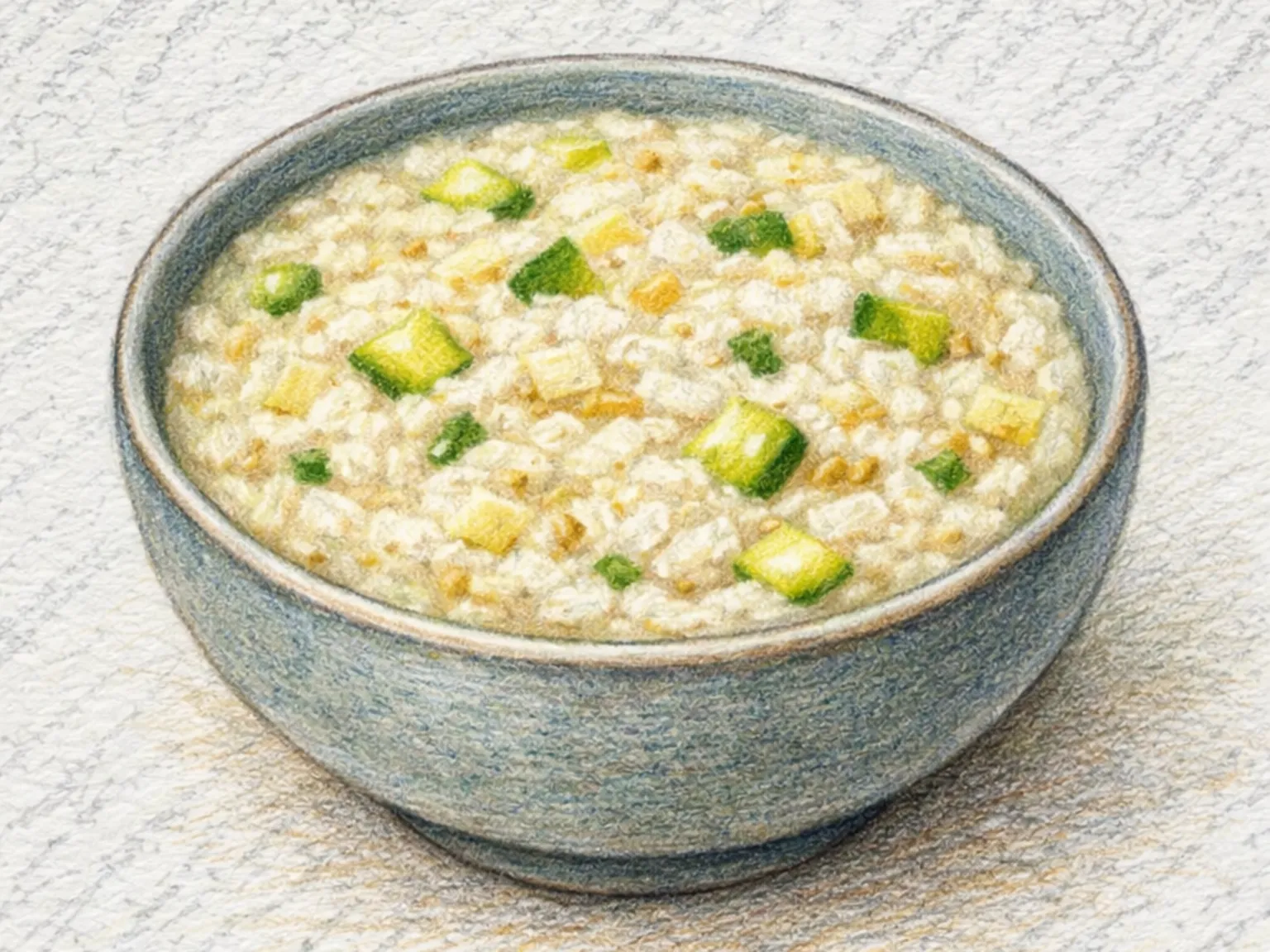
Soy pulp (okara) and soaked rice simmer together in anchovy stock, creating a thick, protein-rich porridge with a hearty body. Onion and garlic are first sauteed in sesame oil to build an aromatic base, then the rice goes in for a brief toast before the stock is added. Once the rice is half-cooked, soy pulp and diced zucchini join the pot, and constant stirring over low heat is essential since okara scorches quickly if left unattended. Seasoned with just salt and black pepper, this juk has a nutty, beany depth from the soy pulp paired with the clean umami of anchovy stock, making it filling yet light on the palate. Making the okara at home by blending soaked soybeans in a blender yields a noticeably fresher, more pronounced soy aroma than the packaged version and elevates the overall flavor of the finished porridge.
Soybean Leaf Ssambap
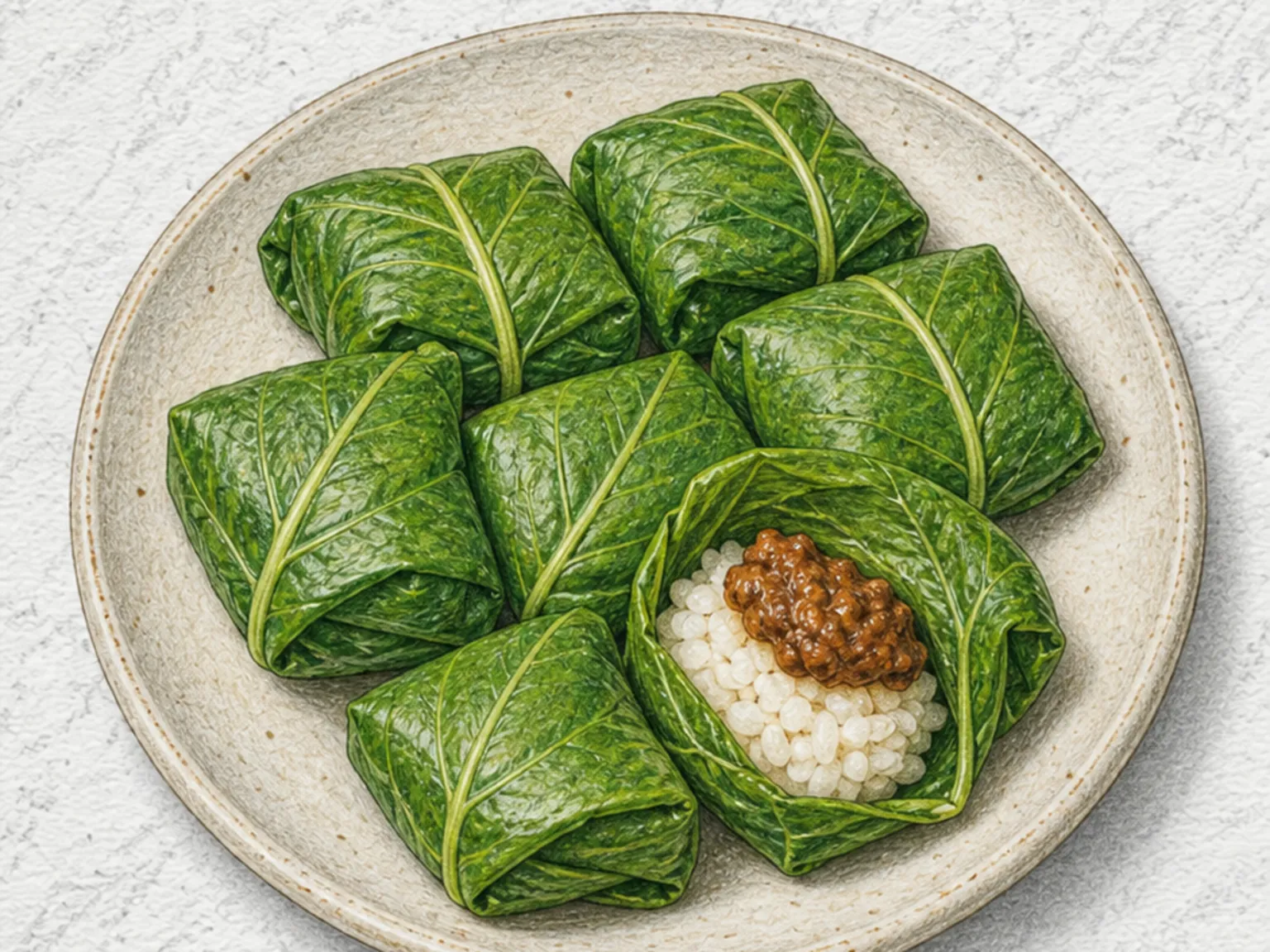
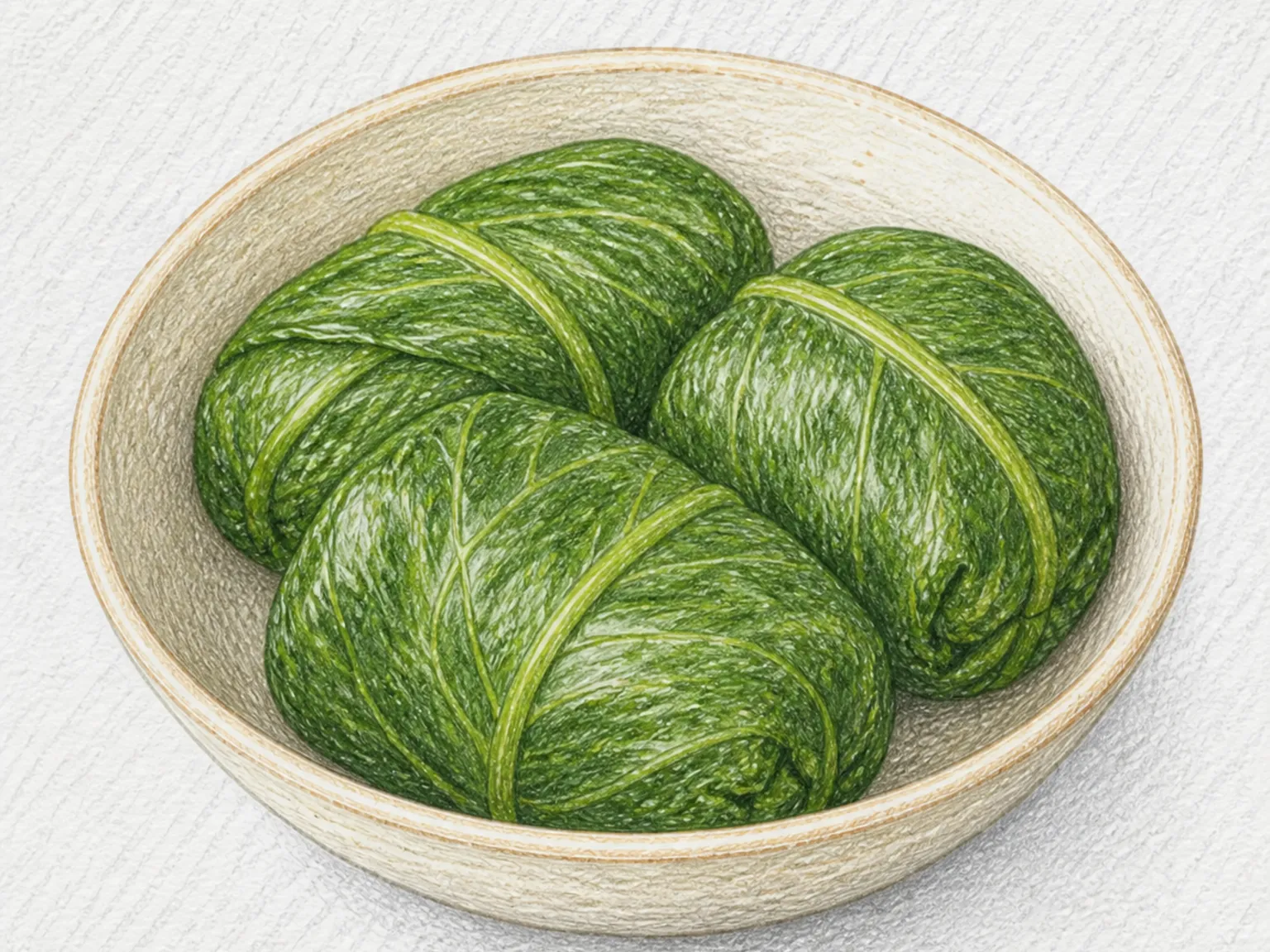
Soybean leaf ssambap consists of small rice bundles wrapped in briefly blanched soybean leaves and filled with a spoonful of thick gang-doenjang. Blanching softens the firm veins enough to fold without tearing, while an immediate rinse in cold water limits further cooking. Squeeze the leaves thoroughly before assembling the wraps because trapped water can loosen the rice and dilute the seasoning. The paste is built separately by sauteing garlic, onion, and shiitake in sesame oil, then adding doenjang and water and simmering until it holds its shape on a spoon. That reduction matters: a runny filling leaks from the folded leaves, whereas a dense paste stays between the rice and leaf and gives each bite a concentrated savory center. Lay each leaf flat, use a modest mound of rice, add only a small dab of gang-doenjang, and fold the sides inward to make a neat bite-sized parcel. The finished ssambap moves from the fresh, slightly grassy aroma of the leaf to plain warm rice and then the salty depth of doenjang, mushroom, garlic, and sesame oil. It works well as a packed meal or as part of a Korean table, with the extra paste served alongside for anyone who wants a stronger seasoning.
Korean Bean Sprout Rice (Pot-Steamed Rice with Soy Sprouts)
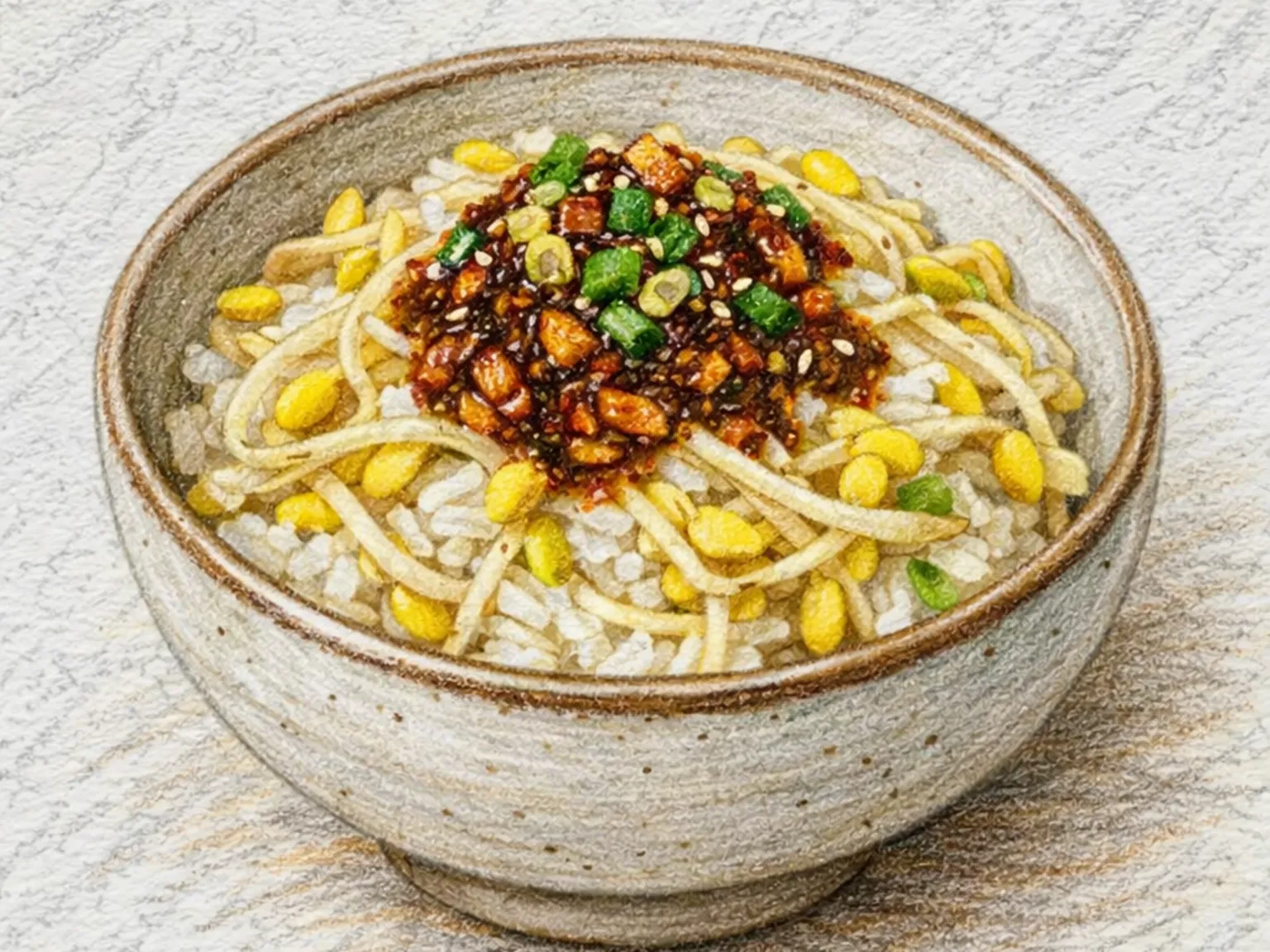
Kongnamul-bap is a simple Korean home dish of soaked rice cooked together with a generous pile of bean sprouts in a covered pot. Timing and the closed lid are the two things that define the result. The pot starts on high heat until the water boils, then drops to low for fifteen minutes of steady cooking followed by five minutes of resting. Opening the lid at any point during this process releases steam and allows a raw, beany smell to develop in the finished rice. Once the resting period is complete, the sprouts have steamed through and their moisture has been absorbed into the rice grains. The seasoning sauce is mixed directly into the bowl at the table: soy sauce, sesame oil, gochugaru, finely sliced green onion, and a scatter of sesame seeds. Each spoonful combines the soft, starchy rice with the firm snap of the sprout stems, and the soy dressing pulls everything into a coherent flavor. The dish asks very little from the cook and costs almost nothing to make, yet it produces the kind of deeply satisfying meal that is difficult to improve upon. Some versions add daikon cut into thick batons, which contribute a cool, clean sweetness to the broth that forms at the bottom of the pot.
Korean Bean Sprout Soup with Rice
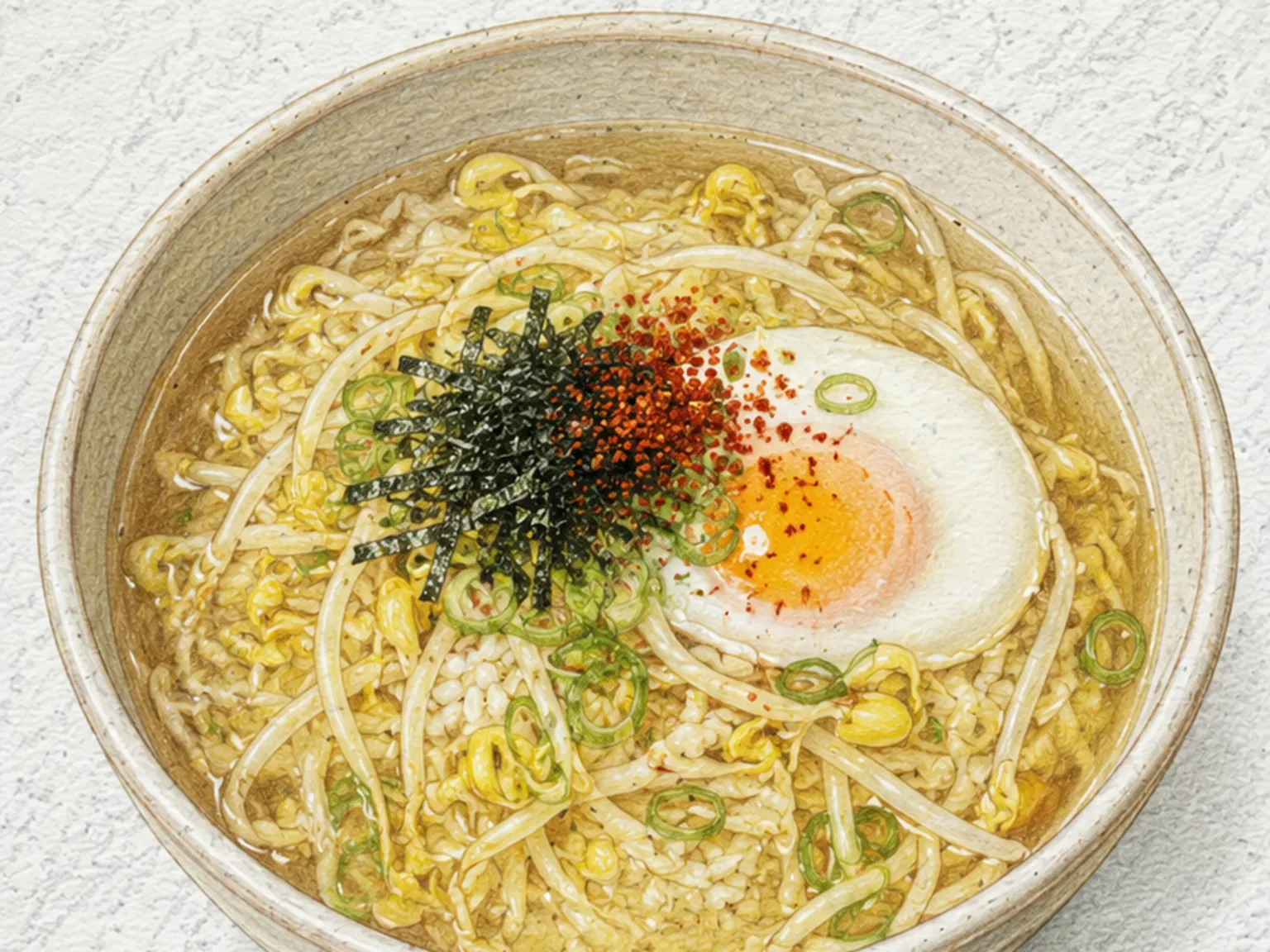
Kongnamul gukbap is a Jeonju-style soup-and-rice dish built around bean sprouts simmered in anchovy broth with the lid kept off throughout cooking. Leaving the pot uncovered for the five to six minute cooking time allows steam to carry off the beany odor while keeping the sprouts snappy and firm rather than limp. Soup soy sauce seasons the broth, sliced green onion is added for freshness, and a whole egg is poached directly in the simmering liquid until the yolk is just set. Hot broth is then poured over a bowl of cooked rice, and shredded dried seaweed and a pinch of red pepper flakes are scattered on top to finish. The refreshing, clean flavor that bean sprouts bring to the soup pairs naturally with the deep savoriness of anchovy stock, and simmering a piece of radish alongside clarifies the broth and gives it additional sweetness. Cooking uncovered is a traditional rule of thumb that Korean cooks have followed for generations. This dish has long been associated with Jeonju and is widely sought out as a restorative meal after a late night.
Diet Konjac Fried Rice
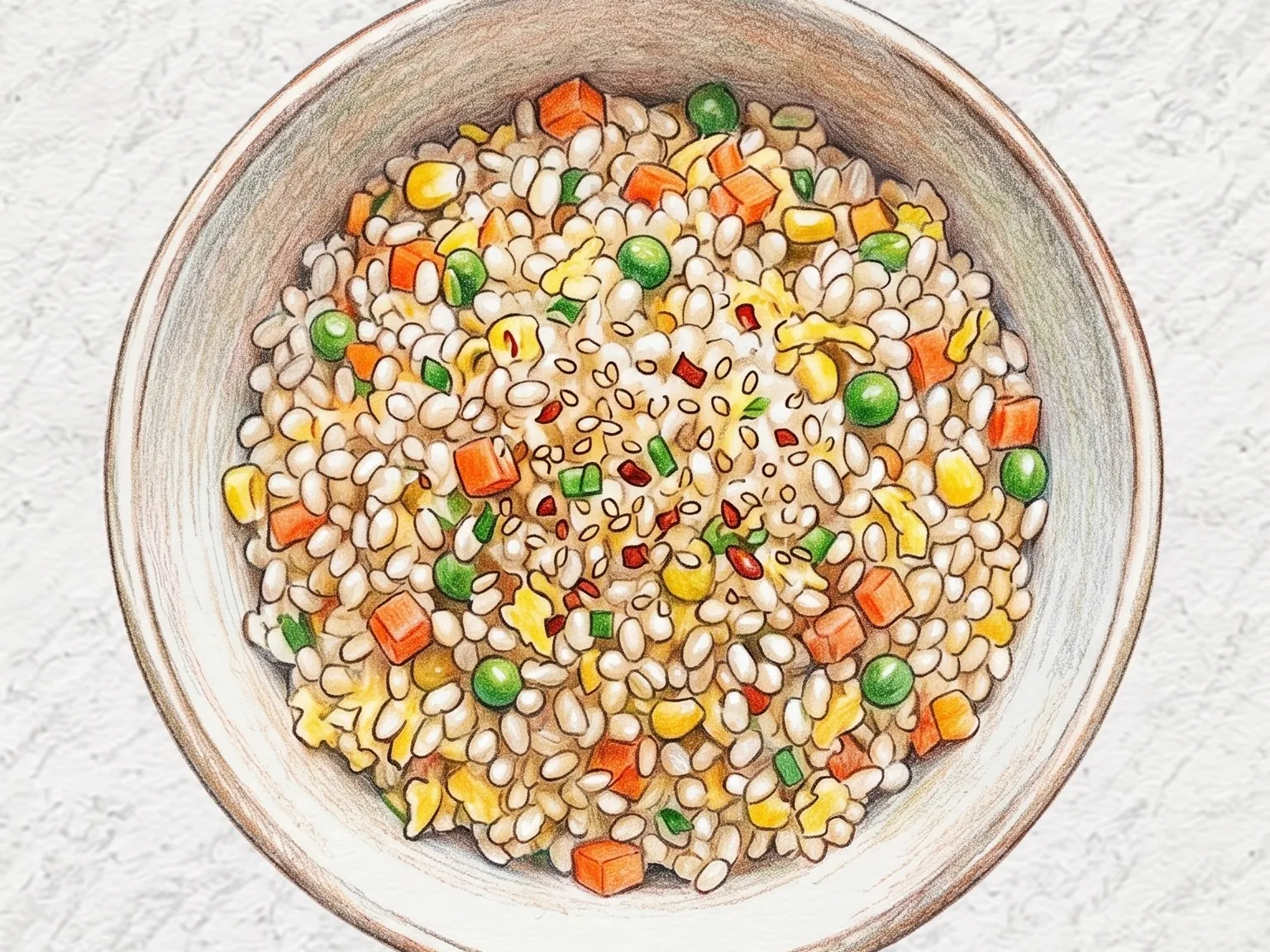
Diet Konjac Fried Rice is a low-calorie alternative to traditional fried rice, featuring chicken breast, eggs, and vegetables. The key step involves rinsing the konjac rice and dry-frying it in a pan without oil. This technique evaporates excess moisture and transforms the wet grains into a firm, chewy texture. To overcome the bland flavor of konjac, the dish uses a small combination of soy sauce and oyster sauce seasoned along the edges of the pan. Chopped green onions and carrots are sautéed in oil before adding chicken breast. Pushing these ingredients to one side to scramble the eggs separately keeps the eggs tender instead of rubbery. Finishing with a pinch of black pepper completes the savory profile. For longer satiety, cooking the konjac grains mixed with regular rice in a one-to-one ratio is recommended.
Korean Poke Bowl Salad
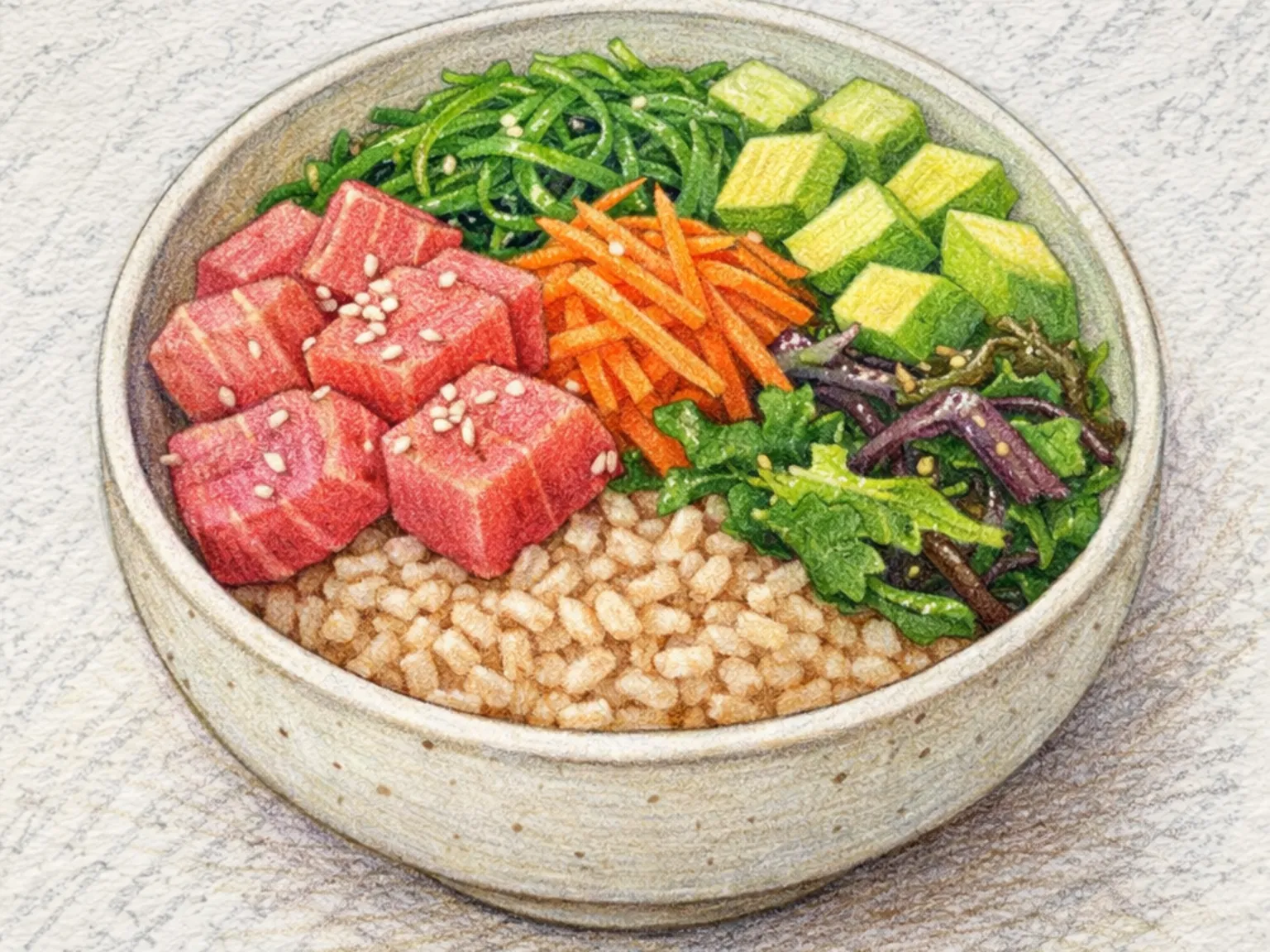
Sashimi-grade tuna is cut into 1.5-centimeter cubes and kept well chilled before being arranged over brown rice in a Korean-inflected poke bowl. A sauce of soy sauce, sesame oil, and gochujang coats the tuna's clean, fatty flesh with the spicy and nutty character that defines Korean seasoning. Avocado provides a creamy, lush texture that envelops the lean fish, while seaweed salad contributes a slippery, chewy marine layer with a pronounced oceanic aroma. Thinly sliced cucumber adds a cool, crisp contrast, creating textural variety across every spoonful. Brown rice serves as the dense, slightly nutty foundation that anchors the toppings and transforms the bowl into a complete meal containing protein, healthy fats, and complex carbohydrates in a single serving. Salmon or flounder can substitute for tuna without changing the method, and adjusting the amount of gochujang in the sauce lets you dial the heat to your preferred level.
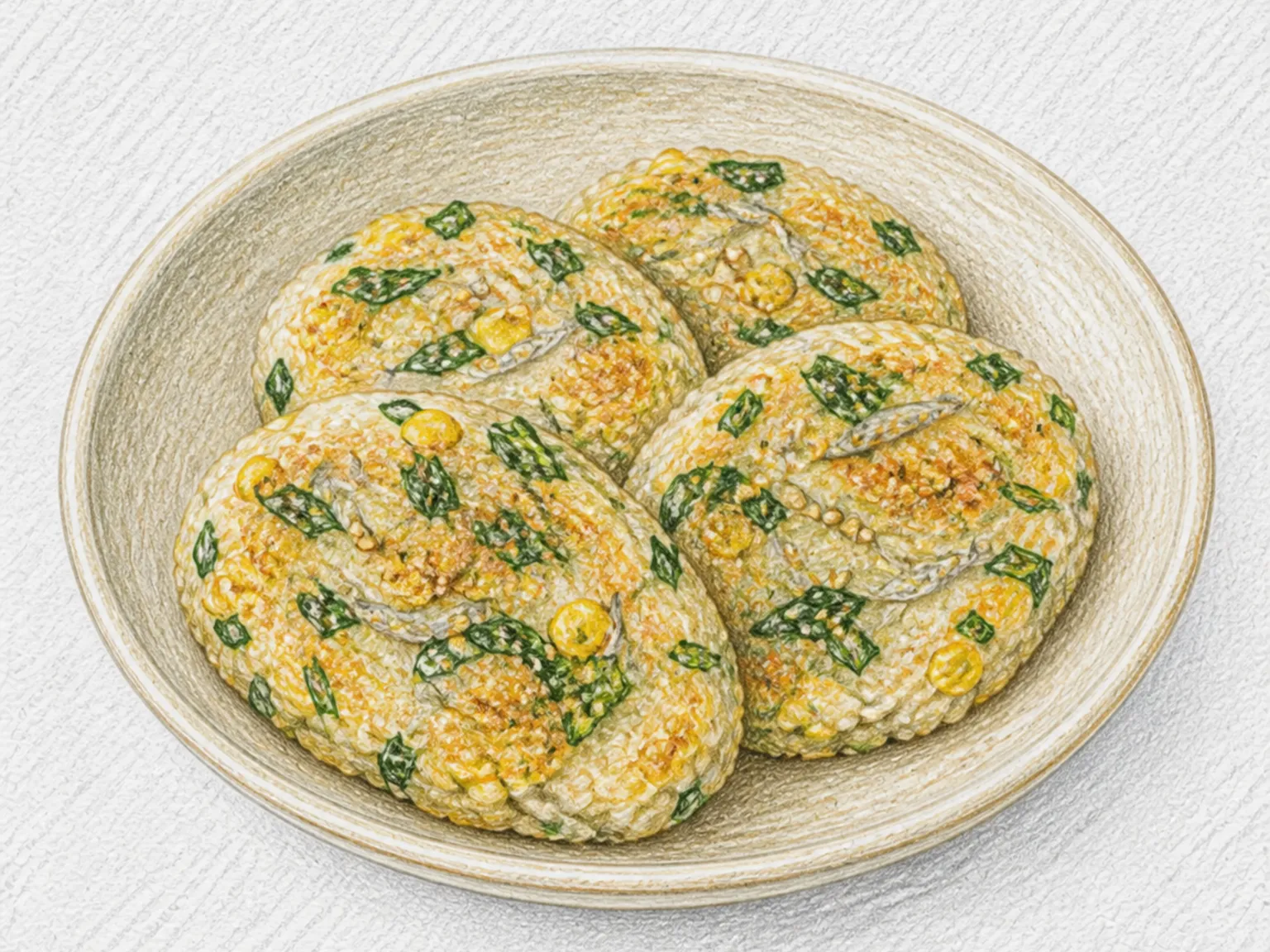
Tochigi Yakimochi Leftover Rice Cakes
Tochigi yakimochi uses leftover cooked rice soaked briefly in water and kneaded again with wheat flour and miso. Boiled corn, blanched young sand lance, aonori, and toasted sesame are mixed into the dough, which is divided into eight oval cakes about 1.5cm thick and browned on both sides in a skillet over medium-low heat. The dish comes from a time when snacks and light meals were made at home, turning leftover rice into a fragrant miso cake. Grilling was also a practical way to extend the usefulness of rice during warm months when it spoiled quickly. It remains a simple household snack and tea accompaniment passed on to children.
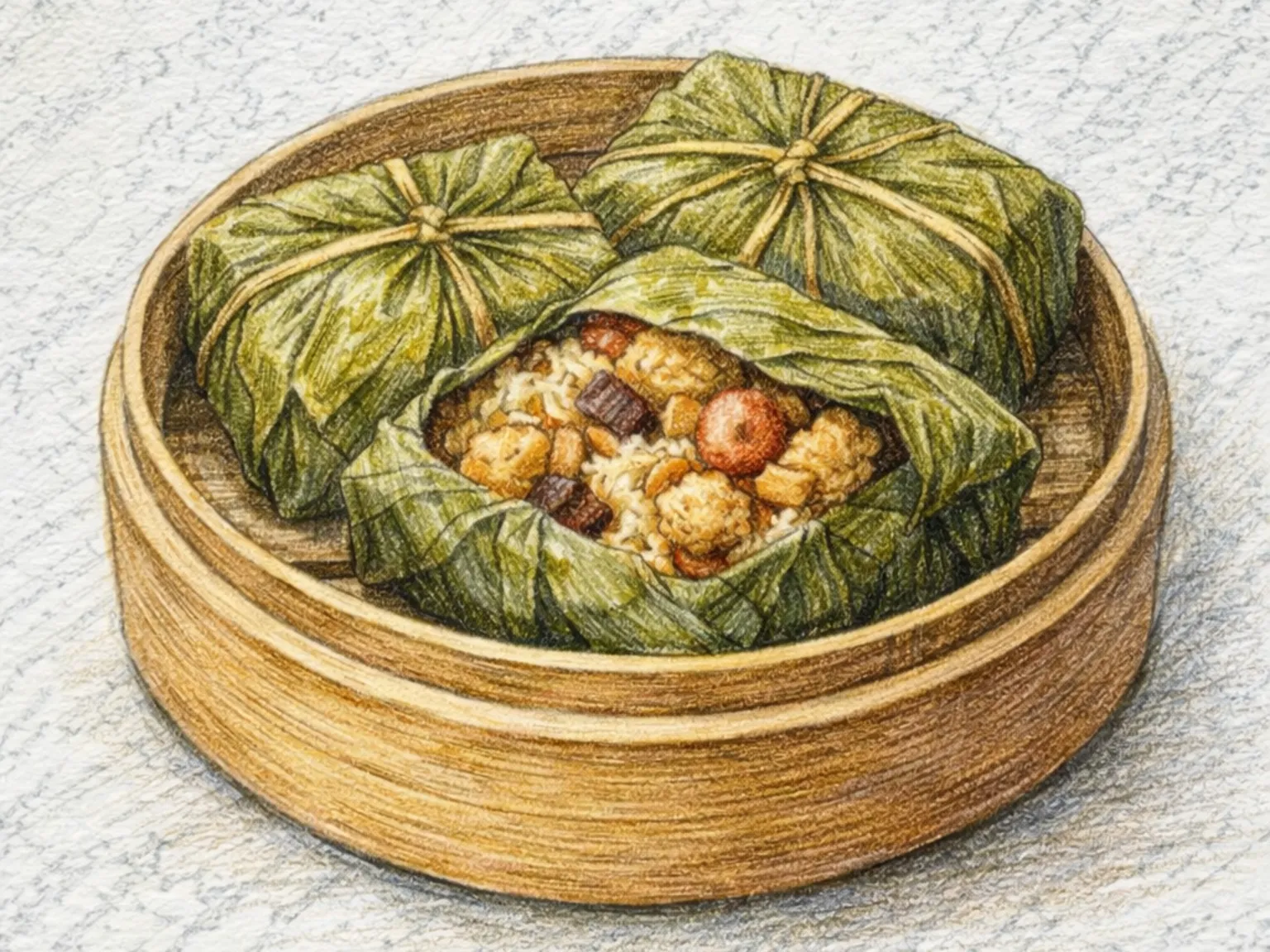
Lo Mai Gai (Cantonese Lotus Leaf Glutinous Rice with Chicken)
Lo mai gai is a Cantonese dim sum staple of glutinous rice packed with diced chicken, shiitake mushrooms, Chinese sausage, and dried shrimp, all seasoned with oyster sauce and soy sauce, then wrapped tightly in dried lotus leaves and steamed. The lotus leaf is not incidental to the dish. When the package is exposed to steam heat, the leaf releases a grassy, subtly earthy fragrance that penetrates the rice and cannot be recreated by substituting parchment or foil. The glutinous rice absorbs the seasoning from the filling as it cooks, drawing in the savory-sweet fat of the Chinese sausage, the concentrated marine umami of the dried shrimp, and the deep, woodsy aroma of shiitake mushrooms. These flavors fuse into the rice so that every spoonful carries all of them at once rather than tasting like individual components. The parcel arrives at the table in a bamboo steamer, and unfolding the leaf at the table releases a rush of steam carrying the unmistakable lotus fragrance. The traditional way to eat it is directly off the opened leaf.
Loco Moco Rice Bowl (Hawaiian Beef Patty Gravy Rice Bowl)
Ground beef is mixed with minced onion, shaped into patties, and pan-seared for four to five minutes per side until a crisp crust forms outside while the center stays moist. The same pan - still coated with beef drippings - gets butter, the remaining onion, and flour to build a quick roux, then water and Worcestershire sauce transform it into a smooth, glossy gravy that captures all the fond. Assembly is straightforward: rice on the bottom, patty on top, gravy ladled over, and a sunny-side egg crowning the bowl. Breaking the runny yolk into the gravy creates a rich, velvety sauce that ties the Hawaiian-born dish together into a hearty, deeply satisfying plate.
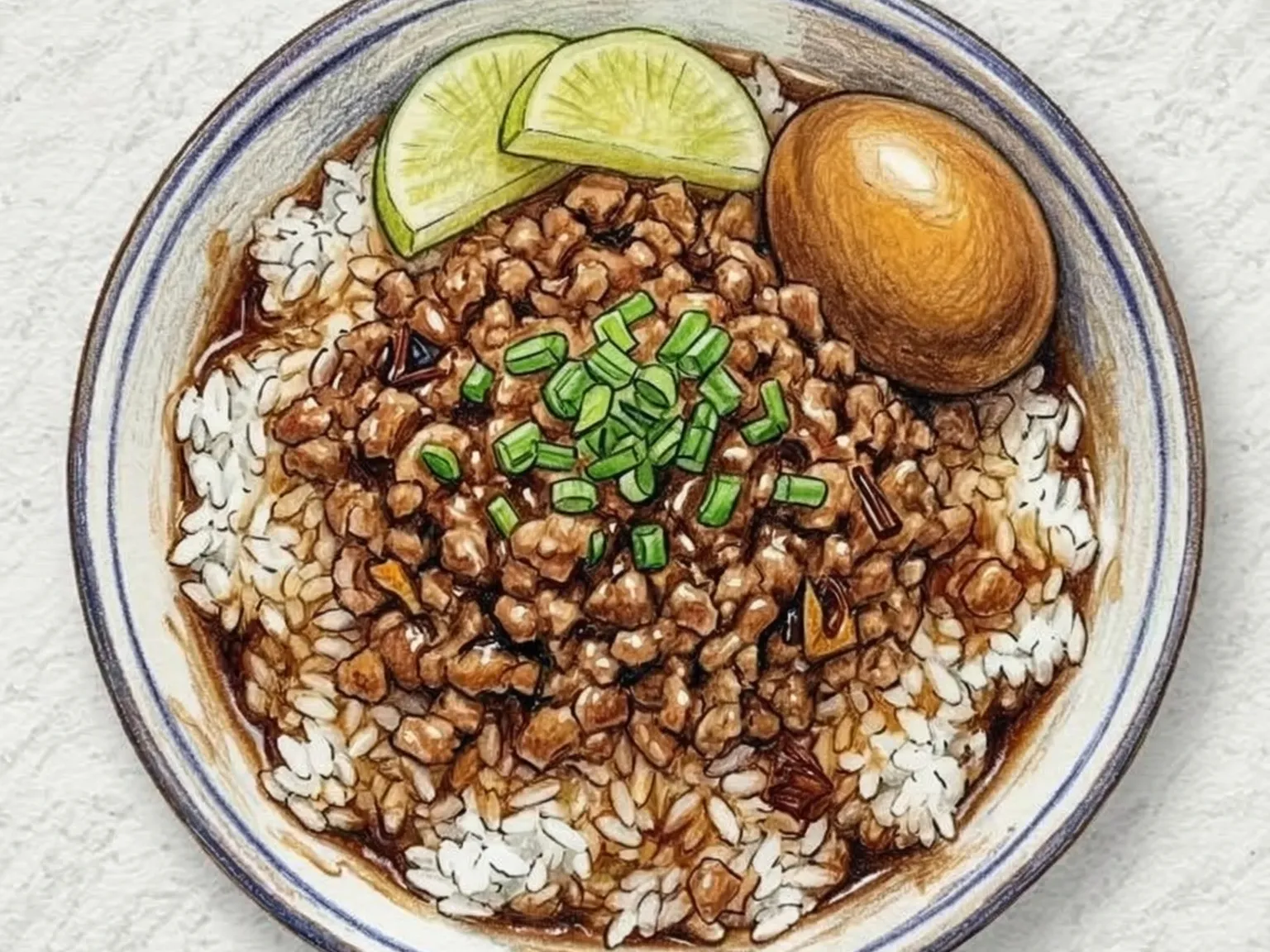
Lu Rou Fan (Taiwanese Braised Ground Pork Rice Bowl)
Lu rou fan is Taiwan's most deeply embedded comfort food, a bowl of steamed white rice topped with minced pork that has been braised low and slow in soy sauce, rice wine, and five-spice powder until the fat renders completely and the cooking liquid reduces into a thick, glossy sauce. Star anise and cinnamon permeate the meat during the long simmer, contributing a warm, aromatic layer that is present but never sharp enough to dominate. Sold from roadside stalls and neighborhood restaurants across Taiwan at all hours and at minimal cost, it is both an everyday staple and a dish people return to throughout their lives. Pickled daikon served alongside cuts through the richness of the braising sauce with its crunch and acidity, providing the contrast that makes the combination more satisfying than either element alone. A soy-braised egg with a jammy yolk adds another textured component, and a small bunch of blanched greens rounds out the bowl with something light and clean. The braising liquid deepens significantly with time, so simmering for at least thirty minutes over gentle heat is what separates a properly developed lu rou fan from a rushed version.
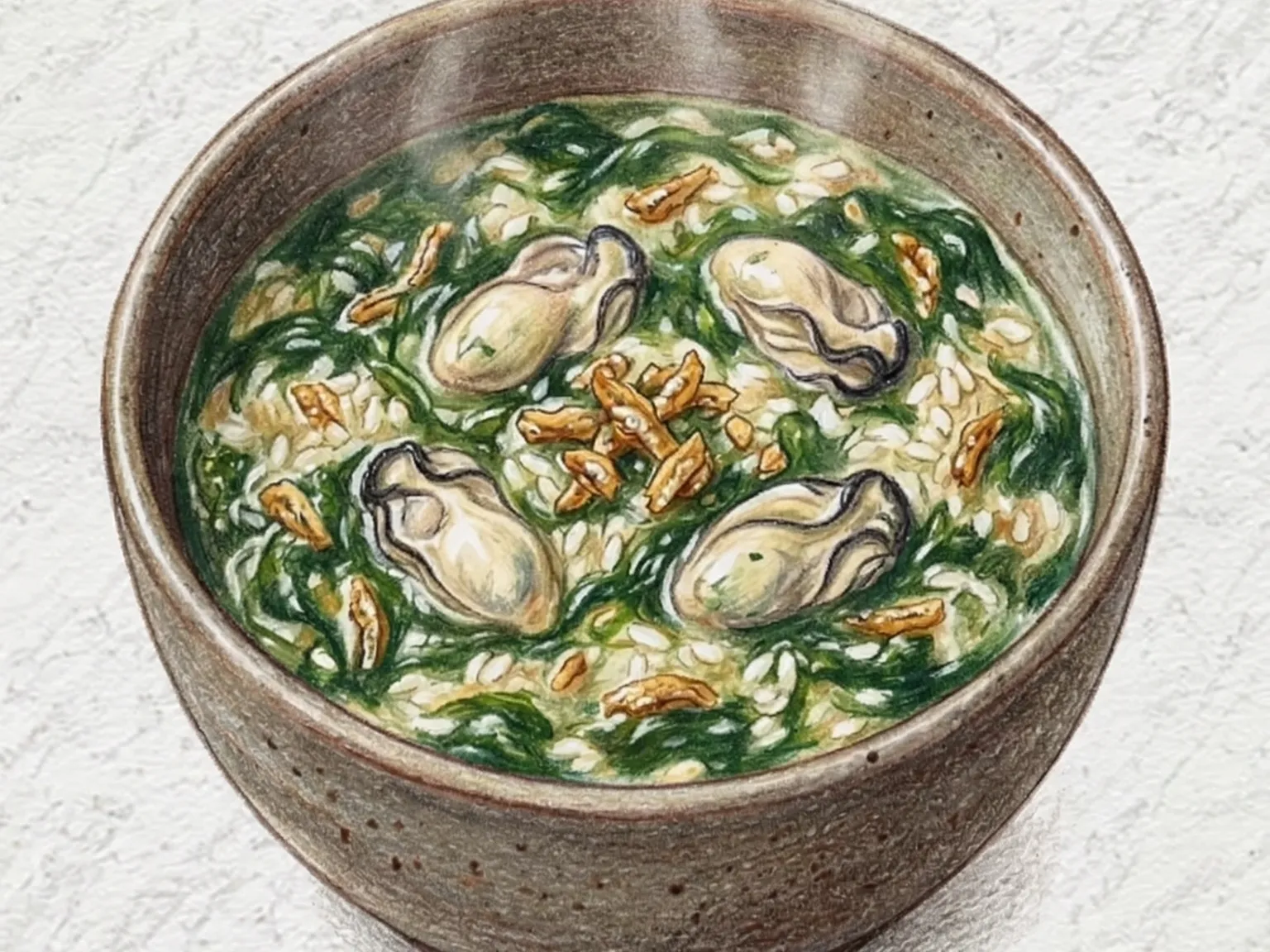
Korean Maesaengi Oyster Porridge
Maesaengi gul juk is a Korean winter restorative porridge made by simmering sesame-oil-toasted rice in anchovy-kelp stock, then finishing it with maesaengi seaweed and fresh oysters. The delicate, threadlike strands of maesaengi lend a mild oceanic fragrance that spreads gently through each spoonful of the porridge. Oysters release briny, mineral-rich juices as they cook, deepening the broth in a way that plain water or a neutral stock cannot replicate. Toasting the raw rice grains in sesame oil before adding any liquid coats each grain with nutty fat, giving the finished porridge a warm, fragrant backbone that ties the seaweed and shellfish together. The anchovy-kelp stock adds its own clean, savory depth that complements both seafood components without overpowering either. Maesaengi must go in at the very last moment before the heat is turned off, because extended cooking destroys its vivid green color and chases away its fresh sea aroma. Oysters should also be added near the end to prevent them from shrinking and toughening. The porridge delivers carbohydrate, protein, and minerals in a single bowl, making it a classic choice for cold mornings or when the body needs gentle nourishment.
Korean Garlic Scape and Pork Rice Bowl
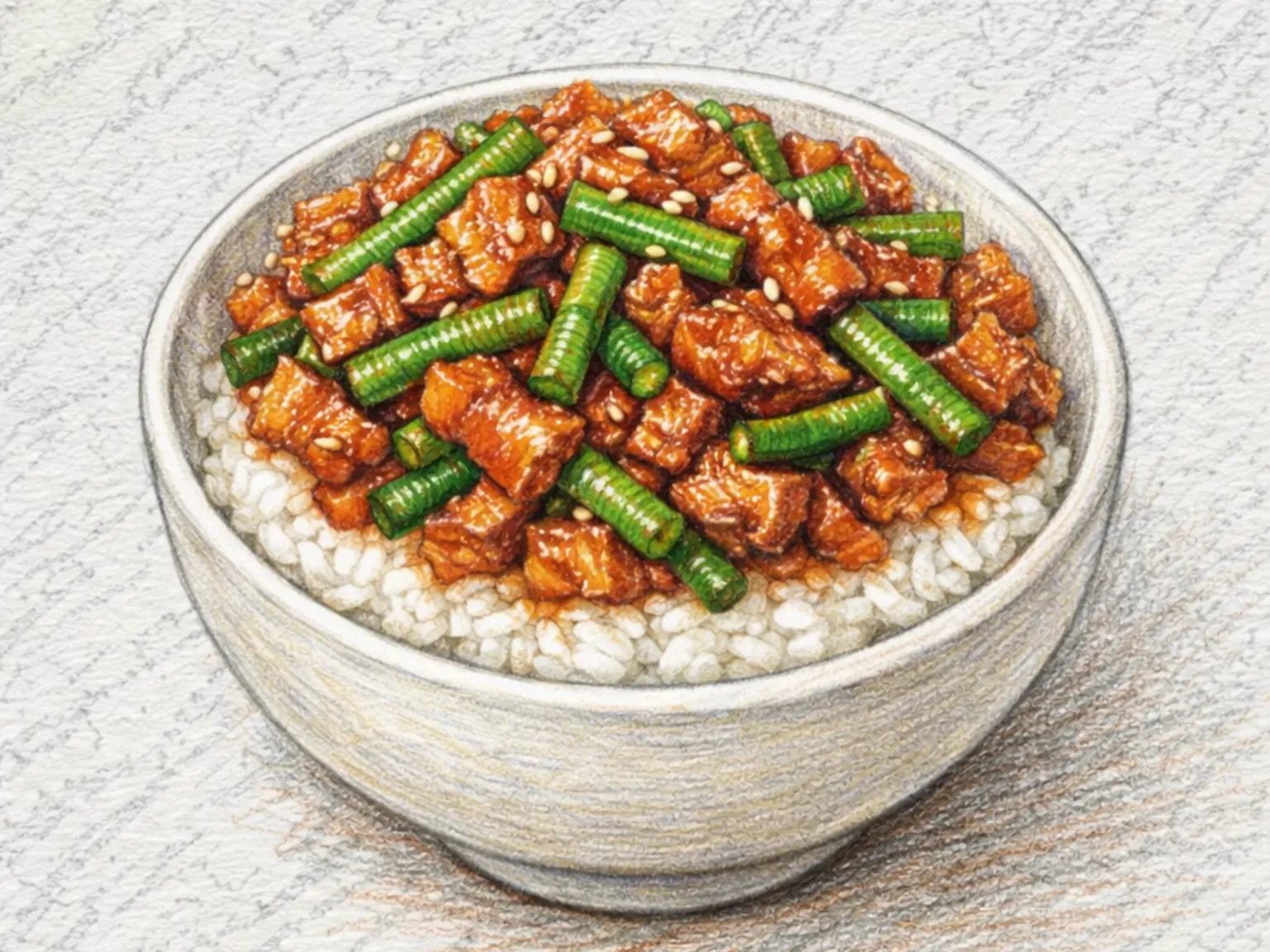
Crunchy garlic scapes and thinly sliced pork shoulder are stir-fried together in a gochujang-based glaze and piled over steamed rice. The scapes keep their distinctive pungent bite even after cooking, and their fibrous texture holds up against the heat in a way that most vegetables do not, balancing the richness of the pork fat throughout the dish. A quick toss over high heat caramelizes the gochujang and sugar into a glossy, lacquer-like coating that clings to both the meat and the scapes while preserving their snap. Slicing the pork thin ensures it cooks through in the same short window without drying out, and finishing with sliced green onion and a drizzle of sesame oil lifts the overall aroma. Spring-harvested garlic scapes are especially tender and clean-tasting, making this a seasonal favorite worth timing carefully. Fresh pork loses less juice than frozen, which matters when the total cooking time is under five minutes.
Korean Mapo Tofu Rice Bowl
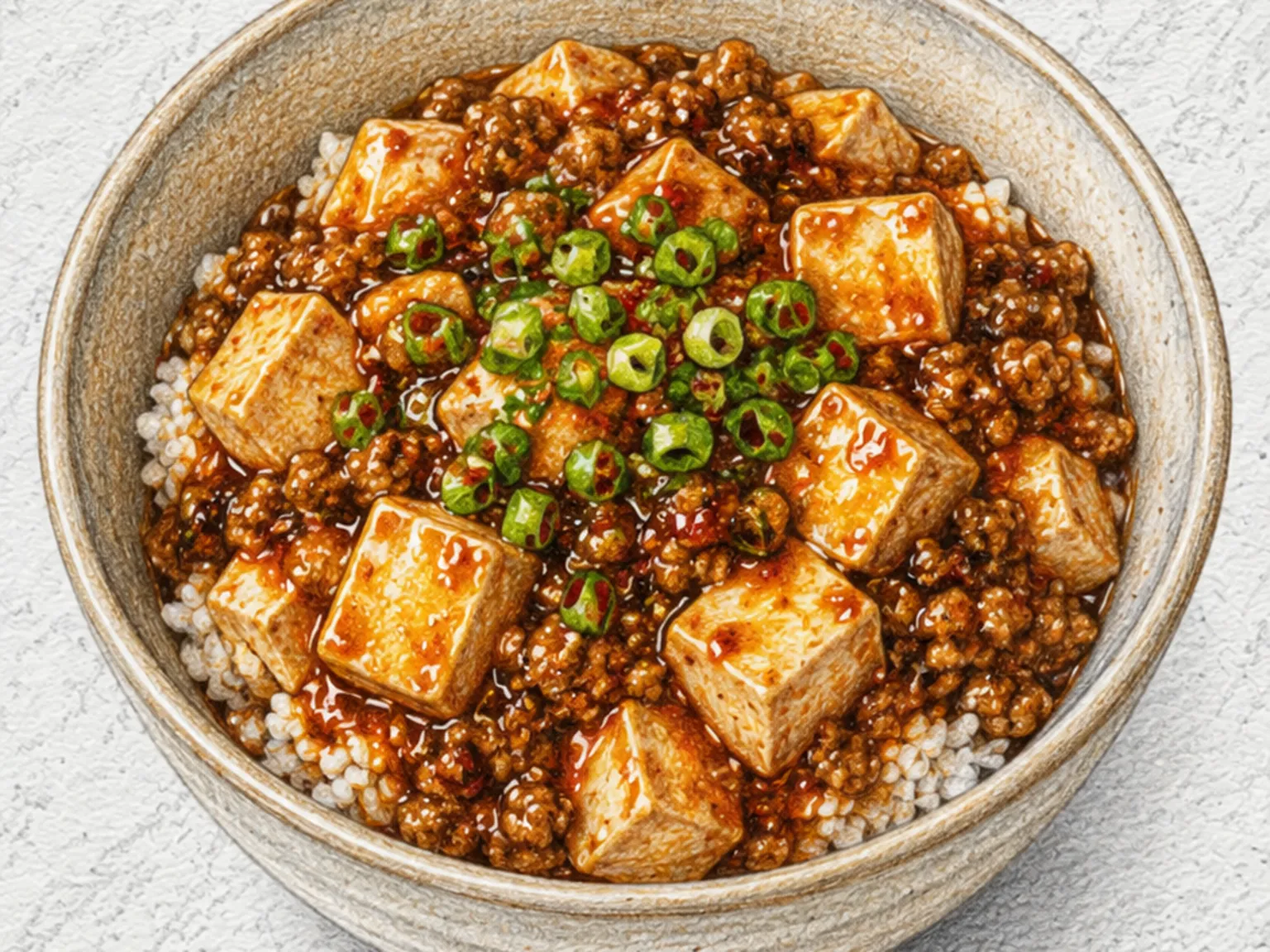
This mapo tofu rice bowl cooks 300 g tofu and 120 g ground pork in a doubanjiang sauce, then serves the thickened mixture over 2 cups of rice. Cut the tofu into 2 cm cubes, blanch it in boiling salted water for 2 minutes, and drain it carefully. Blanching firms the surface so the corners are less likely to break while the sauce is applied. Heat 2 tbsp vegetable oil in a pan over medium heat and cook the pork for 3 minutes, breaking it apart until no pink remains. Add 1 tbsp minced garlic and 1.5 tbsp doubanjiang, lower the heat to medium-low, and stir for 1 minute until the oil turns red without letting the paste scorch. Pour in 1/2 cup water. Once it boils, add the tofu and cook gently for 3 minutes, shaking the pan instead of stirring hard. Season with 1 tbsp soy sauce, pour in 1 tbsp starch slurry, and simmer for 30 seconds. The sauce is ready when it looks glossy and stays around the tofu rather than running freely. Spoon it over the rice and finish both servings with 1 tsp sesame oil and 30 g sliced green onion.
Korean Addictive Mini Gimbap
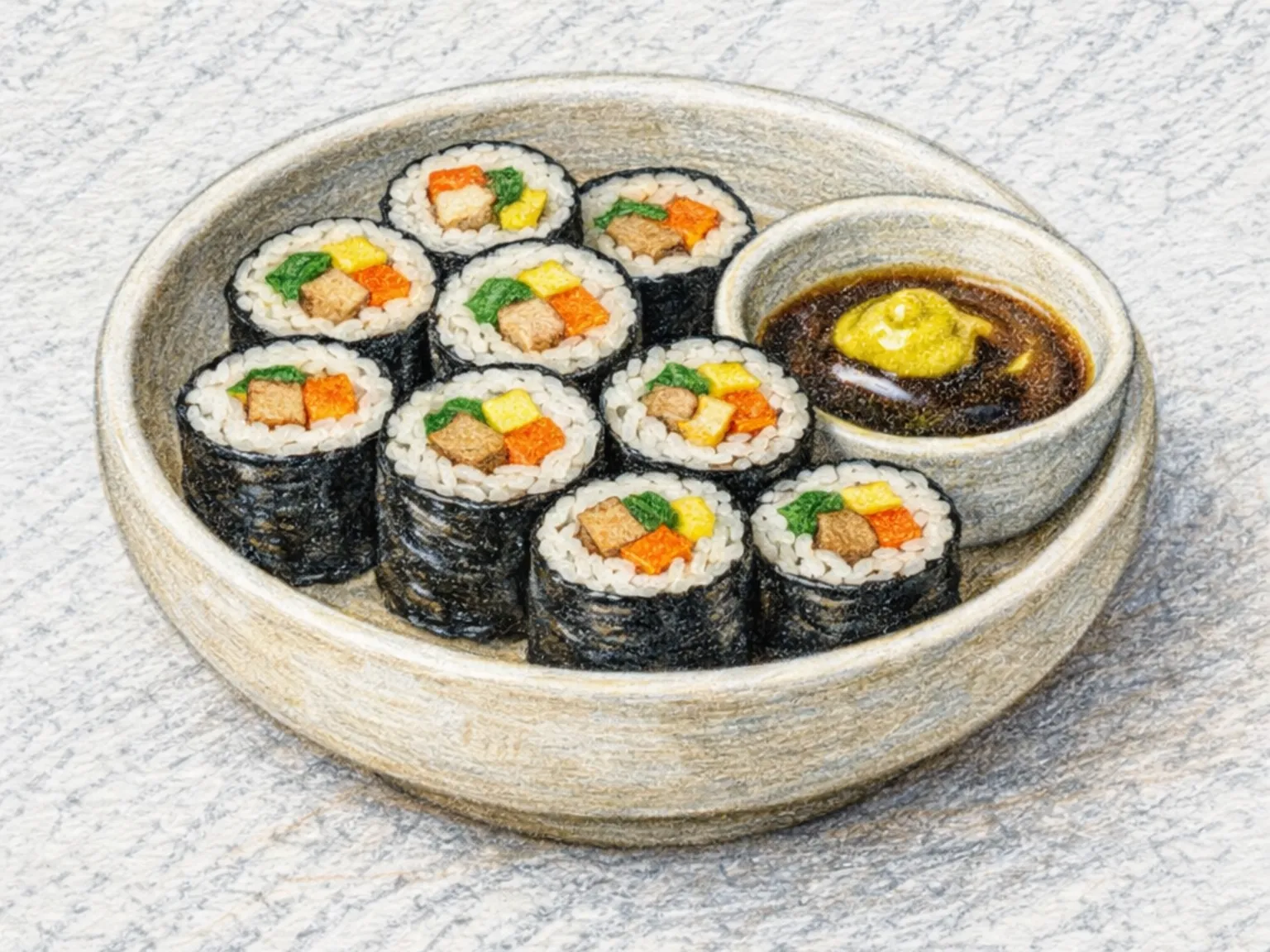
Mayak gimbap is a bite-sized Korean rolled rice snack made from quarter-cut nori sheets packed with a small amount of seasoned rice, sauteed carrot, blanched spinach, and thin egg strips, then rolled into compact cylinders no wider than a thumb. The name mayak, meaning narcotic, captures the addictive quality that comes from dipping each piece into the mustard-soy sauce: the sharp heat of Korean mustard, the salt of soy sauce, and a touch of vinegar and sugar interact with the mild roll to produce a balance that keeps you reaching for the next piece. Filling discipline is essential since the small nori squares tear easily under pressure, and a clean seal requires rice pressed right to the edge. Sliced pickled radish is the standard accompaniment, its cool crunch and acidity resetting the palate between bites. The sauce ratio matters as much as the rolling technique - too much mustard overwhelms, too little and the rolls taste flat.
Mehari-zushi, Takana-Wrapped Rice Balls
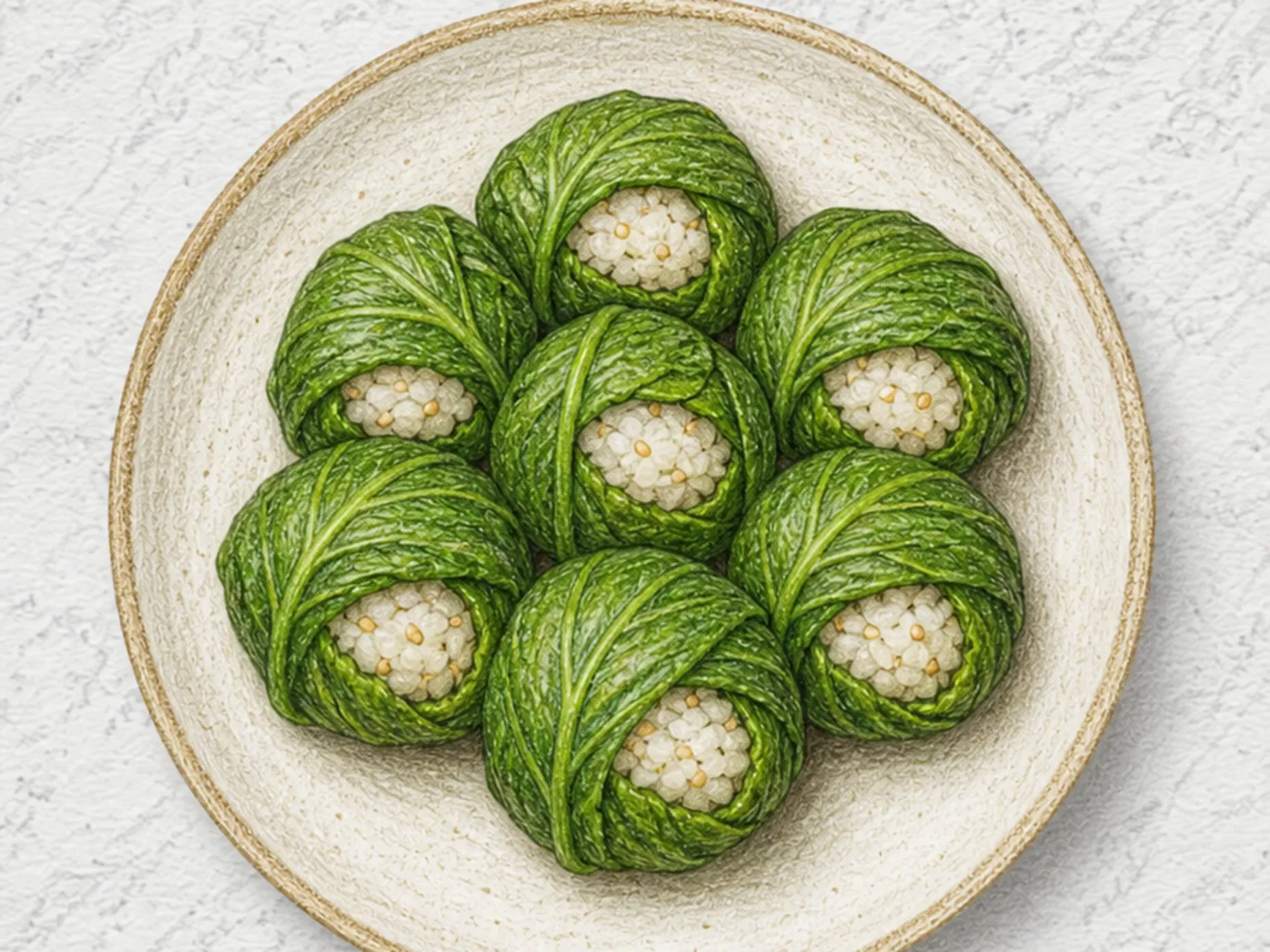
Mehari-zushi is a southern Wakayama specialty in which large rice balls are completely enclosed in salt-pickled takana mustard leaves. It developed as a portable meal for forestry workers in the mountains and fishers at sea, since the leaf wrapper makes the rice easy to hold and eat. Several explanations survive for its name: the wide-open mouth needed for a large piece, eyes widening at the taste, or the rice being tightly sealed with no gap. In this version, the firm takana stems are chopped and mixed into soy-and-mirin-seasoned rice, while the leaves are moistened with a little vinegar seasoning before wrapping.
Korean Sea Squirt Mixed Rice
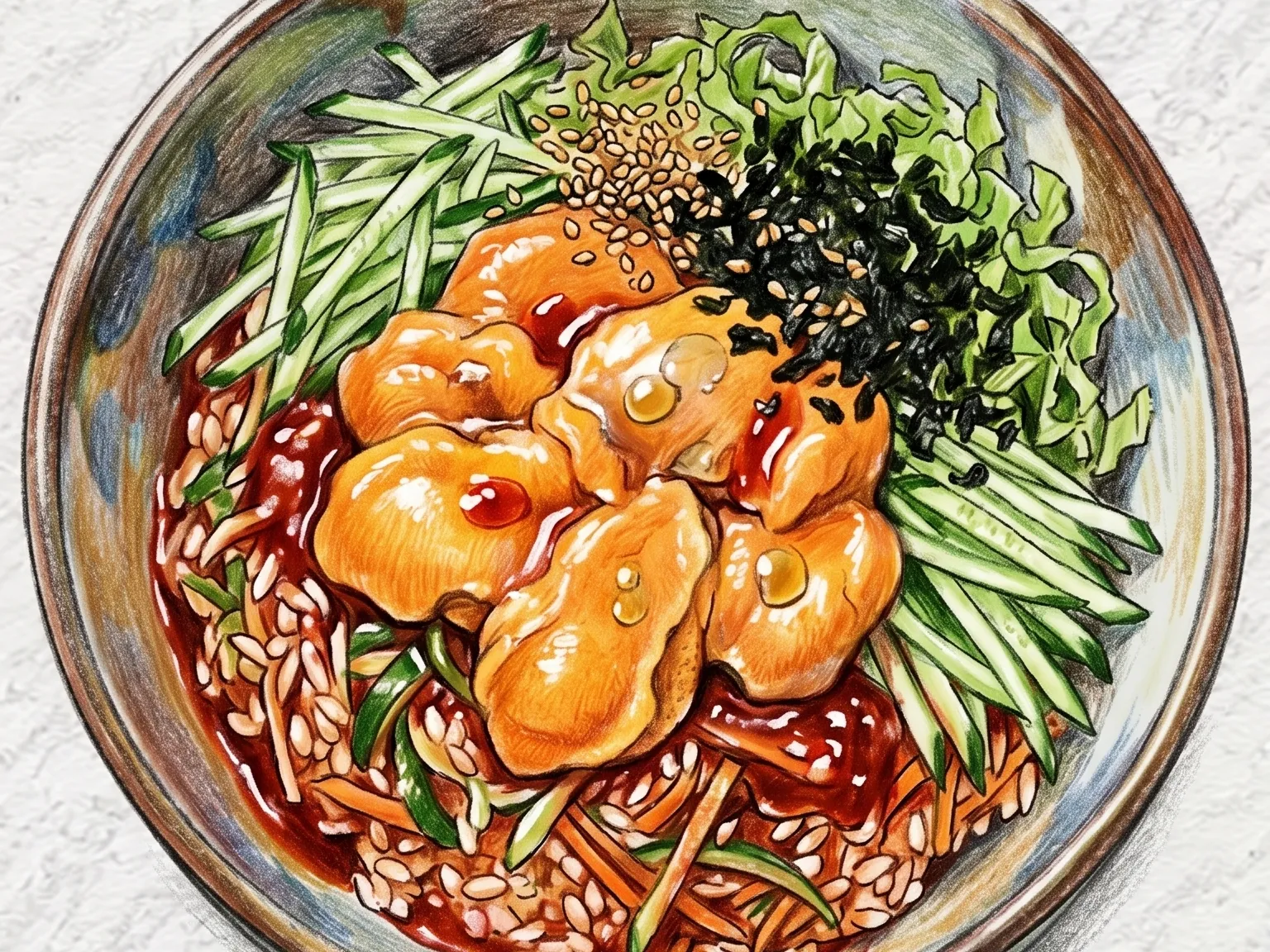
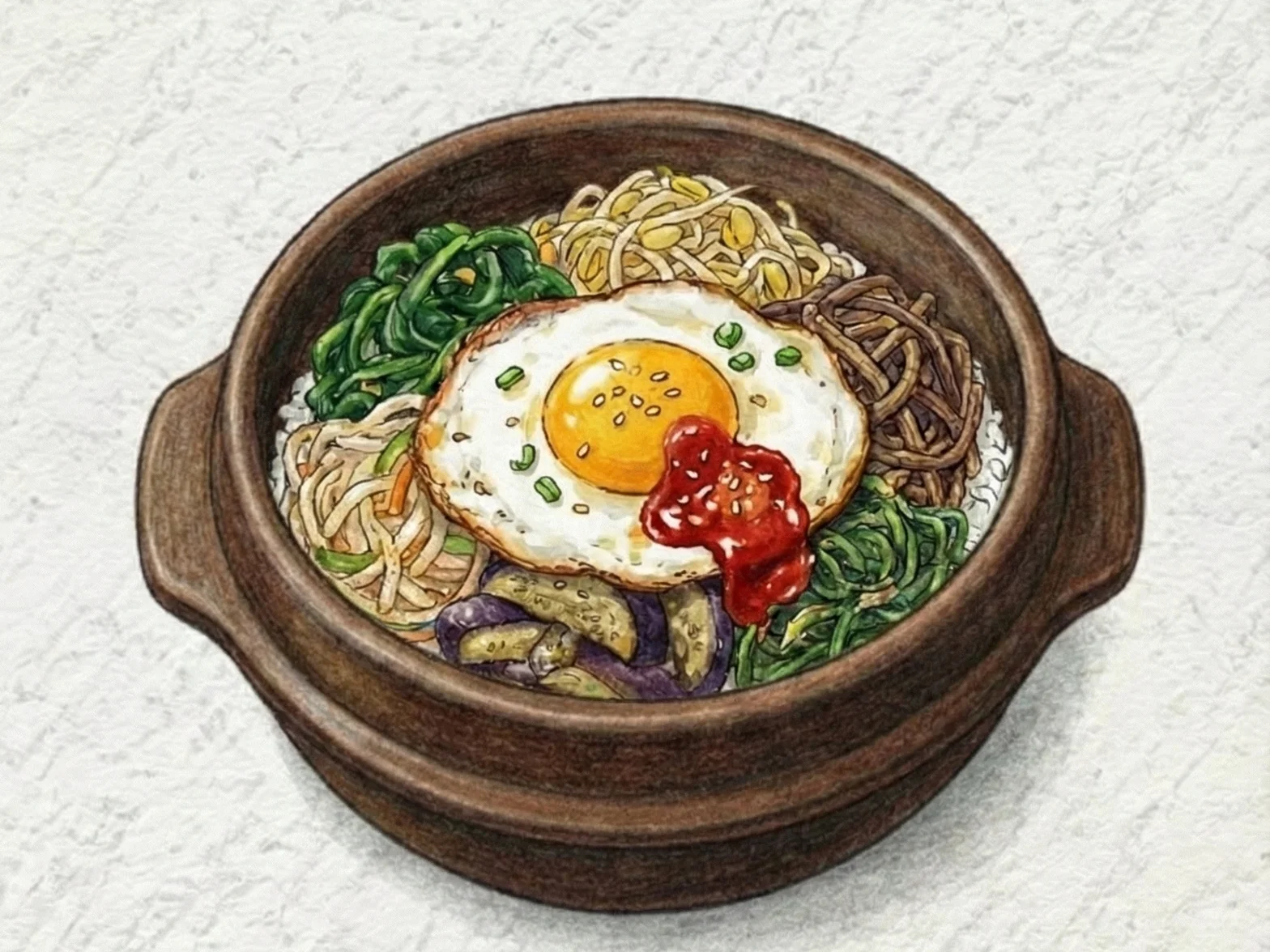
Meongge bibimbap combines 180 g sea squirt flesh with cucumber, lettuce, vinegared gochujang, and 2 bowls of rice, and is mixed only when it is ready to be eaten. Swish the sea squirt gently in lightly salted water, transfer it to a sieve, and press with a paper towel to remove surface moisture without crushing the pieces. Slice 70 g cucumber into thin strips and tear 60 g lettuce into bite-size sections, then shake off any water that could loosen the rice and sauce. Mix 3 tbsp vinegared gochujang with half of the measured 1 tbsp sesame oil. Divide the warm rice between two bowls, spread the surface, and allow the strongest steam to subside before adding the seafood. Arrange the cucumber and lettuce first, then place the sea squirt on top at the last moment. Start with half of the sauce, mix, and add more only as needed. Finish with 6 g roasted seaweed flakes, 1 tsp sesame seeds, and the remaining sesame oil. Fold the ingredients with broad movements so the sea squirt keeps its shape instead of being mashed into the rice.
Butterbur Leaf Ssambap
Meowi-ip ssambap wraps sesame-seasoned rice and a doenjang-gochujang paste in steamed butterbur leaves. Wash 150 g butterbur leaves on both sides and around the stems, then trim only the tough ends. Place them in a steamer after strong steam is rising, cover, and steam for 4 minutes. Rinse immediately in cold water to stop the heat. If the leaves retain a pronounced bitter or acrid edge, soak them in cold water for about 10 minutes longer. Separate the leaves carefully and squeeze out moisture without tearing the softened surfaces. For the ssamjang, combine 30 g soybean paste, 15 g red pepper paste, 5 g minced garlic, 10 g minced green onion, and 5 ml of the sesame oil. Mix until the garlic and green onion are distributed rather than concentrated in one spoonful. Add the remaining 10 ml sesame oil and 5 g sesame seeds to 300 g warm cooked rice. Fold gently so the grains remain intact, let excess steam escape, and form bite-size rice balls before beginning to wrap. Spread one steamed leaf flat and place a rice ball in the center with a small amount of ssamjang. Fold the lower section inward, bring in both sides, and close with the upper section until the rice is fully covered. Too much paste will be forced out while the leaf is folded, so use only the amount that fits beside the rice. Place each parcel seam-side down to hold its shape. Arrange the completed wraps in rows with enough space to pick up each one without pulling open the neighboring leaf.
Korean Water Parsley Clam Porridge
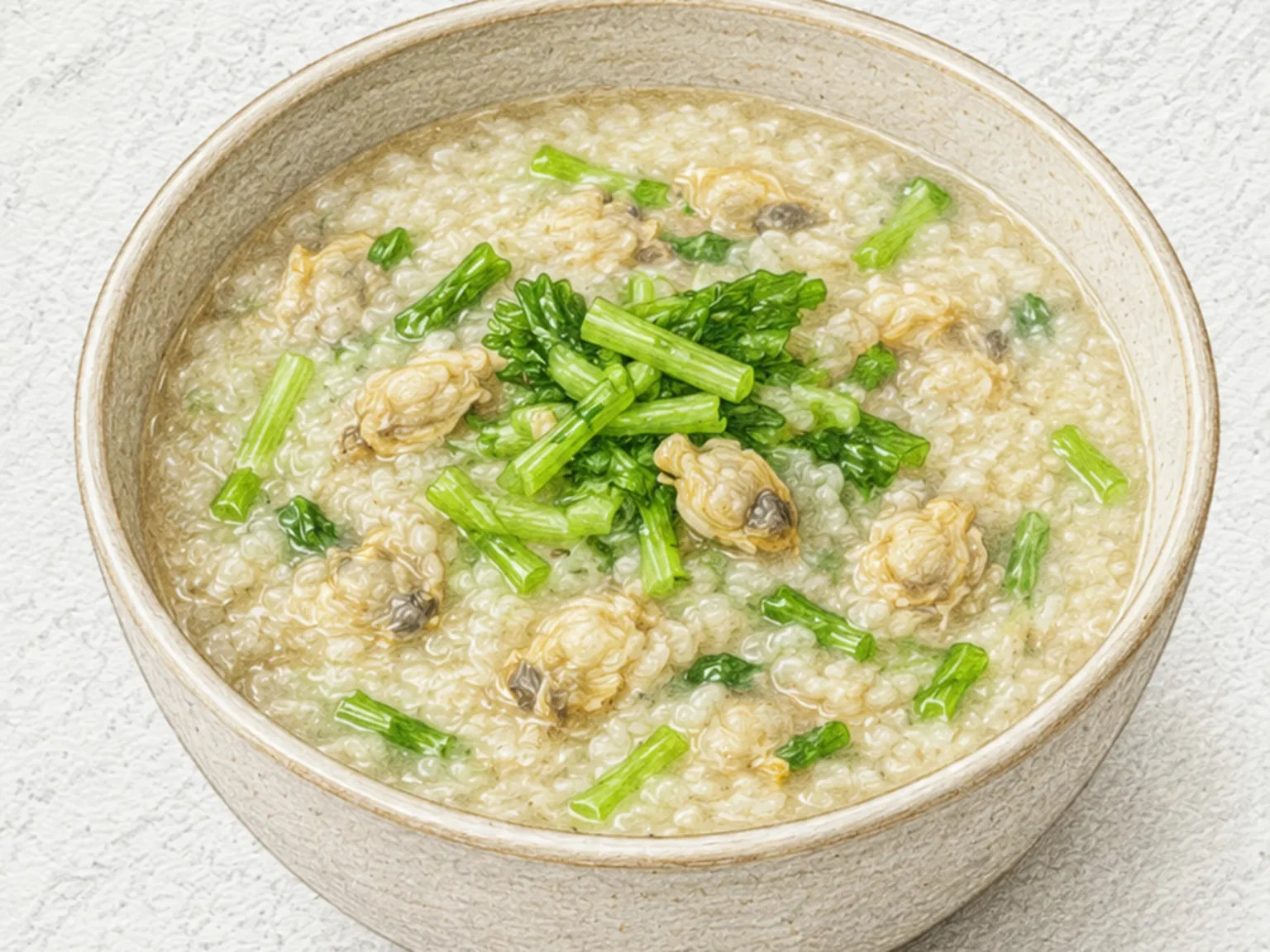
Minari bajirak juk is a mild seafood porridge made by sauteing onion and garlic in sesame oil until soft and fragrant, then simmering soaked rice and fresh clam meat into a smooth, comforting bowl. The clams release a clean, briny sweetness that diffuses through every spoonful, and water parsley added off the heat at the very end contributes a bright, herbaceous freshness that lifts the overall flavor. Soaked rice is first stirred in the sesame oil until each grain turns translucent, which keeps the porridge from becoming starchy and gluey as it cooks. Water is added and the pot simmers on medium-low heat, stirred steadily so the starch releases gradually and creates a silky, even consistency. Clams are added in the later stages of cooking because prolonged heat makes them rubbery; adding them late keeps them tender. Salt goes in just before the heat is turned off to calibrate the final seasoning, followed by a drizzle of sesame oil for a nutty, rounded finish. The light, easy texture of the finished porridge makes it well suited to early mornings, days when the stomach feels unsettled, or as a restorative after a night of drinking. Water parsley must be added after the heat is off, since its volatile fragrance disappears quickly when exposed to direct heat.
Korean Beef and Water Parsley Pot Rice
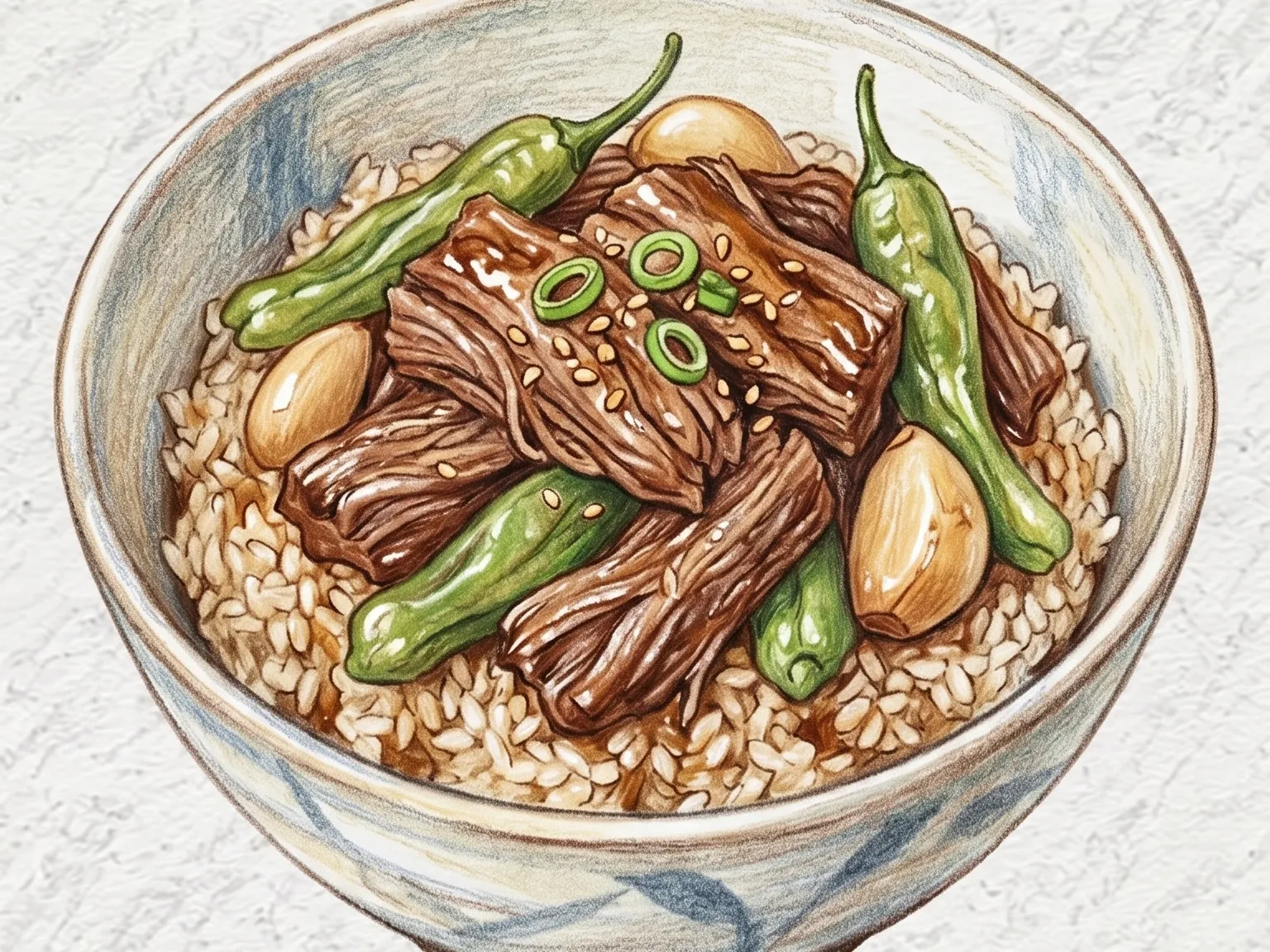
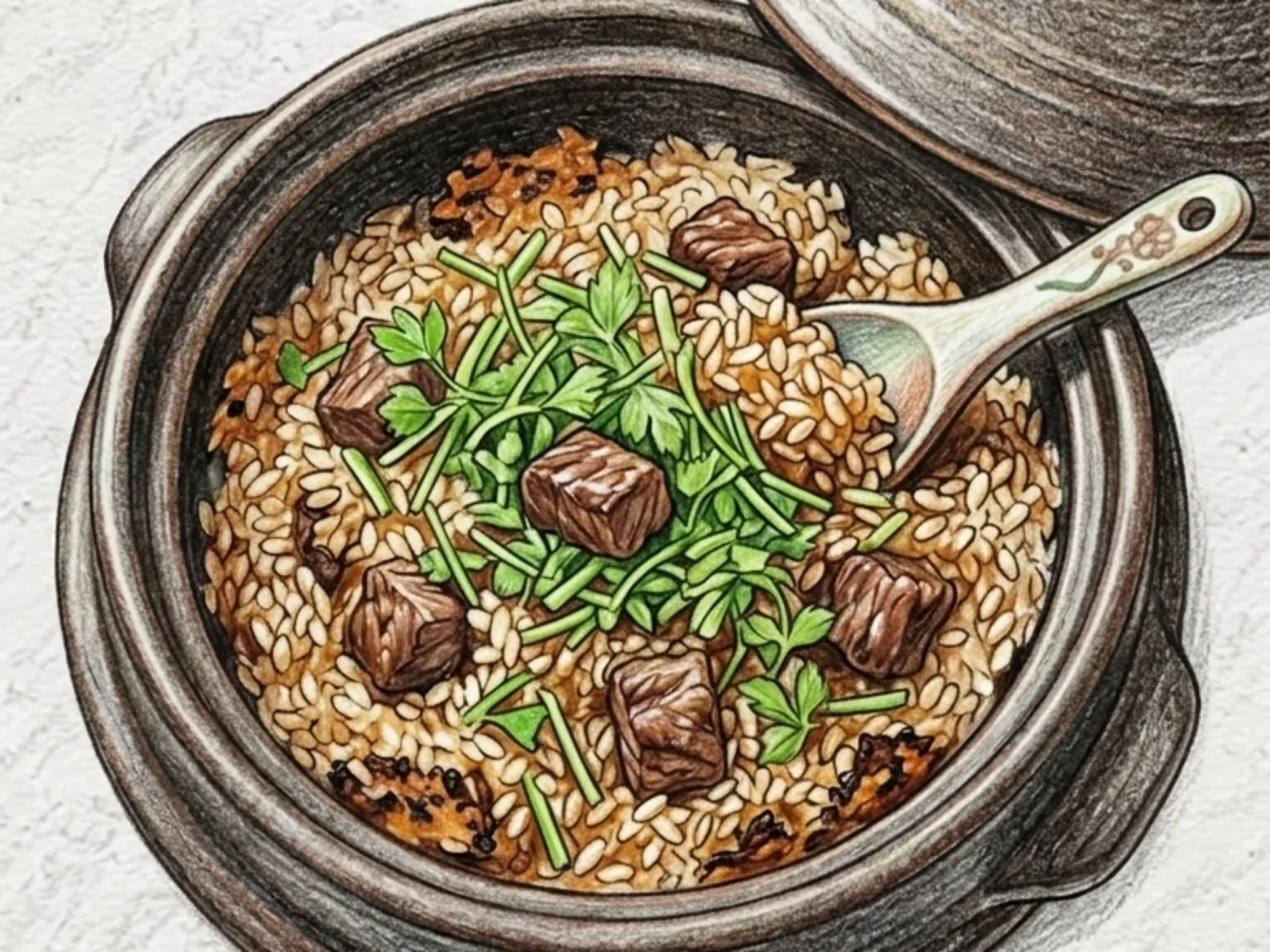
Beef and water parsley pot rice starts with 1.5 cups rice that is rinsed, soaked for 30 minutes, and drained for 10 minutes before it enters the pot. Season 180 g thinly sliced beef with 1 tbsp soy sauce, 1 tbsp minced garlic, and half of the measured sesame oil, separating any clumps while it marinates for 10 minutes. Heat a heavy pot over high heat, add the remaining sesame oil, and cook 60 g onion for 30 seconds. When the onion edges turn translucent, add the beef and sear it for about 1 minute 30 seconds. Stop once the exterior changes color so the meat still retains moisture during the rice-cooking stage. Add the drained rice and 1.7 cups water, level the surface, and bring the pot to a boil. Cover, reduce the heat to low, and cook for 12 minutes. Turn off the heat, spread 80 g chopped water parsley and the remaining 1 tbsp soy sauce over the rice, and keep the lid closed for a 3-minute rest. Fold the beef and parsley through the rice gently and finish with 1 tsp sesame seeds.
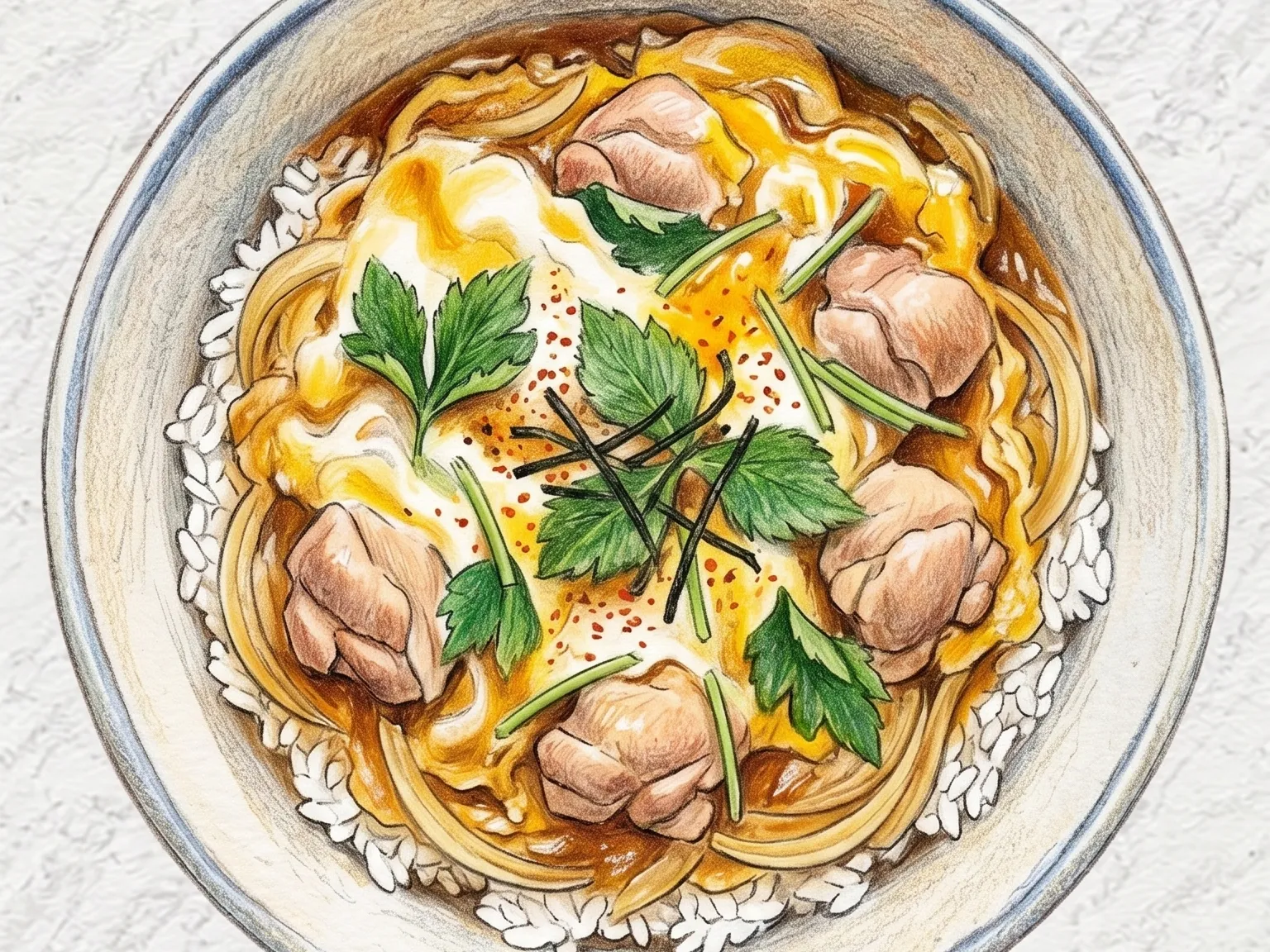
Mitsuba Oyakodon (Japanese Chicken Egg Rice Bowl with Mitsuba Herb)
This Japanese chicken and egg rice bowl features chicken thighs and sliced onions simmered in dashi stock, soy sauce, and mirin. The chicken is cut into bite-sized pieces and cooked in the broth until tender. Beaten eggs are added in two batches: the first half is allowed to set slightly before the remainder is poured, creating a mixture of firm and silky, runny textures. To keep the egg texture soft, it is important not to overbeat the eggs before cooking. Fresh mitsuba, a Japanese wild parsley, is cut into four-centimeter pieces and placed on top during the last twenty seconds of cooking with the lid closed. This brief steaming preserves its delicate celery-like fragrance and green color. Letting the dish rest off the heat for thirty seconds before serving over warm rice ensures a smooth custard-like texture that coats each grain.
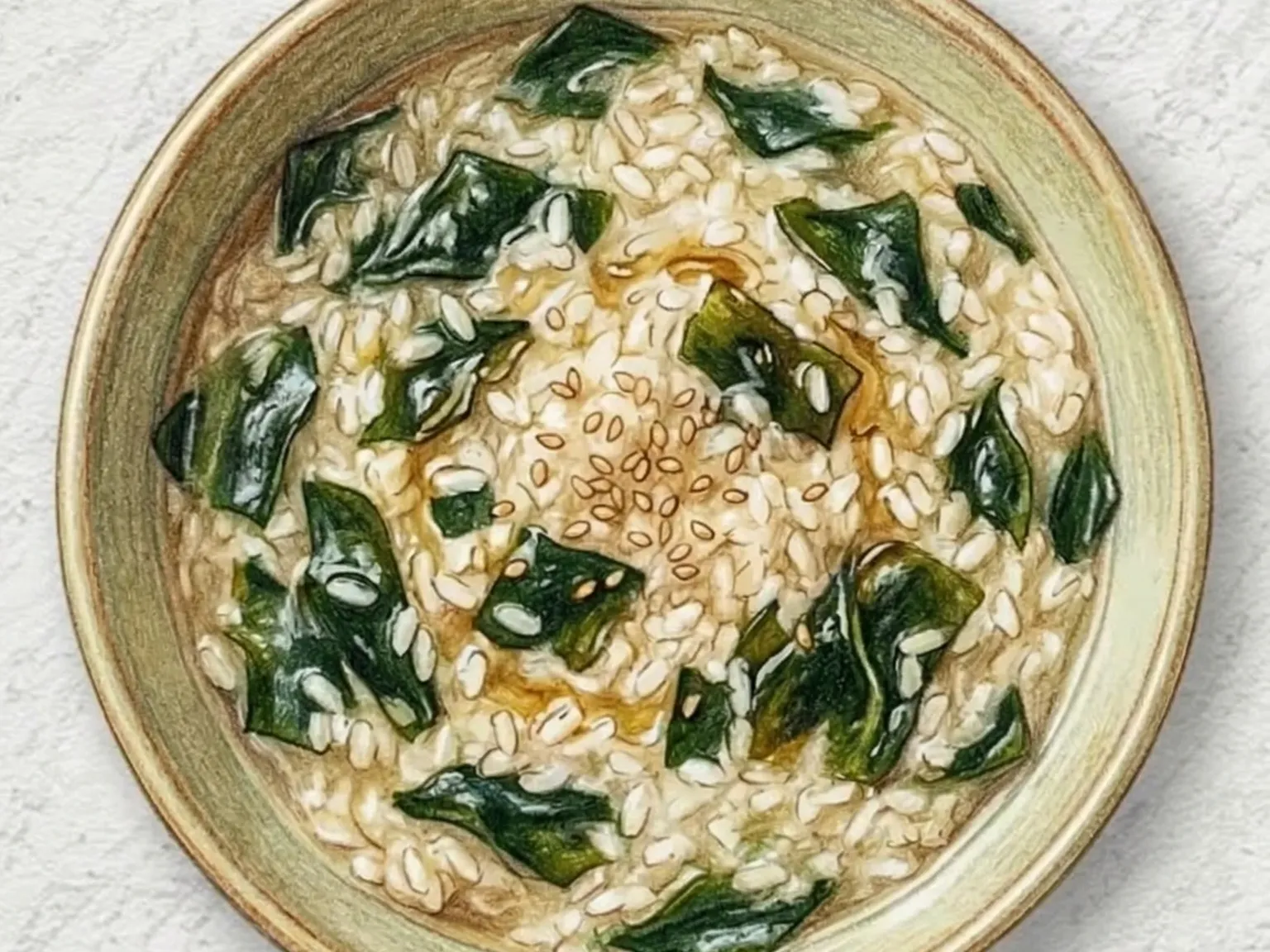
Korean Seaweed Rice Porridge
Miyeok-juk is a Korean porridge made by first stir-frying rehydrated dried seaweed in sesame oil before simmering it with soaked rice over low heat. The stir-fry step is what distinguishes this porridge: it drives off the seaweed's raw marine edge and allows sesame oil's nutty fragrance to permeate the entire pot. As the soaked rice cooks down with the seaweed, the grains break apart and release their starch, producing a smooth, thick consistency without the need for any thickener. Soup soy sauce seasons the porridge lightly so the natural depth of the seaweed comes through without salt overpowering it. A final drop of sesame oil just before serving revives the aroma. Because the result is easy to digest and gentle on the stomach, this porridge has long been a fixture at Korean breakfast tables, served to anyone recovering from illness, and prepared specifically for mothers in the weeks following childbirth. The tradition of eating miyeok-juk on birthdays traces back to this postpartum association, as mothers consumed it to rebuild strength and nourish their infants through nursing. Mild, warming, and requiring nothing more than pantry staples, the porridge remains one of the most reliably comforting dishes in the Korean kitchen.
Korean Radish Rice (Julienned Radish Steamed with Short-Grain Rice)
Mu-bap is Korean radish rice made by placing finely julienned radish directly on top of uncooked rice before steaming, so the radish releases its natural moisture and mild sweetness into each grain as it cooks. The result is rice that is slightly more moist and subtly sweeter than plain cooked rice, with softened radish distributed throughout. The dish is eaten with a seasoning sauce of soy sauce, sesame oil, sliced scallion, red pepper flakes, and sesame seeds mixed in right before eating, because adding it any earlier makes the rice clump and turn mushy. Cutting the radish into thin, uniform strips is not just about presentation: thin strips cook through in the same time as the rice, while thick pieces remain underdone when the rice is already ready. Winter radish contains more natural sugar than radish harvested at other times of year, so the same recipe tastes noticeably sweeter when made with winter produce. Served alongside fermented sides like kkakdugi or kimchi, the mild sweetness of the radish rice provides a clean, neutral contrast to the sharp acidity and salt of fermented foods.
Korean Radish Greens Shrimp Porridge
Mucheong-saeu-juk is a Korean porridge built on blanched, chopped radish greens and minced shrimp sauteed together in perilla oil before soaked rice and water are added and the whole pot is simmered down to a smooth, savory consistency. Blanching the radish greens before anything else is essential for two reasons. The coarse, fibrous texture that would otherwise remain tough and unpleasant in a smooth porridge softens significantly after a brief immersion in boiling water, and a portion of the greens' natural bitterness is drawn out at the same time. Chopping them finely after blanching allows them to integrate seamlessly throughout the porridge so that no identifiable clumps disrupt the texture. Shrimp handled differently than simple mincing produces a better result: crushing each piece lightly with the flat of a knife releases umami into the cooking liquid more evenly than finely minced shrimp, while avoiding the concentrated fishiness that over-processed seafood can carry. Perilla oil differs meaningfully from sesame oil in its flavor profile. Alongside a shared nuttiness it carries a distinctly herbal quality that pairs particularly well with vegetable-forward preparations. Using soup soy sauce rather than plain salt keeps sodium in check while still contributing the subtle, fermented depth that flat salt lacks. Radish greens supply vitamin C and dietary fiber, and shrimp provides lean, complete protein with minimal fat, making this a nutritionally well-rounded bowl in a small volume. Because the porridge is easy to digest and gentle on the stomach, it works equally well as a light morning meal, a recovery dish during illness, a post-surgery restorative, or simply a warming option on days when anything heavier feels like too much. Frozen shrimp can substitute for fresh; it should be fully thawed and thoroughly dried before going into the pan so that excess water does not dilute the finished porridge. Leftovers thicken considerably as they cool; a small addition of water and gentle reheating over low heat restores the original consistency.
About Rice
A bowl of freshly steamed rice with a drizzle of sesame oil and a fried egg makes a satisfying meal on its own. Leftover rice transforms into fried rice or crispy nurungji (scorched rice), both beloved staples.