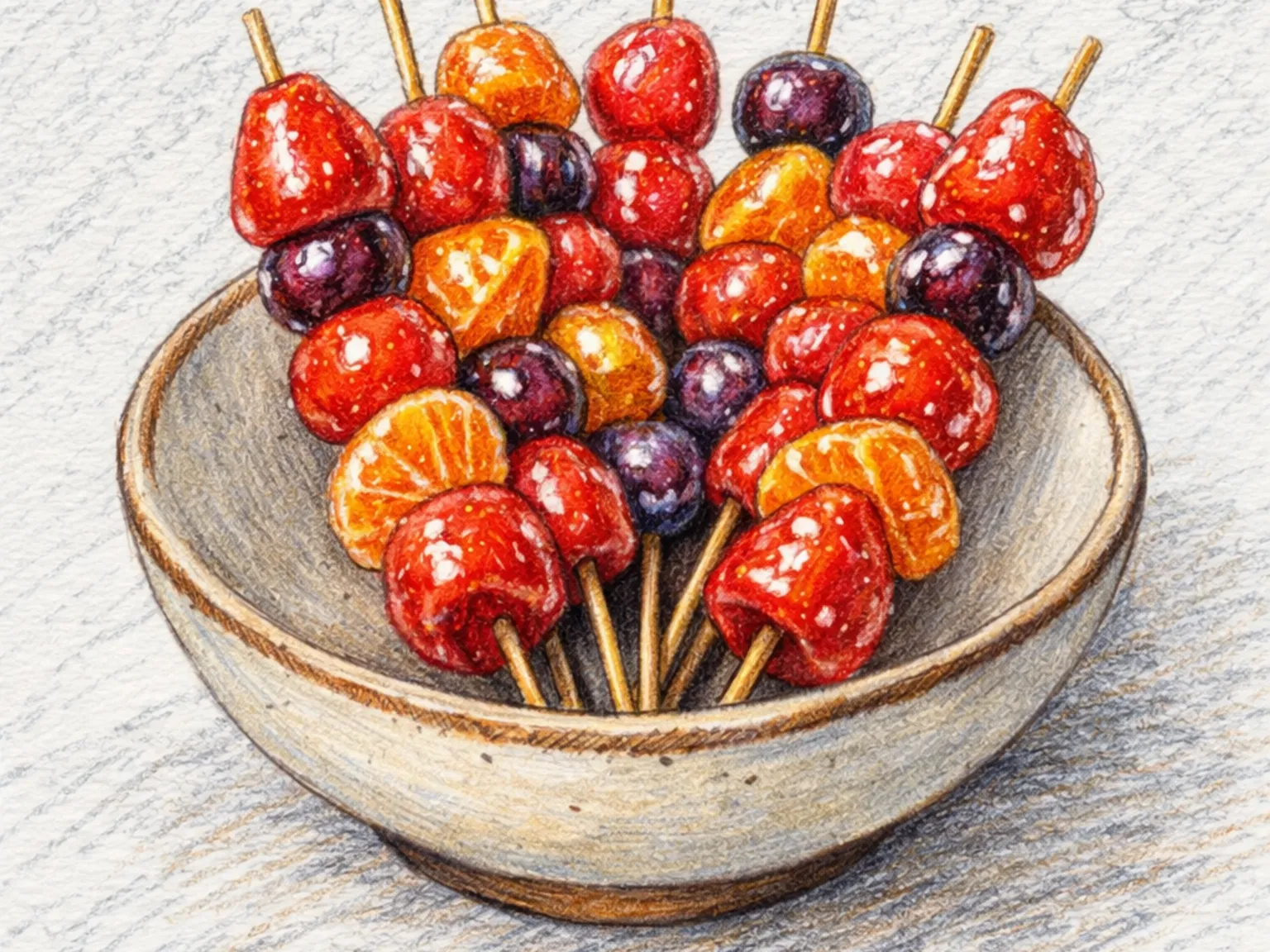
Desserts

Desserts Recipes

379 recipes. Page 14 of 16

Desserts are the sweet finish to a meal or a enjoyable snack any time of day. This collection spans Korean traditional sweets - yakgwa (honey cookies), hotteok (sweet pancakes), injeolmi (rice cakes) - as well as puddings, parfaits, and frozen treats.

Desserts
Oatmeal Raisin Cookies
Baking Easy

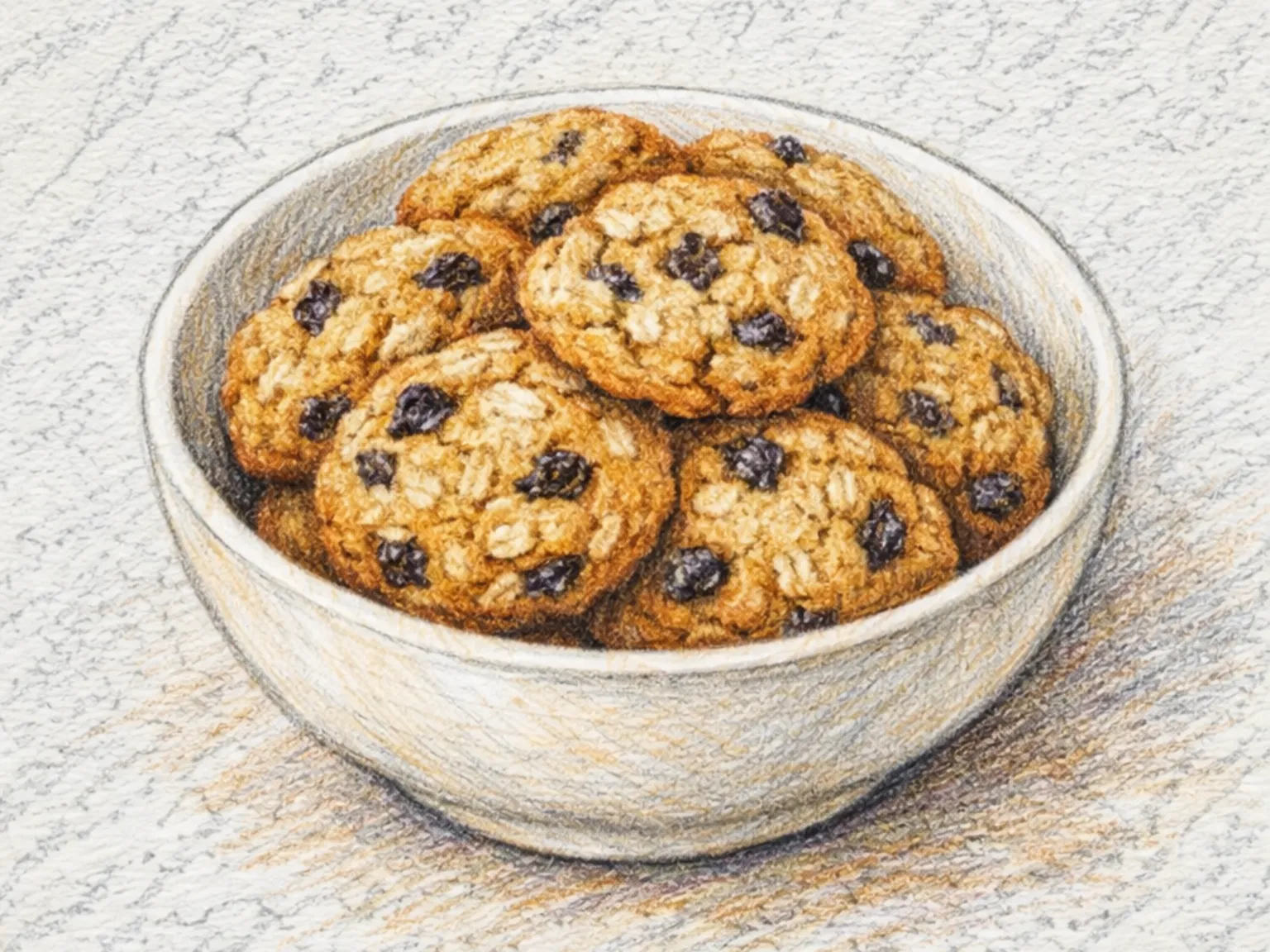
Oatmeal Raisin Cookies

Oatmeal raisin cookies combine rolled oats, raisins, cinnamon, and two sugars in a butter-based dough that is chilled before baking. Soften the butter at room temperature and cream it with the brown and white sugars until the color lightens slightly. Mix in the egg and vanilla, then add sifted flour, cinnamon, and baking soda. Stop when most dry streaks have disappeared and fold in the rolled oats and raisins without prolonged mixing. If the raisins were soaked in warm water, drain and dry their surfaces thoroughly so they do not bring loose moisture into the dough. During the refrigerated rest, the oats absorb moisture from the surrounding batter while the butter firms again. Scoop the cold dough into similar portions with enough space between them, and flatten any unusually thick center gently so the cookies bake evenly. Remove them when the edges have light color but the centers still look slightly soft. A brief rest on the hot tray allows the cookies to set before they move to a rack. Once cool, the rolled oats provide a distinct chew while the raisins remain distributed as moist, sweet pockets and cinnamon runs through the crumb.

🧒 Kid-Friendly
Prep 15min Cook 12min 20 servings
Yaseuma (Flat Wheat Ribbons with Kinako)
Desserts Medium

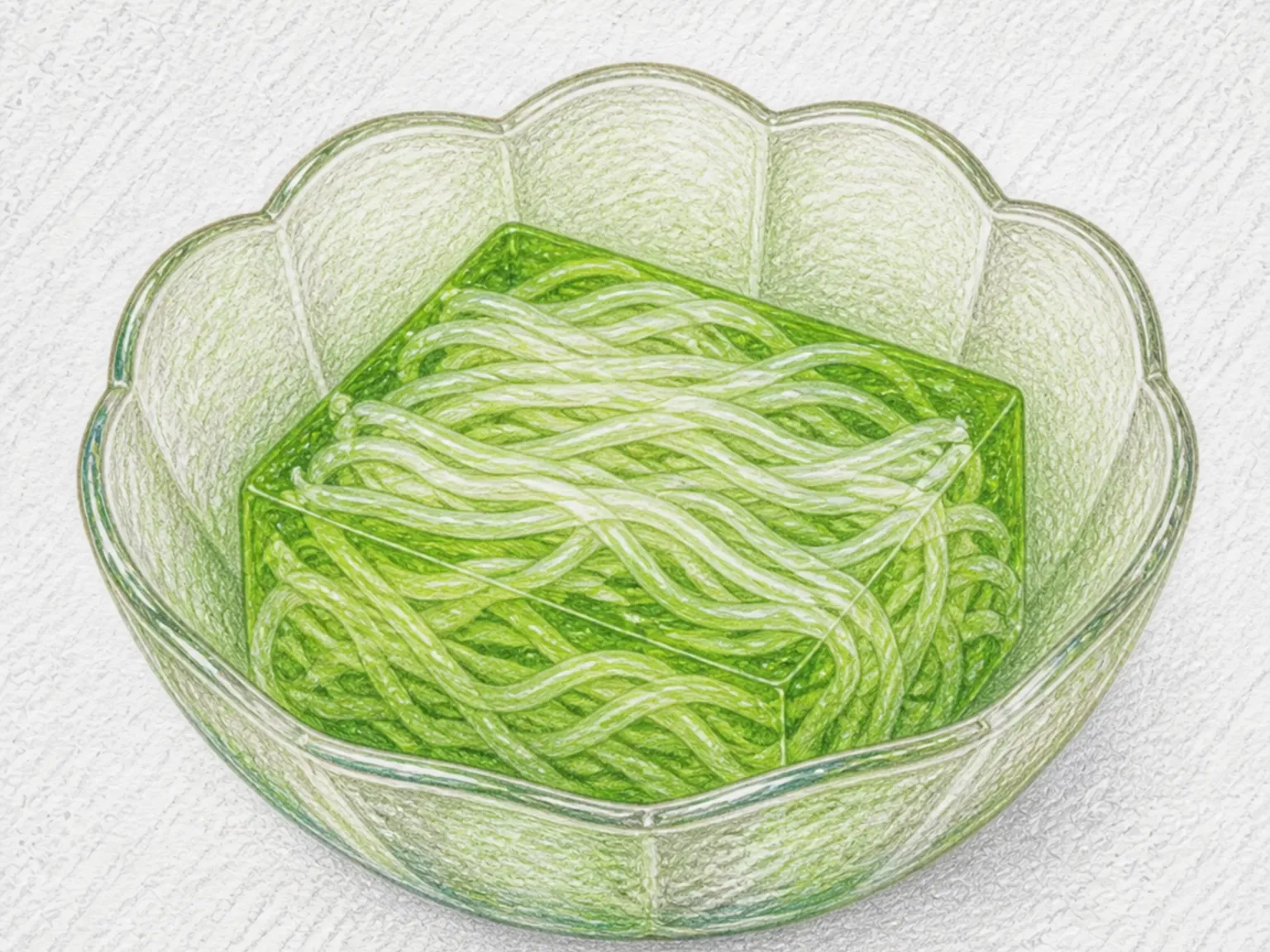
Yaseuma (Flat Wheat Ribbons with Kinako)

Yaseuma is a traditional snack from Oita made by kneading wheat flour with salted water, resting the dough twice, stretching each piece long, thin, and flat by hand, then boiling it and coating it with kinako and sugar. Skilled cooks can lengthen the dough without tearing it, creating a soft, chewy texture between a noodle and a rustic dumpling. Furuno in Yufu is regarded as its birthplace, and the food is also offered during Obon and Tanabata observances. The ribbons must cook beyond floating until no raw flour remains at the center. Draining them well and coating while warm helps the roasted soybean mixture cling evenly.

🧒 Kid-Friendly
Prep 100min Cook 20min 10 servings
Omija Berry Frangipane Tart
Baking Medium

Omija Berry Frangipane Tart

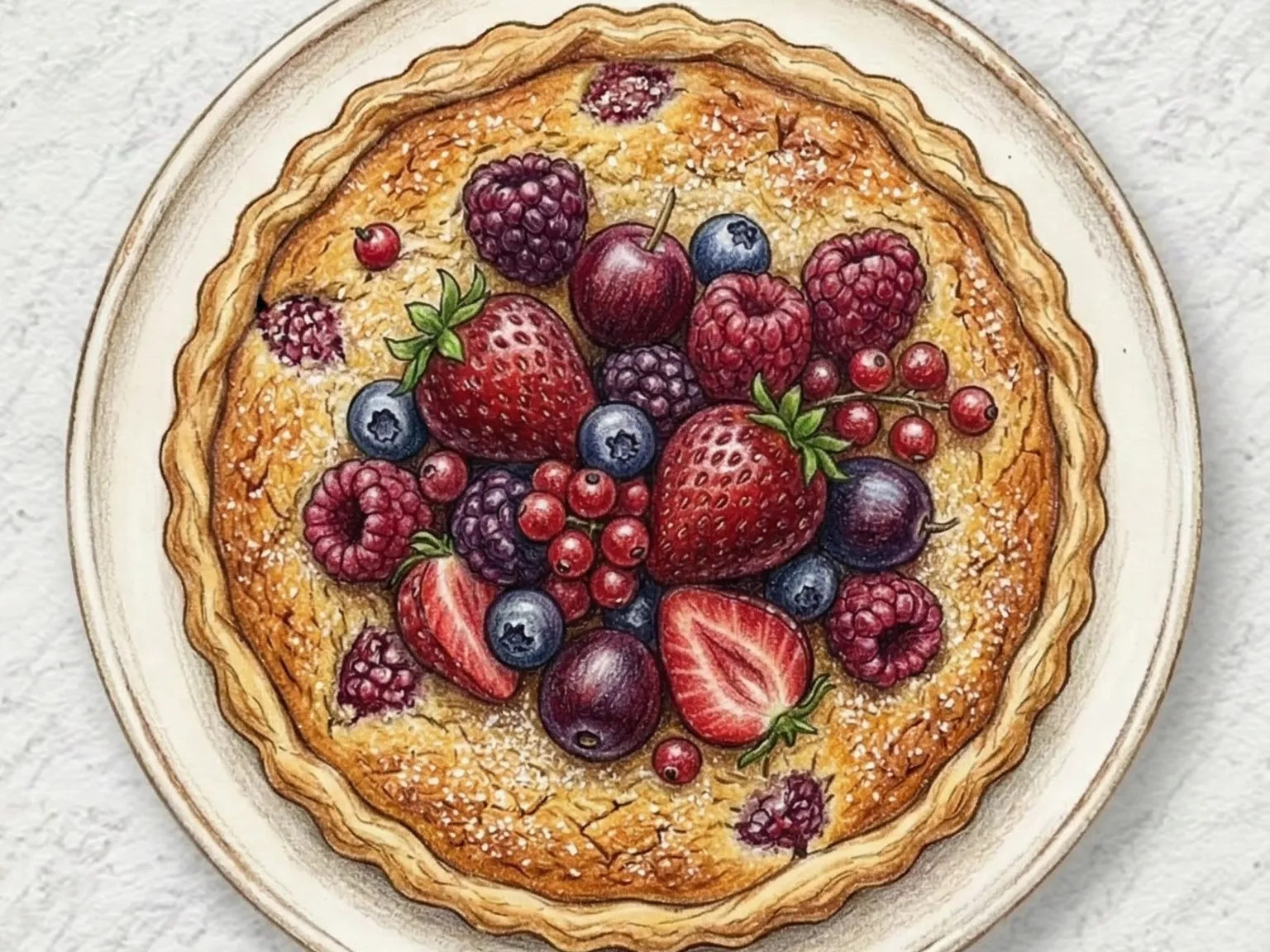
Omija berry frangipane tart fills a chilled pastry shell with almond cream flavored by omija syrup, then sets mixed berries across the surface before baking. Fit the shell into the corners without stretching it, dock the base, and chill it so the pastry becomes firm again and better retains its shape in the oven. For the frangipane, beat softened butter and sugar until pale, then add the eggs one at a time, restoring a smooth mixture after each addition. Mix in the almond flour and cornstarch on low speed before folding in the omija syrup. This distributes the syrup's color and tartness throughout the almond filling. Spread the frangipane evenly in the cold shell and arrange the mixed berries across the top. If the berries are frozen, use them without thawing so their juice does not begin bleeding into the unbaked filling. During baking, the almond mixture rises around the fruit and the edge takes on a deep golden color. Remove the tart when the center springs back lightly, then cool it completely before slicing. Each piece keeps a distinct pastry base, moist almond layer, and pockets of berry under the omija-flavored surface.

🎉 Special Occasion 🧒 Kid-Friendly
Prep 30min Cook 38min 4 servings
Yashoma (Patterned Rice-Flour Dumpling)
Desserts Hard

Yashoma (Patterned Rice-Flour Dumpling)

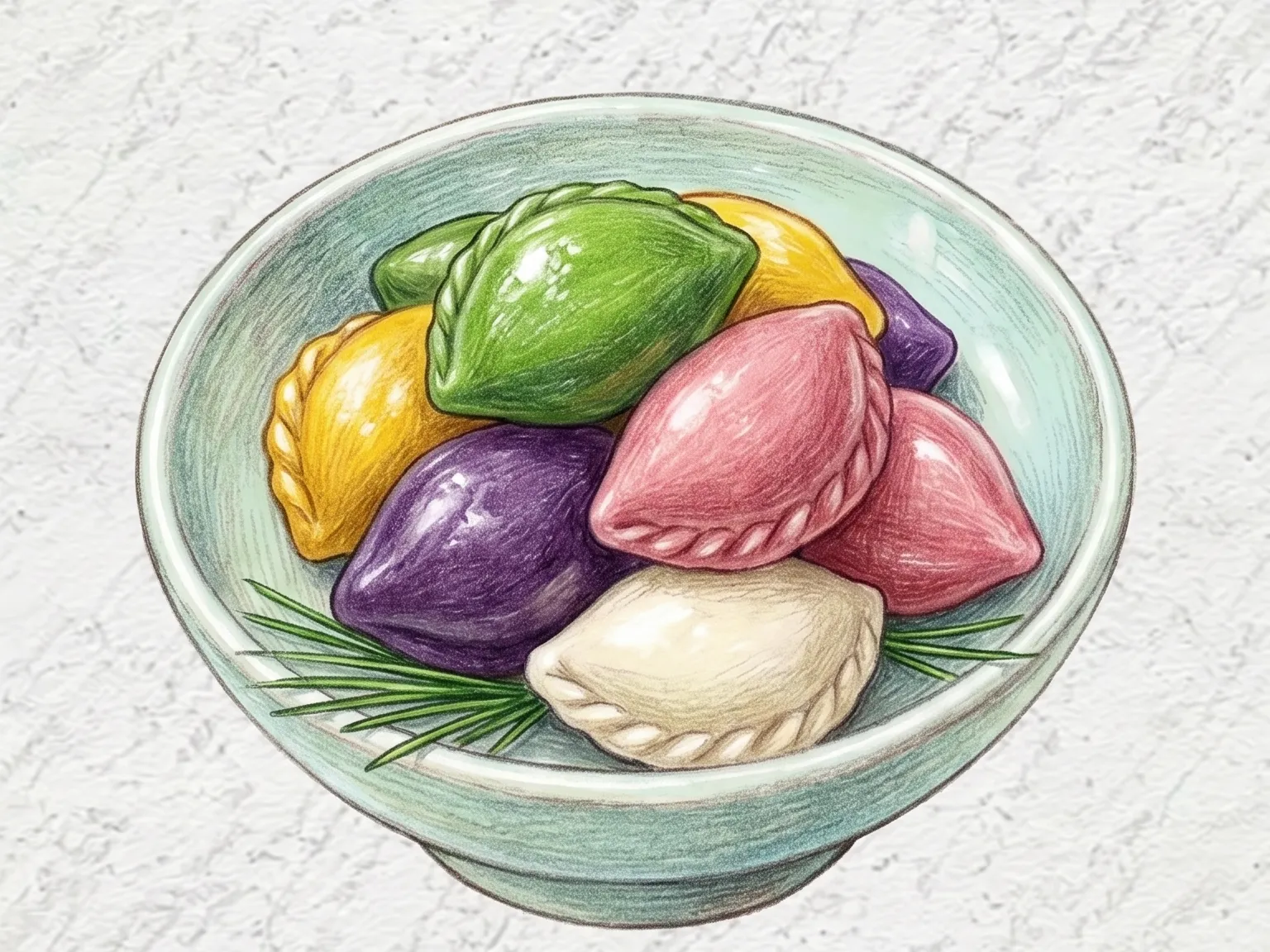
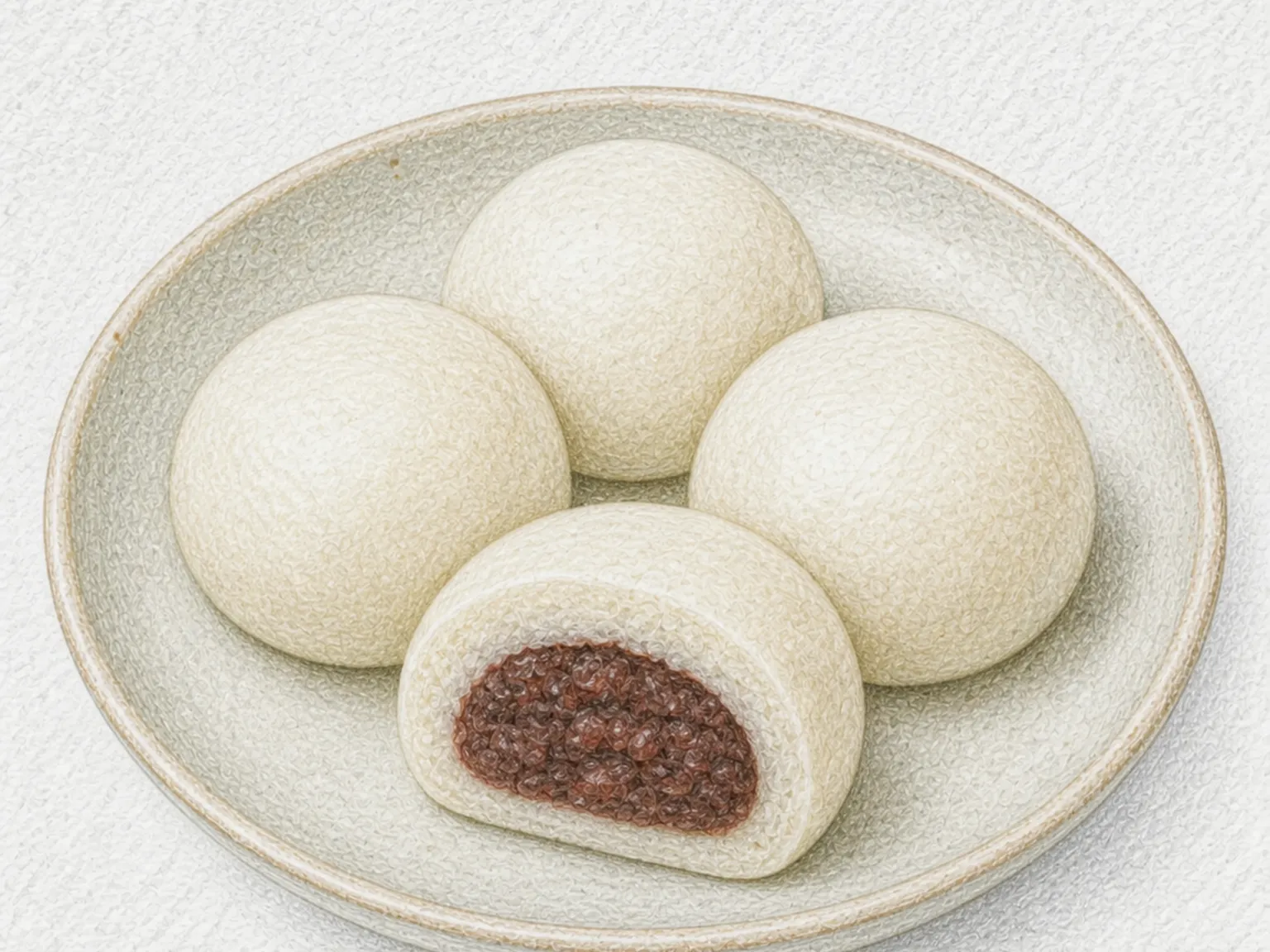
Yashoma is a Nagano rice-flour dumpling made by mixing rice flour, sugar, salt, and boiling water, steaming the dough, briefly shocking it in cold water, and kneading it firmly again. Portions are colored with aonori, black sesame, cooked black soybeans, or food coloring, shaped into long pieces, and pressed with chopsticks to create colored surfaces and cross-sections. It was traditionally offered at home altars and temples for Nehan-e on February 15 and shared with children. Shape the steamed dough while warm so it does not crack, then cut the soft logs with cotton thread to preserve their form.

🧒 Kid-Friendly 🎉 Special Occasion
Prep 45min Cook 50min 12 servings
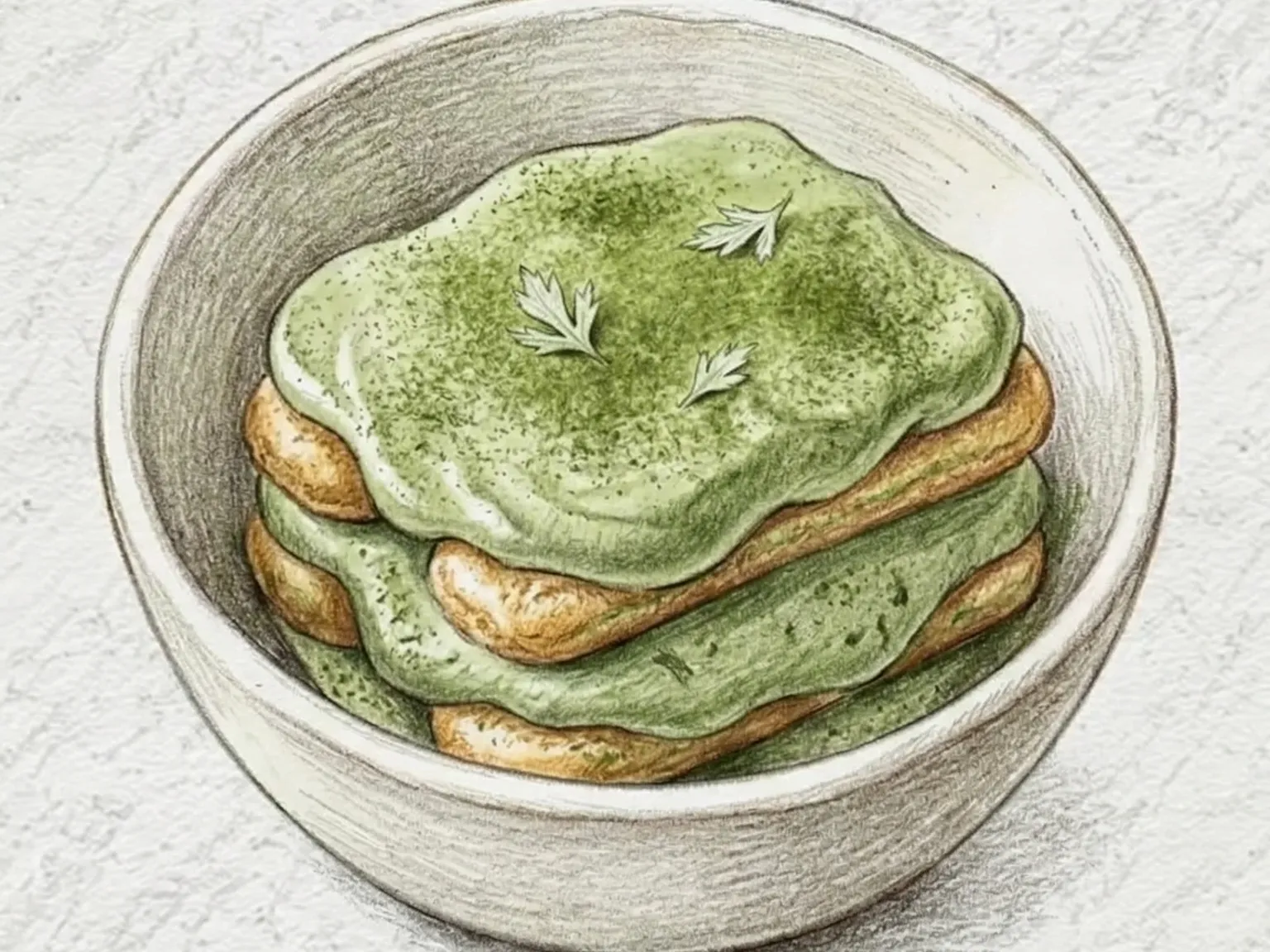
Omija Cream Cheese Muffins
Baking Medium

Omija Cream Cheese Muffins

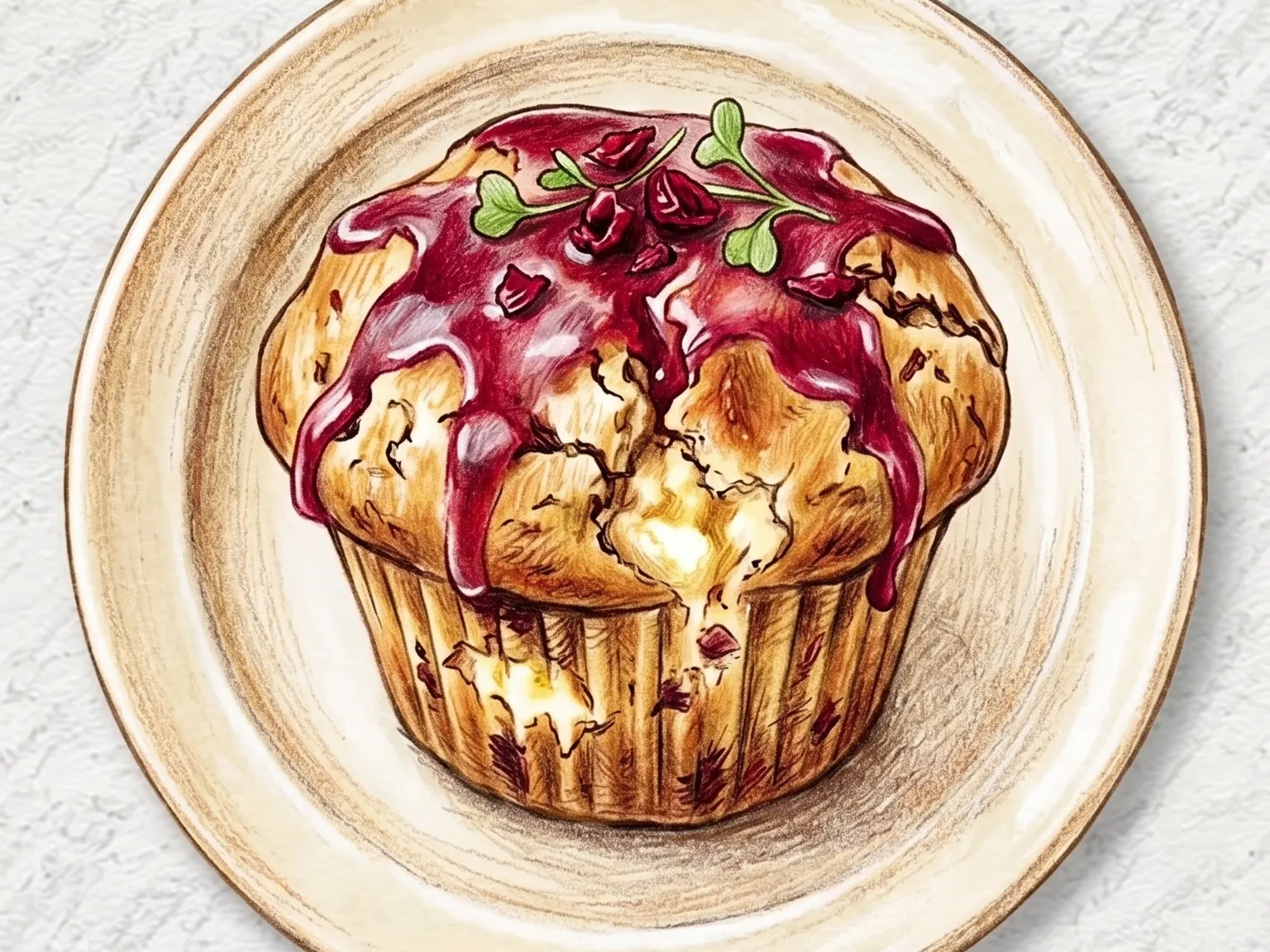
Omija cream cheese muffins mix omija syrup into an oil-based batter and distribute small cream cheese cubes through the crumb. Prepare the hot oven and lined pan before combining the batter so the baking powder does not sit activated in the bowl. Let the cream cheese soften only enough to cut cleanly, then make small cubes. If the pieces turn sticky, chill them briefly so they remain distinct during folding. Whisk the flour, sugar, baking powder, and salt together until no concentrated lumps remain. In a separate bowl, loosen the egg with the milk, grapeseed oil, and omija syrup, reserving a small spoonful of syrup for the finished tops. Pour the wet mixture into the dry ingredients and fold only until a few flour streaks remain. Add the cream cheese and give the batter just a few more turns, which finishes the mixing without making the muffins dense. Fill the paper cups to a similar level and bake until the tops rise into domes, split, and look set. Brush the reserved syrup lightly over the warm surfaces. It adds another layer of color and sweet-tart omija flavor, while the interior retains moist pockets of cream cheese.

🧒 Kid-Friendly
Prep 25min Cook 22min 4 servings
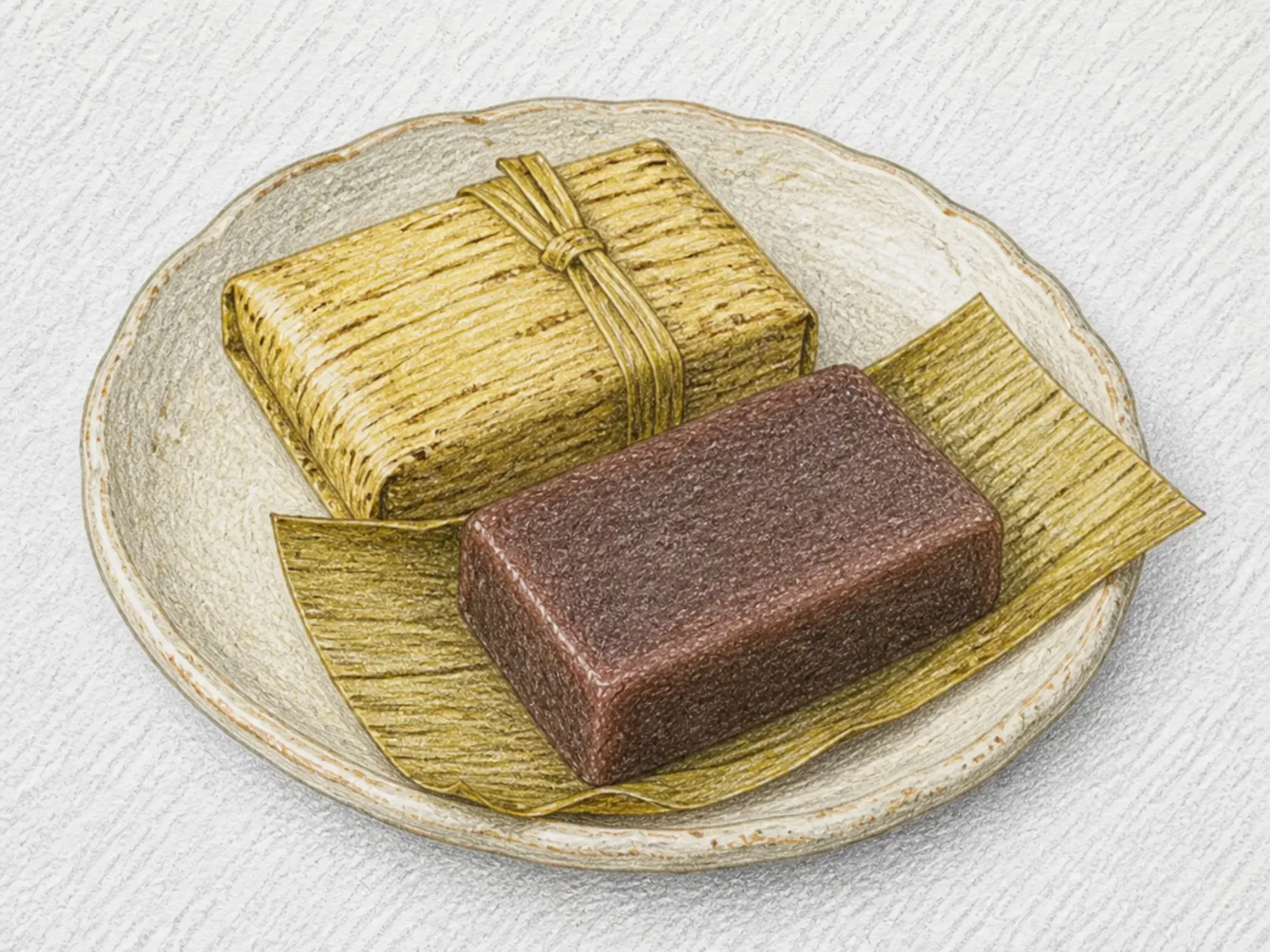
Miso Yubeshi (Steamed Yuzu and Miso Rice Cakes)
Desserts Hard

Miso Yubeshi (Steamed Yuzu and Miso Rice Cakes)

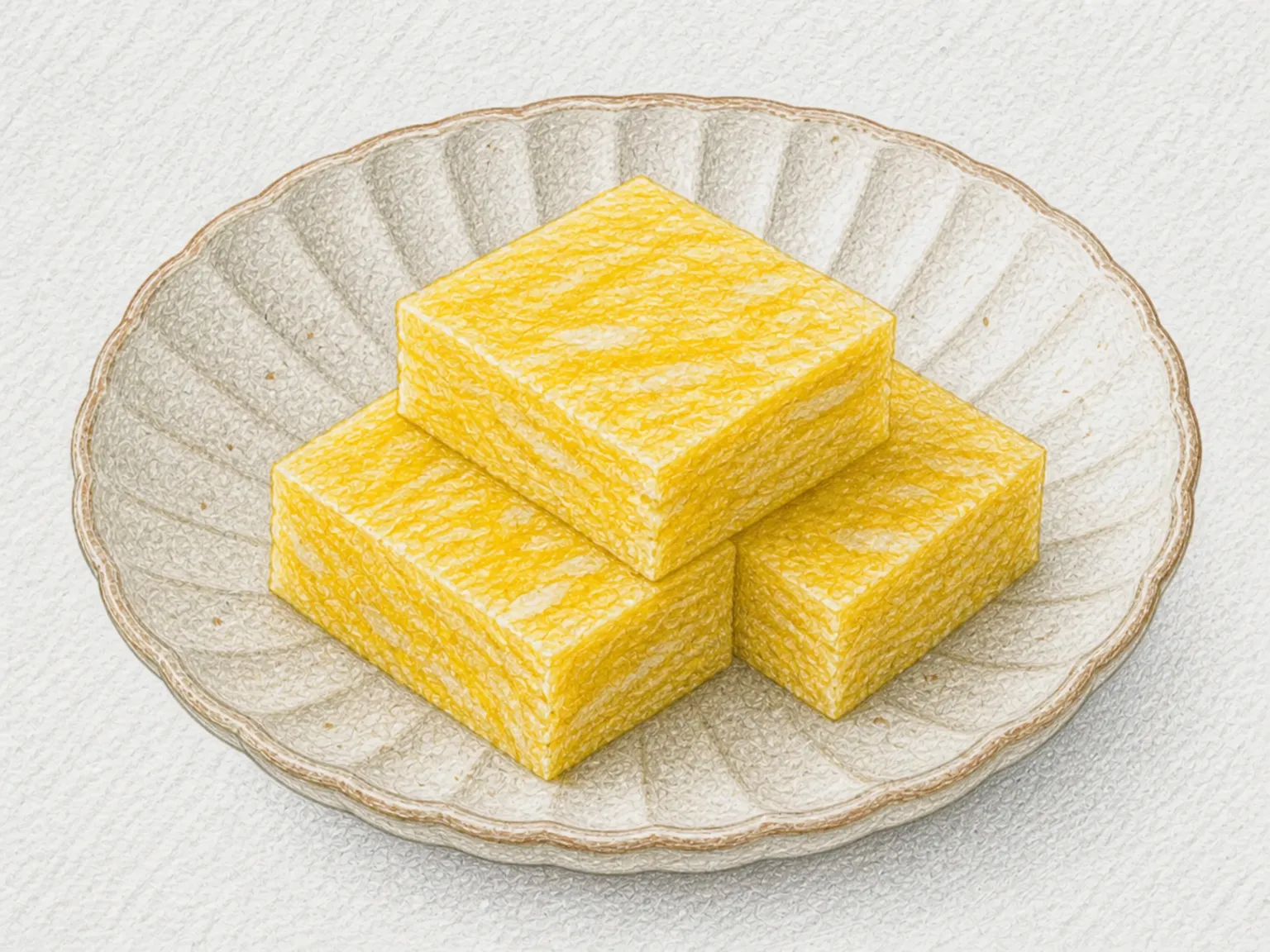
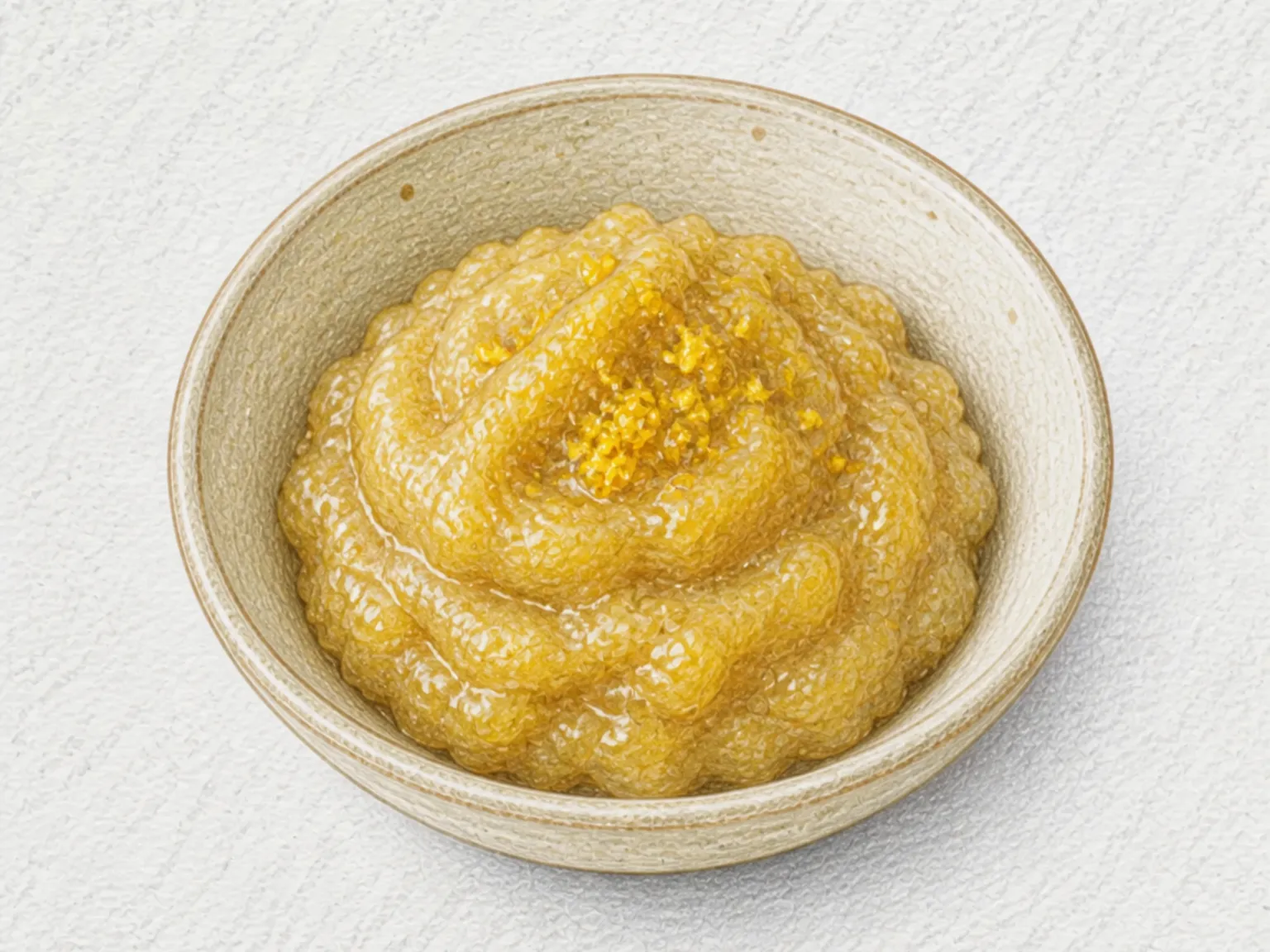
Miso yubeshi is a regional sweet from the Kikuchi area of Kumamoto. Glutinous and non-glutinous rice flours are mixed into a thick hot dough with yuzu, ginger, miso, and sugar. Each portion is flattened, wrapped in an oiled bamboo sheath, tied, and steamed for about 40 minutes. The bamboo holds moisture and adds a mild aroma, while miso tempers the large amount of sugar with savory saltiness. Chewing releases bright citrus and the elastic texture of rice flour. The sweet developed from preserved food that made use of broken rice after harvest. Its texture settles by the next day, when it can be sliced thin; brief reheating or toasting softens pieces that become firm.

🎉 Special Occasion
Prep 50min Cook 50min 15 servings
Opera Cake
Baking Hard

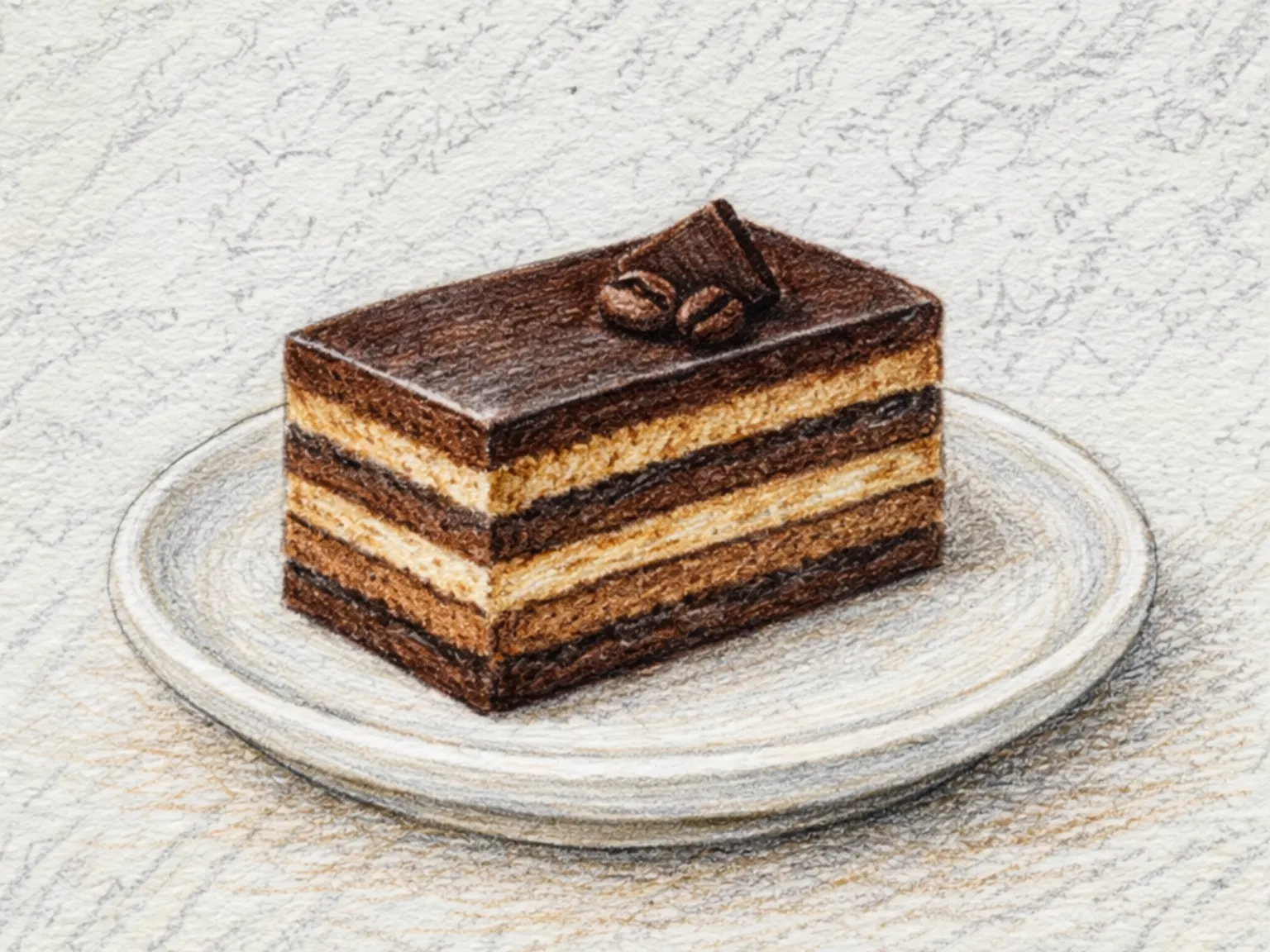
Opera Cake

Opera cake repeats thin sheets of almond-and-egg sponge with espresso buttercream and dark chocolate. Sift the almond flour and powdered sugar together so no dry lumps remain, then mix in the eggs until the batter becomes pale, thick, and even. Spread it into a very thin sheet of consistent depth; an uneven sponge creates a tilted stack once several pieces are layered. Bake until the edges look dry and the surface springs back lightly, then cool the sheet flat before cutting equal sections. For the coffee layer, soften the butter first and add the espresso gradually, mixing after each addition so the liquid is absorbed without separating the cream. Chop the dark chocolate finely and melt it over gentle heat, then let it cool until it can be spread without running through the stack. Build the cake by repeating sponge, a thin level layer of coffee buttercream, and a thin chocolate layer. Smooth more chocolate across the top. Refrigeration for the stated minimum time firms the butter and chocolate enough to stabilize the assembly. Slice it while cold to reveal clean horizontal bands of almond sponge, espresso cream, and dark chocolate.

🎉 Special Occasion 🧒 Kid-Friendly
Prep 90min Cook 20min 10 servings
Yudedago Boiled Dumplings with Brown Sugar and Kinako
Desserts Easy

Yudedago Boiled Dumplings with Brown Sugar and Kinako

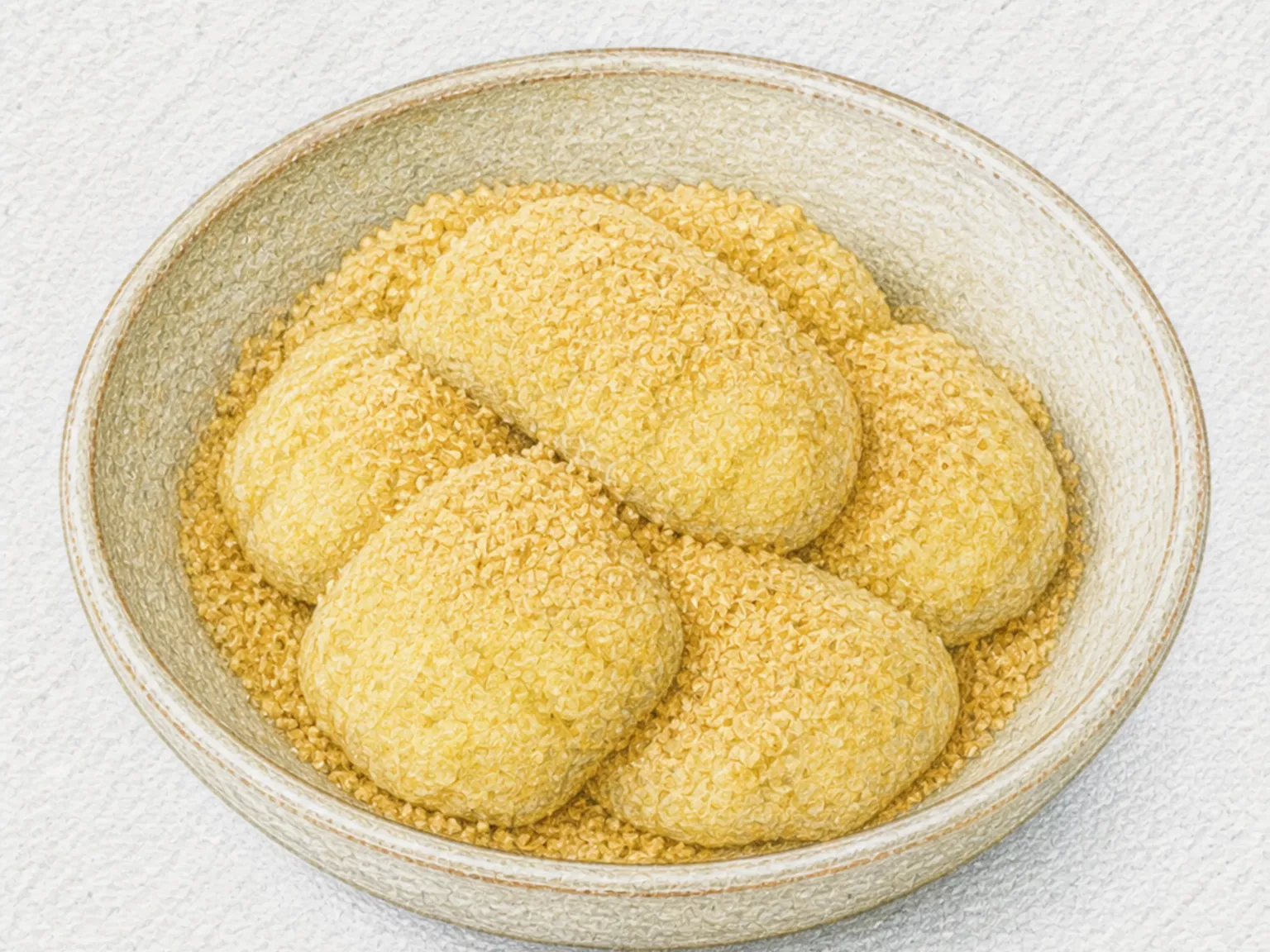
Yudedago is a humble Saga dumpling made by mixing wheat flour, shiratamako, and leftover rice with boiling water, shaping the dough round or flat, boiling it, and finishing it with brown sugar and kinako. The name is a local shortening of yude dango, and it is also called hiradago. Double cropping was common in Saga, where farmers grew wheat after the rice harvest and kept wheat and rice flours on hand. These dumplings became a fieldwork snack or a supplement when a meal was short. Cooked rice in the dough helps them remain soft after cooling. Adjust to earlobe softness, divide into twenty, and boil each through the center.

🧒 Kid-Friendly 🏠 Everyday
Prep 30min Cook 15min 20 servings
Pain au Chocolat
Baking Hard

Pain au Chocolat

Pain au chocolat encloses two dark chocolate batons in a yeasted dough laminated with a sheet of cold butter. Mix the flour, sugar, salt, and yeast evenly, then knead in the milk and dough butter until the surface becomes smooth and elastic. Flatten and refrigerate the dough until firm, while shaping the lamination butter into a thin, even sheet. Enclose the butter completely in the cold dough and perform the repeated single folds, refrigerating after each one. These rests keep the butter from melting into the dough and preserve separate layers. Roll the finished dough into an even rectangle and divide it into equal pieces. Place two chocolate batons at the end of each section and roll firmly without pressing hard enough to compress the lamination. Set the seam underneath on the tray. During the final proof, the pastries should become puffy, wobble slightly, and show visible layers. Brush them with egg wash and bake until the exterior is deep golden and crisp. A short rest on the rack allows the hot chocolate inside to thicken slightly. When opened, the pastry separates along its thin butter layers around two softened lines of dark chocolate.

🎉 Special Occasion 🧒 Kid-Friendly
Prep 120min Cook 18min 8 servings
Honey Rice Puff Cookies (Korean Double-Fried Puffed Glutinous Rice)
Desserts Hard

Honey Rice Puff Cookies (Korean Double-Fried Puffed Glutinous Rice)

Yugwa is a traditional Korean rice puff cookie that is prepared using a base of glutinous rice flour mixed with makgeolli, which is a type of fermented Korean rice wine. This dough is shaped into individual pieces and then left to dry for a duration of at least two hours. This drying period is a mandatory step in the process because any residual moisture within the dough will lead to dangerous oil splattering when the pieces are placed into the frying fat. The cooking process requires a specific two-stage frying technique involving both low and high oil temperatures to facilitate a dramatic expansion of the dough. Tiny air pockets are created within the mixture by the yeast present in the makgeolli during the initial preparation stages. These pockets expand rapidly during the second frying stage at a higher heat, which results in the hollow internal structure that is the defining characteristic of the cookie. Once the frying is complete, the pieces are tossed in a warm glaze consisting of honey and rice syrup. This sticky coating serves to anchor a final layer of puffed rice to the exterior of the cookie. Ground cinnamon is incorporated into the recipe to provide a subtle warm spice that complements the nutty and fermented flavors of the glutinous rice. When consumed, the finished cookie shatters into light, airy shards, offering a texture that is nearly weightless compared to other varieties of Korean confections. Traditionally, yugwa is featured on tables during ancestral rites for the Chuseok and Seollal holidays and remains a common choice for gift-giving during these festive seasons.

🎉 Special Occasion 🧒 Kid-Friendly
Prep 35min Cook 25min 4 servings
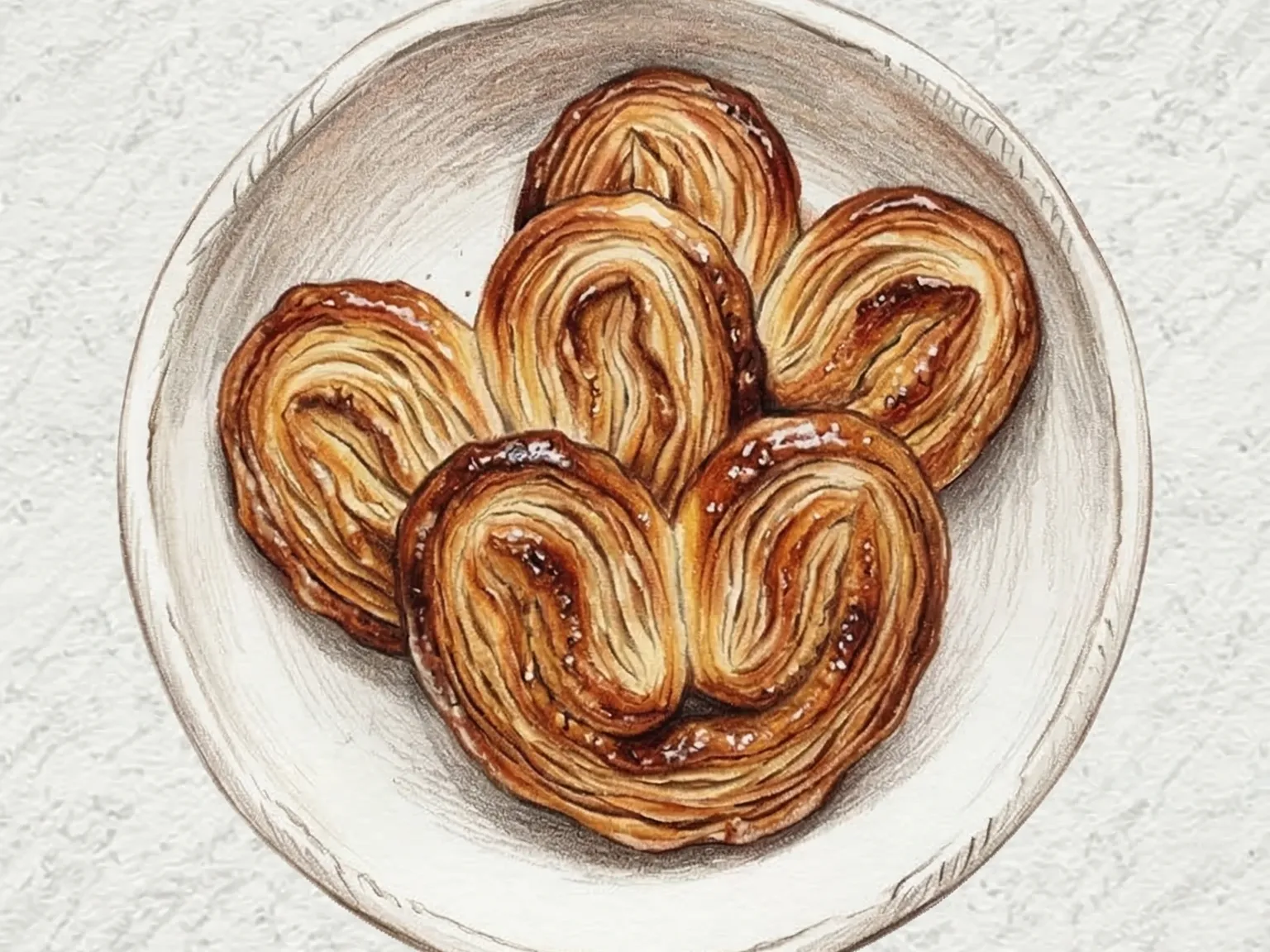
Palmiers
Baking Easy

Palmiers

Puff pastry is coated with a mixture of sugar, cinnamon, salt, and vanilla sugar, rolled inward from both long edges, chilled, and sliced into butterfly-shaped palmiers. Scatter the sugar mixture across the work surface, set the cold pastry on top, and roll only hard enough to attach the coating without flattening the laminated layers. Cover the top with the remaining mixture and roll both sides to an even thickness until they meet at the center. A gentle press joins the two coils, while a short chill firms the log so its cross-section does not collapse under the knife. Cut pieces of equal thickness and leave generous space between them on the tray because the butter and sugar cause the pastry to spread. Bake until the first side looks glossy and the edges have opened, then turn each piece carefully and brown the other face. The sugar remains soft while hot but sets into a crisp amber layer as the cookies cool completely on a rack. Inside that coating, the folded puff pastry separates into light layers and the paired coils retain their symmetrical shape.

🧒 Kid-Friendly
Prep 15min Cook 18min 4 servings
Sweet Chestnut Confection
Desserts Medium

Sweet Chestnut Confection

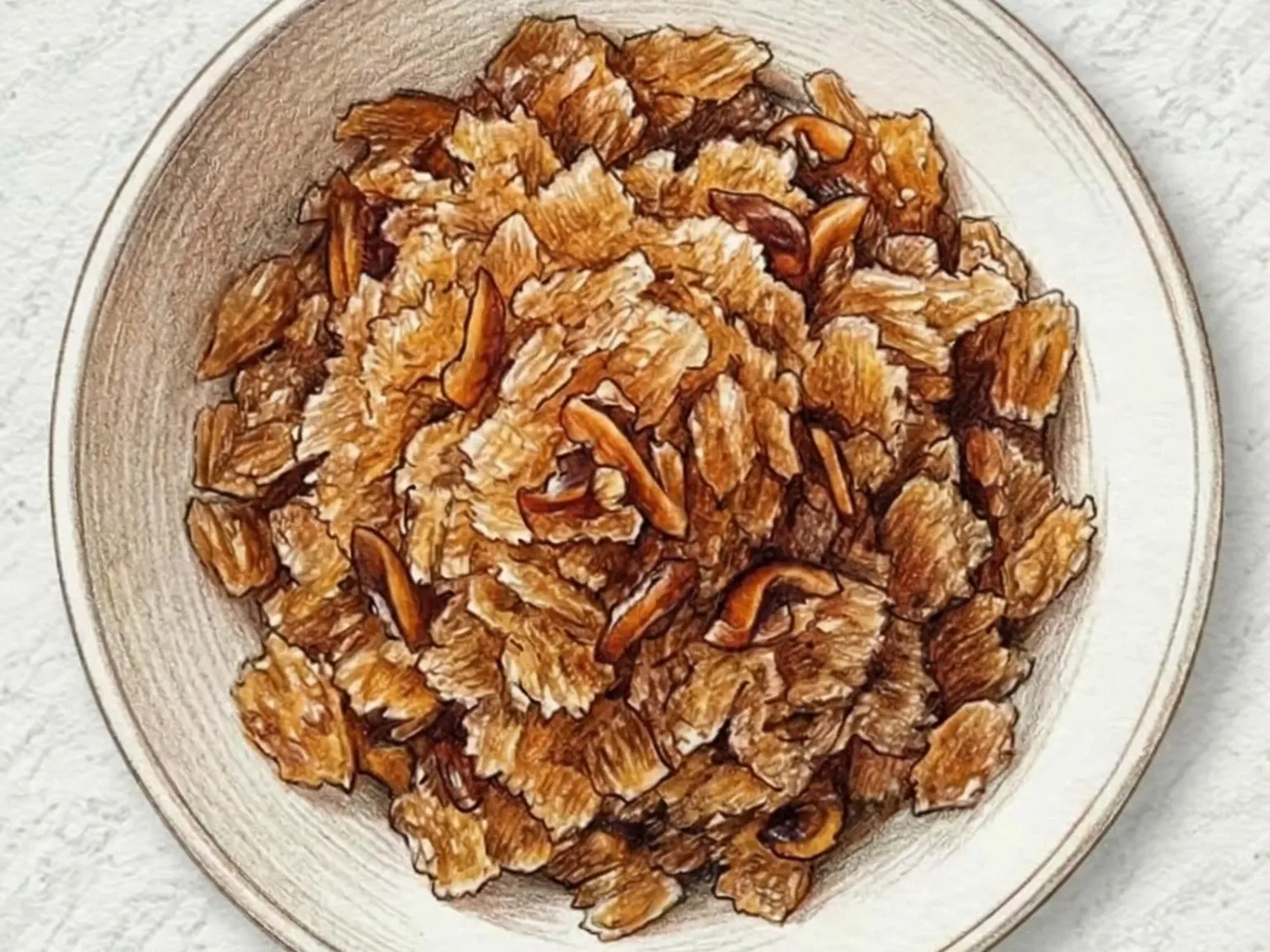
Yulran is a traditional Korean chestnut confection that is prepared by boiling 300 grams of chestnuts in water for a duration of 20 minutes. Once the boiling process is complete, the chestnut flesh is removed from the shells and pressed through a fine sieve. This manual pressing continues until the texture becomes perfectly smooth. The purpose of using a sieve is to eliminate any grainy bits, which results in a chestnut paste with an even and velvety consistency. This puree is then kneaded together with a combination of honey and ground cinnamon. After the ingredients are thoroughly mixed, the paste is shaped into small, bite-sized rounds. The honey used in this recipe serves as both a source of moisture and a necessary adhesive. Its sticky property provides the strength required for the confection to hold its molded shape effectively without crumbling into pieces. Ground cinnamon is included to provide a warm spice note. This flavor is chosen because it complements the starchy and earthy sweetness of the chestnut rather than competing with the natural profile of the nut. Following the shaping process, each piece is rolled in ground pine nuts. This step coats the exterior in a mild nuttiness and introduces a subtle textural contrast against the smooth paste contained within. For a final visual touch, thin slices of jujube are placed on top as a garnish to provide a stroke of red color. The finished rounds are then placed in the refrigerator to chill for 15 minutes. This cooling period firms the surface of the paste just enough so that the confections can be picked up cleanly with the fingers without sticking to the skin. Historically, Yulran was a common fixture on the ceremonial and banquet tables of the Joseon court. It was valued for its clean and understated sweetness, which allows the natural flavor of the chestnut to remain the central focus.

🎉 Special Occasion 🧒 Kid-Friendly
Prep 25min Cook 20min 2 servings
Pan de Elote
Baking Easy

Pan de Elote

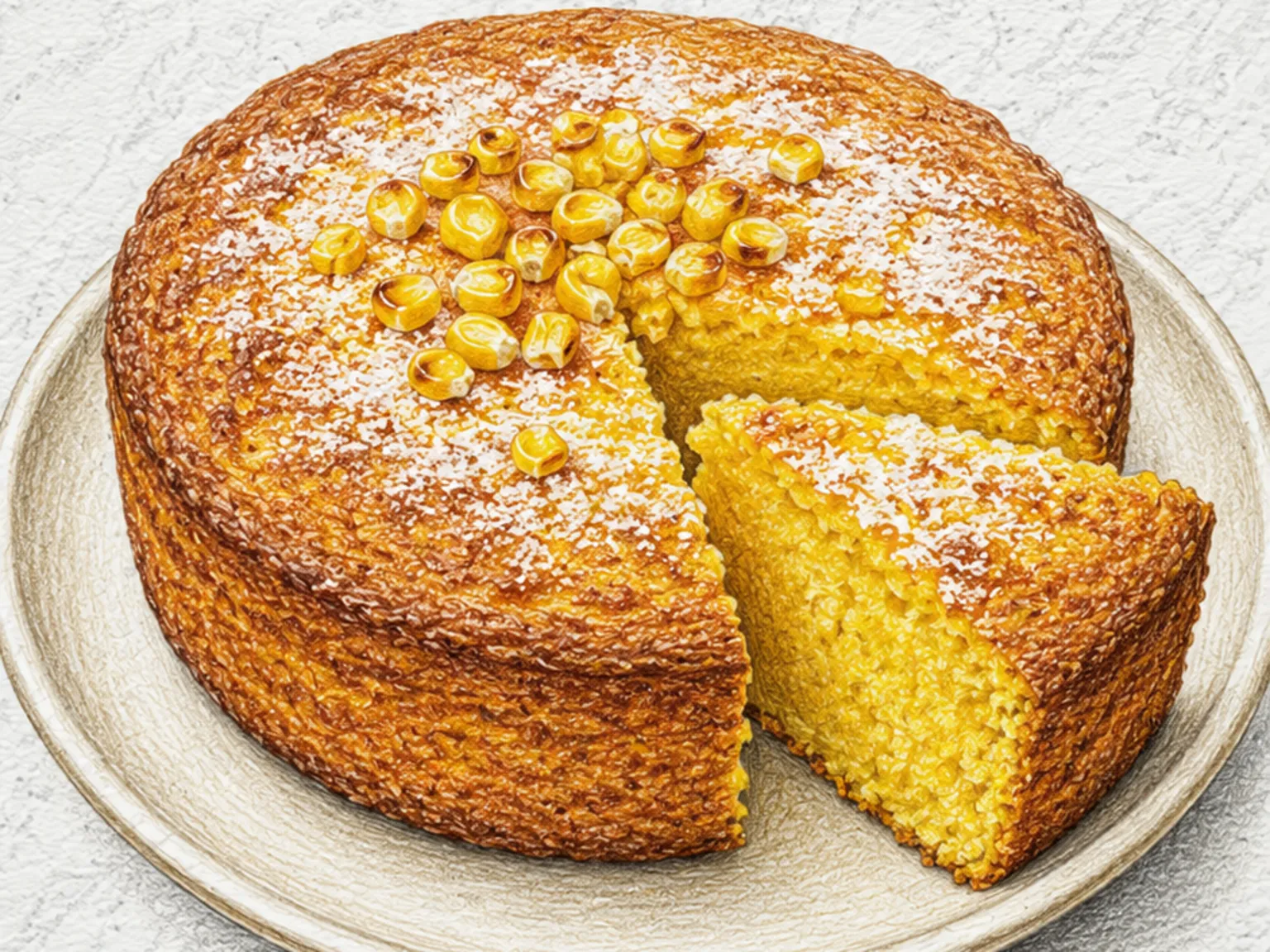
Pan de elote blends corn kernels with heavy cream and eggs, then folds that mixture into a butter cake batter baked in a loaf pan. If frozen corn is used, thaw it completely, press out excess liquid, and measure it after draining so the batter ratio does not change. Pulse the corn, cream, and eggs only until large kernels are nearly gone, avoiding enough blending to make the mixture warm or foamy. In a separate bowl, beat softened butter and sugar until lighter, then add the corn mixture in several portions and scrape the bowl between additions. Sift in the flour, baking powder, and salt, folding from the bottom only until no dry streaks remain. Pour the batter into the parchment-lined pan and level the surface so the center and edges bake at a consistent depth. Keep the oven closed while the middle is setting. The cake is ready when the top is golden and a skewer comes out without wet batter. Let it cool briefly in the pan before lifting it out. Corn blended directly into the batter distributes its color and flavor through the slice, while the butter and cream produce a dense, tender crumb rather than an airy sponge.

🧒 Kid-Friendly 🎉 Special Occasion
Prep 20min Cook 45min 4 servings
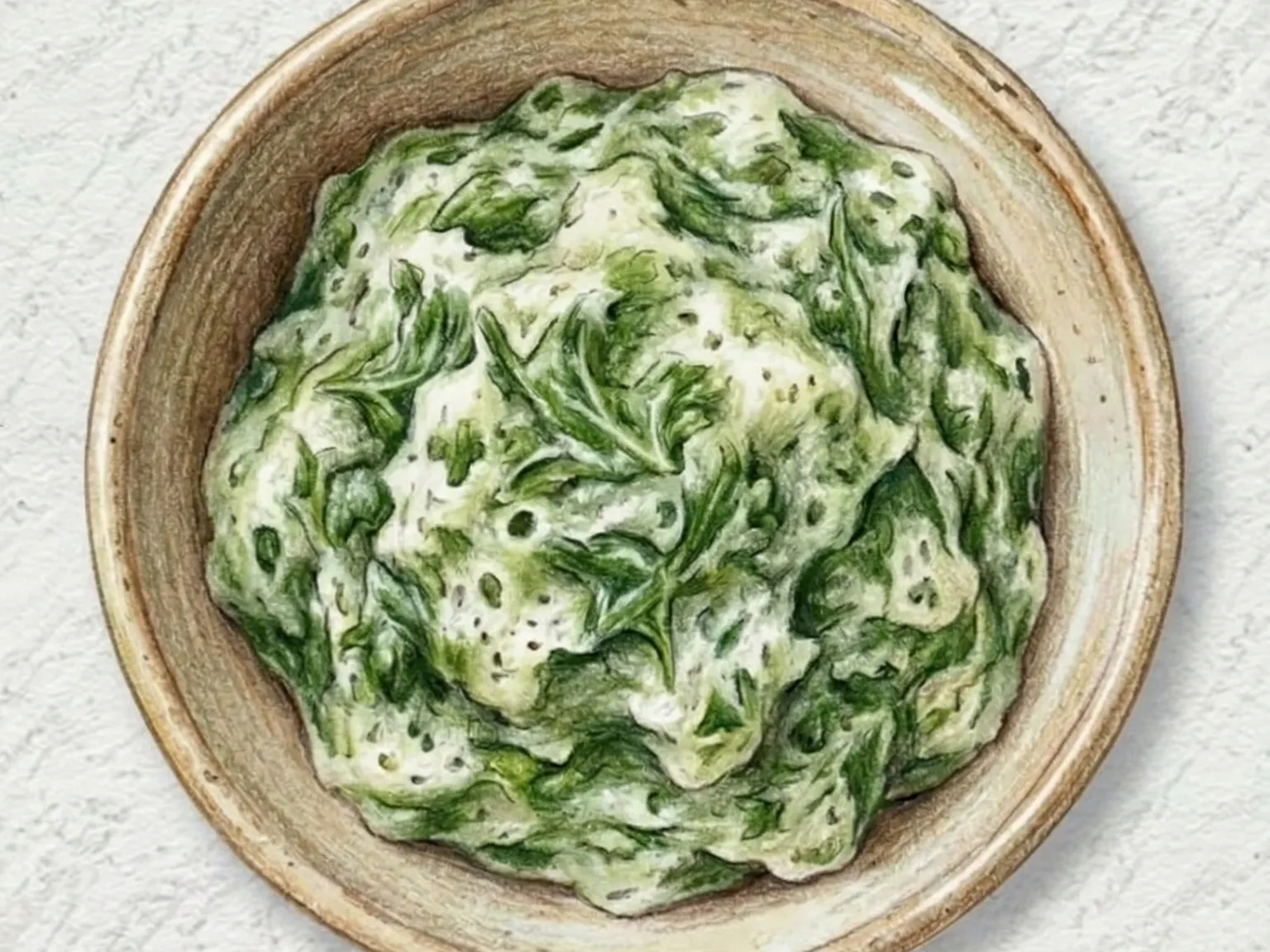
Zabaglione (Italian Warm Marsala Egg Yolk Custard Cream)
Desserts Medium

Zabaglione (Italian Warm Marsala Egg Yolk Custard Cream)

Zabaglione is a warm Italian dessert custard made from just three ingredients: egg yolks, sugar, and Marsala wine. The yolks and sugar are whisked vigorously over a bain-marie until they double or triple in volume, forming a pale, foamy cream with a satiny sheen. Marsala is added in a slow stream while whisking continues; the alcohol cooks off, leaving behind a sweet, nutty wine fragrance that permeates the custard. The finished texture is airy and mousse-like, light enough to pool gently on a spoon without feeling heavy. Served warm in a glass alongside fresh strawberries or blueberries, the fruit's tartness sharpens the custard's sweetness into something more balanced. The entire preparation takes under fifteen minutes but demands careful temperature control.

🎉 Special Occasion
Prep 10min Cook 12min 2 servings
Pandoro
Baking Hard

Pandoro

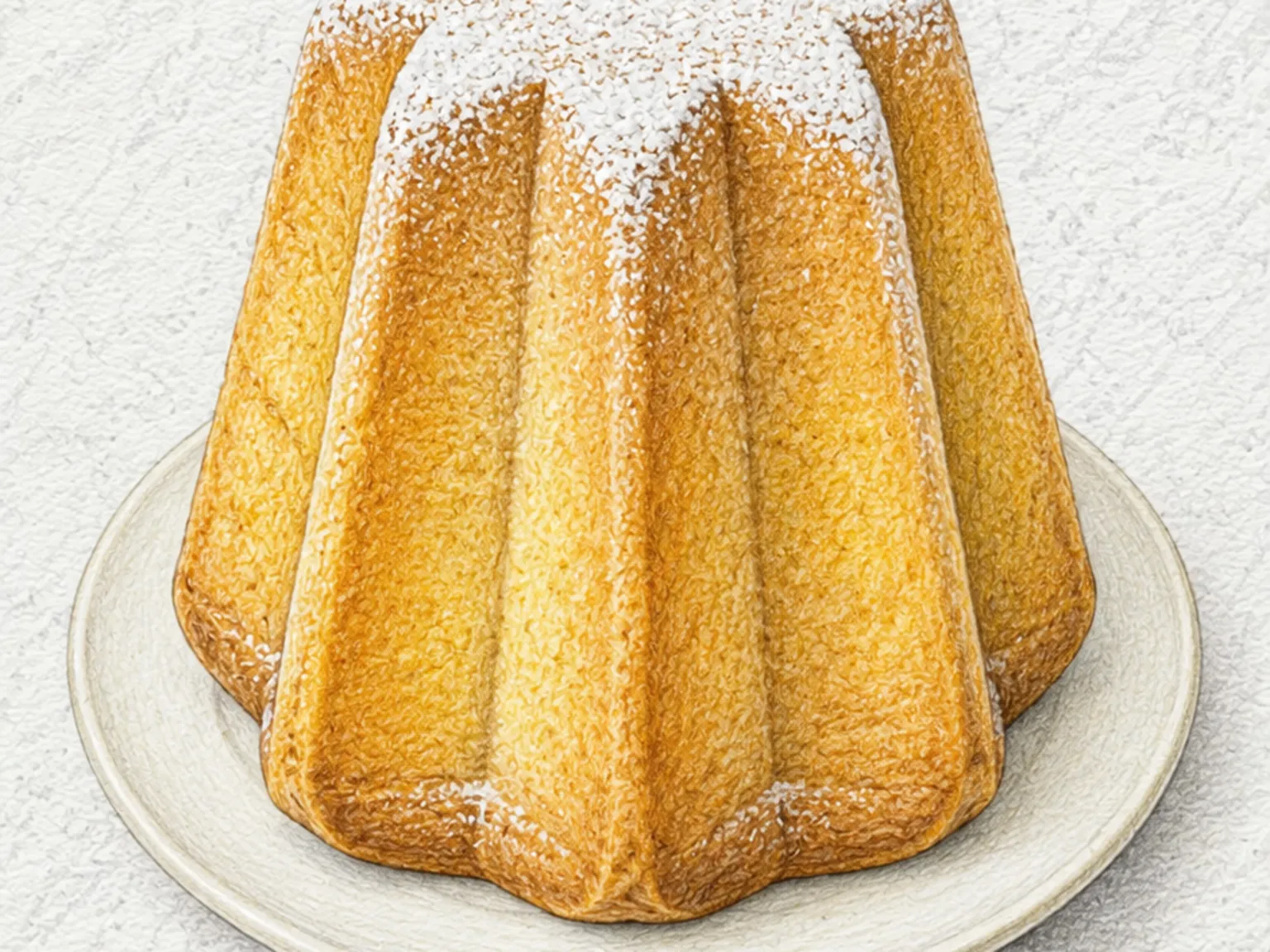
Pandoro is an enriched yeast bread made with milk, egg yolks, sugar, vanilla, and a substantial amount of butter. The dough begins with a small sponge of yeast, milk, and 100 g of the bread flour. After 20 minutes, the remaining flour, sugar, salt, yolks, and vanilla are kneaded into that sponge until the mixture develops enough strength to pull away from the bowl. The 130 g of softened butter is then incorporated in three additions. Waiting until each portion disappears into the dough before adding the next keeps loose butter from coating the surface and allows the finished dough to stretch thinly without tearing immediately. The first proof takes place at 26-28°C until the dough is nearly doubled. A fold and a 30-minute chill make the rich, soft dough easier to round tightly before it goes into the star-shaped mold. During the second proof, the dough should rise to about 80 percent of the mold height, leaving room for it to expand in the oven. Baking at 175°C for 35-40 minutes gives the top a deep golden color and sets the tall loaf. Brief cooling in the mold supports the shape, while complete cooling after unmolding prevents the warm crumb from being compressed during slicing.

🎉 Special Occasion 🧒 Kid-Friendly
Prep 45min Cook 40min 4 servings
Panettone
Baking Hard

Panettone

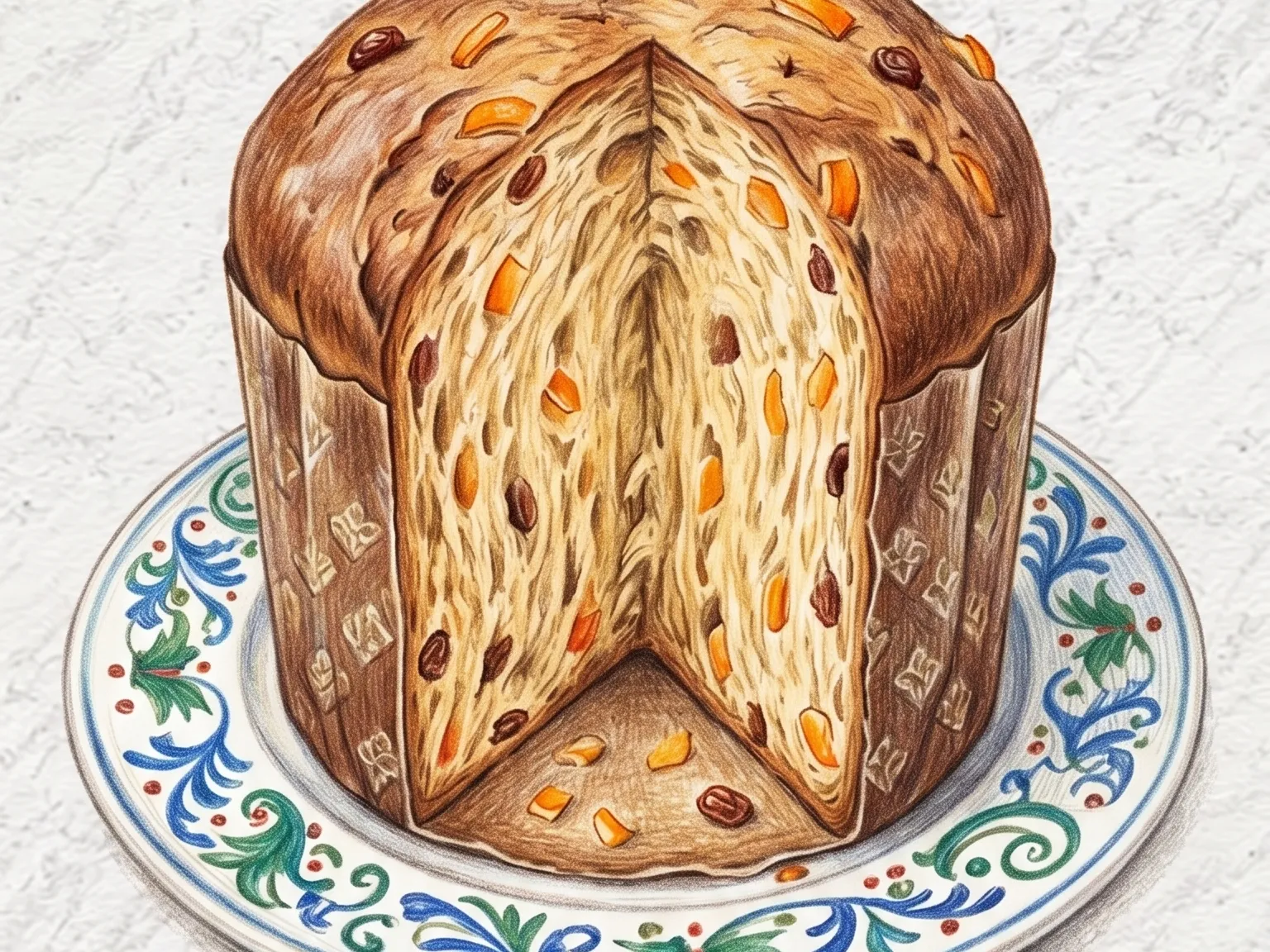
Panettone is a tall enriched bread made by folding 120 g of raisins and 60 g of candied orange peel into a dough containing eggs and butter. The process starts by stirring the dry yeast into the milk and waiting 10 minutes for light foam to appear. That check takes place before the flour is mixed, so weak yeast can be identified before the enriched dough is assembled. Bread flour, sugar, and eggs are combined with the yeast milk until no dry patches remain. The 100 g of softened butter is then added in small portions and kneaded in thoroughly. Once the surface is no longer coated with loose butter and the dough can stretch without tearing easily, the fruit is folded through it without being crushed. Even distribution matters because the raisins and orange peel should remain present across the baked slices rather than collecting in one section. The first proof is judged by increased volume and an indentation that returns slowly after the dough is pressed. After the rounded dough goes into a tall cylindrical mold, it proofs again until the top has risen noticeably. A shallow cross is cut into the surface before the loaf bakes at 175°C for 35-40 minutes. The browned loaf is supported with skewers and suspended upside down until completely cool. Cooling in that position helps the tall, butter-rich bread retain its shape instead of settling at the dome.

🎉 Special Occasion 🧒 Kid-Friendly
Prep 50min Cook 40min 8 servings
Paris-Brest
Baking Hard

Paris-Brest

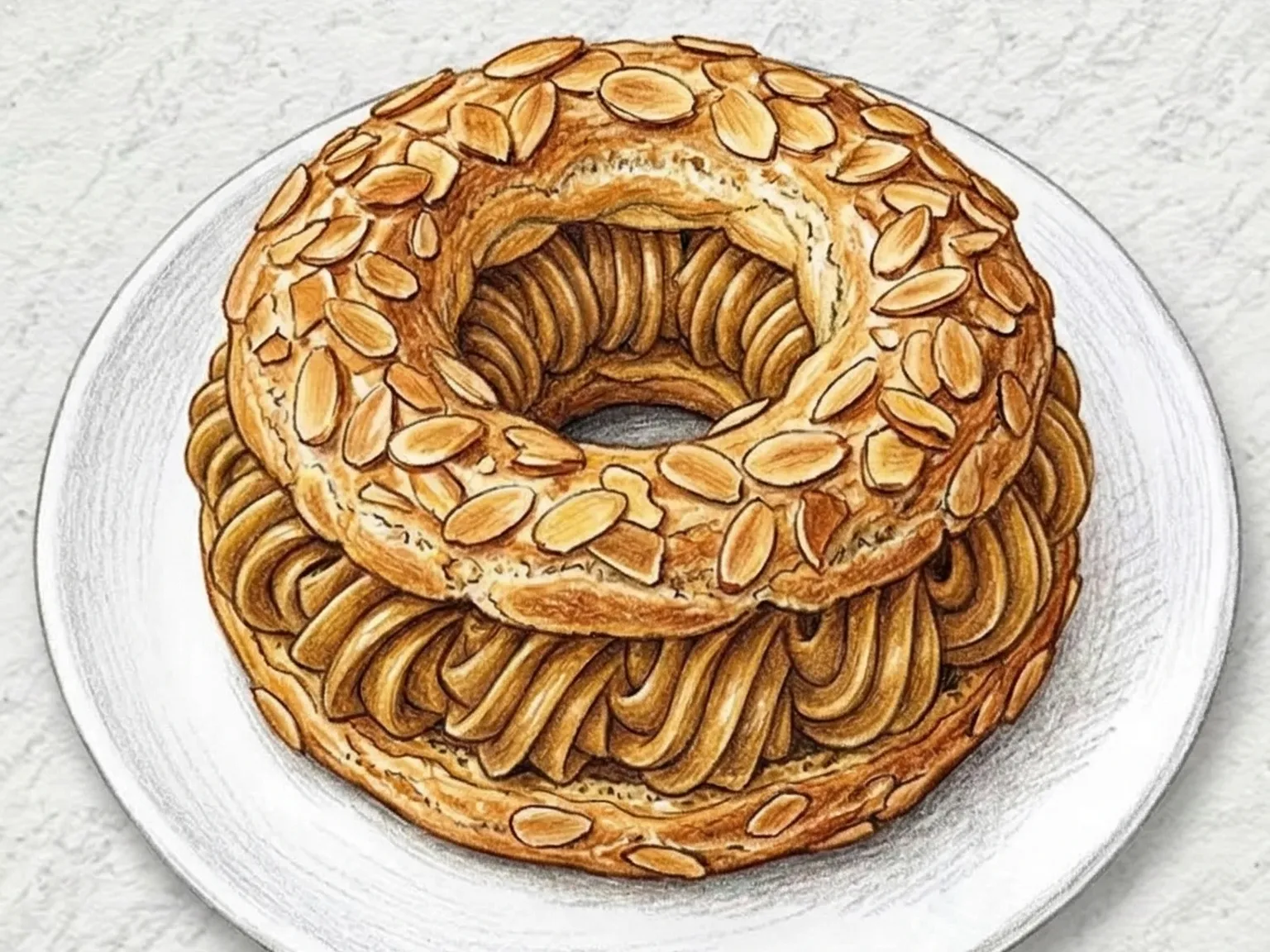
Paris-Brest is made by piping choux pastry into a ring, baking it with sliced almonds, and filling the cooled shell with hazelnut praline whipped cream. This recipe uses heavy cream and praline paste for the filling rather than a butter-based mousseline. The choux begins when the water and butter reach a full boil and the butter has melted completely. Cake flour is added all at once, then the paste is stirred over low heat for about 2 minutes. A thin film on the bottom of the pan shows that enough moisture has cooked away. The paste is moved to a bowl and allowed to release steam before the eggs are incorporated, since adding them while it is too hot can cook them. The four beaten eggs are added in three or four portions, with the consistency checked after every addition. When the paste falls slowly from the spatula in a V shape, no more egg is needed even if some remains. That stopping point allows the piped ring to hold its outline while still expanding in the oven. Sliced almonds are pressed lightly onto the surface. The ring first bakes at 190°C to puff, then at 170°C until the shell is dry and deeply golden. Only after it has cooled completely is it split and filled with cream whipped to firm peaks, sugar, and hazelnut praline paste. A short chill firms the assembled filling before the pastry is cut.

🎉 Special Occasion 🧒 Kid-Friendly
Prep 45min Cook 40min 6 servings
Pavlova
Baking Medium

Pavlova

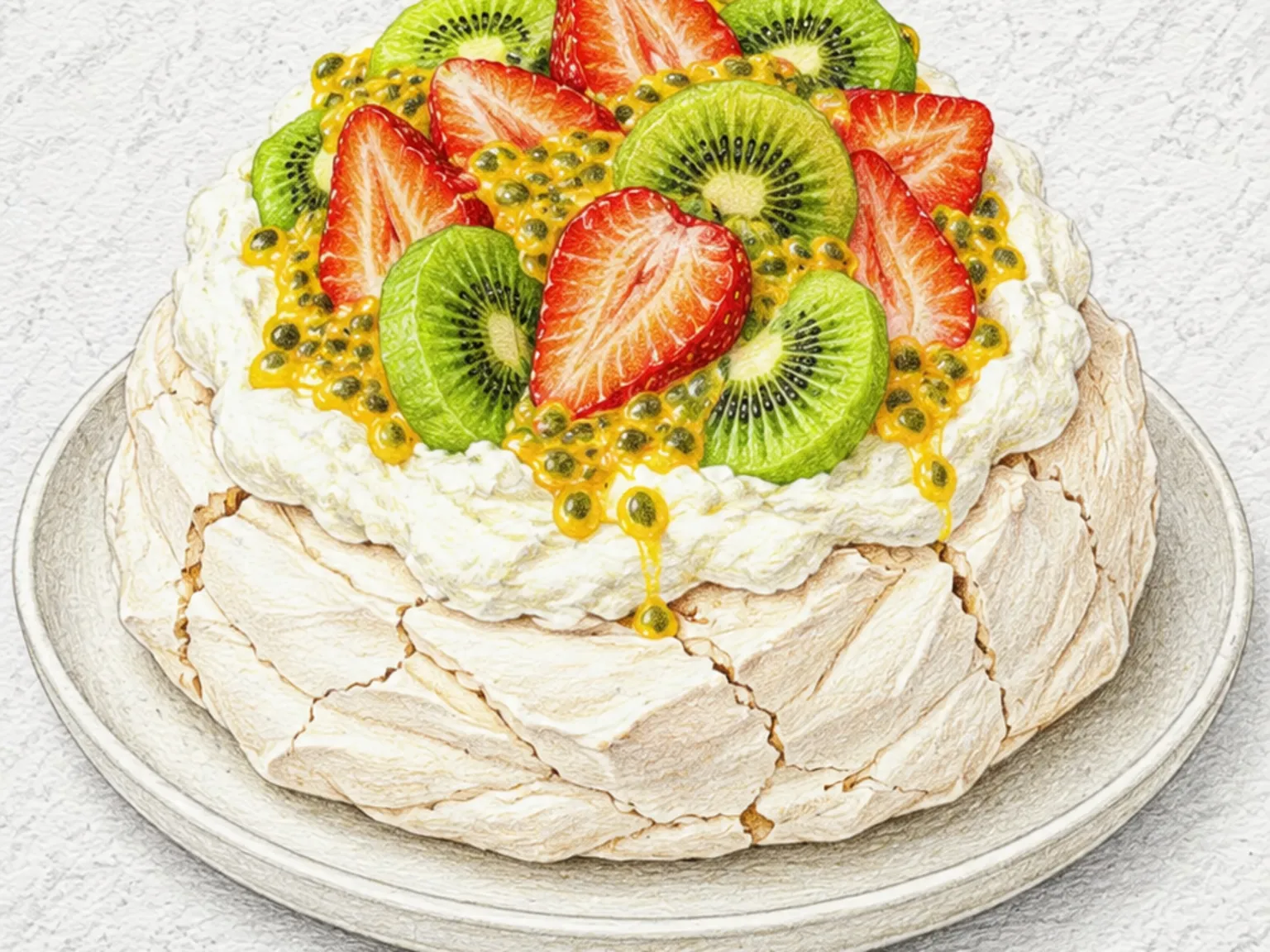
Pavlova is assembled from a low-baked meringue base, softly whipped cream, strawberries, and kiwi. The four egg whites go into a clean, dry bowl with no yolk, water, or grease present. They are beaten on medium speed until white and foamy before the 220 g of sugar is added gradually. The meringue is ready for the remaining ingredients when it looks glossy, feels thick, and holds peaks that do not fold over. One teaspoon each of white vinegar, cornstarch, and vanilla is folded through with broad strokes from the bottom of the bowl. Mixing stops as soon as no streaks remain so the air already incorporated into the whites is retained. The meringue is spread into a round with a shallow depression in the center, which creates a place for the cream and fruit after baking. It spends 1 hour 30 minutes at 100°C, a temperature intended to leave the shell pale while drying the outside. Keeping the oven door closed limits abrupt temperature changes during baking. At the end, the oven is turned off and the base cools completely inside before it is moved or topped. Cold heavy cream is whipped only to soft peaks so it can be spread without pressing hard on the shell. The 200 g of strawberries and two sliced kiwis are added just before serving, limiting the time their juice sits on the meringue.

🎉 Special Occasion 🧒 Kid-Friendly
Prep 20min Cook 90min 8 servings
Peach Cobbler
Baking Easy

Peach Cobbler

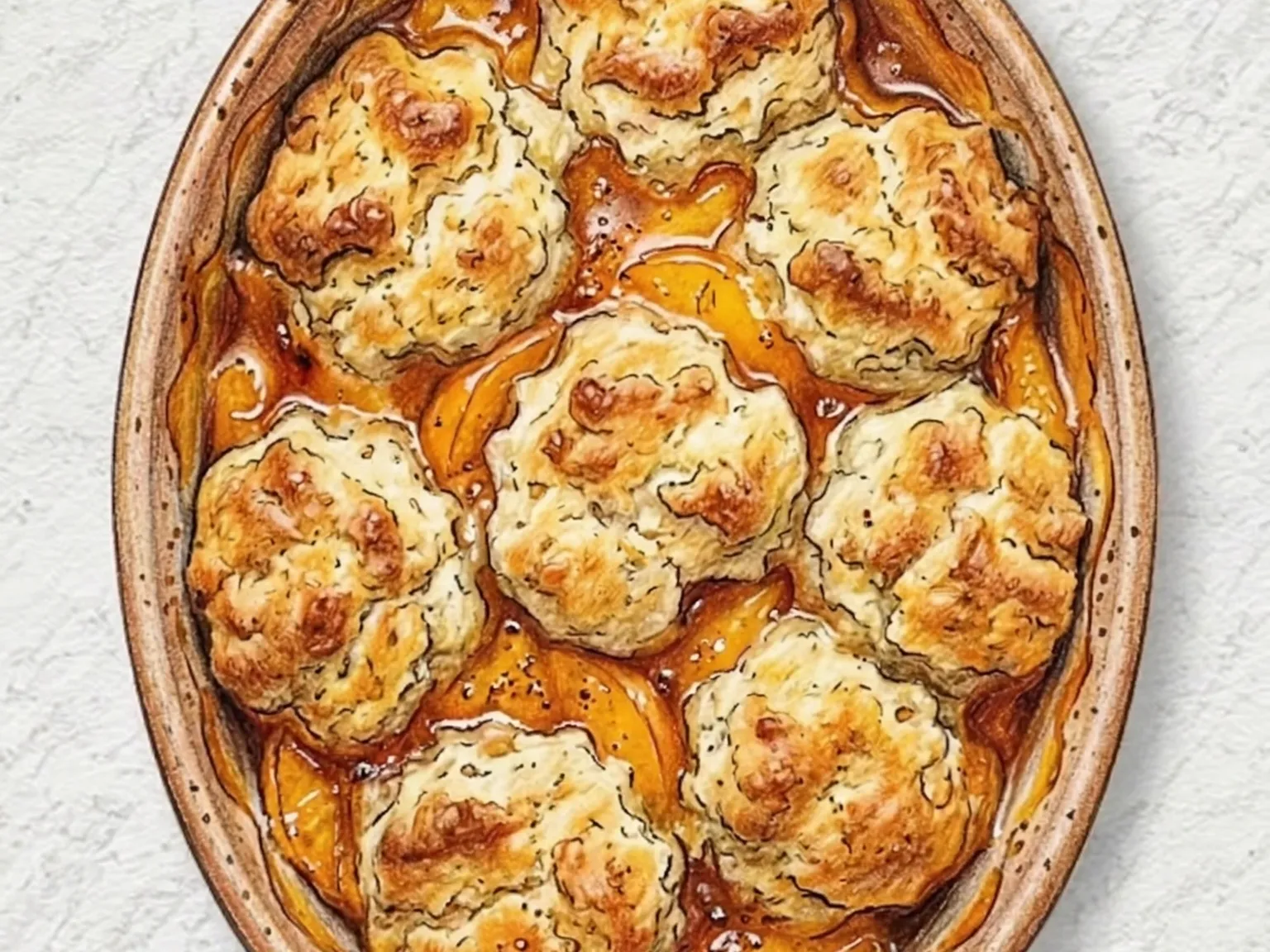
Peach cobbler is built from a layer of sliced peaches and a spooned topping made with flour, milk, and melted butter. The 500 g of peaches are cut into pieces that are not too thin, then mixed with part of the sugar and one tablespoon of lemon juice. A 5-minute rest draws out enough juice to taste the fruit before it goes into the baking dish. If the peaches remain notably tart, the instructions allow one additional tablespoon of sugar at this stage. The topping starts with 160 g of cake flour, baking powder, and the remaining sugar. Visible lumps are broken up before the milk and 70 g of melted butter are added. Mixing stops as soon as the dry flour disappears, which avoids repeatedly working the batter after it has come together. Spoonfuls are placed over the fruit with small spaces between them instead of being spread into one sealed layer. Those openings give the peach juices a route to bubble between the portions while the exposed tops brown. The cobbler bakes at 180°C for 35-40 minutes. A golden surface and juices visibly bubbling around the edges are the two doneness cues in this recipe. After removal from the oven, a 10-minute rest lets the hot fruit layer settle before portions are lifted from the dish.

🧒 Kid-Friendly 🎉 Special Occasion
Prep 20min Cook 40min 4 servings
Bae Saenggang Galette (Pear Ginger Galette)
Baking Medium

Bae Saenggang Galette (Pear Ginger Galette)

The construction of this pear and ginger galette involves a roughly shaped circle of buttery pastry dough. Thinly sliced pears are distributed across the surface, after which the outer edges are folded inward to create a rustic, free-form tart. Fresh ginger juice is used to introduce a warm and slightly spicy element that emphasizes the clean sweetness of the fruit without becoming the primary flavor. The addition of brown sugar and ground cinnamon serves to add depth to the fruit filling. To prevent the pastry base from becoming soggy, cornstarch is used to soak up any excess liquid released by the fruit during baking. Throughout the baking process, the visible sections of the crust turn a deep golden brown while the pear slices soften into translucent and jammy layers. If the pears appear to be releasing too much moisture during the preparation phase, the slices can be patted dry before they are arranged on the dough to keep the crust from losing its structure. Maintaining the cold temperature of the butter within the dough is necessary for achieving a flaky texture, so the pastry should be returned to the refrigerator whenever it begins to soften during handling.

🎉 Special Occasion 🧒 Kid-Friendly
Prep 25min Cook 38min 4 servings
Pecan Pie
Baking Medium

Pecan Pie

Pecan pie is assembled by spreading pecans in an unbaked pie crust and covering them with a filling of eggs, brown sugar, corn syrup, melted butter, and vanilla. The crust is first pressed firmly against the bottom and sides of the pan so the base lies flat beneath the liquid filling. Three eggs are loosened before 120 g of brown sugar is mixed in until most visible grains have diminished. The 150 ml of corn syrup, 40 g of melted unsalted butter, and one teaspoon of vanilla are then stirred through. The mixture should look even, with no streaks of butter floating across the surface. Mixing without whipping in excessive air also keeps the top from becoming needlessly foamy. The 180 g of pecans are distributed across the crust before the filling is poured slowly, preventing the nuts from being pushed into one side of the pan. Some pecans are nudged back toward the surface after pouring. The pie bakes at 175°C for 45-50 minutes. Its edges should be set while only the center still moves slightly when the pan is disturbed. If the nuts or filling darken too quickly, a loose foil cover protects the surface for the remainder of the bake. The center continues to firm as the pie cools, so complete cooling at room temperature is part of the setting process. Wiping the knife between cuts keeps the syrupy residue from dragging across subsequent slices.

🎉 Special Occasion 🧒 Kid-Friendly
Prep 20min Cook 50min 4 servings
Perilla Honey Muffins
Baking Easy

Perilla Honey Muffins

Perilla honey muffins combine ground perilla seeds with honey, brown sugar, milk, and neutral oil in a quick batter. The dry bowl contains 170 g of all-purpose flour, 30 g of ground perilla, 6 g of baking powder, and 2 g of salt. These ingredients are mixed until their color looks even and any visible flour or perilla clumps have been broken apart. In a separate bowl, one egg is loosened before 110 ml of milk, 55 g of honey, 45 ml of neutral oil, and 35 g of brown sugar are added. Whisking continues until the honey is dispersed through the liquid and the sugar grains have become less prominent. The wet mixture is poured into the dry ingredients all at once. A spatula lifts the batter from the bottom, and mixing stops within 10-12 strokes while a few pale traces remain. This deliberate limit prevents the batter from being repeatedly worked after the ingredients have nearly combined. The mixture is divided among six lined muffin cups, filling each to about 80 percent so there is room above the batter as it rises. A small amount of ground perilla is sprinkled across the tops before the tray goes into a 180°C oven for 20-22 minutes. A skewer inserted into the center should come out without wet batter. The muffins remain in the tray for 5 minutes before they are moved to a rack to finish cooling outside the hot pan.

🧒 Kid-Friendly
Prep 15min Cook 22min 4 servings
Persimmon Spice Pound Cake
Baking Medium

Persimmon Spice Pound Cake

Persimmon spice pound cake is a dense, buttery loaf made with finely chopped dried persimmon folded into the batter, scented with cinnamon and nutmeg. The natural sweetness of dried persimmon keeps the sugar level modest while contributing a concentrated, jammy richness to every slice. Chewy morsels of persimmon distributed through the crumb provide bursts of intense dried-fruit flavor amid the buttery cake. Cinnamon and nutmeg give the loaf its warm, autumnal character, making it a natural fit for the cooler months when dried persimmon is most abundant. The batter should be mixed only until the ingredients just come together; overmixing develops excess gluten and produces a tough, dense result rather than the moist, tender crumb the cake depends on. Resting the cake at room temperature for two days allows the spices to fully penetrate the crumb and the dried persimmon to meld with the surrounding butter base, deepening the flavor considerably. The cake pairs naturally with warm tea or black coffee. Slicing and toasting briefly before serving crisps the outer surface and revives the butter fragrance.

🧒 Kid-Friendly 🎉 Special Occasion
Prep 20min Cook 50min 4 servings
Pineapple Upside-Down Cake
Baking Medium

Pineapple Upside-Down Cake

Pineapple upside-down cake is baked with brown sugar and pineapple rings at the bottom of the pan, then inverted so that arranged fruit becomes the top. The six pineapple rings are patted thoroughly dry before they enter the pan. Some of the 140 g of unsalted butter coats the bottom and sides in a thin layer, and 90 g of brown sugar is spread evenly across the base. The rings are placed close together so that large uncovered gaps do not collect the melting sugar and butter in one area. The remaining butter is beaten with 110 g of sugar until the mixture looks lighter and creamy. Two eggs are incorporated one at a time, with each mixed in before the next is added. The 150 g of cake flour and 90 ml of milk are then folded in as alternating additions. Mixing stops as soon as no dry flour remains, avoiding additional work after the batter has come together. The batter is spread gently from the center toward the edges so the pineapple pattern beneath it does not shift. The cake bakes at 175°C for 35-40 minutes. A skewer with no wet batter attached and a set surface indicate that the cake is ready to leave the oven. It cools in the pan for 10 minutes before a knife is run around the perimeter. Placing the serving plate over the pan and turning both together reveals the pineapple and melted brown-sugar layer while the cake is still warm enough to release.

🎉 Special Occasion 🧒 Kid-Friendly
Prep 20min Cook 40min 4 servings

About Desserts

Sweet treats brighten the day and add a little joy to the routine. From no-oven quick desserts to traditional confections that take patience and care, find the right recipe for any occasion.