Strawberry Shortcake
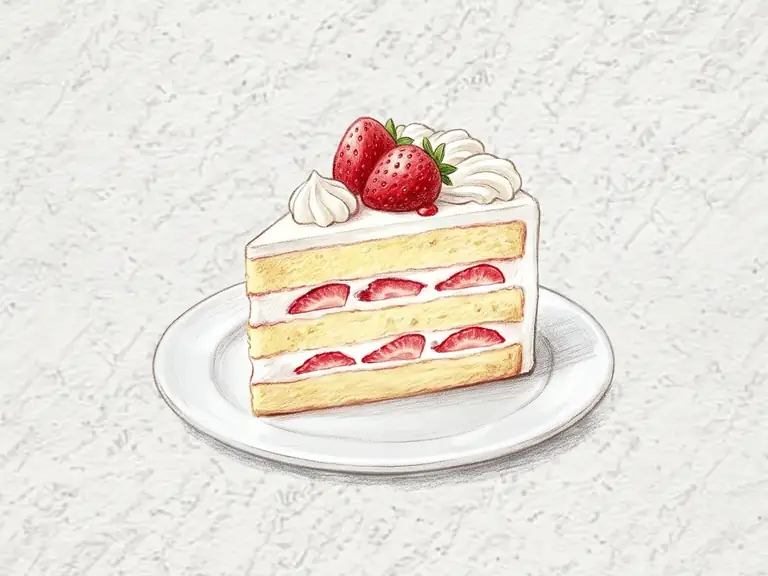
This is the shortcake you see in Japanese bakeries: three layers of airy sponge, raised only by whipped eggs, filled with cream and sliced strawberries. Pick out the best-looking berries for the top before you slice the rest.
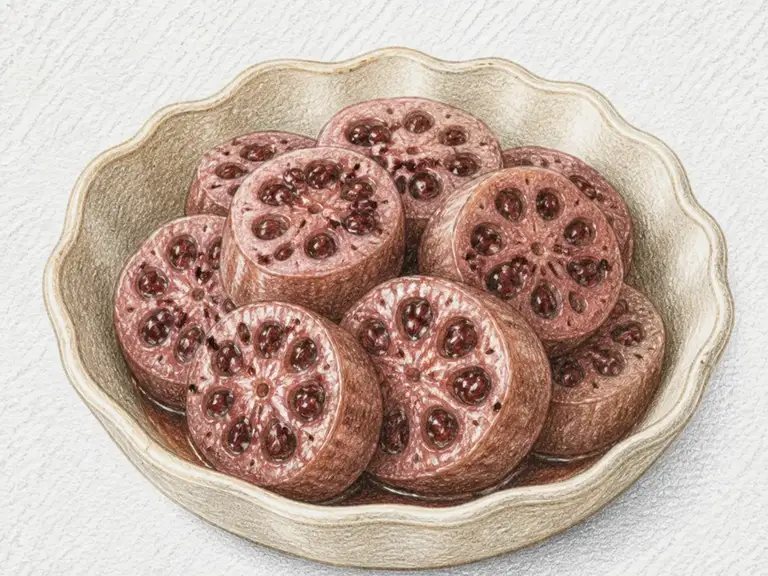
With a few azuki beans in each channel of the lotus root, every round sliced from the finished piece shows a white flower pattern studded with dark red beans. It is a home dish from Ibaraki Prefecture, made with lotus root from around Lake Kasumigaura and locally grown beans. Dry beans swell a great deal as they cook, so each hole is filled only half to two-thirds and left loose. Two to three hours of gentle simmering, then sugar, then cooling completely in the pot: the whole thing takes half a day.
Steamed sweet potatoes vary in how much water they hold, so part of the 90 ml of milk is held back and added 10 ml at a time until the batter drops slowly from the spatula. The fat is plain oil, which means no butter to melt or cream.
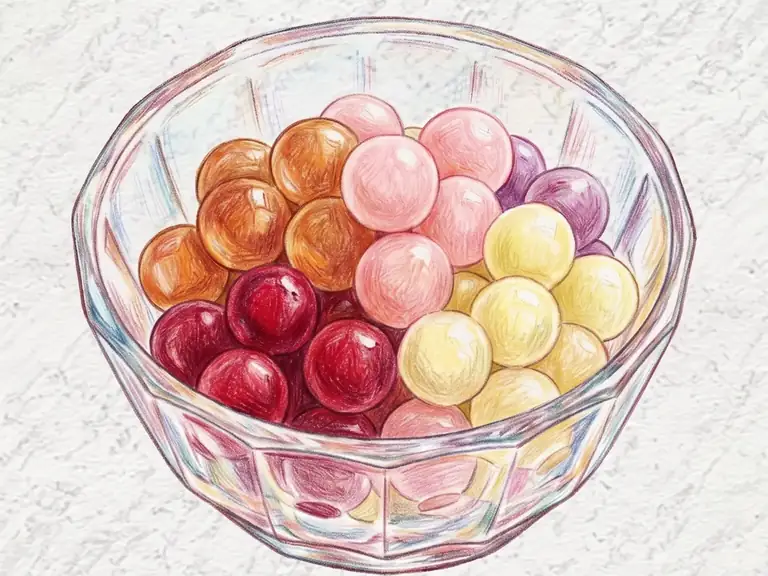
Drops of omija liquid hit freezer-cold oil and set at once into tiny frozen beads, each one carrying the tart-sweet taste of schisandra berry syrup. Half the juice stays a clear red, while the other half gets milk and yogurt powder for an opaque pink, so the bowl holds two colors and two flavors. A quick rinse in cold water after straining takes away the oily film that would otherwise coat the tongue.
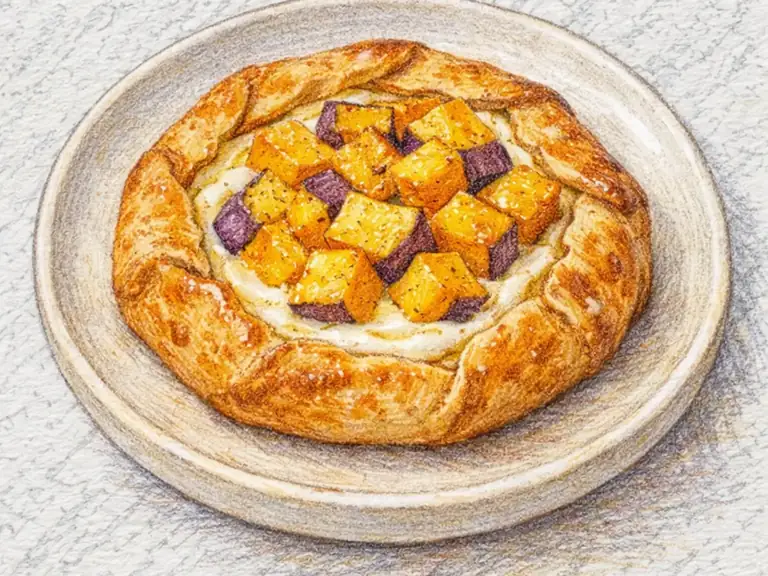
No tart pan is used: the dough is rolled into a round, topped with the filling, and its bare 4 cm border folded up over the edge. The filling combines steamed sweet potato, cream cheese, honey and cinnamon. A drier, chestnut-type sweet potato keeps the base from going soggy and bakes up crisper.
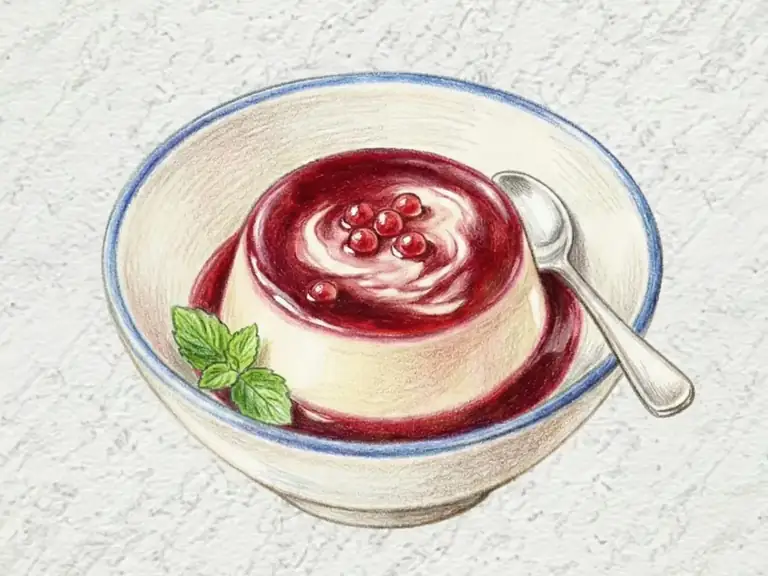
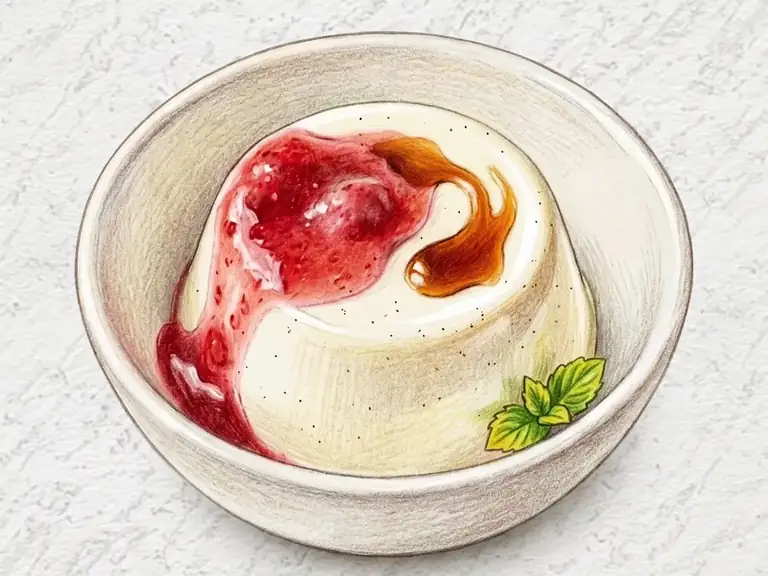
Cream and milk are set softly with sheet gelatin, then topped with a red sauce of omija syrup and lemon juice and a few berries. The sauce goes on only after the panna cotta has fully set, which keeps it from bleeding into the cream and leaves a clean red layer.
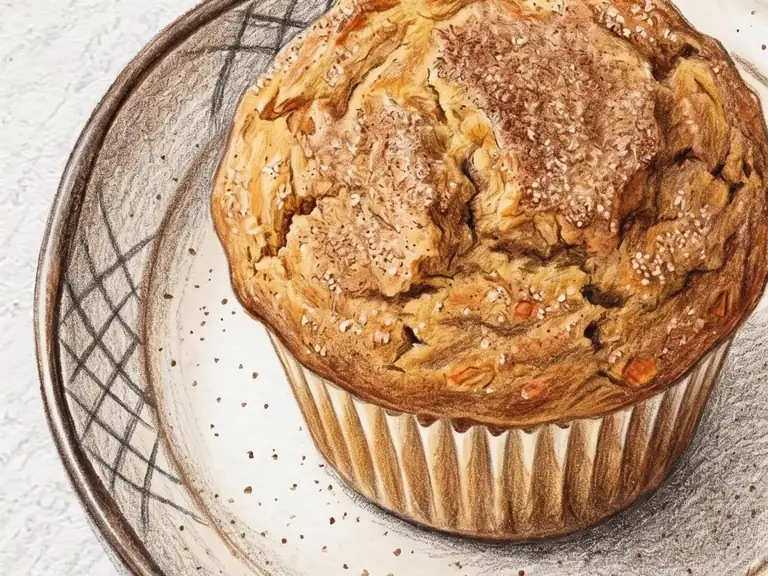
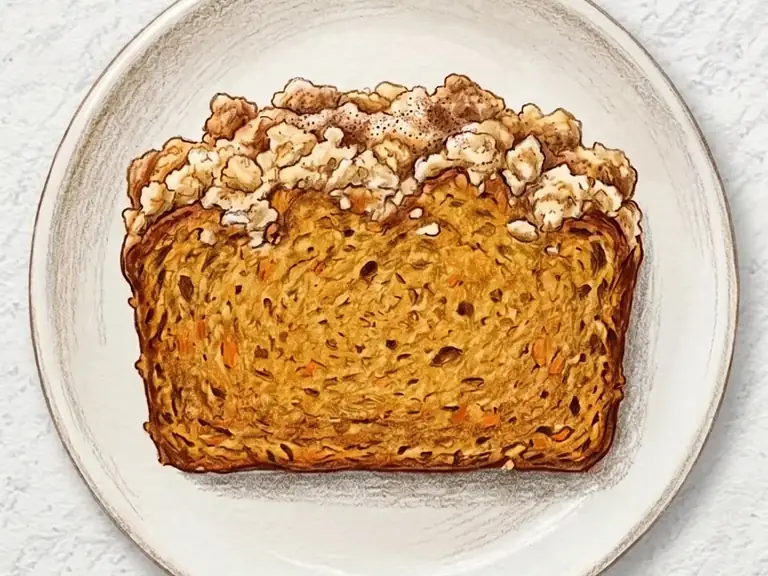
Cold, pea-size butter crumbs scattered over a moist sweet potato batter give this loaf its crunchy top. Keep the streusel chilled and sprinkle it on without pressing, so the clumps survive baking. The loaf bakes for 48-50 minutes and the top color runs ahead of the center, so a skewer that comes out free of wet batter is the better signal.
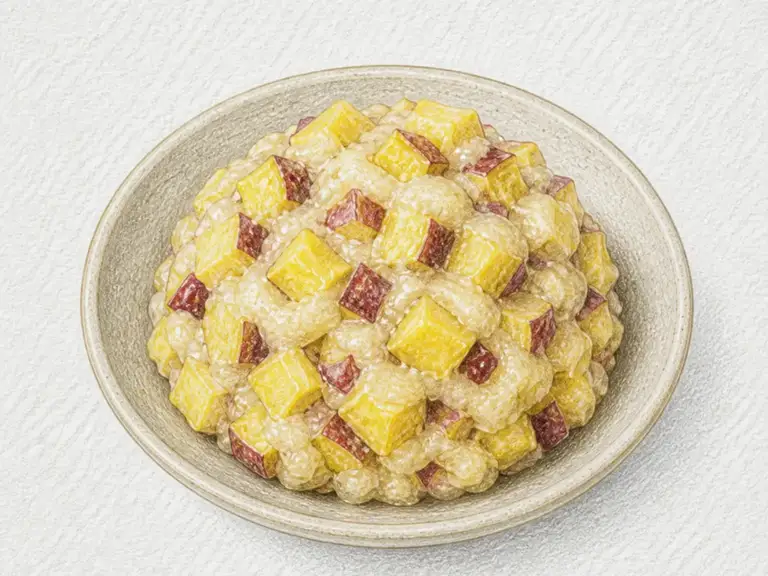
Sweet potato cubes jut from the surface like an ogre's horns or iron club, which is said to be where the name oni manju comes from. In Aichi it stood in for rice when food ran short during and after the war, and with no bean paste it relies on the potato's own sweetness and a heavy, chewy batter.
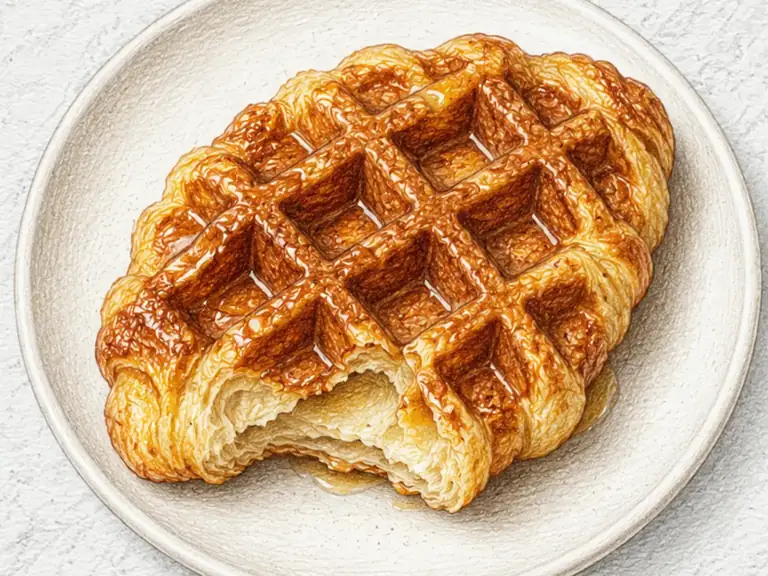
Frozen croissant dough is spread thinly with a paste of glutinous rice flour, milk and sugar, folded and pressed in a waffle iron. The flattened butter layers go crisp, and the rice paste makes the inside stickier and chewier than a plain croffle. Honey and a dusting of cinnamon finish it.
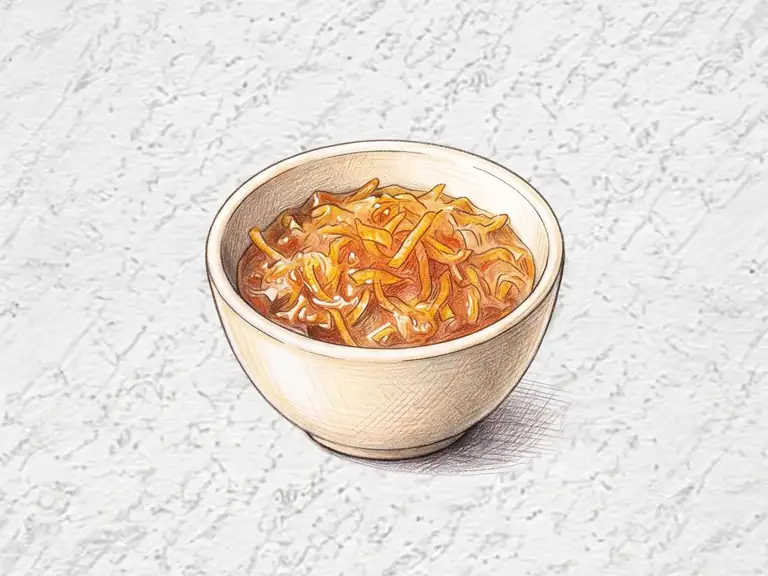
By weight, the sugar comes to more than twice the oranges. Plan on two pots: a large one for the fruit and a deeper one of at least 11 liters (12 quarts) for sterilizing the ten jars and processing them once they are filled.
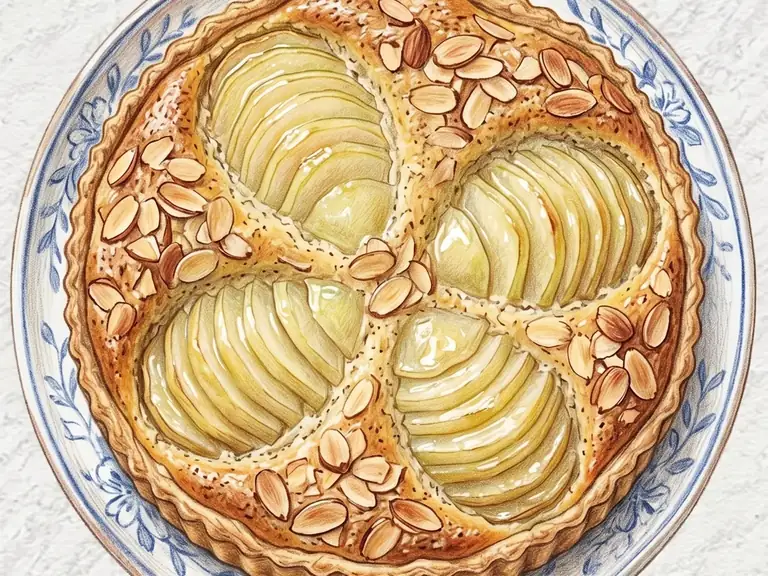
Pears fanned over almond frangipane, with small gaps left so the cream puffs up between the slices, make up this French tart. Fresh pears need slicing thin enough to cook through in the oven, while canned or poached ones must be drained of their syrup first.
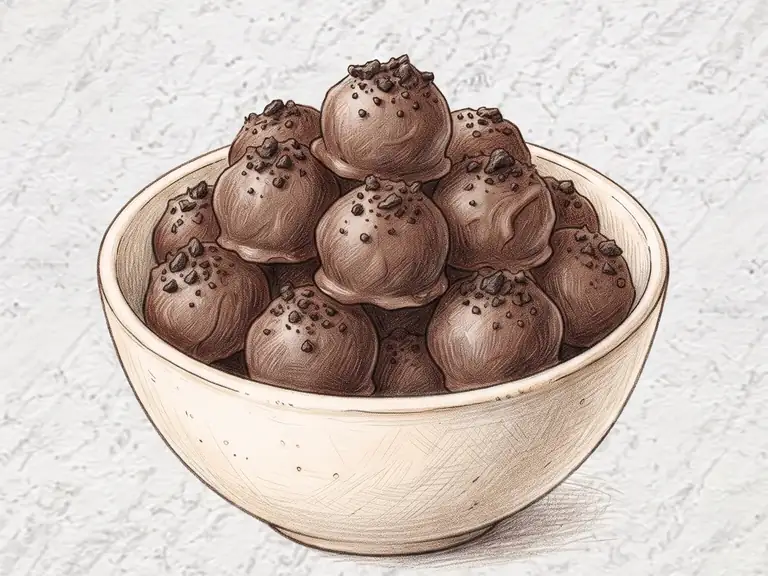
The dough is two ingredients, Oreos ground with their cream filling and cream cheese, and scraping the filling out first leaves a mixture that won't hold together. Chocolate that is still very hot from melting warms the frozen centers and can make a ball fall apart as you dip it; letting it stand for 1 to 2 minutes after melting avoids that.
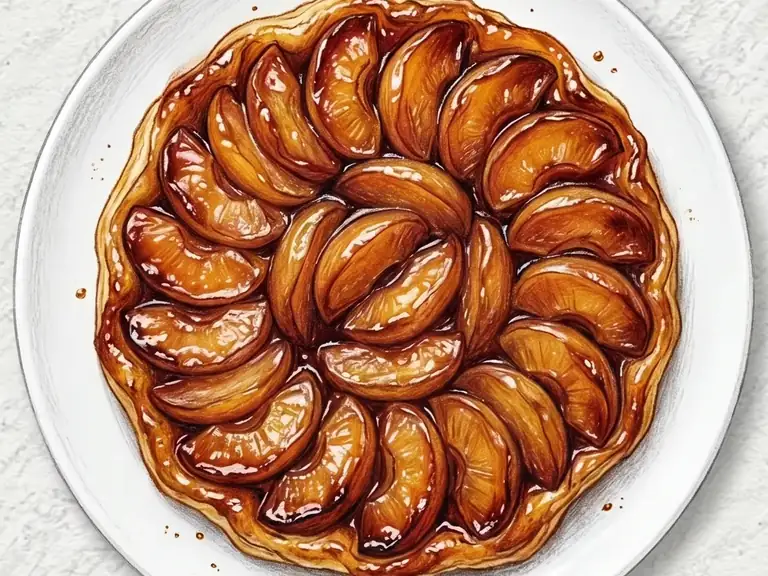
Apples cook first in a butter-and-sugar caramel in an ovenproof pan, then bake under a sheet of pastry before the whole thing is flipped onto a plate, caramelized fruit on top. The apples are peeled, cut into thick pieces and packed upright in the pan with no gaps. After only 3 to 5 minutes out of the oven, a plate wider than the pan goes on top and both are turned over in one motion.
With 400ml of cream to only 120ml of milk, this panna cotta still trembles when nudged with a spoon after it sets, and melts almost as soon as it is in your mouth. The stove work takes a few minutes; the rest is at least four hours of waiting in the fridge. Thinly sliced strawberries go on top.
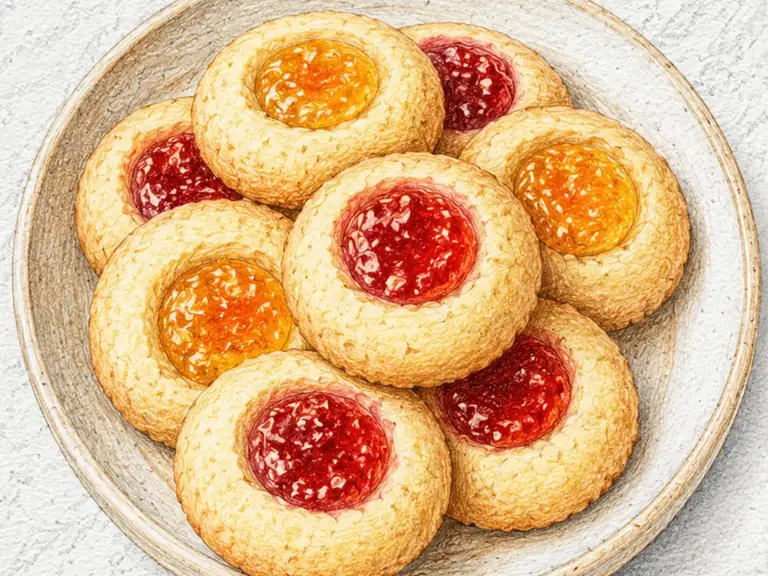
Small balls of butter dough get a shallow press from a thumb, and the dent becomes a cup for strawberry jam. Jam swells in the oven; each well gets only half.
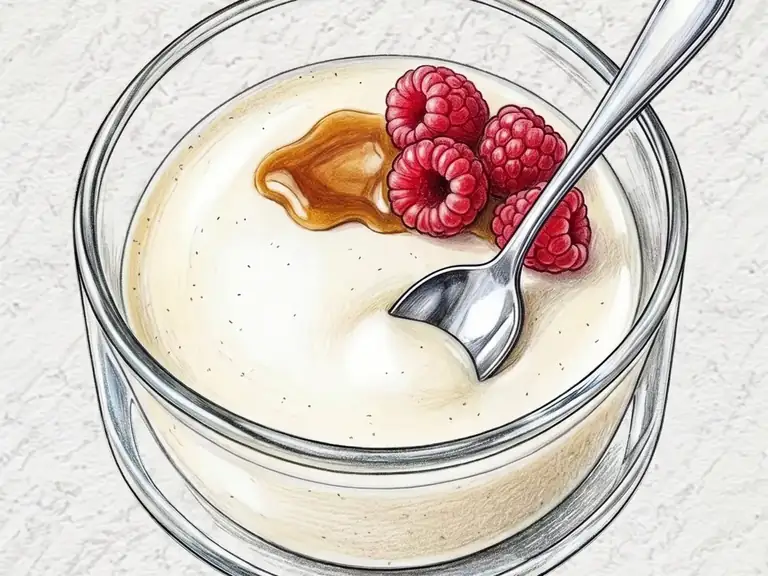
Set with powdered gelatin, this vanilla panna cotta holds its shape when turned out onto a plate while the center still shivers. The sugar is kept modest, so vanilla and dairy come through clean. To unmold, only the base of each cup goes briefly into warm water rather than warming the whole thing.
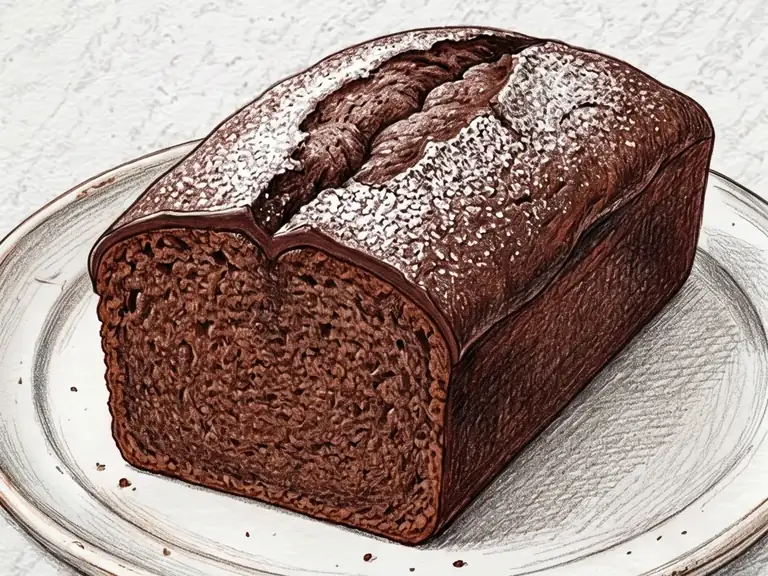
There is no butter in this cocoa loaf. Mashed soft tofu and grapeseed oil fill that role, and dark chocolate chips are folded through. Wet tofu can add 3 to 5 minutes in the oven, which is why it sits in a sieve for 5 minutes first.
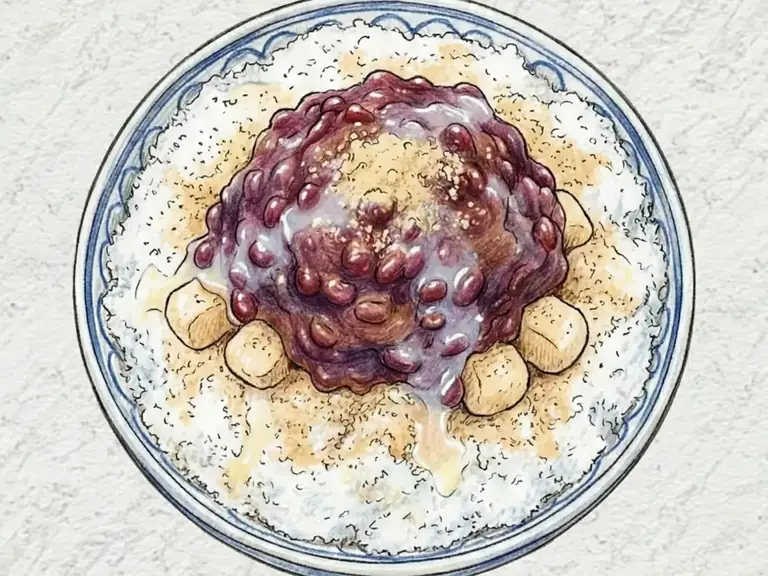
Frozen milk shaved into snow-fine flakes melts creamier and more opaque than plain water ice, which is what sets this bingsu apart. One spoonful can pick up sweet red beans, chewy rice cake, sliced strawberries, nutty multigrain and soybean powders, and crunchy almonds from the mound at once. The beans are tasted before any sugar goes in and cooled fully so they do not melt the ice on contact.
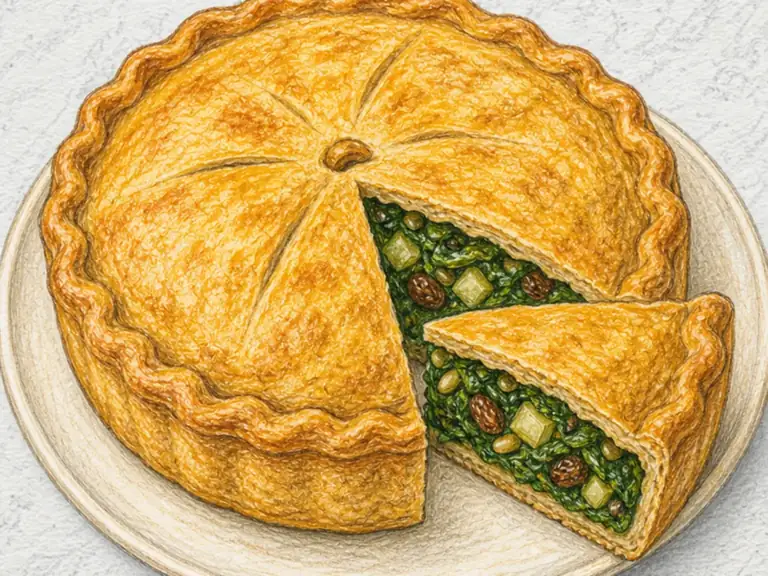
Swiss chard in a sweet pie sounds unlikely, but the leaves are mixed with apple, rum-soaked raisins, pine nuts, and brown sugar under a double crust. A dusting of powdered sugar once the pie has cooled through makes it read as a dessert from the first look.
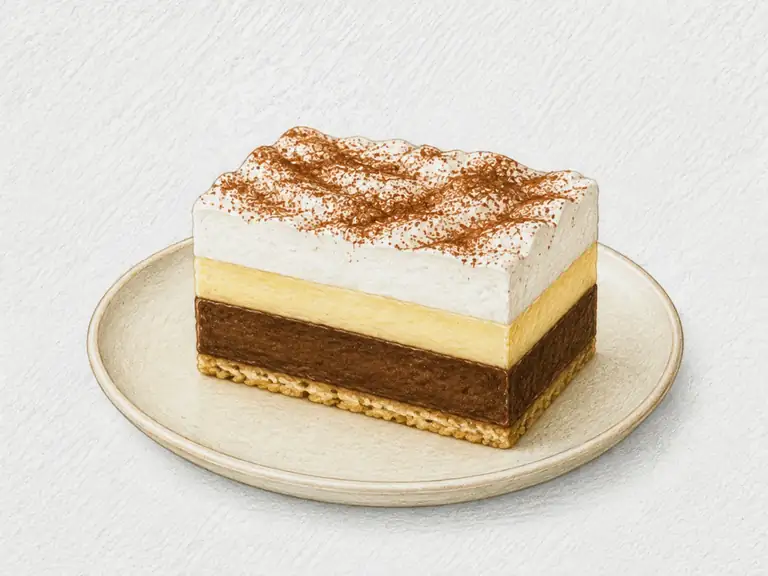
Cut a Brazilian pavê and four clean stripes show: a thin biscuit layer, chocolate cream, pale custard and a meringue top. The biscuit is not store-bought but baked thin right in the dish, then soaked with milk warmed with cinnamon and cognac. A single condensed-milk custard is split in two and chocolate goes into only one half, so both creams share the same base. With the creams cooled fully before layering and at least six hours in the freezer, it is a dessert to begin the day before.
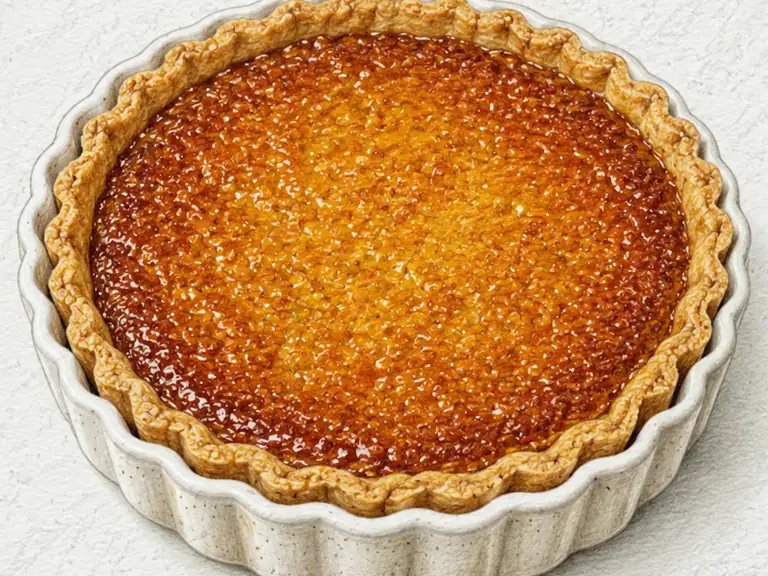
Golden syrup, coarse breadcrumbs and lemon make the filling of this British tart, sticky and deeply sweet. A little wobble in the center when it comes out is fine. The filling firms as it cools. Pull the tart once the top is lightly browned, and wait until it is completely cold before slicing.
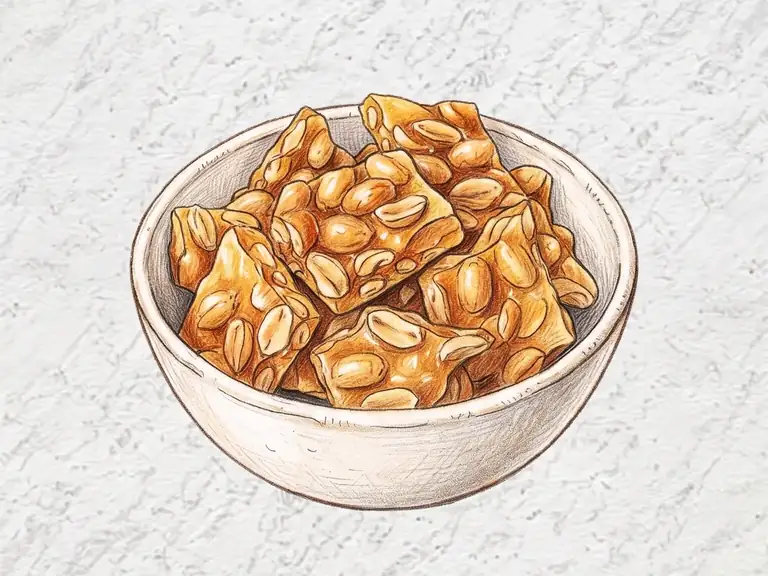
The peanuts are roasted ones, for their deeper flavor and because they stay crunchy in the candy; they go in when the syrup reaches 116°C (240°F) and cook with it up to 149°C (300°F). Brittle that turns out chewy was usually taken off the heat before the syrup reached 149°C (300°F), the hard-crack stage. Before you start, stand the candy thermometer in boiling water to see whether it reads 100°C (212°F), and if it is off, shift both targets, 116°C (240°F) and 149°C (300°F), by the same amount.
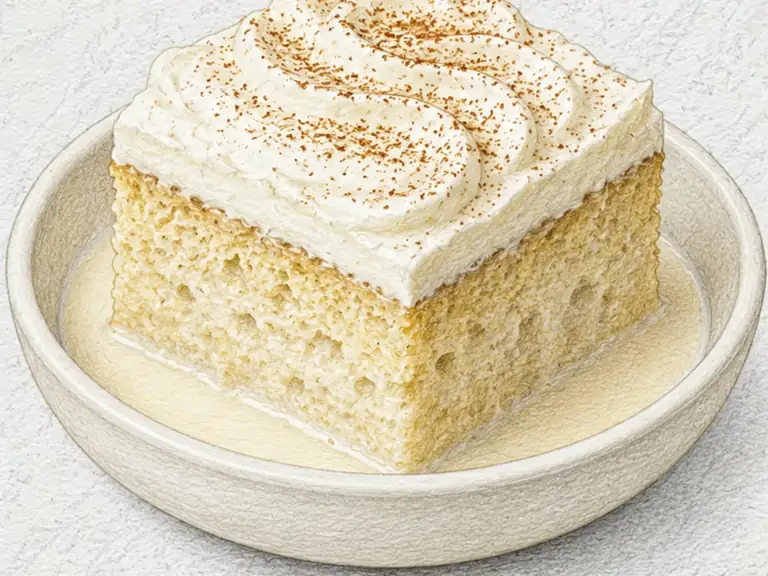
Soaked in three milks (whole, condensed and evaporated), this Latin American cake is wet enough that a little milk seeps onto the plate when you cut it, yet the whipped-egg sponge keeps its shape. It is usually served cold, after a night in the fridge.
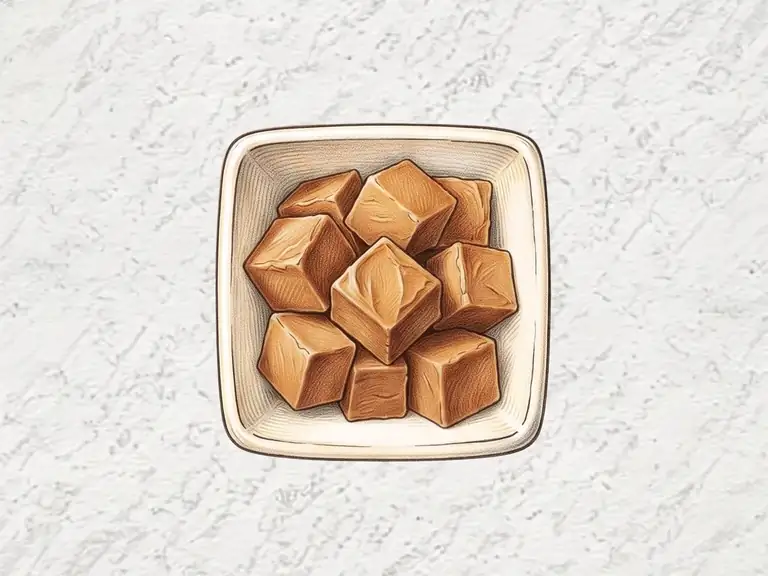
For the marshmallow, a jar of marshmallow creme works better here than marshmallow fluff, because the creme contains cream of tartar, which helps the fudge set. At the stove, the sugar and milk need their full 3 minutes at a boil, counted from when the boiling starts. Cut short, the fudge stays soft even after chilling, and boiled too long, it crumbles when cut.