🍺 Bar Snacks Recipes
Perfect pairings for beer, soju & wine
705 recipes. Page 27 of 30
In Korean drinking culture, anju (drinking snacks) are just as important as the drink itself. Beer goes with fried chicken, soju pairs with grilled pork belly and dubu-kimchi, and makgeolli calls for pajeon and bindaetteok. This tag gathers recipes designed to accompany a drink.
Great anju complements the beverage without overwhelming it. Salty, savory, and spicy options - prepare a few and you will be ready for any gathering.
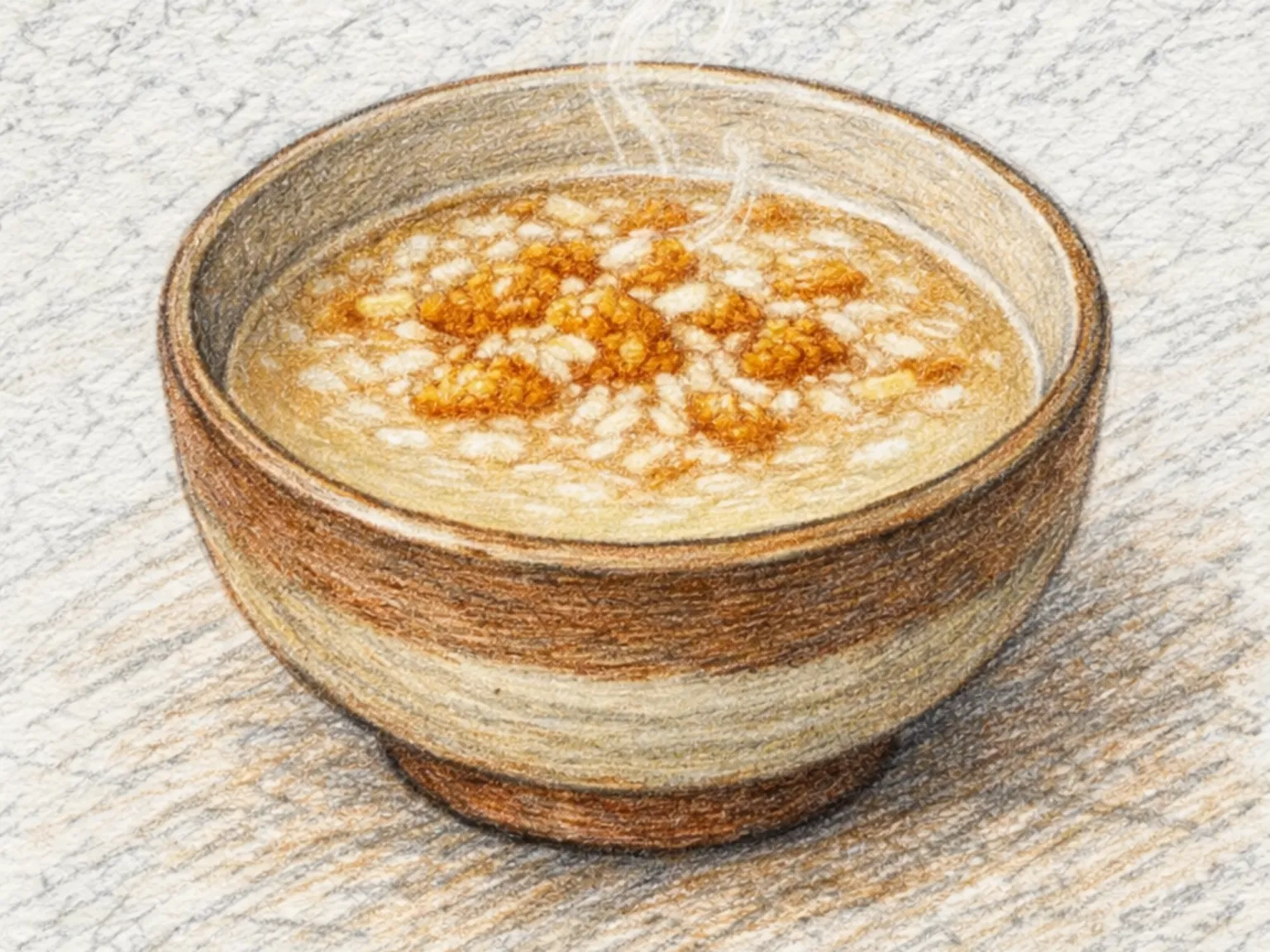
Korean Scorched Rice Tea (Toasted Rice Grain Brew)
Sungnyung is a traditional Korean grain beverage made by toasting the cooked rice left on the bottom of a pot until it forms a golden crust called nurungji, then pouring in water and simmering the crust with small additions of brown rice and glutinous rice for about fifteen minutes. The toasting step is where the character of the drink is established: enough scorching produces a deep, roasted, almost tea-like aroma, but any actual burning spreads bitterness through the entire liquid, so keeping the heat low and watching carefully is essential. A small pinch of salt sharpens the perception of the grain flavor without making the drink taste seasoned in any obvious way, and two or three pine nuts floated on the surface add a mild, oily richness that gives the otherwise lean liquid some body. Sungnyung has long been served at the end of meals in Korean households, rooted in the practical experience that a cup of the hot, gentle drink settles the stomach and eases the discomfort of having eaten heavily. There was also a household efficiency dimension: the same pot used to cook the rice would be used to make sungnyung, and the process cleaned the stuck rice off the bottom without scrubbing. With electric rice cookers now standard in most Korean homes, nurungji does not form naturally, but commercially produced nurungji can be purchased and simmered in the same way to achieve a close approximation.
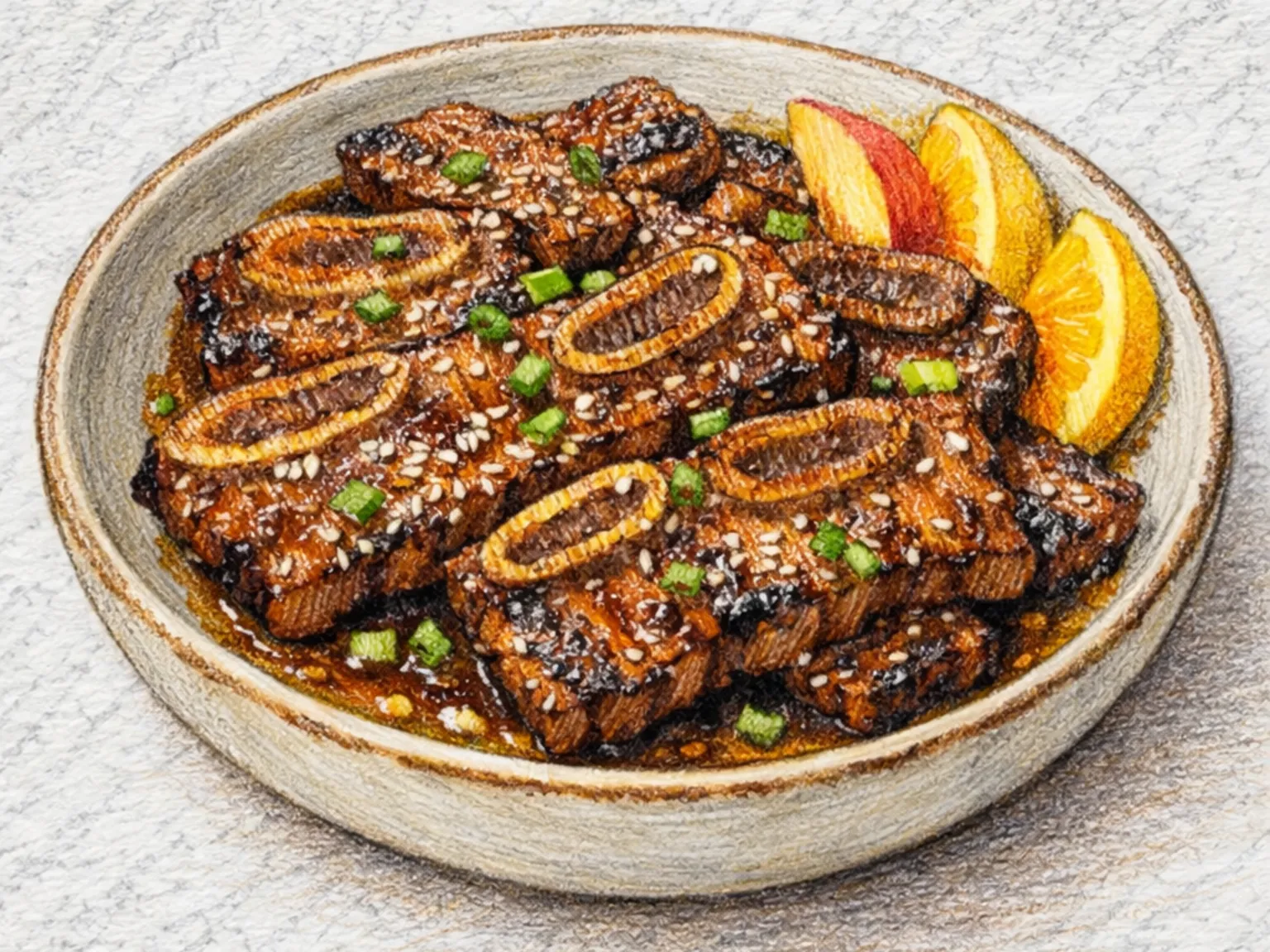
Korean Flanken Ribs (Pear-Soy Marinated LA-Cut Beef Short Ribs)
LA-galbi-gui is a Korean grilled short rib dish using flanken-cut beef ribs, where the bones are sliced laterally so several ribs run across each strip in a thin, even slab. This cross-cut format gives the meat a wide surface area and a uniform thickness that makes it both receptive to marinade and quick to cook through evenly. The marinade combines Asian pear juice, soy sauce, sugar, minced garlic, sesame oil, black pepper, and sliced green onion. Enzymes in the pear juice break down muscle fibers in the thin-sliced meat, while the combination of soy sauce and sugar triggers simultaneous Maillard browning and caramelization over high heat, forming a dark, lacquered crust on the surface. Because the marinade carries substantial sugar, cooking over medium heat and flipping frequently is essential; high heat without attention causes the exterior to char before the interior has cooked through. Each side needs three to four minutes to reach full doneness around the bone. Marinating overnight in the refrigerator allows the seasoning to penetrate fully between the bones, producing a noticeably deeper sweet-salty flavor once grilled. Resting the meat for two to three minutes after pulling it off the grill keeps the juices from running out immediately.
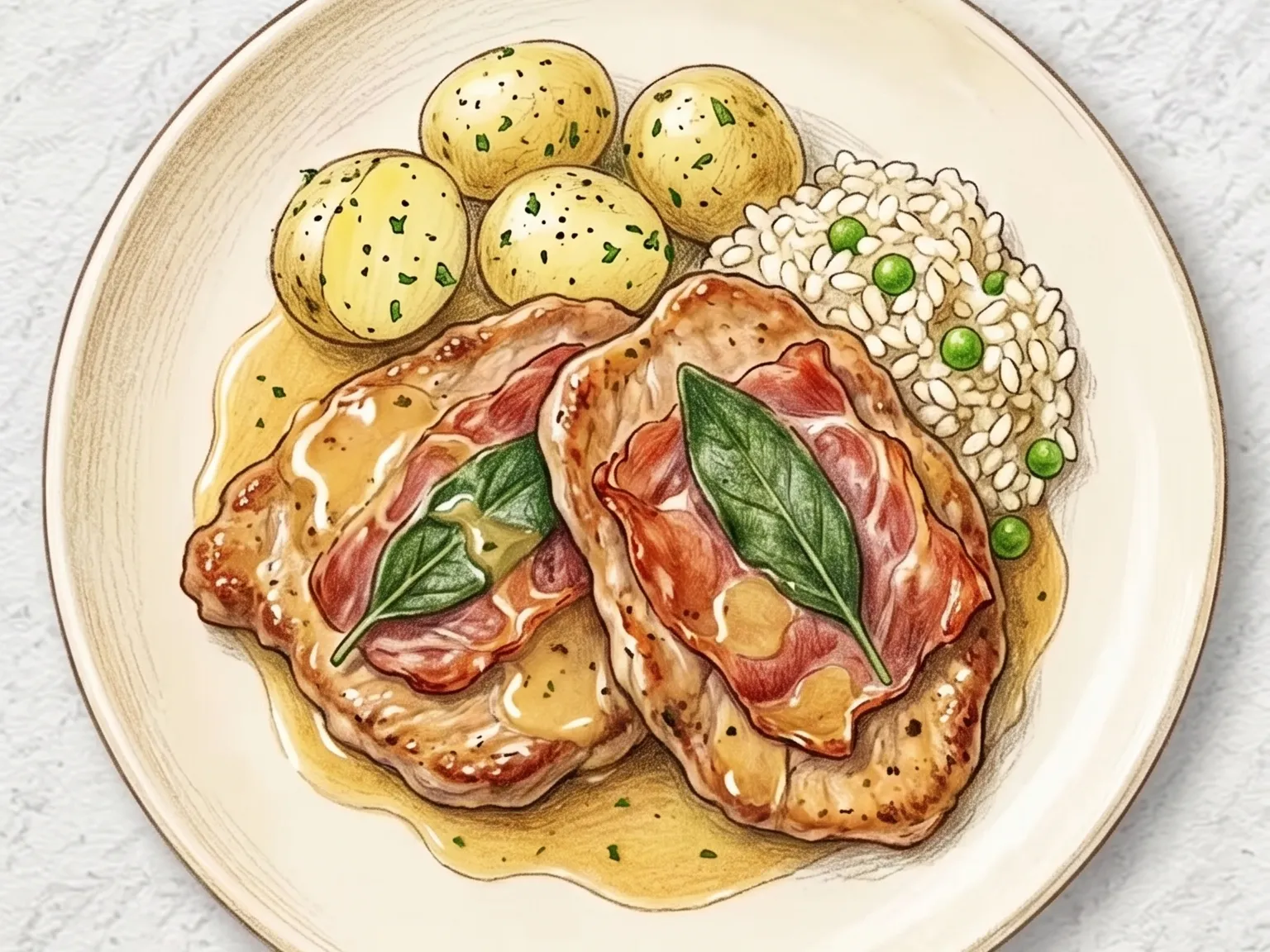
Veal Saltimbocca (Italian Veal Cutlets Dish)
To prepare veal saltimbocca, the process begins by pounding the veal cutlets until they reach a very thin consistency. Achieving this specific thickness is necessary because veal has a tendency to become tough quite rapidly when it is exposed to heat for an extended duration. To maintain a tender texture, the total cooking time for each individual piece should be kept strictly under two or three minutes. Each prepared cutlet is topped with one fresh sage leaf and a single slice of prosciutto, which are then pressed down firmly by hand. This manual pressure allows the layers to bond so that the prosciutto adheres to the veal without the requirement for toothpicks or other mechanical fasteners. The assembled cutlets receive a light dusting of flour before being placed into a preheated pan for searing. It is effective to begin the cooking process with the prosciutto side facing down in the pan, as the direct heat fuses the cured meat directly to the veal cutlet. After the meat has been quickly seared and removed from the pan, white wine is poured onto the hot surface. This liquid serves to lift the caramelized bits of fond from the bottom of the pan to create a flavor base. Incorporating butter into this wine reduction allows the liquid to emulsify into a sauce that has a glossy and light consistency. During the cooking, the sage leaf remains trapped between the meat and the prosciutto, infusing the veal with a distinct herbal fragrance that balances the saltiness of the cured ham.
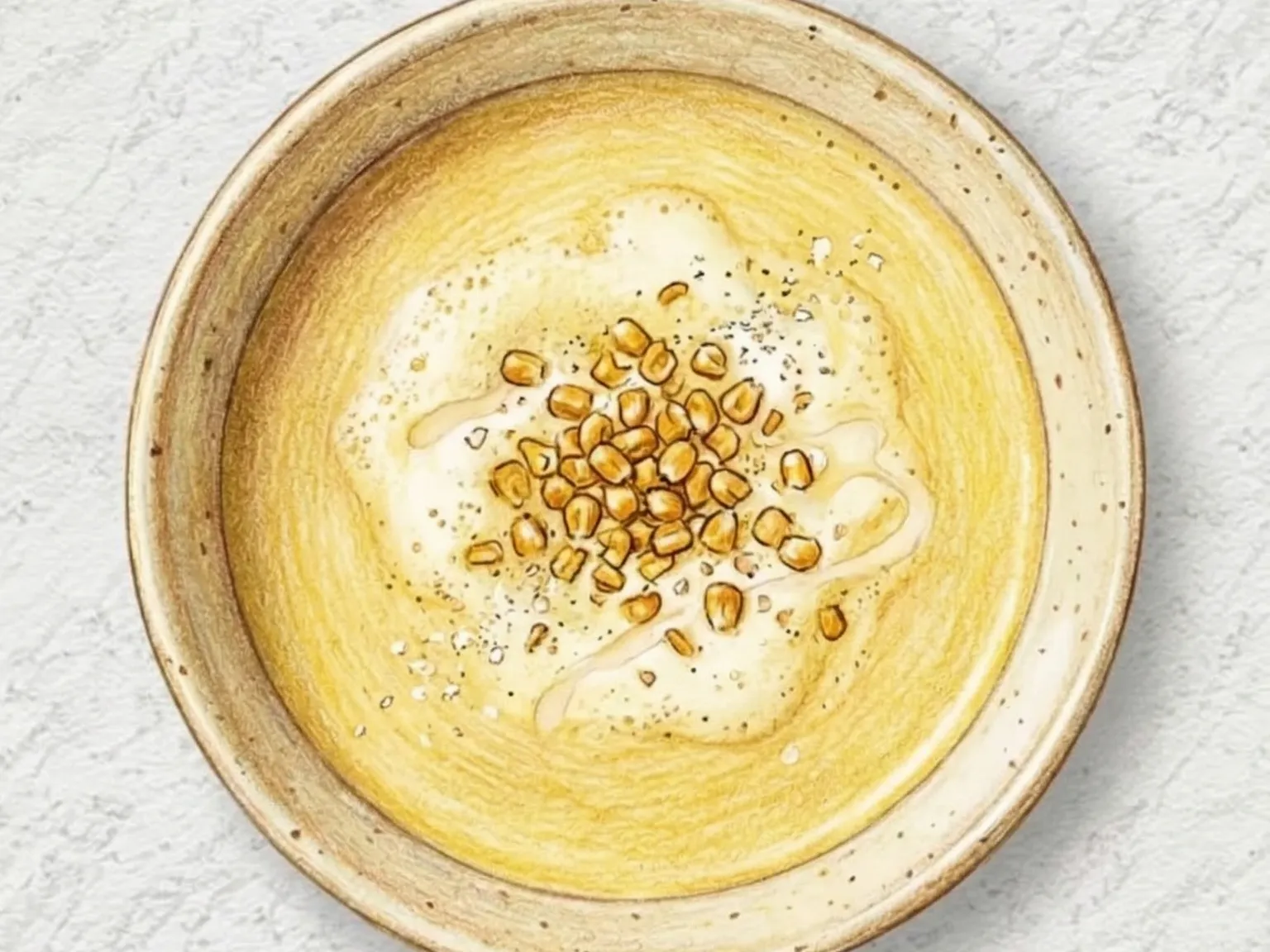
Korean Sweet Corn Latte (Butter Sauteed Corn Milk Drink)
Sweet corn latte begins by sauteing cooked corn kernels in butter until fragrant, then simmering them in milk to draw out the corn's natural sugars before blending everything smooth. The butter amplifies the starchy, roasted aroma during the initial saute, coating each kernel so that the fat-soluble flavor compounds dissolve fully into the milk during the five-minute simmer. Blending the mixture until completely smooth and then straining it through a fine sieve removes any remaining hull pieces, producing a texture as silky as a custard sauce. This straining step makes a noticeable difference in the final quality. Condensed milk adds a rounded sweetness, and a small amount of white pepper introduces a faint spiced warmth that gives the drink depth beneath the sweetness. It works equally well served hot in a ceramic mug or chilled and poured over ice; the corn aroma remains vivid in both versions.
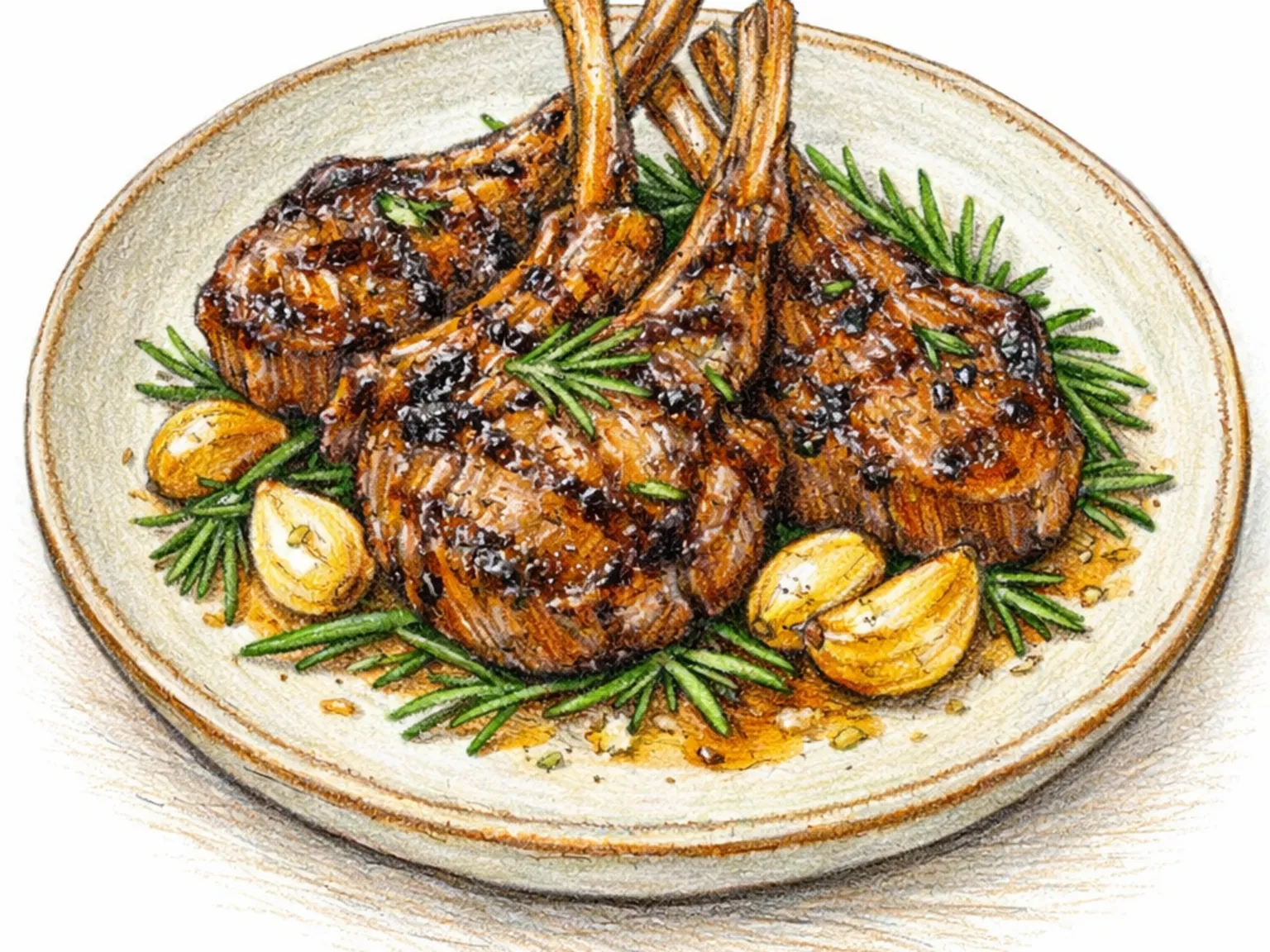
Grilled Lamb Chops
Lamb chop gui is a grilled lamb rib chop dish where a French rack is marinated for at least one hour in olive oil, crushed garlic, freshly chopped rosemary, salt, and black pepper before being seared on a blazing-hot grill. The rosemary's piney, resinous aroma tempers the lamb's gaminess effectively, while the garlic caramelizes gently on contact with the hot surface and builds a concentrated savory layer on the meat. Grilling each side for three to four minutes targets an internal temperature of 55 to 60 degrees Celsius for medium-rare, the point at which the intramuscular fat renders just enough to release abundant juices without drying the meat out. A squeeze of fresh lemon juice immediately after removing from the grill cuts through the richness of the rendered fat and brightens the overall flavor. The most satisfying way to eat these is holding the exposed rib bone and taking bites directly off it, and they pair naturally with mint yogurt sauce or a simple chimichurri-style accompaniment.
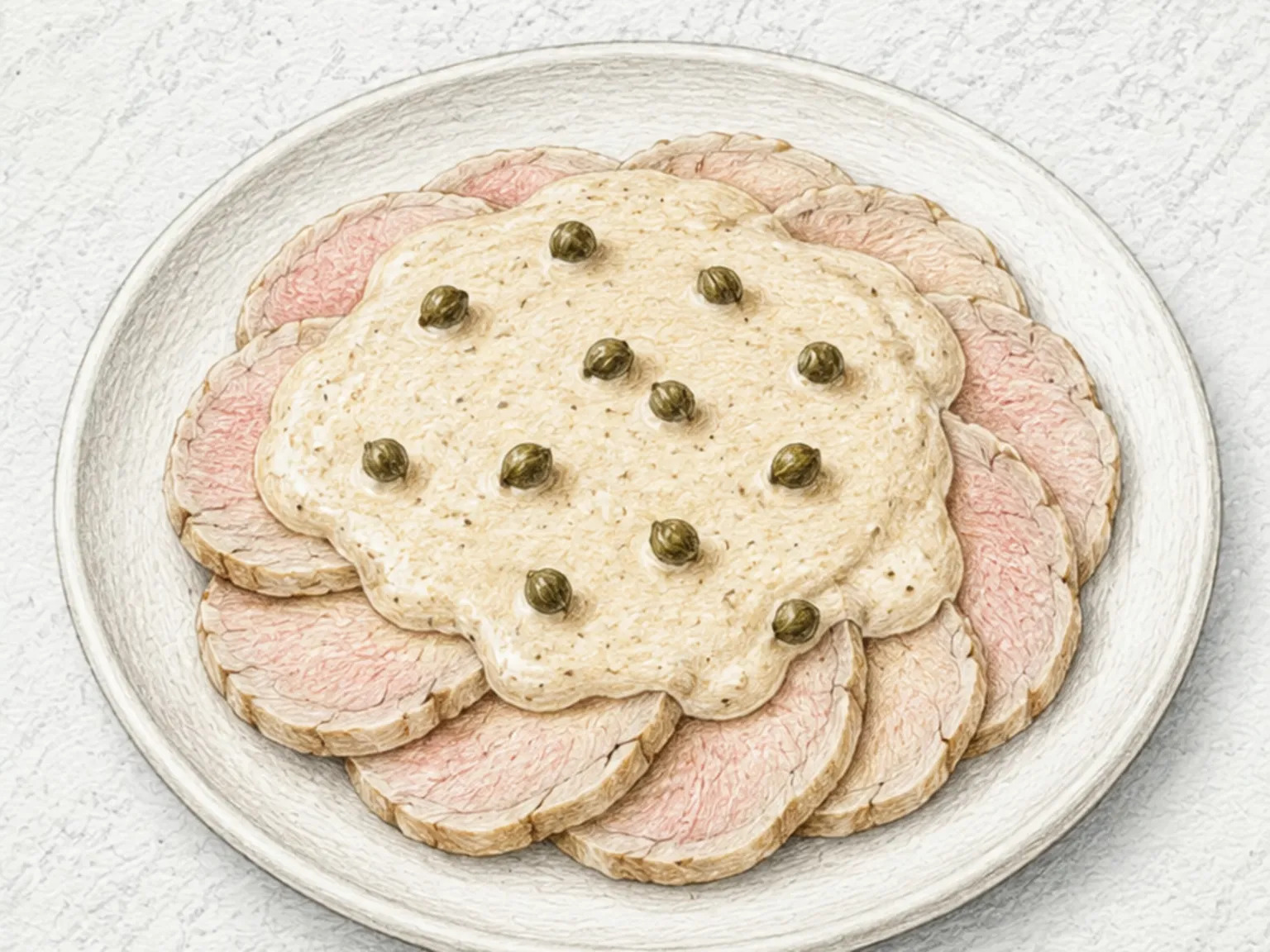
Vitello Tonnato (Classic Italian dish)
Vitello Tonnato is a classic Italian appetizer consisting of chilled, thinly sliced veal topped with a creamy sauce made from tuna, anchovies, and capers. The veal loin is slowly cooked over low heat in a covered pot with sliced onions and white wine. Once cooked, the meat must be chilled completely to allow for neat, thin slices of about three millimeters without tearing the fibers. The sauce is prepared by blending canned tuna, mayonnaise, capers, anchovy fillets, and lemon juice. The thickness is adjusted using the strained cooking liquid from the veal, creating a texture that coats a spoon smoothly. To serve, the cold veal slices are arranged on a plate, covered generously with the tuna sauce, and garnished with extra capers to add a contrast of briny acidity to the creamy, savory meat.

Thai Iced Tea
Thai iced tea is a boldly flavored, sweet milk tea made by steeping black tea leaves with cardamom over low heat for five minutes to produce a deeply concentrated brew. The intentionally strong extraction is necessary because the ice slowly dilutes the drink as it sits, and a weak brew would taste watery long before the last sip. Sugar is dissolved while the tea is still hot, then the liquid is cooled fully before being poured over a glass packed with ice. Milk and condensed milk are poured gently on top without stirring to create a visual gradient of white layered over amber, and the drink is mixed at the table before drinking. Once combined, the cardamom's floral spice and gentle bitterness weave through the sweetened black tea base to produce a complex flavor that goes beyond simple sweetness. Adjusting the amount of condensed milk is the easiest way to control how sweet the finished drink turns out.
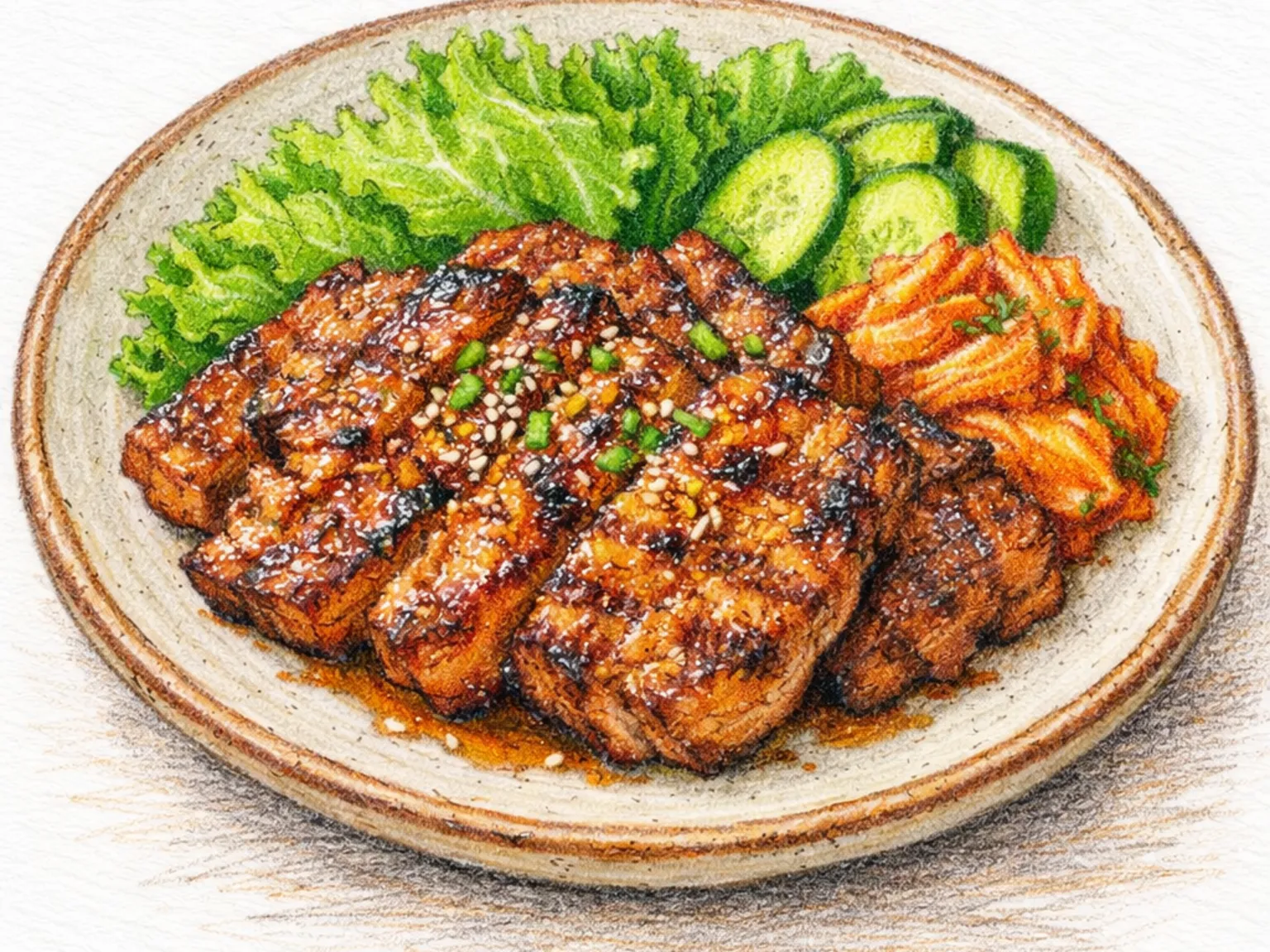
Korean Grilled Soy-Doenjang Pork
Maekjeok-gui is a traditional Korean grilled pork dish that is traced back to the Goguryeo period, prepared by marinating thick-cut pork neck in a paste of doenjang, soy sauce, rice syrup, minced garlic, ginger powder, sesame oil, and black pepper before grilling. Unlike most contemporary Korean marinades, which center on gochujang or sugar, maekjeok uses doenjang as its primary seasoning, which means the dominant flavor is a deep, fermented umami rather than sweetness or heat. The soybean paste bonds with the abundant intramuscular fat in pork neck during grilling, producing an intense savory quality that develops layer by layer over the heat, while the viscous rice syrup reduces into a shiny lacquer-like glaze on the surface. Shallow scoring on both faces of each thick pork slice allows the marinade to penetrate beyond the surface and reach the interior, and at least thirty minutes of marinating time is recommended for this effect. Doenjang scorches significantly faster than sugar, so the correct technique is to sear both sides first and then apply any final glaze only after reducing the heat or briefly pulling the meat from direct flame, which preserves the gloss without introducing bitterness. After removing from the grill, letting the meat rest for two minutes under a scattering of sliced green onion allows the juices to redistribute, so the pork stays moist and does not run when cut.
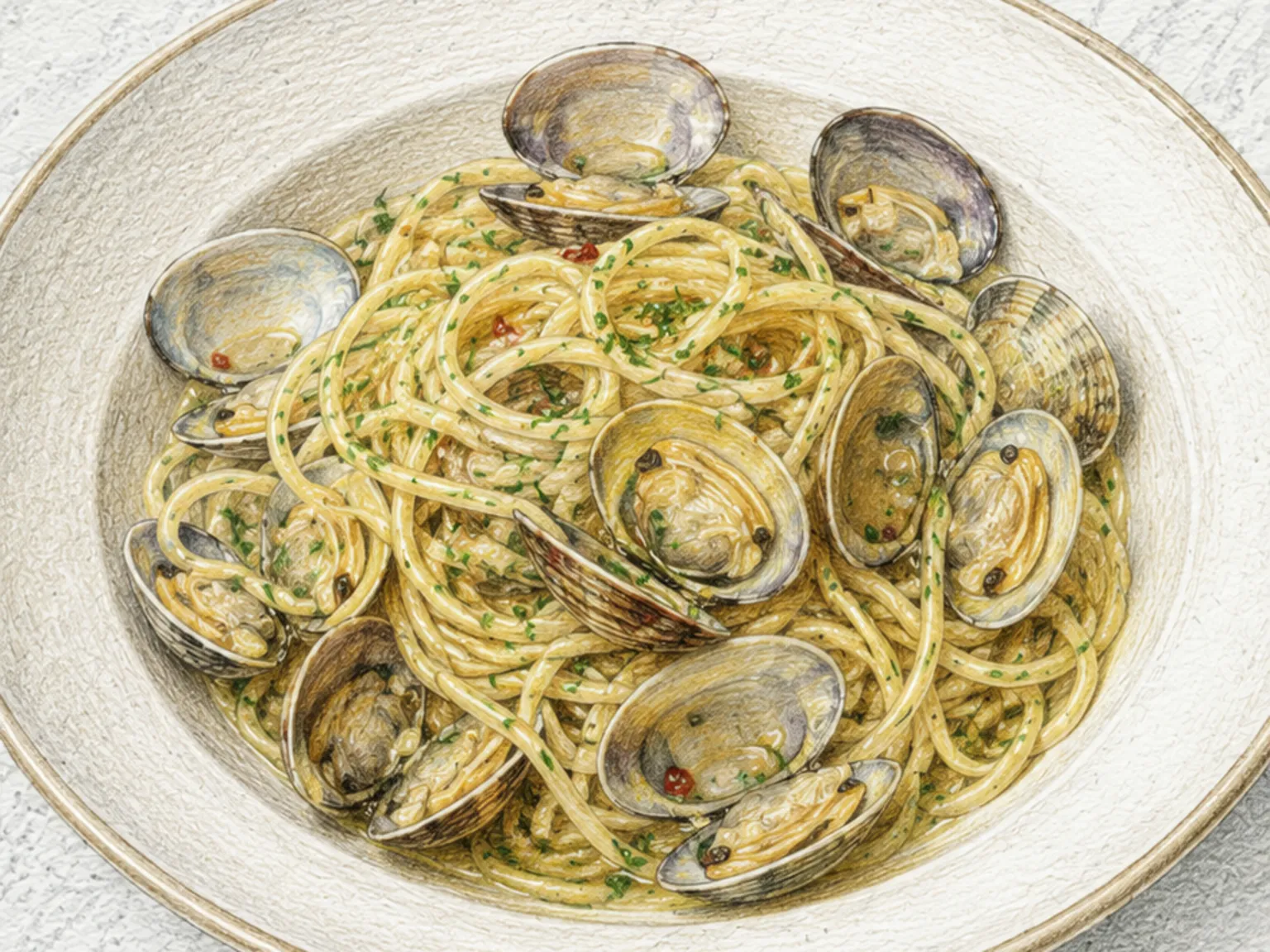
Vongole Bianco (Italian Spaghetti Dish)
Vongole Bianco is an Italian oil pasta featuring fresh clams, sliced garlic, and dry white wine. The preparation begins by purging the clams to remove grit, followed by boiling spaghetti to a point slightly firmer than al dente. In a pan, olive oil is heated with garlic and red chili flakes on low heat to release their aromatics. The clams and white wine are added, and the pan is covered to let the steam open the shells, creating a rich seafood broth. Starchy pasta water is mixed in with the drained spaghetti, and the mixture is tossed vigorously on high heat for one minute to emulsify the olive oil and clam juices into a unified sauce. This emulsion coats the noodles evenly instead of separating. The dish is seasoned with salt, black pepper, and fresh parsley, and any unopened clams are discarded before serving.
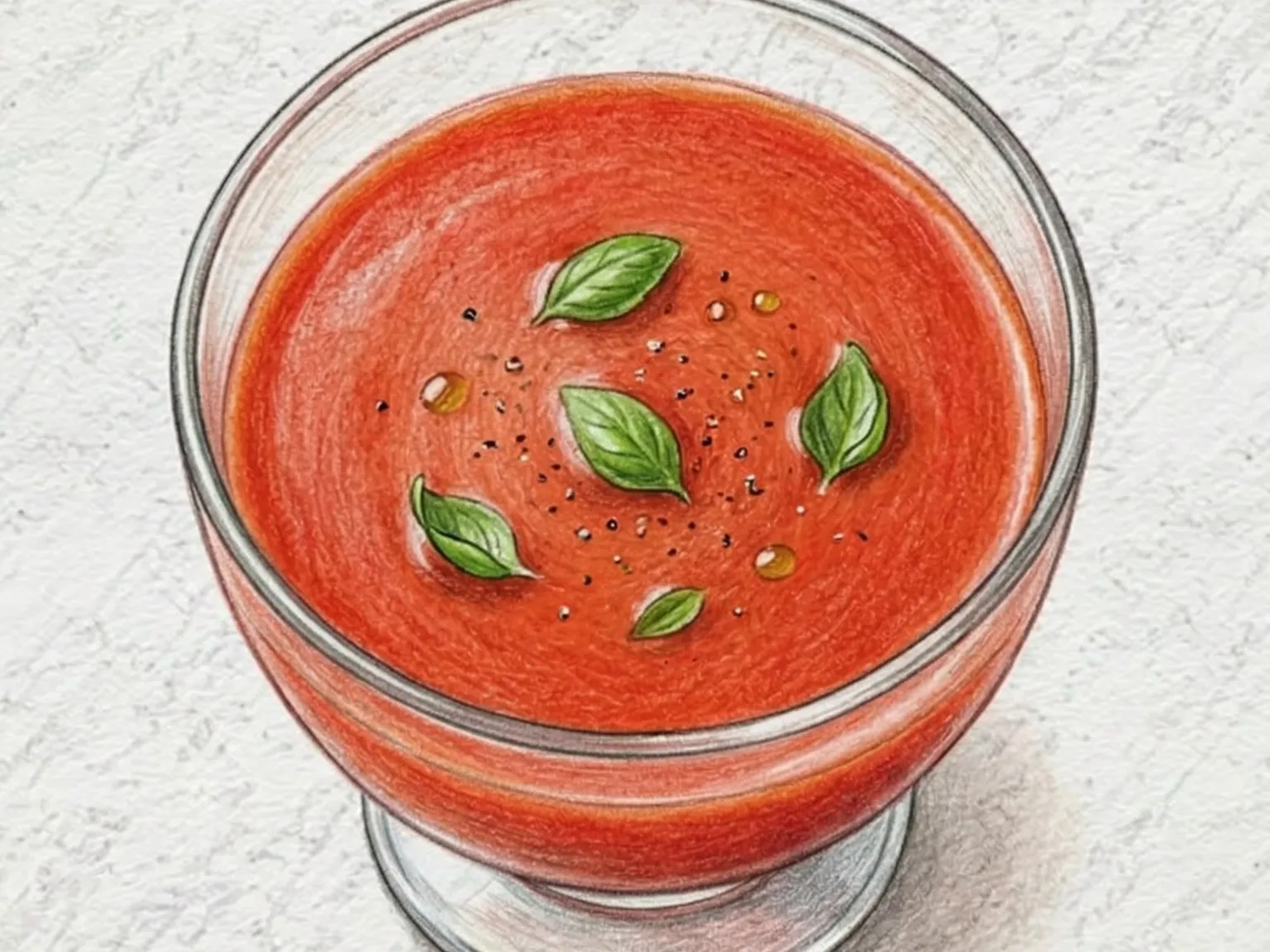
Tomato Basil Juice
Tomato basil juice is a cold savory drink made by blending ripe tomatoes with fresh basil leaves and straining the result through a fine sieve to remove seeds and skins. The ripeness of the tomato determines much of the flavor: fully ripe tomatoes carry free glutamates that produce a natural umami depth, whereas underripe fruit tastes predominantly sour without the sweetness and savory body that makes the juice satisfying. Basil should be added to the blender immediately before blending rather than sitting cut or torn, because the volatile oils that produce its aroma begin oxidizing quickly once the leaves are damaged. After blending to a smooth consistency, passing the juice through a fine-mesh strainer or cheesecloth removes the solids and produces a texture smooth enough to drink without resistance. Salt and black pepper season the juice, and fresh lemon juice raises the acidity in a way that brightens the overall flavor rather than making it sour. A small addition of olive oil emulsifies into the juice and activates fat-soluble aromatic compounds in both the tomato and the basil, producing a fuller, rounder flavor than the unstrained version. The juice must be thoroughly chilled before serving, as warmth mutes the herbal freshness. It works well as a brunch drink, a light non-alcoholic aperitif, or a base for savory cocktails.
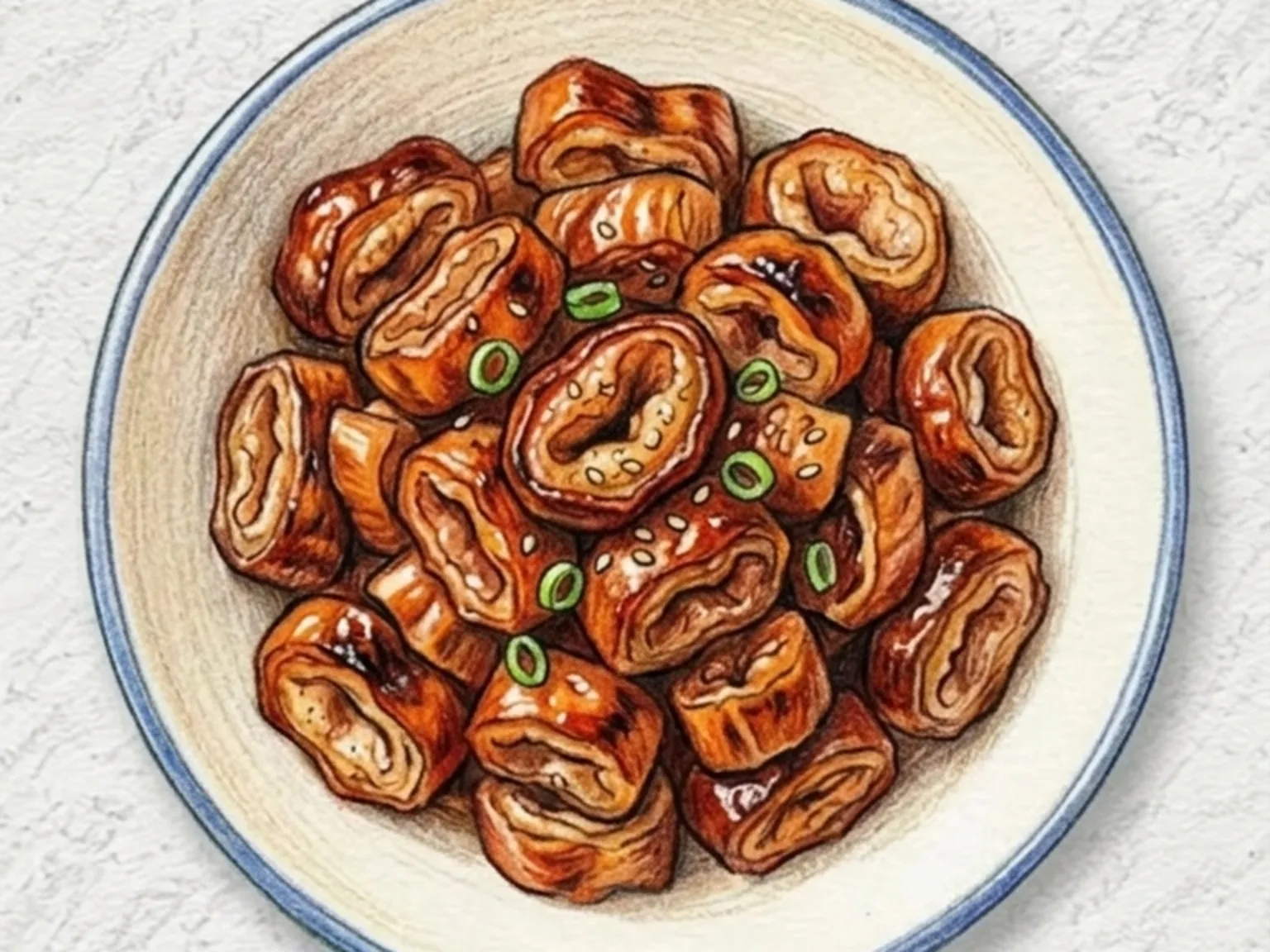
Korean Grilled Pork Makchang
Makchang-gui is a Korean grilled pork large intestine dish where the offal is thoroughly cleaned, blanched for seven minutes to remove impurities and excess fat, then coated in a marinade of gochujang, soy sauce, sugar, minced garlic, gochugaru, sesame oil, and black pepper. The blanching step eliminates off-flavors and firms the intestine's texture so it holds up on the grill without falling apart. After fifteen minutes of marinating, the deeply wrinkled surface absorbs the sweet-spicy sauce, which caramelizes into a dark, sticky glaze over medium heat as the interior moisture slowly evaporates. The result is a chewy exterior with a rich, fatty interior that releases its flavor gradually with each bite. Patience with medium heat prevents the sugar-heavy sauce from scorching before the intestine is cooked through. Scissored into bite-sized pieces at the table and wrapped in perilla leaves or napa cabbage with a dab of doenjang, makchang-gui is a late-night staple in Korean grilled meat restaurants, particularly in the Daegu and Busan regions where the dish is most deeply rooted.
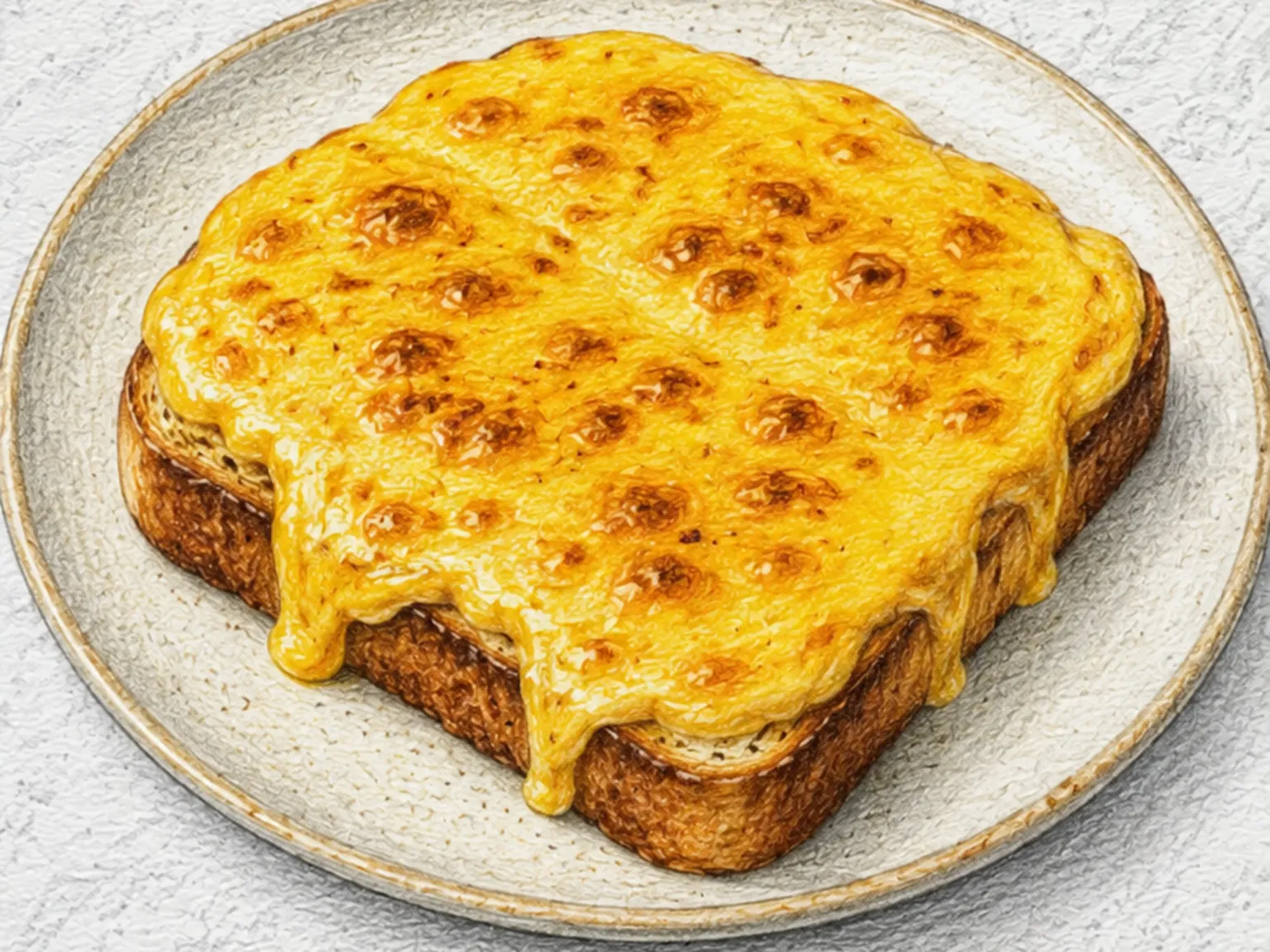
Welsh Rarebit (British toast dish)
Welsh Rarebit is a British open-faced toasted sandwich topped with a savory, seasoned cheddar cheese sauce. The bread slices are toasted lightly beforehand to prevent the bread from absorbing the moisture of the sauce and becoming soggy. To prepare the sauce, butter and flour are cooked together for one minute to form a roux, and milk is whisked in gradually to avoid lumps. Grated cheddar cheese is then added by handfuls over very low heat to ensure it melts smoothly without separating. The sauce is seasoned with Dijon mustard, black pepper, and Worcestershire sauce, which adds a savory depth of flavor. The cheese sauce is spread thickly onto the toasted bread slices, reaching near the edges, and broiled in the oven for a few minutes until the top is bubbling and browned.
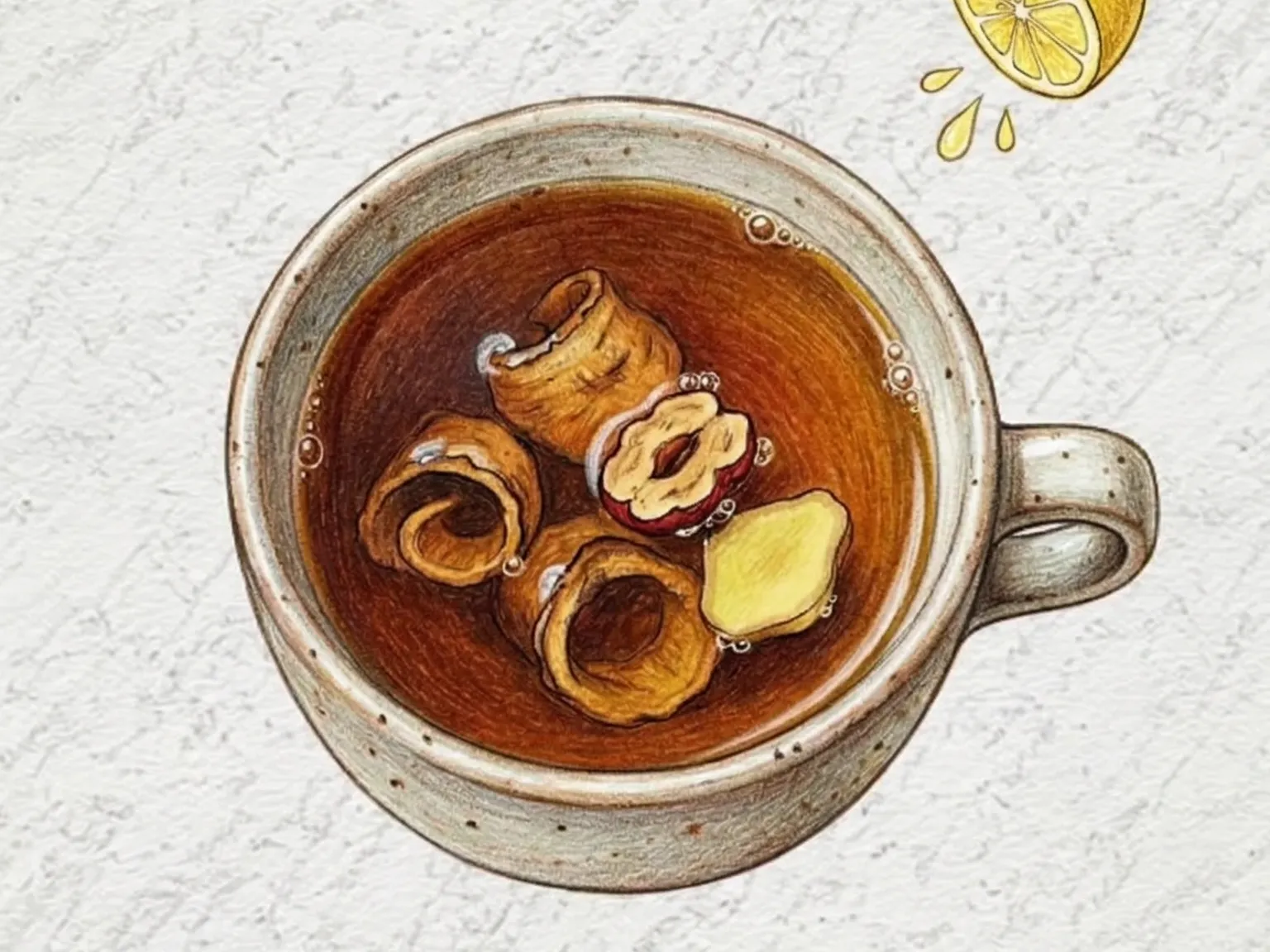
Korean Burdock Root Tea
Ueong-cha is a Korean burdock root tea made by dry-roasting thinly sliced unpeeled burdock in a pan for six minutes, then steeping it with ginger and jujube in boiling water for 15 minutes. The roasting caramelizes the root's starches, creating a deep, nutty aroma without any raw earthiness. Ginger contributes a subtle heat to the finish, while jujubes provide natural sweetness that softens the drink. A spoonful of rice syrup thickens the body, and a few drops of lemon juice at the end clean up the palate, making this caffeine-free tea suitable for any time of day.
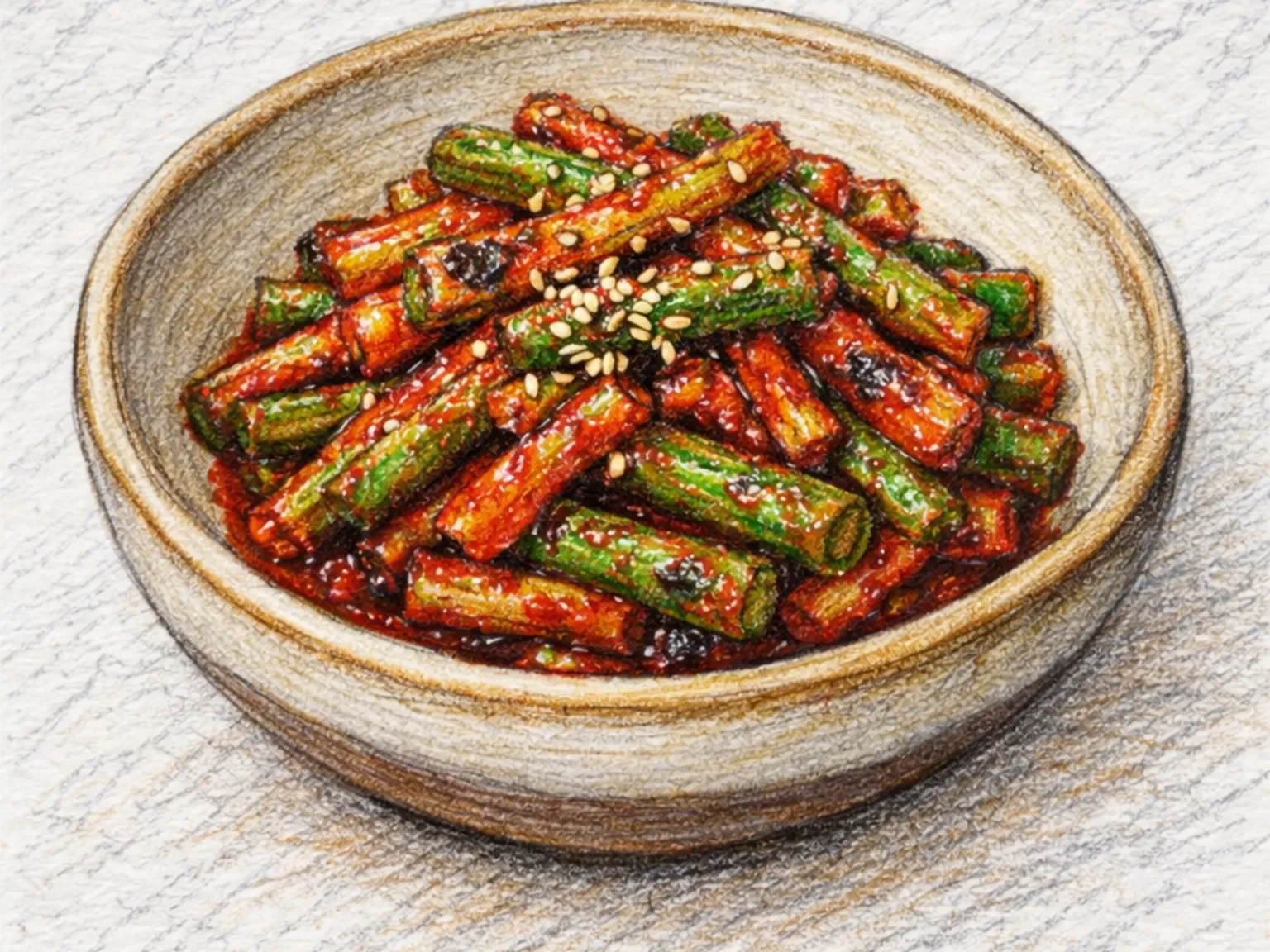
Korean Gochujang Grilled Garlic Scapes
Maneuljjong-gochujang-gui is a Korean vegetable side dish where garlic scapes cut into six-centimeter pieces are blanched for just thirty seconds, then stir-grilled in a pan with a sauce built from gochujang, gochugaru, soy sauce, oligosaccharide syrup, and minced garlic. The thirty-second blanch is precisely timed to loosen the tough outer fibers of the scape so the sauce has a surface to cling to, while the crisp interior stays intact. Plunging the scapes into cold water immediately after blanching is necessary to halt carryover cooking and lock in the texture. The garlic scape's own sharp, pungent bite merges with gochujang's fermented depth to build a layered spiciness that carries more complexity than raw chili heat alone, and the oligosaccharide syrup contributes both a glossy coating and a restrained sweetness that rounds off the sauce. When the sauce starts catching on the pan, adding a tablespoon of water loosens it without washing out the flavor. Sesame oil and toasted sesame seeds go on at the very end to finish the dish with a nutty, roasted aroma.
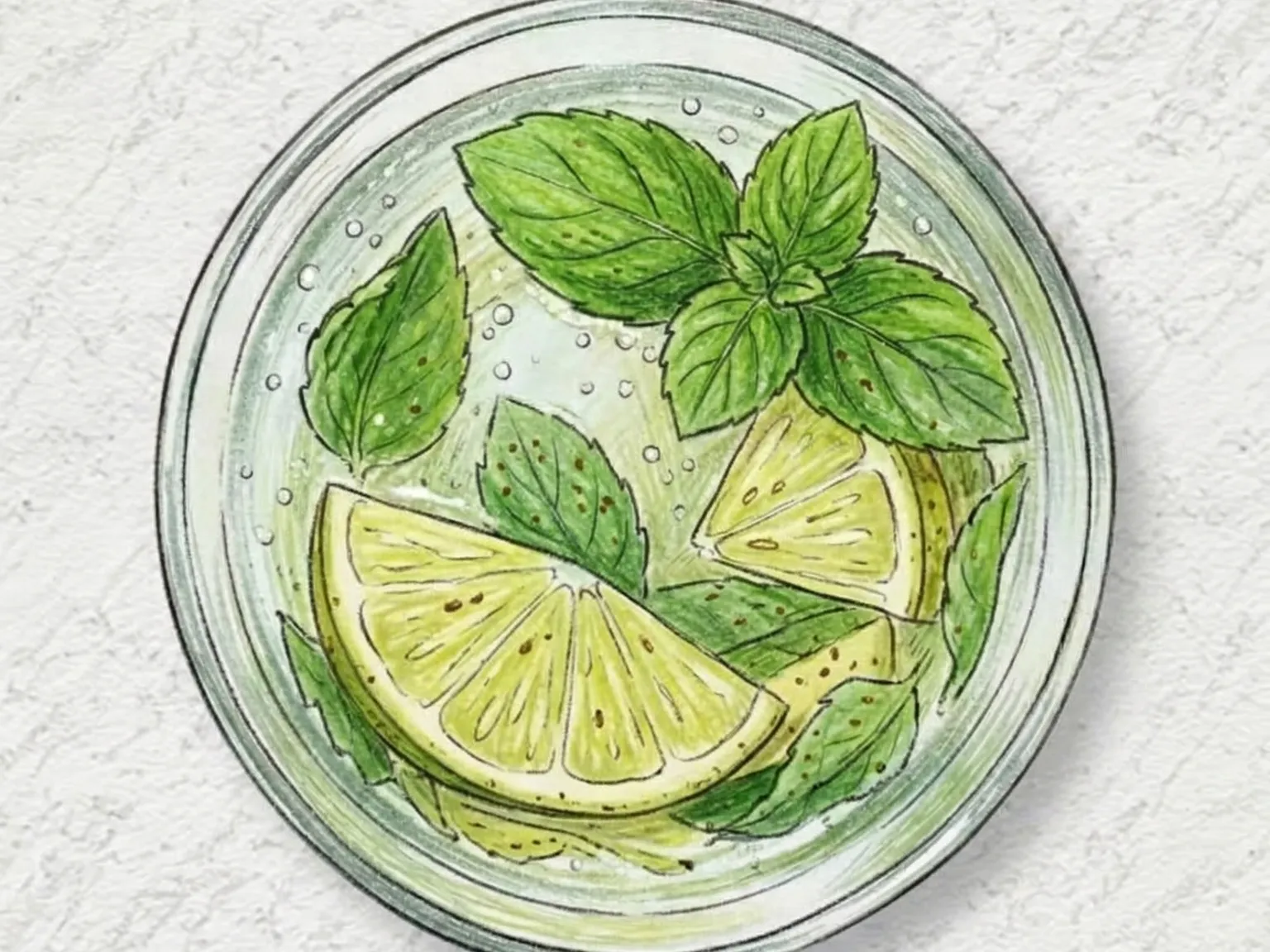
Virgin Mojito
Virgin mojito is a non-alcoholic cocktail built by gently muddling lime wedges and fresh mint leaves in a glass with simple syrup, then filling with sparkling water and ice. The muddling must be light enough to press the essential oils from the leaves without breaking the stems, since bruised stems release a bitter flavor that takes over the drink. One lime is cut into wedges for muddling while a second is juiced separately, which gives the drink both the textural element of pulp and the clean, sharp acidity of fresh juice. A pinch of salt added before muddling amplifies the lime's tartness in a way that simply adding more lime cannot replicate. The carbonation from the sparkling water carries mint aroma upward as it rises, so the first sip delivers fragrance before the liquid even reaches the palate. Larger ice cubes melt more slowly than crushed ice, preserving the balance of the drink for longer. A second option is to clap a few mint leaves between the palms to wake up the aroma before placing them in the glass, which extracts fragrance without any muddling at all.
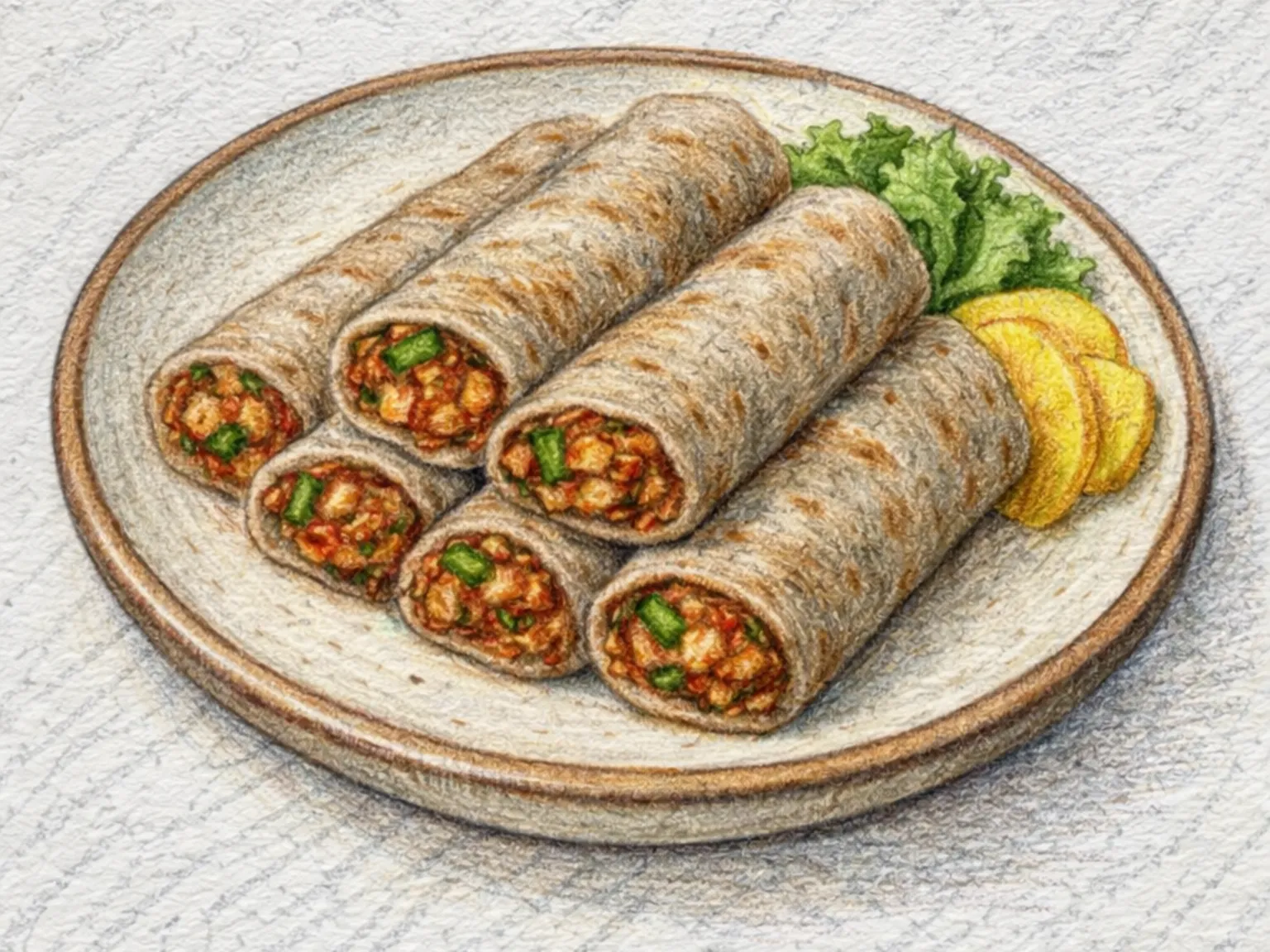
Korean Buckwheat Crepes with Kimchi Filling
Memil-jeonbyeong is a buckwheat crepe from Korea's Gangwon province, filled with stir-fried aged kimchi, tofu, ground pork, green onion, and gochugaru, then rolled and pan-fried again until the exterior crisps. The batter is made from buckwheat flour and water mixed to a thin consistency, but buckwheat contains no gluten and the batter tears easily on the pan if used immediately. Resting it for at least ten minutes allows the flour particles to hydrate fully, giving the batter enough cohesion to be spread thin without breaking. The thinner the crepe is spread, the more pronounced the characteristic chewy texture of the buckwheat becomes after cooking. The filling is prepared separately. Aged kimchi may be rinsed to moderate its acidity, but leaving it unwashed preserves the deep, funky sourness that forms the backbone of the filling's flavor. Ground pork contributes richness, tofu adds a mild, clean counterpoint, and together with the fermented kimchi they produce a filling with several distinct flavor layers. The filling is placed along one edge of the crepe, which is then rolled tightly and pressed closed. The rolled jeonbyeong is returned to the pan and turned slowly on all sides until the outside is golden and crisp. The contrast between the chewy, slightly earthy buckwheat wrapper and the spiced, savory interior is the defining characteristic of the dish.

Korean Watermelon Mint Juice
Watermelon mint juice blends seedless watermelon flesh with honey and lime juice, then pulses in mint leaves for just five seconds to capture their fragrance without extracting bitterness. Straining the blend removes excess pulp, producing a light, clear-textured drink. The juice is poured over a full glass of ice and finished with sparkling water, whose bubbles amplify both the watermelon's sweetness and the mint's cooling sensation. Lime juice cuts through the melon's one-note sweetness with a bright acidity, and a sprig of fresh mint on top releases aroma with each sip.
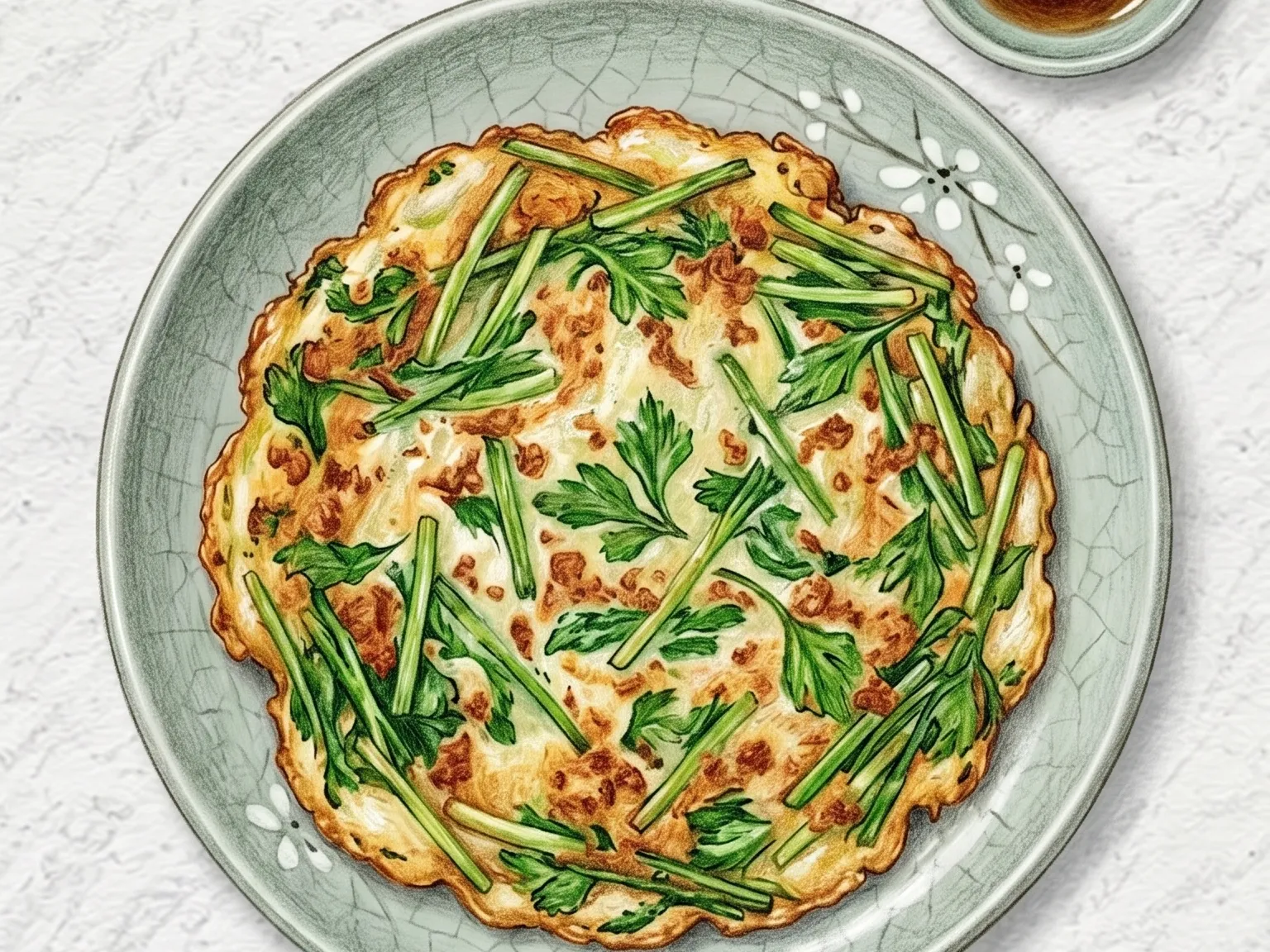
Korean Water Parsley Pancake
Minari-jeon is a Korean spring pancake made by cutting water parsley into five-centimeter lengths and mixing them into a batter of Korean pancake mix, water, egg, and salt, then pan-frying in oil until golden on both sides. Water parsley's cool, herbaceous fragrance permeates the entire pancake, and its stems provide a fresh, snappy bite against the soft batter. Spreading the mixture thin and cooking over medium heat for three to four minutes per side ensures crisp, almost fried edges, while overcooking quickly diminishes the herb's distinctive aroma. Dipping slices in cho-ganjang-soy sauce mixed with vinegar-balances the subtle bitterness of the parsley with sharp acidity.

Clear Korean Rice Wine (Traditional Fermented Yakju)
Yakju is a traditional Korean clear rice wine produced by steaming soaked glutinous rice for 35 minutes, then fermenting it with crushed nuruk starter, dry yeast, and water for seven to ten days at room temperature. Daily stirring distributes the yeast culture evenly, and sliced ginger and jujube are added during fermentation to suppress off-flavors and contribute subtle aromatics. After fermentation, the solids are allowed to settle completely so only the clear upper liquid is carefully decanted, giving yakju its transparent appearance and refined taste distinct from cloudy makgeolli. Two days of cold aging in the refrigerator rounds off the sharp alcohol edge, bringing forward a smooth, grain-forward character.
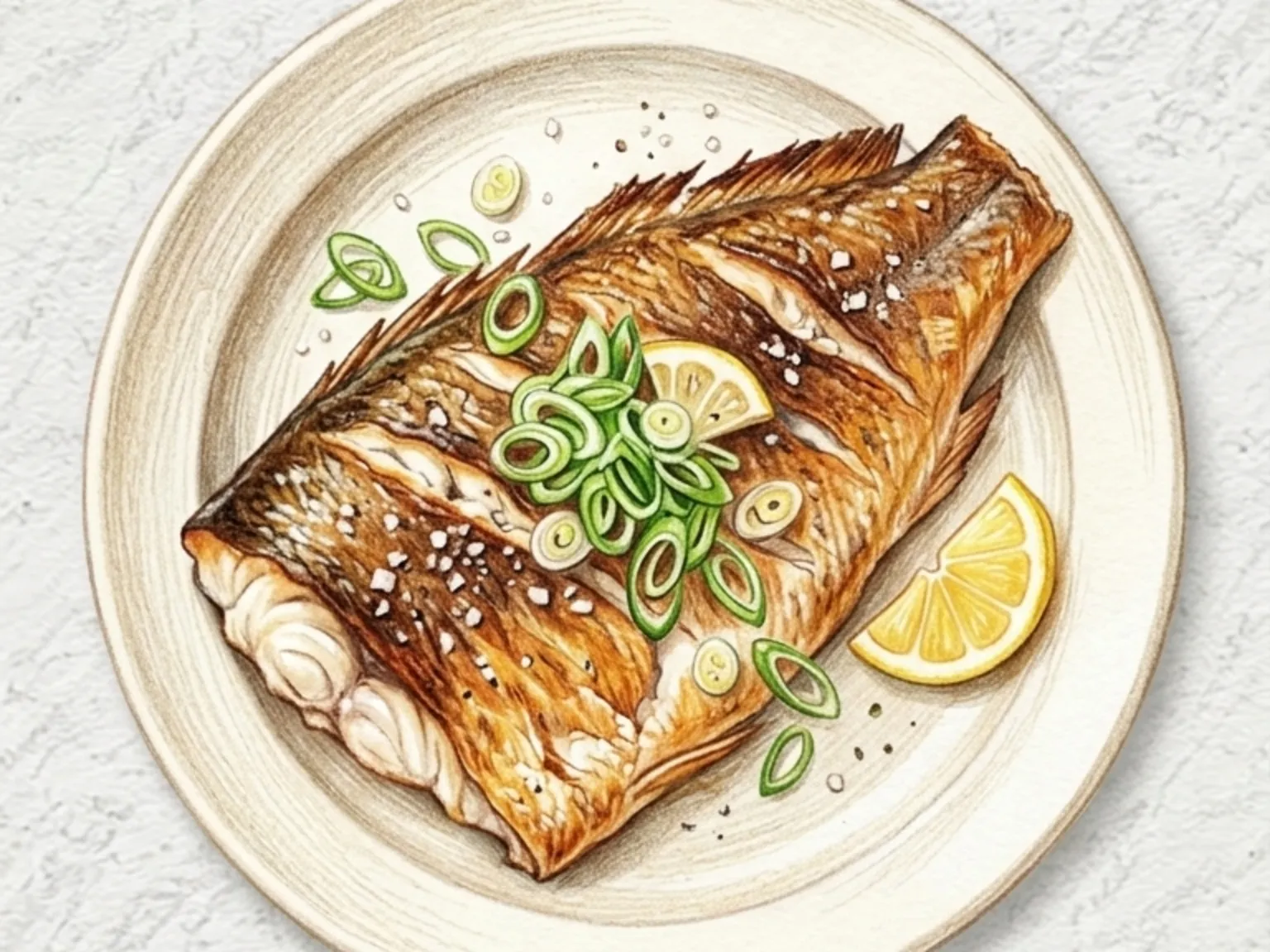
Korean Salt-Grilled Croaker
Mineo-sogeum-gui is a Korean salt-grilled croaker where fillets are seasoned with only coarse sea salt and white pepper, then pan-fried skin-side down in olive oil. Croaker is a lean white-fleshed fish with a subtle but genuine depth of flavor, and restraint with seasoning allows that natural character to come through clearly. Patting the surface completely dry before cooking is critical, since any moisture on the skin prevents it from crisping and causes it to stick to the pan. A whisper-thin coat of flour on the fillet creates a light barrier that forms a delicate crust on contact with the hot oil. Placing the fillet skin-side down and cooking it that way for roughly seventy to eighty percent of the total time allows the flesh to finish gently from residual heat after flipping, which prevents it from drying out. Minced garlic is introduced only in the final minute so it perfumes the oil without burning. A squeeze of lemon juice and a scatter of sliced chives at the table add brightness that frames the clean flavor of the fish rather than competing with it. Fresh croaker is best from July through August, but frozen fillets can be prepared with the same method.
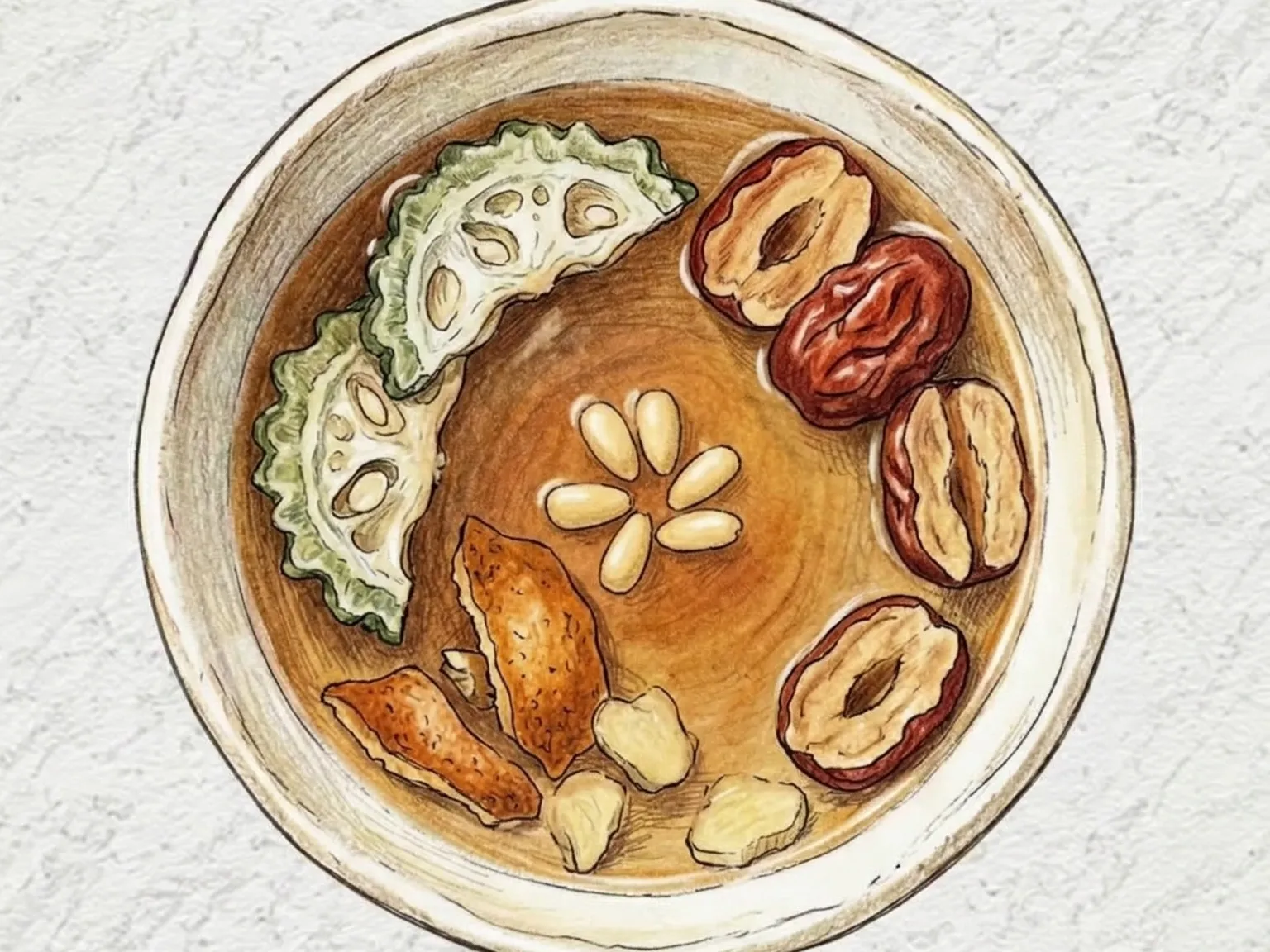
Korean Bitter Melon Jujube Tea
Yeoju-daechu-cha is a Korean herbal tea that steeps dried bitter melon, pitted jujubes, dried tangerine peel, and fresh ginger together for 25 minutes. The bitter melon provides a gentle, lingering bitterness that the jujubes counter with their natural sweetness, while the tangerine peel adds a citrus top note and ginger delivers a warm, peppery finish. Honey is dissolved after the heat is turned off to preserve its delicate fragrance, and a few pine nuts floated on the surface contribute a mild nuttiness. The tea is caffeine-free, and the bitter melon quantity can be reduced for those sensitive to its flavor.
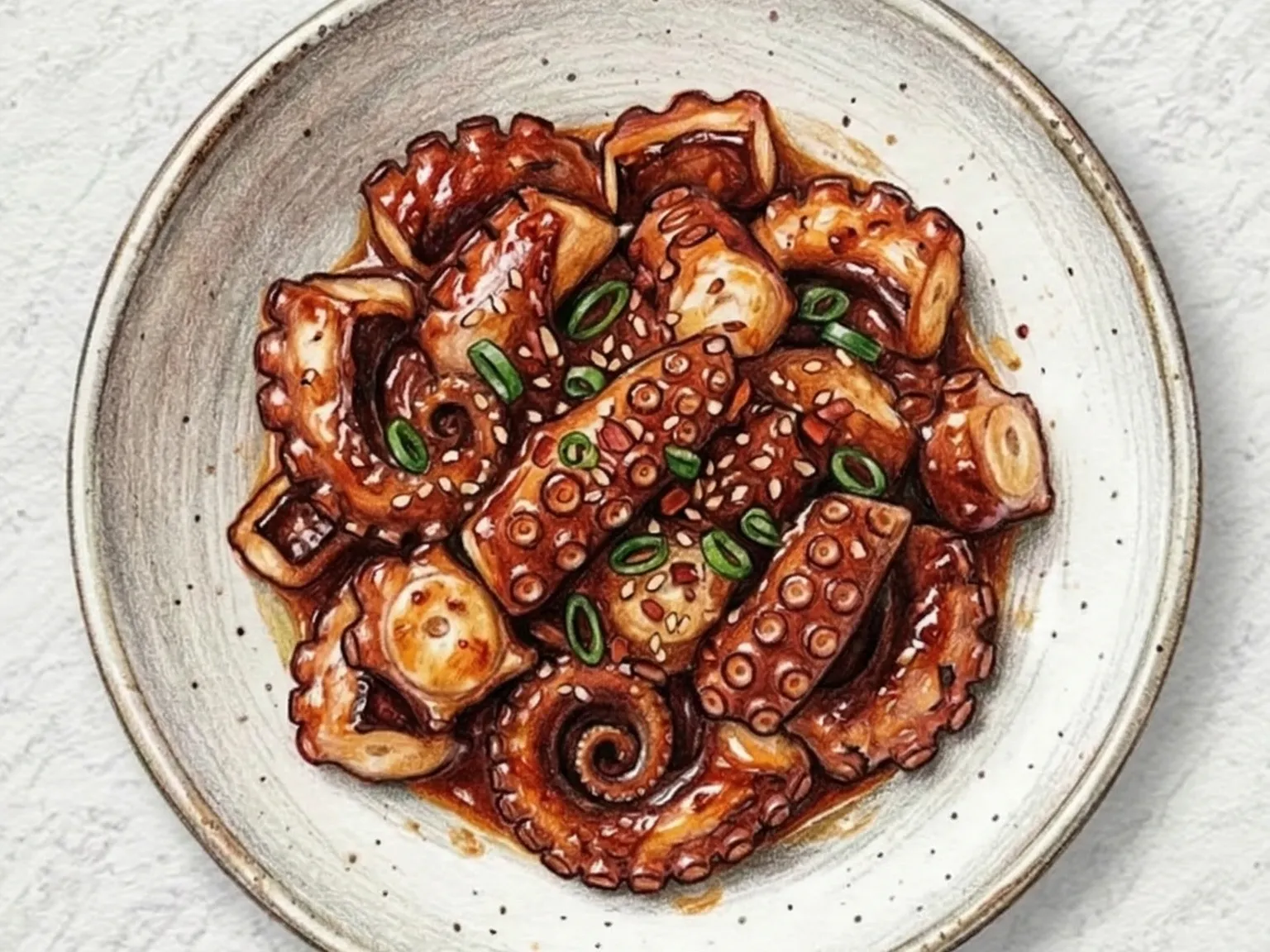
Korean Spicy Grilled Octopus
Muneo-yangnyeom-gui is a Korean spicy grilled octopus dish where pre-boiled octopus is cut into bite-sized pieces, marinated for ten minutes in gochujang, gochugaru, soy sauce, oligosaccharide syrup, and minced garlic, then seared quickly in a smoking-hot pan. Since the octopus is already cooked, extended heat exposure only toughens it-the entire grilling step should finish within three to four minutes. Blotting the octopus completely dry before cooking prevents the sauce from becoming watery and ensures rapid caramelization at high temperature. Sesame oil, sliced green onion, and sesame seeds are tossed in after the heat is off, adding a toasted, aromatic layer over the spicy-sweet glaze.
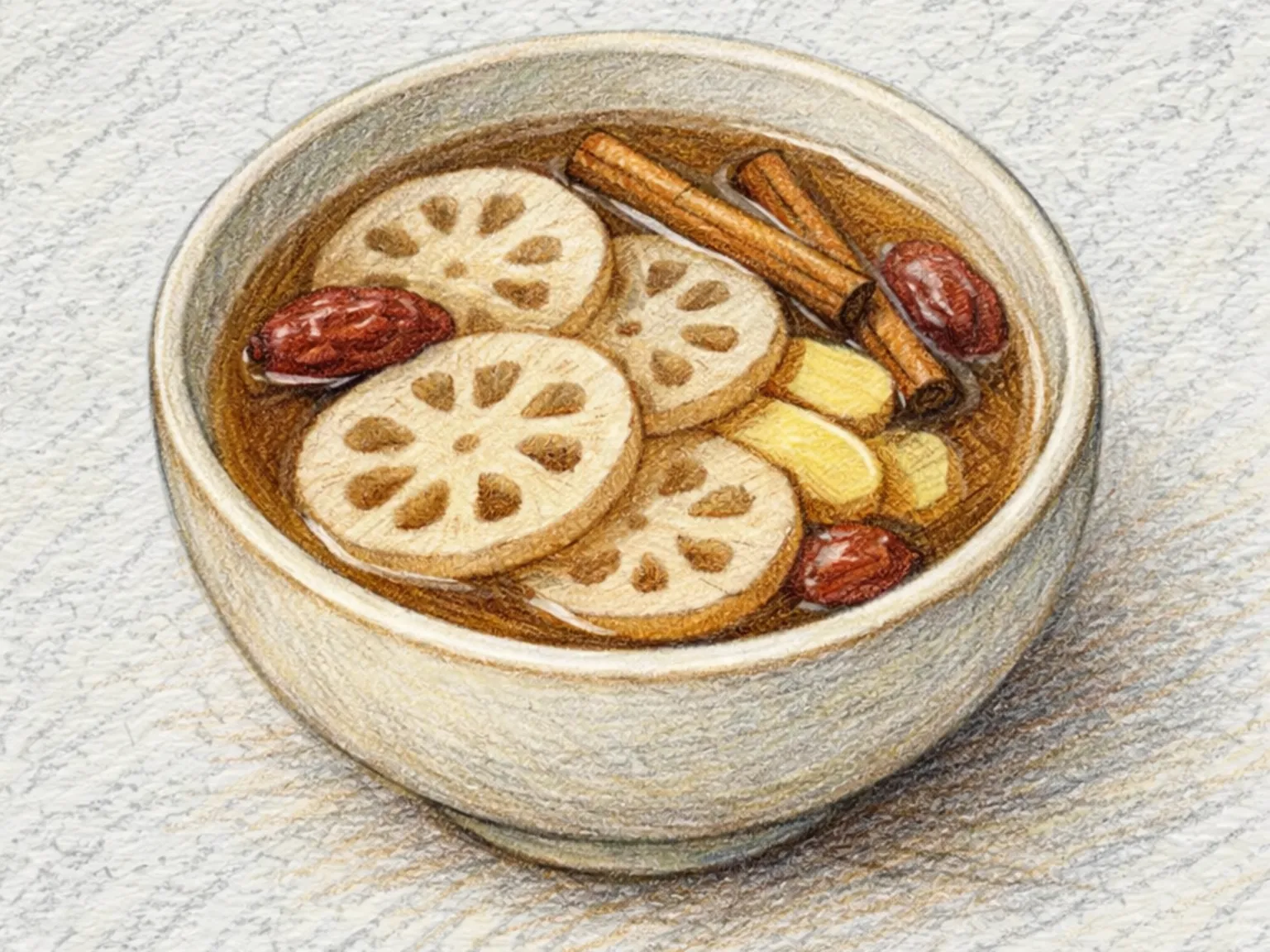
Korean Lotus Root Tea (Warm Herbal Root Brew)
Yeongeun-cha is a Korean lotus root tea prepared by simmering peeled, thinly sliced lotus root with jujube, ginger, and a cinnamon stick over low heat for twenty-five minutes. As the root cooks, its natural starch gradually dissolves into the water, producing a tea that is clear but carries a subtle, silky body unlike most herbal brews. Jujubes contribute the primary sweetness; adding a small spoonful of honey and a single pinch of salt develops the flavor further without making it sugary. Cinnamon and ginger stay in the background, leaving a gentle warmth that lingers in the finish and makes the tea feel comforting without being sharp or medicinal. Soaking the lotus root slices in lightly acidulated water for ten minutes before cooking prevents oxidative browning and keeps the finished tea pale and clear. The flavor holds up equally well served hot in a ceramic cup or cooled down and poured over ice as a refreshing cold drink.
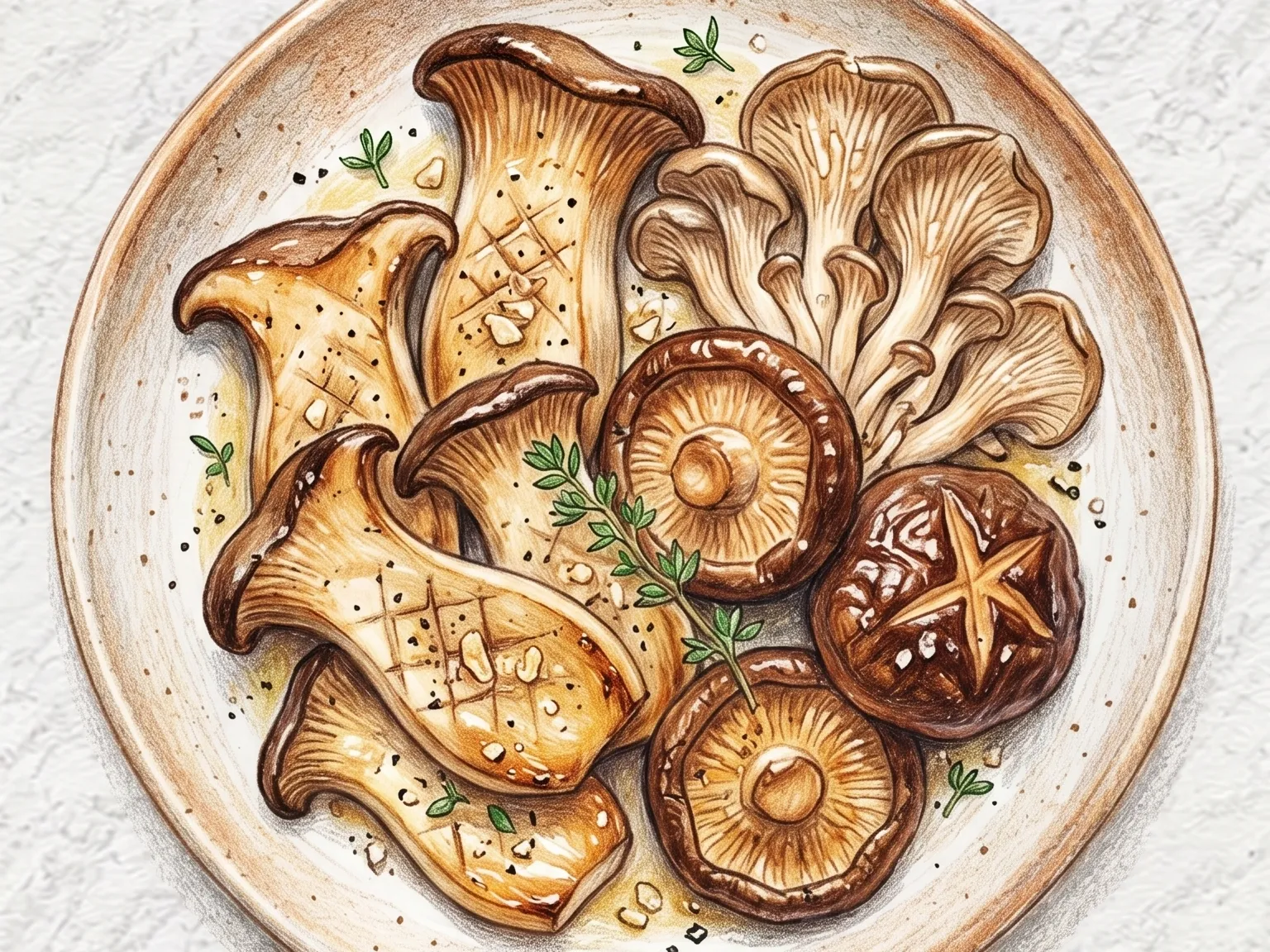
Korean Grilled Mixed Mushrooms
Mushroom-gui is a Korean grilled mixed mushroom dish combining king oyster, shiitake, and oyster mushrooms, seasoned simply with butter, minced garlic, salt, and black pepper. Each mushroom variety contributes a different texture: king oyster offers a dense, meaty chew from its thick stem, shiitake delivers concentrated umami from its cap, and oyster mushrooms add a delicate, silky shred. The key technique is to resist stirring the mushrooms after placing them in the pan-their high water content must evaporate first before the surfaces can brown and develop flavor. Adding butter partway through rather than at the start prevents it from burning while still infusing the mushrooms with its richness.