Asian Recipes
806 recipes. Page 26 of 34
The Asian category gathers popular dishes from Japan, China, Thailand, Vietnam, India, and beyond. Curry, stir-fried noodles, mapo tofu, pad Thai, and pho are among the Asian favorites commonly enjoyed in Korean households.
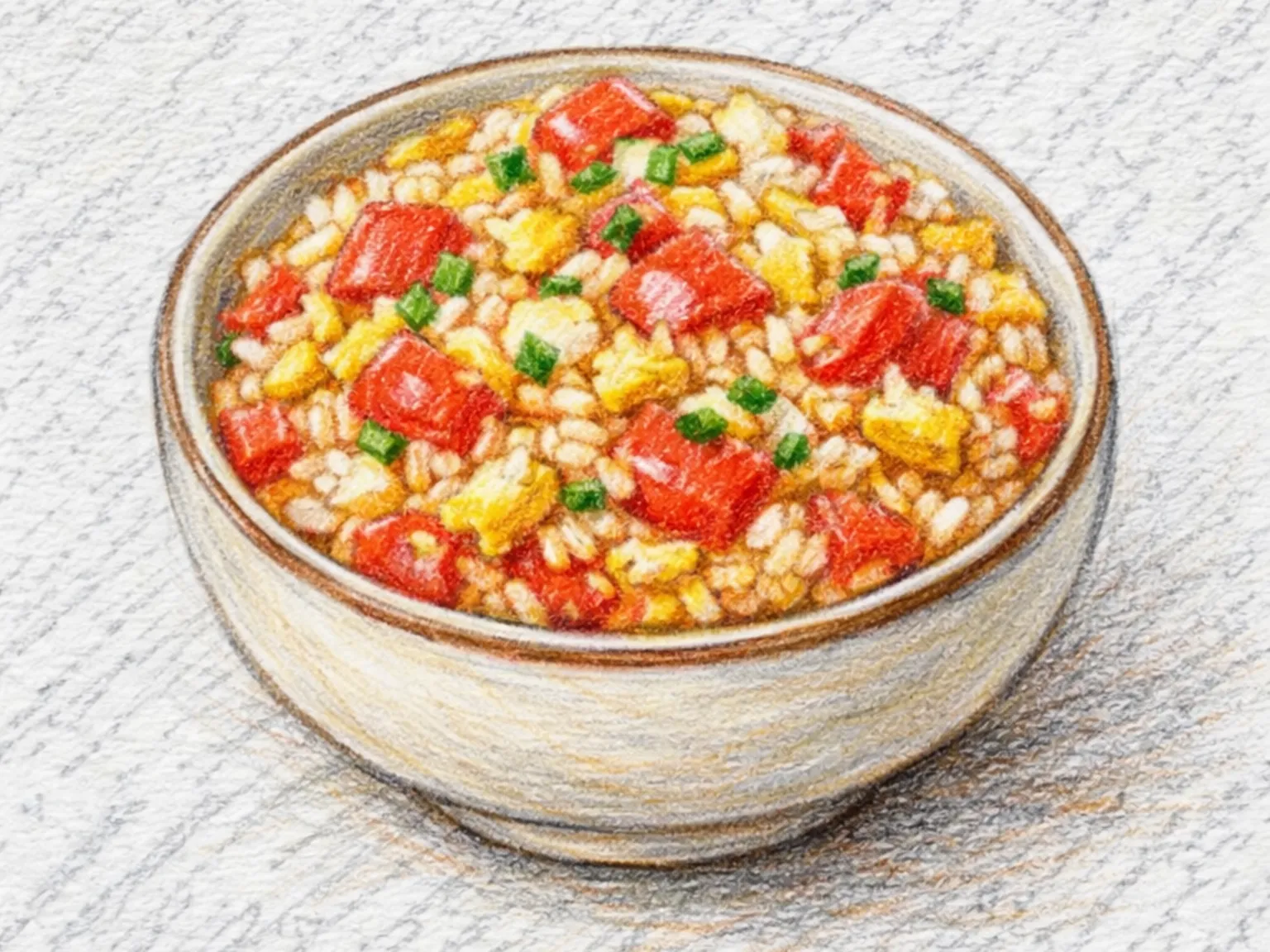
Korean Tomato Egg Fried Rice
Eggs are scrambled first and set aside, then tomatoes are stir-fried in the same pan until their juices burst and coat the wok. Day-old or freshly cooked rice goes in next, tossed at high heat so the grains absorb the tomato's sweet-tart moisture while staying individually distinct. The scrambled egg is folded back in at the end, distributing soft, fluffy curds throughout the fried rice. Rooted in the Chinese classic of tomato and egg, this version turns those familiar flavors into a satisfying one-bowl fried rice.
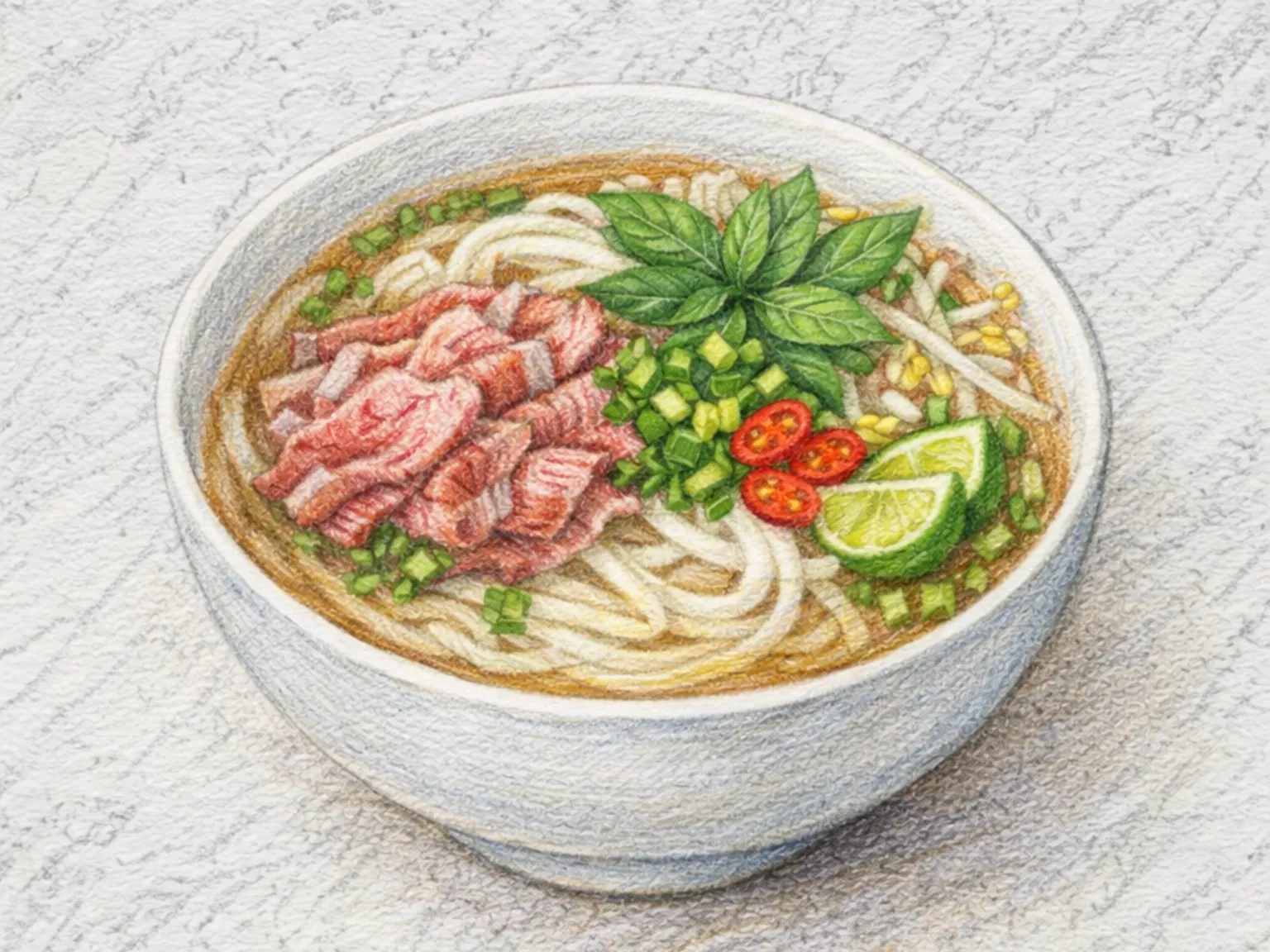
Vietnamese Beef Pho
The clear, golden broth in Vietnamese beef pho begins with three separate preparations: cleaned beef bones, dry-toasted spices, and ginger and onion charred over a flame. For 4 servings, prepare 1500 g beef bones, 400 g rice noodles, 300 g thinly sliced beef, 4 star anise, 2 cinnamon sticks, 50 g ginger, 1 onion, 3 tablespoons fish sauce, 100 g bean sprouts, 2 limes, and 20 g basil. Soak the bones in cold water for 1 hour to draw out blood. Blanch them in boiling water, then scrub the surfaces under cold water to remove the residue that would cloud the broth. Toast the star anise and cinnamon in a dry pan for 1 to 2 minutes, stopping when their aroma becomes pronounced. Char the ginger and onion directly over a flame until the outsides darken, then brush away only the loose burnt flakes. Place the cleaned bones, charred aromatics, and toasted spices in a large pot with 3 L water. Keep the pot at a low simmer for 6 to 8 hours and skim foam from the surface as it rises. Strain out the bones and aromatics when the broth is clear and golden. Add the 3 tablespoons fish sauce in portions, tasting between additions so the seasoning does not overwhelm the long-cooked broth. Soak and cook the rice noodles, then divide them among four bowls. Lay the thin beef slices over the noodles and pour the boiling broth directly on top. The heat of the broth cooks the thin meat in the bowl. Serve with the bean sprouts, lime, and basil so each bowl can be adjusted with fresh crunch, acidity, and herbs at the table.
Goyori Mame Soybeans with Dried Small Fish
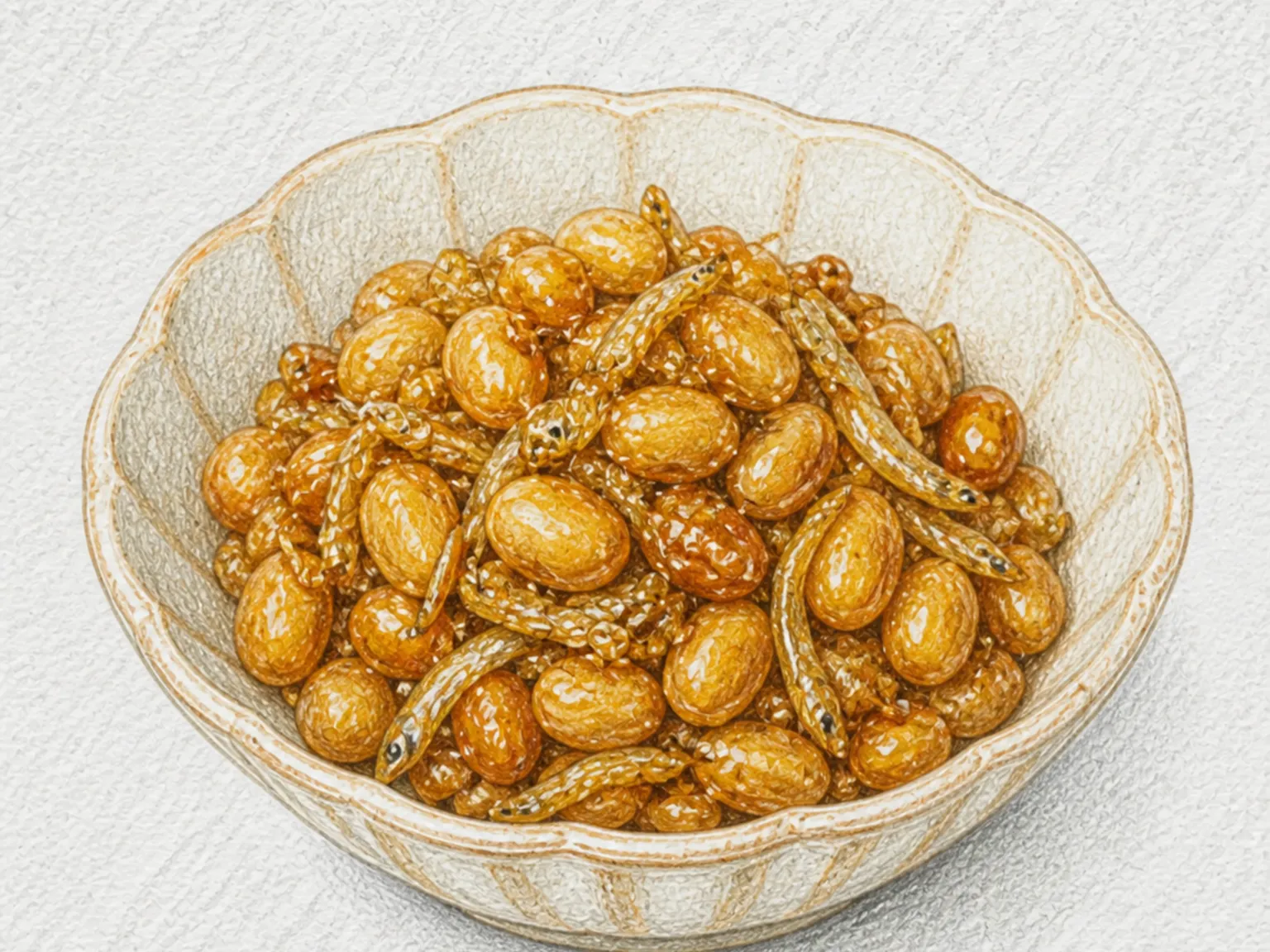
Goyori mame is a sweet-salty side dish from the Senshu and Kawachi regions of Osaka. Dried soybeans are cooked until tender with coarse sugar, sake, mirin, and soy sauce, then combined with goyori that has been dry-roasted over low heat and reduced until the beans are glossy and no liquid remains. Goyori refers to the small fish and shrimp from Osaka Bay that were sun-dried together, with the remaining mixed catch taking this name after saleable pieces were selected. In Kawachi the dish is often called jako mame. Families once made it in large batches as a pantry side and for gatherings, and an overnight rest lets the seasoning settle into the beans and fish.
Tororo-Jiru (Grated Japanese Yam with Miso Dashi)
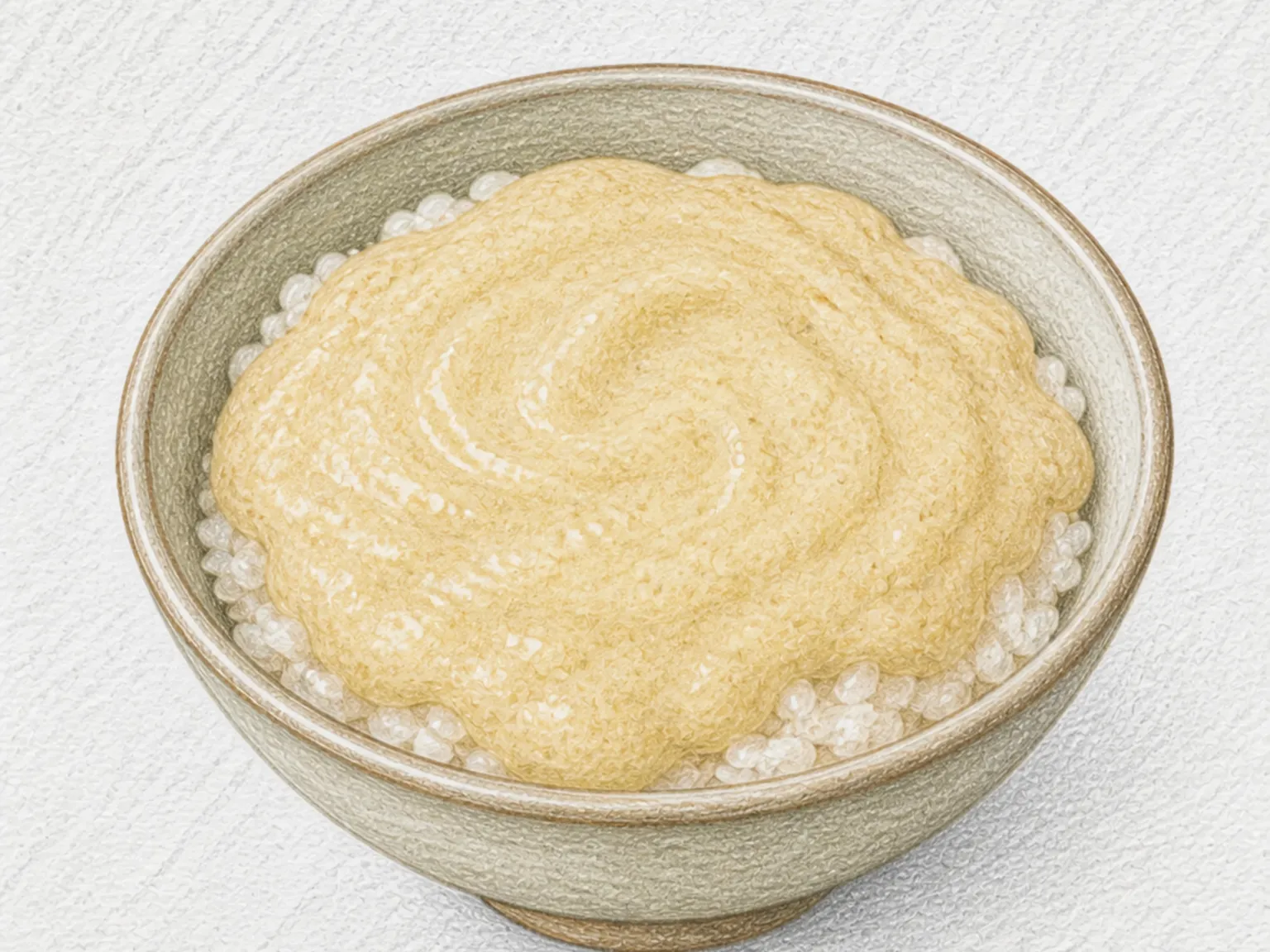
Tororo-jiru is a Mariko specialty from Shizuoka City made by finely grating jinenjo, working the sticky yam thoroughly in a mortar, and gradually loosening it with cooled dashi seasoned with miso and soy sauce. The smooth, flowing mixture is poured over hot rice and finished with green onion and nori. Adding the cool broth in several small portions and fully incorporating each one prevents lumps and preserves the yam's characteristic stretch. Mariko was the twentieth station of the fifty-three Tokaido post towns, and travelers sought its tororo-jiru as sustaining food. Jinenjo is harvested from mid-autumn into winter, and some communities eat the dish on January second while wishing for health through the year.
Hanoi-Style Pho Bo (Vietnamese Northern Clear Beef Noodle Soup)
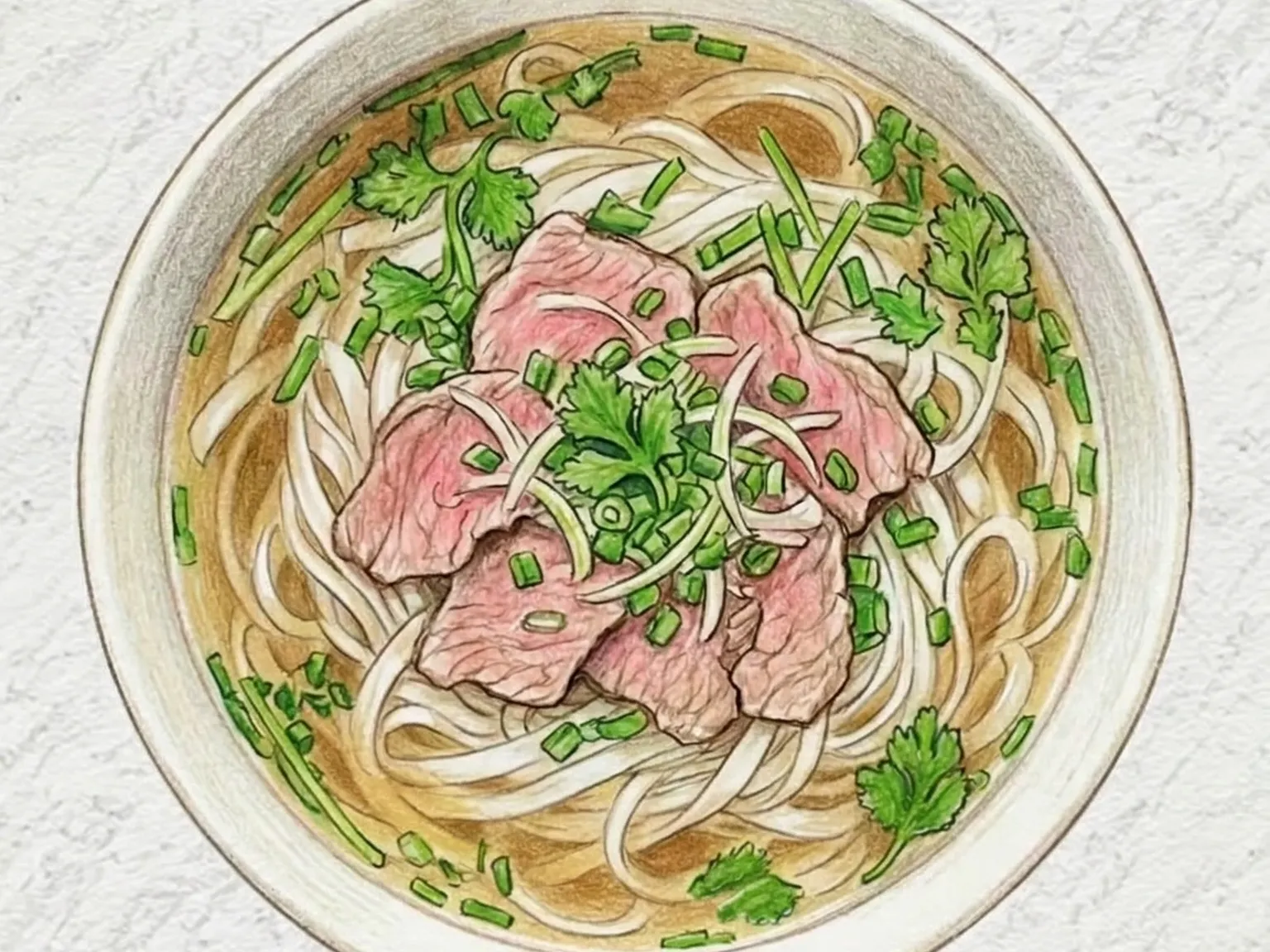
Hanoi-style pho bo is the original northern Vietnamese beef noodle soup, distinguished from its southern counterpart by a leaner, clearer broth and restrained garnishing. Beef bones and brisket simmer for hours with a modest hand of spices - star anise, cinnamon bark, and a few cloves - so the beef flavor leads rather than the aromatics. The broth is repeatedly skimmed until it runs nearly transparent, with no trace of grease on the surface. Paper-thin slices of raw beef placed in the bowl cook to a pale pink the moment the scalding broth is ladled over them. In Hanoi, the bowl arrives with only chopped scallion and cilantro; bean sprouts, hoisin sauce, and sriracha - common in southern and overseas versions - are absent by tradition.
Yaki-saba no Nitsuke (Grilled Mackerel and Onion Simmer)
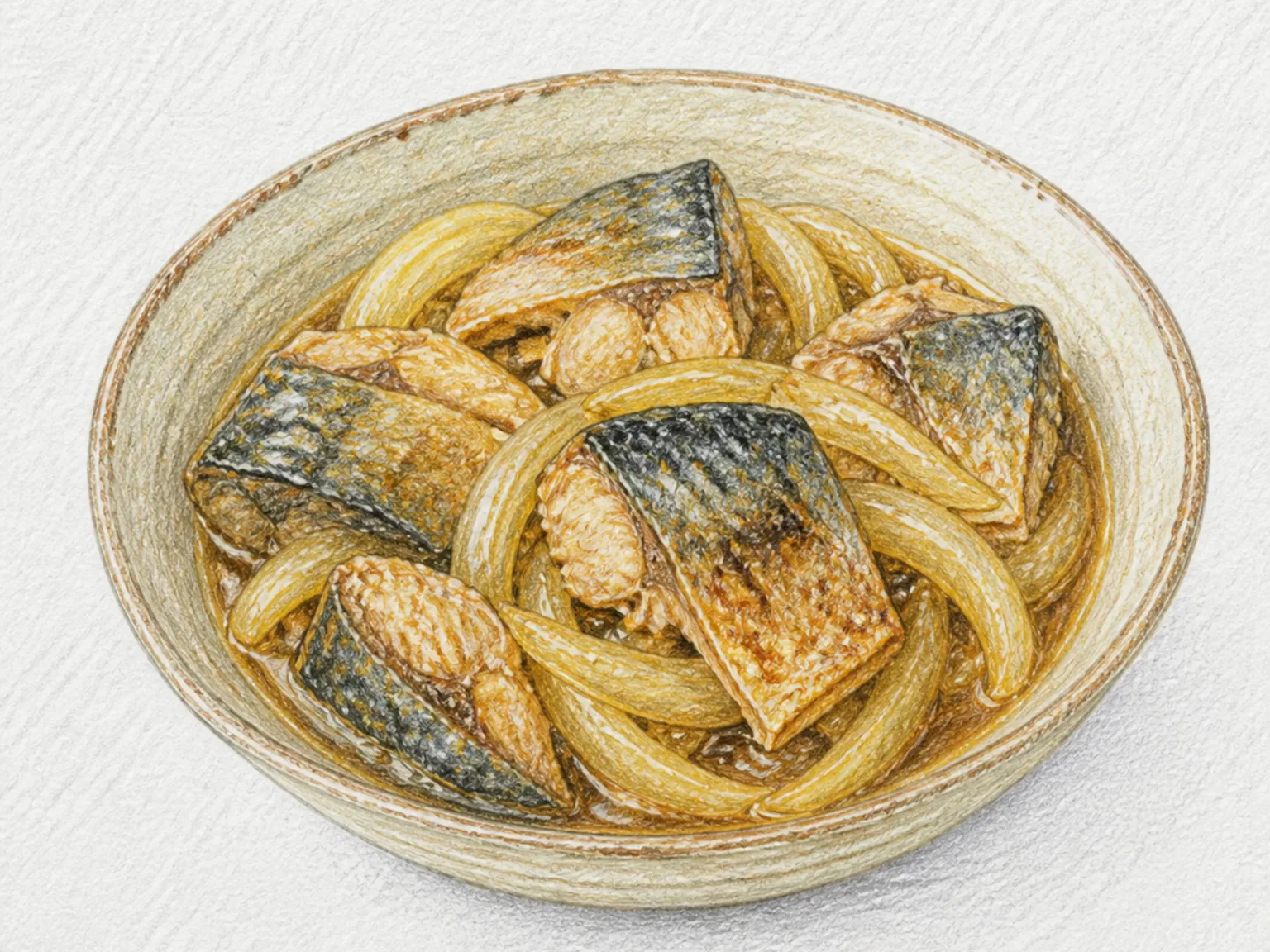
Yaki-saba no nitsuke is a Tottori fish dish made by breaking a whole pre-grilled mackerel into large bite-size pieces and gently simmering it again with onion, water, sake, sugar, and soy sauce. The method became familiar in inland areas where grilled fish was easier to preserve and transport, bringing smoke and soy broth together with onion sweetness. Because the mackerel is already cooked, a long hard boil would dry and break it. A short gentle simmer softens the onion, and resting the fish in the broth seasons it without disturbing the flesh.
Tororo Manma (Mountain Yam Rice with Miso Dashi)
Tororo manma is mountain yam served over rice in northern and southern Akita and in Yurihonjo City, especially during the first three days of the New Year and the day after a celebration. Dried sardines and root kombu soak overnight in 1.8 L water. The stock is brought to a boil, bonito flakes are added for 2 to 3 minutes, and all solids are removed. A large amount of miso is dissolved into the stock to make a deliberately strong miso soup, which is cooled completely. Peeled mountain yam is grated directly in a Japanese mortar. The cold soup is then stirred into the yam little by little, loosening its dense elasticity without making it watery. Akita's customary yam is yama-no-imo, which is lower in moisture and more tenacious than nagaimo. The finished tororo should still cling to a spoon and is poured generously over freshly cooked hot rice.
Hanoi-Style Chicken Pho (Pho Ga)
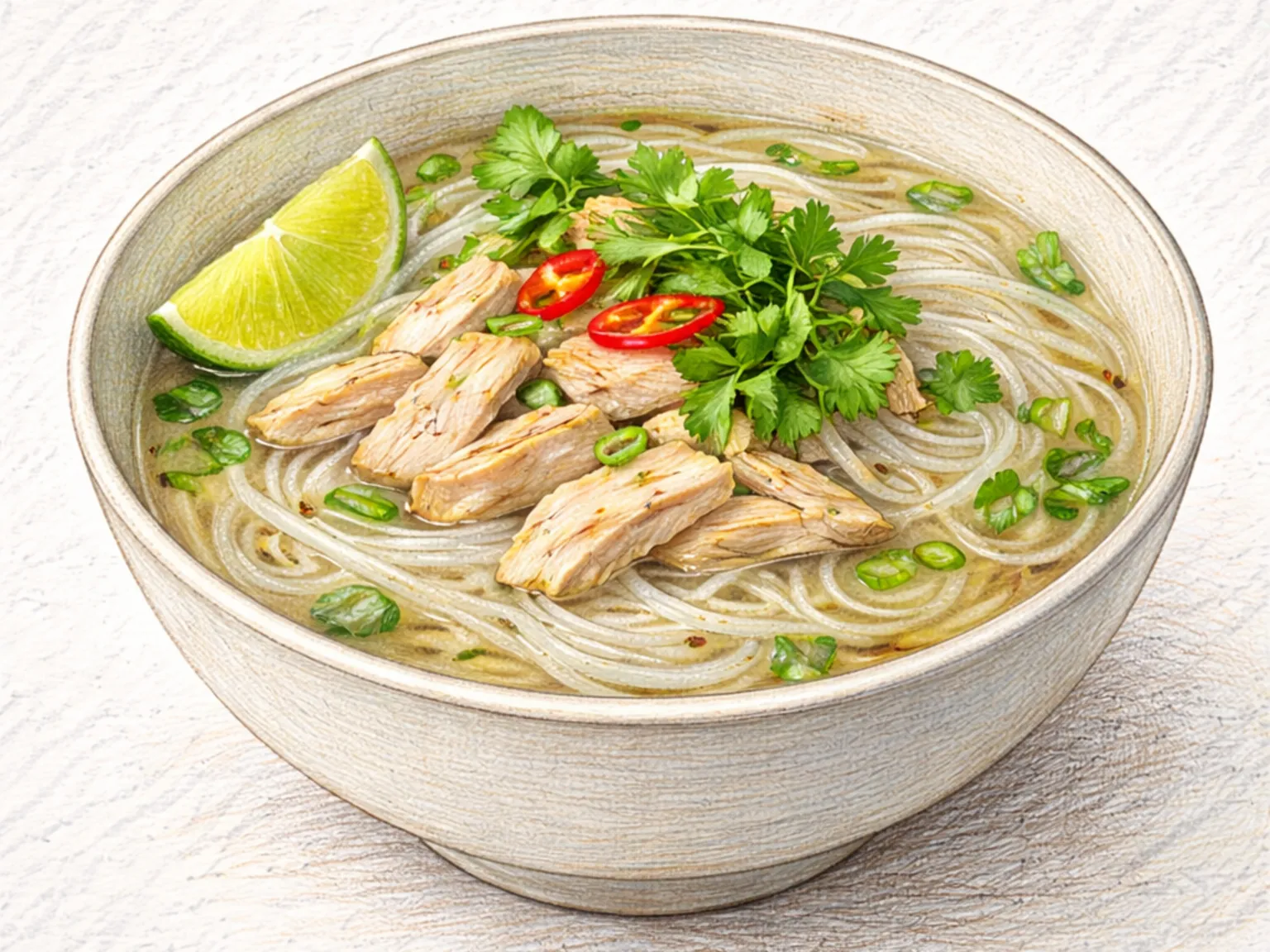
Hanoi-style pho ga is a chicken noodle soup that trades the beefy richness of pho bo for a lighter, cleaner bowl. Chicken bones and thighs simmer together until the broth turns golden and fragrant, then the meat is pulled into long shreds and piled over flat rice noodles. The spice profile is gentle - a knob of charred ginger and a single star anise - keeping the chicken flavor at the forefront. The broth has a silky quality from the natural gelatin in the bones, giving each spoonful a body that belies its clarity. Scallion, cilantro, and a squeeze of lime are the standard accompaniments. Some vendors add a torn fried dough stick for crunch. Pho ga is widely considered the everyday breakfast pho in Hanoi, less ceremonial than its beef counterpart but no less satisfying.
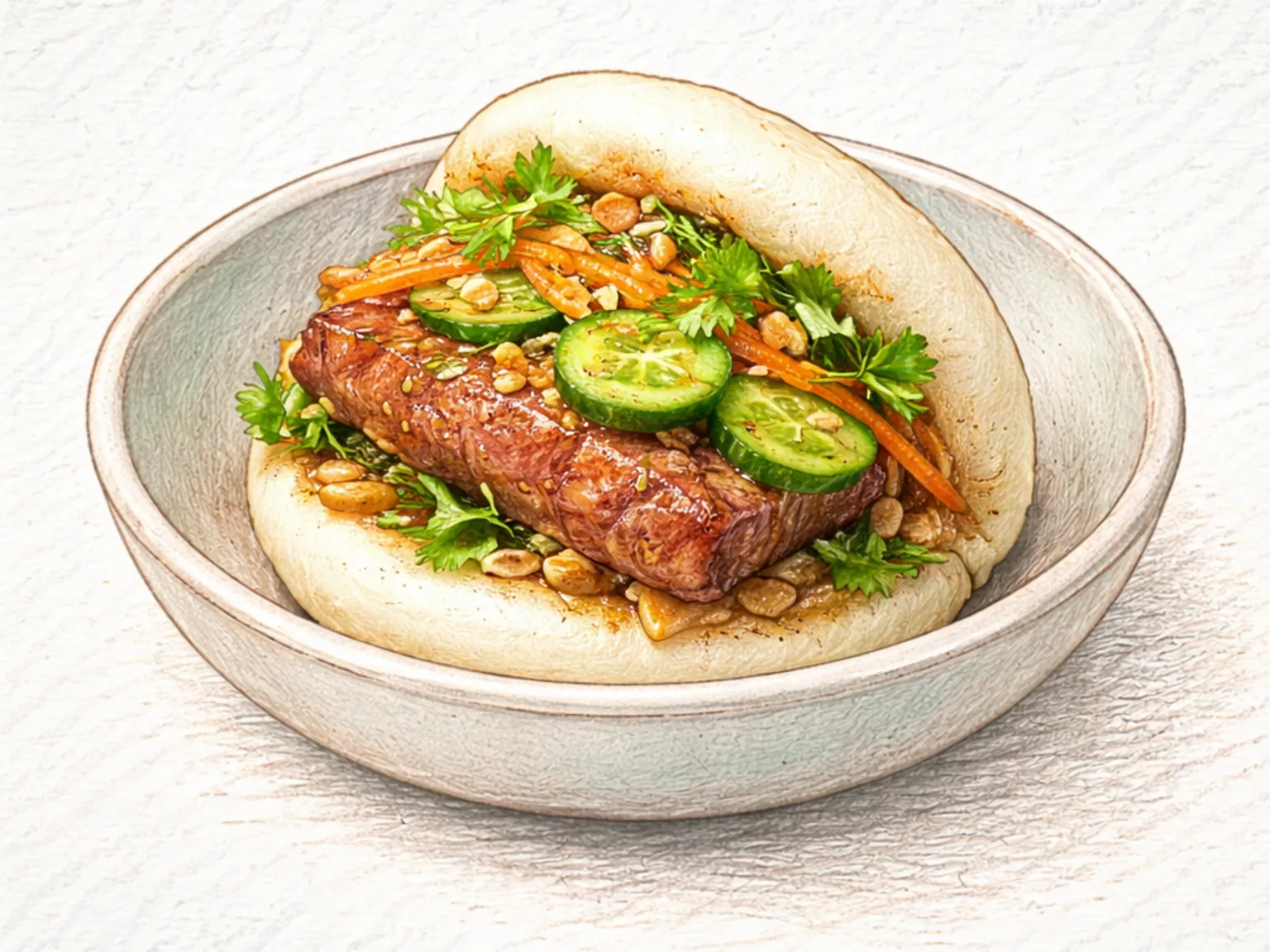
Gua Bao (Steamed Bun with Braised Pork)
Gua bao, sometimes called the Taiwanese hamburger, is a traditional snack that traces its origins to a ceremonial food eaten during Lunar New Year pig slaughter, though it has since become one of the most recognizable symbols of Taiwan night market street food culture. The steamed bun, called he ye bao, is made from fermented wheat dough that must be soft and pillowy on the inside, smooth on the surface, and elastic enough to fold cleanly in half without tearing before the filling is placed inside. The pork belly filling is braised for over an hour in soy sauce, five-spice powder, and rock sugar until the meat breaks apart along its grain at the lightest touch of chopsticks. Three garnishes work together to cut through the richness of the braised pork from different angles: pickled mustard greens bring sharp fermented acidity, crushed peanut powder adds a sandy sweetness, and fresh cilantro contributes bright herbal fragrance. The bun is sized to hold in one hand, yet the flavor complexity it contains rivals a full plated dish. This compression of layered depth into a single handheld bite is precisely what defines the spirit of Taiwan night market cooking.
Unadon (Japanese Grilled Glazed Eel Rice Bowl)
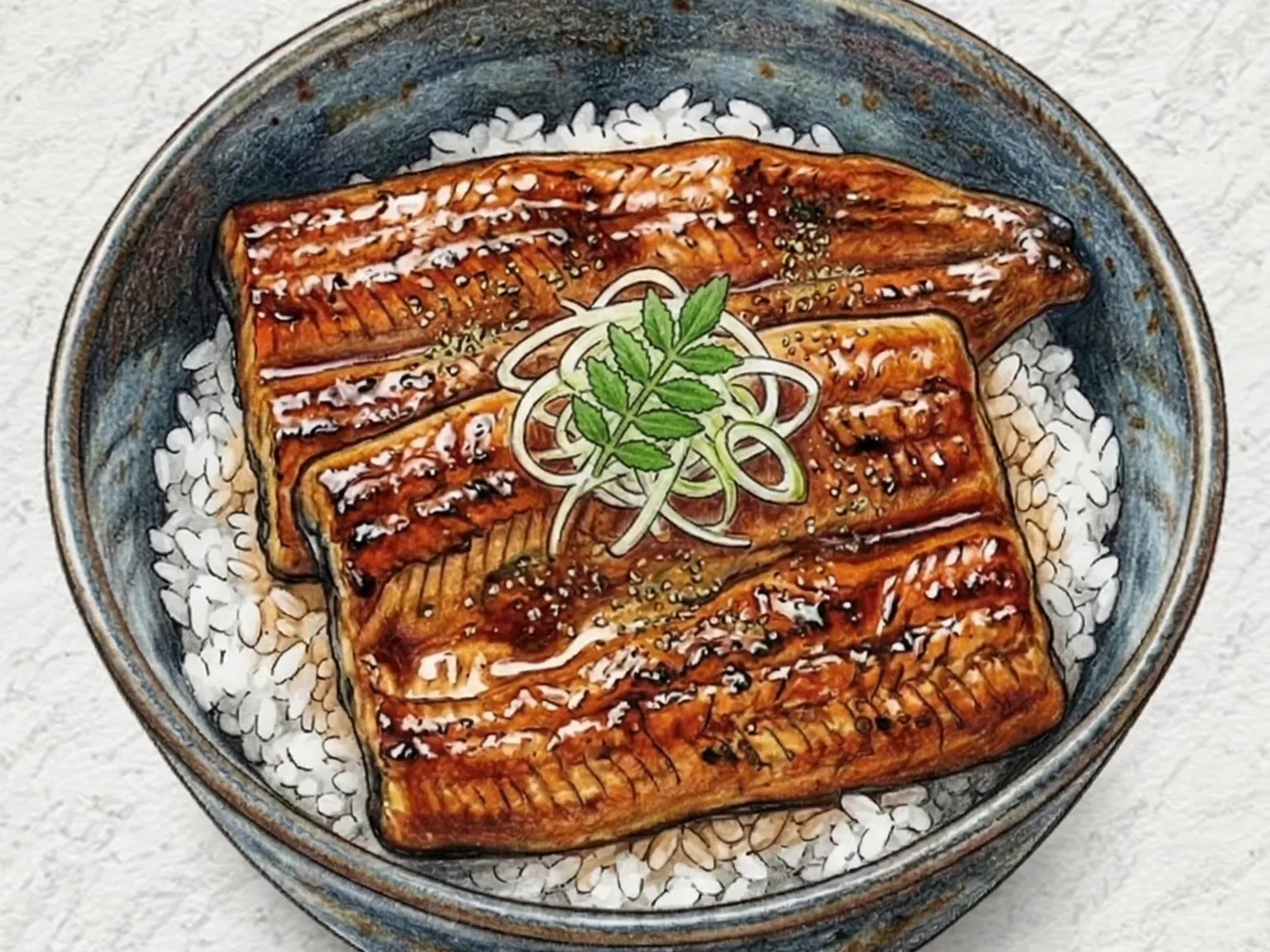
Unadon is a classic Japanese rice bowl dish featuring grilled freshwater eel brushed with a caramelized soy glaze. The preparation begins by drying the eel fillet and letting it rest at room temperature to ensure even cooking. The eel is first placed skin-side down in the pan to render its natural fat and create a tender texture. A rich tare sauce made by simmering soy sauce, mirin, sake, and sugar is repeatedly brushed onto the fish during the final stages of cooking. This process coats the eel in a glossy, sweet, and savory glaze. The cooked eel is served over a bowl of warm steamed rice drizzled with a spoonful of the sauce. Finely chopped chives and a dusting of ground sansho pepper are added at the end, providing a tingly citrus aroma that balances the richness of the fish.
Saba Somen (Simmered Mackerel with Somen)
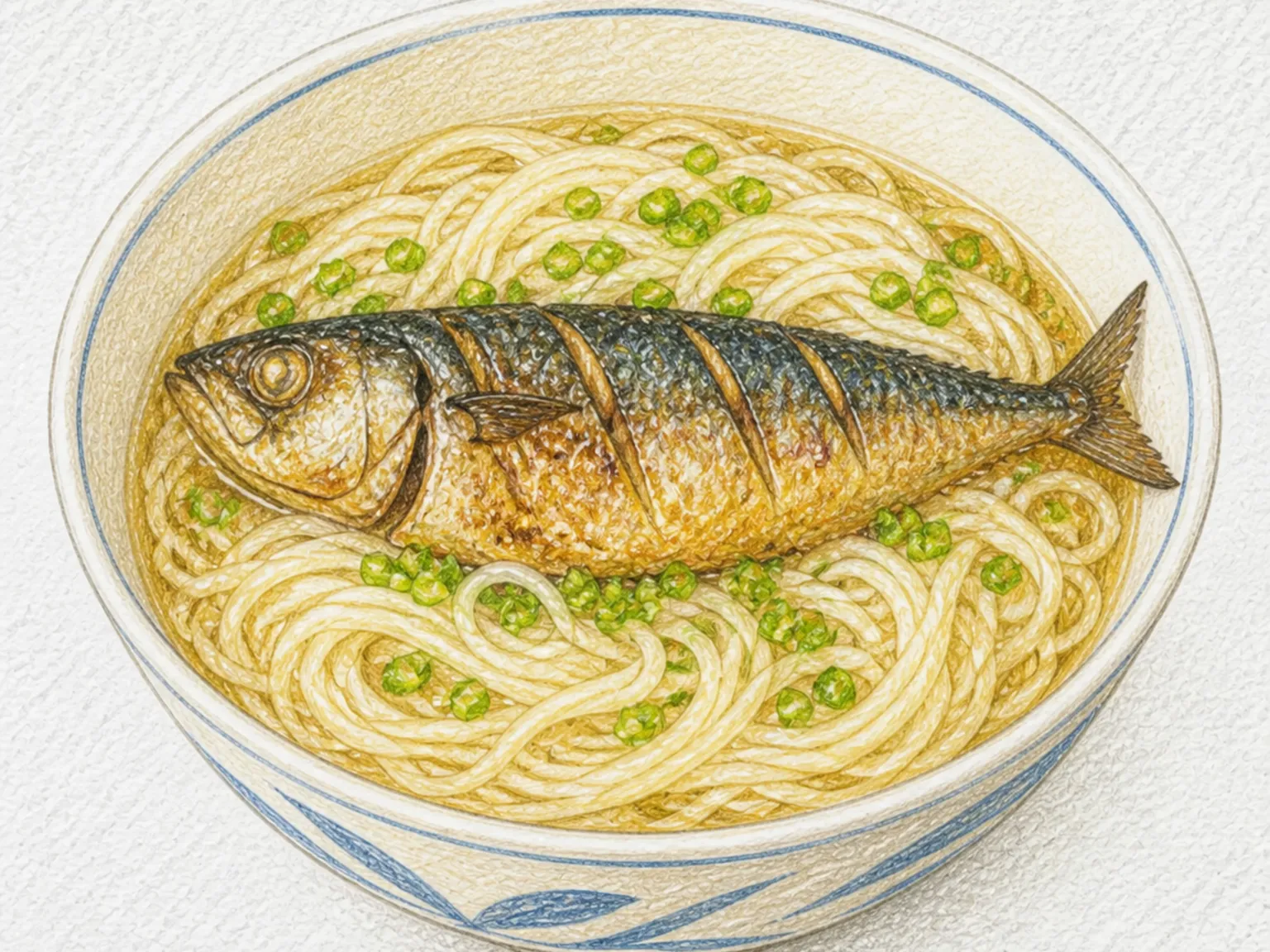
Saba somen is a regional noodle dish from the Kohoku area of Shiga. A whole grilled mackerel is simmered in sweet soy-seasoned dashi, then firm-cooked somen absorbs the strained cooking liquid before both are plated together. The dish reflects routes that carried mackerel inland from Wakasa and Tsuruga, as well as the spring custom of sending grilled mackerel to married daughters during the busy rice-planting season. It is also served for Nagahama's Hikiyama Festival. Careful basting keeps the fish moist, and straining the broth removes loose bones before it reaches the noodles.
Gunma Yakimochi, Miso Wheat Cakes
Gunma yakimochi are pan-griddled wheat cakes made by mixing flour and baking soda with seasonal vegetables, then kneading the mixture with water in which miso has been dissolved. Unlike the familiar grilled rice mochi, this local form reflects Gunma's strong wheat culture, supported by wheat growing and double cropping. Similar cakes are called oyaki or jiriyaki in parts of the prefecture. Farm households prepared them for koju-han, a substantial break between periods of fieldwork, and also served them with tea, as a light lunch, or as food carried into the mountains. Miso seasons the dough throughout, while scallion and shiso add freshness.
Uzumi (Rice Hidden under Tofu and Shiitake Soup)
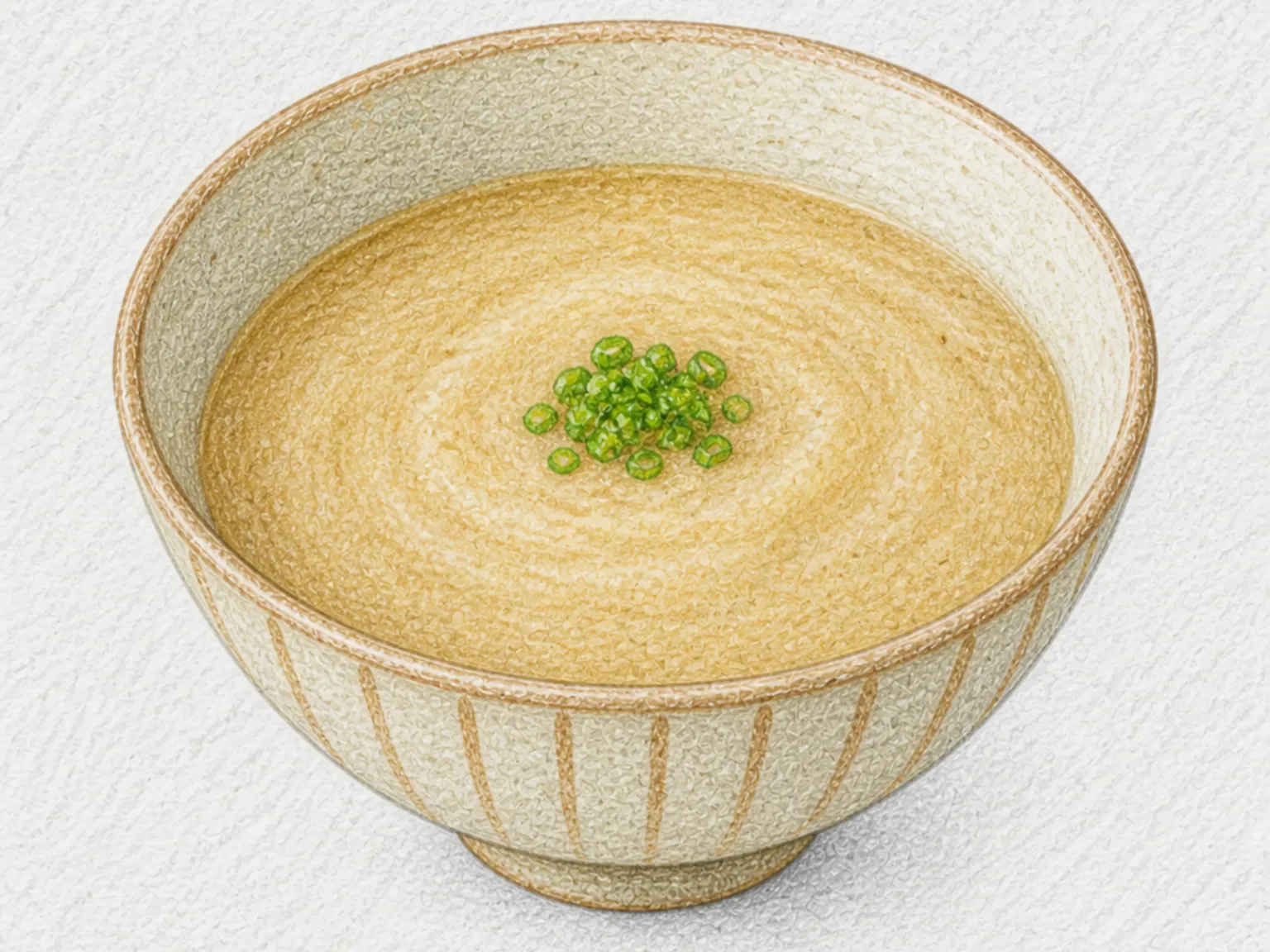
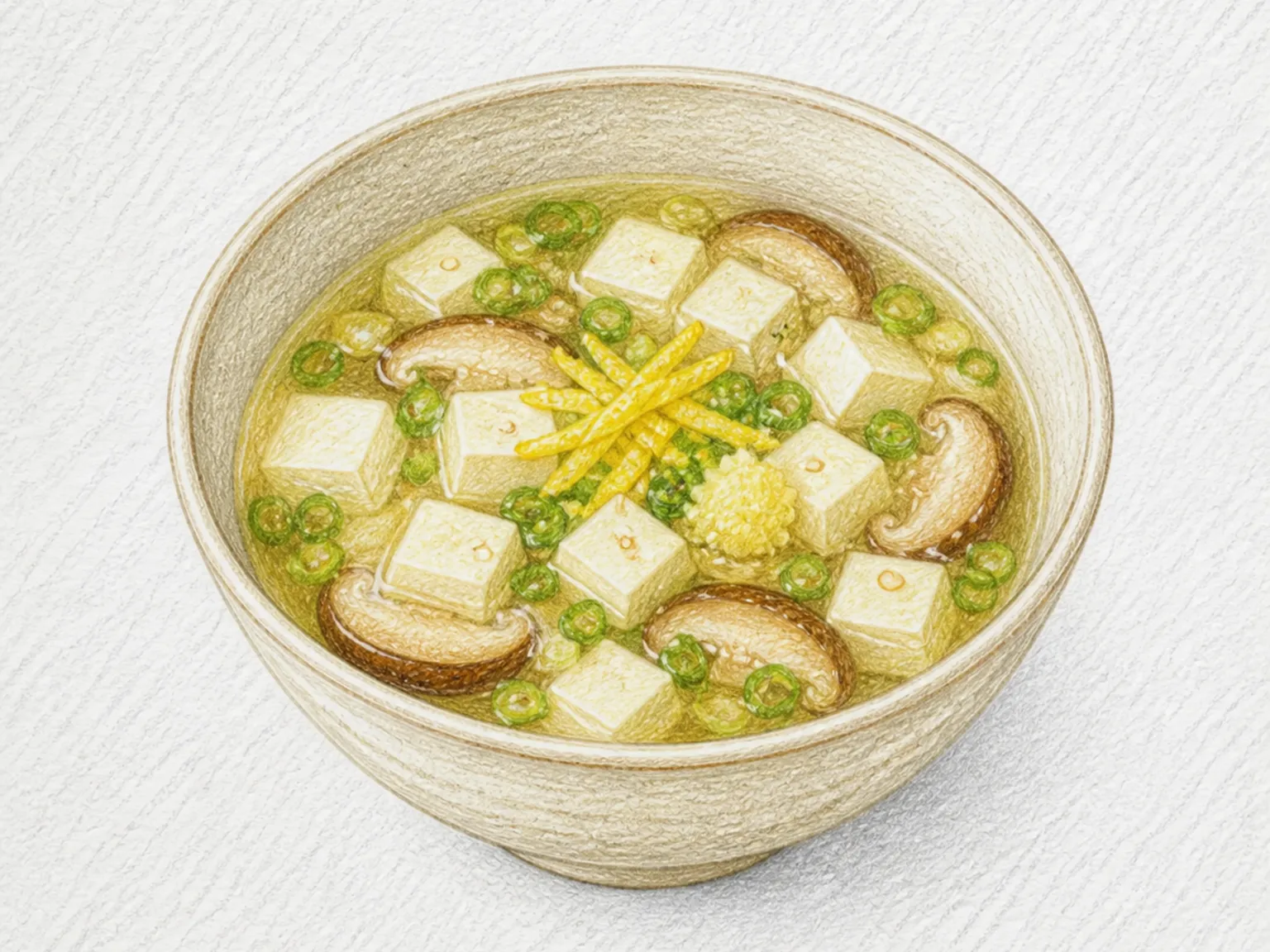
Uzumi hides a small portion of warm rice beneath a clear soup of kombu, fresh shiitake, and firm tofu, then finishes each bowl with scallion, mandarin peel, sesame, and ginger. Wipe the surface of 30 g dried kombu with a damp cloth and soak it in 1600 ml water for 20 minutes. Heat the pot over medium and remove the kombu as soon as the water starts to boil. Taking it out at this point keeps the stock from becoming slimy or harsh. Remove the stems from 300 g fresh shiitake and slice the caps thinly. Add them to the kombu stock and simmer over low heat for 20 minutes, skimming foam from the surface to keep the soup clear. Cut 600 g firm tofu into 1 cm cubes. Season the soup with 6 g salt and 10 ml light soy sauce, add the tofu, and simmer gently for 5 minutes without breaking the cubes. Slice 5 scallions. Remove the white pith from 15 g mandarin peel before mincing it, grate 30 g fresh ginger, and lightly crush 150 g toasted sesame seeds. Divide 500 g warm rice among 10 soup bowls, placing 50 g at the bottom of each. When the tofu floats, ladle the hot soup, shiitake, and tofu over each portion until the rice is completely hidden. Add the four garnishes in the amount each diner prefers and serve while the soup is hot.
Sara Udon (Crispy Noodles with Seafood Thick Sauce)
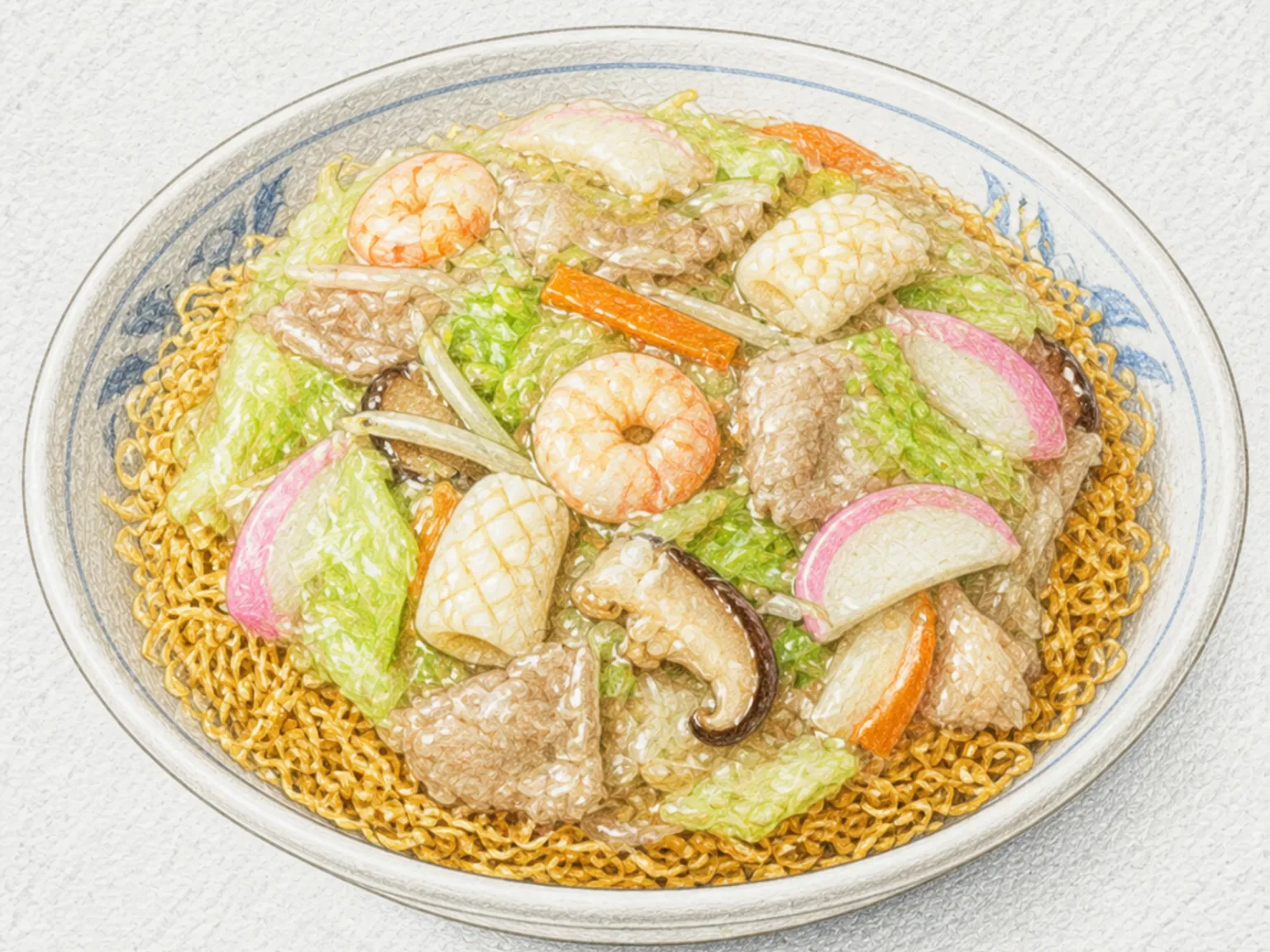
Sara udon is a Nagasaki noodle dish in which a hot, thickened stir-fry of pork, shrimp, squid, and vegetables is poured over fine crispy noodles arranged on a plate. Pork cooks first, followed by carrot, cabbage, shrimp, and squid; kamaboko, bean sprouts, and shiitake are added afterward so their textures remain distinct. Water, soy sauce, chicken stock powder, and potato starch form a glossy sauce that settles between the brittle strands. The dish was created in 1899 by Chin Heijun of the Shikairo restaurant as a brothless version of chanpon. Nagasaki residents distinguish the original thick-noodle style from the more recent fine crispy style. This recipe follows the latter, so the sauce is poured on only at serving time to preserve contrast between crisp noodles and soft topping.
Guo Bao Rou (Sweet and Sour Crispy Pork)
Guo bao rou, literally pot-wrapped meat, is the flagship dish of Northeastern Chinese cuisine, developed in Harbin during the late Qing Dynasty to accommodate Russian diplomats who found traditional Chinese flavors unfamiliar. To suit their palate, the dish was built around a sharp vinegar-sugar balance, and that foundation has persisted to the present day. The technique centers on double-frying: pork tenderloin or loin is sliced thin, coated heavily in potato starch, fried once to set the exterior, then fried a second time at higher temperature to puff the starch into a glassy, shattering crust. The sauce of vinegar, sugar, and soy sauce is reduced in a screaming-hot wok until it caramelizes, and the fried pork must be tossed through in thirty seconds flat. Exceed that window and the starch drinks the sauce, collapsing the crunch entirely. The original Harbin version is pale in color with a pronounced acidic edge. As the dish traveled south through China and into Korean-Chinese restaurants, cooks began substituting ketchup, producing the sweeter and more vividly red version familiar today in Korean establishments. The finished piece delivers three distinct layers of texture simultaneously: a translucent caramelized sauce coating on the surface, a brittle expanded starch shell beneath it, and soft yielding meat at the center.
Yaki Onigiri (Japanese Soy-Glazed Grilled Rice Balls)
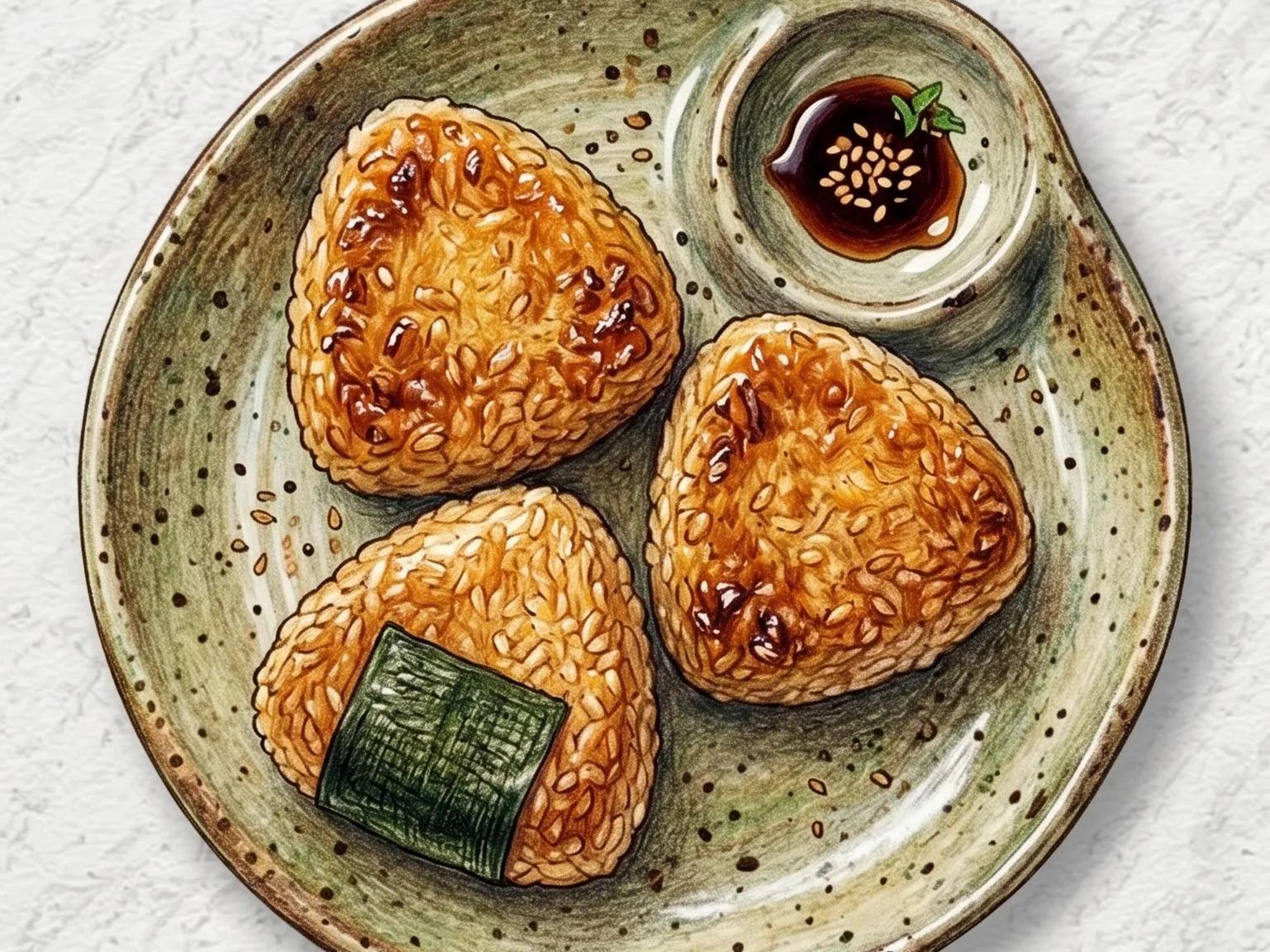
Yaki onigiri are Japanese grilled rice balls prepared using freshly cooked rice that has been lightly seasoned with salt. The rice grains are shaped into triangles or rounds while they remain warm and pliable, as the grains lose their natural binding ability once they cool and lose their moisture. During the shaping process, pressure must be applied with even distribution across the rice to prevent the grains from becoming a dense and compacted mass. This careful handling ensures that the interior of the rice ball maintains a soft texture with each individual grain remaining distinct after the grilling process is complete. The cooking method involves pan-grilling the rice balls using a small amount of sesame oil over a medium-low flame. This specific heat level is necessary to allow the starch on the surface of the rice to caramelize at a slow pace, resulting in a thin and crackling crust while the center of the onigiri remains moist. It is important to let the rice balls sit undisturbed in the pan for three to four minutes on each side before they are turned. This waiting period allows the outer layer to set properly and prevents the rice from tearing or sticking to the pan when it is time to flip them. A glaze made from a combination of soy sauce, mirin, and sugar is applied to the surface in several thin coats. Brushing the glaze on in multiple light passes, rather than applying a large amount of the liquid at the start, prevents the sugar content from burning or charring. This technique creates a deep savory flavor and a lacquered sheen on the exterior of the rice. The finished onigiri have a savory and slightly sweet profile, with edges that become chewy where the glaze has concentrated during the cooking process. A narrow strip of nori seaweed is often wrapped around the base of the rice ball to provide a salty element that balances the glazed exterior. When served with miso soup and pickled radish, these grilled rice balls function as a light meal.
Rich Sea Urchin (Uni) Cream Udon
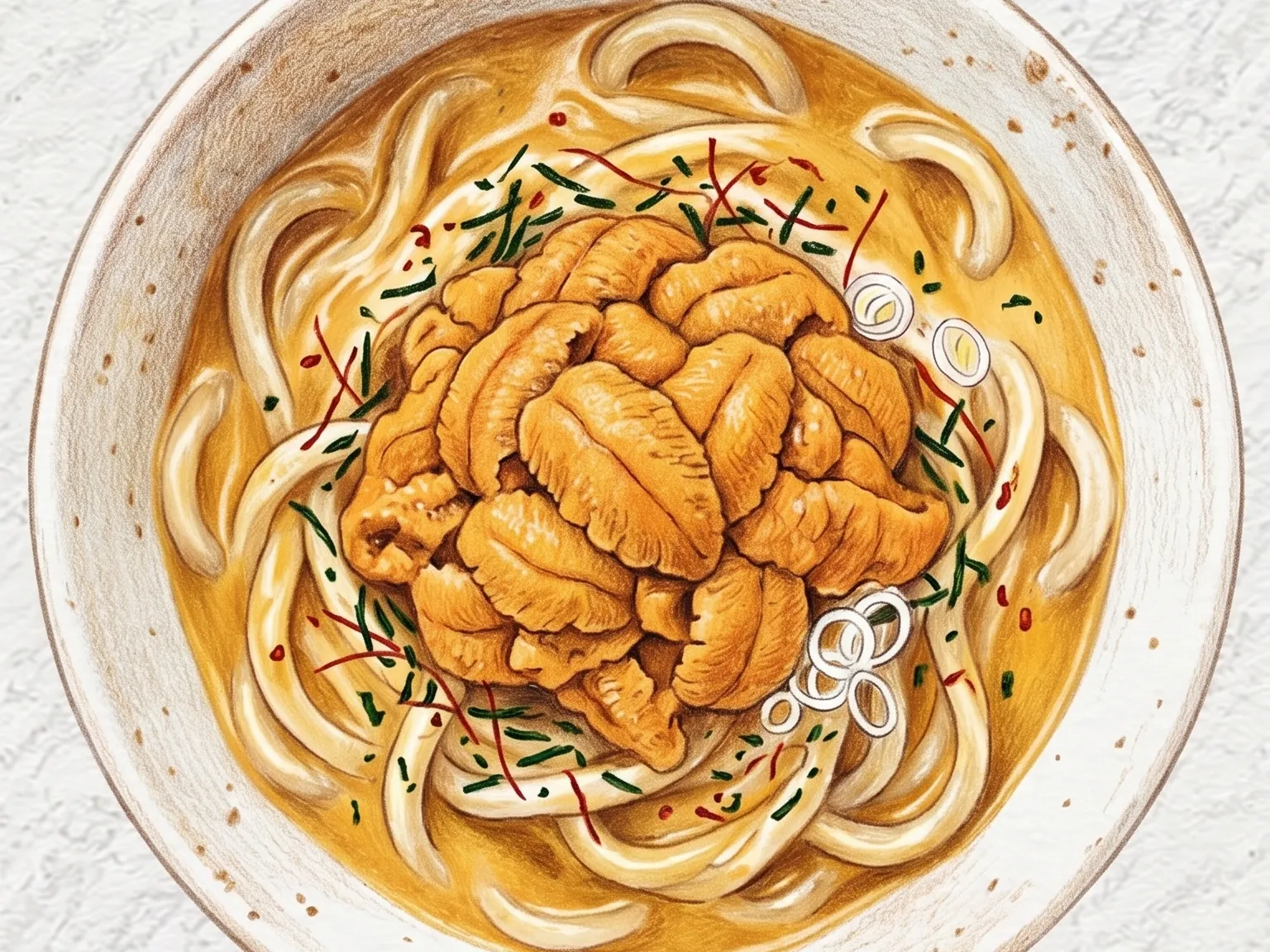
This noodle dish combines the rich flavor of fresh sea urchin with a smooth, savory cream sauce. Minced garlic and pollock roe are sautéed in oil, then heavy cream and tsuyu are added to create a savory base. Half of the sea urchin is dissolved directly into the warm cream to infuse it with a briny aroma, while the pollock roe replaces salt to provide depth and umami. Boiled udon noodles are tossed in the sauce over low heat, adding reserved noodle water if the mixture gets too thick. The dish is topped with the remaining raw sea urchin, chives, and seaweed strips. Because sea urchin is highly sensitive to heat, the garnish portion is kept raw and served immediately before the residual warmth of the noodles cooks it, preserving its delicate sweet flavor and soft texture.
Gyoza
Gyoza are Japanese pan-fried dumplings that evolved from Chinese jiaozi, brought back to Japan by soldiers and civilians returning from Manchuria after World War II, who recreated the dumplings they had eaten abroad. A thin wheat-flour wrapper encloses a filling of ground pork, napa cabbage (or regular cabbage), garlic chives, garlic, and ginger, pleated into a crescent shape. The dumplings are placed flat-side down in an oiled skillet, seared until golden, then water - sometimes mixed with a touch of flour - is added and the lid goes on to steam them through; as the water evaporates, the bottoms re-crisp and form the thin, lacy skirt called hanetsuki that connects all the dumplings in the pan. Each piece delivers three textures in one bite: the chewy steamed top, the crackling golden base, and the juicy meat filling inside. A dipping sauce of soy sauce, rice vinegar, and la-yu (chili oil) adds sharpness, salt, and heat atop the dumpling's savory richness. Gyoza are served as a ramen-shop side dish, an izakaya beer snack, and a weekend home-cooking staple - one of the most versatile foods in the Japanese repertoire.
Yakitori Rice Bowl (Soy-Mirin Glazed Grilled Chicken over Rice)
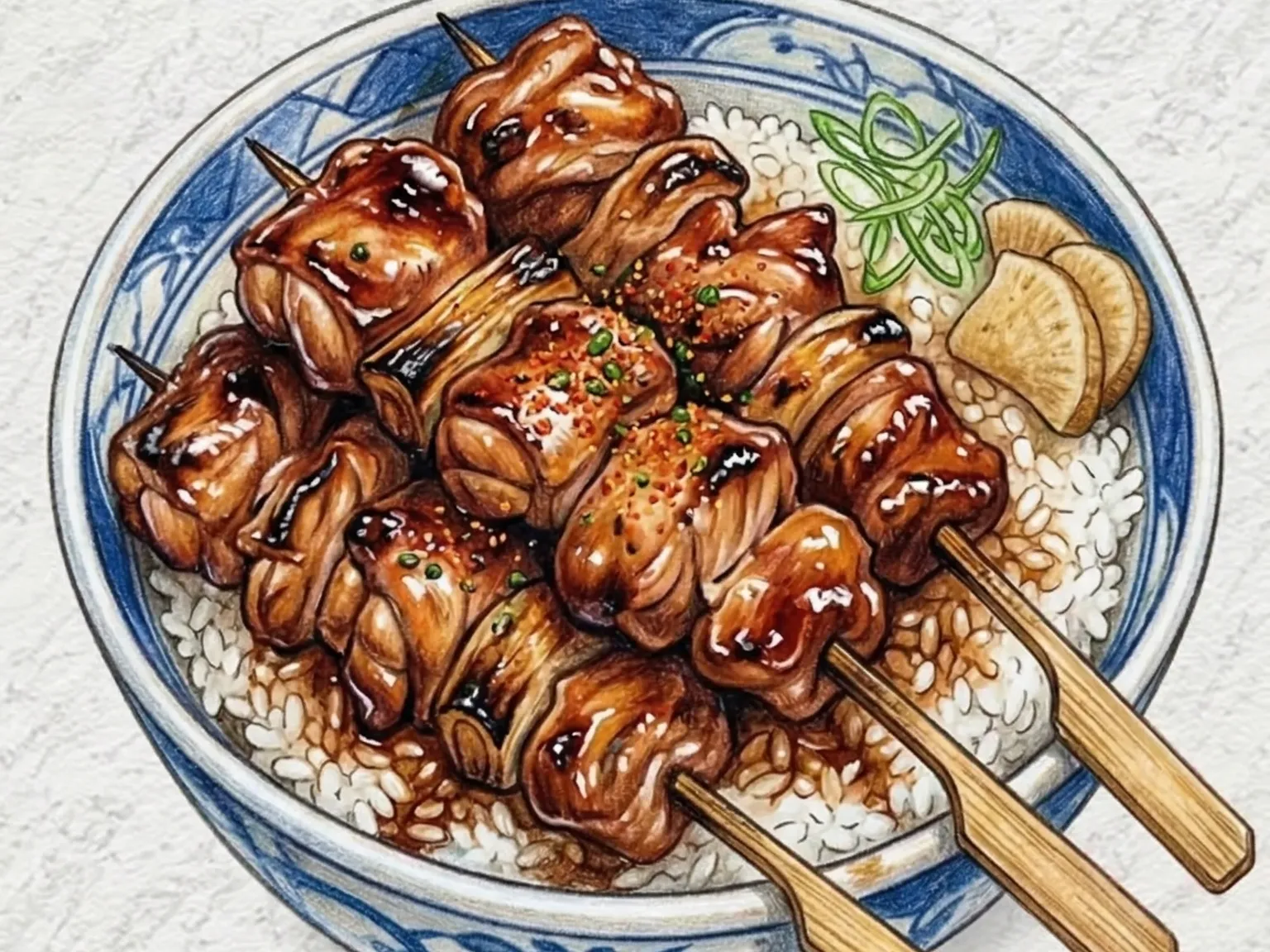
Direct heat and a repetitive glazing process define the preparation of this chicken skewer bowl. Small pieces of chicken thigh are secured onto skewers and grilled over a flame while a mixture of soy sauce, mirin, and sugar is applied in thin, sequential layers. This technique builds a lacquered surface through caramelization, which directs the sweet and salty flavors to the exterior of the meat. Applying the sauce too heavily in a single pass often leads to burning and an uneven crust. Because chicken thigh contains natural fats, the meat remains moist and tender even under high temperatures. When the cooked pieces are removed from the skewers and placed onto the rice, the excess glaze permeates the grains to provide sufficient seasoning. Sprinkling shichimi togarashi or sansho powder introduces a sharp or citrus-like contrast to the sweetness of the chicken. While chicken breast serves as a leaner alternative, it requires a longer marinating period and a shorter time on the grill to prevent the meat from drying out. The tare sauce can be prepared in advance and stored in the refrigerator for several weeks. Adding a halved soft-boiled egg or sliced scallions provides different textures and prevents the meal from feeling repetitive.
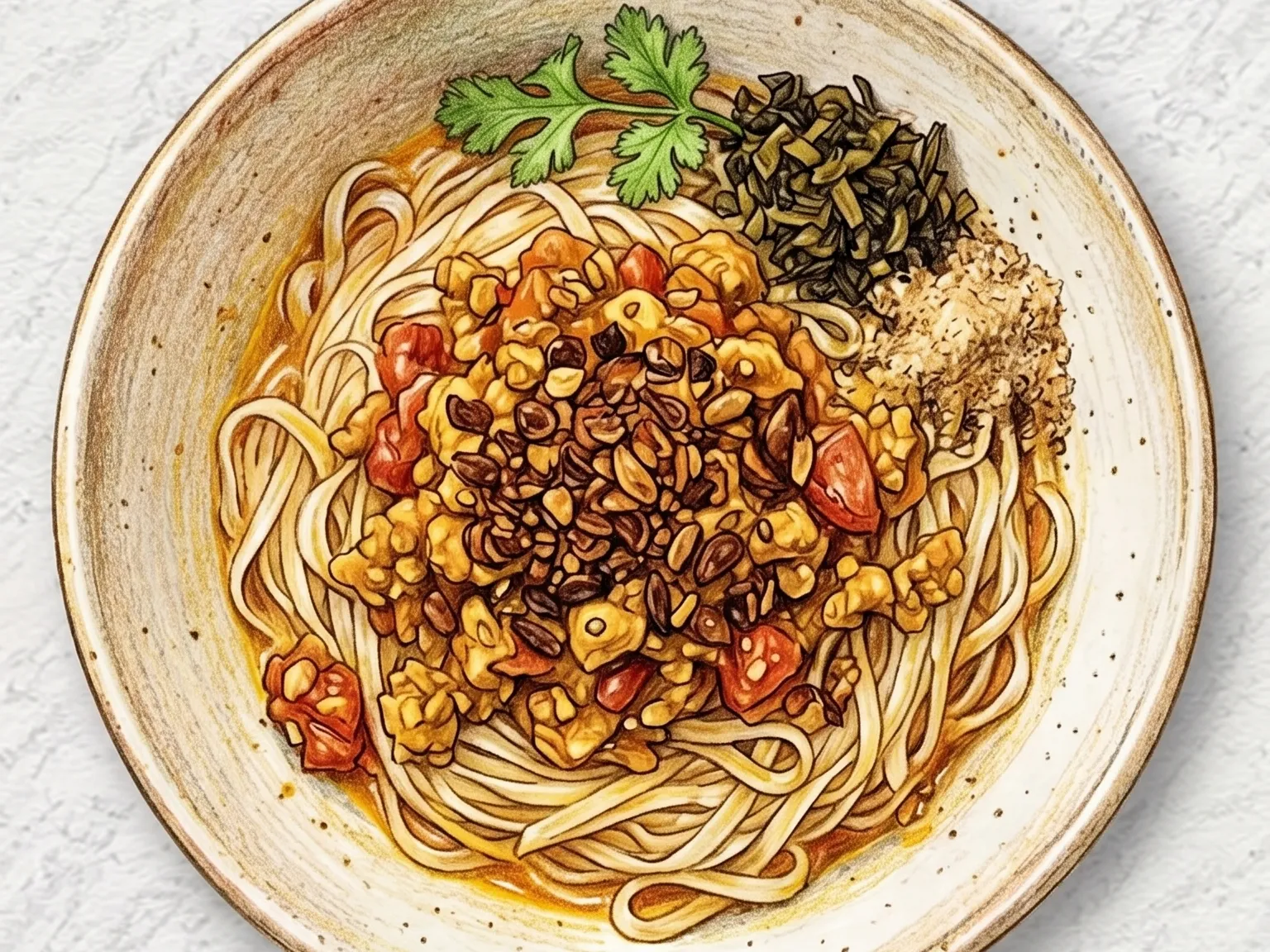
Shan Noodles (Burmese Flat Rice Noodles with Turmeric Meat Sauce)
Shan noodles are the everyday noodle of Myanmar's Shan State, found at nearly every market stall and tea shop in the region. Thin, flat rice noodles are topped with a sauce of minced chicken or pork cooked with turmeric, tomato, and a touch of chili. The dish is finished with a generous pour of fried garlic oil - golden-brown garlic chips sizzling in their own rendered fat - which gives the bowl its signature aroma. Pickled mustard greens add a sour crunch on the side, and toasted chickpea flour is sprinkled over for a nutty, grainy texture. The noodles come in two styles: a dry version tossed with the sauce, and a soup version swimming in a light broth. Both are eaten with a spoon and fork rather than chopsticks, in keeping with Burmese custom.
Hansuke-dofu (Tofu Simmered with Grilled Eel Heads)
Hansuke-dofu is an Osaka simmer of grilled tofu with hansuke, the cooked heads left after preparing kabayaki eel. Dashi, soy sauce, sugar, and sake draw the concentrated roasted eel flavor into the tofu. The dish is associated with the resourceful cooking of a merchant city that made use of an inexpensive by-product. Hansuke mainly seasons the broth rather than serving as a bite, so all hard bones are removed before the tofu and green onion are served. Fully cooked eel kabayaki can replace hard-to-find heads, though it produces a lighter stock.
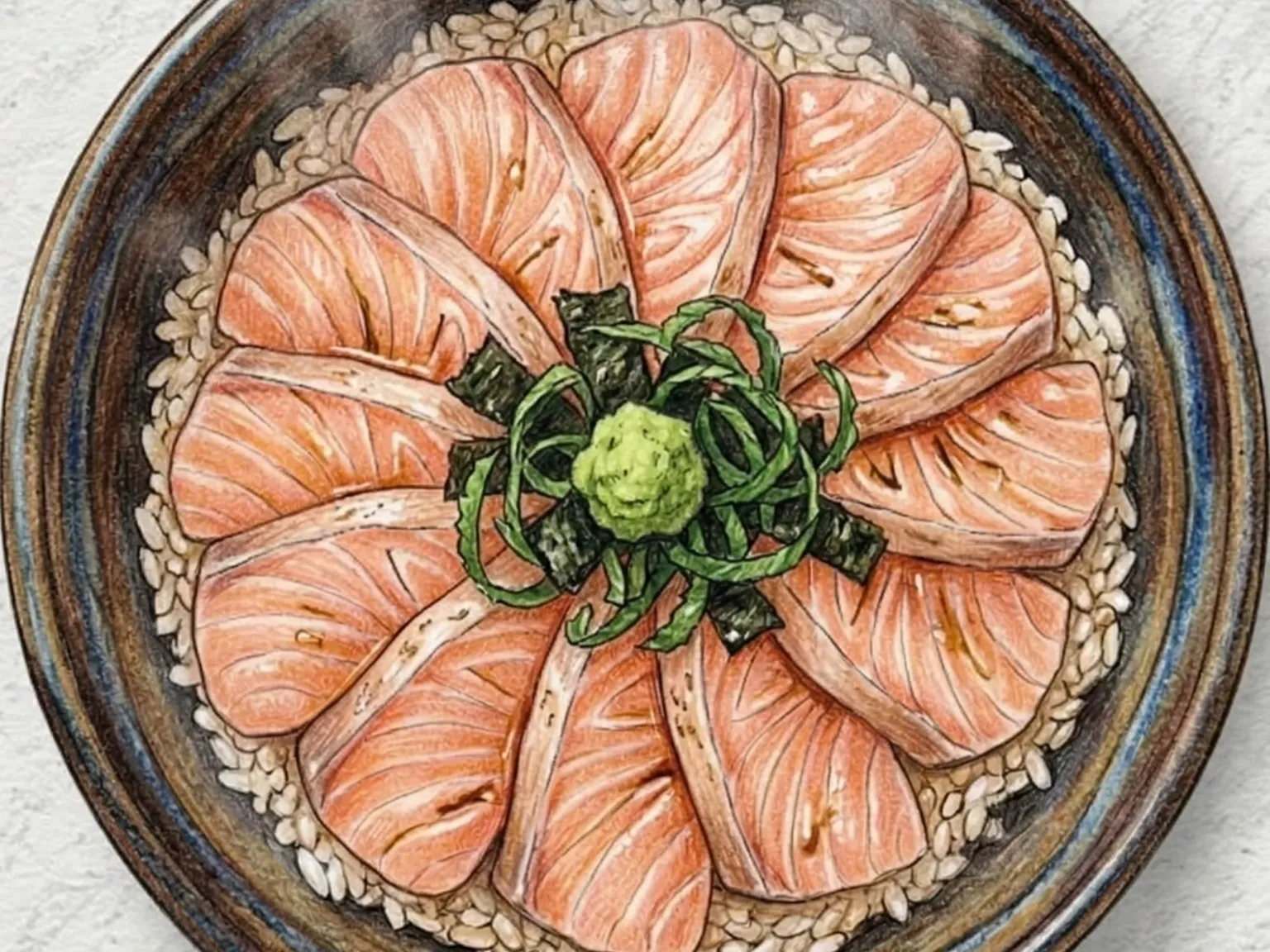
Korean Salmon Rice Bowl (Marinated Raw Salmon over Warm Rice)
Preparing a bowl of Yeoneo deopbap begins with slicing sashimi-grade salmon and tossing it in a light dressing of soy sauce, sesame oil, and wasabi. This Korean adaptation of Japanese donburi relies on a delicate balance where the seasoning merely coats the fish rather than overwhelming its natural texture. Placing these seasoned slices over warm steamed rice creates a temperature contrast that slightly firms the bottom of the fish while keeping the center raw and buttery. Topping the bowl with shredded perilla leaves or nori adds an earthy, oceanic scent that balances the natural fats of the salmon. For a sharper profile, the amount of wasabi can be increased, or a few drops of lemon juice can be added to the soy base to provide a bright acidity. High in omega-3 fatty acids and protein, this dish also contains astaxanthin, making it a nutritious choice that demands the highest level of freshness. Including sliced avocado offers a creamy element, while a spoonful of salmon roe adds small pops of saltiness. Because the residual heat from the rice gradually cooks the fish, assembling the bowl right before eating ensures the salmon maintains its intended consistency and stays fresh on the palate.
Hakodate Shio Ramen (Hokkaido Clear Salt-Seasoned Chicken Ramen)
Hakodate shio ramen is the oldest style of ramen in Hokkaido, originating from the port city of Hakodate in the south of the island. The broth is built from chicken and pork bones simmered at a gentle, never rolling, boil so the liquid stays clear and golden rather than turning cloudy. Seasoning comes from salt alone - no miso, no soy sauce - which places the burden of flavor entirely on the quality of the stock. Medium-wavy noodles are the standard choice, their curls catching just enough broth in each bite. Toppings are kept minimal: a slice or two of chashu pork, strips of menma bamboo shoots, and chopped scallion. The appeal of shio ramen lies in its transparency, both visual and gustatory - there is nowhere for imperfections to hide, and every sip delivers a clean, uncluttered umami.
Cantonese Har Gow Dumplings
Har gow is the benchmark dumpling of Cantonese dim sum, and the translucent wrapper is what sets it apart from every other variety. Wheat starch and tapioca starch are mixed with boiling water, which instantly gelatinizes the starches and produces a pliable, springy dough with a silky chew that ordinary wheat flour simply cannot replicate. A small amount of oil kneaded in ensures the dough stays smooth and workable as you roll. The shrimp filling is deliberately chopped rather than minced fine, so each bite delivers a firm, snappy texture instead of a paste. Finely diced bamboo shoots add a subtle crunch that breaks the monotony. Seasoning is intentionally restrained, sesame oil, salt, and white pepper only, to let the natural sweetness of the shrimp carry the flavor. The dough firms up quickly as it cools, so the only practical approach is to work in small batches. Six to seven minutes over high steam is all it takes for the wrappers to turn glassy and the pink shrimp to show through. At a Hong Kong yum cha table, har gow is invariably among the first baskets ordered.
About Asian
Each country brings its own signature spices and sauces, so even the same ingredients can produce completely different flavors. With a few key pantry items - coconut milk, fish sauce, curry powder, doubanjiang - you can recreate the tastes of Asia at home.