Asian

Asian Recipes

806 recipes. Page 27 of 34

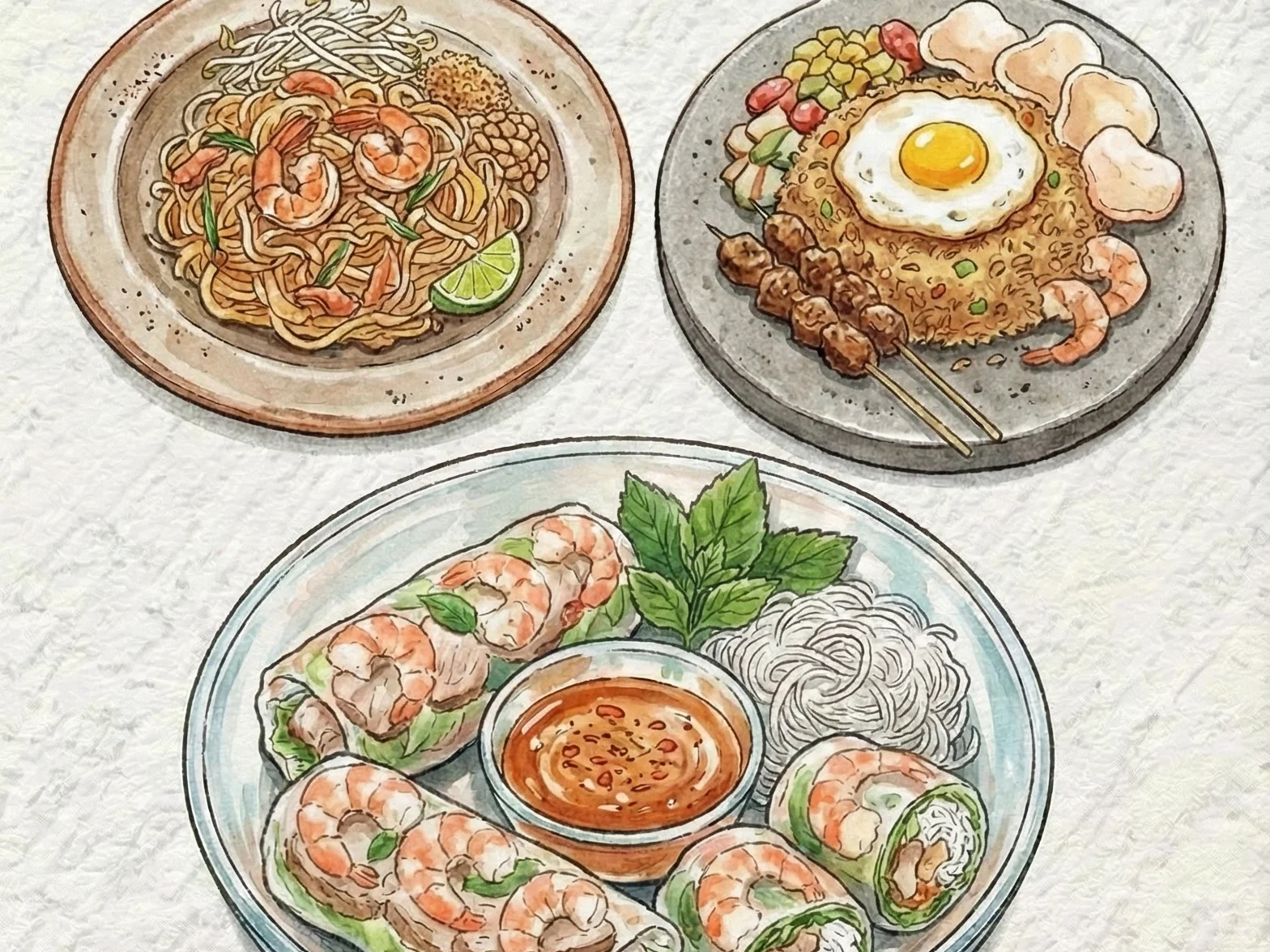
The Asian category gathers popular dishes from Japan, China, Thailand, Vietnam, India, and beyond. Curry, stir-fried noodles, mapo tofu, pad Thai, and pho are among the Asian favorites commonly enjoyed in Korean households.

Asian
Korean Seasoned Tofu Pouch Sushi (Yubu Chobap)
Rice Easy

Korean Seasoned Tofu Pouch Sushi (Yubu Chobap)

Yubu chobap consists of seasoned tofu pouches filled with sushi rice. The preparation begins by mixing rice vinegar, sugar, and salt into hot rice, using a cutting motion to preserve the grains. Sesame oil and toasted sesame seeds are added for aroma, along with finely diced carrot and cucumber to bring color and a crisp texture. The tofu pouches are lightly pressed and filled to about 80 percent of their capacity, preventing the skin from tearing during shaping. With each bite, the pouch releases a sweet and savory sauce absorbed by the tofu, which goes well with the seasoned rice. Since they are convenient to carry and eat by hand, they are popular for lunchboxes, quick snacks, and picnics.

🍱 Lunchbox 🏠 Everyday
Prep 20min Cook 15min 4 servings
Shoyu Butter Corn Ramen
Noodles Medium

Shoyu Butter Corn Ramen

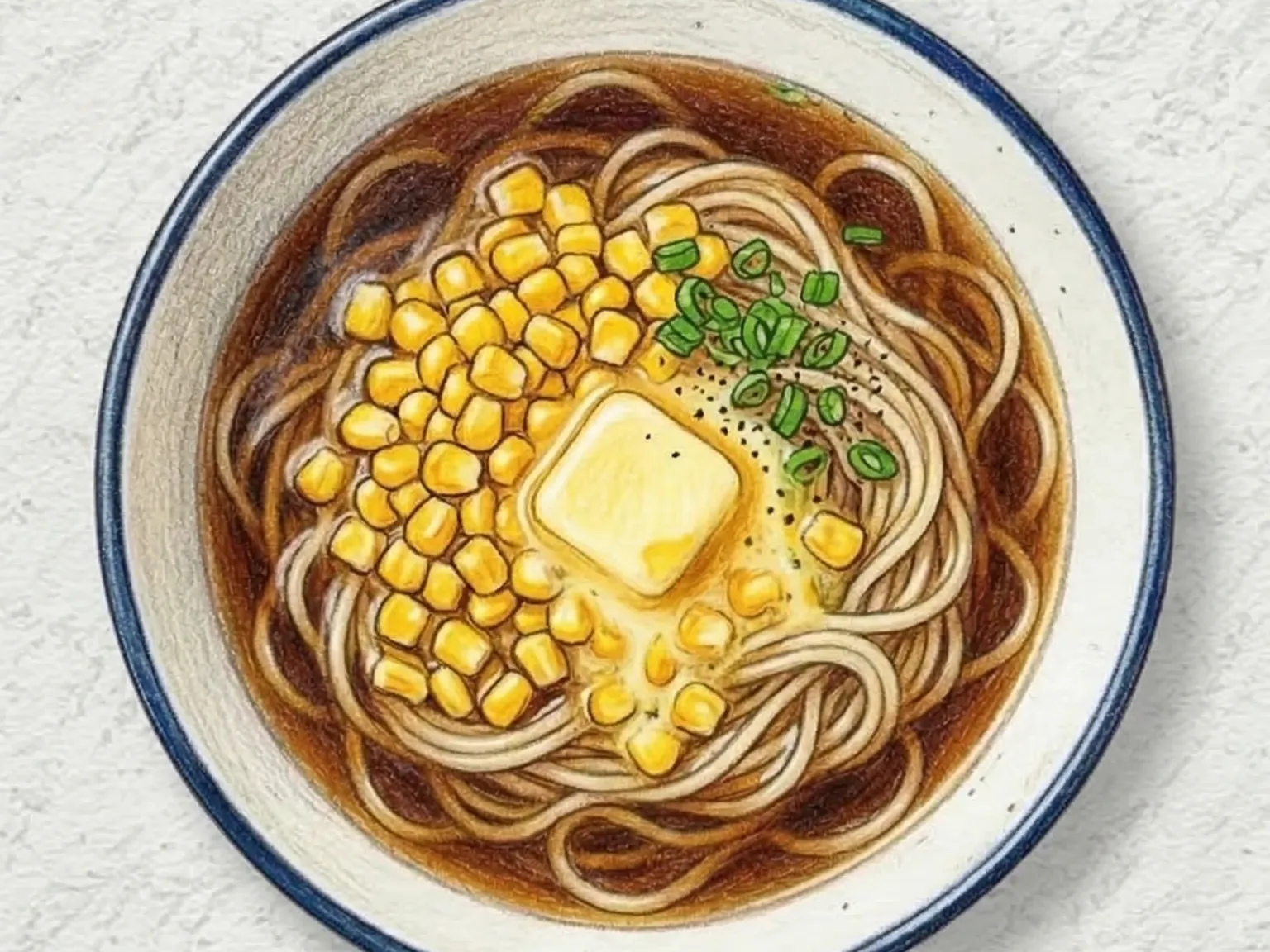
Shoyu butter corn ramen uses 900 ml chicken broth seasoned with 2 tbsp soy sauce and 1 tbsp mirin for two bowls. Prepare the toppings before heating the soup: thinly slice 20 g green onion, cut 2 nori sheets into manageable pieces, rinse and drain 80 g bean sprouts, and have 120 g sweet corn ready. Bring the broth, soy sauce, and mirin to a simmer over medium heat, then lower the heat to medium-low as soon as bubbles appear. Keep it at a gentle simmer for 10 minutes. A hard boil can reduce the liquid too far and make the broth taste overly salty. Meanwhile, boil plenty of water in a separate pot and cook 260 g fresh ramen noodles. Remove them when the strands have separated but still feel springy, then drain thoroughly so excess starch does not cloud the shoyu broth. Add the bean sprouts and corn to the hot broth for only 2 minutes. Turn off the heat when the sprouts look slightly translucent but retain a crisp bite. Divide the noodles between two bowls and ladle in the broth, corn, and sprouts. Top the bowls with 20 g butter, the sliced green onion, and nori. Serve as the butter begins to melt into the hot soup. Cooking the broth, noodles, and sprouts for their own required times before combining them preserves a clear soup, resilient noodles, and crisp sprouts.

🌙 Late Night 🏠 Everyday
Prep 10min Cook 20min 2 servings
Kaga Lotus Root Hasumushi
Asian Hard

Kaga Lotus Root Hasumushi

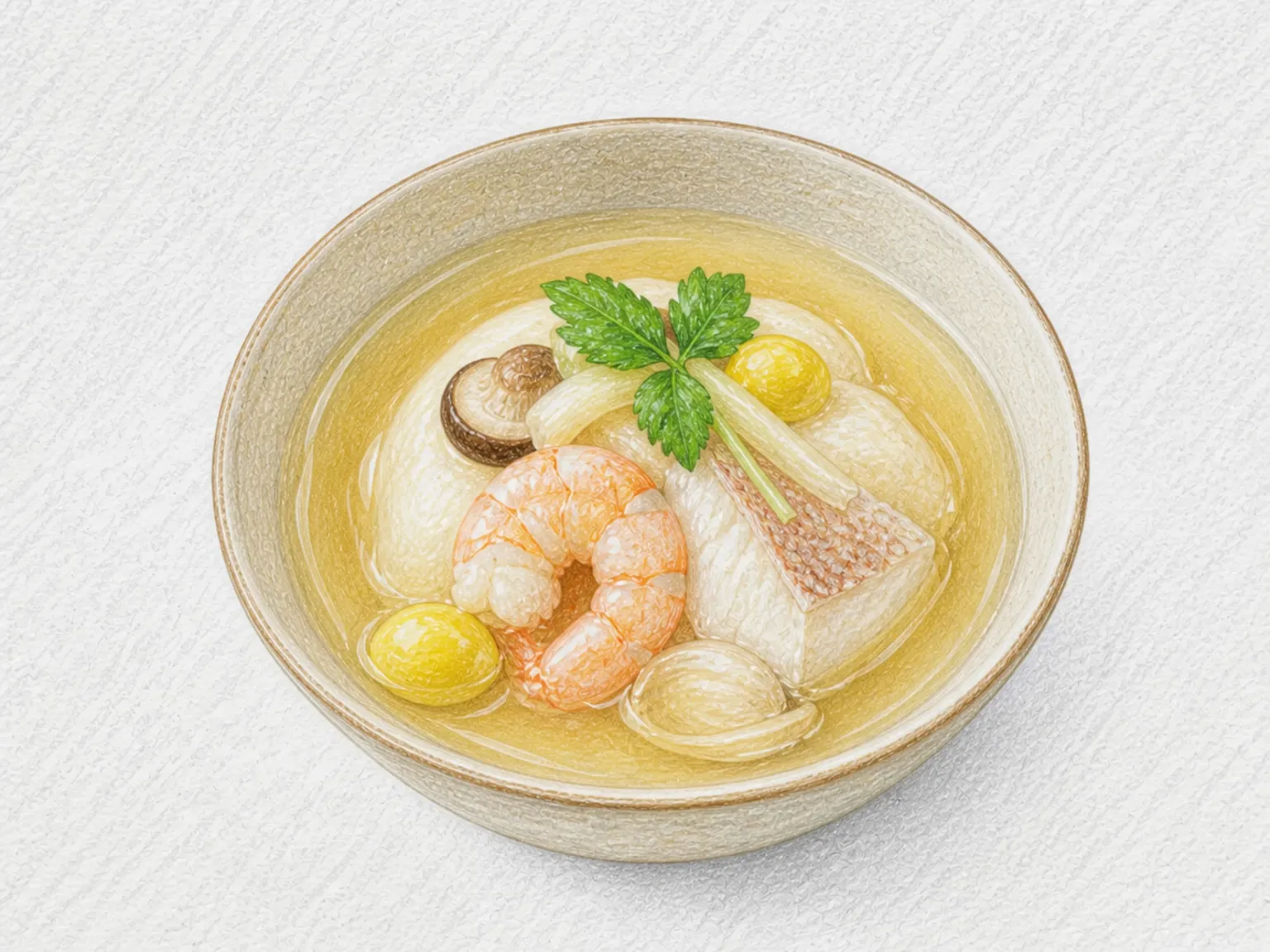
Hasumushi is a Kanazawa hospitality dish built around starchy Kaga lotus root. The root is finely grated, mixed with egg white and starch, spread over white fish, shrimp, mushrooms, ginkgo, and lily bulb, and steamed before a clear, lightly thickened dashi sauce is poured on top. Kaga lotus root has short joints, thick flesh, and such strong viscosity when grated that it is called mochi-renkon. Its uninterrupted holes also symbolize clear prospects ahead, making lotus root auspicious at New Year. The seafood must cook through and the lotus layer set springy before the hot sauce is added, bringing together chewy root and silky dashi.

🎉 Special Occasion
Prep 35min Cook 25min 4 servings
Zongzi (Chinese Bamboo-Wrapped Sticky Rice Dumplings)
Rice Hard

Zongzi (Chinese Bamboo-Wrapped Sticky Rice Dumplings)

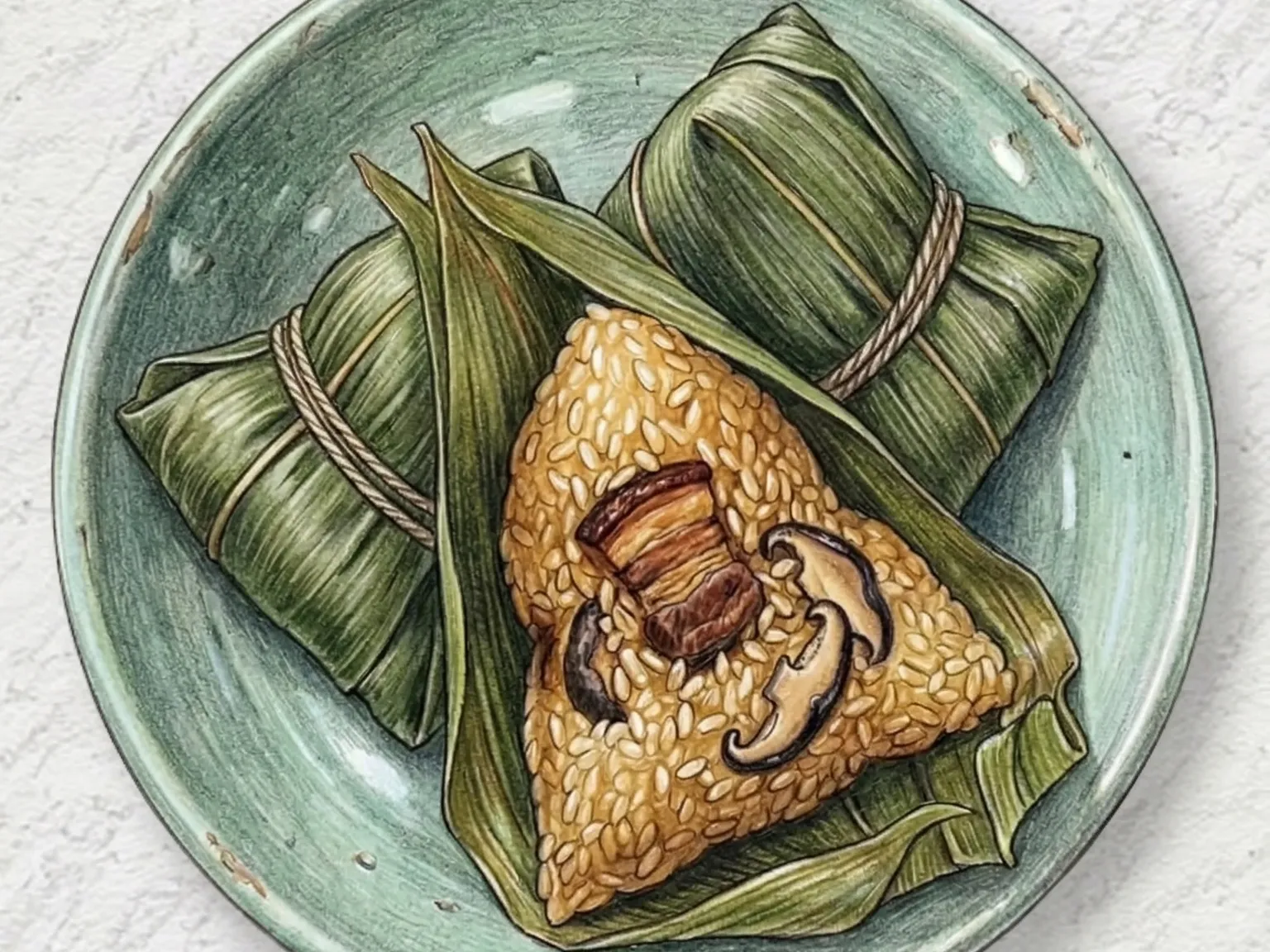
Zongzi wraps soaked glutinous rice around seasoned pork belly and shiitake mushrooms in softened bamboo leaves, then simmers each parcel until the rice binds together. Five hundred grams glutinous rice is washed, soaked in water for at least 4 hours, and drained. Sixteen bamboo leaves are kept submerged while they boil for 30 minutes, then rinsed in cold water and wiped clean on both sides. Three hundred grams pork belly is cut into bite-size pieces and marinated for 20 minutes with 3 tablespoons soy sauce, 1 tablespoon oyster sauce, and 1 tablespoon sugar. Six soaked shiitake mushrooms are halved. The pork and mushrooms are stir-fried only briefly, until the outside of the meat is cooked and the seasoning coats the pieces. Two leaves are overlapped and folded into a cone. A layer of rice goes in first, followed by pork and mushroom in the center and another layer of rice on top. The leaves are folded into a tight triangular parcel and secured with kitchen twine, producing 8 zongzi. Every parcel must remain fully submerged in the pot while it simmers gently for at least 2 hours. Hot water is added whenever the level drops. The cooked parcels rest for 10 minutes before the twine and leaves are removed. Boiling the leaves in advance makes them flexible enough to fold, while packing the rice firmly and tying each parcel securely prevents the wrapper from opening during the long simmer.

🎉 Special Occasion
Prep 60min Cook 120min 4 servings
Tokyo-Style Shoyu Ramen (Classic Japanese Soy Sauce Chicken Broth Ramen)
Noodles Medium

Tokyo-Style Shoyu Ramen (Classic Japanese Soy Sauce Chicken Broth Ramen)

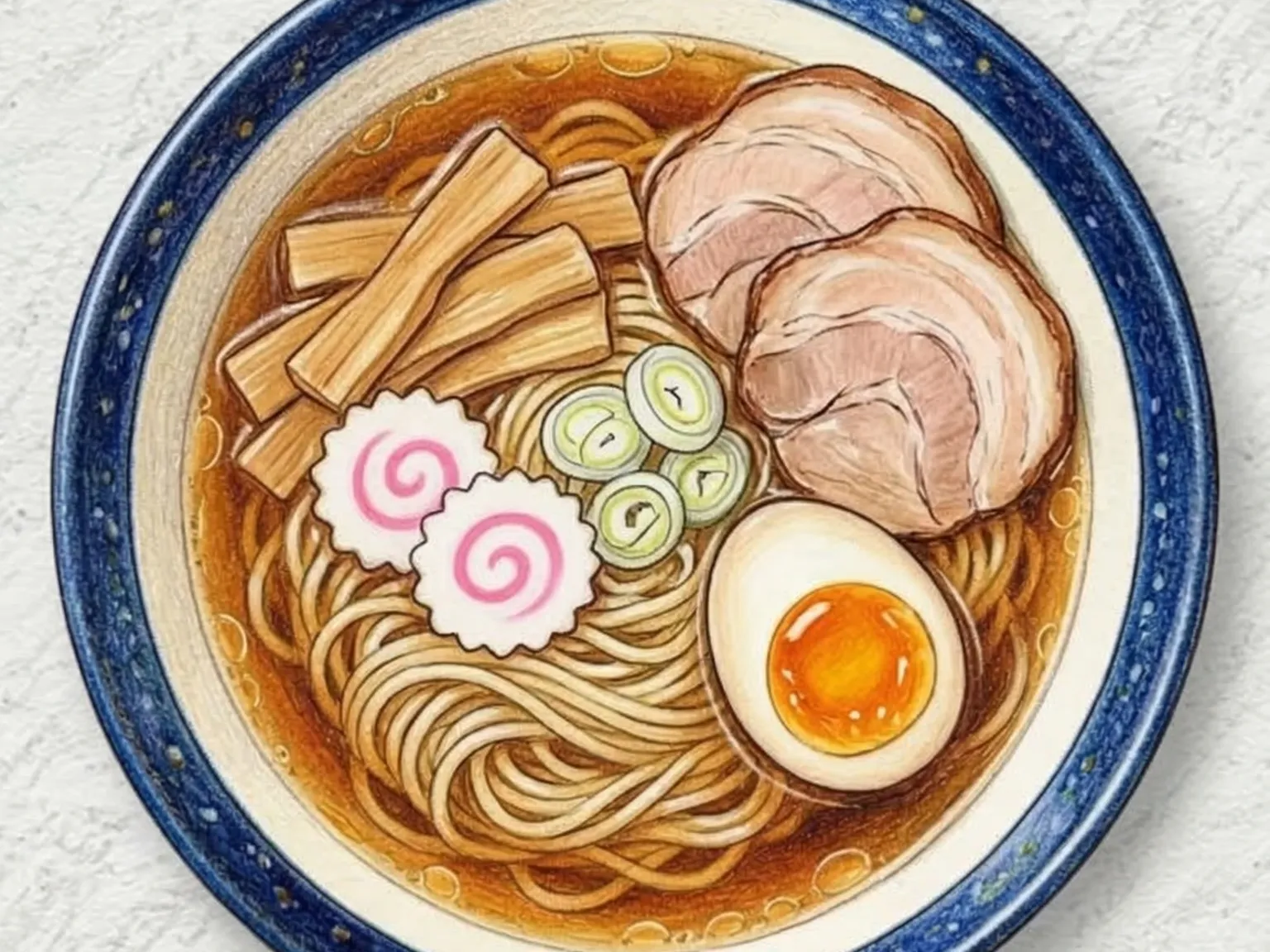
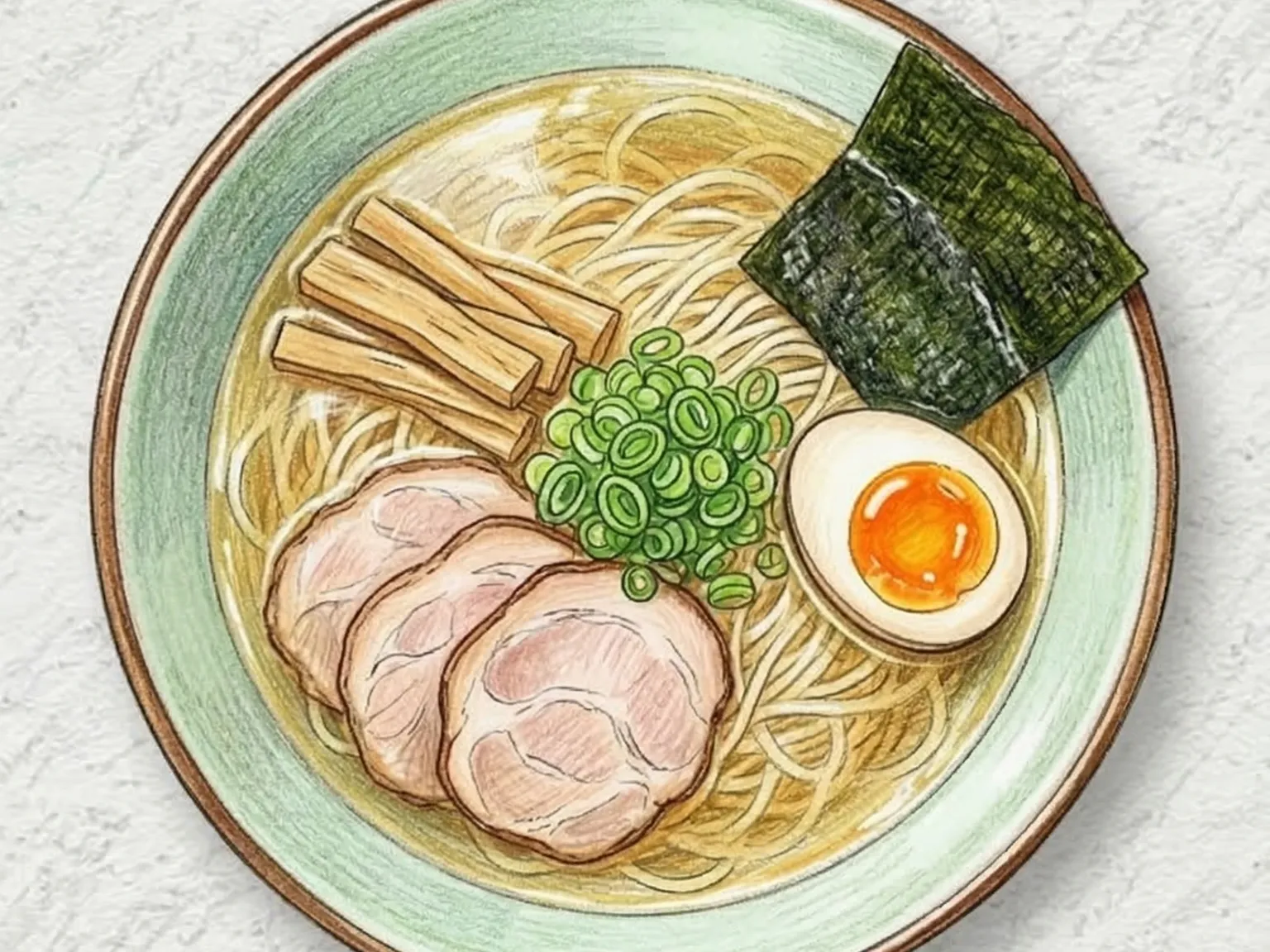
Tokyo-style shoyu ramen is considered the closest descendant of the original ramen that appeared in Japan over a century ago. The broth starts with chicken carcasses simmered until the liquid turns a warm amber, then seasoned with kaeshi - a concentrated blend of soy sauce, mirin, and sugar that has been cooked and rested. A thin film of chicken fat floats on the surface, trapping heat and delivering a gentle richness with each spoonful. The noodles are thin and straight, designed to be slurped quickly before they soften, and their wheat flavor stands distinct against the soy-tinged broth. Classic toppings include narutomaki fish cake with its pink spiral, strips of menma, a halved soft-boiled egg, and a sheet of nori. The bowl is intentionally restrained - no heavy pork fat, no thick miso - letting the clarity of the soy-chicken combination speak for itself.

🎉 Special Occasion
Prep 20min Cook 60min 2 servings
Hatto (Buckwheat Rice-Flour Diamonds with Perilla Miso)
Asian Medium

Hatto (Buckwheat Rice-Flour Diamonds with Perilla Miso)

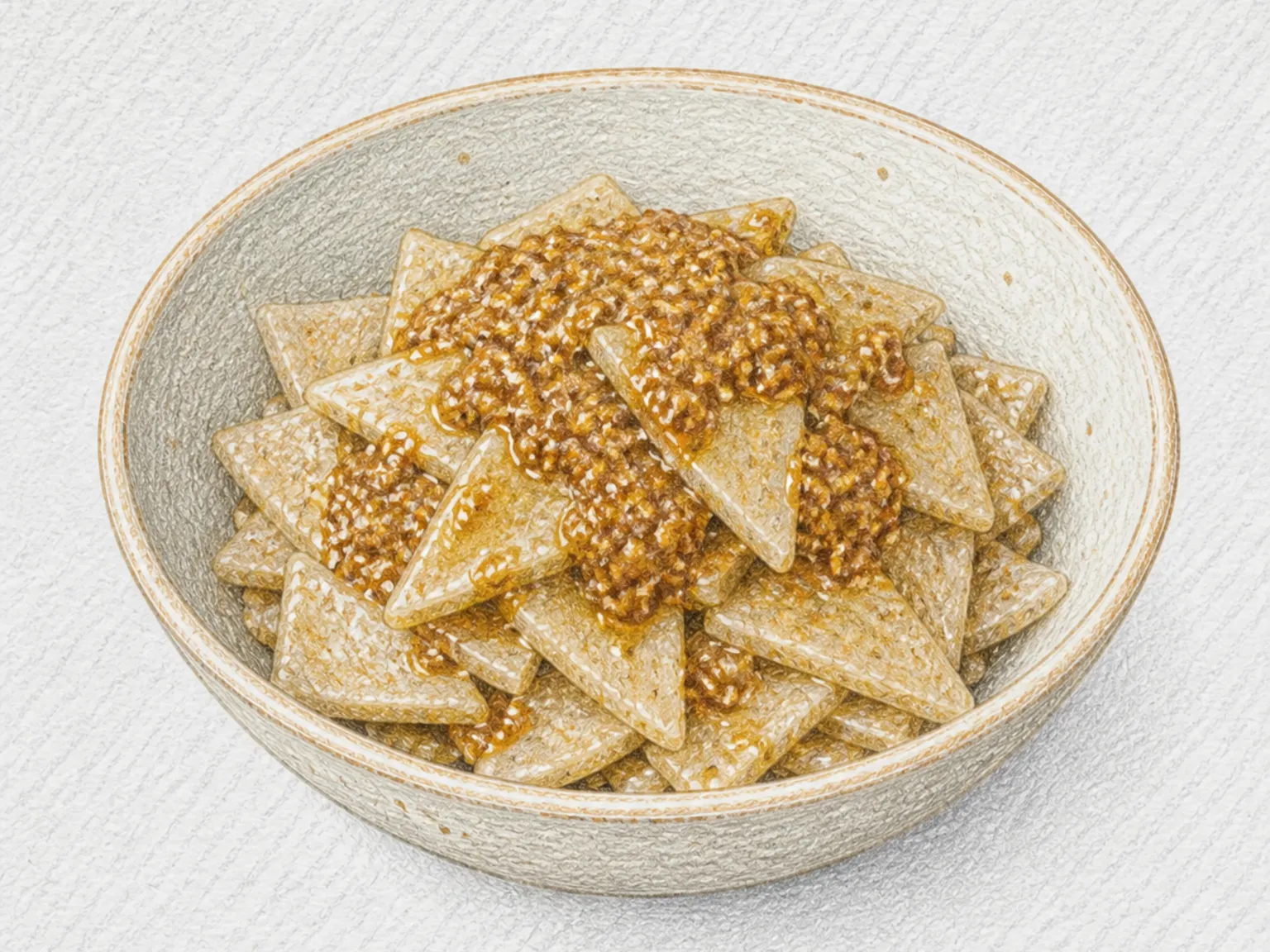
Hatto is a Hinoemata dish made by combining equal cups of buckwheat flour and rice flour, kneading them with boiling water to an earlobe-soft dough, rolling it 3 to 5 mm thick, cutting diamonds, and boiling them until they float. The pieces are coated with junen miso, a paste of whole perilla seeds toasted until several pop, ground with sugar and miso, and loosened with sake. One origin story links the name to gohatto, a prohibition on consuming too much grain during the Edo period, when villagers secretly made the food. Another says a lord favored it enough that common people were allowed it only for celebrations. It marked the end of rice planting or roof work.

🎉 Special Occasion
Prep 25min Cook 15min 4 servings
Japanese Rice Soup Porridge
Rice Easy

Japanese Rice Soup Porridge

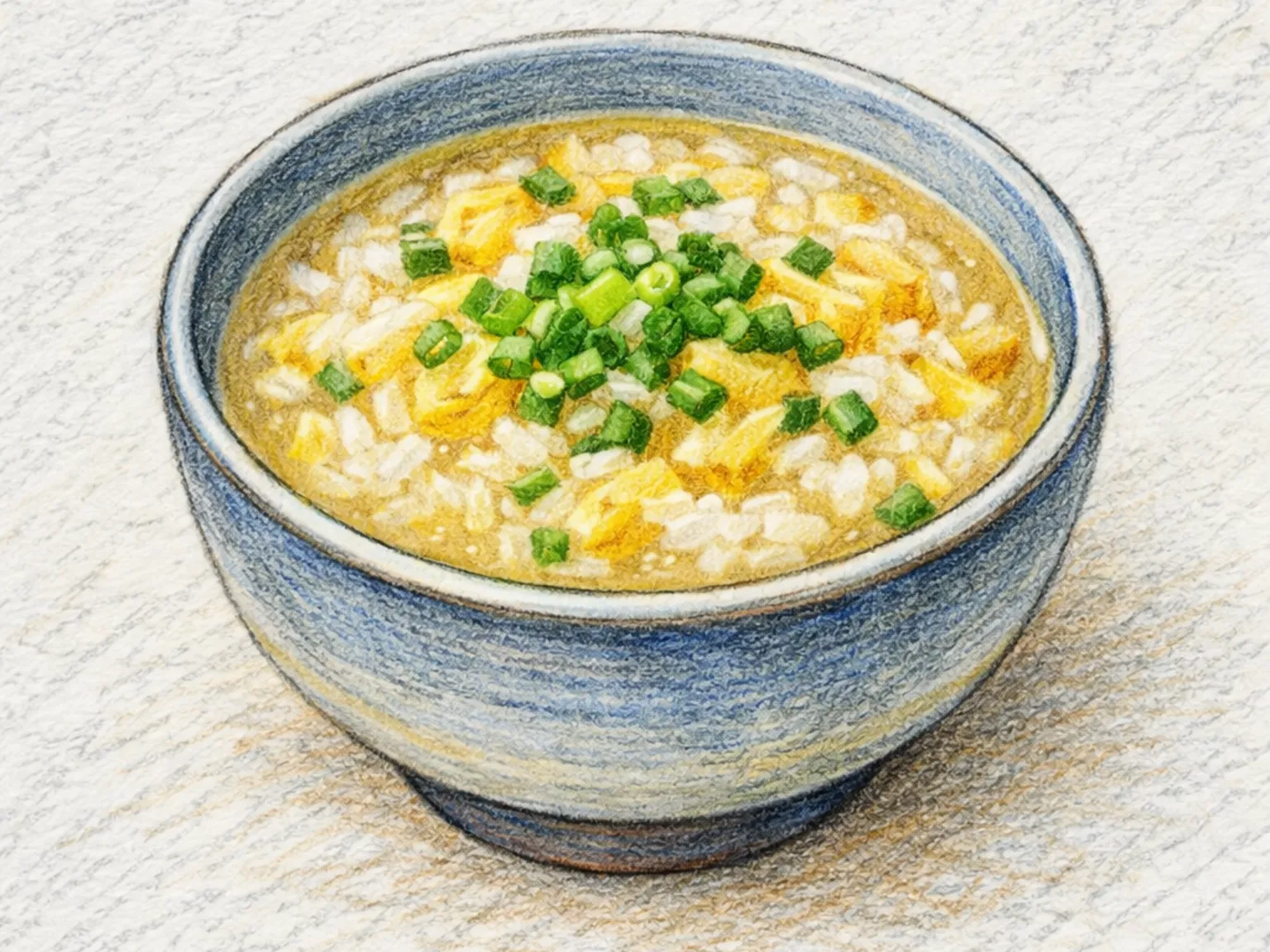
Zosui is a loose rice porridge that briefly simmers rinsed cooked rice and enoki in dashi, then sets one beaten egg into soft ribbons at the end. Rinse 1.5 cups cooked rice once under cold water and drain it well. This removes loose surface starch that would otherwise cloud the broth. Trim the base from 80 g enoki mushrooms and separate the strands. Pour 700 ml dashi into a pot and warm it over medium heat. When small bubbles form around the edge, keep the heat from rising to a hard boil. Add the enoki and simmer for about 2 minutes, moving on once the strands soften slightly and their aroma reaches the broth. Add the rinsed rice and cook over medium-low heat for 6 minutes. Stir the bottom only occasionally, enough to prevent sticking while the grains absorb broth and soften. Season with 1 tbsp soy sauce and the measured salt, keeping the dashi recognizable. Beat 1 egg and pour it around the pot in a thin circle. Wait 30 seconds before moving it, then stir gently so the egg forms distinct, tender ribbons instead of dispersing and clouding the soup. Add 1 tbsp chopped green onion and transfer the zosui to bowls immediately while the broth and rice are hot.

🥗 Light & Healthy 🏠 Everyday
Prep 10min Cook 15min 2 servings
Singapore Rice Noodles (Curry-Spiced Stir-Fried Vermicelli with Shrimp)
Noodles Easy

Singapore Rice Noodles (Curry-Spiced Stir-Fried Vermicelli with Shrimp)

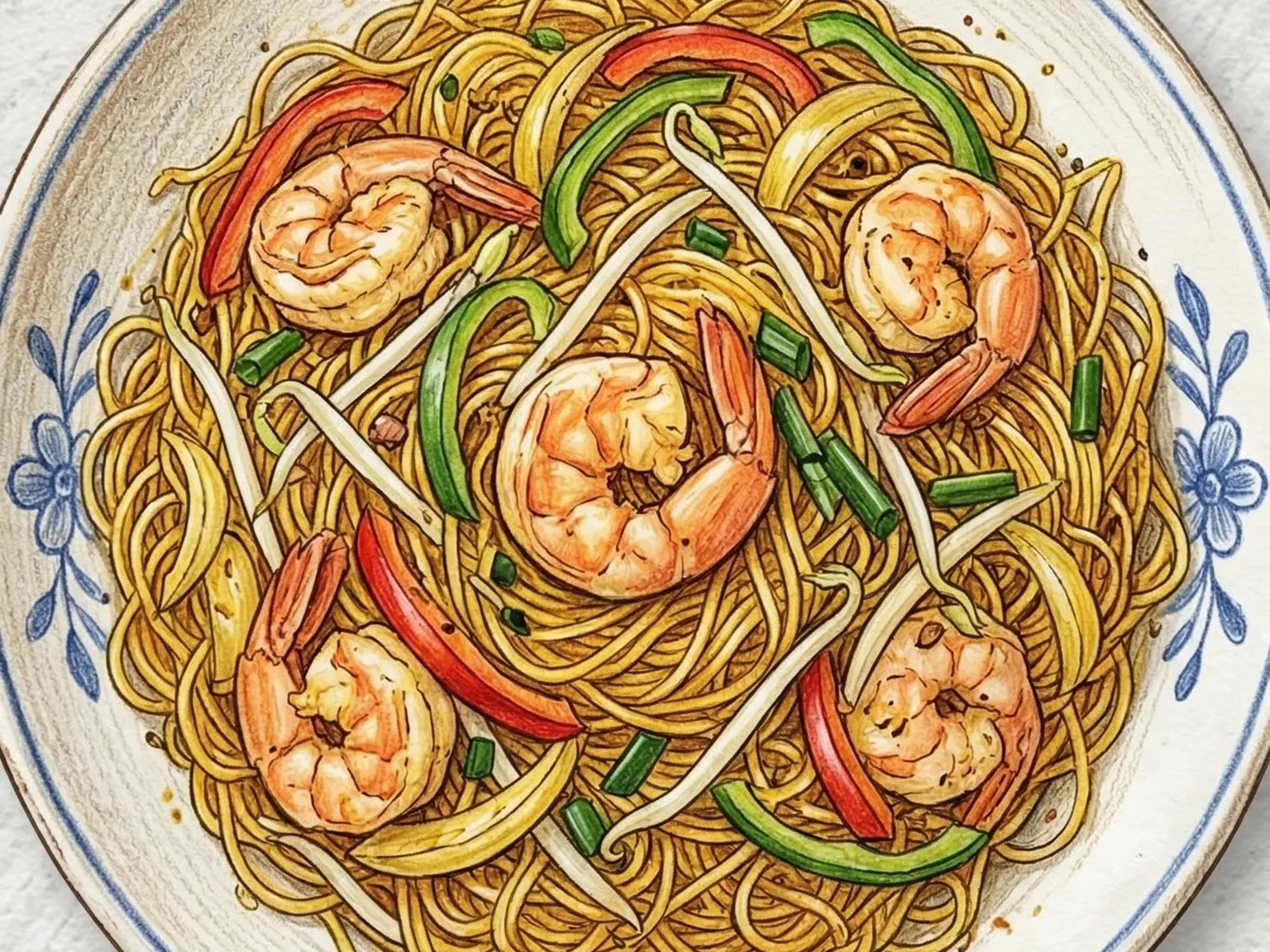
This two-serving stir-fry combines 180 g thin rice vermicelli with shrimp, onion, bell pepper, bean sprouts, and curry powder. Soak the vermicelli in lukewarm water for only 8 minutes, drain it well, and loosen the strands by hand before the pan is heated. A longer soak leaves the noodles fragile enough to break during tossing. Heat the pan over high heat, add the oil, and cook 140 g shrimp only until the outside turns pink so the centers can finish later without becoming firm. Stir-fry the sliced onion and bell pepper for about 1 minute, stopping when the onion edges are slightly translucent. Push the ingredients aside and bloom 2 teaspoons curry powder in the exposed hot oil for about 10 seconds. Add the drained noodles and 1 tablespoon soy sauce, then toss until every strand is evenly yellow. If the vermicelli gathers into a clump, lift and separate it with chopsticks instead of pressing it against the pan. Add 80 g bean sprouts for the final 30 seconds and serve when the shrimp is cooked through, the noodles remain intact, and the sprouts are still crisp.

🏠 Everyday 🌙 Late Night
Prep 15min Cook 12min 2 servings
Haze Tsukudani (Tamari-Simmered Sea Goby)
Asian Hard

Haze Tsukudani (Tamari-Simmered Sea Goby)

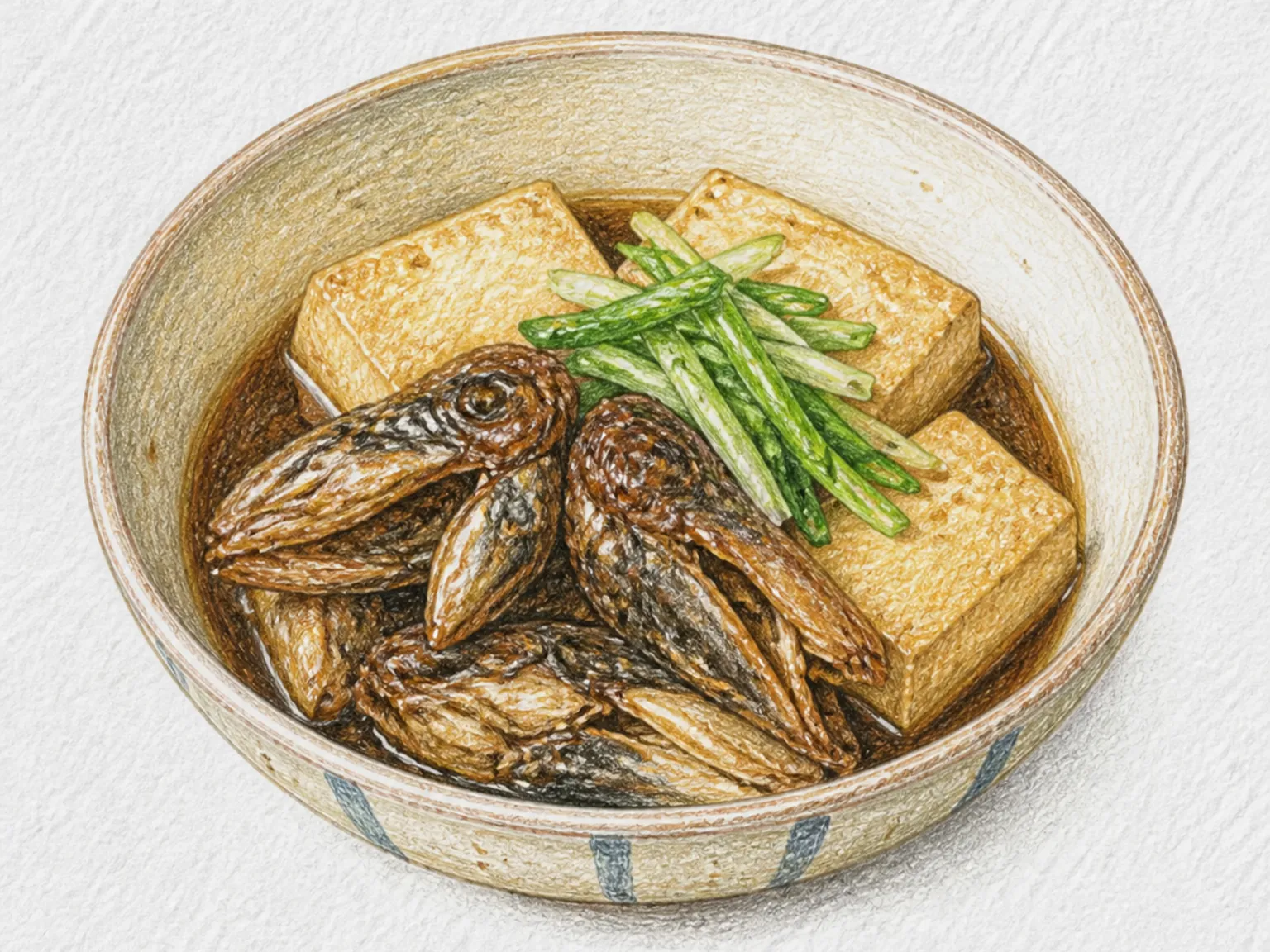
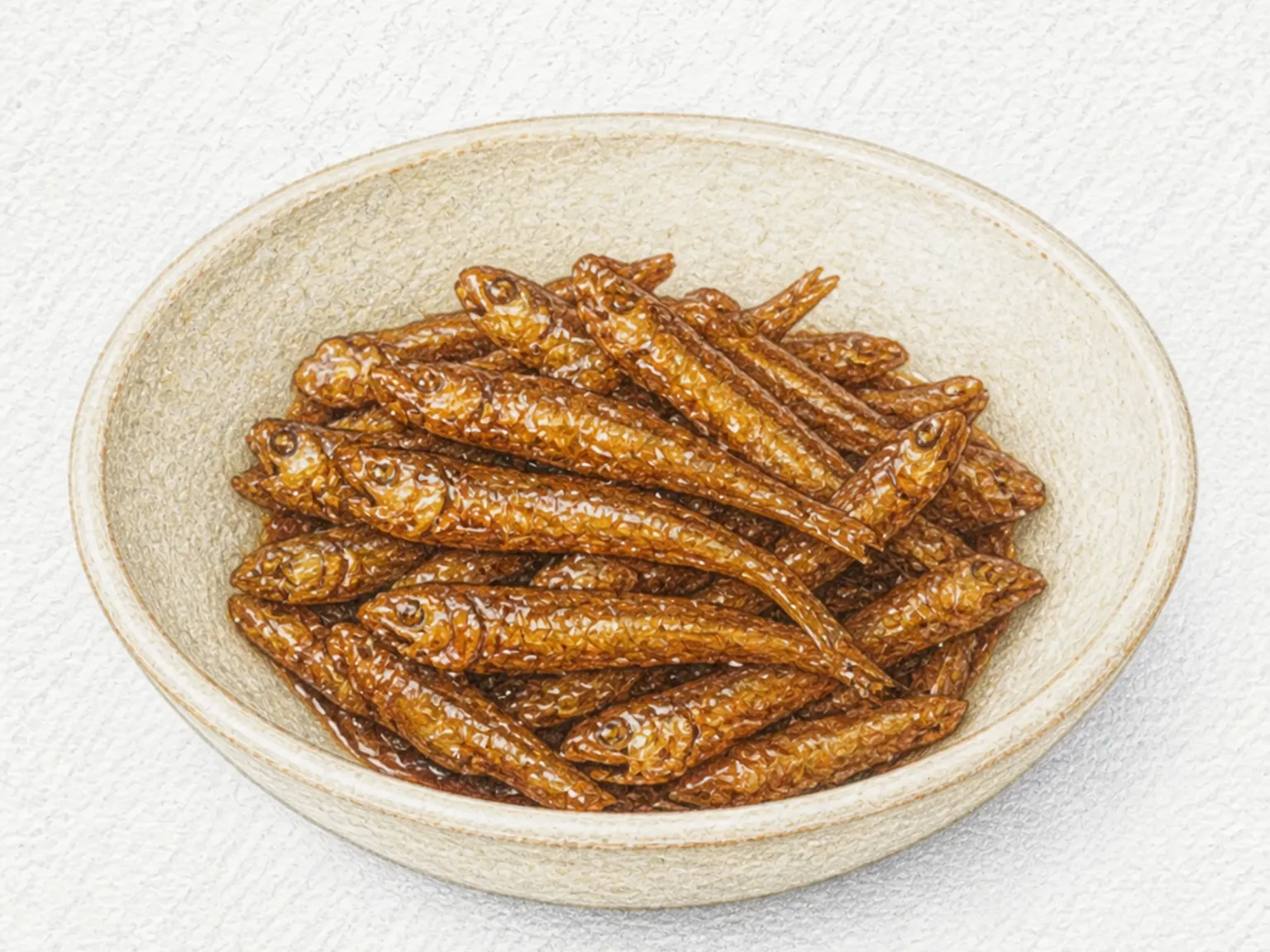
Haze tsukudani is a preserved fish side dish from the Mikawa Bay coast of Aichi. Cleaned sea gobies dry uncovered in the refrigerator for half a day, are grilled without seasoning, dry again overnight, and finally simmer until nearly dry in a sweet tamari broth. The two drying periods firm the flesh so the small fish keep their shape during the long final cooking, while grilling reduces surface moisture and fishy aroma. Water, sake, mirin, tamari, and sugar are boiled before the gobies are arranged in one layer under a drop lid. As the liquid becomes scarce, the pot is tilted rather than stirred to prevent breaking and scorching. The finished fish has concentrated soybean savor and sweetness and is eaten in small amounts with rice or drinks.

🍺 Bar Snacks
Prep 30min Cook 55min 4 servings
Soba Sesame Salad (Chilled Buckwheat Noodle Sesame Dressing)
Noodles Easy

Soba Sesame Salad (Chilled Buckwheat Noodle Sesame Dressing)

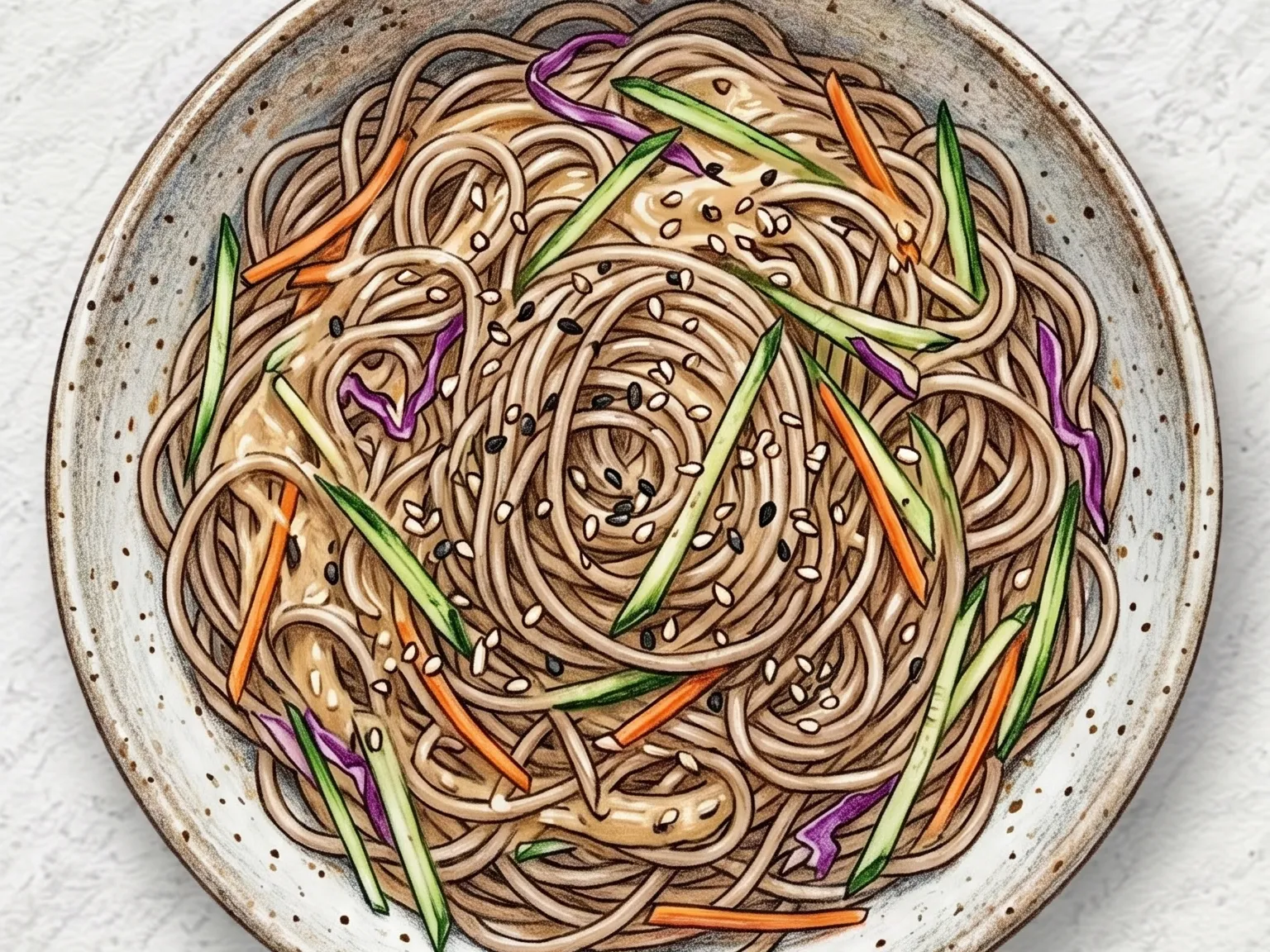
Soba sesame salad tosses thoroughly chilled buckwheat noodles with cucumber, carrot, red cabbage, and a soy and sesame dressing. Cut 100g cucumber, 70g carrot, and 80g red cabbage into thin strips of similar thickness so the vegetables distribute evenly among the noodles. Cook 160g soba in boiling water until tender but still springy. If the foam begins to rise over the pot, lower the heat to medium so the noodles continue cooking without breaking. Immediately rinse the cooked soba in several changes of cold water, rubbing it gently by hand to reduce the slippery surface starch. Drain it in a sieve, shake out water trapped between the strands, and let it cool completely. Rinsing and draining are separate controls: the first cleans and cools the noodles, while the second prevents leftover water from thinning the measured dressing. Mix 1.5 tablespoons soy sauce, 1 tablespoon rice vinegar, 1 teaspoon sesame oil, and 1 tablespoon sesame seeds before combining the salad. Stir until the seeds are distributed throughout the liquid. Just before serving, place the cold noodles and vegetables in a large bowl, pour over the dressing, and toss lightly. Serve as soon as each strand and strip of vegetable is thinly coated rather than leaving the noodles to sit in the liquid. Thorough cold rinsing followed by complete draining is the central sequence for keeping the noodles separate and the dressing at its intended concentration.

🥗 Light & Healthy ⚡ Quick
Prep 12min Cook 8min 2 servings
Heshiko Rice-Bran Fermented Mackerel
Asian Easy

Heshiko Rice-Bran Fermented Mackerel

Heshiko is a Tango-region preserve from Kyoto. Gutted mackerel is first salted for about ten days, then buried again in rice bran with chile, sake, white liquor, and fresh sansho for roughly half a year. One explanation links the name to heshikomu, a fisherman's term for pressing fish into a barrel. Around Ine, it was packed in winter and eaten through later seasons. The salty, fermented fish is usually brushed free of excess bran, briefly grilled, and served in small amounts with rice, ochazuke, or drinks. This home recipe does not reproduce that unverified fermentation; it covers only safe preparation of a sealed, fully matured product from a licensed maker.

🍺 Bar Snacks 🏠 Everyday
Prep 15min Cook 10min 4 servings
Soto Ayam (Indonesian Golden Turmeric Chicken Noodle Soup)
Noodles Medium

Soto Ayam (Indonesian Golden Turmeric Chicken Noodle Soup)

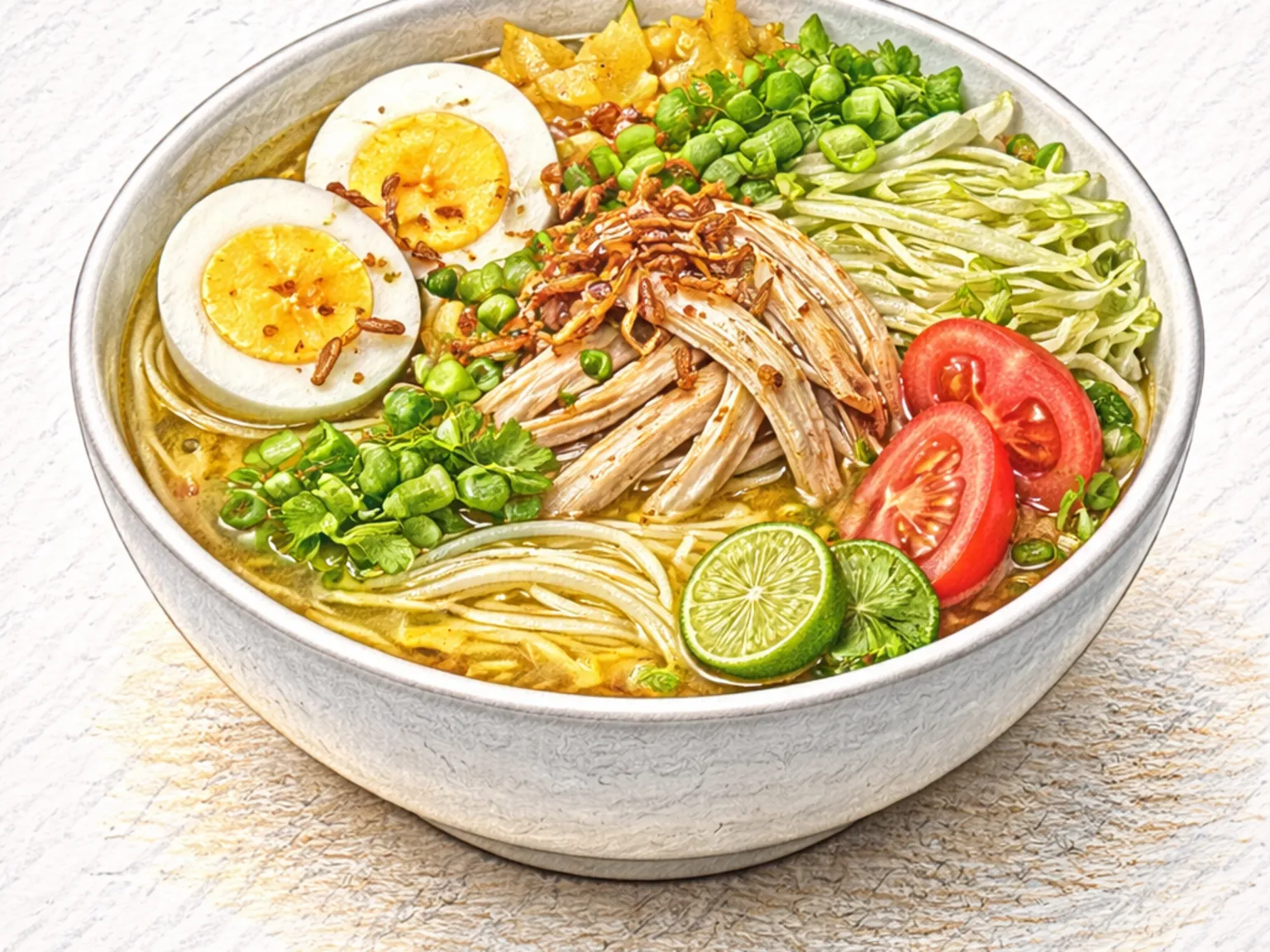
Soto ayam is Indonesia's beloved chicken soup, recognizable by its vivid golden broth colored with turmeric. The flavor base is a paste of garlic, turmeric, and galangal, fried until fragrant and then simmered with chicken pieces and lemongrass stalks for at least thirty minutes to build a deeply aromatic stock. The chicken is removed, shredded by hand, and returned to the bowl along with rice noodles, halved boiled eggs, and a handful of fresh bean sprouts. Each component adds its own texture-the silky noodles, the springy sprouts, the tender chicken-while the broth ties everything together with its warm, earthy spice profile. A squeeze of lime at the table brightens the bowl and lifts the heavier notes of galangal and turmeric. Soto ayam appears at breakfast stalls, family dinners, and celebrations across the Indonesian archipelago.

🎉 Special Occasion 🌙 Late Night
Prep 20min Cook 40min 4 servings
Chinese Red-Braised Pork Belly
Asian Medium

Chinese Red-Braised Pork Belly

Hong shao rou, red-braised pork belly, originated in the Suzhou region before spreading across China to become one of the country's defining braised dishes. Cubed pork belly is briefly boiled to remove impurities, then the pot is dried and sugar is melted alone until it reaches a deep amber caramel. The pork returns to the pot to coat every surface before dark soy sauce, light soy sauce, Shaoxing rice wine, fresh ginger slices, and star anise are added. Covered and simmered over low heat for sixty to ninety minutes, the fat layers slowly dissolve into the braising liquid while the lean meat becomes tender enough to break apart with chopsticks without any pressure. The sauce reduces to a thick, mahogany-lacquered glaze that carries layers of sweetness, salt, and the faintly medicinal warmth of star anise. Served over plain steamed rice with a generous spoonful of the sauce poured over the bowl, the dish transforms the simplest grain into a complete and deeply satisfying meal.

🎉 Special Occasion
Prep 20min Cook 80min 4 servings
Tara no Ko Iri (Akita Cod Roe with Shirataki)
Noodles Medium

Tara no Ko Iri (Akita Cod Roe with Shirataki)

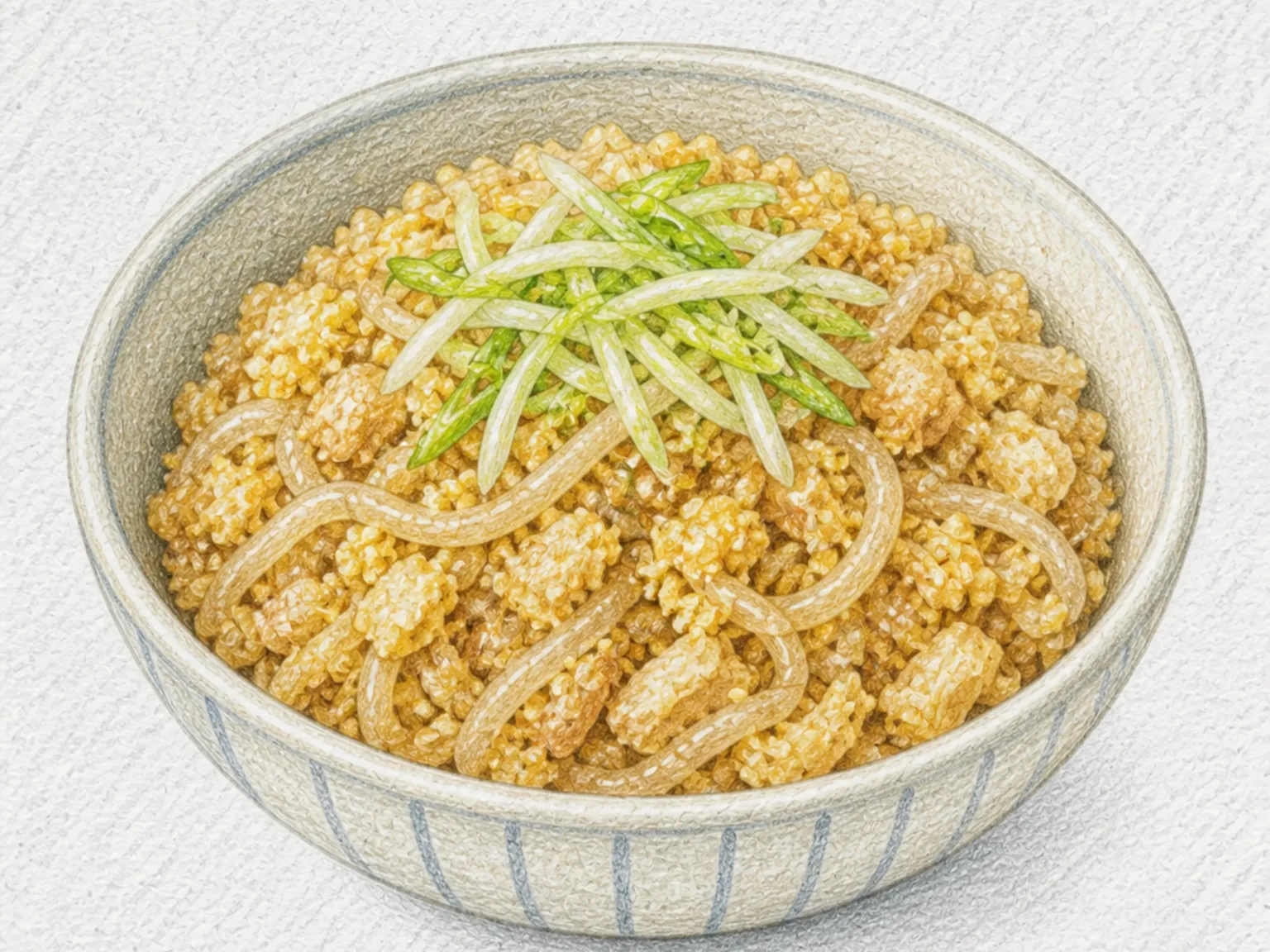
Tara no ko iri is a winter dish from Akita's Sea of Japan coast. Shirataki simmers in water seasoned with soy sauce, sake, mirin, and sugar before raw Pacific cod roe is squeezed from its sac into the bubbling liquid and reduced. The roe separates into coarse grains that cling to the noodles; the sac may also be cut up and included for a firmer accent. Fine white strips of long onion finish the dish. In Akita, tarako in this context means the roe of Pacific cod rather than the pollock roe commonly sold under that name elsewhere. It is served as a winter make-ahead side dish, with rice, or alongside sake, and its many eggs made it an auspicious New Year food associated with hopes for children.

🎉 Special Occasion 🍺 Bar Snacks
Prep 20min Cook 30min 10 servings
Chinese Red-Braised Fish (Hong Shao Yu)
Asian Medium

Chinese Red-Braised Fish (Hong Shao Yu)

Hong shao yu is a Chinese braised fish dish made by pan-searing white fish until golden, then pouring over a sauce of soy sauce, sugar, ginger, green onion, and Shaoxing wine and simmering over medium heat until the liquid reduces to a glaze. Searing the fish first firms up the surface so the flesh holds together during braising, and the browning from the sear adds a savory depth to the final sauce that straight braising cannot achieve on its own. Sugar softens the saltiness of the soy sauce into a sweet-savory balance, while ginger neutralizes any fishiness and contributes a sharp, clean aroma throughout the braise. As the sauce reduces it coats each piece of fish in a glossy, dark glaze well suited to spooning over steamed rice. The dish comes together in under thirty minutes, and thicker white fish holds moisture better through the braise than thin fillets. Patting the fish thoroughly dry before placing it in the pan prevents oil splatter and ensures the surface browns evenly rather than steaming.

🎉 Special Occasion 🏠 Everyday
Prep 20min Cook 25min 4 servings
Suanlafen (Sichuan Hot-and-Sour Sweet Potato Noodle Soup)
Noodles Easy

Suanlafen (Sichuan Hot-and-Sour Sweet Potato Noodle Soup)

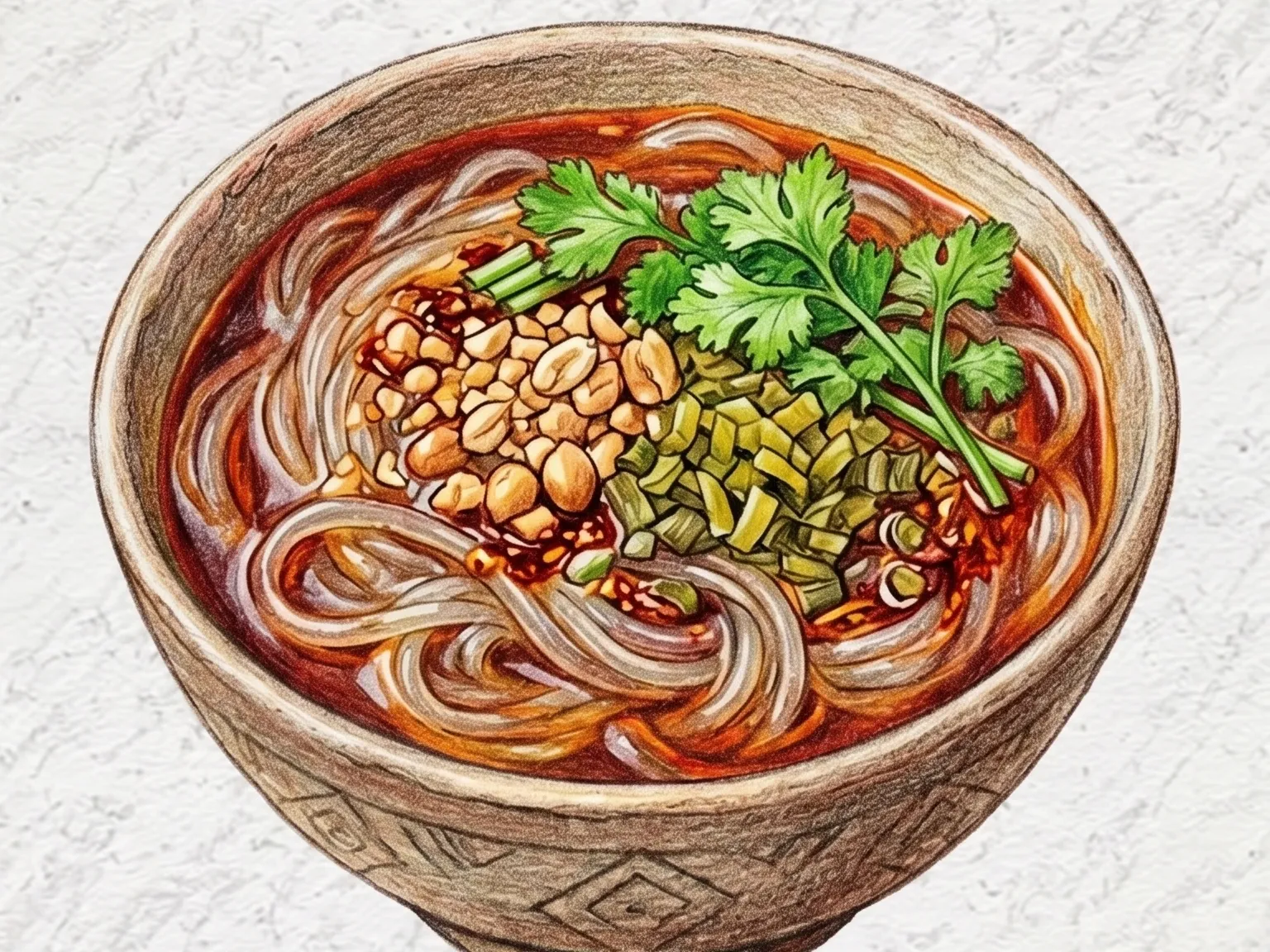
This hot-and-sour noodle soup serves two with 180 g sweet potato noodles, 800 ml chicken stock, black vinegar, chili oil, bok choy, and peanuts. Soak the noodles in lukewarm water for 10 minutes, loosen any stuck strands by hand, and drain them well. Separate 80 g bok choy into manageable leaves and stems, and coarsely crush 30 g peanuts, keeping them aside so they stay crisp. Bring the stock to a boil over medium-high heat, add 1 tablespoon soy sauce and 1 teaspoon minced garlic, and simmer for 2 minutes. Add the drained noodles and cook over medium heat for about 3 minutes, stirring from the bottom to prevent sticking. Once the strands turn translucent, add the bok choy and continue for 1 to 2 minutes, just until the stems soften slightly and the leaves remain bright. Lower the heat as soon as a noodle feels springy without a hard center. Divide the soup between bowls, add 2 tablespoons black vinegar in stages to control the sourness, drizzle with 2 tablespoons chili oil, and finish with the crushed peanuts.

🍺 Bar Snacks 🌙 Late Night
Prep 15min Cook 20min 2 servings
Chinese Red-braised Pork Belly
Asian Hard

Chinese Red-braised Pork Belly

Hongshao rou is Chinese pork belly braised with caramelized sugar, two soy sauces, Shaoxing wine, ginger, and scallion. Cut 800g pork belly into large chunks, blanch it in boiling water for 3 minutes, and drain it well. Blanching removes surface residue and some rendered fat so the finished sauce does not become cloudy or excessively greasy. Melt 2 tablespoons sugar slowly in an empty pot. As soon as it reaches a deep caramel color, add the pork before the sugar burns and turns bitter, then turn the pieces until every side is coated. Stir in 20g ginger and 60g scallion, followed by 4 tablespoons soy sauce, 1 tablespoon dark soy sauce, 3 tablespoons Shaoxing wine, and 700ml water. Bring the liquid to a full boil, lower the heat, and maintain a quiet simmer for 45 minutes. Turn the chunks only when needed so they stay intact. When chopsticks enter the meat easily and the center is at least 63C, raise the heat slightly to reduce the broth. Stop when the sauce lightly coats the pork with a reddish-brown gloss, then rest it for 3 minutes before serving. Watch the pot closely during the final reduction because the sugar and soy sauce can catch on the bottom.

🏠 Everyday 🎉 Special Occasion
Prep 20min Cook 60min 4 servings
Suttate (Chilled Sesame Miso Udon)
Noodles Easy

Suttate (Chilled Sesame Miso Udon)

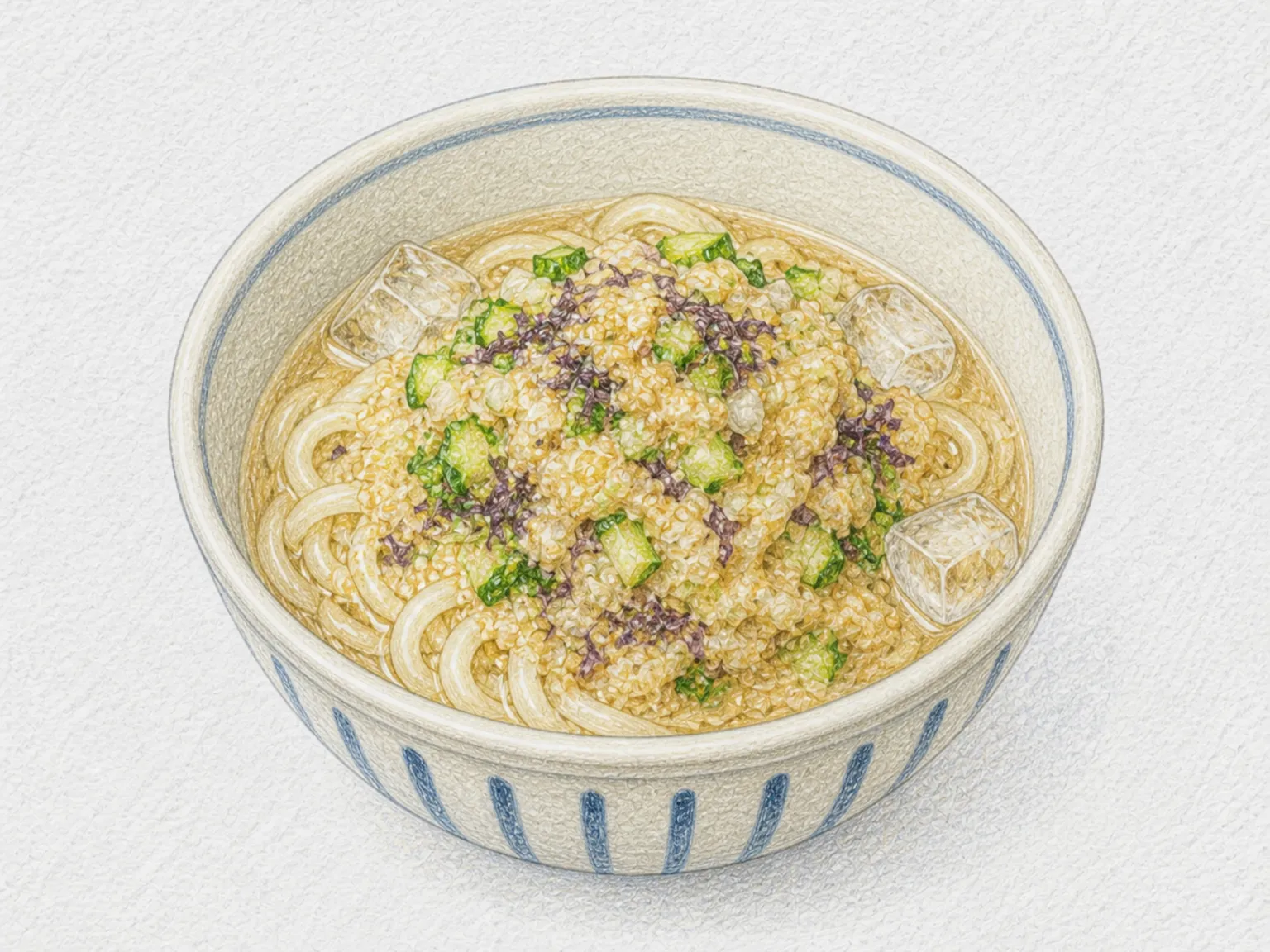
Suttate is a summer udon dish from Kawajima in Saitama. Golden sesame, rice miso, onion, shiso, and cucumber form a chilled dipping broth that is served separately from the noodles. For two portions, put 27g golden sesame seeds in a cold pan and toast them over high heat for about 30 seconds while shaking constantly. Transfer them to a mortar as soon as they begin to pop, then grind until fine and oily. Removing the seeds promptly keeps them from scorching and turning bitter. Work 50g finely chopped onion, five chopped shiso leaves, and 36g rice miso into the ground sesame. Add 50g thinly sliced cucumber and bruise it lightly with the pestle so its juice and aroma enter the paste. Gradually pour in 360ml cold bonito dashi, dissolving the thick miso mixture before refrigerating the broth. Cook 250g udon for the time on its package, rinse it several times in cold water, gently rub away the surface starch, and drain thoroughly. Divide the chilled noodles and broth between two servings. Add 60g ice to each individual broth bowl just before eating and dip the udon into it. Keeping the ice out of the full batch prevents the remaining broth from becoming diluted.

🏠 Everyday ⚡ Quick
Prep 15min Cook 12min 2 servings
Suzuki no Hoshoyaki (Washi-Wrapped Sea Bass)
Asian Hard

Suzuki no Hoshoyaki (Washi-Wrapped Sea Bass)

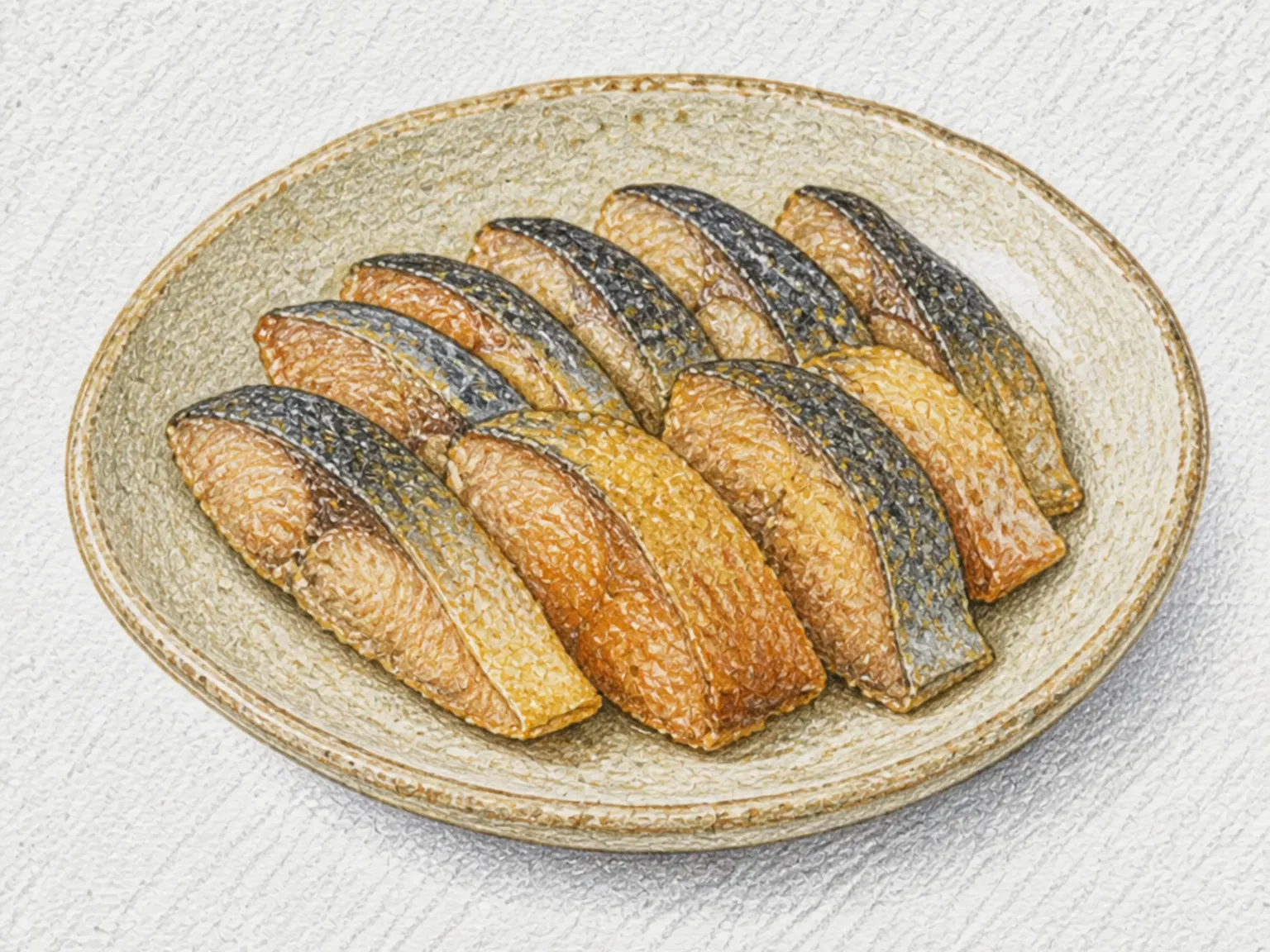
Suzuki no hoshoyaki is a Matsue, Shimane dish that steam-roasts a whole Lake Shinji sea bass inside several layers of wet hosho washi. The fish is cleaned through the gill opening with the tsubo-nuki technique so the belly and body remain uncut. Its skin is pierced and salted, then wrapped without gaps in water-soaked mulberry paper. In the oven, moisture trapped by the wet paper gently cooks the flesh while the paper absorbs excess oil, leaving the fish moist but not heavy. Sea bass is at its best from autumn to early winter around Lake Shinji, and this preparation is still reserved for gatherings, banquets, and other celebratory meals in Matsue.

🎉 Special Occasion
Prep 25min Cook 40min 4 servings
Rokubei (Extruded Sweet Potato Noodles)
Noodles Hard

Rokubei (Extruded Sweet Potato Noodles)

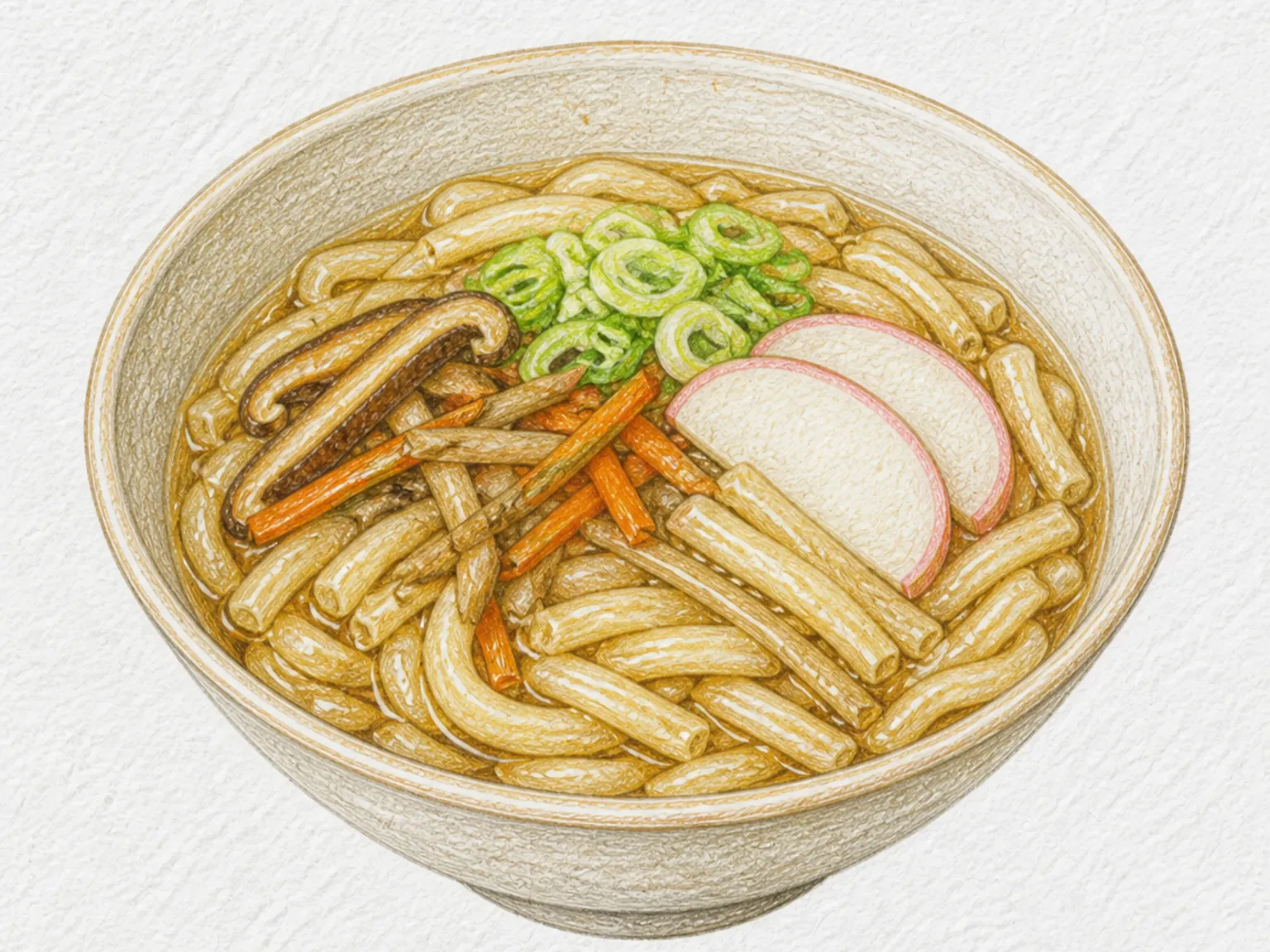
Rokubei is a sweet-potato noodle dish passed down since the Edo period in Shimabara and Tsushima, Nagasaki Prefecture. Sendango, made from the local preserved sweet-potato product called sen, is crumbled and kneaded with warm water. The smooth dough is formed into softball-size balls, briefly boiled, broken apart, and kneaded again. Small portions are pressed through the holes of a rokubei-segi directly into boiling water, producing short, thick strands rather than long wheat noodles. After the pot returns to a boil, the noodles cook for 2 to 3 minutes, then are cooled and rinsed to remove surface harshness. A clear soup is made with burdock, carrot, rehydrated shiitake, dashi, sake, light soy sauce, dark soy sauce, and salt. The drained noodles are served in the soup with sliced kamaboko and green onion, giving a smooth exterior, chewy center, and faint sweet-potato taste.

🏠 Everyday
Prep 35min Cook 30min 5 servings
Idli Sambar (Steamed Rice Cakes with Lentil Stew)
Asian Medium

Idli Sambar (Steamed Rice Cakes with Lentil Stew)

Idli sambar is a foundational South Indian breakfast that pairs soft, steamed rice cakes with a deeply spiced lentil and vegetable stew. The idli batter is made by soaking and grinding rice and urad dal separately, then mixing and leaving the combination to ferment overnight; this fermentation is what produces the airy, spongy texture when the batter is poured into molds and steamed for ten to twelve minutes. The resulting discs absorb sauces readily and have a mild, slightly tangy flavor from the fermentation. The sambar starts with toor dal simmered until completely soft and partially mashed to give the broth body, then combined with sauteed onion and tomato along with sambar powder and tamarind water for a ten-minute simmer. Tamarind's pronounced sourness balances the earthiness of the lentils and keeps the broth from tasting heavy, while the spice blend in sambar powder adds a warm background heat without becoming harsh. The final and essential step is tempering: mustard seeds are dropped into very hot oil until they pop and scatter, then the spiced oil is stirred into the finished stew, releasing a nutty, aromatic burst that threads through the whole pot. Dipping or soaking the mild, fluffy idli in the bold, tangy sambar creates the contrast that defines this combination and distinguishes it from eating either component alone. Coconut chutney served alongside adds a cool, creamy counterpoint.

🏠 Everyday 🎉 Special Occasion
Prep 25min Cook 30min 4 servings
Kumamoto Tai Somen
Noodles Hard

Kumamoto Tai Somen

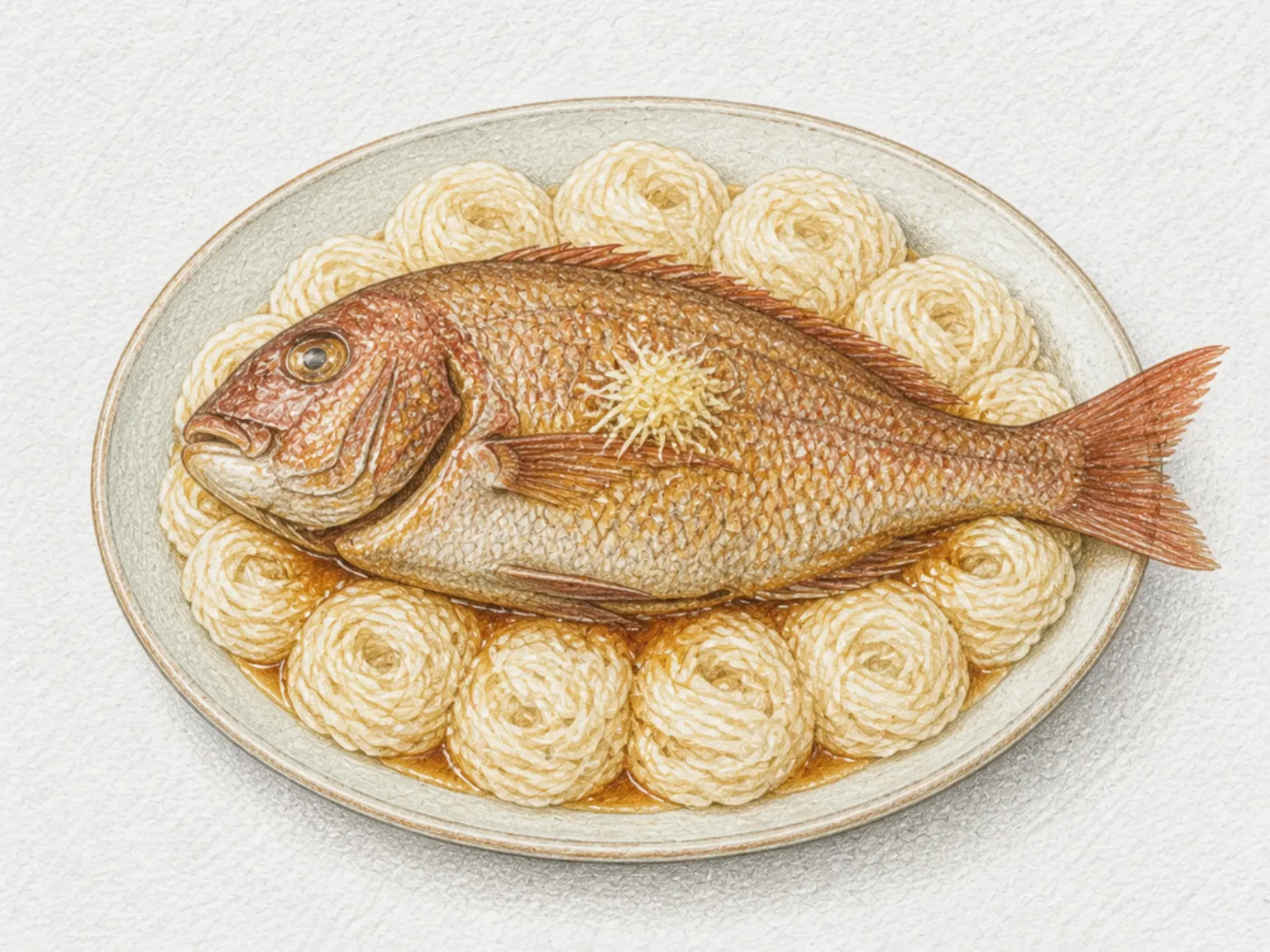
Kumamoto tai somen is a celebration platter with a whole red sea bream simmered intact in light and dark soy sauces, akazake, sake, and aromatics, surrounded by bite-size coils of rinsed somen. Amakusa has a practical form using the head and bones left after sashimi, while Mamihara in Yamato preserves the grand wedding form with a whole fish and noodles arranged like white waves. The paired fish and long noodles expressed hopes for a lasting marriage and ties between two families. Just before serving, ample fish braising liquid is spooned over the noodles so they absorb its savory flavor without sitting long enough to become soft.

🎉 Special Occasion
Prep 25min Cook 30min 5 servings
Igisu Dofu Red Algae and Soy Terrine
Asian Medium

Igisu Dofu Red Algae and Soy Terrine

Igisu dofu is a coastal Hiroshima side dish that dissolves dried igisu red algae in dashi, thickens it with raw soy flour, and chills it firm without a separate setting agent. Also called egonori, igisu is a fine reddish-brown seaweed whose natural gelling components take shape like agar after heating and cooling. The soaked algae is squeezed, simmered until fully dispersed in stock, and combined with soy flour first blended smoothly into a separate portion of cold dashi. Continuous stirring keeps the soy mixture from scorching during its short final cook. It is poured into a mold, chilled until cleanly sliceable, and served in squares with sweet-sour white miso, shiso, and myoga. The springy seaweed, nutty soybean flavor, and bright sauce made it suitable for summer meals and family gatherings around Obon and local festivals.

🎉 Special Occasion 🥗 Light & Healthy
Prep 35min Cook 12min 4 servings
Taipiien (Kumamoto Glass Noodle Soup)
Noodles Medium

Taipiien (Kumamoto Glass Noodle Soup)

Taipiien is a substantial glass noodle soup served in Chinese restaurants and homes across central Kumamoto. Ginger, pork, onion, carrot, wood ear, and napa cabbage are stir-fried before shrimp, squid, and kamaboko join a clear chicken broth. Separately boiled glass noodles are cut to an easy length and warmed in the soup, which is finished with light soy sauce, green onion, and sesame oil. A firm hard-boiled egg cut in half tops each bowl. The dish traces its roots to celebratory soup from Fuzhou in China's Fujian Province, brought through Nagasaki to Kumamoto in the late Meiji period and adapted with local ingredients.

🏠 Everyday 🌙 Late Night
Prep 30min Cook 25min 2 servings

About Asian

Each country brings its own signature spices and sauces, so even the same ingredients can produce completely different flavors. With a few key pantry items - coconut milk, fish sauce, curry powder, doubanjiang - you can recreate the tastes of Asia at home.