Side dishes
Side dishes

Side dishes Recipes

186 recipes. Page 8 of 8

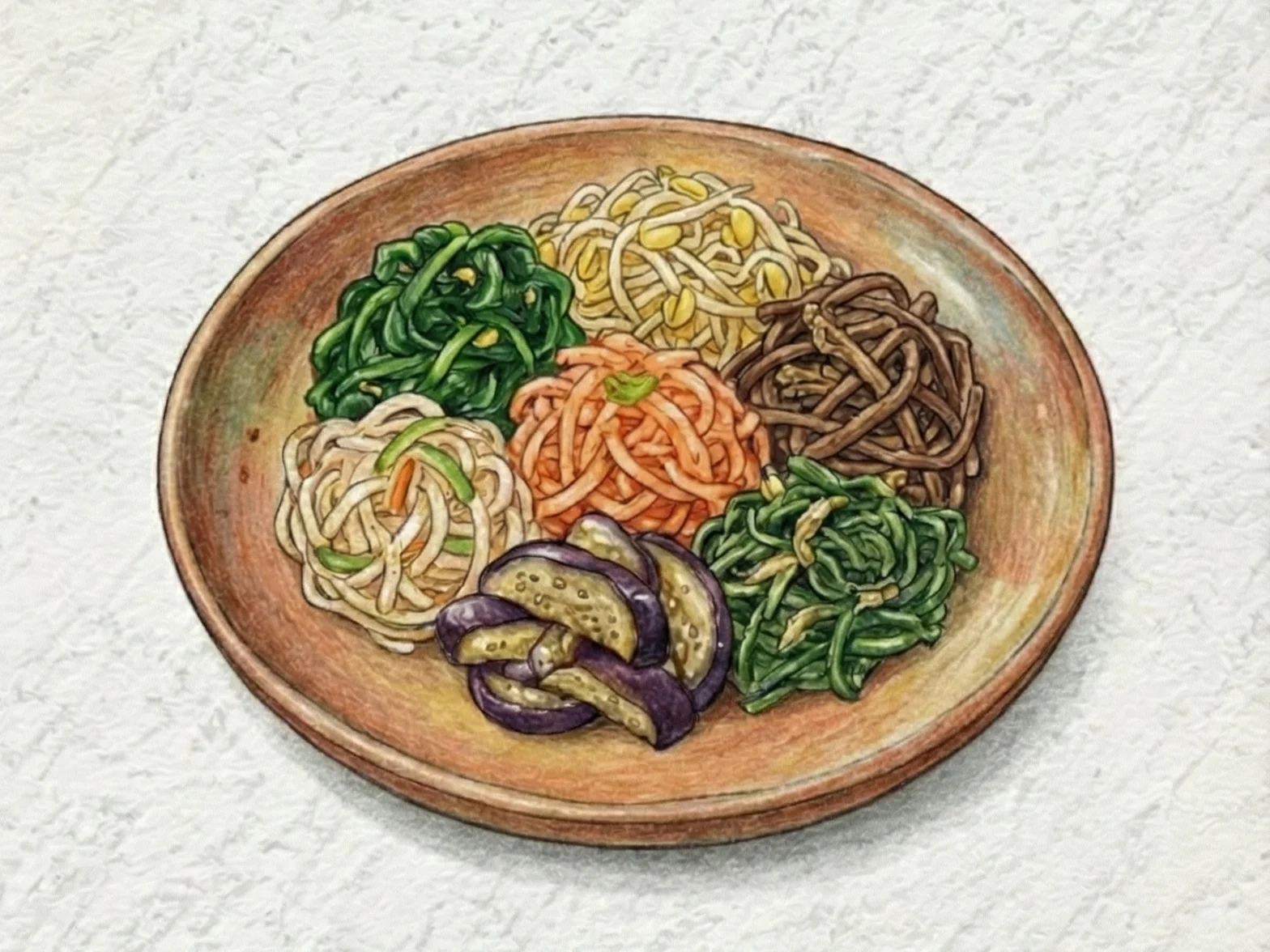
Side dishes (banchan) are the heart of Korean dining culture. A typical meal features multiple small plates - seasoned vegetables (namul), braised dishes (jorim), pickled items, and salted seafood. Classics like spinach namul, bean sprout salad, and stir-fried anchovies can be prepared in advance and enjoyed over several days.

Great banchan balances seasoning with the natural flavor of each ingredient. Sesame oil, perilla oil, soy sauce, and fermented pastes work together to pack deep flavor into every small serving.

Korean Crown Daisy Pancake
Side dishes Easy

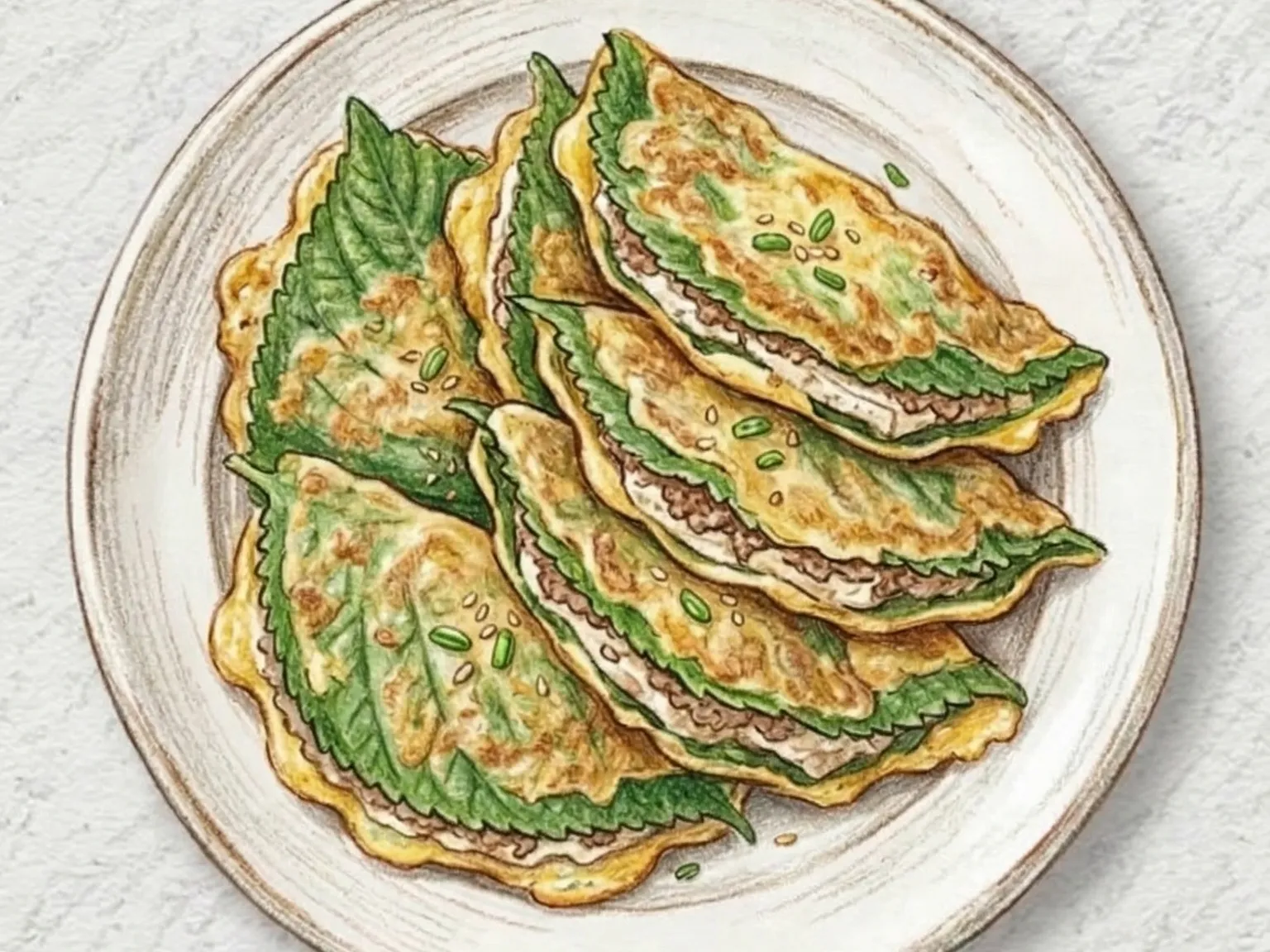
Korean Crown Daisy Pancake

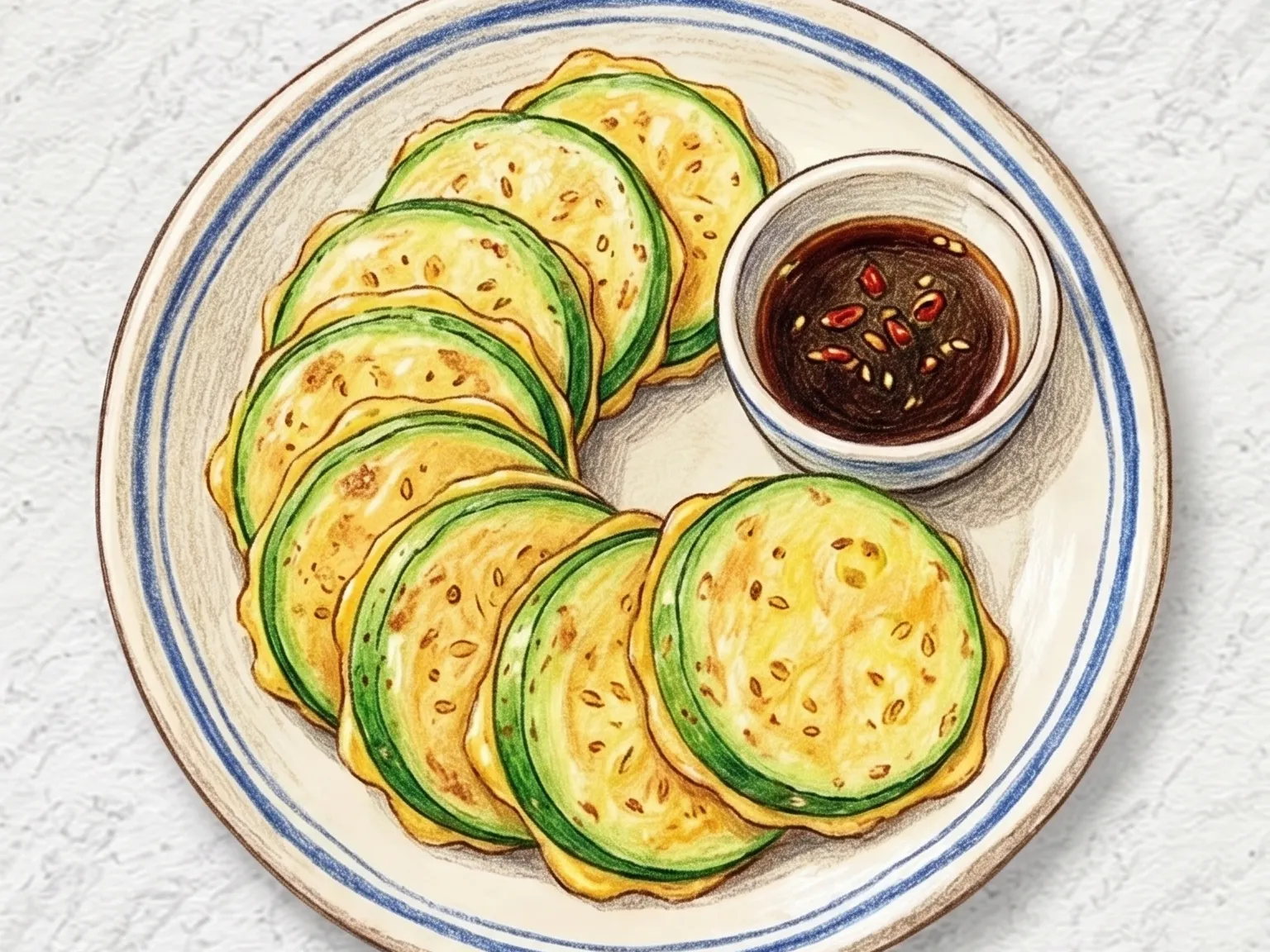
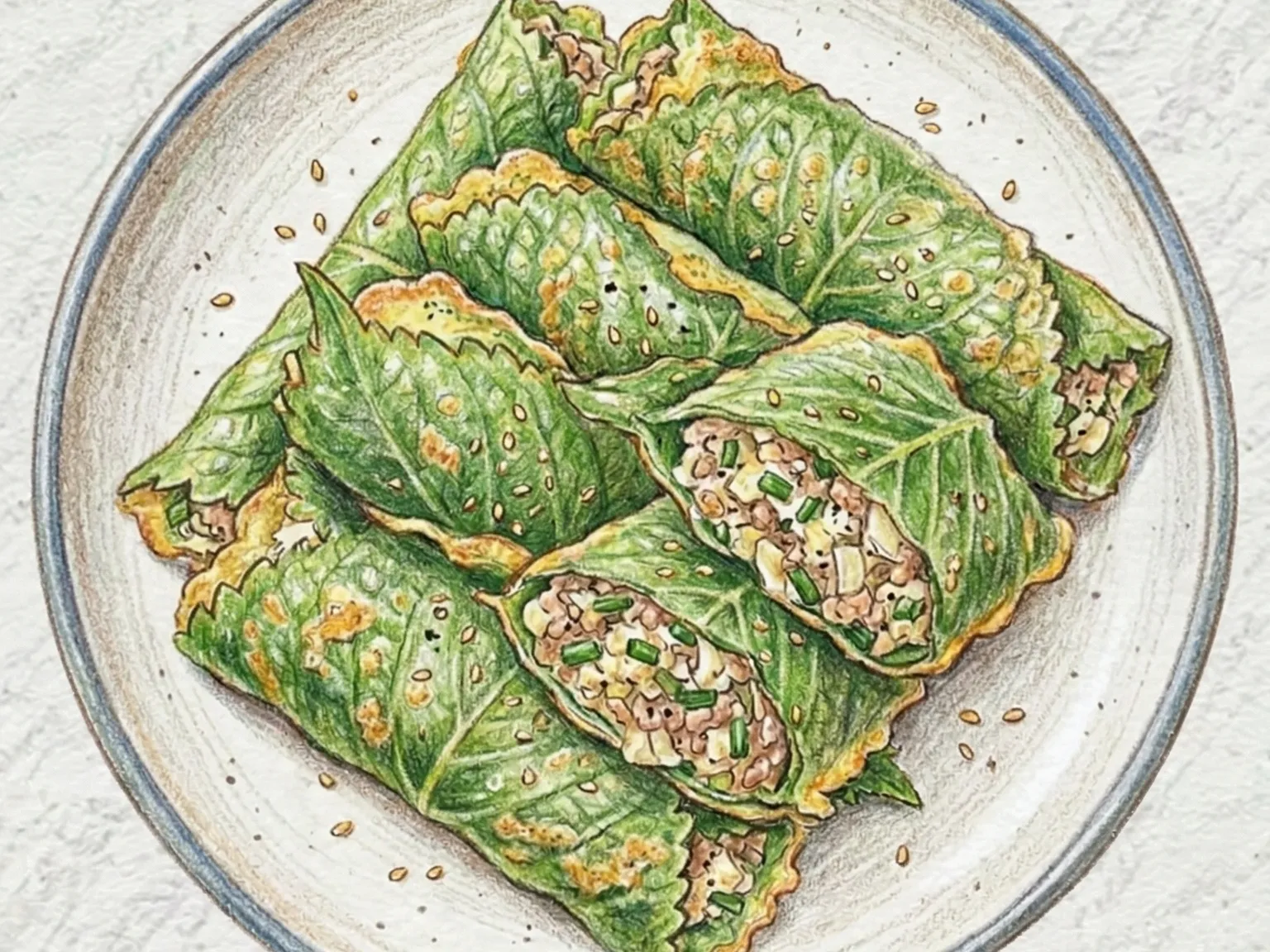
Fragrant crown daisy leaves are coated in a light pancake batter and pan-fried until the edges crisp and the herb's aroma intensifies. Heat amplifies the crown daisy's grassy, slightly bitter character, and the scent rises through the thin layer of batter as the jeon cooks. Egg in the batter provides structure, helping the exterior hold its crunch, while a small addition of potato starch keeps the texture light and prevents sogginess as the pancake cools. Sliced onion mixed into the batter introduces a gentle sweetness that offsets the herb's bitterness. Cooking over medium-low heat with ample oil ensures the interior sets evenly before the surface browns too deeply, and waiting until one side has fully firmed before flipping prevents the pancake from falling apart. The finished jeon is served with a dipping sauce of soy sauce and vinegar, whose acidity lifts the richness of the fried exterior and highlights the crown daisy's herbal notes.

🏠 Everyday 🍱 Lunchbox
Prep 10min Cook 10min 2 servings
Korean Stir-Fried Mung Bean Sprouts and Mushrooms
Side dishes Easy

Korean Stir-Fried Mung Bean Sprouts and Mushrooms

Mung bean sprouts and oyster mushrooms are tossed together in a hot pan for a stir-fry that contrasts the sprouts' crisp snap with the mushrooms' tender chew. Speed is critical: the sprouts lose their crunch within seconds of overcooking, so the entire process finishes in under a minute once the ingredients hit the oil. Tearing the oyster mushrooms along their natural grain rather than chopping them exposes more surface area, allowing the seasoning to penetrate each strand. Soup soy sauce seasons the dish with depth while keeping the color clean and light, and minced garlic and sliced green onion provide an aromatic backbone that fills the kitchen as the pan sizzles. Sesame oil is added just before removing from heat so its fragrance survives intact, and a scattering of toasted sesame seeds supplies a nutty accent. Both ingredients release significant moisture, so either salting them briefly beforehand or ensuring the pan is blazing hot prevents the stir-fry from turning soggy.

🏠 Everyday 🍱 Lunchbox
Prep 12min Cook 8min 4 servings
Korean Seasoned Mung Bean Sprouts
Side dishes Easy

Korean Seasoned Mung Bean Sprouts

Mung bean sprouts are blanched briefly in boiling water and dressed with sesame oil, salt, garlic, and toasted sesame seeds to produce one of the cleanest-tasting namul dishes on the Korean table. The blanching window is narrow: thirty seconds is enough to soften the raw edge while keeping the stems crunchy from tip to tail. Plunging the sprouts into cold water immediately halts the cooking and preserves their pale, translucent appearance. Salt draws out the sprouts' mild natural sweetness, and sesame oil wraps each strand in a thin, fragrant coat that makes the mouthfeel smooth without adding weight. Garlic is used sparingly so it accents rather than dominates the sprouts' delicate flavor. Toasted sesame seeds contribute a nutty depth that elevates the otherwise minimal seasoning. Thorough squeezing removes the water trapped between the tangled sprouts, ensuring the dressing clings rather than pools at the bottom of the bowl. Gentle hand-mixing prevents the fragile sprouts from bruising.

🏠 Everyday 🍱 Lunchbox
Prep 5min Cook 5min 4 servings
Korean Soy-Braised Whole Garlic
Side dishes Easy

Korean Soy-Braised Whole Garlic

Peeled whole garlic cloves are simmered in a mixture of soy sauce and corn syrup until they turn glossy and deeply seasoned throughout. Raw garlic's sharp, pungent bite mellows completely during the slow braising, transforming into a gentle sweetness that merges with the soy sauce's salinity. The corn syrup reduces alongside the soy sauce, forming a lacquer-like glaze that clings to each clove and catches the light. Low heat is essential: cooking too fast browns the exterior while leaving the core hard and under-seasoned. With patience, the garlic softens to a texture resembling a roasted potato, yielding easily when pressed with chopsticks yet holding its shape on the plate. A final drizzle of sesame oil seals the surface with a warm, nutty aroma that completes the balance of salty, sweet, and rich. The finished jorim keeps well under refrigeration for over a week, making it a practical banchan to prepare in advance.

🏠 Everyday 🍱 Lunchbox
Prep 10min Cook 25min 4 servings
Korean Stir-Fried Taro Stems
Side dishes Medium

Korean Stir-Fried Taro Stems

Boiled taro stems are stir-fried in perilla oil with soy sauce and garlic to create a banchan prized for its uniquely chewy texture. Dried taro stems, once soaked and simmered, lose their rawness but retain a springy, almost rubbery bite along the center of each stalk, setting them apart from softer namul greens. Stir-frying in perilla oil first builds a nutty base note, and soy sauce with minced garlic layers savory depth onto the stems' neutral flavor. A splash of stock added mid-cook allows the seasoning to penetrate the fibrous interior during a brief simmer. Sliced green onion introduces a fresh aromatic accent, and a finishing spoonful of ground perilla seeds dissolves into the residual moisture, creating a creamy coating that clings to each piece. Mixed into a bowl of steamed rice, the chewy stems provide satisfying resistance with every bite, and their mild character lets them complement bolder dishes like doenjang jjigae without competing for attention.

🏠 Everyday 🍱 Lunchbox
Prep 15min Cook 12min 4 servings
Korean Seasoned Hijiki Seaweed
Side dishes Easy

Korean Seasoned Hijiki Seaweed

Fresh hijiki seaweed is blanched and dressed in a chogochujang sauce - gochujang, vinegar, and sugar combined - that highlights the sea vegetable's briny character. Hijiki's slender, dark strands turn deeper black after blanching, and their texture firms into a distinctive pop that crunches lightly between the teeth. The dressing's tangy heat meets the seaweed's subtle ocean salinity, producing a refreshing umami interplay that makes this banchan especially appealing in warmer months. Sugar tempers the vinegar's sharpness, rounding the overall flavor into something balanced rather than aggressive. Thinly sliced raw onion mixed in adds a crisp contrast to the seaweed's softer chew, and minced garlic contributes a pungent depth beneath the sauce's bright surface. Rinsing the hijiki in cold water immediately after blanching and draining it thoroughly prevents the strands from turning tough. The finished dish is rich in iron and calcium, making it as nutritionally substantial as it is flavorful.

🏠 Everyday 🍱 Lunchbox
Prep 12min Cook 3min 4 servings
Korean Stir-Fried Burdock Root
Side dishes Medium

Korean Stir-Fried Burdock Root

Burdock root is julienned into thin strips and stir-fried with soy sauce and Korean grain syrup until each piece is coated in a glossy, sweet-salty glaze. Burdock carries an earthy, almost woody flavor unique among root vegetables, and soaking the cut strips in vinegared water before cooking prevents oxidation and keeps the color clean. A quick initial fry in oil seals the surface and drives off moisture, preserving the root's natural crunch. Adding soy sauce and grain syrup transforms the pan into a bubbling reduction that clings to every strand as it thickens. The grain syrup's gentle sweetness softens the soy sauce's salinity into a balanced, caramelized coating, while the heat converts burdock's raw earthiness into a toasted, nutty aroma. Reducing the sauce completely yields a chewy, almost candy-like texture; leaving a trace of moisture produces a crunchier, more succulent result. The finished banchan stores well under refrigeration for a week or more, making it a practical side to prepare in bulk.

🏠 Everyday 🍱 Lunchbox
Prep 15min Cook 12min 4 servings
Korean Braised Burdock Root
Side dishes Easy

Korean Braised Burdock Root

Julienned burdock root is simmered in soy sauce, sugar, and corn syrup with enough water to submerge the strips, then reduced slowly until the liquid thickens into a concentrated glaze. Unlike stir-fried burdock, this braised version cooks under a lid at moderate heat, giving the tough fibers time to soften while retaining a pleasantly chewy core. Soy sauce penetrates deep into the root during the extended simmer, establishing a salty foundation that the corn syrup then balances with a mellow sweetness. As the braising liquid reduces, the sugars begin to caramelize, darkening the color and adding a layer of complexity to burdock's naturally earthy, woody flavor. The dish is done when nearly all the liquid has evaporated and each strip glistens with a thick, lacquered coating. Vinegar added at the start prevents the burdock from discoloring and contributes a faint tartness that keeps the sweetness in check. Stored in a sealed container, the jorim remains good in the refrigerator for close to ten days.

🏠 Everyday 🍱 Lunchbox
Prep 15min Cook 20min 4 servings
Korean Stir-Fried Dried Napa Cabbage Leaves
Side dishes Medium

Korean Stir-Fried Dried Napa Cabbage Leaves

Dried outer leaves of napa cabbage, known as ugeoji, are rehydrated, boiled, and stir-fried with doenjang and ground perilla seeds to create a deeply savory banchan. These tough outer leaves, too coarse to eat fresh, develop a satisfying chewy texture once dried and reconstituted, offering a bite that ordinary cabbage cannot match. Doenjang introduces its fermented umami during the stir-fry, layering complexity onto the cabbage's otherwise neutral flavor. Ground perilla seeds dissolve into the residual moisture, forming a creamy, pale coating that enriches every strand with a nutty warmth. A small amount of anchovy and kelp stock added mid-cook creates just enough liquid for the seasonings to soak into the fibrous leaves before evaporating. Perilla oil used as the cooking fat establishes a fragrant base from the first moment the pan heats, and minced garlic stirred in partway through adds a sharp accent that cuts through the richness. The finished dish pairs naturally with a bowl of steamed rice and a hot soup.

🏠 Everyday 🍱 Lunchbox
Prep 60min Cook 15min 4 servings
Korean Yangbaechu Kkae Bokkeum (Sesame Cabbage Stir-fry)
Side dishes Easy

Korean Yangbaechu Kkae Bokkeum (Sesame Cabbage Stir-fry)

Shredded cabbage, onion, and carrot are stir-fried over high heat with soup soy sauce and finished with sesame oil and a generous handful of toasted sesame seeds. Cabbage benefits from fast, hot cooking: the edges char lightly and caramelize while the interior retains its crisp bite, and the heat unlocks a gentle natural sweetness hidden in the raw leaves. Soup soy sauce seasons the vegetables with depth while keeping the finished dish pale and clean-looking, and minced garlic stirred in early fills the pan with fragrance. Carrot goes into the pan first to draw out its sugar, and as the onion softens, its moisture deglazes the surface and adds another layer of mellow sweetness. Sesame oil drizzled off-heat coats the vegetables in a nutty sheen, and the sesame seeds scattered on top provide a crunchy, aromatic punctuation with every bite. The dish is lean and uncomplicated, relying on the quality of fresh vegetables and precise timing rather than heavy seasoning, making it a banchan suited to daily meals.

🏠 Everyday 🍱 Lunchbox
Prep 12min Cook 8min 4 servings
Korean Young Radish Kimchi
Side dishes Medium

Korean Young Radish Kimchi

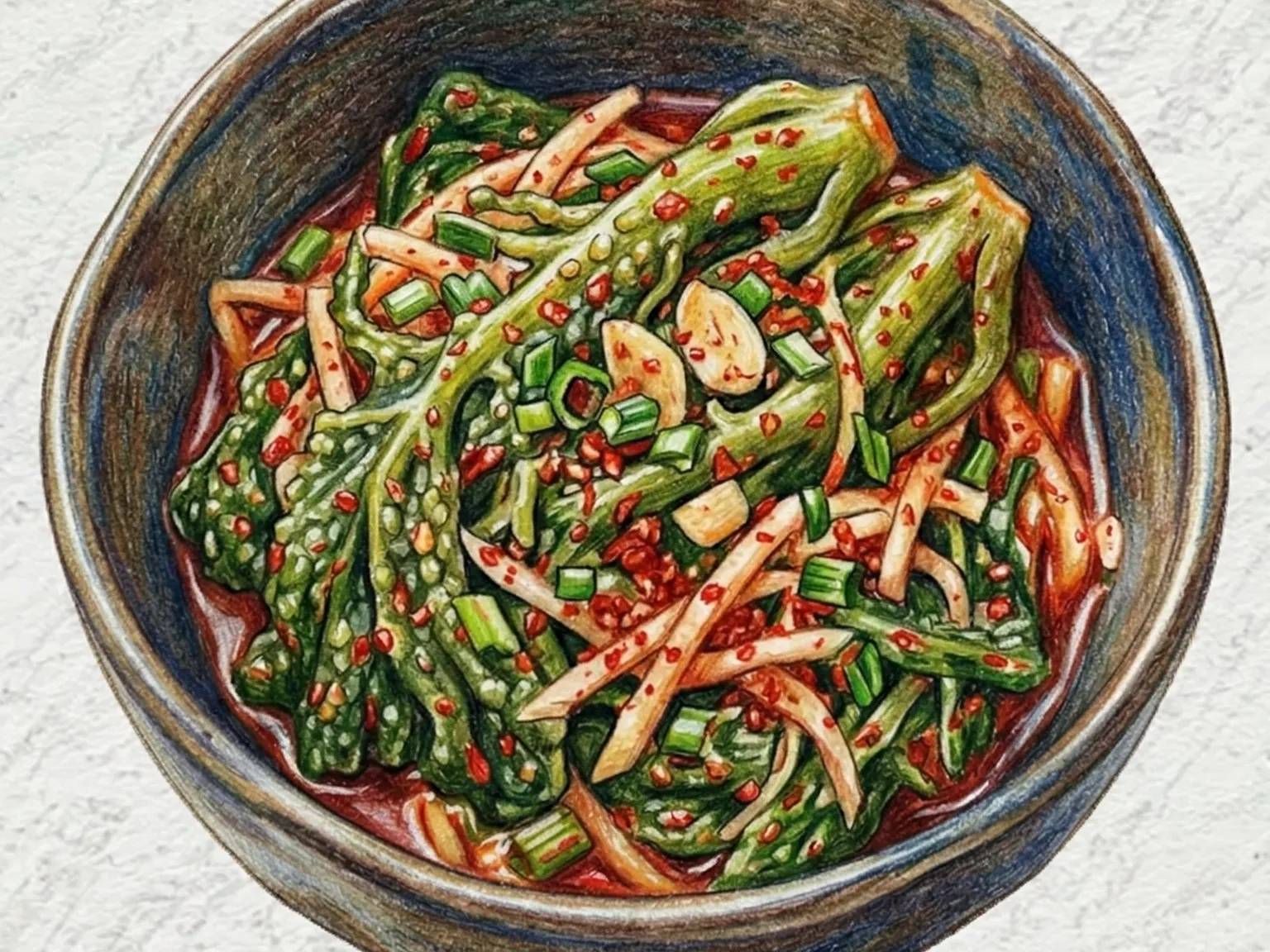
Young radish greens and their slender stems are salted briefly, dressed in a gochugaru-based paste, and fermented into a kimchi that defines Korean summer eating. The greens are more delicate than mature radish, absorbing the seasoning quickly while retaining a refreshing crunch that lasts well into fermentation. Gochugaru and anchovy fish sauce form the backbone of the paste, delivering heat and deep umami in equal measure, while garlic lends a pungent undercurrent that mellows as the fermentation progresses. Once dressed, the radish greens release their own moisture, creating a naturally occurring brine that becomes the hallmark of yeolmu kimchi: a tangy, chili-flecked liquid that can be spooned over cold noodles or rice. Even half a day at room temperature kicks off the fermentation, introducing a sharp, fizzy acidity that signals the kimchi is alive. Transferring it to the refrigerator slows the process and stabilizes the flavor at a bright, appetizing sourness. Draped over bibim-guksu or naengmyeon, it brings a cooling, spicy bite that defines the Korean summer table.

🏠 Everyday 🥗 Light & Healthy
Prep 30min 4 servings
Korean Seasoned Young Radish Greens
Side dishes Easy

Korean Seasoned Young Radish Greens

Preparing these young radish greens requires precision during the brief blanching stage to maintain their structural integrity. A quick ten to fifteen second dip in boiling water softens the leaves while keeping the stems firm. An immediate transition to a cold water bath locks in the pale green color and stops the cooking process. After squeezing out the excess moisture, the greens are tossed with soup soy sauce, minced garlic, sesame oil, and toasted sesame seeds. The soup soy sauce provides a subtle saltiness that highlights the natural grassy essence of the vegetable. Minced garlic contributes a sharp element to the mild base, and a light coating of sesame oil ensures a smooth mouthfeel. Each bite releases the toasted scent of sesame seeds. This side dish functions effectively as a palate cleanser when served alongside spicy stews or fatty grilled meats. Its appeal lies in a clean profile that avoids heavy seasonings, allowing the fresh character of the greens to remain central.

🏠 Everyday 🍱 Lunchbox
Prep 10min Cook 4min 4 servings
Korean Silken Tofu with Seasoned Soy Sauce
Side dishes Easy

Korean Silken Tofu with Seasoned Soy Sauce

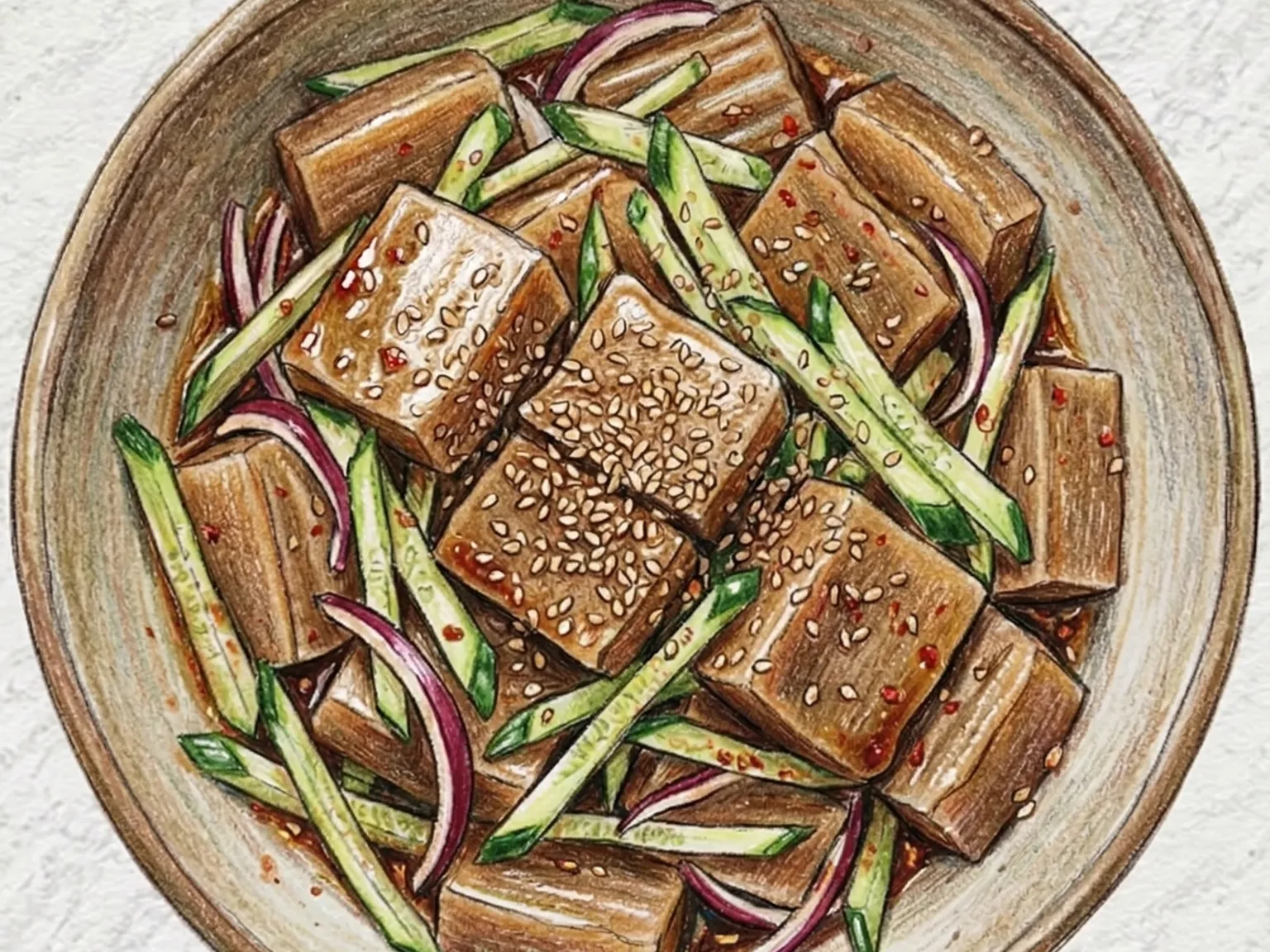
Chilled silken tofu is placed in a bowl and topped with a soy-based seasoning sauce that provides all the flavor the bland tofu needs. Silken tofu is coagulated with less agent than regular tofu, resulting in a custard-like texture that yields to a spoon and dissolves on the tongue. The sauce mixes soy sauce with gochugaru, minced garlic, chopped green onion, sesame oil, and toasted sesame seeds, concentrating salty, spicy, and nutty notes into a single spoonful. Each bite pairs the tofu's neutral softness with the sauce's concentrated punch, creating a rhythm of gentle and sharp that keeps the palate engaged. Sesame oil in the sauce adds a glossy sheen across the tofu's white surface, and the red flecks of chili powder provide a visual contrast that signals the heat to come. The soybean fragrance of the tofu itself acts as a quiet backdrop, grounding the louder flavors of the dressing. Because no cooking is required beyond mixing the sauce, this banchan comes together in minutes and is especially practical on busy evenings.

🏠 Everyday 🍱 Lunchbox
Prep 5min Cook 2min 2 servings
Korean Lotus Root Pancakes
Side dishes Medium

Korean Lotus Root Pancakes

Lotus root is sliced into rounds and coated in a light batter of buchim flour and egg before being pan-fried until golden on both sides. The root's characteristic perforations show through the thin batter, creating a lace-like appearance on each piece that makes this jeon visually distinctive. Biting through the crisp exterior reveals the lotus root's dual texture: an initial crunch from the starchy flesh followed by a slightly sticky chew that clings pleasantly to the teeth. Slicing to a thickness of five to six millimeters strikes the right balance between maintaining the crunch and ensuring the center cooks through. The egg-enriched batter adheres evenly to the root's smooth surface and sets immediately upon contact with hot oil, sealing in moisture. Minimal salt in the batter allows the lotus root's faint natural sweetness to emerge, and a dipping sauce of soy sauce and vinegar provides the acidity needed to cut through the fried exterior's richness. Commonly served during Korean holidays, this jeon is simple enough for everyday cooking as well.

🏠 Everyday 🍱 Lunchbox
Prep 15min Cook 12min 4 servings
Korean Braised Lotus Root
Side dishes Easy

Korean Braised Lotus Root

Lotus root rounds are simmered in soy sauce, sugar, and corn syrup until each slice glistens with a translucent, caramel-colored glaze. Cooking activates the starch in the lotus root, turning the exterior smooth and the interior pleasantly sticky, a texture unique to this root vegetable. As the soy sauce permeates the flesh, the ivory color deepens into a clear amber that signals the seasoning has reached the center. A splash of vinegar at the start prevents discoloration and introduces a faint tartness that prevents the sweetness from becoming cloying. The corn syrup reduces over low heat for fifteen to twenty minutes, forming a glass-like coating that catches the light on every surface. Because the liquid seeps through the root's hollow channels, every bite delivers consistent flavor regardless of angle. The finished jorim retains its crunch at the core while the outer layer yields with a gentle chew, and refrigerated in a sealed container the dish stays good for well over a week.

🏠 Everyday 🍱 Lunchbox
Prep 10min Cook 20min 4 servings
Korean Lotus Root Salad (Sweet and Sour Vinegar Soy Dressing)
Side dishes Easy

Korean Lotus Root Salad (Sweet and Sour Vinegar Soy Dressing)

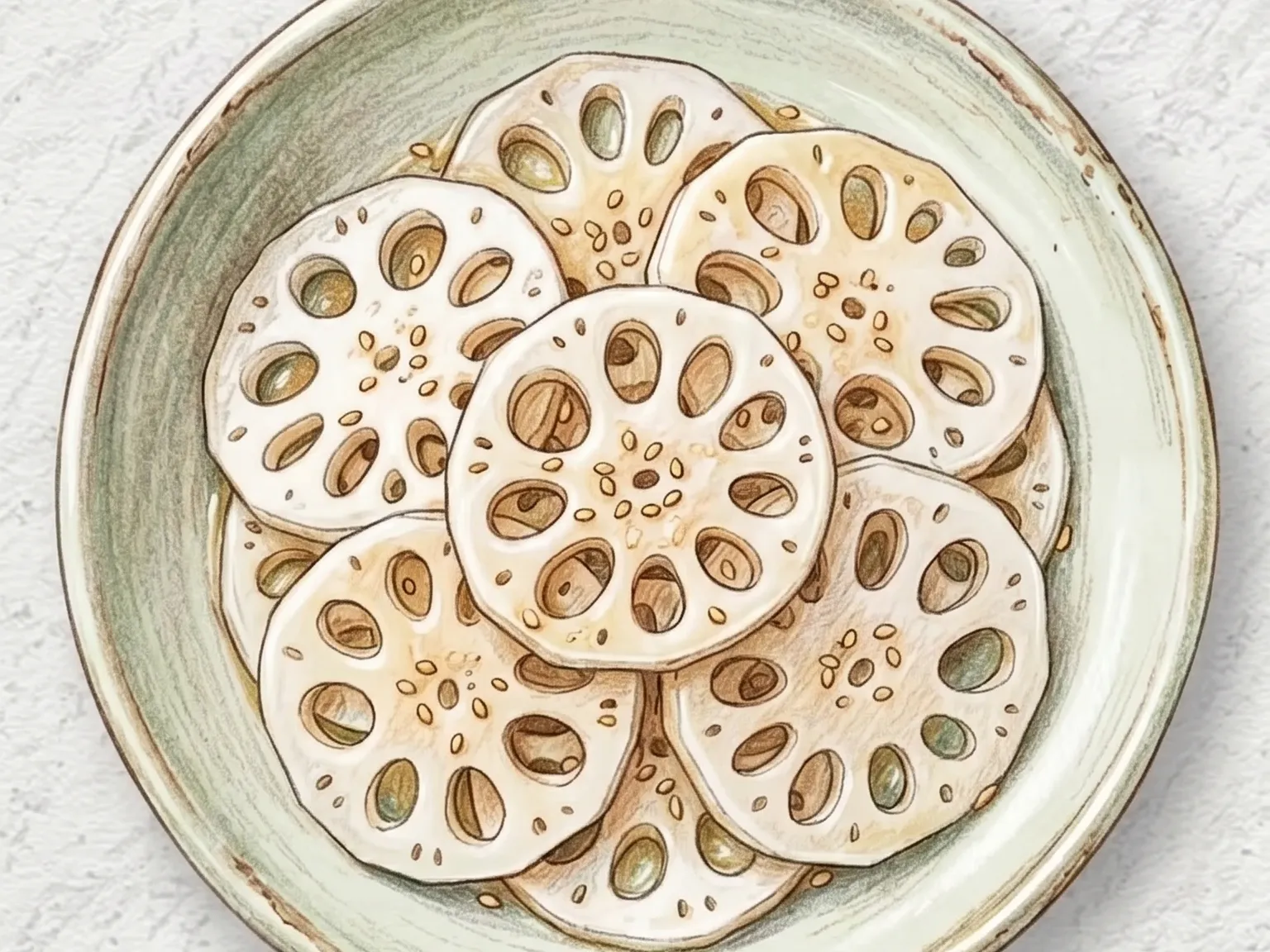
Thinly sliced lotus root is blanched in vinegar water to keep its bright white color, then tossed in a sweet-and-sour dressing of soy sauce, vinegar, and sugar. The honeycomb cross-section of each slice traps seasoning in its holes, distributing flavor evenly with every bite. A finishing sprinkle of sesame seeds adds a toasted aroma that complements the crisp, snappy texture. Because the dish stays dry rather than releasing liquid, it holds up well in packed lunches without turning soggy.

🏠 Everyday 🍱 Lunchbox
Prep 15min Cook 10min 4 servings
Korean Lotus Root Yuzu Salad
Side dishes Easy

Korean Lotus Root Yuzu Salad

Blanched lotus root slices are dressed in a bright mixture of yuzu marmalade, rice vinegar, sesame oil, and a pinch of sugar. The citrusy yuzu lifts the otherwise neutral lotus root with floral tartness, while the 3 mm thick rounds keep a satisfying crunch even after boiling. Sesame seeds and oil round out the finish with a warm, nutty note. This banchan works especially well alongside richer main dishes, cutting through heaviness with its clean acidity.

🏠 Everyday 🍱 Lunchbox
Prep 14min Cook 6min 4 servings
Korean Seasoned Rapeseed Greens
Side dishes Easy

Korean Seasoned Rapeseed Greens

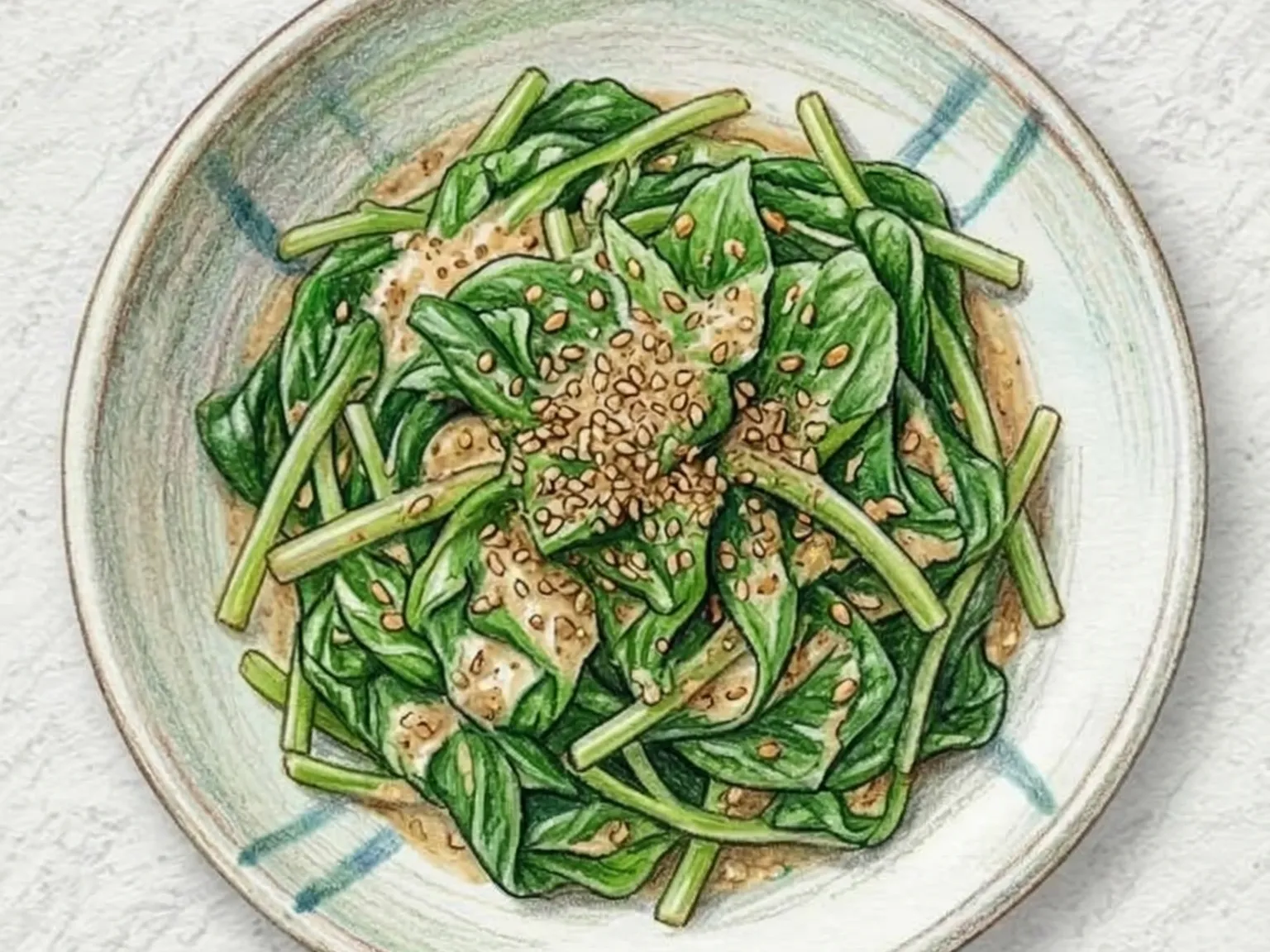
Young rapeseed greens are blanched for just 40 seconds in salted water, then squeezed dry and tossed with doenjang, minced garlic, green onion, sesame oil, and ground sesame. The brief blanching preserves the stems' gentle snap, and the fermented soybean paste brings an earthy depth that pairs naturally with the greens' mild grassy flavor. Squeezing out excess water before seasoning keeps the dressing concentrated on each piece rather than pooling at the bottom. From prep to plate, this banchan takes under fifteen minutes.

🏠 Everyday 🍱 Lunchbox
Prep 8min Cook 3min 4 servings