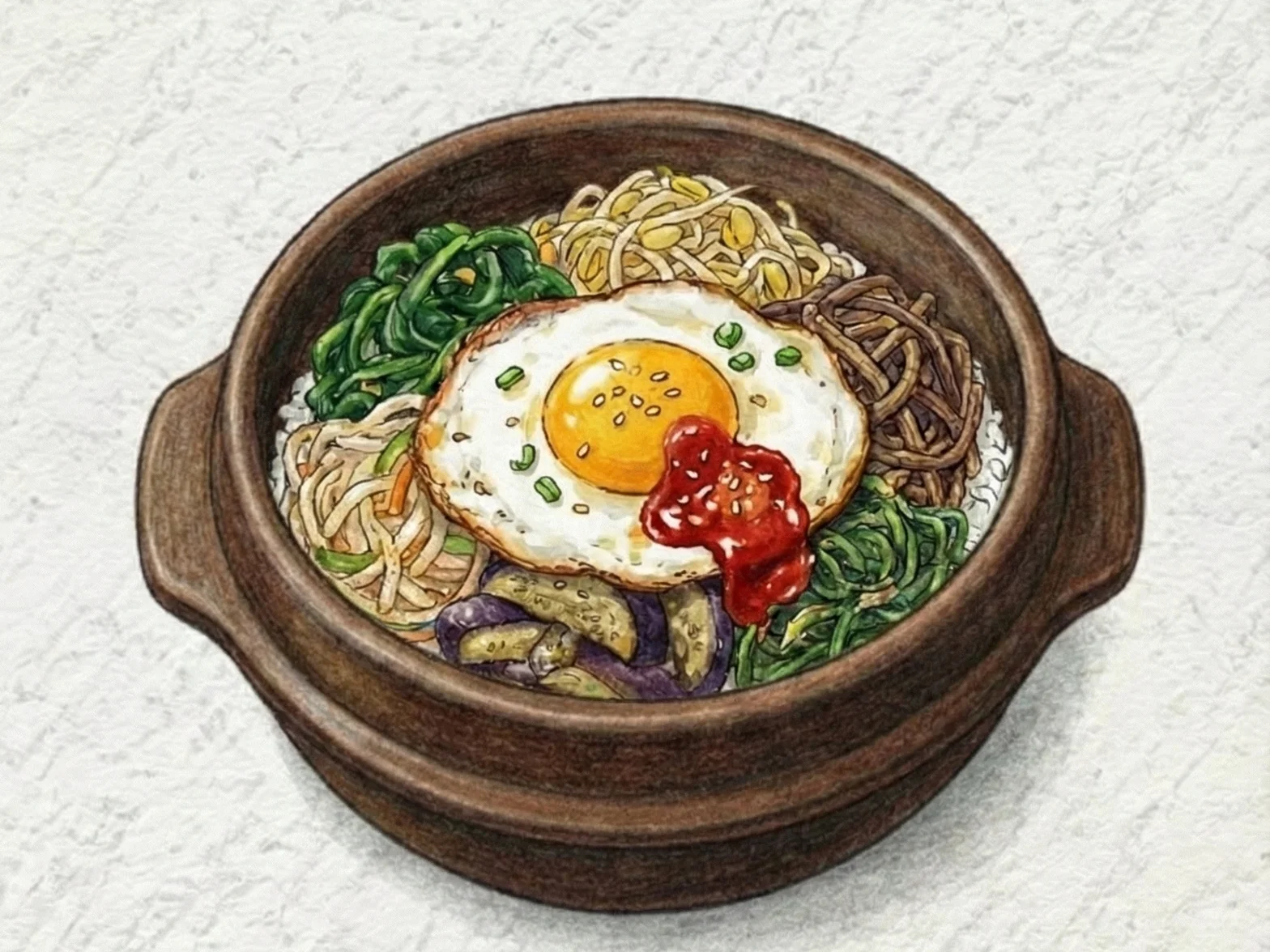
Rice

Rice Recipes

334 recipes. Page 11 of 14

Rice is the foundation of Korean cuisine, appearing not only as steamed white rice but also as fried rice, bibimbap, clay-pot rice (sotbap), and gimbap rolls. Porridge (juk) - made by slow-cooking rice into a silky consistency - is comfort food for cold days or when you need something gentle on the stomach. Abalone porridge, pumpkin porridge, and chicken porridge are all classics.

Rice
Hiruzen Okowa
Rice Hard

Hiruzen Okowa

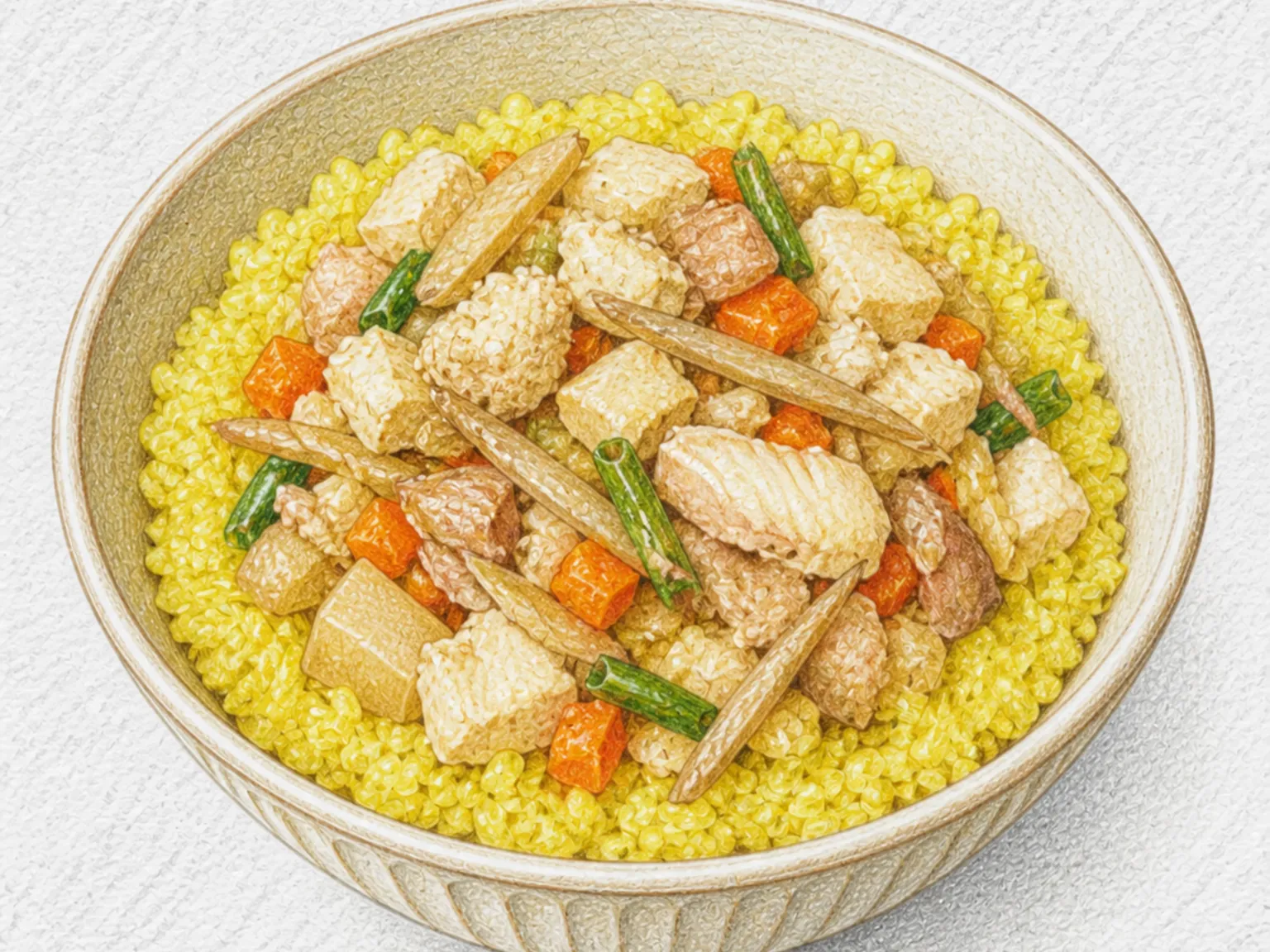
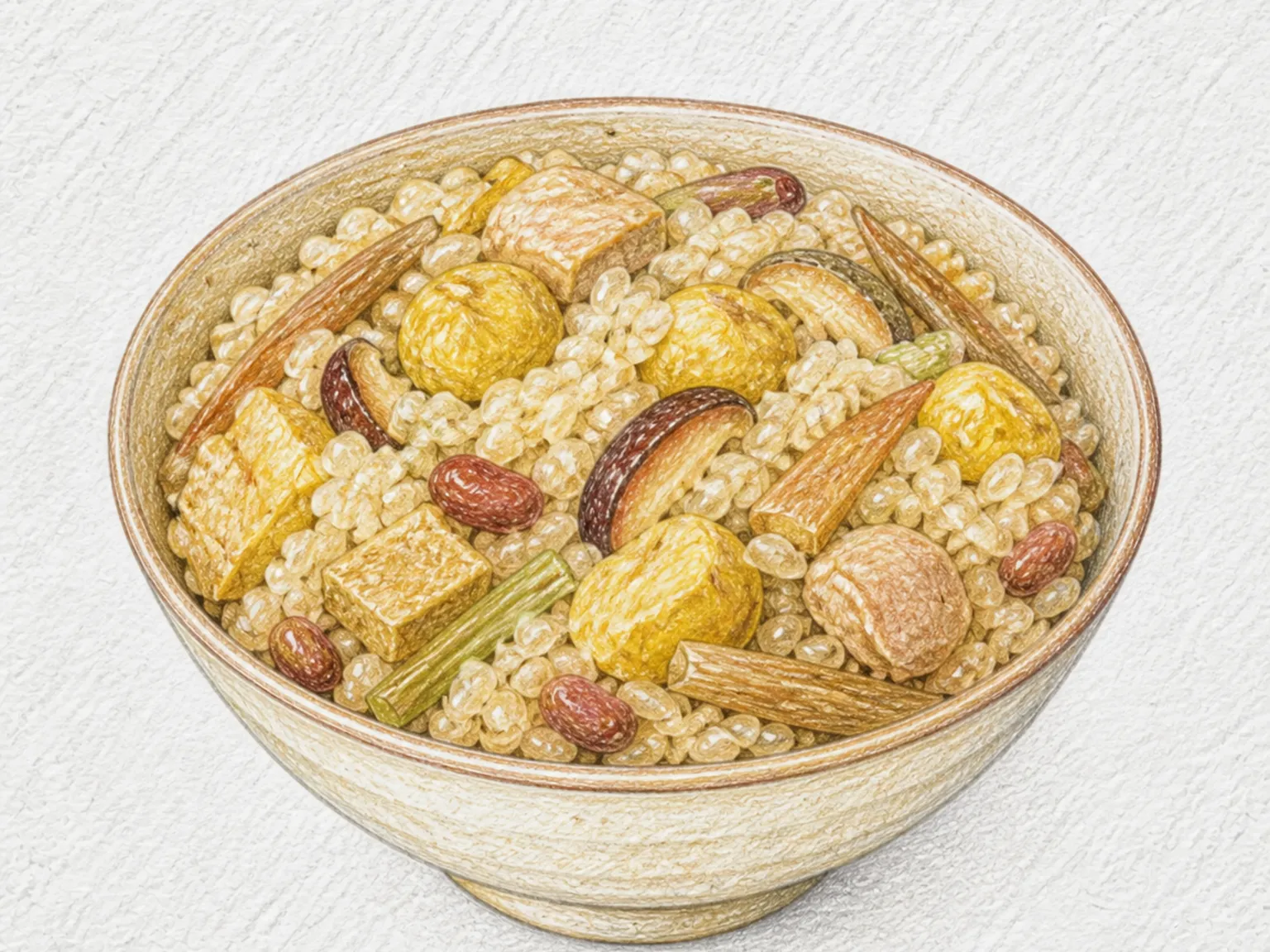
Hiruzen okowa is a steamed mixed glutinous-rice dish from Maniwa in Okayama, combining sticky rice and barley with chicken, chestnuts, burdock, fuki, dried shiitake, and fried tofu. It developed after Daisen okowa crossed into the Hiruzen area, and barley became part of the local version through community nutrition programs from the 1950s. Families served it for New Year, seasonal celebrations, festivals, and household gatherings. Its defining method is to sauté and simmer the filling, reserve the seasoned cooking liquid, and sprinkle that liquid over the grains during steaming. Soaked grains and briefly dried chestnuts become glossy and pleasantly chewy, while blanched green beans added at the end preserve a fresh green accent.

🎉 Special Occasion 🍱 Lunchbox
Prep 480min Cook 75min 4 servings
Korean Corn Cheese Pot Rice
Rice Easy

Korean Corn Cheese Pot Rice

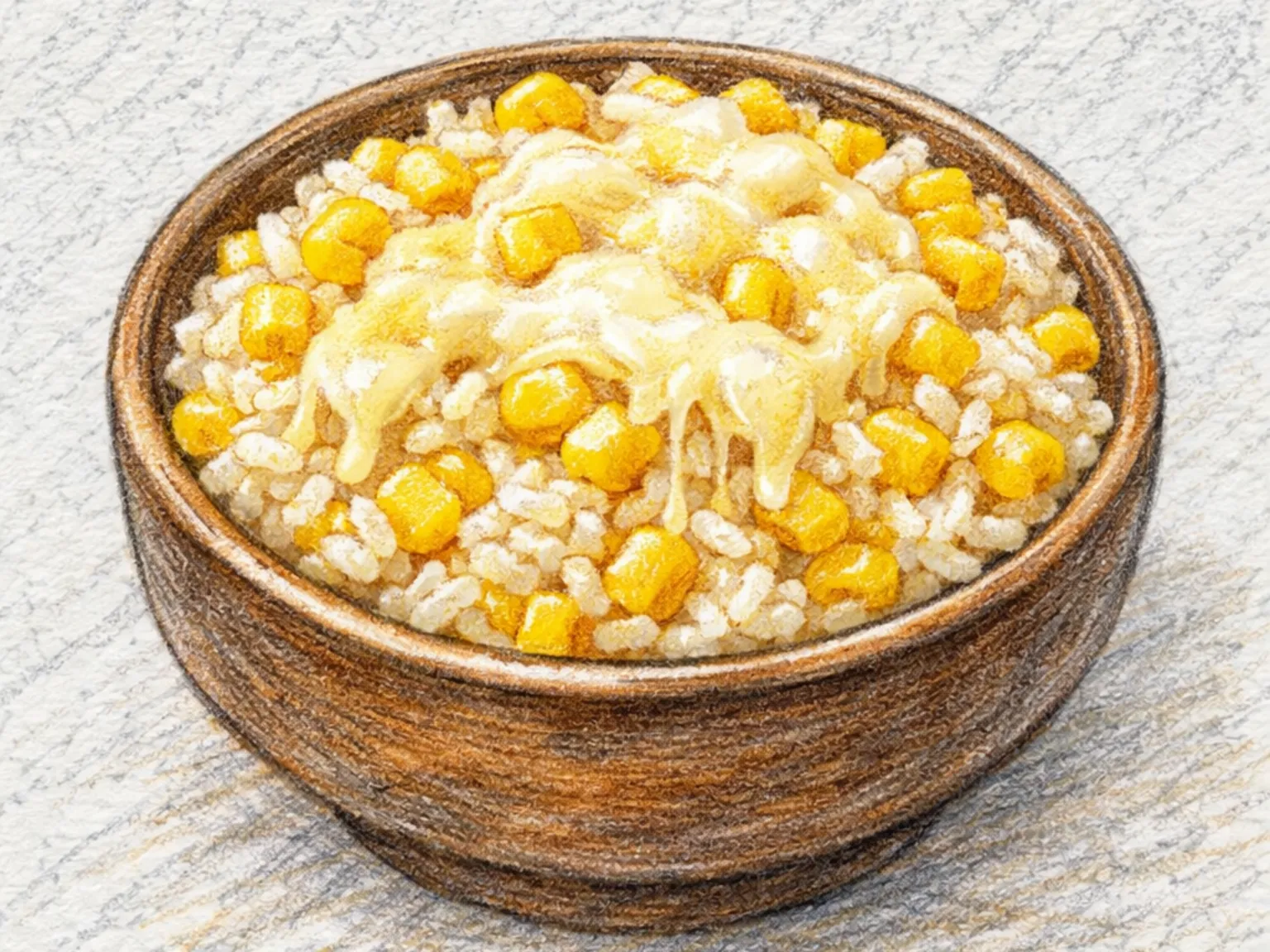
Oksusu cheese sotbap is a Korean pot-cooked rice dish built on butter-sauteed onions and corn that infuse the grains with sweetness as the rice steams, then topped with mozzarella placed on after the heat is cut so it melts into long, stretchy strands rather than browning. Each spoonful delivers the pop of individual corn kernels alongside the soft, creamy pull of melted cheese, with butter coating every grain in a glossy richness. Replacing part of the cooking water with milk deepens the creamy texture and gives the finished rice a density and smoothness that plain water cannot achieve. With the lid closed for two to three minutes after the heat is off, the residual steam inside the pot is sufficient to melt the cheese completely without any additional heat. The combination of sweet corn, buttery rice, and stretchy mozzarella lands in a flavor register that needs no side dishes to feel complete, and it appeals across a wide age range without effort.

🧒 Kid-Friendly 🍱 Lunchbox
Prep 10min Cook 22min 2 servings
Korean Omelette Rice (Ketchup Fried Rice in Egg Wrap)
Rice Medium

Korean Omelette Rice (Ketchup Fried Rice in Egg Wrap)

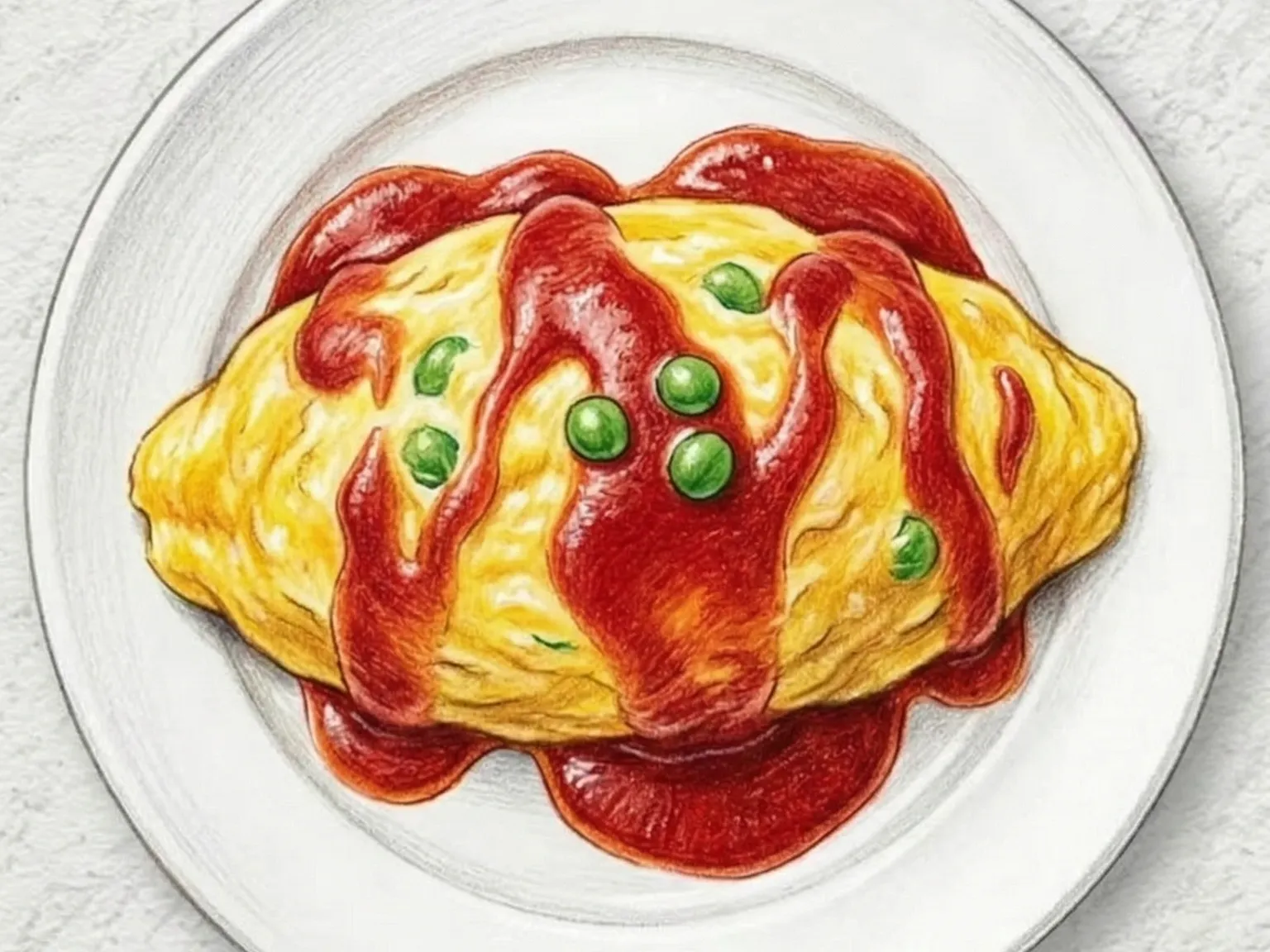
Omurice wraps ketchup-fried rice in a thin, softly set egg sheet, producing a one-plate meal that balances sweet-tangy tomato notes with rich buttery egg. Diced onion, carrot, and ham are sauteed in butter until fragrant, then tossed with cooked rice and ketchup to build a lightly caramelized fried rice base. A separate egg mixture enriched with a splash of milk is spread thin in a hot pan and folded around the rice while still slightly runny, so cutting into it reveals a creamy, flowing center. Green peas mixed into the rice add pops of sweetness and color. The contrast between the glossy egg exterior and the savory-sweet filling has made omurice one of the most comforting one-plate meals in both Japanese-origin home cooking and Korean everyday cuisine. Tilting the pan and nudging the egg sheet against the curved edge is the standard technique for shaping the signature oval.

🏠 Everyday 🧒 Kid-Friendly
Prep 10min Cook 15min 2 servings
Korean Snack Bar Omelet Rice
Rice Easy

Korean Snack Bar Omelet Rice

Finely diced onion, carrot, and ham are stir-fried first to drive off moisture and draw out their natural sweetness, then cold leftover rice is added and tossed over high heat until every grain separates cleanly. Ketchup and Worcestershire sauce season the fried rice with a sweet-tangy balance that defines the bunsik-style flavor. The egg, mixed with a pinch of salt, is poured into a lightly oiled pan over low heat and spread into a thin sheet, then the fried rice is placed at the center and the egg is folded around it while still soft and barely set. Low heat is the key to keeping the omelet smooth and unbroken. The roll is shaped into an oval on the plate and finished with a neat zigzag of ketchup across the top. The warm egg shell traps the heat of the rice inside, keeping the filling moist until the first cut.

🧒 Kid-Friendly 🌙 Late Night
Prep 15min Cook 18min 2 servings
Oshinuki-Zushi (Kagawa Pressed Sushi with Spring Toppings)
Rice Hard

Oshinuki-Zushi (Kagawa Pressed Sushi with Spring Toppings)

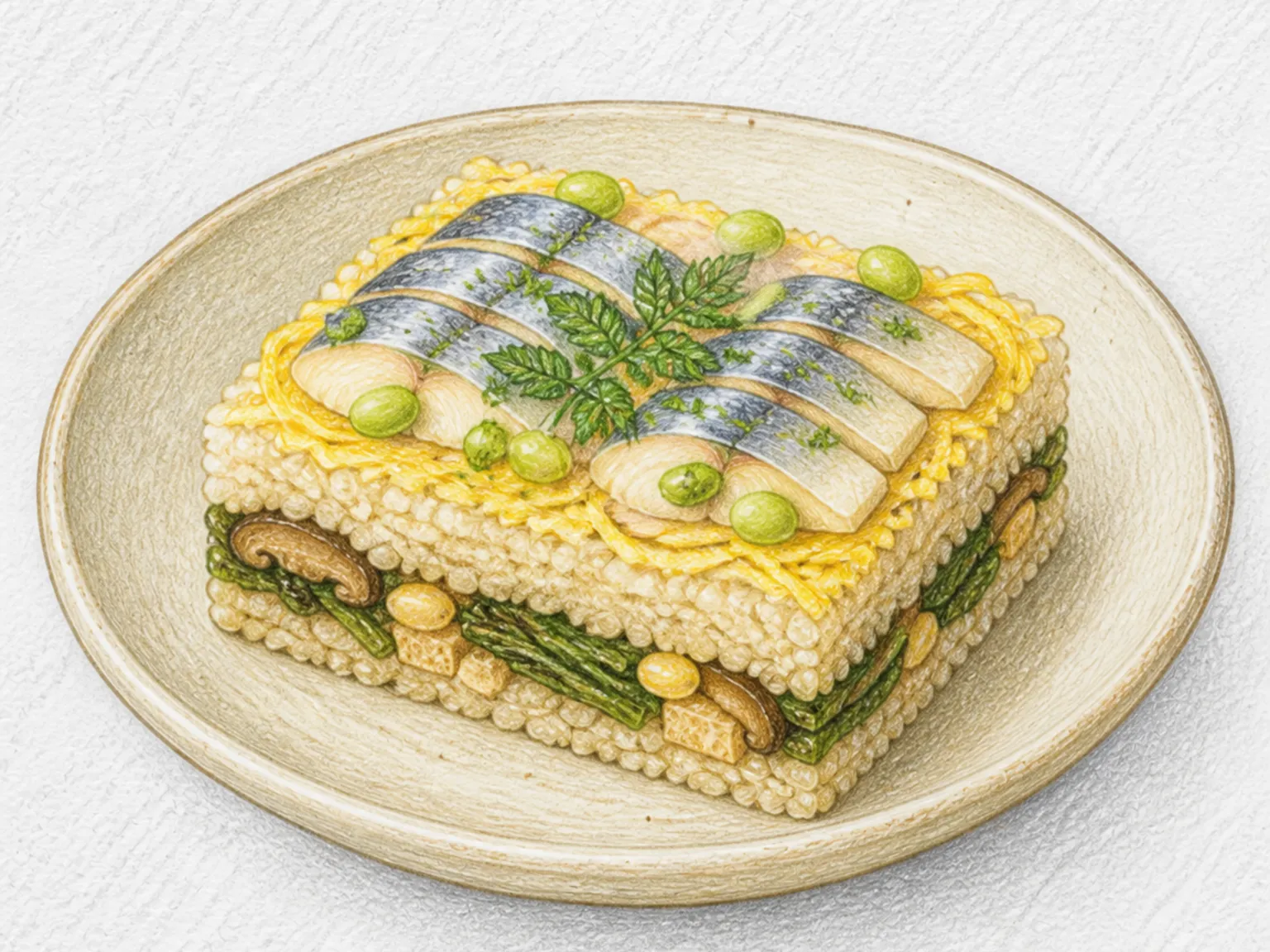
Oshinuki-zushi is a spring pressed sushi from Kagawa. A mold is half-filled with seasoned rice, layered with separately simmered fuki, shiitake, broad beans, and frozen tofu, covered with more rice, and pressed. Thin omelet, Spanish mackerel chilled in salt and vinegar, and bright beans are arranged on top before the piece is unmolded and finished with a bruised sansho leaf. Each cooked filling is reduced until little liquid remains so the rice keeps its shape. From late April through June, Sanuki farming families prepared this sushi when mackerel entered the Seto Inland Sea and broad beans ripened. It became the centerpiece of the Haruio spring gathering, when relatives shared fish, food, and sake. Sushi carried between a bride's family and her married household also helped maintain family ties.

🎉 Special Occasion
Prep 90min Cook 60min 12 servings
Battera (Pressed Mackerel and Kelp Sushi)
Rice Hard

Battera (Pressed Mackerel and Kelp Sushi)

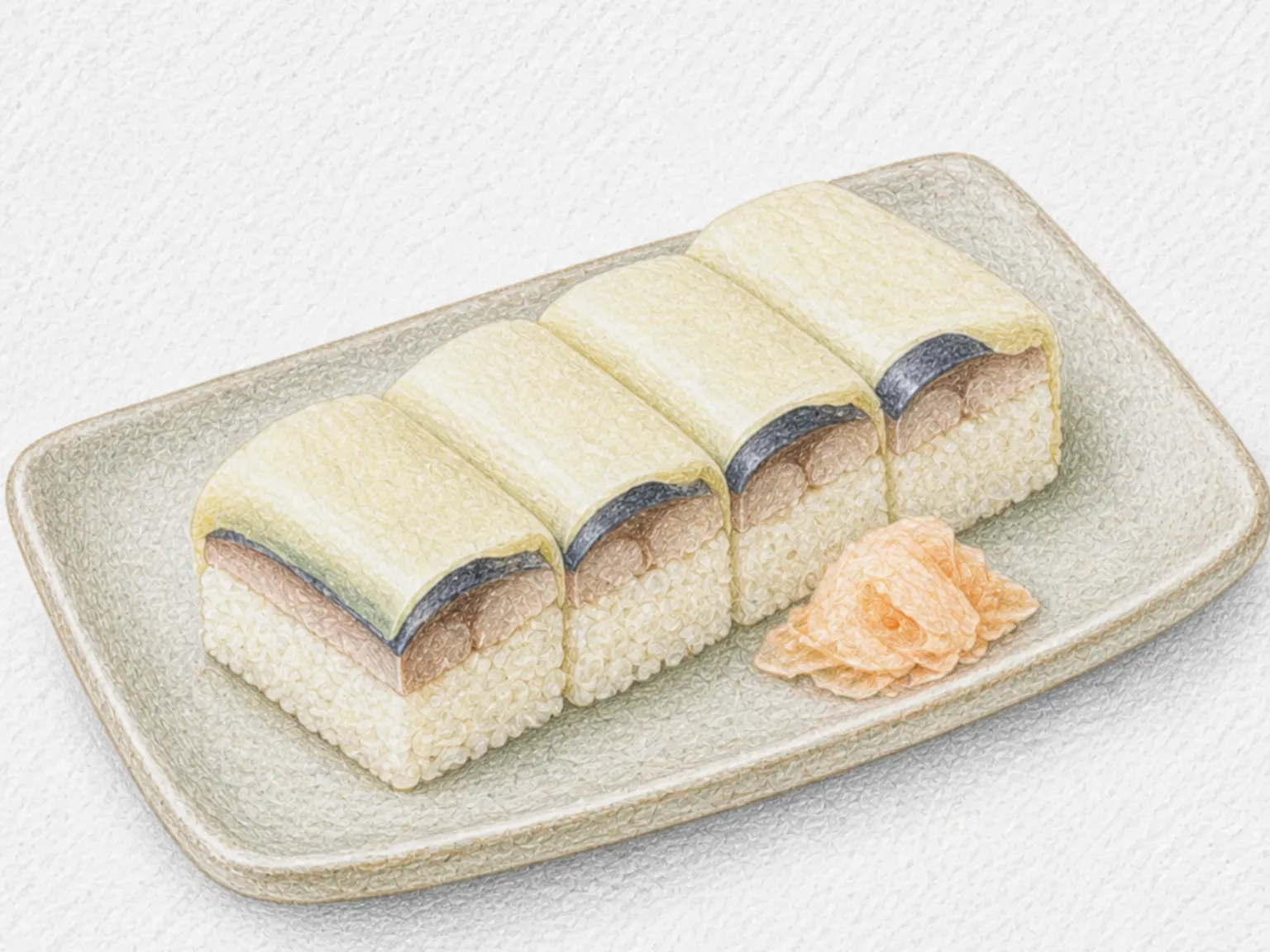
Battera is Osaka-style pressed sushi made by layering thin slices of vinegared mackerel and white sheet kombu over seasoned rice, then compressing everything in a wooden mold. Rice is cooked with a piece of dashi kombu and slightly more water than usual. While hot, it is folded with a mixture of vinegar, sugar, and salt and cooled quickly. The chilled mackerel is skinned, deboned, and sliced thinly before being arranged across the mold; the rice is packed above it and pressed into a firm rectangle. After unmolding, the loaf is wrapped in vinegar-moistened white kombu, cut, and served with sweet vinegared ginger, without requiring soy sauce. Sushi Tsune in Minami-Semba created the dish in 1891 using konoshiro. Its half-fish shape resembled a small boat, called battera in Portuguese; mackerel and a square mold later became standard.

🏠 Everyday 🍱 Lunchbox
Prep 35min Cook 45min 4 servings
Chicken and Egg Rice Bowl
Rice Easy

Chicken and Egg Rice Bowl

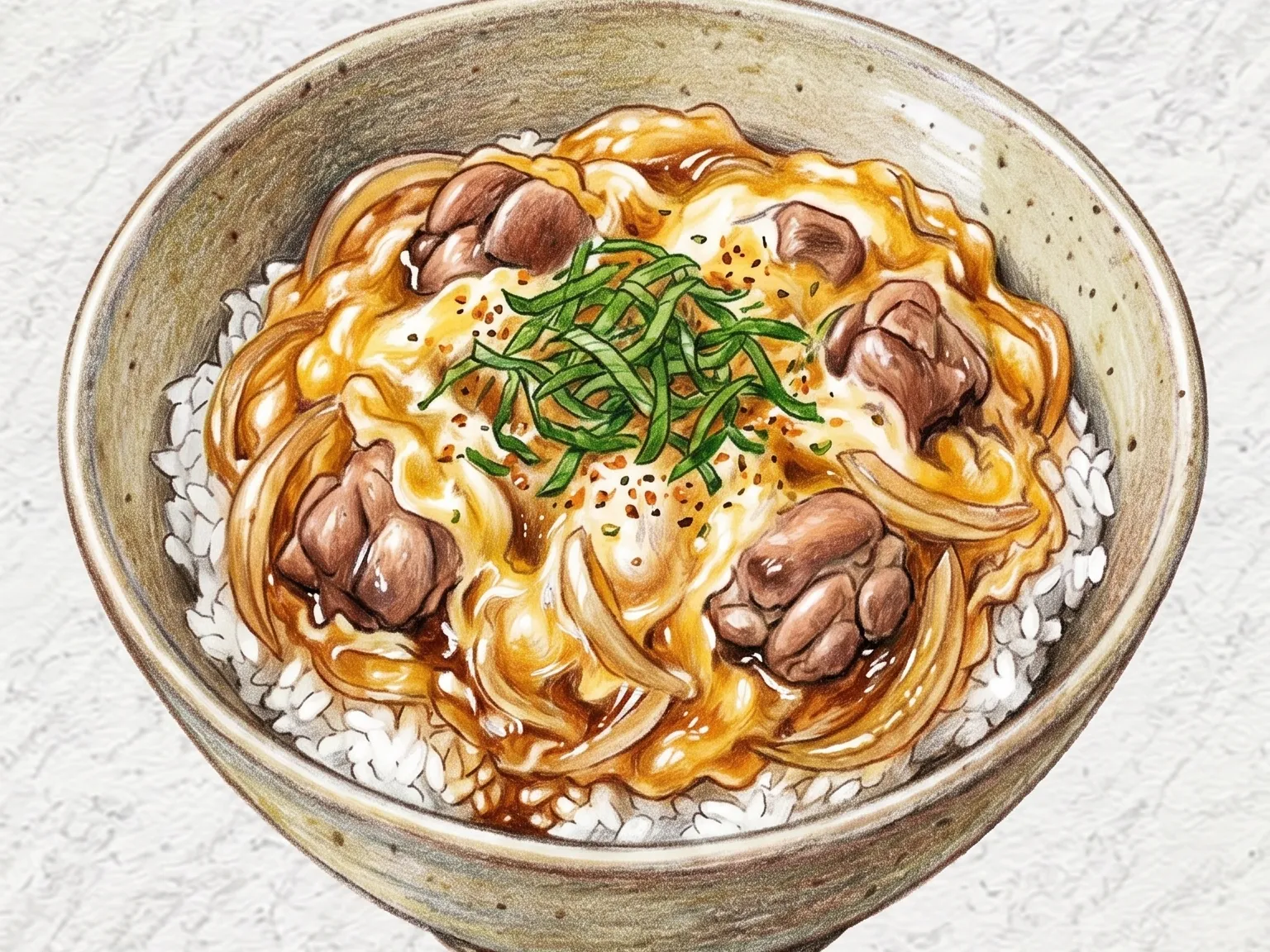
Oyakodon simmers bite-size chicken thigh and sliced onion in a soy-mirin broth, then binds everything with a soft-set egg before sliding it over steamed rice. The name means 'parent and child,' referring to the chicken and egg sharing the same bowl. Onion goes into the broth first to release its natural sweetness, followed by the chicken, which cooks just until tender. Beaten eggs are poured in a circular motion and the lid goes on briefly, leaving the egg custardy rather than fully set. That half-cooked egg absorbs the savory-sweet broth and coats each grain of rice. Despite using only a handful of ingredients, the layered umami from soy sauce and mirin gives the dish a satisfying depth.

🏠 Everyday ⚡ Quick
Prep 15min Cook 15min 2 servings
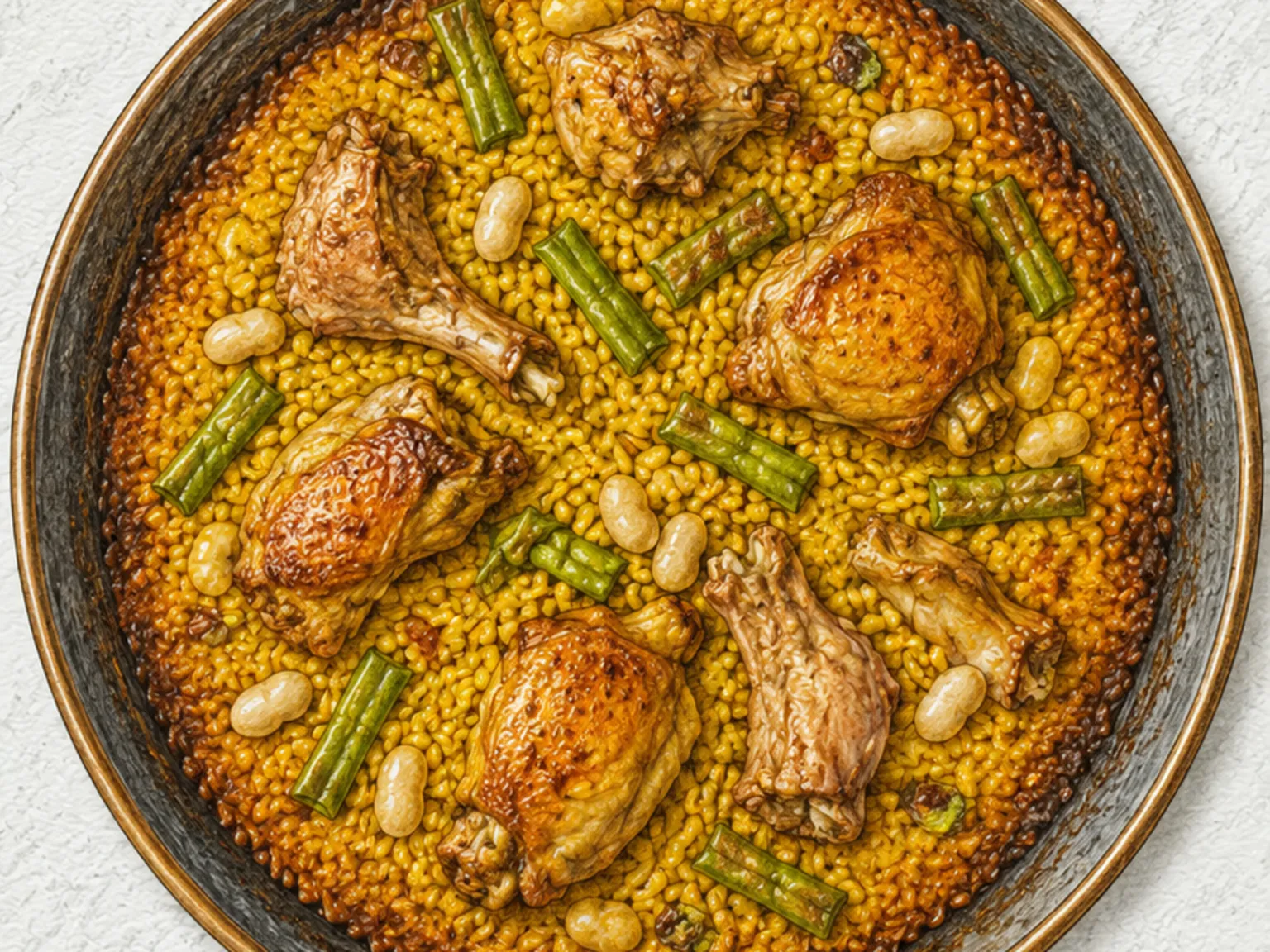
Paella Valenciana (Spanish Saffron Rice with Chicken and Rabbit)
Rice Hard

Paella Valenciana (Spanish Saffron Rice with Chicken and Rabbit)

Paella Valenciana is left unstirred after the rice is spread across the pan, and the final dry crackle signals that a socarrat crust is forming underneath. Warm a small portion of the 800 ml chicken broth and steep 0.5 g saffron in it for 5 minutes. Finely chop 2 tomatoes and keep 300 g short-grain rice unwashed. Heat 60 ml olive oil in a wide paella pan over medium-high heat. Add 400 g chicken thighs and 200 g rabbit and sear for about 8 minutes, leaving the pieces in contact with the pan long enough to brown and create fond. Add the chopped tomatoes without discarding the browned layer on the bottom. Cook for 5 minutes until their moisture reduces and their color deepens, then add 150 g green beans and 1 teaspoon paprika powder. Pour in the chicken broth and saffron infusion and bring everything to a strong boil. Scatter the rice in a cross shape, then spread it into one thin, even layer. From this point onward, do not stir the grains. Cook uncovered over medium heat for 18 minutes. If the outer edge cooks unevenly, rotate the pan itself rather than moving the rice. When almost all visible liquid has been absorbed, lower the heat for 5 minutes. Raise it for the final 3 minutes and listen closely. A dry crackling sound, different from wet bubbling, indicates that the bottom is crisping. Turn off the heat immediately and rest the paella for 5 minutes. Serve portions that reach the bottom of the pan so the set rice and thin socarrat arrive together.

🎉 Special Occasion
Prep 20min Cook 45min 4 servings
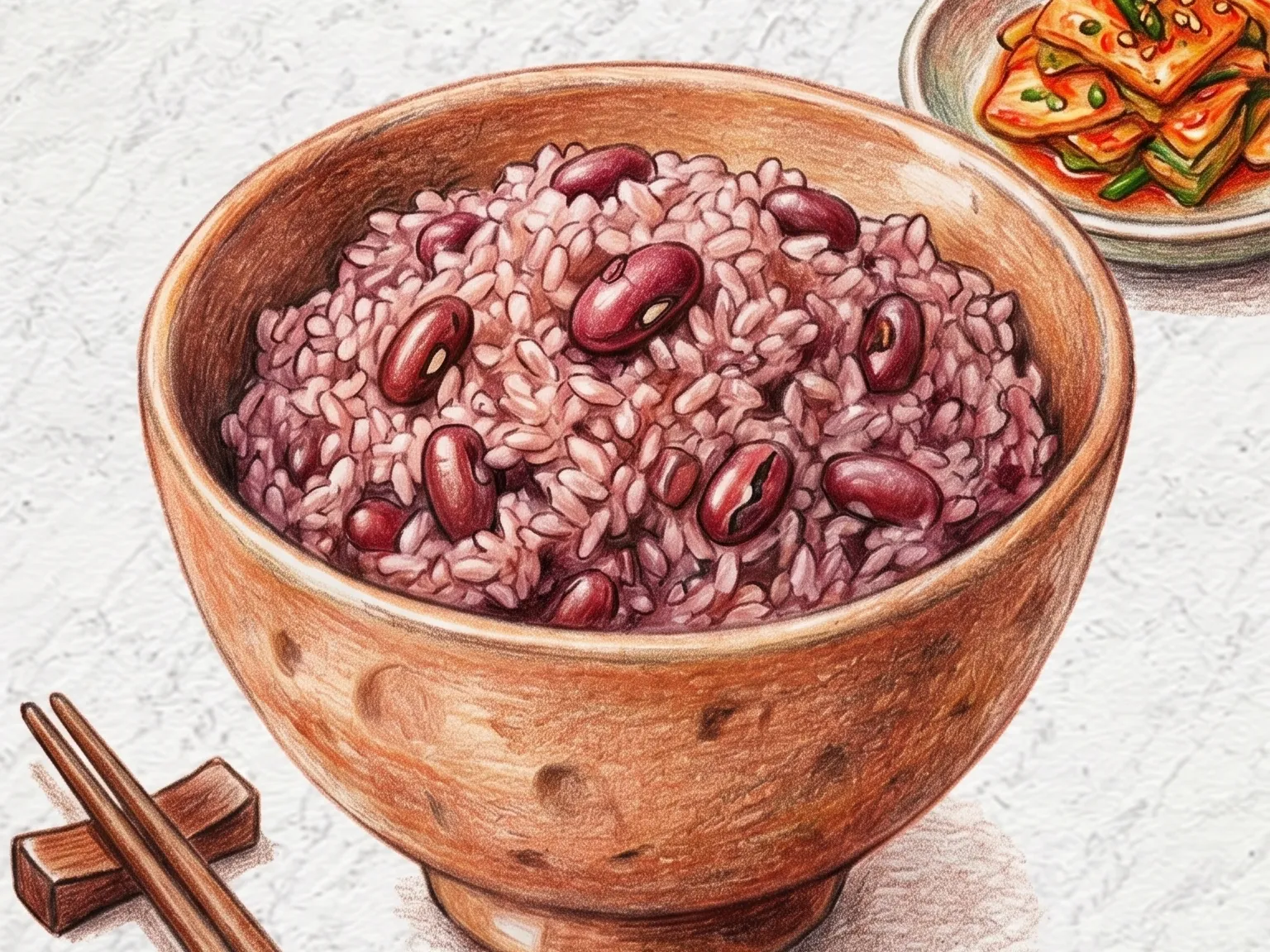
Korean Red Bean Rice (Steamed Rice with Adzuki Beans)
Rice Easy

Korean Red Bean Rice (Steamed Rice with Adzuki Beans)

Pat-bap is Korean red bean rice, a traditional dish that has been tied to the winter solstice for centuries as a food believed to ward off misfortune and bad spirits for the coming year. Dried red beans are boiled until they are nearly at the point of splitting, then removed from the liquid so the deep-tinted cooking water can be used to soak and cook the rice, staining every grain with a soft reddish hue that sets the dish apart visually from plain white rice. The beans are folded back into the pot during cooking, and their starchy, earthy sweetness blends with the sticky bite of the short-grain rice, deepening with each chew in a way that plain rice does not. A light dusting of salt draws out the beans' natural, understated sweetness and sharpens the overall flavor without overpowering the grain's own character. The dish is deliberately plain in approach, and that simplicity is the point: a bowl of pat-bap alongside kimchi forms a complete, filling meal grounded in centuries of Korean seasonal food culture. Though historically associated with ritual occasions and seasonal festivals, pat-bap is equally suited to everyday meals.

🏠 Everyday
Prep 4min Cook 40min 4 servings
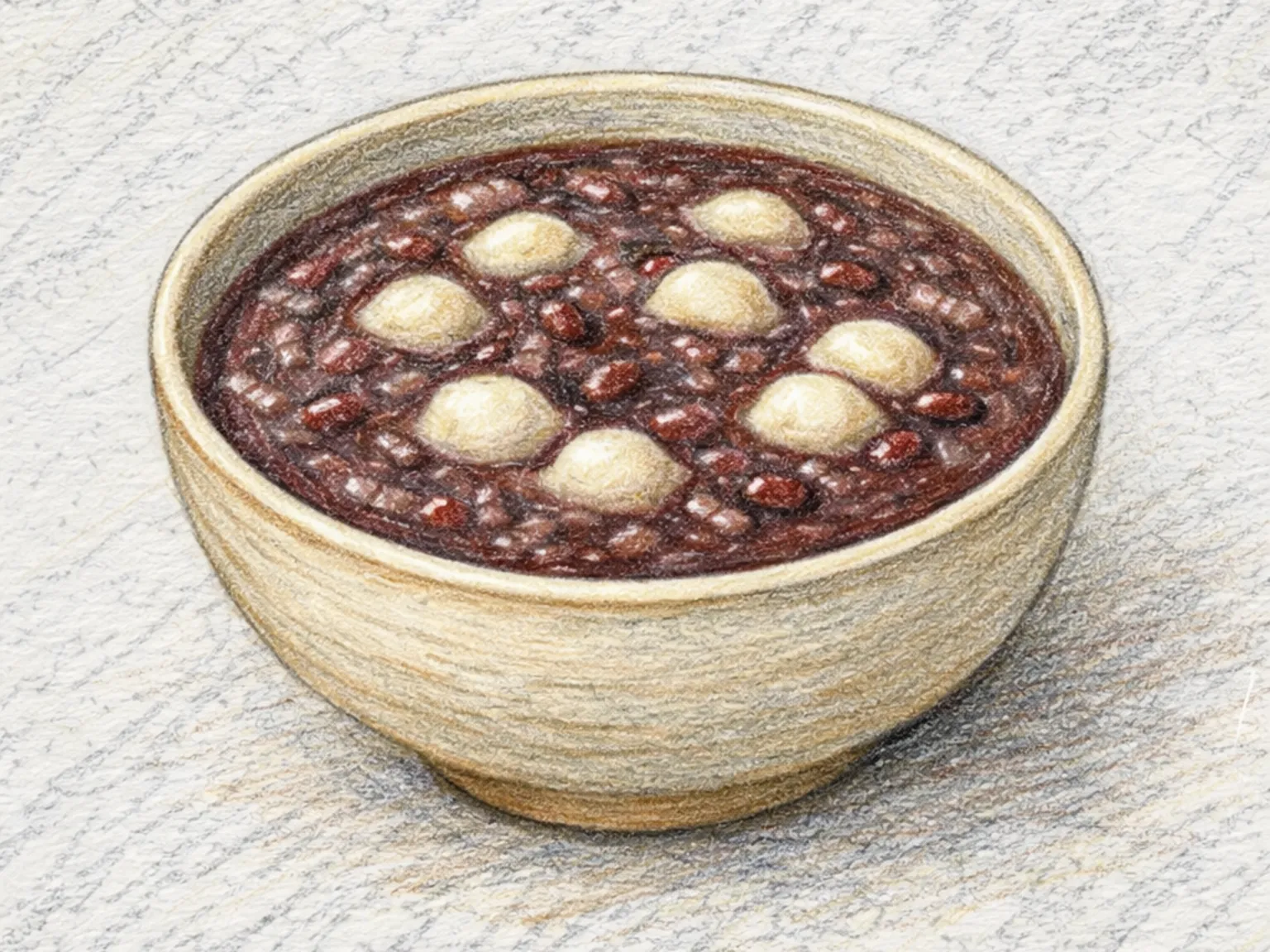
Korean Red Bean Porridge (Velvety Adzuki Porridge with Rice Dumplings)
Rice Medium

Korean Red Bean Porridge (Velvety Adzuki Porridge with Rice Dumplings)

Pat-juk is a traditional Korean red bean porridge made by boiling dried red beans until very soft, straining them to extract a smooth, deeply colored paste, and simmering that paste with rice until it thickens into a velvety porridge. Small dumplings rolled from glutinous rice flour - called saeal-sim - are dropped in toward the end, giving each spoonful a chewy counterpoint to the creamy base. The porridge carries a gentle, natural sweetness from the red beans, which can be adjusted with a touch of sugar. A dusting of cinnamon on top complements the earthy bean flavor. Traditionally served on the winter solstice, pat-juk is equally satisfying as an everyday warm meal or a light late-night dish.

🏠 Everyday 🧒 Kid-Friendly
Prep 30min Cook 60min 4 servings
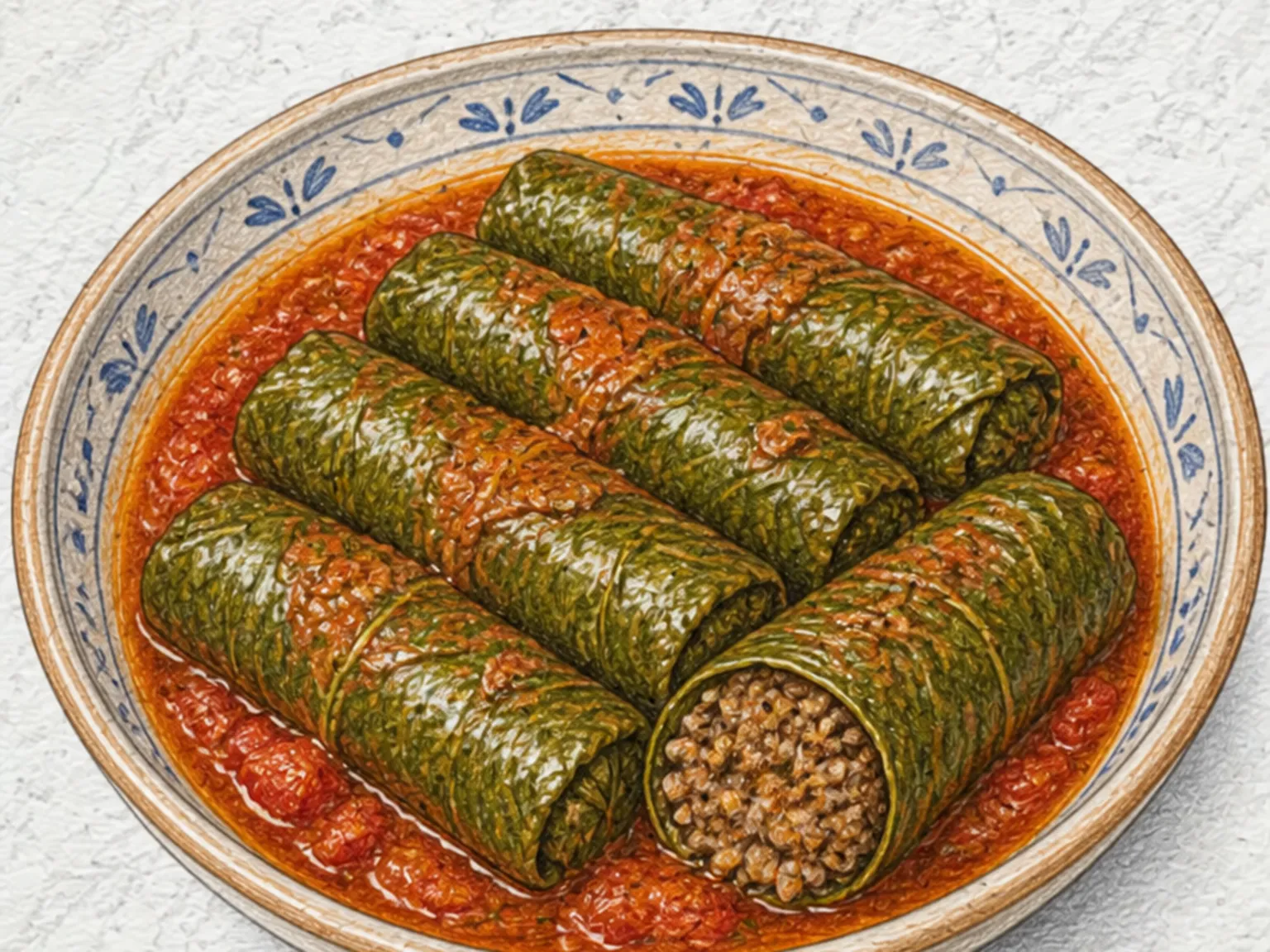
Pazı Sarması (Turkish Stuffed Swiss Chard Rolls)
Rice Medium

Pazı Sarması (Turkish Stuffed Swiss Chard Rolls)

The rice inside pazı sarması expands as the rolls cook, so the Swiss chard leaves need to remain closed around the filling. The short blanch, the finger-thick shape, the close arrangement in the pot, and the heavy plate on top all serve that single cooking process. This Turkish dish fills chard leaves with ground beef, soaked rice, onion, and dried mint, then simmers the wrapped rolls in a light tomato liquid. For 2 servings, prepare 12 Swiss chard leaves, 150 g ground beef, 60 g rice, and 80 g onion. Wash the leaves and blanch them in boiling water for 10 seconds. Move them into cold water immediately, then drain them before rolling. Soak the rice in lukewarm water for 15 minutes and drain it through a sieve. Combine the soaked rice with the ground beef, finely chopped onion, and 2 g dried mint in a bowl. Add part of the 30 ml olive oil and half of the 30 g tomato paste to complete the filling mixture. Spread one chard leaf with its back facing upward and place a portion of filling on it. Fold both sides inward and roll the leaf firmly into a cylinder about the thickness of a finger. Arrange each finished roll closely against the others across the bottom of the pot instead of leaving wide gaps between them. Dissolve the remaining tomato paste and olive oil in water and pour the liquid around the rolls until it sits partway up their sides. Set a heavy plate directly on top of the rolls and cover the pot. The plate holds the leaves in place while the rice swells during cooking. Keep the plate in position and simmer the covered pot over low heat for 30 minutes. The finished arrangement consists of softened chard wrapped around the beef, rice, onion, and mint filling, with the light tomato cooking liquid remaining around the rolls.

🏠 Everyday
Prep 20min Cook 30min 2 servings
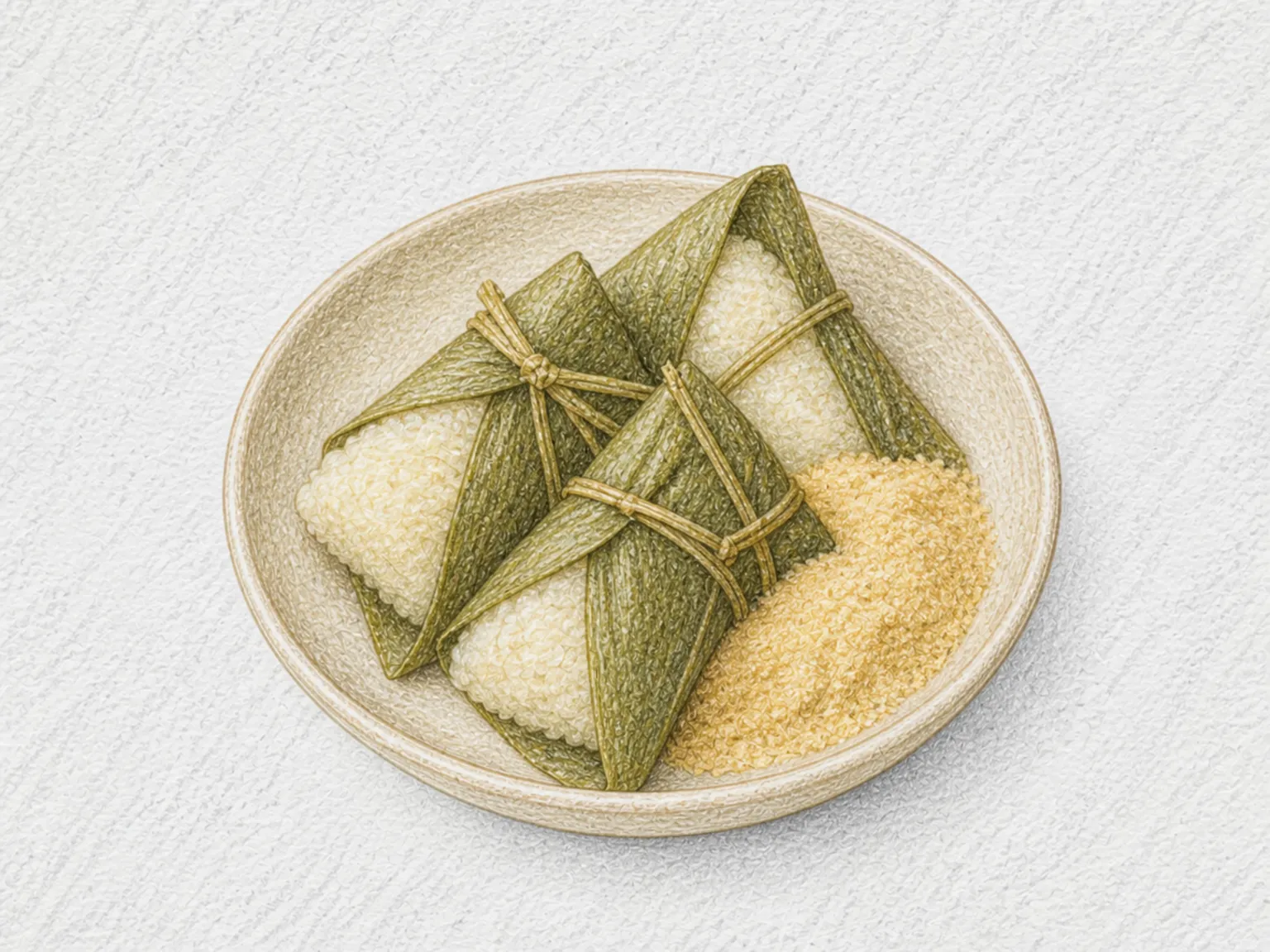
Sankaku Chimaki (Plain Glutinous Rice in Bamboo Leaves)
Rice Hard

Sankaku Chimaki (Plain Glutinous Rice in Bamboo Leaves)

Sankaku chimaki is a plain Niigata parcel made by wrapping washed glutinous rice tightly into a triangle with bamboo leaves, tying it with rush, and boiling it in abundant water for about 2 hours. Once cool enough to handle, the leaves and ties are removed and the rice is served with a mixture of roasted soybean flour, sugar, and salt. Written sources indicate that triangular chimaki existed in the Nara and Heian periods. Wamyo Ruijusho, a dictionary compiled between 931 and 938, records an older method using lye. The preserving qualities of bamboo leaves also made these parcels useful between periods of farm work. A local legend further connects their creation as portable battle food to the warlord Uesugi Kenshin.

🎉 Special Occasion
Prep 40min Cook 120min 20 servings
Poha (Indian Spiced Flattened Rice Breakfast with Peanuts)
Rice Easy

Poha (Indian Spiced Flattened Rice Breakfast with Peanuts)

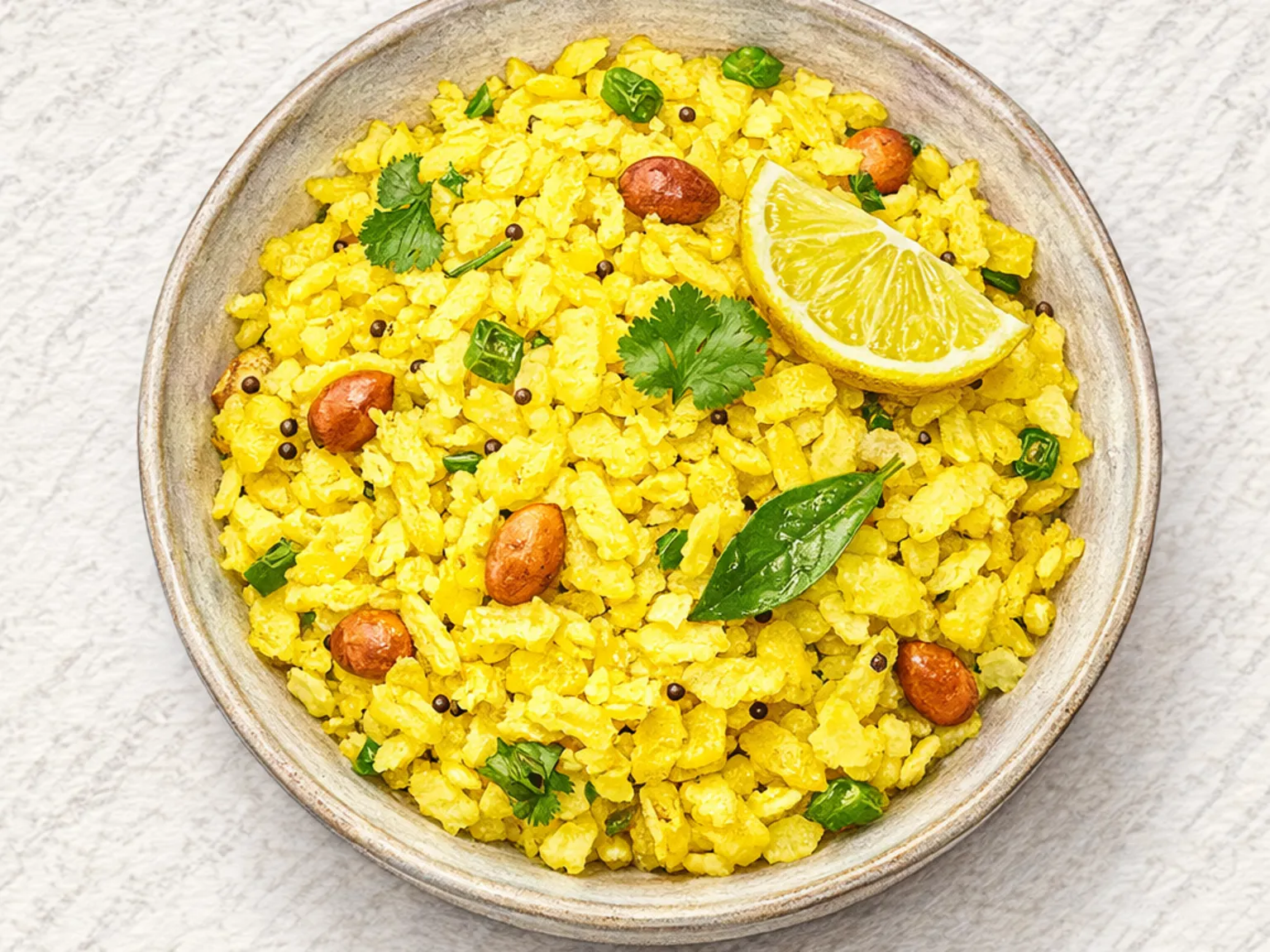
Poha uses flattened rice that is softened briefly, then warmed with mustard seeds, onion, green chili, and turmeric before roasted peanuts and lemon juice are added. Two hundred grams of flattened rice is placed in a sieve and rinsed under cold water for only about 10 seconds. It then rests, drained, for 5 minutes until pliable when pressed. A longer soak would make the thin grains mushy before they reach the pan. One onion is sliced thinly and one green chili is chopped. After 1 tablespoon cooking oil warms for 30 seconds over medium heat, 0.5 teaspoon mustard seeds is added. The seeds need only about 20 seconds to begin popping; the onion and chili go in immediately so the mustard does not burn. The onion cooks for roughly 3 minutes, until translucent, before 0.5 teaspoon turmeric is stirred through for an even yellow color. The softened poha is added and the burner is lowered. Gentle folding for 2 minutes heats the rice without crushing or clumping it. Forty grams roasted peanuts is mixed in for a firm contrast, then the heat is turned off before 1 tablespoon lemon juice is added. Keeping the rinse short and adding the citrus away from the heat preserves both the separate rice flakes and the fresh lemon aroma.

🏠 Everyday ⚡ Quick
Prep 10min Cook 12min 2 servings
Korean Pyongyang Onban (Rice in Clear Chicken Broth)
Rice Medium

Korean Pyongyang Onban (Rice in Clear Chicken Broth)

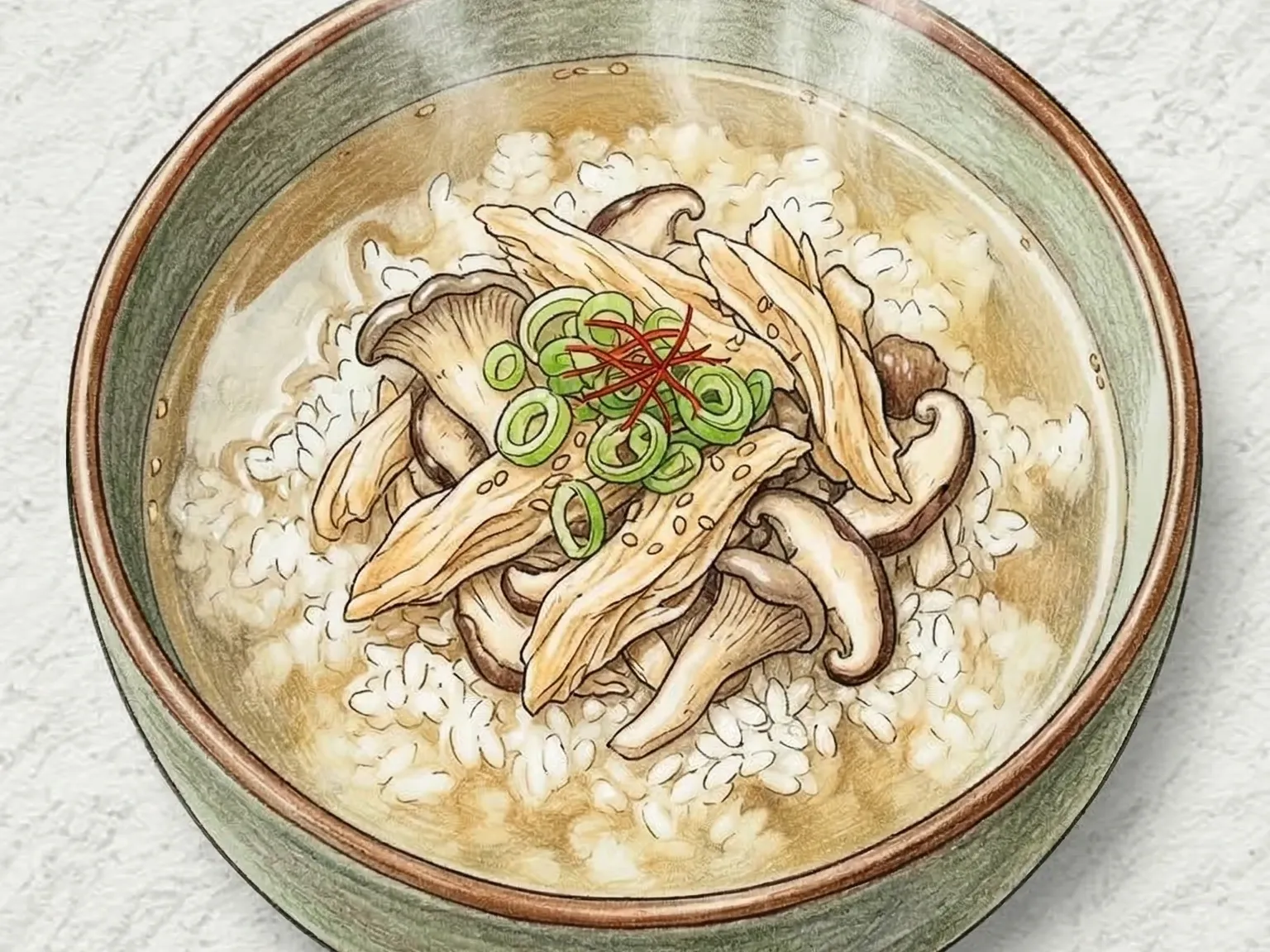
Pyeongyang-onban is a North Korean-style warm rice soup in which steamed rice is submerged in clear chicken broth and topped with shredded chicken and sliced shiitake mushrooms. The chicken simmers with garlic and green onion for forty-five minutes, producing a clean, golden stock that is strained for clarity before use. The cooked meat is pulled into strips and set aside, while shiitake slices steep in the broth for five minutes to add an earthy dimension without muddying the liquid. Rice goes into the bowl first, followed by the hot broth and the chicken garnish, with salt as the sole seasoning. No fermented pastes, chili, or bold spices are used, which means the dish stands entirely on the quality of the stock itself. Onban was traditionally served as a breakfast dish in Pyongyang, and the deliberate restraint in seasoning makes it one of the gentler, more stomach-friendly preparations in the Korean rice soup tradition. A long, unhurried simmer is what separates a flat broth from one with real depth.

🏠 Everyday
Prep 20min Cook 55min 2 servings
Korean Shiitake Mushroom Rice
Rice Easy

Korean Shiitake Mushroom Rice

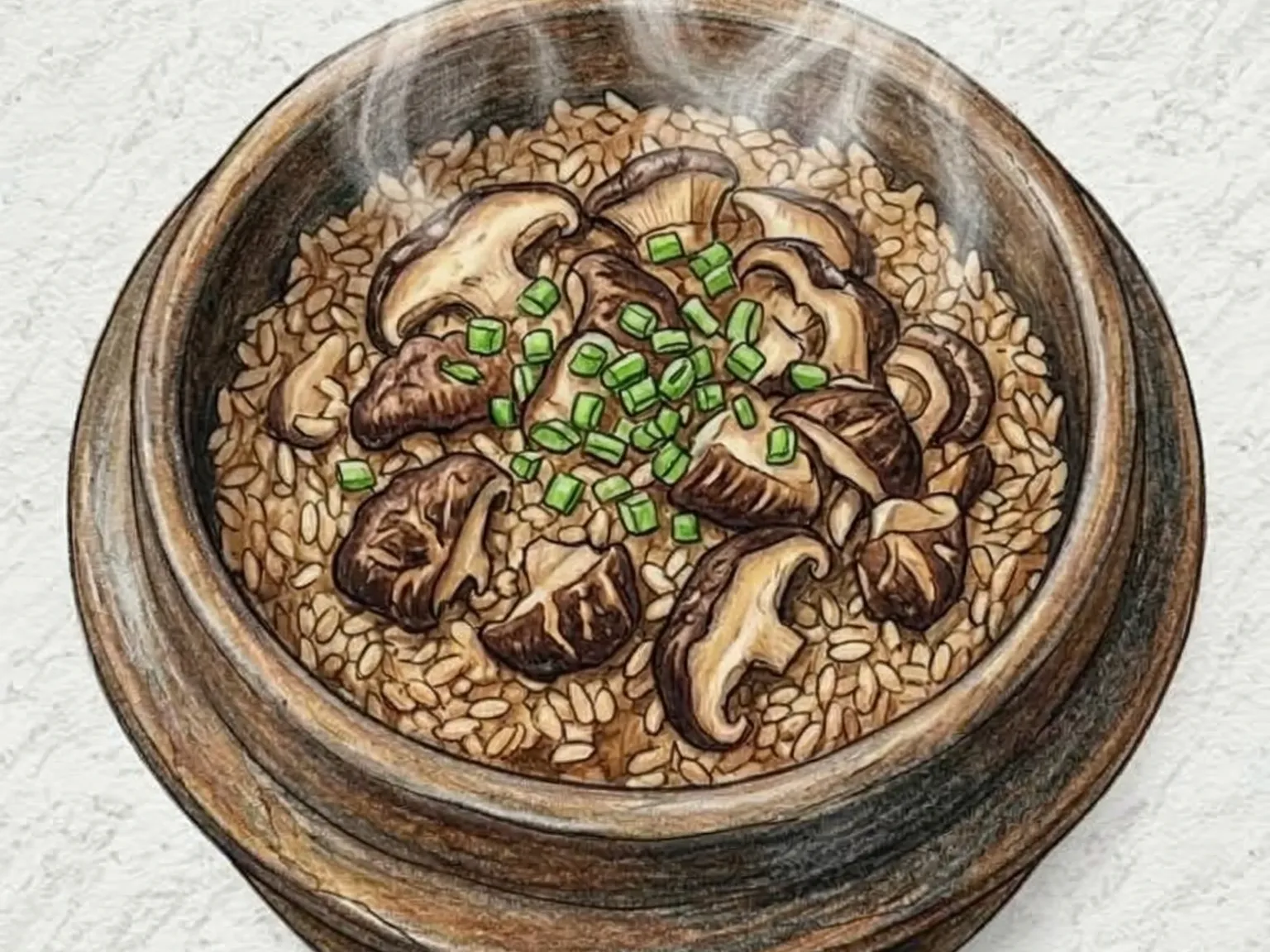
Pyogo-beoseot-bap is a Korean pot rice that cooks thickly sliced fresh shiitake mushrooms directly on top of soaked rice, allowing the mushrooms' concentrated umami and earthy aroma to infuse every grain as steam circulates inside the sealed pot. Once the rice is done, it is mixed with a soy-sesame dipping sauce made from soy sauce, sesame oil, chopped scallion, and toasted sesame seeds, which amplifies the earthy depth already present in the rice and ties all the flavors into a cohesive bowl. The shiitake mushrooms retain a satisfying meaty chew even after the cooking process, giving the dish a substantive bite that rivals meat-based rice bowls and makes the absence of protein go unnoticed. Adding julienned carrot to the pot introduces a subtle natural sweetness and a vivid splash of color to the cross-section when the rice is served. This is a classic vegetarian option in Korean home cooking, valued for the remarkable way a single key ingredient can carry an entire meal without requiring broth, seasoning, or complexity beyond the mushroom itself.

🏠 Everyday
Prep 15min Cook 25min 2 servings
Rajma Chawal (North Indian Kidney Bean Curry with Rice)
Rice Medium

Rajma Chawal (North Indian Kidney Bean Curry with Rice)

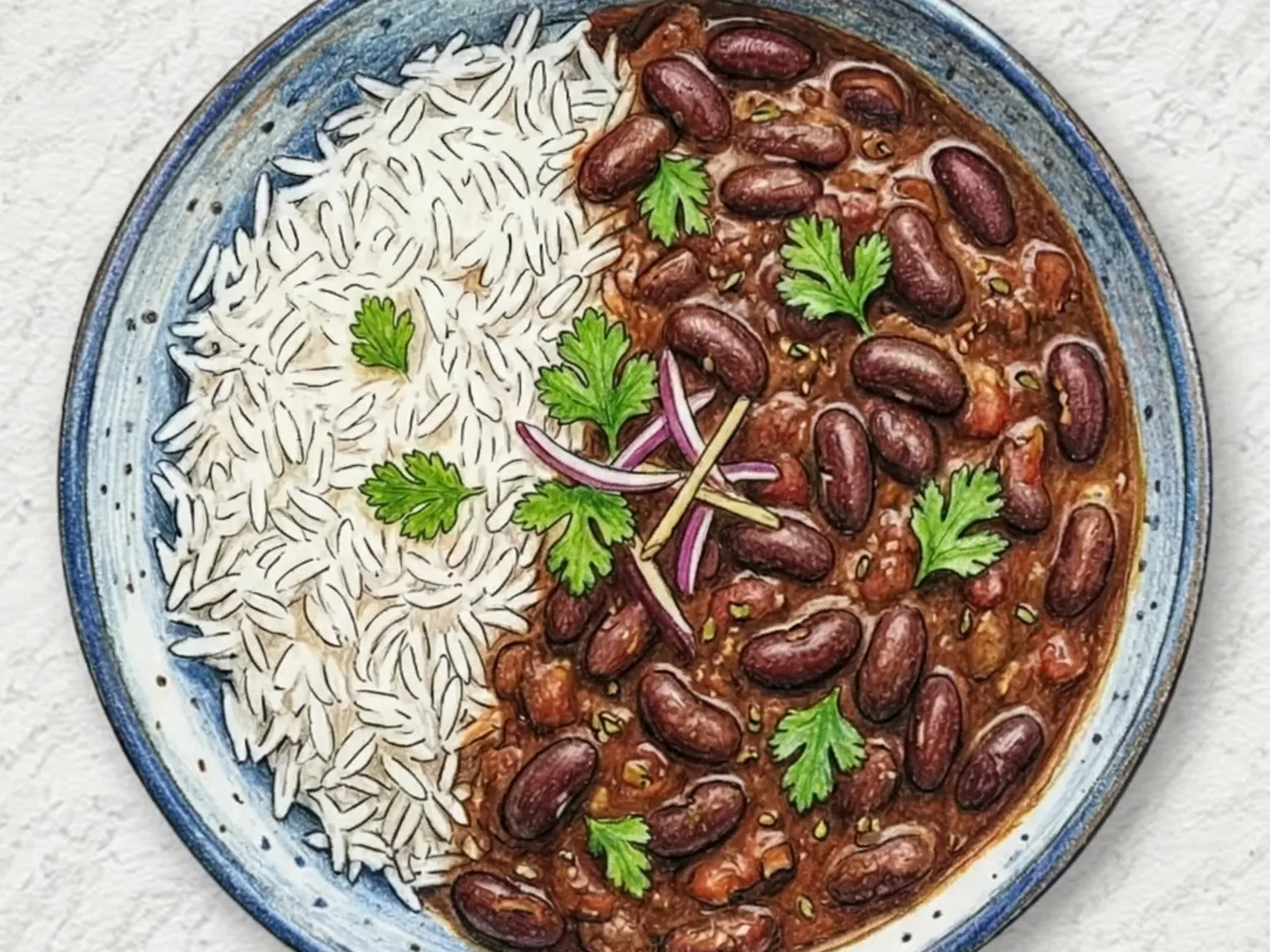
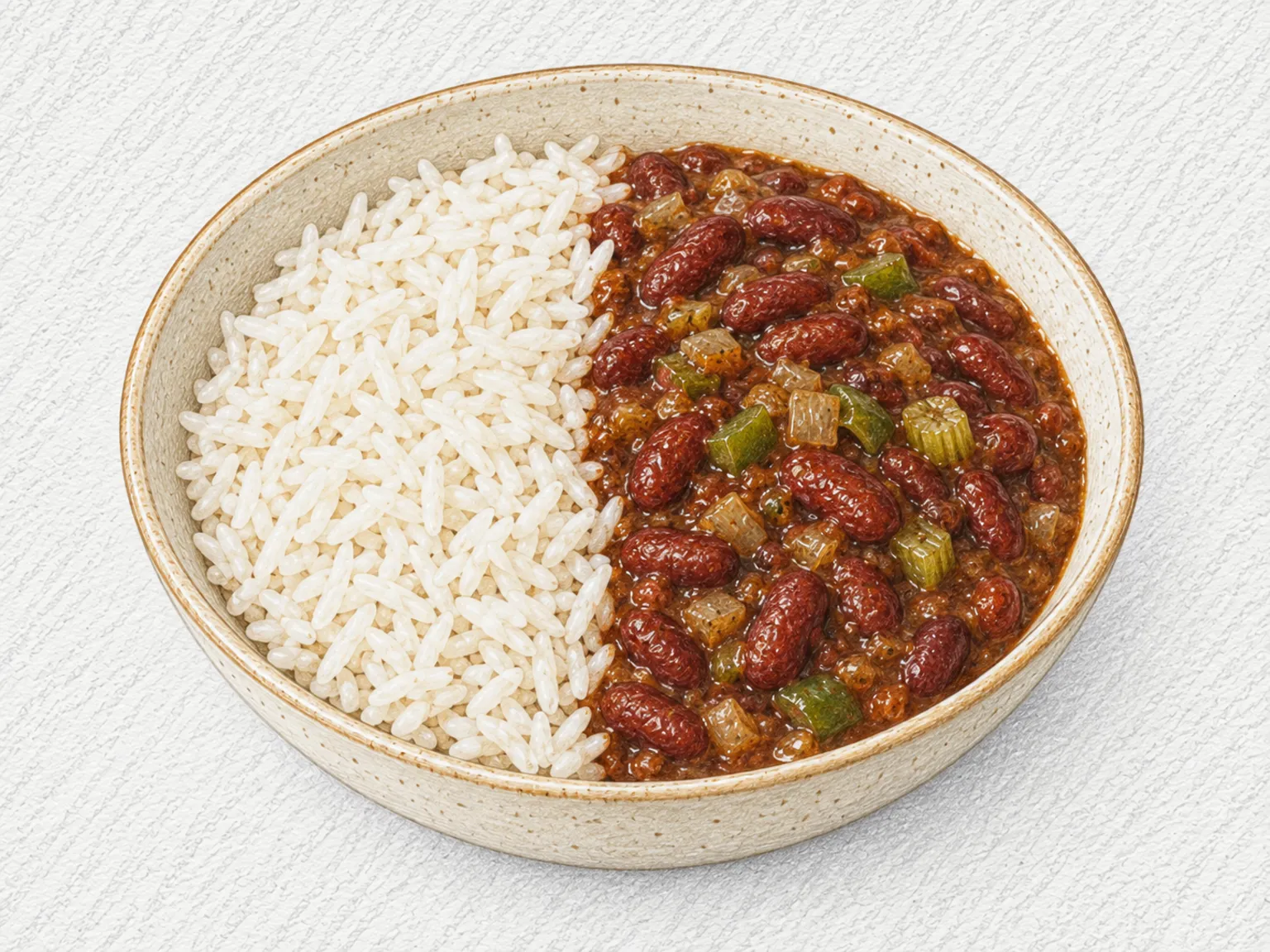
Rajma chawal serves a thick kidney bean gravy over warm steamed rice. This version starts with 500 g already-cooked kidney beans, not dried beans: one ladleful is mashed in advance so its starch can thicken the sauce without added cream. One hundred fifty grams onion is finely chopped, and 250 g tomato is crushed. Two tablespoons oil is heated over medium in a heavy pan before 1 teaspoon cumin seeds is allowed to sizzle for about 30 seconds. The onion is added before the seeds darken and cooks for 7 to 9 minutes, with only a small splash of water if the pan becomes dry. One tablespoon ginger-garlic paste cooks for 1 minute, followed by the tomato for 6 to 8 minutes over medium-low heat. When a little oil separates from the tomato base, 0.5 teaspoon turmeric, 1 teaspoon chili powder, and 1 teaspoon garam masala are stirred in for just 30 seconds to prevent scorching. The whole and mashed kidney beans then simmer with a small amount of water for 15 minutes. As the mashed portion disperses, the gravy gains body while the remaining beans retain their shape. Four cups of rice is kept warm and receives a generous portion of the finished bean curry.

🏠 Everyday 🎉 Special Occasion
Prep 20min Cook 45min 4 servings
Aka-zuke Red Shiso Rice
Rice Hard

Aka-zuke Red Shiso Rice

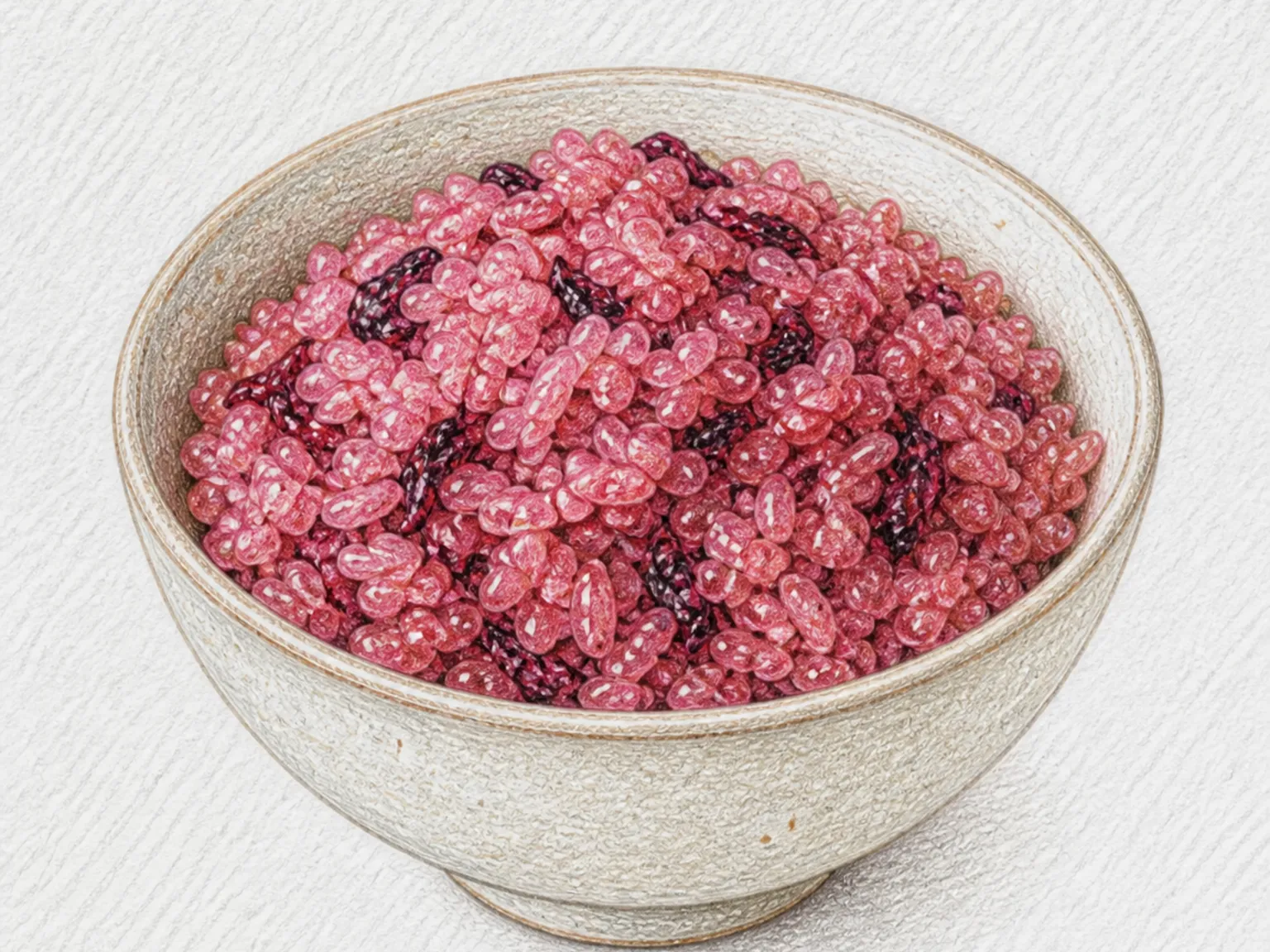
Aka-zuke is glutinous rice colored with salt-rubbed red shiso and cured under refrigeration with sweetened rice vinegar. Before cooking, sanitize and dry the container, weight, and spatula, verify the refrigerator is at 4°C or colder, and calibrate a penetrating food pH meter. Soak 750g glutinous rice with 900ml water for 30 minutes, cook it fully, and confirm a center temperature of at least 85°C. Rub 150g dried-off shiso leaves with 25g salt until whitish, rinse once, squeeze, then rub again with the remaining 5g salt and retain the red liquid. Warm 180ml of rice vinegar with at least 4.5 percent acidity and 150g sugar to 80°C. Fold it immediately through the hot rice, then add the leaves and red liquid. Within 10 minutes, measure three separate points. If the highest pH exceeds 4.2, add reserved vinegar in 15ml portions and retest. Discard without tasting if all 45ml is used and the rice still exceeds pH 4.2. Divide an accepted batch between sanitized containers no deeper than 5cm. Cool from 60°C to 21°C within 2 hours, then to 4°C or colder within 4 more hours. Apply a light weight and refrigerate for 48 hours. Serve only if pH remains 4.2 or lower and there was no temperature lapse, mold, swelling, bubbling, slime, or abnormal odor. Without the required meter and temperature control, do not attempt this home cure.

🎉 Special Occasion 🍺 Bar Snacks
Prep 75min Cook 45min 25 servings
Ikameshi (Rice-Stuffed Squid)
Rice Hard

Ikameshi (Rice-Stuffed Squid)

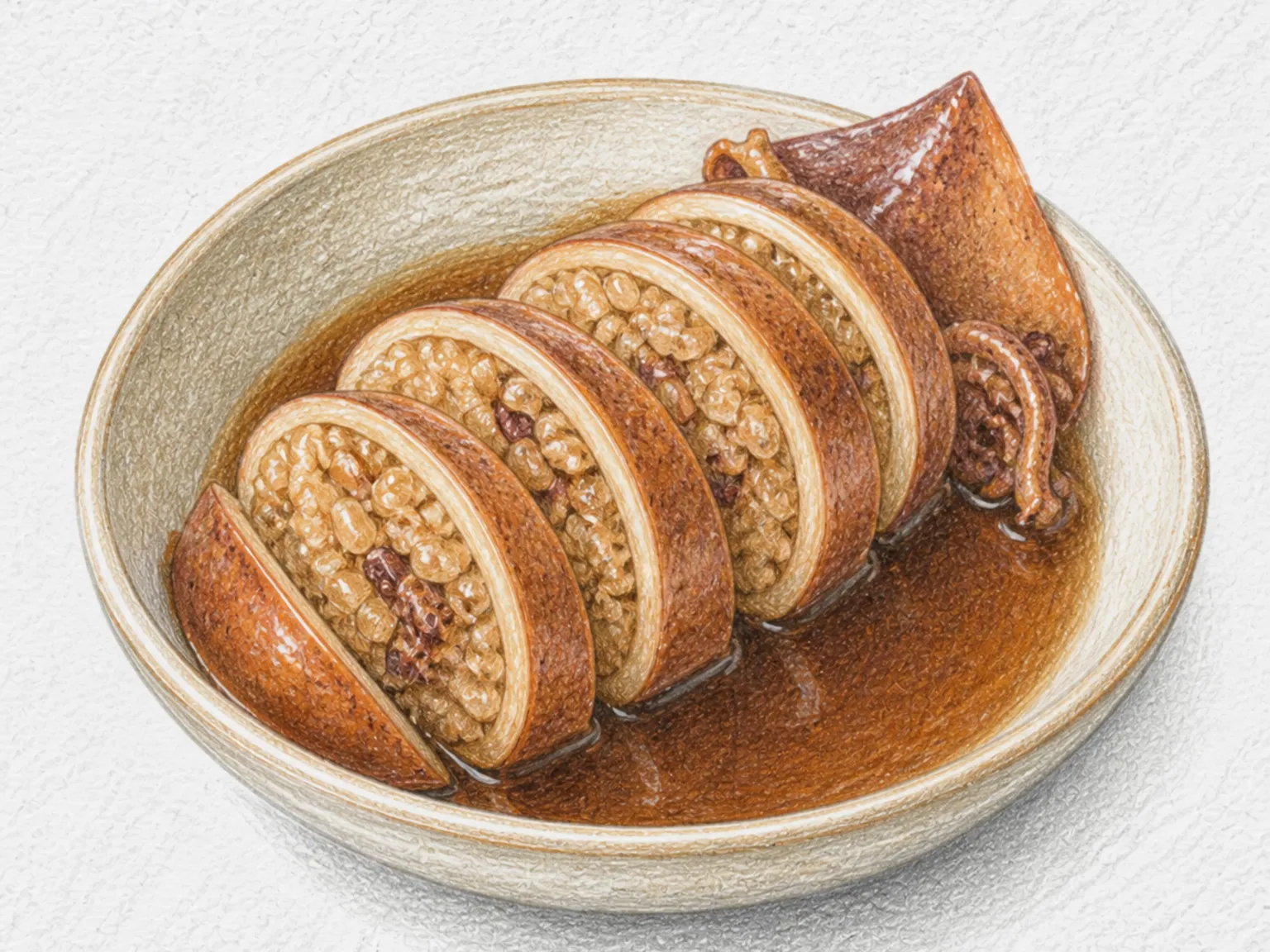
Ikameshi fills cleaned squid bodies with soaked glutinous rice and chopped tentacles, then simmers them gently in kombu dashi, sake, sugar, and soy sauce before slicing. Rinse 200 g glutinous rice, soak it in plenty of water for 8 hours, and drain it in a sieve for 20 minutes. Separate the tentacles and innards from 4 medium squid and rinse the inside of each body thoroughly. Cut the tentacles into 5 mm pieces. Simmer them for 5 minutes with 100 ml kombu dashi and 12 ml soy sauce, then let them cool before mixing them with the drained rice. Fill each squid body only halfway to 60 percent of its height and close the opening firmly with a toothpick. The empty space is necessary because the glutinous rice expands as it cooks and can split an overfilled body. Pour 30 ml sake and the remaining 900 ml dashi into a wide pot, then arrange the squid in a single layer. When the liquid starts to boil, reduce the heat to low, leave the lid slightly ajar, and simmer for 30 minutes. Add 15 g sugar, the remaining 60 ml soy sauce, and 1 g salt, then turn the squid. Continue cooking over low heat for 25 minutes and baste the surfaces with broth partway through. Check that the rice is tender through the center before turning off the heat. Leave the squid in the broth for 10 minutes, remove the toothpicks, cut 2 cm rounds, and serve with 20 g pickled red ginger.

🏠 Everyday 🎉 Special Occasion
Prep 45min Cook 70min 4 servings
Risotto alla Milanese
Rice Medium

Risotto alla Milanese

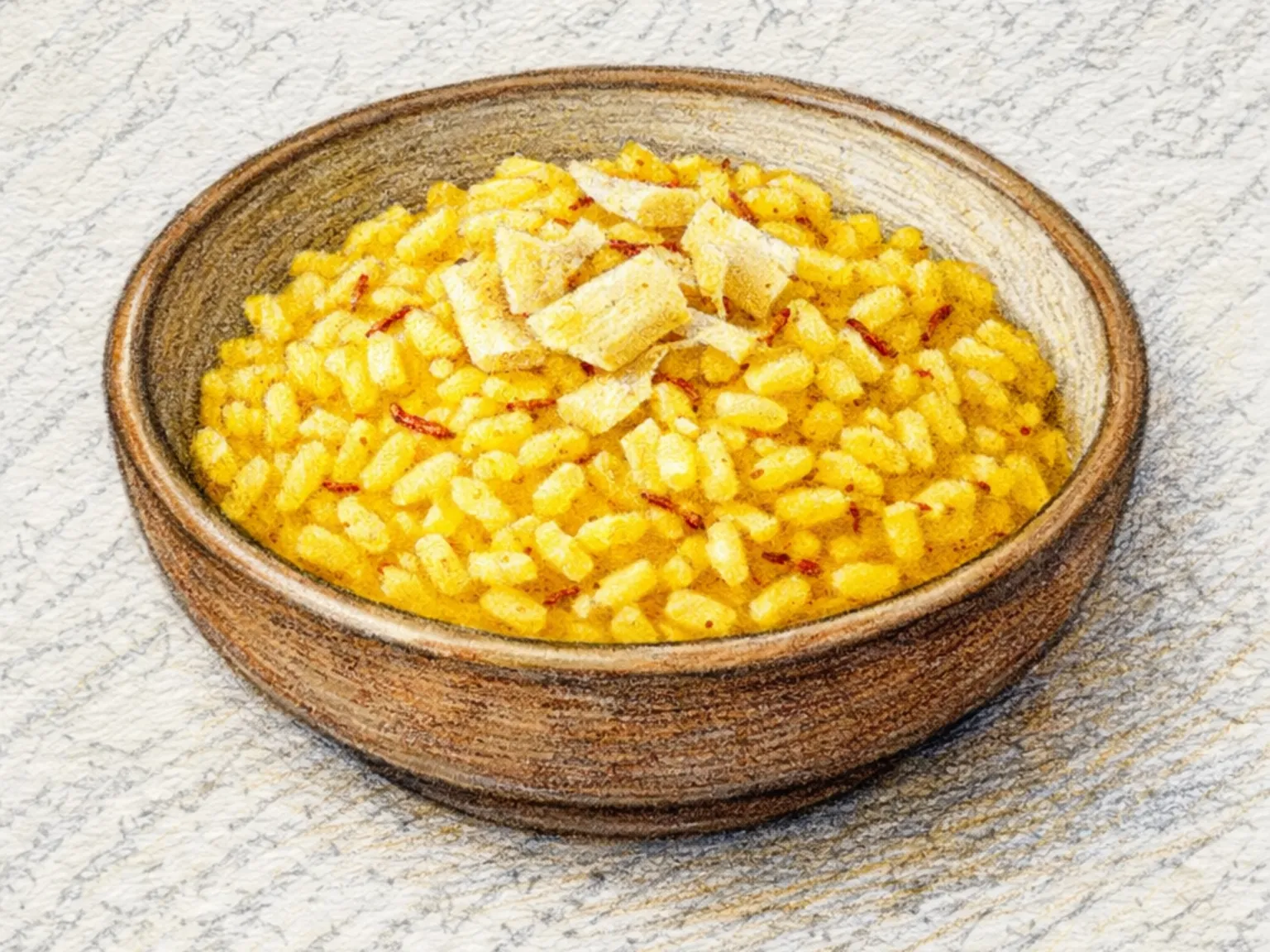
Risotto alla Milanese is Milan's signature rice dish, made by toasting Arborio rice in olive oil and butter with onion, deglazing with white wine, and gradually stirring in saffron-infused chicken stock one ladle at a time. Toasting the rice first coats each grain in fat, which slows starch release and builds the characteristic creamy consistency. The white wine adds an acidity that balances the richness of butter and cheese underneath. Saffron must be steeped in warm stock beforehand so its golden color and floral aroma distribute evenly, and the stock should always be kept hot to avoid dropping the rice temperature mid-cook. Stirring in cold butter and grated Parmesan off the heat at the very end emulsifies them into the starch, producing the loose, flowing texture that defines a properly finished risotto.

🎉 Special Occasion 🍺 Bar Snacks
Prep 10min Cook 30min 2 servings
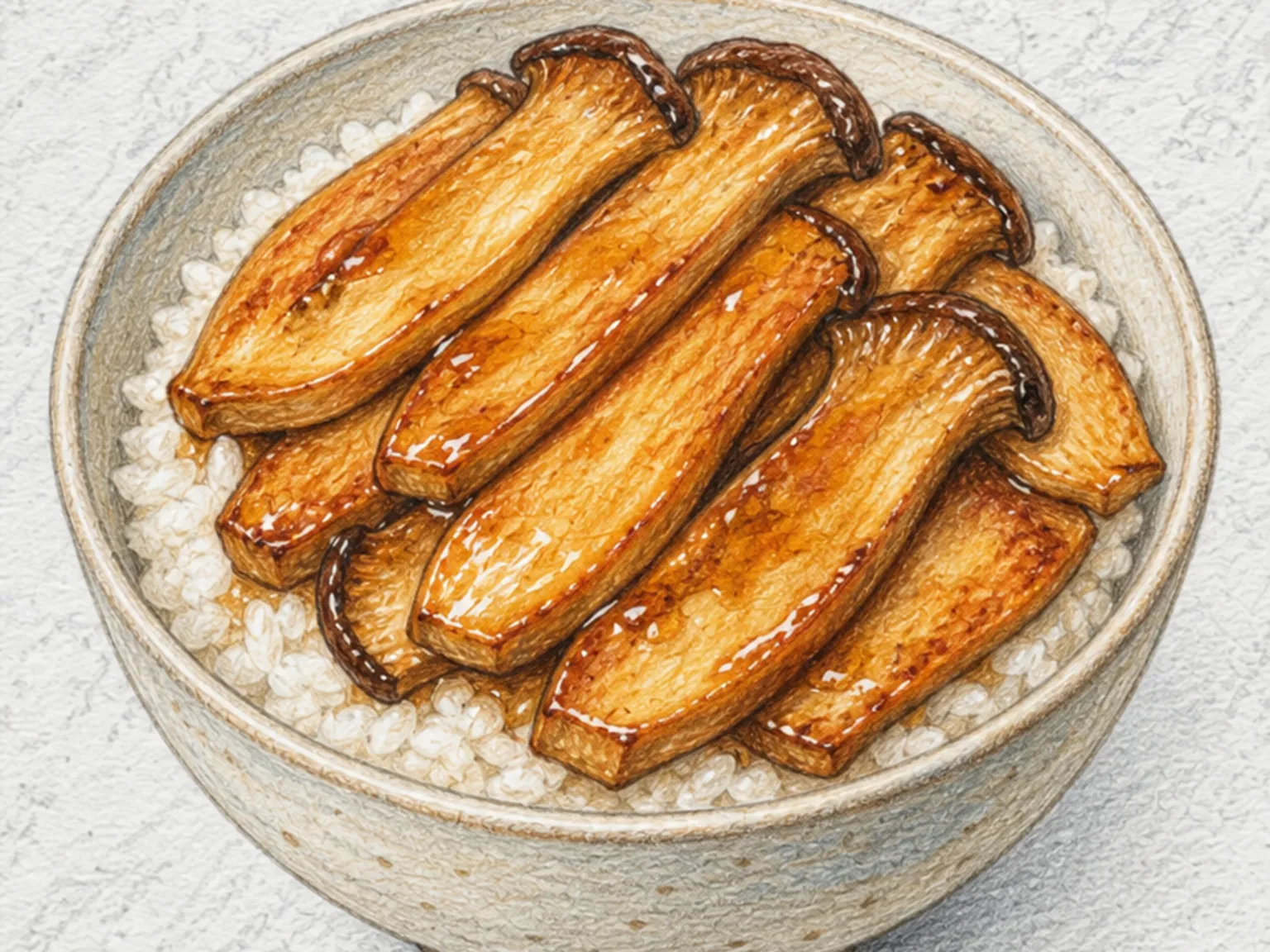
King Oyster Mushroom Rice Bowl
Rice Easy

King Oyster Mushroom Rice Bowl

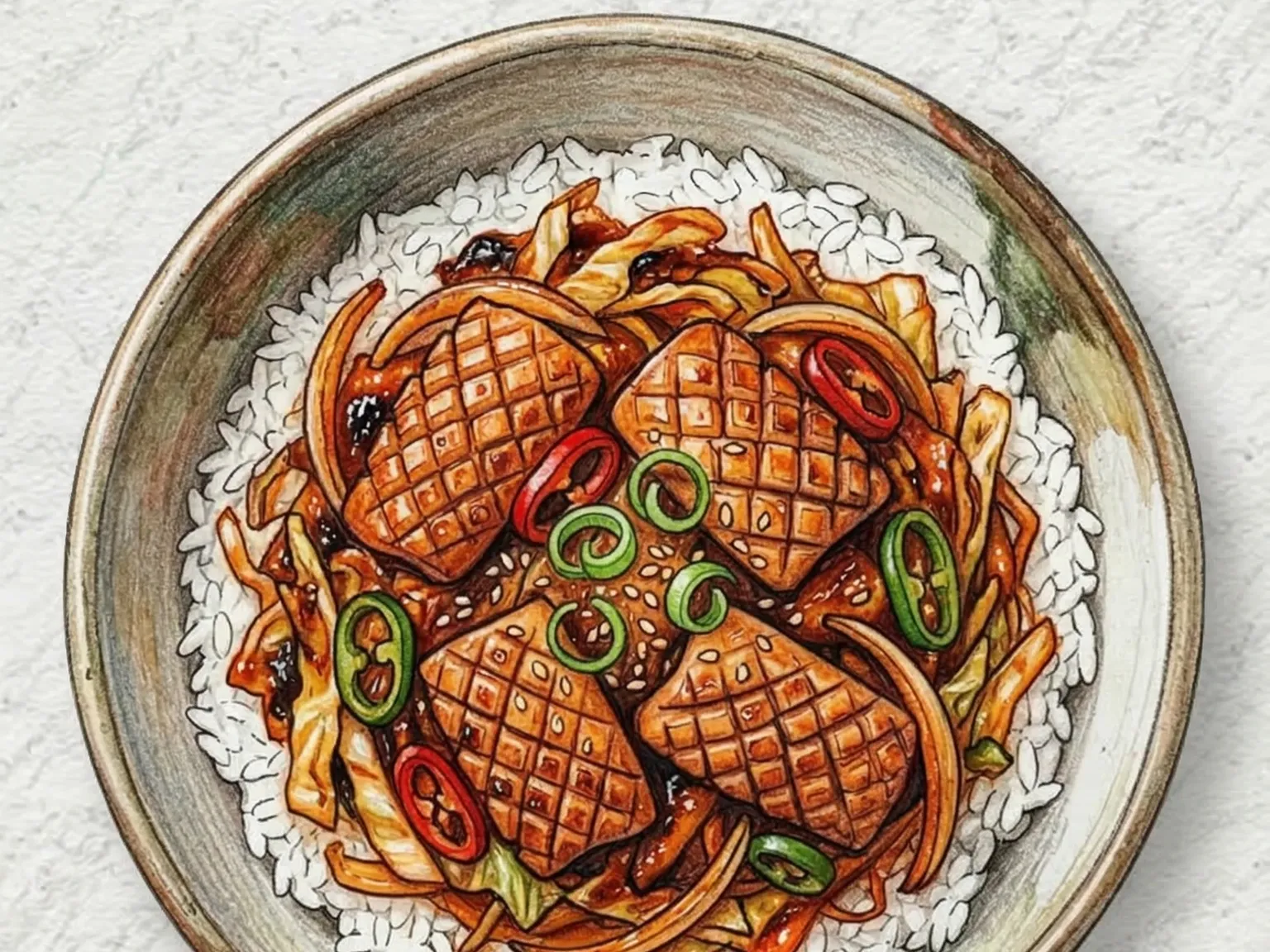
King oyster mushroom rice bowl starts by searing thick mushroom slabs in a dry pan, then simmering them in a soy glaze before placing them over warm rice. Slice 300 g king oyster mushrooms lengthwise into slabs about 1.5 cm thick. Score the broad faces with crossing diagonal cuts without slicing all the way through. These channels give the glaze more surface area and help it reach beyond the outside of each piece. Thinly slice 100 g onion, 50 g green onion, and 15 g garlic. In a separate bowl, stir together 45 ml soy sauce, 30 ml cooking wine, 15 g sugar, and 45 ml water until the sugar is dispersed. Heat a dry skillet and arrange the mushrooms in a single layer. Sear both sides until they develop brown patches and release some of their water, then transfer them to a plate. Removing moisture before any sauce is added helps the thick slices keep a firm bite instead of softening immediately in liquid. Add 15 ml vegetable oil to the same pan and sauté the garlic, green onion, and onion. When the aromatics smell cooked and the onion has softened, pour in the prepared soy mixture and bring it to a boil. Return the seared mushrooms and turn them as the sauce reduces, allowing it to enter the scored surfaces. Stop cooking when the liquid no longer runs like water and forms a thin glaze around the mushrooms. Turn off the heat and mix in 15 ml sesame oil so its aroma is not cooked away. Divide 400 g warm rice between two bowls, then distribute the mushrooms, softened onion, and remaining pan glaze evenly over the top.

🏠 Everyday ⚡ Quick
Prep 10min Cook 15min 2 servings
Korean Scallion Shrimp Fried Rice
Rice Easy

Korean Scallion Shrimp Fried Rice

This scallion shrimp fried rice stir-fries plump shrimp and generous amounts of green onion over high heat for a clean, aromatic bowl. The shrimp go into the wok first, searing until the edges turn golden and leave behind a savory fond. Chopped scallions follow, releasing a sharp, oniony fragrance that cuts through the richness. Day-old rice is added and tossed rapidly with soy sauce and oyster sauce, breaking up clumps until every grain is individually coated. Beaten egg stirred in at the end wraps the rice in a soft, silky layer. Despite the short ingredient list, the combination of briny shrimp and pungent scallion delivers a depth of flavor that keeps this dish in regular weeknight rotation.

🏠 Everyday ⚡ Quick
Prep 12min Cook 10min 2 servings
Korean Shrimp Gimbap (Plump Shrimp and Vegetable Seaweed Roll)
Rice Easy

Korean Shrimp Gimbap (Plump Shrimp and Vegetable Seaweed Roll)

Shrimp are peeled and deveined with a toothpick before being blanched for two minutes, then rolled inside seasoned rice, egg strips, sauteed julienned carrot, and cucumber. Deveining before blanching is essential because the intestinal tract can leave a faint off-flavor in the finished roll. Large shrimp are halved lengthwise before rolling so the cross-section of each slice shows a generous amount of pink shrimp flesh rather than a thin crescent. The shrimp's clean, mild flavor does not compete with the sauteed carrot, egg, or cucumber, and the firm, springy bite of well-cooked shrimp gives each piece a distinct texture against the soft rice and yielding egg. The rice is seasoned with sesame oil and salt, but the sesame oil should be kept to no more than one tablespoon per two cups of cooked rice, as too much will soften the seaweed prematurely. Chilling the completed rolls for 30 minutes before cutting helps the cross-sections hold their shape cleanly on the cutting board. Saeu-gimbap is a common choice for children's lunchboxes because its flavors are mild and accessible, and it makes a lighter, less assertive option compared to rolls with stronger-seasoned fillings like braised burdock or spiced fishcake.

🍱 Lunchbox ⚡ Quick
Prep 20min Cook 10min 2 servings
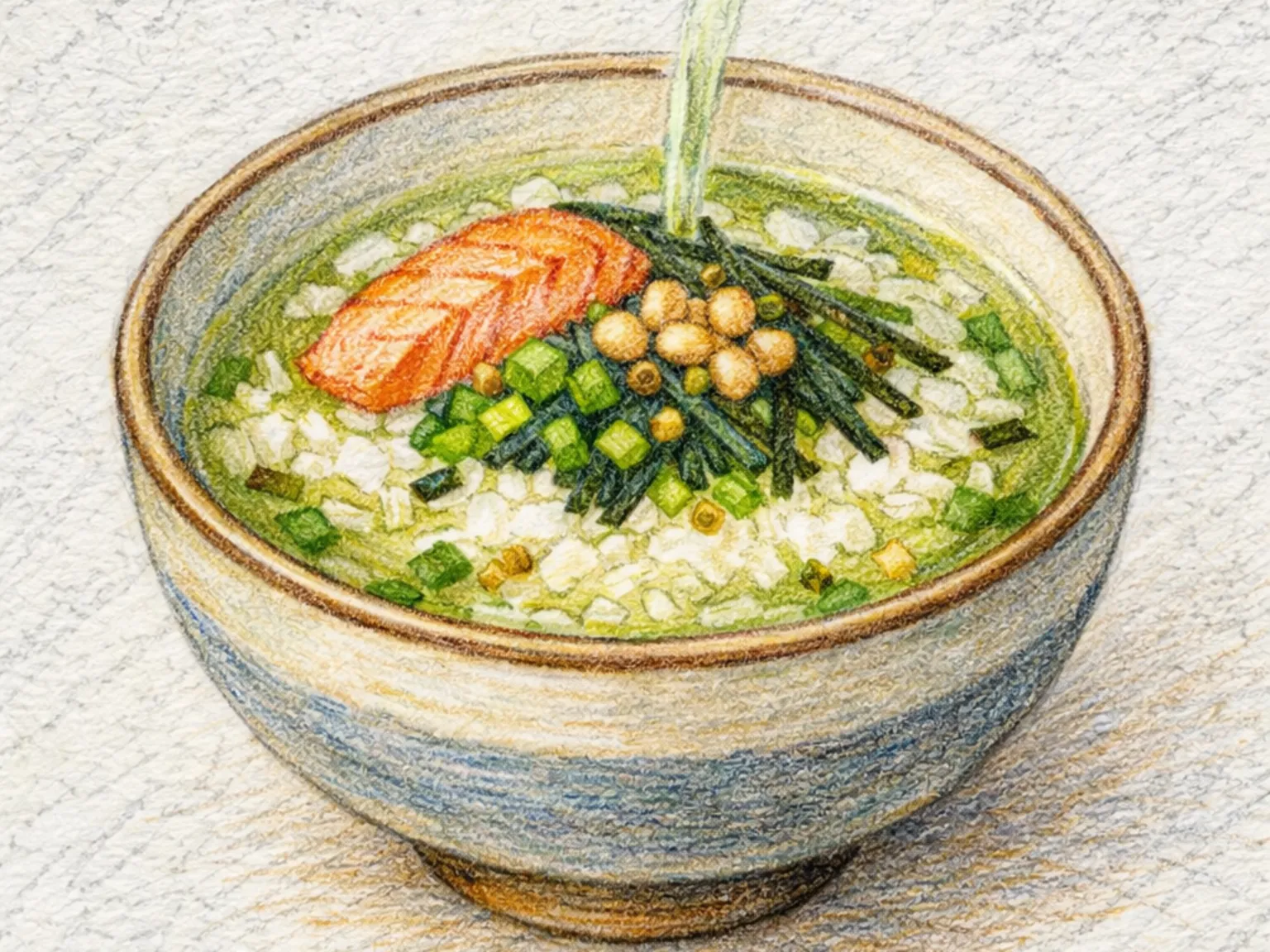
Korean Shrimp Porridge (Creamy Rice Porridge with Shrimp Broth)
Rice Easy

Korean Shrimp Porridge (Creamy Rice Porridge with Shrimp Broth)

Saeu-juk is a Korean shrimp porridge that simmers rice with shell-on shrimp to draw out a gentle oceanic broth. The heads and shells are cooked down to build a flavorful stock, while the shrimp meat is minced and stirred in separately so each spoonful carries bursts of umami. Diced zucchini and carrot add mild sweetness that balances the seafood character. Soaked rice is first toasted in sesame oil before the liquid goes in, which gives the finished porridge a nuttier base and slightly thicker consistency. The result is a light, nourishing bowl with a clean finish - commonly served as a gentle breakfast or a recovery meal, where the warmth and mild flavor are as important as the nutrition.

🏠 Everyday
Prep 15min Cook 30min 2 servings
Sake-zushi (Layered Sushi Rested with Local Sake)
Rice Hard

Sake-zushi (Layered Sushi Rested with Local Sake)

Sake-zushi is a Kagoshima regional pressed sushi in which rice is seasoned with akumochizake, the local ash-treated sake, instead of ordinary sushi vinegar. Spring vegetables such as dried daikon, shiitake, butterbur, and bamboo shoot are prepared separately, then layered with sea bream, shrimp, fish cakes, and rice. Traditional versions rest for several hours or half a day so the aromas mingle. This home version cooks all seafood fully and rests the covered sushi at 4°C or below for 6 to 8 hours rather than fermenting it at room temperature. Because a large amount of unheated sake remains, it is for adults only and is unsuitable for pregnancy, children, driving, or anyone avoiding alcohol.

🎉 Special Occasion
Prep 120min Cook 60min 10 servings

About Rice

A bowl of freshly steamed rice with a drizzle of sesame oil and a fried egg makes a satisfying meal on its own. Leftover rice transforms into fried rice or crispy nurungji (scorched rice), both beloved staples.