Rice

Rice Recipes

334 recipes. Page 12 of 14

Rice is the foundation of Korean cuisine, appearing not only as steamed white rice but also as fried rice, bibimbap, clay-pot rice (sotbap), and gimbap rolls. Porridge (juk) - made by slow-cooking rice into a silky consistency - is comfort food for cold days or when you need something gentle on the stomach. Abalone porridge, pumpkin porridge, and chicken porridge are all classics.

Rice
Salmon Brown Rice Power Bowl
Rice Medium

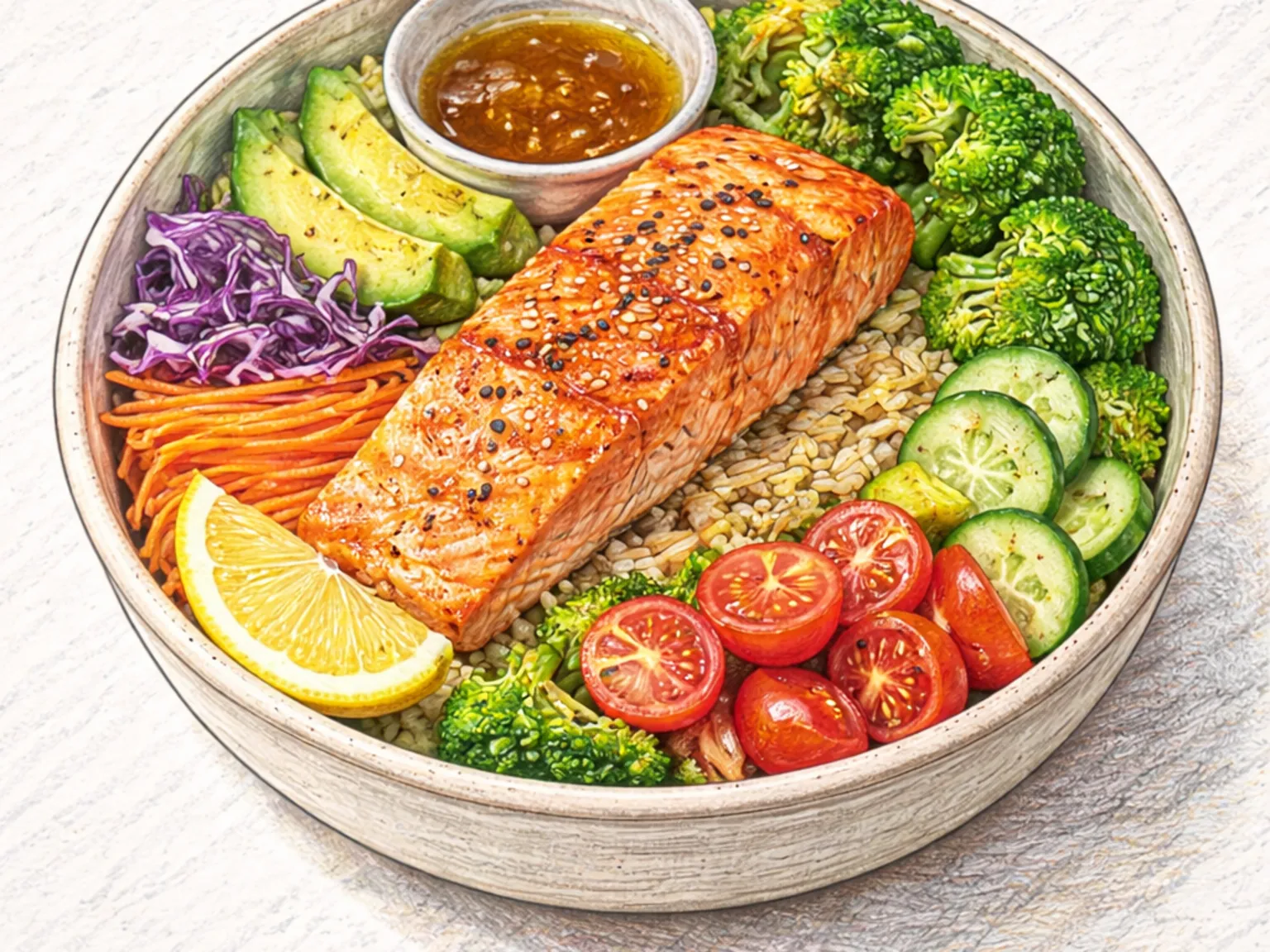
Salmon Brown Rice Power Bowl

Salmon brown rice power bowl sears a salmon fillet four to five minutes per side until the skin crisps and the interior stays moist, then plates it over cooked brown rice with blanched spinach, julienned carrot, and sliced avocado. A sauce of soy sauce, lemon juice, and sesame oil layers umami depth, citrus brightness, and nutty aroma into a single drizzle that ties the mild grain to the rich fish. Brown rice's firm, chewy texture contrasts with the tender salmon flesh, and avocado fills the gap with a smooth, fatty creaminess. Pulling the salmon from heat while the center is still slightly translucent preserves moisture - overcooking causes the proteins to contract and squeeze out the juices.

🥗 Light & Healthy 🏠 Everyday
Prep 20min Cook 15min 2 servings
Salmon Poke Bowl
Rice Medium

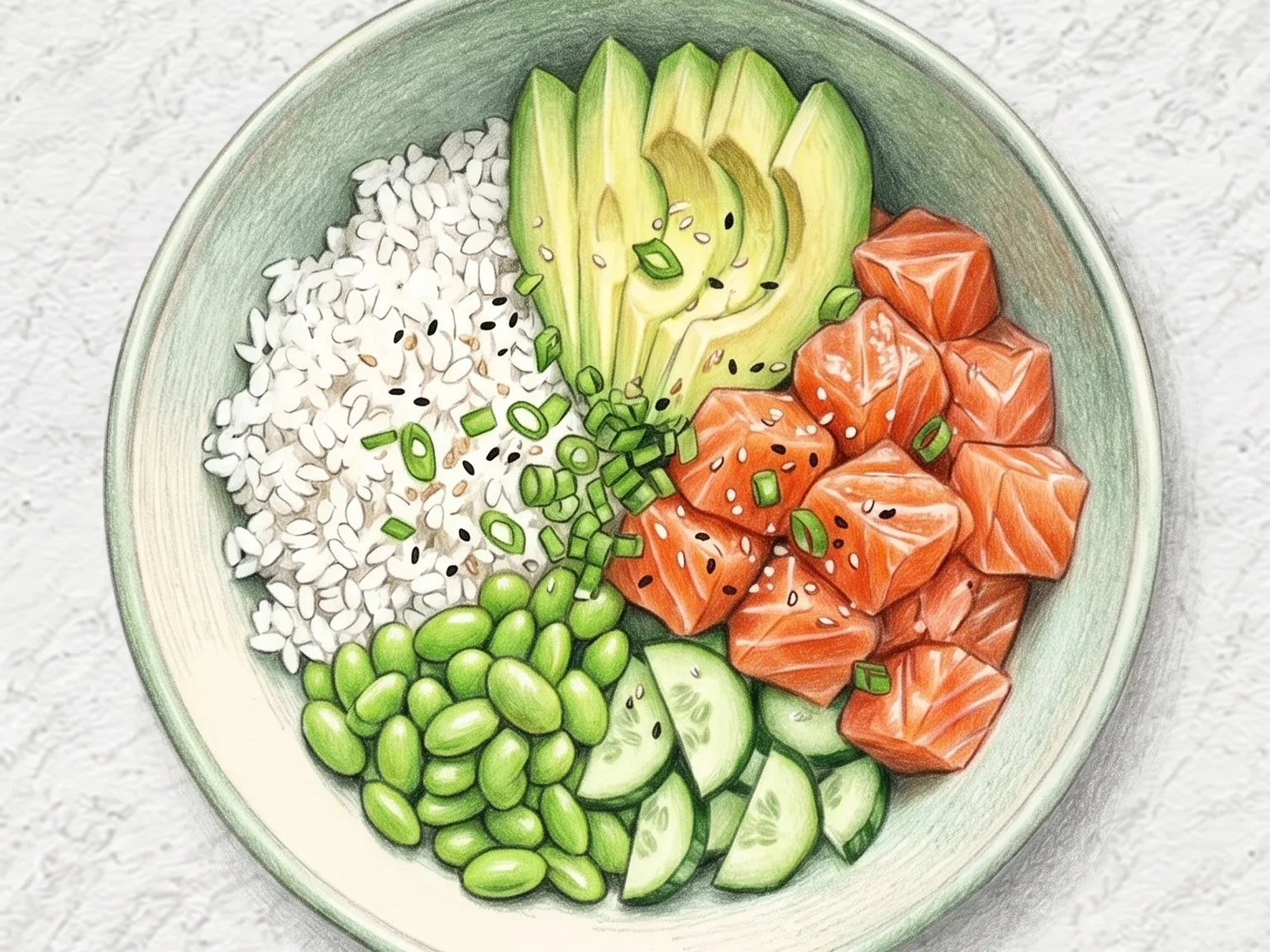
Salmon Poke Bowl

Salmon poke bowl dices sashimi-grade salmon into 1.5-centimeter cubes and marinates them briefly in soy sauce and sesame oil for five minutes, then arranges the fish in sections over steamed rice alongside avocado, cucumber, edamame, and sliced green onion. The short soy marinade draws moisture from the salmon's surface just enough to tamp down any fishiness while amplifying umami, and sesame oil adds a glossy sheen with a toasted fragrance. Avocado's creamy fat cushions the firm, springy bite of the raw fish, while edamame contributes a nutty bean flavor and cucumber brings a cool crunch. Using only sashimi-grade salmon is essential for safe raw consumption.

🥗 Light & Healthy 🏠 Everyday
Prep 20min Cook 15min 2 servings
Korean Mountain Herb Bibimbap
Rice Easy

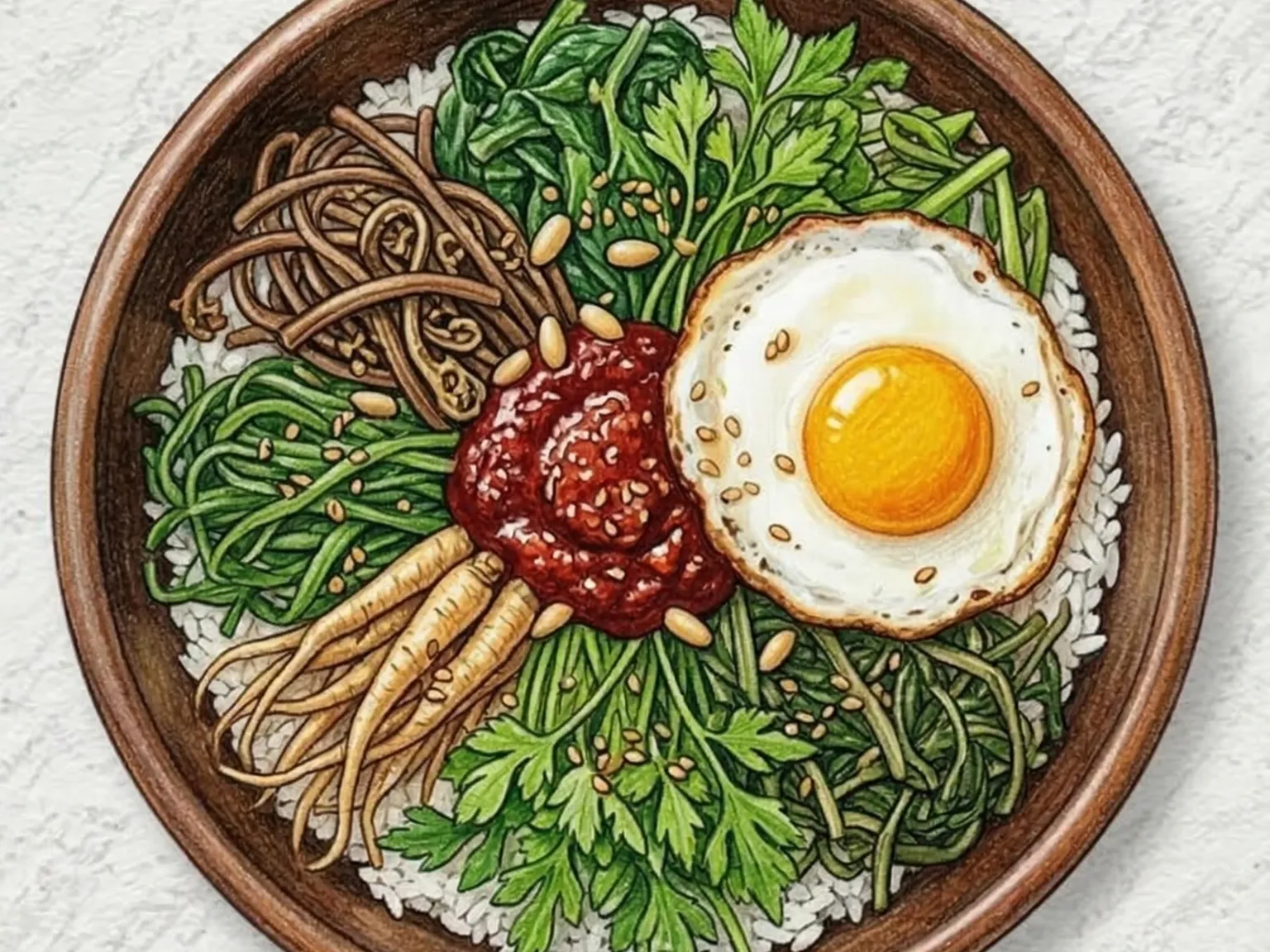
Korean Mountain Herb Bibimbap

Sanchae bibimbap arranges individually seasoned mountain vegetables including fernbrake, bellflower root, and chwi-namul over a bowl of rice, then brings everything together at the table with a spoonful of gochujang. Each wild green is treated separately to preserve its distinct character. Fernbrake is stir-fried in sesame oil and soy sauce until tender and lightly caramelized. Bellflower root is salted, kneaded vigorously, and rinsed to remove its characteristic bitterness before being left with a clean crunch. Chwi-namul, the young leaves of Korean mountain aster, is blanched for just a few seconds to soften it while locking in its herbal, slightly resinous fragrance. Julienned carrot or radish kimchi adds bright color contrast across the bowl. A second drizzle of sesame oil when mixing helps the greens coat evenly and carries the nutty aroma through every bite. The spicy, subtly sweet gochujang ties the earthy, grassy, and faintly bitter notes of the individual namul into one cohesive, energizing bowl. The dish traces its roots to Korean mountain temple cuisine, where foraged seasonal greens combined with plain rice formed the foundation of a simple but nourishing plant-based meal.

🏠 Everyday 🌙 Late Night
Prep 20min Cook 15min 2 servings
Seafood Saffron Risotto
Rice Hard

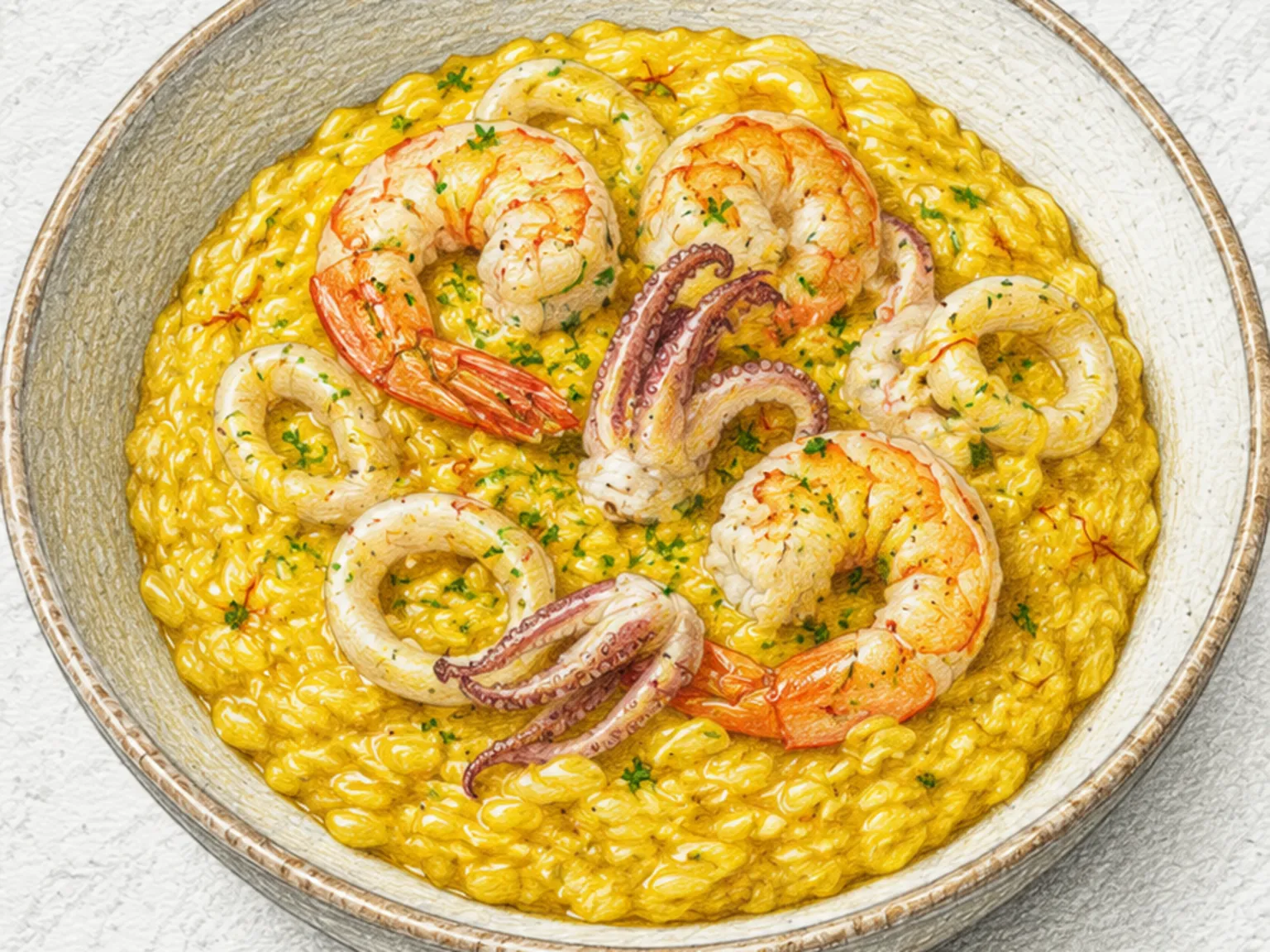
Seafood Saffron Risotto

Seafood saffron risotto is built by stirring Arborio rice into warm seafood stock one ladle at a time, coaxing out starch until the grains are creamy yet intact. Saffron threads steeped in a small amount of warm stock release their golden color and floral, slightly metallic aroma evenly through the rice. Toasting the rice in olive oil before adding liquid coats each grain in fat, which controls starch release and prevents the risotto from turning gluey. White wine added early provides acidity that tempers the richness of the seafood. Shrimp and squid go in during the final minutes to keep their texture firm and springy. Butter and Parmesan folded in off the heat create the signature wave-like consistency that should flow slowly across a tilted plate.

🎉 Special Occasion 🍺 Bar Snacks
Prep 15min Cook 30min 2 servings
Korean Seasoned Seaweed Rice Bowl
Rice Easy

Korean Seasoned Seaweed Rice Bowl

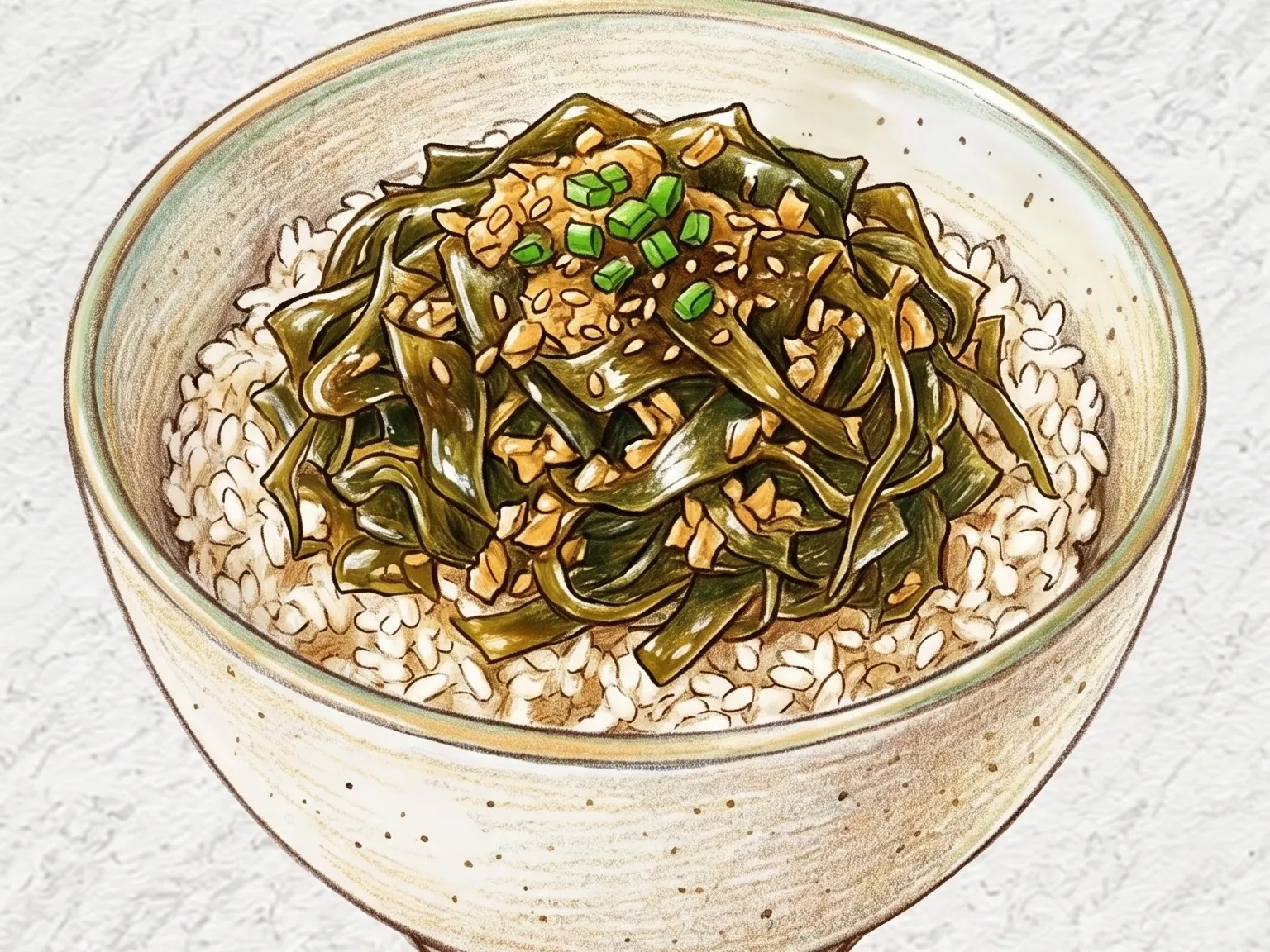
This seasoned seaweed rice bowl stir-fries rehydrated wakame with garlic in sesame oil, seasons it with soy sauce, and spoons it over steamed rice for a quick and satisfying one-bowl meal. Soaking the dried seaweed until fully softened gives it a slippery yet pleasantly chewy texture that slides across the palate with each mouthful of rice. Cooking the garlic and seaweed together in sesame oil removes any raw oceanic sharpness and replaces it with a warm, nutty fragrance that layers over the natural sea-mineral character of the wakame. Soy sauce brings a savory edge that rounds out the seasoning and makes the bowl complete without any additional side dishes. With only five ingredients and a short cooking time from start to finish, this is one of the most efficient Korean rice bowls to prepare. The mineral richness of the seaweed gives the finished dish a depth that outpaces its simple ingredient list.

🥗 Light & Healthy 🏠 Everyday
Prep 20min Cook 10min 2 servings
Seigaku Mochi (Double-Steamed Rice Cake)
Rice Hard

Seigaku Mochi (Double-Steamed Rice Cake)

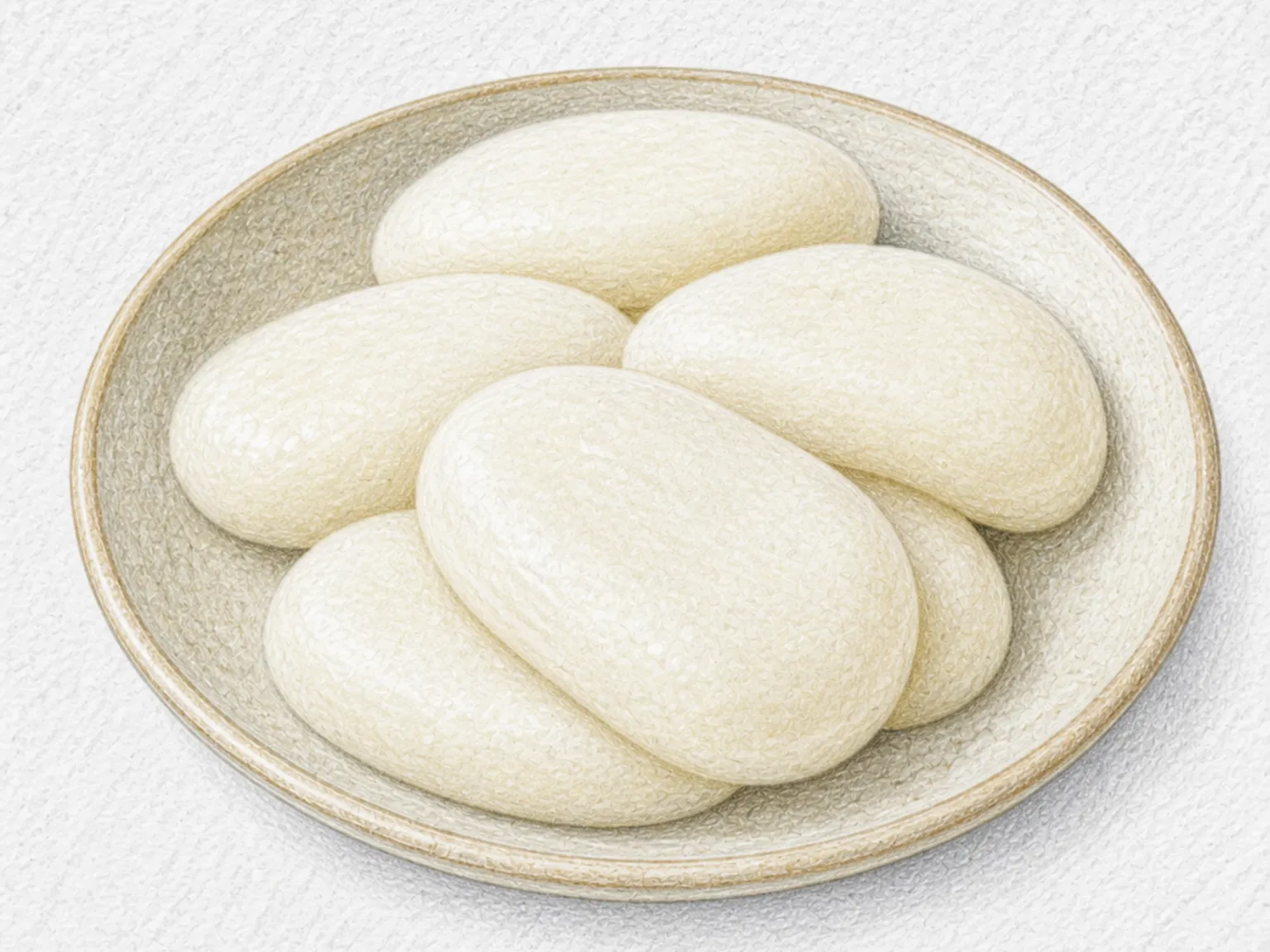
Seigaku mochi is a Chiba rice cake made from ordinary short-grain rice rather than glutinous rice. The soaked grain is steamed once, rinsed quickly in water to separate every kernel, steamed again until no firm core remains, and pounded. It is associated with the Seigaku teachings and rural reforms of Ohara Yugaku in the Sosa area. Double steaming softens non-glutinous rice enough to bind while keeping the finished cake less sticky than standard mochi. It holds its shape well in soup or a stir-fry and has a soft but clearly grained bite.

🏠 Everyday 🧒 Kid-Friendly
Prep 25min Cook 35min 10 servings
Sea Urchin Bibimbap
Rice Easy

Sea Urchin Bibimbap

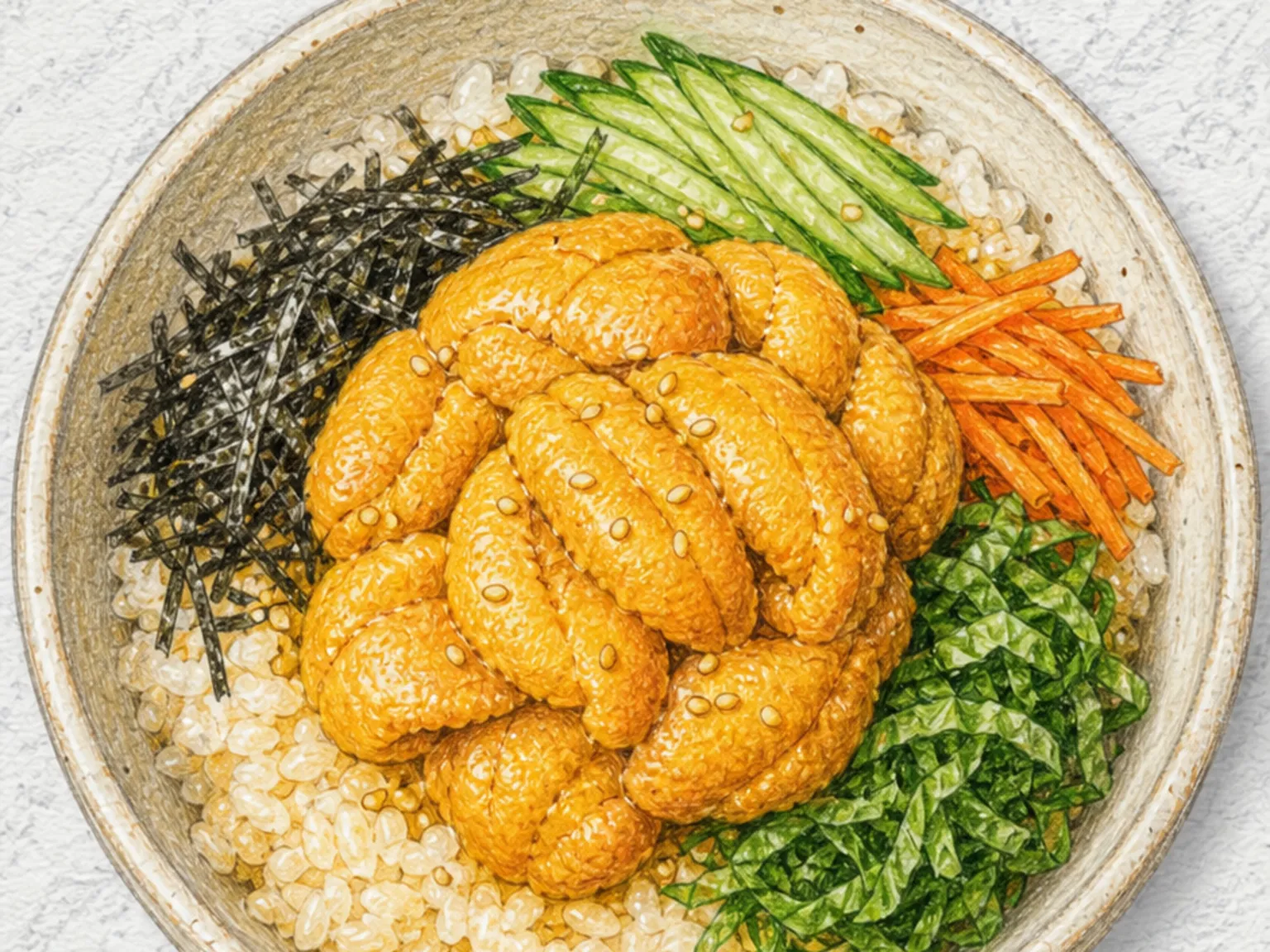
Sea urchin bibimbap places chilled raw sea urchin roe over warm rice with lettuce, radish sprouts, seasoned seaweed, and measured amounts of sesame oil and seeds. Put 100 g sea urchin roe in a fine sieve and rinse it very briefly and gently under cold running water. Do not rub the delicate pieces or expose them to a forceful stream. Leave the sieve to drain completely so water does not collect over the rice. Wash 30 g lettuce between the leaves, shake it dry, and cut it into strips about 0.5 cm wide. Rinse 10 g radish sprouts and drain those thoroughly as well. Divide 400 g warm rice equally between two serving bowls. If strong steam is still rising, let it settle briefly; rice that is excessively hot can warm and alter the surface texture of the raw roe. Spread the lettuce over the rice and distribute the drained sea urchin between the bowls without pressing it. Add 5 g seasoned seaweed flakes and the radish sprouts. Divide 1 tablespoon sesame oil and 1 teaspoon sesame seeds across both portions, staying within those measured amounts. Additional sesame oil can overpower the sea urchin rather than simply seasoning the rice. Serve as soon as the bowls are assembled. Mix from the bottom with a spoon immediately before eating, using light folding motions so the rice grains and soft roe do not become a paste. Use sea urchin intended for raw consumption, keep it cold until assembly, and do not leave the completed bowls standing at room temperature.

🏠 Everyday
Prep 10min Cook 10min 2 servings
Shingoro (Grilled Rice Skewers with Egoma Miso)
Rice Medium

Shingoro (Grilled Rice Skewers with Egoma Miso)

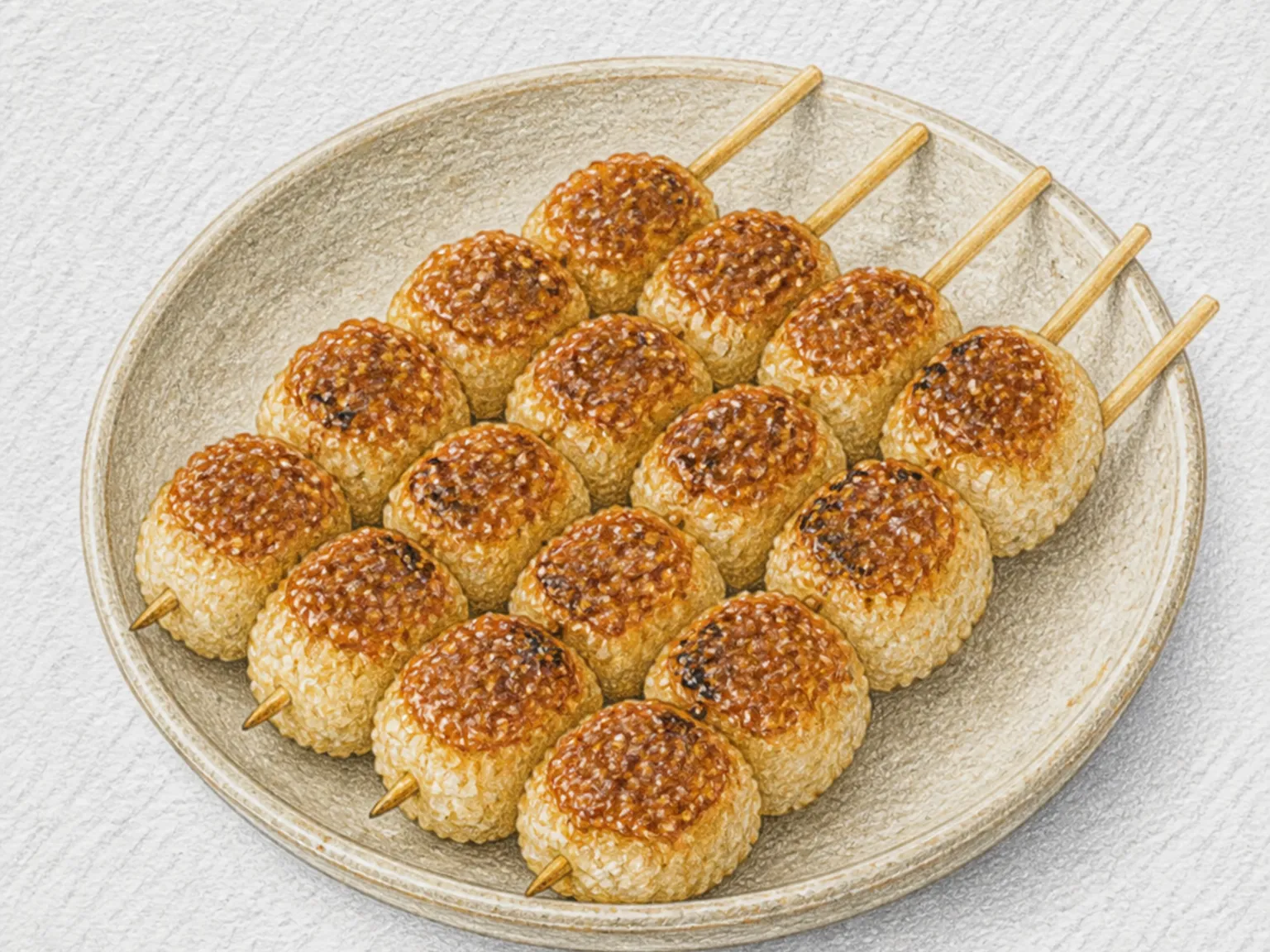
Shingoro is a grilled rice skewer eaten in Shimogo and Minamiaizu, Fukushima Prefecture. Freshly cooked white rice is pounded only about halfway, leaving both visible grains and enough stickiness to hold together. It is formed into egg-size portions and attached to sixteen skewers. Egoma, or perilla seed, is called junen in Fukushima. The seeds are dry-roasted over low heat while the pan is shaken, and the heat is stopped as soon as five or six seeds begin to pop. They are ground thoroughly and mixed with sugar, miso, and sake to make junen miso. Both sides of each rice skewer are grilled first until browned. Only then is the thick seed and miso paste spread over the surface, and the skewers return to the heat until the sauce develops light char marks. The dish is eaten year-round and is often served to celebrate the new rice harvest.

🏠 Everyday 🎉 Special Occasion
Prep 25min Cook 35min 4 servings
Korean Spinach Soybean Paste Porridge
Rice Easy

Korean Spinach Soybean Paste Porridge

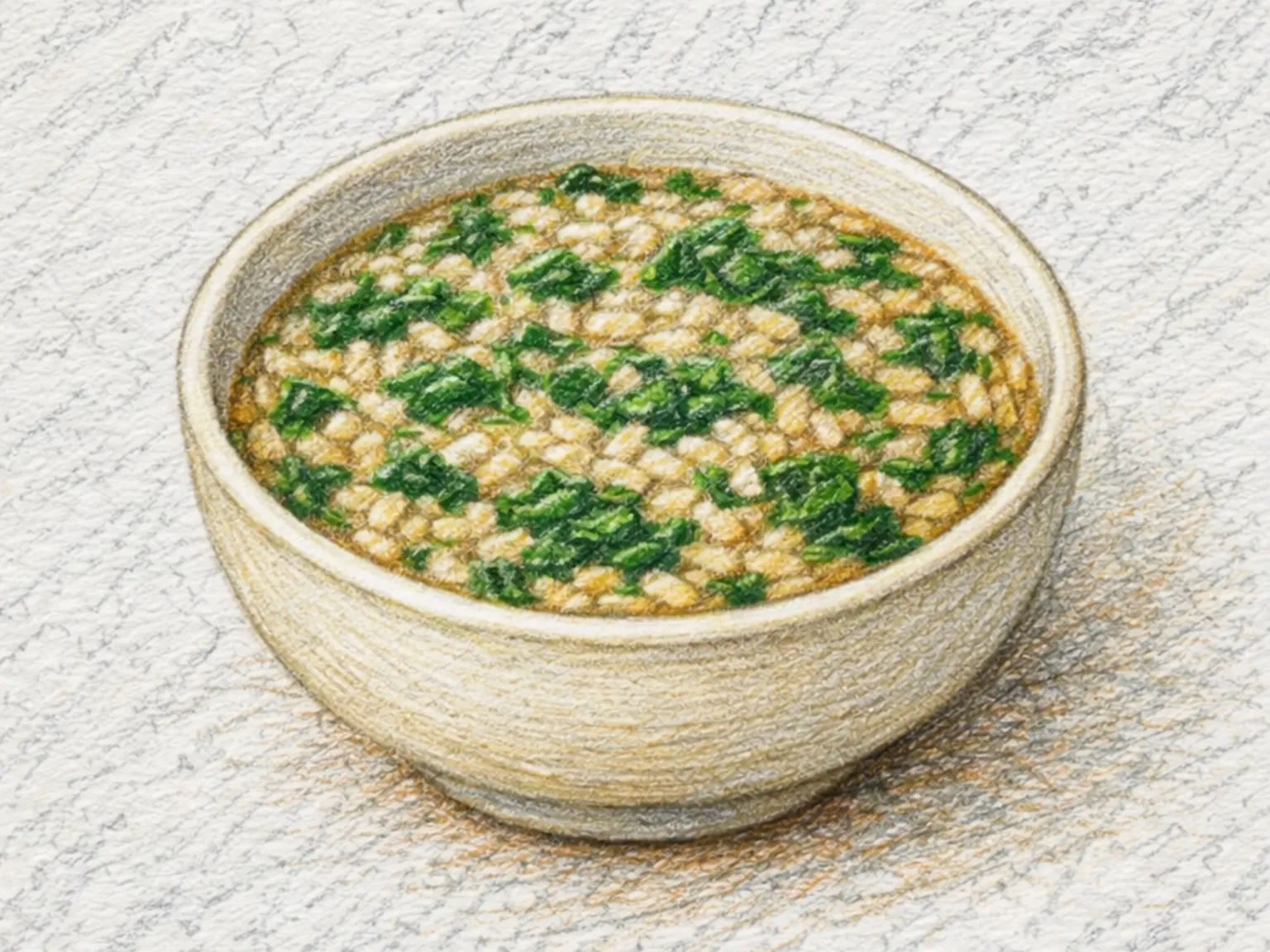
Sigeumchi doenjang-juk is a Korean porridge built on the deep, fermented savoriness of doenjang and the clean, mild green flavor of finely chopped spinach. Soaked rice is toasted in sesame oil first, which coats each grain with a nutty warmth before anchovy stock is poured in. Doenjang and minced garlic are stirred in early in the cooking process, giving the porridge time to develop a rich, rounded base flavor as the grains slowly break down into a thick, spoonable consistency. Spinach goes in at the very end and stays in the heat for no longer than thirty seconds, which is exactly enough time for the leaves to wilt while keeping their bright color and delicate grassy aroma intact. The fermented paste wraps around the slight bitterness naturally present in raw spinach, smoothing it out so the finished bowl tastes clean rather than sharp. This is a porridge that works as a restorative meal when the body needs something gentle, and it doubles just as well as a light, warming breakfast that does not demand much from the stomach in the morning.

🥗 Light & Healthy 🏠 Everyday
Prep 12min Cook 20min 2 servings
Korean Dried Radish Leaf Rice
Rice Medium

Korean Dried Radish Leaf Rice

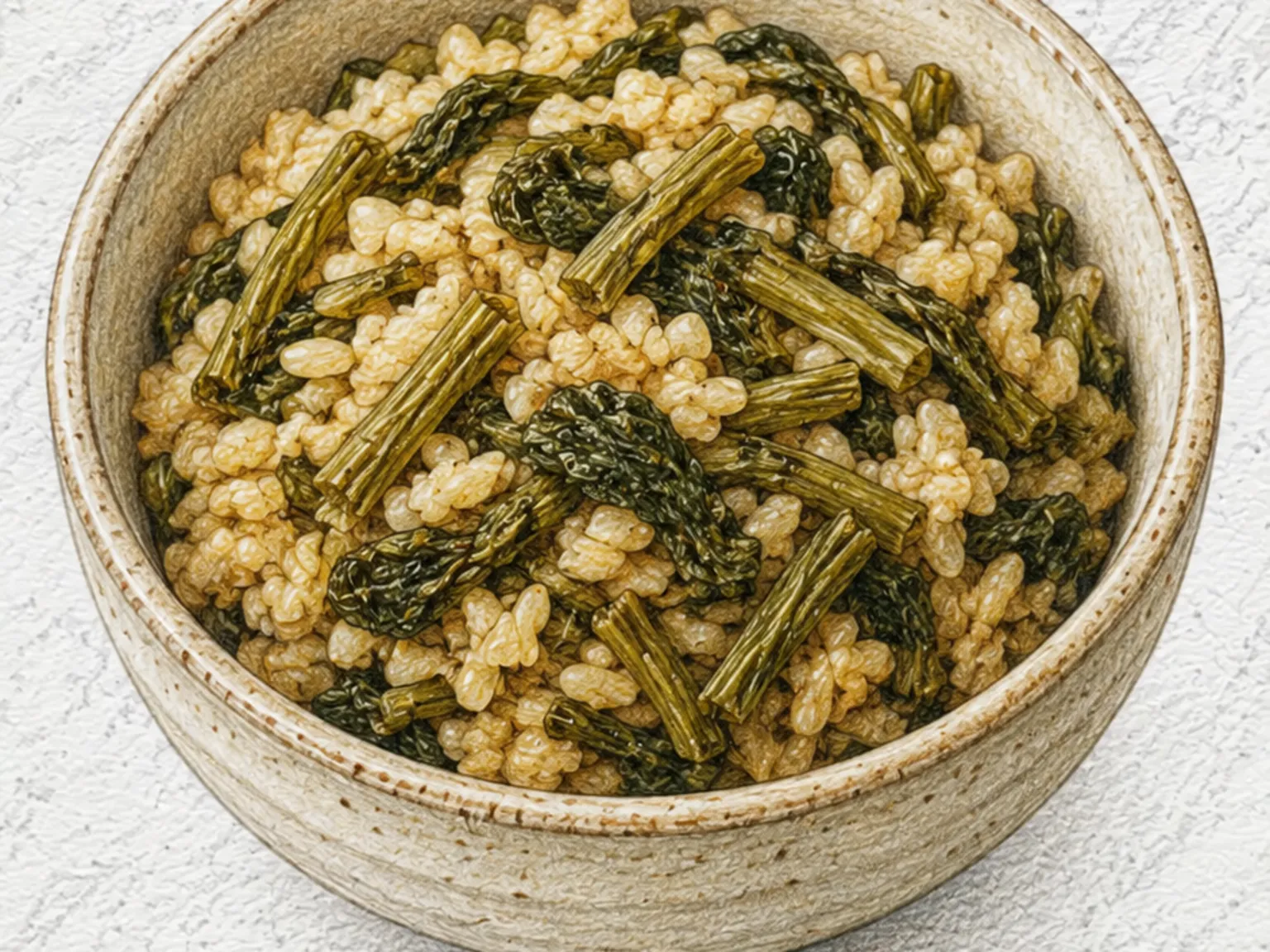
Sirae-gi-bap cooks dried radish greens with rice, then mixes everything with a doenjang-based seasoning sauce for a deeply savory bowl. The dried greens are first boiled until soft and pliable, cut into bite-size pieces, and layered over soaked rice before the pot is sealed. As the rice steams, the greens release their concentrated earthy aroma into every grain. The dipping sauce - doenjang, soy sauce, sesame oil, chili flakes, and scallion - is folded in at the table, adding layers of salty, nutty, and mildly spicy flavor. The fibrous texture of the reconstituted greens provides a satisfying chew that makes the meal feel substantial. This is a traditional Korean home-cooked dish that turns humble winter-dried vegetables into a warm, filling meal.

🏠 Everyday
Prep 20min Cook 30min 2 servings
Korean Dried Radish Greens Chicken Porridge
Rice Easy

Korean Dried Radish Greens Chicken Porridge

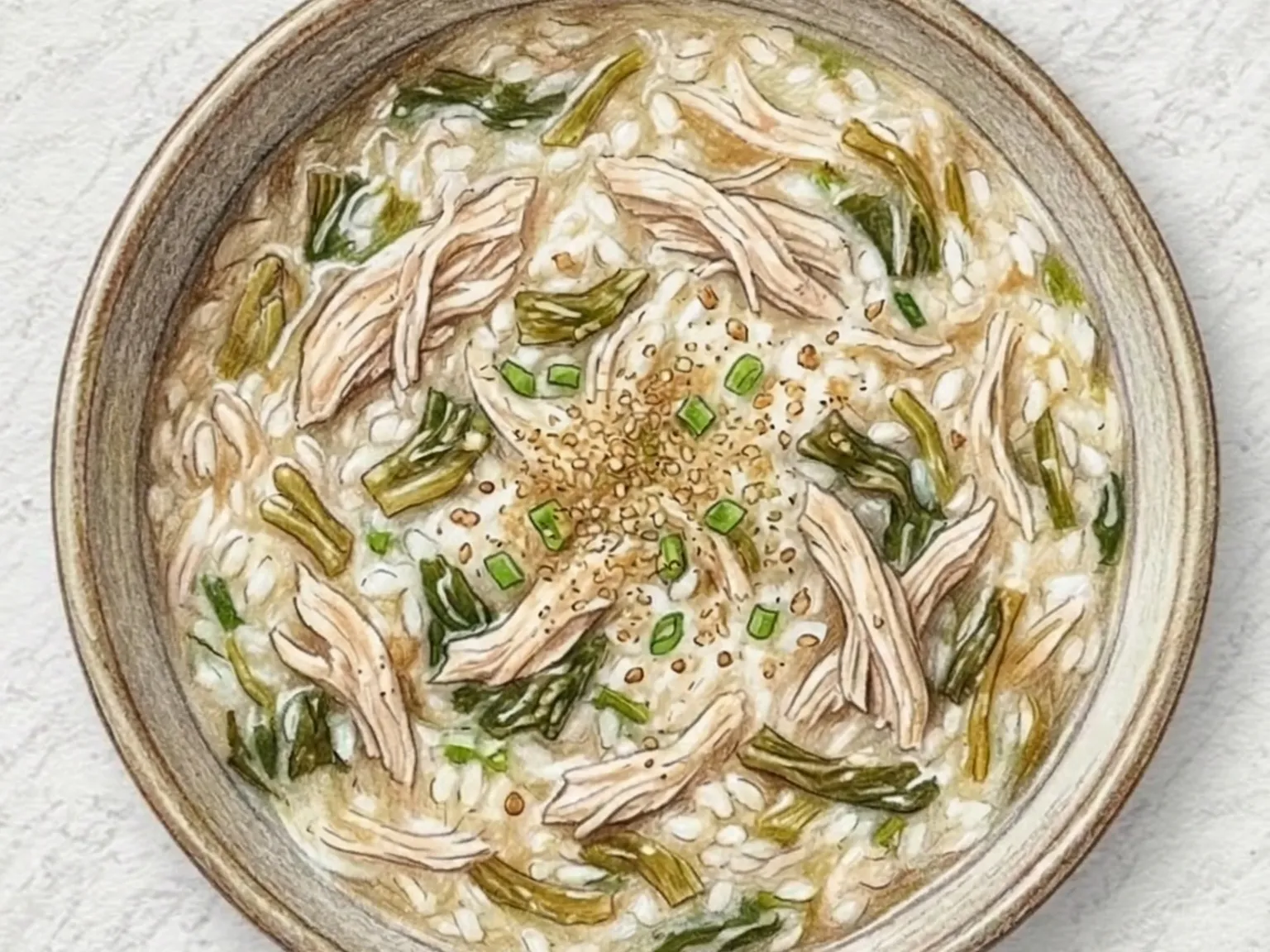
This porridge combines shredded poached chicken breast with siraegi (dried radish greens) and rice for a clean, protein-rich bowl. The siraegi lends a grounding earthiness to the porridge base, while the hand-torn chicken provides a fibrous, lean texture in every spoonful. Rice is first stir-fried in sesame oil to add a nutty layer before water is poured in and everything simmers slowly until the grains dissolve into a thick, smooth consistency. Scallion and garlic build aromatic depth, and a splash of light soy sauce ties the flavors together without heaviness. Low in fat and easy to digest, this is a restorative meal that feels light on the stomach while still delivering substance and warmth.

🏠 Everyday
Prep 25min Cook 35min 4 servings
Korean Mackerel and Dried Greens Rice Soup
Rice Medium

Korean Mackerel and Dried Greens Rice Soup

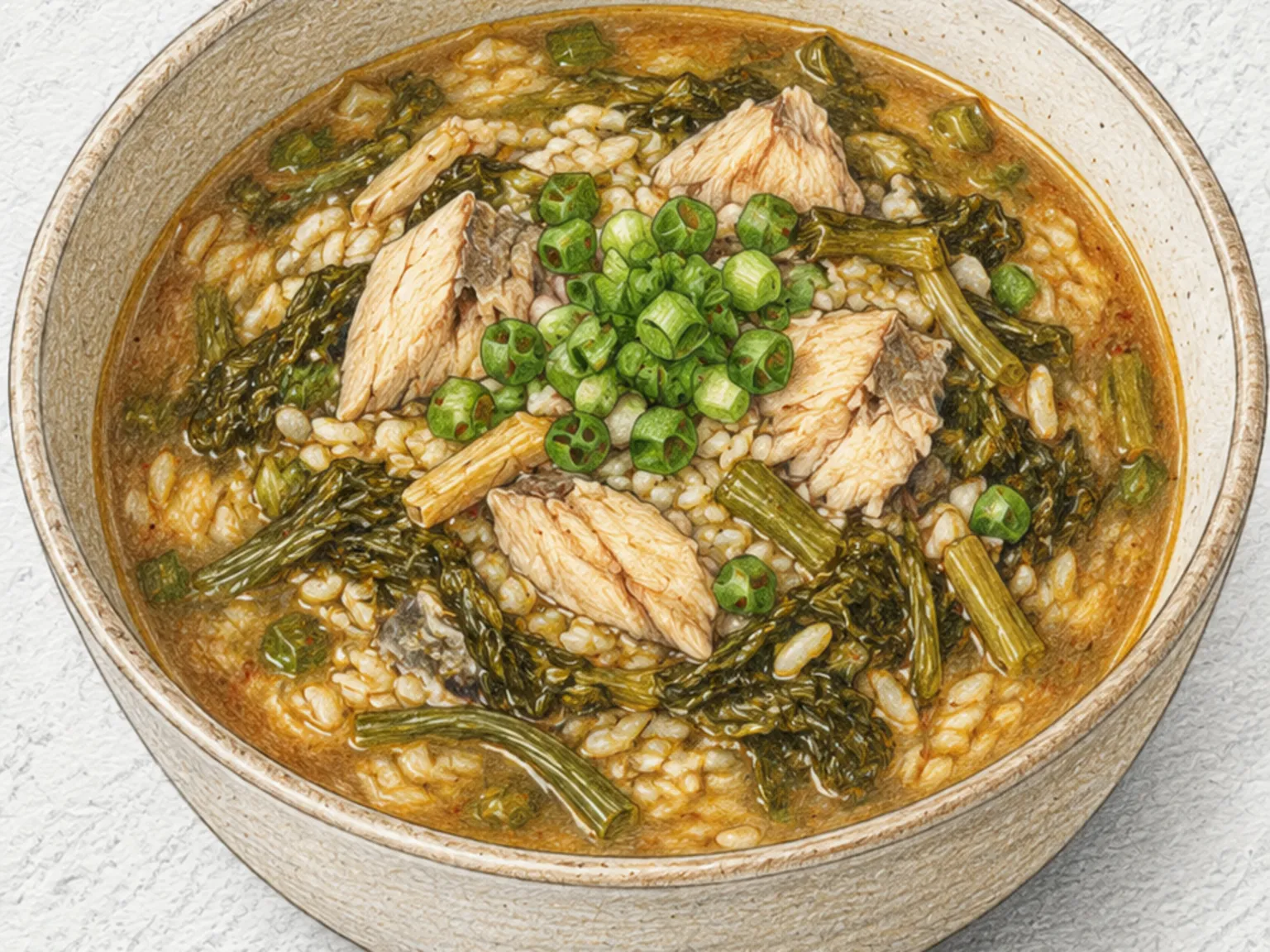
Siraegi-godeungeo gukbap is a hearty Korean rice soup that simmers mackerel fillet and dried radish greens in a doenjang-based broth, then ladles everything over rice. The mackerel contributes a bold, oily umami while the siraegi adds an earthy vegetal depth - together in the fermented soybean broth, they create a rich, layered flavor. Anchovy stock forms the base, and a spoonful of gochugaru gives the soup a gentle heat that warms from the inside. The dried greens are boiled until completely tender before going into the pot, and the mackerel is deboned for easy eating. Finished with scallion and garlic, the broth soaks into the rice grains, making each spoonful a complete bite of soup, fish, greens, and grain.

🏠 Everyday
Prep 25min Cook 35min 4 servings
Korean Dried Radish Greens Beef Pot Rice
Rice Medium

Korean Dried Radish Greens Beef Pot Rice

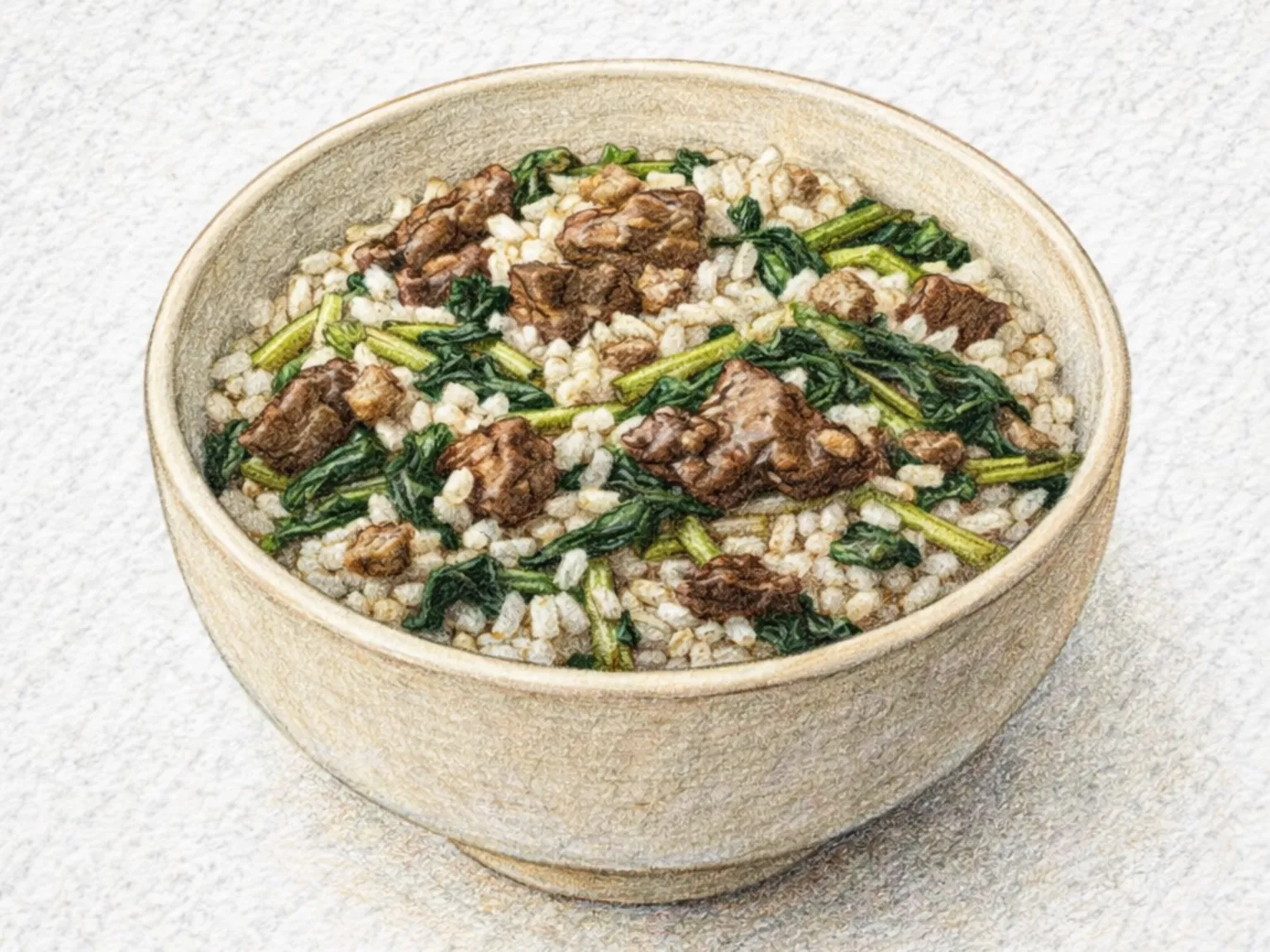
This pot rice layers soy-garlic marinated beef and softened siraegi over soaked rice, then cooks everything together in a heavy pot so the meat juices and earthy green flavors permeate every grain. Perilla oil is added to the pot, giving the finished rice a glossy sheen and a distinctly nutty aroma. As the rice cooks, the beef releases its savory juices downward while the siraegi steams on top, creating a gradient of flavor from meaty bottom to herbaceous top. A doenjang-based sauce mixed in at the table adds a salty, fermented punch that amplifies both the beef and the greens. The crispy scorched rice - nurungji - that forms at the bottom of the pot provides a crunchy finish to an otherwise soft, deeply flavored meal.

🏠 Everyday
Prep 25min Cook 35min 4 servings
Chicken Soboro Rice Bowl (Ground Chicken and Scrambled Egg over Rice)
Rice Easy

Chicken Soboro Rice Bowl (Ground Chicken and Scrambled Egg over Rice)

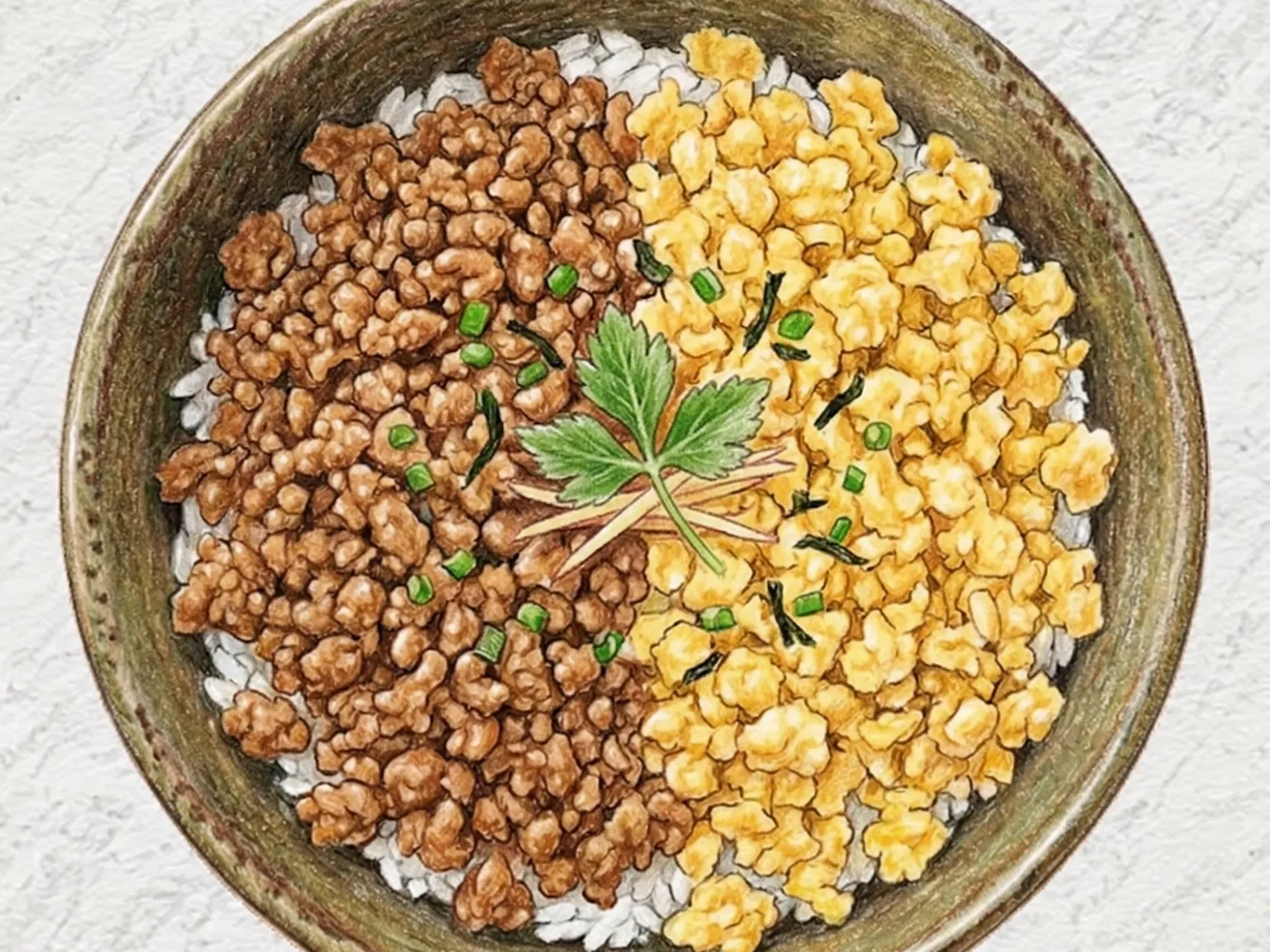
Soboro-don is a Japanese-style rice bowl that tops steamed rice with two side-by-side mounds: savory minced chicken and sweet scrambled egg. The chicken is seasoned with soy sauce, sugar, mirin, and ginger juice, then stirred constantly with chopsticks over medium heat until it breaks into fine, crumbly grains that are individually coated in glaze. The egg is treated the same way - beaten, poured into a pan, and stirred into soft, fluffy curds. Arranged half-and-half on the rice, the brown chicken and bright yellow egg create a visual contrast that makes the bowl inviting. Both toppings share a gentle sweetness balanced by soy umami, and their fine, loose texture means every bite blends effortlessly with the rice beneath.

🍱 Lunchbox ⚡ Quick
Prep 15min Cook 15min 2 servings
Korean Beef and Mushroom Rice Bowl
Rice Easy

Korean Beef and Mushroom Rice Bowl

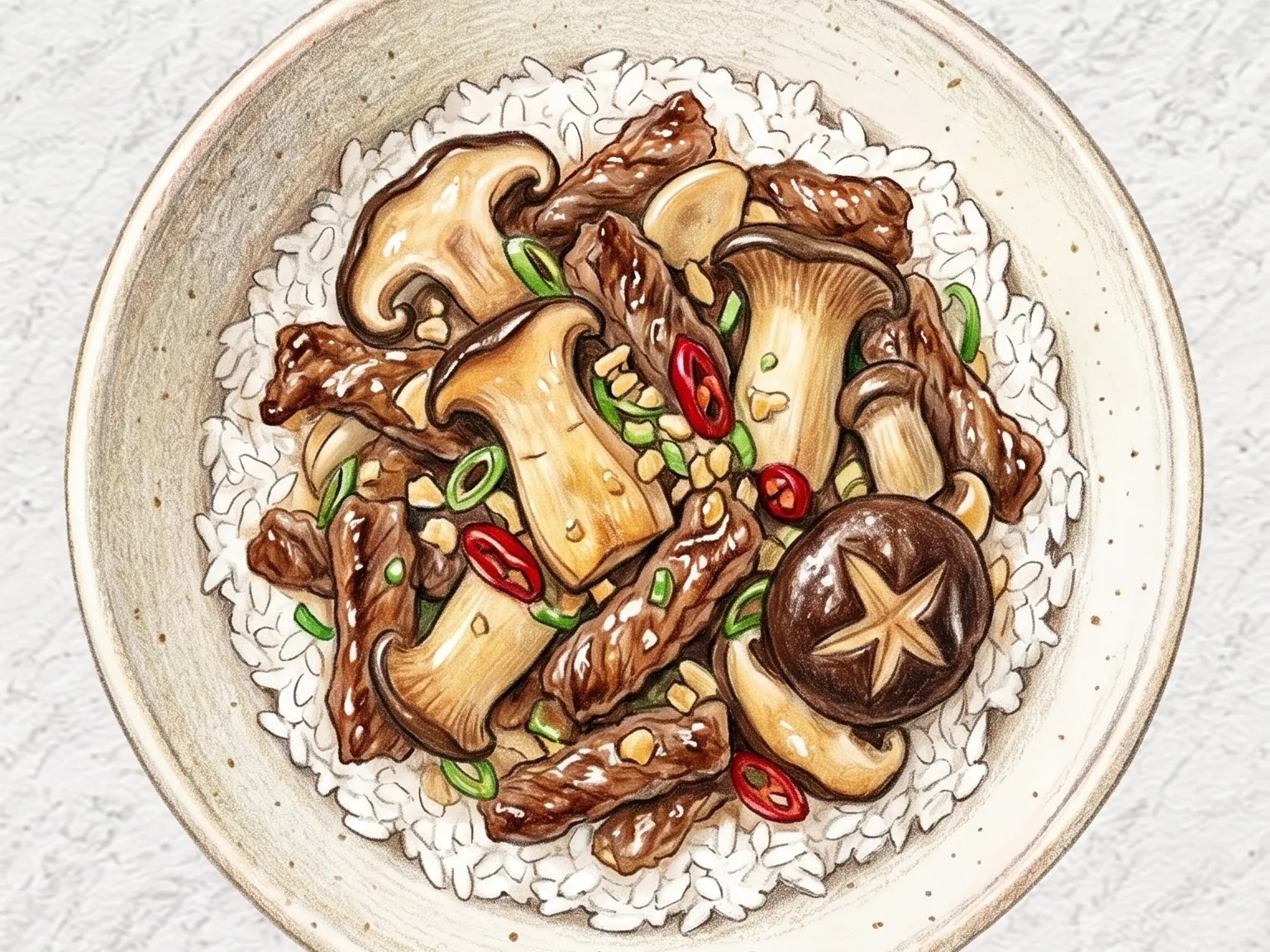
Sogogi-beoseot deopbap is a Korean beef and mushroom rice bowl that sautees sliced beef with king oyster and shiitake mushrooms in soy-butter sauce. The beef is seared first over high heat to develop a golden crust, then the thickly cut mushrooms go in and absorb the rendered juices, forming a naturally concentrated sauce in the pan. A knob of butter melted in at the end adds a creamy richness, while soy sauce ties everything together with a salty umami backbone. Minced garlic and sliced scallion layered into the stir-fry build an aromatic base that makes the topping fragrant the moment it hits the rice. The mushrooms hold their springy bite against the tender beef, giving each mouthful a satisfying textural contrast.

🏠 Everyday ⚡ Quick
Prep 10min Cook 12min 2 servings
Korean Beef Fried Rice (Soy-Marinated Ground Beef Stir-fried Rice)
Rice Easy

Korean Beef Fried Rice (Soy-Marinated Ground Beef Stir-fried Rice)

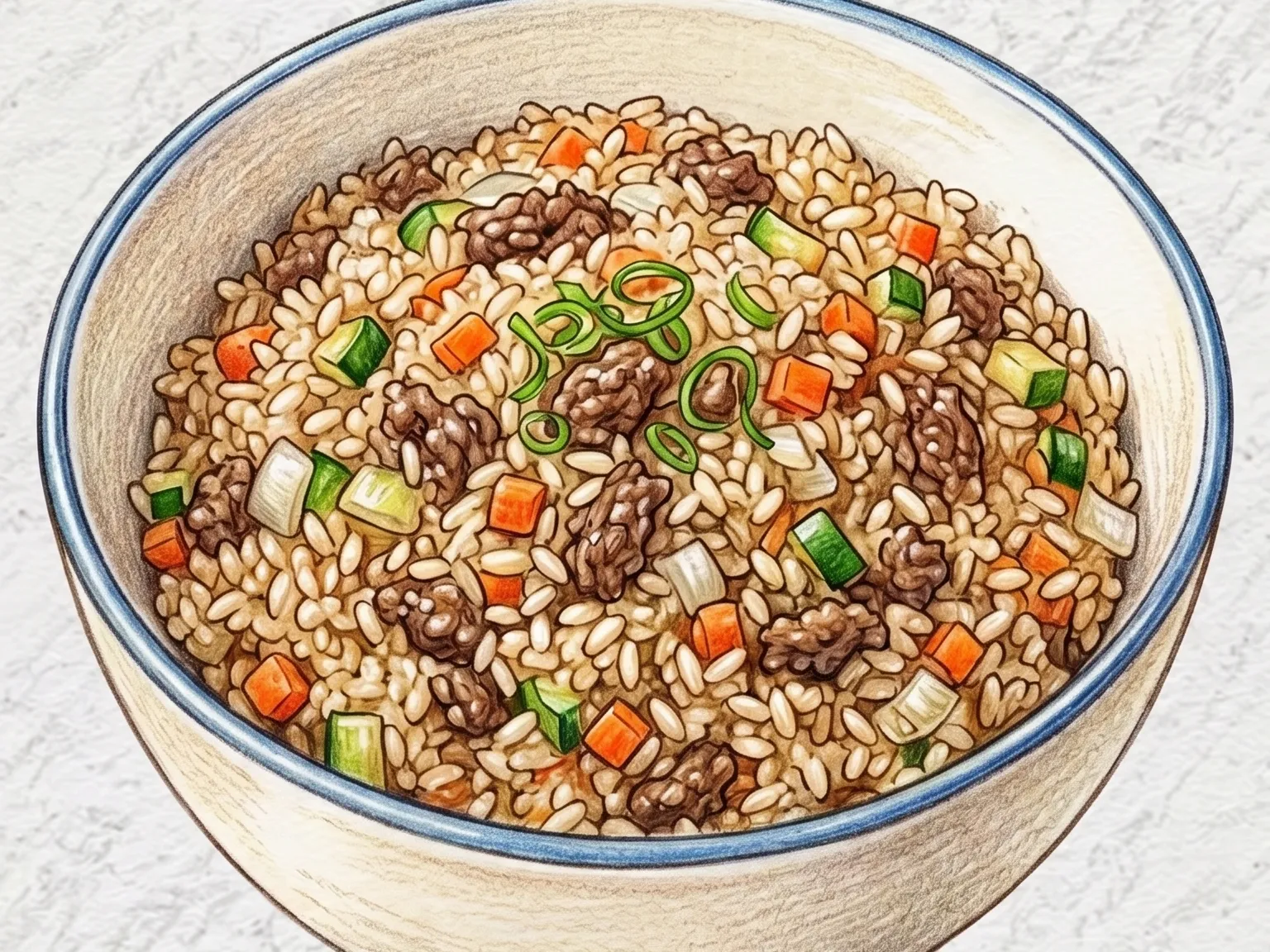
Sogogi bokkeumbap stir-fries soy-marinated ground beef with diced vegetables and day-old rice over high heat for a deeply savory fried rice. The beef goes in first, rendering its fat and leaving behind a flavorful fond that coats the pan. Onion, carrot, and zucchini follow, cooking just until their edges soften and their natural sugars begin to caramelize. Cold rice is added and tossed vigorously to break up clumps, picking up the soy seasoning and meat juices as it fries. A final drizzle of sesame oil right before plating adds a fragrant, nutty finish. The beef infuses the rice with a meaty depth while the vegetables keep the dish from feeling heavy, making it a quick, satisfying meal from everyday pantry ingredients.

🏠 Everyday 🍱 Lunchbox
Prep 10min Cook 10min 2 servings
Korean Soy Glazed Beef Rice Bowl
Rice Easy

Korean Soy Glazed Beef Rice Bowl

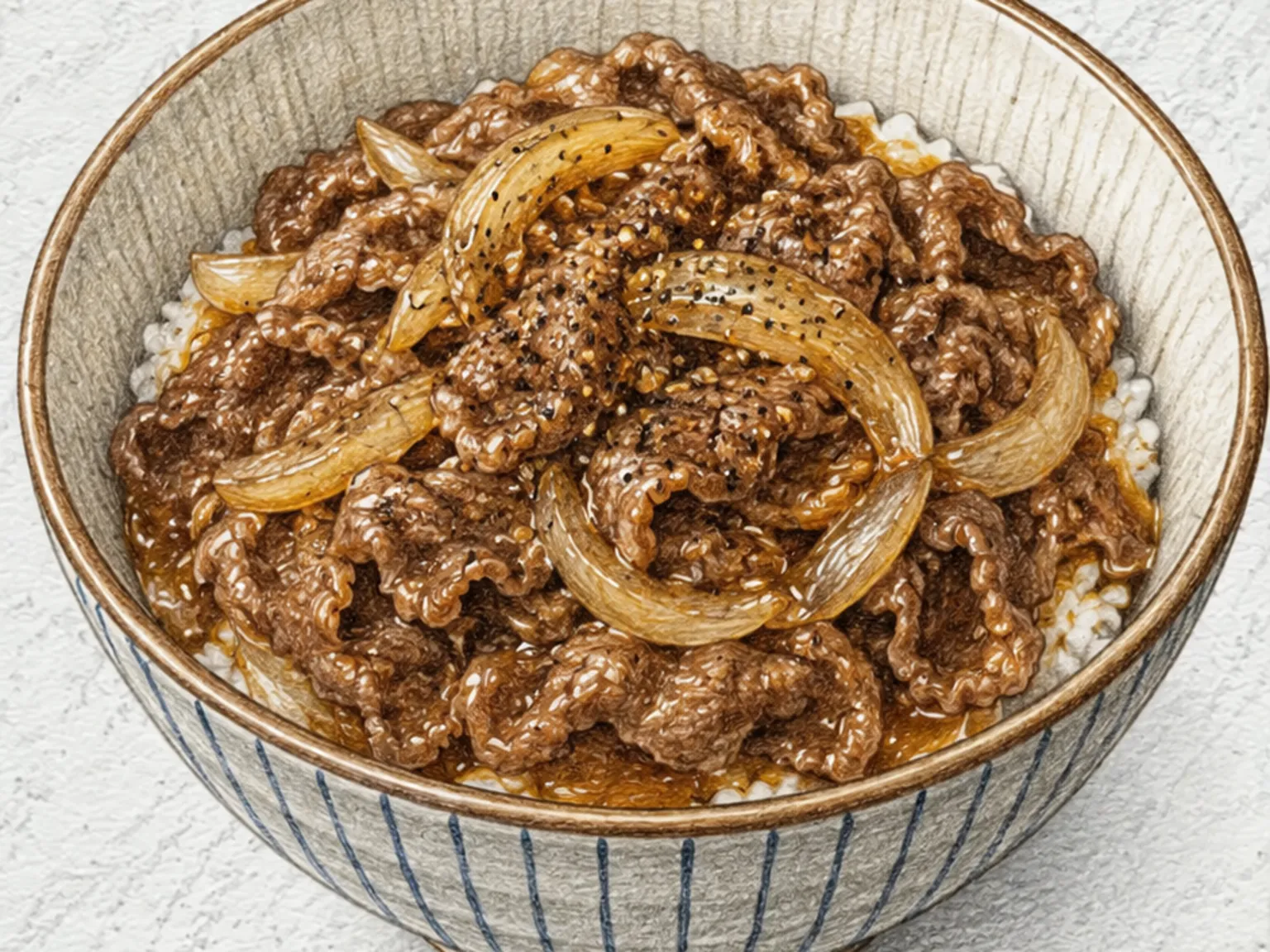
Sogogi deopbap tops steamed rice with thin-sliced beef and onions cooked in a sweet-soy glaze, served with just enough sauce to soak into the grains. The beef is marinated briefly in a mixture of dark soy sauce, sugar, and minced garlic, which caramelizes quickly in a hot pan. Onion slices cook alongside the beef, their natural sweetness balancing the salty-sweet sauce as they soften. Sesame oil added toward the end leaves a nutty aftertaste that lingers. The key is keeping a small pool of sauce in the pan rather than reducing it completely - that glossy liquid seeps into the rice and makes each spoonful flavorful without needing additional seasoning. A generous crack of black pepper at the end adds a sharp finish.

🏠 Everyday ⚡ Quick
Prep 15min Cook 12min 2 servings
Korean Beef Gimbap (Soy-Marinated Beef Seaweed Rice Roll)
Rice Medium

Korean Beef Gimbap (Soy-Marinated Beef Seaweed Rice Roll)

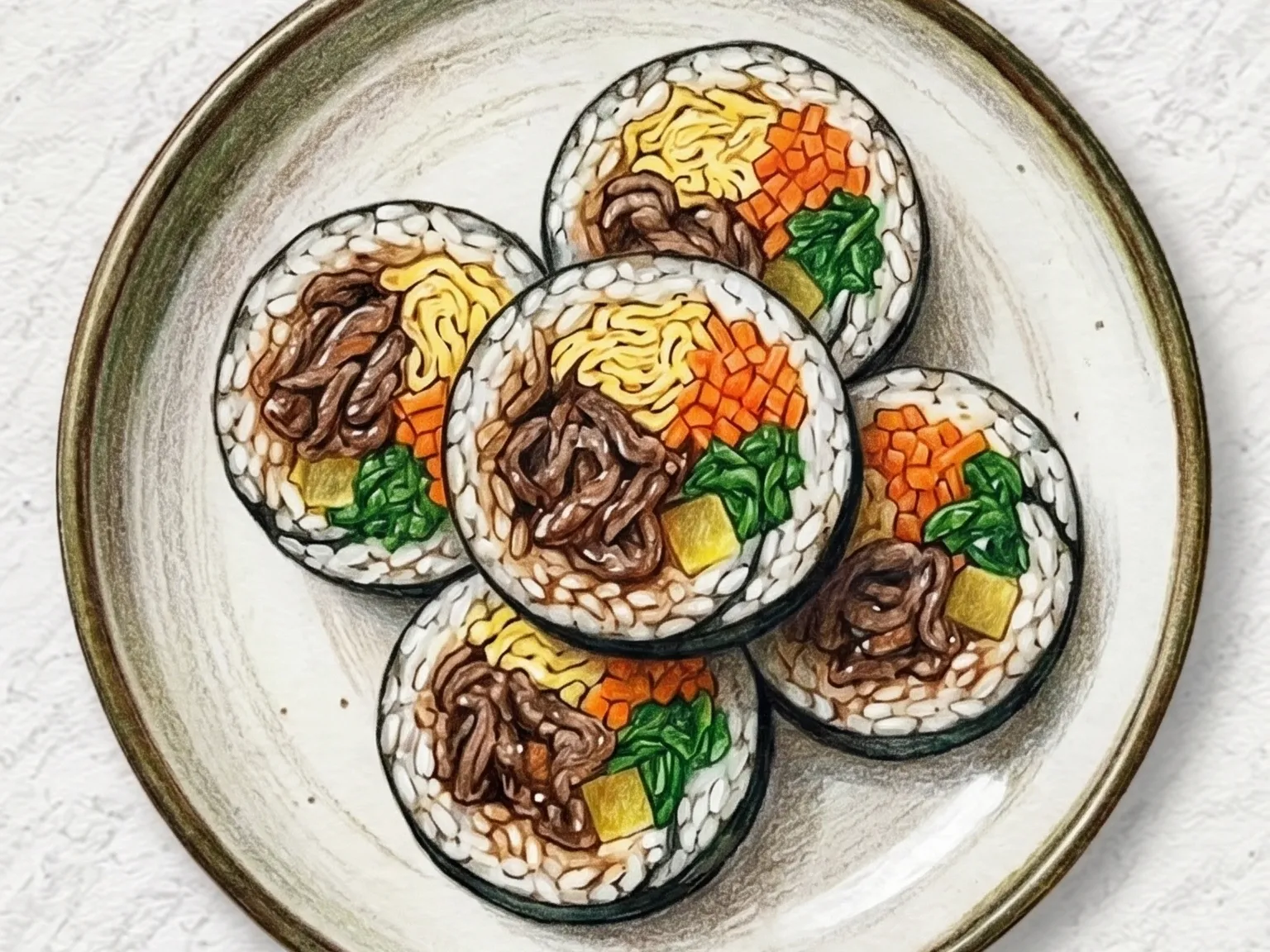
Sogogi-gimbap is a Korean seaweed rice roll featuring beef marinated in soy sauce and sugar, then stir-fried. The sweet-savory beef is rolled alongside sesame-seasoned rice, blanched spinach, sauteed carrots, and thin egg omelet strips inside a sheet of gim. The soy marinade from the beef seeps slightly into the rice, distributing flavor evenly through each cross-section slice. Thinly cut against the grain, the beef stays tender when bitten, while the spinach and carrot provide crisp texture and vegetable sweetness to balance the richness.

🍱 Lunchbox 🏠 Everyday
Prep 20min Cook 15min 2 servings
Korean Beef Porridge (Sesame Oil-Toasted Rice with Minced Beef)
Rice Medium

Korean Beef Porridge (Sesame Oil-Toasted Rice with Minced Beef)

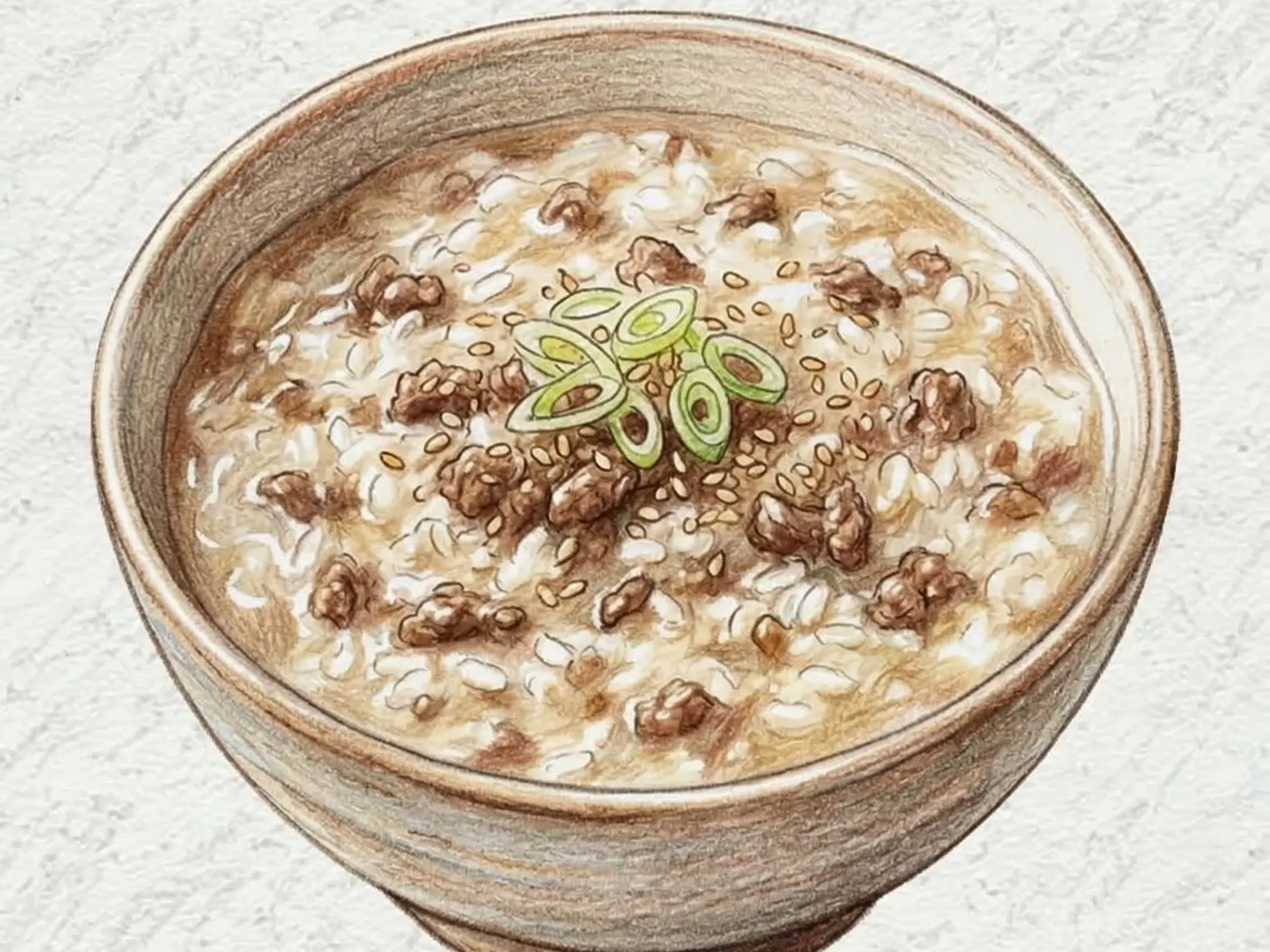
Sogogi-juk is a Korean beef porridge that begins by stir-frying minced beef and soaked rice together in sesame oil, building a savory, nutty foundation before water is added. As the beef renders in the oil, its umami dissolves into the fat, and the rice grains pick up that flavor as they toast alongside the meat. Slow simmering over low heat allows the rice to break down gradually into a thick, silky porridge while the beef broth permeates every spoonful. Finely diced carrot and onion can be added for a touch of natural sweetness that softens the overall flavor profile. Widely relied on as a recovery food after illness and as a warming breakfast, this porridge is gentle on the stomach yet deeply satisfying in its quiet, meaty richness.

🏠 Everyday 🍱 Lunchbox
Prep 15min Cook 35min 2 servings
Korean Beef Head Soup with Rice
Rice Hard

Korean Beef Head Soup with Rice

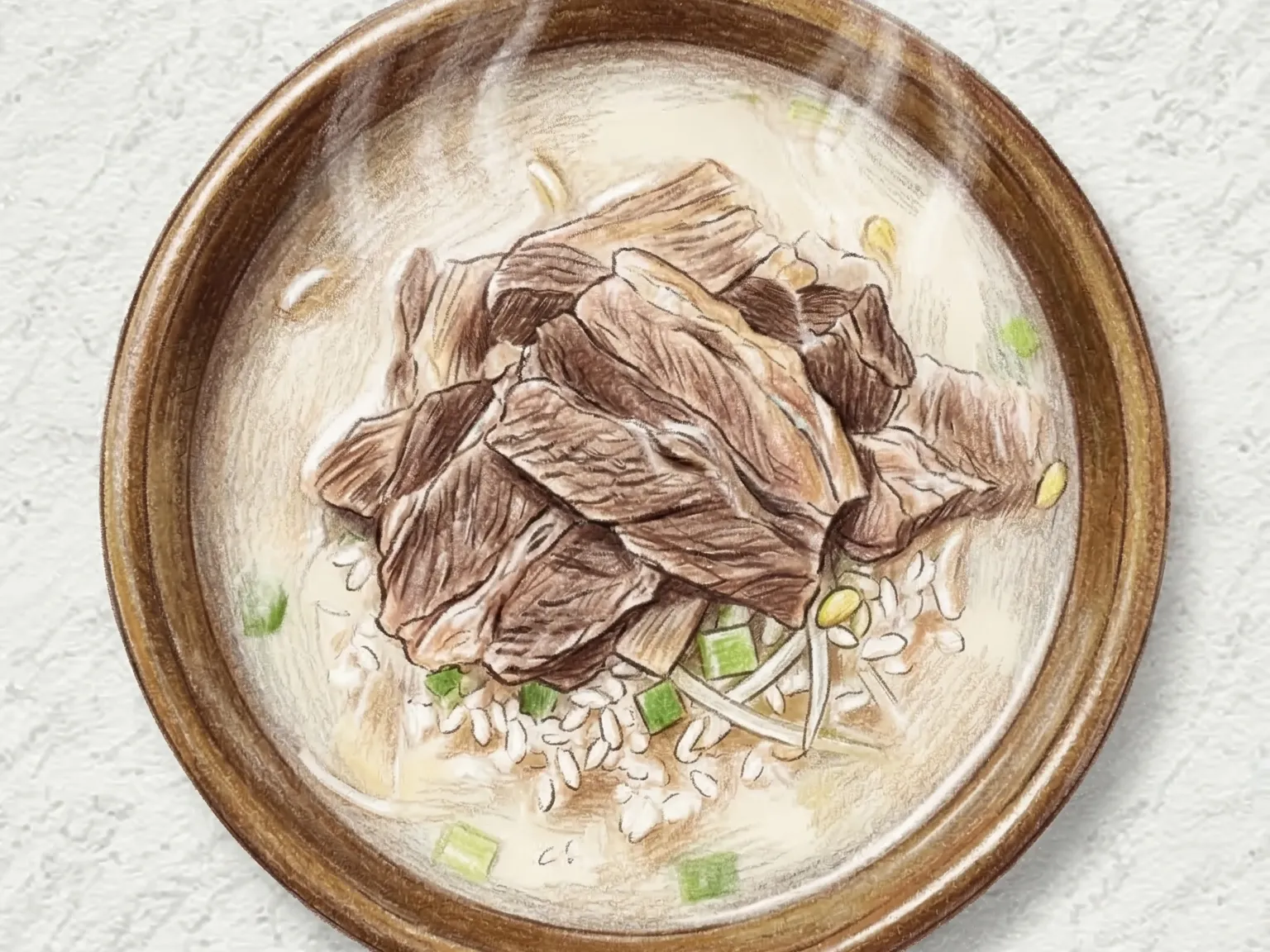
Somori-gukbap is rice served with beef head meat and a long-simmered broth flavored with radish, garlic, and green onion. Nine hundred grams beef head meat is first soaked in cold water for 1 hour, with the water changed once during that time. A fresh pot of water is brought to a boil, and the meat is blanched for 5 minutes. The meat is removed and rinsed, and the pot is washed before the broth begins. The cleaned meat returns to the pot with 3000 ml water, 250 g radish, 8 whole garlic cloves, and 1 green onion. Everything is brought to a strong boil while the foam rising to the surface is removed. The heat is then lowered to medium-low for a 2 hour 30 minute simmer. The meat should remain submerged; hot water can be added if the level falls too far. After cooking, the meat rests for 5 minutes before it is shredded along the grain or cut into serving slices. The broth is strained to remove the vegetables and remaining sediment. The meat goes back into the clear broth with 1 teaspoon salt and 0.5 teaspoon black pepper and simmers for another 10 minutes. Warm rice is placed in each bowl before the meat and piping-hot broth are ladled over it. Discarding the initial blanching water and cleaning the pot keeps the final broth clear, while the last simmer brings the sliced meat and seasoned broth back to the same temperature.

🏠 Everyday 🎉 Special Occasion
Prep 20min Cook 180min 4 servings
Korean Spam Fried Rice (Crispy Spam Cubes with Egg and Rice)
Rice Easy

Korean Spam Fried Rice (Crispy Spam Cubes with Egg and Rice)

Spam bokkeumbap is a Korean fried rice built around crispy cubes of pan-seared Spam, whose salty, caramelized edges give the dish an addictive quality. The Spam is diced small and dry-fried without added oil - its own rendered fat crisps the outside while keeping the inside moist and savory. Onion and scallion go in next for aromatic depth, followed by cold leftover rice that is tossed over high heat until every grain picks up the salty pork flavor left in the pan. Beaten egg is scrambled into the rice, coating the grains in a thin, soft layer. A splash of soy sauce and a drizzle of sesame oil finish the dish with umami and nuttiness. The whole thing comes together in under ten minutes, making it one of the fastest comfort meals in the Korean home-cooking repertoire.

⚡ Quick 🏠 Everyday
Prep 5min Cook 10min 2 servings
Korean Spam Mayo Rice Bowl
Rice Easy

Korean Spam Mayo Rice Bowl

This Spam mayo rice bowl layers soy-glazed Spam, soft scrambled eggs, mayonnaise, and roasted seaweed over 2 cups of warm rice. Cut 180 g Spam into 1.5 cm cubes and beat 3 eggs until no distinct streaks of white remain. Heat a thin coating of 1 tbsp vegetable oil in a pan over medium heat, arrange the Spam in a single layer, and leave it untouched for about 3 minutes so the bottom can brown. Turn the pieces and cook for 2 more minutes until the edges are crisp. If a large amount of fat collects, move the Spam to one side and lower the heat slightly. Add 1 tbsp soy sauce and 1 tsp sugar, toss quickly for 30 seconds, and stop as soon as the sugar dissolves into a thin glaze on the meat. In a separate pan over low heat, stir the eggs slowly until large, soft curds form. Remove them while the surface still looks slightly moist so residual heat finishes the cooking. Divide the rice between two bowls, place half of the Spam and egg on each, then distribute 3 tbsp mayonnaise and 2 tbsp roasted seaweed flakes over the top.

🏠 Everyday 🧒 Kid-Friendly
Prep 10min Cook 12min 2 servings
Korean Maekom Mayo Yubu Pocket (Spicy Mayo Tofu Pockets)
Rice Easy

Korean Maekom Mayo Yubu Pocket (Spicy Mayo Tofu Pockets)

Spicy mayo yubu pockets are seasoned tofu pouches stuffed with rice, canned tuna, chopped pickled radish, and cucumber, all bound together with a gochujang-mayonnaise sauce. The tuna must be thoroughly drained before mixing so the mayonnaise coats evenly, and the ratio of gochujang to mayo controls both the heat level and the creamy consistency of the filling. Diced pickled radish and cucumber introduce a satisfying crunch that keeps each bite from feeling heavy. Sesame oil and toasted sesame seeds mixed into the rice build a nutty foundation that balances the spice from the sauce. The sweet and salty braised tofu pouch wraps around everything, delivering multiple layers of flavor in a single bite. These pouches pack well for lunch boxes and hold up in the refrigerator, where the tofu slowly absorbs moisture from the filling and becomes even softer.

🍱 Lunchbox ⚡ Quick
Prep 18min Cook 8min 4 servings
Ssambap (Korean Lettuce Leaf Wraps with Rice and Ssamjang)
Rice Easy

Ssambap (Korean Lettuce Leaf Wraps with Rice and Ssamjang)

Fresh lettuce, perilla leaves, and other leafy greens are spread flat and topped with a small mound of warm rice, a dab of ssamjang, and a slice of raw garlic or chili pepper, then folded into a single bite-sized wrap. The cool crunch of the leaves meets the warm, sticky rice and the salty-sweet depth of fermented soybean paste in every bite. Adding grilled pork belly or bulgogi inside the wrap turns it into a balanced, protein-rich meal. The hands-on ritual of building each wrap at the table is part of what makes ssambap a communal favorite.

🥗 Light & Healthy 🏠 Everyday
Prep 20min 2 servings

About Rice

A bowl of freshly steamed rice with a drizzle of sesame oil and a fried egg makes a satisfying meal on its own. Leftover rice transforms into fried rice or crispy nurungji (scorched rice), both beloved staples.