Western Recipes
662 recipes. Page 27 of 28
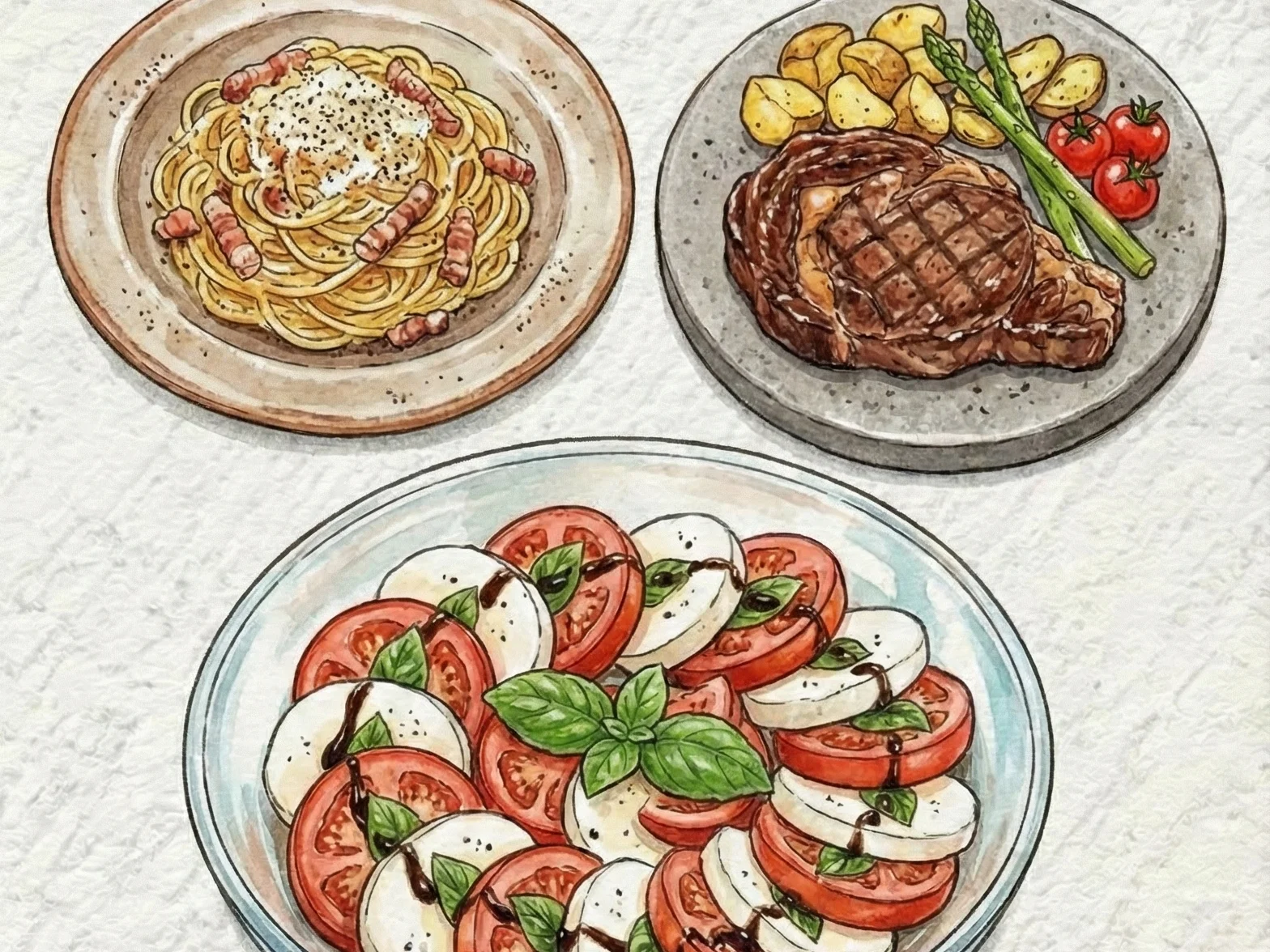
This category brings Western-style dishes - pasta, steak, risotto, gratin, and more - into the home kitchen. In Korea, "Western food" (yangsik) includes not only authentic European recipes but also Korean-adapted classics like donkatsu (pork cutlet) and hambak steak (Hamburg steak).
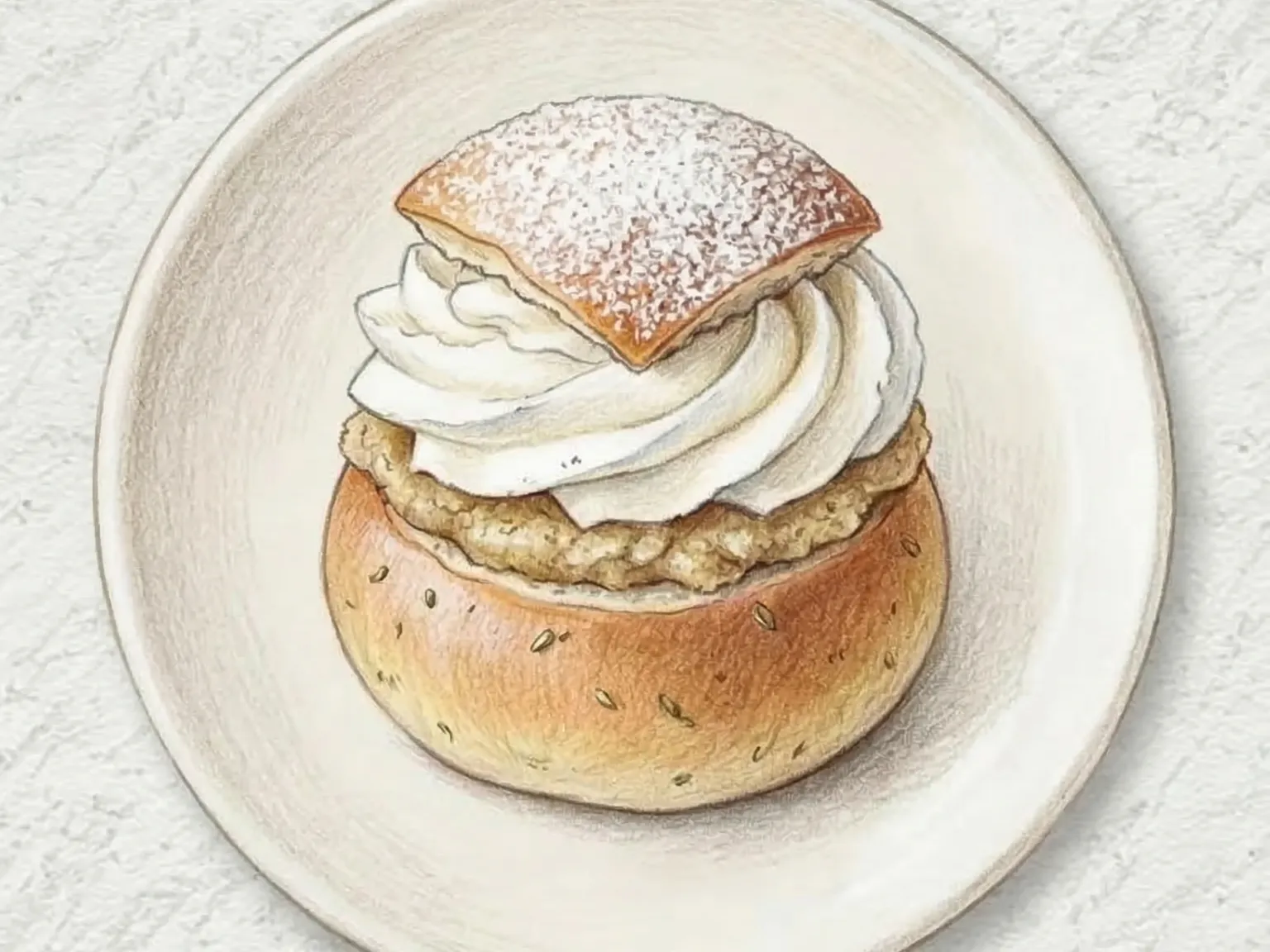
Semla (Swedish Cardamom Bun with Almond Cream)
Semla is a Swedish cardamom-scented bun that is baked, cooled, and then hollowed out to make room for a filling of almond paste mixed with the scooped crumb, topped with a generous mound of whipped cream. The bun itself is soft and fragrant, with cardamom lending an exotic warmth that distinguishes it from ordinary sweet rolls. The almond filling is dense and intensely nutty, providing a rich base layer that the light, billowy cream offsets with its cool freshness. The removed cap of the bun is placed back on top like a lid, and a final dusting of powdered sugar completes the presentation. Timing is important: the bun must cool completely before any cream goes in, or the heat will melt it into a flat puddle. If the cardamom flavor feels too subtle after baking, increasing the spice by half a teaspoon in the dough brings it to the forefront. In Sweden, semla appears in bakeries from January through Easter, and the best versions balance the three components - bread, nut paste, and cream - so that no single element dominates.
Sfogliatella (Neapolitan Layered Shell Pastry with Ricotta)
Sfogliatella is a Neapolitan pastry built from a lean flour-and-water dough that is stretched paper-thin, brushed with butter, and rolled into a tight cylinder to create hundreds of distinct layers. Slices of this cylinder are opened into a shell shape, filled with a mixture of ricotta cheese, sugar, cinnamon, and orange zest, then baked at high heat. In the oven, the butter between each layer turns to steam and forces the sheets apart, producing an exterior that shatters audibly at the first bite. Inside, the ricotta filling softens to a warm, fragrant cream with citrus and spice notes that contrast beautifully with the crisp shell. The thinner the dough is stretched before rolling, the more pronounced the layered effect becomes - professional bakers aim for near-transparency. Overfilling is the most common cause of failure, as excess moisture from the ricotta can burst through the delicate layers during baking. The ideal sfogliatella emerges from a 200-degree oven deeply golden on every ridge, with a filling that is just set and still slightly creamy in the center.
Shortbread Cookies
These shortbread cookies use 150 g of unsalted butter with powdered sugar, cake flour, rice flour, salt, and vanilla. The butter stays cold while any visible lumps in 220 g of cake flour and 30 g of rice flour are loosened. The cold butter is mixed briefly with 70 g of powdered sugar, stopping before its surface turns melted, glossy, or greasy. One teaspoon of vanilla is blended in at that point. The cake flour, rice flour, and one-quarter teaspoon of salt are then added with a cutting motion rather than prolonged beating. When almost no dry flour remains, the dough is pressed together by hand once and mixing stops. This handling keeps the dough from being repeatedly kneaded after it has already formed. It is rolled to an even thickness and cut into the chosen shapes. Cracked edges are joined with light fingertip pressure, and a fork makes shallow holes across the surface. The cut pieces chill for 20 minutes before baking. A firm surface and pieces that do not bend when lifted indicate that they are cold enough to move to the oven. They bake at 170°C for 18-20 minutes. Only the edges should be pale golden at the removal point; the whole cookie does not need a deep brown color. Freshly baked shortbread is fragile while hot, so the pieces remain undisturbed until they have cooled completely and can be lifted without breaking at the edges.
Snickerdoodle Cookies
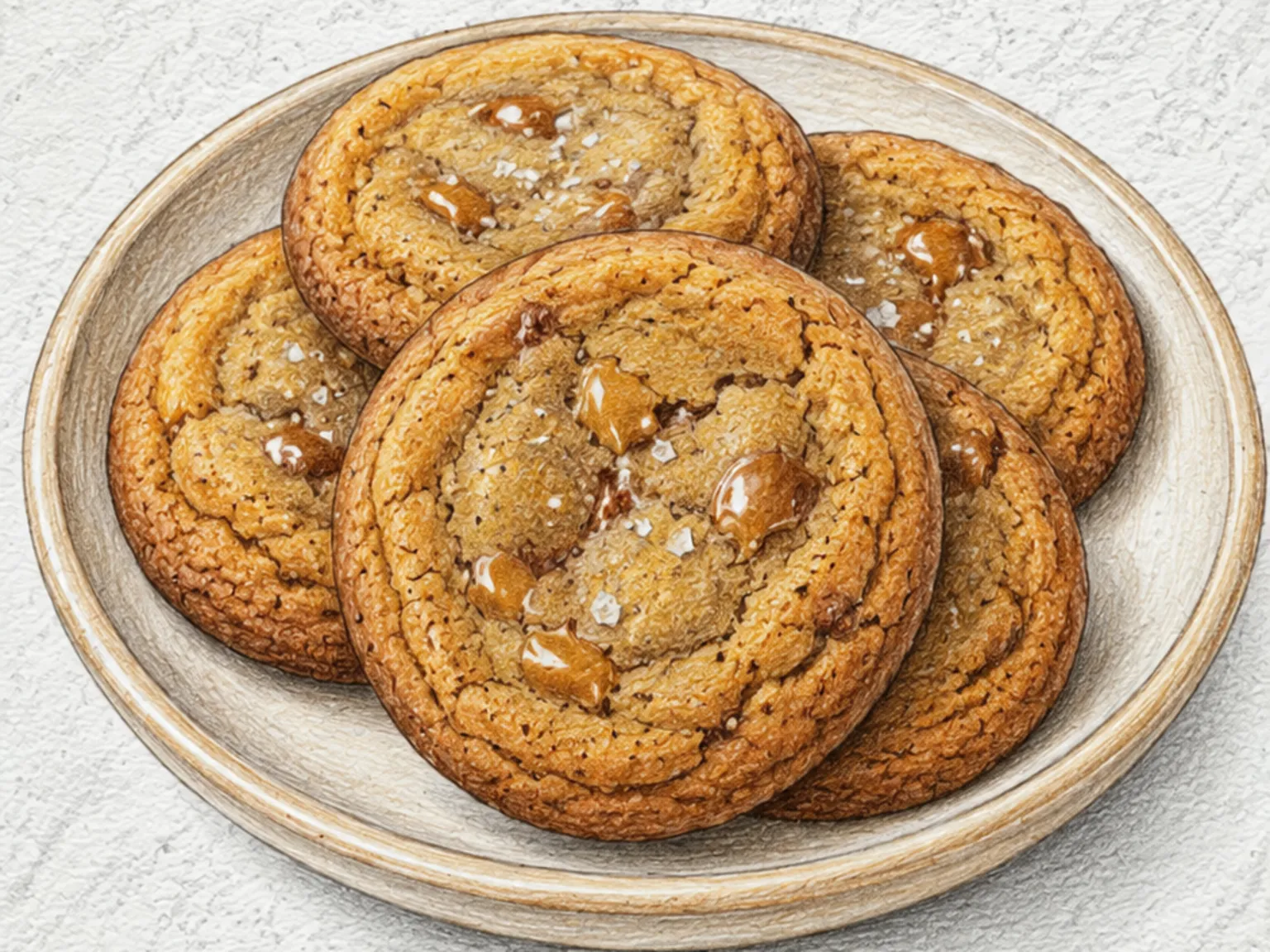
Snickerdoodle cookies are formed from a butter dough, rolled completely in cinnamon sugar, and baked with space between each ball. The process begins by creaming 115 g of room-temperature unsalted butter with 150 g of sugar for 2-3 minutes. The mixture should look paler, lighter, and slightly increased in volume before one egg and one teaspoon of vanilla are added. The bowl is scraped and mixing continues only until the butter mixture looks even again. Next, 200 g of all-purpose flour, one teaspoon of cream of tartar, and one-half teaspoon of baking soda are sifted in. Mixing stops as soon as no dry flour remains. In a separate wide dish, 30 g of coating sugar is combined evenly with two teaspoons of ground cinnamon. If the dough feels too soft to handle, it stands briefly only until it can be rolled without losing its shape. Portions are made into balls about 2 cm across and turned through the cinnamon sugar until no bare areas remain. The balls are arranged with enough room for them to spread without joining. They bake at 175°C for 10-12 minutes. Set edges and centers that remain soft, rather than visibly raw, are the removal cues. A short rest on the baking sheet lets the centers continue setting before the cookies are moved. This timing is part of the recipe: transferring the soft cookies immediately would put pressure on their centers before the structure has settled.
Socca Niçoise
Socca nicoise is a chickpea-flour flatbread from Nice, France, made by whisking chickpea flour with water, olive oil, salt, pepper, and rosemary, then baking the thin batter in a preheated oven-safe pan at 220 degrees Celsius for twelve to fifteen minutes. Resting the batter for ten minutes allows the flour to hydrate fully, which produces the characteristic texture - crisp and almost shatteringly crunchy at the edges, soft and slightly custardy in the center. The pan must be fully preheated and generously oiled so the batter sizzles on contact and releases cleanly. Sliced red onion and halved cherry tomatoes placed on top before baking lose their moisture in the oven and concentrate into sweet, slightly charred toppings. A final grind of coarse black pepper emphasizes the nutty, earthy flavor of the chickpea base.
Soft Pretzel
Soft pretzels are made by forming a yeasted dough into long ropes, twisting them into loops, dipping each shape briefly in a baking-soda bath, and baking at high heat. The dough starts with 350 g of bread flour, 15 g of sugar, 6 g of salt, and 5 g of instant yeast. After 210 ml of water and 25 g of melted unsalted butter are added, it is kneaded for 8 minutes until the surface becomes smooth and elastic. The covered dough proofs in a warm place for about 1 hour. Nearly doubled volume and a fingertip mark that returns slowly show that it is ready to divide. Six equal pieces are each rolled to a 60 cm rope and shaped without tearing the center section. For the bath, 60 g of baking soda is added gradually to 1 L of boiling water so the pot does not foam over. The heat is reduced to a gentle boil before the pretzels enter one at a time for no more than 30 seconds. Each pretzel is drained and moved to the tray. While the surface is still damp, one tablespoon of coarse salt is divided across the six pieces and pressed lightly so the crystals attach before baking. At 220°C, the pretzels need 12-15 minutes in the oven. A deep reddish-brown surface and a firm bottom are the removal cues. They rest for 5 minutes after leaving the oven before being moved from the hot tray.
Sourdough Bread
Sourdough bread is leavened entirely by a natural starter - a living culture of wild yeast and lactic acid bacteria maintained through regular feedings of flour and water - without any commercial yeast. The extended fermentation produces organic acids that give the bread its characteristic tangy flavor, a thick, blistered crust, and an open, irregular crumb structure. The process begins with an autolyse, where flour and water rest together before the starter and salt are incorporated. Four rounds of stretch-and-fold during a four-hour bulk fermentation develop gluten without intensive kneading. After shaping, the dough is cold-proofed in the refrigerator for twelve to sixteen hours, during which flavor compounds deepen and the structure firms for easier scoring. Baking in a preheated Dutch oven at 250 degrees Celsius traps steam around the loaf, allowing the crust to expand fully before setting into a thick, crackly shell. Removing the lid partway through finishes the crust to a deep, caramelized brown. The starter must be at peak activity - risen to its highest point and just beginning to dome - when mixed into the dough, or the loaf will not achieve adequate rise.
Spanakopita (Greek Spinach and Feta Phyllo Pie)
Spanakopita is a Greek savory pie where spinach is sauteed with onion to drive off moisture, then combined with crumbled feta cheese, beaten eggs, and fresh dill to make a filling that is layered between sheets of buttered phyllo dough and baked at 190 degrees Celsius for thirty-five to forty minutes. Removing as much water from the spinach as possible is the single most important step - any residual moisture soaks through the thin pastry and prevents it from crisping. Phyllo sheets dry out within minutes of being exposed to air, so they must be kept under a damp towel and worked one at a time, each brushed with melted butter before stacking. Four layers on the bottom and four on top provide enough structure and crunch. Scoring the surface before baking allows steam to escape and helps the layers puff and separate into distinct, flaky sheets.
Rice Flour Walnut Biscuit Bars
These biscuit bars are built on rice flour and almond flour rather than wheat, producing a crumb that is tender and crumbly with minimal gluten development. Chopped walnuts folded into the dough contribute a firm, nutty crunch that punctuates the otherwise delicate texture. Brown sugar provides a caramel-like depth of sweetness, and vanilla extract ties the flavors together with a gentle warmth. Toasting the walnuts before adding them to the batter intensifies their flavor significantly - the roasted oils become more fragrant and the nuts take on a slightly bitter edge that balances the sugar. Pressing the dough evenly into the pan is important for uniform baking; uneven thickness means burnt corners and pale centers. The bars must cool completely in the pan before slicing, or they will crumble apart at the cut. Stored in an airtight container, they maintain their snap for several days. The near-absence of gluten makes these bars lighter than a traditional shortbread while still delivering the satisfying richness that butter and nuts provide.
Mugwort Red Bean Muffin (Korean Herbal Sweet Bean Muffin)
This muffin combines mugwort powder and cooked sweet red beans in a soft, fluffy batter that bridges Korean traditional flavors with Western baking technique. Mugwort contributes a distinctive herbal fragrance - faintly bitter, grassy, and deeply aromatic - that permeates the entire crumb and gives it a muted green hue. The red beans, folded in whole, add pockets of grainy sweetness that burst with each bite. Cake flour and baking powder keep the rise gentle and the texture light, while melted butter adds moisture without heaviness. The combination of mugwort and red bean is deeply familiar from Korean rice cakes, but baking it as a muffin introduces a crisp top and a pillowy interior that the steamed rice cake format cannot offer. Mixing the batter in no more than ten to twelve strokes prevents toughness - visible streaks of flour are acceptable and even preferred over a smooth, overworked batter. The beans should be folded in last with a gentle spatula motion to preserve their shape. These muffins pair naturally with grain-based lattes, where the roasted notes in the drink echo the earthy quality of the mugwort.
Sticky Toffee Pudding
Sticky toffee pudding is a British dessert consisting of a moist date sponge cake drenched in a warm, buttery toffee sauce. Chopped dates are soaked in hot water with baking soda, which softens the fruit into a near-puree that distributes through the batter, providing natural sweetness and exceptional moisture. Brown sugar in the batter deepens the caramel character, and eggs give the sponge just enough structure to hold together under the weight of the sauce. The toffee sauce is made by simmering heavy cream with additional brown sugar and butter until it thickens to a pourable consistency that coats a spoon. Poured over the warm cake, the sauce seeps into the crumb and pools around the edges, creating a sticky, glossy finish. Reheating the sauce just before serving ensures it flows freely and releases its full butterscotch aroma. A scoop of vanilla ice cream on the side provides a cold, clean contrast that prevents the richness from becoming overwhelming. The dates must be thoroughly soaked - under-softened pieces leave gritty pockets in an otherwise uniformly tender cake.
Stollen
Stollen is a traditional German Christmas bread loaded with mixed dried fruits, almonds, and a generous amount of butter kneaded into a yeasted dough. The loaf is shaped into a distinctive oval, baked until golden, and then brushed with melted butter while still hot to seal in moisture. A thick coating of powdered sugar applied over the butter layer gives the finished bread its signature snow-white appearance. The interior is dense and rich, with pockets of rum-soaked raisins and candied peel appearing at every slice. Soaking the dried fruits overnight in rum or fruit juice before mixing them into the dough ensures they remain plump and soft after baking rather than turning hard and chewy. The bread improves with age - resting for at least a day after baking allows the butter, spice, and fruit flavors to meld and permeate the crumb, which is why many German families bake their stollen weeks before Christmas. Wrapped tightly, it keeps for well over a week without losing quality, making it an ideal gift or make-ahead holiday preparation.
Strawberry Shortcake
Strawberry shortcake is a Japanese style layer cake made with a round egg foam sponge, whipped cream, and fresh strawberries. Warm 4 eggs and 90 g sugar over a water bath to 40°C, then whip until batter falling from the beater leaves a ribbon on the surface for 2 to 3 seconds. Sift in 90 g cake flour and fold from the bottom with a spatula. Add 30 ml milk and 20 g melted unsalted butter around the edge of the bowl and continue folding without pressing the air from the batter. Pour the mixture into an 18 cm round pan and leave it in the 170°C oven for 28 to 30 minutes. A top that springs back after a light touch signals that the sponge is ready. Cool it completely before cutting it horizontally into 3 level layers. Whip 400 ml heavy cream with 35 g sugar to about 80 percent stiffness, stopping when visible lines remain and the tips of the peaks still bend softly. Reserve some of the 300 g strawberries for the top and slice the rest. Spread cream and arrange the sliced berries evenly between the sponge layers, coat the outside with the remaining cream, and finish with the reserved strawberries. Chill the assembled cake until its layers have settled before slicing.
Sweet Potato Cinnamon Muffins
Sweet potato cinnamon muffins combine mashed steamed sweet potato with a neutral oil batter seasoned with ground cinnamon. Let 180 g steamed sweet potato release its excess steam, mash it until no firm lumps remain, and loosen it into a thick puree with part of the measured 90 ml milk. In a separate bowl, mix 1 egg, 80 g sugar, and 60 ml neutral oil until the sugar is evenly moistened, then blend in the sweet potato puree. Sift together 170 g cake flour, 1.5 teaspoons baking powder, 1 teaspoon ground cinnamon, and 1 g salt over the wet mixture. Fold only until the dry flour disappears. If the batter is too stiff to fall from the spatula, add the reserved milk in 10 ml increments and stop when the batter drops slowly. Fill the lined muffin cups to about 80 percent of their height and place them in the 180°C oven for 20 to 22 minutes. The muffins are ready when the tops have risen and a skewer shows no wet batter. Leave them in the tray for 5 minutes, then transfer them to a wire rack to cool. Preparing the oven and lined tray before mixing allows the finished batter to be portioned and baked without waiting.
Sweet Potato Cream Cheese Galette
The success of a rustic galette depends on maintaining cold temperatures during the pastry preparation. By rubbing cold butter into flour to create coarse crumbs, the dough bakes into a crisp, laminated shell with distinct layers. This flat pastry base holds a filling of mashed sweet potato combined with cream cheese, honey, and ground cinnamon. The sweet potato offers a mellow sweetness, while the cream cheese introduces a sharp acidity that balances the overall profile. Honey serves as the binding agent that pulls these components into a unified mixture. Cinnamon provides a warm aromatic element that enhances the autumnal quality of the bake. It is essential to handle the dough quickly; if the butter begins to soften, returning the pastry to the refrigerator immediately preserves the flaky texture. When assembling, leaving a clear four-centimeter border around the filling ensures a clean folding process and prevents leakage in the oven. Using a drier variety of sweet potato, such as the chestnut-type, is effective in preventing a soggy bottom as it contains less moisture. For the best experience, the galette should be served while still warm to enjoy the contrast between the brittle crust and the soft, creamy center. Small amounts of ginger or cardamom can be substituted for cinnamon to create different aromatic profiles.
Sweet Potato Mochi Bread Rings
Sweet potato mochi bread rings are made by scalding tapioca starch with hot milk and butter, then working in mashed sweet potato, egg, and grated Parmesan before shaping the dough into rings. Mash 120 g steamed sweet potato until no large pieces remain and preheat the oven to 190°C. Warm 90 ml milk, 30 g unsalted butter, 22 g sugar, and 2 g salt over medium low heat. Turn off the heat when the butter has melted and small bubbles appear at the edge of the pot. Add all 140 g tapioca starch while the liquid is still hot and stir quickly until no dry white starch remains, then let the mixture cool for 2 minutes. Knead in the mashed sweet potato and 1 egg. The dough should remain sticky but hold its shape. If it is loose enough to run, add tapioca starch in 5 g increments until it can be handled. Mix in 25 g grated Parmesan last, divide the dough into 8 portions, and roll each portion into a rope. Join the ends firmly and arrange the rings with space between them on a lined tray. Move the tray to the 190°C oven and cook the rings for 18 to 20 minutes. Remove them when the surfaces are golden and lightly cracked, rest them on the tray for 3 minutes, and serve warm.
Sweet Potato Streusel Loaf
Sweet potato streusel loaf is baked with a batter of sweet potato puree, brown sugar, eggs, and neutral oil under a layer of butter crumble. Use 70 ml milk when the 220 g sweet potato puree is thick. If the puree looks unusually wet, measure 60 ml instead so the batter does not become too loose. Make the streusel first by rubbing 35 g cold butter with 40 g flour and 30 g sugar until coarse, pea sized pieces form, then keep it cool while mixing the loaf. Whisk the puree with 120 g brown sugar, 2 eggs, 80 ml neutral oil, and the measured milk until no sugar lumps remain. Sift in 210 g all purpose flour, 7 g baking powder, 2 g ground cinnamon, and 2 g salt, and fold only until no dry pockets remain. Transfer the batter to a parchment lined loaf pan, level the surface, and scatter the streusel evenly without pressing it down. Leave the loaf in the 175°C oven for 48 to 50 minutes. Loosely cover the top with foil if it browns too quickly. The loaf is ready when a skewer inserted into the center shows no wet batter. Rest it in the pan for 10 minutes, move it to a rack, and cool it completely before cutting with a sawing motion.
Sweet Rice Croffle (Glutinous Rice Croissant Waffle)
This hybrid dessert pairs the buttery lamination of croissants with a chewy center made from glutinous rice. To prepare it, frozen croissant dough is thawed and filled with a thick paste of sweet rice flour, milk, and sugar. The dough is folded to seal the filling, then placed onto a preheated waffle iron brushed with melted butter. The heat and pressure of the iron flatten the croissant layers into a deeply ridged, crispy surface while the rice flour inside creates a soft, stretchy texture. It is important to spread the rice paste thinly to ensure the center cooks through, and to avoid opening the iron early to maintain the crispness of the layers. The croffle is rested for one minute before being glazed with honey and dusted with ground cinnamon. This recipe can be prepped the night before to enable a quick breakfast.
Tarte Bourdaloue
Tarte Bourdaloue is a French tart filled with almond frangipane and topped with pears arranged in thin fans. Drain canned or poached pears thoroughly before using them. If using raw pears, slice them thinly enough to soften during baking. To make the frangipane, mix 90 g softened unsalted butter with 90 g sugar until smooth and slightly lighter in color. Add 1 egg and stir until the mixture is even, then fold in 110 g almond flour and 0.5 teaspoon vanilla extract. Stop mixing as soon as no dry almond flour remains. Spread the frangipane evenly in the prepared tart shell and keep it below the rim so it has room to rise. Arrange the equivalent of 2 pears over the filling, press the fans lightly to anchor them, and leave small spaces between the slices for the almond cream. The assembled tart then needs 35 to 40 minutes in the 180°C oven. The tart is ready when the surface is golden and the center no longer wobbles. Allow it to cool before slicing so the baked frangipane has time to set and the pear sections remain in place.
Tarte Tatin
Tarte Tatin is made by cooking apples in butter and sugar in an oven safe skillet, covering them with puff pastry, and inverting the baked tart onto a plate. Peel 4 apples and cut them into thick slices. Cut 1 sheet of puff pastry slightly larger than the skillet and preheat the oven to 200°C. Melt 80 g butter over medium heat, add 120 g sugar, and swirl the pan without stirring until the caramel reaches a deep amber color. Lower the heat to medium low, pack the apple slices tightly into the caramel, and sprinkle them with 1 tablespoon lemon juice. Continue cooking until the apple edges turn translucent, which takes 8 to 10 minutes. Reduce the heat immediately if the caramel darkens too quickly. Lay the pastry over the fruit, tuck its edge down around the apples, and prick the surface in several places with a fork to release steam. Bake at 200°C for about 25 minutes, until the pastry is puffed and golden. Rest the pan for only 3 to 5 minutes, place a large serving plate over it, and invert the tart in one controlled motion before the caramel sets. Use a plate wider than the skillet because the hot caramel can run toward the edge during inversion.
Thumbprint Jam Cookies
Thumbprint jam cookies are made by rolling butter cookie dough into small balls, pressing a shallow well into each center, and filling the wells with strawberry jam before baking. Soften 120 g unsalted butter until it yields slightly when pressed, then beat it with 80 g sugar on medium speed for about 2 minutes, until the mixture is smooth and lighter in color. Add 1 egg yolk and mix until the base is even. Stir in 180 g cake flour and 0.25 teaspoon salt, stopping as soon as almost no dry flour remains. Do not continue kneading the dough after it has come together. Divide it into bite sized portions, roll each portion into a ball, and arrange the balls with space between them on a lined tray. Smooth any cracked edges gently with your fingertips. Press a shallow well into the middle of every ball without making the base too thin. Distribute 5 tablespoons strawberry jam among the cookies, filling each well only halfway to leave room for the jam as it heats. Set the filled cookies in the 175°C oven for 12 to 15 minutes. Remove the cookies when the edges are lightly golden and the tops look set. Let them firm briefly on the tray before transferring them to a rack to cool completely.
Toad in the Hole (British Sausages in Yorkshire Pudding)
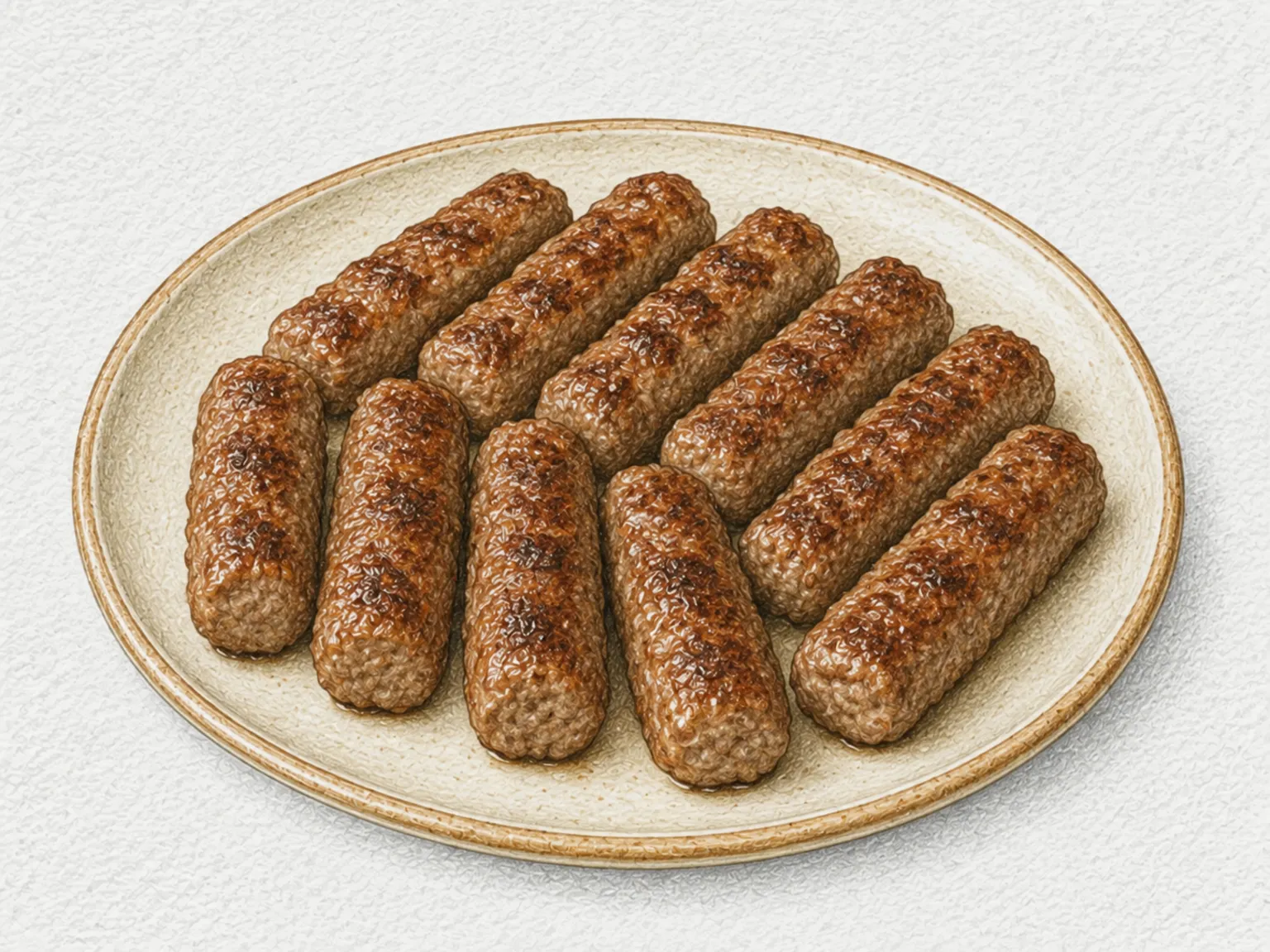
Toad in the hole bakes pork sausages inside a risen Yorkshire pudding batter by first heating the sausages and oil in an oven pan at 220 degrees Celsius for 10 minutes, then quickly pouring cold batter into the scorching-hot fat. The temperature shock between cold batter and smoking oil is what drives the dramatic puff - if the pan cools before the batter goes in, the rise will be flat and dense. The batter itself is simple: flour, eggs, milk, salt, and pepper, rested for 10 minutes so the gluten relaxes and produces a more even rise. Once in the oven, the door must stay closed for the full 20 to 25 minutes - opening it drops the temperature and collapses the delicate air structure mid-bake. The finished dish has crisp, golden edges and a soft, custardy center cradling the browned sausages.
Tofu Cocoa Loaf Cake
Tofu cocoa loaf cake combines drained soft tofu with eggs, grapeseed oil, cocoa powder, and dark chocolate chips. Place 180 g soft tofu in a sieve for 5 minutes and mash it until no visible lumps remain. If the tofu still looks very watery, press it lightly with paper towel before mixing the batter. Whisk 2 eggs with 95 g sugar, then add 55 ml grapeseed oil, 3 ml vanilla extract, and the mashed tofu. Stir until most of the sugar grains have dissolved and the mixture looks uniform. Sift in 170 g cake flour, 28 g cocoa powder, and 6 g baking powder. Fold from the bottom of the bowl and stop as soon as no dry streaks remain. Add 45 g dark chocolate chips and fold only 2 or 3 more times. Transfer the batter to a parchment lined loaf pan, level the surface, and tap the pan lightly to release large air pockets. Keep the filled loaf pan at 175°C for 35 to 38 minutes. If the tofu retained more water, use the center test rather than color alone and allow 3 to 5 additional minutes only when needed. A skewer should show moist crumbs but no wet batter. Cool the loaf in the pan for 10 minutes, then unmold it and let it cool completely before slicing.
Tourte aux Blettes
Tourte aux Blettes is a French pie filled with Swiss chard, apple, raisins, pine nuts, brown sugar, egg, and olive oil between 2 sheets of pastry. Soak 50 g raisins in 15 ml rum for 15 minutes and drain the remaining liquid. Wash 200 g Swiss chard leaves, dry them thoroughly, remove the thick stems, and finely chop the green portions. Mix the chard with 1 diced apple, the soaked raisins, 30 g pine nuts, 60 g brown sugar, 1 egg, and 15 ml olive oil. Line a tart pan with 1 sheet of pie pastry dough and spread the filling to an even height. Cover it with the second sheet and press the edges of the upper and lower crusts together firmly so the filling remains enclosed during baking. Beat the remaining egg and brush it evenly over the top. Bake in an oven preheated to 180°C for 40 minutes, until the pastry is golden. Allow the pie to cool completely before applying 10 g powdered sugar over the surface and cutting it into portions. Drying the chard before chopping keeps excess wash water out of the filling.
About Western
Olive oil, butter, cream, and cheese create the rich flavors these dishes are known for. From special-occasion dinners to quick weeknight meals, these recipes make Western cooking approachable.