Korean Steamed Abalone (Whole Shell Soy Sesame)
Jeonbok-jjim is Korean steamed abalone prepared by scrubbing each shell clean, scoring the flesh to promote even cooking, and steaming with green onion and ginger for ten to twelve minutes. The scored cuts allow heat to penetrate the thickest parts of the meat, preserving the abalone's signature texture that is simultaneously chewy and tender. During steaming, the inky innards melt into the condensed liquid and deepen its briny, mineral flavor. Any remaining innards can be set aside for porridge or dipping sauce. Seasoning is deliberately restrained - a light drizzle of soy sauce, rice wine, and sesame oil applied just before serving is all that is needed to frame the abalone's oceanic aroma without obscuring it. The dish has long been associated with formal dining, ancestral rites, and holiday celebrations, where its premium standing among Korean seafood commands attention at the table.

Korean Ox Knee Cartilage Soup
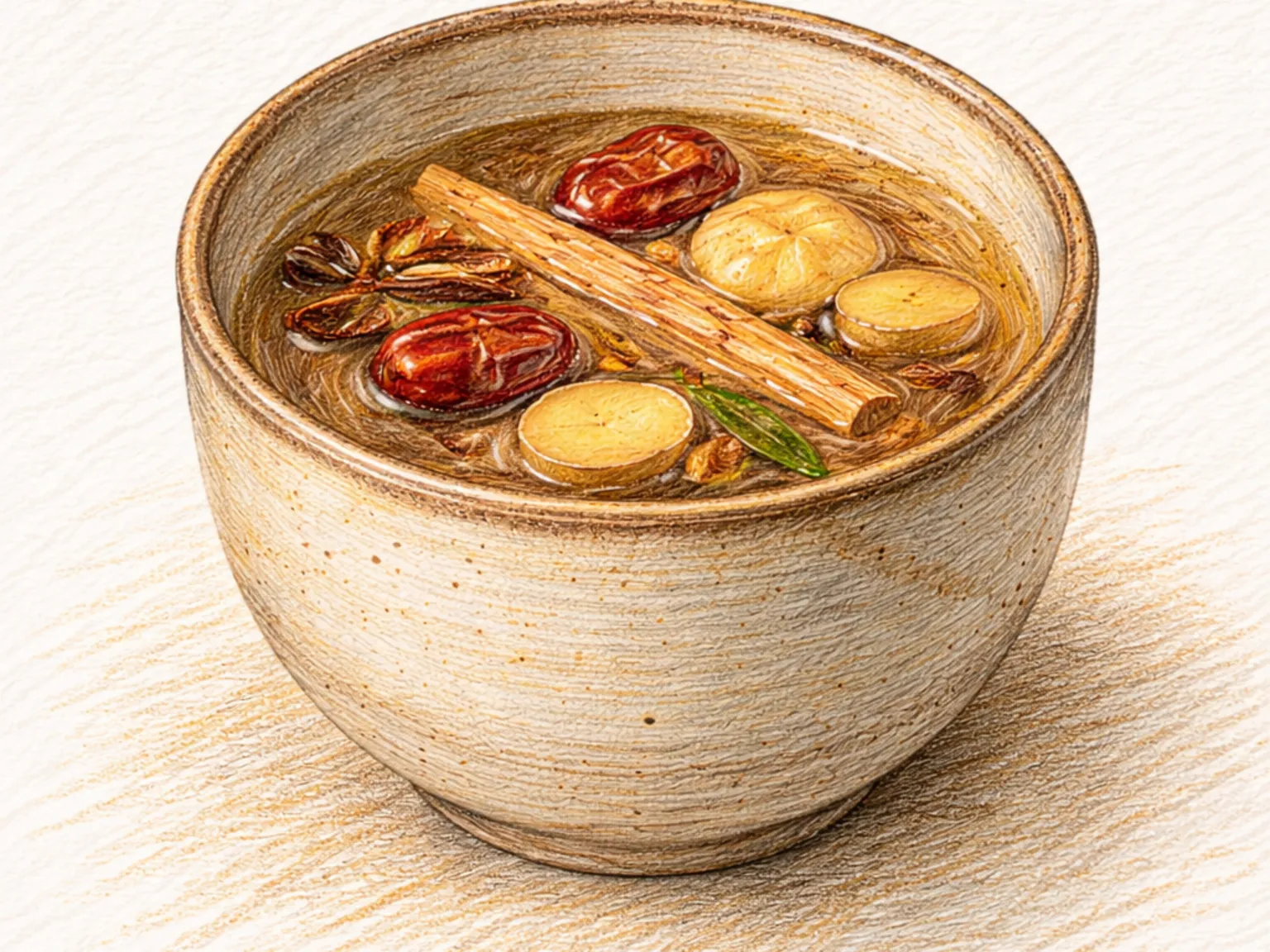
Dogani-tang is a Korean ox knee cartilage soup simmered for over two and a half hours on low heat, extracting collagen into a broth that appears clear but coats the lips with a rich gelatin film. Soaking the cartilage in cold water for an hour and blanching for ten minutes before the main cook are non-negotiable steps that draw out blood and impurities which would otherwise cloud the broth and leave an off-taste. The cartilage pieces, once cooked, have a uniquely bouncy, chewy texture that differs from both muscle meat and organ, with each bite springing back before yielding. Seasoned with just soup soy sauce, salt, and pepper, the soup relies entirely on the depth built through its extended simmer. Simmering with ox foot alongside the cartilage further enriches the collagen content, and the long preparation reflects the Korean tradition of slow-cooked restorative broths valued for replenishing strength.

Korean Grilled Gizzard Shad
Jeoneo-gui is a grilled gizzard shad dish that captures the best of autumn, when this small fish is at peak fat content and flavor. The fish is scored on both sides with close, shallow cuts, rubbed with coarse salt, and left to rest for ten minutes before grilling. The resting time allows surface moisture to draw out, which reduces fishiness and creates the conditions for a properly crisp skin over a hot pan or grill. Gizzard shad has numerous fine, small bones that make the raw fish awkward to eat, but scoring densely and cooking over high heat softens the bones through heat, allowing the entire fish to be eaten without picking. A ginger soy dipping sauce - minced ginger, soy sauce, rice vinegar, and sliced cheongyang chili - accompanies the fish to cut through its notable oiliness, with the sharp ginger note neutralizing the fishy aroma. Autumn gizzard shad is so prized in Korea that the proverb says its grilling smell is enough to bring a daughter-in-law back home.

Korean Braised Mackerel with Radish
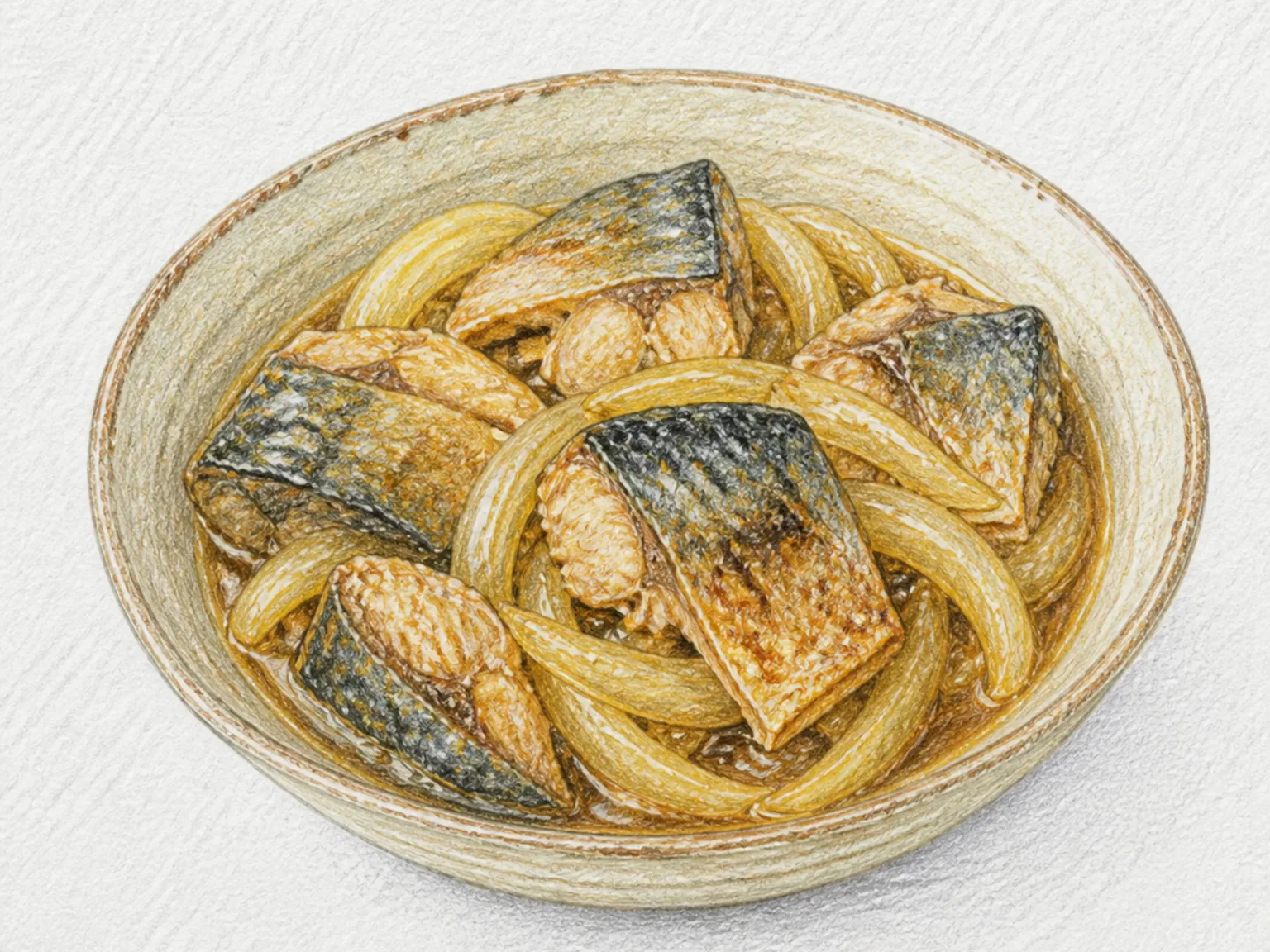
Layering thick slices of radish beneath fresh mackerel prevents the delicate fish from sticking to the pot while allowing the vegetables to soak up the seasoning like a sponge. This traditional Korean preparation uses a base of soy sauce, red chili powder, and red chili paste to create a thick braising liquid. As the pot simmers, the cook repeatedly spoons the sauce over the fish pieces to ensure the heat and spices reach every part of the mackerel. Ginger serves as a crucial ingredient to eliminate any strong fishy scents, so adding it early in the cooking process allows its aromatic properties to fully integrate into the broth. Over time, the radish softens into a translucent texture, absorbing the spicy and salty elements of the sauce until it becomes a substantial part of the meal. Adding onions and green onions during the final stages of cooking preserves their crispness and prevents their fresh aroma from fading. The process concludes when the liquid reduces into a glossy glaze that coats the mackerel. Serving this dish immediately over warm white rice allows the grains to catch the concentrated sauce. Beyond its taste, the mackerel provides omega-3 fatty acids while the radish contributes digestive enzymes and vitamin C to balance the natural oils of the fish.

Korean Dak Hanmari (Whole Boiled Chicken with Potato Broth)
Dak-hanmari simmers a whole chicken with potato, green onion, garlic, and ginger in plain water for an extended time. Collagen released from the bones turns the broth milky and slightly thick, while the potatoes cook until their edges begin to break down, adding body to the liquid. Seasoning stays minimal - soup soy sauce and salt only - so the natural depth of the chicken stock remains unobscured. The dish traces back to the street stall alleys of Seoul's Dongdaemun district, and the traditional way to finish the meal is to add knife-cut noodles directly into the remaining broth at the table.

Chinese Red-Braised Pork Belly
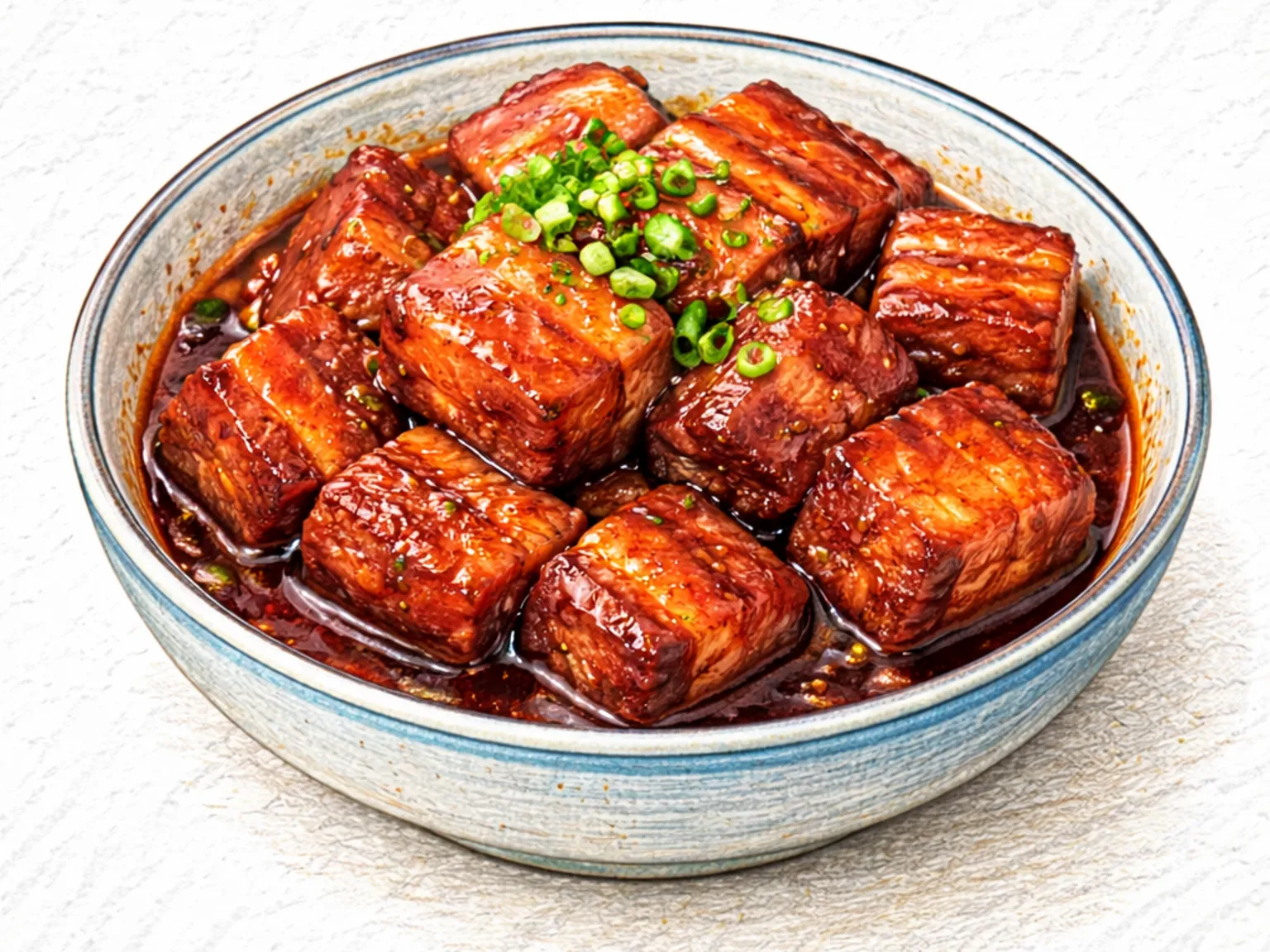
Hong shao rou, red-braised pork belly, originated in the Suzhou region before spreading across China to become one of the country's defining braised dishes. Cubed pork belly is briefly boiled to remove impurities, then the pot is dried and sugar is melted alone until it reaches a deep amber caramel. The pork returns to the pot to coat every surface before dark soy sauce, light soy sauce, Shaoxing rice wine, fresh ginger slices, and star anise are added. Covered and simmered over low heat for sixty to ninety minutes, the fat layers slowly dissolve into the braising liquid while the lean meat becomes tender enough to break apart with chopsticks without any pressure. The sauce reduces to a thick, mahogany-lacquered glaze that carries layers of sweetness, salt, and the faintly medicinal warmth of star anise. Served over plain steamed rice with a generous spoonful of the sauce poured over the bowl, the dish transforms the simplest grain into a complete and deeply satisfying meal.

Korean Soy-Braised Pork Loin Strips
Dwaejigogi jangjorim is a Korean soy-braised pork dish made by simmering pork loin with whole garlic cloves, ginger, and cooking rice wine until the meat is completely tender. The pork is first boiled whole with enough water to fully submerge it, skimming the foam that rises to keep the braising liquid clean, then shredded along the grain and returned to the reduced soy liquid for a second round of simmering. Shredding along the grain rather than against it gives each strand more surface area to absorb the seasoned liquid, resulting in deeper, more even flavor throughout. The rice wine neutralizes the pork's gaminess from the start, while the whole garlic cloves soften completely during the long braise, turning mellow and spreadable. This dish keeps well refrigerated for several days and is typically served cold or at room temperature, making it a convenient banchan to portion out over multiple meals.

Korean Spicy Braised Hairtail
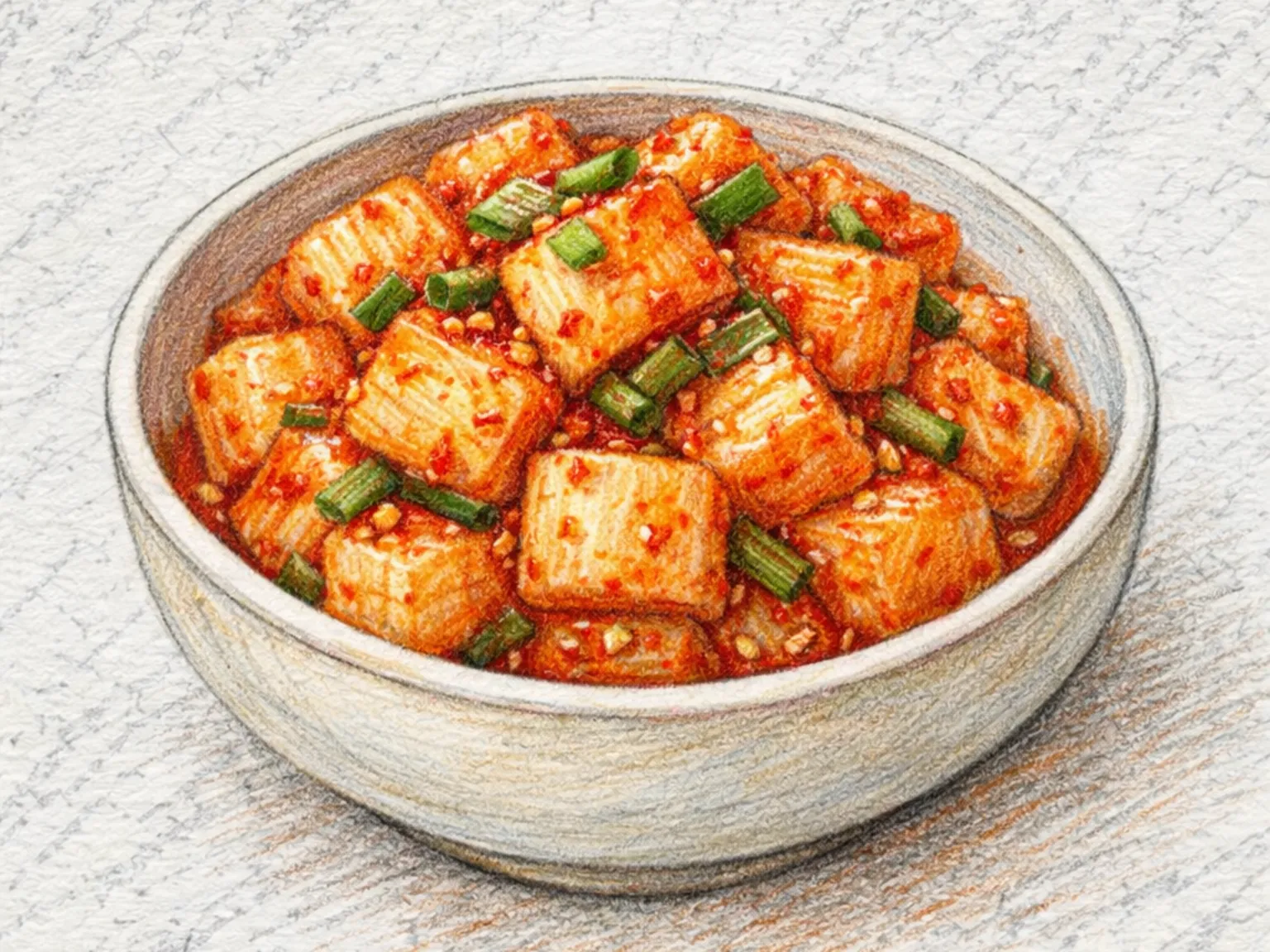
Galchi-yangnyeom-jorim is a Korean braised hairtail made by simmering sectioned cutlassfish and radish in a spicy-sweet sauce of gochugaru, soy sauce, and minced garlic. The seasoning penetrates the hairtail flesh as it cooks, suppressing any lingering fishiness while developing a layered, concentrated umami. Radish pieces are laid on the bottom of the pot first so they cook through completely and absorb the braising liquid, turning sweet and tender in a way that contrasts with the flaky fish above. Finishing with the lid off allows the sauce to reduce until it clings to the fish surface in a glossy, tight glaze. Fresh hairtail holds its shape better under heat, so the flesh can be lifted with chopsticks intact, while older fish tends to break apart during cooking. Adding Cheongyang chili increases the sharp heat, and a thin slice of fresh ginger worked into the sauce at the start removes any remaining fishiness before braising begins.

Korean Grilled Pork Cheek
Dwaeji bolsal gui is a Korean grilled pork cheek dish in which the cheek meat is marinated in soy sauce, minced garlic, and ginger for at least 30 minutes before being seared quickly over high heat. The cheek is the muscle used constantly for chewing, which produces an exceptionally fine-grained texture with dense collagen throughout. Slicing through a piece reveals alternating layers of fat and lean, so the richness shifts with each bite. High heat is non-negotiable for this cut. A hot surface triggers the Maillard reaction, building a well-browned crust while the interior stays juicy. Cooking the same cheek over low heat for an extended time breaks down the collagen completely, leaving the meat soft and flabby rather than springy. Grilling sliced onion and green onion in the same pan and layering them with the cooked pork sharpens the overall flavor, the pungent vegetables cutting through the cheek's deep meatiness.

Korean Braised Butterfish
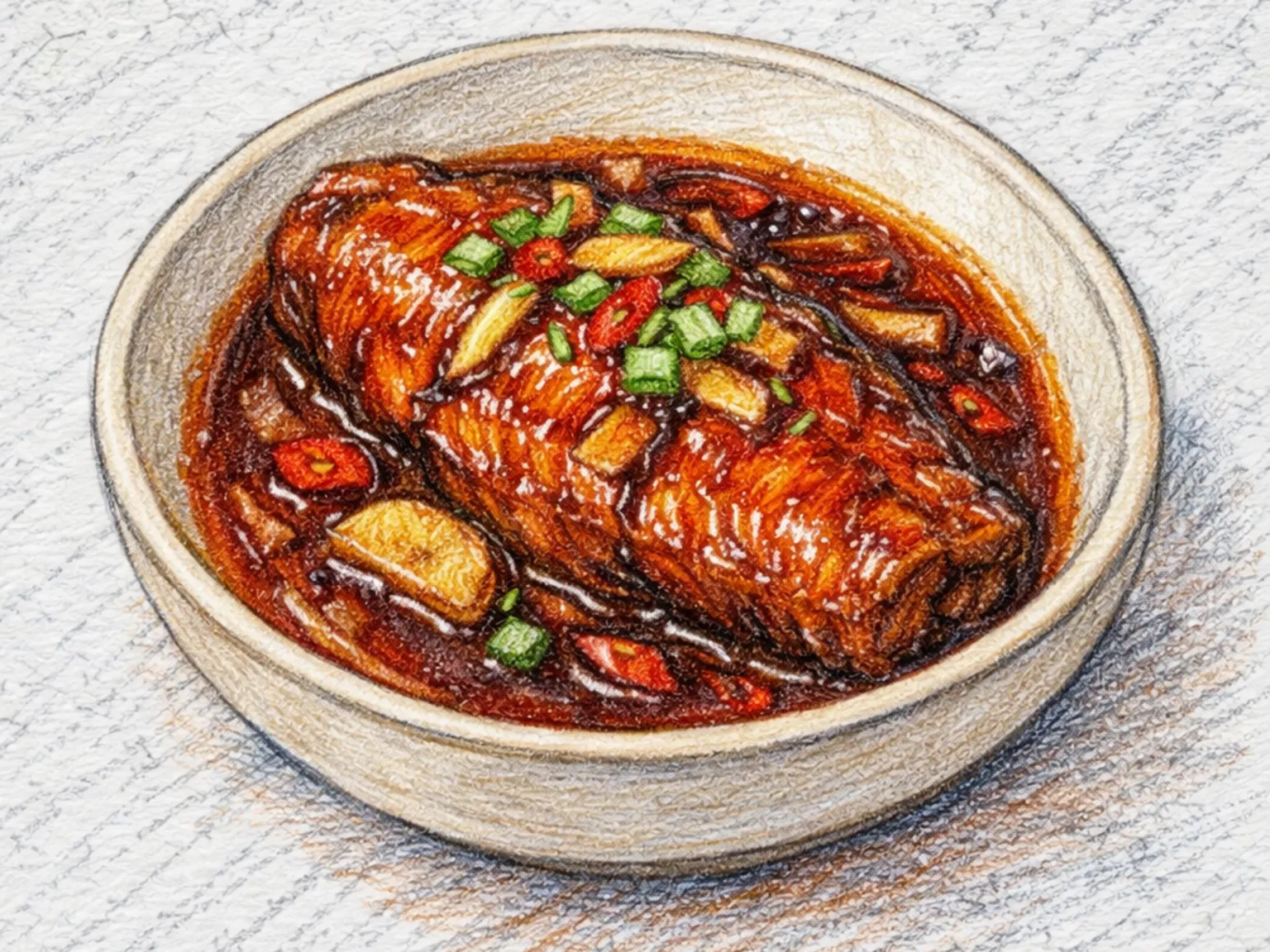
Byeongeo jorim is a Korean braised fish dish in which scored butterfish is set on a bed of sliced radish and slowly cooked in a soy-gochugaru braising liquid with garlic and ginger. Scoring the fish allows the seasoning to penetrate to the center of each fillet. The radish layer on the pot bottom serves two purposes: it cushions the delicate fish to prevent it from sticking and breaking apart, and it absorbs the braising liquid as it cooks, becoming a deeply savory, slightly sweet side dish on its own. Butterfish flesh is exceptionally fragile, so the fillets are never flipped during cooking. Instead, the braising liquid is spooned continuously over the surface to ensure even heat and even seasoning on top. Ginger added at the start neutralizes any fishiness, and gochugaru provides a mild, building heat that adds complexity to the clean flavor of the fish without masking it. Scallion pieces dropped in during the final two minutes release fragrance into the steam, rounding out the aromatic profile of the finished dish. At 330 calories and 31 grams of protein per serving, byeongeo jorim is a lean, nutritionally complete main course that pairs naturally with steamed rice.

Yuja Saenggang Baked Donuts (Yuja Ginger Baked Donuts)
The preparation of these doughnuts involves folding yuja marmalade and finely grated fresh ginger into a light batter base. The mixture is then transferred to a doughnut pan and baked in the oven rather than being fried in oil. This specific cooking method produces an oil-free doughnut characterized by a soft and fluffy crumb that is highly fragrant with citrus notes. The yuja component contributes a floral and complex citrus profile that offers a perfumed quality more intricate than the flavor of a standard lemon or orange. Complementing this, the ginger provides a mild and warm spiciness that persists quietly in the background of each bite. Because the doughnuts are baked, the internal structure stays light, which ensures that the specific flavor of the yuja is not masked by the presence of frying oil. While the doughnuts are still warm from the oven, a thin honey glaze is brushed over the surface. This application creates a glossy appearance and adds a layer of sweetness that functions to seal in the moisture of the crumb. During the preparation of the batter, the ingredients should be combined only until the dry components are just incorporated. Mixing the batter too much will lead to a finished product that is tough and dense. Filling the pan cavities to eighty percent of their capacity allows for an even rise and prevents the batter from spilling over the edges during baking. Finally, the doughnuts require a five-minute rest period within the pan after they are removed from the oven. This time allows the structure to firm up, ensuring that each doughnut can be removed cleanly from the mold.

Pork Rice Bowl (Sweet-Salty Glazed Pork over Rice)
Butadon is a Japanese pork rice bowl that originated in Obihiro, Hokkaido, where thin slices of pork belly or shoulder are simmered with onion in a glaze of soy sauce, mirin, and sugar, then laid over a bowl of steamed rice. The soy salt and sugar sweetness balance precisely as the meat absorbs the sauce, while the onion dissolves gradually into the cooking liquid, contributing a natural sweetness that deepens the glaze. Where the pork meets the pan, the edges caramelize into a slightly charred coating that adds a roasted dimension to the otherwise clean, saucy topping. Hokkaido pork, with its firm texture and higher fat content, is traditional, though any well-marbled cut works. The preparation is genuinely simple - one pan, one sauce, no elaborate knife work - which is exactly why it became a staple weeknight meal across Japan.

Korean Soy-Braised Chicken Wings
Korean soy-braised chicken wings are simmered in a glaze of soy sauce, sugar, garlic, and ginger until the sauce reduces to a thick, shiny coating. Scoring the wings beforehand allows the seasoning to reach the meat, and twenty minutes of covered braising followed by ten minutes of uncovered reduction concentrates the liquid into a sticky lacquer. Ginger keeps the flavor clean by neutralizing any gamey notes, and a finishing drizzle of sesame oil adds warmth. The wings come out so tender that the meat slides off the bone easily, making this a crowd-pleasing dish for children and adults alike.

Korean Ginger Chicken Breast Stir-fry
Saenggang dakgaseumsal-bokkeum stir-fries marinated chicken breast with julienned fresh ginger, cabbage, bell pepper, and green onion over high heat. The chicken is briefly seasoned with soy sauce, garlic, and black pepper, then seared in a pan where ginger and scallion have already bloomed their aroma. Vegetables go in last to keep their crunch, and a touch of honey rounds out the seasoning. The result is a lean, aromatic stir-fry where ginger's sharp warmth permeates every piece of chicken without heaviness.

Korean Braised Beef Shank
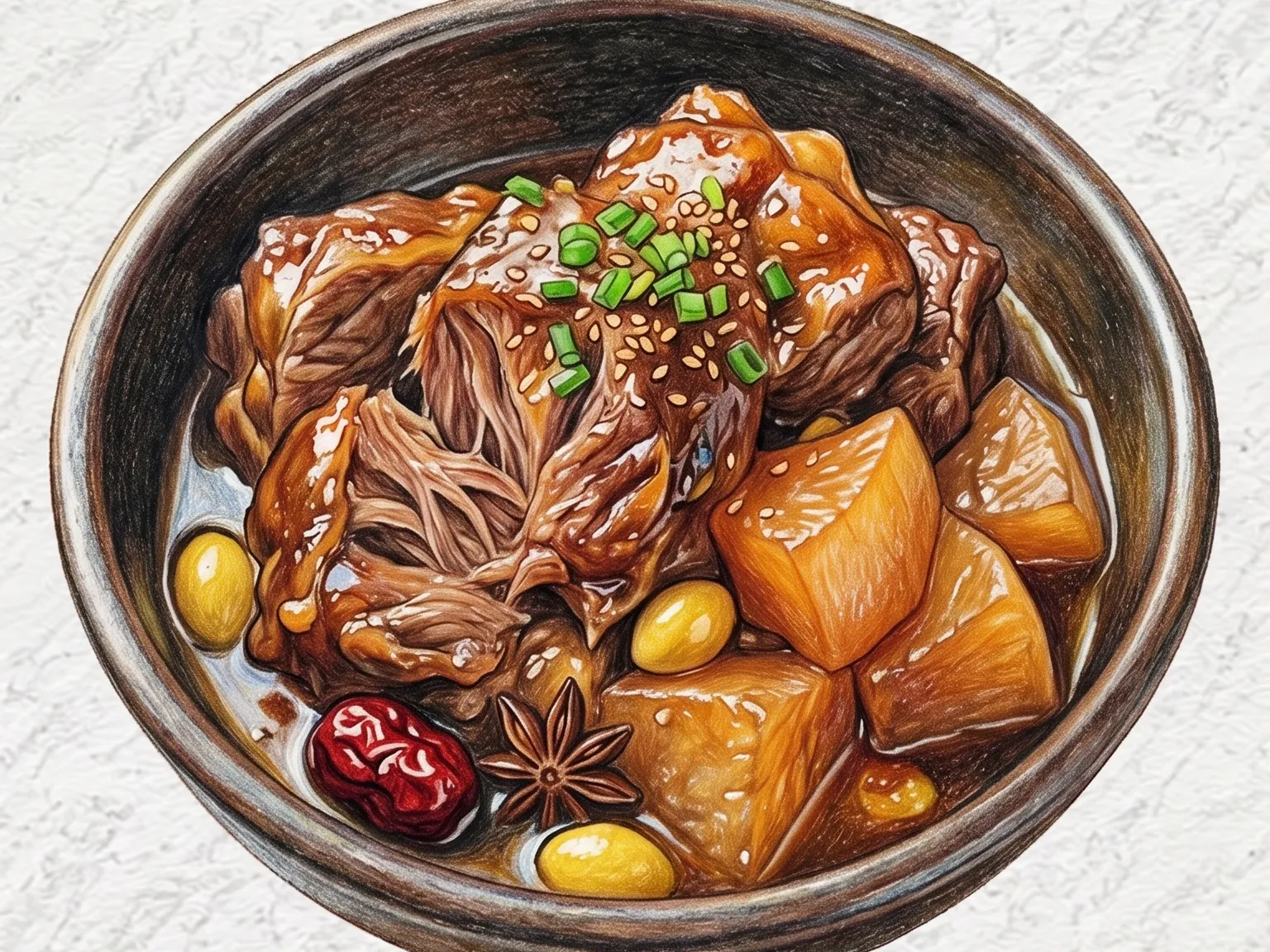
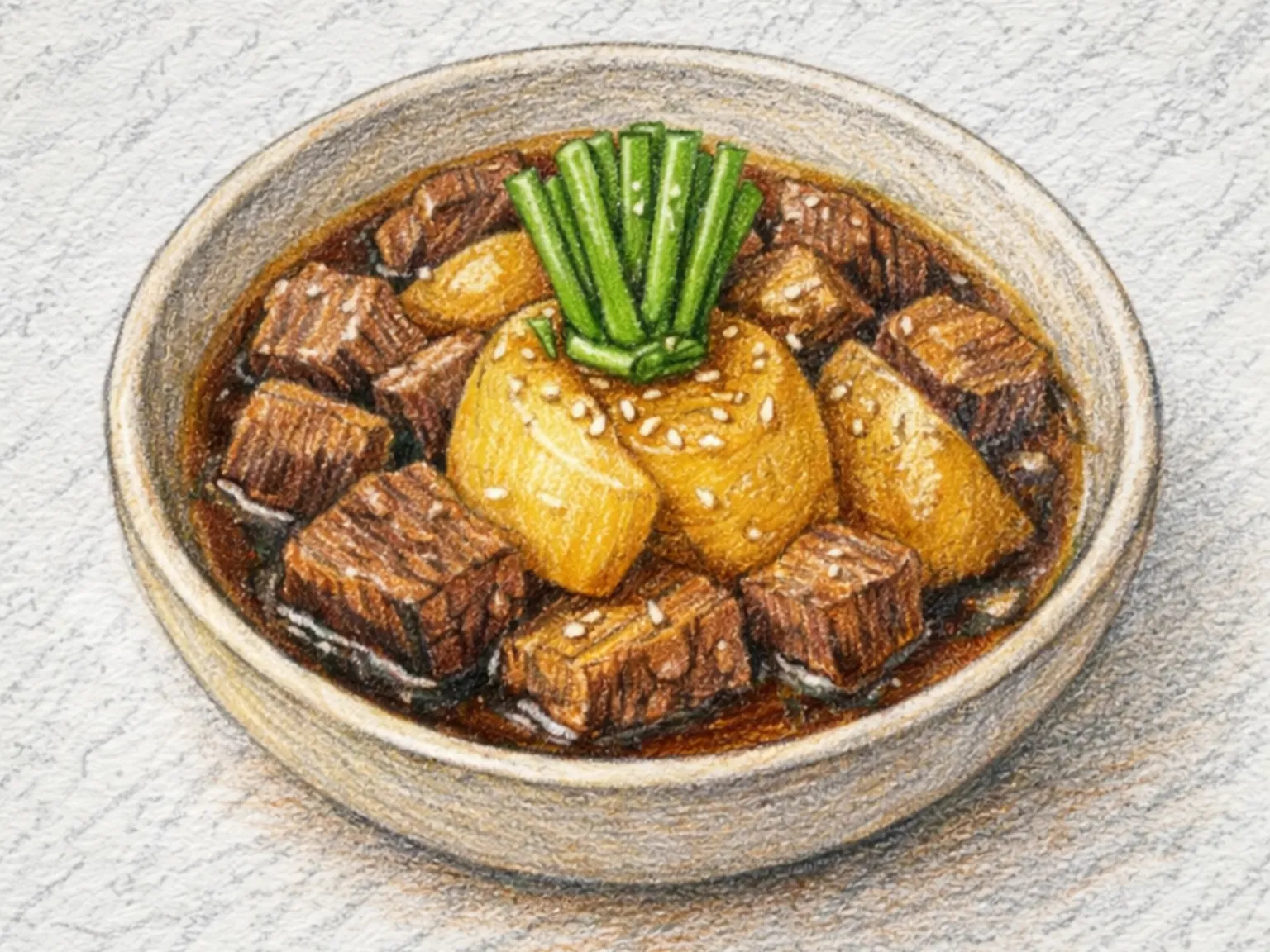
Satae jjim is a Korean braised beef shank dish that begins with soaking the meat in cold water to draw out blood before any heat is applied. The shank is then simmered slowly with aromatics for well over two hours, a duration that is not optional but essential. Shank is dense with connective tissue that turns unpleasantly tough under short, high heat, but extended low heat dissolves that tissue entirely, leaving the beef soft enough to pull apart along its grain with minimal effort. Soy sauce and sugar build a deeply savory-sweet braising liquid that penetrates the meat as it cooks, glazing the exterior with a dark, lacquered sheen. Radish is added in the later stages so it can absorb the concentrated broth without completely losing its texture, contributing a clean, refreshing contrast to the richness of the meat. The finished braise tastes noticeably better after a night in the refrigerator, when the seasoning has fully permeated every fiber and the chilled gelatin, once reheated, naturally thickens the sauce.

Korean Steamed Croaker (White Fish Radish Soy)
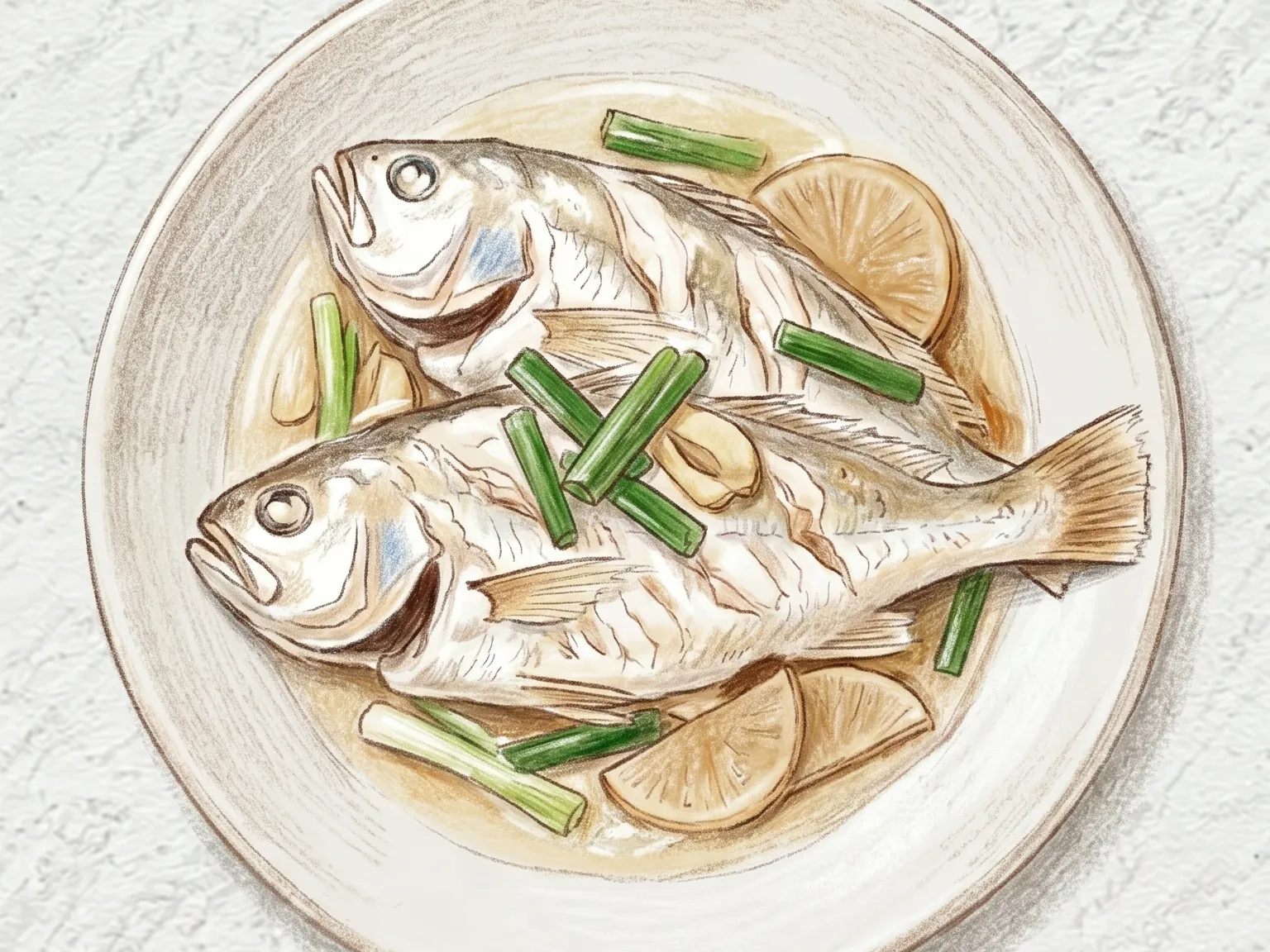
Mineo-jjim is a Korean steamed croaker prepared with Korean radish, green onion, ginger, and rice wine. Croaker is prized among white fish for its fine-grained flesh and mild aroma, and steaming preserves its delicate, moist texture without drying it out. Ginger and rice wine work together to eliminate any trace of fishiness, while the radish releases a gentle sweetness into the broth as it cooks. Seasoned with just a touch of soy sauce at the end, this dish lets the natural flavor of the fish take center stage and is well suited for formal meals.

Beef Brisket Pho Guksu (Charred Ginger Beef Rice Noodle Soup)
Beef pho guksu is a Vietnamese-style rice noodle soup that pairs the clean, sweet depth of charred-onion-and-ginger broth with thin slices of Korean chadolbaegi brisket. The broth starts with dry-charring whole onion and ginger directly in a pan until the surfaces blacken. This step burns off the raw pungency and draws out a caramelized sweetness that defines the soup's aroma. Fish sauce and a measured amount of sugar season the strained broth, producing a full-flavored liquid that finishes clean. To cook the brisket, the boiling broth is poured directly over the thinly sliced meat in the bowl, allowing gentle heat to set the beef while leaving it tender and slightly pink. Bean sprouts, cilantro, and lime wedges arrive on the side so each person adjusts freshness and acidity to taste, following Vietnamese table tradition. The marbled fat in Korean brisket adds a richer body to the broth than standard pho, making this a distinct take that sits between Korean gomtang and Vietnamese pho.

Korean Braised Pork Trotters
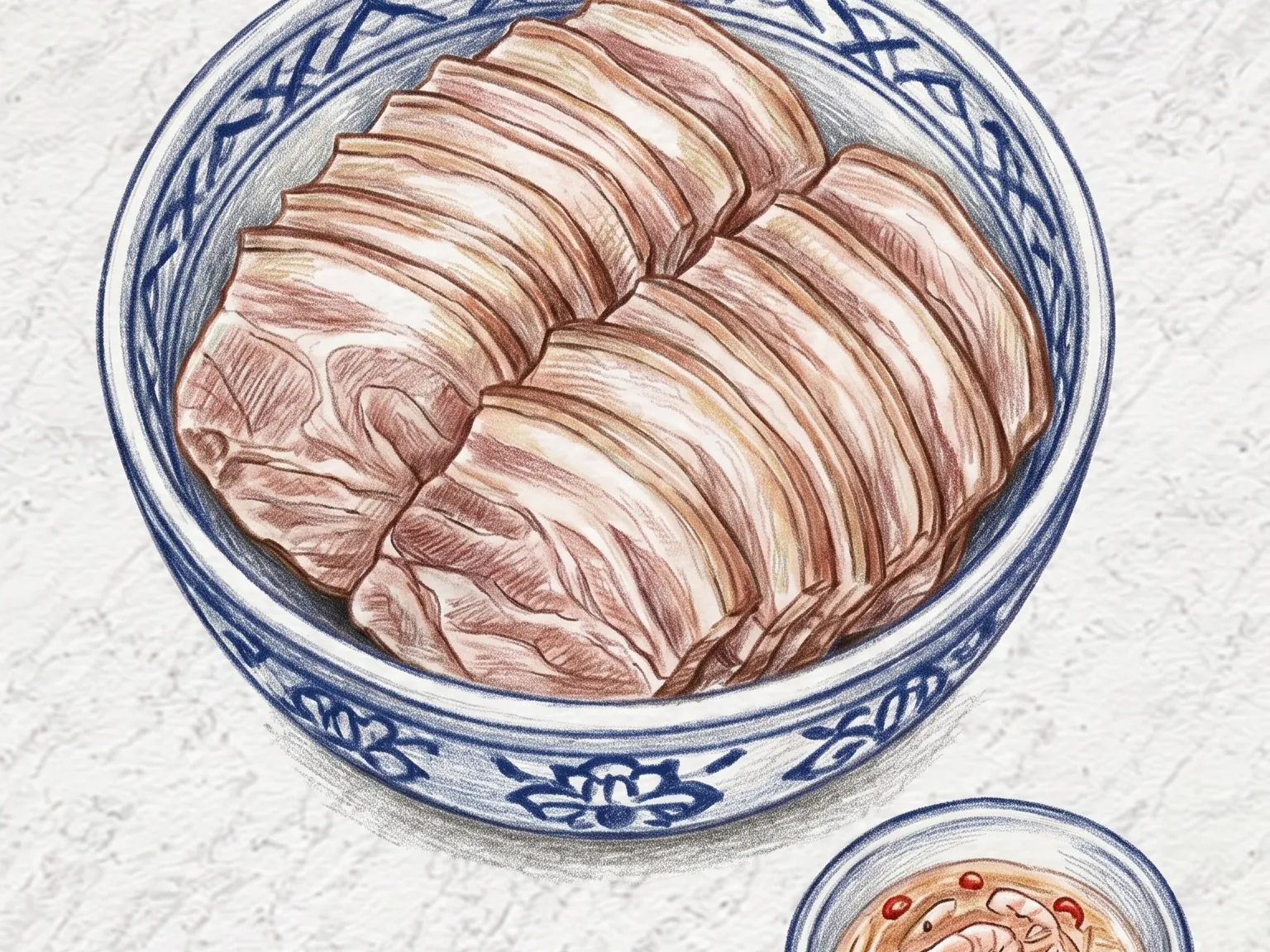
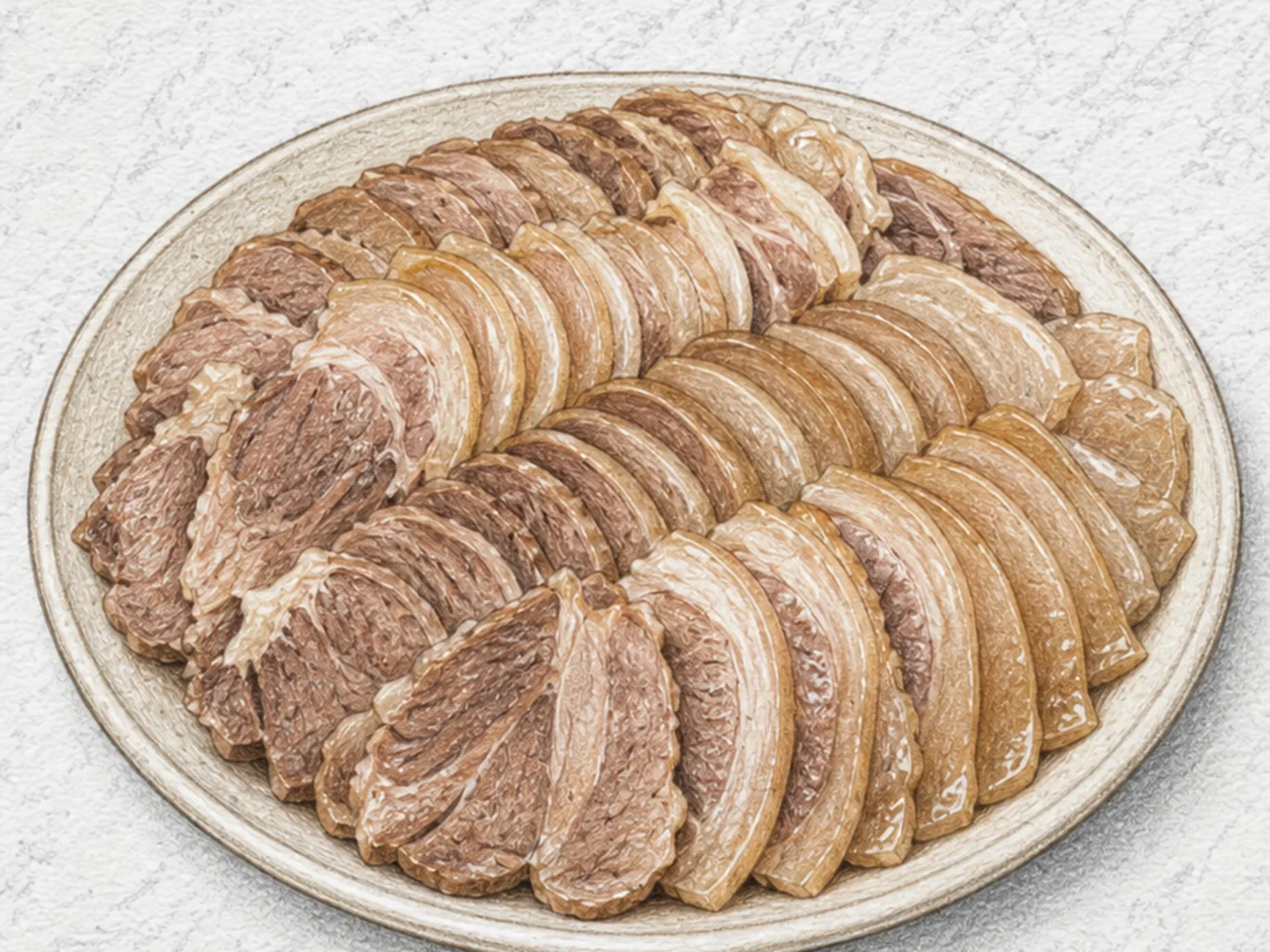
Jokbal is Korean soy-braised pork trotters slow-cooked for over two hours in a broth of soy sauce, garlic, ginger, onion, green onion, and whole peppercorn. The trotters are blanched first to remove impurities, then simmered gently until the collagen-rich skin turns glossy and the meat becomes fork-tender. The long braise allows the soy seasoning to penetrate deep into the layered skin and meat, creating a rich, savory flavor throughout. Traditionally sliced while still warm for the softest texture, jokbal is served with salted shrimp dipping sauce or ssamjang, wrapped in lettuce leaves - a classic Korean late-night food and drinking accompaniment.