Hanoi-Style Chicken Pho (Pho Ga)
Hanoi-style pho ga is a chicken noodle soup that trades the beefy richness of pho bo for a lighter, cleaner bowl. Chicken bones and thighs simmer together until the broth turns golden and fragrant, then the meat is pulled into long shreds and piled over flat rice noodles. The spice profile is gentle - a knob of charred ginger and a single star anise - keeping the chicken flavor at the forefront. The broth has a silky quality from the natural gelatin in the bones, giving each spoonful a body that belies its clarity. Scallion, cilantro, and a squeeze of lime are the standard accompaniments. Some vendors add a torn fried dough stick for crunch. Pho ga is widely considered the everyday breakfast pho in Hanoi, less ceremonial than its beef counterpart but no less satisfying.

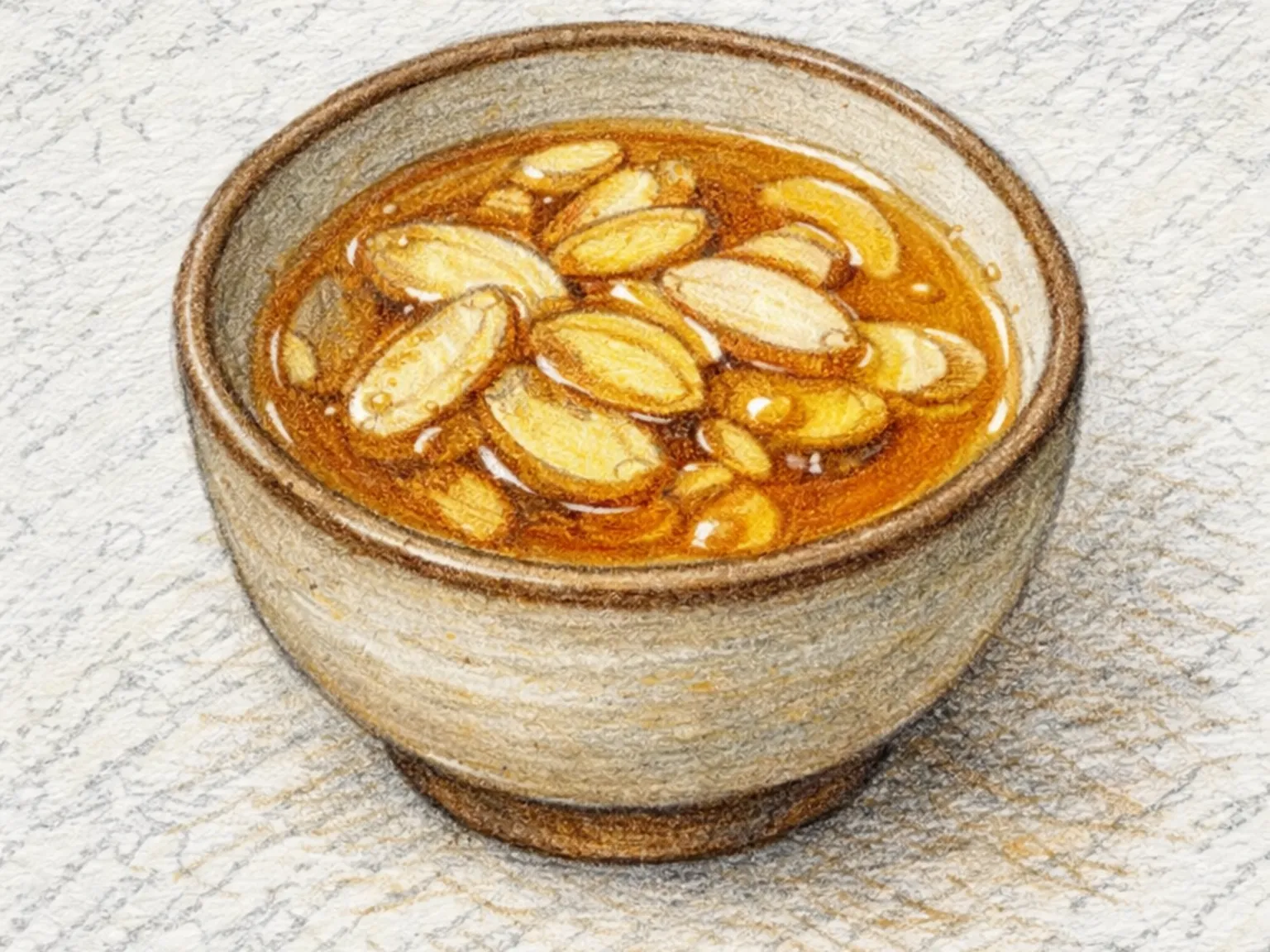
Korean Bitter Melon Jujube Tea
Yeoju-daechu-cha is a Korean herbal tea that steeps dried bitter melon, pitted jujubes, dried tangerine peel, and fresh ginger together for 25 minutes. The bitter melon provides a gentle, lingering bitterness that the jujubes counter with their natural sweetness, while the tangerine peel adds a citrus top note and ginger delivers a warm, peppery finish. Honey is dissolved after the heat is turned off to preserve its delicate fragrance, and a few pine nuts floated on the surface contribute a mild nuttiness. The tea is caffeine-free, and the bitter melon quantity can be reduced for those sensitive to its flavor.

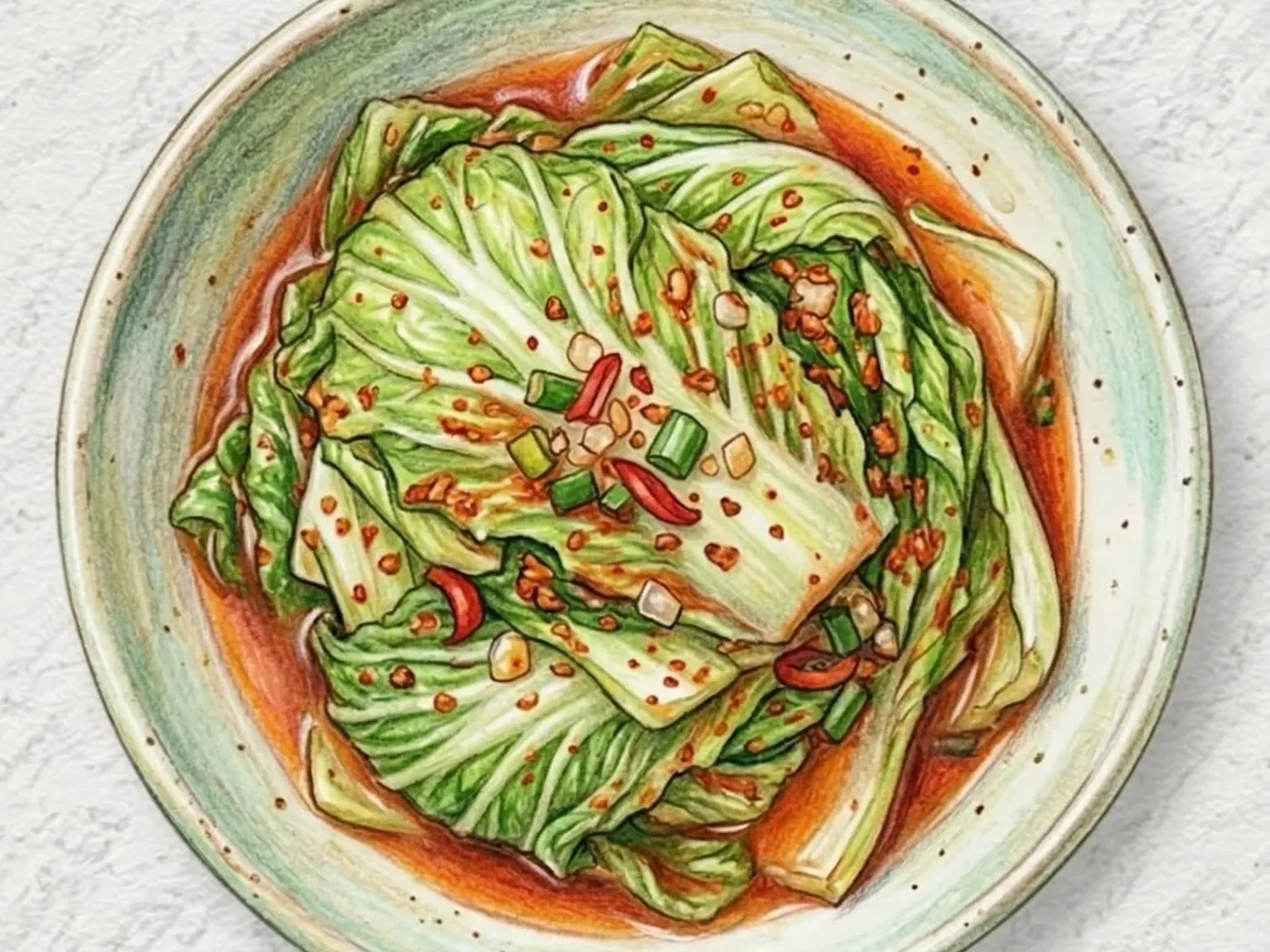
Korean Young Radish Water Kimchi
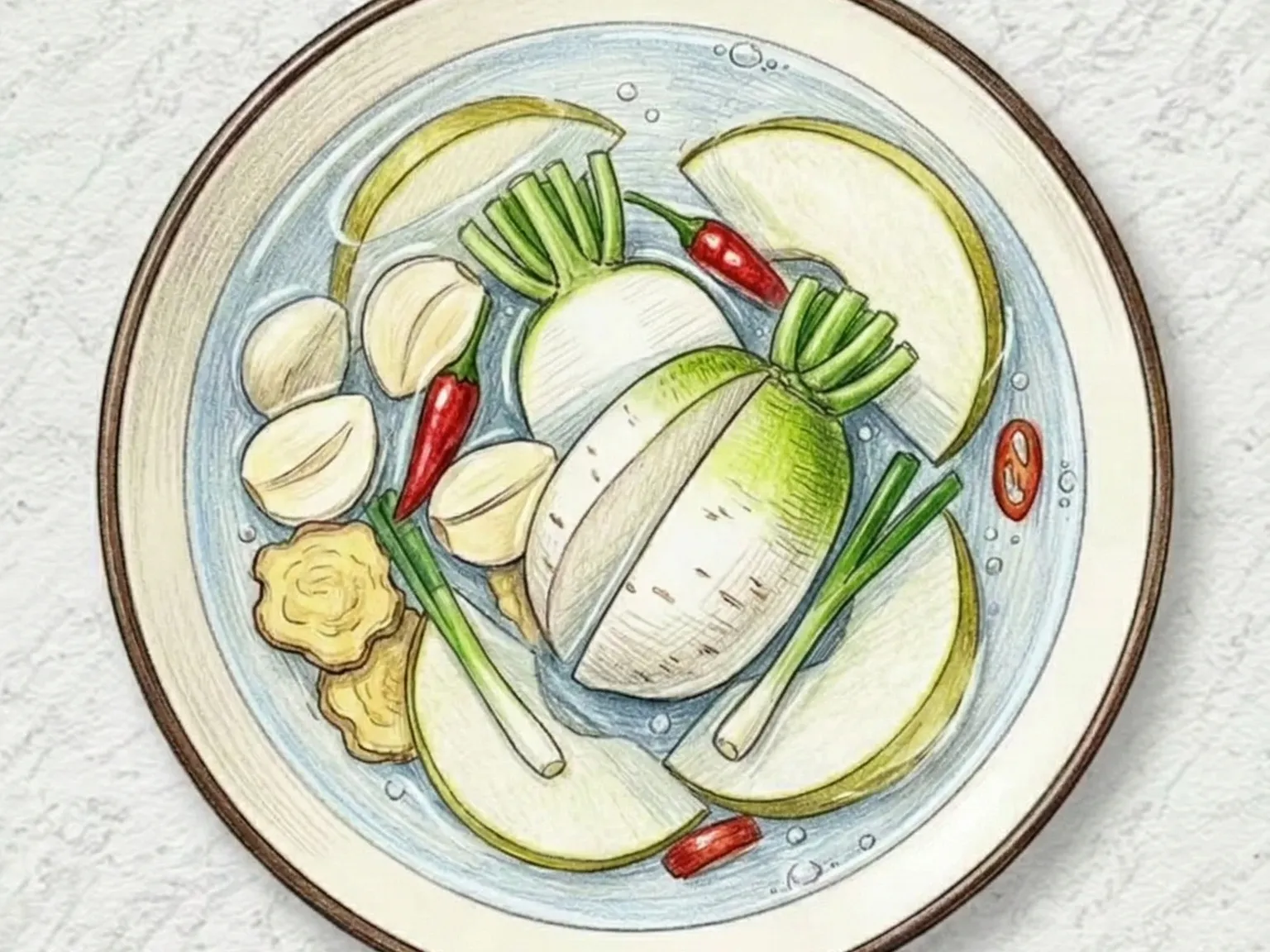
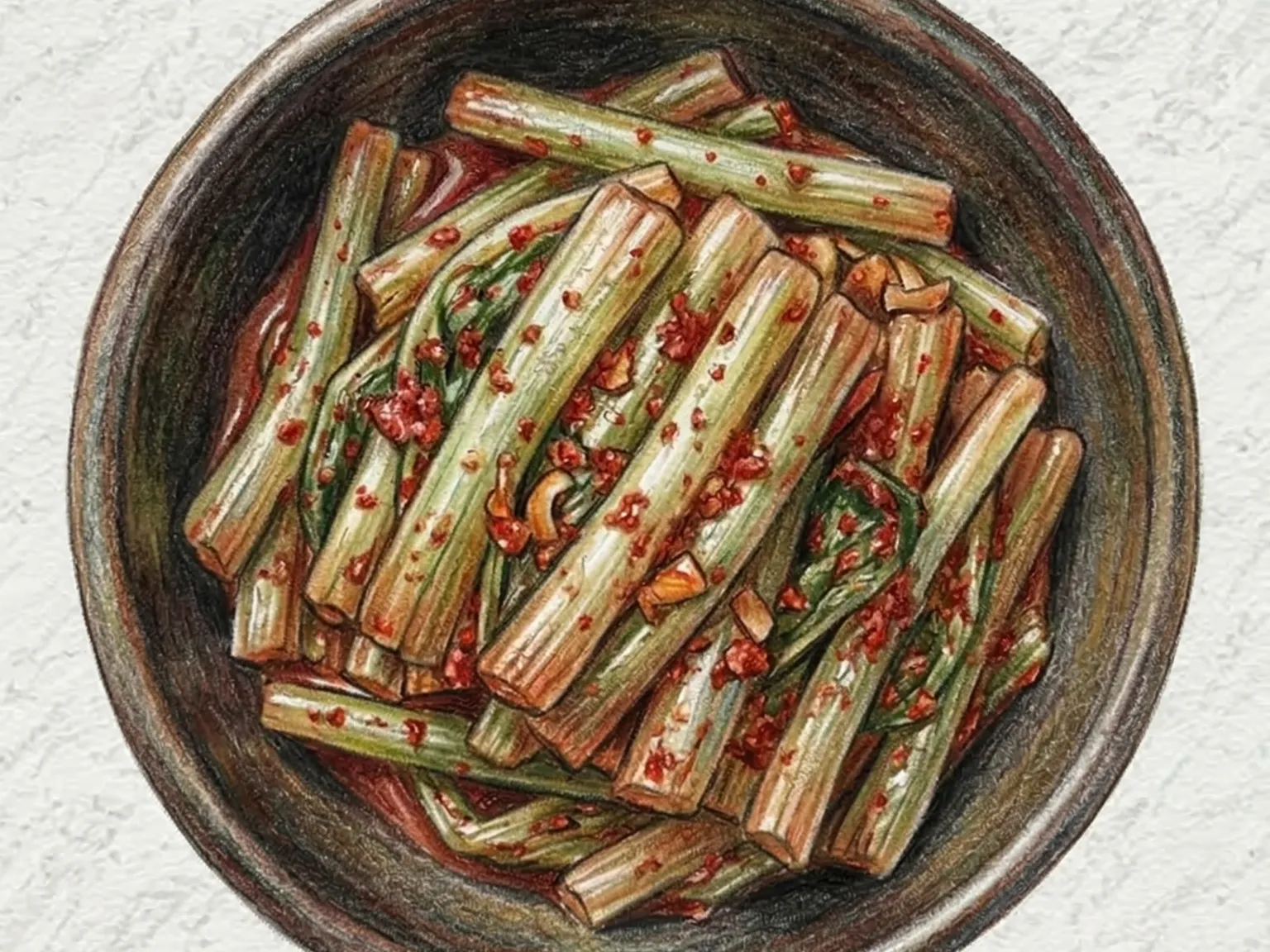
Yeolmu mul-kimchi is a water kimchi in which young radish greens are salted to reduce their raw grassy sharpness, then submerged in a clear, aromatic brine infused with sliced radish, scallions, garlic, and ginger. The garlic and ginger are wrapped in cloth and squeezed rather than added directly to the liquid, which keeps the brine transparent and clean-tasting rather than murky. Plum syrup blended into the brine provides a measured sweetness and contributes to a lively acidity as fermentation develops. Leaving the jar at room temperature for eight hours and then refrigerating for another twelve allows the brine to become gently effervescent and pleasantly tart without turning sour. The finished liquid doubles as a broth for cold noodles in summer or can be ladled over cooked rice for a refreshing light meal. Filtered cold water makes a noticeable difference in the cleanliness of the final flavor, and keeping close watch on the salting time prevents the greens from softening past their ideal crisp texture.

Pork Vindaloo (Goan Vinegar-Marinated Fiery Pork Curry)
Pork vindaloo is a Goan curry shaped by centuries of Portuguese colonial influence on India's western coast. The name descends from the Portuguese carne de vinha d'alhos -- meat marinated in wine and garlic -- though the Goan version swaps wine for palm or cane vinegar and adds a punchy chili paste. Pork shoulder is marinated overnight in a mixture of vinegar, garlic, ginger, and Kashmiri chilies, then braised slowly until the meat yields to a fork. The sauce reduces into a thick, rust-colored gravy where acidity, heat, and garlic merge into a single bold flavor. Vindaloo is one of the few Indian curries where sourness leads rather than supports, and the dish tastes even better the next day after the flavors have had time to settle.

Korean Lotus Root Tea (Warm Herbal Root Brew)
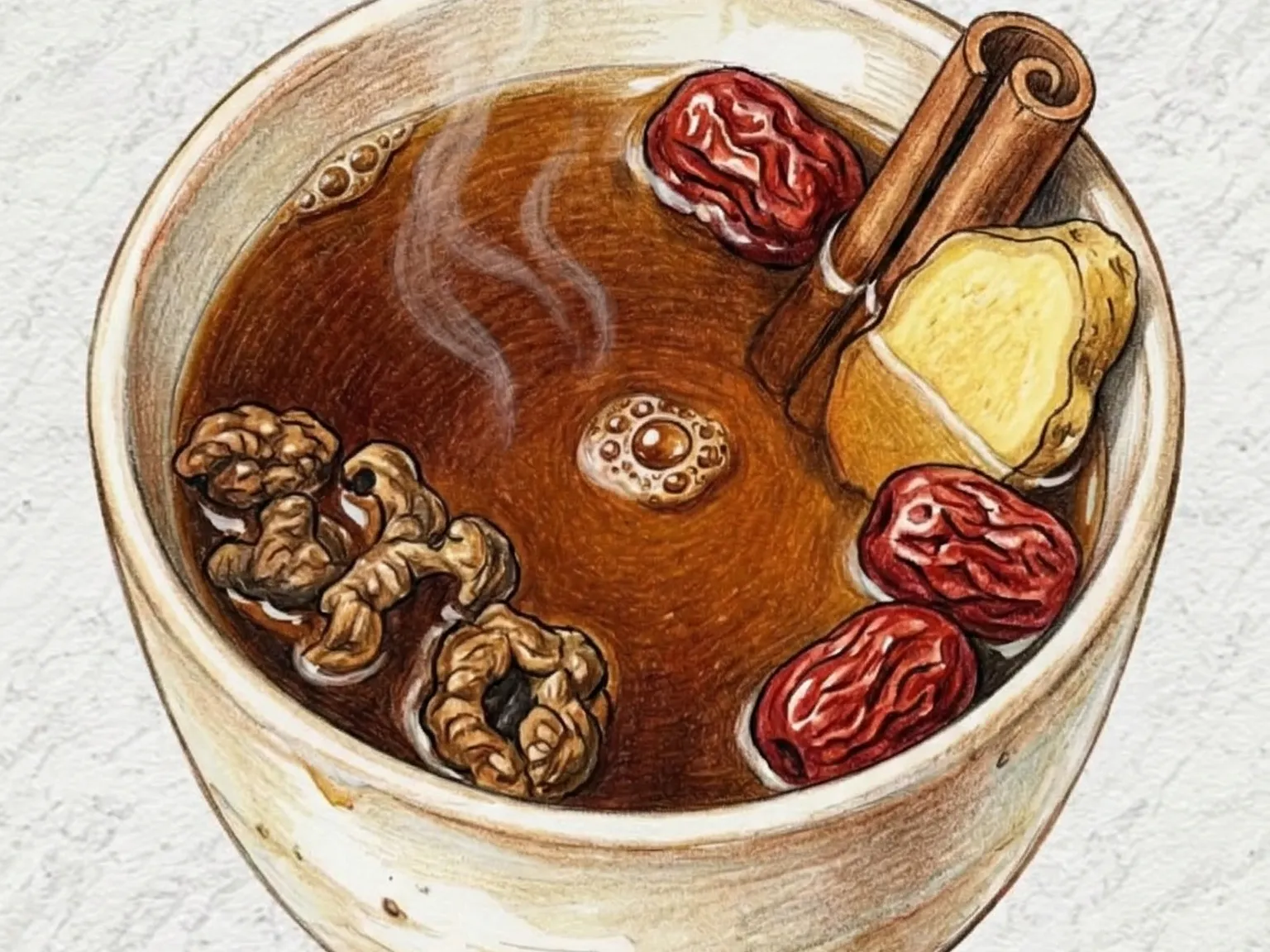
Yeongeun-cha is a Korean lotus root tea prepared by simmering peeled, thinly sliced lotus root with jujube, ginger, and a cinnamon stick over low heat for twenty-five minutes. As the root cooks, its natural starch gradually dissolves into the water, producing a tea that is clear but carries a subtle, silky body unlike most herbal brews. Jujubes contribute the primary sweetness; adding a small spoonful of honey and a single pinch of salt develops the flavor further without making it sugary. Cinnamon and ginger stay in the background, leaving a gentle warmth that lingers in the finish and makes the tea feel comforting without being sharp or medicinal. Soaking the lotus root slices in lightly acidulated water for ten minutes before cooking prevents oxidative browning and keeps the finished tea pale and clear. The flavor holds up equally well served hot in a ceramic cup or cooled down and poured over ice as a refreshing cold drink.

Saba Misoni (Japanese Miso Mackerel Recipe)
Saba miso-ni is a cornerstone of Japanese home cooking, a dish most cooks can make from memory. Mackerel fillets are first doused with boiling water to remove surface proteins and odor, then placed skin-side up in a shallow pan with a sauce of white or red miso, soy sauce, mirin, sake, and sugar. Thick slices of ginger go in alongside the fish, neutralizing any remaining fishiness and lending a clean, sharp note to the broth. The pan is covered with a drop lid so the simmering liquid bastes the fillets continuously, building a glossy, caramelized miso coating on the surface. The finished fish is so tender it flakes at the touch of chopsticks, and the reduced sauce has concentrated into a thick glaze that clings to each piece. Served over steamed rice, a single fillet and a spoonful of sauce make a complete meal.

Korean Lotus Leaf Tea (Roasted Rice and Lotus Brew)
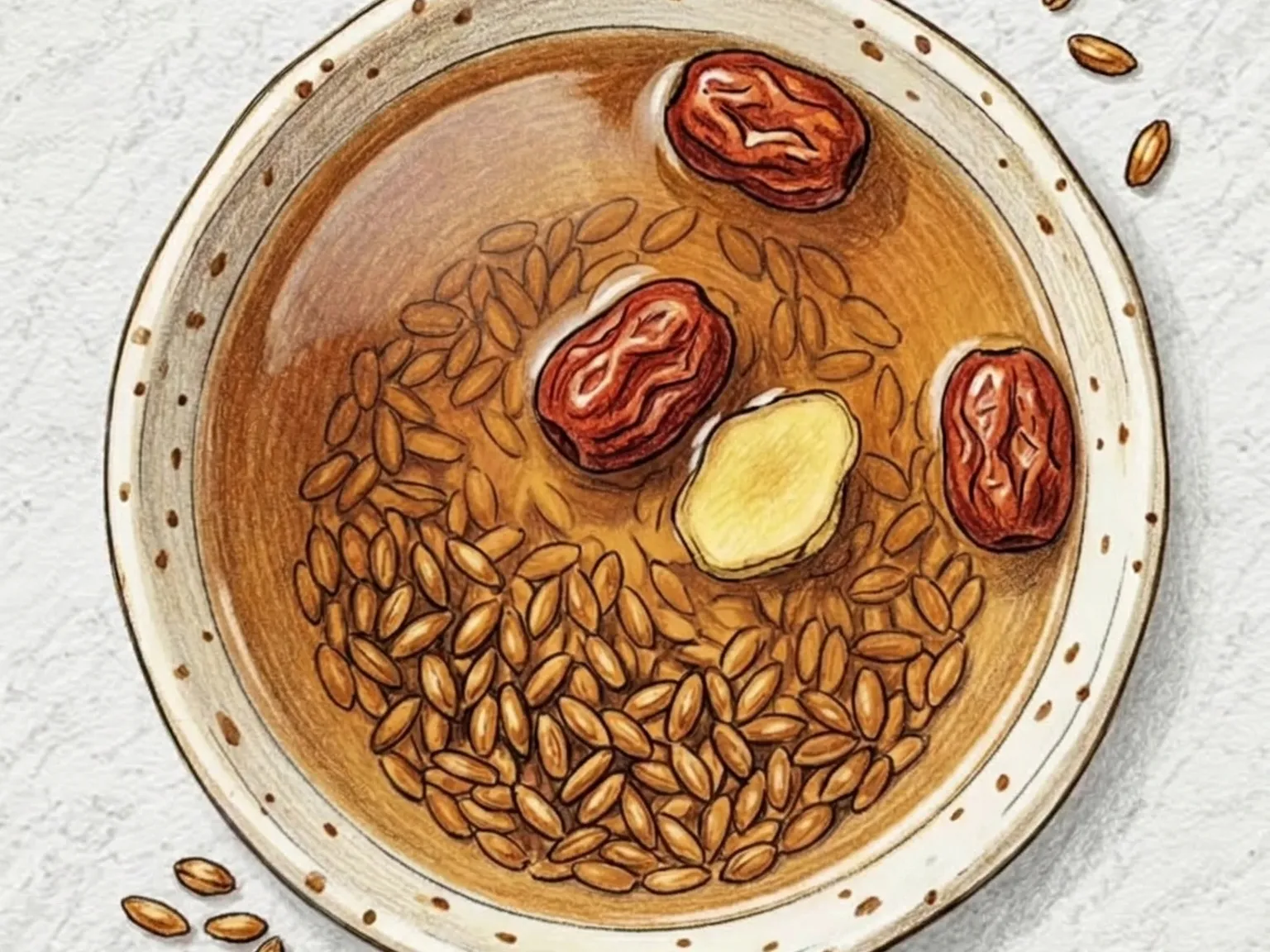
Yeonnip-cha is a Korean traditional tea brewed by simmering dried lotus leaf together with roasted brown rice, jujube, and ginger for fifteen minutes, then steeping covered for three more minutes to lock in the aroma. The fragrance of lotus leaf is understated and grassy, very different from the assertive herbal notes of Western tisanes, which makes it one of the more approachable traditional Korean teas for first-time drinkers. Roasted brown rice added to the pot contributes a toasty, nutty character that fills in the quiet gaps left by the lotus leaf and turns what might otherwise be a flat cup into something layered and satisfying. Jujube and ginger work together to sand down any rough vegetal edges and add a faint warmth and sweetness that carries through to the finish. Rice syrup can be stirred in to adjust sweetness, but only in small amounts, as too much drowns the delicate lotus fragrance that gives the tea its identity. Brewing time should be watched carefully; going beyond twenty minutes pulls out astringent tannins that make the tea bitter rather than clean. The tea contains no caffeine whatsoever, making it suitable before sleep or during pregnancy, and served cold over ice in summer it becomes a light, refreshing drink.

Three Cup Chicken (Taiwanese Soy Sesame Oil Rice Wine Braised Chicken)
San bei ji, or Three Cup Chicken, is a Taiwanese braise named for the equal measures of soy sauce, sesame oil, and rice wine that form its sauce. The cooking begins with toasted sesame oil in a clay pot, followed by thin slices of garlic and ginger fried until golden. Bone-in chicken pieces, seared to a light crust, join the pot along with the soy sauce and rice wine. As the liquid reduces over moderate heat, it thickens into a dark, glossy glaze that coats every piece of chicken. The final and defining step is a generous handful of Thai basil leaves stirred in just before serving - the residual heat wilts the leaves and releases a sharp, peppery aroma that lifts the rich sauce. The dish is served directly in the clay pot, still bubbling, and paired with plain steamed rice to soak up the concentrated sauce.

Singapore Chili Crab (Singaporean Whole Mud Crab in Sweet Spicy Sauce)
Singapore chili crab is a national dish built around whole mud crabs wok-fried in a thick, glossy sauce that balances sweet, sour, and spicy in every spoonful. The sauce is a mixture of ketchup, sambal, garlic, and sugar, brightened with rice vinegar and thickened at the end with beaten egg, which curdles into soft ribbons throughout the gravy. The crabs are cracked but not fully shelled, so diners must work for each piece of meat - prying open claws, sucking sauce from joints, and using the back of a spoon to scoop gravy-coated flesh from the body. Deep-fried mantou buns served alongside are the essential mop for the remaining sauce; no self-respecting plate leaves any behind. The eating is loud, messy, and communal, with stacks of napkins and finger bowls as standard table settings.

Soto Betawi (Jakarta Creamy Coconut Milk Beef Soup)
Soto Betawi is a Jakarta-born beef soup distinguished by its creamy, coconut-enriched broth and a layered spice profile. The aromatics begin with a paste of onion, garlic, and ginger, bloomed in oil alongside ground coriander and a cinnamon stick to build a warm, complex base. Beef brisket simmers in this fragrant liquid for forty minutes or more until it yields to the touch, its collagen enriching the stock. Coconut milk and fish sauce are stirred in toward the end, transforming the broth into something rich and velvety while rounding off the sharper spice edges. The finished soup is neither thin nor heavy-it sits in a satisfying middle ground, substantial enough to serve as a main course with steamed rice or crusty bread on the side. Soto Betawi is a point of pride for Jakarta's Betawi community and a fixture of the city's street-food landscape.

Suan Cai Yu (Sichuan Pickled Mustard Greens Fish Stew)
Suan cai yu is a Sichuan fish stew that draws its defining character from pickled mustard greens-fermented vegetables whose sharp acidity provides the tangy backbone of the dish. The cooking starts with chili oil, garlic, ginger, and dried chilies sizzled together to create a pungent, aromatic base. The rinsed pickled greens go in next, their sour bite mellowing slightly as they simmer in stock for ten minutes, releasing a complex fermented depth into the broth. Thin slices of white fish, lightly dusted with starch to protect their delicate texture, are added at the very end and cooked for only a few minutes so they remain silky and intact. The finished bowl is a study in contrasts: the broth is simultaneously sour from the pickled greens, spicy from the chili oil, and savory from the stock, while the fish offers a clean, mild counterpoint. It is a deeply satisfying dish that showcases Sichuan cuisine's mastery of bold, layered flavors.

Sesame Spicy Tantanmen (Chinese Creamy Sesame Chili Oil Noodle Soup)
Tantanmen is a noodle soup of Chinese origin that is defined by the combination of a creamy sesame-based broth and the sharp heat of chili oil. This pairing creates a bowl of noodles that features nutty, spicy, and savory characteristics all at once. The preparation of the broth starts with a base of chicken stock. To this base, sesame paste is added and whisked thoroughly until it has fully dissolved into the liquid. The result of this process is a thick, tan-colored soup base that emits a prominent fragrance of roasted nuts. The meat topping for the dish is prepared separately by frying ground pork with minced garlic and fresh ginger. During this cooking process, doubanjiang, which is a paste made from fermented chili beans, is stirred into the pork to add saltiness and depth. The meat is cooked until it is well-browned and has a crumbly consistency, after which it is spooned over the noodles to provide a rich component to the final assembly. To balance the density of the broth, bok choy is blanched and added to the bowl, offering a crisp and vegetal element that provides a contrast to the liquid. Just before serving, a final drizzle of chili oil is applied to the surface of the soup, where it gathers in small pools and releases its aroma with the heat. The noodles are generally cooked until they are just short of being fully done, which allows them to maintain a firm and chewy texture while they remain submerged in the hot liquid. Each individual ingredient, from the sesame and chili to the fermented beans and pork, contributes its own specific layer of flavor. As these different elements gradually merge together in the bowl, the taste of the soup continues to develop and change while the meal is consumed slowly.

Teriyaki Chicken
Teriyaki chicken is a Japanese dish of pan-seared chicken thighs glazed in a sweet-savory sauce made from soy sauce, mirin, sugar, and sake. The cooking begins skin-side down, pressing the chicken firmly against the pan to render the fat and crisp the skin to a deep golden color. Once flipped, the teriyaki sauce is poured in and the heat is lowered so the liquid reduces slowly, coating the chicken in a glossy, caramelized lacquer. Garlic and ginger, minced and added to the sauce, contribute a warm aromatic undercurrent that prevents the sweetness from becoming one-dimensional. As the sauce thickens, it clings to every surface of the chicken, creating a sticky, burnished exterior that contrasts with the moist meat beneath. The dish comes together in under thirty minutes and pairs equally well over steamed rice, alongside a green salad, or sliced into a bento box.

Tinola (Filipino Ginger Chicken Soup with Green Papaya)
Tinola is a Filipino home-style chicken soup defined by its prominent ginger character and its clear, light broth. The aromatic base is built by sauteing julienned ginger, sliced garlic, and onion in a little oil until fragrant, then adding chicken pieces and cooking them until the surfaces turn opaque. Fish sauce goes in next, providing a salty depth that anchors the broth, followed by a generous pour of water. The chicken simmers until fully tender, at which point wedges of green papaya are added-their mild sweetness and yielding texture complementing the peppery warmth of the ginger. Spinach or other leafy greens are stirred in at the very end, wilting in the residual heat and adding a fresh, verdant note to the bowl. The finished soup is remarkably clean in flavor despite its depth, with the ginger threading through every spoonful as a persistent, warming presence. In Filipino households, tinola occupies the same comforting role that chicken noodle soup holds elsewhere-it is the first dish prepared when someone is unwell or in need of nourishment.

Classic Tonkotsu Ramen (Pork Bone Milky Broth Noodles)
Tonkotsu ramen is the iconic pork bone noodle soup from Kyushu, Japan, most closely associated with the city of Hakata. Pork back bones and trotters are boiled vigorously for eight hours or more, a sustained rolling boil that breaks down collagen and fat into a milky, opaque emulsion. The resulting broth has a rich, almost gelatinous body that coats the lips with each sip. Thin, firm noodles specific to the Hakata style hold up against this heavy broth, absorbing just enough flavor while maintaining a springy chew. Chashu pork belly, braised separately in soy sauce and mirin, drapes across the top alongside a marinated soft-boiled egg with a jammy yolk.

Xiaolongbao (Shanghai Pork Soup Dumplings)
Xiaolongbao are Shanghai-style soup dumplings in which a thin wheat wrapper encloses both a pork filling and a measure of hot broth. The liquid inside starts as a firm pork aspic - gelatinized stock cut into small pieces and mixed with seasoned ground pork. When steamed in bamboo baskets, the gelatin melts back into soup, pressurizing the wrapper from within. The dough is rolled thin enough to be almost translucent yet strong enough to hold the liquid without tearing. Eating them properly requires care: each dumpling is lifted onto a spoon, a small hole is bitten in the skin, and the broth is sipped before the filling is consumed. A dipping sauce of black vinegar and shredded ginger accompanies each basket.

Yuzu Karaage (Japanese Citrus-Marinated Fried Chicken)
Yuzu karaage is a citrus-accented variation of Japanese fried chicken that incorporates yuzu into the traditional soy-ginger marinade. Boneless chicken thighs are marinated in soy sauce, cooking sake, garlic, ginger, and yuzu marmalade, which infuses the meat with a floral citrus fragrance distinct from lemon or lime. After marinating, the pieces are coated in potato starch and deep-fried until the exterior turns shatteringly crisp while the inside stays moist and well-seasoned. The yuzu adds a bright, aromatic acidity that lifts the richness of the fried coating and dark soy marinade, giving each bite a clean finish rather than a heavy aftertaste.

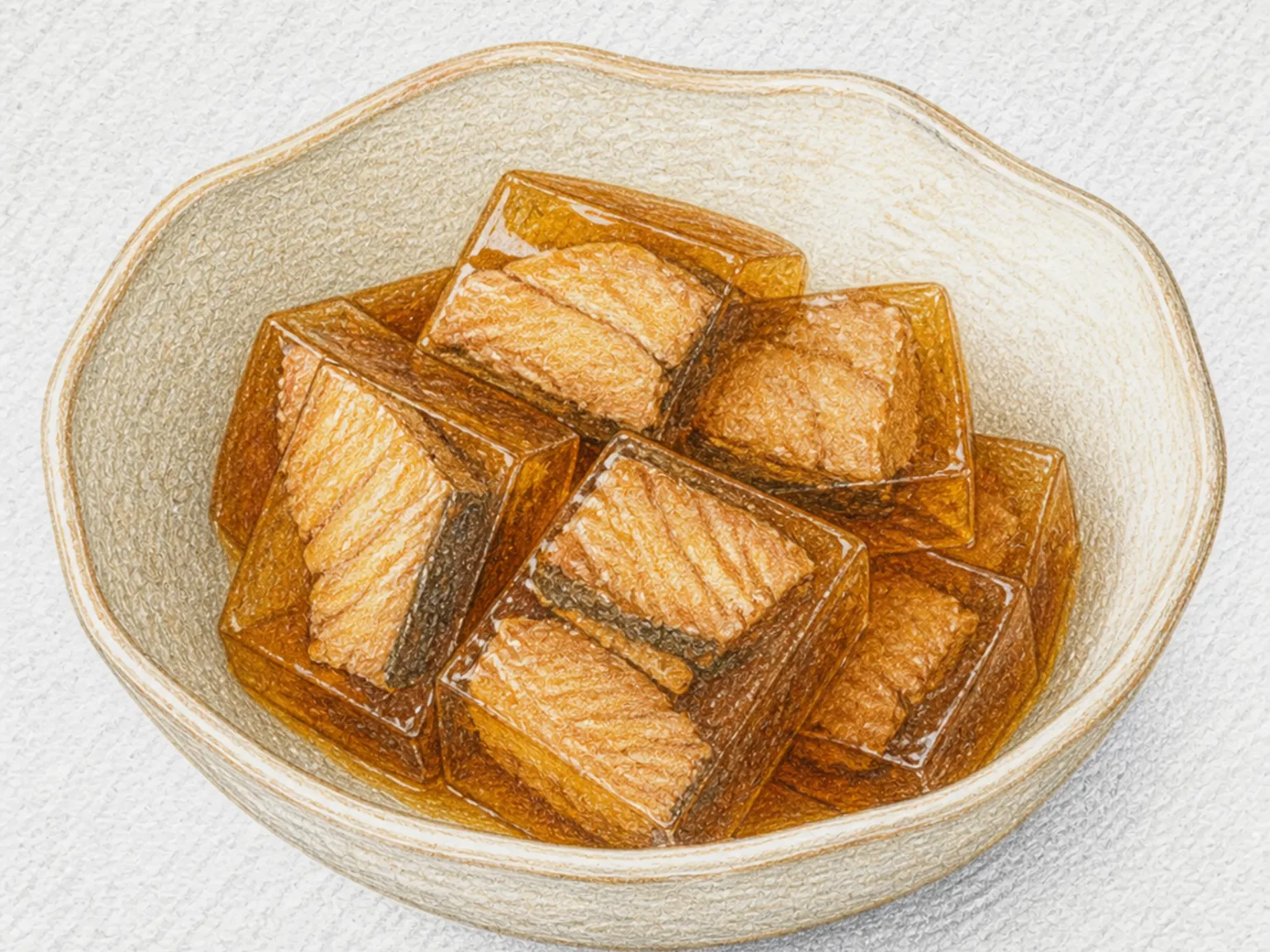
Japanese Braised Pork Belly
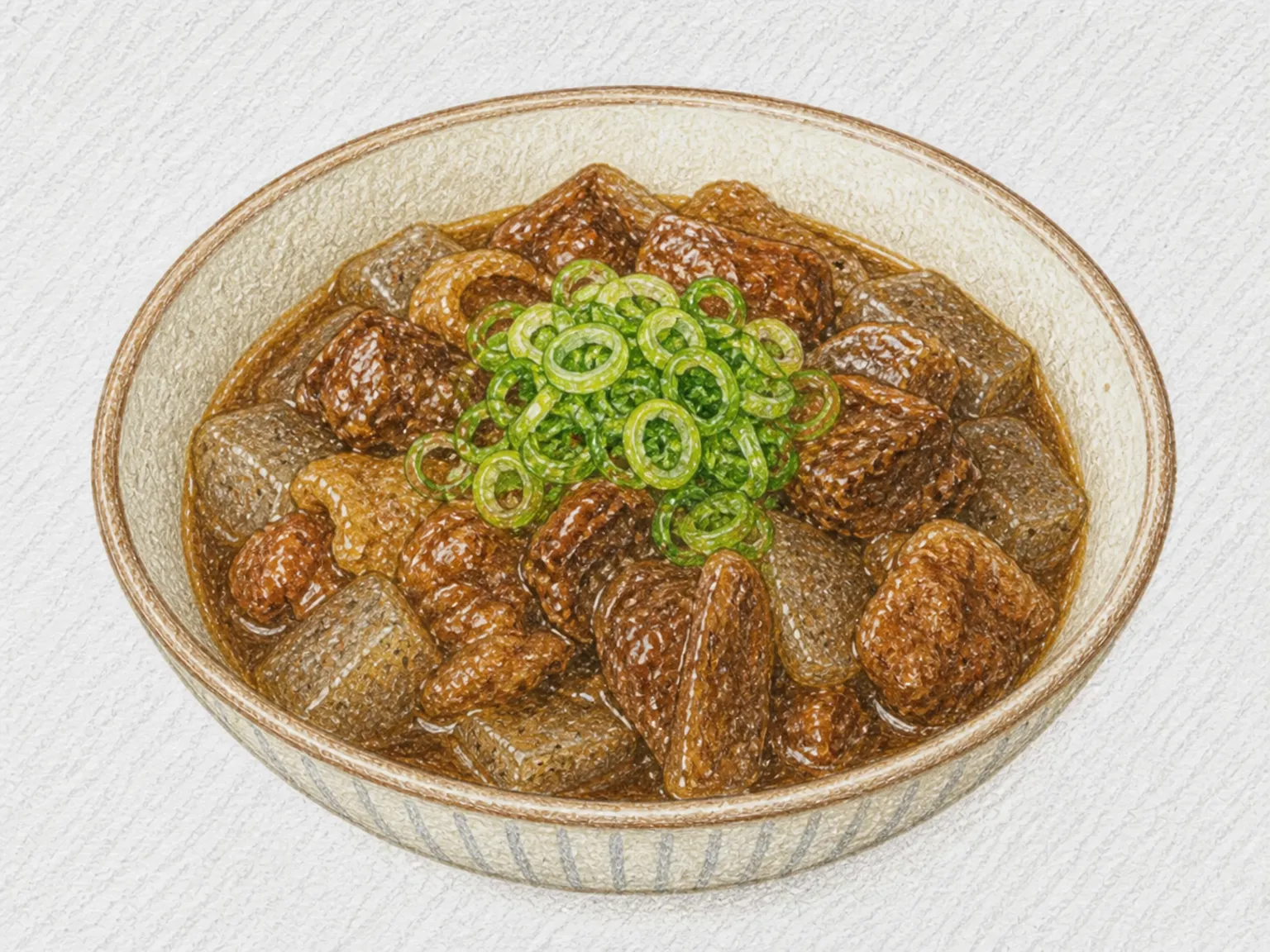
Kakuni is a Japanese braised pork belly in which thick slabs are simmered for two hours or more in soy sauce, mirin, sake, and ginger over the lowest possible heat. The fat layers slowly render into the surrounding meat, breaking down collagen until the pork yields completely to the faintest pressure of chopsticks. Mirin adds a mild sweetness that glazes the surface, while ginger neutralizes any gamey notes, keeping the flavor clean despite the extended cooking time. The reduced braising liquid coats each piece in a deep caramel-colored lacquer, which is one of the dish's defining visual qualities. Served over steamed rice with a spoonful of cooking liquid poured over, or paired with a small dab of hot Japanese mustard to contrast the sweet and salty glaze, kakuni is one of the most satisfying expressions of low-and-slow pork cookery.

Korean Soy-Glazed Chicken Stir-Fry
Chicken thigh meat stir-fries in soy sauce, sugar, and oligosaccharide syrup for a sweet-salty glaze. Garlic and ginger go into the oil first to infuse the fat with fragrance before the chicken is added, letting the aromatics penetrate deep into the meat as it cooks. The oligosaccharide heats into a tacky gloss that coats each piece evenly as the liquid reduces. Sesame oil and whole sesame seeds scattered over the top at the end bring a nutty, aromatic finish. The flavor profile runs close to Japanese teriyaki, but the heavier use of garlic and ginger pushes it toward the more direct, punchy spice character typical of Korean cooking. Boneless thighs cut into bite-sized pieces cook more evenly than larger pieces, and keeping the heat high through most of the cook ensures the surface caramelizes without turning rubbery.

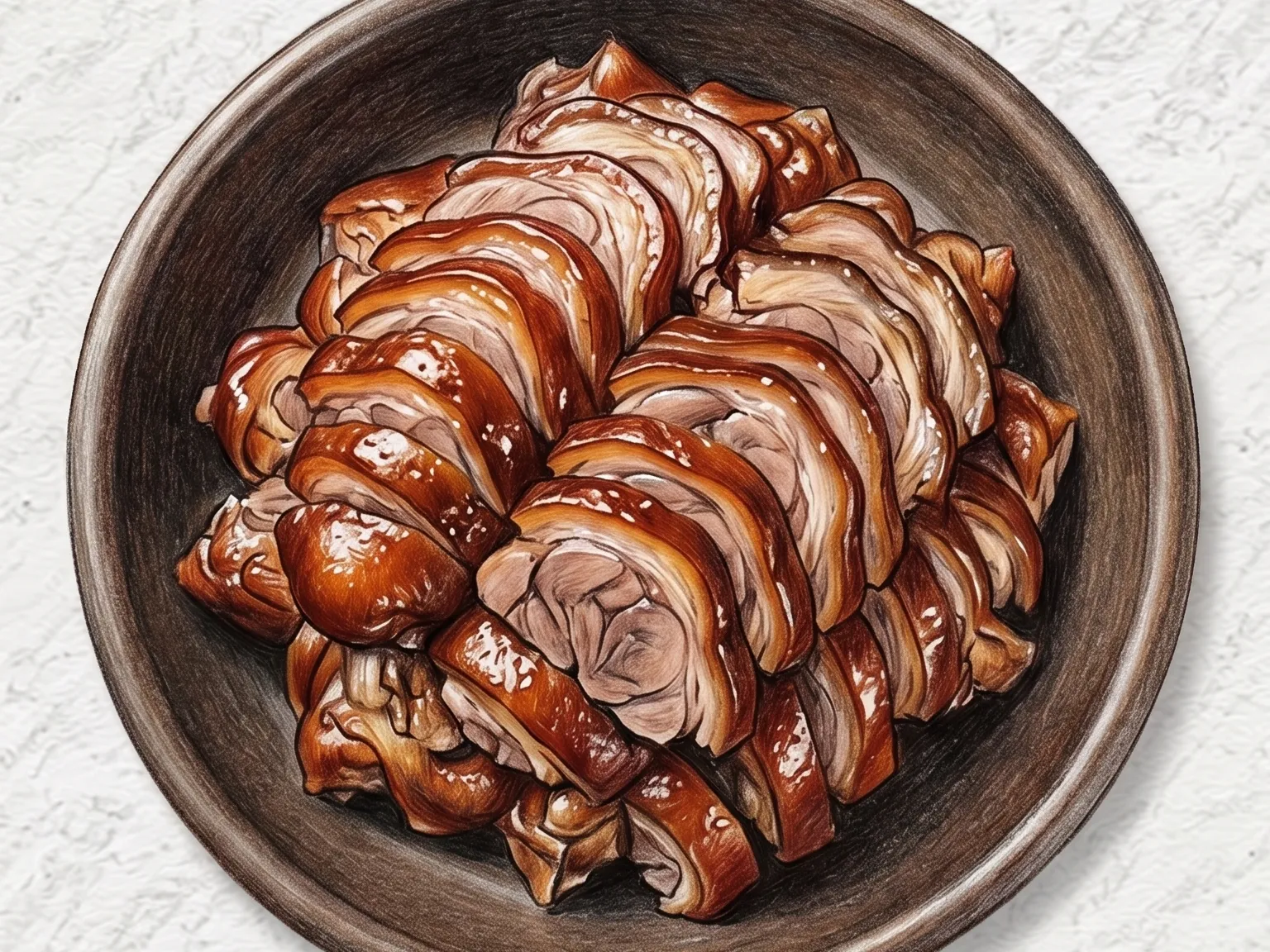
Korean Pressed Boiled Pork Slices
Pyeonyuk is a Korean chilled pork dish made by boiling pork shank with garlic, ginger, green onion, whole peppercorns, and salt for nearly an hour, then wrapping the meat tightly and refrigerating it until firm. The aromatics in the cooking water neutralize off-flavors from the pork, and the salt seasons the meat evenly throughout during the long simmer. Slicing after thorough chilling produces neat, thin pieces with a uniform grain, and the cold temperature sharpens the meat's clean, lean flavor in a way that serving it warm cannot replicate. Traditionally served with salted shrimp or anchovy paste for dipping, pyeonyuk is a staple on Korean holiday tables and a common appetizer when hosting guests. Wrapping the pork tightly while it is still hot is essential so that the shape sets as it cools, and refrigerating for at least two hours before slicing prevents the meat from crumbling under the knife.

Taiwanese Beef Noodle Soup
Taiwanese beef noodle soup slow-braises beef brisket in a soy-based broth seasoned with doubanjiang, star anise, cinnamon, and Sichuan peppercorns. The minimum 90-minute simmer renders the meat fork-tender while building a deeply layered broth. Thick wheat noodles are served in the finished broth, soaking up its concentrated flavor. Spice level is adjustable by varying the amount of doubanjiang. Common garnishes include pickled mustard greens and blanched bok choy, adding brightness to the rich bowl.

Yu Xiang Eggplant (Sichuan Spicy Garlic Pork Eggplant)
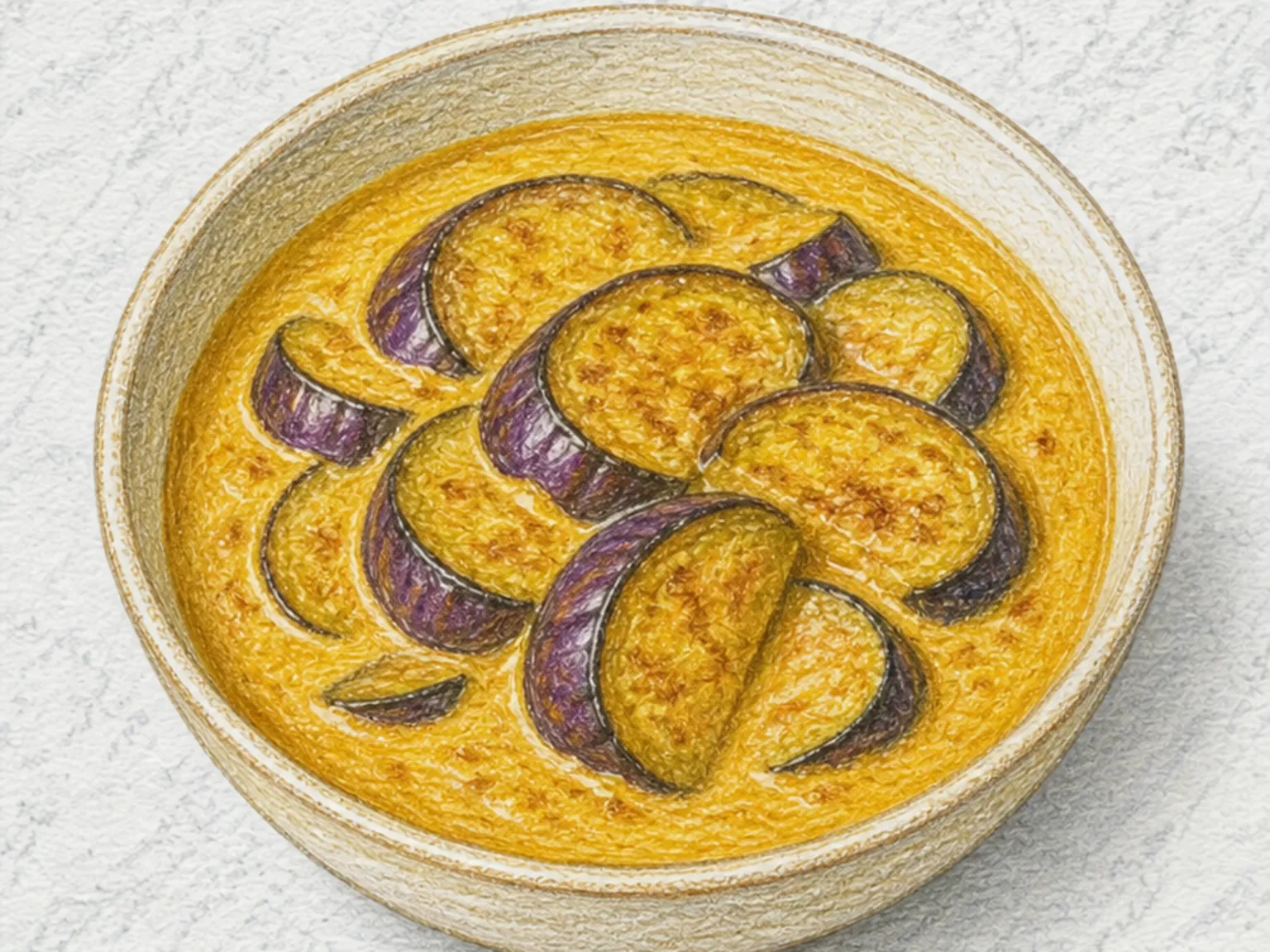
Yu Xiang Qiezi is a Sichuan-style eggplant stir-fry with ground pork, doubanjiang, black vinegar, and sugar. The eggplant is pre-fried to firm it up so it holds its shape in the sauce, while the pork and doubanjiang create a spicy, aromatic oil base. Soy sauce, vinegar, and sugar layer sweet and sour notes over the heat, producing the characteristic Yu Xiang flavor profile. Garlic and ginger add fragrance, and the eggplant absorbs the sauce deeply so every bite releases a concentrated burst of seasoning.

Korean Braised Gizzard Shad
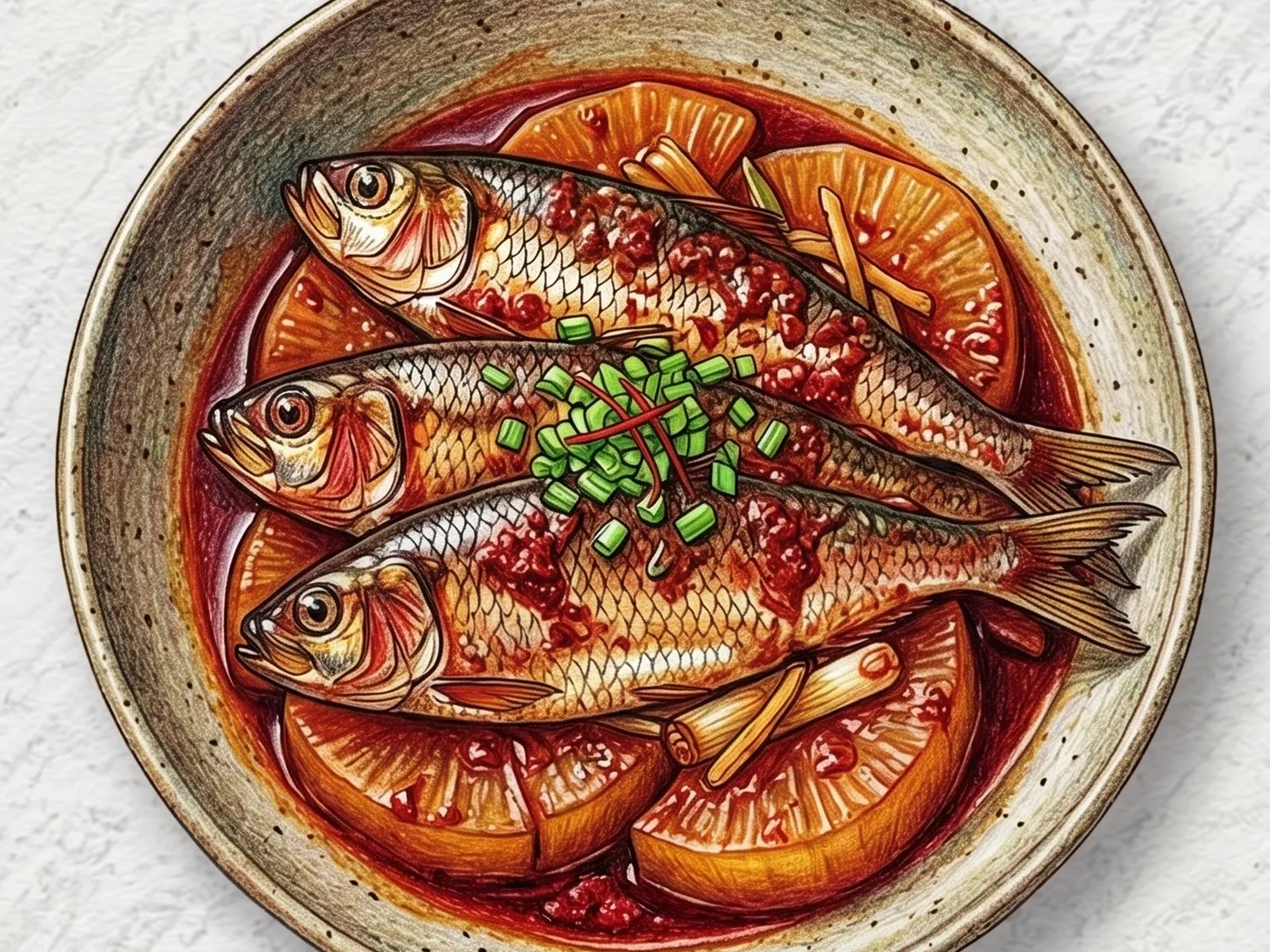
Jeoneo-jjim is a braised gizzard shad dish in which the fish and Korean radish are slowly cooked together in a soy sauce and gochugaru seasoning, making it a dish best suited to autumn when the fish carries its peak fat. Radish slices line the bottom of the pot and serve a dual purpose: they act as a natural buffer that absorbs fishiness rising from the heat, and they soak up the braising liquid as they soften, turning sweet and deeply flavored by the end of cooking. The gizzard shad's characteristic fatty richness pairs well with the bold chili and garlic seasoning, and ginger threads through the entire preparation to neutralize any remaining off-notes and leave the flavor clean. Autumn-caught fish are fattier and remain moist even after extended braising, which makes them far preferable to fish taken at other times of year. Green onion is scattered on top at the finish for fragrance, and the intensified, reduced braising sauce left in the pot is traditionally ladled over steamed rice as a condiment in its own right.

Korean Pork Rib Perilla Leaf Stew
Pork back ribs and perilla leaves come together in this full-flavored, chili-seasoned jjigae. The ribs are simmered first to render a rich, collagen-heavy broth, and then potatoes and onion are added to give the liquid body and natural sweetness. Gochugaru and soup soy sauce establish the spicy base. Fresh perilla leaves are added just before the heat is turned off so their herbal fragrance stays intact, since prolonged boiling drives the aroma away. A touch of ginger keeps the pork flavor clean while the collagen-rich broth from the ribs provides substantial body. Picking the meat off the bone at the table is part of the experience, making this a natural fit for late autumn meals or as a communal drinking accompaniment.